Article

Effect of Dose Rate on Tribological Properties of 8Cr4Mo4V Subjected to Plasma Immersion Ion Implantation


1
State Key Laboratory of Advanced Welding and Joining, Harbin Institute of Technology, Harbin 150001, China
2
School of Materials Science and Engineering, Harbin Institute of Technology, Harbin 150001, China
3
AECC Harbin Bearing Co., Ltd., Harbin 150001, China
4
MIIT Key Laboratory of Aerospace Bearing Technology and Equipment, Harbin Institute of Technology, Harbin 150001, China
*
Authors to whom correspondence should be addressed.
Processes 2024, 12(1), 190; https://doi.org/10.3390/pr12010190
Submission received: 9 November 2023 / Revised: 25 December 2023 / Accepted: 6 January 2024 / Published: 15 January 2024
(This article belongs to the Section Materials Processes)

Abstract

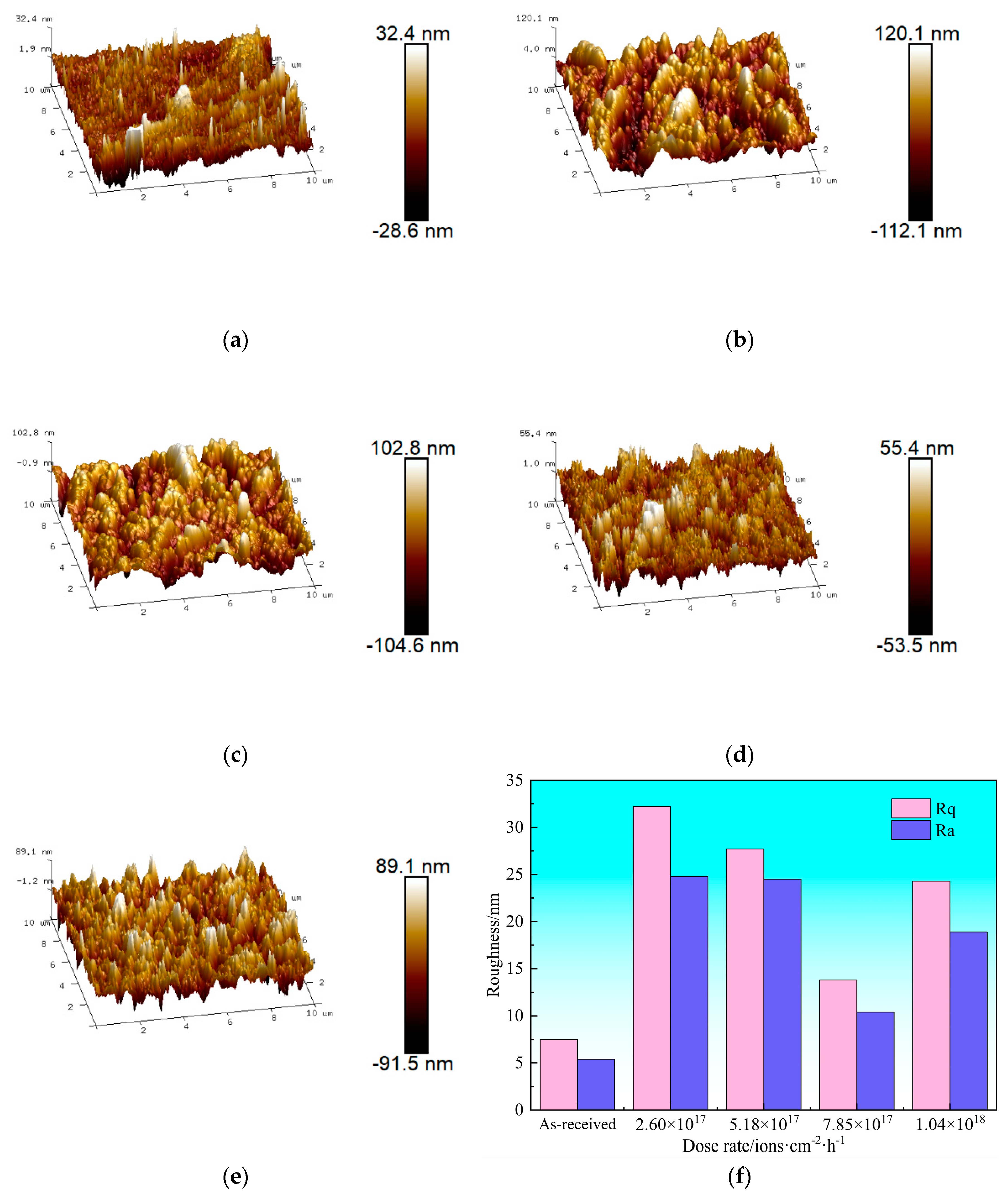
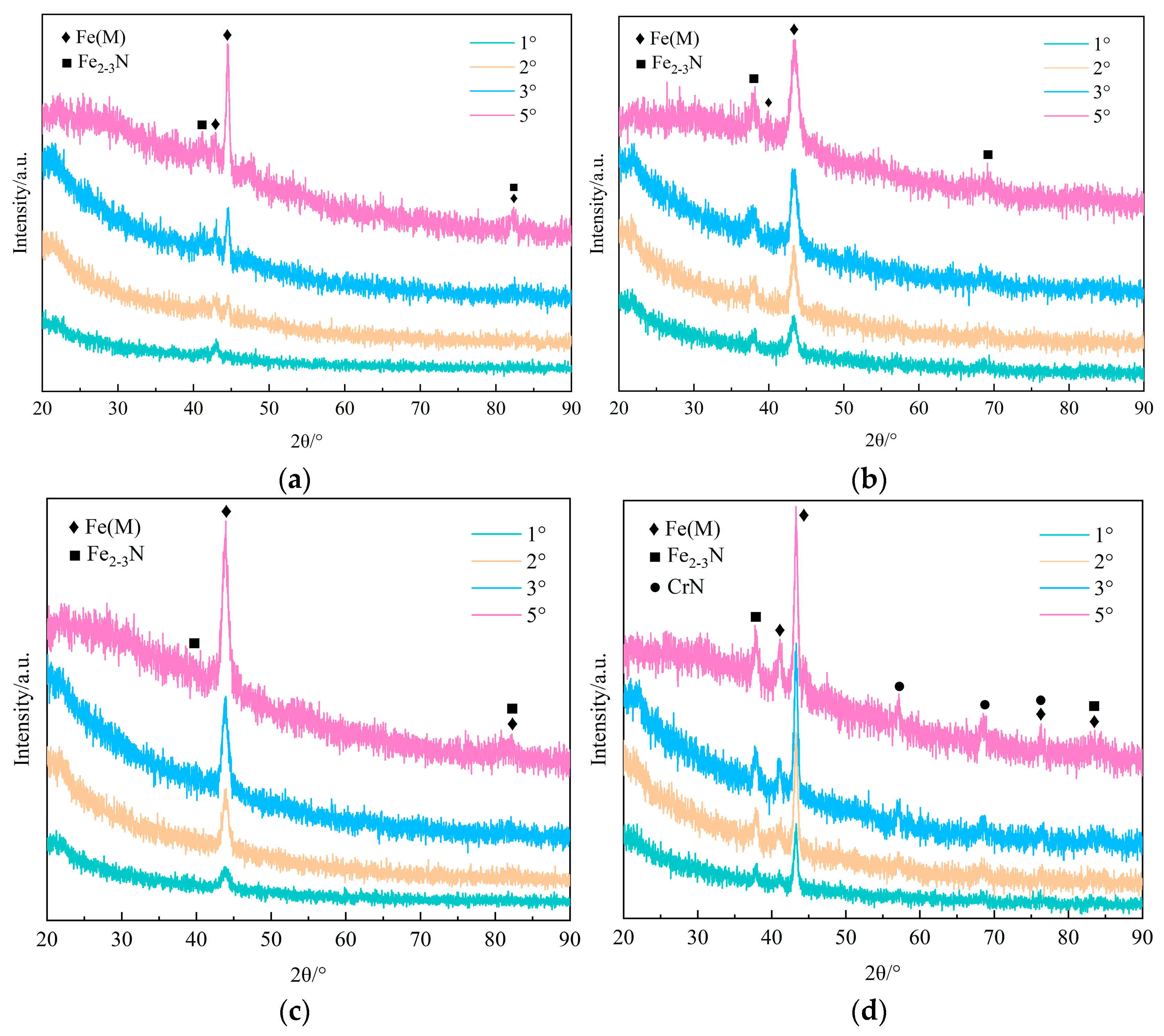
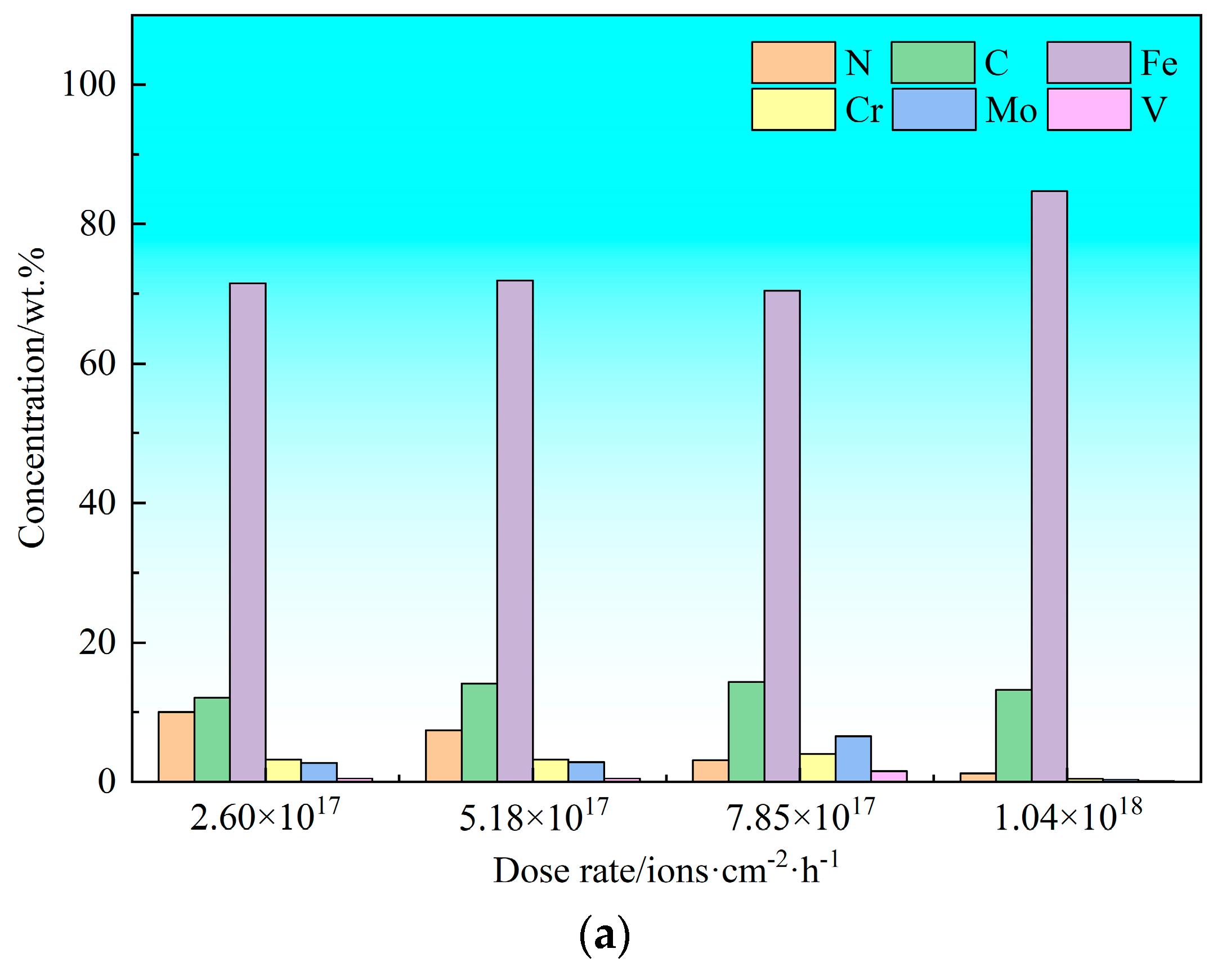
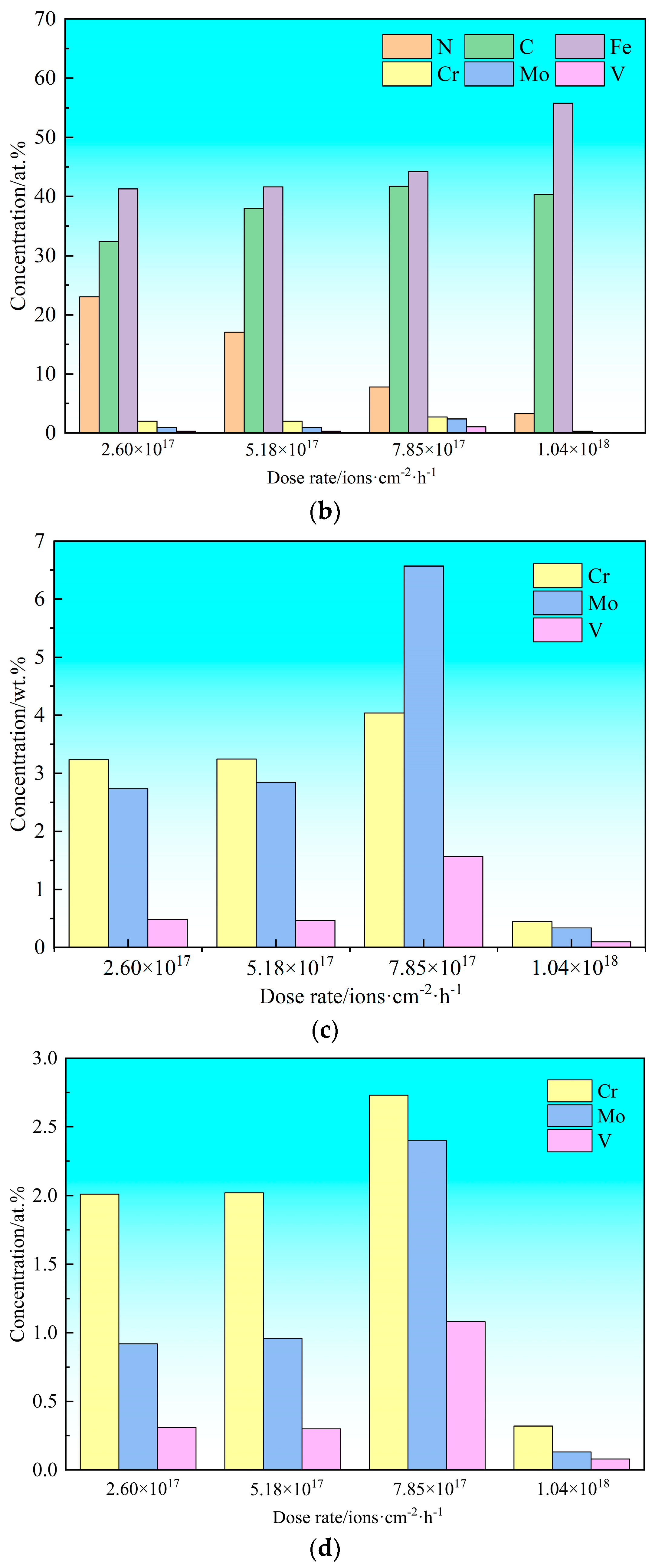
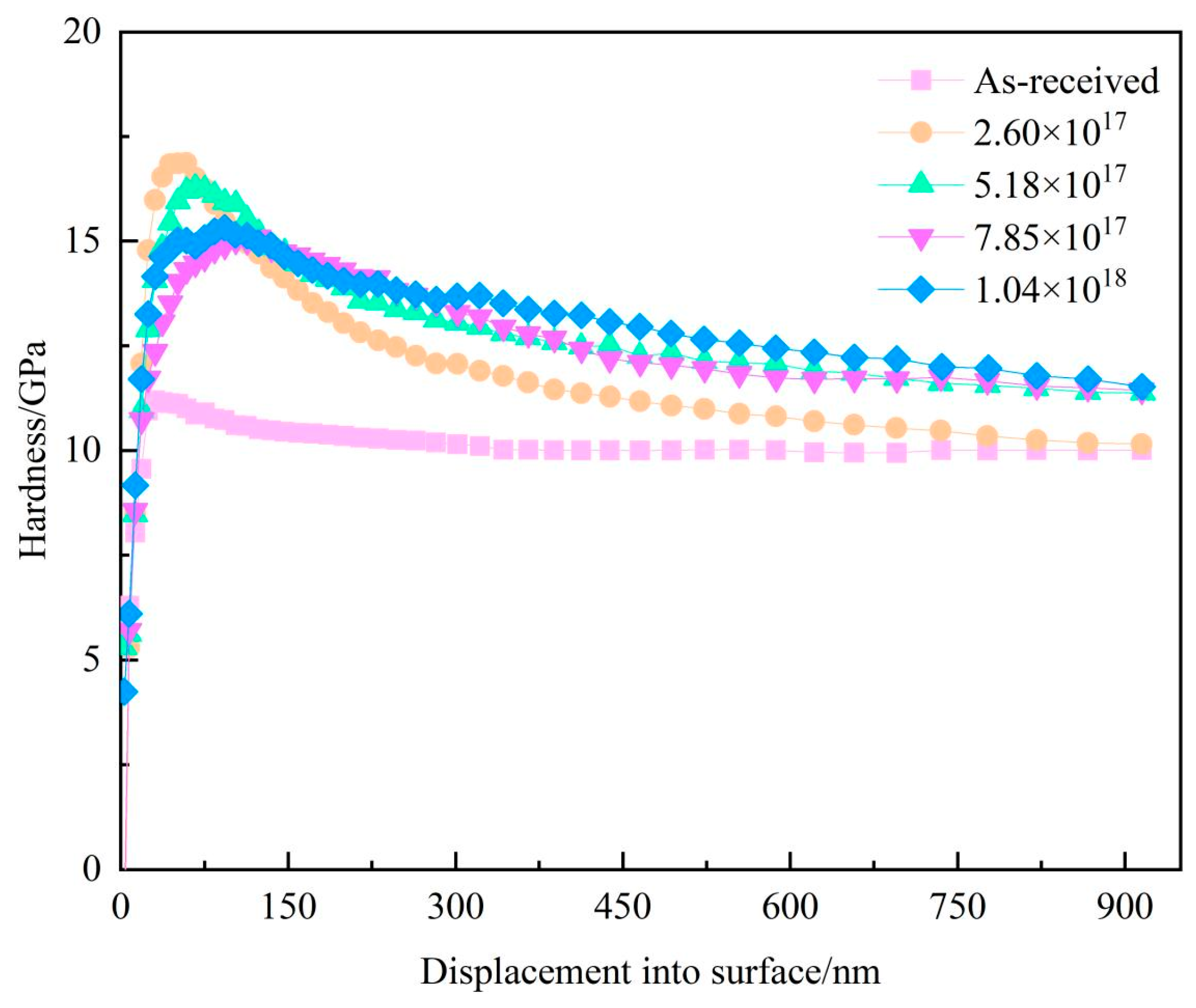
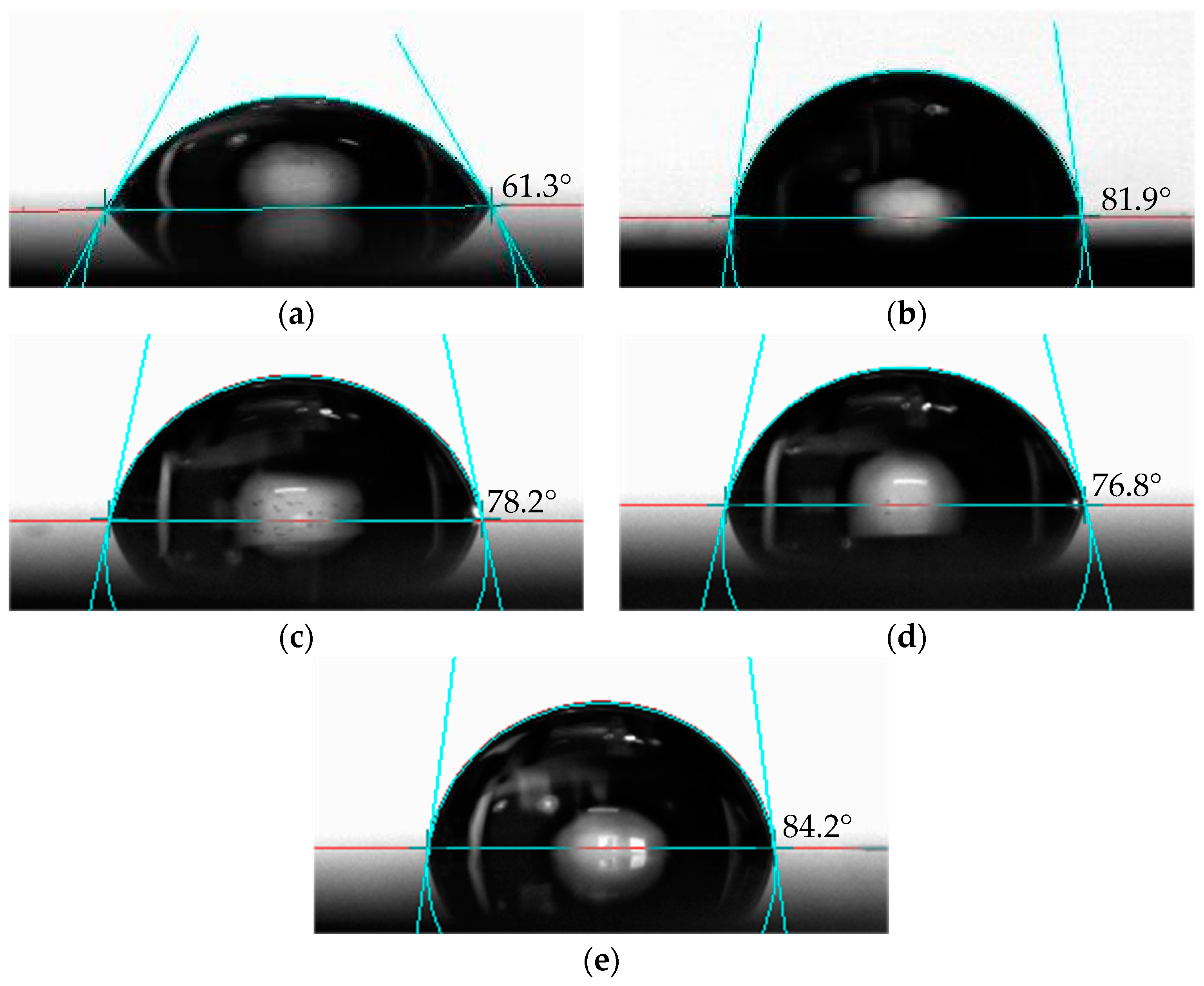
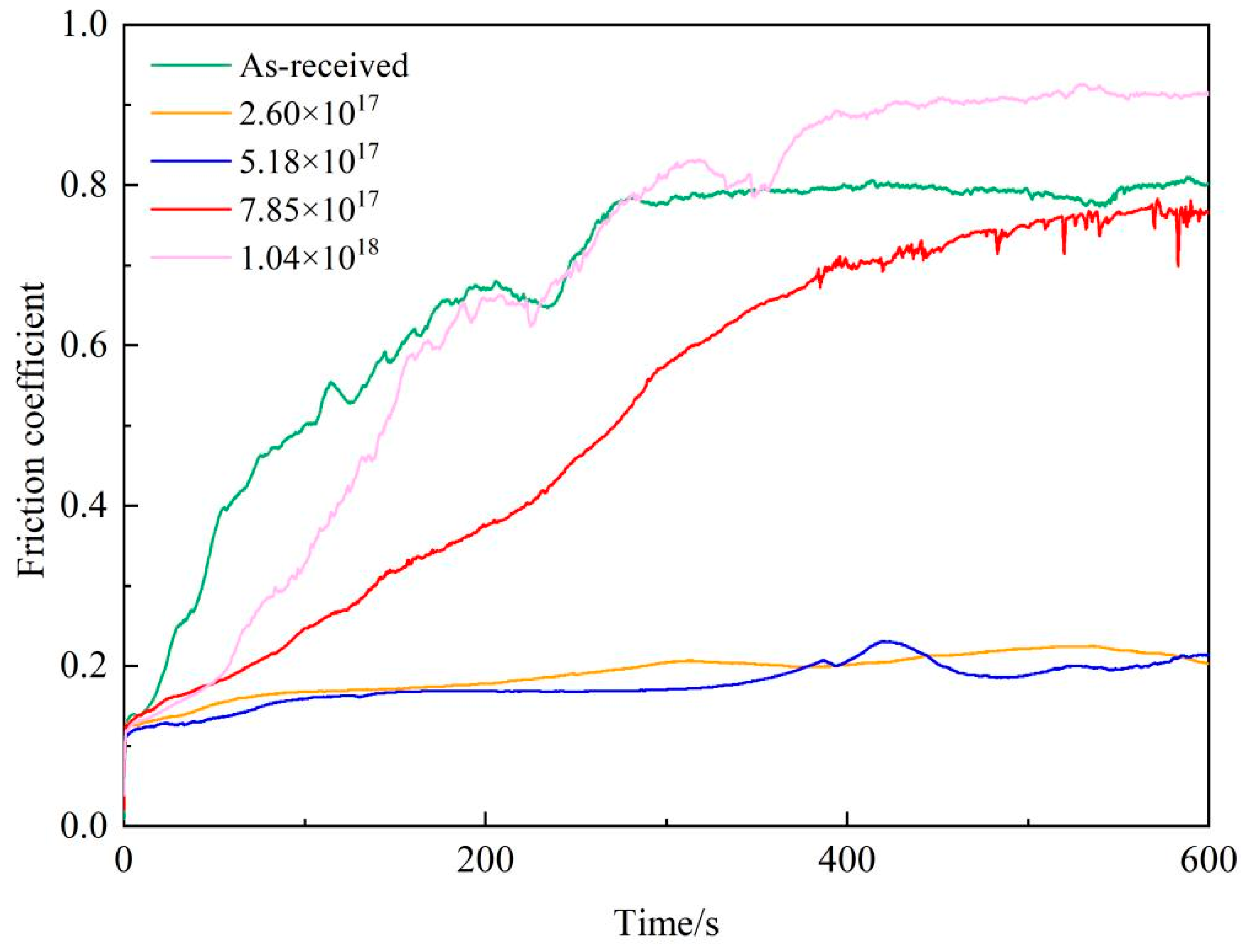
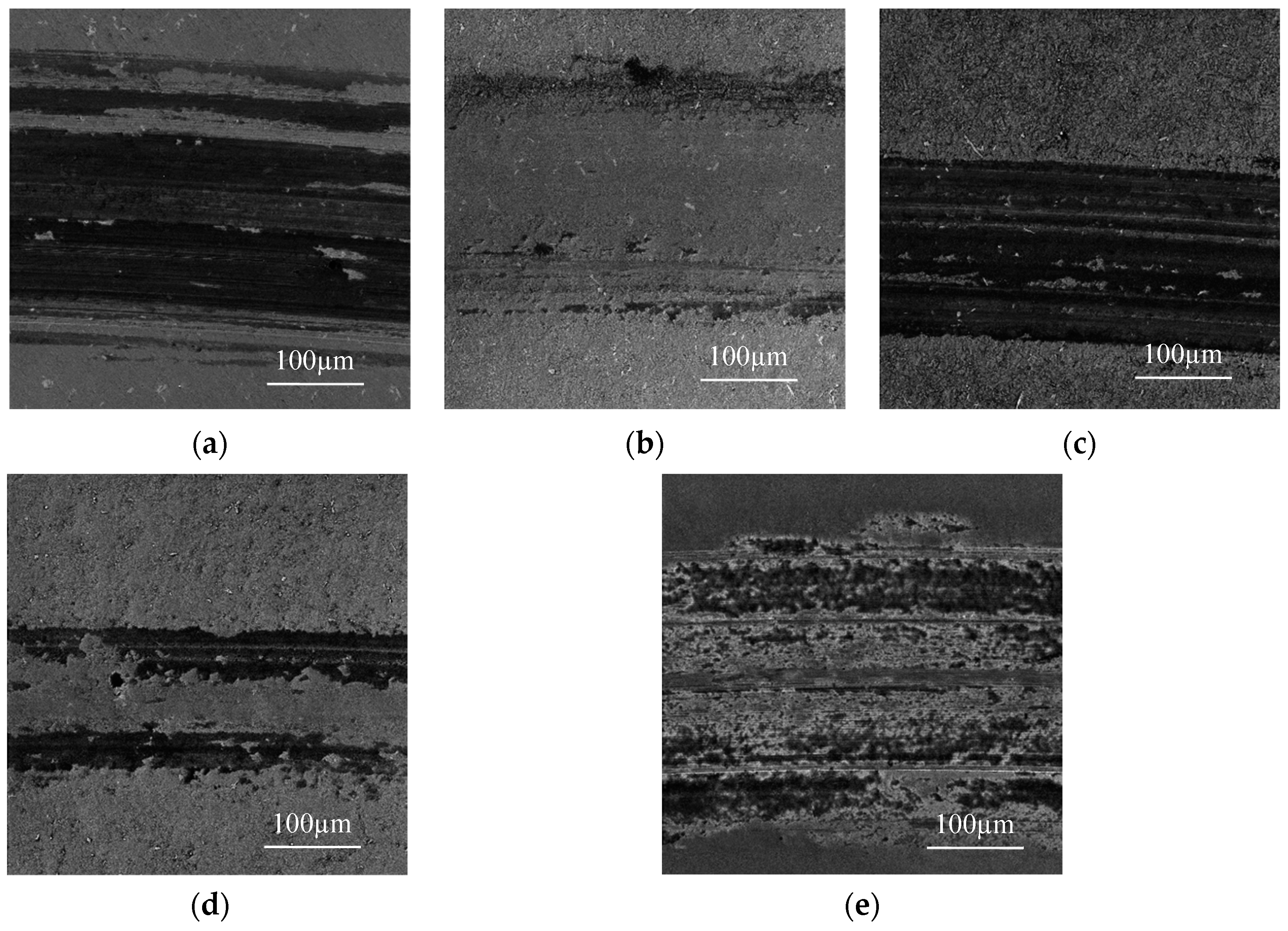
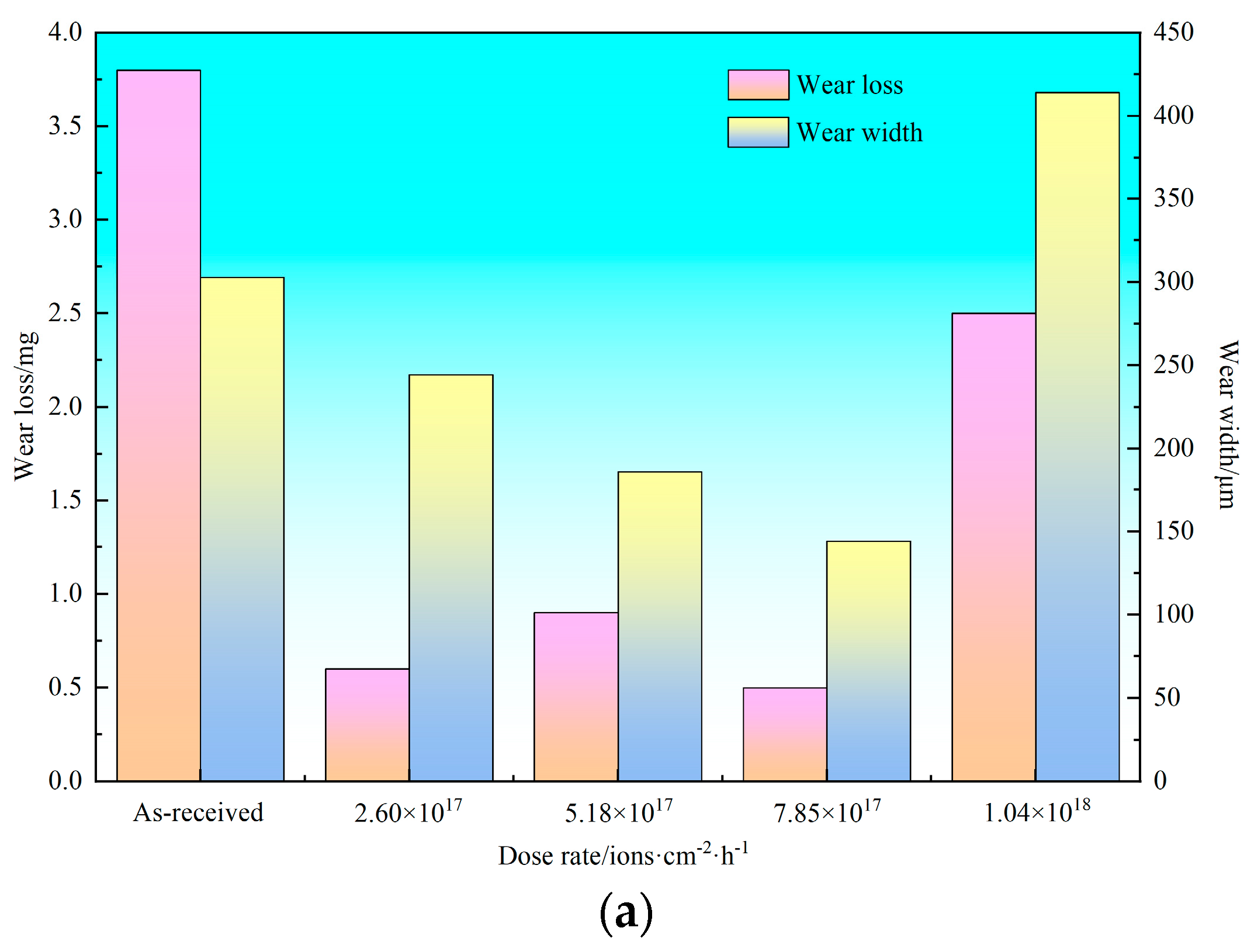
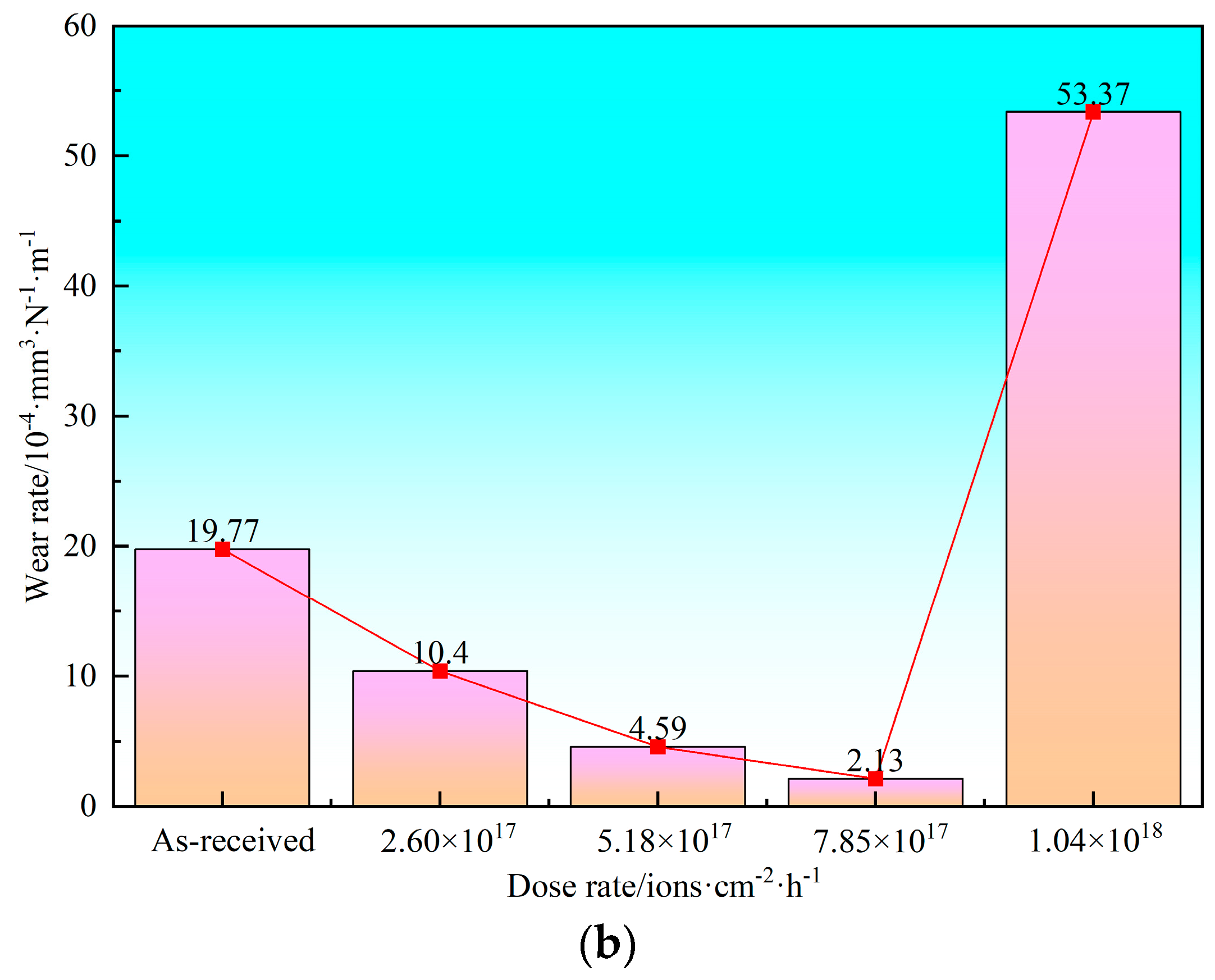
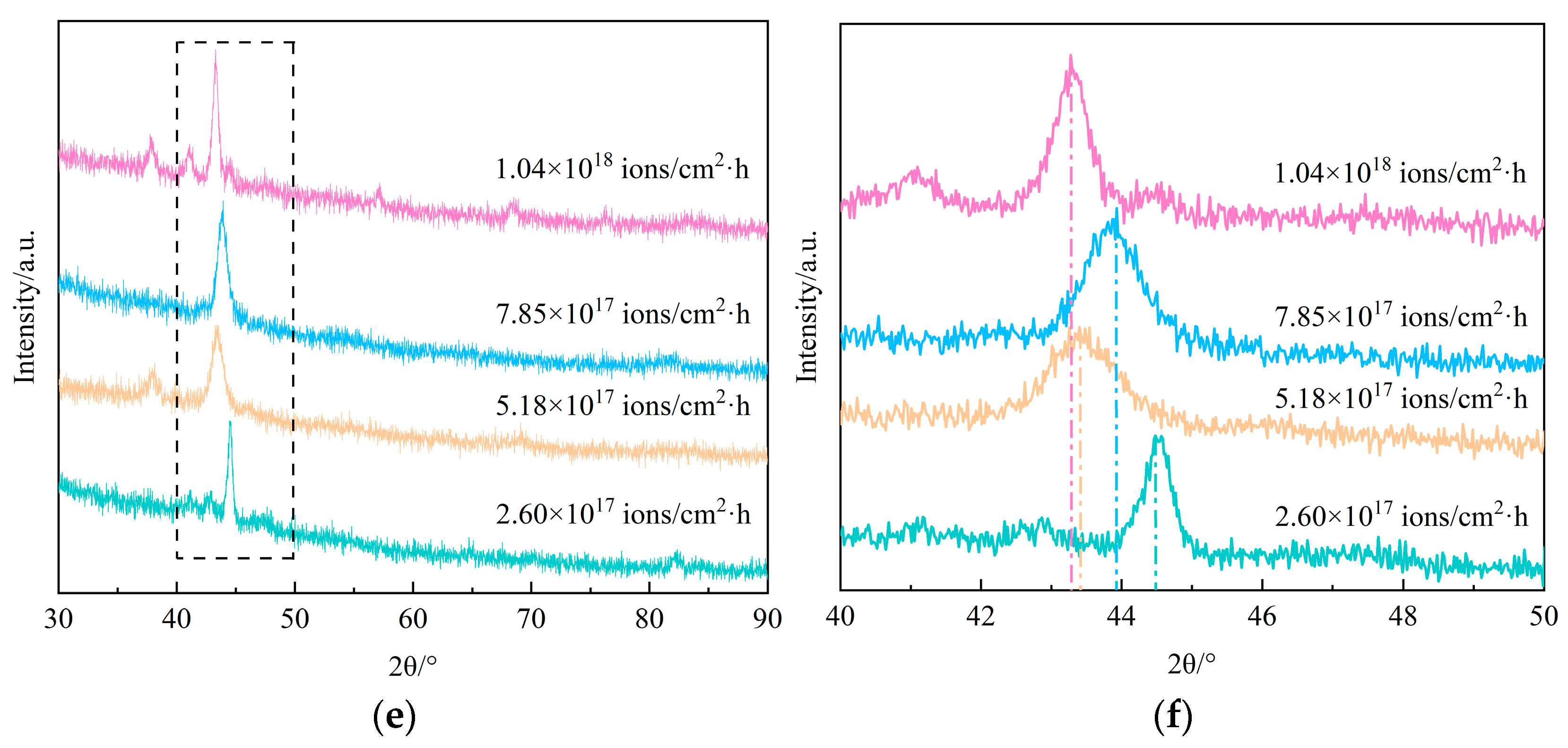
The lack of service lifetime of bearings has become a bottleneck that restricts the performance of aero engines. How to solve or improve this problem is the focus of most surface engineering researchers at present. In this study, plasma immersion ion implantation was conducted; in order to enhance the ion implantation efficiency and improve the wear resistance of 8Cr4Mo4V bearing steel, the dose-rate-enhanced method was adopted during ion implantation. The surface roughness, phase constituents, elemental concentration, hardness, contact angle and wear resistance of samples after ion implantation was determined by atomic force microscopy (AFM), grazing incidence X-ray diffraction (GIXRD), elemental dispersive spectroscopy (EDS), X-ray diffraction, nanoindentation tester, universal friction and wear tester, etc. The results showed that the high-dose-rate method had a significant enhancement influence on ion implantation efficiency. At the dose rate of 2.60 × 10¹⁷ ions/cm2·h, the roughness of Ra decreases from 24.8 nm to 10.4 nm, which is decreased by 58.1% for the dose rate of 7.85 × 10¹⁷ ions/cm2·h. XRD confirmed that the implanted samples consisted of the Fe(M) and Fe2–3N phase and CrN which depends on the implantation dose rate. Meanwhile, the surface hardness was improved from 11.1 GPa to 16.9 GPa and enlarged the hardened region; more valuably, the surface state of samples via high-dose-rate implantation exhibits hydrophobicity with high roughness which is able to store debris and decrease the abrasive wear during testing; thereby, the wear resistance was greatly enhanced by high-dose-rate plasma immersion ion implantation.
Keywords: 8Cr4Mo4V steel; nitrogen ion implantation; plasma immersion ion implantation; dose-rate; wear resistance 8Cr4Mo4V steel; nitrogen ion implantation; plasma immersion ion implantation; dose-rate; wear resistance