Article

Chitosan Glutaraldegyde Cryogels for Wastewater Treatment and Extraction of Silver Nanoparticles


by
Dmitriy Berillo
1,2,* and
Aknazar Arysbek
3
1
School of Applied Sciences, University of Brighton, Huxley Building, Lewes Road, Brighton BN2 4GJ, UK
2
Department of Chemistry and Chemical Engineering, Institute of Chemical and Biological Technologies (IHBT), Satbayev University, Almaty 050013, Kazakhstan
3
Tufts University, 419 Boston Ave, Medford, MA 02155, USA
*
Author to whom correspondence should be addressed.
Processes 2023, 11(6), 1661; https://doi.org/10.3390/pr11061661
Submission received: 25 April 2023 / Revised: 19 May 2023 / Accepted: 22 May 2023 / Published: 30 May 2023

Abstract

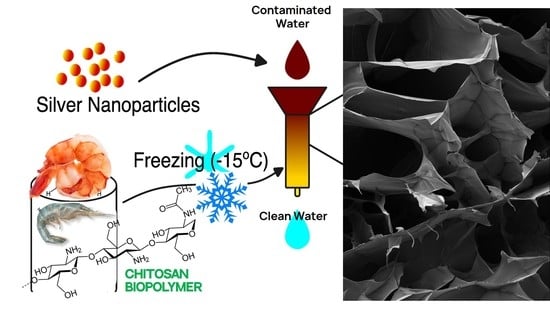
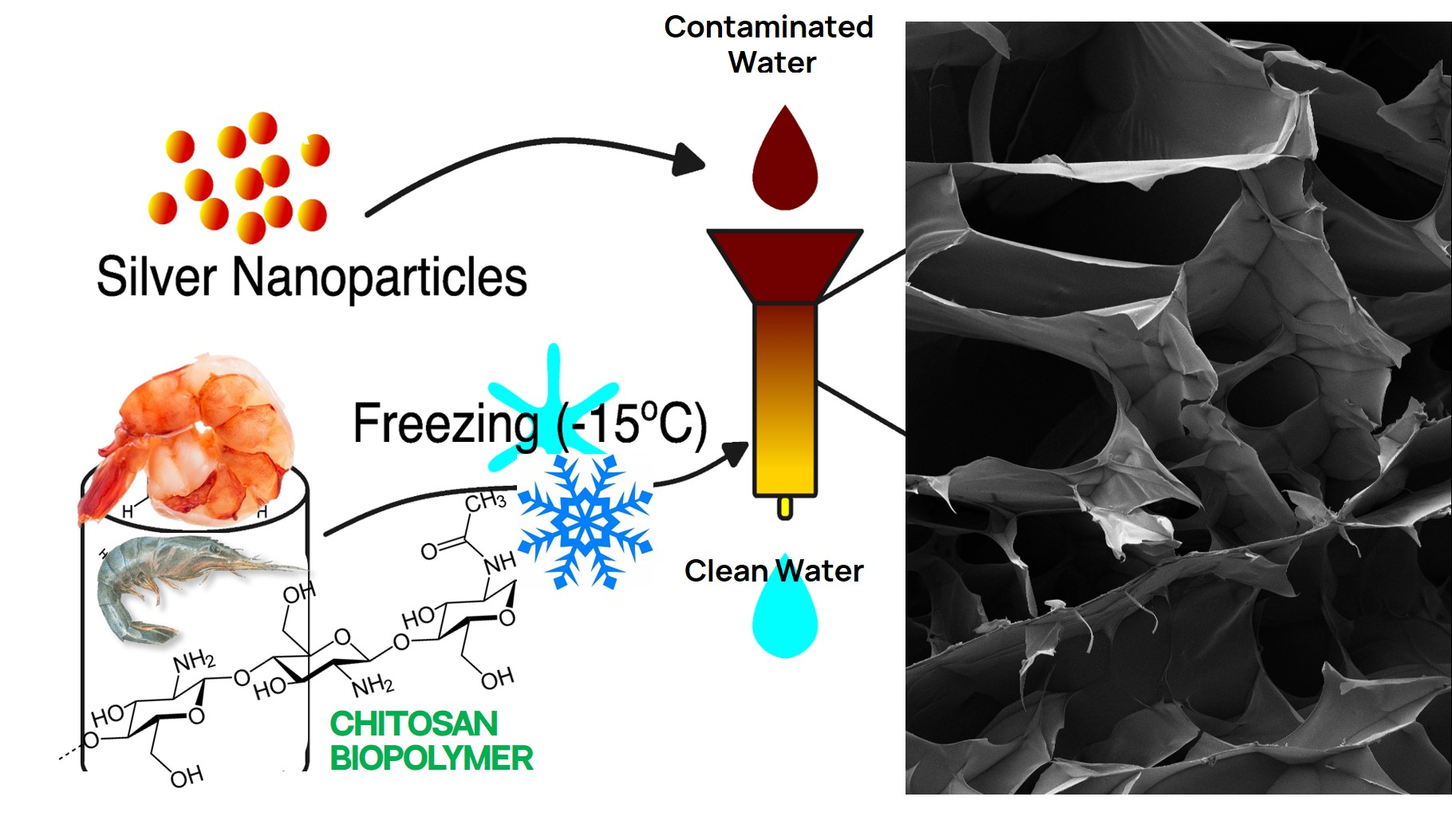
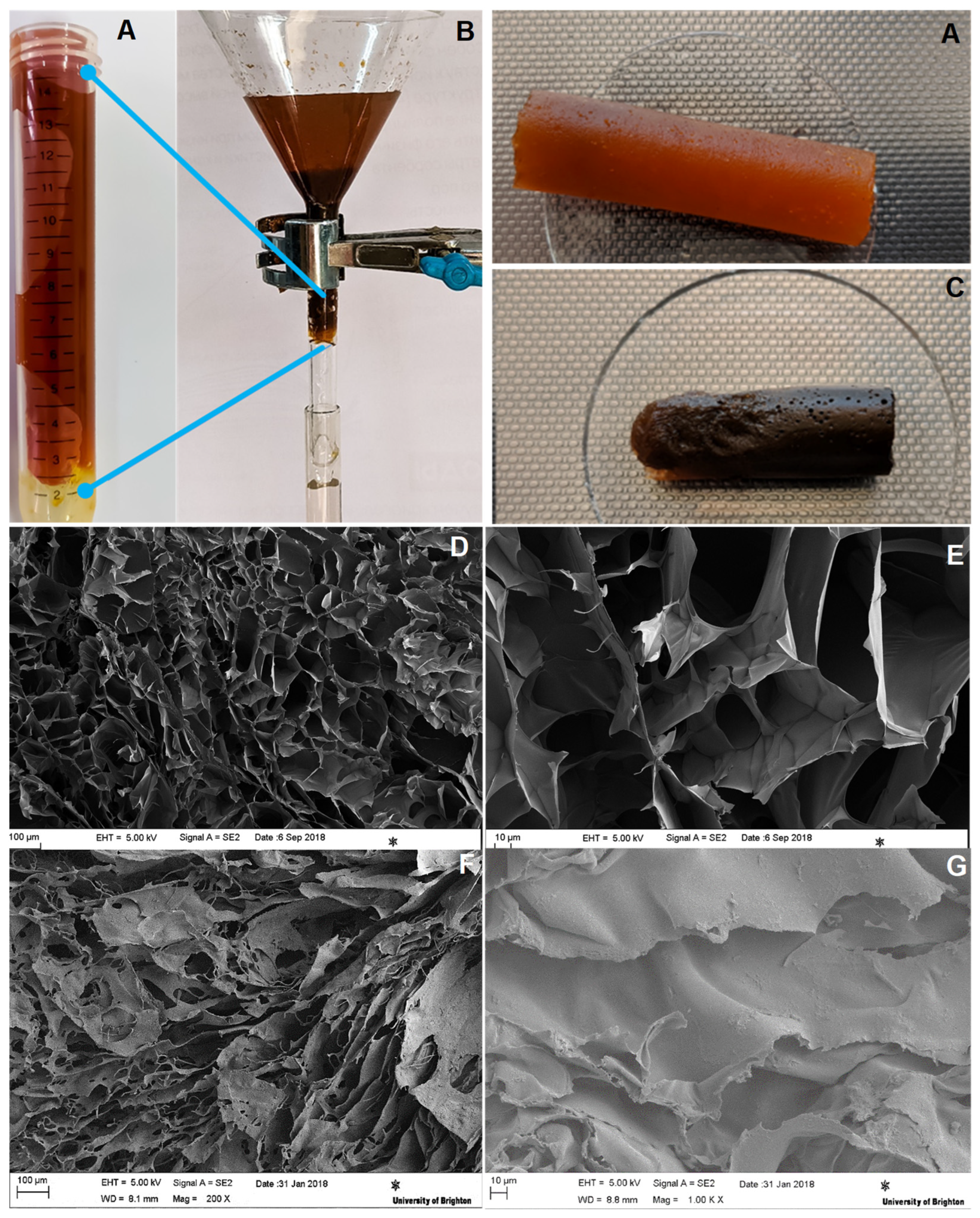
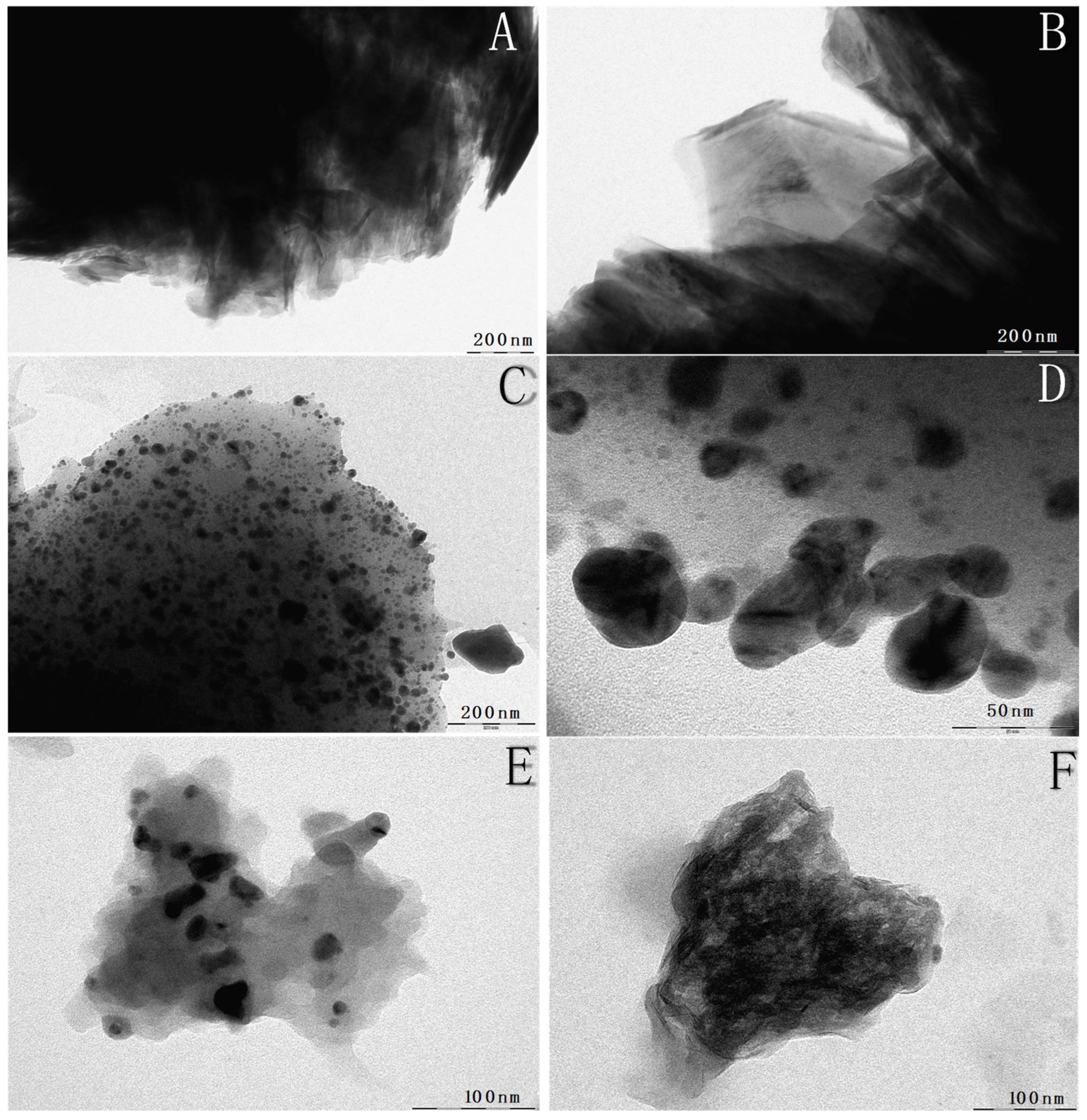
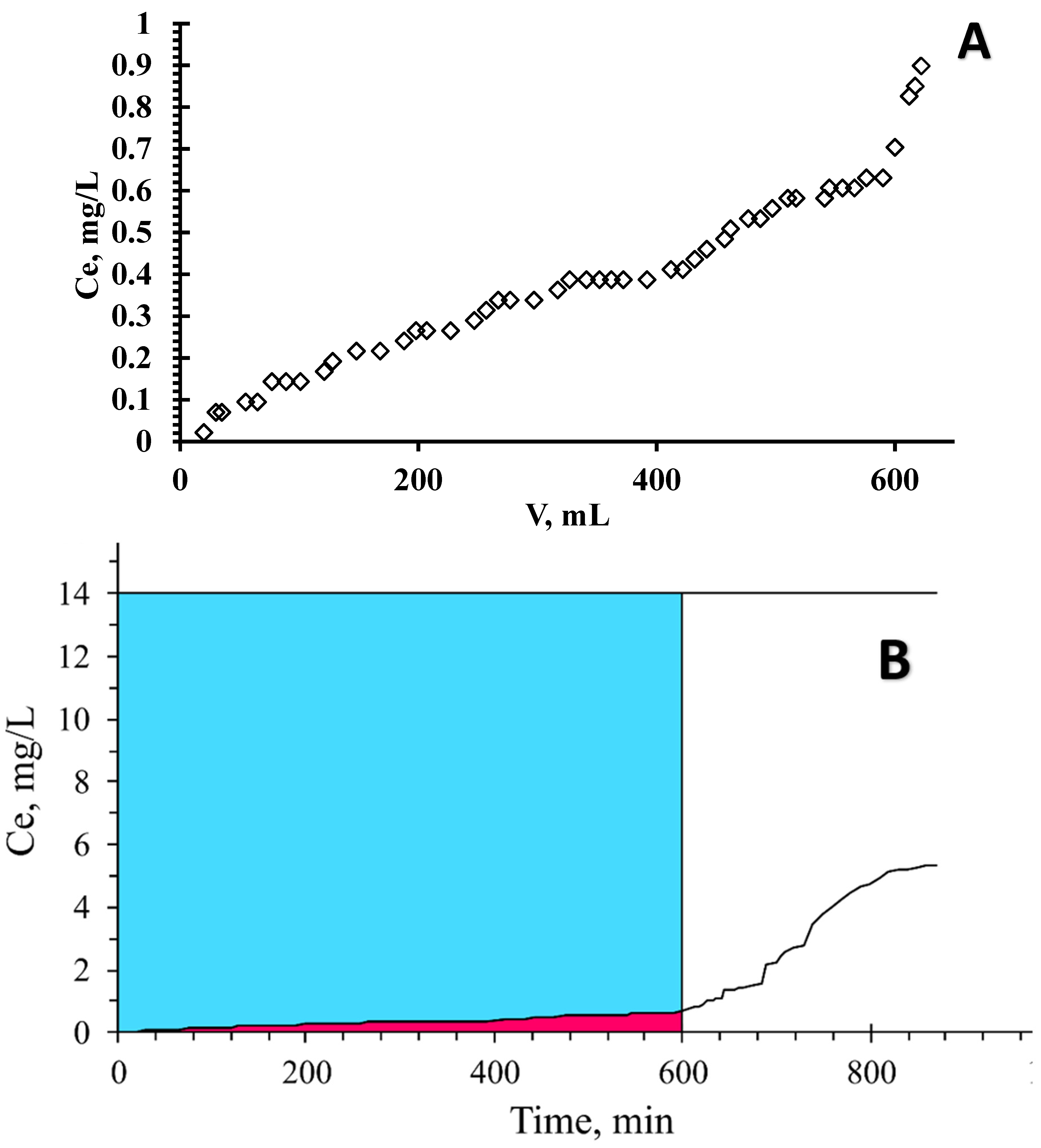
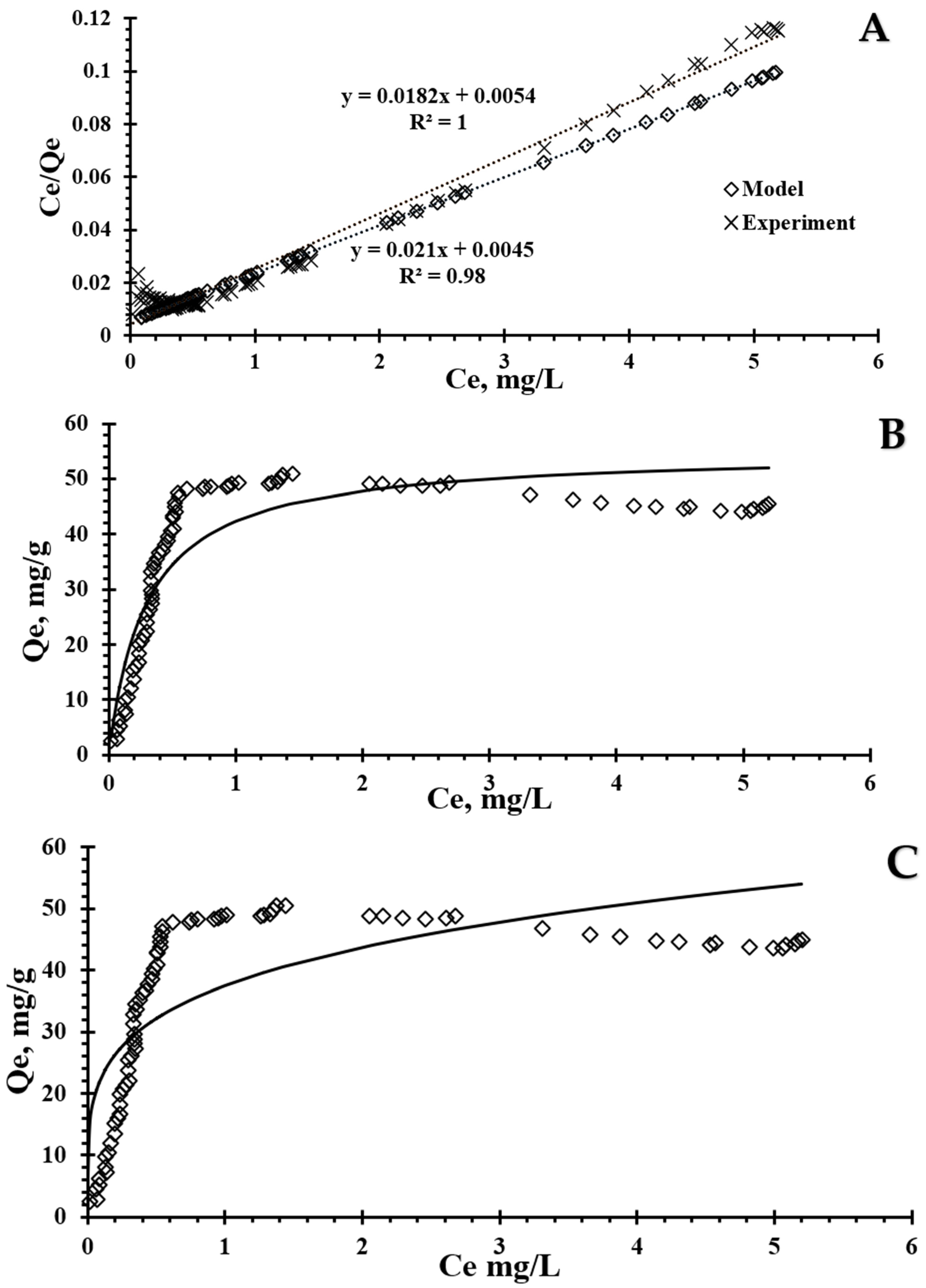
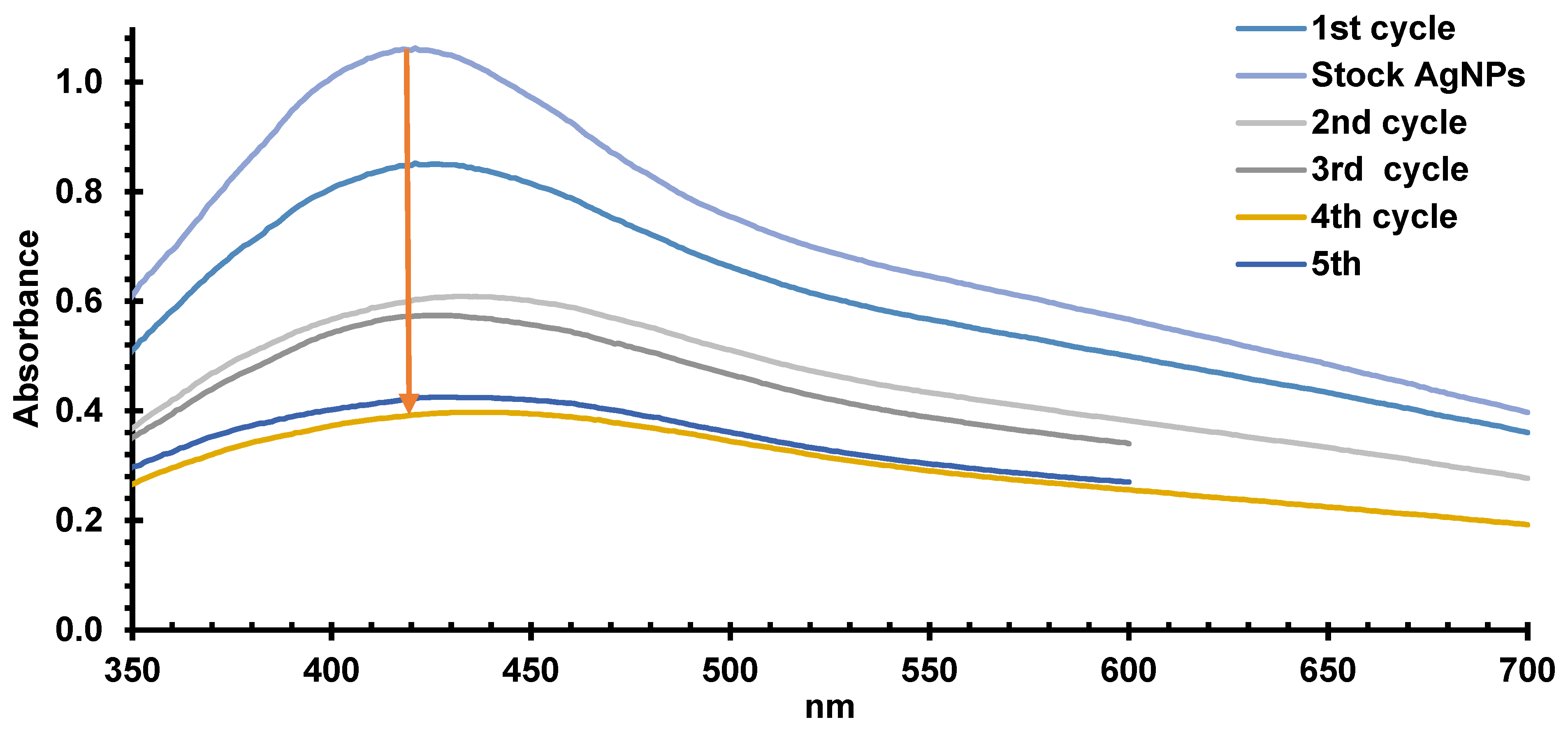
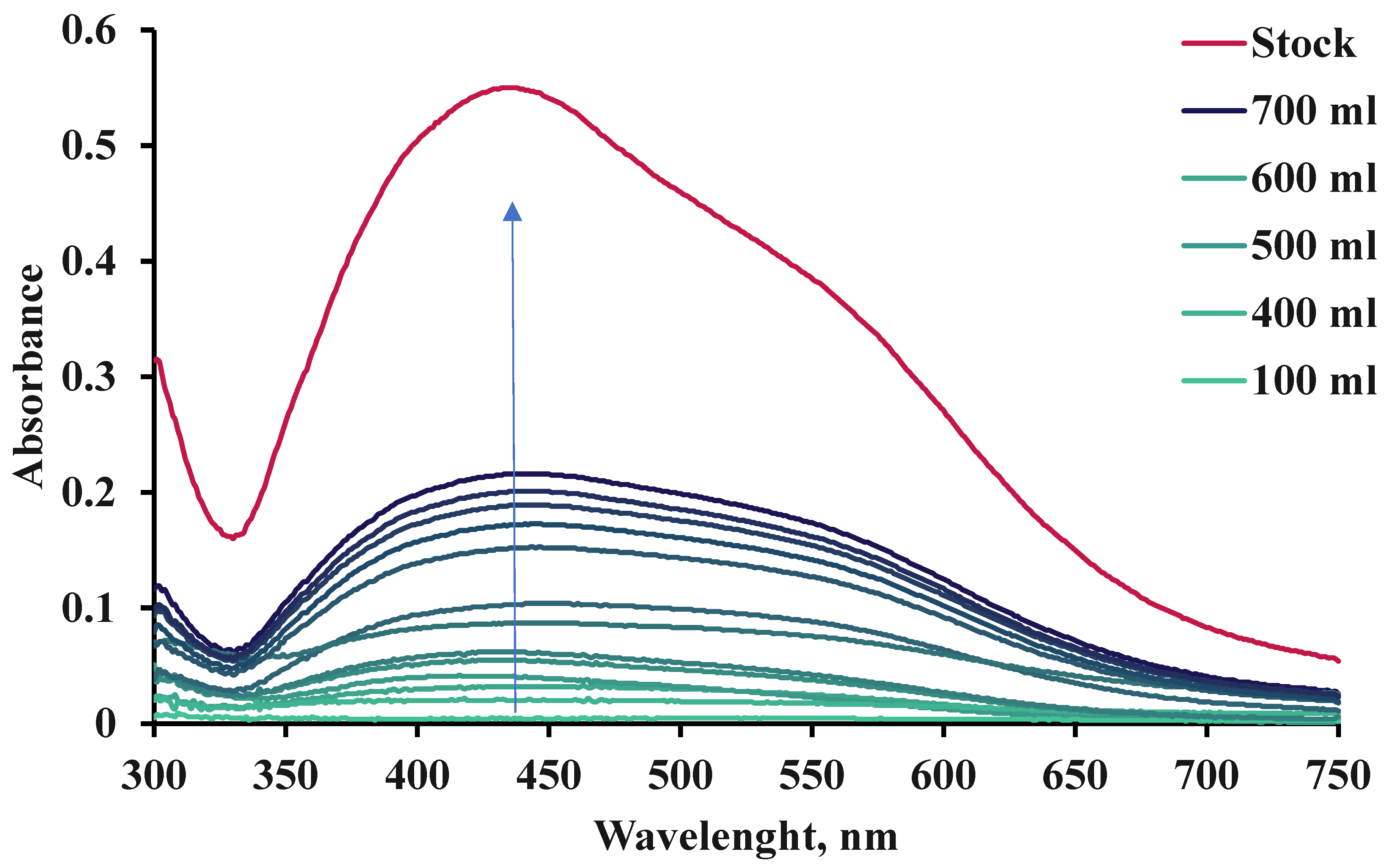
The discharge of nanoparticles into the environment, such as through industrial plants and municipal wastewater treatment plants, can pose a hazard to aquatic life. This study demonstrates the effective removal of silver nanoparticles (AgNPs) using a chitosan-based cryogel, which has potential applications in agriculture, as well as in water treatment or in industrial plants that discharge into environmentally sensitive water bodies. The adsorbent is economically viable, has high affinity toward metal nanoparticles, is biodegradable and biocompatible, and displays a good removal of nanoparticles. AgNP adsorption was monitored using UV/Vis spectroscopy and TEM analysis. SEM, nitrogen adsorption, TGA, and FTIR analysis were used for cryogel characterization. The BET model of nitrogen adsorption revealed a specific surface area of 7.7 m2/g for chitosan–glutaraldehyde (CHI–GA) cryogels. The elasticity modulus of the CHI–GA cryogel was estimated as 543 ± 54 kPa. The AgNPs were characterized by a negative charge (−38 ± 17 mV) and an average diameter of 64 nm with a polydispersity index of 0.16. The mechanism of AgNP adsorption involved electrostatic interactions between the oppositely charged surfaces of the cryogel and particles. The temperature of the cryogel preparation affected the water permeability and adsorption efficiency. CHI–GA illustrated a capacity of 63 mg/g at a flow rate of 0.8 mL/min under a solution pressure of 500–970 Pa. The increase in pressure of the model plant extract-stabilized AgNP suspension (14 mg/L AgNPs) to 3.42–3.9 kPa led to an increase in the water permeability rate to 10 mL/min and a significant decrease in the efficiency of particle removal. The CHI–GA adsorbent demonstrated up to 96.5% AgNP removal until the breakthrough point due to adsorbent saturation. The CHI–GA cryogel adsorbent (1 g) can be used for efficient filtering of about 4.5 L of contaminated water.
Keywords: nanoparticles; chitosan; cryogels; wastewater; Langmuir adsorption isotherm; Freundlich adsorption isotherm nanoparticles; chitosan; cryogels; wastewater; Langmuir adsorption isotherm; Freundlich adsorption isotherm
Graphical Abstract