Article

Study on Zinc-Modified Adsorbent for Adsorption of Trace CO2 in Electronic Special Gas BF3

School of Chemical Engineering and Technology, Tianjin University, Tianjin 300072, China
*
Author to whom correspondence should be addressed.
Processes 2023, 11(4), 1075; https://doi.org/10.3390/pr11041075
Submission received: 5 March 2023 / Revised: 19 March 2023 / Accepted: 27 March 2023 / Published: 3 April 2023
(This article belongs to the Section Separation Processes)

Abstract

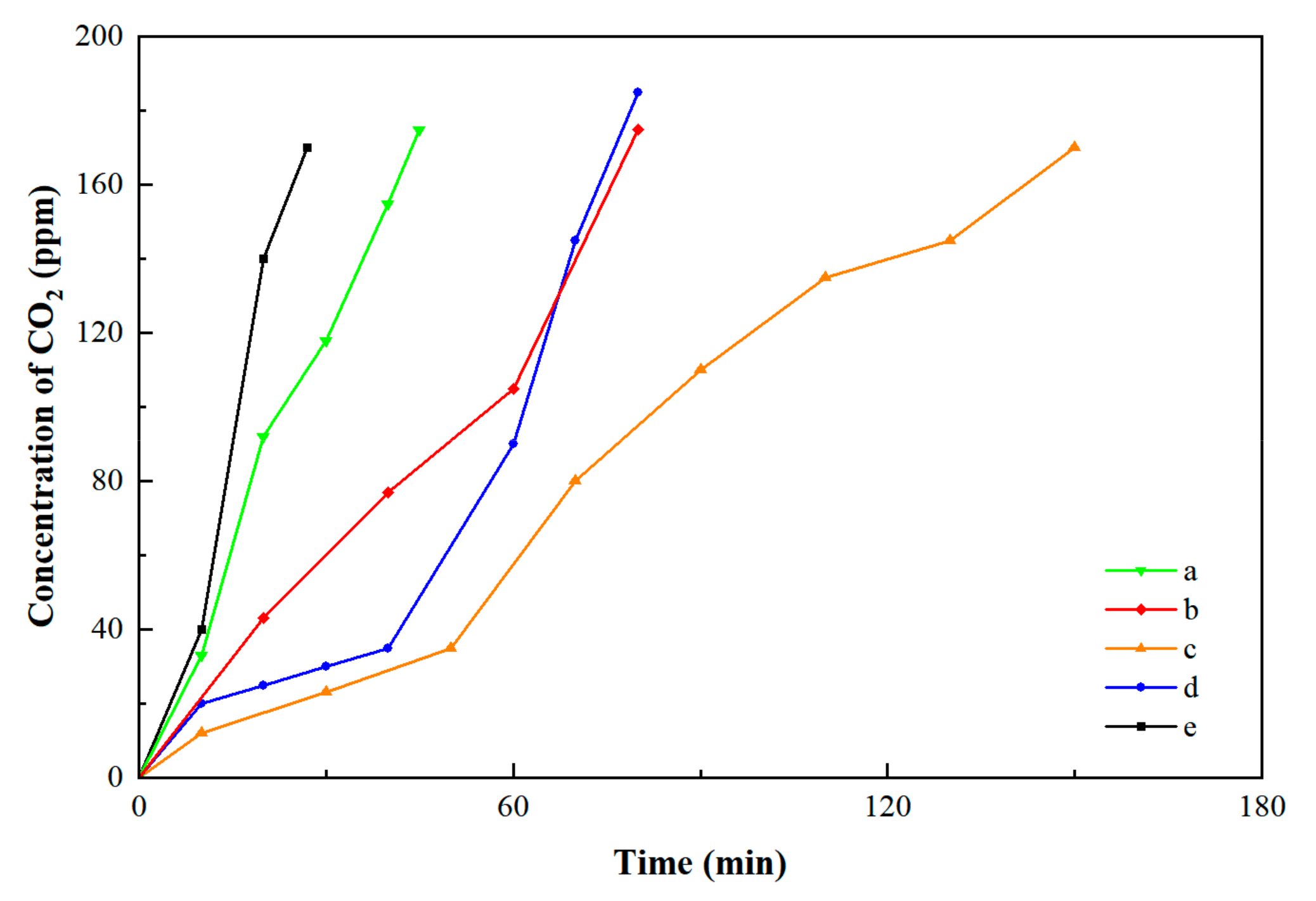
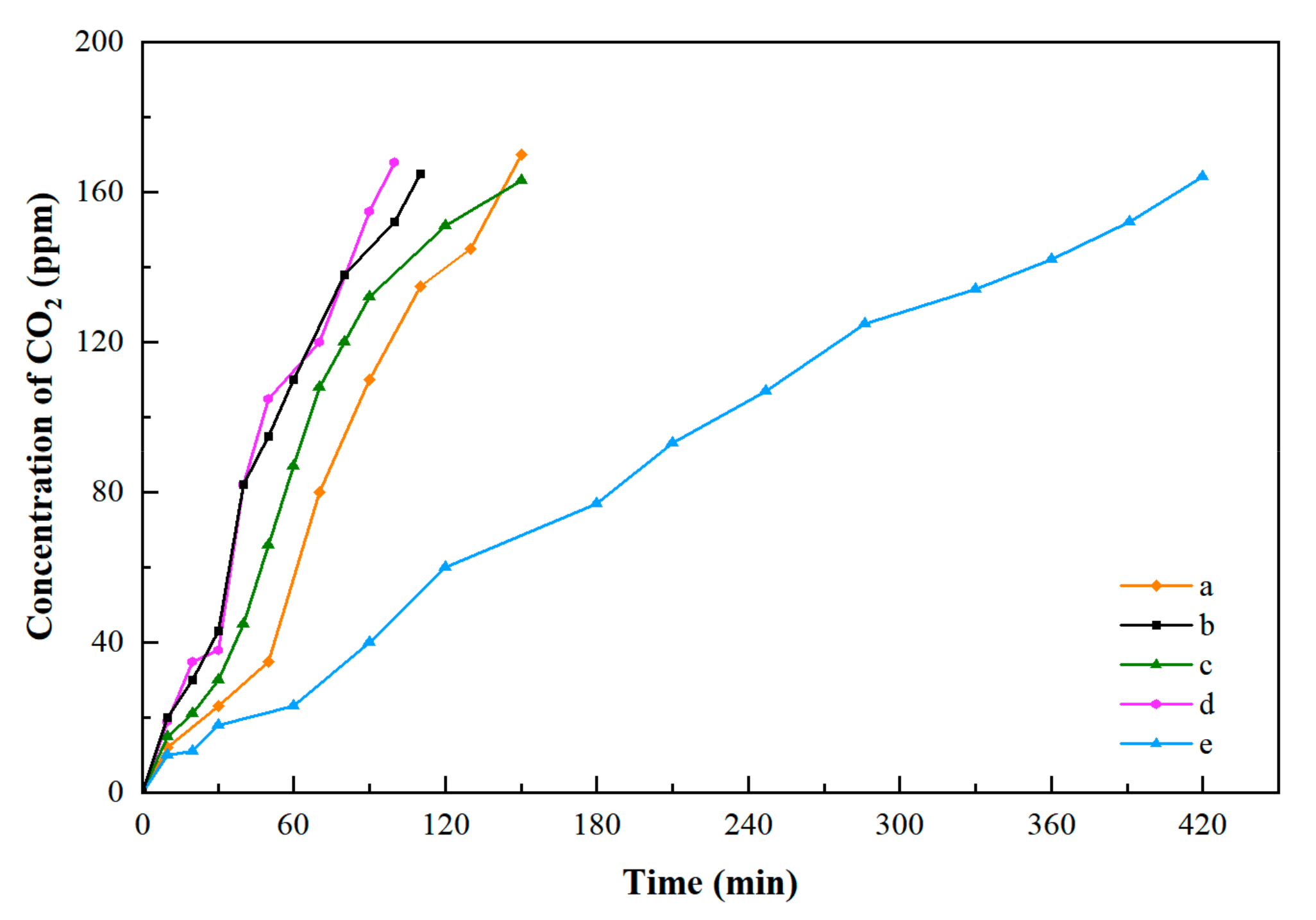
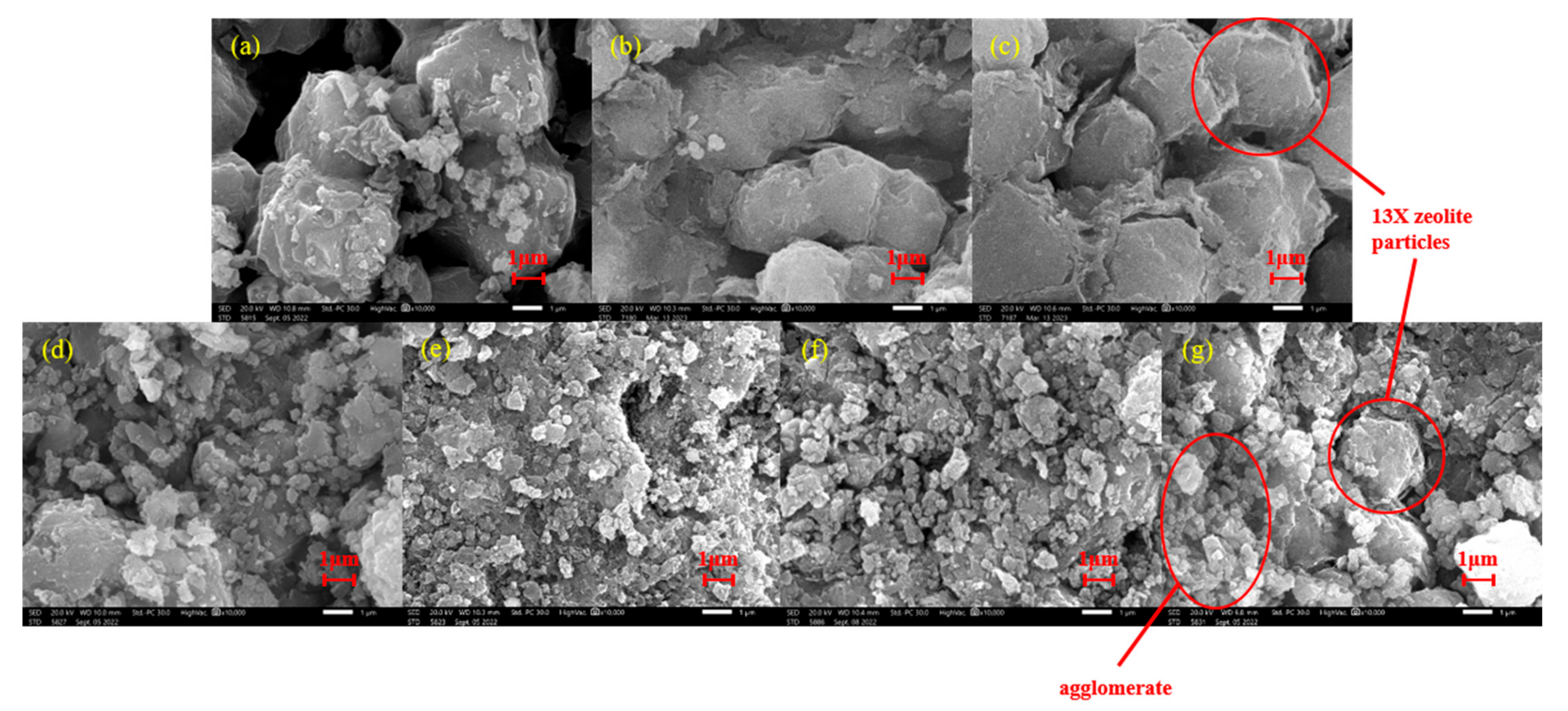
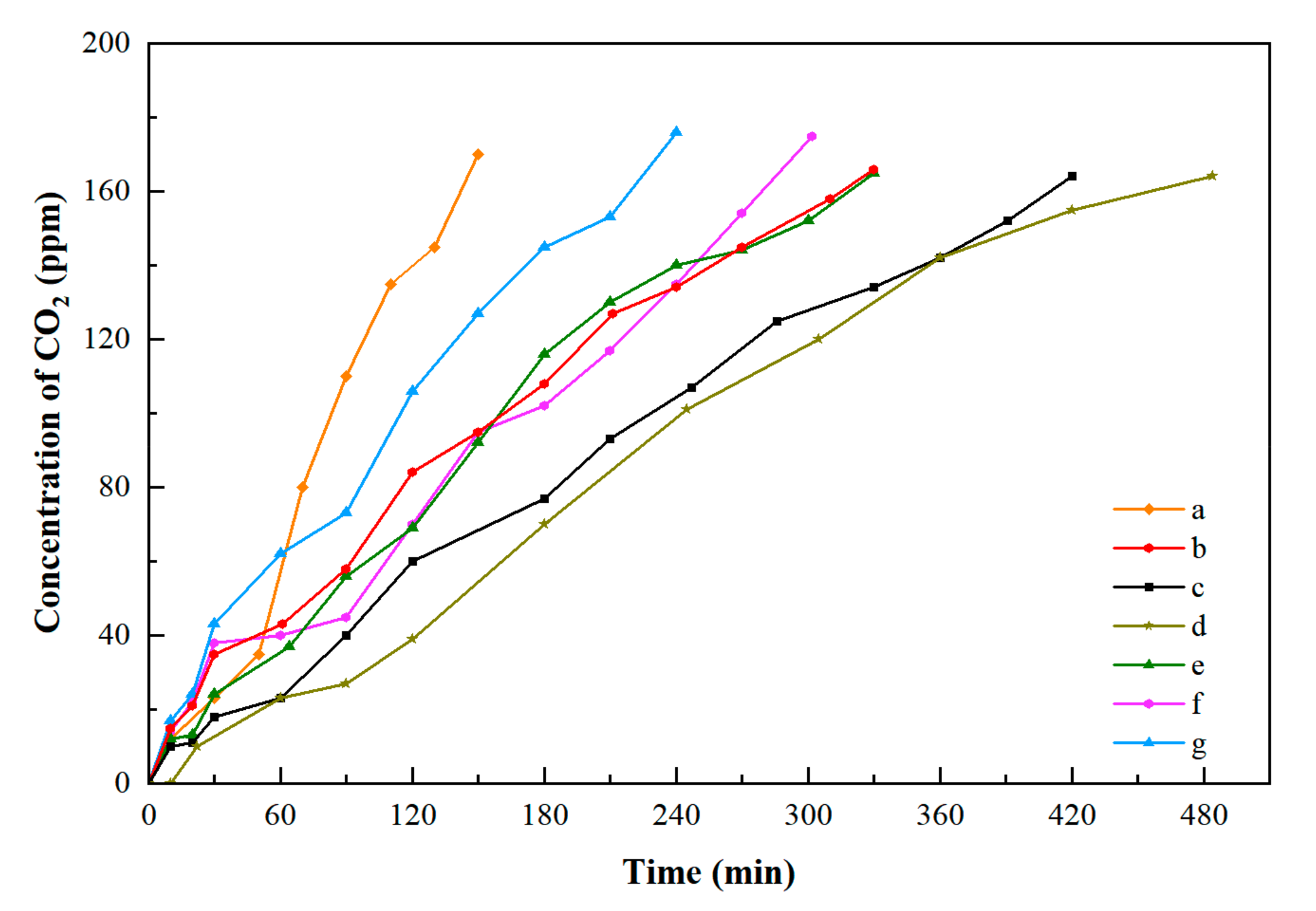
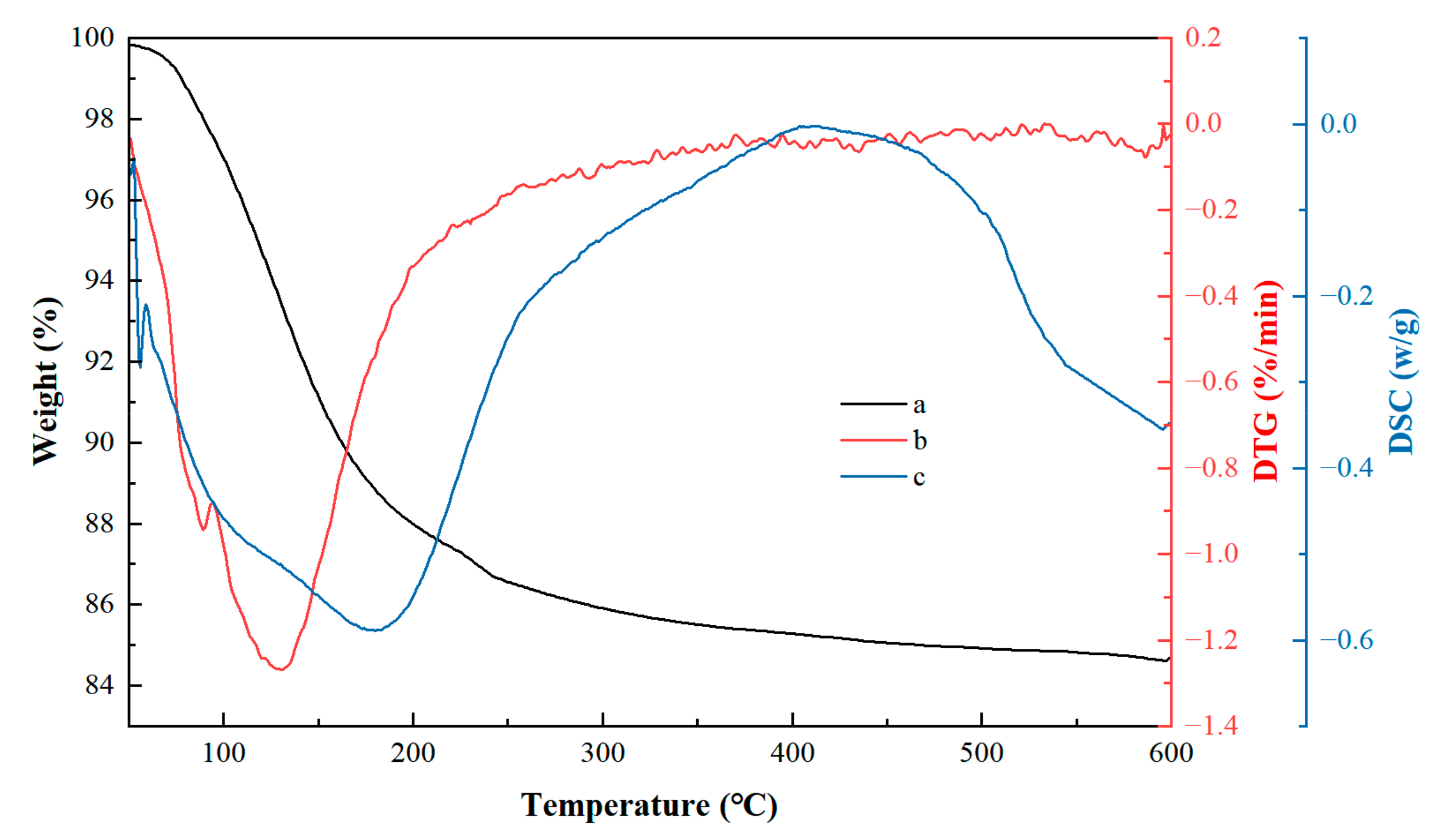
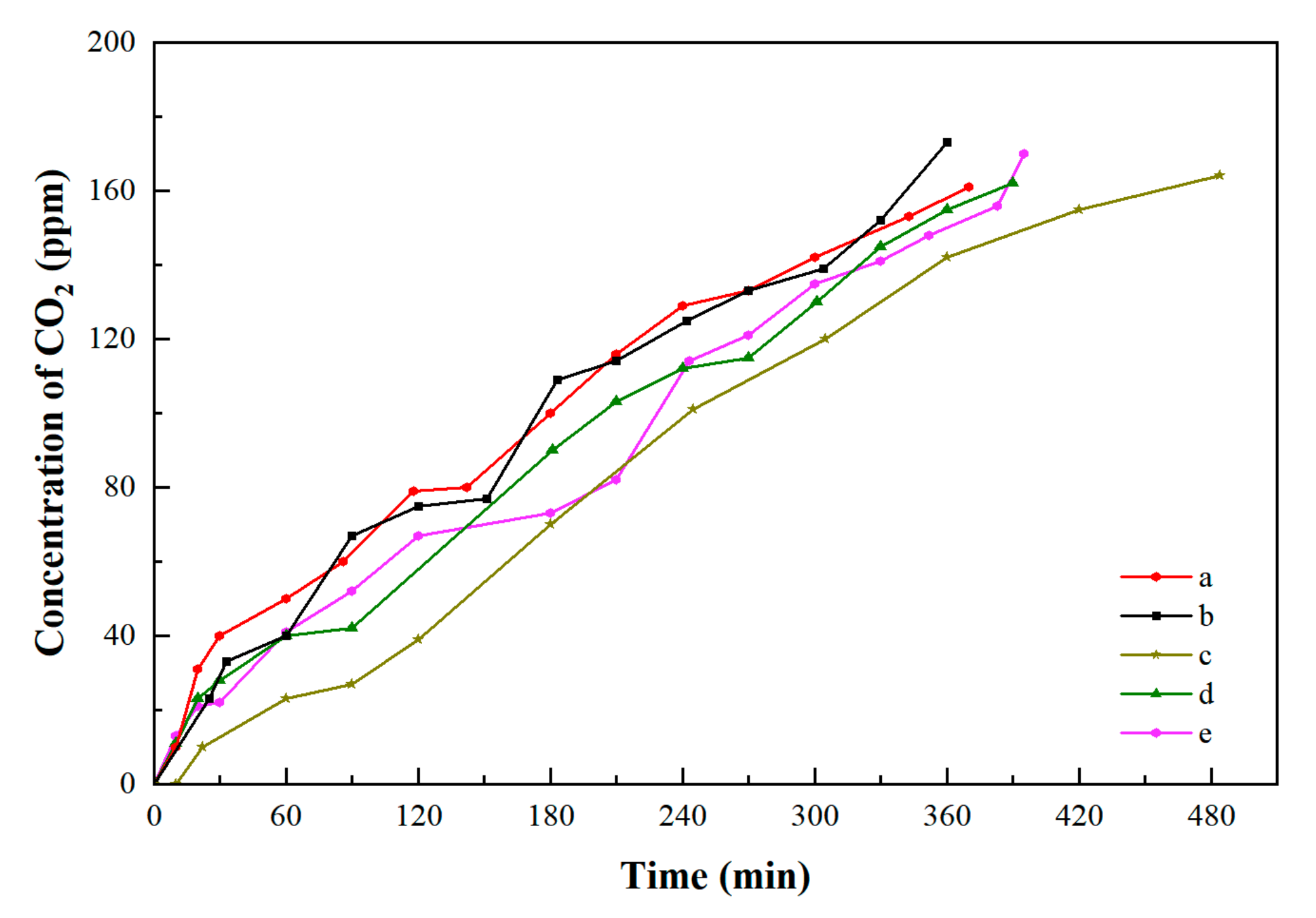
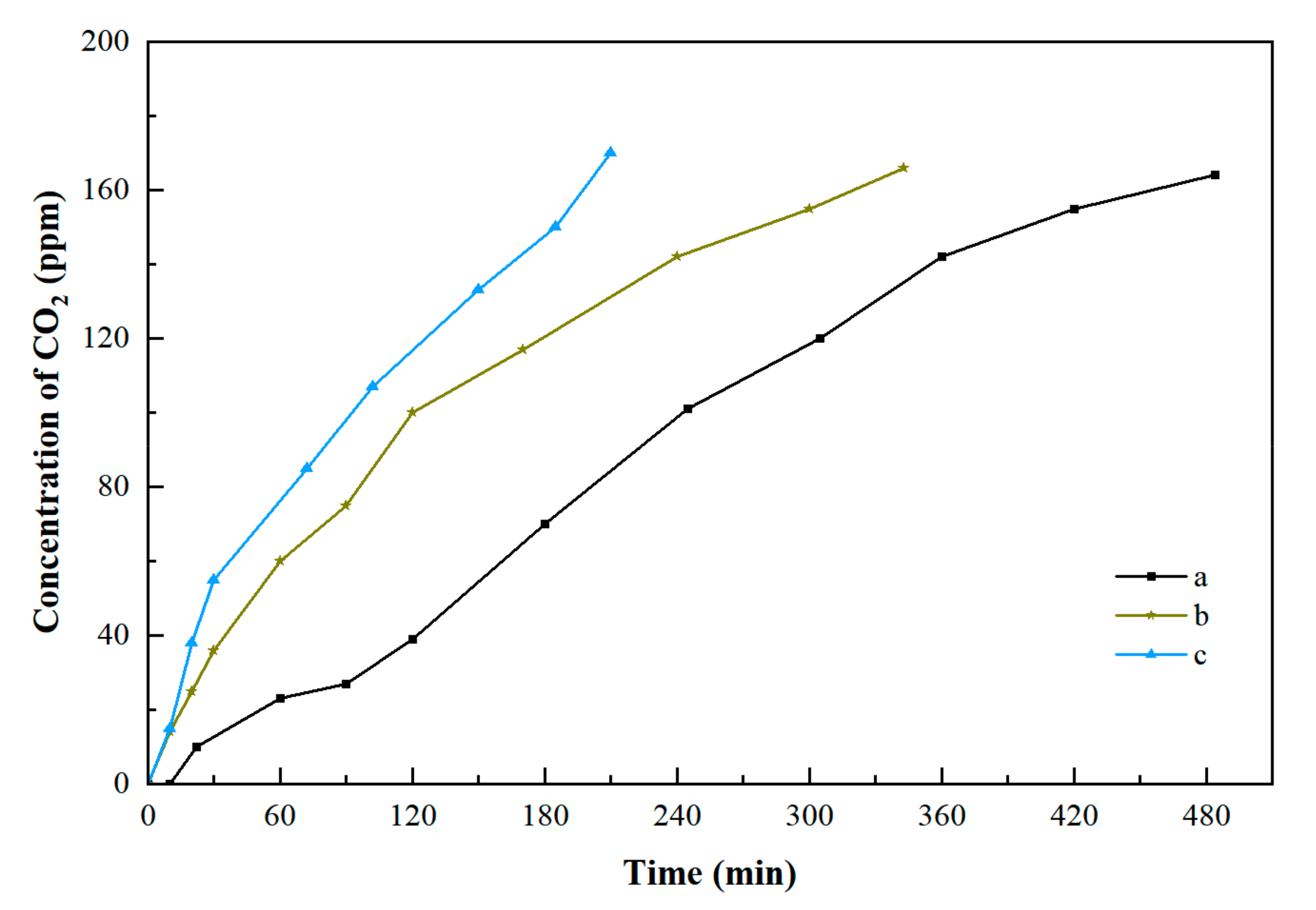
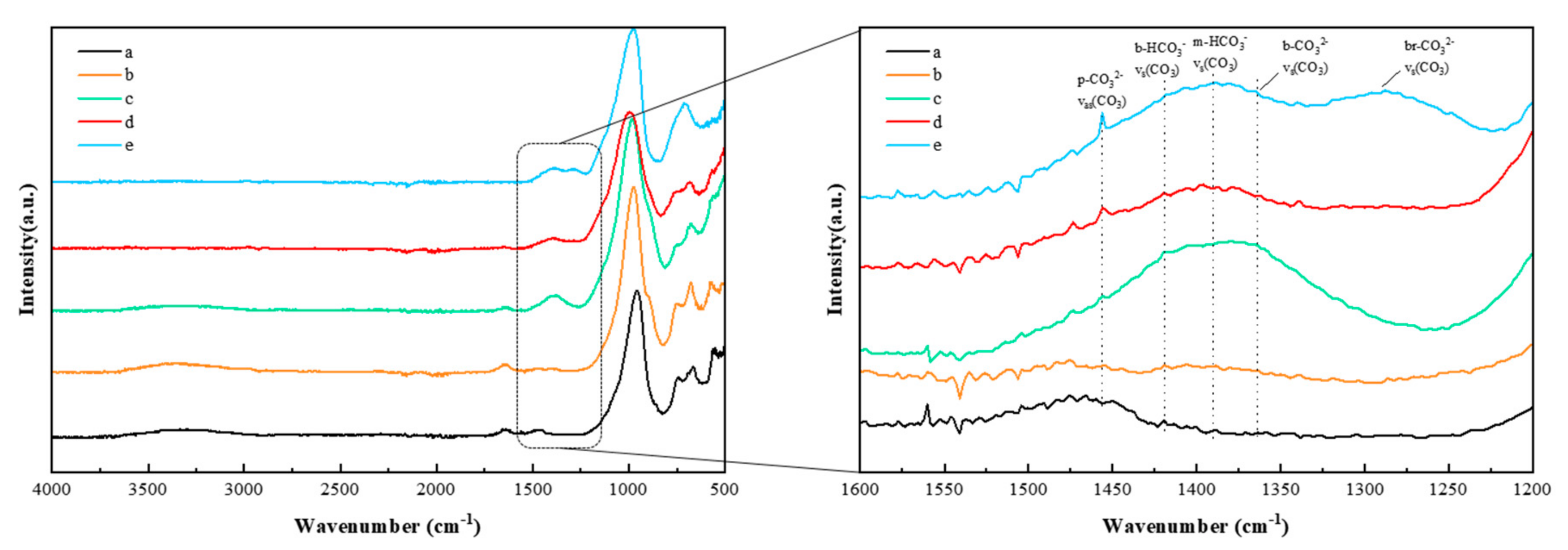
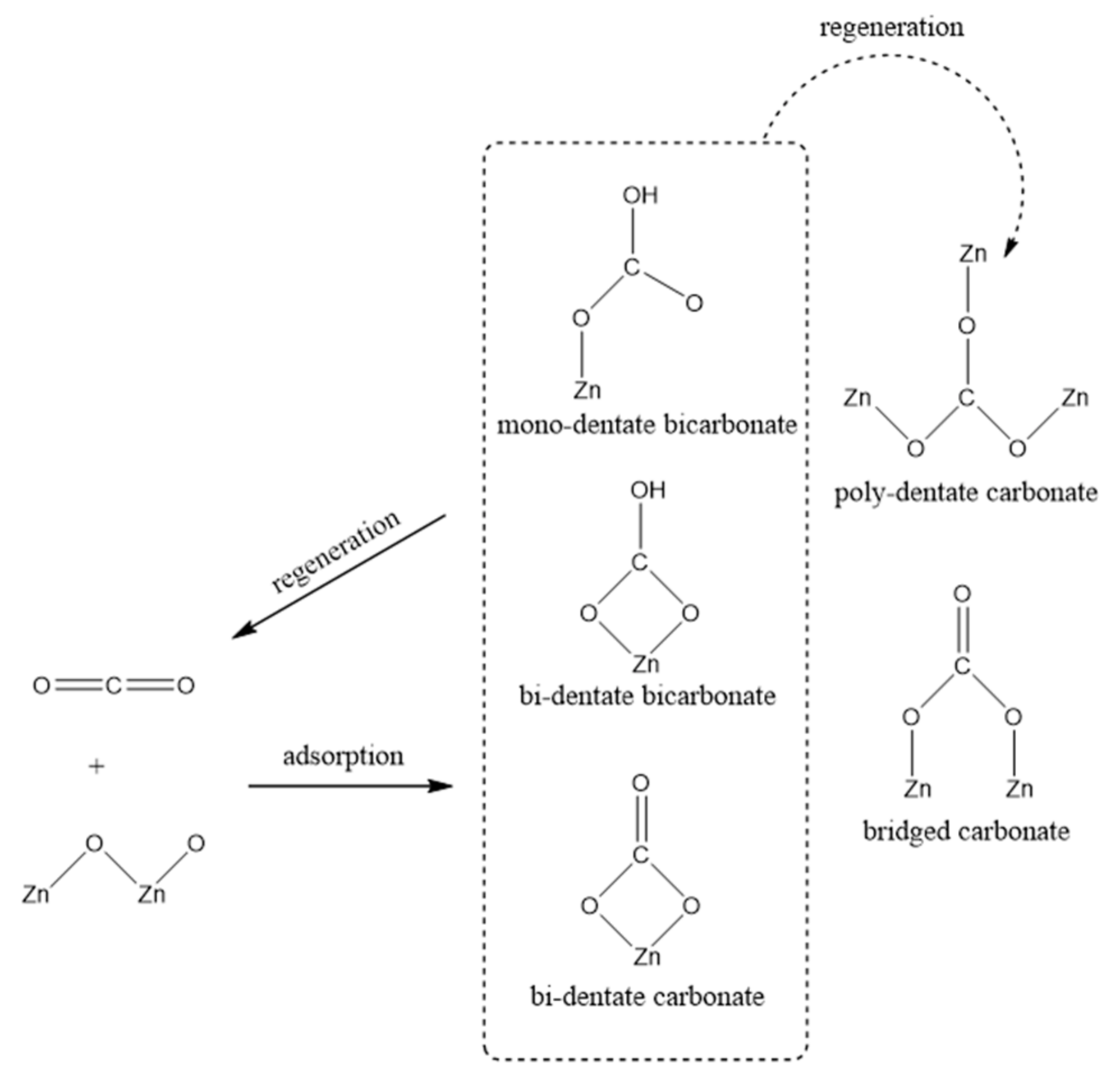
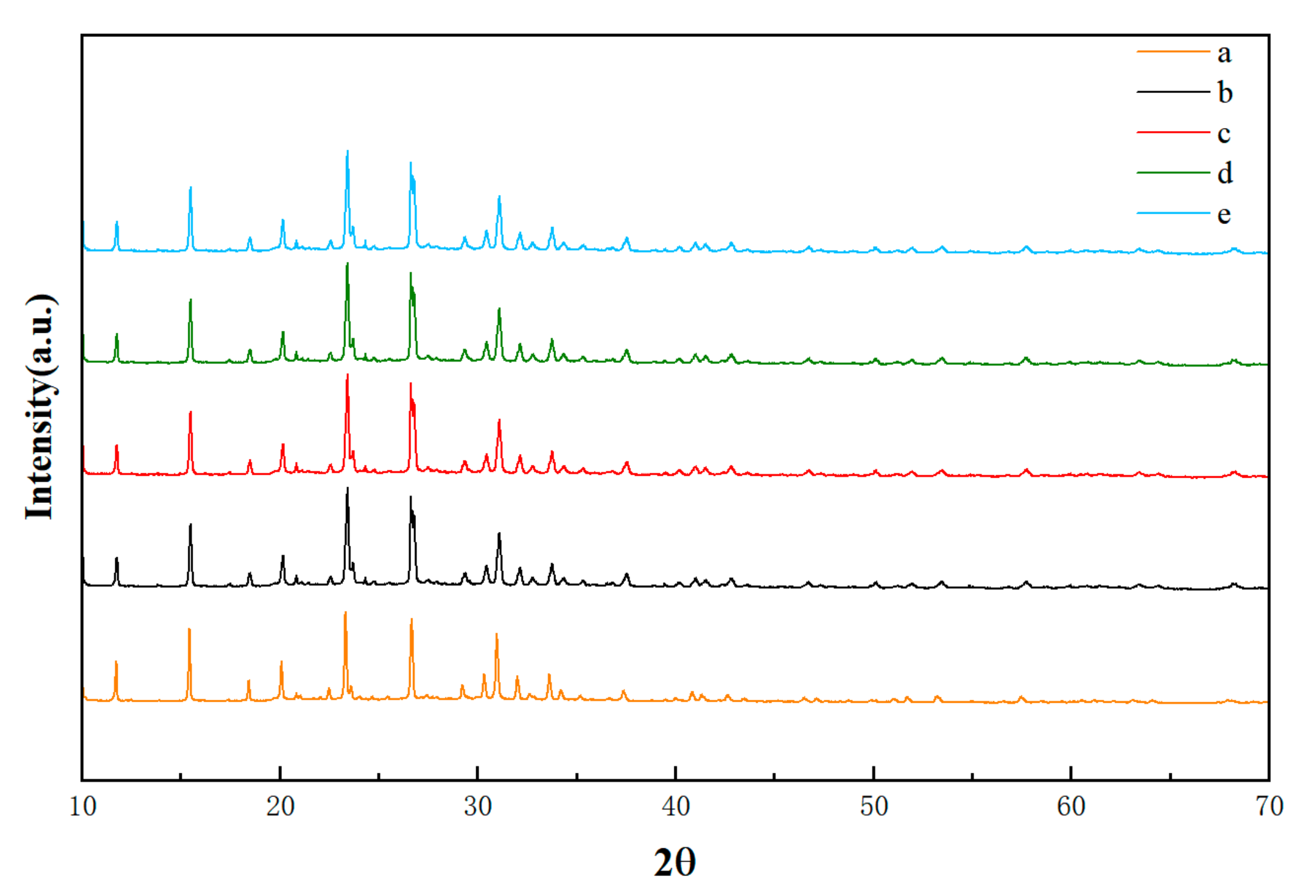
Usually, the ion implantation gases used in semiconductor production are required to be extremely high in purity. Due to the presence of trace CO2 in electronic special gas BF3, the quality of the material is significantly affected, which makes it crucial to impose control on CO2 content. Unlike a series of blank adsorbents reported in other studies, the zinc-loaded adsorbents prepared in this study are intended for the adsorption of CO2 from CO2/BF3. Firstly, the materials were characterized by XRD, BET, SEM-EDS and TG-DSC analysis, etc., and the breakthrough curves of the adsorbents as obtained under different preparation conditions were investigated at 20 °C and 200 kPa. The results show that the adsorption performance reached the optimal level when the activation temperature was 450 °C and a 13X molecular sieve was impregnated by 0.15 mol/L Zn(NO3)2. Moreover, compared with the Zn-13X, the breakthrough time was reduced to 69% and 44% in two adsorption cycles, respectively. Finally, FTIR was used to reveal the adsorption mechanism of the carbonates produced by CO2 adsorption. It was found that the adsorption performance was affected by the irreversible reduction in the number of active sites due to the continuous formation of polydentate carbonate during adsorption and regeneration.
Keywords: CO2 adsorption; 13X molecular sieve; carbonate species CO2 adsorption; 13X molecular sieve; carbonate species