Article

Developing an Anomaly Detection System for Automatic Defective Products’ Inspection
Department of Industrial Engineering and Management, National Yunlin University of Science and Technology, Yunlin 64002, Taiwan
Processes 2022, 10(8), 1476; https://doi.org/10.3390/pr10081476
Submission received: 27 May 2022 / Revised: 14 July 2022 / Accepted: 26 July 2022 / Published: 27 July 2022
(This article belongs to the Special Issue Predictive Maintenance for Manufacturing System)

Abstract

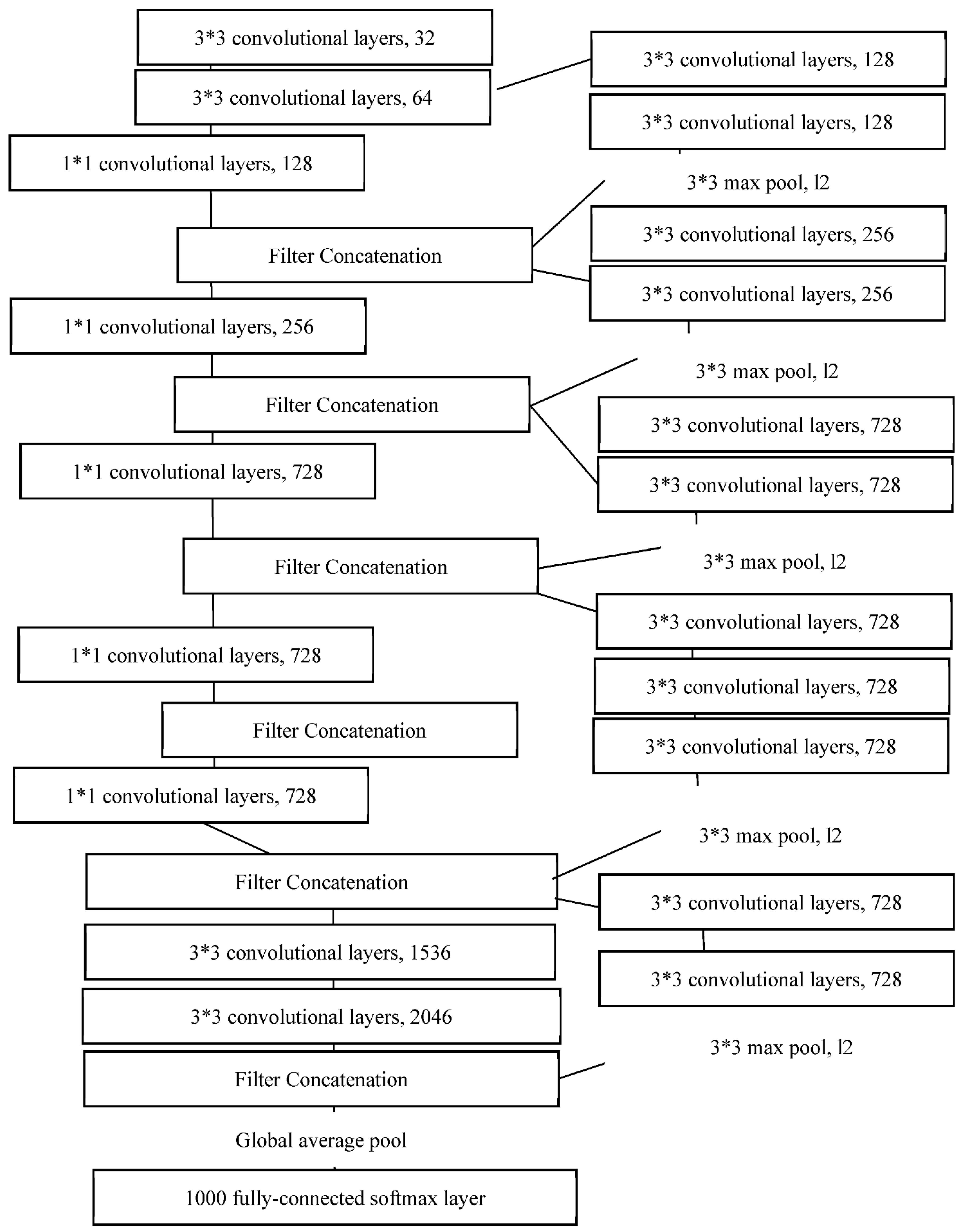
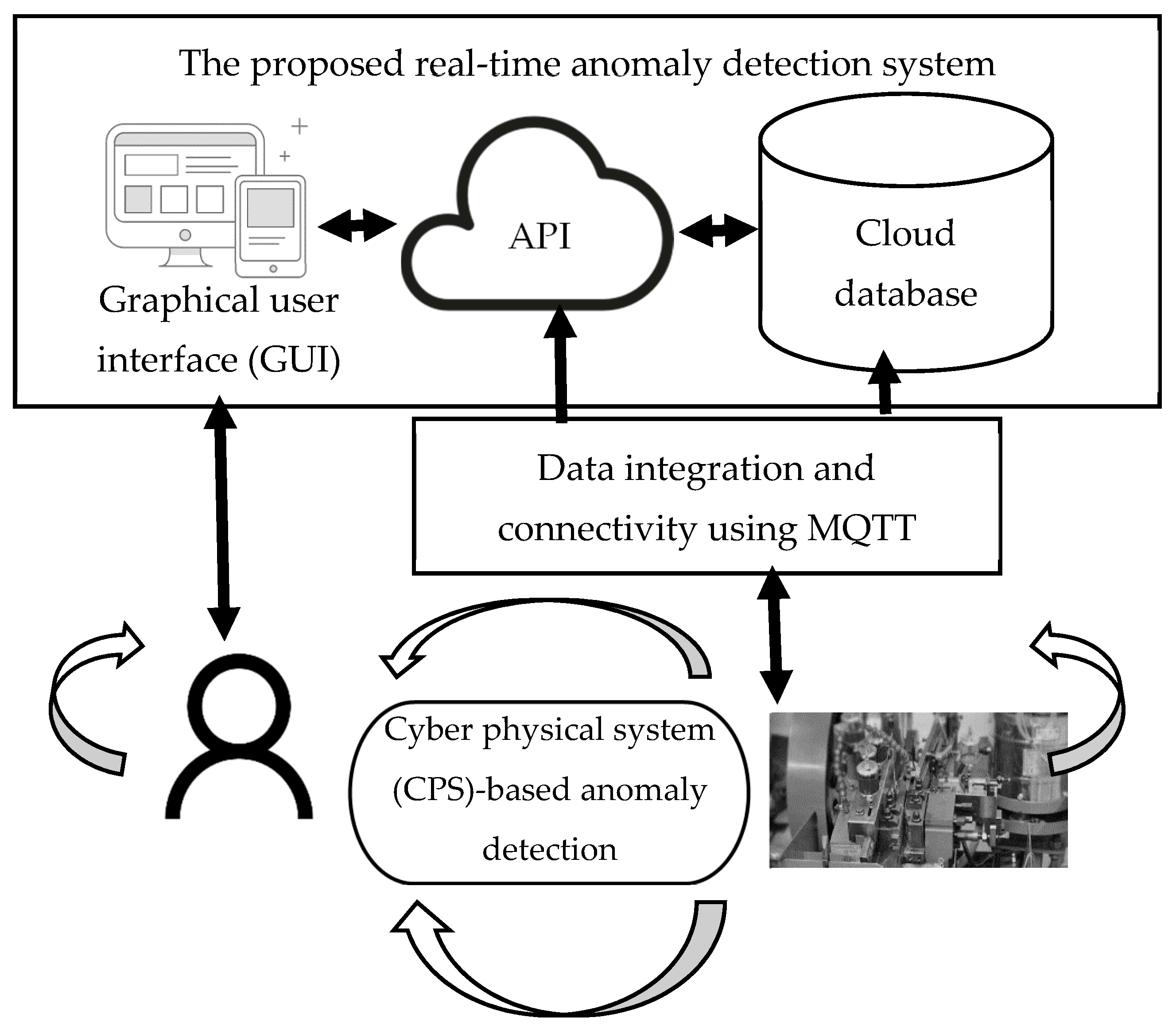
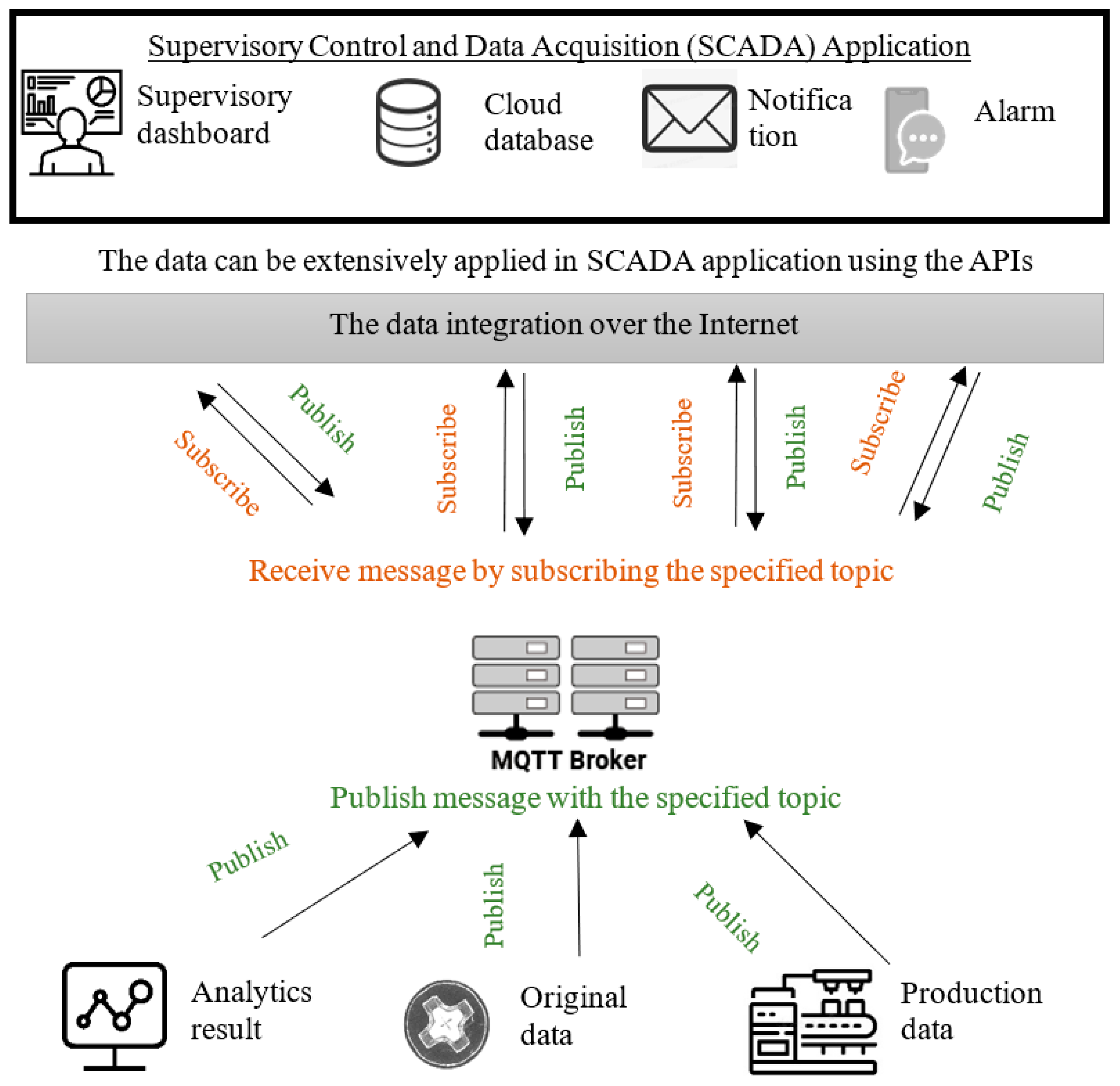
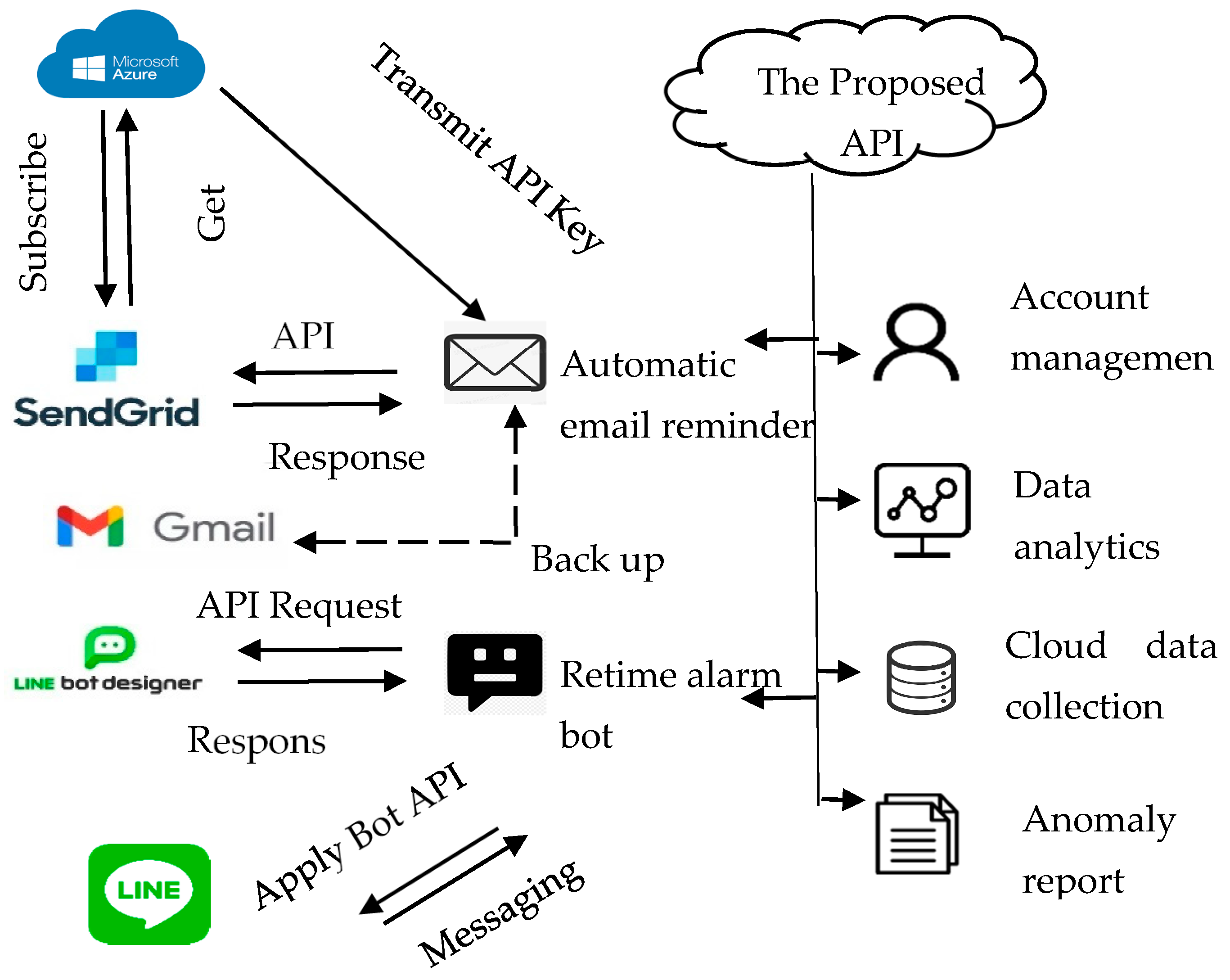
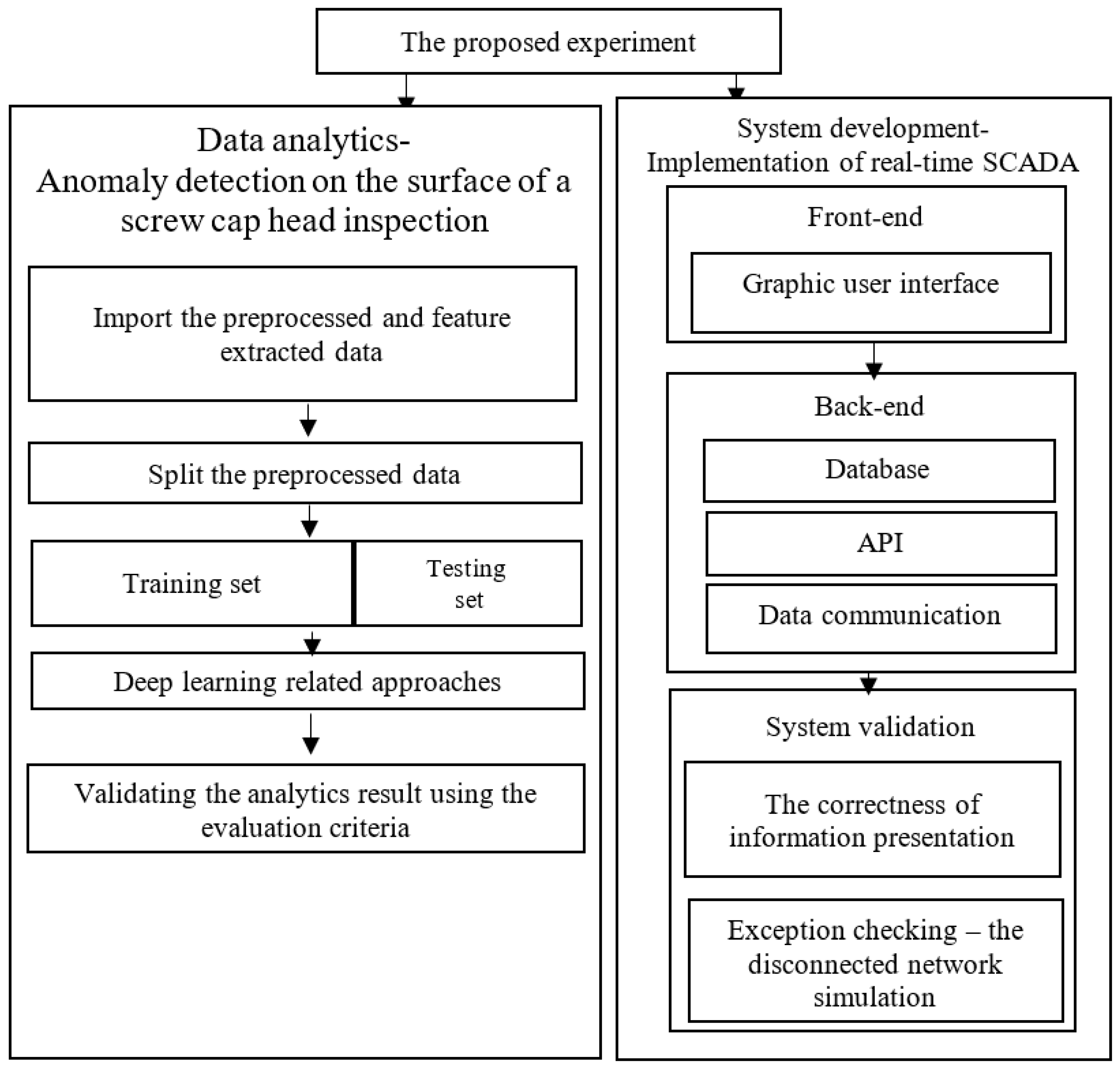
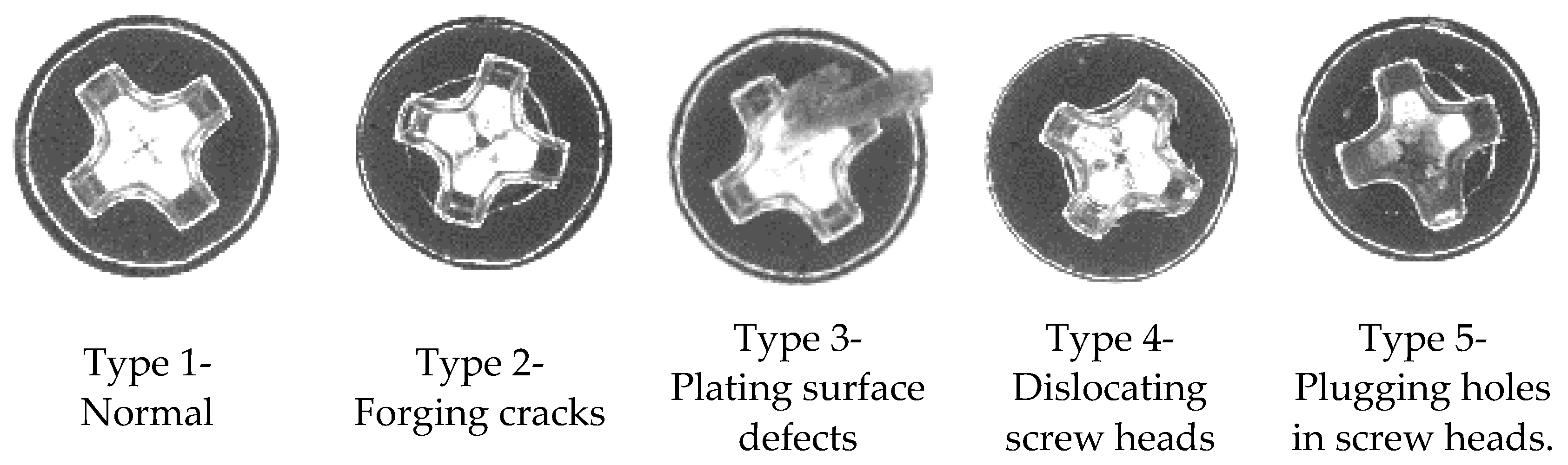
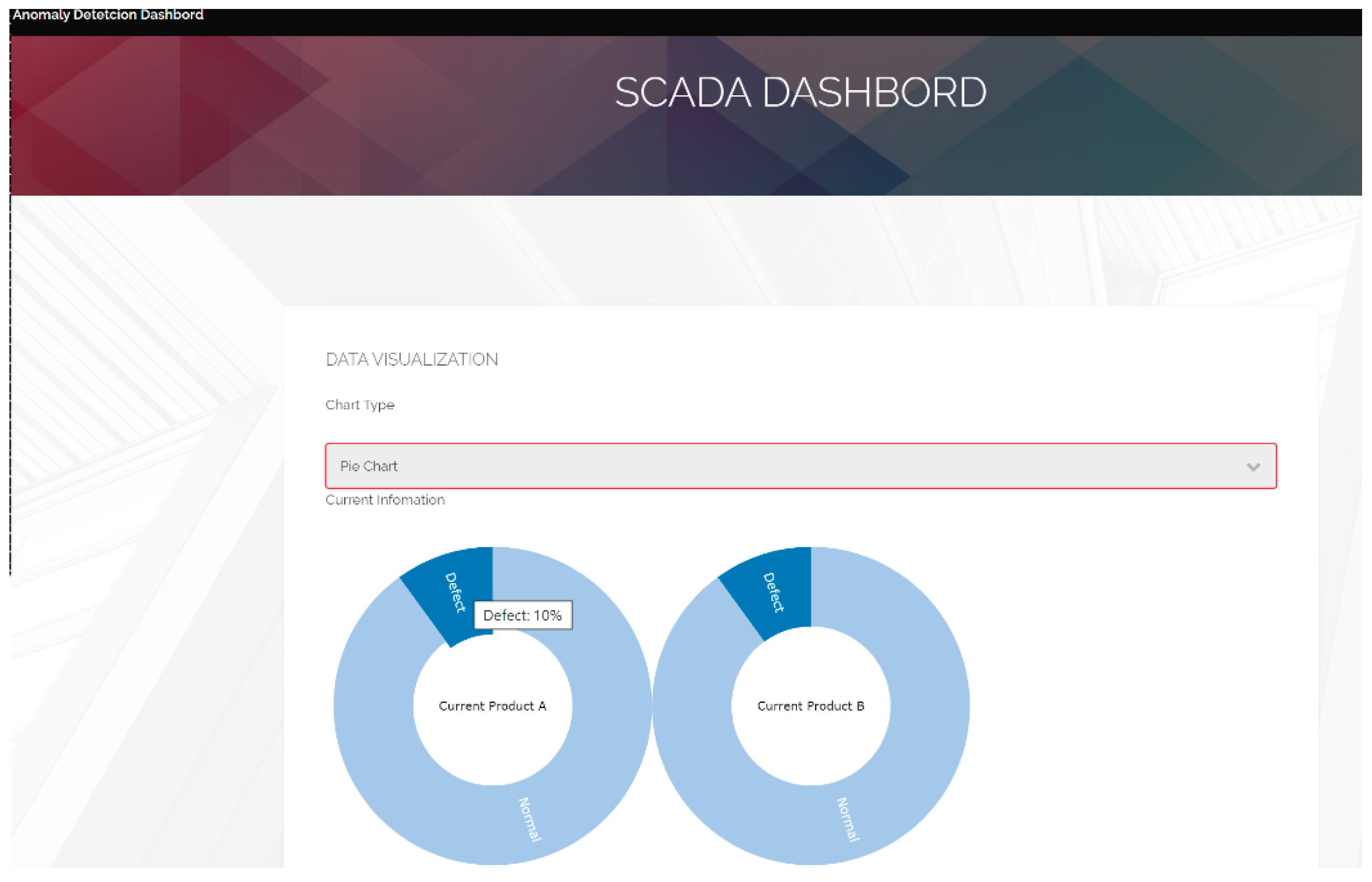
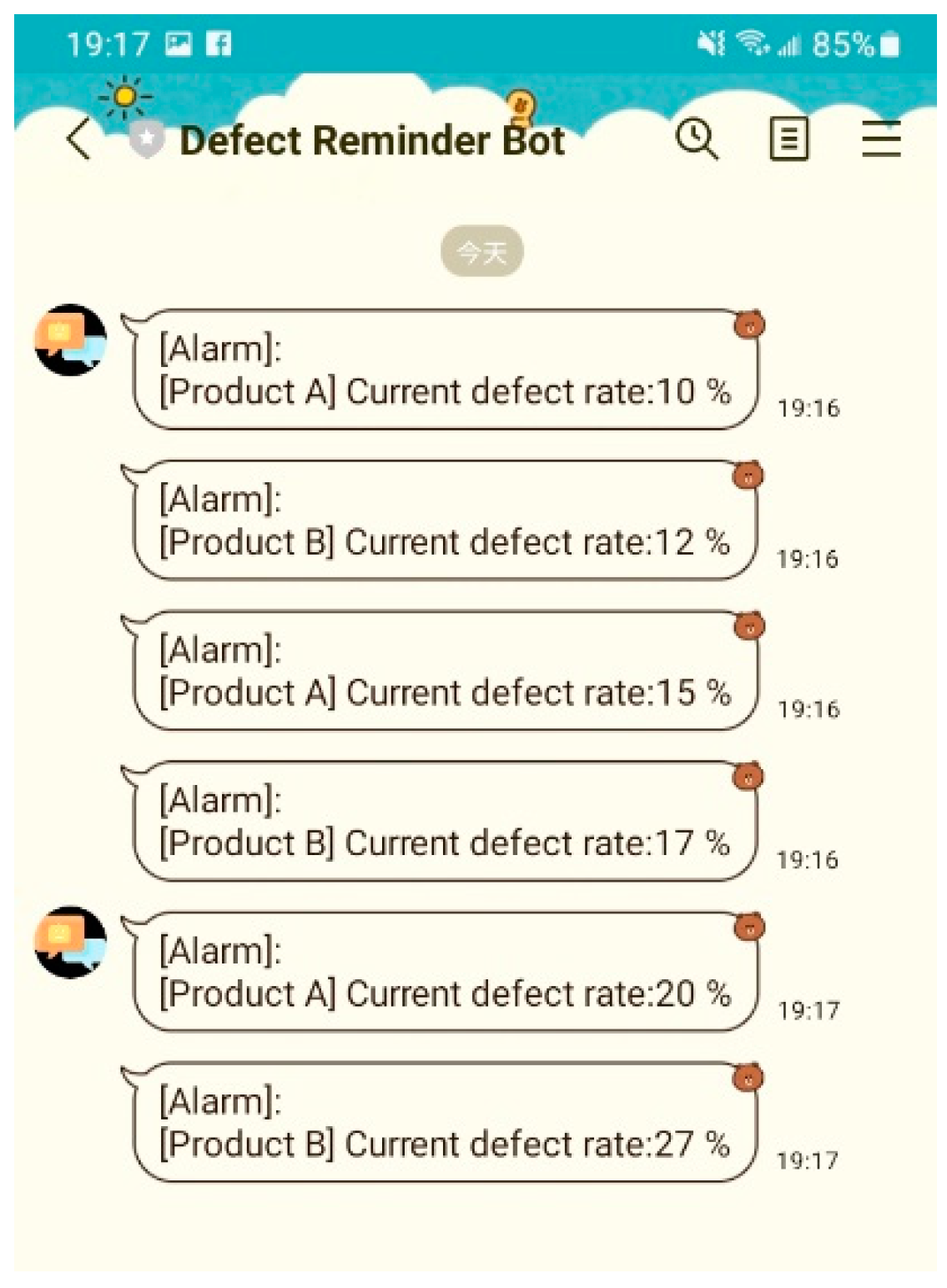
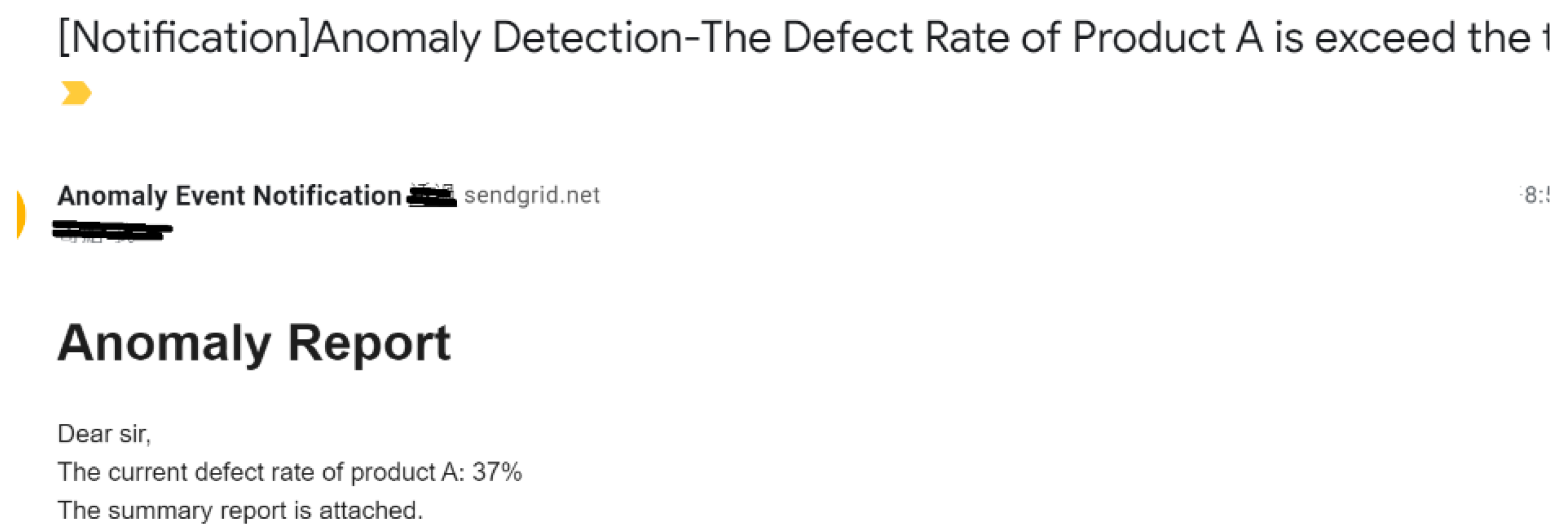
Since unqualified products cause enterprise revenue losses, product inspection is essential for maintaining manufacturing quality. An automated optical inspection (AOI) system is an efficient tool for product inspection, providing a convenient interface for users to view their products of interest. Specifically, in the screw manufacturing industry, the conventional methods are the human visual inspection of the product and for the inspector to view the product image displayed on the dashboard of the AOI system. However, despite the inspector and the approach used, inspection results strongly depend on the inspector’s experience. Moreover, machine learning algorithms could improve the efficiency of human visual inspection, thus addressing the above problem. Based on these facts, we improved anomaly detection efficiency during product inspection, using product image data from the AOI system to obtain valuable information. This study notably used the visual geometry group network, Inception V3, and Xception algorithms to detect qualified and unqualified products during product image analytics. Therefore, we considered that the analyzed results could be integrated into a proposed cloud system for human–machine interaction. Thus, administrators can receive reminders concerning the anomaly-inspected notification through the proposed cloud system, comprising a message queuing telemetry transport protocol, an application programming interface, and a cloud dashboard. From the experimental results, the above-mentioned algorithms had more than 93% accuracy, especially Xception, which had a better performance during the defective type classification. From our study, the proposed system can successfully apply the obtained data in data communication, anomaly dashboards, and anomaly notifications.
Keywords: deep learning; anomaly detection; image processing deep learning; anomaly detection; image processing