


Abstract
Workspace digitalisation presents a transformative shift from traditional, physically bounded offices to virtual, technology-enabled environments. Digital technologies like cloud computing, artificial intelligence, and the Internet of Things enable remote collaboration, data accessibility, and operational efficiency, thereby accelerating this transformation. Digital workspaces transcend geographical limitations, enabling a more flexible, inclusive, and adaptive work culture. They offer better work–life balance, with flexible options, reduced commuting time, and increased personal autonomy and control over commitments, compared to traditional workspaces. Despite these benefits, digitalisation creates cybersecurity, data privacy, and digital divide issues, where unequal access to digital tools and skills can exacerbate social and economic inequalities. The lack of physical interaction affects team cohesion and company culture. Hence, this paper explores these phenomena to uncover their implications and consider possible strategies to optimise workspace digitalisation, providing a comprehensive systematic review of extant literature within the study context, offering pragmatic insights and recommendations for workspaces. This study has found workspace digitalisation to be a complex, multifaceted phenomenon that provides flexibility, efficiency, and innovation, but also poses challenges that must be carefully managed. It postulates that as technology and work progress, a hybrid model that blends digital and traditional workspaces would be suited to each organisation’s needs and goals.
1. Introduction
The digitalisation of workspaces has been implemented from the onset of technological advancements. Popularised by the COVID-19 pandemic, the institutionalisation of digital workspaces over traditional counterparts was enforced as a measure to decrease mortality [1,2]. Surpassing this driving factor are the benefits provided by digitalisation, which has led to the proliferation of digital workspaces. Many organisations anchor on these technology-enabled environmental benefits [3]. This proliferation is synonymous with the increase in digital technologies, such as artificial intelligence, cloud computing, and the big data revolution, which constantly drive organisational transformations [1]. These forces are reshaping the dynamics of traditional workspaces. Many functions and operations of the traditional workspace have now been overtaken by digitalisation. Traditional workspaces that usually engage in manual functions and rely on tangible interaction have been suppressed by digitalisation. This digitalisation has brought about an automation and augmentation of the traditional workspace that has driven the removal of tangible interference in many work functions and environments [4,5].
This outlook presents several blessings and challenges to many organisations and corporations in terms of opportunity cost. There are instances where skilled workers with domain expertise have been traded off for organisational performance and productivity resulting from digitalisation [6]. While this move toward digitalisation, such as automation and augmentation, is vital to the organisation, serving as a blessing [1,5], it has equally served as a curse with respect to human capital, as many organisations without experts and specialists have reported diminishing company values [7]. These concerns have led to the emergence of the fifth industrial revolution, which seeks to incorporate humans and machines in the rapid advancement of technology [7,8]. Similarly, there are serious concerns over digitalised-workspace-induced ailments [9]. Nevertheless, transitioning to a digital workspace from the traditional one is the new norm in many organisations.
For several decades, traditional workspaces have remained unchallenged, with no interferences from the global transformation. This stance has had to be revised as traditional workspaces that are geographically fixed have been considered in recent times to be limited [10]. The advent of technological innovation and virtual workstations gained traction, which resulted in their implementation for the benefits they deliver to the adopters [9]. While there have been some catalysts like the global pandemic (COVID), the increase in technological advancement has been the principal factor driving this transition [1,9]. Generational determinants have equally influenced the move from traditional workspaces to virtual and technological workspaces [4]. Today’s generation prefers and embraces technological and digital offerings over their counterpart for their benefits. Many consider traditional workspaces to be uncompromising, exclusive, maladaptive, and detrimental to human well-being, resulting in the need to adopt the alternative that offers better options [11,12,13].
Although traditional workspaces have been superseded by digitalised workspaces, due to their lack of flexibility and adaptiveness, there are many indispensable benefits they provide. Traditional workspaces provide a conducive environment to build and enhance social cohesion in many organisations [14], as well as enable communication and networks that create a good working environment [15]. Recreating the benefits afforded by traditional workspaces in a digitalised workspace is a challenging issue, indicating the need to understand and research these phenomena. Many have considered productivity associated with the digital workspace to be relative to context and reality. There have been reports of employees lagging in their duties [16], only to perform them when physically engaged. Many have identified delays in asynchronous communications, resulting in longer waiting times, associated with a digital working environment [17]. These issues refute the complete takeover of the traditional workspace by the digitalised workspace and suggest a hybrid workspace that blends the traditional with the digital for optimal performance and productivity [18,19].
Research into the digitalisation of workspaces has been tilted toward accentuating its potential offerings over its challenges [20]. Few studies offer a holistic perspective that provides an anchor for ameliorations that drive the optimisation of digital workspaces and tackle adverse impact [21]. According to Lee, Chong and Ojo [4], there is inadequate knowledge in this regard, and with the increase in the adoption of digitalised workspaces globally, there is a need to address the drawbacks associated with their presence. Similarly, extant research reveals the need for more studies that examine workspaces and their associated social features [22,23]. Such demands tally with the need to provide a multidimensional workspace outlook in the interest of developing possible improvements for optimal organisational productivity and performance enabled by a conducive and synchronised working environment [21,22]. Hence, this paper seeks to explore this phenomenon to uncover the implications, leverage traditional workspaces’ fortes, and present possible strategies to optimise the digitalisation of workspaces.
In the context of this study, workspace digitalisation refers to the incorporation of digital technologies into work coordination and organisation, which involves remote collaboration tools, digital monitoring, and flexible working arrangements [17]. Thus, a digital workspace permits work to be done from anywhere, whereas a traditional workspace requires physically collocated space or facilities with fixed spatial and temporary bounds [24], while a hybrid workspace would be a combination of both of these styles [25]. Extant research studies on workspaces predominantly examine specific outcomes and arrangements within workspaces, such as their performance, productivity, and technostress [26,27,28], presenting scant insight into mechanisms underlying diverse perspectives of workspace phenomena.
Thus, using conservation of resources (COR) theory, this paper seeks to explain how digitalisation in workspaces results in both gains and losses [29,30], and subsequently posits the hybrid workspace as offering optimal optimisation of organisational resources. This study is guided by the following research questions: What are the implications of the shift from traditional to digital work environments? How can the advantages of traditional workspaces be integrated into digital work models? Finally, how can organisations maintain the benefits of traditional workspaces while using digital alternatives? Addressing these central research enquiries offers possible solutions that organisations can use to create optimised workspaces, leveraging the strengths of both legacy and technological workspaces. This research contributes to the understanding of work environments and the implementation of human capital management.
The study contributions seek to improve the workplace by focusing on organisations, technology, and human-centred developments. The study’s findings have important implications for organisations amid technological advancements that are accelerating digitalisation in the workplace. Furthermore, it highlights the impact of the work environment on stakeholders and emphasises the need for hybrid workspaces to maximise the benefits of different settings. In line with this research objective, this paper is organised in the following order. It commences with an introduction, then presents the methodology, which consists of the materials and methods adopted for the study, followed by a literature review that unearths current dispositions toward digitalised workspace and traditional workspace in related works. After this is a discussion that highlights the implications of and possible strategies for the digitalisation of workspaces, concluding with the abridged findings and suggestions for future research directions.
2. Materials and Methods
The transition from traditional to digitalised workspace is a significant concern for several organisations, whose objectives are impacted. Although many research studies highlight the benefits of technological transition in several industries, there are downsides associated with their presence [31]. Di Marino and Lapintie [22] report the unclear boundaries associated with functionalities in digital and traditional workspaces. Thus, to aid the mitigation of these challenges and enhance optimal benefits of digitalised workspaces, studies focusing on this theme, like this one, are required. In order to address the objective of this paper, a comprehensive review of extant studies within the study’s theme is analysed and synthesised systematically. The Preferred Reporting Items for Systematic Reviews and Meta-Analysis (PRISMA) was adopted [27,32,33,34]. This systematic review was designed, conducted, and reported in accordance with the PRISMA 2020 guidelines. The PRISMA 2020 checklist has been completed and is included as Supplementary Material File S1 to ensure transparency and reporting completeness.
This paper’s research objectives align with the PICOS study design as follows: In organisational contexts (P), how do digitalised workplaces (I) affect aspects such as productivity, job satisfaction, and work–life balance (O) relative to traditional workspaces (C), according to evidence from research records (S)? This set of PICOS components methodologically operationalises the research questions presented in the Introduction and was used primarily to guide research screening, eligibility evaluation, and thematic synthesis. A completed PRISMA statement is provided in the Supplementary Materials, and the review protocol was prospectively registered with the Open Science Framework (OSF) on 3 March 2026 (Registration DOI: osf.io/n9zg5).
The search strategy entails the acquisition of articles and proceedings that feature concepts in alignment with that of the study, which are retrieved from online scholarly databases. These publications were obtained from the following online databases: Scopus, Google Scholar, and Web of Science. The search string “TITLE-ABS-KEY (digital OR digitalised AND traditional AND workspace*)” was used on SCOPUS. On the Web of Science database, the search string “Digital AND traditional AND workplace” (All Field) was used, and the link to the search is: https://www.webofscience.com/wos/woscc/summary/8bb83565-6358-4a3a-9d1b-4b2a6d53699b-0195084654/date-descending/1 (accessed on 19 June 2024). On Google Scholar, the keywords “digitalisation”, “traditional”, “workspaces”, and “virtual” were used. The initial query yielded 201 publications, which included materials from between 2005 and 2025.
To refine the search and enhance the relevance of the results to the research objectives, the following criteria were applied. The study was restricted to the three databases, and the title, abstract, and keywords were screened. The inclusion criteria consisted of records that were focused on workplace environmental settings and included the key terms. These records had to be written in English and be openly accessible. All records that were not written in the English language, did not fit the context, and had missing keywords were excluded. Retracted papers, books, and records were excluded. Records that were not relevant to workplace environment settings were excluded from the study. The endnote software version 20.6 was used to combine the records, and duplicates were removed.
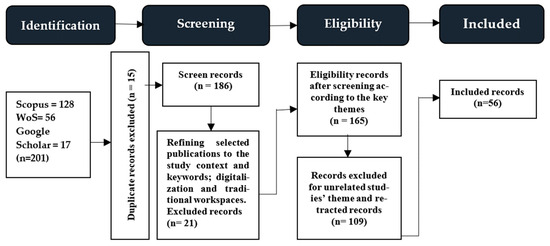
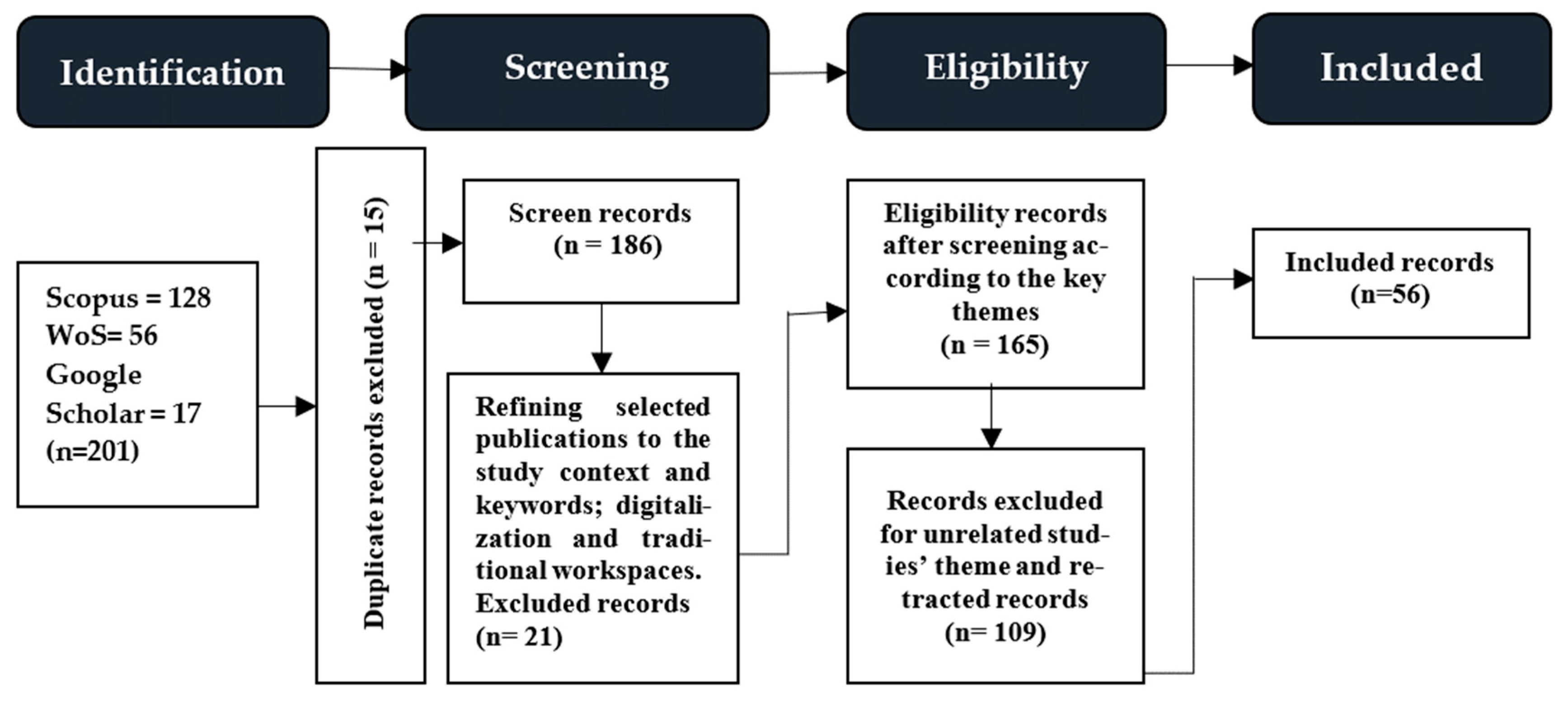
The first author collected the data separately, and then the second author verified them. The title and abstract screening was conducted independently by the first author, after which the second author independently reviewed the screened records for verification. After the materials were screened and evaluated for eligibility by the two authors, a full-text assessment was performed separately by both authors. Disputes and discrepancies that were identified at either stage were resolved through a structured discussion, which led to agreement. A third party, not involved in the original process, was consulted to settle the remaining concerns. While inter-rater reliability statistics were not computed, the independent screening and consensus-based resolution process provide procedural robustness consistent with systematic review practice in organisational research. Hence, we regularly calibrated and cross-checked the data to ensure consistency. Because there were so many different types of studies, a narrative risk-of-bias synthesis was used instead of a numerical score system. A total of 56 records were included in the analysis. Figure 1 illustrates the search strategy following the PRISMA framework.
Figure 1.
PRISMA flow framework for the study.
The selected studies were further validated for analysis using a qualitative method that is in synergy with conservation of resources (COR) theory, which posits the need for workplace stakeholders to rely on available resources at their disposal for completion of their organisational functions, and also to engage in the maintenance of the available resources [4]. Additionally, given the penetration of digitalisation in many industries and organisations, COR theory contends that a multidisciplinary approach is needed to thoroughly synthesise and analyse studies within the relevant context [29]. The theory supports the study design in informing a thematic synthesis [35] that commences with the coding of the evidence to identify the implications and categorise the findings. This is followed by the development of descriptive themes to group workplace determinants across the traditional and digital settings. Using this theory lens, the findings are then interpreted to ensure that organisations may ascertain the workplace resource acquisition, gains, losses, and protection in the different settings.
3. Related Works
Digitalised workplaces are the ideal solution to many traditional workplace challenges [28]. Traditional workplace limitations, such as the lack of flexibility, productivity, and space, have been remedied with the digitalisation of workspaces [36]. The potential of digitalisation and the benefits it delivers to many organisational settings have been the rationale for its endorsement. Yet despite its benefits and potential to overcome many traditional workplace drawbacks, it is not without issues and concerns. Many studies have highlighted several of these concerns [36,37]. Specific challenges such as technostress, Zoom or video conference fatigue, and detachment have been attributed to digitalisation [1,14,38]. A study on technology-driven efficiency enhancement and the impending direction of work reveals a lag in workplace skills associated with digitalisation [16]. Considering the unrelenting advancement of technologies and the influence of digitalisation in the workplace, understanding their disposition relative to that of their traditional counterparts is imperative to provide amelioration of current and future challenges.
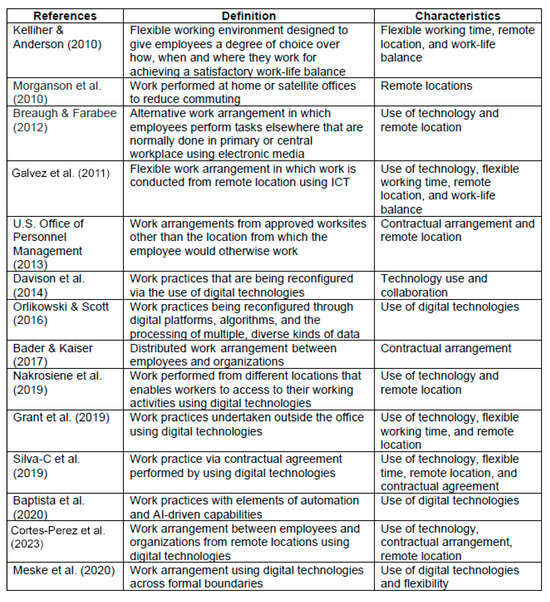
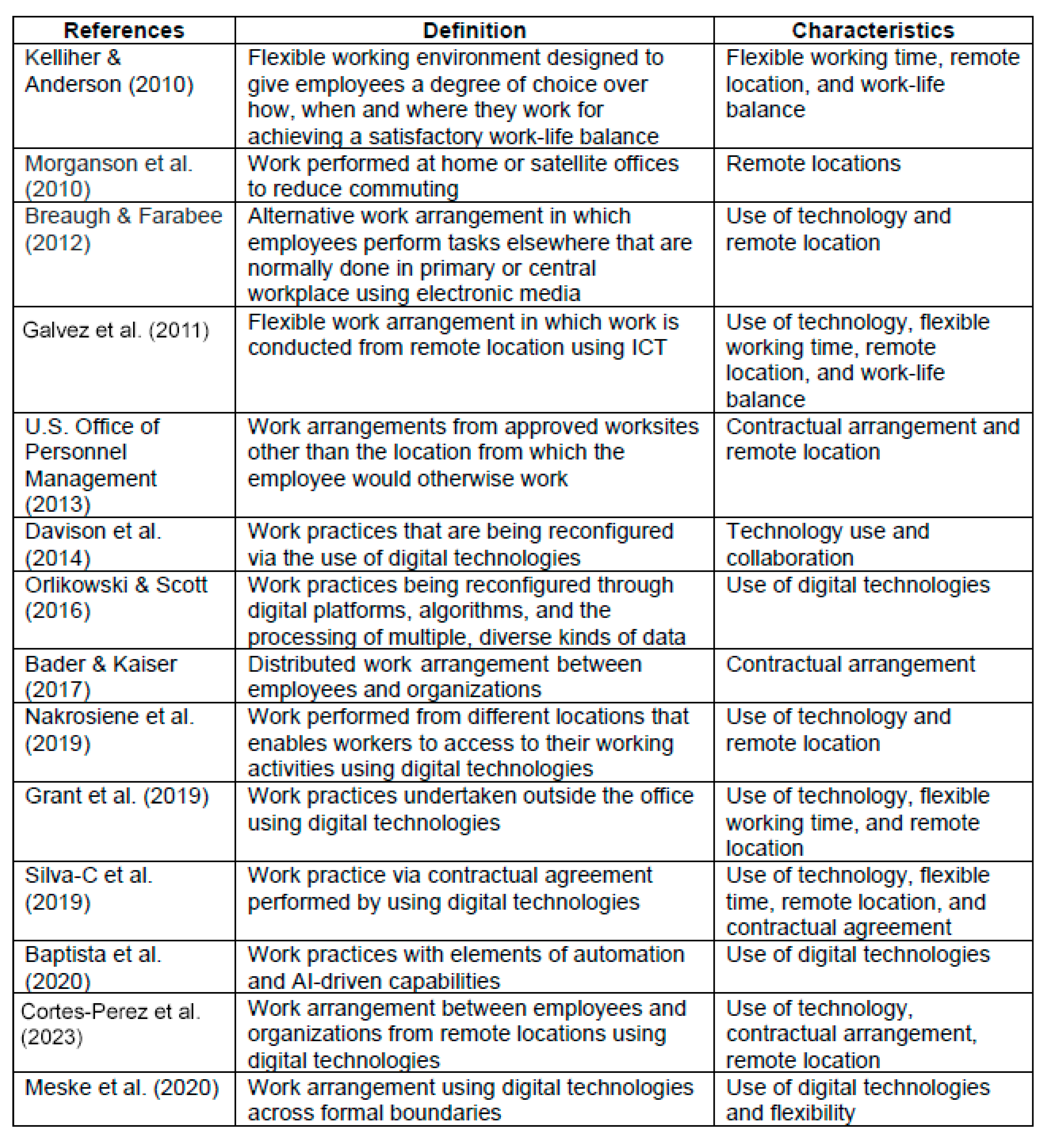
Digitalisation of the workplace dates back to the seventies with the initiation of telework in the traditional workplace [1]. Telework, or remote work, anchored on digital technologies. It is characterised in extant literature as “the type of work which could be done in the premises of the employer, but on a regular basis is done outside these premises using information and communication technologies” [2]. Wibowo, Deng and Duan [1] presented a similar definition of telework, as a “work arrangement between individuals and organisations for performing job-related tasks using digital technologies through processing diverse kinds of data from remote locations”. These authors outlined the digitalised work characteristics associated with this type of workspace from different studies, emphasising the associated features [1]. The table in Figure 2 depicts this characterisation, highlighting the unique disposition across the current body of knowledge. Each conceptual definition captures common features associated with traditional workplace limitations, such as those of time, contracts, and location [1,24,39]. This also confirms different phases of workplace digitalisation alignment with associated emerging technologies of the time [1,2]. These supporting technologies have progressed from home desktops to personal and mobile devices like smartphones, tablets, netbooks, and notebooks, indicating that the development of workplace digitalisation is synchronous with the progression of digitalised technologies. Nevertheless, many workplaces now have seen traditional settings supplanted by digitalised workspaces.
Figure 2.
Characterisation of digitised work from extant studies [40,41,42,43,44,45,46,47,48,49,50,51,52,53]. Source: Wibowo, Deng and Duan [1].
Over time, workspace technologies have significantly evolved to support organisational functions. Technological innovations are concurrent with their adoption in many workspaces, driving significant transformation. Iwanaga, et al. [54] contend that the development of technologies is needed to enhance their benefits in workplaces. Their proliferation and deployment within the workspace present several challenges intrinsic to the workspace [54]. The COVID-19 epidemic and social distancing exposed numerous limitations in the traditional working environment, prompting a surge in the introduction of technologies to minimise work disruption. Several studies have highlighted such technologies’ ability to offer flexibility, addressing a major restriction associated with traditional workspaces [25,55]. The deployment of technologies to overcome geographical limitations inherent to traditional workspaces was another great feat associated with their development [5,26]. Regardless of these benefits, technological concerns such as those of privacy, data, and connectivity posed significant challenges. Congruently, several authors have regarded technology in many instances to be disruptive and drivers of many digital workspace concerns [1,26]. Nonetheless, technological innovations occurring around the world continue to be a foremost determinant in the promotion of the digitalised workspace over the traditional one, and the digitalised workspace is increasingly championed for the benefits and resolutions it provides in the face of traditional workspace limitations [25].
Additionally, workspace dynamics are also influenced by several factors that determine their adoption and implementation. Several studies have identified gender, age, and role as common determinants influencing workspace dynamics [24,55,56]. In the case of the gender factor, some studies opine that males are more receptive to digitalised work options than females [4]. A similar opinion is sometimes held with regard to age; some studies have pointed out that the younger generation (Gen Z) is more receptive to a digitalised workspace [57,58]. These determinants can contribute to a precarious environment in many organisations that need to balance their effects on the workplace for optimal productivity and performance. Regardless of these determinants, the implementations of digitalised workspaces over traditional ones continue to be significantly transformed by technological factors [26]. Information and communication technologies remain the major determinants of the digitalised workspace. Their potential and capabilities continue to serve as a catalysts for digitalisation that is enabling different types of workspaces [59,60,61]. Much research on the workspace environment has focused on the technological aspect. Most of these studies sideline other associated aspects such as working functionality and social impact [22,23]. Authors argue that workplace research has been constrained by concerns of technological innovation [23]. Koroma, et al. [62] expressed a similar sentiment, alleging that the main challenges of digital environments stem from limited access and connection amid technological innovation. A significant amount of research on this theme focuses on the theory of flexibility, with little mention of other important components like productivity and performance [22,24,54,63]. However, a study by Bergefurt, et al. [64] argued that digitalisation influences the productivity, mental health, and well-being of stakeholders. Thus, the digitalised workplace holds significant implications for organisations that holistically explore the impact of a digitalised working environment. Regardless of these implications, workplace dynamics still present significant challenges to the design of an organisation’s workflow and its stakeholders.
4. Results
The studies examined revealed that, compared with the traditional workspace, digitalised workspaces present transformative potential within several organisations [28,65], asserting workplace dynamics linked to both organisational resource attainments and diminutions, and aligning with the principles of conservation of resources (COR) theory [30]. A total of 56 studies were included in this systematic review. Table 1 provides a comprehensive list of these studies, with each row representing a single study and collectively constituting the complete corpus. The included studies encompass both primary research and secondary literature, such as systematic, scoping, narrative, and industry reviews. The findings presented in Table 1 informed the derivation of four key themes through the recognition of recurring patterns and concepts across the studies. These derived key themes are presented in Table 2. Several evaluations encompassing intersecting core areas of research were identified, and a synthesis was conducted to eliminate redundancy and facilitate the integration of findings from the various study types. The displayed result of the study synthesis identifies the implicated work area, type of work environment, the associated challenges, and related findings.
Table 1.
Summary of studies on workspaces.
Table 2.
Thematic analysis of workspaces.
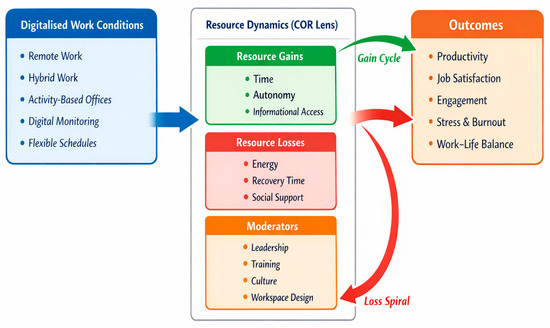
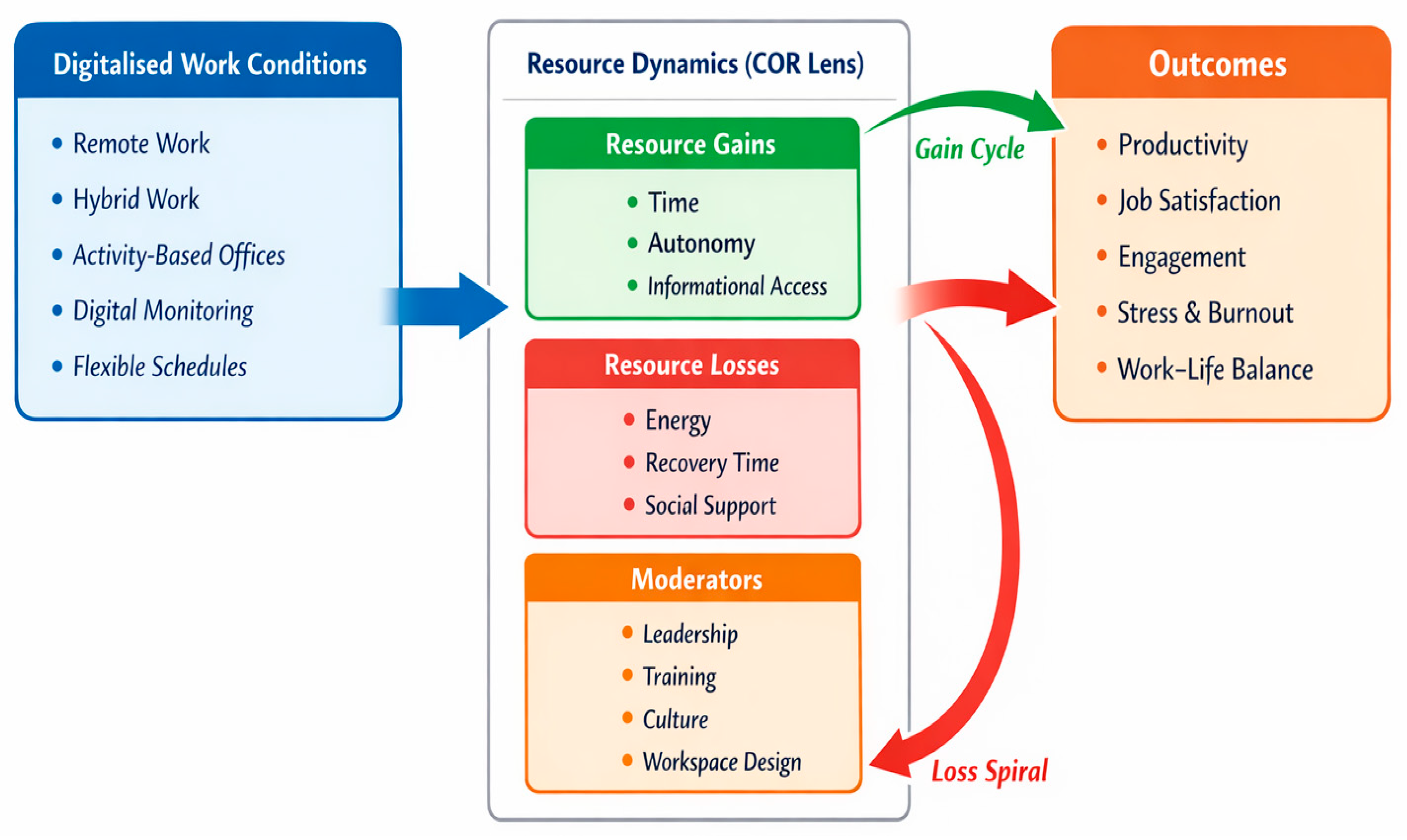
The transition from conventional, physically shared workspaces to digital, remote, and hybrid work models signifies a profound alteration in resource dynamics, rather than merely a shift in the physical location of work [77]. In alignment with conservation of resources (COR) theory, the studies examined indicate that digital work simultaneously facilitates organisational acquisition and exposes employees to increased risks of resource depletion. From a positive perspective, digital work structures provide employees with opportunities to amass resources such as time, autonomy, and flexibility, primarily through diminished commuting times, augmented control over work schedules, and increased latitude in task execution [66,78]. When supported by digital leadership and conducive organisational cultures, these advantages coalesce into resource caravans, resulting in enhanced productivity, engagement, and satisfaction [79,80]. These observations suggest that digital work can improve work quality when autonomy resources are safeguarded and strengthened.
Conversely, this transition undermines certain safeguards characteristic of conventional work environments, such as well-defined temporal limits, informal collaboration, and unplanned social assistance [81,82]. The new constructs, the erosion of boundaries, the expectation of constant availability, and reduced social engagement frequently precipitate energy depletion and recovery deficits, potentially leading to COR-consistent loss spirals. Significantly, these adverse effects frequently extend beyond the professional sphere, impacting familial relationships and overall life satisfaction [83]. Consequently, absent intentional organisational measures, digital work may inadvertently prioritise short-term efficiency improvements at the expense of long-term resource depletion [12,60,84]. Key themes identified are shown in Table 2.
5. Discussion
Workspaces are fundamental to the functioning of an organisation and influence many aspects within a corporation, such as performance, culture, and strategy [25]. Over time, different aspects such as flexibility and organisational nature have influenced the type of working environment. Certain sectors, like the manufacturing industries that are involved in product development, are more prone to a traditional workspace setup where workers are required to be on site, while service companies like those in accounting, banking, and information technology more often offer flexible options. Regardless of which option is selected and instituted in an organisation, the environment plays a significant role in the overall performance and well-being of its stakeholders. Thus, the discussion on digitalisation of the workplace in comparison with the traditional workplace is an interesting issue globally [5,69,71,76]. Their disposition relative to each other is relevant to many organisational objectives and is influenced by several determinants. Technologies and spatial preferences play an integral role in the transformation of the workspace [22,39]. Currently, workplace design and nature are influencing job demands and creating challenges that need to be addressed to create ana conducive environment for optimal productivity and performance in organisations [62].
This study found that workspace dynamics constitute a complex phenomenon that has significant challenges associated with the different types of setups [3,70]. Most of these challenges emerge from the traditional setup but can also be found in a digital type of workspace. The onset of digitalisation that is driving the digital work era has successfully addressed most of these challenges, such as the lack of flexibility and space. However, many of the traditional-workplace-associated challenges are mirrored and echoed in the digitalised setup. For instance, the sort of toxic working environment common in most traditional workspaces that was evaded by the transition to digitalisation is now being virtually enacted in various forms [75]. There are concerns that cyber-issues associated with digitalised workspaces such as cyberbullying and cyberterrorism are becoming more common [6,9,26,70]. Furthermore, social and economic inequalities are present in both traditional and digital workspaces. Other concerns include wellness, social cohesion, and organisational culture, which are equally present in all the different types of workspaces, leading to the need for a holistic exploration of workspace dynamics for optimal organisational efficacy [1]. Although the gravity of these challenges varies across the different types of workspace, understanding them is paramount to the overall performance and productivity of organisations’ strategic objectives [21,72]. Thus, a holistic and comprehensive approach is needed and important for the adoption of the different types of workspaces. Therefore, considering and understanding these concerns within the discussion of the digitalised workspace vs. the traditional workspace is vital in mitigating related challenges. Optimising all workspaces requires a complete understanding of major concerns as an effort to leverage the plethora of emerging technologies.
Cyber-issues such as security risks and data privacy are concerns primarily associated with a digitalised workspace. However, privacy concerns are also present in the traditional workspace, where the absence of privacy is often considered a hindrance [10]. Nonetheless, reports of cybercrimes and cybersickness associated with employee well-being are recounted in many studies [26], making it imperative to understand their dynamics within a digitalised workspace. Moreover, health and risk are crucial agendas in many organisations that have resulted in the formulation of policies and regulations to ensure a stable environment [68]. The occurrence of these concerns within an organisation is often unexpected and associated with many other aspects, such as working conditions and the nature of the work. According to Schia [70], the swift pace of technological development is not parallel with effective regulatory mechanisms. While these issues exist in all workspaces, digitalised workspaces present a perfect avenue for cyber-related sickness and crime. Overcoming this hurdle presents a great avenue for the optimisation of digitalised workspaces. Su, Jung, Lu, Wang, Qing and Xu [68] recommend the introduction of human interactions with emerging technologies such as robots to reduce mental stress. Stich [26] recommends the development of cyberdeviancy policies that prohibit certain cyber-behaviours. Roos [16] alleges that a firm foundation is required to ensure that stakeholders can effectively adapt to emerging technology.
Social and economic inequalities are other concerns that bring gender determinants influences in the choice of workspaces. Traditional workspaces did not have to deal with these concerns as much as the digitalised workspaces. Authors Tremblay and Thomsin [24] report a correlation between digital work and gender, citing the advantages of digitalised workspaces such as telework and mobile work as the motivation for their endorsement [55]. A sharp contrast is presented in other current literature [23]. Women are identified as being confined in organisational premises while working spaces for men opt for more complex and multidirectional [23,73]. These authors contend that workplace research has been limited by its focus on advancements in mobile technologies and has failed to recognise the widespread impact of spatial and temporal divisions in the work lives of both genders [23,24]. Souza and Debs [3] confirm the lack of skills exploration needed for emerging technologies adoption among the workforce as a hindrance to workplace transformation. Therefore, digitalisations of workspaces need to be accompanied by policies that take into consideration these vulnerabilities to bridge digital gaps [59,67,70].
Issues of cohesion in the workplace are grounded in several notions, one of these being organisational culture [10]. Cohesion has been encouraged to achieve organisational objectives and foster good relationships in organisations [74]. By encouraging distance between colleagues, digitalisation frequently prevents the type of cohesion found in traditional workplaces. While it has been credited in extant literature as an escape from negative relationships that have an inverse effect on productivity and overall organisational success [75], this social disconnection is often alleged to be a hindrance to social support, which has been considered a benefit of the traditional setting compared to the digitalised one [10]. Insinuating that many digitalised workspaces are void of social support for the end users. There are several studies that are focused on enhancing the interaction between human and technology over that of human and human [7,8]. Di Marino, Chavoshi, Andersen and Nenonen [21] have argued that a surge in the social exclusion phenomenon is one of the disadvantages of digitalisation. The lack of physical interaction resulting from digital workspaces affects team cohesion and company culture and requires measures to mitigate and bridge the gap. Stich [26] proposes a convergence of different workplaces combining both the design and training needed to dissolve the overlaps of traditional and digitalised workspaces without offsetting the technological dependency of many organisations.
The information age presents flexibility as a bargaining chip in the preference for different workspaces [1,37,39,72]. In many workplaces where digitalisation has been adopted, the availability of flexibility has been a focal point [66]. Several studies associate flexibility with employee engagement, which is directly correlated with organisational performance and productivity [1,4]. According to Lee, Chong and Ojo [4], flexibility poses serious implications for work–life balance. Their study alleged that flexibility increases conflict in work and family [4,26]. However, this existing stance is associated with the outcome of flexibility in different workspaces. Traditional workspaces that offer limited flexibility are credited in current literature with being responsible for increasing employee engagement [4]. However, excessive flexibility associated with digital workspaces poses a challenge to time and employee engagement [1,4]. Regardless of the type of workspace, flexibility attracts both favourable and unfavourable influences. Thus, it is important to consider their impact on the quality of work life in all circumstances, and measures that assist in leveraging the favourable influences are needed. Management initiatives to enrich workspace outlook are regarded as a positive measure, one that is reported to optimise flexibility in workspaces [4,21]. According to Lee, Chong and Ojo [4], adequate training provided along with workplace flexibility is needed for workforce satisfaction and life balance.
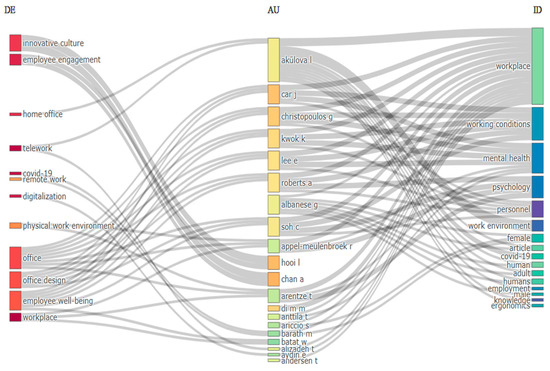
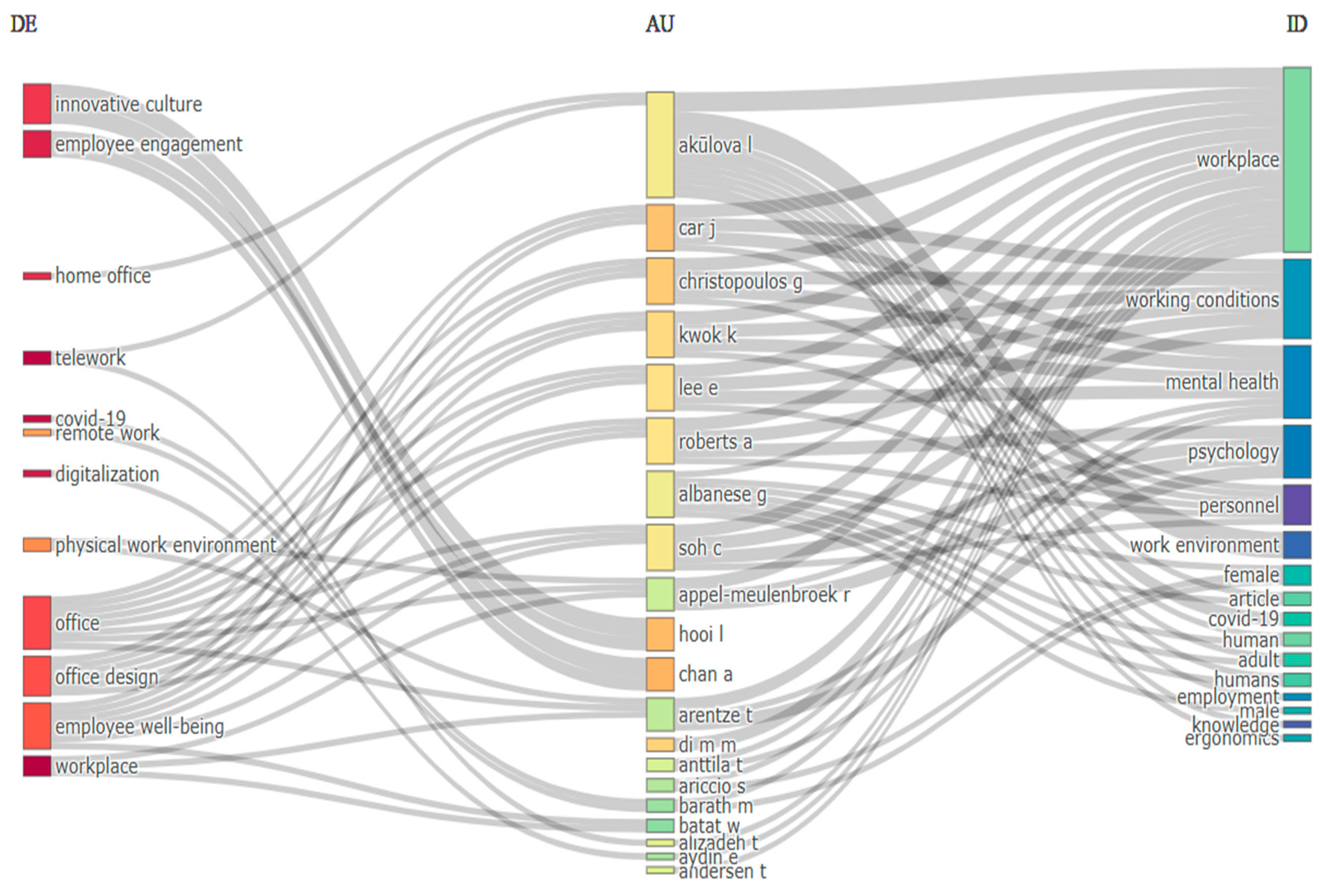
Additionally, our synthesis of studies on workplace dynamics identified important concepts that directly influence their nature. The environmental concepts in many organisations contribute significantly to the nature of the workplace. This component directly influences many other workplace elements, such as the health and conditions under which work is performed [26]. This study posits the need for measures that leverage the presence of digitalisation for the optimal success of an organisation in all environments. Di Marino and Lapintie [22] advocate for future visions and planning of new workplaces to emphasise these attributes, especially the spatial and social features. Failing to map these attributes to the different environment setups of the workspace is detrimental to the achievement of many organisational objectives. The enactment of the workplace environment and the related conditions that define it are confirmed in Figure 3. mapping the essential characteristics of the various workspaces. Which can be used as a instrument to map, identify, and comprehend the interrelationships of various properties.
Figure 3.
Workspace attribute mapping; source: author(s).
Innovative culture and employee engagement exist independently of other related components but correlate with the type of workplace setting, especially in light of digitalisation. Prominent components, such as working conditions, psychological temperament, and the environment, are observed to be fundamental to the choice of workplace, and are crucial to productivity and organisational performance. In many instances, these components have been the main drivers of the preference for a digitalised workplace over a traditional one. Such a view acknowledges that digitalised workspaces offer both benefits and drawbacks; it anchors on the advantages of these workspaces, such as reduced colleague interference, increased flexibility, personal and professional growth, decreased travel and time wastage, improved organisation of working hours, and potential for better time management, with the understanding that digitalisation is also driving complex interactions that are resulting in higher mental stress. Thus, to optimise the institution of digitalisation of workspaces over traditional workspaces, there is a need for training, solid technological foundations, and sound policies [59,60,61]. Beyond the aforementioned possible strategies, a hybrid workplace model that incorporates both digital and traditional work is the recommended amelioration that will result in greater optimisation of technological advancement for organisational efficacy in the current era of globalisation [21].
Integrating findings from different studies, a theoretically informed conceptual synthesis was conducted using the COR analytic lens, capturing the need for resource-oriented organisational design. Following this synthesis, workspace dynamics constructs capturing recurring work conditions, resource changes, and outcomes were identified. These paradigms were abstracted COR-informed analytical constructs representing resource gains, resource losses, and contextual moderators. Relationships between constructs were iteratively distinguished through constant comparison across studies. The resulting conceptual evidence map (Figure 4) visually synthesises how digitalised work conditions influence organisations and employee outcomes through resource dynamics, illustrating both gain cycles and loss spirals. These grounded constructs are an integrative heuristic model and not causal, reflecting dominant trends uncovered in this study. Figure 4 further highlights the workspace attributes, advantages, and drawbacks, and summarises the discussion on workspaces, emphasising the necessity for hybrid models that balance digital and traditional work to meet organisational needs.
Figure 4.
Summary of review of digitalisation of workspace vs. traditional workspace; source: author(s).
6. Conclusions
The concept of workspaces is instrumental to the optimal efficacy of an organisation. Although digital workspaces present several benefits over their traditional counterpart, they are not without challenges that hinder workplace optimisation. Hence, this study aimed to explore this phenomenon to uncover its implications and the possible strategies to optimise the digitalisation of workspaces. The study highlights the benefits of digitalisation and traditional workspaces, asserting both the advantages and disadvantages of digital workspaces as compared with traditional ones. The identified benefits include enhanced work–life balance with flexible options, decreased commuting time, and increased personal commitments associated with digitalisation in workspaces. Along with these benefits, however, the study found that the shift towards digitalisation also presents dangers, which include cyber-issues such as risks and data privacy concerns. The propagation of digitalisation in a workspace also engenders significant concerns regarding digital divide issues, whereby unequal access to digital tools and skills is exacerbating social and economic inequalities in many organisations. Additionally, the lack of physical interaction in digital workspaces adversely impacts team cohesion and company culture, which are crucial to organisational success. These phenomena associated with workspaces, especially digitalised ones, present serious consequences that necessitate strategies to mitigate their presence and optimise the digitalisation of workspaces.
Thus, based on the categorised findings and supported by the COR framework, this study suggests the timely development of universal regulations and policies and the establishment of a solid technological foundation as pragmatic measures for improvement of workplaces. Additionally, the study found the digitalisation of workspaces to be a complex, multifaceted phenomenon that offers significant benefits in terms of flexibility, efficiency, and innovation, while simultaneously posing challenges that need to be carefully managed. It also postulates that the incessant evolution of technology and the future of work will likely be characterised by a hybrid model that combines the best aspects of digital and traditional workspaces, tailored to the specific needs and goals of each organisation. Future research should therefore focus on the development of hybrid workplace models, taking into consideration the conservation of organisational resources for the optimisation of digitalisation and traditional capacities. Primary research employing more standardised hybrid typologies that enable more granular and context-specific recommendations is needed.
Additionally, this study primarily used a qualitative synthesis, which imposes certain constraints such as database scope limitations, overlapping studies magnifying narratives, and the possibility of omitting some relevant studies. Furthermore, the research was limited to English-language articles; no formal quantitative meta-analysis was conducted. To mitigate the risk of publication bias, several databases and grey literature were adopted and all constrains were considered during the synthesis to prevent overrepresentation of feebler evidence. Furthermore, the qualitative synthesis did not include original data collected from important parties, such as employers and employees. As a result, additional research is needed to empirically corroborate these study findings, utilising primary data gathered through methods such as interviews and questionnaires distributed to stakeholders.
Supplementary Materials
The following supporting information can be downloaded at: https://www.mdpi.com/article/10.3390/informatics13040046/s1, File S1: PRISMA Checklist 2020.
Author Contributions
Conceptualisation, A.E.; methodology, A.E.; software A.E.; validation, A.E. and S.P.M.; formal analysis, A.E.; investigation A.E.; resources, A.E.; data curation, A.E.; writing—original draft preparation, A.E.; writing—review and editing, A.E.; visualisation, A.E.; supervision, S.P.M.; project administration, A.E. and S.P.M.; funding acquisition, S.P.M. All authors have read and agreed to the published version of the manuscript.
Funding
This research was funded by Durban University of Technology.
Institutional Review Board Statement
Not applicable.
Informed Consent Statement
Not applicable.
Data Availability Statement
The original contributions presented in this study are included in the article/Supplementary Material. Further inquiries can be directed to the corresponding author(s).
Conflicts of Interest
The authors declare no conflicts of interest.
References
- Wibowo, S.; Deng, H.; Duan, S. Understanding Digital Work and its Use in Organizations from a Literature Review. Pac. Asia J. Assoc. Inf. Syst. 2022, 14, 29–51. [Google Scholar] [CrossRef] [Scilit]
- Matisāne, L.; Paegle, L.; Akūlova, L.; Vanadziņš, I. Challenges for workplace risk assessment in home offices—Results from a qualitative descriptive study on working life during the first wave of the COVID-19 pandemic in Latvia. Int. J. Environ. Res. Public Health 2021, 18, 10876. [Google Scholar] [CrossRef] [Scilit] [PubMed]
- Souza, A.S.C.D.; Debs, L. Identifying Emerging Technologies and Skills Required for Construction 4.0. Buildings 2023, 13, 2535. [Google Scholar] [CrossRef] [Scilit]
- Lee, S.H.; Chong, C.W.; Ojo, A.O. Influence of workplace flexibility on employee engagement among young generation. Cogent Bus. Manag. 2024, 11, 2309705. [Google Scholar] [CrossRef] [Scilit]
- Agnusdei, G.P.; Elia, V.; Gnoni, M.G. Is digital twin technology supporting safety management? A bibliometric and systematic review. Appl. Sci. 2021, 11, 2767. [Google Scholar] [CrossRef] [Scilit]
- De Carvalho, A.F.P.; Reichel, S.; Martin, M.M.S.; Allen, E.S.; Schweitzer, M. Group Effect Aspects in Digitalisation Production Contexts: Articulation Spaces for Emerging Cooperation Challenges. Proc. ACM Hum.-Comput. Interact. 2023, 7, 1–28. [Google Scholar] [CrossRef] [Scilit]
- Keshvarparast, A.; Battini, D.; Battaia, O.; Pirayesh, A. Collaborative robots in manufacturing and assembly systems: Literature review and future research agenda. J. Intell. Manuf. 2023, 35, 2065–2118. [Google Scholar] [CrossRef]
- Moencks, M.; Roth, E.; Bohné, T.; Kristensson, P.O. Human-Computer Interaction in Industry: A Systematic Review on the Applicability and Value-added of Operator Assistance Systems. Found. Trends Hum.-Comput. Interact. 2022, 16, 67–154. [Google Scholar] [CrossRef] [Scilit]
- Souchet, A.D.; Lourdeaux, D.; Burkhardt, J.M.; Hancock, P.A. Design guidelines for limiting and eliminating virtual reality-induced symptoms and effects at work: A comprehensive, factor-oriented review. Front. Psychol. 2023, 14, 1161932. [Google Scholar]
- Perera, W.Y.; Perera, B.A.K.S.; Jayasena, N.S. Adaptability of the shared workspace concept, for office buildings in Sri Lanka. Intell. Build. Int. 2021, 13, 327–341. [Google Scholar] [CrossRef] [Scilit]
- Erhan, T.; Uzunbacak, H.H.; Aydin, E. From conventional to digital leadership: Exploring digitalization of leadership and innovative work behavior. Manag. Res. Rev. 2022, 45, 1524–1543. [Google Scholar] [CrossRef] [Scilit]
- Hooi, L.W.; Chan, A.J. Do workplace digitalisation and group diversity matter in linking innovative culture to employee engagement? In Evidence-Based HRM—A Global Forum for Empirical Scholarship; Emerald Publishing Limited: Leeds, UK, 2024; pp. 214–229. [Google Scholar]
- Hooi, L.W.; Chan, A.J. Does workplace digitalization matter in linking transformational leadership and innovative culture to employee engagement? J. Organ. Change Manag. 2023, 36, 197–216. [Google Scholar] [CrossRef] [Scilit]
- Augstein, M.; Neumayr, T.; Schönböck, J.; Kovacs, C. Remote Persons Are Closer Than They Appear: Home, Team and a Lockdown. In Proceedings of the Conference on Human Factors in Computing Systems—Proceedings; Association for Computing Machinery: New York, NY, USA, 2023. [Google Scholar]
- Duarte, A.; Dias, P.; Ruão, T.; Andrade, J.G. Perspectives on Workplace Communication and Well-Being in Hybrid Work Environments; IGI Global: Hershey, PA, USA, 2023; pp. 1–276. [Google Scholar]
- Roos, G. Technology-Driven Productivity Improvements and the Future of Work: Emerging Research and Opportunities; IGI Global: Hershey, PA, USA, 2017; pp. 1–255. [Google Scholar]
- Leonardi, P.M.; Parker, S.H.; Shen, R. How Remote Work Changes the World of Work. Annu. Rev. Organ. Psychol. Organ. Behav. 2024, 11, 193–219. [Google Scholar] [CrossRef] [Scilit]
- Kadek Suartama, I.; Setyosari, P.; Ulfa, S. Development of ubiquitous learning environment based on moodle learning management system. Int. J. Interact. Mob. Technol. 2020, 14, 182–204. [Google Scholar] [CrossRef] [Scilit]
- Orel, M.; Dvouletý, O. Transformative Changes and Developments of the Coworking Model: A Narrative Review. In Studies on Entrepreneurship, Structural Change and Industrial Dynamics; Springer Nature: London, UK, 2020; pp. 9–27. [Google Scholar]
- Thakur, L.; Vasudev, H.; Singh, J.; Prashar, G. Artificial Intelligence and Machine Learning in the Thermal Spray Industry: Practices, Implementation, and Challenges; CRC Press: Boca Raton, FL, USA, 2023; pp. 1–128. [Google Scholar]
- Di Marino, M.; Chavoshi, S.H.; Andersen, T.; Nenonen, S. The future of multilocational work and New Working Spaces in small and medium-sized urban municipalities and in rural municipalities: A Norwegian perspective. Nor. Geogr. Tidsskr. 2023, 77, 207–223. [Google Scholar] [CrossRef] [Scilit]
- Di Marino, M.; Lapintie, K. Emerging Workplaces in Post-Functionalist Cities. J. Urban Technol. 2017, 24, 5–25. [Google Scholar] [CrossRef] [Scilit]
- Burchell, B.; Reuschke, D.; Zhang, M. Spatial and temporal segmenting of urban workplaces: The gendering of multi-locational working. Urban Stud. 2021, 58, 2207–2232. [Google Scholar] [CrossRef] [Scilit]
- Tremblay, D.G.; Thomsin, L. Telework and mobile working: Analysis of its benefits and drawbacks. Int. J. Work Innov. 2012, 1, 100–113. [Google Scholar] [CrossRef] [Scilit]
- Barath, M.; Schmidt, D.A. Offices after the COVID-19 Pandemic and Changes in Perception of Flexible Office Space. Sustainability 2022, 14, 11158. [Google Scholar] [CrossRef] [Scilit]
- Stich, J.F. A review of workplace stress in the virtual office. Intell. Build. Int. 2020, 12, 208–220. [Google Scholar] [CrossRef] [Scilit]
- Vogl, T.; Sinitsyna, A.; Micek, G. Systematic literature review of location factors of coworking spaces in non-urban areas. In Evolution of New Working Spaces: Changing Nature and Geographies; Springer: Cham, Switzerland, 2024; pp. 83–94. [Google Scholar]
- Lo, T.T.S.; Chen, Y.T.; Lai, T.Y.; Goodman, A. Phygital workspace: A systematic review in developing a new typological work environment using XR technology to reduce the carbon footprint. Front. Built Environ. 2024, 10, 17. [Google Scholar] [CrossRef] [Scilit]
- Harteis, C.; Goller, M.; Caruso, C. Conceptual Change in the Face of Digitalization: Challenges for Workplaces and Workplace Learning. In Frontiers in Education; Frontiers Media SA: Lausanne, Switzerland, 2020; Volume 5. [Google Scholar]
- Hobfoll, S.E.; Halbesleben, J.; Neveu, J.-P.; Westman, M. Conservation of resources in the organizational context: The reality of resources and their consequences. Annu. Rev. Organ. Psychol. Organ. Behav. 2018, 5, 103–128. [Google Scholar] [CrossRef] [Scilit]
- Črešnar, R.; Dabić, M.; Stojčić, N.; Nedelko, Z. It takes two to tango: Technological and non-technological factors of Industry 4.0 implementation in manufacturing firms. Rev. Manag. Sci. 2023, 17, 827–853. [Google Scholar] [CrossRef] [Scilit]
- Cheng, T.C.A.; Caponecchia, C.; O’Neill, S. Workplace safety and future and emerging ways of work: A systematic literature review. Saf. Sci. 2022, 155, 105873. [Google Scholar] [CrossRef] [Scilit]
- Hou, H.; Sing, M. Transformative Response in Office Workplace: A Systematic Review of Post-Pandemic Changes. Buildings 2025, 15, 1519. [Google Scholar] [CrossRef] [Scilit]
- Moher, D.; Liberati, A.; Tetzlaff, J.; Altman, D.G. Preferred reporting items for systematic reviews and meta-analyses: The PRISMA statement. Int. J. Surg. 2010, 8, 336–341. [Google Scholar] [CrossRef] [Scilit] [PubMed]
- Thomas, J.; Harden, A. Methods for the thematic synthesis of qualitative research in systematic reviews. BMC Med. Res. Methodol. 2008, 8, 45. [Google Scholar] [CrossRef] [Scilit]
- Friedrich, T.S.; Vicari, B. The Digitalization Boost of the COVID-19 Pandemic and Changes in Job Quality. Soc. Incl. 2023, 11, 274–286. [Google Scholar] [CrossRef] [Scilit]
- Schneider, W. Psychosocial ramifications of digitalization. Psychotherapeut 2018, 63, 291–300. [Google Scholar] [CrossRef] [Scilit]
- Mura, A.L.; Ariccio, S.; Villani, T.; Bonaiuto, F.; Bonaiuto, M. The Physical Environment in Remote Working: Development and Validation of Perceived Remote Workplace Environment Quality Indicators (PRWEQIs). Sustainability 2023, 15, 2858. [Google Scholar] [CrossRef] [Scilit]
- Alizadeh, T. Teleworkers’ Characteristics in Live/Work Communities: Lessons from the United States and Australia. J. Urban Technol. 2012, 19, 63–84. [Google Scholar] [CrossRef] [Scilit]
- Bader, V.; Kaiser, S. Autonomy and control? How heterogeneous sociomaterial assemblages explain paradoxical rationalities in the digital workplace. Manag. Rev. 2017, 28, 338–358. [Google Scholar]
- Baptista, J.; Stein, M.-K.; Klein, S.; Watson-Manheim, M.B.; Lee, J. Digital work and organisational transformation: Emergent Digital/Human work configurations in modern organisations. J. Strateg. Inf. Syst. 2020, 29, 101618. [Google Scholar] [CrossRef] [Scilit]
- Breaugh, J.A.; Farabee, A.M. Telecommuting and flexible work hours: Alternative work arrangements that can improve the quality of work life. In Work and Quality of Life: Ethical Practices in Organizations; Springer: Berlin/Heidelberg, Germany, 2012; pp. 251–274. [Google Scholar]
- Cortés-Pérez, H.D.; Escobar-Sierra, M.; Galindo-Monsalve, R. Influence of lifestyle and cultural traits on the willingness to telework: A case study in the Aburrá Valley, Medellín, Colombia. Glob. Bus. Rev. 2023, 24, 206–222. [Google Scholar] [CrossRef] [Scilit]
- Davison, R.M.; Ou, C.X.; Martinsons, M.G.; Zhao, A.Y.; Du, R. The communicative ecology of Web 2.0 at work: Social networking in the workspace. J. Assoc. Inf. Sci. Technol. 2014, 65, 2035–2047. [Google Scholar] [CrossRef] [Scilit]
- Gálvez, A.; Martínez, M.J.; Pérez, C. Telework and work-life balance: Some dimensions for organisational change. J. Workplace Rights 2011, 16, 273–297. [Google Scholar] [CrossRef] [Scilit]
- Grant, C.A.; Wallace, L.M.; Spurgeon, P.C.; Tramontano, C.; Charalampous, M. Construction and initial validation of the E-Work Life Scale to measure remote e-working. Empl. Relat. 2019, 41, 16–33. [Google Scholar] [CrossRef] [Scilit]
- Kelliher, C.; Anderson, D. Doing more with less? Flexible working practices and the intensification of work. Hum. Relat. 2010, 63, 83–106. [Google Scholar] [CrossRef] [Scilit]
- Meske, C.; Kissmer, T.; Stieglitz, S. Bridging formal barriers in digital work environments–Investigating technology-enabled interactions across organizational hierarchies. Telemat. Inform. 2020, 48, 101342. [Google Scholar] [CrossRef] [Scilit]
- Morganson, V.J.; Major, D.A.; Oborn, K.L.; Verive, J.M.; Heelan, M.P. Comparing telework locations and traditional work arrangements: Differences in work-life balance support, job satisfaction, and inclusion. J. Manag. Psychol. 2010, 25, 578–595. [Google Scholar] [CrossRef] [Scilit]
- Nakrošienė, A.; Bučiūnienė, I.; Goštautaitė, B. Working from home: Characteristics and outcomes of telework. Int. J. Manpow. 2019, 40, 87–101. [Google Scholar] [CrossRef] [Scilit]
- Orlikowski, W.J.; Scott, S.V. Digital work: A research agenda. In A Research Agenda for Management and Organization Studies; Edward Elgar Publishing: Cheltenham, UK, 2016; pp. 88–95. [Google Scholar]
- Silva-C, A.; Montoya R, I.A.; Valencia A, J.A. The attitude of managers toward telework, why is it so difficult to adopt it in organizations? Technol. Soc. 2019, 59, 101133. [Google Scholar] [CrossRef] [Scilit]
- U.S. Office of Personnel Management. 2013 Status of Telework in the Federal Government; Report to the Congress. 2013. Available online: https://www.telework.gov/reports-studies/reports-to-congress/2013reporttocongress.pdf (accessed on 19 June 2024).
- Iwanaga, J.; Kamura, Y.; Nishimura, Y.; Terada, S.; Kishimoto, N.; Tanaka, T.; Tubbs, R.S. A new option for education during surgical procedures and related clinical anatomy in a virtual reality workspace. Clin. Anat. 2021, 34, 496–503. [Google Scholar] [CrossRef] [Scilit]
- Robelski, S.; Keller, H.; Harth, V.; Mache, S. Coworking spaces: The better home office? A psychosocial and health-related perspective on an emerging work environment. Int. J. Environ. Res. Public Health 2019, 16, 2379. [Google Scholar] [CrossRef] [Scilit] [PubMed]
- Robertson, M.M.; Lin, J.; Huang, E.; Schleifer, L. Virtual office intervention effectiveness: A systems approach. Work 2022, 71, 451–464. [Google Scholar] [CrossRef] [Scilit] [PubMed]
- Gezici, H.S.; Taşpinar, Y.; Kocaoğlu, M. Digitalization in international and mass education: A model proposal for Turkey. World J. Educ. Technol. Curr. Issues 2021, 13, 911–933. [Google Scholar] [CrossRef] [Scilit]
- Larsson, A.; Hatzigeorgiou, A. Designing Smart and Resilient Cities for a Post-Pandemic World: Metropandemic Revolution; Taylor and Francis: Oxfordshire, UK, 2022; pp. 1–374. [Google Scholar]
- Dalessandro, C.; Lovell, A. The Pandemic-Stratified Workplace: Workspace, Employee Sense of Belonging, and Inequalities at Work. SAGE Open 2024, 14, 21582440241228909. [Google Scholar] [CrossRef] [Scilit]
- Pushpa, A.; Shukla, N.; Horal, L.; Kivshyk, O.; Stepaniuk, O.; Reznik, N.P. Evolving Horizons of Work: Unravelling the Conceptual and Future Research Dimensions of Digital Workspaces. In Studies in Systems, Decision and Control; Springer Science and Business Media Deutschland GmbH: Berlin/Heidelberg, Germany, 2024; Volume 515, pp. 585–598. [Google Scholar]
- Yeung, H.L.; Hao, P. Telecommuting amid Covid-19: The Governmobility of work-from-home employees in Hong Kong. Cities 2024, 148, 104873. [Google Scholar] [CrossRef] [Scilit]
- Koroma, J.; Hyrkkänen, U.; Vartiainen, M. Looking for people, places and connections: Hindrances when working in multiple locations: A review. New Technol. Work Employ. 2014, 29, 139–159. [Google Scholar] [CrossRef] [Scilit]
- Hodzic, S.; Kubicek, B.; Uhlig, L.; Korunka, C. Activity-based flexible offices: Effects on work-related outcomes in a longitudinal study. Ergonomics 2021, 64, 455–473. [Google Scholar] [CrossRef] [Scilit]
- Bergefurt, L.; Weijs-Perrée, M.; Appel-Meulenbroek, R.; Arentze, T. The physical office workplace as a resource for mental health—A systematic scoping review. Build. Environ. 2022, 207, 108505. [Google Scholar] [CrossRef] [Scilit]
- Mauss, D.; Jarczok, M.N.; Genser, B.; Herr, R. Association of open-plan offices and sick leave—A systematic review and meta-analysis. Ind. Health 2023, 61, 173–183. [Google Scholar] [CrossRef] [Scilit]
- Gerten, E.; Beckmann, M.; Bellmann, L. Controlling Working Crowds: The Impact of Digitalization on Worker Autonomy and Monitoring Across Hierarchical Levels. Jahrb. FUR Natl. UND Stat. 2019, 239, 441–481. [Google Scholar] [CrossRef] [Scilit]
- Tegtmeier, P.; Terhoeven, J.; Wischniewski, S. Something Old, Something New, Something Inspired by Deep Blue?: A Scoping Review on the Digital Transformation of Office and Knowledge Work from the Perspective of OSH. In Proceedings of the Lecture Notes in Computer Science (Including Subseries Lecture Notes in Artificial Intelligence and Lecture Notes in Bioinformatics); Spring Nature: Cham, Switzerland, 2023; pp. 459–477. [Google Scholar]
- Su, B.; Jung, S.; Lu, L.; Wang, H.; Qing, L.; Xu, X. Exploring the impact of human-robot interaction on workers’ mental stress in collaborative assembly tasks. Appl. Ergon. 2024, 116, 104224. [Google Scholar] [CrossRef] [Scilit]
- Siek, M.; Wijaya, I. Investigating Cloud-Based Educational Technology Adoption in Advancing Learning Performance. In Proceedings of the 2022 4th International Conference on Cybernetics and Intelligent System, ICORIS; Institute of Electrical and Electronics Engineers Inc.: Piscataway, NJ, USA, 2022. [Google Scholar]
- Schia, N.N. The cyber frontier and digital pitfalls in the Global South. Third World Q. 2018, 39, 821–837. [Google Scholar] [CrossRef] [Scilit]
- Prabhakaran, A.; Mahamadu, A.M.; Mahdjoubi, L. Understanding the challenges of immersive technology use in the architecture and construction industry: A systematic review. Autom. Constr. 2022, 137, 104228. [Google Scholar] [CrossRef] [Scilit]
- Périssé, M.; Vonthron, A.M.; Vayre, É. Nomadic, Informal and Mediated Work and Quality of Life. In Digitalization of Work: New Spaces and New Working Times; Wiley: Hoboken, NJ, USA, 2022; Volume 5, pp. 25–48. [Google Scholar]
- Olofsson, J.K. Mass movements in computer-mediated environments: An account of crowds as socio-material densities. Inf. Commun. Soc. 2010, 13, 765–784. [Google Scholar] [CrossRef] [Scilit]
- Eismann, T.T.; Pakos, O.; Rücker, M.; Meinel, M.; Maier, L.; Voigt, K.I. Understanding the Mechanisms of Activity-based Workspaces: A Case Study. Environ. Behav. 2022, 54, 170–210. [Google Scholar] [CrossRef] [Scilit]
- Collins, A.M.; Hislop, D.; Cartwright, S. Social support in the workplace between teleworkers, office-based colleagues and supervisors. New Technol. Work Employ. 2016, 31, 161–175. [Google Scholar] [CrossRef] [Scilit]
- Casini, M. Construction 4.0: Advanced Technology, Tools and Materials for the Digital Transformation of the Construction Industry; Elsevier: Amsterdam, The Netherlands, 2021; pp. 1–676. [Google Scholar]
- Surma, M.J.; Nunes, R.J.; Rook, C.; Loder, A. Assessing employee engagement in a post-COVID-19 workplace ecosystem. Sustainability 2021, 13, 11443. [Google Scholar] [CrossRef] [Scilit]
- Wohlers, C.; Hertel, G. Choosing where to work at work–towards a theoretical model of benefits and risks of activity-based flexible offices. Ergonomics 2017, 60, 467–486. [Google Scholar] [CrossRef] [Scilit]
- Yang, E.; Bisson, C.; Sanborn, B.E. Coworking space as a third-fourth place: Changing models of a hybrid space in corporate real estate. J. Corp. Real Estate 2019, 21, 324–345. [Google Scholar] [CrossRef] [Scilit]
- Yoshida, H.; Nishida, M.; Amano, K.; Hanazato, M. Association Between Personal Workspace in Office and Work Engagement After 1 Year Stratified by Psychological Stress Status. Jpn. Archit. Rev. 2025, 8, e70064. [Google Scholar] [CrossRef] [Scilit]
- Bhatnagar, S.; Grosse, M. Future workplace organisation: How digitisation affects employees’ job satisfaction in agile workplaces. Int. J. Prod. Dev. 2019, 23, 264–291. [Google Scholar] [CrossRef] [Scilit]
- Merrell, I.; Gorton, M.; Phillipson, J. Workspaces for entrepreneurs: Conceptualizing openness in new workspaces as clopen office provision. Cogent Bus. Manag. 2025, 12, 2484664. [Google Scholar] [CrossRef] [Scilit]
- de Yong, S.; Rachmawati, M.; Defiana, I. Designing secure hybrid living-working interior spaces in post-pandemic period: A review. Int. J. Workplace Health Manag. 2024, 17, 421–446. [Google Scholar] [CrossRef] [Scilit]
- Azhar, M.A.H.B.; Lepore, E.L.; Islam, T. Post-Pandemic Digital Education: Investigating Smart Workspaces within the Higher Education Sector. In 34th British HCI Conference (HCI2021); ScienceOpen: Burlington, MA, USA, 2021; p. 288. [Google Scholar]

Disclaimer/Publisher’s Note: The statements, opinions and data contained in all publications are solely those of the individual author(s) and contributor(s) and not of MDPI and/or the editor(s). MDPI and/or the editor(s) disclaim responsibility for any injury to people or property resulting from any ideas, methods, instructions or products referred to in the content. |
© 2026 by the authors. Licensee MDPI, Basel, Switzerland. This article is an open access article distributed under the terms and conditions of the Creative Commons Attribution (CC BY) license.