Article

The Functional Role of IgA in the IgM/IgA-Enriched Immunoglobulin Preparation Trimodulin

1
Department of Analytical Development and Validation, Biotest AG, Landsteinerstraße 5, 63303 Dreieich, Germany
2
Department of Translational Research, Biotest AG, Landsteinerstraße 5, 63303 Dreieich, Germany
3
Corporate R&D, Biotest AG, Landsteinerstraße 5, 63303 Dreieich, Germany
*
Author to whom correspondence should be addressed.
Biomedicines 2021, 9(12), 1828; https://doi.org/10.3390/biomedicines9121828

Submission received: 1 November 2021 / Revised: 30 November 2021 / Accepted: 1 December 2021 / Published: 3 December 2021
(This article belongs to the Special Issue Immunoglobulins in Inflammation 2.0)

Abstract

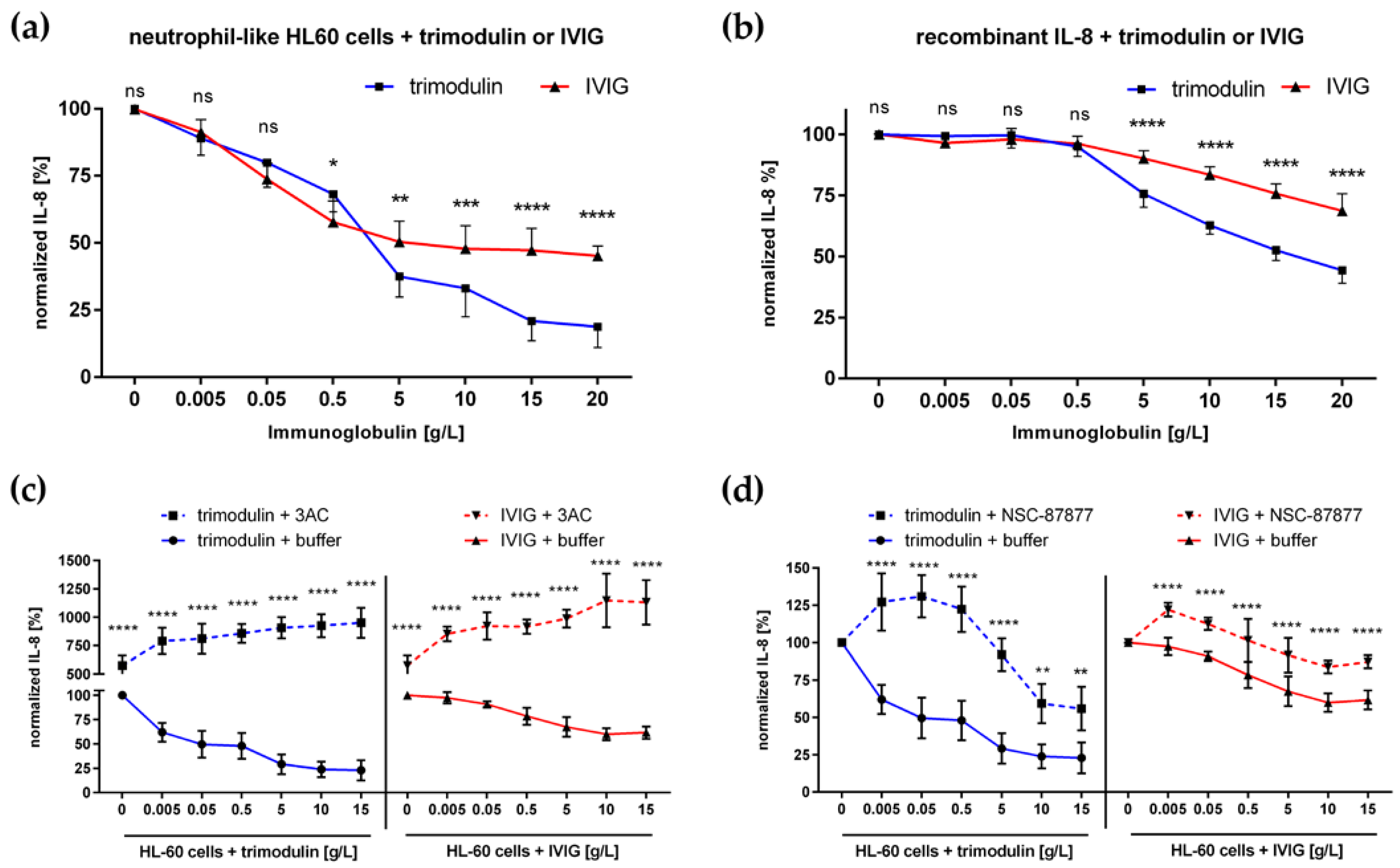
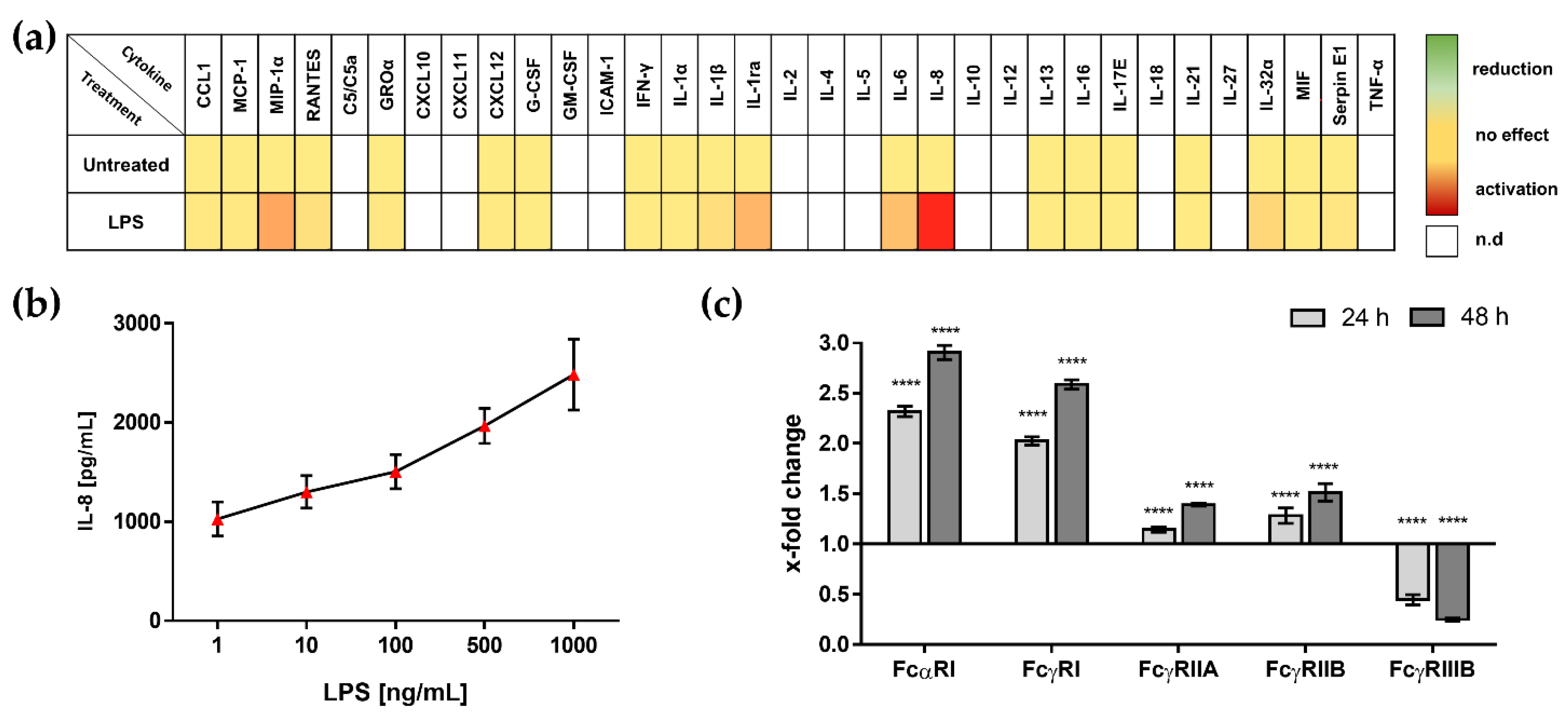
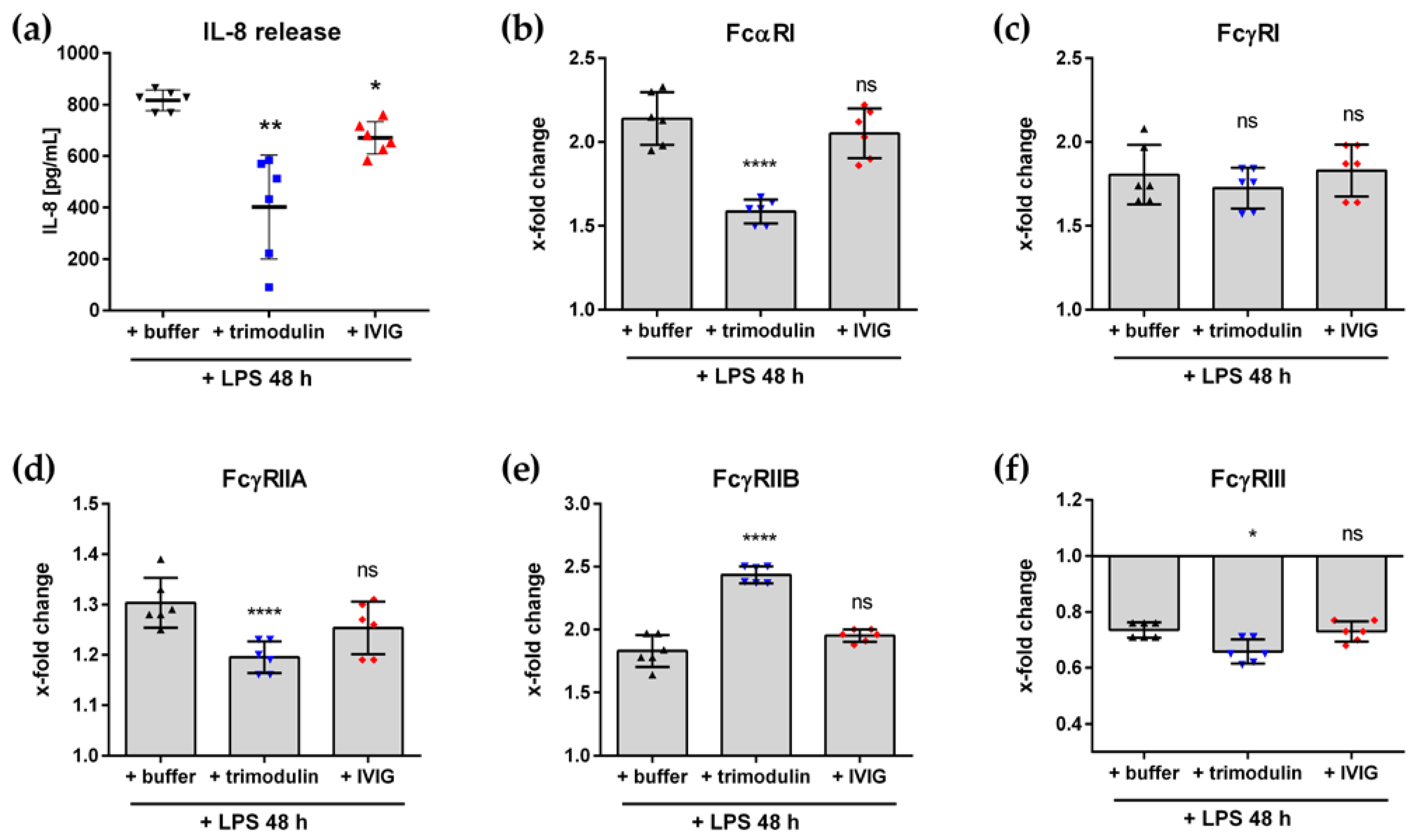
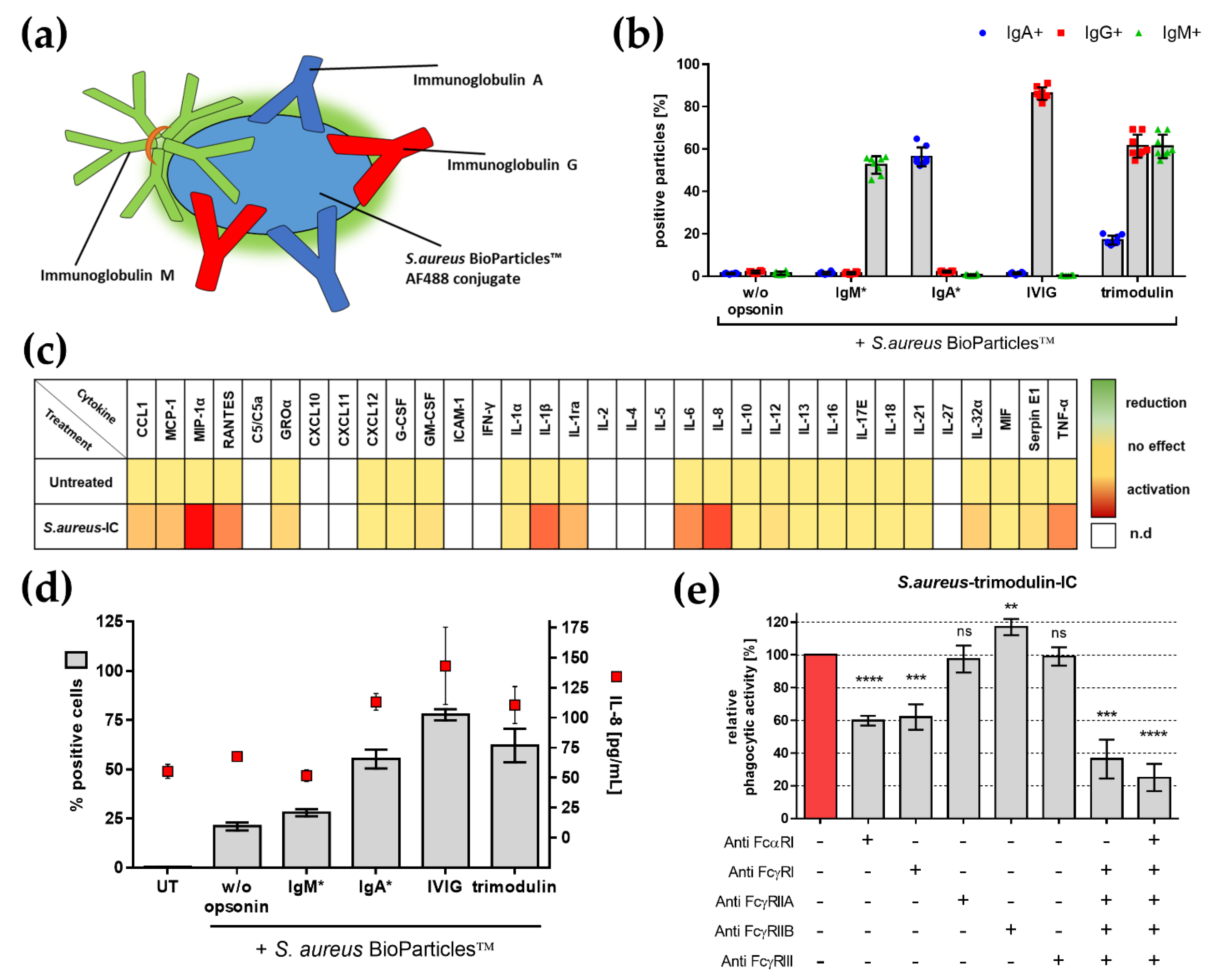
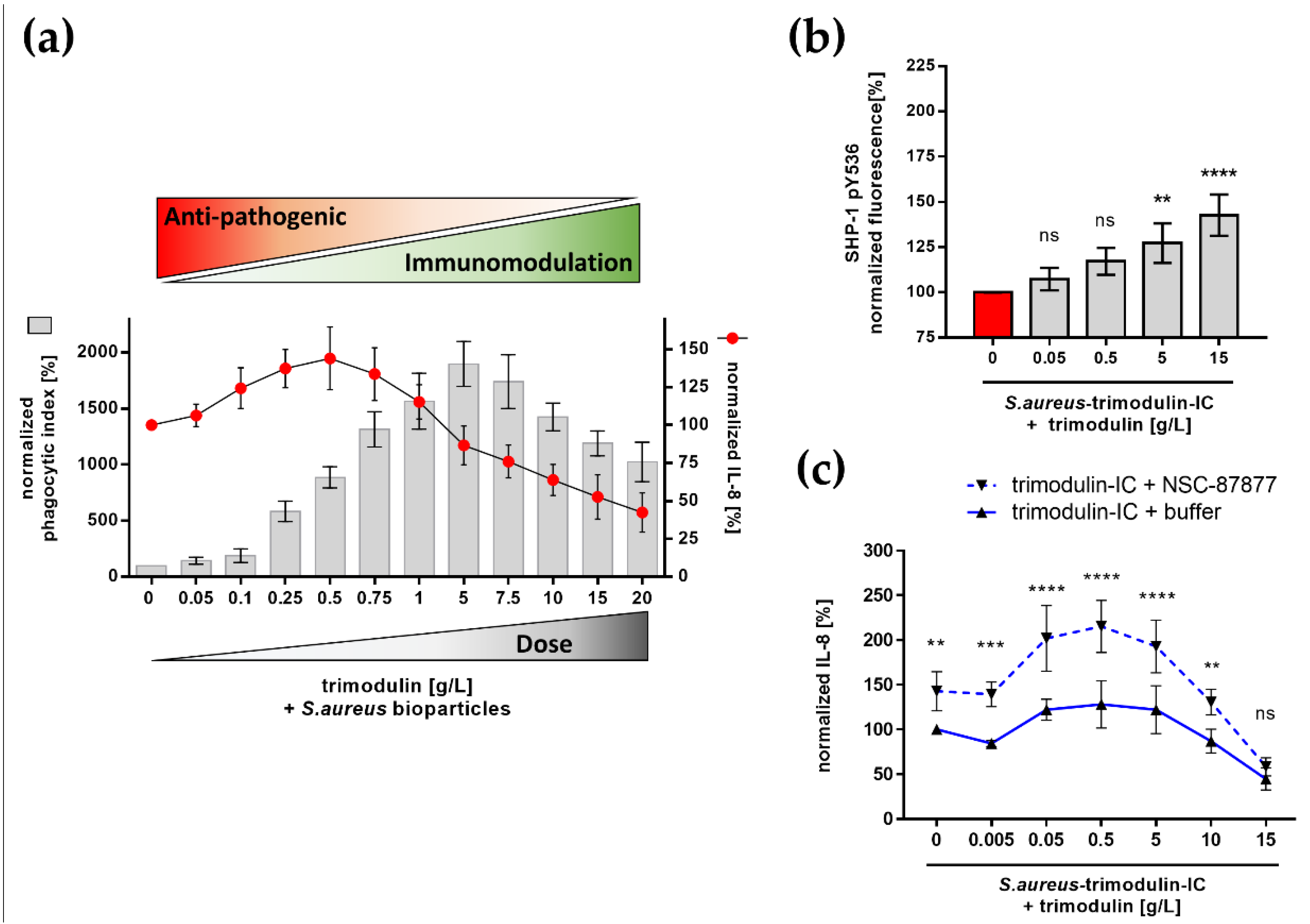
In comparison to human immunoglobulin (Ig) G, antibodies of IgA class are not well investigated. In line with this, the functional role of the IgA component in IgM/IgA-enriched immunoglobulin preparations is also largely unknown. In recent years, powerful anti-pathogenic and immunomodulatory properties of human serum IgA especially on neutrophil function were unraveled. Therefore, the aim of our work is to investigate functional aspects of the trimodulin IgA component, a new plasma-derived polyvalent immunoglobulin preparation containing ~56% IgG, ~23% IgM and ~21% IgA. The functional role of IgA was investigated by analyzing the interaction of IgA with FcαRI, comparing trimodulin with standard intravenous IgG (IVIG) preparation and investigating Fc receptor (FcR)-dependent functions by excluding IgM-mediated effects. Trimodulin demonstrated potent immunomodulatory, as well as anti-pathogenic effects in our neutrophil model (neutrophil-like HL-60 cells). The IgA component of trimodulin was shown to induce a strong FcαRI-dependent inhibitory immunoreceptor tyrosine-based activation motif (ITAMi) signaling, counteract lipopolysaccharide-induced inflammation and mediate phagocytosis of Staphylococcus aureus. The fine-tuned balance between immunomodulatory and anti-pathogenic effects of trimodulin were shown to be dose-dependent. Summarized, our data demonstrate the functional role of IgA in trimodulin, highlighting the importance of this immunoglobulin class in immunoglobulin therapy.
Keywords: IgA; FcαRI; IVIG; trimodulin; ITAMi; Fc receptors; neutrophils; phagocytosis; cytokines IgA; FcαRI; IVIG; trimodulin; ITAMi; Fc receptors; neutrophils; phagocytosis; cytokines