Article

Echinatin Ameliorates Insulin Resistance and Hepatic Lipid Accumulation in db/db Mice

1
Department of Basic Theory of Traditional Chinese Medicine, Chengdu University of Traditional Chinese Medicine, No. 1166 Liutai Avenue, Wenjiang District, Chengdu 611137, China
2
Institute of Basic Theory for Chinese Medicine, China Academy of Chinese Medical Sciences, No. 16 Dongzhimen Nanxiaojie, Dongcheng District, Beijing 100700, China
3
Institute for Interdisciplinary Studies, Tianjin University of Traditional Chinese Medicine, No. 10 Poyanghu Road, Jinghai District, Tianjin 301617, China
*
Author to whom correspondence should be addressed.
Biomedicines 2026, 14(9), 2091; https://doi.org/10.3390/biomedicines14092091

Submission received: 13 August 2026 / Revised: 13 September 2026 / Accepted: 15 September 2026 / Published: 17 September 2026
(This article belongs to the Special Issue "Small Molecule Inhibitors" in Biomedicines)

Abstract

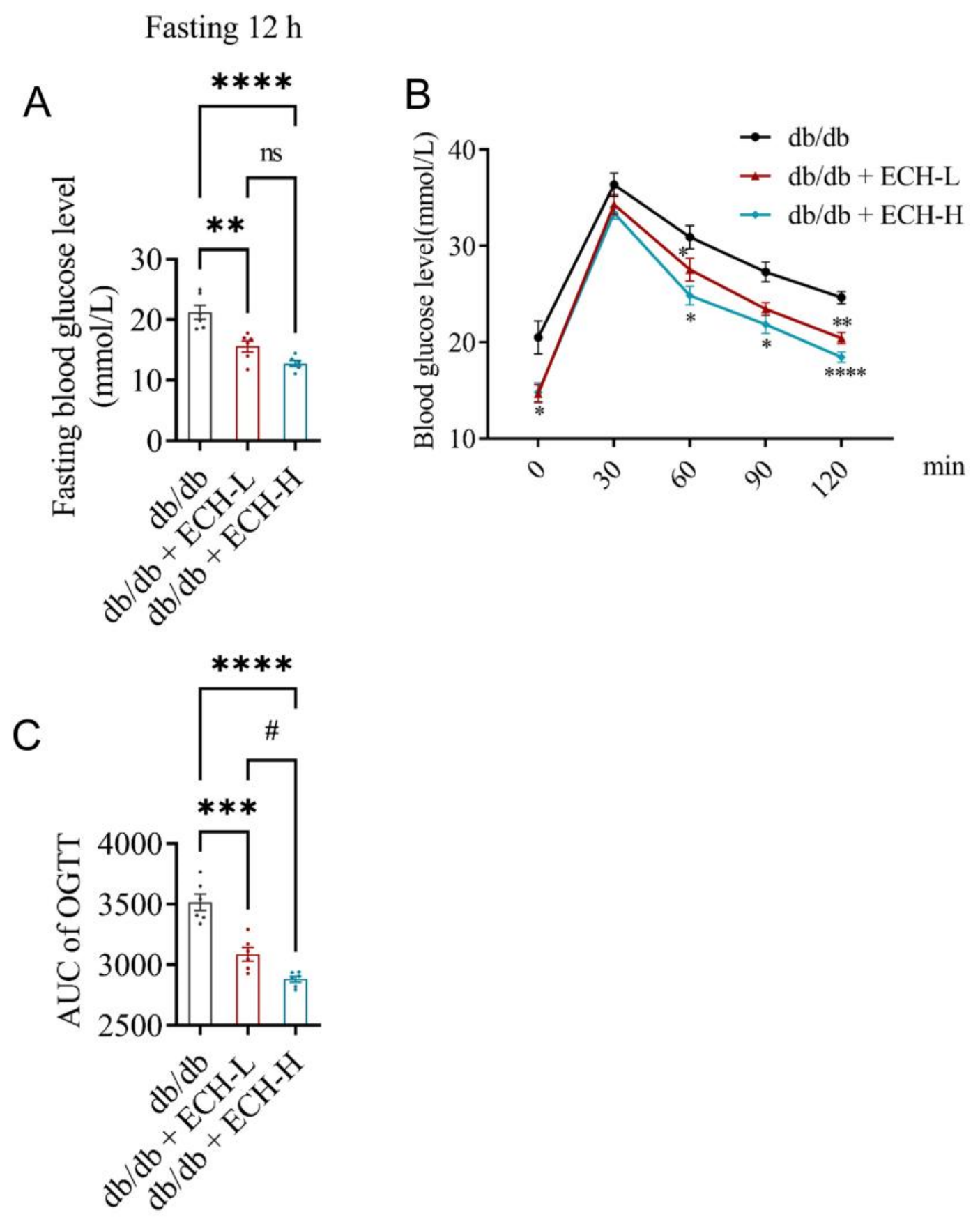
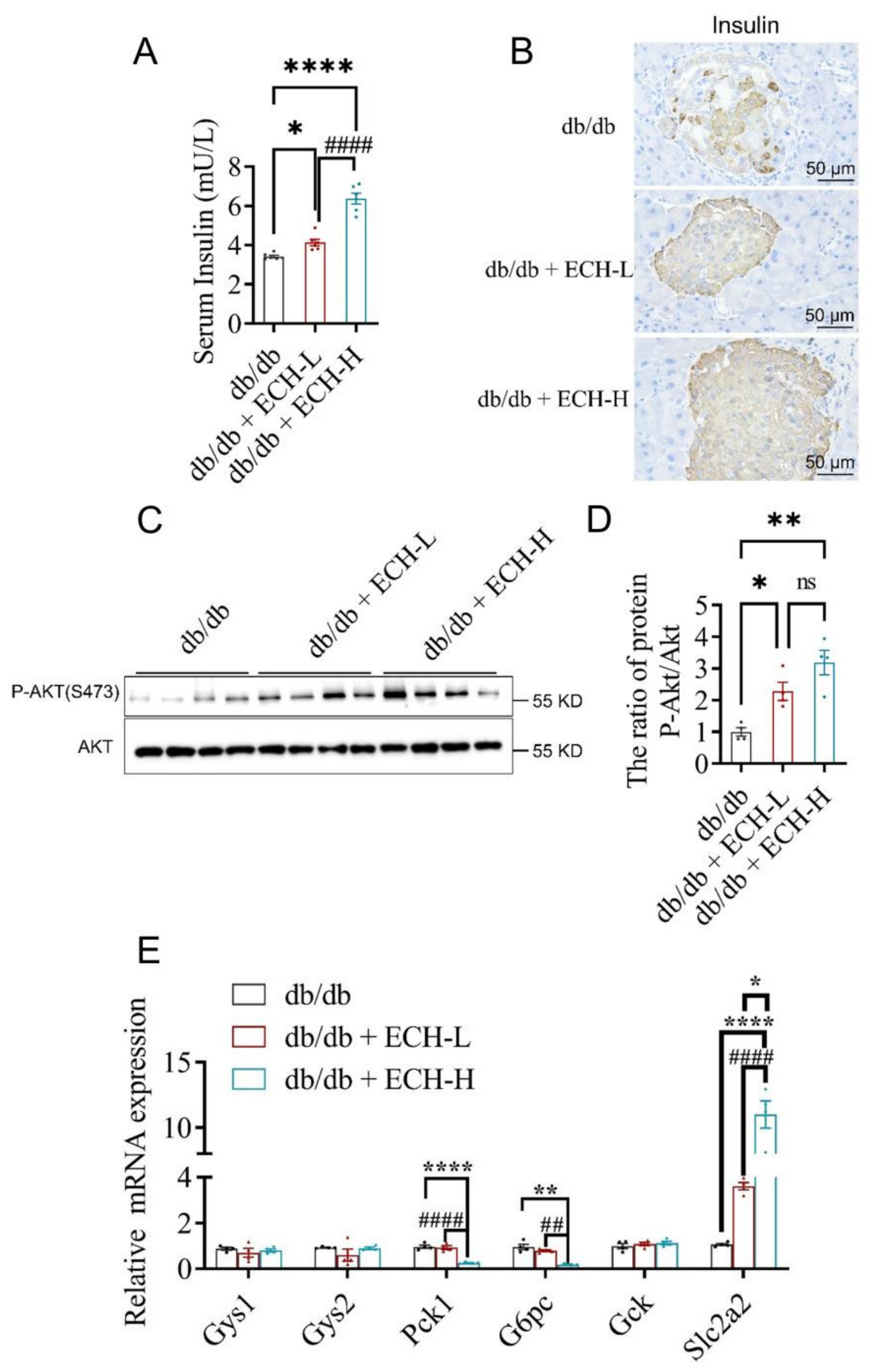
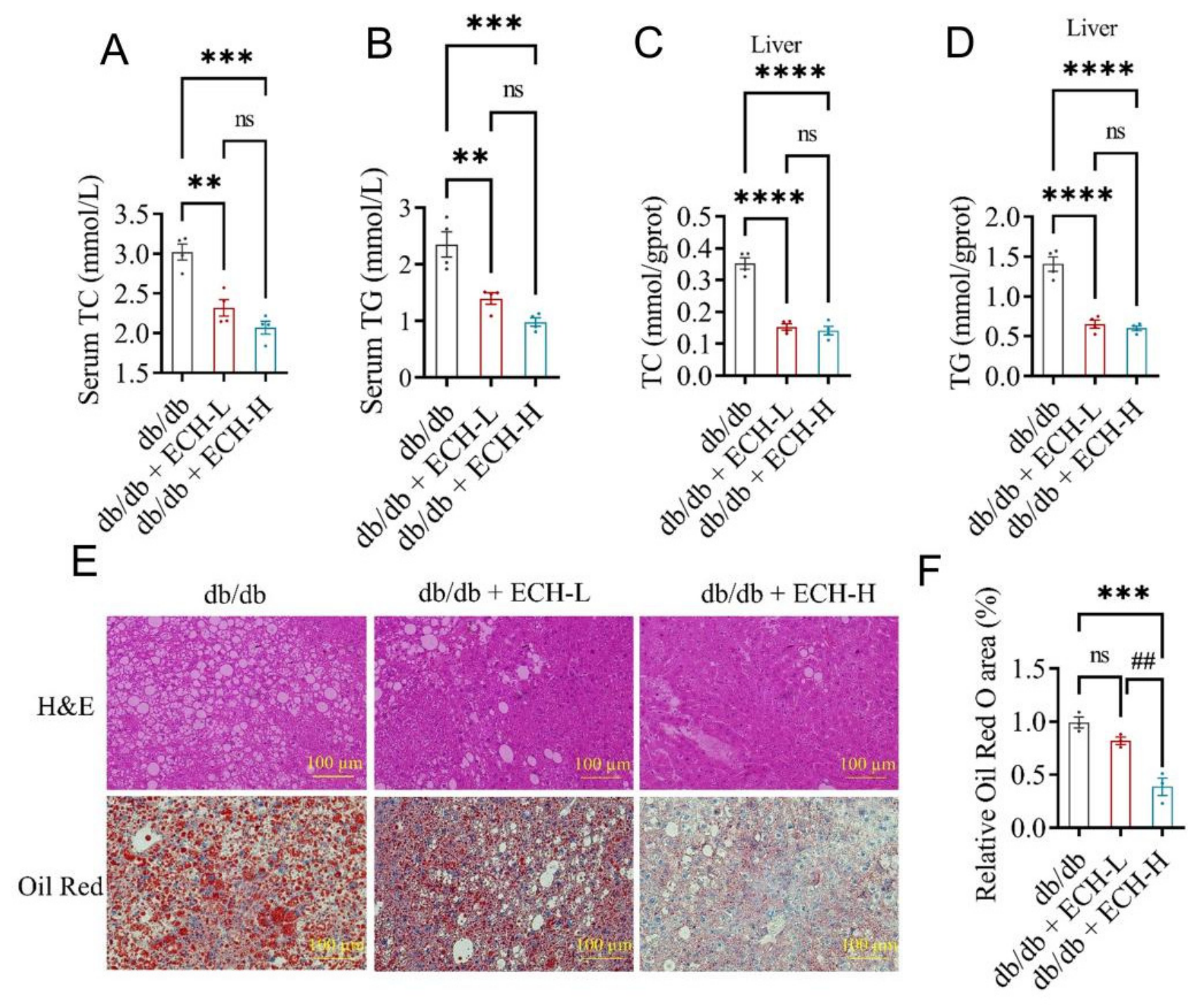
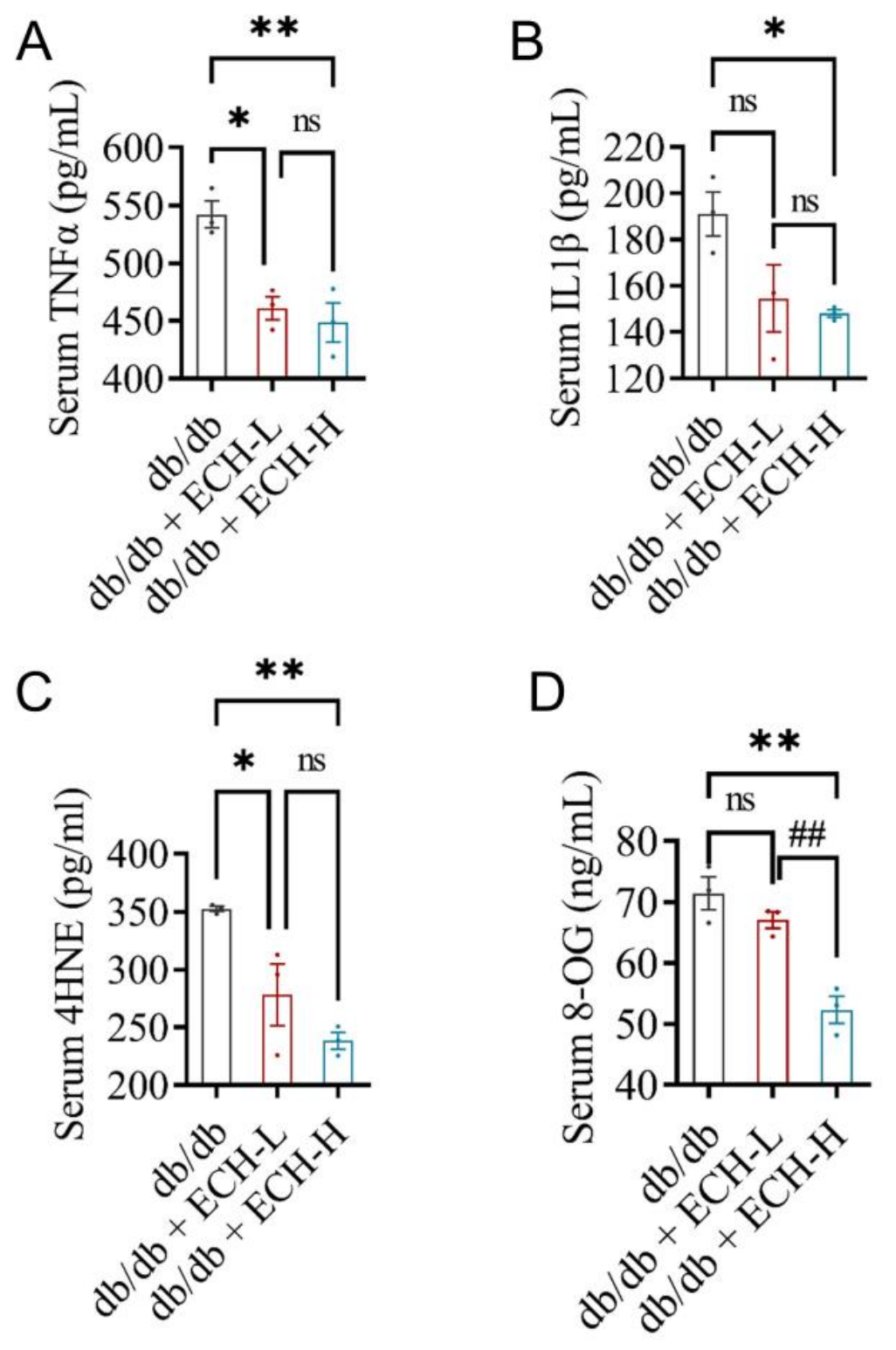
Background: Type 2 diabetes mellitus (T2DM) is a multifactorial metabolic disorder characterized by hyperglycemia, insulin resistance, hepatic steatosis, chronic inflammation, and oxidative damage. Echinatin (ECH), a naturally occurring chalcone compound, has shown potential metabolic regulatory activities, but its effects and underlying mechanisms in T2DM remain unclear. This study aimed to investigate the effects of ECH and its underlying mechanisms in db/db mice. Methods: Male db/db mice were orally administered ECH at low and high doses for 8 weeks. Glucose metabolism was evaluated by fasting blood glucose measurement and oral glucose tolerance test (OGTT). Insulin sensitivity was assessed by serum insulin levels and hepatic AKT phosphorylation. Pancreatic β-cell integrity was examined by insulin immunohistochemistry. Hepatic glucose metabolism-related genes, including Pck1, G6pc, Gys1, Gys2, Gck, and Slc2a2, were analyzed by quantitative PCR. Serum and hepatic lipid profiles, hepatic steatosis, inflammatory cytokines, and oxidative stress markers were also evaluated. Results: ECH treatment significantly reduced fasting blood glucose levels and improved glucose tolerance, as indicated by ECH-preserved pancreatic β-cell integrity and increased serum insulin levels. Furthermore, ECH enhanced hepatic insulin signaling, as demonstrated by an increased p-AKT/AKT ratio. At the transcriptional level, high-dose ECH significantly suppressed the expression of gluconeogenic genes Pck1 and G6pc, while upregulating the glucose transporter gene Slc2a2 without significantly altering Gys1, Gys2, or Gck expression. In addition, ECH reduced serum and hepatic triglyceride and total cholesterol levels, alleviated hepatic lipid accumulation by H&E and Oil Red O staining, and decreased circulating inflammatory cytokines (TNF-α and IL-1β) and oxidative markers (4-HNE and 8-OHdG). Conclusions: ECH treatment was associated with improvements in multiple metabolic parameters in db/db mice, including glucose homeostasis, insulin sensitivity, hepatic steatosis, and systemic inflammation and oxidative stress. These observations may provide a basis for further studies on the effects of ECH on T2DM-related glucose and lipid metabolism.
Keywords: insulin resistance; fatty liver; oxidation stress; inflammation; echinatin (ECH); glucose tolerance insulin resistance; fatty liver; oxidation stress; inflammation; echinatin (ECH); glucose tolerance