Article

Oxeiptosis-Associated Molecular Subtyping and Immune Microenvironment Heterogeneity in Osteoarthritis


1
School of Rehabilitation, Gannan Medical University, Ganzhou 341000, China
2
Department of Rehabilitation Medicine, The First Affiliated Hospital of Gannan Medical University, Ganzhou 341000, China
3
Jiangxi Medical College, Nanchang University, Nanchang 330031, China
4
First Clinical Medical College, Gannan Medical University, Ganzhou 341000, China
5
Ganzhou Key Laboratory of Rehabilitation Medicine, Ganzhou 341000, China
6
Ganzhou Intelligent Rehabilitation Technology Innovation Center, Ganzhou 341000, China
*
Author to whom correspondence should be addressed.
These authors contributed equally to this work.
Biomedicines 2026, 14(9), 2079; https://doi.org/10.3390/biomedicines14092079

Submission received: 19 August 2026 / Revised: 11 September 2026 / Accepted: 12 September 2026 / Published: 16 September 2026
(This article belongs to the Section Cell Biology and Pathology)

Abstract

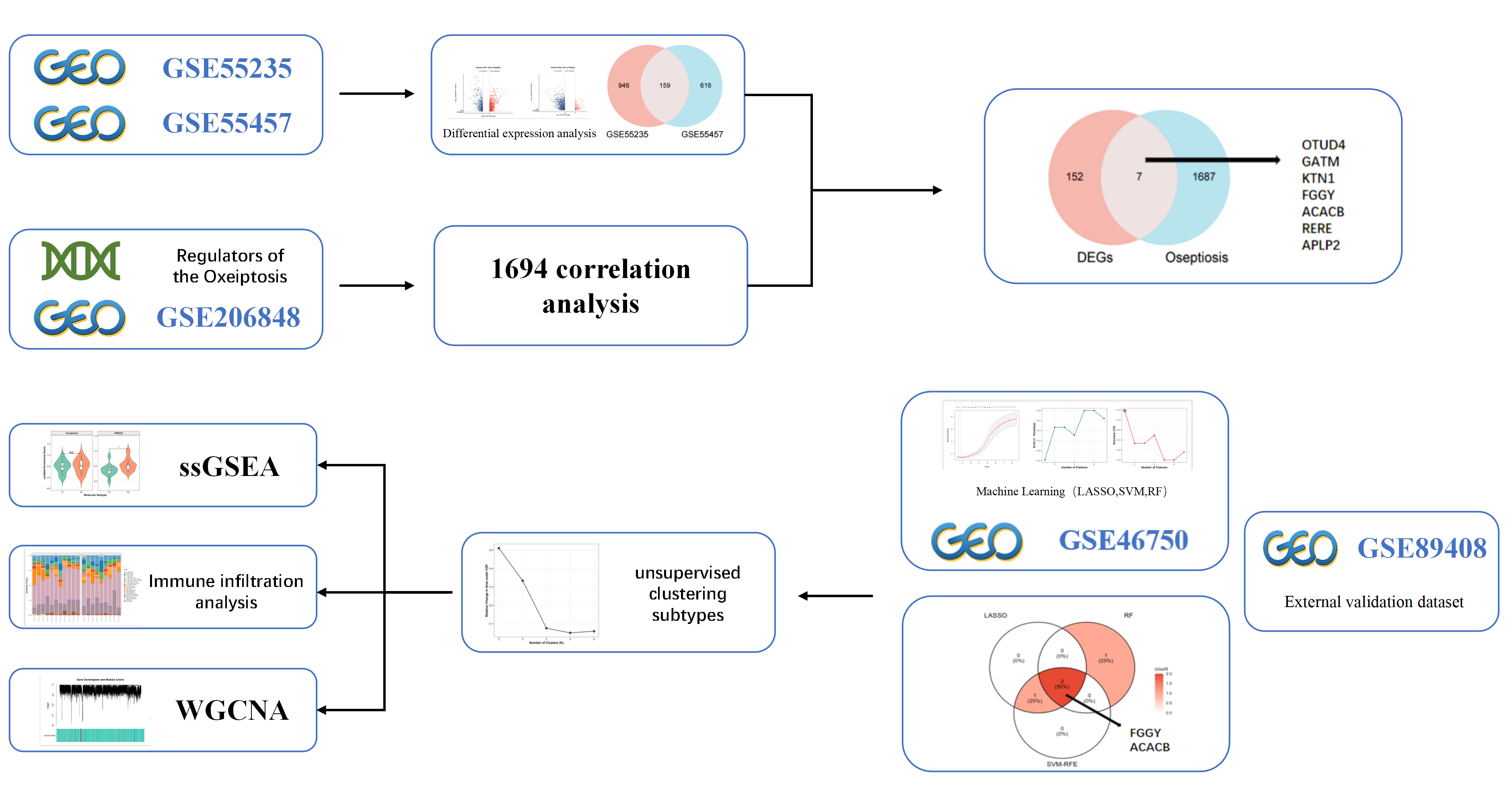
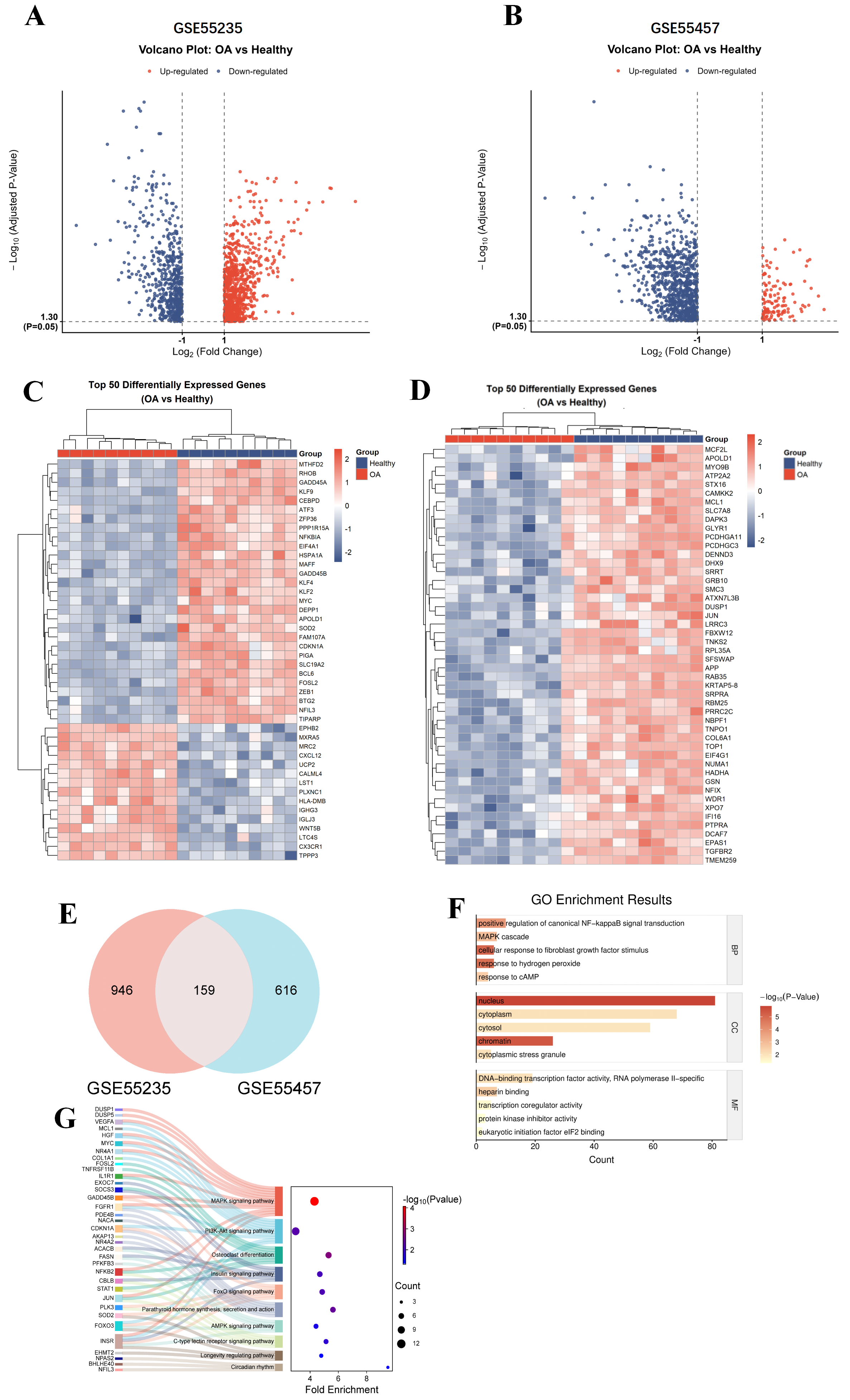
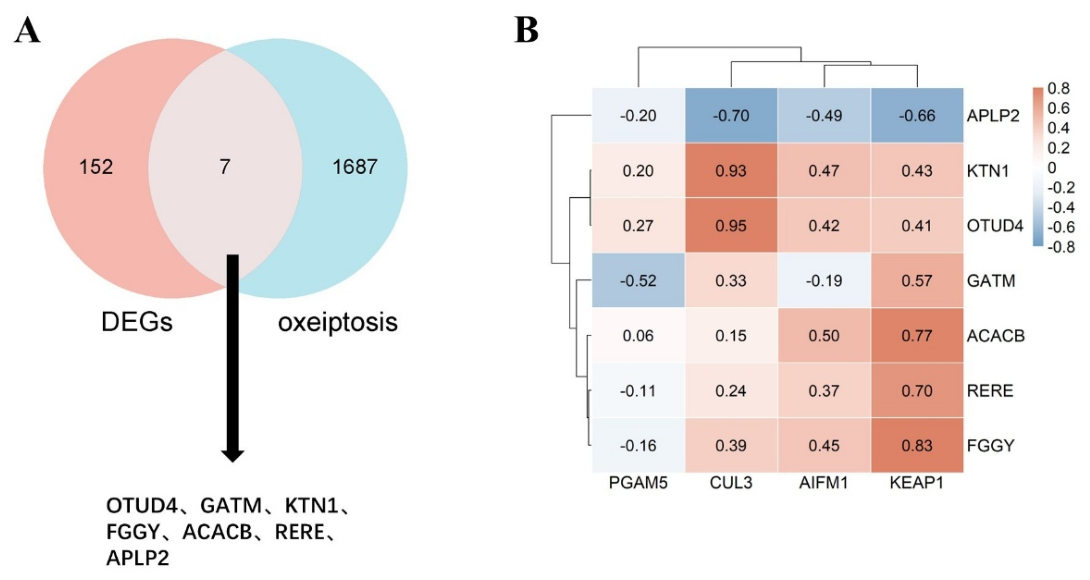
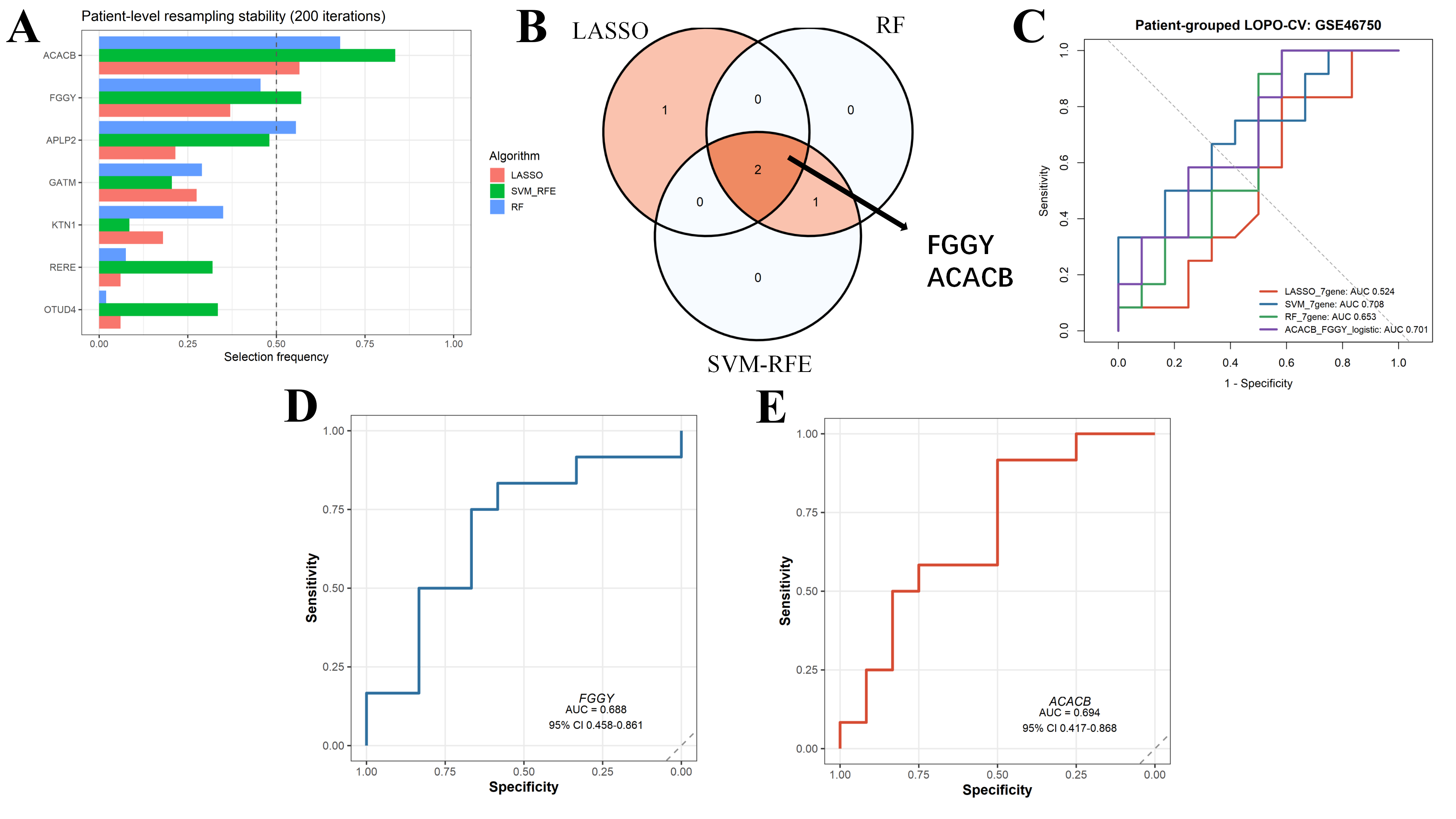
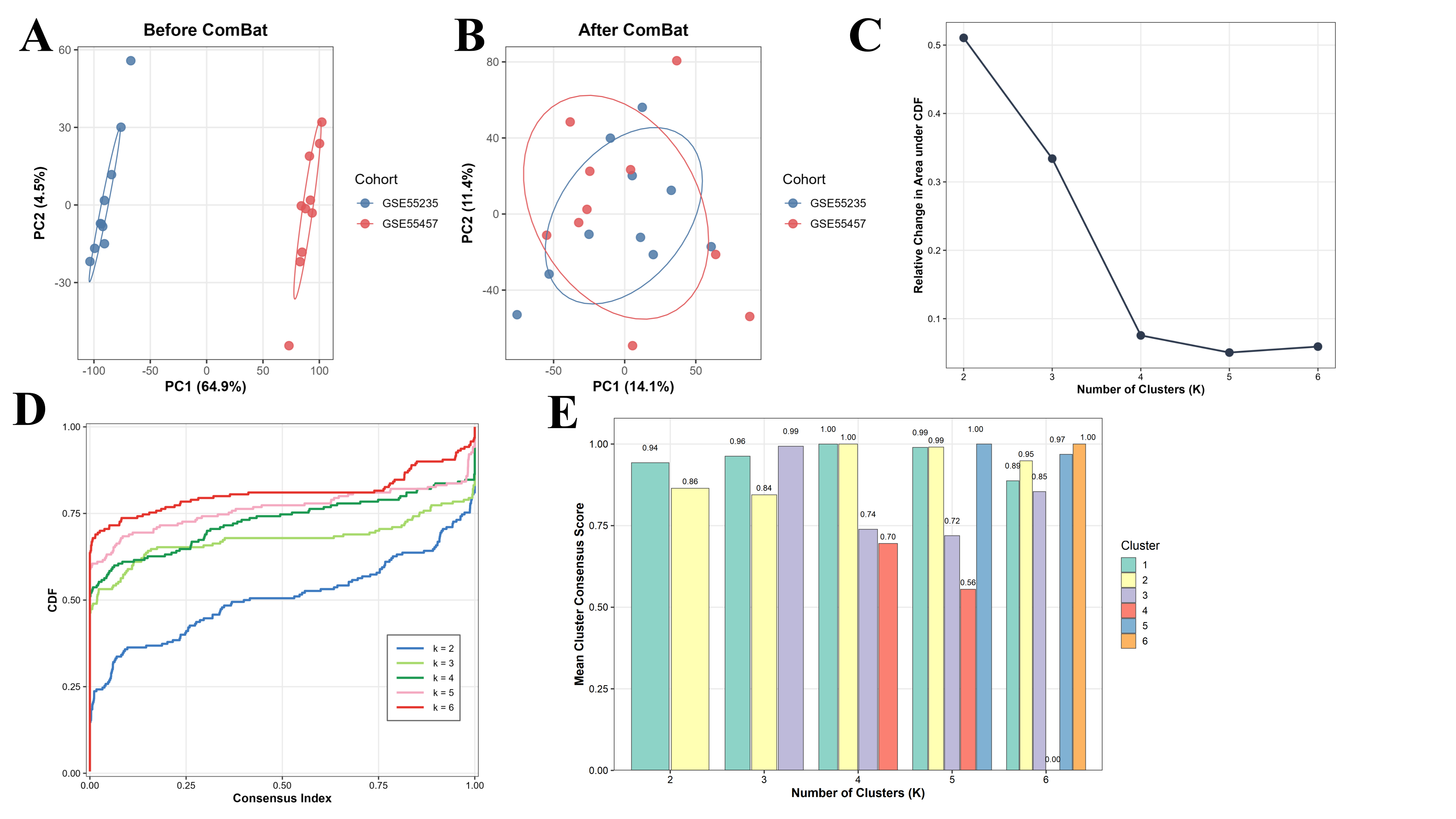
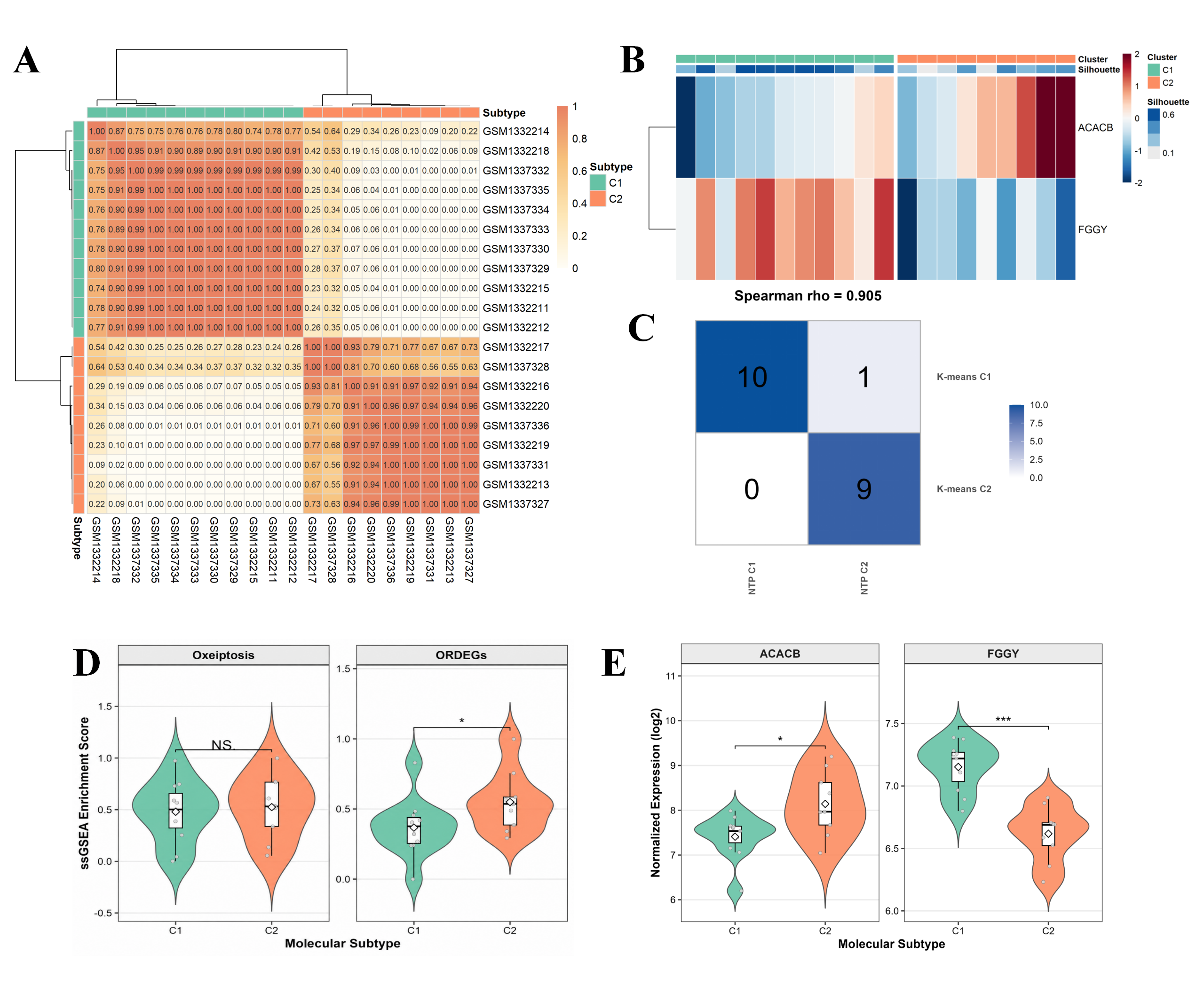
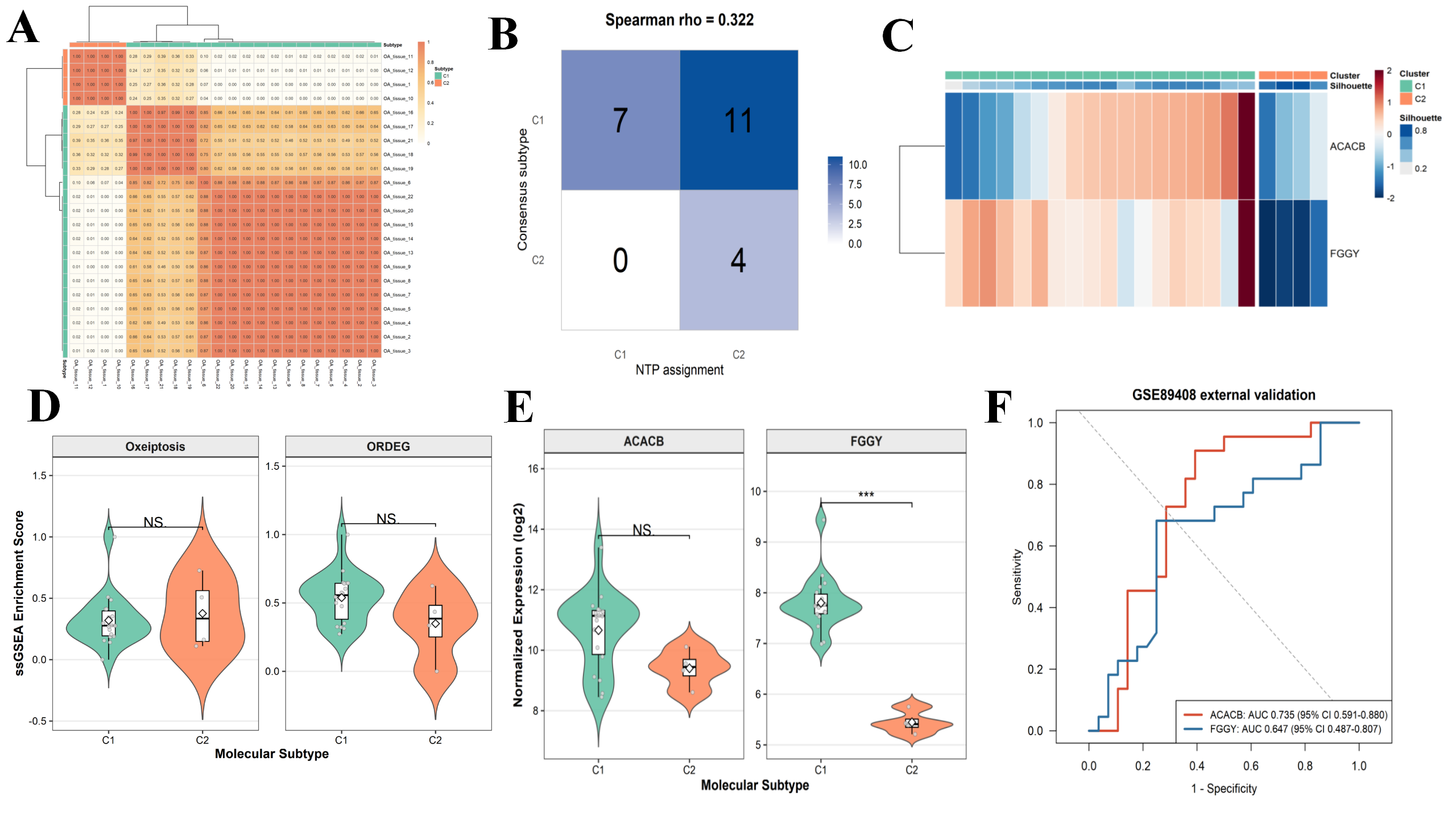
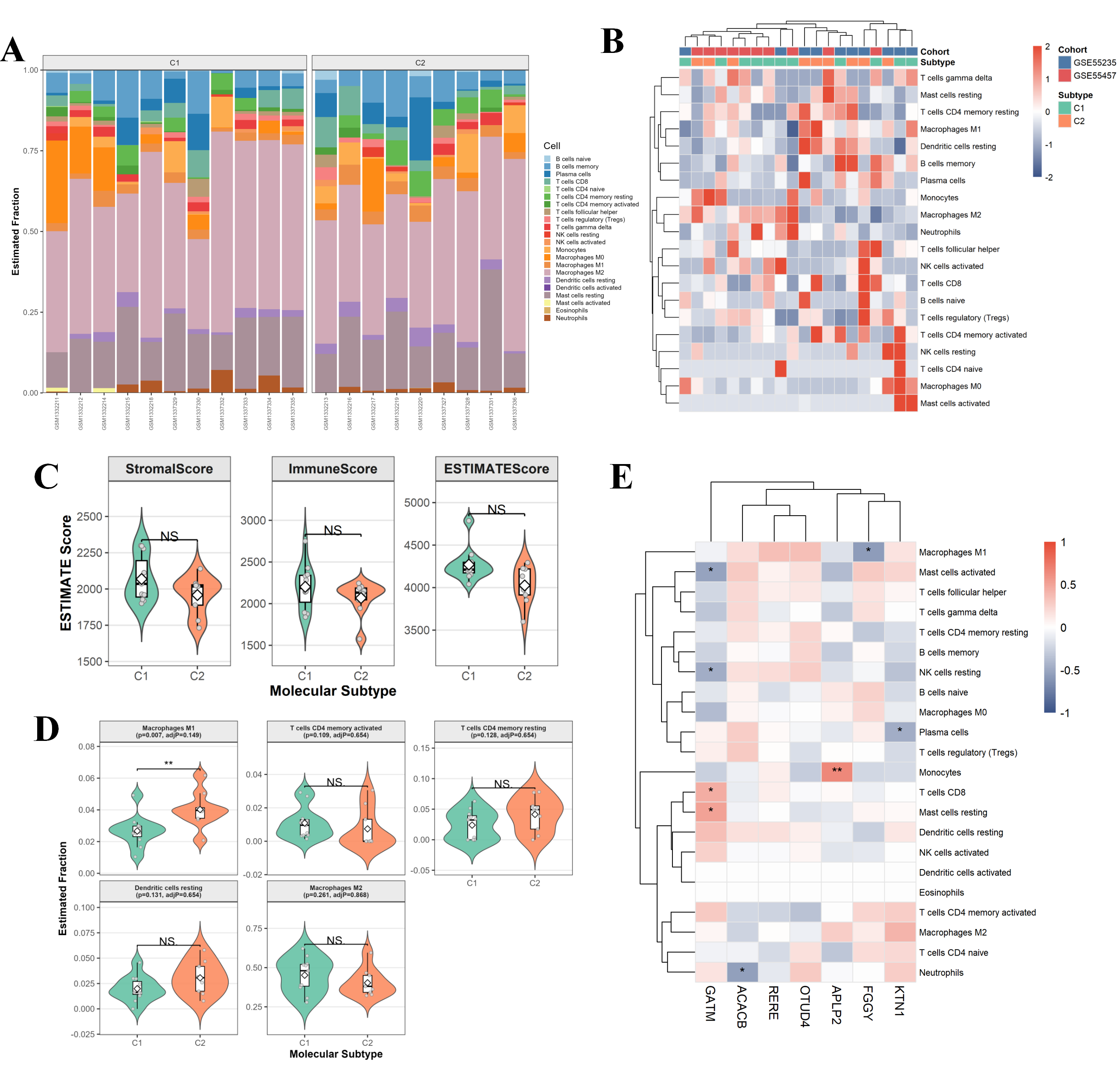
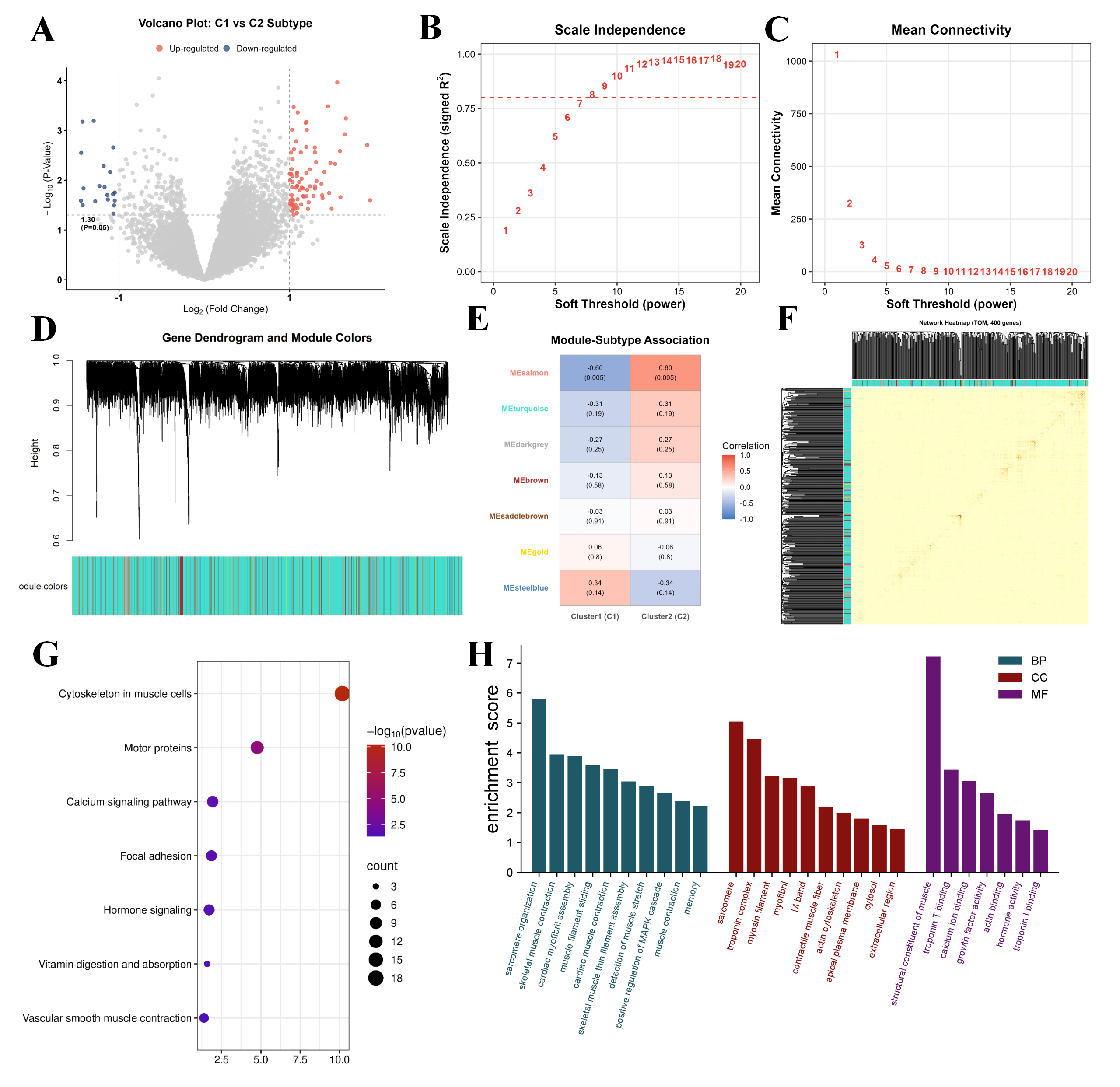
Background: Oxeiptosis is a ROS-induced, caspase-independent form of regulated cell death, but its role in osteoarthritis (OA) remains largely unexplored. This study aimed to identify oxeiptosis-associated molecular markers in OA synovium and establish an oxeiptosis-based molecular classification system. Methods: This study integrated five publicly available GEO datasets for comprehensive analysis. GSE55235 and GSE55457 were used as discovery cohorts to identify DEGs between OA and normal synovial tissues. The GSE206848 dataset was utilized to perform correlation analysis with the key oxeiptosis regulators, including KEAP1, PGAM5, AIFM1, and CUL3, thereby establishing an oxeiptosis-associated gene set. These genes were intersected with OA-related DEGs to obtain ORDEGs. Subsequently, LASSO regression, SVM-RFE, and RF algorithms were jointly applied to identify hub differential genes. Based on the identified oxeiptosis-related feature genes, molecular subtypes of OA were constructed, with the GSE46750 dataset used for machine learning-based feature selection. Consensus clustering was then performed based on the selected features to identify distinct OA molecular subtypes. The immune microenvironment characteristics and potential regulatory networks of different subtypes were further investigated using CIBERSORT, ESTIMATE, and WGCNA. Finally, an independent GSE89408 cohort was employed for external validation. Results: A total of 159 common differentially expressed genes were identified from the two OA synovial cohorts, which were mainly enriched in cellular response to hydrogen peroxide, the MAPK signaling pathway, the PI3K-Akt signaling pathway, and NF-κB-related inflammatory processes. Further screening identified seven ORDEGs, including OTUD4, GATM, KTN1, FGGY, ACACB, RERE, and APLP2. Machine learning analysis ultimately identified ACACB and FGGY as potential molecular features of OA. Molecular clustering based on oxeiptosis-related features demonstrated that OA samples could be stably classified into two subtypes, C1 and C2. The C2 subtype exhibited higher ORDEG scores, increased ACACB expression levels, greater M1 macrophage infiltration, and higher ESTIMATE scores, indicating oxidative stress-related transcriptional characteristics and enhanced inflammatory features, whereas FGGY was mainly highly expressed in the C1 subtype. WGCNA further revealed that the salmon module closely associated with the C2 subtype was mainly enriched in calcium signaling, focal adhesion, cytoskeletal remodeling, and cell adhesion-related pathways. In the independent GSE89408 validation cohort, exploratory clustering analysis again identified two potential molecular subtypes, and FGGY remained significantly differentially expressed between the two subtypes. In addition, ACACB and FGGY showed AUC values of 0.735 and 0.647, respectively, for distinguishing OA from normal synovial tissues. Conclusion: This study establishes an oxeiptosis-associated molecular subtyping framework for OA synovium and identifies ACACB and FGGY as candidate oxeiptosis-associated genes. Further analyses revealed distinct immune microenvironment characteristics and transcriptional regulatory patterns associated with different oxeiptosis states. External validation provided partial support for the reproducibility of these molecular patterns, particularly the FGGY-related features. These findings provide transcriptomic evidence for exploring molecular heterogeneity in OA and generate hypotheses for future mechanistic and clinical validation studies.
Keywords: osteoarthritis; oxeiptosis; molecular subtypes; heterogeneity; immunity osteoarthritis; oxeiptosis; molecular subtypes; heterogeneity; immunity