Article

Koumine’s Therapeutic Impact on Hepatocellular Carcinoma: A Combined Network Pharmacology and Experimental Study
1
Department of Pharmacy, Fujian Medical University Union Hospital, 29 Xin Quan Rd, Gulou, Fuzhou 350001, China
2
Phase I Clinical Trial Unit, Fujian Medical University Union Hospital, 29 Xin Quan Rd, Gulou, Fuzhou 350001, China
3
Department of Anesthesiology, The Second Affiliated Hospital, Fujian Medical University, Quanzhou 362000, China
*
Authors to whom correspondence should be addressed.
These authors contributed equally to this work.
Biomedicines 2026, 14(6), 1250; https://doi.org/10.3390/biomedicines14061250

Submission received: 4 March 2026 / Revised: 27 April 2026 / Accepted: 8 May 2026 / Published: 30 May 2026

Abstract

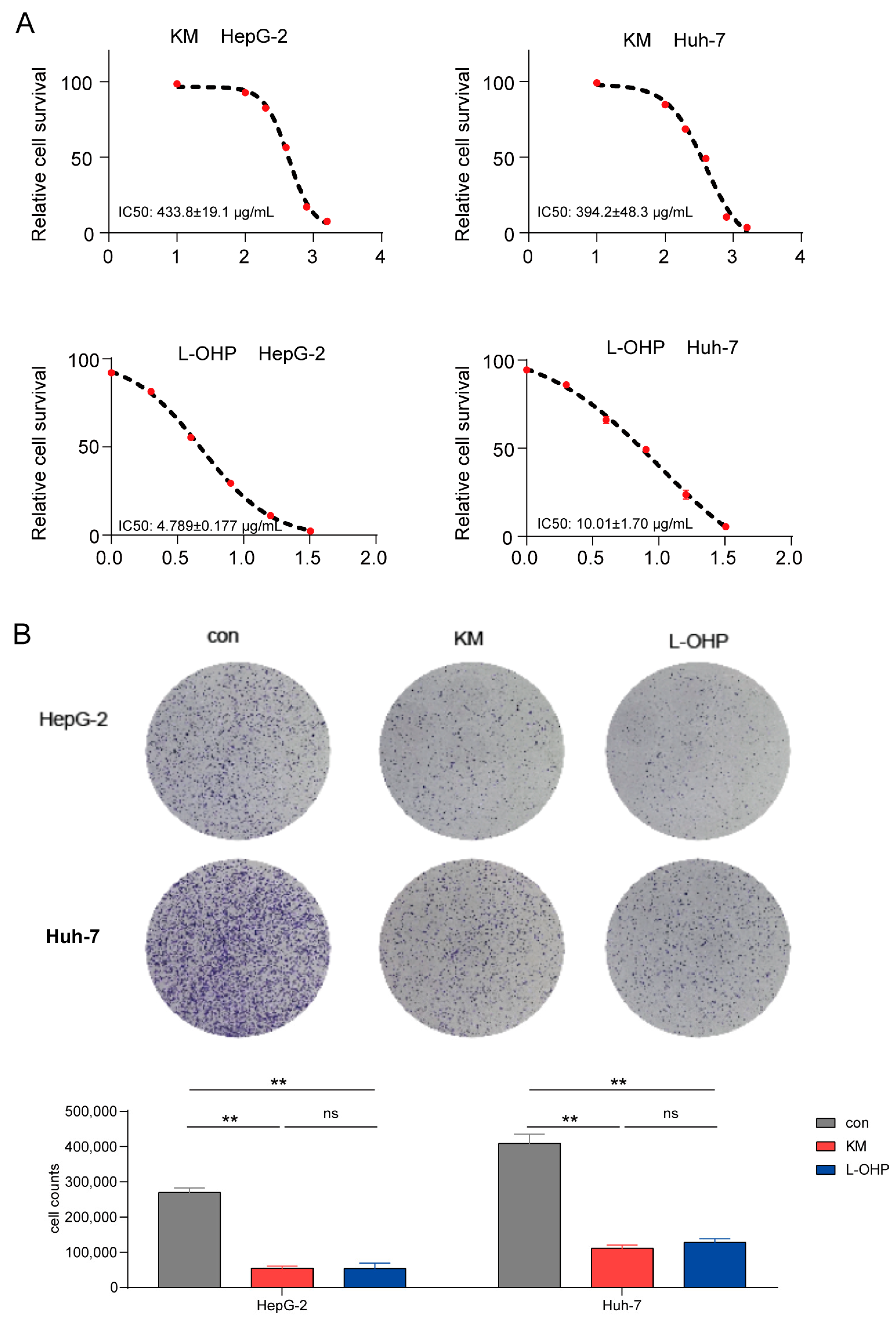
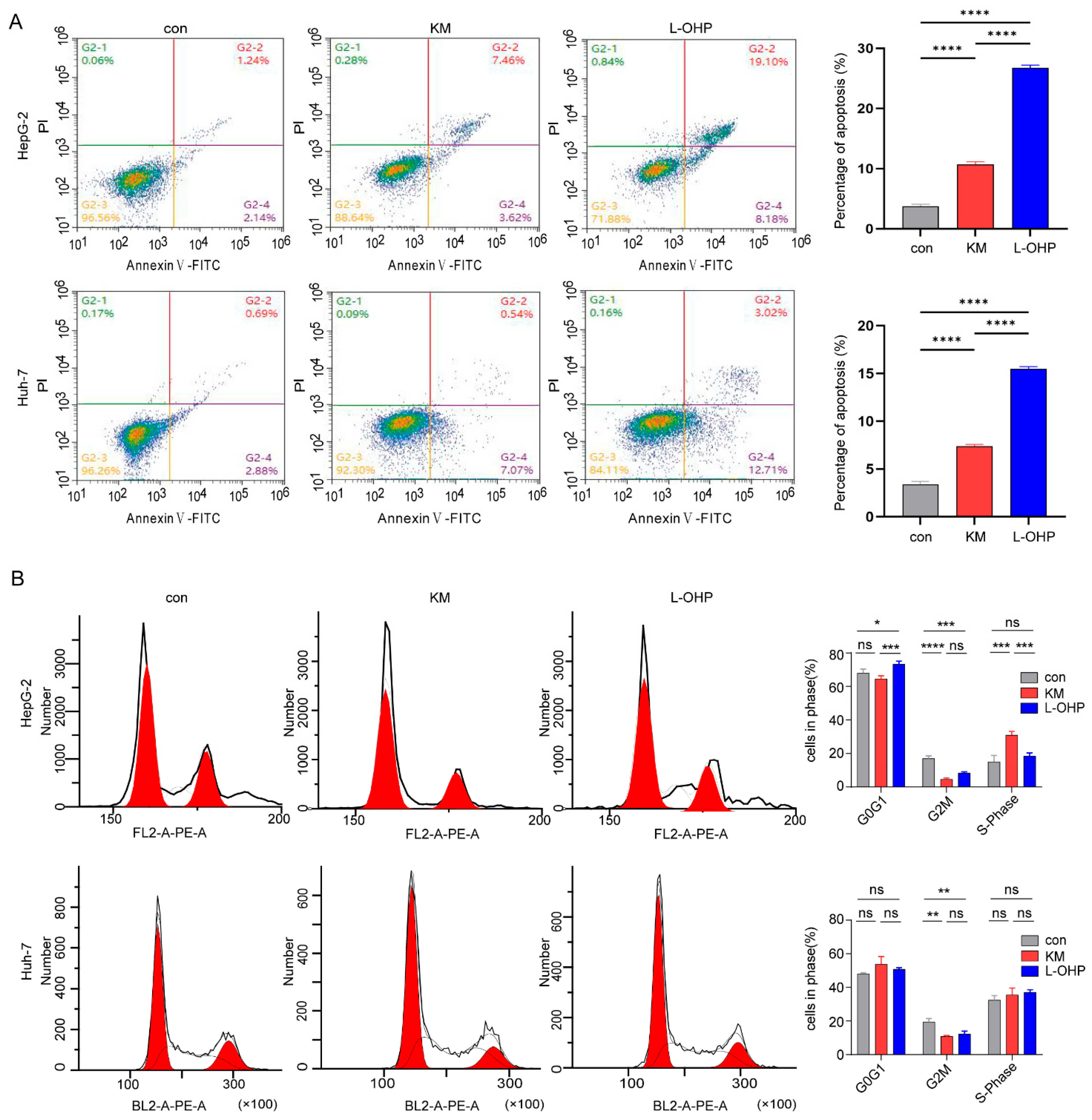
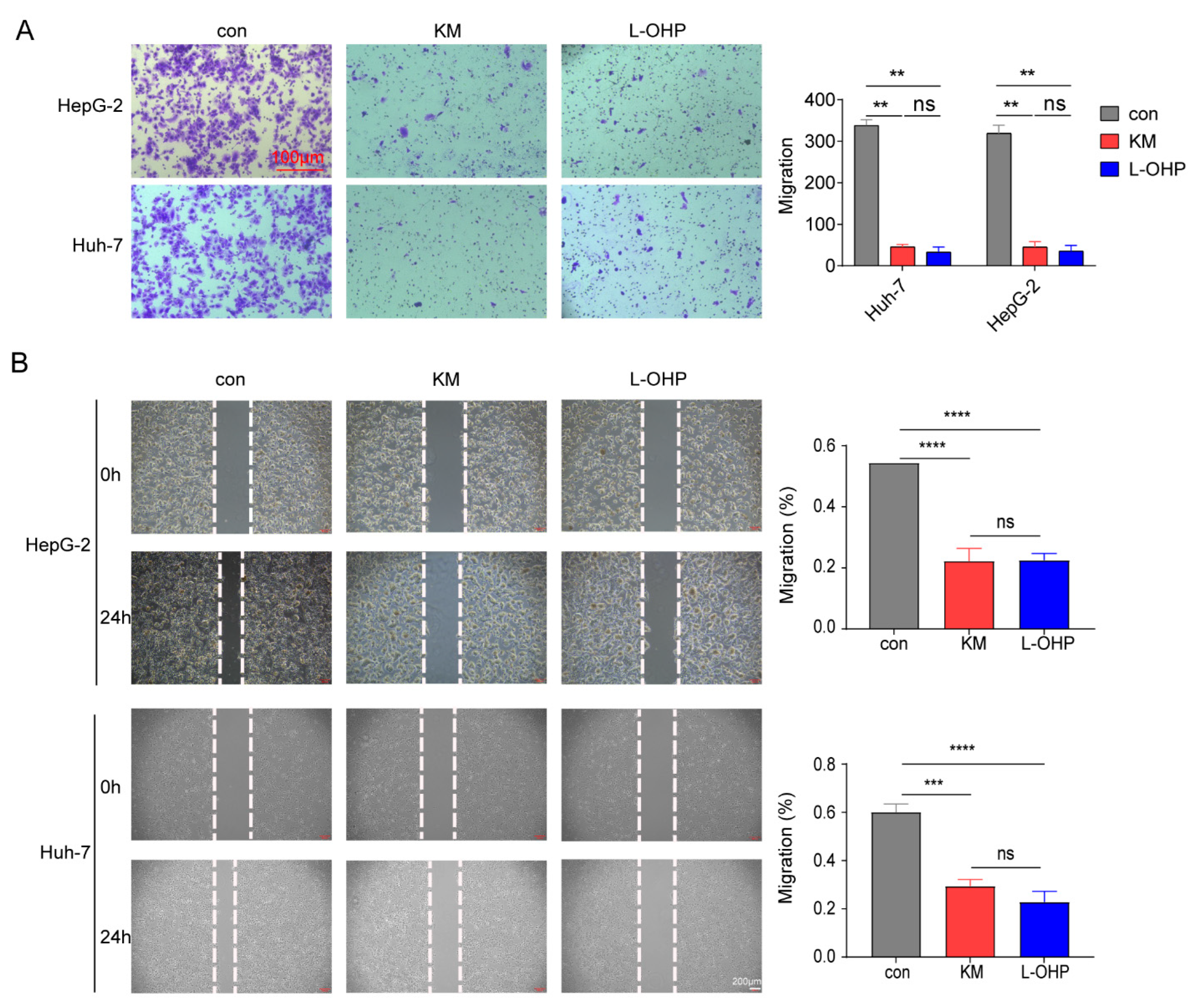
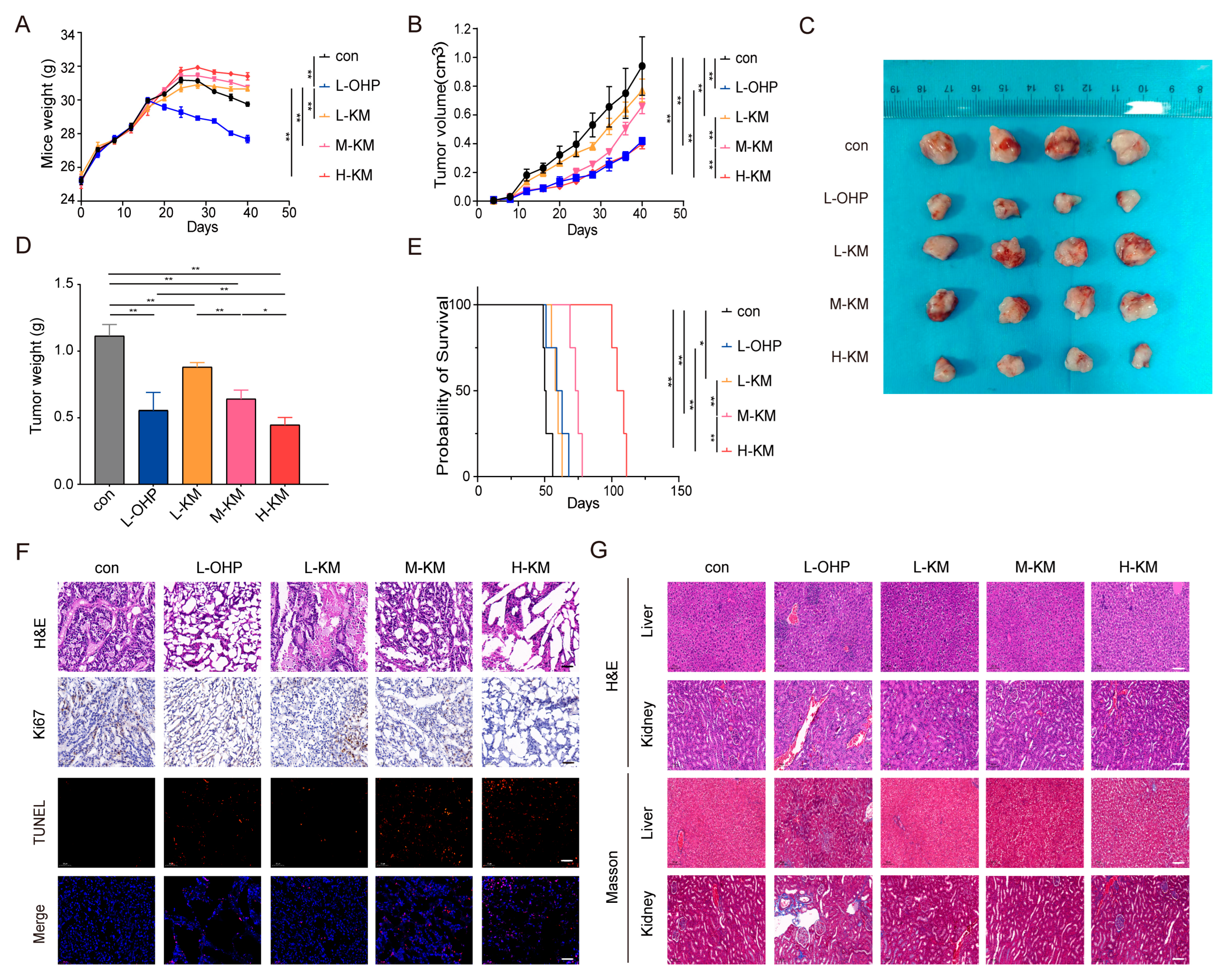
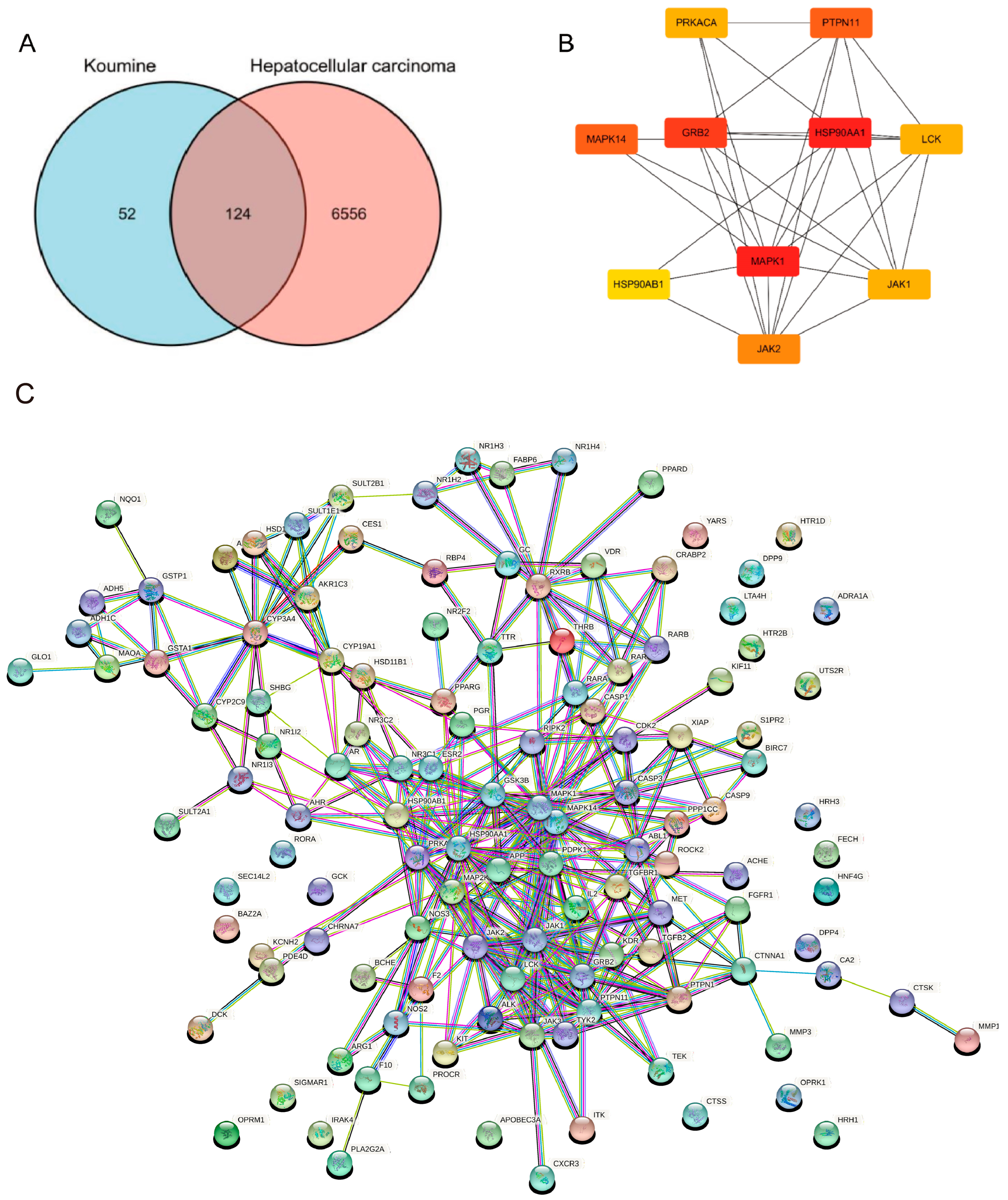
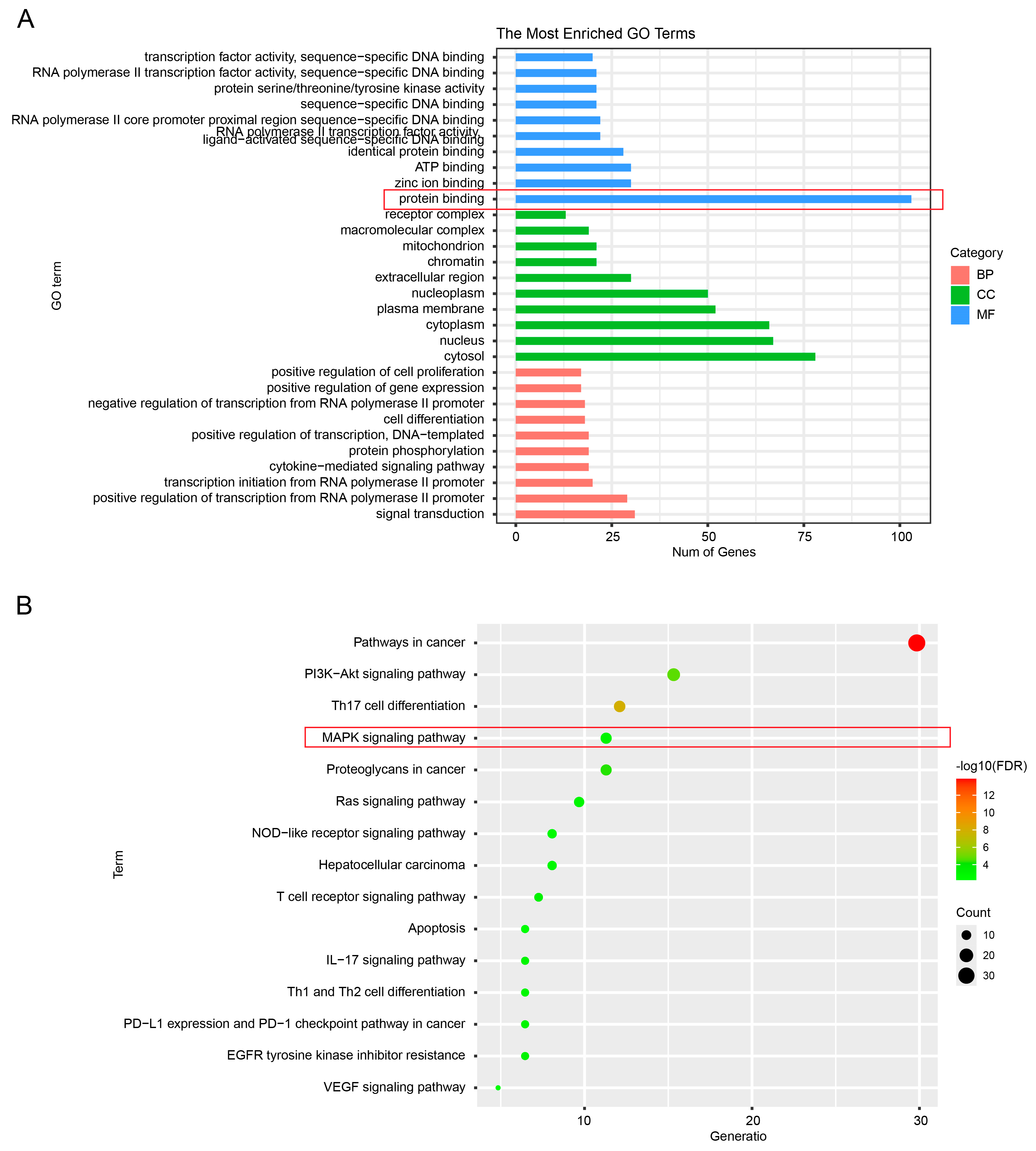
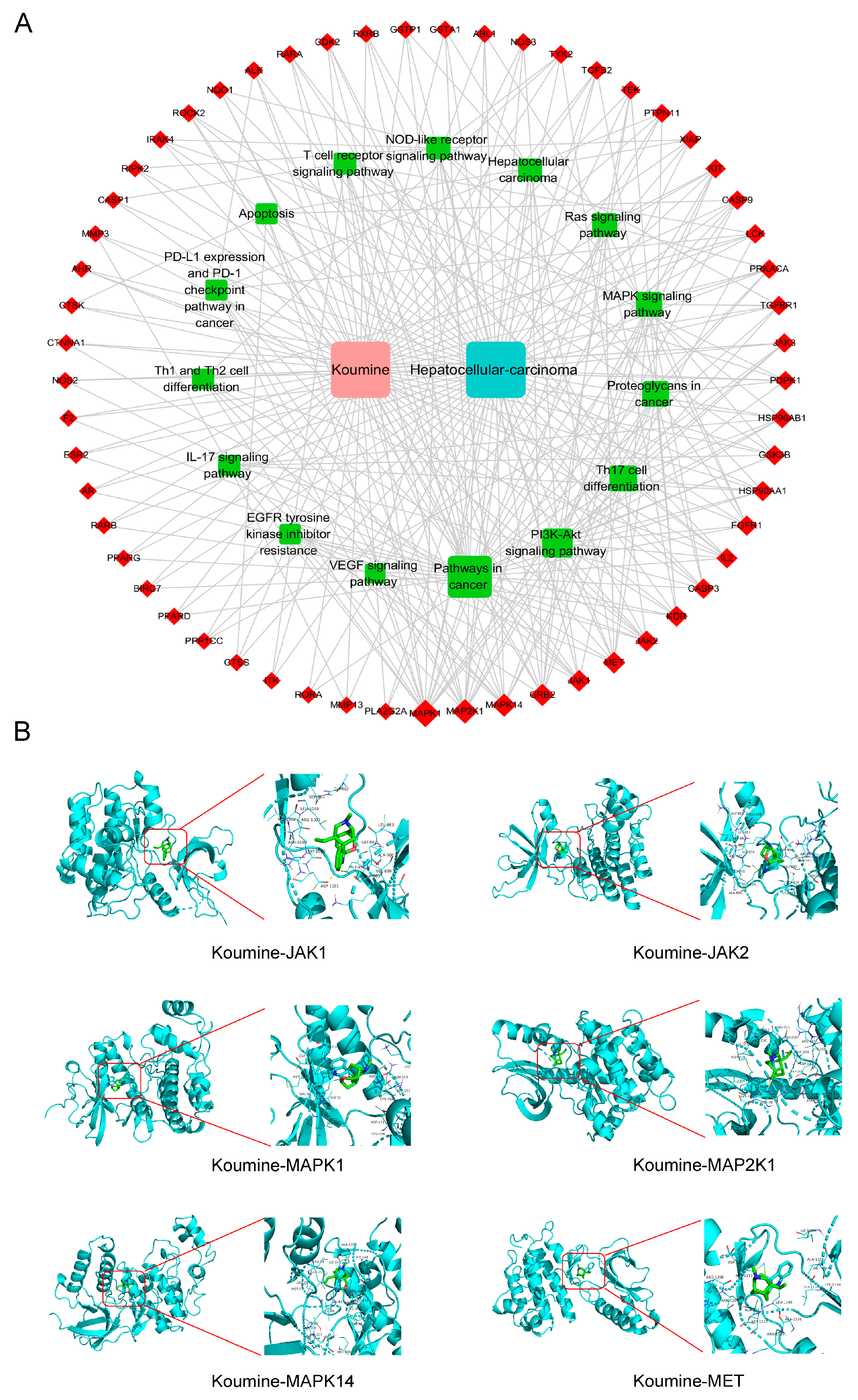
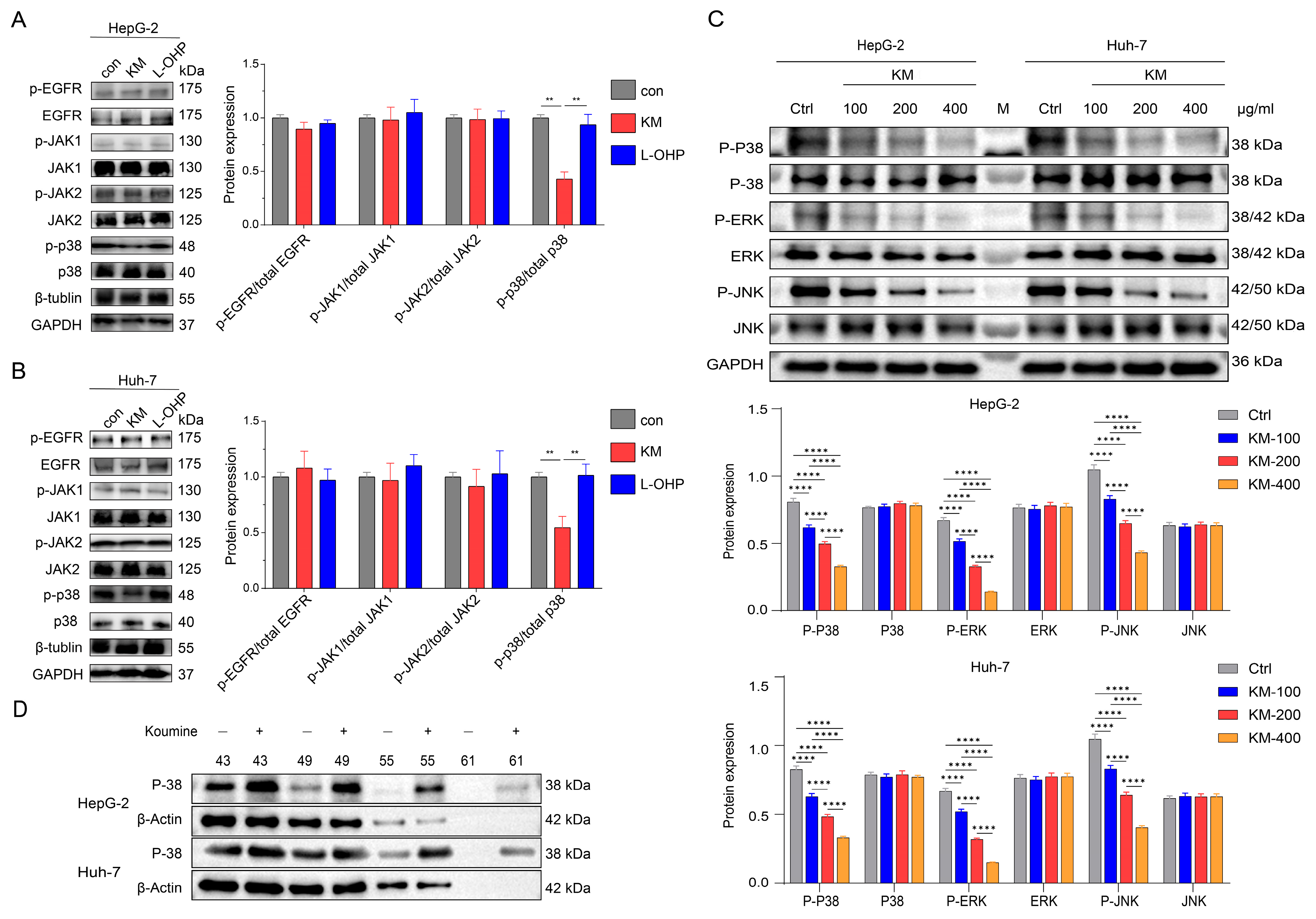
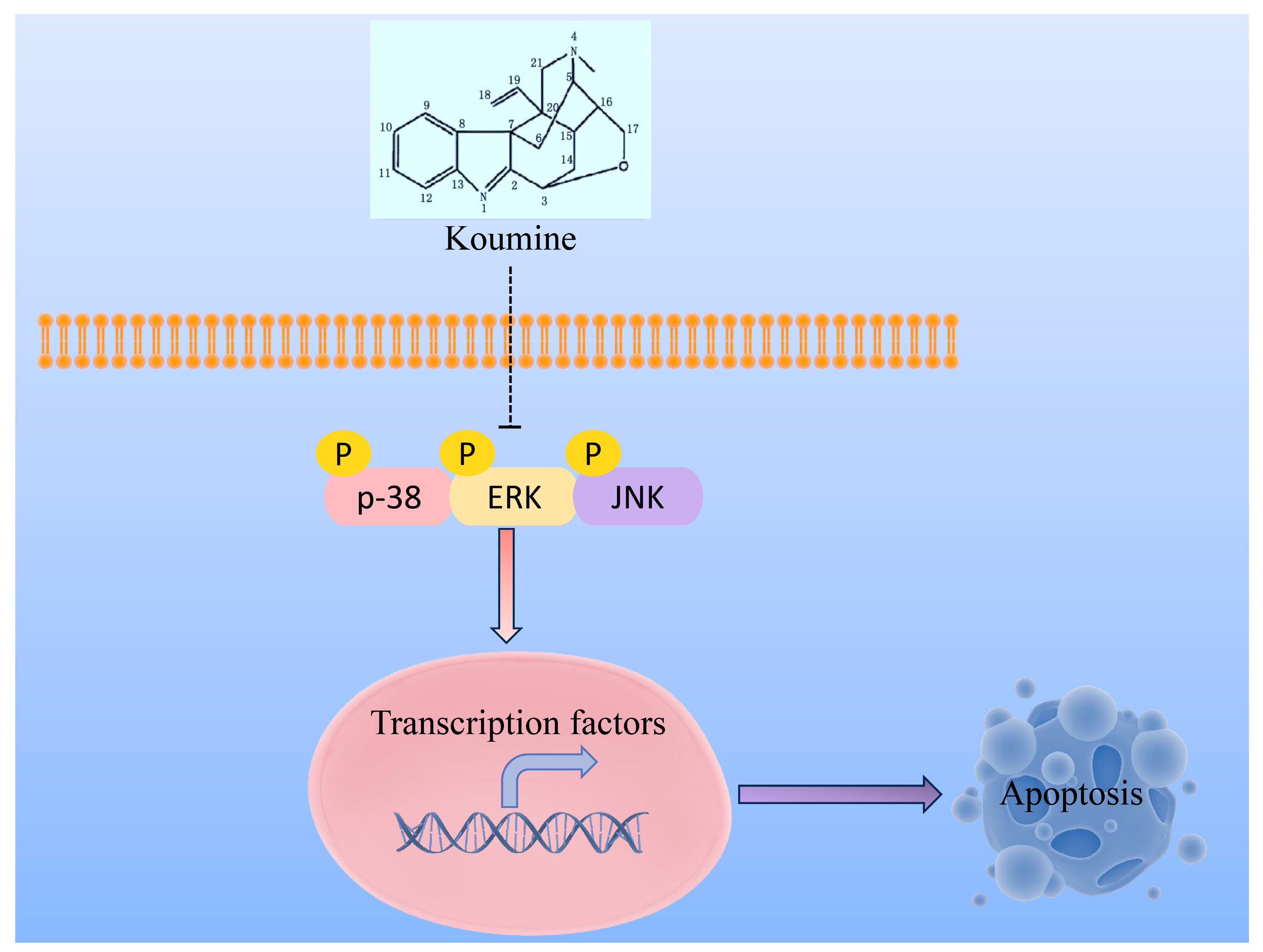
Background: Koumine is a bioactive alkaloid derived from the traditional medicinal plant Gelsemium elegans. Although it has demonstrated anti-tumor effects in various cancers, its specific role and mechanism in hepatocellular carcinoma (HCC) remain unclear. This study aims to investigate the anti-HCC effects of Koumine and elucidate the underlying molecular mechanisms. Methods: A network pharmacology approach was employed to predict potential targets and pathways of Koumine against HCC. The binding affinities between Koumine and core targets were validated using molecular docking. In vitro, the effects of Koumine on the proliferation, migration, and invasion of HCC cells were assessed, and the expression levels of key proteins were examined. In vivo, the anti-tumor efficacy and toxicity of Koumine were evaluated using a murine xenograft model. Results: Network pharmacology analysis identified 124 potential targets of Koumine against HCC, with 10 core targets (e.g., P38, JAK1, JAK2, GRB2) and key pathways involving MAP2K1, P38, JAK1, and MET being implicated. Molecular docking confirmed strong binding affinities between Koumine and these core targets. In vitro experiments demonstrated that Koumine dose-dependently inhibited the proliferation, migration, and invasion of HCC cells and modulated the expression and phosphorylation of P38. In vivo results showed that Koumine significantly suppressed tumor growth without causing notable toxicity. Conclusions: This study systematically reveals that Koumine exerts its anti-HCC effects by targeting the MAP2K1, P38, JAK1, JAK2, and MET signaling pathways. These findings highlight the potential of Koumine as a novel and safe therapeutic agent for the treatment of hepatocellular carcinoma.
Keywords: Koumine; hepatocellular carcinoma; network pharmacology; mechanism of action; molecular docking; in vitro/in vivo experiments Koumine; hepatocellular carcinoma; network pharmacology; mechanism of action; molecular docking; in vitro/in vivo experiments