Article

Serum Endocan as a Novel Biomarker of Cerebral Ischemia–Reperfusion Injury in a Rat Model
by
Mehmet Özgür Özates
1,
Kadir Çetinkaya
2,*,
Yasar Ünsal
3,
Hümeyra Kullukçu
4,
Oktay Gürcan
1,
Atilla Kazancı
1,
Evrim Önder
5,
Tuba Saadet Deveci Bulut
6 and
Ahmet Gürhan Gürcay
1
1
Neurosurgery Department, Yıldırım Beyazıt University, 06000 Ankara, Türkiye
2
Neurosurgery Department, Hitit University Corum Erol Olcok Training and Research Hospital, 19000 Corum, Türkiye
3
Neurosurgery Department, Bilkent City Hospital, 06000 Ankara, Türkiye
4
Neurosurgery Department, Mersin Silifke State Hospıtal, 33010 Mersin, Türkiye
5
Pathology Department, Ankara Etlik City Hospital, 06000 Ankara, Türkiye
6
Department of Biochemistry, Gazi University Faculty of Medicine, 06000 Ankara, Türkiye
*
Author to whom correspondence should be addressed.
Biomedicines 2026, 14(6), 1240; https://doi.org/10.3390/biomedicines14061240

Submission received: 4 May 2026 / Revised: 22 May 2026 / Accepted: 25 May 2026 / Published: 29 May 2026
(This article belongs to the Special Issue Advanced Research in Biomarkers of Neurodegenerative Disorders)

Abstract

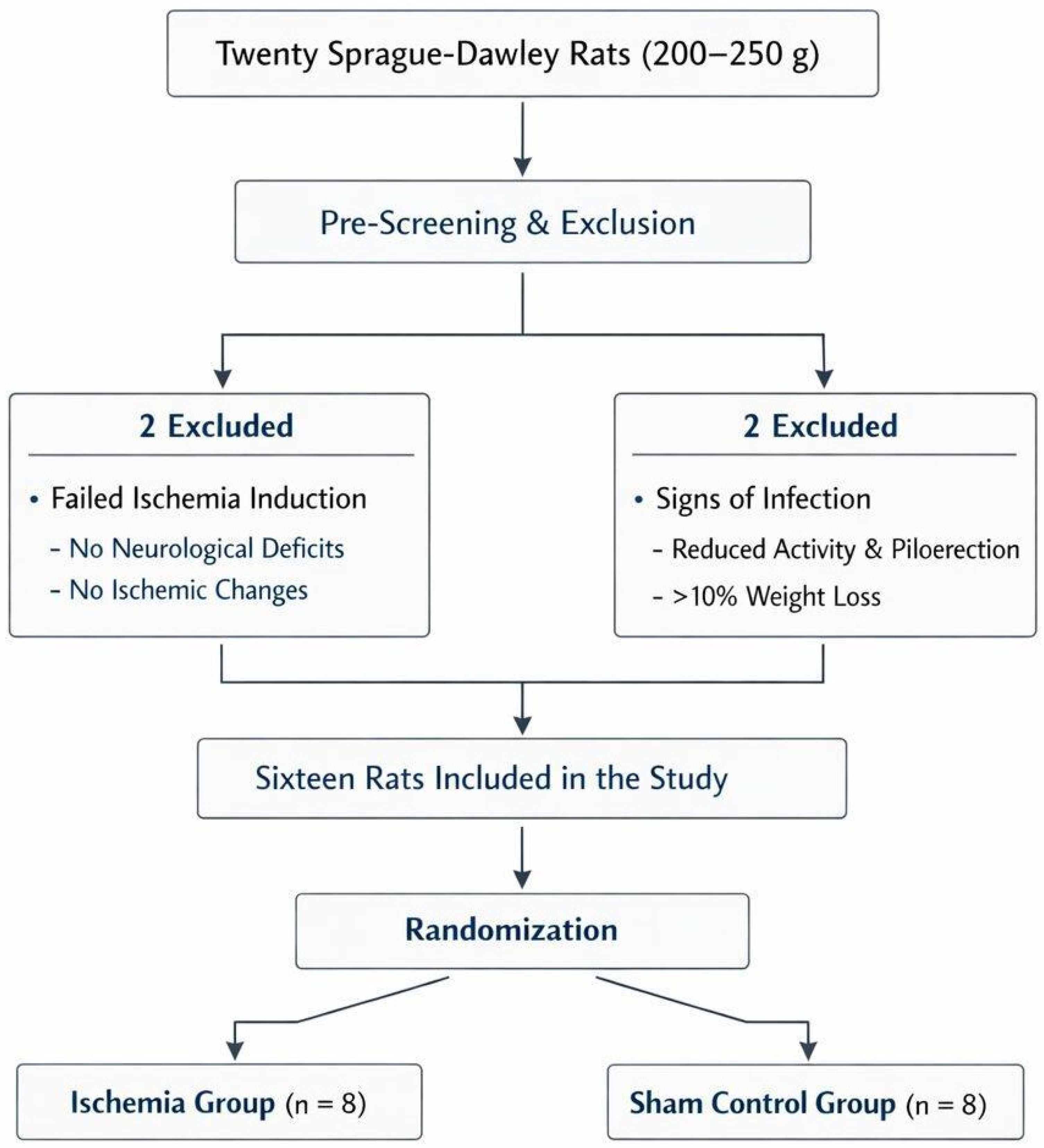
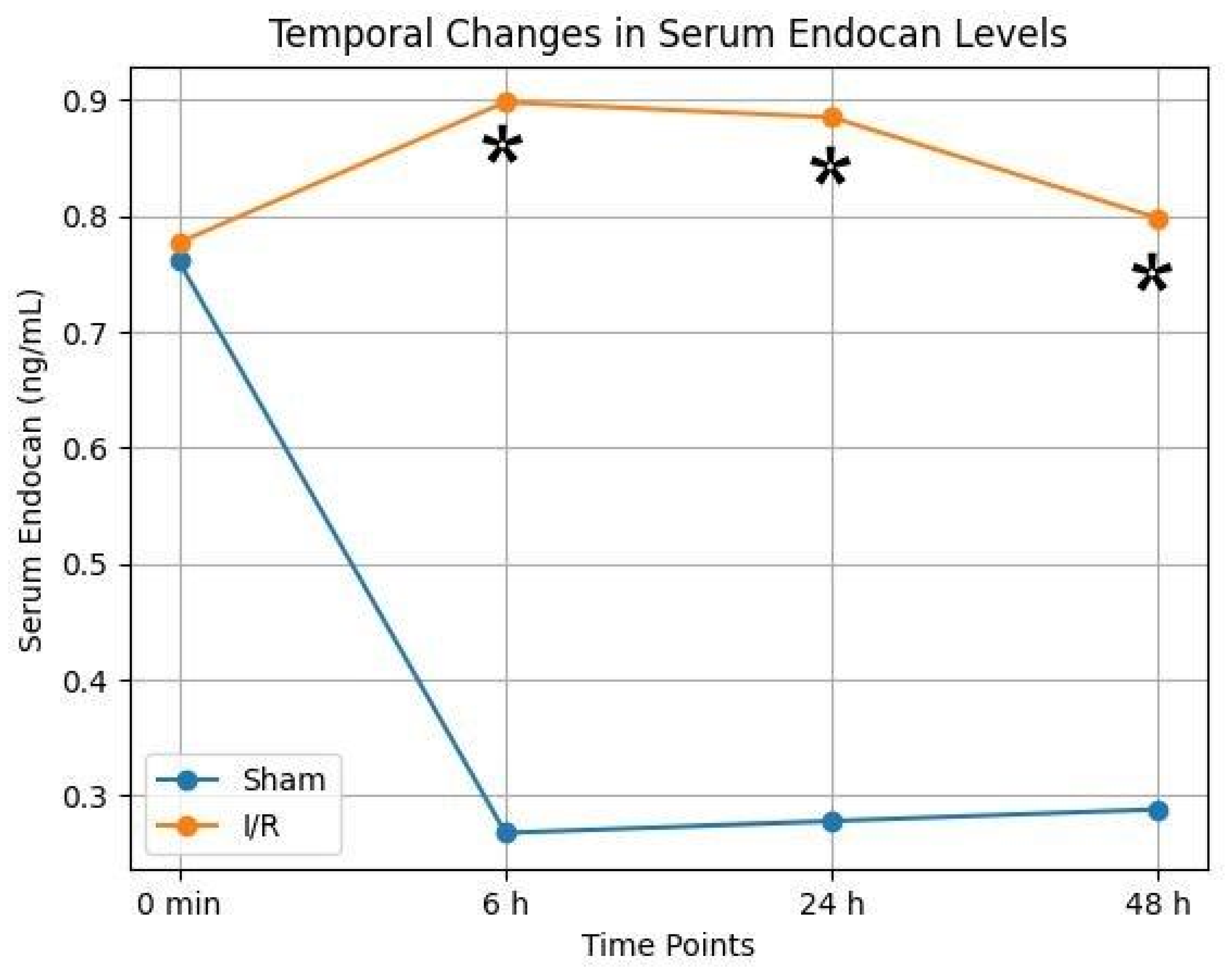
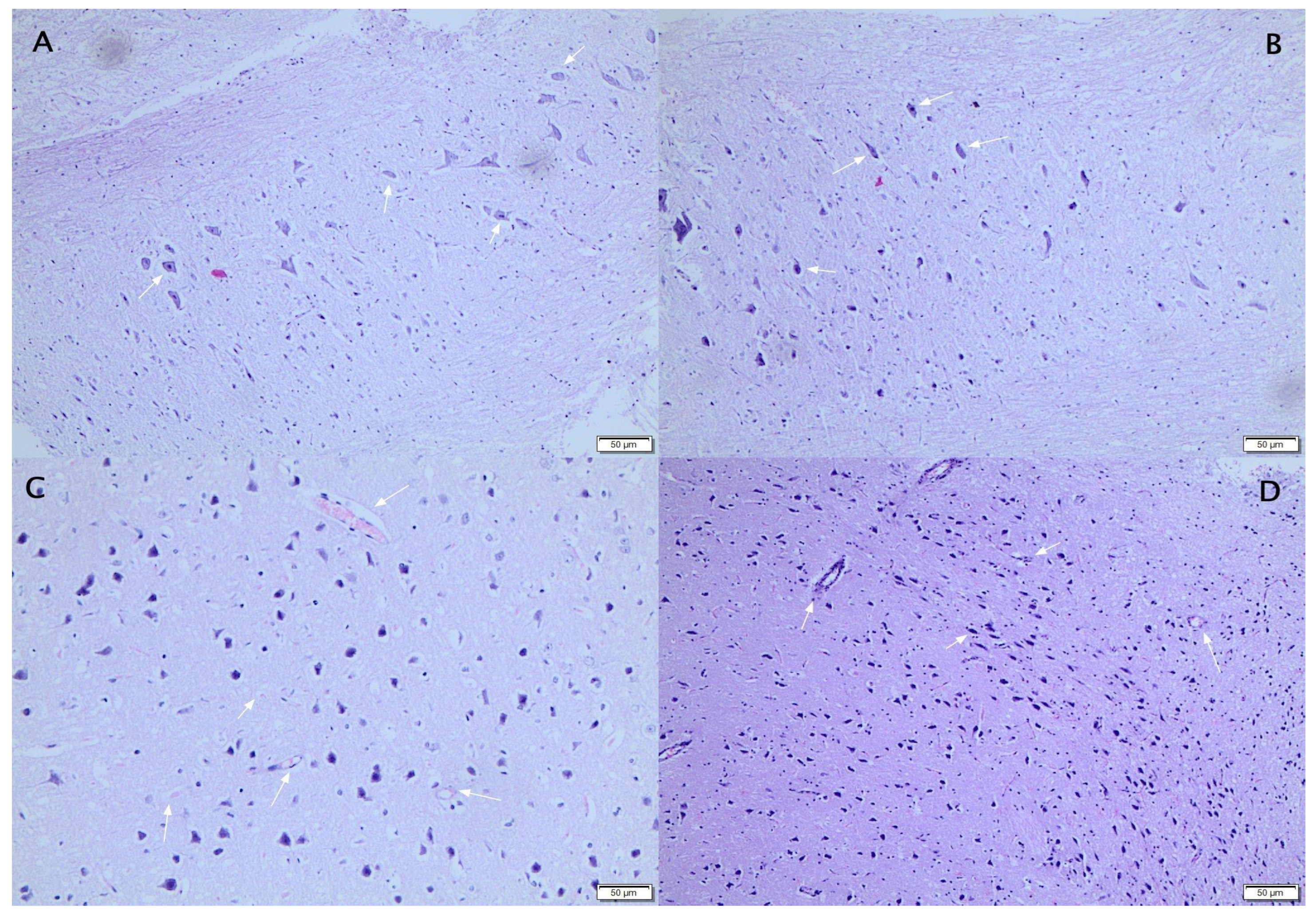
Background: Cerebral ischemia–reperfusion (I/R) injury is a significant contributor to mortality and long-term disability following ischemic stroke. Despite advances in neuroimaging, there remains a critical need for non-invasive, sensitive circulating biomarkers for early diagnosis and management. Endocan, a soluble proteoglycan secreted by activated endothelial cells, has been implicated in various vascular inflammatory conditions, but its specific role as a biomarker for cerebral I/R injury in rodent models requires further elucidation. Methods: Sixteen adult male Sprague Dawley rats were randomly assigned to either a sham (n = 8) or an ischemia–reperfusion (I/R) group (n = 8). Cerebral I/R injury was induced by temporary bilateral common carotid artery occlusion for 10 min, followed by reperfusion. Serum endocan levels were quantified using ELISA at baseline (0 min) and 6, 24, and 48 h post-reperfusion. Histopathological evaluation of hippocampal neuronal degeneration was performed at 48 h using a four-point grading system by blinded neuropathologists. Statistical analyses included independent samples t-tests, one-way repeated measures ANOVA, and Spearman’s rank correlation. Results: Baseline serum endocan levels did not differ between groups (p = 0.814). However, in the I/R group, endocan concentrations were significantly elevated compared to the sham group at 6 h (p < 0.005), 24 h (p < 0.001), and 48 h (p < 0.001). Intra-group analysis of the I/R cohort revealed a significant rapid elevation in endocan levels relative to baseline at 6 h (p = 0.003), followed by a gradual decline at 24 h (p < 0.001) and 48 h (p = 0.028), remaining significantly elevated above baseline at all time points. Histopathological examination showed significantly greater neuronal degeneration in the I/R group (median score = 2.5) compared to the sham group (median score = 0; p < 0.001). A strong positive correlation was observed between serum endocan levels at 48 h and hippocampal neuronal degeneration scores within the I/R group (Spearman’s ρ = 0.857, [95% CI: 0.482–0.968]; p = 0.007). Conclusions: Serum endocan demonstrates high levels following cerebral I/R injury in a rodent model, correlating strongly with the severity of hippocampal neuronal damage. These findings suggest that serum endocan is a sensitive and biologically relevant circulating biomarker for cerebral I/R injury, holding potential for non-invasive monitoring of endothelial dysfunction and secondary injury processes in acute ischemic stroke.
Keywords: endocan; ischemia–reperfusion injury; biomarkers; endothelial dysfunction; rodent model endocan; ischemia–reperfusion injury; biomarkers; endothelial dysfunction; rodent model