


Abstract
Immune-mediated inflammatory diseases, such as rheumatoid arthritis, multiple sclerosis, and systemic lupus erythematosus, impose a severe and growing global health burden, where current therapies are limited by poor specificity and significant side effects. The peptidylarginine deiminase (PAD)/citrullination axis, in which protein citrullination catalyzed by PADs drives autoantigen generation and sustains inflammation, has emerged as a critical therapeutic target. This review outlines a comprehensive strategy for targeting this axis using natural products. We first detail the established role of natural compounds as direct PAD inhibitors, covering their chemical diversity, inhibitory mechanisms, and therapeutic applications in disease models. Subsequently, the discussion extends to their broader, indirect modulatory functions, highlighting how these compounds can suppress pathogenic citrullination by regulating upstream processes like NETosis and inflammatory signaling. Furthermore, the review introduces the innovative substrate-centric intervention strategy, which represents a paradigm shift toward shielding key arginine residues on autoantigens, thereby preventing the formation of immunogenic neoepitopes. The translational challenges and future directions for each of these avenues are outlined, addressing persistent obstacles including achieving isoform selectivity and biomarker validation. By integrating these multifaceted strategies, from direct inhibition and indirect modulation to substrate protection, this work provides a strategic roadmap for advancing the next generation of more precise, effective, and safe anti-citrullination therapies, ultimately moving beyond conventional enzyme inhibition toward targeted immunomodulation in immune-mediated inflammatory diseases.
1. Introduction
Immune-mediated inflammatory diseases, including rheumatoid arthritis (RA), multiple sclerosis (MS), and systemic lupus erythematosus (SLE), represent a significant and growing global health burden, severely impacting patients’ quality of life and society [1]. The pathogenesis of these complex diseases involves intricate interactions among multiple factors, including genetic susceptibility, immune dysregulation, environmental exposures, hormonal influences, and infections [2]. Conventional immunomodulatory therapies, while effective for many, often lack disease specificity due to their broad mechanisms of action, resulting in non-specific immunosuppression and side effects such as infections and malignancies [3]. Moreover, challenges such as substantial interindividual variability in therapeutic responses, loss of efficacy with long-term use, and high treatment costs are prevalent. Therefore, there is an urgent need to develop novel therapeutic strategies with improved safety profiles and more precise mechanisms of action [4].
A key molecular event implicated in the pathogenesis of these immune disorders is protein citrullination, a Ca2+-dependent post-translational modification (PTM) catalyzed by peptidylarginine deiminases (PADs), which convert positively charged arginine residues into neutral citrulline [5,6]. First reported in 1958 [7], this deamination reaction alters key physicochemical properties: the replacement of arginine (isoelectric point pI ~11.41) with citrulline (pI ~5.91) reduces the protein’s net positive charge, thereby disrupting hydrogen bonding and electrostatic interactions [8,9]. Critically, as citrulline is a non-canonical amino acid not encoded by DNA, its occurrence is exclusively enzymatic. To date, no robust enzymatic decitrullination mechanism has been identified, rendering citrullination irreversible, unlike reversible PTMs such as phosphorylation. This irreversibility facilitates sustained signaling and long-term functional changes [10]. PAD substrates span diverse protein classes, including structural proteins (e.g., keratin, vimentin), cytoskeletal elements (e.g., actin, tubulin), extracellular matrix components (e.g., fibronectin), and histones [11].
Citrullination regulates core cellular processes, including epigenetic gene control, formation of neutrophil extracellular traps (NETs), DNA damage-induced apoptosis, and immune activation. For instance, histone citrullination modulates chromatin structure and transcription [10], while vimentin citrullination can generate neoepitopes that act as autoantigens, influencing immune regulation and evasion. Among these processes, the formation of NETs represents a key mechanism linking PAD activity to immune pathology. However, the requirement of PAD4 in NETosis is stimulus-dependent. While PAD4-mediated histone citrullination is essential for NET formation in response to calcium ionophores and certain microbial stimuli, alternative pathways exist. For instance, PMA-induced NETosis can occur independently of PAD4 activity [12]. Similarly, even in response to opsonized Candida albicans, a stimulus that robustly induces histone citrullination, NETosis still occurs in PAD4 knockout mice, indicating that PAD4 is dispensable in this context [13]. Thus, the involvement of PAD4 in NETosis should be interpreted in the context of the specific experimental or pathological setting. Collectively, these mechanisms underscore the critical roles of tightly regulated citrullination in both physiology and pathology, and its dysregulation forms a cornerstone in the pathogenesis of multiple immune diseases. The centrality of the PAD/citrullination axis has made it a compelling therapeutic target; however, the pursuit of effective strategies demands a look beyond direct enzyme inhibition.
In this context, natural products emerge as a uniquely valuable resource for pioneering such novel strategies. Historically, natural products have been a vital source of therapeutic agents, offering unparalleled structural diversity and chemical intricacy compared to synthetic compound libraries [14]. With inherent multi-targeting capabilities, conformational diversity, and unique ability to bind to shallow or complex protein interfaces, natural products possess distinct advantages for modulating intricate biological pathways like those involved in immune dysregulation [15]. Natural products and their derivatives have yielded numerous frontline therapies for inflammatory, infectious, and malignant diseases [16]. This inherent versatility positions natural products ideally for exploring the full therapeutic landscape of the citrullination axis. Their structural and mechanistic diversity supports not only the discovery of direct PAD enzyme inhibitors but also enables the targeting of upstream regulatory pathways. More innovatively, it opens the door to entirely new intervention strategies, such as substrate-directed interventions designed to prevent aberrant citrullination. This multifaceted potential is central to the theme of exploring avenues beyond PAD inhibition.
Therefore, this review will first delineate the role of citrullination in immune diseases and then critically evaluate natural products as a source for targeting this axis. Our analysis will encompass direct PAD inhibitors, indirect modulators, and innovative, substrate-directed strategies, thereby mapping a comprehensive therapeutic landscape that extends beyond direct enzyme inhibition (Figure 1).
Figure 1.
The pathogenic citrullination–inflammation loop and natural product-based intervention strategies. Botanical illustrations and chemical structures presented in this figure are original artwork created for this publication.
2. The Citrullination Pathway: A Therapeutic Target in Immune Diseases
2.1. Peptidylarginine Deiminases: The Catalytic Drivers
PADs are a group of five genetically encoded cysteine hydrolases clustered on human chromosome 1p36.1 and mouse chromosome 4E1 [17]. Their catalytic mechanism relies on a conserved active-site cysteine that initiates a nucleophilic attack on the guanidino group of arginine, forming an acyl-enzyme intermediate that hydrolyzes to yield citrulline [6]. Of the five PAD isoforms (PAD1–4, PAD6), PAD6 is catalytically inactive. All human PAD isozymes are ~74–77 kDa proteins composed of 660–665 amino acids, featuring two N-terminal immunoglobulin-like domains and a C-terminal catalytic domain [6,18]. PAD2 and PAD4 can form homodimers with active sites positioned on the same side [19,20]. The catalytic center includes a nucleophilic cysteine (C645 in PAD1 and PAD4, C647 in PAD2, and C646 in PAD3), a histidine (H471), and two aspartate residues (D350 and D473) that stabilize the substrate [21].
PAD activity is highly Ca2+-dependent, with 4 to 6 Ca2+ binding sites triggering a conformational change that boosts activity by more than 10,000-fold [21,22]. Since activation requires Ca2+ concentrations exceeding 100 µM, PADs remain inactive under most physiological resting conditions [6]. Upon Ca2+ binding, the active-site cysteine shifts to a catalytically competent position [20,23]. Notably, only PAD2 and PAD4 possess nuclear localization signals, enabling histone citrullination (e.g., H1, H3, H4) [20,24]. Substrate accessibility is further governed by protein secondary structure, explaining why not all arginine residues are susceptible [25].
PAD isoforms exhibit distinct tissue and functional specificity (Table 1). PAD1 and PAD3 are primarily expressed in the epidermis and hair follicles, where they modify keratins and filaggrin; PAD3 additionally targets trichohyalin and vimentin. PAD2, the most widely distributed isoform, is found in the brain, skeletal muscle, and leukocytes, among other tissues, targeting substrates like myelin basic protein (MBP) and histones. PAD4 is predominantly expressed in immune cells (e.g., granulocytes, monocytes, and macrophages) and drives NET formation. PAD6, though inactive, supports female reproductive function [10,26]. Critically, PAD2 and PAD4 are the only isoforms expressed in immune cells, positioning them as key players in immune disease pathogenesis. In addition, the periodontal pathogen Porphyromonas gingivalis expresses a unique microbial PAD (PPAD) that catalyzes citrullination in a calcium-independent manner, linking periodontitis to RA through autoantigen generation. PPAD and mammalian PADs are phylogenetically unrelated proteins [27].
Table 1.
Characteristics and disease associations of the PAD family.
2.2. The General Core Mechanisms of Citrullination in Immune Diseases
In recent years, protein citrullination has emerged as an important pathological feature of immune diseases, with growing evidence linking to inflammatory responses [5]. Abnormal accumulation of citrullinated proteins is frequently observed across various immune disorders [28]. The shared pathological mechanism typically initiates with a dysregulated increase in intracellular Ca2+ within the inflammatory microenvironment, leading to PAD activation and subsequent citrullination of arginine residues on a variety of substrate proteins [29]. Under physiological conditions, immune tolerance to citrullinated proteins is maintained; however, citrullination-induced alterations in protein conformation and folding can expose neoepitopes, breaking immune tolerance and triggering autoimmune responses [30]. Upon release into the extracellular environment, these modified proteins are recognized by antigen-presenting cells and presented as foreign antigens to T cells, initiating a cascade that culminates in anti-citrullinated protein antibody (ACPA) production [31]. ACPAs bind to citrullinated self-antigens, forming immune complexes that exacerbate inflammation and tissue damage [32]. Critically, tissue damage and cell necrosis release intracellular Ca2+, sustaining elevated local Ca2+ levels and reactivating PADs to produce more citrullinated proteins. This self-reinforcing vicious cycle continuously drives disease progression.
Collectively, this core citrullination-driven pathological cycle manifests across a spectrum of immune diseases, albeit with disease-specific variations in the key PAD isoforms involved, the identity of citrullinated substrates, and the downstream immune responses they provoke. The following sections will detail how these mechanisms operate in specific disease contexts.
2.3. Citrullination in Immune Diseases
2.3.1. Rheumatoid Arthritis
RA is a chronic autoimmune disease characterized by symmetric joint inflammation and damage [33]. A hallmark of RA is the abundance of autoantibodies targeting post-translationally modified proteins, with citrullinated antigens playing a central role [28]. In RA joints, PAD2 and PAD4 expression and activity are markedly elevated [34], linked to infiltrating monocytes/macrophages [6,35]. Apoptosis-induced Ca2+ release further activates PADs, promoting citrullination of both intra- and extracellular proteins such as vimentin, fibrinogen, and α-enolase and resulting in immune tolerance breakdown [6,28,35]. This triggers the production of ACPAs, which predominantly target a subset of antigens like vimentin and α-enolase. ACPAs promote disease progression by stimulating pro-inflammatory cytokines (e.g., TNF-α), inducing osteoclastogenesis, and activating the complement system [36,37].
Critically, PAD4-driven NET formation citrullinates histones (e.g., H2A, H2B, and H4) and vimentin, releasing antigens that fuel ACPA production. Inflammatory mediators (e.g., TNF-α, IL-8, and IL-17) further promote NETosis, establishing a self-reinforcing vicious cycle [38,39,40]. However, this cycle is not absolute: therapeutic antibodies targeting citrullinated histones H2A/H4 can suppress NET formation, highlighting the potential for targeted interventions [40]. NETs can also directly damage cartilage via PAD2 activity [41]. Furthermore, elevated DKK1 correlates with disease activity and may synergize with PAD-dependent citrullination of type II collagen in driving joint destruction [42].
2.3.2. Multiple Sclerosis
MS is an autoimmune disease characterized by demyelination in the central nervous system (CNS), driven by lymphocyte infiltration and myelin destruction [43]. This ultimately manifests as a range of neurological syndromes and physical disabilities, including sensory and motor deficits, spasticity, fatigue, pain, and cognitive dysfunction [44]. Among key pathogenic mechanisms, hypercitrullination of MBP plays a central role. The 18.5 kDa MBP contains 19 citrullination-susceptible arginine residues [45]; under physiological conditions, ~18% are modified [46], but in MS patients, the ratio rises to ~45% [47]. This hypercitrullination is mediated by PAD2, whose expression is significantly upregulated in MS white matter and peripheral blood [48], associated with hypomethylation of the PAD2 gene promoter [49]. Animal studies confirm PAD2’s necessity: PAD2-knockout mice lack CNS citrullination and are protected from demyelination [50].
Immunologically, citrullinated MBP enhances presentation of the immunodominant peptide MBP 85–99, triggering Th17 responses that exacerbate autoimmune attacks against myelin [51]. Biophysically, excessive citrullination reduces MBP’s net positive charge, causing protein unfolding and impairing myelin compaction [50]. This defect compromises structural integrity and may expose neoepitopes, further fueling autoimmunity and impairing nerve conduction [6,52].
2.3.3. Systemic Lupus Erythematosus
SLE is a chronic autoimmune disease that can cause inflammation and immune-mediated damage across multiple organ systems [53]. A hallmark of SLE is the release of abundant autoantibodies, including ACPAs, which can trigger and sustain the inflammation [54]. Neutrophils are a major source of PAD enzymes in SLE: they express PAD4 on their surface and spontaneously release PAD2 into the extracellular environment, even in the absence of inflammatory stimuli [55,56,57]. These NET-independent processes directly promote extracellular protein citrullination, contributing to elevated citrullinated protein levels in SLE tissues [55]. Additionally, histone H3 can be citrullinated by PADs both intracellularly and extracellularly, further amplifying the pool of immunogenic antigens [55]. PAD4 directly contributes to SLE pathogenesis through its roles in NET formation and histone citrullination, which releases additional autoantigens [58]. High levels of citrullinated proteins further drive immune tolerance loss and massive ACPA production, exacerbating autoimmune responses and highlighting the potential for targeting citrullination pathways in SLE [59].
2.3.4. Psoriasis
Psoriasis is a chronic immune-mediated skin disease characterized by well-demarcated erythematous scaly plaques, pruritus, and pain [5,60]. The expression and activity of PAD1, PAD2, and PAD4 are complexly dysregulated in psoriasis, intricately linked to the immune–inflammatory process [61]. During epidermal differentiation, PAD1 is highly expressed in keratinocyte and citrullinate proteins such as keratin K1 [62], facilitating keratin filament compaction and maintaining epidermal barrier function [47]. Critically, reduced citrullination of epidermal structural proteins like filaggrin and keratins directly impairs epidermal barrier function and promotes inflammation [63]. Although PAD enzymatic activity is enhanced in lesional skin [57], overall protein citrullination is reduced, particularly citrullinated keratin K1 levels, worsening barrier defects and driving disease progression [62].
PAD activity correlates with infiltration of Th17 cells, neutrophils, and dendritic cells, underscoring a close link between citrullination and immune responses [64]. Furthermore, PAD4 drives NET formation by catalyzing histone citrullination and chromatin decondensation, amplifying inflammation in psoriasis [65]. These mechanisms highlight the potential for targeting specific PAD isoforms to restore barrier function or suppress NET-driven pathology.
2.3.5. Inflammatory Bowel Disease
Inflammatory bowel disease (IBD), primarily comprising ulcerative colitis (UC) and Crohn’s disease (CD), is a chronic inflammatory condition characterized by intestinal mucosal inflammation [66]. Citrullination is associated with IBD pathogenesis, with PAD4 being particularly prominent. Clinical analyses reveal elevated PAD4 levels in IBD patients, along with increased citrullination of mitochondrial creatine kinase 1 (CKMT1). This modification reduces CKMT1 stability, triggering its activation via autophagy and ultimately disrupting mitochondrial homeostasis, compromising intestinal barrier integrity and inducing intestinal epithelial cell apoptosis [67]. Notably, IBD incidence is positively correlated with PAD4 expression but negatively correlated with PAD2, suggesting distinct roles for these isoforms [68,69].
Immunohistochemical staining reveals strong PAD2 and PAD4 expression in human UC specimens, and treatment with the PAD inhibitor chloramidine ( Cl-amidine) alleviates inflammation in a UC mouse model, supporting PADs as the therapeutic targets [70]. For clinical differentiation, serum levels of citrullinated vimentin are lower in UC patients compared to CD and non-IBD controls, positioning it as a potential biomarker to distinguish IBD subtypes and improve diagnostic accuracy [71].
2.3.6. Type 1 Diabetes
Type 1 diabetes (T1D) is characterized by insulin-dependent glucose metabolism dysregulation, triggered by islet inflammation and exacerbated by the autoreactive B and T cell responses. Local inflammatory cytokines and reactive oxygen species amplify protein PTMs, including deamidation, oxidation, carbonylation, and citrullination, all of which can breach immune tolerance [72]. In T1D, a series of PTM-modified autoantigens serves as important biomarkers, such as islet cell autoantigen 69 (ICA69), insulin, glutamic acid decarboxylase 65 (GAD65), islet antigen 2 (IA-2), and zinc transporter 8 (ZnT8). Among these, citrullinated glucose-regulated protein 78 (GRP78) and GAD65 trigger robust B and T cell autoimmune responses in both human T1D and the non-obese diabetic (NOD) mouse model, highlighting their pathogenic role [26,73,74]. Transcriptomic and proteomic analyses further indicate that PAD2 is highly expressed in pancreatic islets of patients with T1D at the prediabetic stage, suggesting early involvement in disease initiation [75].
Moreover, inflammation selectively induces glucokinase citrullination in the pancreas, but not in the liver. This modification alters glucokinase enzyme kinetics, while inhibition of PAD2/PAD4 can partially restore the impaired insulin secretion mediated by pro-inflammatory cytokines. Collectively, these results suggest that glucokinase citrullination serves not only as a marker of β-cell dysfunction but also as an autoimmune biomarker in T1D, providing a rationale for therapeutic strategies aimed at restoring β-cell metabolic function through PAD inhibition [76,77].
In summary, the citrullination pathway is an important contributing factor in a variety of immune diseases (Table 2).
Table 2.
Pathological roles of PAD isoforms and their synthetic inhibitors in immune diseases.
2.4. A Druggable Axis: Windows of Therapeutic Opportunity
From the upstream activation of PADs triggered by inflammation to the midstream citrullination modification of key arginine sites, and further to the downstream release of autoantigens and the continuous amplification of the adaptive immune response, this core pathway demonstrates potential for intervention at multiple points. Theoretically, intervention strategies can precisely target distinct stages of this pathway.
For instance, upstream approaches may involve modulating Ca2+ signaling or redox balance to disrupt PAD activation environments, or developing direct PAD inhibitors (e.g., covalent inhibitors targeting the catalytic cysteine) to reduce citrullinated protein generation at the source. Midstream interventions could focus on directly blocking citrullination events, for example, by designing substrate-competitive inhibitors to occupy key arginine sites or using antibodies to neutralize specific citrullinated autoantigens (e.g., citrullinated vimentin in RA) before they trigger immune responses. Downstream, terminating the pathological cycle might require modulating adaptive immune responses, for example, by targeting ACPA-producing B cells or blocking co-stimulatory signals for T cell activation. This multi-node druggability makes the citrullination pathway a highly attractive therapeutic target network.
Although current therapies predominantly rely on broad anti-inflammatory and immunosuppressive agents, targeting the citrullination pathway itself, particularly PAD enzymes, has emerged as a promising direction for developing disease-specific therapeutics. Taken together, these findings provide a clear theoretical framework and mechanistic basis for developing novel therapeutics, including both synthetic compounds and natural products. While synthetic PAD inhibitors have shown promise, their development is often hampered by challenges such as isoform selectivity and off-target toxicity. In contrast, natural products, with their intrinsic chemical complexity and pleiotropic mechanisms, offer a unique advantage as lead compounds, providing valuable chemical scaffolds and mechanistic insights for the rational design of next-generation synthetic or semi-synthetic therapeutics targeting the citrullination axis. Accordingly, in the following section, we focus on the unique advantages of natural products as modulators of the citrullination axis, aiming to provide insights that may guide future development of natural product-based therapeutics.
3. Natural Products: A Treasurable Source for Targeting Protein Citrullination
3.1. Direct Inhibitors of PAD Enzymes
Natural products, with their structural diversity, multi-targeting capabilities, multi-pathway modulation, and diverse pharmacological functions, represent a valuable source for developing therapies against immune diseases and immunomodulation. Many serve as direct inhibitors of PAD enzymes, offering significant potential for anti-citrullination therapy.
Consistently, a diverse array of natural products, from single compounds to active ingredients derived from complex formulas, have been identified as direct PAD4 inhibitors with therapeutic potential (Table 3). The table aims to provide a consolidated view of the current evidence for each compound. While key available data on efficacy, binding, and mechanism are presented, it should be noted that for many compounds, detailed pharmacological parameters such as comprehensive toxicology, pharmacokinetics, isoform selectivity, and drug–drug interaction profiles are not yet available in the literature. Their absence in the table reflects this current research gap rather than an omission, highlighting an important avenue for future translational studies.
Formononetin (1), an isoflavonoid from many botanical herbs such as Sophora flavescens, Astragalus membranaceus, and Trifolium pratense, alleviates atopic dermatitis inhibiting NET formation via PAD4/MPO suppression, as evidenced by reduced citrullinated histone H3 (CitH3) levels, which in turn leads to normalized skin hyperplasia, reduced infiltration of CD3+ T cells, mast cells, and neutrophils, and suppressed inflammatory cytokine expression [78,79]. Echinacoside (2), a phenylethanoid glycoside from Rehmannia glutinosa, directly binds to PAD4 and inhibits histone citrullination, thereby blocking NET release, alleviating the pro-inflammatory and immunosuppressive tumor microenvironment induced by NETs, suppressing epithelial–mesenchymal transition, and ultimately ameliorating chemotherapy-induced NET-mediated metastasis [80,81]. Pentagalloylglucose (PGG, 3), a polyphenolic compound from Moutan Cortex, potently inhibits PAD4 with an IC50 of 4.50 μM. Drug affinity responsive target stability (DARTS) and molecular dynamics simulations confirm PAD4 as its direct target, and molecular docking reveals multiple strong interactions, positioning PGG as a reversible inhibitor and promising lead compound [82,83]. Pyrroloquinoline quinone (4), a dietary micronutrient, inhibits PAD4 with over 95% inhibition at 5 μM and an IC50 below 4 μM. Kinetic analysis indicates a mixed-mode inhibition mechanism, while DARTS and molecular docking confirm its direct, high-affinity binding to PAD4, highlighting its potential in autoimmune diseases such as RA and diabetes [84,85,86,87]. Berberine (5), the main alkaloid of Coptidis Rhizoma, directly binds all four PAD4 isoforms, reducing PAD4 expression and reversing PAD4-mediated macrophage dysfunction involving IRF5-driven activation, thereby ameliorating its pro-malignant effects in disease progression [88,89,90,91]. Traditional Chinese medicine (TCM) formulas are also rich sources of direct PAD4 inhibitors. Er Miao San (EMS), a classic TCM formula for RA, contains phellodendrine (PHE, 6) and atractylenolide-I (ATL-I, 7) as main active components. Studies have shown that EMS reduces inflammation and neutrophil infiltration in collagen-induced arthritis (CIA) mice, inhibits NET formation, and decreases PAD4 and citrullinated histone H3 (CitH3) expression in neutrophils. PHE and ATL-I replicate these effects, and molecular docking confirms their direct binding to PAD4 via stable hydrogen bonds, identifying them as direct PAD4 inhibitors [92,93,94]. Similarly, the “Yiqi Huoxue” formula components ginsenoside Rb1 (Rb1, 8) and ferulic acid (FA, 9) target the PAD4 axis. Rb1 directly inhibits PAD4 with an IC50 of 23.01 μM, while FA binds high mobility group box 1 (HMGB1). HMGB1 is a key factor driving the cyclic formation of NETs [95,96] and has been confirmed as a potent inducer of RA and has garnered significant attention in the context of immune disorders [97,98], acting upstream of PAD4 by promoting its expression and activation in neutrophils. Their combination synergistically suppresses NET formation and CitH3 by interfering with the HMGB1/PAD4 signaling pathway, thereby alleviating inflammatory injury [99,100,101]. These findings demonstrate that active compounds derived from TCM formulas can act as direct PAD4 inhibitors, suppressing NETosis and inflammation. Marine natural products, including MNPD10752 (17), haploscleridamine (18), and oroidin (19), have also been identified as potent PAD4 inhibitors with favorable pharmacokinetic and toxicity profiles. Among them, haploscleridamine (18) exhibits strong binding affinity and inhibitory activity against PAD4 mutants, as confirmed by molecular dynamics simulations and free energy calculations, positioning it as a promising lead for autoimmune disease therapy [102].
Beyond PAD4, natural products also target other PAD isoforms. Paclitaxel (10), a tetracyclic diterpenoid alkaloid isolated from Taxus, was first reported in 1998 to inhibit PAD2 via non-competitive binding (Ki: 4.5–10 mM), directly interacting with the monomeric enzyme. It reduces PAD2 activity in demyelinating disease models, and its efficacy is enhanced by vitamin B12, suggesting its therapeutic effects on MS and RA involve blocking arginine citrullination [50,103,104,105,106]. Icaritin (11), the active metabolite of icariin from Epimedium, directly binds PAD2 at six sites, suppressing suicidal NETosis and PAD2-mediated histone citrullination. This action further disrupts the IL-6/JAK2/STAT3/IL-6 positive feedback loop, limits neutrophil recruitment, and synergizes with anti-PD-1 therapy to counteract T cell exhaustion [107,108]. Other notable examples include inhibitors of bacterial PAD homologs. The methanolic extract of Cratoxylum cochinchinense and its active constituents mangiferin (12) and vismiaquinone A (13) inhibit Porphyromonas gingivalis PAD (PPAD), a bacterial PAD homolog linked to periodontitis and RA. Molecular docking confirms their binding to key residues within the PPAD active pocket, supporting their potential as lead compounds for infectious and autoimmune diseases [109,110,111]. Additionally, a spiro[chromene-2,2′-indoline]-based natural product (20) and its derivatives inhibit both PAD4 and PAD2 with low micromolar IC50 values. A representative derivative significantly ameliorated disease severity in a murine RA model, highlighting the therapeutic potential of this pharmacophore [112]. Collectively, these diverse examples significantly expand the repertoire of PAD-targeting natural products and offer new avenues for drug discovery (Figure 2).
Figure 2.
Chemical structures of natural compounds identified as direct inhibitors of the PAD family.
Apart from single compounds, certain herbal extracts also exhibit PAD inhibitory activity (Table 4). Ephedra Herba extract exhibits potent PAD4 inhibition with IC50 values of 10–60 μg/mL, while Cinnamomi Ramulus extract achieves 97.7% inhibition at 0.1 mg/mL [87,113]. Extracts from Phellodendri Chinensis Cortex, Salviae Miltiorrhizae Radix Et Rhizoma, Coptidis Rhizoma show weaker activity (IC50 > 100 μg/mL) [113]. Despite their moderate potency, these extracts hold research value as natural sources for PAD inhibitor discovery. For instance, berberine (5), a direct PAD4 inhibitor (IC50: 45.07 μM) that modulates macrophage function, is derived from Coptidis Rhizoma [91]. Extracts from Rubia cordifolia, Isatis indigotica, and others also exhibit varying degrees of PAD4 inhibition [83]. Collectively, these extracts provide a rich resource for discovering novel PAD inhibitors and advancing therapeutic strategies for autoimmune diseases.
Table 3.
A comprehensive profile of natural products and derived compounds targeting PADs: Inhibition potency, pharmacological evidence, and mechanistic insights.
Table 4.
Direct inhibitory activities of herbal extracts against the PAD family. All assays were performed using recombinant PAD enzymes.
3.2. Indirect Modulators of the PAD/Citrullination Axis
In contrast to direct PAD inhibitors, another class of natural products indirectly influences citrullination by regulating PAD expression, PTM, or upstream/downstream signaling pathways. Although these modulators do not directly bind to PADs, they alter PAD activity or the microenvironment via mechanisms such as interfering with inflammatory signaling, modulating immune cell differentiation, or regulating NETosis-related signals. In recent years, a growing body of research has indicated that various natural compounds can indirectly modulate the PAD/citrullination axis, offering unique advantages for treating autoimmune and immune-related disorders.
Curcumin (36), a natural polyphenol from turmeric, exhibits therapeutic potential in autoimmune diseases such as RA and SLE [120,121]. It alleviates joint inflammation and reduces citrulline levels in TNF-α-stimulated fibroblast-like synoviocytes from RA patients (FLS-RA), potentially attenuating immune responses [122]. Curcumin also suppresses NF-κB transcriptional activity in FLS cells, reducing inflammatory cytokines and matrix-degrading enzymes. Since PAD2 regulates NF-κB-related proteins [123], curcumin may indirectly affect PAD-mediated citrullination by modulating the inflammatory microenvironment. Additionally, curcumin inhibits macrophage-derived IL-12/IL-18, affecting Th1 differentiation and reducing citrullinated protein generation [124]. In CIA animal models, curcumin alleviates joint swelling and synovial hyperplasia by inhibiting the mTOR signaling pathway and pro-inflammatory cytokines such as IL-1β and TNF-α [125,126], which are upstream signals for NETosis and PAD activation [127,128]. Curcumin also ameliorates lupus nephritis in mouse models by modulating the PI3K/AKT/NF-κB signaling pathway, which regulates neutrophil migration and NETosis [129].
Resveratrol (37), a pleiotropic polyphenol found in grapes, cranberries, and peanuts [130], reduces periodontal tissue destruction and local anti-cyclic citrullinated peptide (ACCP) antibody levels in RA patients. Citrullination alters complement activity and induces PGE2, exacerbating periodontal tissue destruction [131]; it may protect by inhibiting this process [132]. It also modulates IL-4 and rheumatoid factor in arthritic rats, alleviating inflammatory symptoms and joint [131]. As IL-4 inhibits pro-inflammatory cytokines such as TNF-α, IL-1β, IL-6, and IL-8 [133], which are upstream signals for PAD activation and NETosis, its upregulation indirectly suppresses the PAD-mediated citrullination process. Resveratrol also acts as a silent information regulator 1 (SIRT1) agonist, inhibiting cathepsin C (CTSC)-induced NET formation by reducing histone H3 citrullination, essential for chromatin decondensation [134].
Epigallocatechin-3-gallate (EGCG, 38), the main polyphenol in green tea, has anti-inflammatory and antioxidant properties [135]. It inhibits neutrophil elastase (NE), reducing NET formation in PMA-stimulated neutrophils in vitro and in vivo. Since histone H3 citrullination is both NE-dependent and PAD4-mediated, EGCG may indirectly regulate PAD4-dependent citrullination through the inhibition of NE [136]. EGCG also alleviates RA by inhibiting fms-related receptor tyrosine kinase 1 (FLT1) via the PI3K-Akt pathway [137]. FLT1, also known as VEGFR1, a member of the vascular endothelial growth factor receptor family, is upregulated in RA and promotes inflammation [138,139,140,141]; its functional link to PAD4 is evidenced by soluble Flt-1 (sFlt-1)-induced NETosis and pregnancy loss, which is PAD4-dependent [142].
Forsythiasidesare phenylethanoid glycosides found in Forsythia suspensa, exhibit a broad range of pharmacological activities [143]. Forsythiaside A (39) alleviates UC in mice by inhibiting PAD4 activity and NETosis; it also suppresses PMA-induced PAD4 expression and NETosis in neutrophils [144]. Forsythiaside B (40) similarly downregulates PAD4 in peripheral blood neutrophils and ameliorated coagulation dysfunction associated with immune disorders in a sepsis rat model [145]. Since PAD4 is key for histone citrullination during NETosis, forsythiasides A and B are likely to reduce citrullination by downregulating PAD4.
Emodin (41), a natural anthraquinone, has anti-inflammatory, antibacterial, anti-allergic, antidiabetic, and immunosuppressive pharmacological effects [146]. It selectively inhibits pro-tumor N2 neutrophils while preserving N1 neutrophil function and reducing NET formation. As NETs depend on PAD4-mediated histone citrullination, emodin may indirectly regulate citrullination by modulating neutrophil phenotypes. Network pharmacology analysis suggests emodin targets TLR, JAK-STAT, and cytokine pathways, which are closely associated with PAD expression and NETosis. Emodin also improves hypercoagulability and inhibits lung carcinogenesis, correlating with reduced N2 neutrophils and NETs [147].
Akebia saponin D (42), a saponin from Dipsacus asper, has analgesic and anti-inflammatory effects [148]. It improves neurobehavioral outcomes after intracerebral hemorrhage and reduces NET formation by upregulating NTSR1, activating the cAMP signaling pathway, and regulating downstream PKAc activity. This NTSR1/cAMP/PKAc pathway is linked to PAD4-mediated histone citrullination, and PKAc inhibition abolishes the anti-NET effects of akebia saponin D, suggesting indirect regulation of PAD4 activity [149].
In summary, although these natural products target different disease models, their core mechanisms revolve around regulating NET formation and the PAD/citrullination axis (Figure 3). As NETs are key in innate immunity and autoimmune diseases such as RA, SLE, and UC, compounds including curcumin, resveratrol, EGCG, forsythiasides, emodin, and akebia saponin D indirectly modulate citrullination by regulating inflammatory signaling, NET formation, or immune cell differentiation. These findings provide new insights for developing immunomodulatory therapies for autoimmune diseases.
Figure 3.
Chemical structures of natural compounds identified as indirect inhibitors of the PAD family.
3.3. Substrate-Directed Intervention
Natural products, owing to their structural complexity and conformational diversity, exhibit unique advantages in targeting shallow protein interfaces. Beyond serving as direct PAD inhibitors or indirect modulators, they also protect key arginine residues on substrates, offering novel therapeutic avenues. While current citrullination interventions (enzyme-centered or indirect strategies) have progressed, they face challenges in clinical translation and precision.
Regarding the enzyme-centered strategy, the five PAD isozymes share high sequence homology, complicating the development of isoform-selective inhibitors [23,150]. PAD enzymes play crucial roles in multiple physiological processes, including gene regulation, embryonic development, and the maintenance of immune homeostasis. Therefore, systemic PAD inhibition may disrupt these functions and lead to off-target side effects [151]. Critically, traditional inhibitors cannot distinguish between pathogenic (e.g., citrullinated fibrin, vimentin, and histone) [152]. As for indirect modulation strategies, though avoiding direct enzyme inhibition, they are hindered by the complexity of upstream signaling networks [153], which complicates precise regulation of specific pathogenic citrullination events.
A novel substrate-centered strategy aims to precisely block pathogenic citrullination by protecting key arginine residues, preventing PAD recognition. This aligns with advances in targeting protein–protein interaction (PPI), a feasible strategy by transforming once “undruggable” protein surfaces into therapeutic targets [154]. For instance, venetoclax, the first FDA-approved PPI inhibitor targeting BCL-2 interactions, demonstrates the clinical value of disrupting protein complexes with small molecules [155,156]. Although PAD-substrate recognition is transient, it similarly relies on specific protein surface interfaces [157,158]. Consequently, small molecules can bind critical arginine residues to form a steric shield, blocking PAD access while preserving substrate conformation, and can be regarded as a site-protection mechanism (Figure 4).
Figure 4.
Substrate-directed intervention strategy to suppress PAD-mediated citrullination.
Not all arginine residues are equally critical. A glycogen phosphorylase peptide study showed that citrullination at position 16 (but not position 10) reduced catalytic efficiency by approximately 80%, without conformational changes, indicating site-specific recognition [159]. Similarly, protecting core arginine residues on pathogenic antigens (e.g., vimentin) could enable precise anti-citrullination effects.
Natural products serve as ideal candidates for exploring substrate-centered approaches. Their structural complexity and conformational diversity facilitates binding to shallow protein interfaces or grooves. This is exemplified by: kaempferol, which disrupts TNF-α/TNFR1 interaction by occupying the flat protein surface [160,161]; corilagin, a substrate-competitive ERAP1 inhibitor [162]; and macrocyclic compounds with high interface affinity [163]. Notably, we recently found that scopoletin covalently binds vimentin and reduces its citrullination (unpublished), suggesting a protective role for key arginine residues. Although this observation requires further validation, it provides preliminary evidence supporting the feasibility of a substrate-centered strategy.
Despite this preliminary finding, no natural product or small molecules have been experimentally confirmed to inhibit citrullination via direct substrate protection. This represents a clear and significant knowledge gap. Current interventions focus solely on PAD enzymes or indirect regulation of the PAD/citrullination axis, leaving the substrate protection unexplored. Pioneering this frontier could provide alternatives for patients unresponsive to existing therapies and enable precise targeting of pathogenic antigens.
4. Challenges and Future Perspectives
4.1. Challenges in Direct PAD Inhibition
Direct, enzyme-centric PAD inhibition has a strong rationale but faces translational hurdles. Many advanced PAD inhibitors are covalent electrophiles developed as chemical probes [164]. While effective, they raise concerns about off-target reactivity, idiosyncratic toxicity, and imperfect isoform selectivity in chronic use [165]. A fundamental challenge lies in the risk that broad-spectrum PAD inhibition may interfere with the physiological functions of these enzymes, potentially narrowing the therapeutic window. Furthermore, the efficacy of PAD inhibition is constrained by the biology of citrullination itself, which is tightly regulated by the local microenvironment, including calcium flux, redox state, and NET compartmentalization. Consequently, conventional plasma pharmacokinetics often fail to reflect drug exposure at the disease site. This disconnect arises because physical barriers like NETs and differential concentration gradients between plasma and sites like synovial fluid can limit drug penetration. Achieving effective tissue concentrations under these constraints can narrow the therapeutic window [166,167,168]. Future candidates should therefore be evaluated using a framework that integrates tissue exposure, cellular target engagement, and suppression of citrullination biomarkers [96,168].
4.2. Challenges in Indirect Modulation Strategies
In contrast to direct inhibition, the indirect modulation strategy aims to regulate citrullination levels by targeting upstream signaling pathways, immune cell differentiation, or processes like NETosis. While this approach benefits from the multi-pathway regulatory potential of agents like curcumin or resveratrol, it presents a distinct and inherent limitation: the lack of a direct linkage to the specific citrullination event. This indirect nature makes it exceedingly difficult to achieve precise intervention against pathogenic citrullination while sparing its physiological turnover. Consequently, the therapeutic effects are often accompanied by broader, mechanism-based off-target effects rooted in the modulators’ pleiotropic actions. This fundamental issue of precision underscores the need for strategies that can discriminately intercept the citrullination cascade.
4.3. The Substrate-Centric Strategy: A Paradigm Shift with New Challenges
The limitations of both direct enzyme inhibition and indirect modulation have catalyzed interest in a substrate-centric strategy, which represents a paradigm shift from inhibiting enzyme activity to disrupting pathogenic protein–protein interactions. This strategy aims to selectively block the formation of the most pathogenic citrullinated neoepitopes by shielding key arginine residues on substrate proteins [5]. However, this approach faces substantial foundational and technical challenges. The first major challenge is the precise identification of disease-specific key arginine modification sites (“hotspots”), which requires deep integration of structural biology, proteomics, and disease pathophysiology. Key steps thereafter include prioritizing driver substrates and citrullination hotspots in disease-relevant contexts, and developing modalities that shield substrates or disrupt enzyme-substrate encounters. This leverages surface-biased discovery platforms, such as fragments, biophysics, and DNA-encoded macrocycles, which are well-suited to target protein–protein interaction interfaces rather than deep enzyme active sites [169]. The subsequent screening for small molecules that can selectively bind to specific arginine regions without perturbing overall protein conformation presents considerable technical difficulty. Furthermore, the choice between covalent and non-covalent binding modes, and their respective impacts on protein function and pharmacokinetics, require systematic investigation. While direct evidence for natural products exhibiting substrate selectivity is still emerging, certain compounds with complex architectures may hold potential for epitope shielding, offering a future avenue for exploration. Proof-of-concept studies, such as engineering LL-37 homoarginine variants, support the feasibility of substrate protection [170,171]. However, assays must rigorously distinguish substrate shielding from direct PAD inhibition and define success as the selective reduction in disease-relevant epitopes with preserved physiological PAD functions.
4.4. Cross-Cutting Hurdles and Convergent Future Directions
Across all strategies, translation is hindered by shared challenges in biomarker validation and drug discovery. Current biomarkers, such as CitH3 or MPO-DNA in NETs, are useful but confounded by variations in activation and clearance [167,172,173]. More specific techniques like targeted liquid chromatography–tandem mass spectrometry (LC–MS/MS) for citrullinated peptides require standardization and improved clinical accessibility [174]. In discovery, screening efforts, particularly with redox-active natural products like polyphenols, must rigorously control for artifacts using pan-assay interference compound (PAINS) filters and orthogonal validation such as activity-based protein profiling (ABPP) and cellular thermal shift assays (CETSA) [175,176,177,178]. Looking forward, the field must adopt a holistic perspective: clinically, this may involve combination strategies to balance efficacy and host defense, and biomarker-guided prevention trials in ACPA-positive at-risk populations [179,180]. Scientifically, progress hinges on developing a unified translational framework that seamlessly connects in vitro target engagement, in vivo suppression of pathogenic citrullination signatures, and ultimately, clinical efficacy in defined patient subsets.
5. Conclusions
The dysregulated PAD/citrullination axis is a pivotal therapeutic target in immune-mediated diseases. Moving beyond direct enzyme inhibition, this review maps a strategic expansion of the therapeutic landscape, highlighting the unique role of natural products in pioneering these novel avenues. We have systematically catalogued natural products that function as direct inhibitors, indirect modulators, and potential prototypes for a substrate-centric strategy aimed at shielding key arginine residues. This synthesis not only provides a rich repository of chemical leads but also establishes a conceptual framework for multi-layered intervention.
It is imperative to note that the compelling potential outlined here is primarily grounded in preclinical evidence. The translation of these strategies confronts significant, shared challenges: achieving requisite selectivity, validating predictive biomarkers, and ultimately demonstrating efficacy in clinical trials. Therefore, this work serves less as a presentation of immediate solutions and more as a strategic roadmap. The structural and mechanistic diversity of natural products positions them as invaluable tools to address these challenges, guiding the rational development of the next generation of more precise and effective anti-citrullination therapies.
Author Contributions
Conceptualization, H.C., Q.C., and Y.L.; Validation, Y.L.; Formal Analysis, Y.M. and Y.L.; Investigation, J.K.-S.K.; Resources, Y.Y.; Data Curation, X.W. and G.H.; Writing—Original Draft Preparation, Y.L. and Y.M.; Writing—Review & Editing, Q.C.; Visualization, Y.M.; Supervision, H.C. and Q.C.; Funding Acquisition, H.C. and Q.C. All authors have read and agreed to the published version of the manuscript.
Funding
This work is supported by the National Natural Science Foundation of China (No. 82505177), the Guangdong Science and Technology Department (No. 2025A1515011390), Innovation and Technology Fund in Hong Kong (No. ITS/032/25FX), and General Research Fund of the Research Grants Council of Hong Kong (No. 12103925).
Institutional Review Board Statement
Not applicable.
Informed Consent Statement
Not applicable.
Data Availability Statement
No new data were created or analyzed in this study.
Acknowledgments
During the preparation of this manuscript/study, the authors used Yuanbao (2.62.0.634) for the purposes of improving language and readability. The authors have reviewed and edited the output and take full responsibility for the content of this publication.
Conflicts of Interest
The authors declare no conflicts of interest.
Abbreviations
The following abbreviations are used in this manuscript:
| RA | Rheumatoid arthritis |
| MS | Multiple sclerosis |
| SLE | Systemic lupus erythematosus |
| PTM | Post-translational modification |
| PADs | Peptidylarginine deiminases |
| NETs | Neutrophil extracellular traps |
| MBP | Myelin basic protein |
| ACPA | Anti-citrullinated protein antibody |
| CNS | Central nervous system |
| IBD | Inflammatory bowel disease |
| UC | Ulcerative colitis |
| CD | Crohn’s disease |
| CKMT1 | Mitochondrial creatine kinase 1 |
| Cl-amidine | Chloramidine |
| T1D | Type 1 diabetes |
| ICA69 | Islet cell autoantigen 69 |
| GAD65 | Glutamate acid decarboxylase 65 |
| IA-2 | Islet antigen 2 |
| ZnT8 | Zinc transporter 8 |
| GRP78 | Glucose-regulated protein 78 |
| NOD | Non-obese diabetic |
| PGG | Pentagalloylglucose |
| MD | Molecular docking |
| DARTS | Drug affinity responsive target stability |
| PQQ | Pyrroloquinoline quinone |
| EMS | Er Miao San |
| PHE | Phellodendrine |
| CitH3 | citrullinated histone H3 |
| ATL-I | Atractylenolide-I |
| CIA | Collagen-induced arthritis |
| Rb1 | Ginsenoside Rb1 |
| FA | Ferulic acid |
| HMGB1 | high mobility group box 1 |
| ICT | Icaritin |
| FLS-RA | Fibroblast-like synoviocytes from RA patients |
| ACCP | Anti-cyclic citrullinated peptide |
| SIRT1 | Silent information regulator 1 |
| CTSC | Cathepsin C |
| EGCG | Epigallocatechin-3-gallate |
| FLT1 | Fms-related receptor tyrosine kinase 1 |
| sFlt-1 | Soluble Flt-1 |
| LC–MS/MS | Liquid chromatography–tandem mass spectrometry |
| PAINS | Pan-assay interference compounds |
| ABPP | Activity-based protein profiling |
| CETSA | Cellular thermal shift assay |
| TCM | Traditional Chinese medicines |
References
- Huang, M.; Ma, Z.; Luo, X.; Ren, Q. Epidemiological Burden Assessment of Six Major Immune-Mediated Inflammatory Diseases Based on the Global Burden of Disease Study 2021: Analyses of Age-Standardized Incidence, Prevalence, Mortality, and Disability-Adjusted Life Years. J. Transl. Autoimmun. 2025, 11, 100330. [Google Scholar] [CrossRef] [Scilit]
- Nguyen, K.H.H.; Le, N.V.; Nguyen, P.H.; Nguyen, H.H.T.; Hoang, D.M.; Huynh, C.D. Human immune system: Exploring diversity across individuals and populations. Heliyon 2025, 11, e41836. [Google Scholar] [CrossRef] [Scilit]
- Fugger, L.; Jensen, L.T.; Rossjohn, J. Challenges progress, and prospects of developing therapies to treat autoimmune diseases. Cell 2020, 181, 63–80. [Google Scholar] [CrossRef] [Scilit]
- Song, Y.; Li, J.; Wu, Y. Evolving understanding of autoimmune mechanisms and new therapeutic strategies of autoimmune disorders. Signal Transduct. Target. Ther. 2024, 9, 263. [Google Scholar] [CrossRef] [Scilit]
- Ciesielski, O.; Biesiekierska, M.; Panthu, B.; Soszyński, M.; Pirola, L.; Balcerczyk, A. Citrullination in the pathology of inflammatory and autoimmune disorders: Recent advances and future perspectives. Cell. Mol. Life Sci. 2022, 79, 94. [Google Scholar] [CrossRef] [Scilit]
- Witalison, E.E.; Thompson, P.R.; Hofseth, L.J. Protein arginine deiminases and associated citrullination: Physiological functions and diseases associated with dysregulation. Curr. Drug Targets 2015, 16, 700–710. [Google Scholar] [CrossRef] [Scilit]
- Rogers, G.; Simmonds, D. Content of citrulline and other amino-acids in a protein of hair follicles. Nature 1958, 182, 186–187. [Google Scholar] [CrossRef] [Scilit]
- Wesche, J.; Kühn, S.; Kessler, B.M.; Salton, M.; Wolf, A. Protein arginine methylation: A prominent modification and its demethylation. Cell. Mol. Life Sci. 2017, 74, 3305–3315. [Google Scholar] [CrossRef] [Scilit]
- Zakrzewicz, D.; Didiasova, M.; Krueger, M.; Giaimo, B.D.; Borggrefe, T.; Mieth, M.; Hocke, A.C.; Zakrzewicz, A.; Schaefer, L.; Preissner, K.T. Protein arginine methyltransferase 5 mediates enolase-1 cell surface trafficking in human lung adenocarcinoma cells. Biochim. Biophys. Acta BBA-Mol. Basis Dis. 2018, 1864, 1816–1827. [Google Scholar] [CrossRef] [Scilit]
- Zhang, X.; Xie, G.; Rao, L.; Tian, C. Citrullination in health and disease: From physiological function to gene regulation. Genes Dis. 2025, 12, 101355. [Google Scholar] [CrossRef] [Scilit]
- Tilvawala, R.; Nguyen, S.H.; Maurais, A.J.; Nemmara, V.V.; Nagar, M.; Salinger, A.J.; Nagpal, S.; Weerapana, E.; Thompson, P.R. The rheumatoid arthritis-associated citrullinome. Cell Chem. Biol. 2018, 25, 691–704. e6. [Google Scholar] [CrossRef] [Scilit]
- Kenny, E.F.; Herzig, A.; Krüger, R.; Muth, A.; Mondal, S.; Thompson, P.R.; Brinkmann, V.; von Bernuth, H.; Zychlinsky, A. Diverse stimuli engage different neutrophil extracellular trap pathways. eLife 2017, 6, e24437. [Google Scholar] [CrossRef] [Scilit]
- Guiducci, E.; Lemberg, C.; Küng, N.; Schraner, E.; Theocharides, A.P.A.; LeibundGut-Landmann, S. Candida albicans-induced NETosis is independent of peptidylarginine deiminase 4. Front. Immunol. 2018, 9, 1573. [Google Scholar] [CrossRef] [Scilit]
- Singh, K.; Gupta, J.K.; Chanchal, D.K.; Shinde, M.G.; Kumar, S.; Jain, D.; Almarhoon, Z.M.; Alshahrani, A.M.; Calina, D.; Sharifi-Rad, J. Natural products as drug leads: Exploring their potential in drug discovery and development. Naunyn-Schmiedeberg’s Arch. Pharmacol. 2025, 398, 4673–4687. [Google Scholar] [CrossRef] [Scilit]
- Kamel, E.M.; Allam, A.A.; Rudayni, H.A.; Alkhayl, F.F.A.; Ahmed, N.A.; Lamsabhi, A.M. Natural Product Modulators of Protein–Protein Interactions: A Comprehensive Review. Phytochem. Anal. 2026, 37, 375–390. [Google Scholar] [CrossRef] [Scilit]
- Dzobo, K. The role of natural products as sources of therapeutic agents for innovative drug discovery. Compr. Pharmacol. 2022, 2, 408–422. [Google Scholar] [CrossRef] [Scilit]
- Chavanas, S.; Méchin, M.-C.; Takahara, H.; Kawada, A.; Nachat, R.; Serre, G.; Simon, M. Comparative analysis of the mouse and human peptidylarginine deiminase gene clusters reveals highly conserved non-coding segments and a new human gene, PADI6. Gene 2004, 330, 19–27. [Google Scholar] [CrossRef]
- Lange, S. Peptidylarginine deiminases and extracellular vesicles: Prospective drug targets and biomarkers in central nervous system diseases and repair. Neural Regen. Res. 2021, 16, 934–938. [Google Scholar] [CrossRef] [Scilit]
- Slade, D.J.; Fang, P.; Dreyton, C.J.; Zhang, Y.; Fuhrmann, J.; Rempel, D.; Bax, B.D.; Coonrod, S.A.; Lewis, H.D.; Guo, M. Protein arginine deiminase 2 binds calcium in an ordered fashion: Implications for inhibitor design. ACS Chem. Biol. 2015, 10, 1043–1053. [Google Scholar] [CrossRef] [Scilit]
- Arita, K.; Hashimoto, H.; Shimizu, T.; Nakashima, K.; Yamada, M.; Sato, M. Structural basis for Ca2+-induced activation of human PAD4. Nat. Struct. Mol. Biol. 2004, 11, 777–783. [Google Scholar] [CrossRef] [Scilit]
- Mondal, S.; Thompson, P.R. Chemical biology of protein citrullination by the protein A arginine deiminases. Curr. Opin. Chem. Biol. 2021, 63, 19–27. [Google Scholar] [CrossRef] [Scilit]
- Dakin, L.A.; Xing, L.; Hall, J.; Ding, W.; Vajdos, F.F.; Pelker, J.W.; Ramsey, S.; Balbo, P.; Sahasrabudhe, P.V.; Banker, M.E. Inhibiting peptidylarginine deiminases (PAD1-4) by targeting a Ca2+ dependent allosteric binding site. Nat. Commun. 2025, 16, 4579. [Google Scholar] [CrossRef] [Scilit]
- Kijak-Boćkowska, M.; Czerwińska, J.; Owczarczyk-Saczonek, A. Peptidylarginine Deiminases: An Overview of Recent Advances in Citrullination Research. Int. J. Mol. Sci. 2025, 26, 12060. [Google Scholar] [CrossRef] [Scilit]
- Deng, Q.; Pan, B.; Alam, H.B.; Liang, Y.; Wu, Z.; Liu, B.; Mor-Vaknin, N.; Duan, X.; Williams, A.M.; Tian, Y. Citrullinated histone H3 as a therapeutic target for endotoxic shock in mice. Front. Immunol. 2020, 10, 2957. [Google Scholar] [CrossRef] [Scilit] [PubMed]
- Tarcsa, E.; Marekov, L.N.; Mei, G.; Melino, G.; Lee, S.-C.; Steinert, P.M. Protein unfolding by peptidylarginine deiminase: Substrate specificity and structural relationships of the natural substrates trichohyalin and filaggrin. J. Biol. Chem. 1996, 271, 30709–30716. [Google Scholar] [CrossRef] [Scilit] [PubMed]
- Yang, M.-L.; Sodré, F.M.; Mamula, M.J.; Overbergh, L. Citrullination and PAD enzyme biology in type 1 diabetes–regulators of inflammation, autoimmunity, and pathology. Front. Immunol. 2021, 12, 678953. [Google Scholar] [CrossRef] [Scilit]
- Costalonga, M.; Thumbigere-Math, V.; Herzberg, M.C. Autoimmunity and Periodontitis. J. Periodontal Res. 2025, 1–22. [Google Scholar] [CrossRef] [Scilit] [PubMed]
- Darrah, E.; Andrade, F. Rheumatoid arthritis and citrullination. Curr. Opin. Rheumatol. 2018, 30, 72–78. [Google Scholar] [CrossRef] [Scilit]
- Alghamdi, M.; Alasmari, D.; Assiri, A.; Mattar, E.; Aljaddawi, A.A.; Alattas, S.G.; Redwan, E.M. An overview of the intrinsic role of citrullination in autoimmune disorders. J. Immunol. Res. 2019, 2019, 7592851. [Google Scholar] [CrossRef] [Scilit]
- Nguyen, H.; James, E.A. Immune recognition of citrullinated epitopes. Immunology 2016, 149, 131–138. [Google Scholar] [CrossRef] [Scilit] [PubMed]
- Van Steendam, K.; Tilleman, K.; De Ceuleneer, M.; De Keyser, F.; Elewaut, D.; Deforce, D. Citrullinated vimentin as an important antigen in immune complexes from synovial fluid of rheumatoid arthritis patients with antibodies against citrullinated proteins. Arthritis Res. Ther. 2010, 12, R132. [Google Scholar] [CrossRef] [Scilit]
- van Venrooij, W.J.; Pruijn, G.J. An important step towards completing the rheumatoid arthritis cycle. Arthritis Res. Ther. 2008, 10, 117. [Google Scholar] [CrossRef] [Scilit] [PubMed]
- Cush, J.J. Rheumatoid arthritis: Early diagnosis and treatment. Med. Clin. N. Am. 2021, 105, 355–365. [Google Scholar] [CrossRef] [Scilit]
- Damgaard, D.; Senolt, L.; Nielsen, C.H. Increased levels of peptidylarginine deiminase 2 in synovial fluid from anti-CCP-positive rheumatoid arthritis patients: Association with disease activity and inflammatory markers. Rheumatology 2016, 55, 918–927. [Google Scholar] [CrossRef] [Scilit]
- Vossenaar, E.R.; Radstake, T.R.; van der Heijden, A.; van Mansum, M.A.; Dieteren, C.; de Rooij, D.-J.; Barrera, P.; Zendman, A.J.; van Venrooij, W.J. Expression and activity of citrullinating peptidylarginine deiminase enzymes in monocytes and macrophages. Ann. Rheum. Dis. 2004, 63, 373–381. [Google Scholar] [CrossRef] [Scilit]
- Kurowska, W.; Kuca-Warnawin, E.H.; Radzikowska, A.; Maśliński, W. The role of anti-citrullinated protein antibodies (ACPA) in the pathogenesis of rheumatoid arthritis. Cent. Eur. J. Immunol. 2017, 42, 390–398. [Google Scholar] [CrossRef] [Scilit]
- Yu, H.-C.; Lu, M.-C. The roles of anti-citrullinated protein antibodies in the immunopathogenesis of rheumatoid arthritis. Tzu Chi Med. J. 2019, 31, 5–10. [Google Scholar] [CrossRef] [Scilit]
- Fan, L.; He, D.; Wang, Q.; Zong, M.; Zhang, H.; Yang, L.; Sun, L. Citrullinated vimentin stimulates proliferation, pro-inflammatory cytokine secretion, and PADI4 and RANKL expression of fibroblast-like synoviocytes in rheumatoid arthritis. Scand. J. Rheumatol. 2012, 41, 354–358. [Google Scholar] [CrossRef] [Scilit]
- Song, W.; Ye, J.; Pan, N.; Tan, C.; Herrmann, M. Neutrophil extracellular traps tied to rheumatoid arthritis: Points to ponder. Front. Immunol. 2021, 11, 578129. [Google Scholar] [CrossRef] [Scilit] [PubMed]
- Chirivi, R.G.; van Rosmalen, J.W.; van der Linden, M.; Euler, M.; Schmets, G.; Bogatkevich, G.; Kambas, K.; Hahn, J.; Braster, Q.; Soehnlein, O. Therapeutic ACPA inhibits NET formation: A potential therapy for neutrophil-mediated inflammatory diseases. Cell. Mol. Immunol. 2021, 18, 1528–1544. [Google Scholar] [CrossRef] [Scilit] [PubMed]
- Clarke, J. Regulatory eosinophils to the rescue. Nat. Rev. Rheumatol. 2021, 17, 68. [Google Scholar] [CrossRef] [Scilit] [PubMed]
- Riitano, G.; Spinelli, F.; Manganelli, V.; Caissutti, D.; Capozzi, A.; Garufi, C.; Garofalo, T.; Misasi, R.; Sorice, M.; Conti, F. Wnt signaling as a translational target in rheumatoid and psoriatic arthritis. J. Transl. Med. 2025, 23, 158. [Google Scholar] [CrossRef] [Scilit] [PubMed]
- Ghasemi, N.; Razavi, S.; Nikzad, E. Multiple Sclerosis: Pathogenesis, Symptoms, Diagnoses and Cell-Based Therapy. Cell J. 2016, 19, 1. [Google Scholar] [CrossRef] [Scilit] [PubMed]
- Murúa, S.R.; Farez, M.F.; Quintana, F.J. The immune response in multiple sclerosis. Annu. Rev. Pathol. Mech. Dis. 2022, 17, 121–139. [Google Scholar] [CrossRef] [Scilit]
- Kamholz, J.; De Ferra, F.; Puckett, C.; Lazzarini, R. Identification of three forms of human myelin basic protein by cDNA cloning. Proc. Natl. Acad. Sci. USA 1986, 83, 4962–4966. [Google Scholar] [CrossRef] [Scilit]
- Harauz, G.; Ishiyama, N.; Hill, C.M.; Bates, I.R.; Libich, D.S.; Farès, C. Myelin basic protein—Diverse conformational states of an intrinsically unstructured protein and its roles in myelin assembly and multiple sclerosis. Micron 2004, 35, 503–542. [Google Scholar] [CrossRef] [Scilit]
- Chirivi, R.; Van Rosmalen, J.; Jenniskens, G.; Pruijn, G.; Raats, J. Citrullination: A target for disease intervention in multiple sclerosis and other inflammatory diseases? J. Clin. Cell. Immunol. 2013, 4, 1–8. [Google Scholar] [CrossRef]
- Calabrese, R.; Zampieri, M.; Mechelli, R.; Annibali, V.; Guastafierro, T.; Ciccarone, F.; Coarelli, G.; Umeton, R.; Salvetti, M.; Caiafa, P. Methylation-dependent PAD2 upregulation in multiple sclerosis peripheral blood. Mult. Scler. J. 2012, 18, 299–304. [Google Scholar] [CrossRef] [Scilit]
- Mastronardi, F.G.; Noor, A.; Wood, D.D.; Paton, T.; Moscarello, M.A. Peptidyl argininedeiminase 2 CpG island in multiple sclerosis white matter is hypomethylated. J. Neurosci. Res. 2007, 85, 2006–2016. [Google Scholar] [CrossRef] [Scilit]
- Moscarello, M.A.; Lei, H.; Mastronardi, F.G.; Winer, S.; Tsui, H.; Li, Z.; Ackerley, C.; Zhang, L.; Raijmakers, R.; Wood, D.D. Inhibition of peptidyl-arginine deiminases reverses protein-hypercitrullination and disease in mouse models of multiple sclerosis. Dis. Models Mech. 2013, 6, 467–478. [Google Scholar] [CrossRef] [Scilit]
- Monreal, M.T.M.; Hansen, B.E.; Iversen, P.F.; Enevold, C.; Ødum, N.; Sellebjerg, F.; Højrup, P.; von Essen, M.R.; Nielsen, C.H. Citrullination of myelin basic protein induces a Th17-cell response in healthy individuals and enhances the presentation of MBP85-99 in patients with multiple sclerosis. J. Autoimmun. 2023, 139, 103092. [Google Scholar] [CrossRef] [Scilit]
- Christophorou, M.A. The virtues and vices of protein citrullination. R. Soc. Open Sci. 2022, 9, 220125. [Google Scholar] [CrossRef] [Scilit]
- Siegel, C.H.; Sammaritano, L.R. Systemic lupus erythematosus: A review. JAMA 2024, 331, 1480–1491. [Google Scholar] [CrossRef] [Scilit]
- Ziegelasch, M.; van Delft, M.A.; Wallin, P.; Skogh, T.; Magro-Checa, C.; Steup-Beekman, G.M.; Trouw, L.A.; Kastbom, A.; Sjöwall, C. Antibodies against carbamylated proteins and cyclic citrullinated peptides in systemic lupus erythematosus: Results from two well-defined European cohorts. Arthritis Res. Ther. 2016, 18, 289. [Google Scholar] [CrossRef] [Scilit] [PubMed]
- Zhou, Y.; Chen, B.; Mittereder, N.; Chaerkady, R.; Strain, M.; An, L.-L.; Rahman, S.; Ma, W.; Low, C.P.; Chan, D. Spontaneous secretion of the citrullination enzyme PAD2 and cell surface exposure of PAD4 by neutrophils. Front. Immunol. 2017, 8, 1200. [Google Scholar] [CrossRef] [Scilit] [PubMed]
- Sørensen, O.E.; Borregaard, N. Neutrophil extracellular traps—The dark side of neutrophils. J. Clin. Investig. 2016, 126, 1612–1620. [Google Scholar] [CrossRef] [Scilit] [PubMed]
- Thieblemont, N.; Wright, H.L.; Edwards, S.W.; Witko-Sarsat, V. Human neutrophils in auto-immunity. Semin. Immunol. 2016, 28, 159–173. [Google Scholar] [CrossRef] [Scilit]
- Liu, Y.; Lightfoot, Y.L.; Seto, N.; Carmona-Rivera, C.; Moore, E.; Goel, R.; O’Neil, L.; Mistry, P.; Hoffmann, V.; Mondal, S. Peptidylarginine deiminases 2 and 4 modulate innate and adaptive immune responses in TLR-7–dependent lupus. JCI insight 2018, 3, e124729. [Google Scholar] [CrossRef] [Scilit]
- Hu, S.C.-S.; Yu, H.-S.; Yen, F.-L.; Lin, C.-L.; Chen, G.-S.; Lan, C.-C.E. Neutrophil extracellular trap formation is increased in psoriasis and induces human β-defensin-2 production in epidermal keratinocytes. Sci. Rep. 2016, 6, 31119. [Google Scholar] [CrossRef] [Scilit] [PubMed]
- Sieminska, I.; Pieniawska, M.; Grzywa, T.M. The immunology of psoriasis—Current concepts in pathogenesis. Clin. Rev. Allergy Immunol. 2024, 66, 164–191. [Google Scholar] [CrossRef] [Scilit]
- Clancy, K.W.; Russell, A.-M.; Subramanian, V.; Nguyen, H.; Qian, Y.; Campbell, R.M.; Thompson, P.R. Citrullination/methylation crosstalk on histone H3 regulates ER-target gene transcription. ACS Chem. Biol. 2017, 12, 1691–1702. [Google Scholar] [CrossRef] [Scilit] [PubMed]
- Ishida-Yamamoto, A.; Takahashi, H.; Iizuka, H.; Senshu, T.; Akiyama, K.; Nomura, K. Decreased deiminated keratin K1 in psoriatic hyperproliferative epidermis. J. Investig. Dermatol. 2000, 114, 701–705. [Google Scholar] [CrossRef] [Scilit]
- Padhi, A.; Rekha, R.S.; Benrejdal, L.; Grundeken, M.E.; Lourda, M.; Ehrström, M.; Eyerich, K.; Tapia-Páez, I.; Johansson, E.K.; Bradley, M. Baricitinib blocks cytokine-mediated downregulation of PAD1 in human keratinocytes: A possible molecular link to the effects of JAK inhibitors in atopic dermatitis. J. Investig. Dermatol. 2023, 143, 1306–1309. e4. [Google Scholar] [CrossRef] [Scilit]
- Méchin, M.-C.; Takahara, H.; Simon, M. Deimination and peptidylarginine deiminases in skin physiology and diseases. Int. J. Mol. Sci. 2020, 21, 566. [Google Scholar] [CrossRef] [Scilit]
- Papadaki, G.; Kambas, K.; Choulaki, C.; Vlachou, K.; Drakos, E.; Bertsias, G.; Ritis, K.; Boumpas, D.T.; Thompson, P.R.; Verginis, P. Neutrophil extracellular traps exacerbate Th1-mediated autoimmune responses in rheumatoid arthritis by promoting DC maturation. Eur. J. Immunol. 2016, 46, 2542–2554. [Google Scholar] [CrossRef] [Scilit]
- Czerwińska, J.; Owczarczyk-Saczonek, A. The role of the neutrophilic network in the pathogenesis of psoriasis. Int. J. Mol. Sci. 2022, 23, 1840. [Google Scholar] [CrossRef] [Scilit]
- Janssen, K.M.; Hop, H.; Vissink, A.; Dijkstra, G.; de Smit, M.J.; Brouwer, E.; Westra, J. Levels of anti-citrullinated protein antibodies and rheumatoid factor, including iga isotypes, and articular manifestations in ulcerative colitis and crohn’s disease. Int. J. Environ. Res. Public Health 2020, 17, 8054. [Google Scholar] [CrossRef] [Scilit]
- Wang, S.; Song, Y.; Wang, Z.; Chang, X.; Wu, H.; Yan, Z.; Wu, J.; He, Z.; Kang, L.; Hu, W. Neutrophil-derived PAD4 induces citrullination of CKMT1 exacerbates mucosal inflammation in inflammatory bowel disease. Cell. Mol. Immunol. 2024, 21, 620–633. [Google Scholar] [CrossRef] [Scilit] [PubMed]
- Dragoni, G.; De Hertogh, G.; Vermeire, S. The role of citrullination in inflammatory bowel disease: A neglected player in triggering inflammation and fibrosis? Inflamm. Bowel Dis. 2021, 27, 134–144. [Google Scholar] [CrossRef] [Scilit] [PubMed]
- Howell, K.J.; Kraiczy, J.; Nayak, K.M.; Gasparetto, M.; Ross, A.; Lee, C.; Mak, T.N.; Koo, B.-K.; Kumar, N.; Lawley, T. DNA methylation and transcription patterns in intestinal epithelial cells from pediatric patients with inflammatory bowel diseases differentiate disease subtypes and associate with outcome. Gastroenterology 2018, 154, 585–598. [Google Scholar] [CrossRef] [Scilit]
- Chumanevich, A.A.; Causey, C.P.; Knuckley, B.A.; Jones, J.E.; Poudyal, D.; Chumanevich, A.P.; Davis, T.; Matesic, L.E.; Thompson, P.R.; Hofseth, L.J. Suppression of colitis in mice by Cl-amidine: A novel peptidylarginine deiminase inhibitor. Am. J. Physiol.-Gastrointest. Liver Physiol. 2011, 300, G929–G938. [Google Scholar] [CrossRef] [Scilit]
- Mortensen, J.H.; Godskesen, L.E.; Jensen, M.D.; Van Haaften, W.T.; Klinge, L.G.; Olinga, P.; Dijkstra, G.; Kjeldsen, J.; Karsdal, M.A.; Bay-Jensen, A.-C. Fragments of citrullinated and MMP-degraded vimentin and MMP-degraded type III collagen are novel serological biomarkers to differentiate Crohn’s disease from ulcerative colitis. J. Crohns Colitis 2015, 9, 863–872. [Google Scholar] [CrossRef] [Scilit]
- Yang, M.-L.; Doyle, H.A.; Clarke, S.G.; Herold, K.C.; Mamula, M.J. Oxidative modifications in tissue pathology and autoimmune disease. Antioxid. Redox Signal. 2018, 29, 1415–1431. [Google Scholar] [CrossRef] [Scilit]
- McGinty, J.W.; Marré, M.L.; Bajzik, V.; Piganelli, J.D.; James, E.A. T cell epitopes and post-translationally modified epitopes in type 1 diabetes. Curr. Diabetes Rep. 2015, 15, 90. [Google Scholar] [CrossRef] [Scilit]
- Buitinga, M.; Callebaut, A.; Sodré, F.M.C.; Crèvecoeur, I.; Blahnik-Fagan, G.; Yang, M.-L.; Bugliani, M.; Arribas-Layton, D.; Marré, M.; Cook, D.P. Inflammation-induced citrullinated glucose-regulated protein 78 elicits immune responses in human type 1 diabetes. Diabetes 2018, 67, 2337–2348. [Google Scholar] [CrossRef] [Scilit] [PubMed]
- Crèvecoeur, I.; Gudmundsdottir, V.; Vig, S.; Sodré, F.M.C.; D’Hertog, W.; Fierro, A.C.; Van Lommel, L.; Gysemans, C.; Marchal, K.; Waelkens, E. Early differences in islets from prediabetic NOD mice: Combined microarray and proteomic analysis. Diabetologia 2017, 60, 475–489. [Google Scholar] [CrossRef] [Scilit]
- Yang, M.-L.; Horstman, S.; Gee, R.; Guyer, P.; Lam, T.T.; Kanyo, J.; Perdigoto, A.L.; Speake, C.; Greenbaum, C.J.; Callebaut, A. Citrullination of glucokinase is linked to autoimmune diabetes. Nat. Commun. 2022, 13, 1870. [Google Scholar] [CrossRef] [Scilit] [PubMed]
- Ding, M.; Bao, Y.; Liang, H.; Zhang, X.; Li, B.; Yang, R.; Zeng, N. Potential mechanisms of formononetin against inflammation and oxidative stress: A review. Front. Pharmacol. 2024, 15, 1368765. [Google Scholar] [CrossRef] [Scilit]
- Cheng, L.; Du, Z.; Yan, X.; Che, M.; Zhi, G.; Ma, X.; Geng, F.; Li, B. Formononetin From Sophora flavescens Aiton Alleviates Atopic Dermatitis by Suppressing Neutrophil Extracellular Traps. Phytother. Res. 2025, 39, 3784–3799. [Google Scholar] [CrossRef] [Scilit]
- Wang, W.; Jiang, S.; Zhao, Y.; Zhu, G. Echinacoside: A promising active natural products and pharmacological agents. Pharmacol. Res. 2023, 197, 106951. [Google Scholar] [CrossRef] [Scilit] [PubMed]
- Li, Y.; Zhu, L.; Shen, Y.; Cheng, P.; Lu, K.; Qiu, W.; Zhu, M.; Zhu, C.; Wei, Z.; Lu, Y. Echinacoside inhibits breast cancer metastasis by targeting PAD4 to reduce NETs formation. Res. Sq. 2025. [Google Scholar] [CrossRef] [Scilit]
- Chang, W.-T.; Liu, P.-Y.; Wu, S.-N. High capability of pentagalloylglucose (PGG) in inhibiting multiple types of membrane ionic currents. Int. J. Mol. Sci. 2020, 21, 9369. [Google Scholar] [CrossRef] [Scilit]
- Zhang, S.; Zhao, J.; Zhou, D.; Wei, C.; Li, Y.; Zhang, Y.; Chen, X.; Dong, J.; Zhao, Z.; Wang, S. Discovery of pentagalloylglucose in Moutan Cortex as a highly potent inhibitor of human peptidyl arginine deiminase 4 (PAD4) by UHPLC-MS/MS. J. Pharm. Biomed. Anal. 2025, 265, 117020. [Google Scholar] [CrossRef] [Scilit]
- Ishak, N.S.M.; Ikemoto, K. Pyrroloquinoline-quinone to reduce fat accumulation and ameliorate obesity progression. Front. Mol. Biosci. 2023, 10, 1200025. [Google Scholar] [CrossRef] [Scilit]
- Ma, K.; Wu, Z.-Z.; Wang, G.-L.; Yang, X.-P. Separation and purification of pyrroloquinoline quinone from Gluconobacter oxydans fermentation broth using supramolecular solvent complex extraction. Food Chem. 2021, 361, 130067. [Google Scholar] [CrossRef] [Scilit]
- Shafiq, M.; Lone, Z.R.; Bharati, P.; Mahapatra, S.; Rai, P.; Khandelwal, N.; Gaikwad, A.N.; Jagavelu, K.; Hanif, K. Pyrroloquinoline quinone (PQQ) improves pulmonary hypertension by regulating mitochondrial and metabolic functions. Pulm. Pharmacol. Ther. 2022, 76, 102156. [Google Scholar] [CrossRef] [Scilit]
- Zhao, J.; Zhang, S.; Dong, J.; Chen, X.; Zuo, H.; Li, Y.; Gao, C.; Zhao, Z.; Qiu, X.; Tang, Z. Screening and identification of peptidyl arginine deiminase 4 inhibitors from herbal plants extracts and purified natural products by a trypsin assisted sensitive immunoassay based on streptavidin magnetic beads. Talanta 2024, 279, 126611. [Google Scholar] [CrossRef] [Scilit] [PubMed]
- Och, A.; Podgórski, R.; Nowak, R. Biological activity of berberine—A summary update. Toxins 2020, 12, 713. [Google Scholar] [CrossRef] [Scilit] [PubMed]
- Wang, A.-Q.; Yuan, Q.-J.; Guo, N.; Yang, B.; Sun, Y. Research progress on medicinal resources of Coptis and its isoquinoline alkaloids. China J. Chin. Mater. Medica 2021, 46, 3504–3513. [Google Scholar] [CrossRef] [Scilit]
- Li, M.; Tian, F.; Guo, J.; Li, X.; Ma, L.; Jiang, M.; Zhao, J. Therapeutic potential of Coptis chinensis for arthritis with underlying mechanisms. Front. Pharmacol. 2023, 14, 1243820. [Google Scholar] [CrossRef] [Scilit]
- Gu, W.; Zhang, M.; Gao, F.; Niu, Y.; Sun, L.; Xia, H.; Li, W.; Zhang, Y.; Guo, Z.; Du, G. Berberine regulates PADI4-related macrophage function to prevent lung cancer. Int. Immunopharmacol. 2022, 110, 108965. [Google Scholar] [CrossRef] [Scilit] [PubMed]
- Dai, X.; Yang, D.; Bao, J.; Zhang, Q.; Ding, J.; Liu, M.; Ding, M.; Liu, M.; Liang, J.; Jia, X. Er Miao San, a traditional Chinese herbal formula, attenuates complete Freund’s adjuvant-induced arthritis in rats by regulating Th17/Treg cells. Pharm. Biol. 2020, 58, 157–164. [Google Scholar] [CrossRef] [Scilit] [PubMed]
- Chen, M.-L.; Xian, Y.-F.; Ip, S.-P.; Tsai, S.-H.; Yang, J.-Y.; Che, C.-T. Chemical and biological differentiation of cortex phellodendri chinensis and cortex phellodendri amurensis. Planta Medica 2010, 76, 1530–1535. [Google Scholar] [CrossRef] [Scilit]
- Tang, R.; Qin, Z.-F.; Yin, J.-H.; Wang, J.-Y.; Su, W.-R.; Xuan, Z.-H.; Chen, B.; Jia, X.-Y. Er Miao San and its main components phellodendrine and atractylenolide-I exert anti-rheumatoid arthritis effects by inhibiting PAD4 and thereby reducing the formation of NETs. Fitoterapia 2025, 185, 106771. [Google Scholar] [CrossRef] [Scilit]
- Maugeri, N.; Campana, L.; Gavina, M.; Covino, C.; De Metrio, M.; Panciroli, C.; Maiuri, L.; Maseri, A.; D’angelo, A.; Bianchi, M.E. Activated platelets present high mobility group box 1 to neutrophils, inducing autophagy and promoting the extrusion of neutrophil extracellular traps. J. Thromb. Haemost. 2014, 12, 2074–2088. [Google Scholar] [CrossRef] [Scilit] [PubMed]
- Papayannopoulos, V. Neutrophil extracellular traps in immunity and disease. Nat. Rev. Immunol. 2018, 18, 134–147. [Google Scholar] [CrossRef] [Scilit]
- Andersson, U.; Erlandsson-Harris, H. HMGB1 is a potent trigger of arthritis. J. Intern. Med. 2004, 255, 344–350. [Google Scholar] [CrossRef] [Scilit] [PubMed]
- Fan, J.; He, K.; Zhang, Y.; Li, R.; Yi, X.; Li, S. HMGB1: New biomarker and therapeutic target of autoimmune and autoinflammatory skin diseases. Front. Immunol. 2025, 16, 1569632. [Google Scholar] [CrossRef] [Scilit]
- Zhou, Z.; Li, M.; Zhang, Z.; Song, Z.; Xu, J.; Zhang, M.; Gong, M. Overview of Panax ginseng and its active ingredients protective mechanism on cardiovascular diseases. J. Ethnopharmacol. 2024, 334, 118506. [Google Scholar] [CrossRef] [Scilit]
- Liu, J.; Lei, Z.; Wang, Z.; Wang, H.; Sun, J.; Guo, D.; Luan, F.; Zou, J.; Shi, Y. Ethnobotanical usages, phytochemistry, pharmacology, and quality control of chuanxiong rhizoma: A review. J. Ethnopharmacol. 2025, 337, 118902. [Google Scholar] [CrossRef] [Scilit]
- Li, J.; You, Y.; Wang, Y.; Zou, J.; Xiao, S.; Yin, X.; Xu, J.; Liao, F.; Zhang, H.; You, Y. Ferulic acid in combination with ginsenoside Rb1 alleviates myocardial no-reflow by inhibiting platelet HMGB1 release and NET formation. Chin. Med. 2026, 21, 16. [Google Scholar] [CrossRef] [Scilit]
- Yin, J.-Y.; Lai, M.; Yu, X.-Y.; Su, D.-D.; Xiong, X.-Y.; Li, Y.-L. Comprehensive strategies for paclitaxel production: Insights from plant cell culture, endophytic microorganisms, and synthetic biology. Hortic. Res. 2025, 12, uhae346. [Google Scholar] [CrossRef] [Scilit]
- Pritzker, L.; Moscarello, M. A novel microtubule independent effect of paclitaxel: The inhibition of peptidylarginine deiminase from bovine brain. Biochim. Biophys. Acta BBA-Protein Struct. Mol. Enzymol. 1998, 1388, 154–160. [Google Scholar] [CrossRef] [Scilit]
- Moscarello, M.; Mak, B.; Nguyen, T.; Wood, D.; Mastronardi, F.; Ludwin, S. Paclitaxel (Taxol) attenuates clinical disease in a spontaneously demyelinating transgenic mouse and induces remyelination. Mult. Scler. J. 2002, 8, 130–138. [Google Scholar] [CrossRef] [Scilit]
- Moscarello, M.A.; Mastronardi, F.G.; Wood, D.D. The Role of Citrullinated Proteins Suggests a Novel Mechanism in the Pathogenesis of Multiple Sclerosis. Neurochem. Res. 2007, 32, 251–256. [Google Scholar] [CrossRef] [Scilit] [PubMed]
- Bi, Z.; Zhang, W.; Yan, X. Anti-inflammatory and immunoregulatory effects of icariin and icaritin. Biomed. Pharmacother. 2022, 151, 113180. [Google Scholar] [CrossRef] [Scilit]
- Mou, Z.; Chen, Y.; Hu, J.; Hu, Y.; Zou, L.; Chen, X.; Liu, S.; Yin, Q.; Gong, J.; Li, S. Icaritin inhibits the progression of urothelial cancer by suppressing PADI2-mediated neutrophil infiltration and neutrophil extracellular trap formation. Acta Pharm. Sin. B 2024, 14, 3916–3930. [Google Scholar] [CrossRef] [Scilit] [PubMed]
- Nguyen, C.N.; Trinh, B.T.; Ngo, T.T.; Nguyen, H.D.; Dang, S.V.; Nguyen, L.-H.D. Two furanoxanthones from the bark of Cratoxylum cochinchinense. Phytochem. Lett. 2022, 51, 63–66. [Google Scholar] [CrossRef] [Scilit]
- Montgomery, A.B.; Kopec, J.; Shrestha, L.; Thezenas, M.-L.; Burgess-Brown, N.A.; Fischer, R.; Yue, W.W.; Venables, P.J. Crystal structure of Porphyromonas gingivalis peptidylarginine deiminase: Implications for autoimmunity in rheumatoid arthritis. Ann. Rheum. Dis. 2016, 75, 1255–1261. [Google Scholar] [CrossRef] [Scilit]
- Tan, S.-A.; Yam, H.C.; Cheong, S.L.; Chow, Y.C.; Bok, C.Y.; Ho, J.M.; Lee, P.Y.; Gunasekaran, B. Inhibition of Porphyromonas gingivalis peptidyl arginine deiminase, a virulence factor, by antioxidant-rich Cratoxylum cochinchinense: In vitro and in silico evaluation. Saudi J. Biol. Sci. 2022, 29, 2573–2581. [Google Scholar] [CrossRef] [Scilit]
- Panchalingam, S.; Jayaraman, M.; Jeyaraman, J.; Kasivelu, G. Harnessing marine natural products to inhibit PAD4 triple mutant: A structure-based virtual screening approach for rheumatoid arthritis therapy. Arch. Biochem. Biophys. 2024, 761, 110164. [Google Scholar] [CrossRef] [Scilit] [PubMed]
- Yang, C.-W.; Lee, Y.-Z.; Hsu, H.-Y.; Lee, S.-J. Synthesis and evaluation of a novel class of spiro [chromene-2, 2′-indoline] derivatives as potent inhibitors of peptidylarginine deiminase IV to treat rheumatoid arthritis. Eur. J. Med. Chem. 2025, 298, 117985. [Google Scholar] [CrossRef] [Scilit]
- Zhao, J.; Li, Y.; Gao, C.; Zhao, Z.; Zhang, S.; Dong, J.; Zuo, H.; Chen, X.; Xie, B.; Guo, Z. Screening of natural inhibitors against peptidyl arginine deiminase 4 from herbal extracts by a high-performance liquid chromatography ultraviolet-visible based method. J. Chromatogr. A 2024, 1716, 464643. [Google Scholar] [CrossRef] [Scilit]
- Tang, W.; Ma, J.; Chen, K.; Wang, K.; Chen, Z.; Chen, C.; Li, X.; Wang, Y.; Shu, Y.; Zhang, W. Berbamine ameliorates DSS-induced colitis by inhibiting peptidyl-arginine deiminase 4-dependent neutrophil extracellular traps formation. Eur. J. Pharmacol. 2024, 975, 176634. [Google Scholar] [CrossRef] [Scilit]
- Dreyton, C.J.; Jones, J.E.; Knuckley, B.A.; Subramanian, V.; Anderson, E.D.; Brown, S.J.; Fernandez-Vega, V.; Eberhart, C.; Spicer, T.; Zuhl, A.M. Optimization and characterization of a pan protein arginine deiminase (PAD) inhibitor. In Probe Reports from the NIH Molecular Libraries Program [Internet]; National Center for Biotechnology Information: Bethesda, MD, USA, 2013. [Google Scholar]
- Ivey, A.D.; Matthew Fagan, B.; Murthy, P.; Lotze, M.T.; Zeh, H.J., III; Hazlehurst, L.A.; Geldenhuys, W.J.; Boone, B.A. Chloroquine reduces neutrophil extracellular trap (NET) formation through inhibition of peptidyl arginine deiminase 4 (PAD4). Clin. Exp. Immunol. 2023, 211, 239–247. [Google Scholar] [CrossRef] [Scilit]
- Li, Y.; Gao, C.; Zhao, J.; Zhao, Z.; Xie, B.; Zuo, H.; Zhang, S.; Dong, J.; Chen, X.; Li, H. Screening of peptidyl arginine deiminase 4 inhibitors in traditional herbal medicines. Fitoterapia 2024, 177, 106095. [Google Scholar] [CrossRef] [Scilit]
- Zhao, Z.; Wang, C.; Zhao, J.; Li, Y.; Zhang, S.; Dong, J.; Zuo, H.; Ou, J.; Deng, N.; Bian, Y. Virtual screening of peptidyl arginine deiminase type 4 inhibiting potential of chosen flavonoids. Res. J. Pharm. Technol. 2018, 11, 753–757. [Google Scholar] [CrossRef] [Scilit]
- Zhao, Z.; Wang, C.; Zhao, J.; Li, Y.; Zhang, S.; Dong, J.; Zuo, H.; Ou, J.; Deng, N.; Bian, Y. Immobilized PAD4 enzyme on magnetic nanoparticles for screening natural inhibitors from traditional Chinese medicines. Talanta 2024, 278, 126492. [Google Scholar] [CrossRef] [Scilit] [PubMed]
- Kou, H.; Huang, L.; Jin, M.; He, Q.; Zhang, R.; Ma, J. Effect of curcumin on rheumatoid arthritis: A systematic review and meta-analysis. Front. Immunol. 2023, 14, 1121655. [Google Scholar] [CrossRef] [Scilit]
- Chamani, S.; Moossavi, M.; Naghizadeh, A.; Abbasifard, M.; Majeed, M.; Johnston, T.P.; Sahebkar, A. Immunomodulatory effects of curcumin in systemic autoimmune diseases. Phytother. Res. 2022, 36, 1616–1632. [Google Scholar] [CrossRef] [Scilit] [PubMed]
- Ahn, J.K.; Kim, S.; Hwang, J.; Kim, J.; Lee, Y.S.; Koh, E.-M.; Kim, K.H.; Cha, H.-S. Metabolomic elucidation of the effects of curcumin on fibroblast-like synoviocytes in rheumatoid arthritis. PLoS ONE 2015, 10, e0145539. [Google Scholar] [CrossRef] [Scilit] [PubMed]
- Stachowicz, A.; Pandey, R.; Sundararaman, N.; Venkatraman, V.; Van Eyk, J.E.; Fert-Bober, J. Protein arginine deiminase 2 (PAD2) modulates the polarization of THP-1 macrophages to the anti-inflammatory M2 phenotype. J. Inflamm. 2022, 19, 20. [Google Scholar] [CrossRef] [Scilit]
- Chen, Y.; Teng, Y.; Xu, P.; Wang, S. The role of citrullination modification in CD4+ T cells in the pathogenesis of Immune-Related diseases. Biomolecules 2024, 14, 400. [Google Scholar] [CrossRef] [Scilit]
- Deng, T.; Xu, J.; Wang, Q.; Wang, X.; Jiao, Y.; Cao, X.; Geng, Q.; Zhang, M.; Zhao, L.; Xiao, C. Immunomodulatory effects of curcumin on macrophage polarization in rheumatoid arthritis. Front. Pharmacol. 2024, 15, 1369337. [Google Scholar] [CrossRef] [Scilit]
- Dai, Q.; Zhou, D.; Xu, L.; Song, X. Curcumin alleviates rheumatoid arthritis-induced inflammation and synovial hyperplasia by targeting mTOR pathway in rats. Drug Des. Dev. Ther. 2018, 12, 4095–4105. [Google Scholar] [CrossRef] [Scilit]
- Sun, B.; Dwivedi, N.; Bechtel, T.J.; Paulsen, J.L.; Muth, A.; Bawadekar, M.; Li, G.; Thompson, P.R.; Shelef, M.A.; Schiffer, C.A. Citrullination of NF-κB p65 promotes its nuclear localization and TLR-induced expression of IL-1β and TNFα. Sci. Immunol. 2017, 2, eaal3062. [Google Scholar] [CrossRef] [Scilit]
- Wright, H.L.; Moots, R.J.; Edwards, S.W. The multifactorial role of neutrophils in rheumatoid arthritis. Nat. Rev. Rheumatol. 2014, 10, 593–601. [Google Scholar] [CrossRef] [Scilit] [PubMed]
- Chen, X.; Gao, D.; Wang, M.; Wang, L.; Hu, H.; Wen, C.; Tang, Y. Neutrophil Extracellular Traps in Systemic Lupus Erythematosus: Pathogenic Mechanisms, Crosstalk with Oxidative Stress, and Antioxidant Therapeutic Potential. Antioxidants 2025, 15, 25. [Google Scholar] [CrossRef] [Scilit]
- Meng, Q.; Li, J.; Wang, C.; Shan, A. Biological function of resveratrol and its application in animal production: A review. J. Anim. Sci. Biotechnol. 2023, 14, 25. [Google Scholar] [CrossRef] [Scilit] [PubMed]
- Corrêa, M.G.; Pires, P.R.; Ribeiro, F.V.; Pimentel, S.P.; Cirano, F.R.; Napimoga, M.H.; Casati, M.Z.; Casarin, R.C.V. Systemic treatment with resveratrol reduces the progression of experimental periodontitis and arthritis in rats. PLoS ONE 2018, 13, e0204414. [Google Scholar] [CrossRef] [Scilit]
- Corrêa, M.G.; Sacchetti, S.B.; Ribeiro, F.V.; Pimentel, S.P.; Casarin, R.C.V.; Cirano, F.R.; Casati, M.Z. Periodontitis increases rheumatic factor serum levels and citrullinated proteins in gingival tissues and alter cytokine balance in arthritic rats. PLoS ONE 2017, 12, e0174442. [Google Scholar] [CrossRef] [Scilit]
- Ogłodek, E. Changes in the serum levels of cytokines: IL-1β, IL-4, IL-8 and IL-10 in depression with and without posttraumatic stress disorder. Brain Sci. 2022, 12, 387. [Google Scholar] [CrossRef] [Scilit]
- Yu, W.; Wang, Z.; Dai, P.; Sun, J.; Li, J.; Han, W.; Li, K. The activation of SIRT1 by resveratrol reduces breast cancer metastasis to lung through inhibiting neutrophil extracellular traps. J. Drug Target. 2023, 31, 962–975. [Google Scholar] [CrossRef]
- Capasso, L.; De Masi, L.; Sirignano, C.; Maresca, V.; Basile, A.; Nebbioso, A.; Rigano, D.; Bontempo, P. Epigallocatechin gallate (EGCG): Pharmacological properties, biological activities and therapeutic potential. Molecules 2025, 30, 654. [Google Scholar] [CrossRef] [Scilit] [PubMed]
- Li, H.; Qiao, C.; Zhao, L.; Jing, Q.; Xue, D.; Zhang, Y. Epigallocatechin-3-gallate reduces neutrophil extracellular trap formation and tissue injury in severe acute pancreatitis. J. Leukoc. Biol. 2022, 112, 1427–1443. [Google Scholar] [CrossRef] [Scilit] [PubMed]
- Wang, L.; Zhao, B.; Wang, J.; Zhang, D.; Ma, R.; Zhang, T.; Qi, Y.; Sheng, Y.; Hu, B.; Jin, T. Epigollatecatechin gallate alleviates rheumatoid arthritis through PI3K-Akt pathway by inhibiting FLT1. Int. Immunopharmacol. 2025, 160, 114958. [Google Scholar] [CrossRef] [Scilit] [PubMed]
- Kinghorn, K.; Gill, A.; Marvin, A.; Li, R.; Quigley, K.; Singh, S.; Gore, M.T.; le Noble, F.; Gabhann, F.M.; Bautch, V.L. A defined clathrin-mediated trafficking pathway regulates sFLT1/VEGFR1 secretion from endothelial cells. Angiogenesis 2024, 27, 67–89. [Google Scholar] [CrossRef] [Scilit]
- Meyer, A.; Zack, S.R.; Nijim, W.; Burgos, A.; Patel, V.; Zanotti, B.; Volin, M.V.; Amin, M.A.; Lewis, M.J.; Pitzalis, C. Metabolic reprogramming by Syntenin-1 directs RA FLS and endothelial cell-mediated inflammation and angiogenesis. Cell. Mol. Immunol. 2024, 21, 33–46. [Google Scholar] [CrossRef] [Scilit]
- Paradowska-Gorycka, A.; Sowinska, A.; Pawlik, A.; Malinowski, D.; Stypinska, B.; Haladyj, E.; Romanowska-Prochnicka, K.; Olesinska, M. FLT-1 gene polymorphisms and protein expression profile in rheumatoid arthritis. PLoS ONE 2017, 12, e0172018. [Google Scholar] [CrossRef] [Scilit]
- Yang, X.; Zhao, Y.; Wei, Q.; Zhu, X.; Wang, L.; Zhang, W.; Liu, X.; Kuai, J.; Wang, F.; Wei, W. GRK2 inhibits Flt-1+ macrophage infiltration and its proangiogenic properties in rheumatoid arthritis. Acta Pharm. Sin. B 2024, 14, 241–255. [Google Scholar] [CrossRef] [Scilit]
- Erpenbeck, L.; Chowdhury, C.S.; Zsengellér, Z.K.; Gallant, M.; Burke, S.D.; Cifuni, S.; Hahn, S.; Wagner, D.D.; Karumanchi, S.A. PAD4 deficiency decreases inflammation and susceptibility to pregnancy loss in a mouse model. Biol. Reprod. 2016, 95, 132. [Google Scholar] [CrossRef] [Scilit] [PubMed]
- Yang, H.-X.; Liu, Q.-P.; Zhou, Y.-X.; Chen, Y.-Y.; An, P.; Xing, Y.-Z.; Zhang, L.; Jia, M.; Zhang, H. Forsythiasides: A review of the pharmacological effects. Front. Cardiovasc. Med. 2022, 9, 971491. [Google Scholar] [CrossRef] [Scilit]
- Wang, Z.; Yan, W.; Lin, X.; Qin, G.; Li, K.; Jiang, L.; Li, X.; Xiao, X.; Luo, T.; Hou, Y. Forsythiaside A alleviates ulcerative colitis and inhibits neutrophil extracellular traps formation in the mice. Phytother. Res. 2025, 39, 2165–2179. [Google Scholar] [CrossRef] [Scilit] [PubMed]
- He, W.; Xi, Q.; Cui, H.; Zhang, P.; Huang, R.; Wang, T.; Wang, D. Forsythiaside B ameliorates coagulopathies in a rat model of sepsis through inhibition of the formation of PAD4-dependent neutrophil extracellular traps. Front. Pharmacol. 2022, 13, 1022985. [Google Scholar] [CrossRef] [Scilit]
- Cheng, L.; Chen, J.; Rong, X. Mechanism of Emodin in the Treatment of Rheumatoid Arthritis. Evid.-Based Complement. Altern. Med. 2022, 2022, 9482570. [Google Scholar] [CrossRef] [Scilit]
- Li, Z.; Lin, Y.; Zhang, S.; Zhou, L.; Yan, G.; Wang, Y.; Zhang, M.; Wang, M.; Lin, H.; Tong, Q. Emodin regulates neutrophil phenotypes to prevent hypercoagulation and lung carcinogenesis. J. Transl. Med. 2019, 17, 90. [Google Scholar] [CrossRef] [Scilit]
- Gong, L.-L.; Yang, S.; Liu, H.; Zhang, W.; Ren, L.-L.; Han, F.-F.; Lv, Y.-L.; Wan, Z.-R.; Liu, L.-H. Anti-nociceptive and anti-inflammatory potentials of Akebia saponin D. Eur. J. Pharmacol. 2019, 845, 85–90. [Google Scholar] [CrossRef] [Scilit]
- Gu, L.; Ye, L.; Chen, Y.; Deng, C.; Zhang, X.; Chang, J.; Feng, M.; Wei, J.; Bao, X.; Wang, R. Integrating network pharmacology and transcriptomic omics reveals that akebia saponin D attenuates neutrophil extracellular traps-induced neuroinflammation via NTSR1/PKAc/PAD4 pathway after intracerebral hemorrhage. FASEB J. 2024, 38, e23394. [Google Scholar] [CrossRef] [Scilit]
- Barasa, L.; Thompson, P.R. Protein citrullination: Inhibition, identification and insertion. Philos. Trans. R. Soc. B Biol. Sci. 2023, 378, 20220240. [Google Scholar] [CrossRef] [Scilit]
- Bashir, F.; Awais, H.; Waseem, A.; Shahzad, A.; Babar, A.; Ali, S.A.; Shafiq, L.; Ahmed, M. Structural and mechanistic insights into peptidylarginine deiminase (PAD2/PAD4) mediated citrullination and therapeutic targeting: A review. Int. J. Biol. Macromol. 2025, 332, 148586. [Google Scholar] [CrossRef] [Scilit] [PubMed]
- Mansouri, P.; Mansouri, P.; Behmard, E.; Najafipour, S.; Kouhpayeh, S.A.; Farjadfar, A. Peptidylarginine deiminase (PAD): A promising target for chronic diseases treatment. Int. J. Biol. Macromol. 2024, 278, 134576. [Google Scholar] [CrossRef] [Scilit]
- Zehra, N.; Uddin, Z.; Zada, M.I.A.; Ikram, M. Inflammatory signaling and immune response. In Cell Signaling; CRC Press: Boca Raton, FL, USA, 2025; pp. 231–267. [Google Scholar]
- Cierpicki, T.; Grembecka, J. Targeting Protein–Protein Interactions in Hematologic Malignancies. Annu. Rev. Pathol. Mech. Dis. 2025, 20, 275–301. [Google Scholar] [CrossRef] [Scilit] [PubMed]
- Shin, W.-H.; Kumazawa, K.; Imai, K.; Hirokawa, T.; Kihara, D. Current challenges and opportunities in designing protein–protein interaction targeted drugs. Adv. Appl. Bioinform. Chem. 2020, 13, 11–25. [Google Scholar] [CrossRef] [Scilit] [PubMed]
- Lu, H.; Zhou, Q.; He, J.; Jiang, Z.; Peng, C.; Tong, R.; Shi, J. Recent advances in the development of protein–protein interactions modulators: Mechanisms and clinical trials. Signal Transduct. Target. Ther. 2020, 5, 213. [Google Scholar] [CrossRef] [Scilit] [PubMed]
- Perkins, J.R.; Diboun, I.; Dessailly, B.H.; Lees, J.G.; Orengo, C. Transient protein-protein interactions: Structural, functional, and network properties. Structure 2010, 18, 1233–1243. [Google Scholar] [CrossRef] [Scilit]
- Ghadie, M.A.; Xia, Y. Are transient protein-protein interactions more dispensable? PLoS Comput. Biol. 2022, 18, e1010013. [Google Scholar] [CrossRef] [Scilit]
- Bartleson, C.; Luo, S.; Graves, D.J.; Martin, B.L. Arginine to citrulline replacement in substrates of phosphorylase kinase. Biochim. Biophys. Acta BBA-Protein Struct. Mol. Enzymol. 2000, 1480, 23–28. [Google Scholar] [CrossRef] [Scilit]
- Wang, S.; Shi, X.; Li, J.; Huang, Q.; Ji, Q.; Yao, Y.; Wang, T.; Liu, L.; Ye, M.; Deng, Y. A Small Molecule Selected from a DNA-Encoded Library of Natural Products That Binds to TNF-α and Attenuates Inflammation In Vivo. Adv. Sci. 2022, 9, 2201258. [Google Scholar] [CrossRef] [Scilit]
- Zhang, G.; Zhang, J.; Gao, Y.; Li, Y.; Li, Y. Strategies for targeting undruggable targets. Expert Opin. Drug Discov. 2022, 17, 55–69. [Google Scholar] [CrossRef] [Scilit]
- Sun, X.; Zhou, Y.; Yu, S.; Liu, X.; Wu, J.; Zhou, Y.; Bai, J.; Li, D.; Xu, H.; Cao, H. Corilagin regulates antigen processing and presentation by directly binding to inhibit ERAP1. Int. Immunopharmacol. 2025, 163, 115180. [Google Scholar] [CrossRef] [Scilit]
- Schäfer, S.C.; Voll, A.M.; Bracher, A.; Ley, S.V.; Hausch, F. Antascomicin B stabilizes FKBP51-Akt1 complexes as a molecular glue. Bioorganic Med. Chem. Lett. 2024, 104, 129728. [Google Scholar] [CrossRef] [Scilit] [PubMed]
- Nemmara, V.V.; Thompson, P.R. Development of activity-based proteomic probes for protein citrullination. Act.-Based Protein Profiling 2018, 420, 233–251. [Google Scholar] [CrossRef] [Scilit]
- Causey, C.P.; Jones, J.E.; Slack, J.L.; Kamei, D.; Jones, L.E., Jr.; Subramanian, V.; Knuckley, B.; Ebrahimi, P.; Chumanevich, A.A.; Luo, Y.; et al. The development of N-α-(2-carboxyl) benzoyl-N5-(2-fluoro-1-iminoethyl)-l-ornithine amide (o-F-amidine) and N-α-(2-carboxyl) benzoyl-N5-(2-chloro-1-iminoethyl)-l-ornithine amide (o-Cl-amidine) as second generation protein arginine deiminase (PAD) inhibitors. J. Med. Chem. 2011, 54, 6919–6935. [Google Scholar] [CrossRef] [Scilit]
- Vossenaar, E.R.; Zendman, A.J.; van Venrooij, W.J.; Pruijn, G.J. PAD, a growing family of citrullinating enzymes: Genes, features and involvement in disease. BioEssays 2003, 25, 1106–1118. [Google Scholar] [CrossRef] [Scilit] [PubMed]
- Brinkmann, V.; Reichard, U.; Goosmann, C.; Fauler, B.; Uhlemann, Y.; Weiss, D.S.; Weinrauch, Y.; Zychlinsky, A. Neutrophil extracellular traps kill bacteria. Science 2004, 303, 1532–1535. [Google Scholar] [CrossRef] [Scilit]
- Lewis, H.D.; Liddle, J.; Coote, J.E.; Atkinson, S.J.; Barker, M.D.; Bax, B.D.; Bicker, K.L.; Bingham, R.P.; Campbell, M.; Chen, Y.H. Inhibition of PAD4 activity is sufficient to disrupt mouse and human NET formation. Nat. Chem. Biol. 2015, 11, 189–191. [Google Scholar] [CrossRef] [Scilit]
- Franzini, R.M.; Randolph, C. Chemical space of DNA-encoded libraries: Miniperspective. J. Med. Chem. 2016, 59, 6629–6644. [Google Scholar] [CrossRef] [Scilit]
- Bryzek, D.; Golda, A.; Budziaszek, J.; Kowalczyk, D.; Wong, A.; Bielecka, E.; Shakamuri, P.; Svoboda, P.; Pohl, J.; Potempa, J. Citrullination-resistant LL-37 is a potent antimicrobial agent in the inflammatory environment high in arginine deiminase activity. Int. J. Mol. Sci. 2020, 21, 9126. [Google Scholar] [CrossRef] [Scilit]
- Wong, A.; Bryzek, D.; Dobosz, E.; Scavenius, C.; Svoboda, P.; Rapala-Kozik, M.; Lesner, A.; Frydrych, I.; Enghild, J.; Mydel, P. A novel biological role for peptidyl-arginine deiminases: Citrullination of cathelicidin LL-37 controls the immunostimulatory potential of cell-free DNA. J. Immunol. 2018, 200, 2327–2340. [Google Scholar] [CrossRef] [Scilit]
- Gertsch, J. Botanical drugs, synergy, and network pharmacology: Forth and back to intelligent mixtures. Planta Medica 2011, 77, 1086–1098. [Google Scholar] [CrossRef] [Scilit]
- Yang, Y.; Guo, L.; Yu, J.; Peng, W.; Wang, Q.; Wei, L.; Chen, X.; Min, C.; Jiang, X.; Zhu, S. Da-Yuan-Yin decoction suppresses NETs formation, inhibits the IL-23/JAK2/STAT3 signalling pathway, and modulates metabolic profiles and gut microbiota composition in damp-heat syndrome. Ann. Med. 2025, 57, 2519684. [Google Scholar] [CrossRef] [Scilit]
- Leitner, A. Cross-linking and other structural proteomics techniques: How chemistry is enabling mass spectrometry applications in structural biology. Chem. Sci. 2016, 7, 4792–4803. [Google Scholar] [CrossRef] [Scilit]
- Baell, J.B.; Holloway, G.A. New substructure filters for removal of pan assay interference compounds (PAINS) from screening libraries and for their exclusion in bioassays. J. Med. Chem. 2010, 53, 2719–2740. [Google Scholar] [CrossRef] [Scilit]
- Dahlin, J.L.; Nissink, J.W.M.; Strasser, J.M.; Francis, S.; Higgins, L.; Zhou, H.; Zhang, Z.; Walters, M.A. PAINS in the assay: Chemical mechanisms of assay interference and promiscuous enzymatic inhibition observed during a sulfhydryl-scavenging HTS. J. Med. Chem. 2015, 58, 2091–2113. [Google Scholar] [CrossRef] [Scilit]
- Aldrich, C.; Bertozzi, C.; Georg, G.I.; Kiessling, L.; Lindsley, C.; Liotta, D.; Merz, K.M., Jr.; Schepartz, A.; Wang, S. The Ecstasy and Agony of Assay Interference Compounds; ACS Publications: Washington, DC, USA, 2017; pp. 420–423. [Google Scholar]
- Cravatt, B.F.; Wright, A.T.; Kozarich, J.W. Activity-based protein profiling: From enzyme chemistry to proteomic chemistry. Annu. Rev. Biochem. 2008, 77, 383–414. [Google Scholar] [CrossRef] [Scilit]
- Fraenkel, L.; Bathon, J.M.; England, B.R.; Clair, E.W.S.; Arayssi, T.; Carandang, K.; Deane, K.D.; Genovese, M.; Huston, K.K.; Kerr, G. American College of Rheumatology guideline for the treatment of rheumatoid arthritis. Arthritis Rheumatol. 2021, 73, 1108–1123. [Google Scholar] [CrossRef] [Scilit] [PubMed]
- Tanaka, Y.; Luo, Y.; O’Shea, J.J.; Nakayamada, S. Janus kinase-targeting therapies in rheumatology: A mechanisms-based approach. Nat. Rev. Rheumatol. 2022, 18, 133–145. [Google Scholar] [CrossRef] [Scilit]
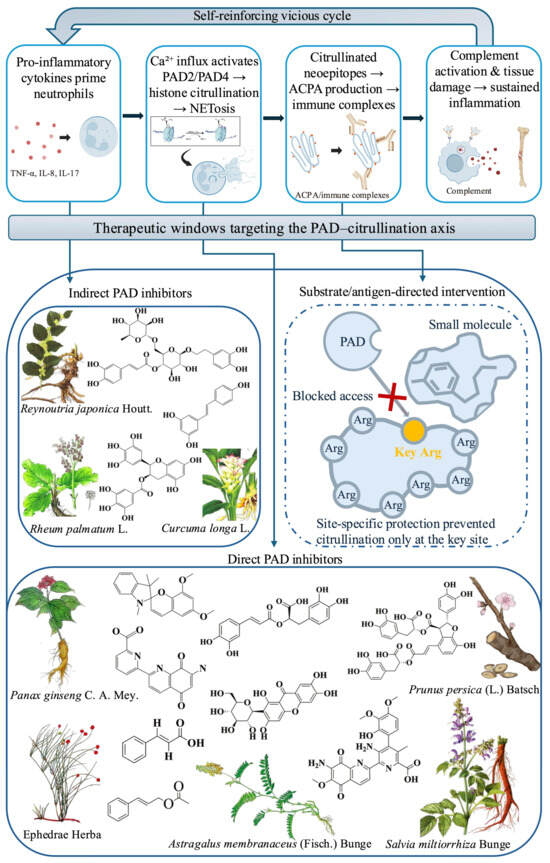
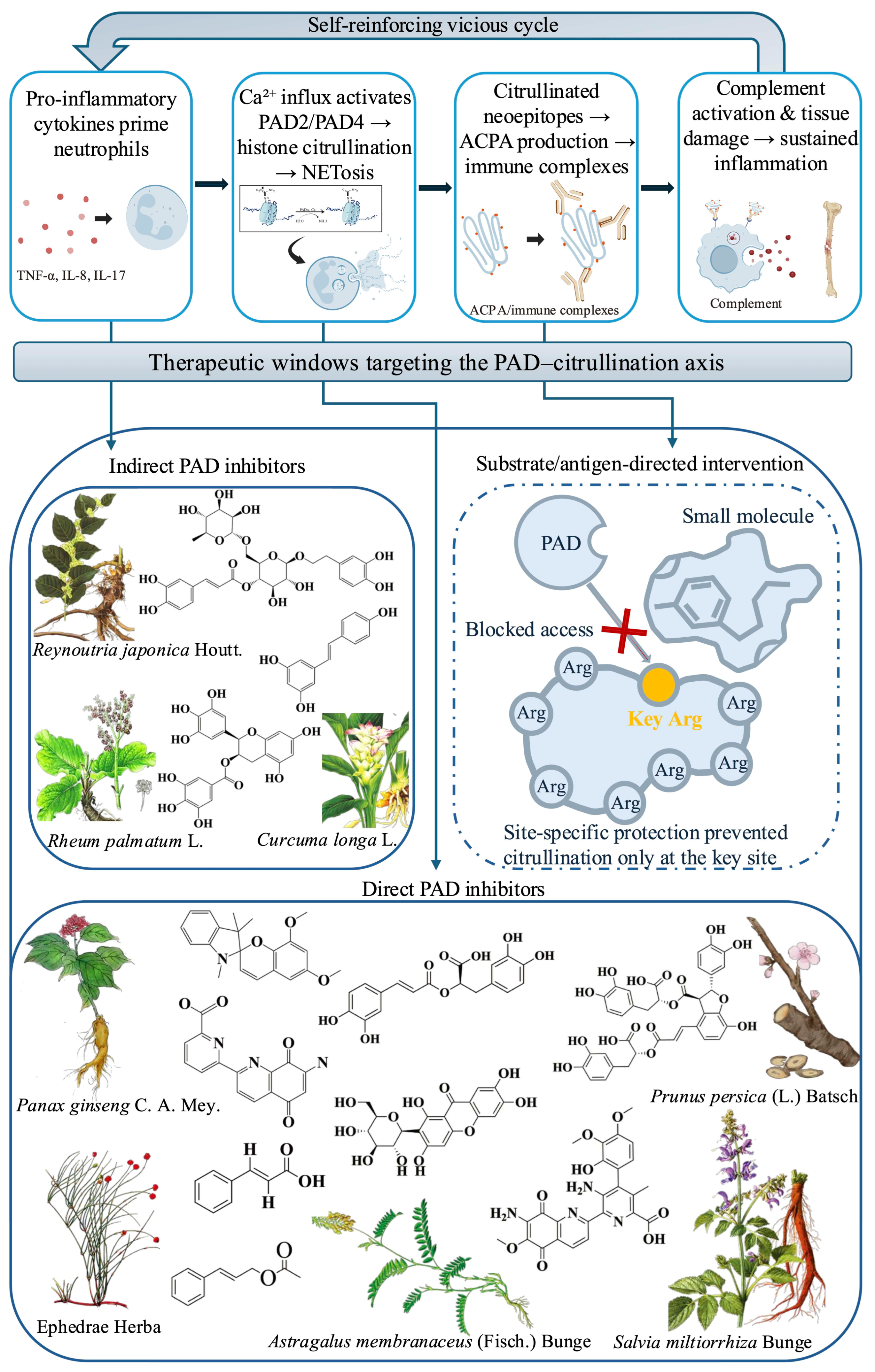
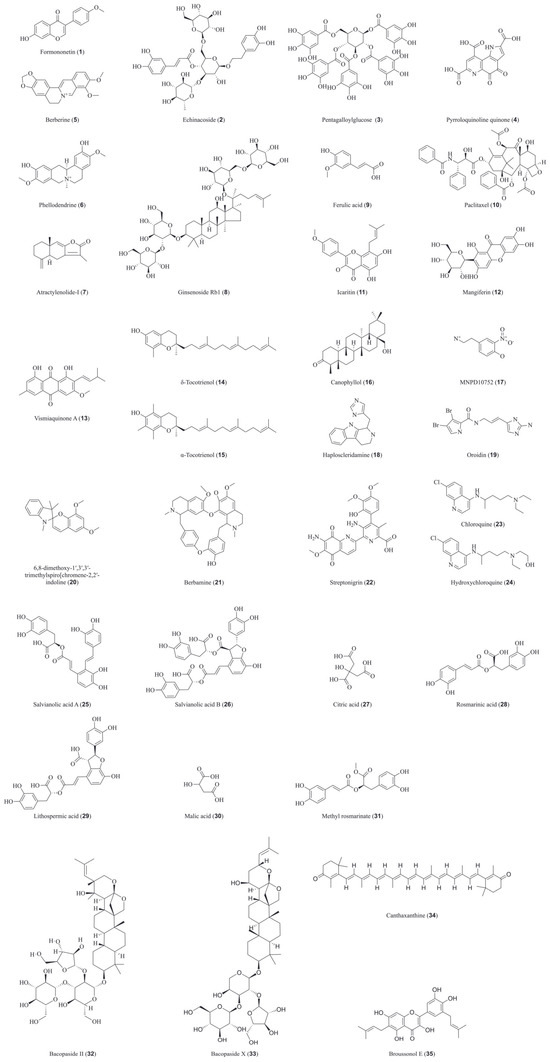
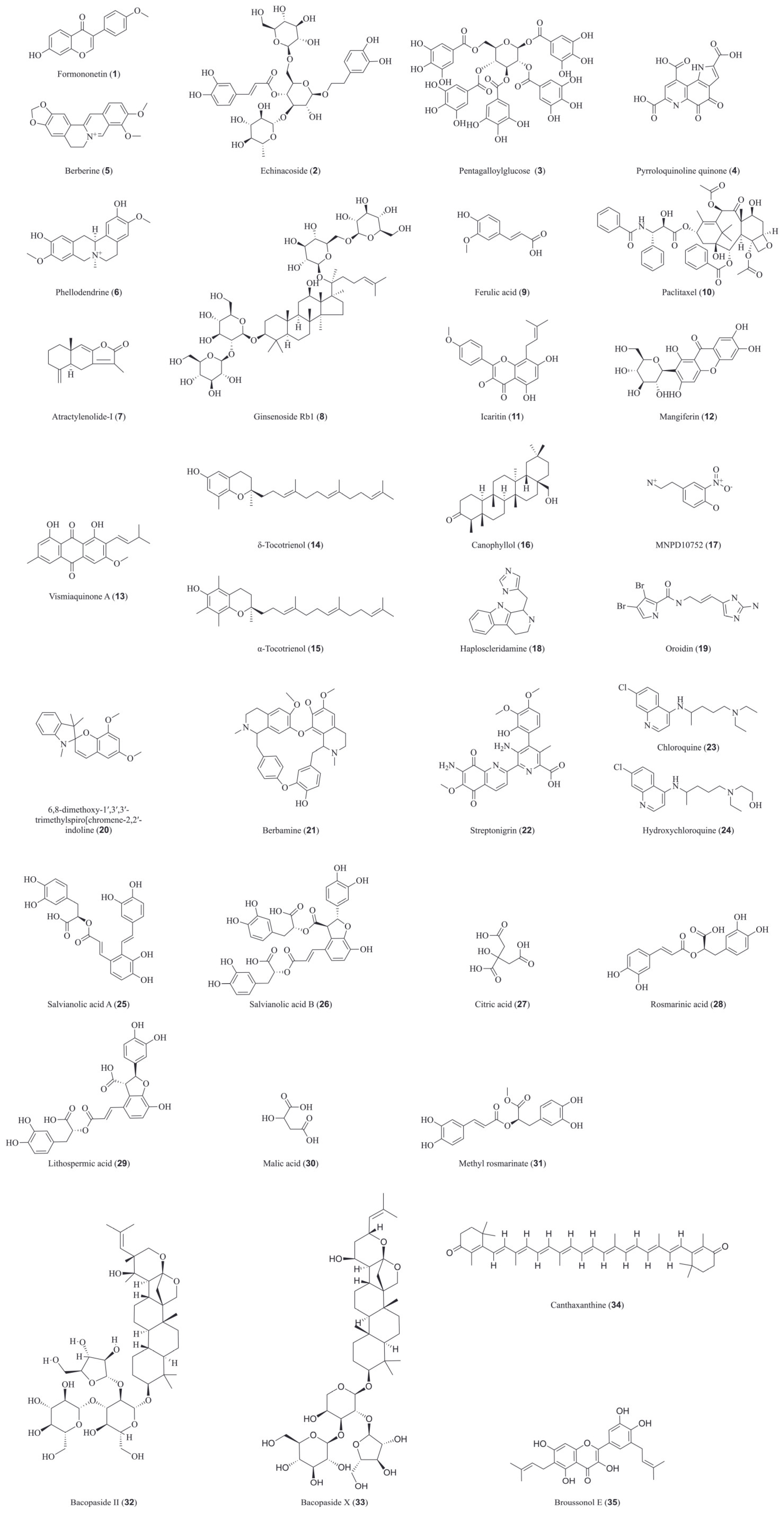
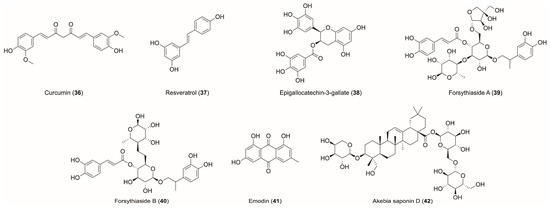
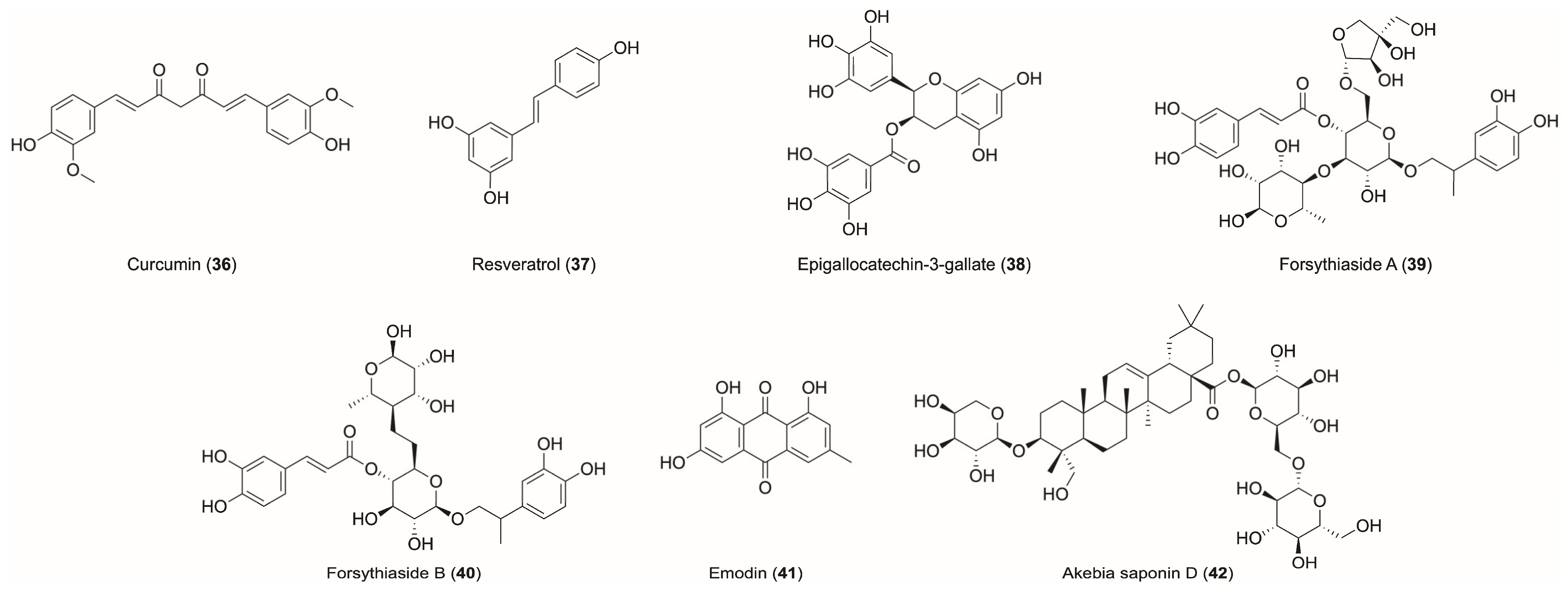
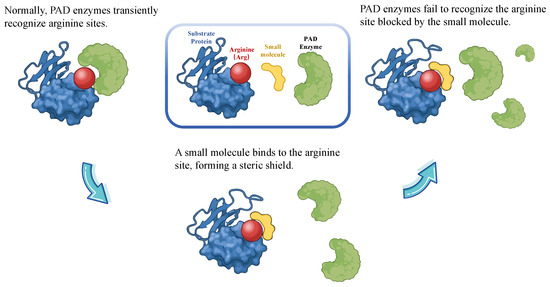
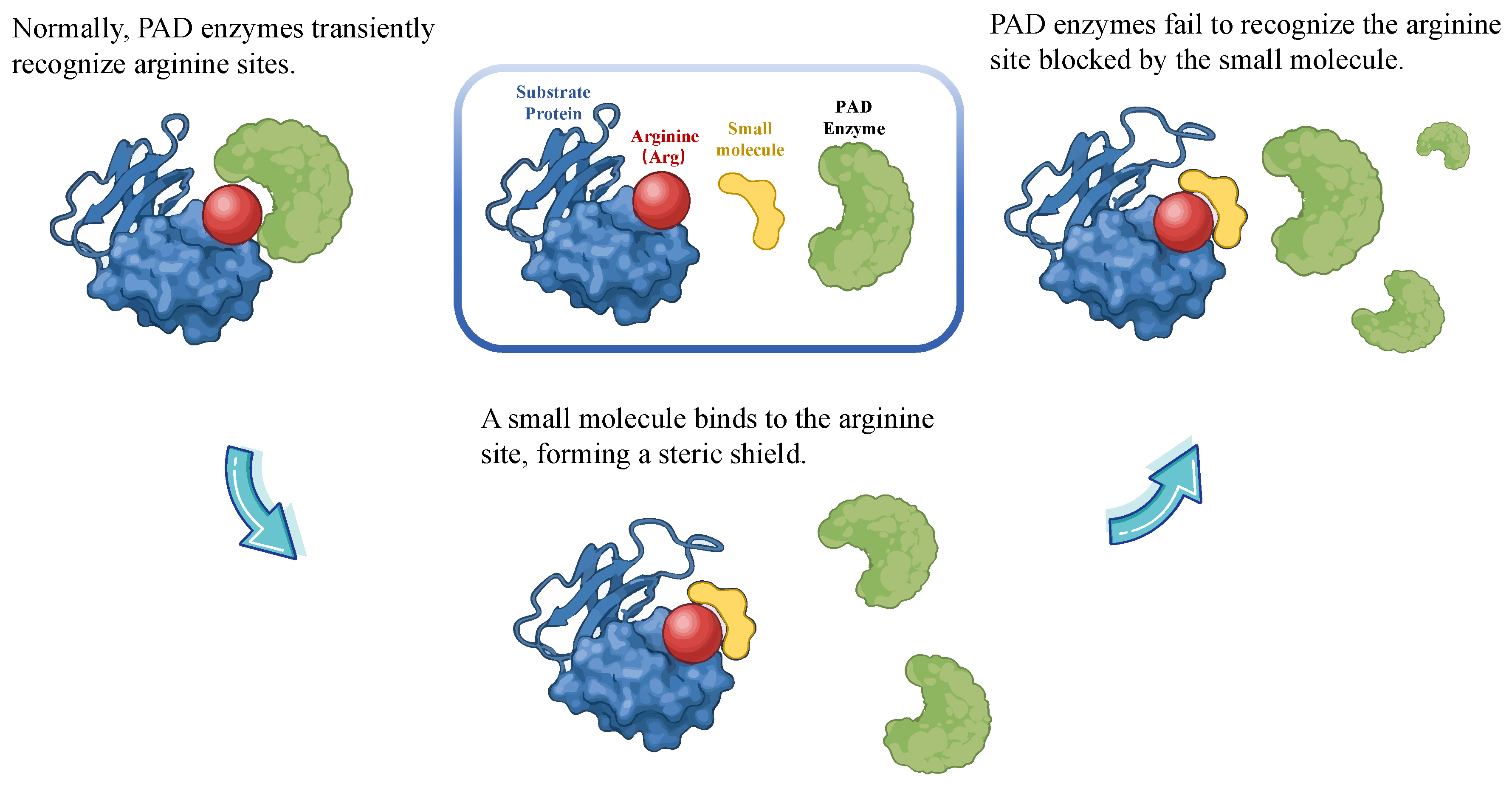

Disclaimer/Publisher’s Note: The statements, opinions and data contained in all publications are solely those of the individual author(s) and contributor(s) and not of MDPI and/or the editor(s). MDPI and/or the editor(s) disclaim responsibility for any injury to people or property resulting from any ideas, methods, instructions or products referred to in the content. |
© 2026 by the authors. Licensee MDPI, Basel, Switzerland. This article is an open access article distributed under the terms and conditions of the Creative Commons Attribution (CC BY) license.