Communication

Comprehensive Assessment of Druggable Targets in Cortical Neurons Reveals Biological Limits of Cell Type-Specific Neuropharmacology


Institute of Applied Physiology, Ulm University, 89081 Ulm, Germany
*
Author to whom correspondence should be addressed.
Biomedicines 2026, 14(4), 823; https://doi.org/10.3390/biomedicines14040823

Submission received: 3 February 2026 / Revised: 21 March 2026 / Accepted: 26 March 2026 / Published: 3 April 2026

Abstract

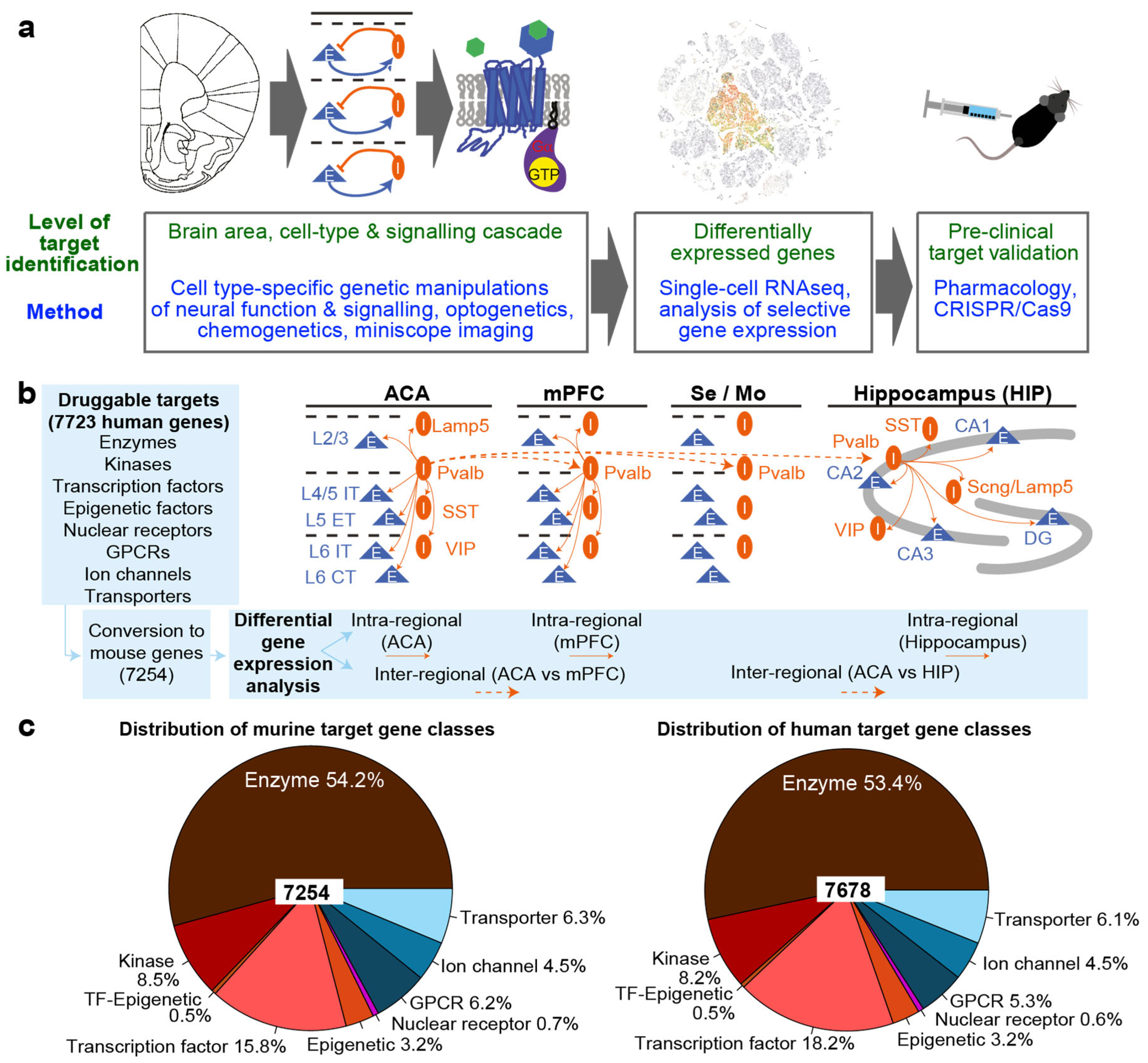
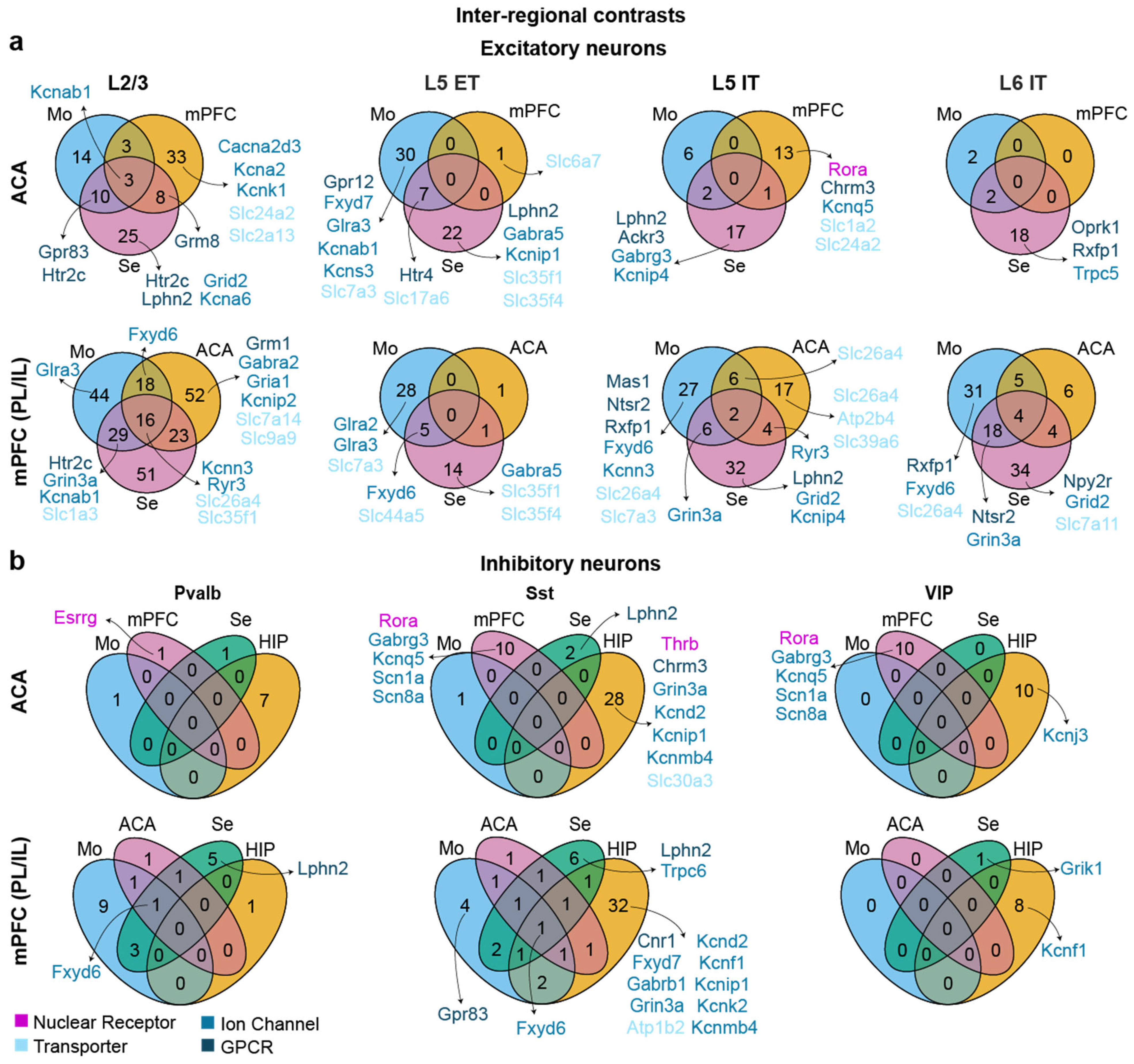
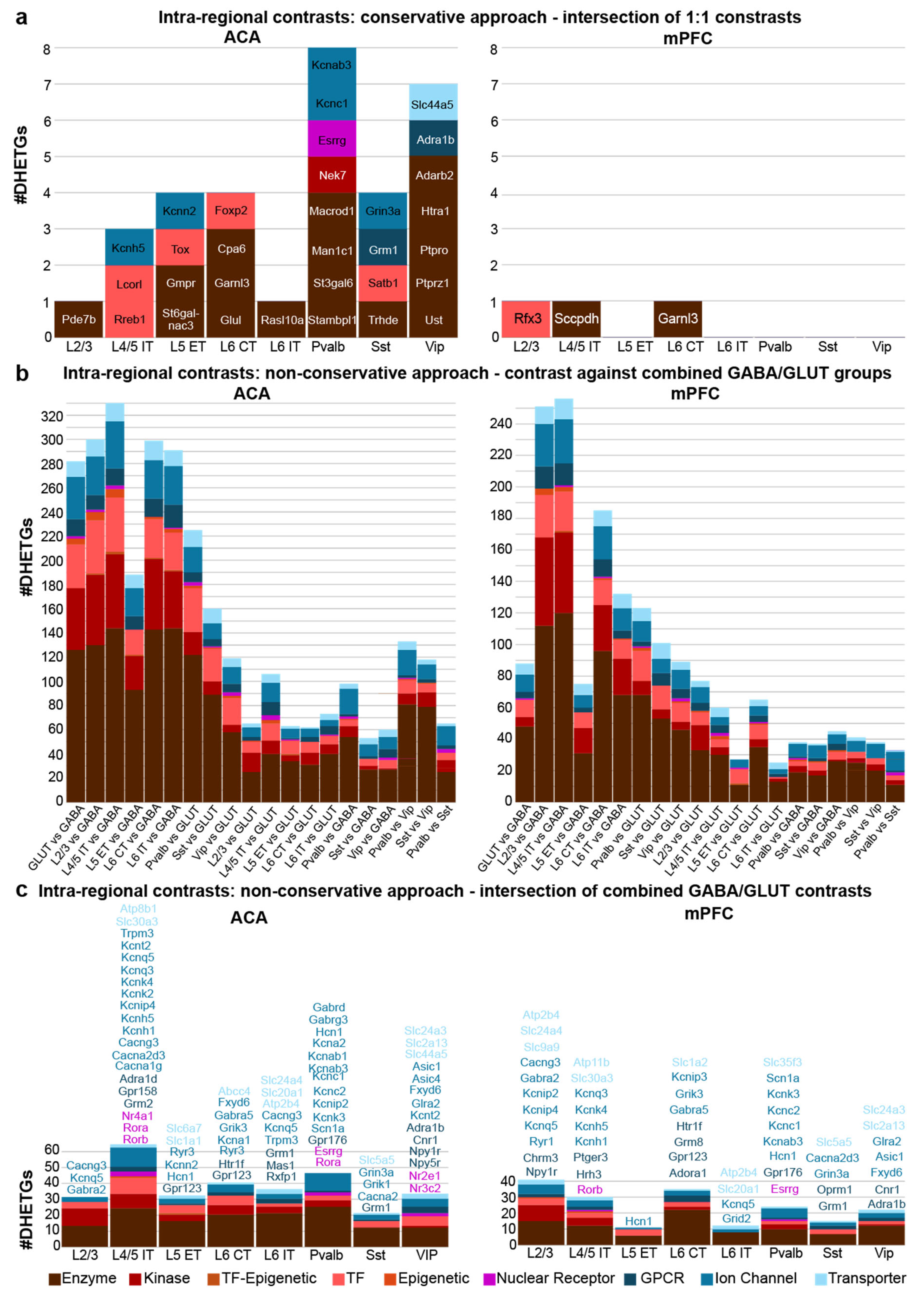
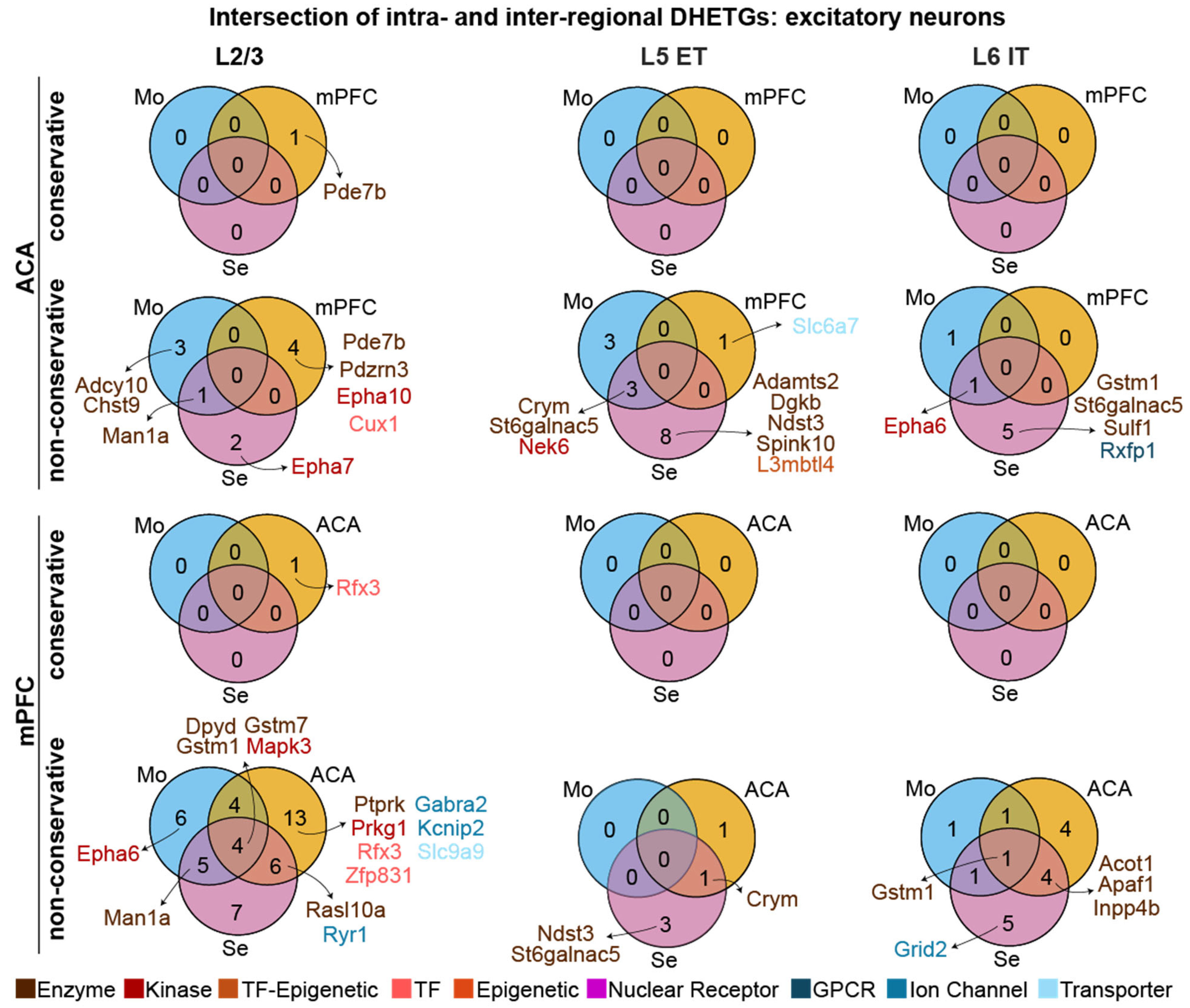
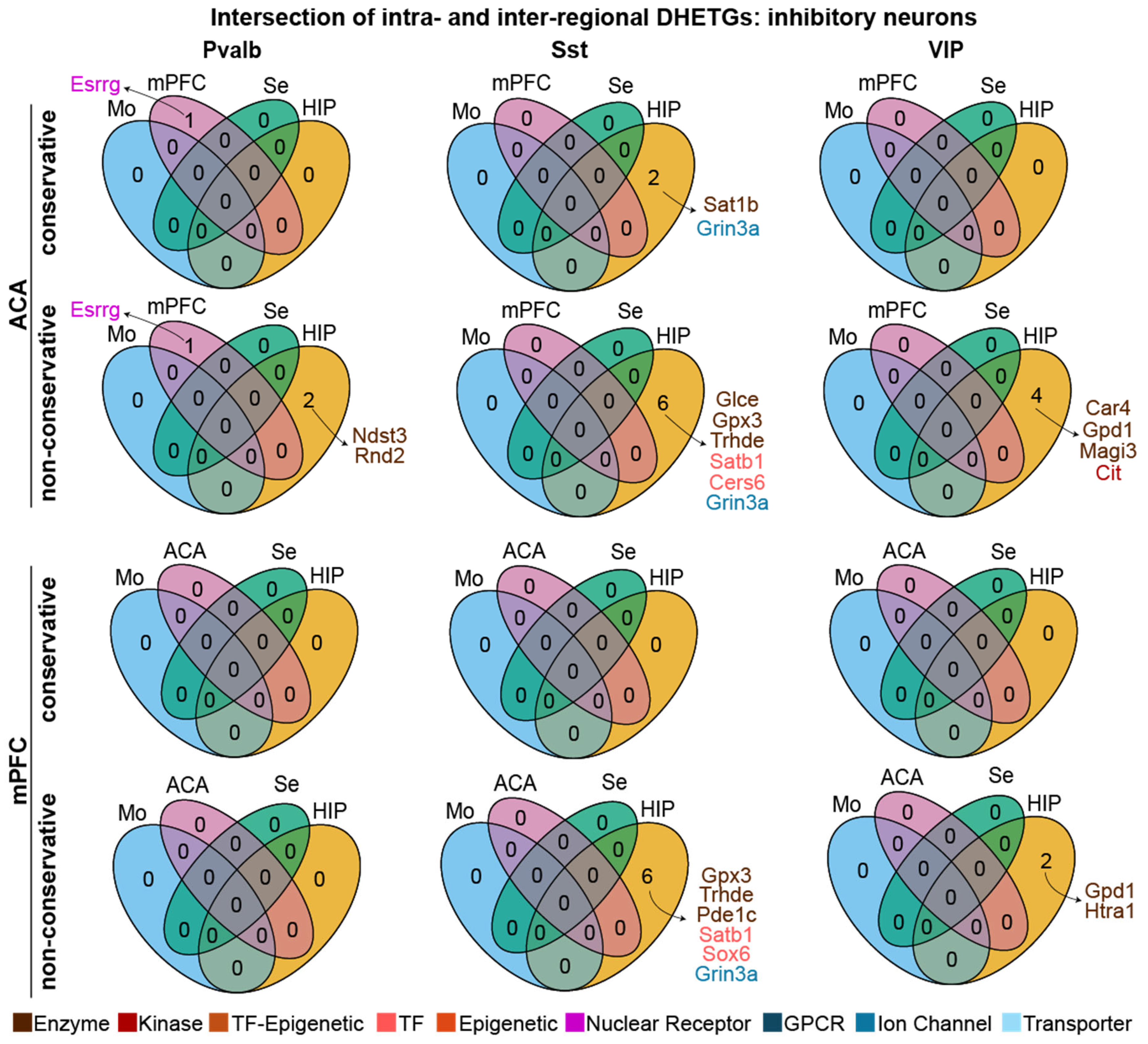
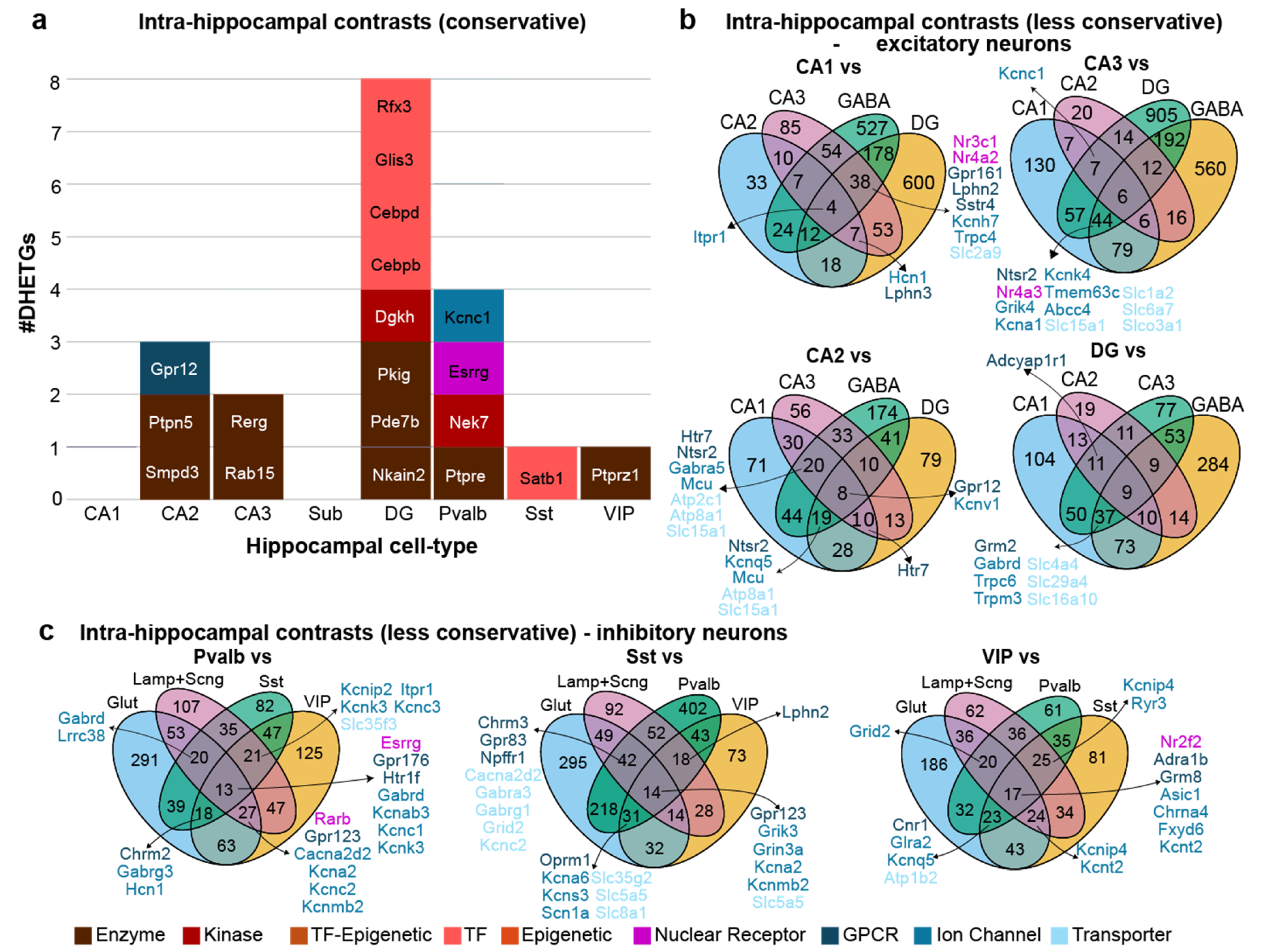
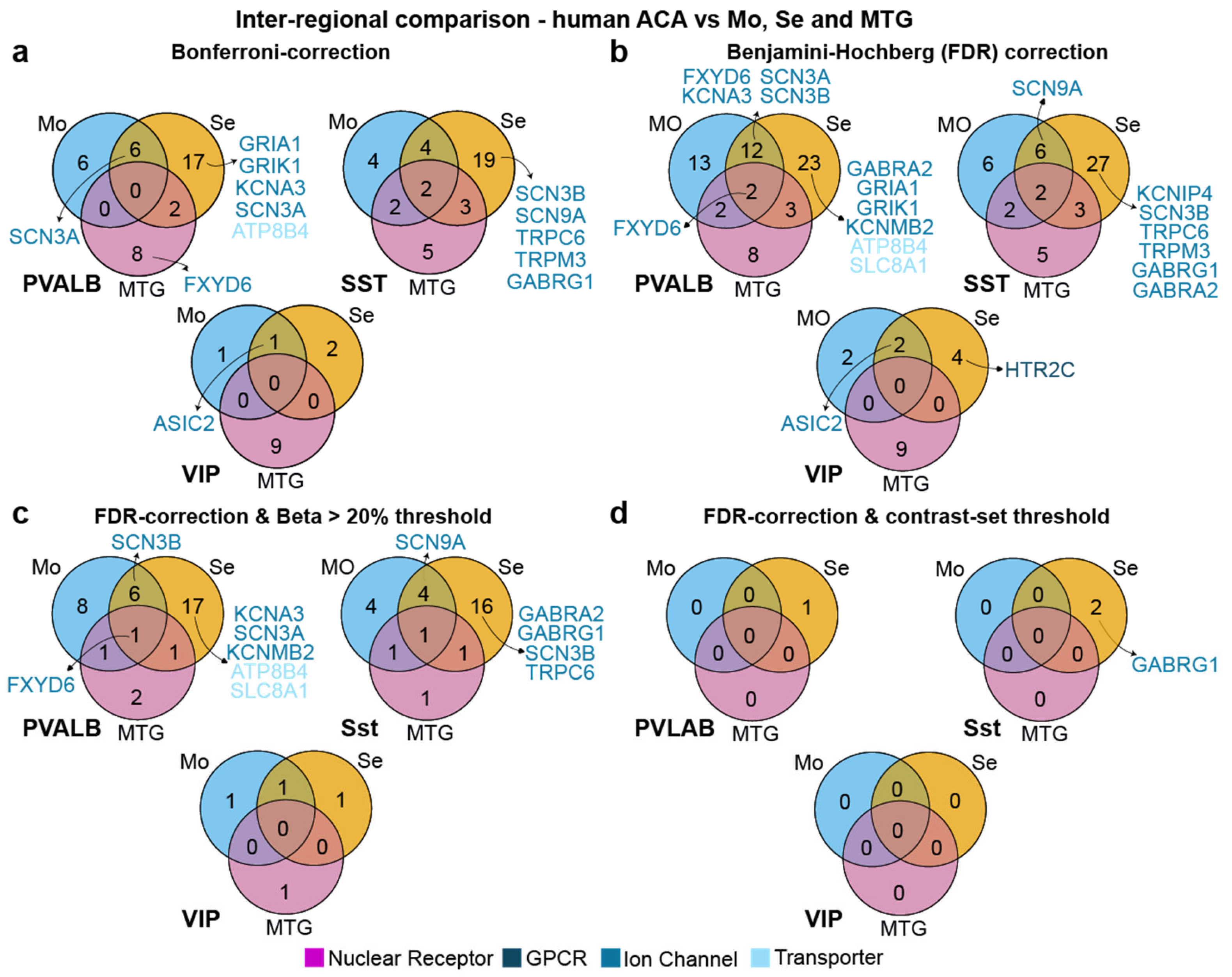
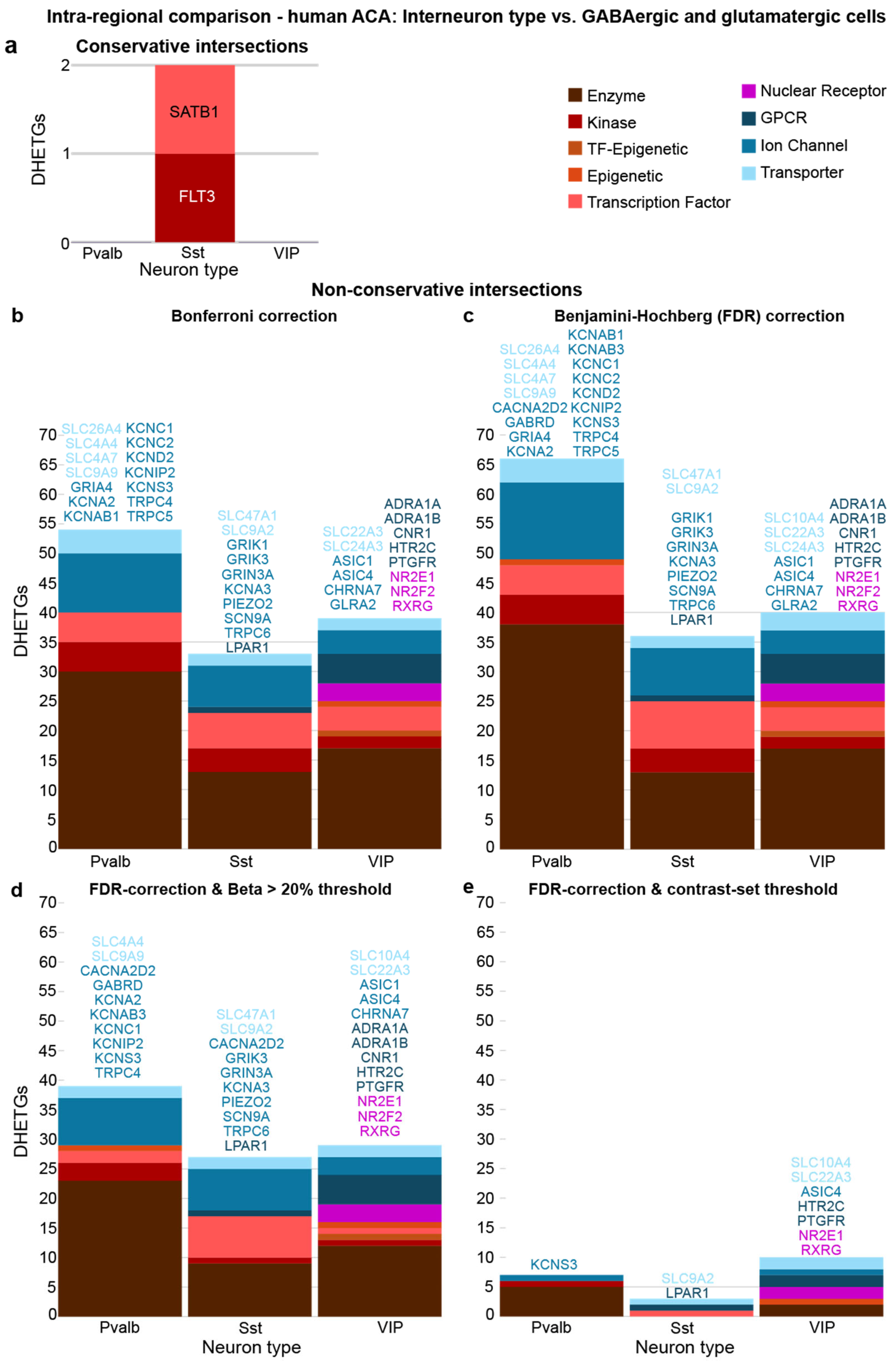
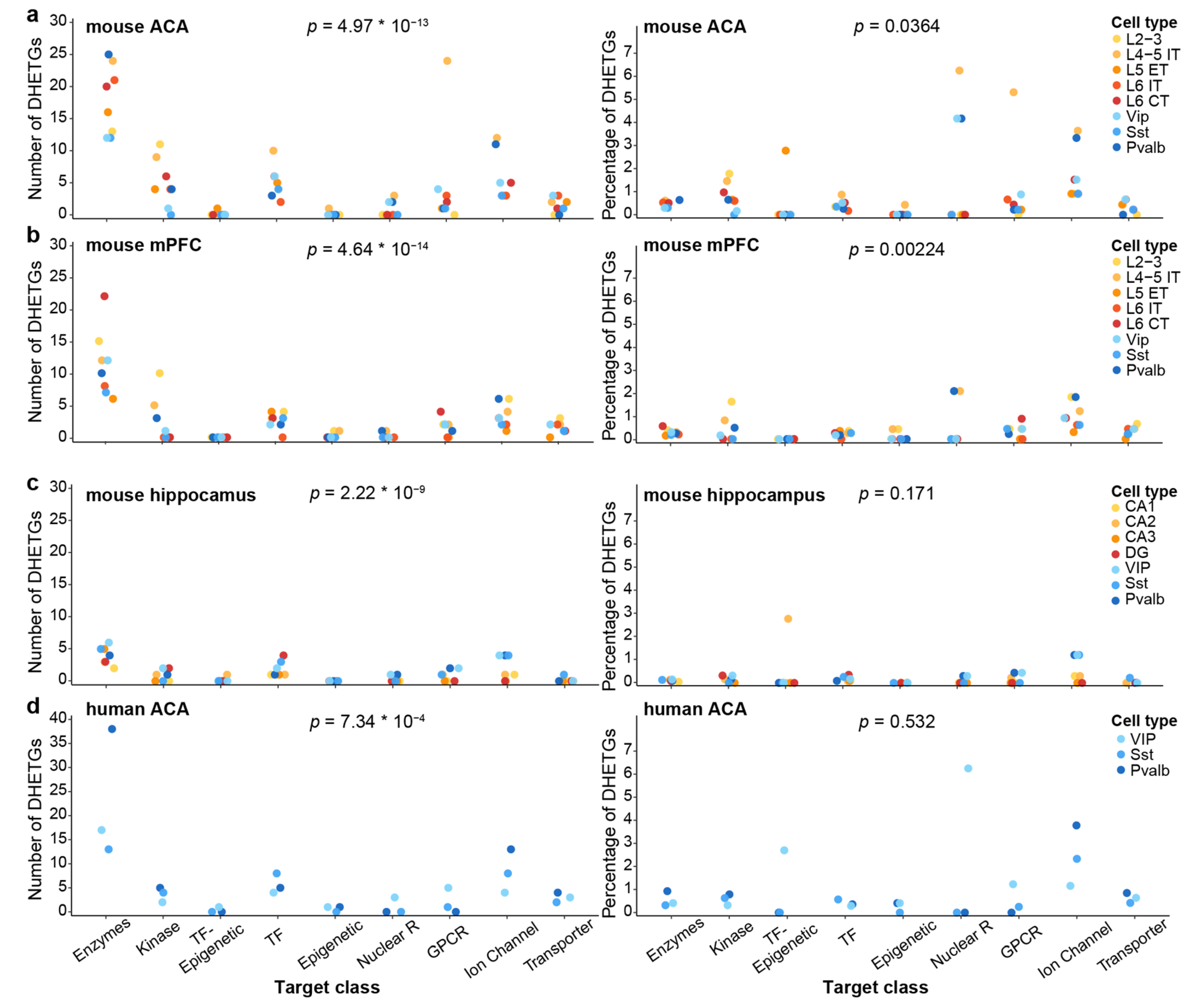
Background: Translational circuit neuroscience delivers many candidate neurons whose manipulation could ameliorate psychiatric symptoms. However, the translation of these cellular targets into molecular targets—proteins selectively expressed in those neurons that could be pharmacologically manipulated for treatment—remains scarce. To what extent such a translation is possible or is actually impeded by a lack of highly cell type-specific expression of druggable proteins is unknown. Methods: We performed combinatorial differential expression analysis for over 7200 putatively druggable genes (Illuminating the Druggable Genome database) on large-scale single-cell RNAseq datasets from mouse and human cortex (Allen Institute Cell Types Database) to identify selectively expressed genes in important cellular candidates: several pyramidal cell types and parvalbumin, somatostatin and VIP interneurons of the prefrontal and anterior cingulate cortex and hippocampus in mice, and the cingulate cortex in humans. Results: We identified dozens of targets, including some with psychiatric relevance and/or suitability to modulate neural activity, like ion channels, GPCRs and transporters. However, none of them were expressed with absolute specificity in any of the analysed target cell types but only stood out in some comparisons, not others. Generally, results depended strongly on selectivity criteria: less conservative approaches (such as moderate p-value adjustment or grouping of contrast cell sets) yielded more targets, whereas the introduction of additional plausible constraints (difference in proportion of expressing cells, beta; absence of expression in contrast cell type) drove numbers towards zero. Generally, interneurons showed more selectively expressed targets in comparison to cells of the same region compared to excitatory ones (intra-regional comparisons), whereas the reverse was found in inter-regional contrasts comparing the same cell type across regions. Conclusions: The lack of high selectivity in the expression of genes encoding druggable targets constitutes a principal biological limit for manipulating cortical neurons of one type, specifically to leverage therapeutic action. While, currently, this conclusion is limited to the investigated neocortical and hippocampal regions, it highlights the need to develop biological heuristics for identifying targets expressed with relative specificity.
Keywords: differential gene expression; single-cell transcriptomics; SmartSeq; CytosploreViewer; mental disorders; drug targets; target discovery; psychiatry differential gene expression; single-cell transcriptomics; SmartSeq; CytosploreViewer; mental disorders; drug targets; target discovery; psychiatry