Review

Beyond the Surface: Deciphering the Role of Genetic Susceptibility in BIA-ALCL Pathogenesis

1
Biomedical Research Institute, Gyeongsang National University Hospital, Jinju 52727, Republic of Korea
2
Department of Convergence Medical Sciences, Gyeongsang National University, Jinju 52725, Republic of Korea
3
Department of Radiology, Institute of Medical Science, Gyeongsang National University College of Medicine, Jinju 52727, Republic of Korea
4
Department of Radiology, Gyeongsang National University Hospital, Jinju 52727, Republic of Korea
*
Author to whom correspondence should be addressed.
Biomedicines 2026, 14(3), 600; https://doi.org/10.3390/biomedicines14030600

Submission received: 10 February 2026 / Revised: 5 March 2026 / Accepted: 6 March 2026 / Published: 8 March 2026
(This article belongs to the Section Cancer Biology and Oncology)

Abstract

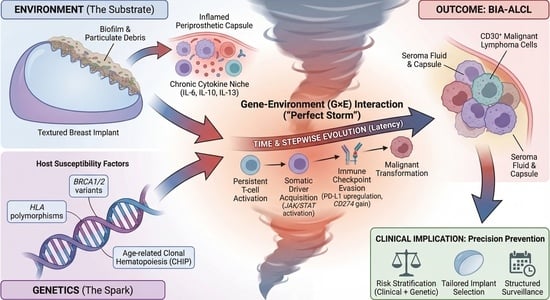
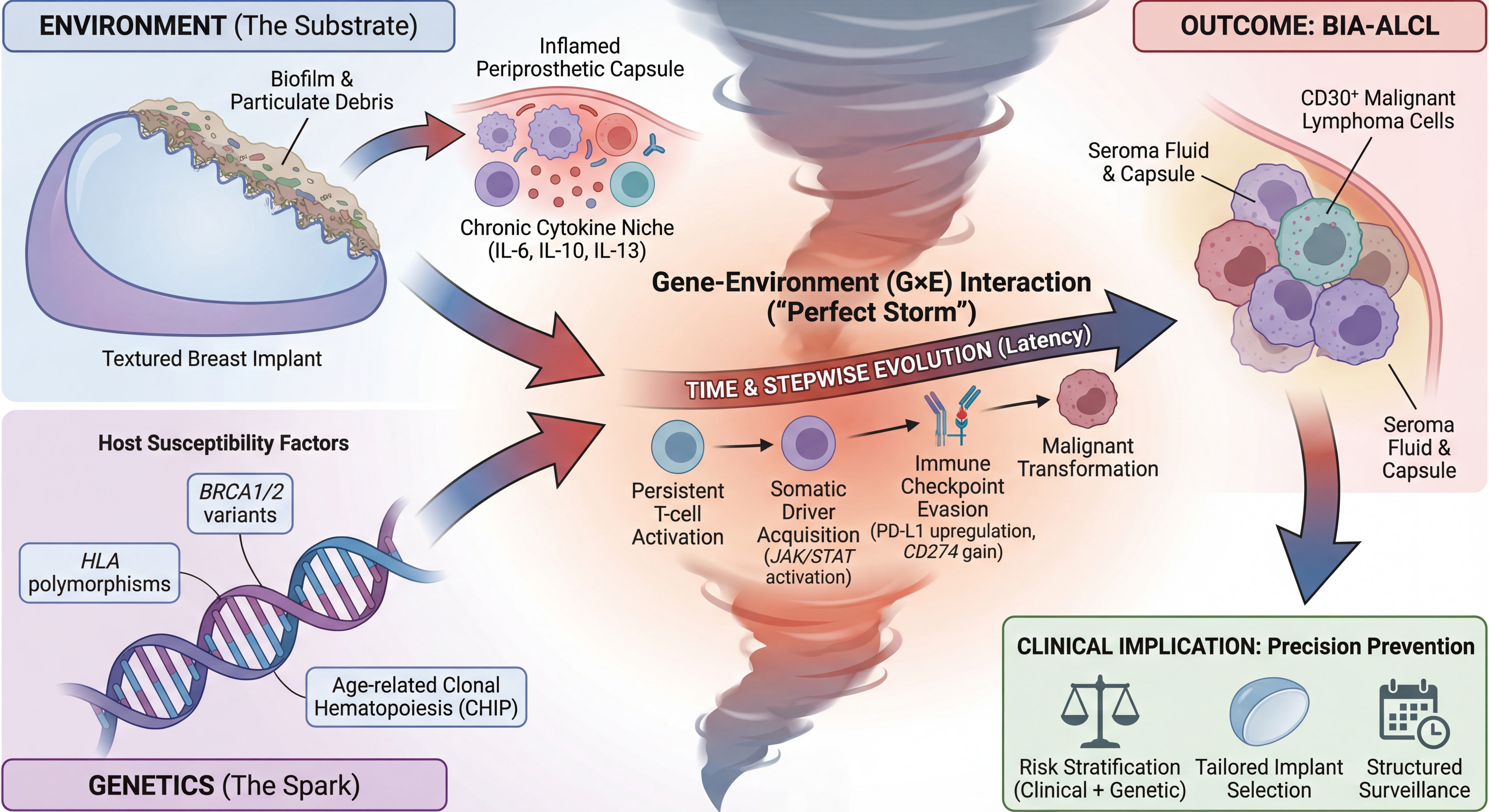
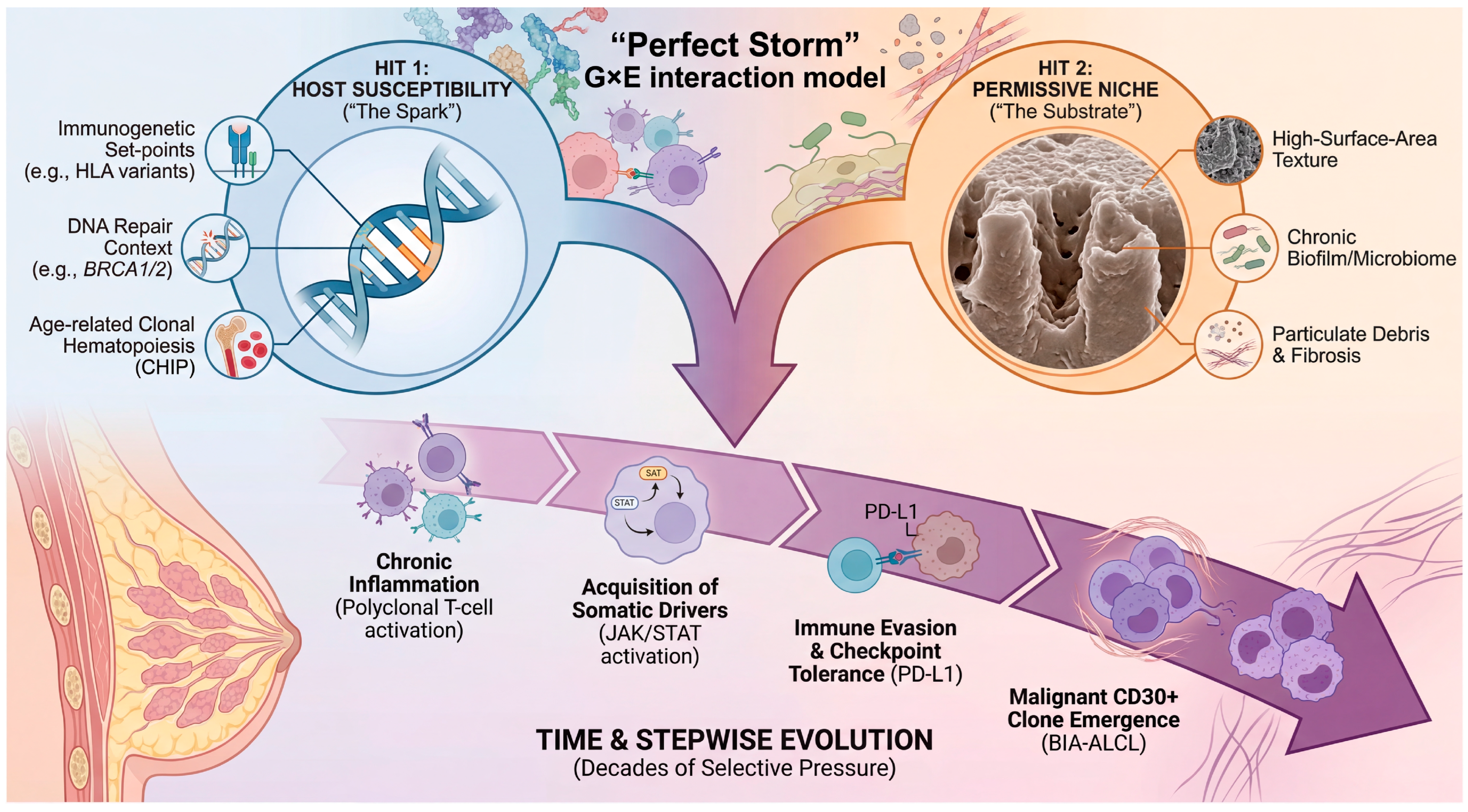
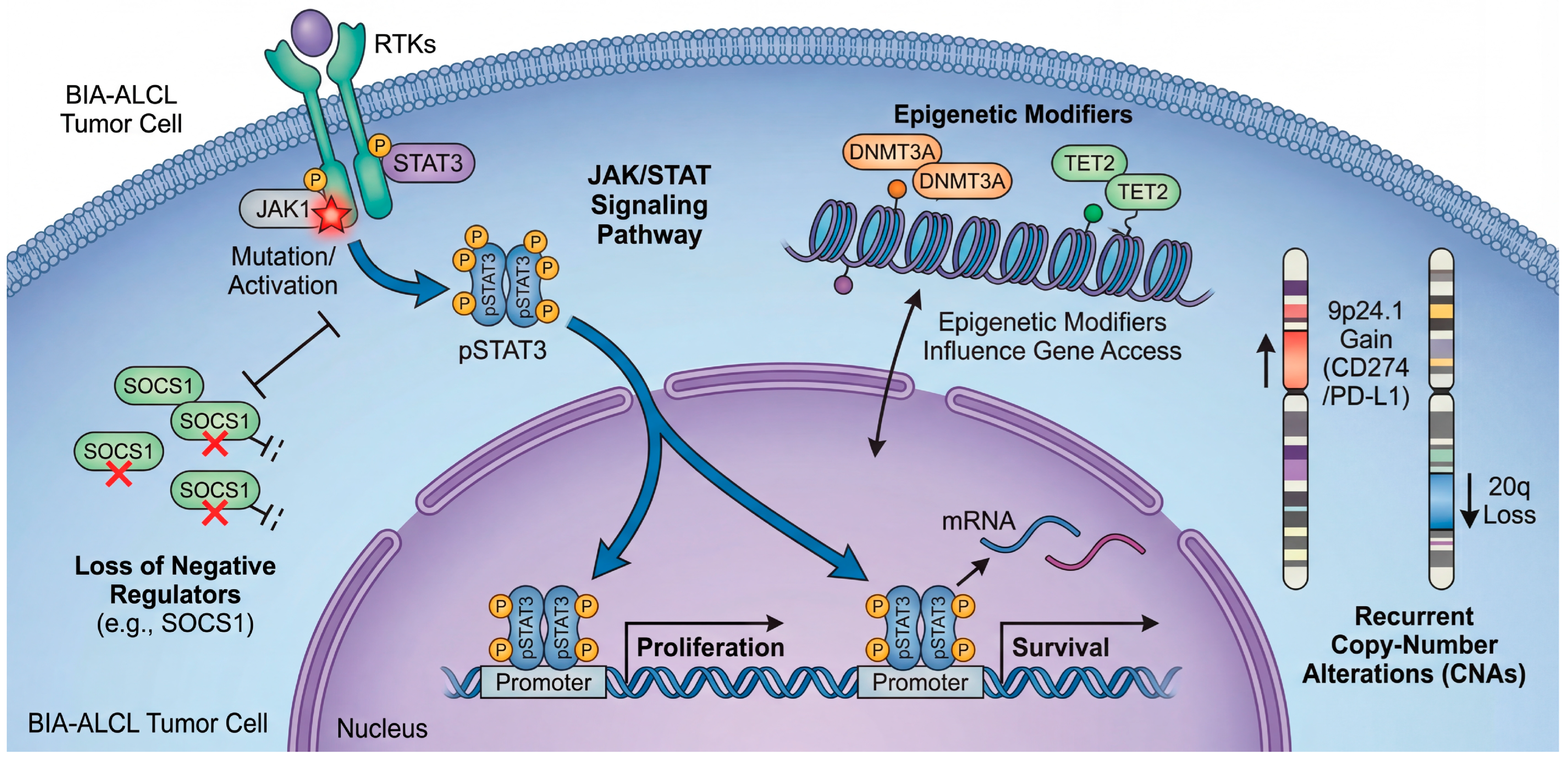
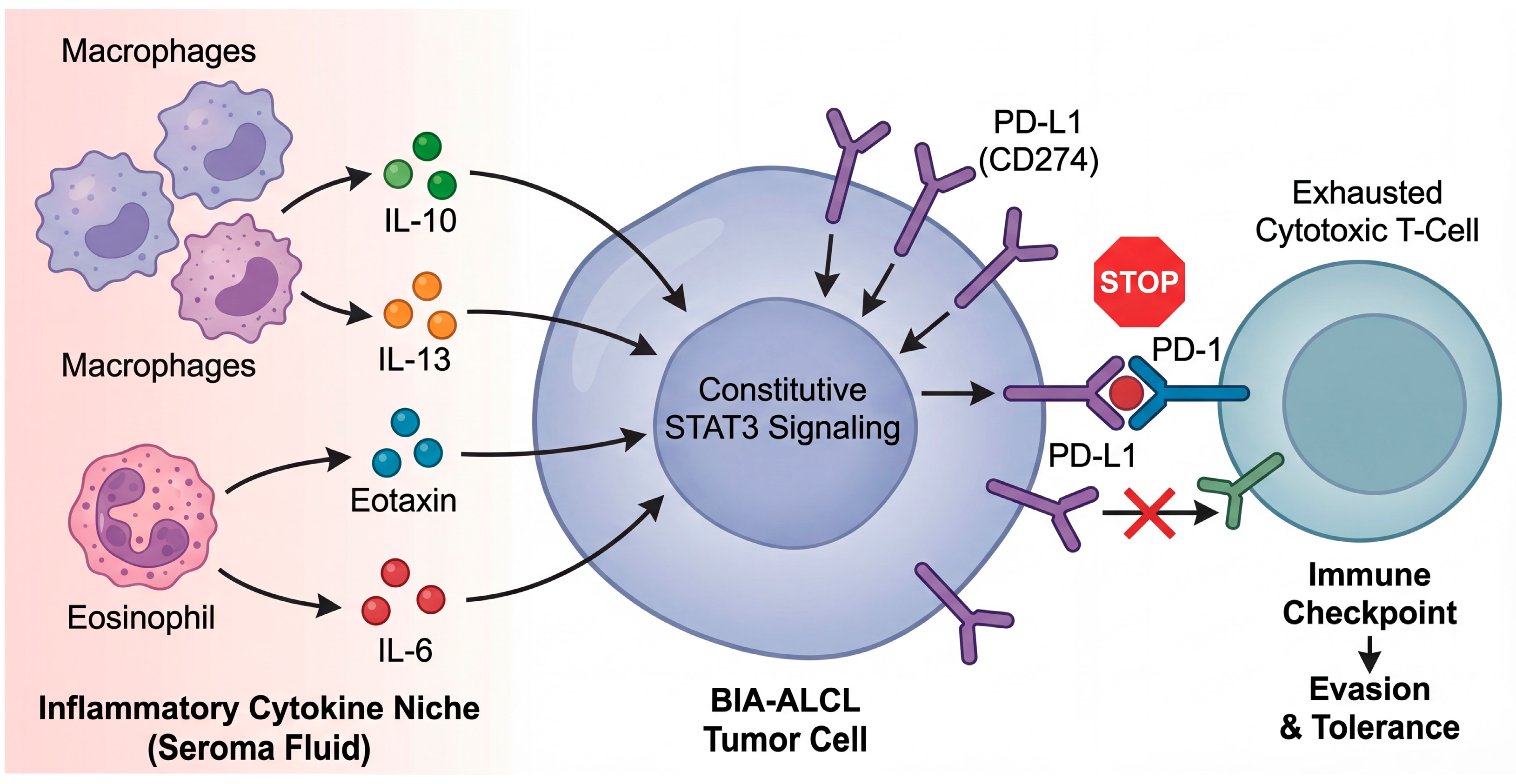
Background/Objectives: Breast implant-associated anaplastic large cell lymphoma (BIA-ALCL) is the sentinel implant-associated malignancy, illustrating how long-lived biomaterials can reshape local tissue–immune ecology. Although textured (high-surface-area) implants show the strongest epidemiologic association, the rarity of disease despite widespread exposure suggests additional host modifiers. We synthesize evidence supporting a gene–environment (G × E) framework and critically appraise emerging host-susceptibility signals (including BRCA1/BRCA2 and HLA associations). Methods: We conducted a narrative, evidence-based synthesis of peer-reviewed epidemiologic and registry studies, peri-implant niche biology (biofilm/foreign-body response and cytokine milieu), tumor genomic profiling, and current guidelines/regulatory communications, prioritizing primary studies for key claims. Results: Textured exposure dominates risk attribution, whereas absolute-risk estimates vary with denominators, exposure ascertainment, and follow-up duration. Mechanistic studies support a chronically inflamed capsule niche. Genomic analyses repeatedly converge on JAK/STAT pathway activation with frequent co-alterations in epigenetic regulators and recurrent copy-number changes, consistent with stepwise evolution under sustained selection. Immune-evasion features—including frequent PD-L1 expression and CD274 (9p24.1) copy-number alterations—provide a plausible checkpoint route, while host-susceptibility signals remain preliminary and require multi-center, multi-ancestry replication. Conclusions: BIA-ALCL is a multistep, context-dependent lymphoma in which implant-mediated inflammation intersects with host susceptibility to enable somatic evolution and immune escape. Clinically, prevention currently relies on exposure mitigation, standardized risk communication, and symptom-driven evaluation; precision prevention will require integrative cohorts linking verified device exposure, immunogenetics, microenvironment profiling, and tumor multi-omics.
Keywords: BIA-ALCL; breast implants; textured implants; genetic susceptibility; gene-environment interaction; BRCA1/2; HLA; JAK/STAT; PD-L1; biofilm; foreign-body response; tumor microenvironment; precision prevention BIA-ALCL; breast implants; textured implants; genetic susceptibility; gene-environment interaction; BRCA1/2; HLA; JAK/STAT; PD-L1; biofilm; foreign-body response; tumor microenvironment; precision prevention
Graphical Abstract