Article

Multi-Patient Vision Transformer for Markerless Tumor Motion Forecasting

by
Gauthier Rotsart de Hertaing
*,
Dani Manjah
and
Benoît Macq
Institute of Information and Communication Technologies, Electronics and Applied Mathematics (ICTEAM), Université Catholique de Louvain, Place de l’Université 1, 1348 Louvain-la-Neuve, Belgium
*
Author to whom correspondence should be addressed.
Biomedicines 2026, 14(3), 496; https://doi.org/10.3390/biomedicines14030496

Submission received: 27 January 2026 / Revised: 18 February 2026 / Accepted: 22 February 2026 / Published: 25 February 2026
(This article belongs to the Special Issue Innovations in Radiation Oncology)

Abstract

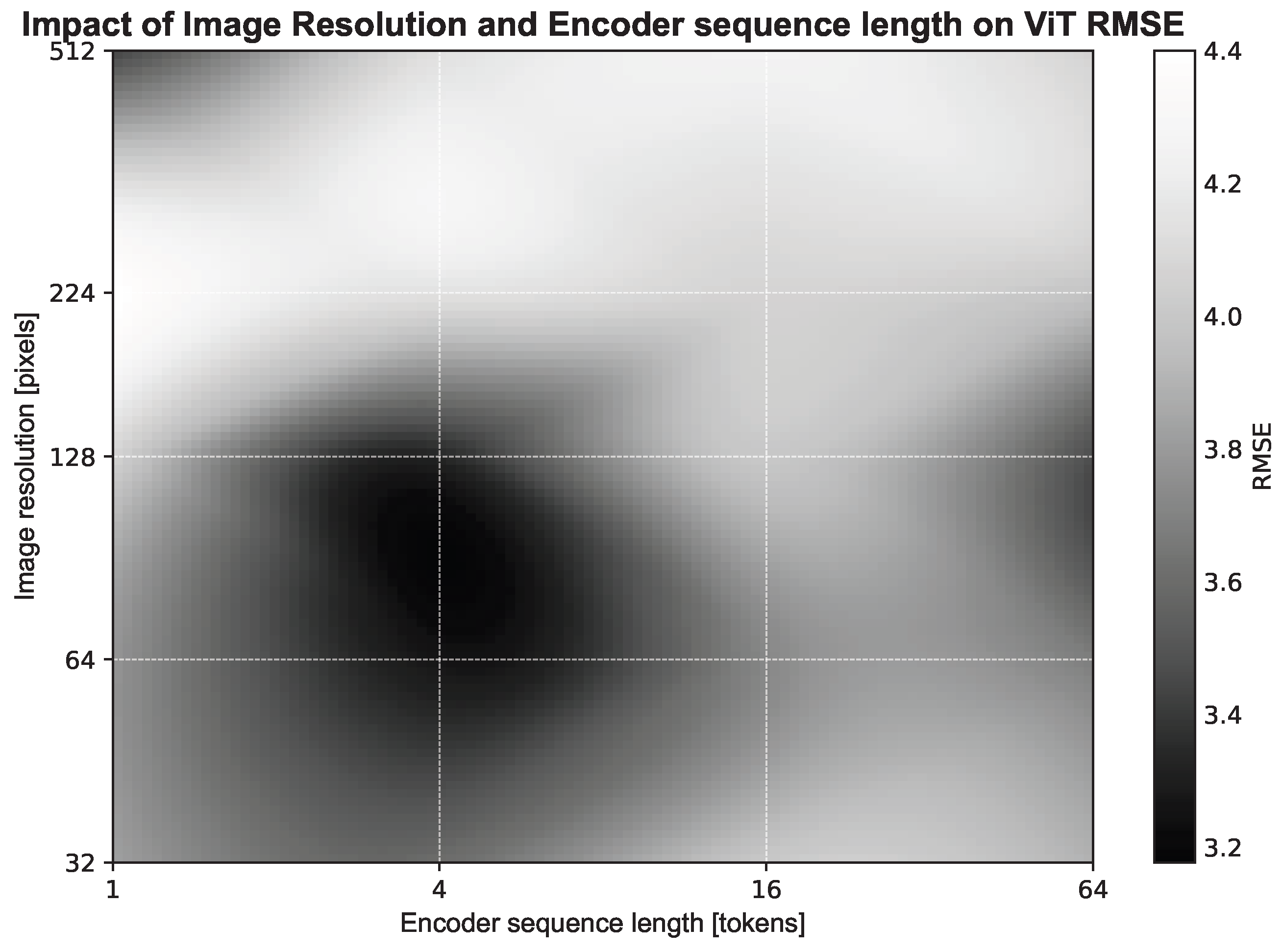
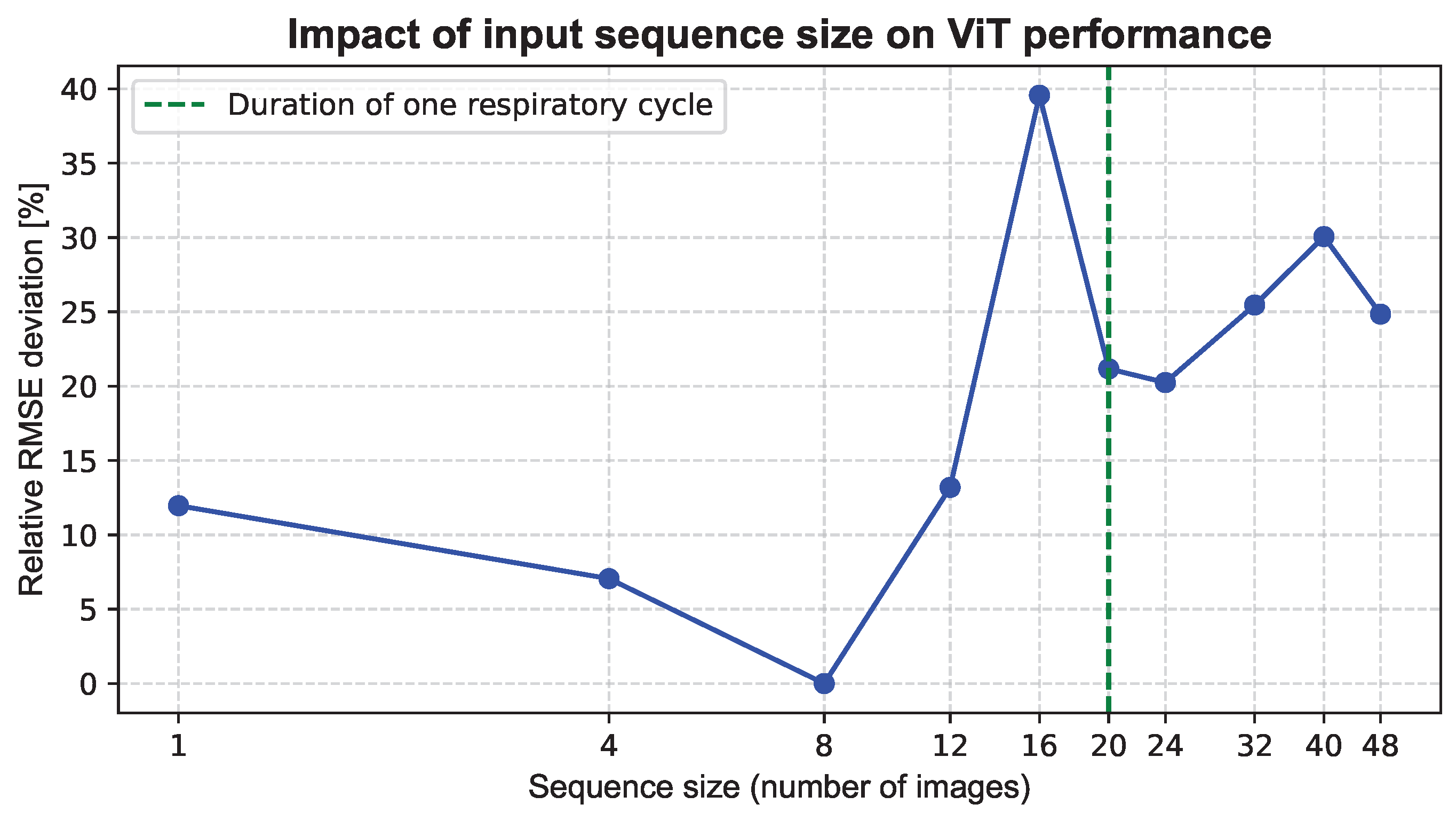
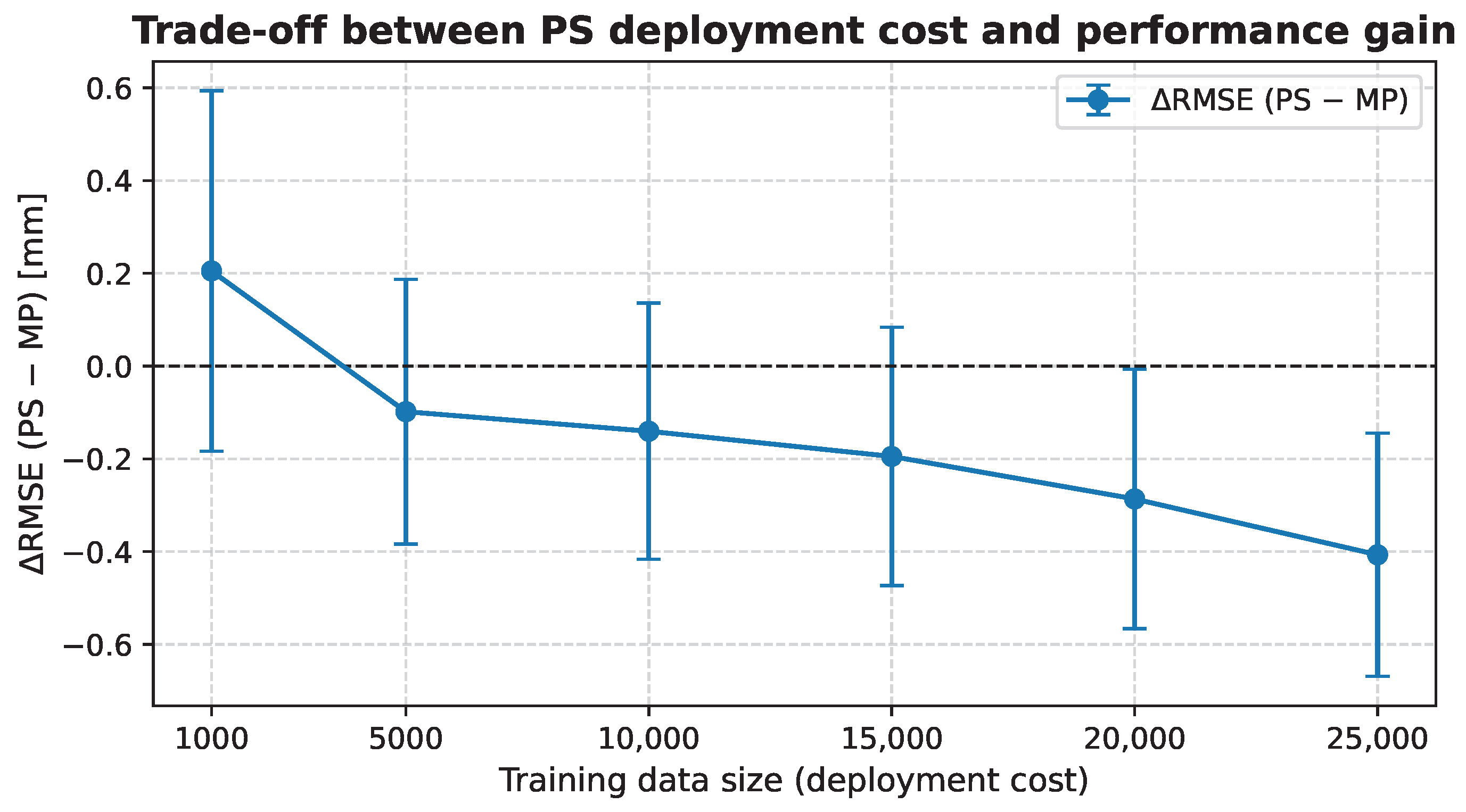
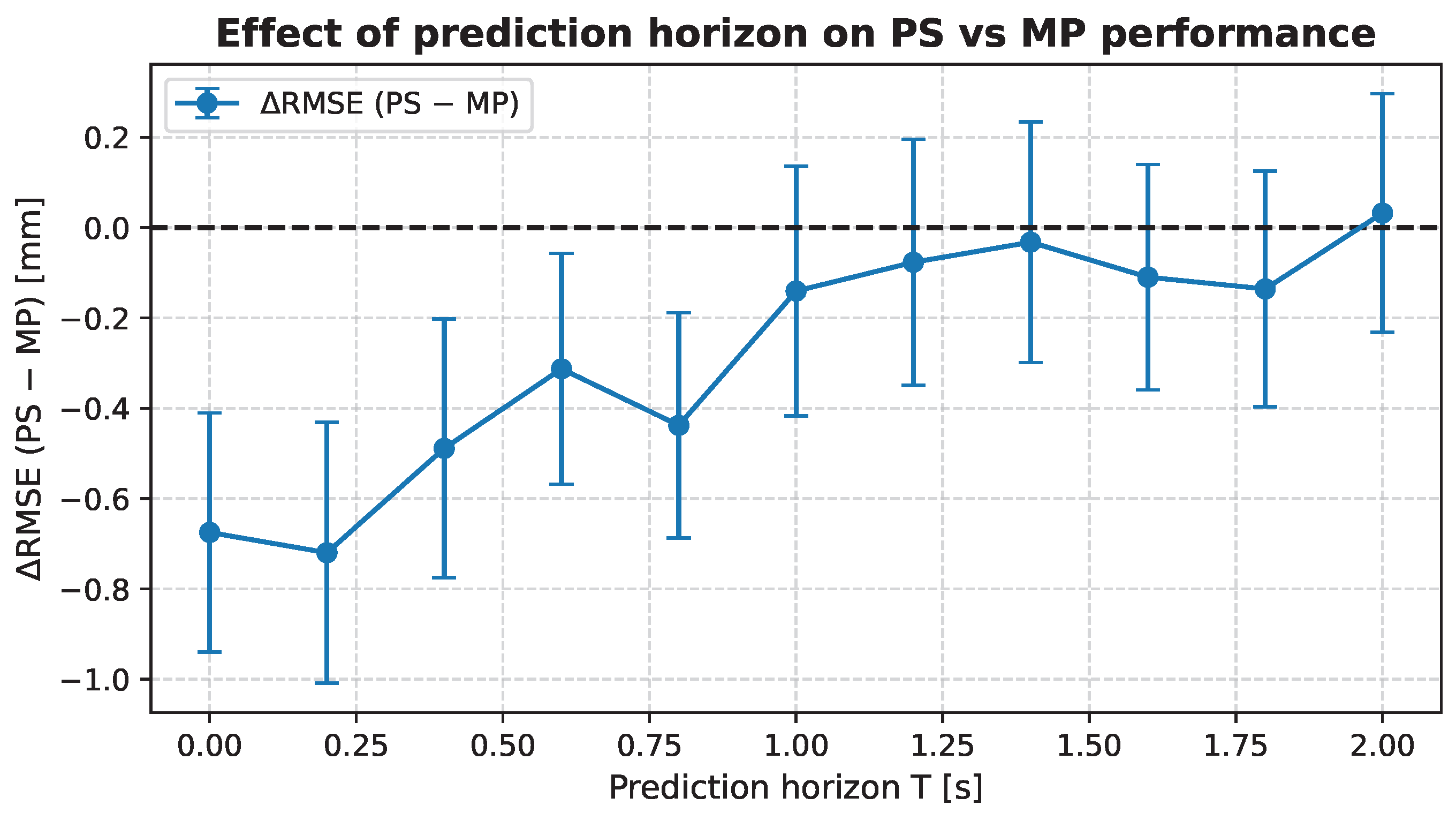
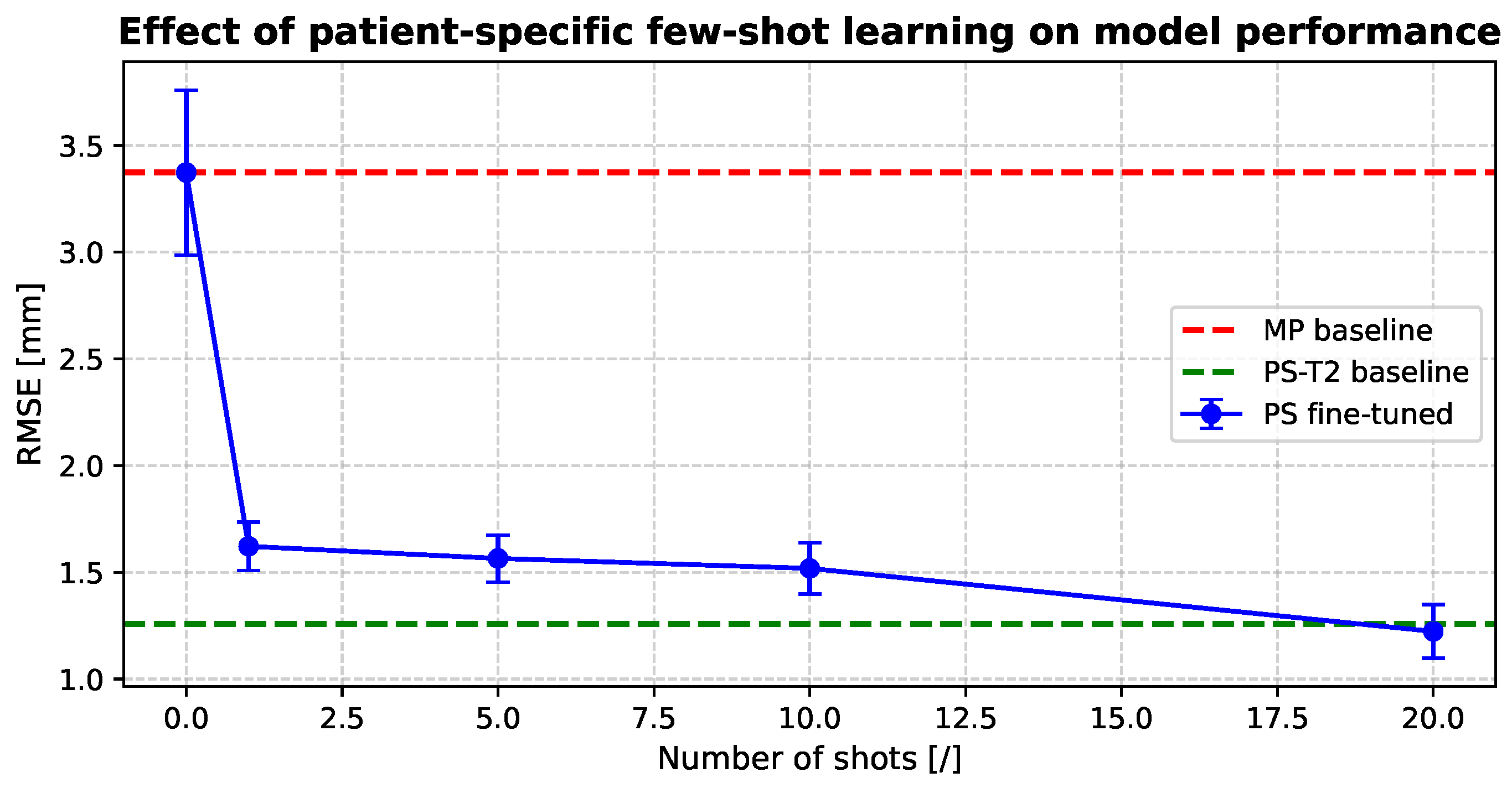
Background: Accurate forecasting of lung tumor motion is crucial for precise radiotherapy. Deep-learning-based markerless tracking methods have been explored, but extending these approaches to predict future tumor trajectories remains largely unaddressed. We address this by framing markerless lung tumor motion forecasting as a spatio-temporal prediction task using a vision transformer to estimate three-dimensional tumor positions over short horizons. Methods: Digitally reconstructed radiographs (DRRs) generated from four-dimensional computed tomography scans of 12 lung cancer patients were used to train a multi-patient (MP) model. Patient-specific (PS) models trained solely on planning data were compared, and the MP model was further fine-tuned using a small number of patient-specific treatment images under realistic clinical constraints. Models processed sequences of 12 DRRs, with performance evaluated via root mean square error. Results: The results indicate that low-resolution inputs with larger patch sizes outperform higher-resolution configurations by reducing image noise. PS models require extensive data to match MP performance, whereas fine-tuning the MP model with limited patient-specific data achieves comparable or superior forecasting accuracy at a lower cost. Conclusions: These findings demonstrate that Vision Transformers can extend markerless tracking methods to accurate short-term forecasting and highlight fine-tuning as an efficient strategy for personalized prediction.
Keywords: lung tumor forecasting; markerless tracking; real-time tumor tracking; vision transformer; digitally reconstructed radiographs lung tumor forecasting; markerless tracking; real-time tumor tracking; vision transformer; digitally reconstructed radiographs