


Abstract
TP53 mutations are among the worst prognostic factors in acute myeloid leukemia (AML), with affected patients facing relapse-free survival of just five-to-six months compared to TP53 wild-type patients. A major barrier to improving outcomes lies in the dearth of effective therapies, as TP53 mutant patients remain refractory to conventional cytotoxic chemotherapies, targeted therapies, and even allogeneic stem cell transplantation. In this review, we first summarize current clinical strategies and the major setbacks of p53 activators, MDM2/X regulators, and immunotherapy, highlighting the disconnect between promising pre-clinical studies and limited durable clinical responses. We next discuss the mechanisms of therapy resistance in TP53 mutant AML, with specific emphasis on dysfunction in the mitochondrial apoptotic pathway and clonal evolution of TP53 mutant hematopoietic stem cells. We then outline a roadmap for developing tailored therapies that may finally redefine prognosis for this high-risk patient population, including apoptotic activators, cell-cycle modulators, and immune- and metabolic-based therapies. We lastly call attention to new biomarker-driven approaches that can improve patient stratification and optimize identification of responders. By connecting mechanistic understanding with translational insights, this review underscores both the formidable challenges and the emerging opportunities in TP53 mutant AML.
1. Brief Introduction
Acute myeloid leukemia (AML) is a heterogeneous, hematological malignancy of the myeloid lineage, where immature blasts undergo clonal expansion resulting in suppressed normal hematopoiesis [1,2]. AML remains highly aggressive and carries variable prognosis depending on a patient’s age (median 68 years at diagnosis) and the dynamic interplay between genetic and epigenetic landscapes that drive clonal evolution. Five-year overall survival is estimated at 30–40% [1,3,4]. Heterogeneity in morphologic and molecular features is recognized as a critical prognostic marker, reflecting the presence of distinct leukemic subclones that may emerge, expand, or regress over the course of disease and treatment [5].
Among the molecular alterations that shape AML biology, TP53 mutations define one of the most challenging subgroups given that they confer profound chemoresistance, high rates of measurable residual disease, and dismal long-term survival [6]. The poor prognosis associated with TP53 mutant AML reflects not only the loss of canonical tumor suppressor function but also the unique genomic instability, clonal dynamics, and microenvironmental interactions that accompany TP53 gene dysfunction. Despite increasing recognition of this sinister biology, effective therapies for TP53 mutant AML remain limited, including cytotoxic chemotherapy [7,8], venetoclax-based regimens [6], and allogenic hematopoietic stem cell transplantation (allo-HSCT) [9]. Newer modalities such as p53 activators and immune modulators have entered the clinical landscape and generated cautious optimism. However, clinical outcomes across these strategies have been variable, underscoring the urgent need to clarify therapeutic mechanisms, understand determinants of therapy response and resistance, and identify rational drug combinations.
In this review, we aim to elucidate the pathogenesis, resistance mechanisms, and poor clinical outcomes associated with TP53 mutant AML while highlighting potential therapeutic vulnerabilities. We discuss the heterogeneity of TP53 mutations and describe how complex clonal architectures, shaped by allelic state and co-mutation patterns, drive profoundly resistant disease. We summarize the current clinical landscape and outline therapies that have shown limited efficacy in TP53 mutant AML, including induction chemotherapy, venetoclax plus azacitidine (VenAza), allo-HSCT, and multiple investigational agents. We then review emerging insights into mechanisms of resistance, with particular attention on mitochondrial apoptotic dysfunction and the clonal evolution of TP53 mutant hematopoietic stem and progenitor cells. Drawing on mechanistic and pharmacological studies, we highlight promising therapeutic combinations that either warrant, or are actively undergoing, clinical investigation for TP53 mutant AML patients. Finally, we propose future research directions to accelerate the development of more effective therapies for these highly resistant patients.
2. Heterogeneity of TP53 Mutations in AML
TP53 is a 20-kilobase gene located on chromosome 17p that encodes the p53 tetramer transcription factor and is known as the “guardian of the genome.” The protein has numerous functional domains, including a DNA-binding domain, transactivation domain, proline-rich domain, tetramerization domain, and regulator domain [10]. As a transcription factor, it binds to different DNA sequences to transactivate or negatively repress genes for various canonical functions in response to stress, such as induction of apoptosis, cell cycle arrest, and maintenance of genomic integrity [10,11]. When mutated or deleted, these homeostatic mechanisms go awry.
Distribution of Mutations Along the TP53 Gene
Mutant p53 functions by either loss-of-function, gain-of-function, or dominant-negative effects, meaning that the type of TP53 mutation matters. Large sequencing studies have shown that there exists heterogeneity across different types of TP53 mutations (Figure 1) [12]. The majority (75%) of abnormalities are missense mutations (single amino acid change) in the DNA-binding domain, which cause gain-of-function or dominant-negative effects by inhibiting the function of wild-type TP53. This results in activity that promotes malignant phenotypes, proliferation, angiogenesis, genomic instability, and therapy resistance [10,13,14,15,16]. There are many notable hotspot mutations in the TP53 gene, such as R175H, R248Q, R248W, R273H, R282W, Y220C, and G245S/D, which collectively comprise up to 30% of TP53 missense mutations [17]. Of these, R248Q/R248W are “super-hotspots” and occur in 10–15% of TP53 mutant AML, making them the most common mutations in myeloid tumors that directly impair DNA binding [5,18,19]. The R248Q mutation also carries a particularly poor prognosis, as it confers some of the greatest resistance to VenAza in AML [12,20,21]. R248W is highly resistant and associated with extreme refractoriness to induction chemotherapy [22]. Others, such as R175H and R273H, occur in 6–10% of TP53 mutant AML [5,18]. R175H is often regarded as the most aggressive and canonical structural mutation of TP53 given that it causes very strong dominant-negative activity and inhibits any residual wild-type p53 function [23]. It also acquires gain-of-function activity that promotes chromosomal instability and metabolic rewiring. Patients with R175H mutations are especially resistant to cytarabine, anthracyclines, and venetoclax, and this mutation is commonly seen in early relapsed clones and complex karyotypes [18]. This is followed by R248W, another highly aggressive, structural mutation that often occurs with 17p loss or in multi-hit TP53, which is one of the most lethal genotypes [22]. Beyond missense mutations, mutations that cause loss-of-function and inactivate TP53 completely can occur too, albeit less frequently, such as frameshift insertions/deletions (9%), nonsense mutations (7%), silent mutations (5%), and other aberrations (2%) [21,24,25,26,27].
Figure 1.
Different types of hotspot TP53 mutations in myeloid cells.
Beyond alterations in TP53 itself, p53 activity can be suppressed by overactivation of negative regulators. MDM2 and MDM4 bind and inhibit p53 to target it for ubiquitin-mediated degradation. When these genes or proteins are amplified, they functionally inactivate wild-type p53 [28,29,30,31,32,33]. Post-translational modifications (phosphorylation [28], acetylation [34,35], methylation [36,37]) can also destabilize p53 or prevent DNA binding. Viral oncoproteins, including HPV E6 [38], SV40 large T antigen [39], and adenovirus E1B [40] may bind and inactivate p53. Irrespective of TP53 mutation type, however, the result is ultimately leukemia that remains therapeutically insensitive to current treatment modalities.
3. Clonal Architecture of TP53 Mutations in AML
3.1. Technical and Genetic Screening
Clinical decision-making for TP53 mutant AML has traditionally relied on integration of laboratory parameters, molecular and cytogenic data, and established clinical risk scoring systems—such as the European Leukemia Net (ELN) classification for AML, National Comprehensive Cancer Network (NCCN), or the International Prognostic Scoring System (IPSS) for myelodysplastic syndrome (MDS)—to assess risk, guide prognostication, and identify potential therapies [41]. Cytogenetics and fluorescence in situ hybridization (FISH) are valuable for identifying gross chromosomal abnormalities, such as 17p deletions or complex karyotypes, which are frequently associated with TP53 loss. However, these methods cannot resolve specific point mutations, which commonly cause missense mutations in the TP53 gene [42]. Whole-exome sequencing (WES) offers broader coverage of coding regions, allowing simultaneous detection of co-mutations and rare TP53 variants, though it has lower depth than targeted panels and is generally less sensitive for low-variant allele frequency (VAF) mutations [43]. Whole-genome sequencing (WGS) is another method for comprehensive detection of single nucleotide variants, indels, copy number changes, and structural rearrangements that include complex karyotypes and benefit genetically complicated TP53 mutant patients [44,45]. However, WGS is quite expensive and has not yet been made routinely available in clinical laboratories [44,45].
New approaches have shifted the focus to unbiased, comprehensive genetic assessments to better personalize therapy, with next-generation sequencing (NGS) a key driver of this shift. Targeted NGS panels are widely used in clinical practice and allow high-throughput sequencing for millions of DNA or RNA fragments in parallel, interrogating entire genomes, exomes, or transcriptomes for pathogenic genes. In AML, NGS has markedly increased sensitive detection of single nucleotide variants and small indels (VAF as low as 1–5%) in TP53 exons and hotspot regions, as well as other pathogenic variants present in up to 85% of AML patients compared to only 23% of MDS patients [46]. Beyond mutation detection, NGS has facilitated finer resolution of risk categories. Previously broad “intermediate risk” groups can now be subdivided into three distinct categories with differing prognoses [47]. Practically, NGS is advantageous because it is scalable, cost-effective, a rapid turnaround tool, and easy to integrate into routine myeloid panels, though it may miss large deletions or complex structural variants. To overcome the shortcomings of either method alone, a hybrid approach that combines targeted NGS for mutation detection and cytogenetic/FISH evaluation for structural alterations should be undertaken to more completely assess TP53 allele and mutation status.
3.2. Allelic Complexity of TP53 Mutations
The allelic state of TP53, whether monoallelic, biallelic, or multi-hit, critically influences disease biology, therapy resistance, and clinical outcomes [17]. Monoallelic TP53 alterations involve the loss or mutation of only one allele, which often arise from a single somatic nucleotide variant. Less commonly, heterozygous deletion of chromosome 17p may also remove one TP53 copy [17]. This negatively impacts survival but is generally less severe given that cancers retain partial p53 tumor suppressor function [48,49,50,51]. In contrast, biallelic alterations occur when more than one pathogenic event occurs and affects both alleles. The most common mechanism is deletion of the second TP53 copy on chromosome 17p, but full loss of function can also result from acquisition of a second missense mutation [17]. In addition, TP53 mutant cells may sometimes undergo copy neutral loss of heterozygosity (cnLOH) in which the remaining wild-type TP53 allele is replaced by a duplicated mutant allele [17]. These events lead to complete loss of functional p53 protein.
Often, the term “biallelic” is used interchangeably with “multi-hit” TP53, which refers to when more than one pathogenic event occurs. However, the sequence variations or deletions that contribute to biallelic disease are not necessarily synonymous with those that define multi-hit TP53. According to the 2022 International Consensus Classification (ICC) for myeloid neoplasms, multi-hit TP53 is defined either as (a) ≥2 pathogenic TP53 events, such as two mutations, mutation plus deletion, or mutation plus cnLOH, each with a VAF ≥ 10%; (b) a single TP53 mutation with VAF ≥ 50%; (c) a single TP53 mutation with VAF ≥ 10% and either del (17p13.1), cnLOH at 17p, or a complex karyotype [52].
TP53 mutations occur across the spectrum of AML but in markedly different frequencies. In de novo AML, TP53 mutations are found in ~10% of patients with older age or complex karyotypes [5,53,54]. They are typically monoallelic TP53 mutations, meaning that although they impair tumor suppressor function and worsen survival, they typically confer less aggressive biology than in p53-null states characteristic of secondary AML. Indeed, TP53 mutations are far more frequent in secondary AML, including 15–25% of AML transformed from antecedent MDS or other myeloproliferative neoplasia (MPN) and 20–35% of therapy-related AML following exposure to cytotoxic chemotherapy or radiation [5,53,54]. Often, secondary AML is overrepresented with biallelic or multi-hit TP53 disease, which contributes to significant genomic instability that manifests as complex karyotypes, chromothripsis, or large structural abnormalities [55,56]. Up to 70–80% of complex karyotype patients have TP53 mutations [5,53,54]. These patients have extremely poor prognosis (median survival 4–8 months) given that they have no functional p53 and are near-universally resistant to standard induction chemotherapy and allo-HSCT [56,57,58,59].
3.3. Somatic and Germline Co-Mutation Profiles of TP53 Mutant AML
In AML, TP53 mutations may arise in isolation or occur alongside other prevalent co-mutations [60,61]. TP53 mutations are a “gatekeeper” for tolerating chromosomal instability, meaning that they frequently co-occur with monosomies; deletions of chromosome 5q, 7q, and 17p occur most often [62]. RAS pathway genes (NRAS, KRAS, PTPN11) are present in a smaller subset of TP53 mutant AML and may promote proliferative signaling on top of genomic instability [63]. It is suspected that epigenetic co-mutations, such as DNMT3A, TET2, ASXL1, and RUNX1, may be slightly less enriched given that TP53 mutations are dominant drivers, though when present they can contribute to leukemogenesis [63,64,65,66]. Splicing factor mutations (SRSF2, SF3B1, U2AF1) are more heavily enriched in TP53 mutant MDS that evolves to AML, suggesting a trajectory where splicing mutations occur first followed by TP53 disruption during disease progression [67]. Interestingly, TP53 mutations rarely co-exist with NPM1, CEBPA, or FLT3-ITD mutations, which tend to define their own distinct subgroups [68]. The number of oncogenic co-mutations has also been shown to vary based on TP53 allele status. Biallelic TP53 alterations tend to occur early in MDS and AML development to promote survival and gradually become dominant clones that harbor fewer co-mutations (up to 40% of cases have no other driver mutations) [10]. Alternatively, up to 90% of monoallelic TP53 mutant AML has co-mutations in driver genes [51].
Germline predisposition to AML is increasingly being recognized, and the interactions between inherited susceptibilities and acquired somatic mutations are central to leukemogenesis in these patients. Li Fraumeni syndrome, characterized by germline TP53 mutations, remains the prototypical hereditary condition that predisposes patients to MDS or AML (3–5% life-time risk), though somatic TP53 mutations also play a role. In Li Fraumeni syndrome, leukemic transformation requires acquisition of a second somatic TP53 hit, such as a missense mutation, 17p deletion, or cnLOH, to ultimately cause biallelic TP53 inactivation [69]. Among other conditions with dysfunction of an autosomal dominant gene, RUNX1 Familial Platelet Disorder confers life-long mild-to-moderate thrombocytopenia and high risk (~30–50%) of progressing to MDS or AML [70,71]. This leukemic transformation occurs through other cooperating somatic mutations (RAS, FLT3, ASXL1, and TP53) [70,71]. In GATA2 deficiency, patients have monocytopenia, B-cell and NK cell deficiency, and recurrent atypical infections [72,73]. They also carry very high risk (~70–80%) of MDS or AML evolving from chronic cytopenias in adolescence and young adulthood; these also coincide with co-mutations in ASXL1, RAS, and TP53 [72,73]. In other germline predisposition disorders, including DDX41, ETV6, and ANKRD26 syndromes, somatic TP53 mutations are less common than canonical cooperating lesions but can occur as secondary events that accelerate clonal evolution and herald imminent transformation to MDS and AML [74,75,76,77,78]. Thus, across both TP53-driven and non-TP53 hereditary syndromes, the emergence of a somatic TP53 mutation is clinically meaningful and often marks the transition to a highly unstable, therapy-resistant clone.
3.4. Prognostic Impacts of TP53 Allelic Burden and Co-Mutation Frequency
For TP53 mutant AML, quantification of VAF, mutational burden, and distinguishing between monoallelic, biallelic, and multi-hit TP53 mutations provide important prognostic insights and may predict responses to targeted therapies. High allelic volume has been associated with more aggressive disease and poorer outcomes [58,79]. In AML patients treated with cytarabine, TP53 VAF > 40% was associated with significantly worse overall survival and relapse-free survival compared to lower allelic quantities (4.7 months for VAF > 40% versus 7.3 months for VAF < 40%) [58]. However, VAF has not otherwise been shown to affect outcomes in patients treated with hypomethylating agents, and a recent meta-analysis suggested that the prognostic impacts are indeed incompletely understood [58,80]. Thus, this topic warrants further investigation, especially since the VAF of other gene mutations has been linked with prognosis and may function as a predictive marker of response. In one study, response rates to therapy in AML with and without DNMT3A, JAK2, TET2, or TP53 mutations were 60% and 77%, respectively [81]. Median survival was 11 months in groups with elevated VAF compared to 27 months [81]. To effectively utilize this information, it is necessary for clinical nomenclature to more accurately capture patient complexity. Studies should seek to establish more discrete TP53 VAF thresholds beyond traditional guidelines (<10%, 10–49%, and ≥50%). Standardized reporting of TP53 allelic status (e.g., “monoallelic TP53 mutation,” “biallelic TP53 mutation,” and “multi-hit TP53 mutation”) is also necessary to move away from ambiguous classifications (e.g., using biallelic and multi-hit interchangeably) and create concrete diagnosis parameters.
Although single nucleotide polymorphisms (SNPs) in the TP53 gene are established as adverse prognostic factors, the specific functional consequences depend on the polymorphism itself. Homozygosity for the Arg72Pro polymorphism, resulting from codon 72 variation, has been associated with significantly higher five-year survival (42%) compared to other genotypes (12%), suggesting a potential protective effect [82]. The MDM2 SNP309 polymorphism has also been associated with significantly lower risk of relapse and improved overall survival [83]. In another study, two-year overall survival for patients with TP53 SNPs was comparable to TP53 wild-type patients (77.25% versus 63.25%, respectively) [9]. Thus, integration of genetic profiles with molecular and cytogenic factors may more effectively guide which patients receive intensive therapies or early consolidation for allo-HSCT.
4. Current Therapeutic Landscapes for TP53 Mutant AML
4.1. Induction Chemotherapy (7+3)
Standard induction chemotherapy for AML has historically consisted of cytarabine for seven days plus an anthracycline (daunorubicin or idarubicin) for three days (7+3 therapy) [84]. In TP53 wild-type AML patients who are <65 years old with de novo disease, 7+3 has considerably good effects, with complete response (CR) rates of 60–80% [84,85]. This response rate can be attributed to functional p53, which allows the cells to detect DNA damage from cytotoxic chemotherapy and trigger apoptosis. This translates to long-term remission for many patients, especially those with favorable or intermediate-risk cytogenetics. However, studies examining the efficacy of 7+3 in TP53 mutant AML are much less optimistic. Treatment with 7+3 yields a CR rate of only 20–40% in TP53 mutant AML, with overall survival ranging from 5 to 9 months compared to 33.6 months in TP53 wild-type AML (Figure 2A) [56,86]. Another study involving 1526 TP53 mutant AML patients found that those who received intensive chemotherapy, including the 7+3 regimen, had a two-year overall survival of only 22% [87]. These findings underscore the limited efficacy of standard induction chemotherapy and the need for alternative strategies. A summary of therapy responses for TP53 mutant AML patients is shown in Table 1.
Figure 2.
TP53 mutant AML patients continue to have poor survival outcomes despite (A) standard induction chemotherapy, (B) VenAza, (C) allogenic stem cell transplant, and (D) investigational therapies combined with VenAza.
Table 1.
Summary of complete response rates and overall survival for TP53 mutant AML patients with current therapy modalities.
4.2. VenAza
Since its approval, venetoclax plus azacitidine (VenAza) has become the cornerstone of treatment for newly diagnosed AML, particularly for patients who are ineligible for intensive chemotherapy due to age or comorbidities. Venetoclax is a selective BCL-2 antagonist that displaces pro-apoptotic proteins from anti-apoptotic BCL-2 to promote oligomerization of BAX/BAK at the mitochondrial outer membrane [88,89,90]. The pivotal VIALE-A trial showed that VenAza significantly improved treatment outcomes compared to azacitidine alone, with CR rates of 73% and median overall survival of 14.7 months compared to 9.6 months [8]. Long-term follow-up of these patients further showed two-year overall survival of 37.5%, compared to 22% with 7+3 chemotherapy [87,91]. For AML patients with poor-risk cytogenetics and wild-type TP53, treatment with VenAza has also improved outcomes for a subpopulation that previously responded poorly to 7+3 induction chemotherapy [6,7,8,92,93]. On VenAza, patients achieved a CR rate of 41% compared to 17% with azacitidine alone [6]. Unfortunately, the same cannot be said for TP53 mutant AML patients (Figure 2B). For patients with poor-risk cytogenetics and TP53 mutations, relapse-free survival (4.3 months vs. 18.9 months) and median overall survival (5.2 months vs. 19.4 months) were significantly worse compared to TP53 wild-type disease [6,8,86,94]. VenAza was also associated with greater incidence of side effects in TP53 mutant patients, including febrile neutropenia, pneumonia, and thrombocytopenia [91].
4.3. Allogenic Stem Cell Transplant
It is well-documented that AML patients with high-risk disease, or those who relapse after initial therapy, benefit from allogeneic hematopoietic stem cell transplantation (allo-HSCT) [95]. For many, it may even be curative, though effectiveness largely depends on the right prognostic circumstances. Patients with CR of disease do significantly better given that their disease burden is entirely eliminated prior to transplant [96,97]. For patients who undergo allo-HSCT while not in complete remission, five-year survival rates are only 29.8% [98]. Age at the time of transplant also matters, with overall survival in patients > 35 years old lower than recipients < 35 years old [97]. One study showed that older AML patients had a five-year restricted mean leukemia-free survival of 24.5 months compared to 15.6 months in non-transplant patients [96]. ABO matching or having an HLA identical donor further improves overall survival given lower risk for rejection [96,97]. For TP53 mutant patients, allo-HSCT does improve survival compared to chemotherapy alone, though the remissions are rarely sustained (Figure 2C) [9]. In one study, TP53 mutant patients (80% with complex karyotypes and 94% of variants in the DNA-binding domain) after allo-HSCT had overall survival rates of 51.4% (one year), 35.1% (two years), and 25.1% (three years), respectively [99]. Others have shown overall survival of 24.5 months in TP53 mutant AML and three-year survival of 21% in TP53 mutant MDS patients after allo-HSCT [100,101]. One explanation for these dismal rates of relapse is the co-presence of other gene mutations, such as RAS, JAK2, and PPM1D, which are very common among patients with therapy-related myeloid neoplasia and may work against durable remissions [54]. Thus, while allo-HSCT is one of the best solutions for TP53 mutant AML, survival outcomes remain suboptimal.
5. Investigational Therapeutic Landscapes and Challenges for TP53 Mutant AML
Identifying recurrent molecular alterations in AML has redefined risk stratification and fueled the development of novel therapies that selectively target specific genetic mutations or molecules [58,102,103,104]. Yet, despite substantial efforts to design agents that selectively target TP53 mutant AML, including p53 reactivation and inhibition of its negative regulators, most have failed to produce durable clinical benefits (Figure 2D). This pattern is consistent across therapeutic classes, where initial responses may be achieved but remissions are rarely sustained. Another challenge is the difference between pre-clinical model systems, where cellular contexts and clonal complexity are simplified, and heavily pre-treated, heterogeneous human tumors that magnify the translational gaps between biochemical proof-of-mechanism studies and clinical benefit. These challenges underscore a central challenge in TP53 mutant AML, one where therapy resistance is driven principally by apoptotic defects and rapid clonal evolution. A summary of clinical trials that have proven unsuccessful in TP53 mutant AML are shown in Table 2.
Table 2.
Clinical trials for unsuccessful agents in TP53 mutant AML and solid tumors.
5.1. Eprenetapopt
p53 activators and stabilizers aim to restore the tumor suppressor functions of mutant p53, thereby re-engaging apoptotic and cell-cycle checkpoint pathways that are otherwise compromised in TP53 mutant AML. Among these, eprenetapopt (APR-246) is one of the most extensively studied drugs. This small molecule is converted intracellularly to methylene quinuclidinone, which covalently binds to cysteine residues in p53 to stabilize its wild-type conformation and transcriptional activity [105]. In a Phase 2 study evaluating eprenetapopt in combination with azacitidine in TP53 mutant patients with MDS and AML (NCT03072043), the overall response rate was 71%, with 44% achieving CR [105]. Despite these encouraging initial responses, however, median overall survival was limited to 10.8 months, suggesting that the anti-leukemic effects were transient and not sufficient to achieve durable disease control [105]. In another Phase 3 trial of eprenetapopt and azacitidine as a frontline regimen in TP53 mutant MDS (NCT03745716), the study failed to meet its primary endpoint, underscoring again the limited therapeutic efficacy of pharmacologic p53 reactivation in this high-risk molecular subset [106]. As a result, the FDA has discontinued its clinical hold for eprenetapopt.
The limited activity of eprenetapopt in clinical trials is likely due to several factors. In TP53 mutant blasts with true loss of the second TP53 allele (deletion or cnLOH), there is no mutant protein to “refold,” which would imply that eprenetapopt’s p53-reactivation mechanism is intrinsically ineffective for biallelic or multi-hit TP53 mutant AML patients. However, some patients did initially respond to treatment, which may be attributed to temporary reduction in TP53 VAF following treatment with eprenetapopt. Mechanistically, eprenetapopt not only restores wild-type p53 protein function but can also induce ferroptosis, a regulated form of cell death characterized by iron-dependent accumulation of lipid peroxides to lethal levels [107]. While this dual mechanism enhances oxidative stress and cell death signaling, it has been unsuccessful converting these actions into meaningful clinical benefits [108]. Pre-clinical work indicates that alternative antioxidant or iron-handling pathways may actually blunt eprenetapopt’s activity and contribute to its inefficacy [109].
5.2. MDM2 and MDMX Regulators
Another strategy to restore p53 signaling has been through inhibition of its negative regulators, MDM2 and MDMX. Sulanemadlin (ALRN-6924) is a stapled α-helical peptide that is designed to disrupt p53-MDM2/MDMX interactions to reactivate p53. Although it demonstrated pre-clinical activity, it failed in early Phase 1/1b trials both as monotherapy and in combination with cytarabine (NCT02909972) [59,110]. Its development was halted largely due to dose-limiting neutropenia and toxicity without sufficient clinical responses to justify further investigation [59,110]. MDM2 inhibitors represent another class of p53-stabilizing agents that directly prevent p53 ubiquitination and proteasomal degradation through disrupted p53-MDM2 interactions [111]. Pre-clinical studies demonstrated that nutlin-3, the prototypical MDM2 inhibitor, can induce p53-dependent apoptosis and cell cycle arrest in AML cell lines [112,113]. Moreover, combination studies revealed that nutlin-3 synergizes with other agents, such as sorafenib, to enhance cytotoxicity in myeloblasts [112,113]. Despite these findings, the clinical relevance of nutlin-3 in TP53 mutant AML remains uncertain. No consistent correlation has been established between nutlin-3’s half-maximal inhibitory concentration (IC50) and TP53 mutation status, implying that p53-independent mechanisms may influence its activity [114].
The first-in-class clinical MDM2 inhibitor, RG7112, advanced to a Phase 1 trial in patients with relapsed or refractory AML (NCT00623870). While the compound effectively stabilized p53 and activated canonical downstream target genes, meaningful clinical responses were largely confined to patients harboring wild-type TP53 [115]. These findings underscore the inherent challenge of targeting the p53-MDM2 axis in a setting where p53 itself is structurally compromised and suggest that MDM2 inhibition alone is unlikely to restore p53 activity. In parallel, alternative strategies have been developed to stabilize p53 through distinctive mechanisms. One such example is p28, a 28-amino acid peptide derived from the bacterial protein azurin, which binds directly to the DNA-binding domain of p53 and prevents its ubiquitin-mediated degradation [116]. In two separate Phase 1 trials in conducted in adult and pediatric populations with TP53 mutant solid cancers (NCT01975116, NCT00914914), p28 was well-tolerated and demonstrated favorable pharmacokinetics, yet objective tumor responses were minimal [116,117]. Although these studies validate the safety of peptide-based p53 stabilization, they also highlight the translational gap between biochemical restoration of p53 activity and achieving meaningful clinical efficacy in TP53 mutant AML. For p28 to work, p53 must be in a reactivatable state—a condition not always met in TP53 mutant cancers. Practical limitations have further hindered application of p28 due to concern for suboptimal intratumoral or bone marrow penetration in leukemic niches.
5.3. Magrolimab
CD47 is a transmembrane protein often overexpressed on tumor cells that interacts with the signal regulator protein alpha (SIRPα) receptor on macrophages to deliver a “do not eat me” signal that inhibitors phagocytosis and facilitates immune evasion [118]. This represents a critical component of tumor immune escape, which is particularly relevant in TP53 mutant AML where apoptotic clearance and immune surveillance are already impaired. Therapeutic blockade of CD47-SIRPα signaling has therefore emerged as a promising strategy to restore macrophage-mediated clearance of leukemia blasts. Magrolimab is a humanized anti-CD47 monoclonal antibody designed to disrupt this inhibitory interaction and enhance antibody-dependent cellular phagocytosis. In a Phase 1b study evaluating magrolimab and azacitidine in previously untreated AML patients (82.8% with TP53 mutations, of whom 79.2% had adverse-risk cytogenetics) (NCT03248479), 32.2% of patients achieved a CR, including 31.9% with TP53 mutations [119]. Median overall survival for TP53 mutant patients reached 9.8 months compared to 18.9 months for TP53 wild-type patients [119]. Although modest, this timeframe represented a clinically significant improvement relative to historical outcomes with VenAza alone, where median survival was 5.2 months [6,119]. These results provided early rationale for the Phase 3 ENHANCE-2 trial (NCT04778397), which compared magrolimab with azacitidine to either VenAza or intensive chemotherapy in TP53 mutant patients. Although the magrolimab combination achieved higher rates of CR, this did not translate into an overall survival advantage (4.4 months versus 6.6 months in controls) [120].
The limited success of magrolimab to extend survival has curtailed its clinical development in TP53 mutant AML. It is speculated that magrolimab may have been unsuccessful due to inadequate phagocytosis, which requires more than CD47 blockade. It relies on Fc-Fcγ receptor (FcγR) interactions to engage macrophage effector function [121]. Studies have demonstrated that the Fc domain strongly influences anti-tumor activity in species-matched models, implying that there may be differences between mouse versus human FcγR expression and function that explain why promising in vivo results did not translate to humans [121,122]. It is also possible that there are other “do not eat me” signals, such as CD43, that compensate for CD47 blockade [123]. Lastly, non-responders were noted to have erythroid differentiation and enrichment of pathways relating to inflammation, such as IFNγ, TNFα, and heme metabolism, which may point to a role of cell maturation and inflammatory states in therapy resistance [122].
5.4. Entospletinib
Entospletinib (GS-9973) is an oral selective inhibitor of spleen tyrosine kinase (SYK), a critical signaling mediator downstream of the B-cell receptor (BCR) as well as Fc receptors in myeloid cells. In AML, SYK contributes to leukemic stem cell survival, differentiation blockade, and chemoresistance through activation of downstream pathways, such as STAT5, NF-kB, and PI3K/AKT. Given this role, SYK inhibition emerged as a potential therapeutic approach to disrupt this pro-survival signaling. In a Phase 2 sub-study of the Beat AML Master Trial (NCT03013998), entospletinib was evaluated with decitabine in TP53 mutant or complex karyotype AML patients. Although the regimen was generally well-tolerated, clinical efficacy was limited. Both TP53 mutant and complex karyotype (TP53 wild-type) patients demonstrated low CR rates and poor overall survival [124,125]. These disappointing results led to early discontinuation of the study due to clinical futility. Apart from the intrinsic resistance of TP53 mutant AML and clonal heterogeneity as drivers of entospletinib failure, it is suspected that the redundancy of survival pathways also played a role. SYK is involved in signaling downstream of B-cell and myeloid receptors, but TP53 mutant clones often rely on parallel pathways, such as FLT3, RAS/MAPK, and PI3K/AKT for survival [126,127]. Thus, inhibition of SYK alone was likely insufficient to induce apoptosis, particularly in genetically complex TP53 mutant AML. The immunosuppressive tumor microenvironment can also provide survival signals that bypass SYK and reduce entospletinib’s activity. It is speculated that despite pre-clinical evidence of synergy between entospletinib and decitabine, in practice these drug effects are only modest and short-acting [125].
6. Mechanisms of Therapy Resistance in TP53 Mutant AML
6.1. Functions of Intact p53
p53 is a master tumor suppressor and transcription factor that orchestrates cellular responses to a wide array of stresses, including DNA damage, oncogene activation, hypoxia, oxidative stress, and ribosomal perturbation. Under basal conditions, p53 is maintained at low levels through MDM2-mediated ubiquitination and proteasomal degradation, but stress-induced post-translational modifications (phosphorylation, acetylation, methylation) may stabilize and activate the protein [128]. Activated p53 functions primarily as a tetrameric transcription factor, regulating a broad network of target genes to maintain cellular and organismal homeostasis. It induces cell cycle arrest via transcription of CDKN1A/p21 and other cyclin-dependent kinase inhibitors, providing time for DNA repair and preserving genomic integrity [129]. p53 also promotes apoptosis through transcriptional activation of pro-apoptotic genes and can directly engage mitochondrial machinery to trigger cytochrome c release. In addition, p53 mediates cellular senescence, a durable growth-arrest program, through both transcriptional and epigenetic mechanisms to limit proliferation of damaged cells. It can maintain genomic stability by coordinating DNA repair pathways, modulating replication stress, and restraining aberrant recombination.
Beyond canonical tumor-suppressive functions, p53 influences cellular metabolism, including glycolysis, oxidative phosphorylation, and lipid metabolism. It also regulates autophagy, balancing catabolic processes to adapt to nutrient-deficient or stressful condition. Emerging evidence implicates p53 in immune regulation, including modulation of cytokine expression and interactions with innate immune sensors, liking DNA damage responses to anti-tumor immunity [130,131]. Collectively, p53 integrates stress signal responses to serve as a central guardian against malignancy. A summary of some of p53’s canonical and noncanonical functions is shown in Figure 3.
Figure 3.
p53 negatively regulates various canonical and noncanonical functions when cells undergo stress.
6.2. TP53 Mutations Rewire Interactions Between BCL-2 Family Proteins at the Mitochondria
Although p53 regulates a broad network of transcriptional targets, it remains unclear whether any single downstream effector is primarily responsible for therapy resistance in TP53 mutant AML. One of p53’s canonical functions as a transcriptional activator is to trigger apoptosis by engaging with BH3-only proteins and tip the balance towards mitochondrial outer membrane permeabilization (MOMP). Notably, therapy-induced apoptosis is predominantly regulated by the intrinsic apoptosis pathway via interactions between BCL-2 family proteins in the outer mitochondrial membrane. At the nuclear level, p53 transcriptionally upregulates pro-apoptotic genes (BAX, PUMA, NOXA) and represses anti-apoptotic genes (BCL-2, MCL-1, BCL-XL), in addition to other major players (BIRC5, XIAP, MDM4, IGF1R) [21,132,133,134,135]. Beyond transcription, p53 directly interacts with many of these same pro- and anti-apoptotic regulators at the protein level. In response to stress, p53 rapidly translocates from the cytosol to the outer mitochondrial membrane, a process that is faster than its transcriptional function [136,137,138]. There, it sequesters anti-apoptotic proteins, such as BCL-xL [139] and MCL-1 [140], and binds to BAX and BAK to promote their conformational changes and oligomerization [141]. Anti-apoptotic BCL-2 family proteins can, in turn, sequester cytoplasmic p53, a process that may be reversed by displacement via binding with PUMA [140,141,142,143]. This dual mechanism of nuclear and mitochondrial regulation ensures that apoptosis can proceed even when transcription is impaired, such as during hypoxic stress [137,144]. However, TP53 mutant AML cells often cannot activate BAX and BAK effectively due to dysfunctional p53, which impairs this apoptotic system. To compensate, TP53 mutant AML has been shown to upregulate the activator protein BIM, which has also been documented across other solid cancers in the TCGA PanCancer Atlas [20]. However, this defect renders cells intrinsically poor responders to BCL-2 inhibition with venetoclax and explains why TP53 mutant patients respond poorly to VenAza [145]. This raises the need for therapies capable of functionally substituting p53’s pro-apoptotic roles, either by sequestering, inactivating, or degrading anti-apoptotic proteins.
6.3. MOMP Remains Functional Despite Alterations in BCL-2 Family Proteins
Given that p53 plays an integral role in mitochondrial apoptotic signaling, one might expect MOMP to be impaired in TP53 mutant AML patients. Surprisingly, this is not the case. Recent evidence shows that VenAza-induced MOMP does occur in TP53 mutant AML (Figure 4), as well as lymphomas, even though blasts do not proceed to die [20]. This phenomenon is largely due to selective dependency on anti-apoptotic proteins BCL-2, MCL-1, and BCL-xL following therapy, of which protein levels are comparable or increased between wild-type and mutant TP53 AML cells [20]. Conservation of MOMP is not attributed to baseline differences in cytoplasmic cytochrome c levels [20].
Figure 4.
TP53 mutant AML is proficient in mitochondrial outer membrane permeabilization despite altered BCL-2 family proteins.
6.4. cGAS/STING Signaling Triggers MOMP
Following treatment with venetoclax, MOMP induction also leads to increased mitochondrial DNA release at levels comparable between wild-type and TP53 mutant AML patients [146]. This mitochondrial DNA activates the cytosolic dsDNA-sensing cyclic GMP-AMP synthase/stimulator of interferon genes protein (cGAS/STING) pathway to trigger interferon and NF-kB signaling [147]. The cGAS/STING pathway effector IRF3 may transcriptionally induce expression of BCL-2 family genes as well as directly interact with BAX to trigger MOMP [148,149]. Treatment with the BH3 mimetic S63845 (MCL-1 inhibitor) increased cGAS/STING pathway activity despite dysfunctional p53, though it was insufficient to push cells to the brink of death due to ongoing pathway silencing from downstream caspases [146]. These findings highlight a critical disconnect—MOMP, while necessary, is not always sufficient to commit cells to apoptosis, particularly in the context of p53 dysfunction. Further, BH3 mimetics alone are not enough to restore chemosensitivity in TP53 mutant hematological malignancies.
6.5. Dysregulation in Post-MOMP Caspase Activation Drives Therapy Resistance
Wild-type p53 provides essential post-MOMP signaling functions that amply pro-apoptotic cascades, including the activation of caspases and modulation of mitochondrial metabolism to ensure progression to irreversible cell death. In TP53 mutant AML, these downstream signals are compromised, allowing leukemic blasts to survive despite apparent mitochondrial permeabilization. This uncoupling of MOMP from cell death underscores the importance of targeting not only BCL-2 family proteins at the mitochondria but also the downstream execution pathways that depend on functional p53, which may help overcome resistance to BH3 mimetics.
Following MOMP induction, activator and executioner caspases typically cleave a wide array of cellular substrates, coordinating the morphological and biochemical hallmarks of apoptosis. In TP53 mutant AML, however, apoptosis is often blocked downstream of the mitochondria due to impaired caspase activation, representing a critical post-mitochondrial resistance mechanism [20]. These cells display a marked dependency on the BIRC5 gene, which encodes the inhibitor of apoptosis protein (IAP), survivin. Elevated survivin expression interferes with caspase activation and has been identified as a leading driver of therapy resistance [150]. Higher BIRC5 expression levels correlate with worse survival outcomes compared to lower BIRC5 levels within TP53 mutant AML patients, too [150]. Survivin impairs the apoptotic cascade through multiple pathways. It can stabilize XIAP to facilitate caspase-9 binding, bind procaspase-9 as a survivin-HBXIP complex, or counteract SMAC to impair the caspase cascade [151,152,153]. Importantly, genetic deletion of BIRC5 or pharmacological inhibition via survivin and IAP targeted agents restored caspase activity and chemosensitivity to VenAza [150]. These findings unlock a new therapeutic axis in TP53 mutant AML, one where interventions that target post-mitochondrial apoptotic regulators may effectively overcome therapy resistance (Figure 5).
Figure 5.
Post-mitochondrial blockade in caspase activation despite intact mitochondrial outer membrane permeabilization (MOMP) drives therapy resistance in TP53 mutant AML.
6.6. Dysregulation in DNA Damage Response Pathways Affects Chemoresistance
Clinically, TP53 mutant AML patients demonstrate high rates of primary refractory disease, early relapse, and less durable remissions following treatment and allo-HSCT. This is partly because TP53 mutant AML cells are inherently primed to survive with chromosomal imbalances and DNA damage that would traditionally trigger apoptosis in healthy hematopoietic cells. Normally, p53 negatively regulates several genes important for maintaining genomic integrity (AURKA/B, PLK1, EXO1, TOP2A, and RAD51) [154,155]. At baseline, TP53 mutant AML has significant DNA damage that does not significantly increase following treatment with VenAza [20]. This is a stark contrast to wild-type TP53 AML, which acquires substantial DNA damage after treatment. Further, wild-type TP53 AML has rapid induction of γ-H2AX (a marker of double-stranded DNA breaks) after VenAza treatment, which surpasses TP53 mutant AML at early and late timepoints [20]. This can be partly explained by post-mitochondrial blockade in caspase activation in TP53 mutant AML. In TP53 mutant and wild-type AML treated with the pan-caspase inhibitor Q-VD-OPh, γ-H2AX was entirely lost, indicating dependence of DNA damage pathways on functional caspase activity [20]. To cope with this upfront genomic stress, TP53 mutant blasts often upregulate compensatory DNA repair pathways (e.g., homologous recombination, non-homologous end joining). These adaptations confer high levels of chromosomal instability, the ability to survive under stress, and intrinsic resistance to therapies [156,157].
6.7. Impaired Cell Cycle Arrest Promotes Expansion of Cells with Aberrant Genomics
In normal hematopoietic cells, p53 is a central regulator of the cell cycle, safeguarding genomic integrity by enforcing multiple checkpoints and negatively regulating genes involved directly in division (CCNE1, CCNA2, CCNB1, CDK1, CDK2, CDK4, E2F1) or senescence (TERT, MYC, BMI1, SIRT1) [158,159]. When cellular stress or DNA damage occurs, p53 is stabilized and transcriptionally activates target genes, such as CDKN1A (p21), which inhibit cyclin-dependent kinases (CDKs) and arrest progression through the G1/S transition [129]. This checkpoint prevents replication of DNA damage by allowing time for repair mechanisms to restore genetic fidelity. At the G2/M boundary, p53 coordinates with kinases, including WEE1 and CHK1, to inhibit CDK1 activity, prevent premature mitotic entry, and allow for DNA repair before chromosome segregation [160]. This multi-layered regulation is important for preventing propagation of DNA errors and chromosomal instability that are essential for leukemogenesis. In TP53 mutant AML, these checkpoints are compromised as blasts alter protein expression, such as with survivin, that allow them to inappropriately undergo unscheduled or premature mitotic entry despite unresolved DNA damage. The loss of both G1/S and G2/M surveillance allows cells to propagate mutations and chromosomal aberrations that drive genomic instability, facilitate leukemic transformation, and promote clonal evolution. The accumulation of genetic lesions also drives the formation of complex karyotypes and disrupts DNA repair pathways that increase mutational load over time and underpin the aggressive behavior of TP53 mutant AML [161]. Collectively, this leaves few routes for chemotherapy and targeted treatments to enact their anti-leukemic effects. A full schematic integrating resistance mechanisms in TP53 mutant AML is shown in Figure 6.
Figure 6.
Schematic of converging mechanisms of therapy resistance in TP53 mutant AML, including insufficient DNA damage repair, cell cycle arrest, senescence, and apoptosis. Within the apoptosis pathway, alterations in BCL-2 family proteins and active cGAS/STING pathway preserve mitochondrial outer membrane permeabilization. Post-mitochondrial caspase blockade impairs the final steps of apoptosis.
6.8. TP53 Mutant HSCs Demonstrate Abnormal Sub-Clonal Expansion Under Therapeutic Stress
Genomic heterogeneity in AML is compounded by the presence of multiple sub-clones within the leukemic population, each harboring distinct mutations that confer varying fitness advantages. Clonal hematopoiesis becomes increasingly prevalent with age, with a single mutant hematopoietic stem cell (HSC) able to populate a measurable proportion of blood lineages [162,163,164]. This process of clonal expansion, and diversity of clones, is recognized as a predisposing factor for MDS and AML given that mutant HSCs acquire additional genetic and epigenetic changes that facilitate malignant transformation. Under stress, HSCs rapidly repopulate and accelerate this process, leading to clonal hematopoiesis of indeterminate potential (CHIP). Among CHIP HSCs, TP53 mutant clones stand out for their pronounced competitive advantages. Their blunted DNA damage responses coupled with impaired apoptotic and cell cycle arrest programs allow these cells to survive genotoxic stress that would easily eradicate other progenitors [165]. However, it is unclear at what stage these CHIP clones truly become leukemic and to what extent apoptotic dysfunction is already present in these cells. Studies have shown that mechanisms of resistance, such as BIRC5 dependency in TP53 mutant blasts, are present in the HSC compartment, supporting speculations that leukemogenesis begins long before overt disease [150,166].
In the context of therapy-related neoplasia, this selective advantage becomes even more apparent. Cytotoxic chemotherapy and radiation impose a bottleneck on the hematopoietic compartment, killing sensitive HSCs and blasts while sparing TP53 mutant clones that are more resilient to DNA damage. While one might expect cytotoxic treatment to directly induce TP53 mutations in residual clones, data suggests otherwise. Rather, rare HSCs carrying age-related TP53 mutations preferentially expand following treatment and lead to TP53 dominant sub-populations [22,167]. Prior to diagnosis, TP53 mutations present at very low frequencies in blood leukocytes or bone marrow cells, often years before the development of MDS or AML [22]. In one study, TP53 mutant clones expanded from approximately 3% to 21% over three years preceding a diagnosis of AML [168]. In another report, the VAF of TP53 mutations in bone marrow was between 0.1 and 7.7% in young patients who had predisposing syndromes for leukemia, including severe congenital neutropenia and Shwachman-Diamond syndrome [169]. Even if initially present at very low VAFs, these resilient TP53 mutant HSCs could rapidly expand and dominate the hematopoietic landscape. Their relative fitness and resistance mechanisms allow them not only to survive chemotherapy and radiation but also to “wait out” the selective pressures that eliminate competing pre-leukemic or leukemic sub-clones (Figure 7) [170,171]. For this reason, the early acquisition of TP53 mutations in HSC clones is poor prognostic marker. Collectively, TP53 mutant clones exemplify how a combination of intrinsic cellular fitness and external selective pressures drive clonal dominance and contribute to the emergence of therapy-related myeloid neoplasia. This understanding also underscores why TP53 mutant AML remains one of the most therapeutically challenging subsets of disease.
Figure 7.
Clonal evolution of HSCs contributes to pre-malignant sub-populations, of which highly fit TP53 mutant sub-clones may become dominant and progress to TP53 mutant AML.
7. Novel Strategies to Overcome Therapy Resistance in TP53 Mutant AML
Despite the profound challenges posed by TP53 mutant AML, recent therapeutic advances offer renewed optimism for patients. Novel strategies are increasingly designed to exploit the unique vulnerabilities created by TP53 mutations or deletions, including approaches that restore apoptotic or cell cycle pathways, p53 activity, macrophage checkpoint modulators, and novel immune-based therapy. Early-phase clinical trials of these agents have been hopeful, including measurable responses and proof-of-concept engagement with their intended targets. While durable remissions remain challenging, these studies provide a mechanistic framework for rational combination therapies that may ultimately overcome therapy resistance in TP53 mutant AML (Figure 8 and Table 3).
Figure 8.
Summary of targeted therapies undergoing investigation in highly therapy-resistant hematological and solid tumors, including TP53 mutant AML patients. * Indicates drugs with clinical trials in TP53 mutant AML.
Table 3.
Recent clinical trials for agents in AML and solid tumors with or without TP53 mutations.
7.1. BH3 Mimetics
One avenue for overcoming therapy resistance in TP53 mutant AML is by restoring BAX activation and re-engaging apoptosis despite defective p53 signaling. In TP53 mutant AML, BAX expression can be transcriptionally or translationally downregulated, thereby compromising the apoptotic response to BH3 mimetics, such as venetoclax [172,173]. To circumvent this limitation, combinatorial targeting of complementary anti-apoptotic proteins has emerged as a reasonable strategy. Pre-clinical studies demonstrate that co-inhibition of BCL-2 with venetoclax and MCL-1 with AMG176 not only suppressed TP53 mutant AML but also significantly prolonged survival in vivo [172]. DT2216 is a BCL-xL degrader that was also shown to overcome defective p53 and restore chemosensitivity in TP53 mutant AML patients [174]. This implies synergistic and more efficacious mitochondrial apoptotic priming. A Phase 1 trial has been started for AMG176 in relapsed/refractory AML or multiple myeloma (NCT02675452) and DT2216 in various relapsed malignancies (NCT04886622), respectively, though these trials do not specify for participants to have TP53 mutations. This dual strategy downregulates anti-apoptotic proteins MCL-1 and BCL-XL, which are increased in TP53 mutant AML, while simultaneously upregulating BAK, BAX, PUMA, and NOXA to decisively promote apoptosis [175]. Other pre-clinical studies have shown that pairing venetoclax with Mdivi-1, an inhibitor of dynamin-related protein 1 inhibitor (DRP1), promotes mitochondrial autophagy, MOMP, and subsequent caspase activation. Such approaches illustrate how integrating mitochondrial-targeted interventions with BH3 mimetics may overcome the adaptive survival mechanisms inherent to TP53 mutant AML.
7.2. STING Agonists
Beyond directly targeting BCL-2 family proteins, alternative apoptotic pathways can be leveraged to bypass p53 deficiency. Activation of the STING (stimulator of interferon genes) pathway, a cytosolic DNA sensor that traditionally requires p53 for canonical cGAS-STING signaling, has been shown to induce apoptosis in TP53 deficient AML [146,147]. STING agonists, such as ADU-S100, MSA-2, or diABZI, activate the cGAS-STING-IRF3 axis, stimulate innate immune system signaling, and promote expression of pro-apoptotic BH3-only proteins, including BAX and PUMA [146]. By coupling immune activation with direct engagement of the apoptotic machinery, STING agonists provide a method that complements BH3 mimetics or other targeted interventions to overcome resistance. A Phase 1 trial with ADU-S100 was completed in advanced lymphoma or metastatic solid cancers (NCT02675439) and showed good tolerability, though this trial did not tailor to TP53 mutant patients [176]. Given the promise of STING agonists pre-clinically, however, it is reasonable to continue investigating their potential translational benefits.
7.3. IAP and Survivin Inhibitors
Survivin and IAPs have emerged as compelling therapeutic targets in TP53 mutant AML due to their critical role in maintaining leukemia blast survival. Pre-clinical studies have demonstrated that pharmacologic inhibition of these proteins can effectively trigger apoptotic signaling via restored caspase activation to overcome therapy resistance. Birinapant is a pan-IAP inhibitor that resensitized TP53 mutant AML to VenAza, increased caspase activity, enhanced cell killing, and improved survival in vivo [150]. In another study, the IAP inhibitor LCL-161 demonstrated sensitivity in TP53 mutant AML, particularly via impairing the extrinsic apoptotic pathway [177]. These findings underscore that IAPs represent a key vulnerability in TP53 mutant AML, where their inhibition may restore apoptotic competence. Similarly, survivin-specific inhibitors, such as sepantronium bromide and NSC-80467, likewise restored sensitivity to VenAza and offered meaningful anti-leukemic benefits in TP53 mutant AML [150]. These agents are particularly effective when used in combination with BH3 mimetics, suggesting that dual targeting of anti-apoptotic proteins and post-mitochondrial pathways can produce synergistic effects. Thus far, a Phase 1/2 trial has been conducted with survivin inhibitor YM155 in combination with carboplatin and paclitaxel for metastatic non-small cell lung cancer (NCT01100931), though patients were not restricted by TP53 status [178]. This trial showed a favorable safety profile, though response rates were limited, suggesting that perhaps TP53 mutant diseases may be better suited. In summary, the clinical development of survivin and IAP inhibitors is ongoing, with early-phase trials evaluating safety, tolerability, and combination regiments.
7.4. Rezatapopt
Given the vast heterogeneity of TP53 mutations, one approach is to develop therapies that target specific mutant alleles. Rezatapopt (PC14586) is a first-in-class small molecule designed to selectively bind the structural pocket of p53 proteins harboring Y220C missense mutations to restore a wild-type-like conformation [179]. Beyond conformational stabilization, rezatapopt also modulates cellular pathways by inducing MDM2 and XPO1 (nuclear exporter) activity to reduce the transcriptional function of mutant p53. Despite its ability to revert mutant p53 to a wild-type configuration, rezatapopt interestingly does not directly trigger apoptosis. This is because rezatapopt-activated p53 does not effectively engage with anti-apoptotic proteins BCL-2 and MCL-1 [179]. To overcome this limitation, pre-clinical studies have demonstrated that joint pharmacological inhibition with rezatapopt and venetoclax can successfully compensate for this deficiency to induce apoptosis in TP53-Y220C mutant AML and MDS [179]. In vivo models of TP53-Y220C mutant AML treated with rezatapopt and venetoclax showed a significant reduction in leukemic burden and survival advantage compared to either agent alone, highlighting the translation potential of this precision-based therapy. Encouraged by these findings, a Phase 1b trial evaluating rezatapopt in patients with TP53-Y220C mutant AML has been initiated (NCT06616636). This represents one of the first examples to date of a mutation-specific, p53-targeted therapy as a rational combination strategy.
7.5. Mitotic Checkpoint Inhibitors
WEE1 kinase inhibitors are a potential therapeutic approach due to their ability to disrupt cell cycle checkpoints and exacerbate replication stress. WEE1 is a key regulator of the G2/M checkpoint that phosphorylates and inhibits CDK1, preventing premature mitotic entry in the presence of DNA damage. In TP53 mutant cells, which already lack a functional G1/S checkpoint, inhibition of WEE1 effectively abrogates the final safeguard against genomic instability and forces cells with unrepaired DNA damage into division, leading to mitotic catastrophe and apoptosis. Two selective WEE1 inhibitors, azenosertib (ZN-c3) and adavosertib (AZD1775), have been explored in pre-clinical and early-phase clinical studies for TP53 mutant solid tumors. Adavosertib has demonstrated potent inhibition of cell survival, growth, and proliferation in TP53 mutant non-small cell lung cancer models, consistent with synthetic lethality between WEE1 inhibition and p53 loss [180]. In a Phase 1 trial combining adavosertib with irinotecan in pediatric patients with relapsed or refractory solid tumors (NCT02095132), the regimen was generally well-tolerated, though the clinical efficacy and survival benefits remained inconclusive [180]. Similarly, azenosertib showed promising pre-clinical activity by sensitizing cells to anti-metabolite-based chemotherapies and augmenting DNA damage-induced cell death [181]. In a preliminary Phase 1 trial in adults with advanced solid tumors (NCT04158336), disease control was observed in 90.9% of patients, with an objective response rate of 27.3% [182]. However, neither adavosertib nor azenosertib have been systematically tested in TP53 mutant AML.
Whether the cell-cycle vulnerability observed in solid tumors can be recapitulated in hematologic malignancies remains to be determined, but it warrants immediate investigation. Checkpoint inhibitors in TP53 mutant AML are especially exciting given a recent pre-clinical study that identified barasertib and dinaciclib via high-throughput drug screen as high scoring agents [150]. Barasertib (AZD1152) functions by inhibiting Aurora kinase B, thereby disrupting mitotic spindle checkpoints and chromosomal alignment to cause mitotic catastrophe and G2/M arrest. Studies have suggested that TP53 mutant AML may be more sensitive to inhibitors of Aurora kinases given that p53 negatively regulates Aurora A/B [183,184]. Loss of functional p53 often leads to overexpression of AURKA and Aurora B, as well as centrosome amplification, aneuploidy, and mitotic defects [185,186]. Although barasertib has been evaluated in combination with hypomethylating agents across multiple Phase 1–3 trials in AML (NCT00497991, NCT00926731, NCT00952588), these have not explicitly evaluated response in TP53 mutant AML [187,188,189].
Alternatively, dinaciclib (MK-7965) is a cyclin-dependent kinase (CDK) inhibitor that targets CDK1, CDK2, CDK5, and CDK9 to prevent cell cycle progression through G1/S and G2/M. It is particularly effective in AML with high MCL-1 expression given that inhibition of CDK9 downregulates anti-apoptotic proteins [190,191]. As TP53 mutant AML relies more heavily on anti-apoptotic proteins (and MCL-1 specifically), it may be reasonable to interrogate the effects of dinaciclib in this sub-population. There is an ongoing Phase 1b study of venetoclax with dinaciclib for relapsed/refractory AML (NCT03484520), though this does not focus on TP53 mutant patients. Another exciting and highly selective CDK9 inhibitor is SLS009, which has a Phase 2 trial in combination with VenAza for R/R AML, chronic lymphocytic leukemia (CLL), small lymphocytic lymphoma (SLL), and lymphoma in pediatric and adult populations, including three patients with TP53 mutations (NCT04588922) [190]. Of these, one TP53 mutant patient has responded, which is modest but still notable for a highly chemoresistance sub-population.
7.6. Arsenic Trioxide
Although arsenic trioxide (ATO) has long been established as a frontline therapy for acute promyelocytic leukemia [191], recent studies have identified its potential activity in TP53 mutant AML. Pre-clinical work demonstrated that ATO can induce ferroptosis, a form of iron-dependent regulated cell death in TP53-R248Q mutant AML [192]. Mechanistically, ATO depletes key regulators of ferroptosis, including glutathione peroxidase 4 (GPX4) and the cystine/glutamate anti-porter system Xc-. This process of promoting lipid peroxidation and triggering cell death represents a novel vulnerability in TP53 mutant AML, where conventional apoptosis pathways are impaired. Additional studies suggest that ATO exerts anti-leukemic effects by directly targeting the mutant p53 protein. Arsenic compounds can degrade both endogenous and ectopically expressed mutant p53, reduce mutant protein stability, and disrupt nuclear export to limit oncogenic activity [193]. These complementary mechanisms—ferroptosis induction and mutant p53 destabilization—highlight ATO as a versatile agent that may be capable of targeting TP53 mutant AML through multiple, non-redundant pathways. Translating these findings to the clinic, a Phase 2 trial is currently investigating the combination of decitabine or cytarabine with ATO for TP53 mutant AML patients (NCT03381781). The study aims to determine whether ATO can enhance chemosensitivity to overcome intrinsic resistance and improve clinical outcomes in this high-risk population.
8. Immunologic and Metabolic Hallmarks of TP53 Mutant AML
Factors related to metabolism and the tumor microenvironment, which is speculated to be more immunosuppressive, play a key role in leukemogenesis and therapy resistance. There is growing evidence that TP53 mutant tumors are resistant to a broad range of immunotherapies, including CAR-T therapy and allo-HSCT. When p53 function is lost, cells have reduced antigen presentation due to less MHCI, ERAP1, and TAP1 surface expression, which impair T-cell recognition of tumor cells [194,195,196]. TP53 mutant cells may also upregulate immunosuppressive checkpoints, such as PD-L1, and cytokine/chemokine milieu (TGF-β, lower IL-15) that blunt T-cell responses [197]. Innate immune mechanisms from NK cells and macrophages also tend to be inadequate in TP53 mutant AML. p53 normally promotes expression of NK-activating ligands (ULBP1/2 and NKG2D) and cGAS-STING activation to promote type I interferon responses [197]. In TP53 mutant AML, fewer NK-activating ligands and dampened cGAS-STING signaling lead to weaker NK and macrophage surveillance [197].
The tumor microenvironment may also entirely be reprogrammed. TP53 mutant cells skew macrophages towards an immunosuppressive phenotype and increase recruitment of regulatory T-cells that reduce cytotoxic T-cell activity. These pro-tumor actions promote a “cold” immunologic tumor microenvironment and are associated with poor outcomes. Notably, monocyte and macrophage populations in chemotherapy-relapsed AML patients and spatial proximity of macrophages to blasts has functional consequences. Macrophage depletion delays leukemia relapse in cells treated with frontline cytarabine (AraC) [198]. Mechanistically, macrophages secrete the pyrimidine metabolite deoxycytidine (dC), which leukemia cells uptake to inhibit dC kinase and prevent AraC activation [198]. Blocking dC production in macrophages restores chemosensitivity to AraC [198]. This is just one of many studies emphasizing that metabolic- and immune-crosstalk pathways contribute to therapy resistance and may be utilized to address tumor microenvironment changes in TP53 mutant AML.
8.1. Immune Checkpoint Inhibitors
Immune checkpoint inhibitors (ICIs) represent an exciting and promising class of therapies for TP53 mutant AML. These drugs aim to restore anti-leukemic immune surveillance by blocking various inhibitory receptors frequently upregulated in AML, such as PD-1, PD-L1, and TIM-3. In a Phase 2 trial, nivolumab, an anti-PD-1 antibody, was combined with idarubicin or cytarabine in newly diagnosed high-risk MDS/AML patients, including those with TP53 mutations (NCT02464657) [199]. Remarkably, patients achieved CR rates of 78%, suggesting that ICIs can substantially enhance the efficacy of conventional chemotherapy [199]. Nivolumab has also been combined with azacitidine (NCT02397720) and led to an overall response rate of 58% in treatment naïve patients [200]. Similarly, pembrolizumab, another anti-PD-1 antibody, was evaluated in relapsed or refractory AML patients in combination with cytarabine (NCT02768792) [201]. This regimen produced overall response rates of 46% and a CR rate of 38% [201]. Two of five patients with TP53 mutations achieved a CR [201]. These findings demonstrate that anti-PD1 therapy can produce clinically meaningful responses even in traditionally refractory populations. Targeting other checkpoints has also shown promise. Sabatolimab is an anti-TIM-3 antibody that was tested in a Phase 1b trial including patients with high-risk MDS/AML, including those with TP53 mutations (NCT03066648) [202]. Sabatolimab demonstrated an overall response rate of 71.4% with a median duration of response of 21.5 months, underscoring its effectiveness as a durable therapy [202]. Subsequent studies combining sabatolimab with VenAza in adverse-risk AML, including TP53 mutations, yielded a response rate of 53.8% with a median response of 12.6 months [203]. These results highlight again the capacity of ICIs to augment both the depth and duration of response when used in combination with targeted or standard agents.
Beyond classical ICIs, other novel immune-modulatory targets are emerging. Vasoactive intestinal peptide (VIP) has been identified as a potential immunosuppressive factor in TP53 mutant AML, particularly in CD34-high blasts [204]. VIP signals through VPAC1 (dominant in myeloid cells including monocytes and dendritic cells) and VPAC2 receptors to drive immunosuppression [204]. Pre-clinical studies indicate that blockade of this pathway using a hybrid VIP receptor antagonist (VIPhyb) can stimulate immune-mediated leukemic clearance and survival benefits of approximately 30–50% in murine models [205]. The investigational bi-functional fusion protein, SL-172154 (known as SIRPα-Fc-CD40L), is another immunomodulatory agent that operates by blocking the “do not eat me” signal on cancer cells (CD47/SIRPα) [206]. It also activates the CD40 co-stimulatory receptor to enhance anti-tumor immune responses. In a Phase 1a/1b trial, SL-172154 was trialed in combination with azacitidine for newly diagnosed high-risk MDS or AML, some with TP53 mutations (NCT05275439). Of the 21 TP53 mutant patients treated as of June 2024, overall response rate was 43% [206]. Additionally, 6/21 patients achieved complete remission, one patient achieved complete remission with incomplete hematologic recovery, and two patients achieved partial remissions [206]. SL-172154 showed a manageable safety profile, and as of the 2024 data cutoff, median overall survival had not yet been reached. Thus, targeting non-traditional checkpoints, either alone or in combination with ICIs, could further enhance immune-mediated control of TP53 mutant AML.
8.2. CAR-T Therapy
Chimeric antigen receptor T-cell (CAR-T) therapy represents a transformative immunotherapeutic strategy in hematologic malignancies, with many refined techniques now streamlining the CAR-T production (e.g., facilitating activation and lentiviral transduction of human T-cells with artificial receptors [207]). However, efficacy in TP53 mutant AML remains transient due to unique biological barriers conferred by p53 deficiency. In pre-clinical models, TP53 deficient AML uniquely exhibits intrinsic resistance to CAR-T mediated cytotoxicity due to prolonged immune synapse formation that paradoxically induces T-cell exhaustion and diminishes effector function [208,209]. This impaired immune engagement results in reduced cytokine release, attenuated killing capacity, and early loss of CAR-T persistence—key determinants of therapeutic success. Mechanistically, emerging data suggests bidirectional metabolic reprogramming during CAR-T and leukemia blast interactions. Transcriptional profiling revealed upregulation of the mevalonate/cholesterol biosynthesis pathway in TP53 deficient AML cells, promoting membrane stability, redox homeostasis, and immune evasion [209]. At the same time, CAR-T cells exposed to TP53 mutant targets exhibit downregulation of Wnt/TCF7 signaling programs, a pathway essential for T-cell self-renewal and memory formation [209]. This metabolic and signaling imbalance may further potentiate T-cell dysfunction in this setting.
TP53 mutant AML target antigen expression is highly heterogeneous across and within patients, unlike the relatively uniform CD19 expression in many B-cell malignancies, which makes antigen-directed immune surveillance difficult. Many myeloid targets (e.g., CD33, CD123) are also expressed on normal hematopoietic stem and progenitor cells. To avoid prolonged, irreversible bone marrow aplasia, clinical strategies therefore often purposefully limit CAR-T persistence or employ safety switches or transplant as planned consolidation [210,211]. This prevents the deep, sustained pressure required to eradicate TP53 mutant AML [210,211]. Disrupted apoptotic signaling, enhanced genomic instability, and rapid clonal evolution in TP53 mutant clones also facilitates the acquisition of escape mutations, antigen loss, or lineage switching even after initial CAR-T-mediated cytoreduction. The suppressive tumor microenvironment (hypoxia, metabolic competition, and pro-tumor macrophage interactions) can further blunt CAR-T activity and allow TP53 mutant clones to regrow and flourish. These features underscore why CAR-T therapy may achieve brief responses in TP53 mutant AML but ultimately fails to produce durable remissions.
Advancing CAR-T therapy in TP53 mutant AML requires multi-targeted, microenvironment-aware, and functionally enhanced approaches rather than a single-antigen, first-generation CAR. One promising strategy already demonstrated in pre-clinical models is dual antigen CAR-T (or CAR-T plus bispecific “TEAM” engager) constructs (e.g., targeting CD70 plus CD33) to minimize antigen escape and address AML’s clonal heterogeneity [212,213]. Concurrently, combining CAR-T with adjunct therapies that modulate the leukemic niche or sensitize blasts, such as hypomethylating agents, metabolic modulators, or BH3 mimetics, may help overcome the intrinsic apoptosis resistance [214,215]. Other critical steps involve improving CAR-T fitness and persistence in the immunosuppressive AML bone marrow microenvironment. Armored CAR-T cells engineered to secrete cytokines and resist exhaustion or universal/allogenic CAR-T platforms allowing repeat dosing may enhance expansion against resistant TP53 mutant clones [216]. Lastly, optimizing antigen selection (e.g., blasts- and LSC-restricted antigens) and improving bone marrow honing or stromal-penetration (e.g., via chemokine receptors, ECM-remodeling CARs) may increase CAR-T access to sanctuary sites where TP53 mutant AML clones survive.
8.3. Statins
Among emerging therapeutic avenues that target metabolic derangements in TP53 mutant AML, statins have garnered special interest as potential agents. Wildly used as inhibitors of HMG-CoA reductase, statins can also destabilize misfolded mutant p53 proteins by suppressing the mevalonate pathway and depleting geranylgeranyl pyrophosphate (GGPP), a key metabolite required for maintaining mutant p53 conformational stability [217]. Pre-clinical studies have proposed that TP53 mutant AML displays metabolic dependency on this pathway [217]. Activity of this pathway supports leukemic survival through enhanced redox and mitochondrial adaptation, allowing blasts to tolerate oxidative stress and evade apoptosis [217]. Pharmacologic inhibition of the mevalonate pathway with stains, such as rosuvastatin, has been shown to reverse these effects, increasing ROS generation and restoring chemosensitivity in TP53 mutant AML [217]. These findings highlight that metabolic reprogramming through statins could effectively target p53-driven leukemia. In a retrospective analysis of 364 TP53 mutant AML patients who received chemotherapy concurrently with a statin, survival outcomes were not significantly different from those with wild-type TP53 [217]. However, this should not cause statins to be dismissed. TP53 mutant AML with biallelic or multi-hit alterations may bypass cholesterol and mevalonate-dependent vulnerabilities, and metabolic plasticity and compensatory pathways (e.g., increased fatty acid oxidation or acetate utilization) may blunt the true effects of statins. Timing also matters, as transient peri-chemotherapy exposure to statins rather than chronic exposure may be insufficient to remodel tumor metabolism or synergize with cytotoxic agents [218]. Encouragingly, statins may counteract CAR-T resistance mechanisms that lead to metabolic reprogramming, underscoring that they still have unexhausted potential for TP53 mutant AML that warrants further investigation [209].
9. Novel Target Discovery by Functional Profiling in TP53 Mutant AML Patients
9.1. Functional Genomic Screening
Functional genomic profiling, such as with CRISPR or RNA interference, allows identification of novel targetable dependencies in TP53 mutant AML patients. Studies that successfully apply CRISPR technology in TP53 mutant AML are slowly emerging, such as in identifying the tumor suppressor gene, XPO7 [219]. Here, the XPO7-NPAT axis was determined to be a key vulnerability in TP53 mutant AML following genome-wide CRISPR screen in isogenic Trp53-WT and Trp53-KO murine AML models [219]. Similarly, another recent study combined a genome-wide CRISPR screen with a high-throughput drug screen to identify dependency of TP53 mutant AML on the inhibitor of apoptosis gene, BIRC5 [150]. This protocol allowed identification of both genotype-specific dependencies (either TP53-R248Q mutant or TP53 deficient) and shared dependencies [150]. Importantly, these types of studies take CRISPR technology to the next level; beyond knocking out genes, it is becoming possible to broadly scan the genome for targetable dependencies that change understanding of the biological intricacies driving leukemogenesis and therapy resistance.
High-throughput ex vivo drug sensitivity testing is one if the best methods to directly measure the responsiveness of blasts to specific agents. Its strengths lie in addressing limitations of CRISPR screens; namely, that gene dependencies from CRISPR screens may not always be pharmacologically actionable. Additionally, strategies that are too narrow may miss out on other clinically significant drugs. Numerous studies have undertaken ex vivo drug sensitivity testing in AML and come up with compelling drugs for clinical investigation, such as inhibitors of BCL-2, PI3K, HSP90, JAK, MEK, CDK, and BET [220,221,222,223,224,225]. Interestingly, ex vivo drug screening can also segregate genetic lesions with their most effective therapies, such as MEK inhibitors in RAS mutants, FLT-3 inhibitors in FLT3 mutants, JAK inhibitors in NPM1 or IDH1/2 mutants [220]. A recent study in TP53 mutant AML also identified IAP and survivin inhibitors in BIRC5 upregulated cells [150]. Notably, genomic and high-throughput drug screens provide bidirectional feedback—an identified gene may prompt testing of drugs that inhibit its function or a high-scoring drug may direct researchers to uncover a specific gene dependency. Thus, studies should prioritize integration of CRISPR with other multiomics approaches as a springboard for identifying other unidentified targetable vulnerabilities that may be therapeutically exploited in TP53 mutant AML patients.
9.2. Dynamic BH3 Profiling
One limitation of genomic and high-throughput drug screens is that it is impossible to test every gene or agent, so it is necessary to apply other functional approaches to select the most high-yield drugs for evaluation. BH3 profiling, and its derivative dynamic BH3 profiling, represent functional assays designed to quantify a cell’s proximity to the apoptotic threshold by measuring MOMP in response to BH3 domain peptides. Conventional BH3 profiling assesses apoptotic priming at baseline, thereby identifying how poised a cell is to undergo apoptosis [226]. In contrast, dynamic BH3 profiling measures changes in priming after short-term drug exposure, capturing early mitochondrial responses that precede overt cell death [227]. Together, these assays provide a quantitative readout of apoptotic competency both at baseline and after pharmacologic perturbation. Importantly, they have demonstrated predictive value for sensitivity to apoptosis-related agents, such as BH3 mimetics and IAP inhibitors, across both hematological and solid malignancies [88,150,226,228,229,230,231,232]. By directly measuring functional mitochondrial activity rather than relying solely on static genetic markers, dynamic BH3 profiling may facilitate stratification of TP53 mutant AML patients based on real-time dependencies on anti-apoptotic proteins.
Critically, TP53 mutant AML is always evolving. While its diverse genomic architecture has been well-documented, it is less clear whether this complexity has functional implications. BH3 profiling could serve to stratify TP53 mutant AML patients based on mitochondrial priming, as patients with higher priming are known to be more chemosensitive [88,228,229]. Functional assays like dynamic BH3 profiling can also help discover targeted therapy for TP53 mutant AML patients at diagnosis when patients are treatment-naïve and after each line of therapy once resistance develops. It is likely that dependencies on anti-apoptotic proteins shift over time and influence responsiveness to conventional or targeted therapies. Just as it is standard practice to repeat mutational testing at relapse prior to initiating subsequent therapy, functional assays could similarly be reassessed. Repeating these studies not only avoids trial-and-error approaches that risk disease progression while testing ineffective therapies but also streamlines the identification of agents to which TP53 mutant leukemia remains sensitive. Thus, integrated genomic and functional approaches can move TP53 mutant AML patient stratification beyond fixed risk scoring systems and create a dynamic, personalized model that guides therapy selection, predicts response, and monitors disease evolution over time.
9.3. Monitoring Clonal Evolution Provides Real-Time Insight into Changing Phenotypes
TP53 mutant AML is a highly heterogeneous disease, frequently composed of multiple co-existing sub-clones harboring distinct mutations [233,234]. This clonal diversity is a major contributor to therapeutic failure; treatments that effectively eliminate sensitive clones may spare resistant populations, which subsequently expand and drive relapse. To address this challenge, studies have explored strategies to monitor clonal evolution over time using serial sampling and functional assays. Single-cell RNA and DNA sequencing have been particularly effective, allowing detailed characterization of clonal hierarchies, mutation histories, and going so far as to map linear and branching trajectories of sub-clones associated with disease progression [235]. In parallel, regular assessment for minimal residual disease (MRD) through flow cytometry or NGS provides sensitive detection of residual leukemia blasts, enabling early identification of emerging resistant clones and anticipated relapse [236,237,238]. In other cancers, tracking tumor heterogeneity and clonal evolution may detect early relapses and treatment resistance, too [239]. This highlights the potential of monitoring clonal dynamics to understand how mutations influence treatment outcomes and drug sensitivity.
Beyond identifying resistant clones, the cell of origin and differentiation status of blasts may influence prognosis and therapeutic response in TP53 mutant AML. AML with minimal differentiation or immature phenotypes (FAB M0/M1) often has TP53 deficient clones and is associated with extremely poor outcomes, with overall survival of 3–6 months [217,240]. This is largely because immature clones are more chemoresistant, and patients are less likely to achieve CR with standard induction chemotherapy [217,240]. In AML with myelodysplasia-related changes (AML-MRC), dysplastic multi-lineage morphology is enriched for TP53 mutations, and survival remains < 6 months despite intensive chemotherapy [79,241]. In contrast, AML with more differentiated phenotypes (FAB M2/M4/M5) has a lower frequency of TP53 mutations and, when present, these mutations are often sub-clonal within populations skewed towards immature disease [161,242]. Although prognosis remains poor (<6 months), some patients may achieve short-term remission if TP53 mutant clones are not dominant [162,242]. Patients with acute erythroid or megakaryoblast AML (M6/M7) exhibit particularly high enrichment for TP53 mutations, often presenting with complex karyotypes and aneuploidies [243,244]. These patients are extremely chemoresistant, and overall survival is typically < 4 months [243,244]. Collectively, these observations underscore that TP53 mutant AML is not a uniform disease but a spectrum defined by clonal composition, mutation burden, and differentiation status. This heterogeneity highlights the need for precision therapeutic strategies that integrate clonal monitoring with targeted interventions tailored to specific subtypes and maturation states.
9.4. Landmark Guidelines and Treatment Consensus for TP53 Mutant AML
Recent 2024–2025 guidelines and expert consensus statements have solidified TP53 mutant AML as one of the most adverse molecular subsets of AML. This is particularly true for biallelic or multi-hit disease, and patients therefore require distinct diagnostic and therapeutic consideration. Updated ELN and NCCN guidance categorizes TP53 mutations and del (17p) as consistently high-risk across both intensive and less intensive treatment settings [17,245,246]. They also emphasize that allelic status and VAF must explicitly be reported because they shape prognosis, therapeutic responsiveness, and clinical trial eligibility [17,245,246]. Guidelines increasingly recommend comprehensive diagnostic profiling with high-depth targeted NGS to detect low-VAF mutations with cytogenetics, FISH, and copy number/cnLOH assessment to define allele status and complex karyotypes [17,247]. There is also evidence for repeat molecular testing at relapse to identify clonal evolution of emerging therapeutic vulnerabilities [17,247]. Reflecting that TP53 mutant AML patients demonstrate chemoresistance and poor long-term survival, modern recommendations now prioritize early referral for clinical trials and in some cases even consider it a frontline recommendation for these patients [240,246]. This shift in guidelines represents a cautionary statement against standard induction chemotherapy and venetoclax-hypomethylating agent regimens that continue to yield limited durable responses in multi-hit TP53 disease [246]. ELN has also recognized that allo-HSCT often does not overcome the adverse outcomes in TP53 mutant patients; therefore, allo-HSCT should be pursed earlier in treatment courses, within specialized centers or select patients, and as part of investigational strategies [248]. Collectively, these updates signal a major shift toward precision diagnostics, novel targeted agents, and trial-based management for TP53 mutant AML.
10. Future Directions for Targeting TP53 Mutant AML
TP53 mutant AML represents a high-risk sub-population characterized by upfront therapy resistance and complex clonal architectures. Despite efforts to understanding the biology behind TP53 mutant disease, there are still insufficient therapeutic options. Emerging evidence has shown that dysregulation in apoptotic signaling is a key resistance mechanism, which allows TP53 mutant blasts to survive not only conventional chemotherapy but also targeted therapy with VenAza. This suggests that p53 is not merely a transcriptional activator for BCL-2 family proteins; it has roles in post-mitochondrial signaling. TP53 mutant AML retains the capacity to induce MOMP and instead relies on post-mitochondrial caspase inactivation to evade apoptosis. This caspase blockade stems directly from BIRC5 dependency, given that the survivin protein is involved directly and indirectly in caspase activation. Although highly resistant, these TP53 mutant cells have an Achilles heel; namely, inhibition of IAPs and survivin to restore functional caspases and to resensitize cells to VenAza. Given the pre-clinical promise of IAP and survivin inhibitors thus far, investigational studies that evaluate post-mitochondrial regulators must be prioritized. Within apoptosis, there is also very little understanding of how the extrinsic apoptotic pathway (e.g., death-receptor signaling (Fas, TRAILR, DR4/5, caspase-8/10)) may be comprised in TP53 mutant AML. One study preliminarily showed that caspase-8 activity was modestly decreased in TP53 mutant and deficient cells, though the major block was downstream [20]. Researchers should further interrogate whether targeting extrinsic apoptotic signaling unlocks a new therapeutic axis for TP53 mutant AML.
There is controversy whether evasion of apoptosis truly represents a loss-of-function versus gain-of-function. TP53 mutant AML can certainly reflect loss of canonical p53 apoptotic function given that it cannot transactivate pro-apoptotic targets like PUMA, NOXA, and BAX [49,173]. However, studies also suggest that some TP53 mutant cells actively reprogram cellular behaviors that enhance survival and make cells independent from apoptosis, a sinister mechanism to increase tumor fitness [249]. Thus, further studies are needed to disentangle how the heterogeneity of TP53 mutations leads to functional consequences in AML. Before leukemia develops, some of these resistance mechanisms may already be present in cells. Many patients carrying CHIP clones have been shown to have pathogenic features despite technically being “normal” HSCs, and it is unclear at what exact CHIP stage TP53 mutant clones evolve and expand. New single cell technologies should be utilized to elucidate how some of these targets are expressed and promote leukemogenesis.
Beyond apoptosis itself, other forms of cell death may be reasonable targets in TP53 mutant AML. Necroptosis is a programmed, caspase-independent form of cell death mediated by RIPK1/RIPK3 and MLKL signaling [250]. It is thought that cells resistant to apoptosis may remain susceptible to necroptosis, as SMAC mimetics can relieve IAP-mediated inhibition of RIPK1. Pre-clinical studies suggested that AML can undergo necroptosis in response to IAP inhibition, even when apoptotic pathways are blocked [251]. Combination with TNF-α signaling or chemotherapy sensitizers may further induce necroptosis. Ferroptosis is another approach driven by iron-dependent lipid peroxidation that causes oxidative cell death [252]. Certain TP53 mutations can alter redox homeostasis and lipid metabolism, and wild-type p53 can regulate SLC7A11/xCT (cystine/glutamate antiporter), which may protect blasts from ferroptosis [253,254]. Pre-clinical studies indicated that the p53 activator APR-246 [255] and GPX4 inhibitors [256,257] may trigger ferroptosis in AML. Pyroptosis is an inflammatory cell death process mediated by caspase-1, -4, -5 (humans), and -11 (mice), involving pore formation and release of IL-1β [258]. It is thought that agents that activate NLRP3 or other inflammasomes may sensitize AML cells to pyroptotic cell death [258,259]. An early pre-clinical study showed that DPP8/9 inhibition activates the inflammasome sensor NIrp1b, leading to pro-caspase-1 activation and pyroptosis, although the exact molecular mechanism is incompletely understood [260]. Lastly, autophagy is a cellular self-digestion process that can be cytoprotective but, under certain conditions, may contribute to cell death. TP53 mutant AML cells frequently experience increased metabolic stress that renders them more dependent on autophagy. Pre-clinical studies suggested that perhaps autophagy modulators, such as chloroquine or hydroxychloroquine, could push stressed TP53 mutant AML cells toward a threshold of death or resensitize them to chemotherapy [261,262,263].
11. Conclusions
Collectively, this review highlights the heterogeneity of TP53 mutant AML and its multi-faceted mechanisms of therapy resistance. Despite several unanswered questions, there are multiple exciting areas of investigation that are working to leverage either residual or alternative apoptotic machinery to push cells to the brink of death. Looking ahead, integrating functional genomics, multiomics profiling, maturation and differentiation status, and rational drug combinations will be essential for translating mechanistic insights into effective, personalized therapies for highly resistant TP53 mutant AML.
Author Contributions
E.A.O. and S.B. wrote and critically reviewed the article. All authors have read and agreed to the published version of the manuscript.
Funding
This research was funded by the Leukemia Research Foundation New Investigator Award, MDS Evans Foundation Discovery Research Grant, and European Molecular Biology Organization Global Research Award.
Institutional Review Board Statement
Not applicable.
Informed Consent Statement
Not applicable.
Data Availability Statement
No new data were created or analyzed in this study.
Conflicts of Interest
The authors declare no conflicts of interest.
References
- Döhner, H.; Weisdorf, D.J.; Bloomfield, C.D. Acute Myeloid Leukemia. N. Engl. J. Med. 2015, 373, 1136–1152. [Google Scholar] [CrossRef] [Scilit] [PubMed]
- Arber, D.A.; Orazi, A.; Hasserjian, R.; Thiele, J.; Borowitz, M.J.; Le Beau, M.M.; Bloomfield, C.D.; Cazzola, M.; Vardiman, J.W. The 2016 revision to the World Health Organization classification of myeloid neoplasms and acute leukemia. Blood 2016, 127, 2391–2405. [Google Scholar] [CrossRef] [Scilit]
- Sobas, M.A.; Turki, A.T.; Ramiro, A.V.; Hernández-Sánchez, A.; Elicegui, J.M.; González, T.; Melchor, R.A.; Abáigar, M.; Tur, L.; Dall’Olio, D.; et al. Outcomes with intensive treatment for acute myeloid leukemia: An analysis of two decades of data from the HARMONY Alliance. Haematologica 2025, 110, 1126–1140. [Google Scholar] [CrossRef] [Scilit]
- Hemminki, K.; Zitricky, F.; Försti, A.; Kontro, M.; Gjertsen, B.T.; Severinsen, M.T.; Juliusson, G. Age-specific survival in acute myeloid leukemia in the Nordic countries through a half century. Blood Cancer J. 2024, 14, 44. [Google Scholar] [CrossRef] [Scilit]
- Papaemmanuil, E.; Gerstung, M.; Bullinger, L.; Gaidzik, V.I.; Paschka, P.; Roberts, N.D.; Potter, N.E.; Heuser, M.; Thol, F.; Bolli, N.; et al. Genomic Classification and Prognosis in Acute Myeloid Leukemia. N. Engl. J. Med. 2016, 374, 2209–2221. [Google Scholar] [CrossRef] [Scilit]
- Pollyea, D.A.; Pratz, K.W.; Wei, A.H.; Pullarkat, V.; Jonas, B.A.; Recher, C.; Babu, S.; Schuh, A.C.; Dail, M.; Sun, Y.; et al. Outcomes in Patients with Poor-Risk Cytogenetics with or without TP53 Mutations Treated with Venetoclax and Azacitidine. Clin. Cancer Res. Off. J. Am. Assoc. Cancer Res. 2022, 28, 5272–5279. [Google Scholar] [CrossRef] [Scilit] [PubMed]
- Wei, A.H.; Strickland, S.A.; Hou, J.-Z.; Fiedler, W.; Lin, T.L.; Walter, R.B.; Enjeti, A.; Tiong, I.S.; Savona, M.; Lee, S.; et al. Venetoclax Combined With Low-Dose Cytarabine for Previously Untreated Patients With Acute Myeloid Leukemia: Results From a Phase Ib/II Study. J. Clin. Oncol. Off. J. Am. Soc. Clin. Oncol. 2019, 37, 1277–1284. [Google Scholar] [CrossRef] [Scilit] [PubMed]
- DiNardo, C.D.; Jonas, B.A.; Pullarkat, V.; Thirman, M.J.; Garcia, J.S.; Wei, A.H.; Konopleva, M.; Döhner, H.; Letai, A.; Fenaux, P.; et al. Azacitidine and Venetoclax in Previously Untreated Acute Myeloid Leukemia. N. Engl. J. Med. 2020, 383, 617–629. [Google Scholar] [CrossRef] [Scilit]
- Yang, X.; Liang, Z.; Ji, L.; Liu, W.; Wang, B.; Li, Y.; Ou, J.; Cen, X.; Ren, H.; Wuchty, S.; et al. Comparative outcome and prognostic factor analysis among MDS/AML patients with TP53 mutations, snps, and wild type. Hum. Genom. 2025, 19, 98. [Google Scholar] [CrossRef] [Scilit]
- Marks, J.A.; Wang, X.; Fenu, E.M.; Bagg, A.; Lai, C. TP53 in AML and MDS: The new (old) kid on the block. Blood Rev. 2023, 60, 101055. [Google Scholar] [CrossRef] [Scilit]
- Green, D.R.; Kroemer, G. Cytoplasmic functions of the tumour suppressor p53. Nature 2009, 458, 1127–1130. [Google Scholar] [CrossRef] [Scilit]
- Boettcher, S.; Miller, P.G.; Sharma, R.; McConkey, M.; Leventhal, M.; Krivtsov, A.V.; Giacomelli, A.O.; Wong, W.; Kim, J.; Chao, S.; et al. A dominant-negative effect drives selection of TP53 missense mutations in myeloid malignancies. Science 2019, 365, 599–604. [Google Scholar] [CrossRef] [Scilit]
- Petitjean, A.; Achatz, M.I.W.; Borresen-Dale, A.L.; Hainaut, P.; Olivier, M. TP53 mutations in human cancers: Functional selection and impact on cancer prognosis and outcomes. Oncogene 2007, 26, 2157–2165. [Google Scholar] [CrossRef] [Scilit]
- Klimovich, B.; Merle, N.; Neumann, M.; Elmshäuser, S.; Nist, A.; Mernberger, M.; Kazdal, D.; Stenzinger, A.; Timofeev, O.; Stiewe, T. p53 partial loss-of-function mutations sensitize to chemotherapy. Oncogene 2022, 41, 1011–1023. [Google Scholar] [CrossRef] [Scilit]
- Muller, P.A.J.; Vousden, K.H. Mutant p53 in cancer: New functions and therapeutic opportunities. Cancer Cell 2014, 25, 304–317. [Google Scholar] [CrossRef] [Scilit]
- Ham, S.W.; Jeon, H.-Y.; Jin, X.; Kim, E.-J.; Kim, J.-K.; Shin, Y.J.; Lee, Y.; Kim, S.H.; Lee, S.Y.; Seo, S.; et al. TP53 gain-of-function mutation promotes inflammation in glioblastoma. Cell Death Differ. 2019, 26, 409–425. [Google Scholar] [CrossRef] [Scilit]
- Urrutia, S.; Wong, T.N.; Link, D.C. A clinical guide to TP53 mutations in myeloid neoplasms. Blood 2025, 146, 2157–2167. [Google Scholar] [CrossRef] [Scilit] [PubMed]
- Rücker, F.G.; Dolnik, A.; Blätte, T.J.; Teleanu, V.; Ernst, A.; Thol, F.; Heuser, M.; Ganser, A.; Döhner, H.; Döhner, K.; et al. Chromothripsis is linked to TP53 alteration, cell cycle impairment, and dismal outcome in acute myeloid leukemia with complex karyotype. Haematologica 2018, 103, e17–e20. [Google Scholar] [CrossRef] [Scilit]
- Abelson, S.; Collord, G.; Ng, S.W.K.; Weissbrod, O.; Mendelson Cohen, N.; Niemeyer, E.; Barda, N.; Zuzarte, P.C.; Heisler, L.; Sundaravadanam, Y.; et al. Prediction of acute myeloid leukaemia risk in healthy individuals. Nature 2018, 559, 400–404. [Google Scholar] [CrossRef] [Scilit] [PubMed]
- Mamdouh, A.M.; Olesinski, E.A.; Lim, F.Q.; Jasdanwala, S.; Mi, Y.; Lin, N.S.E.; Liang, D.T.E.; Chitkara, N.; Hogdal, L.; Lindsley, R.C.; et al. TP53 mutations drive therapy resistance via post-mitochondrial caspase blockade. bioRxiv 2025. [Google Scholar] [CrossRef] [Scilit]
- Aubrey, B.J.; Kelly, G.L.; Janic, A.; Herold, M.J.; Strasser, A. How does p53 induce apoptosis and how does this relate to p53-mediated tumour suppression? Cell Death Differ. 2018, 25, 104–113. [Google Scholar] [CrossRef] [Scilit]
- Wong, T.N.; Ramsingh, G.; Young, A.L.; Miller, C.A.; Touma, W.; Welch, J.S.; Lamprecht, T.L.; Shen, D.; Hundal, J.; Fulton, R.S.; et al. Role of TP53 mutations in the origin and evolution of therapy-related acute myeloid leukaemia. Nature 2015, 518, 552–555. [Google Scholar] [CrossRef] [Scilit]
- Bullock, A.N.; Fersht, A.R. Rescuing the function of mutant p53. Nat. Rev. Cancer 2001, 1, 68–76. [Google Scholar] [CrossRef] [Scilit] [PubMed]
- Wang, Z.; Burigotto, M.; Ghetti, S.; Vaillant, F.; Tan, T.; Capaldo, B.D.; Palmieri, M.; Hirokawa, Y.; Tai, L.; Simpson, D.S.; et al. Loss-of-Function but Not Gain-of-Function Properties of Mutant TP53 Are Critical for the Proliferation, Survival, and Metastasis of a Broad Range of Cancer Cells. Cancer Discov. 2024, 14, 362–379. [Google Scholar] [CrossRef] [Scilit]
- Forgione, M.O.; McClure, B.J.; Page, E.C.; Yeung, D.T.; Eadie, L.N.; White, D.L. TP53 loss-of-function mutations reduce sensitivity of acute leukaemia to the curaxin CBL0137. Oncol. Rep. 2022, 47, 99. [Google Scholar] [CrossRef] [Scilit]
- Bieging, K.T.; Mello, S.S.; Attardi, L.D. Unravelling mechanisms of p53-mediated tumour suppression. Nat. Rev. Cancer 2014, 14, 359–370. [Google Scholar] [CrossRef] [Scilit]
- Donehower, L.A.; Soussi, T.; Korkut, A.; Liu, Y.; Schultz, A.; Cardenas, M.; Li, X.; Babur, O.; Hsu, T.-K.; Lichtarge, O.; et al. Integrated Analysis of TP53 Gene and Pathway Alterations in The Cancer Genome Atlas. Cell Rep. 2019, 28, 1370–1384.e5, Erratum in Cell Rep. 2019, 28, 3010. [Google Scholar] [CrossRef] [Scilit]
- Xiong, S.; Pant, V.; Suh, Y.-A.; Van Pelt, C.S.; Wang, Y.; Valentin-Vega, Y.A.; Post, S.M.; Lozano, G. Spontaneous Tumorigenesis in Mice Overexpressing the p53-Negative Regulator Mdm4. Cancer Res. 2010, 70, 7148–7154. [Google Scholar] [CrossRef] [Scilit] [PubMed]
- Moll, U.M.; Wolff, S.; Speidel, D.; Deppert, W. Transcription-independent pro-apoptotic functions of p53. Curr. Opin. Cell Biol. 2005, 17, 631–636. [Google Scholar] [CrossRef] [Scilit] [PubMed]
- Marine, J.-C.; Dawson, S.-J.; Dawson, M.A. Non-genetic mechanisms of therapeutic resistance in cancer. Nat. Rev. Cancer 2020, 20, 743–756. [Google Scholar] [CrossRef] [Scilit]
- Itahana, K.; Mao, H.; Jin, A.; Itahana, Y.; Clegg, H.V.; Lindström, M.S.; Bhat, K.P.; Godfrey, V.L.; Evan, G.I.; Zhang, Y. Targeted Inactivation of Mdm2 RING Finger E3 Ubiquitin Ligase Activity in the Mouse Reveals Mechanistic Insights into p53 Regulation. Cancer Cell 2007, 12, 355–366. [Google Scholar] [CrossRef] [Scilit]
- Danovi, D.; Meulmeester, E.; Pasini, D.; Migliorini, D.; Capra, M.; Frenk, R.; de Graaf, P.; Francoz, S.; Gasparini, P.; Gobbi, A.; et al. Amplification of Mdmx (or Mdm4) Directly Contributes to Tumor Formation by Inhibiting p53 Tumor Suppressor Activity. Mol. Cell. Biol. 2004, 24, 5835–5843, Erratum in Mol. Cell. Biol. 2004, 39, e00150-19. [Google Scholar] [CrossRef] [Scilit]
- Marine, J.-C.; Jochemsen, A.G. MDMX (MDM4), a Promising Target for p53 Reactivation Therapy and Beyond. Cold Spring Harb. Perspect. Med. 2016, 6, a026237. [Google Scholar] [CrossRef] [Scilit] [PubMed]
- Li, M.; Luo, J.; Brooks, C.L.; Gu, W. Acetylation of p53 Inhibits Its Ubiquitination by Mdm2. J. Biol. Chem. 2002, 277, 50607–50611. [Google Scholar] [CrossRef] [Scilit] [PubMed]
- Gu, W.; Roeder, R.G. Activation of p53 sequence-specific DNA binding by acetylation of the p53 C-terminal domain. Cell 1997, 90, 595–606. [Google Scholar] [CrossRef] [Scilit]
- Chuikov, S.; Kurash, J.K.; Wilson, J.R.; Xiao, B.; Justin, N.; Ivanov, G.S.; McKinney, K.; Tempst, P.; Prives, C.; Gamblin, S.J.; et al. Regulation of p53 activity through lysine methylation. Nature 2004, 432, 353–360. [Google Scholar] [CrossRef] [Scilit]
- Ivanov, G.S.; Ivanova, T.; Kurash, J.; Ivanov, A.; Chuikov, S.; Gizatullin, F.; Herrera-Medina, E.M.; Rauscher, F.; Reinberg, D.; Barlev, N.A. Methylation-acetylation interplay activates p53 in response to DNA damage. Mol. Cell. Biol. 2007, 27, 6756–6769. [Google Scholar] [CrossRef] [Scilit]
- Travé, G.; Zanier, K. HPV-mediated inactivation of tumor suppressor p53. Cell Cycle 2016, 15, 2231–2232. [Google Scholar] [CrossRef] [Scilit]
- Dobbelstein, M.; Roth, J. The large T antigen of simian virus 40 binds and inactivates p53 but not p73. J. Gen. Virol. 1998, 79 Pt 12, 3079–3083. [Google Scholar] [CrossRef] [Scilit] [PubMed]
- Martin, M.E.D.; Berk, A.J. Adenovirus E1B 55K Represses p53 Activation In Vitro. J. Virol. 1998, 72, 3146–3154. [Google Scholar] [CrossRef] [Scilit]
- Hou, H.A.; Lin, C.C.; Chou, W.C.; Liu, C.Y.; Chen, C.Y.; Tang, J.L.; Lai, Y.J.; Tseng, M.H.; Huang, C.F.; Chiang, Y.C.; et al. Integration of cytogenetic and molecular alterations in risk stratification of 318 patients with de novo non-M3 acute myeloid leukemia. Leukemia 2014, 28, 50–58. [Google Scholar] [CrossRef] [Scilit]
- Zhang, L.; Abro, B.; Campbell, A.; Ding, Y. TP53 mutations in myeloid neoplasms: Implications for accurate laboratory detection, diagnosis, and treatment. Lab. Med. 2024, 55, 686–699. [Google Scholar] [CrossRef] [Scilit]
- Duncavage, E.J.; Bagg, A.; Hasserjian, R.P.; DiNardo, C.D.; Godley, L.A.; Iacobucci, I.; Jaiswal, S.; Malcovati, L.; Vannucchi, A.M.; Patel, K.P.; et al. Genomic profiling for clinical decision making in myeloid neoplasms and acute leukemia. Blood 2022, 140, 2228–2247. [Google Scholar] [CrossRef] [Scilit]
- van de Ven, M.; Simons, M.J.H.G.; Koffijberg, H.; Joore, M.A.; IJzerman, M.J.; Retèl, V.P.; van Harten, W.H. Whole genome sequencing in oncology: Using scenario drafting to explore future developments. BMC Cancer 2021, 21, 488. [Google Scholar] [CrossRef] [Scilit]
- Isaic, A.; Motofelea, N.; Hoinoiu, T.; Motofelea, A.C.; Leancu, I.C.; Stan, E.; Gheorghe, S.R.; Dutu, A.G.; Crintea, A. Next-Generation Sequencing: A Review of Its Transformative Impact on Cancer Diagnosis, Treatment, and Resistance Management. Diagnostics 2025, 15, 2425. [Google Scholar] [CrossRef] [Scilit] [PubMed]
- Atli, E.I.; Gurkan, H.; Atli, E.; Kirkizlar, H.O.; Yalcintepe, S.; Demir, S.; Demirci, U.; Eker, D.; Mail, C.; Kalkan, R.; et al. The Importance of Targeted Next-Generation Sequencing Usage in Cytogenetically Normal Myeloid Malignancies. Mediterr. J. Hematol. Infect. Dis. 2021, 13, e2021013. [Google Scholar] [CrossRef] [Scilit] [PubMed]
- Lin, P.-H.; Li, H.-Y.; Fan, S.-C.; Yuan, T.-H.; Chen, M.; Hsu, Y.-H.; Yang, Y.-H.; Li, L.-Y.; Yeh, S.-P.; Bai, L.-Y.; et al. A targeted next-generation sequencing in the molecular risk stratification of adult acute myeloid leukemia: Implications for clinical practice. Cancer Med. 2017, 6, 349–360. [Google Scholar] [CrossRef] [Scilit]
- Rücker, F.G.; Schlenk, R.F.; Bullinger, L.; Kayser, S.; Teleanu, V.; Kett, H.; Habdank, M.; Kugler, C.-M.; Holzmann, K.; Gaidzik, V.I.; et al. TP53 alterations in acute myeloid leukemia with complex karyotype correlate with specific copy number alterations, monosomal karyotype, and dismal outcome. Blood 2012, 119, 2114–2121. [Google Scholar] [CrossRef] [Scilit]
- Wong, T.N.; Link, D.C. Are TP53 mutations all alike? Hematol. Am. Soc. Hematol. Educ. Program 2024, 2024, 321–325. [Google Scholar] [CrossRef] [Scilit]
- Bahaj, W.; Kewan, T.; Gurnari, C.; Durmaz, A.; Ponvilawan, B.; Pandit, I.; Kubota, Y.; Ogbue, O.D.; Zawit, M.; Madanat, Y.; et al. Novel scheme for defining the clinical implications of TP53 mutations in myeloid neoplasia. J. Hematol. Oncol. 2023, 16, 91. [Google Scholar] [CrossRef] [Scilit] [PubMed]
- Bernard, E.; Nannya, Y.; Hasserjian, R.P.; Devlin, S.M.; Tuechler, H.; Medina-Martinez, J.S.; Yoshizato, T.; Shiozawa, Y.; Saiki, R.; Malcovati, L.; et al. Implications of TP53 allelic state for genome stability, clinical presentation and outcomes in myelodysplastic syndromes. Nat. Med. 2020, 26, 1549–1556. [Google Scholar] [CrossRef] [Scilit]
- Arber, D.A.; Orazi, A.; Hasserjian, R.P.; Borowitz, M.J.; Calvo, K.R.; Kvasnicka, H.-M.; Wang, S.A.; Bagg, A.; Barbui, T.; Branford, S.; et al. International Consensus Classification of Myeloid Neoplasms and Acute Leukemias: Integrating morphologic, clinical, and genomic data. Blood 2022, 140, 1200–1228. [Google Scholar] [CrossRef] [Scilit]
- Feurstein, S.; Rücker, F.G.; Bullinger, L.; Hofmann, W.; Manukjan, G.; Göhring, G.; Lehmann, U.; Heuser, M.; Ganser, A.; Döhner, K.; et al. Haploinsufficiency of ETV6 and CDKN1B in patients with acute myeloid leukemia and complex karyotype. BMC Genom. 2014, 15, 784. [Google Scholar] [CrossRef] [Scilit] [PubMed]
- Lindsley, R.C.; Saber, W.; Mar, B.G.; Redd, R.; Wang, T.; Haagenson, M.D.; Grauman, P.V.; Hu, Z.-H.; Spellman, S.R.; Lee, S.J.; et al. Prognostic Mutations in Myelodysplastic Syndrome after Stem-Cell Transplantation. N. Engl. J. Med. 2017, 376, 536–547. [Google Scholar] [CrossRef] [Scilit]
- Qin, G.; Han, X. The Prognostic Value of TP53 Mutations in Adult Acute Myeloid Leukemia: A Meta-Analysis. Transfus. Med. Hemother. 2022, 50, 234–244. [Google Scholar] [CrossRef] [Scilit]
- Shahzad, M.; Amin, M.K.; Daver, N.G.; Shah, M.V.; Hiwase, D.; Arber, D.A.; Kharfan-Dabaja, M.A.; Badar, T. What have we learned about TP53-mutated acute myeloid leukemia? Blood Cancer J. 2024, 14, 202. [Google Scholar] [CrossRef] [Scilit]
- Shah, M.V.; Hung, K.; Baranwal, A.; Kutyna, M.M.; Al-Kali, A.; Toop, C.; Greipp, P.; Brown, A.; Shah, S.; Khanna, S.; et al. Evidence-based risk stratification of myeloid neoplasms harboring TP53 mutations. Blood Adv. 2025, 9, 3370–3380. [Google Scholar] [CrossRef] [Scilit] [PubMed]
- Short, N.J.; Montalban-Bravo, G.; Hwang, H.; Ning, J.; Franquiz, M.J.; Kanagal-Shamanna, R.; Patel, K.P.; DiNardo, C.D.; Ravandi, F.; Garcia-Manero, G.; et al. Prognostic and therapeutic impacts of mutant TP53 variant allelic frequency in newly diagnosed acute myeloid leukemia. Blood Adv. 2020, 4, 5681–5689. [Google Scholar] [CrossRef] [Scilit]
- Zawacka, J.E. p53 biology and reactivation for improved therapy in MDS and AML. Biomark. Res. 2024, 12, 34. [Google Scholar] [CrossRef] [Scilit] [PubMed]
- Stengel, A.; Kern, W.; Haferlach, T.; Meggendorfer, M.; Fasan, A.; Haferlach, C. The impact of TP53 mutations and TP53 deletions on survival varies between AML, ALL, MDS and CLL: An analysis of 3307 cases. Leukemia 2017, 31, 705–711. [Google Scholar] [CrossRef] [Scilit]
- Zemanova, Z.; Michalova, K.; Svobodova, K.; Brezinova, J.; Lhotska, H.; Lizcova, L.; Sarova, I.; Izakova, S.; Hodanova, L.; Vesela, D.; et al. Chromothripsis in High-Risk Myelodysplastic Syndromes: Incidence, Genetic Features, Clinical Implications, and Impact on Survival of Patients Treated with Azacytidine (Data from Czech MDS Group). Blood 2018, 132 (Suppl. S1), 1815. [Google Scholar] [CrossRef] [Scilit]
- Welch, J.S. Patterns of mutations in TP53 mutated AML. Best Pract. Res. Clin. Haematol. 2018, 31, 379–383. [Google Scholar] [CrossRef] [Scilit]
- Shin, D.-Y. TP53 Mutation in Acute Myeloid Leukemia: An Old Foe Revisited. Cancers 2023, 15, 4816. [Google Scholar] [CrossRef] [Scilit] [PubMed]
- Montalban-Bravo, G.; Kanagal-Shamanna, R.; Benton, C.B.; Class, C.A.; Chien, K.S.; Sasaki, K.; Naqvi, K.; Alvarado, Y.; Kadia, T.M.; Ravandi, F.; et al. Genomic context and TP53 allele frequency define clinical outcomes in TP53-mutated myelodysplastic syndromes. Blood Adv. 2020, 4, 482–495. [Google Scholar] [CrossRef] [Scilit]
- Weinberg, O.K.; Siddon, A.; Madanat, Y.F.; Gagan, J.; Arber, D.A.; Dal Cin, P.; Narayanan, D.; Ouseph, M.M.; Kurzer, J.H.; Hasserjian, R.P. TP53 mutation defines a unique subgroup within complex karyotype de novo and therapy-related MDS/AML. Blood Adv. 2022, 6, 2847–2853. [Google Scholar] [CrossRef] [Scilit]
- Cluzeau, T.; Loschi, M.; Fenaux, P.; Komrokji, R.; Sallman, D.A. Personalized Medicine for TP53 Mutated Myelodysplastic Syndromes and Acute Myeloid Leukemia. Int. J. Mol. Sci. 2021, 22, 10105. [Google Scholar] [CrossRef] [Scilit] [PubMed]
- Bănescu, C.; Tripon, F.; Muntean, C. The Genetic Landscape of Myelodysplastic Neoplasm Progression to Acute Myeloid Leukemia. Int. J. Mol. Sci. 2023, 24, 5734. [Google Scholar] [CrossRef] [Scilit]
- Jambhekar, A.; Ackerman, E.E.; Alpay, B.A.; Lahav, G.; Lovitch, S.B. Comparison of TP53 Mutations in Myelodysplasia and Acute Leukemia Suggests Divergent Roles in Initiation and Progression. medRxiv 2023. [Google Scholar] [CrossRef] [Scilit] [PubMed]
- Aedma, S.K.; Kasi, A. Li-Fraumeni Syndrome. In StatPearls; StatPearls Publishing: Treasure Island, FL, USA, 2025. Available online: http://www.ncbi.nlm.nih.gov/books/NBK532286/ (accessed on 30 November 2025).
- Simon, L.; Spinella, J.-F.; Yao, C.-Y.; Lavallée, V.-P.; Boivin, I.; Boucher, G.; Audemard, E.; Bordeleau, M.-E.; Lemieux, S.; Hébert, J.; et al. High frequency of germline RUNX1 mutations in patients with RUNX1-mutated AML. Blood 2020, 135, 1882–1886. [Google Scholar] [CrossRef] [Scilit] [PubMed]
- Bellissimo, D.C.; Speck, N.A. RUNX1 Mutations in Inherited and Sporadic Leukemia. Front. Cell Dev. Biol. 2017, 5, 111. [Google Scholar] [CrossRef] [Scilit]
- Hsu, A.P.; Sampaio, E.P.; Khan, J.; Calvo, K.R.; Lemieux, J.E.; Patel, S.Y.; Frucht, D.M.; Vinh, D.C.; Auth, R.D.; Freeman, A.F.; et al. Mutations in GATA2 are associated with the autosomal dominant and sporadic monocytopenia and mycobacterial infection (MonoMAC) syndrome. Blood 2011, 118, 2653–2655. [Google Scholar] [CrossRef] [Scilit]
- Rajput, R.V.; Arnold, D.E. GATA2 Deficiency: Predisposition to Myeloid Malignancy and Hematopoietic Cell Transplantation. Curr. Hematol. Malig. Rep. 2023, 18, 89–97. [Google Scholar] [CrossRef] [Scilit] [PubMed]
- Bannon, S.A.; DiNardo, C.D.; Bannon, S.A.; DiNardo, C.D. Hereditary Predispositions to Myelodysplastic Syndrome. Int. J. Mol. Sci. 2016, 17, 838. [Google Scholar] [CrossRef] [Scilit]
- Sébert, M.; Passet, M.; Raimbault, A.; Rahmé, R.; Raffoux, E.; Sicre de Fontbrune, F.; Cerrano, M.; Quentin, S.; Vasquez, N.; Da Costa, M.; et al. Germline DDX41 mutations define a significant entity within adult MDS/AML patients. Blood 2019, 134, 1441–1444. [Google Scholar] [CrossRef] [Scilit] [PubMed]
- Arai, H.; Matsui, H.; Chi, S.; Utsu, Y.; Masuda, S.; Aotsuka, N.; Minami, Y. Germline Variants and Characteristic Features of Hereditary Hematological Malignancy Syndrome. Int. J. Mol. Sci. 2024, 25, 652. [Google Scholar] [CrossRef] [Scilit] [PubMed]
- Feurstein, S.; Godley, L.A. Germline ETV6 mutations and predisposition to hematological malignancies. Int. J. Hematol. 2017, 106, 189–195. [Google Scholar] [CrossRef] [Scilit]
- Trottier, A.M.; Feurstein, S.; Godley, L.A. Germline predisposition to myeloid neoplasms: Characteristics and management of high versus variable penetrance disorders. Best Pract. Res. Clin. Haematol. 2024, 37, 101537. [Google Scholar] [CrossRef] [Scilit]
- Zhao, D.; Eladl, E.; Zarif, M.; Capo-Chichi, J.-M.; Schuh, A.; Atenafu, E.; Minden, M.; Chang, H. Molecular characterization of AML-MRC reveals TP53 mutation as an adverse prognostic factor irrespective of MRC-defining criteria, TP53 allelic state, or TP53 variant allele frequency. Cancer Med. 2023, 12, 6511–6522. [Google Scholar] [CrossRef] [Scilit]
- Colmenares, R.; Alvarez, N.; Barragan, E.; Boluda, B.; Larrayoz, M.J.; Chillon, M.C.; Soria-Saldise, E.; Bilbao, C.; Sanchez-Garcia, J.; Bernal, T.; et al. Prognostic relevance of variant allele frequency for treatment outcomes in patients with acute myeloid leukemia: A study by the Spanish PETHEMA registry. Haematologica 2025, 110, 1623–1627. [Google Scholar] [CrossRef] [Scilit]
- Sasaki, K.; Kanagal-Shamanna, R.; Montalban-Bravo, G.; Assi, R.; Jabbour, E.; Ravandi, F.; Kadia, T.; Pierce, S.; Takahashi, K.; Nogueras Gonzalez, G.; et al. Impact of the variant allele frequency of ASXL1, DNMT3A, JAK2, TET2, TP53, and NPM1 on the outcomes of patients with newly diagnosed acute myeloid leukemia. Cancer 2020, 126, 765–774. [Google Scholar] [CrossRef] [Scilit]
- Schulz, E.; Sill, H. The TP53 Pro72Arg SNP in de novo acute myeloid leukemia. Haematologica 2017, 102, e214–e215. [Google Scholar] [CrossRef] [Scilit]
- McGraw, K.L.; Cluzeau, T.; Sallman, D.A.; Basiorka, A.A.; Irvine, B.A.; Zhang, L.; Epling-Burnette, P.K.; Rollison, D.E.; Mallo, M.; Sokol, L.; et al. TP53 and MDM2 single nucleotide polymorphisms influence survival in non-del(5q) myelodysplastic syndromes. Oncotarget 2015, 6, 34437–34445. [Google Scholar] [CrossRef] [Scilit] [PubMed]
- Döhner, H.; Wei, A.H.; Appelbaum, F.R.; Craddock, C.; DiNardo, C.D.; Dombret, H.; Ebert, B.L.; Fenaux, P.; Godley, L.A.; Hasserjian, R.P.; et al. Diagnosis and management of AML in adults: 2022 recommendations from an international expert panel on behalf of the ELN. Blood 2022, 140, 1345–1377. [Google Scholar] [CrossRef] [Scilit]
- Estey, E.; Döhner, H. Acute myeloid leukaemia. Lancet 2006, 368, 1894–1907. [Google Scholar] [CrossRef] [Scilit]
- Daver, N.; Wei, A.H.; Pollyea, D.A.; Fathi, A.T.; Vyas, P.; DiNardo, C.D. New directions for emerging therapies in acute myeloid leukemia: The next chapter. Blood Cancer J. 2020, 10, 107. [Google Scholar] [CrossRef] [Scilit]
- Sumransub, N. TP53-Mutated Acute Myeloid Leukemia Patients Treated with Intensive Therapies Have Superior Outcomes: A Single Institution, Retrospective Study; ASH: Washington, DC, USA, 2023; Available online: https://ash.confex.com/ash/2023/webprogram/Paper177757.html?utm_source=chatgpt.com (accessed on 29 September 2025).
- Bhatt, S.; Pioso, M.S.; Olesinski, E.A.; Yilma, B.; Ryan, J.A.; Mashaka, T.; Leutz, B.; Adamia, S.; Zhu, H.; Kuang, Y.; et al. Reduced Mitochondrial Apoptotic Priming Drives Resistance to BH3 Mimetics in Acute Myeloid Leukemia. Cancer Cell 2020, 38, 872–890.e6. [Google Scholar] [CrossRef] [Scilit]
- Pan, R.; Hogdal, L.J.; Benito, J.M.; Bucci, D.; Han, L.; Borthakur, G.; Cortes, J.; DeAngelo, D.J.; Debose, L.; Mu, H.; et al. Selective BCL-2 inhibition by ABT-199 causes on-target cell death in acute myeloid leukemia. Cancer Discov. 2014, 4, 362–375. [Google Scholar] [CrossRef] [Scilit]
- Souers, A.J.; Leverson, J.D.; Boghaert, E.R.; Ackler, S.L.; Catron, N.D.; Chen, J.; Dayton, B.D.; Ding, H.; Enschede, S.H.; Fairbrother, W.J.; et al. ABT-199, a potent and selective BCL-2 inhibitor, achieves antitumor activity while sparing platelets. Nat. Med. 2013, 19, 202–208. [Google Scholar] [CrossRef] [Scilit]
- Pratz, K.W.; Jonas, B.A.; Pullarkat, V.; Thirman, M.J.; Garcia, J.S.; Döhner, H.; Récher, C.; Fiedler, W.; Yamamoto, K.; Wang, J.; et al. Long-term follow-up of VIALE-A: Venetoclax and azacitidine in chemotherapy-ineligible untreated acute myeloid leukemia. Am. J. Hematol. 2024, 99, 615–624. [Google Scholar] [CrossRef] [Scilit] [PubMed]
- Konopleva, M.; Letai, A. BCL-2 inhibition in AML: An unexpected bonus? Blood 2018, 132, 1007–1012. [Google Scholar] [CrossRef] [Scilit] [PubMed]
- DiNardo, C.D.; Pratz, K.; Pullarkat, V.; Jonas, B.A.; Arellano, M.; Becker, P.S.; Frankfurt, O.; Konopleva, M.; Wei, A.H.; Kantarjian, H.M.; et al. Venetoclax combined with decitabine or azacitidine in treatment-naive, elderly patients with acute myeloid leukemia. Blood 2019, 133, 7–17. [Google Scholar] [CrossRef] [Scilit]
- Kim, K.; Maiti, A.; Loghavi, S.; Pourebrahim, R.; Kadia, T.M.; Rausch, C.R.; Furudate, K.; Daver, N.G.; Alvarado, Y.; Ohanian, M.; et al. Outcomes of TP53-mutant acute myeloid leukemia with decitabine and venetoclax. Cancer 2021, 127, 3772–3781. [Google Scholar] [CrossRef] [Scilit]
- Devillier, R.; Forcade, E.; Garnier, A.; Guenounou, S.; Thepot, S.; Guillerm, G.; Ceballos, P.; Hicheri, Y.; Dumas, P.-Y.; Peterlin, P.; et al. In-depth time-dependent analysis of the benefit of allo-HSCT for elderly patients with CR1 AML: A FILO study. Blood Adv. 2022, 6, 1804–1812. [Google Scholar] [CrossRef] [Scilit]
- Niederwieser, D.; Hasenclever, D.; Berdel, W.E.; Biemond, B.J.; Al-Ali, H.; Chalandon, Y.; van Gelder, M.; Junghanß, C.; Gahrton, G.; Hänel, M.; et al. Hematopoietic cell transplantation for older acute myeloid leukemia patients in first complete remission: Results of a randomized phase III study. Haematologica 2025, 110, 68–77. [Google Scholar] [CrossRef] [Scilit]
- Tatari, M.; Kasaeian, A.; Mousavian, A.-H.; Oskouie, I.M.; Yazdani, A.; Mousavi, S.A.; Zeraati, H.; Yaseri, M. Prognostic factors for survival after allogeneic transplantation in acute myeloid leukemia in Iran using censored quantile regression model. Sci. Rep. 2025, 15, 9055. [Google Scholar] [CrossRef] [Scilit] [PubMed]
- Mozaffari Jovein, M.; Ihorst, G.; Duque-Afonso, J.; Wäsch, R.; Bertz, H.; Wehr, C.; Duyster, J.; Zeiser, R.; Finke, J.; Scherer, F. Long-term follow-up of patients with acute myeloid leukemia undergoing allogeneic hematopoietic stem cell transplantation after primary induction failure. Blood Cancer J. 2023, 13, 179. [Google Scholar] [CrossRef] [Scilit] [PubMed]
- Baranwal, A.; Langer, K.J.; Gannamani, V.; Rud, D.; Cibich, A.; Saygin, C.; Nawas, M.; Badar, T.; Kharfan-Dabaja, M.A.; Ayala, E.; et al. Factors associated with survival after allogeneic transplantation for myeloid neoplasms harboring TP53 mutations. Blood Adv. 2025, 9, 3395–3407. [Google Scholar] [CrossRef] [Scilit]
- Badar, T.; Atallah, E.; Shallis, R.; Saliba, A.N.; Patel, A.; Bewersdorf, J.P.; Grenet, J.; Stahl, M.; Duvall, A.; Burkart, M.; et al. Survival of TP53-mutated acute myeloid leukemia patients receiving allogeneic stem cell transplantation after first induction or salvage therapy: Results from the Consortium on Myeloid Malignancies and Neoplastic Diseases (COMMAND). Leukemia 2023, 37, 799–806. [Google Scholar] [CrossRef] [Scilit] [PubMed]
- Shahzad, M.; Iqbal, Q.; Tariq, E.; Ammad-Ud-Din, M.; Butt, A.; Mushtaq, A.H.; Ali, F.; Chaudhary, S.G.; Anwar, I.; Gonzalez-Lugo, J.D.; et al. Outcomes with allogeneic hematopoietic stem cell transplantation in TP53-mutated myelodysplastic syndrome: A systematic review and meta-analysis. Crit. Rev. Oncol. Hematol. 2024, 196, 104310. [Google Scholar] [CrossRef] [Scilit]
- Min, H.-Y.; Lee, H.-Y. Molecular targeted therapy for anticancer treatment. Exp. Mol. Med. 2022, 54, 1670–1694. [Google Scholar] [CrossRef] [Scilit]
- Patel, J.P.; Gönen, M.; Figueroa, M.E.; Fernandez, H.; Sun, Z.; Racevskis, J.; Vlierberghe, P.V.; Dolgalev, I.; Thomas, S.; Aminova, O.; et al. Prognostic Relevance of Integrated Genetic Profiling in Acute Myeloid Leukemia. N. Engl. J. Med. 2012, 366, 1079–1089. [Google Scholar] [CrossRef] [Scilit]
- Döhner, H.; Estey, E.H.; Amadori, S.; Appelbaum, F.R.; Büchner, T.; Burnett, A.K.; Dombret, H.; Fenaux, P.; Grimwade, D.; Larson, R.A.; et al. Diagnosis and management of acute myeloid leukemia in adults: Recommendations from an international expert panel, on behalf of the European LeukemiaNet. Blood 2010, 115, 453–474. [Google Scholar] [CrossRef] [Scilit]
- Sallman, D.A.; DeZern, A.E.; Garcia-Manero, G.; Steensma, D.P.; Roboz, G.J.; Sekeres, M.A.; Cluzeau, T.; Sweet, K.L.; McLemore, A.; McGraw, K.L.; et al. Eprenetapopt (APR-246) and Azacitidine in TP53-Mutant Myelodysplastic Syndromes. J. Clin. Oncol. Off. J. Am. Soc. Clin. Oncol. 2021, 39, 1584–1594. [Google Scholar] [CrossRef] [Scilit]
- Aprea Therapeutics Announces Removal of FDA Clinical Hold on Eprenetapopt in Lymphoid Malignancies|Aprea Therapeutics. Available online: https://ir.aprea.com/news-releases/news-release-details/aprea-therapeutics-announces-removal-fda-clinical-hold/ (accessed on 29 September 2025).
- Yan, H.; Zou, T.; Tuo, Q.; Xu, S.; Li, H.; Belaidi, A.A.; Lei, P. Ferroptosis: Mechanisms and links with diseases. Signal Transduct. Target. Ther. 2021, 6, 49. [Google Scholar] [CrossRef] [Scilit] [PubMed]
- Ali, J.B.J.; Mohd, A.A.; Kareem, B.A.; Herrada, S.J.; Ruck, L.; Herrada, J. AML-587: Systematic Review of Ferroptosis-Inducing Therapies in TP53-Mutant Acute Myeloid Leukemia and Myelodysplastic Syndromes. Clin. Lymphoma Myeloma Leuk. 2025, 25, S442. [Google Scholar] [CrossRef] [Scilit]
- Fujihara, K.M.; Zhang, B.Z.; Jackson, T.D.; Ogunkola, M.O.; Nijagal, B.; Milne, J.V.; Sallman, D.A.; Ang, C.-S.; Nikolic, I.; Kearney, C.J.; et al. Eprenetapopt triggers ferroptosis, inhibits NFS1 cysteine desulfurase, and synergizes with serine and glycine dietary restriction. Sci. Adv. 2022, 8, eabm9427. [Google Scholar] [CrossRef] [Scilit] [PubMed]
- Guerlavais, V.; Sawyer, T.K.; Carvajal, L.; Chang, Y.S.; Graves, B.; Ren, J.-G.; Sutton, D.; Olson, K.A.; Packman, K.; Darlak, K.; et al. Discovery of Sulanemadlin (ALRN-6924), the First Cell-Permeating, Stabilized α-Helical Peptide in Clinical Development. J. Med. Chem. 2023, 66, 9401–9417. [Google Scholar] [CrossRef] [Scilit]
- Hassin, O.; Oren, M. Drugging p53 in cancer: One protein, many targets. Nat. Rev. Drug Discov. 2023, 22, 127–144. [Google Scholar] [CrossRef] [Scilit]
- Haaland, I.; Opsahl, J.A.; Berven, F.S.; Reikvam, H.; Fredly, H.K.; Haugse, R.; Thiede, B.; McCormack, E.; Lain, S.; Bruserud, Ø.; et al. Molecular mechanisms of nutlin-3 involve acetylation of p53, histones and heat shock proteins in acute myeloid leukemia. Mol. Cancer 2014, 13, 116. [Google Scholar] [CrossRef] [Scilit]
- Zauli, G.; Celeghini, C.; Melloni, E.; Voltan, R.; Ongari, M.; Tiribelli, M.; di Iasio, M.G.; Lanza, F.; Secchiero, P. The sorafenib plus nutlin-3 combination promotes synergistic cytotoxicity in acute myeloid leukemic cells irrespectively of FLT3 and p53 status. Haematologica 2012, 97, 1722–1730. [Google Scholar] [CrossRef] [Scilit]
- Michaelis, M.; Schneider, C.; Rothweiler, F.; Rothenburger, T.; Mernberger, M.; Nist, A.; von Deimling, A.; Speidel, D.; Stiewe, T.; Cinatl, J. TP53 mutations and drug sensitivity in acute myeloid leukaemia cells with acquired MDM2 inhibitor resistance. bioRxiv 2018. [Google Scholar] [CrossRef] [Scilit]
- Andreeff, M.; Kelly, K.R.; Yee, K.; Assouline, S.; Strair, R.; Popplewell, L.; Bowen, D.; Martinelli, G.; Drummond, M.W.; Vyas, P.; et al. Results of the Phase I Trial of RG7112, a Small-Molecule MDM2 Antagonist in Leukemia. Clin. Cancer Res. Off. J. Am. Assoc. Cancer Res. 2016, 22, 868–876. [Google Scholar] [CrossRef] [Scilit]
- Warso, M.A.; Richards, J.M.; Mehta, D.; Christov, K.; Schaeffer, C.; Rae Bressler, L.; Yamada, T.; Majumdar, D.; Kennedy, S.A.; Beattie, C.W.; et al. A first-in-class, first-in-human, phase I trial of p28, a non-HDM2-mediated peptide inhibitor of p53 ubiquitination in patients with advanced solid tumours. Br. J. Cancer 2013, 108, 1061–1070. [Google Scholar] [CrossRef] [Scilit]
- Lulla, R.R.; Goldman, S.; Yamada, T.; Beattie, C.W.; Bressler, L.; Pacini, M.; Pollack, I.F.; Fisher, P.G.; Packer, R.J.; Dunkel, I.J.; et al. Phase I trial of p28 (NSC745104), a non-HDM2-mediated peptide inhibitor of p53 ubiquitination in pediatric patients with recurrent or progressive central nervous system tumors: A Pediatric Brain Tumor Consortium Study. Neuro-Oncol. 2016, 18, 1319–1325. [Google Scholar] [CrossRef] [Scilit]
- Swoboda, D.M.; Sallman, D.A. The promise of macrophage directed checkpoint inhibitors in myeloid malignancies. Best Pract. Res. Clin. Haematol. 2020, 33, 101221. [Google Scholar] [CrossRef] [Scilit] [PubMed]
- Daver, N.G.; Vyas, P.; Kambhampati, S.; Al Malki, M.M.; Larson, R.A.; Asch, A.S.; Mannis, G.; Chai-Ho, W.; Tanaka, T.N.; Bradley, T.J.; et al. Tolerability and Efficacy of the Anticluster of Differentiation 47 Antibody Magrolimab Combined With Azacitidine in Patients With Previously Untreated AML: Phase Ib Results. J. Clin. Oncol. Off. J. Am. Soc. Clin. Oncol. 2023, 41, 4893–4904. [Google Scholar] [CrossRef] [Scilit]
- Zeidner, J.F.; Sallman, D.A.; Récher, C.; Daver, N.G.; Leung, A.Y.H.; Hiwase, D.K.; Subklewe, M.; Pabst, T.; Montesinos, P.; Larson, R.A.; et al. Magrolimab plus azacitidine vs physician’s choice for untreated TP53-mutated acute myeloid leukemia: The ENHANCE-2 study. Blood 2025, 146, 590–600. [Google Scholar] [CrossRef] [Scilit]
- Osorio, J.C.; Smith, P.; Knorr, D.A.; Ravetch, J.V. The Antitumor Activities of Anti-CD47 Antibodies Require Fc-FcγR interactions. bioRxiv 2023. [Google Scholar] [CrossRef] [Scilit]
- Daver, N.; Senapati, J.; Kantarjian, H.M.; Wang, B.; Reville, P.K.; Loghavi, S.; Yilmaz, M.; DiNardo, C.D.; Kadia, T.M.; Yassouf, M.Y.; et al. Azacitidine, Venetoclax, and Magrolimab in Newly Diagnosed and Relapsed Refractory Acute Myeloid Leukemia: Phase Ib/II Study and Correlative Analysis. Clin. Cancer Res. 2025, 31, 2386–2398. [Google Scholar] [CrossRef] [Scilit] [PubMed]
- Chung, J.; Vallurupalli, M.; Noel, S.; Schor, G.; Liu, Y.; Nobrega, C.; Perera, J.J.; Wrona, E.; Hu, M.; Lin, Y.; et al. Sialylated CD43 is a glyco-immune checkpoint for macrophage phagocytosis. bioRxiv 2025. [Google Scholar] [CrossRef] [Scilit]
- Duong, V.H.; Ruppert, A.S.; Mims, A.S.; Borate, U.; Stein, E.M.; Baer, M.R.; Stock, W.; Kovacsovics, T.; Blum, W.G.; Arellano, M.L.; et al. Entospletinib (ENTO) and Decitabine (DEC) Combination Therapy in Older Newly Diagnosed (ND) Acute Myeloid Leukemia (AML) Patients with Mutant TP53 or Complex Karyotype Is Associated with Poor Response and Survival: A Phase 2 Sub-Study of the Beat AML Master Trial. Blood 2021, 138 (Suppl. S1), 1279. [Google Scholar] [CrossRef] [Scilit]
- Duong, V.H.; Ruppert, A.S.; Mims, A.S.; Borate, U.; Stein, E.M.; Baer, M.R.; Stock, W.; Kovacsovics, T.; Blum, W.; Arellano, M.L.; et al. Entospletinib with decitabine in acute myeloid leukemia with mutant TP53 or complex karyotype: A phase 2 substudy of the Beat AML Master Trial. Cancer 2023, 129, 2308–2320. [Google Scholar] [CrossRef] [Scilit]
- Bartaula-Brevik, S.; Lindstad Brattås, M.K.; Tvedt, T.H.A.; Reikvam, H.; Bruserud, Ø. Splenic tyrosine kinase (SYK) inhibitors and their possible use in acute myeloid leukemia. Expert Opin. Investig. Drugs 2018, 27, 377–387. [Google Scholar] [CrossRef] [Scilit] [PubMed]
- Carnevale, J.; Ross, L.; Puissant, A.; Banerji, V.; Stone, R.M.; DeAngelo, D.J.; Ross, K.N.; Stegmaier, K. SYK Regulates mTOR Signaling in AML. Leukemia 2013, 27, 2118–2128. [Google Scholar] [CrossRef] [Scilit]
- Shi, D.; Gu, W. Dual Roles of MDM2 in the Regulation of p53. Genes Cancer 2012, 3, 240–248. [Google Scholar] [CrossRef] [Scilit]
- Engeland, K. Cell cycle regulation: p53-p21-RB signaling. Cell Death Differ. 2022, 29, 946–960. [Google Scholar] [CrossRef] [Scilit] [PubMed]
- Carlsen, L.; Zhang, S.; Tian, X.; De La Cruz, A.; George, A.; Arnoff, T.E.; El-Deiry, W.S. The role of p53 in anti-tumor immunity and response to immunotherapy. Front. Mol. Biosci. 2023, 10, 1148389. [Google Scholar] [CrossRef] [Scilit]
- Cui, Y.; Guo, G. Immunomodulatory Function of the Tumor Suppressor p53 in Host Immune Response and the Tumor Microenvironment. Int. J. Mol. Sci. 2016, 17, 1942. [Google Scholar] [CrossRef] [Scilit]
- Wu, Y.; Mehew, J.W.; Heckman, C.A.; Arcinas, M.; Boxer, L.M. Negative regulation of bcl-2 expression by p53 in hematopoietic cells. Oncogene 2001, 20, 240–251. [Google Scholar] [CrossRef] [Scilit]
- Yu, J.; Wang, Z.; Kinzler, K.W.; Vogelstein, B.; Zhang, L. PUMA mediates the apoptotic response to p53 in colorectal cancer cells. Proc. Natl. Acad. Sci. USA 2003, 100, 1931–1936. [Google Scholar] [CrossRef] [Scilit] [PubMed]
- Oda, E.; Ohki, R.; Murasawa, H.; Nemoto, J.; Shibue, T.; Yamashita, T.; Tokino, T.; Taniguchi, T.; Tanaka, N. Noxa, a BH3-only member of the Bcl-2 family and candidate mediator of p53-induced apoptosis. Science 2000, 288, 1053–1058. [Google Scholar] [CrossRef] [Scilit] [PubMed]
- Miyashita, T.; Harigai, M.; Hanada, M.; Reed, J.C. Identification of a p53-dependent negative response element in the bcl-2 gene. Cancer Res. 1994, 54, 3131–3135. [Google Scholar]
- Marchenko, N.D.; Wolff, S.; Erster, S.; Becker, K.; Moll, U.M. Monoubiquitylation promotes mitochondrial p53 translocation. EMBO J. 2007, 26, 923–934. [Google Scholar] [CrossRef] [Scilit] [PubMed]
- Vaseva, A.V.; Moll, U.M. The mitochondrial p53 pathway. Biochim. Biophys. Acta 2009, 1787, 414. [Google Scholar] [CrossRef] [Scilit]
- Erster, S.; Mihara, M.; Kim, R.H.; Petrenko, O.; Moll, U.M. In Vivo Mitochondrial p53 Translocation Triggers a Rapid First Wave of Cell Death in Response to DNA Damage That Can Precede p53 Target Gene Activation. Mol. Cell. Biol. 2004, 24, 6728–6741. [Google Scholar] [CrossRef] [Scilit]
- Mihara, M.; Erster, S.; Zaika, A.; Petrenko, O.; Chittenden, T.; Pancoska, P.; Moll, U.M. p53 Has a Direct Apoptogenic Role at the Mitochondria. Mol. Cell 2003, 11, 577–590. [Google Scholar] [CrossRef] [Scilit]
- Leu, J.I.-J.; Dumont, P.; Hafey, M.; Murphy, M.E.; George, D.L. Mitochondrial p53 activates Bak and causes disruption of a Bak-Mcl1 complex. Nat. Cell Biol. 2004, 6, 443–450. [Google Scholar] [CrossRef] [Scilit]
- Chipuk, J.E.; Kuwana, T.; Bouchier-Hayes, L.; Droin, N.M.; Newmeyer, D.D.; Schuler, M.; Green, D.R. Direct activation of Bax by p53 mediates mitochondrial membrane permeabilization and apoptosis. Science 2004, 303, 1010–1014. [Google Scholar] [CrossRef] [Scilit]
- Chipuk, J.E.; Bouchier-Hayes, L.; Kuwana, T.; Newmeyer, D.D.; Green, D.R. PUMA couples the nuclear and cytoplasmic proapoptotic function of p53. Science 2005, 309, 1732–1735. [Google Scholar] [CrossRef] [Scilit]
- Thomas, A.F.; Kelly, G.L.; Strasser, A. Of the many cellular responses activated by TP53, which ones are critical for tumour suppression? Cell Death Differ. 2022, 29, 961–971. [Google Scholar] [CrossRef] [Scilit] [PubMed]
- Hammond, E.M.; Giaccia, A.J. The role of p53 in hypoxia-induced apoptosis. Biochem. Biophys. Res. Commun. 2005, 331, 718–725. [Google Scholar] [CrossRef] [Scilit]
- Thijssen, R.; Diepstraten, S.T.; Moujalled, D.; Chew, E.; Flensburg, C.; Shi, M.X.; Dengler, M.A.; Litalien, V.; MacRaild, S.; Chen, M.; et al. Intact TP-53 function is essential for sustaining durable responses to BH3-mimetic drugs in leukemias. Blood 2021, 137, 2721–2735. [Google Scholar] [CrossRef] [Scilit] [PubMed]
- Diepstraten, S.T.; Yuan, Y.; Marca, J.E.L.; Young, S.; Chang, C.; Whelan, L.; Ross, A.M.; Fischer, K.C.; Pomilio, G.; Morris, R.; et al. Putting the STING back into BH3-mimetic drugs for TP53-mutant blood cancers. Cancer Cell 2024, 42, 850–868.e9. [Google Scholar] [CrossRef] [Scilit]
- Motwani, M.; Pesiridis, S.; Fitzgerald, K.A. DNA sensing by the cGAS–STING pathway in health and disease. Nat. Rev. Genet. 2019, 20, 657–674. [Google Scholar] [CrossRef] [Scilit]
- Eitz Ferrer, P.; Potthoff, S.; Kirschnek, S.; Gasteiger, G.; Kastenmüller, W.; Ludwig, H.; Paschen, S.A.; Villunger, A.; Sutter, G.; Drexler, I.; et al. Induction of Noxa-mediated apoptosis by modified vaccinia virus Ankara depends on viral recognition by cytosolic helicases, leading to IRF-3/IFN-β-dependent induction of pro-apoptotic Noxa. PLoS Pathog. 2011, 7, e1002083. [Google Scholar] [CrossRef] [Scilit]
- Gulen, M.F.; Koch, U.; Haag, S.M.; Schuler, F.; Apetoh, L.; Villunger, A.; Radtke, F.; Ablasser, A. Signalling strength determines proapoptotic functions of STING. Nat. Commun. 2017, 8, 427. [Google Scholar] [CrossRef] [Scilit]
- Mamdouh, A.M.; Lim, F.Q.; Mi, Y.; Olesinski, E.A.; Chan, C.G.T.; Jasdanwala, S.; Lin, X.X.; Wang, Y.; Tan, J.Y.M.; Bhatia, K.S.; et al. Targetable BIRC5 dependency in therapy-resistant TP53 mutated acute myeloid leukemia. bioRxiv 2025. [Google Scholar] [CrossRef] [Scilit]
- Marusawa, H.; Matsuzawa, S.-I.; Welsh, K.; Zou, H.; Armstrong, R.; Tamm, I.; Reed, J.C. HBXIP functions as a cofactor of survivin in apoptosis suppression. EMBO J. 2003, 22, 2729–2740. [Google Scholar] [CrossRef] [Scilit]
- Dohi, T.; Okada, K.; Xia, F.; Wilford, C.E.; Samuel, T.; Welsh, K.; Marusawa, H.; Zou, H.; Armstrong, R.; Matsuzawa, S.; et al. An IAP-IAP complex inhibits apoptosis. J. Biol. Chem. 2004, 279, 34087–34090. [Google Scholar] [CrossRef] [Scilit]
- Bratton, S.B.; Walker, G.; Srinivasula, S.M.; Sun, X.-M.; Butterworth, M.; Alnemri, E.S.; Cohen, G.M. Recruitment, activation and retention of caspases-9 and -3 by Apaf-1 apoptosome and associated XIAP complexes. EMBO J. 2001, 20, 998–1009. [Google Scholar] [CrossRef] [Scilit] [PubMed]
- Nikhil, K.; Shah, K. The significant others of aurora kinase a in cancer: Combination is the key. Biomark. Res. 2024, 12, 109. [Google Scholar] [CrossRef] [Scilit]
- Wang, X.; Simon, R. Identification of potential synthetic lethal genes to p53 using a computational biology approach. BMC Med. Genom. 2013, 6, 30. [Google Scholar] [CrossRef] [Scilit]
- Gatz, S.A.; Wiesmüller, L. p53 in recombination and repair. Cell Death Differ. 2006, 13, 1003–1016. [Google Scholar] [CrossRef] [Scilit] [PubMed]
- Valikhani, M.; Rahimian, E.; Ahmadi, S.E.; Chegeni, R.; Safa, M. Involvement of classic and alternative non-homologous end joining pathways in hematologic malignancies: Targeting strategies for treatment. Exp. Hematol. Oncol. 2021, 10, 51. [Google Scholar] [CrossRef] [Scilit] [PubMed]
- Asai, T.; Liu, Y.; Bae, N.; Nimer, S.D. The p53 tumor suppressor protein regulates hematopoietic stem cell fate. J. Cell. Physiol. 2011, 226, 2215–2221. [Google Scholar] [CrossRef] [Scilit] [PubMed]
- Liu, Y.; Elf, S.E.; Miyata, Y.; Sashida, G.; Liu, Y.; Huang, G.; Di Giandomenico, S.; Lee, J.M.; Deblasio, A.; Menendez, S.; et al. p53 regulates hematopoietic stem cell quiescence. Cell Stem Cell 2009, 4, 37–48. [Google Scholar] [CrossRef] [Scilit] [PubMed]
- Smith, H.L.; Southgate, H.; Tweddle, D.A.; Curtin, N.J. DNA damage checkpoint kinases in cancer. Expert Rev. Mol. Med. 2020, 22, e2. [Google Scholar] [CrossRef] [Scilit]
- Abel, H.J.; Oetjen, K.A.; Miller, C.A.; Ramakrishnan, S.M.; Day, R.B.; Helton, N.M.; Fronick, C.C.; Fulton, R.S.; Heath, S.E.; Tarnawsky, S.P.; et al. Genomic landscape of TP53-mutated myeloid malignancies. Blood Adv. 2023, 7, 4586–4598. [Google Scholar] [CrossRef] [Scilit]
- Adams, P.D.; Jasper, H.; Rudolph, K.L. Aging-Induced Stem Cell Mutations as Drivers for Disease and Cancer. Cell Stem Cell 2015, 16, 601–612. [Google Scholar] [CrossRef] [Scilit]
- Sperling, A.S.; Gibson, C.J.; Ebert, B.L. The genetics of myelodysplastic syndrome: From clonal haematopoiesis to secondary leukaemia. Nat. Rev. Cancer 2017, 17, 5–19. [Google Scholar] [CrossRef] [Scilit]
- Chen, S.; Gao, R.; Yao, C.; Kobayashi, M.; Liu, S.Z.; Yoder, M.C.; Broxmeyer, H.; Kapur, R.; Boswell, H.S.; Mayo, L.D.; et al. Genotoxic stresses promote clonal expansion of hematopoietic stem cells expressing mutant p53. Leukemia 2018, 32, 850–854. [Google Scholar] [CrossRef] [Scilit] [PubMed]
- Bondar, T.; Medzhitov, R. p53-Mediated Hematopoietic Stem and Progenitor Cell Competition. Cell Stem Cell 2010, 6, 309–322. [Google Scholar] [CrossRef] [Scilit]
- Takahashi, K.; Nakada, D.; Goodell, M. Distinct landscape and clinical implications of therapy-related clonal hematopoiesis. J. Clin. Investig. 2024, 134, e180069. [Google Scholar] [CrossRef] [Scilit]
- Ok, C.Y.; Patel, K.P.; Garcia-Manero, G.; Routbort, M.J.; Peng, J.; Tang, G.; Goswami, M.; Young, K.H.; Singh, R.; Medeiros, L.J.; et al. TP53 mutation characteristics in therapy-related myelodysplastic syndromes and acute myeloid leukemia is similar to de novo diseases. J. Hematol. Oncol. 2015, 8, 45. [Google Scholar] [CrossRef] [Scilit]
- Desai, P.; Mencia-Trinchant, N.; Savenkov, O.; Simon, M.S.; Cheang, G.; Lee, S.; Samuel, M.; Ritchie, E.K.; Guzman, M.L.; Ballman, K.V.; et al. Somatic mutations precede acute myeloid leukemia years before diagnosis. Nat. Med. 2018, 24, 1015–1023. [Google Scholar] [CrossRef] [Scilit]
- Xia, J.; Miller, C.A.; Baty, J.; Ramesh, A.; Jotte, M.R.M.; Fulton, R.S.; Vogel, T.P.; Cooper, M.A.; Walkovich, K.J.; Makaryan, V.; et al. Somatic mutations and clonal hematopoiesis in congenital neutropenia. Blood 2018, 131, 408–416. [Google Scholar] [CrossRef] [Scilit] [PubMed]
- Godley, L.A.; Larson, R.A. Therapy-related myeloid leukemia. Semin. Oncol. 2008, 35, 418–429. [Google Scholar] [CrossRef] [Scilit]
- Klco, J.M.; Spencer, D.H.; Miller, C.A.; Griffith, M.; Lamprecht, T.L.; O’Laughlin, M.; Fronick, C.; Magrini, V.; Demeter, R.T.; Fulton, R.S.; et al. Functional Heterogeneity of Genetically Defined Subclones in Acute Myeloid Leukemia. Cancer Cell 2014, 25, 379–392. [Google Scholar] [CrossRef] [Scilit]
- Carter, B.Z.; Mak, P.Y.; Tao, W.; Ayoub, E.; Ostermann, L.B.; Huang, X.; Loghavi, S.; Boettcher, S.; Nishida, Y.; Ruvolo, V.; et al. Combined inhibition of BCL-2 and MCL-1 overcomes BAX deficiency-mediated resistance of TP53-mutant acute myeloid leukemia to individual BH3 mimetics. Blood Cancer J. 2023, 13, 57. [Google Scholar] [CrossRef] [Scilit]
- Nechiporuk, T.; Kurtz, S.E.; Nikolova, O.; Liu, T.; Jones, C.L.; D’Alessandro, A.; Culp-Hill, R.; d’Almeida, A.; Joshi, S.K.; Rosenberg, M.; et al. The TP53 Apoptotic Network is a Primary Mediator of Resistance to BCL2 inhibition in AML Cells. Cancer Discov. 2019, 9, 910–925. [Google Scholar] [CrossRef] [Scilit] [PubMed]
- Wang, Z.; Skwarska, A.; Poigaialwar, G.; Chaudhry, S.; Rodriguez-Meira, A.; Sui, P.; Olivier, E.; Jia, Y.; Gupta, V.; Fiskus, W.; et al. Efficacy of a novel BCL-xL degrader, DT2216, in preclinical models of JAK2-mutated post-MPN AML. Blood 2025, 146, 341–355. [Google Scholar] [CrossRef] [Scilit]
- Jang, J.E.; Hwang, D.Y.; Eom, J.-I.; Cheong, J.-W.; Jeung, H.-K.; Cho, H.; Chung, H.; Kim, J.S.; Min, Y.H. DRP1 Inhibition Enhances Venetoclax-Induced Mitochondrial Apoptosis in TP53-Mutated Acute Myeloid Leukemia Cells through BAX/BAK Activation. Cancers 2023, 15, 745. [Google Scholar] [CrossRef] [Scilit]
- Meric-Bernstam, F.; Sweis, R.F.; Hodi, F.S.; Messersmith, W.A.; Andtbacka, R.H.I.; Ingham, M.; Lewis, N.; Chen, X.; Pelletier, M.; Chen, X.; et al. Phase I Dose-Escalation Trial of MIW815 (ADU-S100), an Intratumoral STING Agonist, in Patients with Advanced/Metastatic Solid Tumors or Lymphomas. Clin. Cancer Res. 2022, 28, 677–688, Erratum in Clin. Cancer Res. 2022, 29, 2336. [Google Scholar] [CrossRef] [Scilit]
- Vänttinen, I.; Ruokoranta, T.; Saad, J.J.; Kytölä, S.; Hellesøy, M.; Gullaksen, S.-E.; Ettala, P.-S.; Pyörälä, M.; Rimpiläinen, J.; Siitonen, T.; et al. Targeting Venetoclax Resistance in TP53-Mutated Acute Myeloid Leukemia. Blood 2023, 142 (Suppl. S1), 2927. [Google Scholar] [CrossRef] [Scilit]
- Kelly, R.J.; Thomas, A.; Rajan, A.; Chun, G.; Lopez-Chavez, A.; Szabo, E.; Spencer, S.; Carter, C.A.; Guha, U.; Khozin, S.; et al. A phase I/II study of sepantronium bromide (YM155, survivin suppressor) with paclitaxel and carboplatin in patients with advanced non-small-cell lung cancer. Ann. Oncol. Off. J. Eur. Soc. Med. Oncol. 2013, 24, 2601–2606. [Google Scholar] [CrossRef] [Scilit]
- Carter, B.Z.; Mak, P.Y.; Ayoub, E.; Wu, X.; Ke, B.; Nishida, Y.; Futreal, A.; Ostermann, L.B.; Bedoy, A.D.; Boettcher, S.; et al. Restoring p53 wild-type conformation in TP53-Y220C-mutant acute myeloid leukemia. Blood 2025, 146, 2574–2588. [Google Scholar] [CrossRef] [Scilit]
- Ku, B.M.; Bae, Y.-H.; Koh, J.; Sun, J.-M.; Lee, S.-H.; Ahn, J.S.; Park, K.; Ahn, M.-J. Mutational status of TP53 defines the efficacy of Wee1 inhibitor AZD1775 in KRAS -mutant non-small cell lung cancer. Oncotarget 2017, 8, 67526–67537. [Google Scholar] [CrossRef] [Scilit] [PubMed]
- Van Linden, A.A.; Baturin, D.; Ford, J.B.; Fosmire, S.P.; Gardner, L.; Korch, C.; Reigan, P.; Porter, C.C. Inhibition of Wee1 Sensitizes Cancer Cells to Antimetabolite Chemotherapeutics In Vitro and In Vivo, Independent of p53 Functionality. Mol. Cancer Ther. 2013, 12, 2675–2684. [Google Scholar] [CrossRef] [Scilit] [PubMed]
- Mauro, G. ZN-c3 Shows Preliminary Efficacy, Safety in Recurrent/Advanced Uterine Serous Carcinoma|OncLive. Available online: https://www.onclive.com/view/zn-c3-shows-preliminary-efficacy-safety-in-recurrent-advanced-uterine-serous-carcinoma?utm_source=chatgpt.com (accessed on 29 September 2025).
- Ha, G.-H.; Breuer, E.-K.Y. Mitotic Kinases and p53 Signaling. Biochem. Res. Int. 2012, 2012, 195903. [Google Scholar] [CrossRef] [Scilit]
- Mao, J.-H.; Wu, D.; Perez-Losada, J.; Jiang, T.; Li, Q.; Neve, R.M.; Gray, J.W.; Cai, W.-W.; Balmain, A. Crosstalk between Aurora-A and p53: Frequent Deletion or Downregulation of Aurora-A in Tumors from p53 Null Mice. Cancer Cell 2007, 11, 161–173. [Google Scholar] [CrossRef] [Scilit]
- SELLAS Announces Positive Overall Survival in Cohort 3 from the Ongoing Phase 2 Trial of SLS009 in r/r AML. Available online: https://ir.sellaslifesciences.com/news/News-Details/2025/SELLAS-Announces-Positive-Overall-Survival-in-Cohort-3-from-the-Ongoing-Phase-2-Trial-of-SLS009-in-rr-AML/default.aspx (accessed on 29 November 2025).
- Lo-Coco, F.; Avvisati, G.; Vignetti, M.; Thiede, C.; Orlando, S.M.; Iacobelli, S.; Ferrara, F.; Fazi, P.; Cicconi, L.; Bona, E.D.; et al. Retinoic Acid and Arsenic Trioxide for Acute Promyelocytic Leukemia. N. Engl. J. Med. 2013, 369, 111–121. [Google Scholar] [CrossRef] [Scilit] [PubMed]
- Löwenberg, B.; Muus, P.; Ossenkoppele, G.; Rousselot, P.; Cahn, J.-Y.; Ifrah, N.; Martinelli, G.; Amadori, S.; Berman, E.; Sonneveld, P.; et al. Phase 1/2 study to assess the safety, efficacy, and pharmacokinetics of barasertib (AZD1152) in patients with advanced acute myeloid leukemia. Blood 2011, 118, 6030–6036. [Google Scholar] [CrossRef] [Scilit]
- Kantarjian, H.M.; Sekeres, M.A.; Ribrag, V.; Rousselot, P.; Garcia-Manero, G.; Jabbour, E.J.; Owen, K.; Stockman, P.K.; Oliver, S.D. Phase I study assessing the safety and tolerability of barasertib (AZD1152) with low-dose cytosine arabinoside in elderly patients with AML. Clin. Lymphoma Myeloma Leuk. 2013, 13, 559–567. [Google Scholar] [CrossRef] [Scilit]
- Kantarjian, H.M.; Martinelli, G.; Jabbour, E.J.; Quintás-Cardama, A.; Ando, K.; Bay, J.O.; Wei, A.; Gröpper, S.; Papayannidis, C.; Owen, K.; et al. Stage i of a phase 2 study assessing the efficacy, safety, and tolerability of barasertib (AZD1152) versus low-dose cytosine arabinoside in elderly patients with acute myeloid leukemia. Cancer 2013, 119, 2611–2619. [Google Scholar] [CrossRef] [Scilit]
- Sadowska, M.; Muvarak, N.; Lapidus, R.G.; Sausville, E.A.; Bannerji, R.; Gojo, I. Single Agent Activity of the Cyclin-Dependent Kinase (CDK) Inhibitor Dinaciclib (SCH 727965) In Acute Myeloid and Lymphoid Leukemia Cells. Blood 2010, 116, 3981. [Google Scholar] [CrossRef] [Scilit]
- Gojo, I.; Sadowska, M.; Walker, A.; Feldman, E.J.; Iyer, S.P.; Baer, M.R.; Sausville, E.A.; Lapidus, R.G.; Zhang, D.; Zhu, Y.; et al. Clinical and laboratory studies of the novel cyclin-dependent kinase inhibitor dinaciclib (SCH 727965) in acute leukemias. Cancer Chemother. Pharmacol. 2013, 72, 897–908. [Google Scholar] [CrossRef] [Scilit]
- Zhu, G.; Fu, W.; Xu, L.; Zhang, Y.; Hu, J.; Hou, J.; Zhong, H. Arsenic Trioxide Combine with G-CSF Triggers Distinct TP53 Mutations Acute Myeloid Leukemia Cells Ferroptosis through TP53-SLC7A11-GPX4 Pathway. Blood 2023, 142 (Suppl. S1). [Google Scholar] [CrossRef] [Scilit]
- Yan, W.; Zhang, Y.; Zhang, J.; Liu, S.; Cho, S.J.; Chen, X. Mutant p53 Protein Is Targeted by Arsenic for Degradation and Plays a Role in Arsenic-mediated Growth Suppression. J. Biol. Chem. 2011, 286, 17478–17486. [Google Scholar] [CrossRef] [Scilit] [PubMed]
- Zhu, K.; Wang, J.; Zhu, J.; Jiang, J.; Shou, J.; Chen, X. p53 induces TAP1 and enhances the transport of MHC class I peptides. Oncogene 1999, 18, 7740–7747. [Google Scholar] [CrossRef] [Scilit]
- Wang, B.; Niu, D.; Lai, L.; Ren, E.C. p53 increases MHC class I expression by upregulating the endoplasmic reticulum aminopeptidase ERAP1. Nat. Commun. 2013, 4, 2359. [Google Scholar] [CrossRef] [Scilit]
- Liu, S.; Liu, T.; Jiang, J.; Guo, H.; Yang, R. p53 mutation and deletion contribute to tumor immune evasion. Front. Genet. 2023, 14, 1088455. [Google Scholar] [CrossRef] [Scilit]
- Wang, C.; Tan, J.Y.M.; Chitkara, N.; Bhatt, S. TP53 Mutation-Mediated Immune Evasion in Cancer: Mechanisms and Therapeutic Implications. Cancers 2024, 16, 3069. [Google Scholar] [CrossRef] [Scilit]
- Wang, C.; Wang, Y.; Benetti, C.; Lin, X.X.; Dasdemir, E.; Hyroššová, P.; Tan, J.Y.M.; Ayoub, E.; Bhatia, K.S.; Lim, F.Q.; et al. Macrophage-secreted Pyrimidine Metabolites Confer Chemotherapy Resistance in Acute Myeloid Leukemia (AML). bioRxiv 2025. [Google Scholar] [CrossRef] [Scilit]
- Ravandi, F.; Assi, R.; Daver, N.; Benton, C.B.; Kadia, T.; Thompson, P.A.; Borthakur, G.; Alvarado, Y.; Jabbour, E.J.; Konopleva, M.; et al. Idarubicin, cytarabine, and nivolumab in patients with newly diagnosed acute myeloid leukaemia or high-risk myelodysplastic syndrome: A single-arm, phase 2 study. Lancet Haematol. 2019, 6, e480–e488. [Google Scholar] [CrossRef] [Scilit]
- Daver, N.; Garcia-Manero, G.; Basu, S.; Boddu, P.C.; Alfayez, M.; Cortes, J.E.; Konopleva, M.; Ravandi-Kashani, F.; Jabbour, E.; Kadia, T.; et al. Efficacy, Safety, and Biomarkers of Response to Azacitidine and Nivolumab in Relapsed/Refractory Acute Myeloid Leukemia: A Nonrandomized, Open-Label, Phase II Study. Cancer Discov. 2019, 9, 370–383. [Google Scholar] [CrossRef] [Scilit]
- Zeidner, J.F.; Vincent, B.G.; Ivanova, A.; Moore, D.; McKinnon, K.P.; Wilkinson, A.D.; Mukhopadhyay, R.; Mazziotta, F.; Knaus, H.A.; Foster, M.C.; et al. Phase II Trial of Pembrolizumab after High-Dose Cytarabine in Relapsed/Refractory Acute Myeloid Leukemia. Blood Cancer Discov. 2021, 2, 616–629. [Google Scholar] [CrossRef] [Scilit] [PubMed]
- Brunner, A.M.; Esteve, J.; Porkka, K.; Knapper, S.; Traer, E.; Scholl, S.; Garcia-Manero, G.; Vey, N.; Wermke, M.; Janssen, J.J.W.M.; et al. Phase Ib study of sabatolimab (MBG453), a novel immunotherapy targeting TIM-3 antibody, in combination with decitabine or azacitidine in high- or very high-risk myelodysplastic syndromes. Am. J. Hematol. 2024, 99, E32–E36. [Google Scholar] [CrossRef] [Scilit] [PubMed]
- Zeidan, A.M.; Westermann, J.; Kovacsovics, T.; Assouline, S.; Schuh, A.C.; Kim, H.J.; Macias, G.R.; Sanford, D.; Luskin, M.R.; Stein, E.M.; et al. AML-484 First Results of a Phase II Study (STIMULUS-AML1) Investigating Sabatolimab + Azacitidine + Venetoclax in Patients With Newly Diagnosed Acute Myeloid Leukemia (ND AML). Clin. Lymphoma Myeloma Leuk. 2022, 22, S255. [Google Scholar] [CrossRef] [Scilit]
- Zeng, F. VIP Expression Drives an Immunosuppressive Tumor Microenvironment in TP53-Mutated AML; ASH: Washington, DC, USA, 2024; Available online: https://ash.confex.com/ash/2024/webprogram/Paper208170.html (accessed on 29 September 2025).
- Petersen, C.T.; Li, J.-M.; Waller, E.K. Administration of a vasoactive intestinal peptide antagonist enhances the autologous anti-leukemia T cell response in murine models of acute leukemia. Oncoimmunology 2017, 6, e1304336. [Google Scholar] [CrossRef] [Scilit]
- Zeidan, A.; Stein, A.; Sallman, D.; Zeidner, J.; Maher, K.; Curran, E.; Bixby, D.; Chai-Ho, W.; Stahl, M.; Yee, K.; et al. Phase 1B Study of SL-172154, a Bi-Functional Fusion Protein. Available online: https://library.ehaweb.org/eha/2024/eha2024-congress/420837/amer.zeidan.phase.1b.study.of.sl-172154.a.bi-functional.fusion.protein.html?f=listing%3D6%2Abrowseby%3D8%2Asortby%3D2%2Atopic%3D1574%2Asearch%3Dcd47&utm_source=chatgpt.com (accessed on 29 November 2025).
- Tan, J.Y.M.; Tan, J.C.; Wang, C.; Wu, L.; Gascoigne, N.R.J.; Bhatt, S. Protocol for the simultaneous activation and lentiviral transduction of primary human T cells with artificial T cell receptors. STAR Protoc. 2025, 6, 103685. [Google Scholar] [CrossRef] [Scilit] [PubMed]
- Mirgayazova, R.; Khadiullina, R.; Filimonova, M.; Chasov, V.; Bulatov, E. Impact of TP53 mutations on the efficacy of CAR-T cell therapy in cancer. Explor. Immunol. 2024, 4, 837–852. [Google Scholar] [CrossRef] [Scilit]
- Mueller, J.; Schimmer, R.R.; Koch, C.; Schneiter, F.; Fullin, J.; Lysenko, V.; Pellegrino, C.; Klemm, N.; Russkamp, N.; Myburgh, R.; et al. Targeting the mevalonate or Wnt pathways to overcome CAR T-cell resistance in TP53-mutant AML cells. EMBO Mol. Med. 2024, 16, 445–474. [Google Scholar] [CrossRef] [Scilit] [PubMed]
- Zugasti, I.; Espinosa-Aroca, L.; Fidyt, K.; Mulens-Arias, V.; Diaz-Beya, M.; Juan, M.; Urbano-Ispizua, Á.; Esteve, J.; Velasco-Hernandez, T.; Menéndez, P. CAR-T cell therapy for cancer: Current challenges and future directions. Signal Transduct. Target. Ther. 2025, 10, 210. [Google Scholar] [CrossRef] [Scilit] [PubMed]
- Maucher, M.; Srour, M.; Danhof, S.; Einsele, H.; Hudecek, M.; Yakoub-Agha, I. Current Limitations and Perspectives of Chimeric Antigen Receptor-T-Cells in Acute Myeloid Leukemia. Cancers 2021, 13, 6157. [Google Scholar] [CrossRef] [Scilit] [PubMed]
- El Khawanky, N. Novel CAR T cells to combat antigen escape in AML. Blood 2025, 145, 657–658. [Google Scholar] [CrossRef] [Scilit]
- Silva, H.J.; Martin, G.; Birocchi, F.; Wehrli, M.; Kann, M.C.; Supper, V.; Parker, A.; Graham, C.; Bratt, A.; Bouffard, A.; et al. CD70 CAR T cells secreting an anti-CD33/anti-CD3 dual-targeting antibody overcome antigen heterogeneity in AML. Blood 2025, 145, 720–731. [Google Scholar] [CrossRef] [Scilit]
- Liu, Y.; Wang, W.; Wang, C.; Deng, J.; Hu, Y.; Mei, H.; Luo, S. Recent advances of chimeric antigen receptor T-cell therapy for acute myeloid leukemia. Front. Immunol. 2025, 16, 1572407. [Google Scholar] [CrossRef] [Scilit]
- Zarychta, J.; Kowalczyk, A.; Krawczyk, M.; Lejman, M.; Zawitkowska, J.; Zarychta, J.; Kowalczyk, A.; Krawczyk, M.; Lejman, M.; Zawitkowska, J. CAR-T Cells Immunotherapies for the Treatment of Acute Myeloid Leukemia—Recent Advances. Cancers 2023, 15, 2944. [Google Scholar] [CrossRef] [Scilit]
- Canichella, M.; Molica, M.; Mazzone, C.; de Fabritiis, P.; Canichella, M.; Molica, M.; Mazzone, C.; de Fabritiis, P. Chimeric Antigen Receptor T-Cell Therapy in Acute Myeloid Leukemia: State of the Art and Recent Advances. Cancers 2023, 16, 42. [Google Scholar] [CrossRef] [Scilit]
- Skuli, S.J.; Bakayoko, A.; Kruidenier, M.; Manning, B.; Pammer, P.; Salimov, A.; Riley, O.; Brake-Sillá, G.; Dopkin, D.; Bowman, M.; et al. Chemoresistance of TP53 mutant acute myeloid leukemia requires the mevalonate byproduct, geranylgeranyl pyrophosphate, for induction of an adaptive stress response. Leukemia 2025, 39, 2087–2098. [Google Scholar] [CrossRef] [Scilit]
- Ahmadi, Y.; Fard, J.K.; Ghafoor, D.; Eid, A.H.; Sahebkar, A. Paradoxical effects of statins on endothelial and cancer cells: The impact of concentrations. Cancer Cell Int. 2023, 23, 43. [Google Scholar] [CrossRef] [Scilit]
- Semba, Y.; Yamauchi, T.; Nakao, F.; Nogami, J.; Canver, M.C.; Pinello, L.; Bauer, D.E.; Akashi, K.; Maeda, T. CRISPR-Cas9 Screen Identifies XPO7 As a Potential Therapeutic Target for TP53-Mutated AML. Blood 2019, 134 (Suppl. S1), 3784. [Google Scholar] [CrossRef] [Scilit]
- Malani, D.; Kumar, A.; Brück, O.; Kontro, M.; Yadav, B.; Hellesøy, M.; Kuusanmäki, H.; Dufva, O.; Kankainen, M.; Eldfors, S.; et al. Implementing a Functional Precision Medicine Tumor Board for Acute Myeloid Leukemia. Cancer Discov. 2022, 12, 388–401. [Google Scholar] [CrossRef] [Scilit]
- Kuusanmäki, H.; Kytölä, S.; Vänttinen, I.; Ruokoranta, T.; Ranta, A.; Huuhtanen, J.; Suvela, M.; Parsons, A.; Holopainen, A.; Partanen, A.; et al. Ex vivo venetoclax sensitivity testing predicts treatment response in acute myeloid leukemia. Haematologica 2023, 108, 1768–1781. [Google Scholar] [CrossRef] [Scilit]
- Swords, R.T.; Azzam, D.; Al-Ali, H.; Lohse, I.; Volmar, C.-H.; Watts, J.M.; Perez, A.; Rodriguez, A.; Vargas, F.; Elias, R.; et al. Ex-vivo Sensitivity Profiling to Guide Clinical Decision Making in Acute Myeloid Leukemia: A Pilot Study. Leuk. Res. 2018, 64, 34–41. [Google Scholar] [CrossRef] [Scilit]
- Becker, P.S. Potent Personalized Venetoclax Partners for Acute Myeloid Leukemia Identified by Ex Vivo Drug Screening. Blood Cancer Discov. 2023, 4, 437–439. [Google Scholar] [CrossRef] [Scilit] [PubMed]
- Tyner, J.W.; Tognon, C.E.; Bottomly, D.; Wilmot, B.; Kurtz, S.E.; Savage, S.L.; Long, N.; Schultz, A.R.; Traer, E.; Abel, M.; et al. Functional genomic landscape of acute myeloid leukaemia. Nature 2018, 562, 526–531. [Google Scholar] [CrossRef] [Scilit] [PubMed]
- Bottomly, D.; Long, N.; Schultz, A.R.; Kurtz, S.E.; Tognon, C.E.; Johnson, K.; Abel, M.; Agarwal, A.; Avaylon, S.; Benton, E.; et al. Integrative analysis of drug response and clinical outcome in acute myeloid leukemia. Cancer Cell 2022, 40, 850–864.e9. [Google Scholar] [CrossRef] [Scilit]
- Ryan, J.; Letai, A. BH3 profiling in whole cells by fluorimeter or FACS. Methods 2013, 61, 156–164. [Google Scholar] [CrossRef] [Scilit]
- Olesinski, E.A.; Bhatt, S. Dynamic BH3 profiling method for rapid identification of active therapy in BH3 mimetics resistant xenograft mouse models. STAR Protoc. 2021, 2, 100461. [Google Scholar] [CrossRef] [Scilit] [PubMed]
- Olesinski, E.A.; Bhatia, K.S.; Wang, C.; Pioso, M.S.; Lin, X.X.; Mamdouh, A.M.; Ng, S.X.; Sandhu, V.; Jasdanwala, S.S.; Yilma, B.; et al. Acquired Multidrug Resistance in AML Is Caused by Low Apoptotic Priming in Relapsed Myeloblasts. Blood Cancer Discov. 2024, 5, 180–201. [Google Scholar] [CrossRef] [Scilit]
- Olesinski, E.A.; Bhatia, K.S.; Mahesh, A.N.; Rosli, S.; Mohamed, J.S.; Jen, W.Y.; Jain, N.; Garcia, J.S.; Wong, G.C.; Ooi, M.; et al. BH3 profiling identifies BCL-2 dependence in adult patients with early T-cell progenitor acute lymphoblastic leukemia. Blood Adv. 2023, 7, 2917–2923. [Google Scholar] [CrossRef] [Scilit]
- Pan, R.A.; Wang, Y.; Qiu, S.; Villalobos-Ortiz, M.; Ryan, J.; Morris, E.; Halilovic, E.; Letai, A. BH3 profiling as pharmacodynamic biomarker for the activity of BH3 mimetics. Haematologica 2024, 109, 1253–1258. [Google Scholar] [CrossRef] [Scilit]
- Bhola, P.D.; Ahmed, E.; Guerriero, J.L.; Sicinska, E.; Su, E.; Lavrova, E.; Ni, J.; Chipashvili, O.; Hagan, T.; Pioso, M.S.; et al. High-throughput dynamic BH3 profiling may quickly and accurately predict effective therapies in solid tumors. Sci. Signal. 2020, 13, eaay1451. [Google Scholar] [CrossRef] [Scilit]
- Potter, D.S.; Du, R.; Bhola, P.; Bueno, R.; Letai, A. Dynamic BH3 profiling identifies active BH3 mimetic combinations in non-small cell lung cancer. Cell Death Dis. 2021, 12, 741. [Google Scholar] [CrossRef] [Scilit]
- Burack, W.R.; Li, H.; Adlowitz, D.; Spence, J.M.; Rimsza, L.M.; Shadman, M.; Spier, C.M.; Kaminski, M.S.; Leonard, J.P.; Leblanc, M.L.; et al. Subclonal TP53 mutations are frequent and predict resistance to radioimmunotherapy in follicular lymphoma. Blood Adv. 2023, 7, 5082–5090. [Google Scholar] [CrossRef] [Scilit] [PubMed]
- Pasca, S.; Haldar, S.D.; Ambinder, A.; Webster, J.A.; Jain, T.; Dalton, W.B.; Prince, G.T.; Ghiaur, G.; DeZern, A.E.; Gojo, I.; et al. Outcome heterogeneity of TP53-mutated myeloid neoplasms and the role of allogeneic hematopoietic cell transplantation. Haematologica 2024, 109, 948–952. [Google Scholar] [CrossRef] [Scilit] [PubMed]
- Morita, K.; Wang, F.; Jahn, K.; Hu, T.; Tanaka, T.; Sasaki, Y.; Kuipers, J.; Loghavi, S.; Wang, S.A.; Yan, Y.; et al. Clonal evolution of acute myeloid leukemia revealed by high-throughput single-cell genomics. Nat. Commun. 2020, 11, 5327. [Google Scholar] [CrossRef] [Scilit]
- Deng, X.; Zhang, M.; Zhou, J.; Xiao, M. Next-generation sequencing for MRD monitoring in B-lineage malignancies: From bench to bedside. Exp. Hematol. Oncol. 2022, 11, 50. [Google Scholar] [CrossRef] [Scilit] [PubMed]
- Saygin, C.; Cannova, J.; Stock, W.; Muffly, L. Measurable residual disease in acute lymphoblastic leukemia: Methods and clinical context in adult patients. Haematologica 2022, 107, 2783–2793. [Google Scholar] [CrossRef] [Scilit]
- Li, Y.; Solis-Ruiz, J.; Yang, F.; Long, N.; Tong, C.H.; Lacbawan, F.L.; Racke, F.K.; Press, R.D. NGS-defined measurable residual disease (MRD) after initial chemotherapy as a prognostic biomarker for acute myeloid leukemia. Blood Cancer J. 2023, 13, 59. [Google Scholar] [CrossRef] [Scilit]
- Veeraraghavan, V.P.; Doni, B.R.; Dasari, A.K.; Patil, C.; Rao, K.A.; Patil, S.R. Deciphering genomic complexity: Understanding intratumor heterogeneity, clonal evolution, and therapeutic vulnerabilities in oral squamous cell carcinoma. Oral Oncol. Rep. 2024, 10, 100469. [Google Scholar] [CrossRef] [Scilit]
- Sallman, D.A.; Stahl, M. TP53-mutated acute myeloid leukemia: How can we improve outcomes? Blood 2025, 145, 2828–2833. [Google Scholar] [CrossRef] [Scilit] [PubMed]
- Chen, Y.; Zheng, J.; Weng, Y.; Wu, Z.; Luo, X.; Qiu, Y.; Lin, Y.; Hu, J.; Wu, Y. Myelodysplasia-related gene mutations are associated with favorable prognosis in patients with TP53-mutant acute myeloid leukemia. Ann. Hematol. 2024, 103, 1211–1220. [Google Scholar] [CrossRef] [Scilit] [PubMed]
- Prochazka, K.T.; Pregartner, G.; Rücker, F.G.; Heitzer, E.; Pabst, G.; Wölfler, A.; Zebisch, A.; Berghold, A.; Döhner, K.; Sill, H. Clinical implications of subclonal TP53 mutations in acute myeloid leukemia. Haematologica 2019, 104, 516–523. [Google Scholar] [CrossRef] [Scilit]
- Badar, T.; Nanaa, A.; Atallah, E.; Shallis, R.M.; Craver, E.C.; Li, Z.; Goldberg, A.D.; Saliba, A.N.; Patel, A.; Bewersdorf, J.P.; et al. Prognostic impact of ‘multi-hit’ versus ‘single-hit’ TP53 alteration in patients with acute myeloid leukemia: Results from the Consortium on Myeloid Malignancies and Neoplastic Diseases. Haematologica 2024, 109, 3533–3542. [Google Scholar] [CrossRef] [Scilit]
- Montalban-Bravo, G.; Benton, C.B.; Wang, S.A.; Ravandi, F.; Kadia, T.; Cortes, J.; Daver, N.; Takahashi, K.; DiNardo, C.; Jabbour, E.; et al. More than 1 TP53 abnormality is a dominant characteristic of pure erythroid leukemia. Blood 2017, 129, 2584–2587. [Google Scholar] [CrossRef] [Scilit]
- Döhner, H.; DiNardo, C.D.; Appelbaum, F.R.; Craddock, C.; Dombret, H.; Ebert, B.L.; Fenaux, P.; Godley, L.A.; Hasserjian, R.P.; Larson, R.A.; et al. Genetic risk classification for adults with AML receiving less-intensive therapies: The 2024 ELN recommendations. Blood 2024, 144, 2169–2173. [Google Scholar] [CrossRef] [Scilit]
- National Comprehensive Cancer Network. NCCN Guidelines for Patients: Acute Myeloid Leukemia; National Comprehensive Cancer Network: Plymouth Meeting, PA, USA, 2025. [Google Scholar]
- Shah, M.V.; Arber, D.A.; Hiwase, D.K. TP53-Mutated Myeloid Neoplasms: 2024 Update on Diagnosis, Risk-Stratification, and Management. Am. J. Hematol. 2025, 100, 88–115. [Google Scholar] [CrossRef] [Scilit] [PubMed]
- Jiménez-Vicente, C.; Esteve, J.; Baile-González, M.; Pérez-López, E.; Martin Calvo, C.; Aparicio, C.; Oiartzabal Ormategi, I.; Esquirol, A.; Peña-Muñoz, F.; Fernández-Luis, S.; et al. Allo-HCT refined ELN 2022 risk classification: Validation of the Adverse-Plus risk group in AML patients undergoing allogeneic hematopoietic cell transplantation within the Spanish Group for Hematopoietic Cell Transplantation (GETH-TC). Blood Cancer J. 2025, 15, 42. [Google Scholar] [CrossRef] [Scilit]
- Loizou, E.; Banito, A.; Livshits, G.; Ho, Y.-J.; Koche, R.P.; Sánchez-Rivera, F.J.; Mayle, A.; Chen, C.-C.; Kinalis, S.; Bagger, F.O.; et al. A Gain-of-Function p53-Mutant Oncogene Promotes Cell Fate Plasticity and Myeloid Leukemia through the Pluripotency Factor FOXH1. Cancer Discov. 2019, 9, 962–979. [Google Scholar] [CrossRef] [Scilit]
- Xiong, M.; Chen, Z.; Tian, J.; Peng, Y.; Song, D.; Zhang, L.; Jin, Y. Exosomes derived from programmed cell death: Mechanism and biological significance. Cell Commun. Signal. 2024, 22, 156. [Google Scholar] [CrossRef] [Scilit]
- Xin, J.; You, D.; Breslin, P.; Li, J.; Zhang, J.; Wei, W.; Cannova, J.; Volk, A.; Gutierrez, R.; Xiao, Y.; et al. Sensitizing Acute Myeloid Leukemia Cells to Induced Differentiation by Inhibiting the RIP1/RIP3 Pathway. Leukemia 2017, 31, 1154–1165. [Google Scholar] [CrossRef] [Scilit]
- Jiang, L.; Kon, N.; Li, T.; Wang, S.-J.; Su, T.; Hibshoosh, H.; Baer, R.; Gu, W. Ferroptosis as a p53-mediated activity during tumour suppression. Nature 2015, 520, 57–62. [Google Scholar] [CrossRef] [Scilit]
- Liu, J.; Zhang, C.; Wang, J.; Hu, W.; Feng, Z. The Regulation of Ferroptosis by Tumor Suppressor p53 and its Pathway. Int. J. Mol. Sci. 2020, 21, 8387. [Google Scholar] [CrossRef] [Scilit]
- Liu, Y.; Stockwell, B.R.; Jiang, X.; Gu, W. p53-regulated non-apoptotic cell death pathways and their relevance in cancer and other diseases. Nat. Rev. Mol. Cell Biol. 2025, 26, 600–614. [Google Scholar] [CrossRef] [Scilit]
- Birsen, R.; Larrue, C.; Decroocq, J.; Johnson, N.; Guiraud, N.; Gotanegre, M.; Cantero-Aguilar, L.; Grignano, E.; Huynh, T.; Fontenay, M.; et al. APR-246 induces early cell death by ferroptosis in acute myeloid leukemia. Haematologica 2022, 107, 403–416. [Google Scholar] [CrossRef] [Scilit]
- Zheng, Z.; Hong, X.; Huang, X.; Jiang, X.; Jiang, H.; Huang, Y.; Wu, W.; Xue, Y.; Lin, D. Comprehensive analysis of ferroptosis-related gene signatures as a potential therapeutic target for acute myeloid leukemia: A bioinformatics analysis and experimental verification. Front. Oncol. 2022, 12, 930654. [Google Scholar] [CrossRef] [Scilit] [PubMed]
- Auberger, P.; Favreau, C.; Savy, C.; Jacquel, A.; Robert, G. Emerging role of glutathione peroxidase 4 in myeloid cell lineage development and acute myeloid leukemia. Cell. Mol. Biol. Lett. 2024, 29, 98. [Google Scholar] [CrossRef] [Scilit] [PubMed]
- Johnson, D.E.; Cui, Z. Triggering Pyroptosis in Cancer. Biomolecules 2025, 15, 348. [Google Scholar] [CrossRef] [Scilit] [PubMed]
- Zhong, C.; Wang, R.; Hua, M.; Zhang, C.; Han, F.; Xu, M.; Yang, X.; Li, G.; Hu, X.; Sun, T.; et al. NLRP3 Inflammasome Promotes the Progression of Acute Myeloid Leukemia via IL-1β Pathway. Front. Immunol. 2021, 12, 661939. [Google Scholar] [CrossRef] [Scilit]
- Johnson, D.C.; Taabazuing, C.Y.; Okondo, M.C.; Chui, A.J.; Rao, S.D.; Brown, F.C.; Reed, C.; Peguero, E.; de Stanchina, E.; Kentsis, A.; et al. DPP8/DPP9 inhibitor-induced pyroptosis for treatment of acute myeloid leukemia. Nat. Med. 2018, 24, 1151–1156. [Google Scholar] [CrossRef] [Scilit] [PubMed]
- Folkerts, H.; Hilgendorf, S.; Wierenga, A.T.J.; Jaques, J.; Mulder, A.B.; Coffer, P.J.; Schuringa, J.J.; Vellenga, E. Inhibition of autophagy as a treatment strategy for p53 wild-type acute myeloid leukemia. Cell Death Dis. 2017, 8, e2927. [Google Scholar] [CrossRef] [Scilit] [PubMed]
- Du, W.; Xu, A.; Huang, Y.; Cao, J.; Zhu, H.; Yang, B.; Shao, X.; He, Q.; Ying, M. The role of autophagy in targeted therapy for acute myeloid leukemia. Autophagy 2020, 17, 2665–2679. [Google Scholar] [CrossRef] [Scilit] [PubMed]
- Ferreira, P.M.P.; de Sousa, R.W.R.; Ferreira, J.R.d.O.; Militão, G.C.G.; Bezerra, D.P. Chloroquine and hydroxychloroquine in antitumor therapies based on autophagy-related mechanisms. Pharmacol. Res. 2021, 168, 105582. [Google Scholar] [CrossRef] [Scilit]
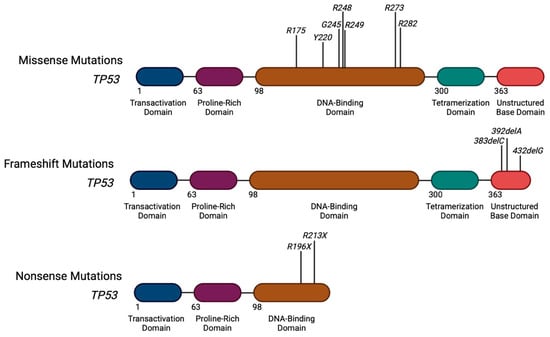
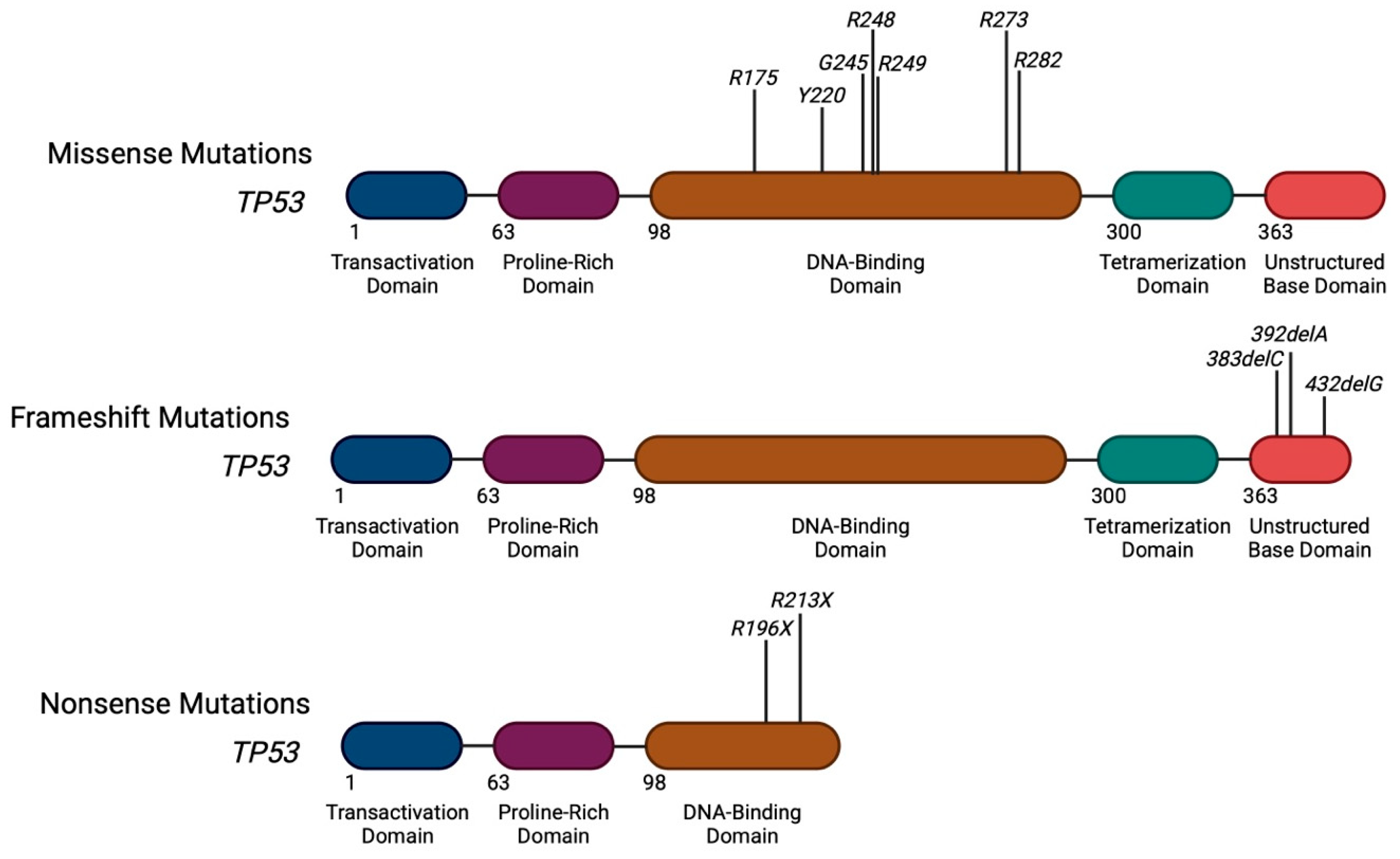
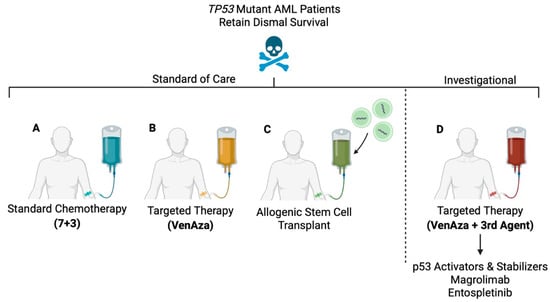
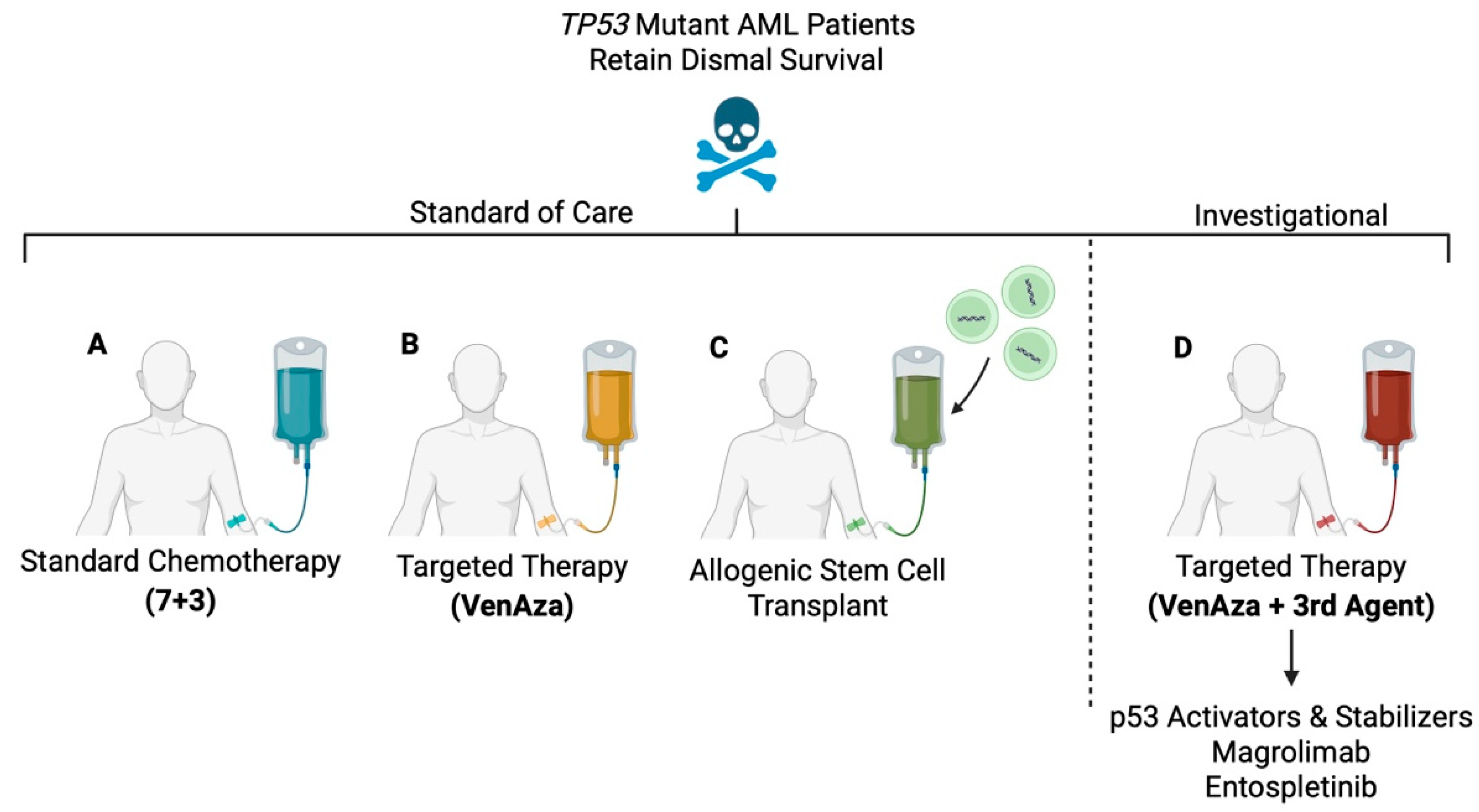
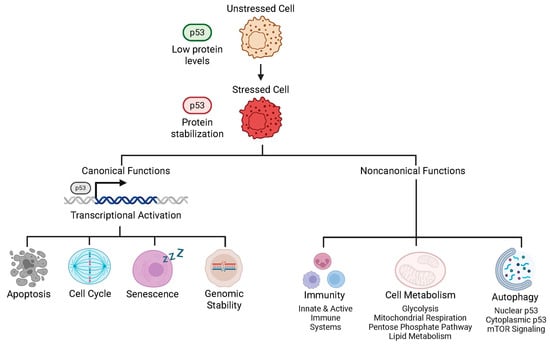
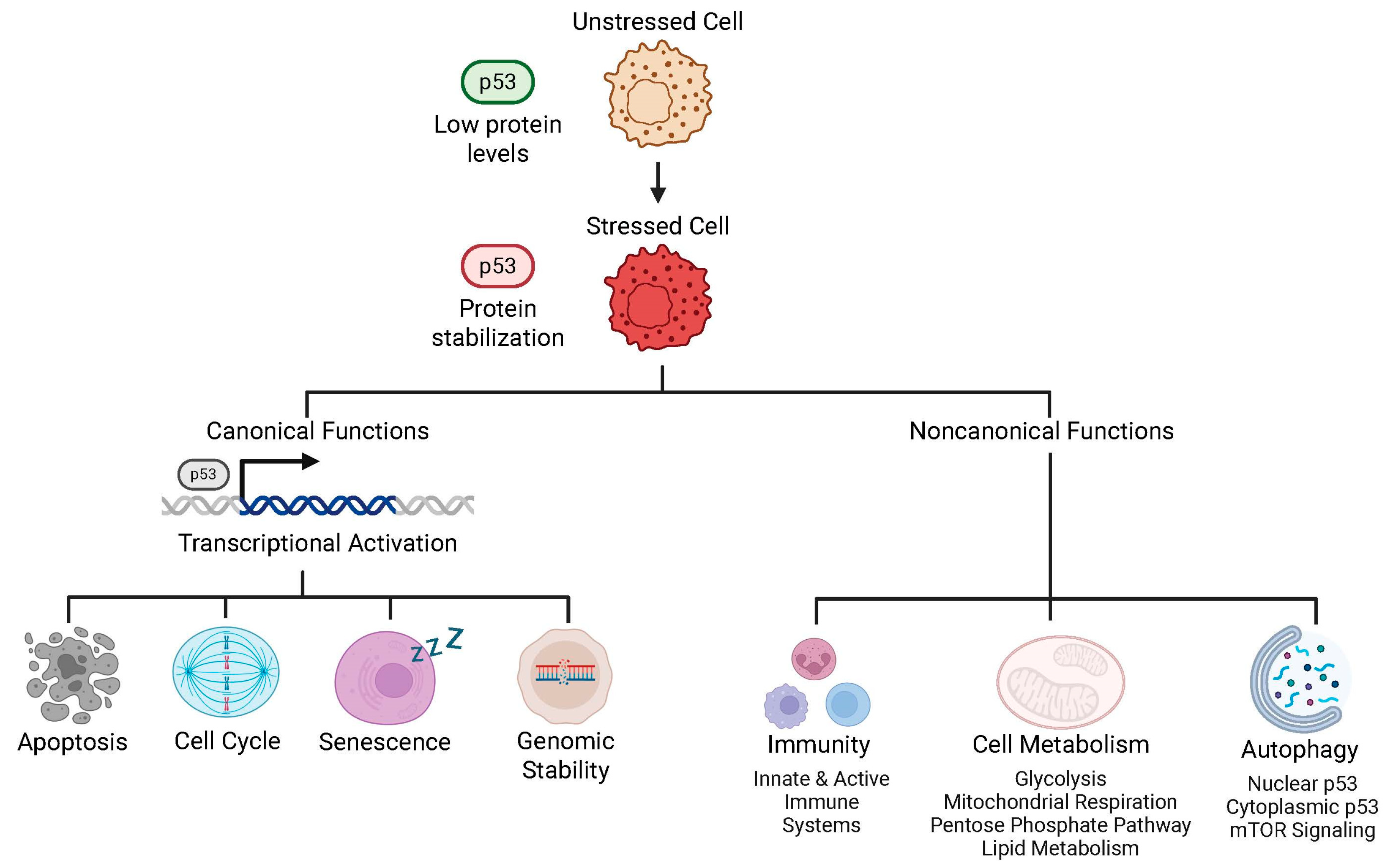
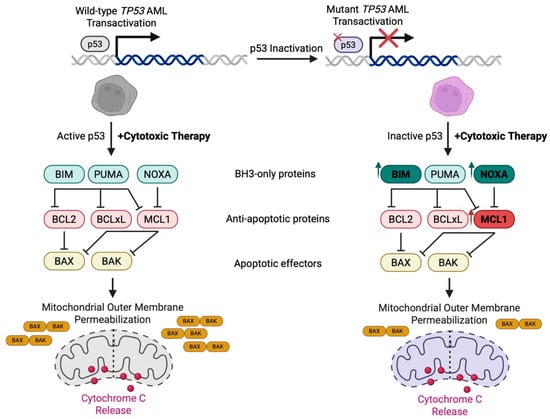
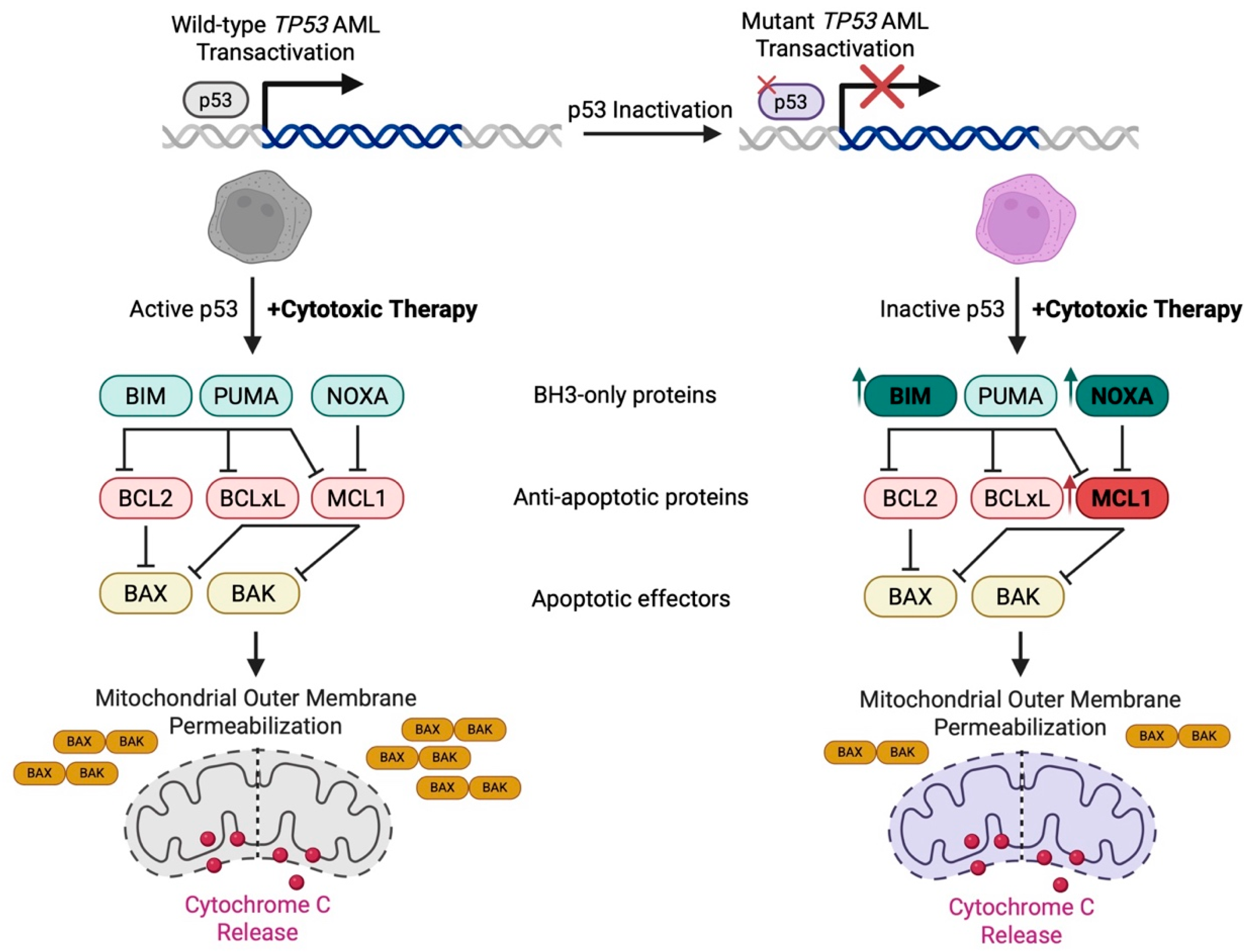
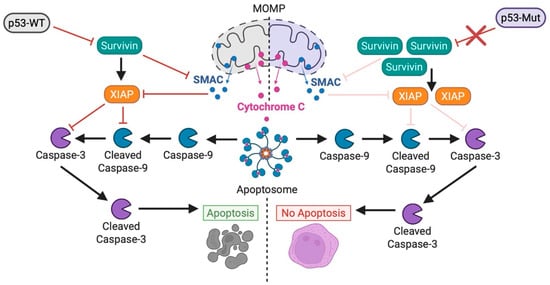
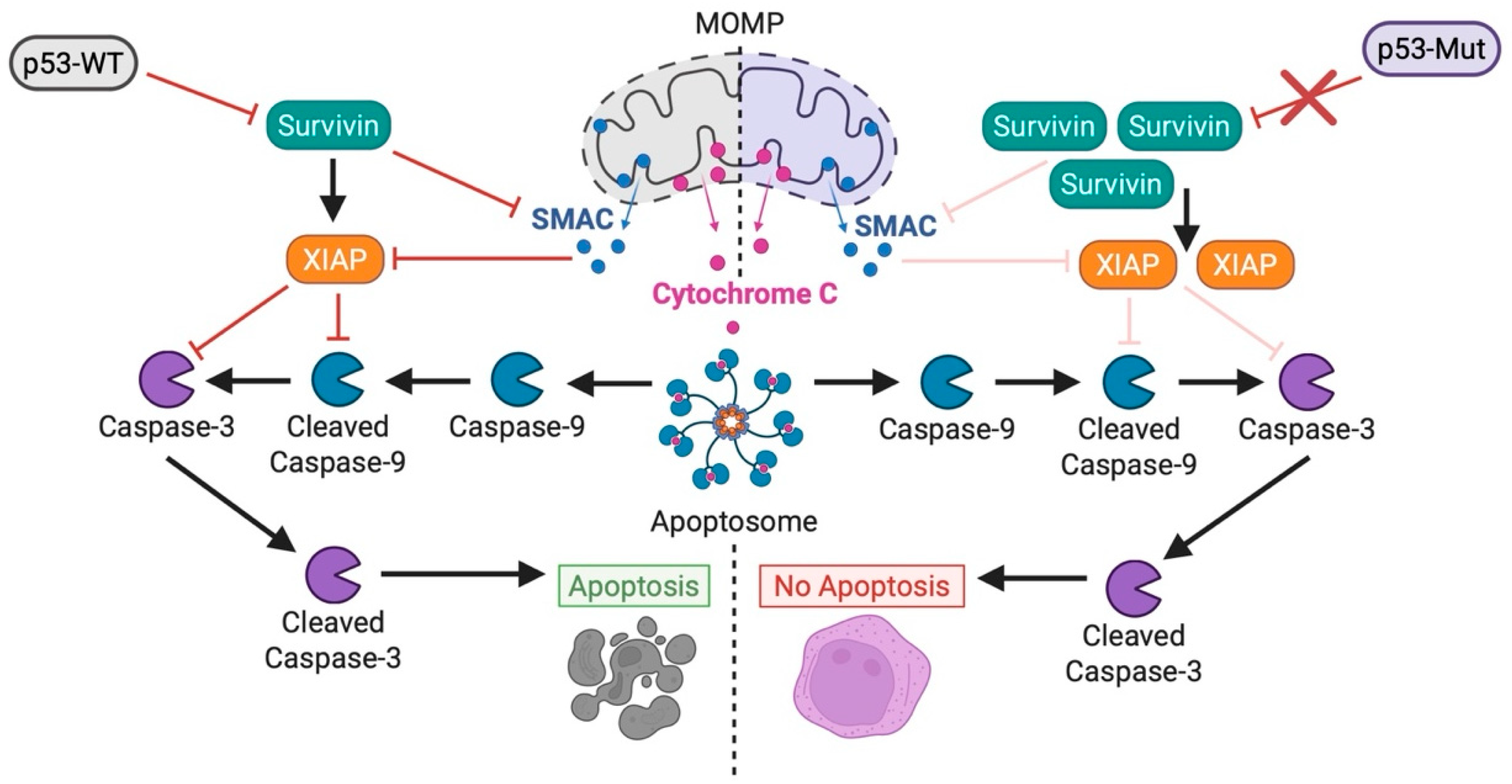
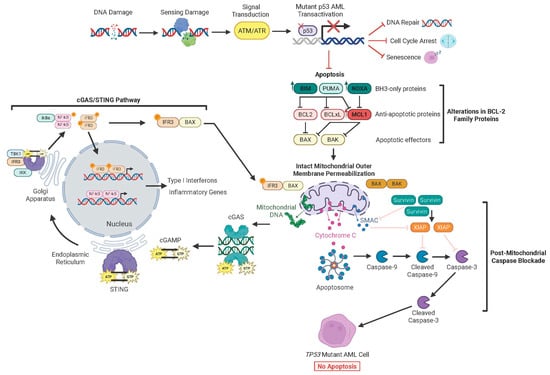
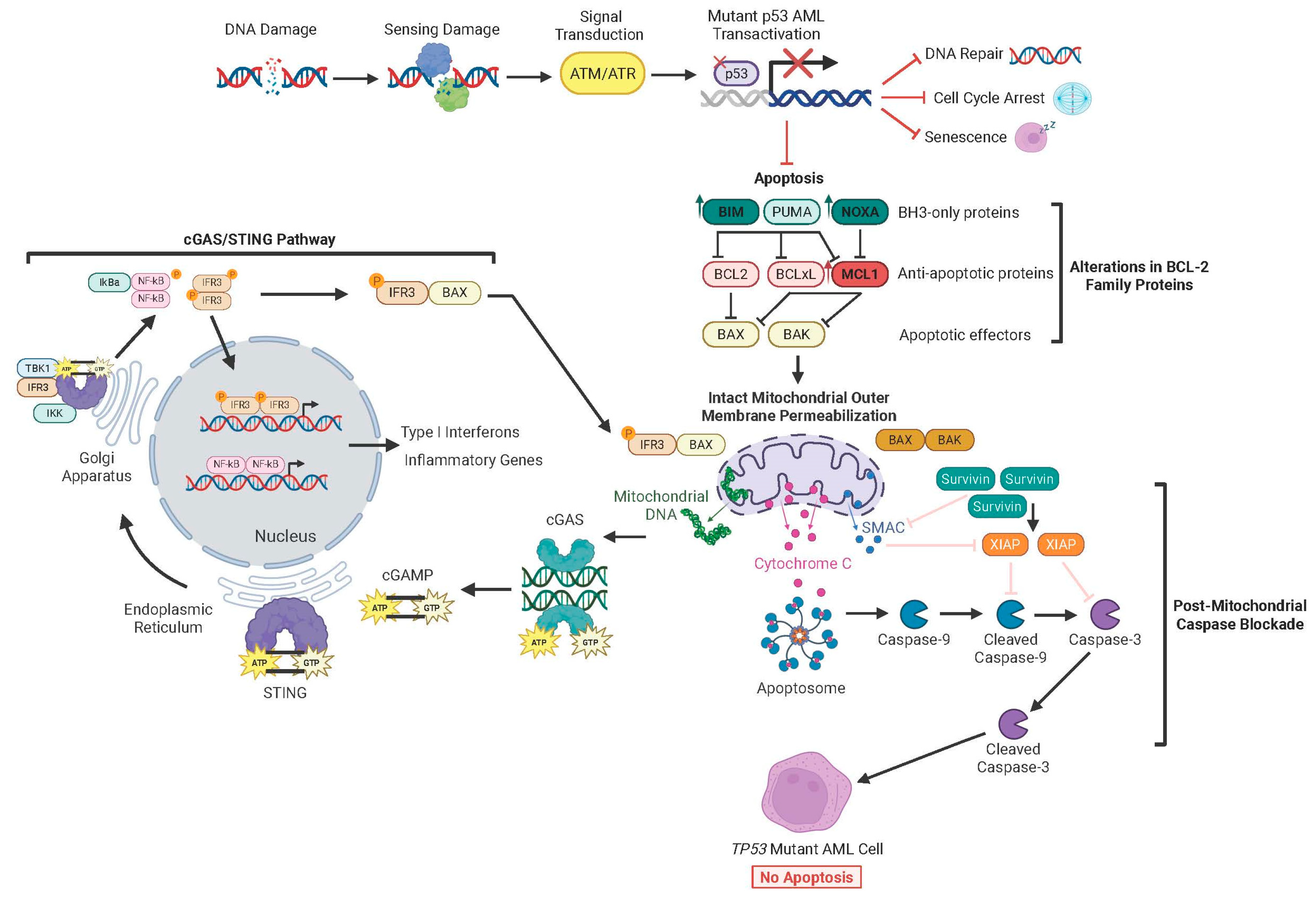
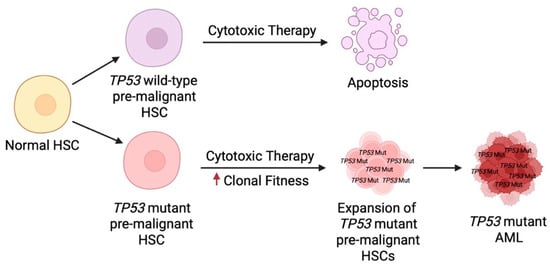
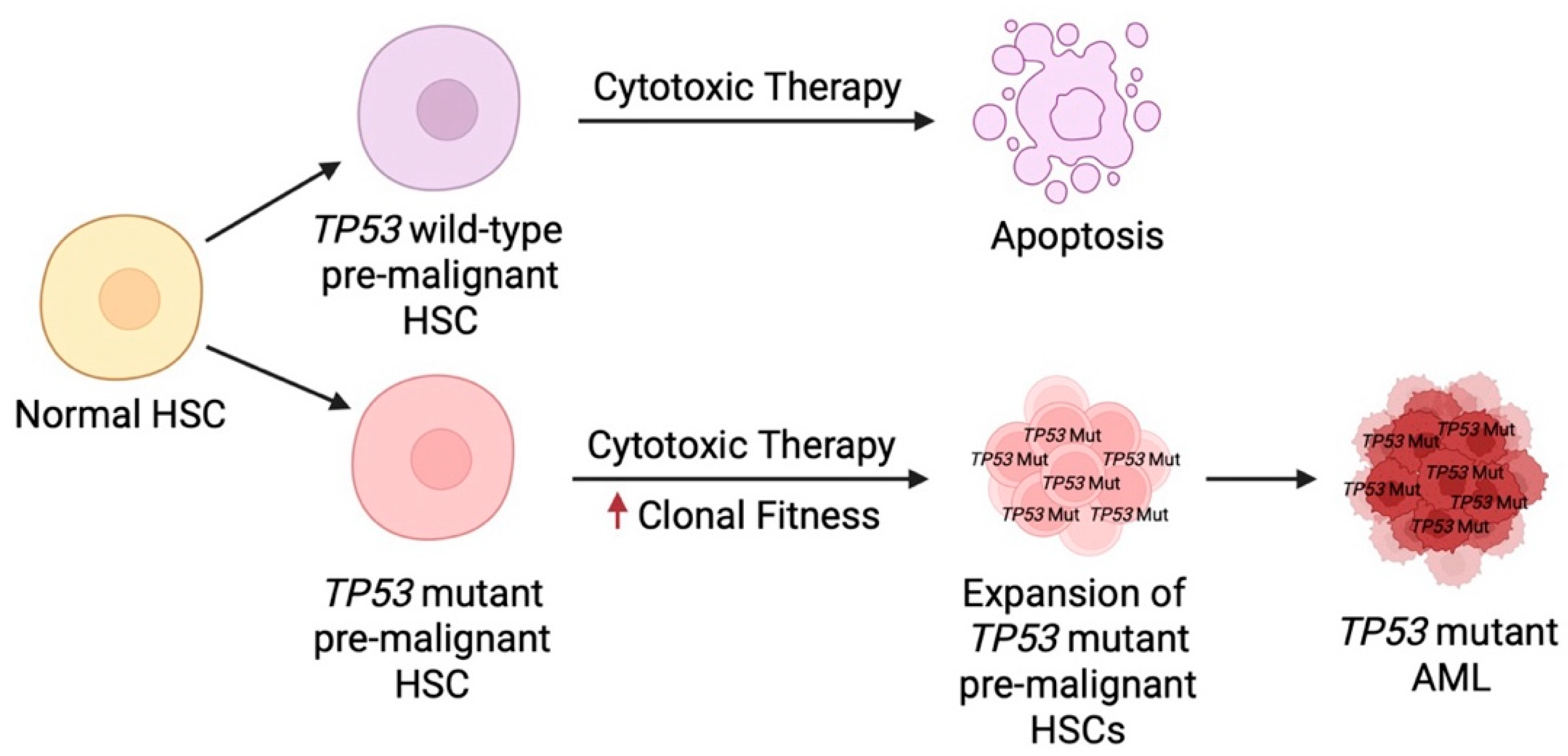
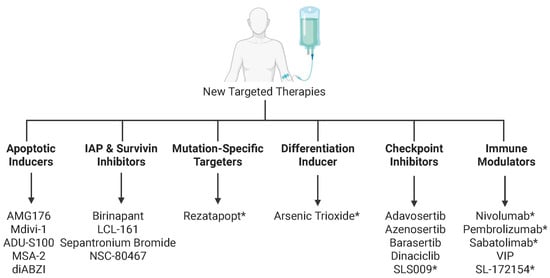
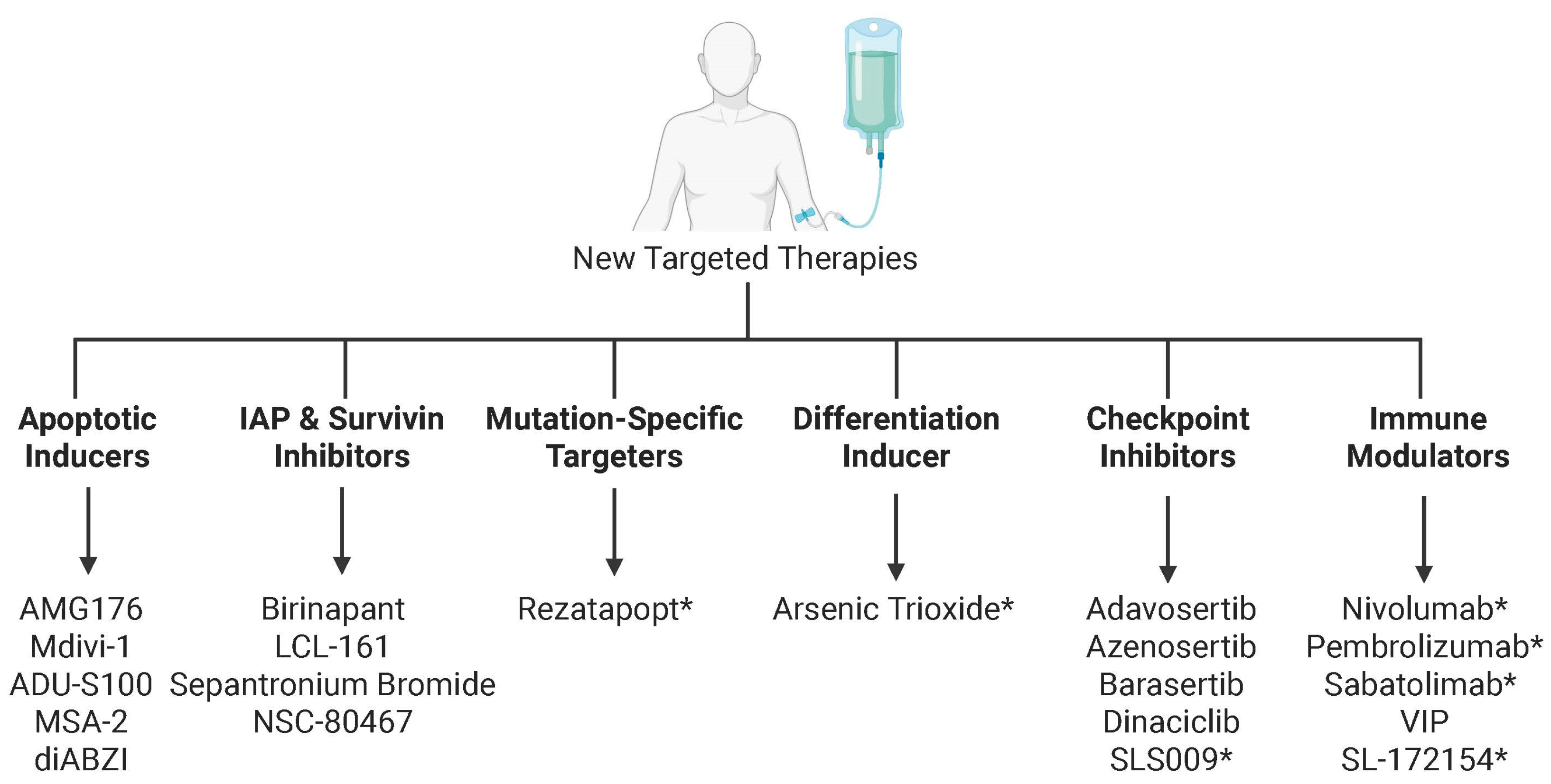

Disclaimer/Publisher’s Note: The statements, opinions and data contained in all publications are solely those of the individual author(s) and contributor(s) and not of MDPI and/or the editor(s). MDPI and/or the editor(s) disclaim responsibility for any injury to people or property resulting from any ideas, methods, instructions or products referred to in the content. |
© 2025 by the authors. Licensee MDPI, Basel, Switzerland. This article is an open access article distributed under the terms and conditions of the Creative Commons Attribution (CC BY) license (https://creativecommons.org/licenses/by/4.0/).