Article

Human Forebrain Organoid-Derived Extracellular Vesicle Labeling with Iron Oxides for In Vitro Magnetic Resonance Imaging


1
Department of Chemical and Biomedical Engineering, FAMU-FSU College of Engineering, Florida State University, Tallahassee, FL 32310, USA
2
The National High Magnetic Field Laboratory, Florida State University, Tallahassee, FL 32310, USA
3
High Performance Materials Institute, Florida State University, Tallahassee, FL 32310, USA
4
Department of Industrial and Manufacturing Engineering, FAMU-FSU College of Engineering, Florida State University, Tallahassee, FL 32310, USA
5
Department of Biomedical Sciences, College of Medicine, Florida State University, Tallahassee, FL 32310, USA
*
Authors to whom correspondence should be addressed.
These two authors contribute equally to this work.
Biomedicines 2022, 10(12), 3060; https://doi.org/10.3390/biomedicines10123060

Submission received: 31 October 2022 / Revised: 20 November 2022 / Accepted: 24 November 2022 / Published: 28 November 2022

Abstract

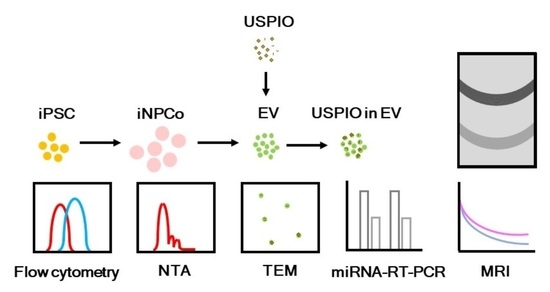
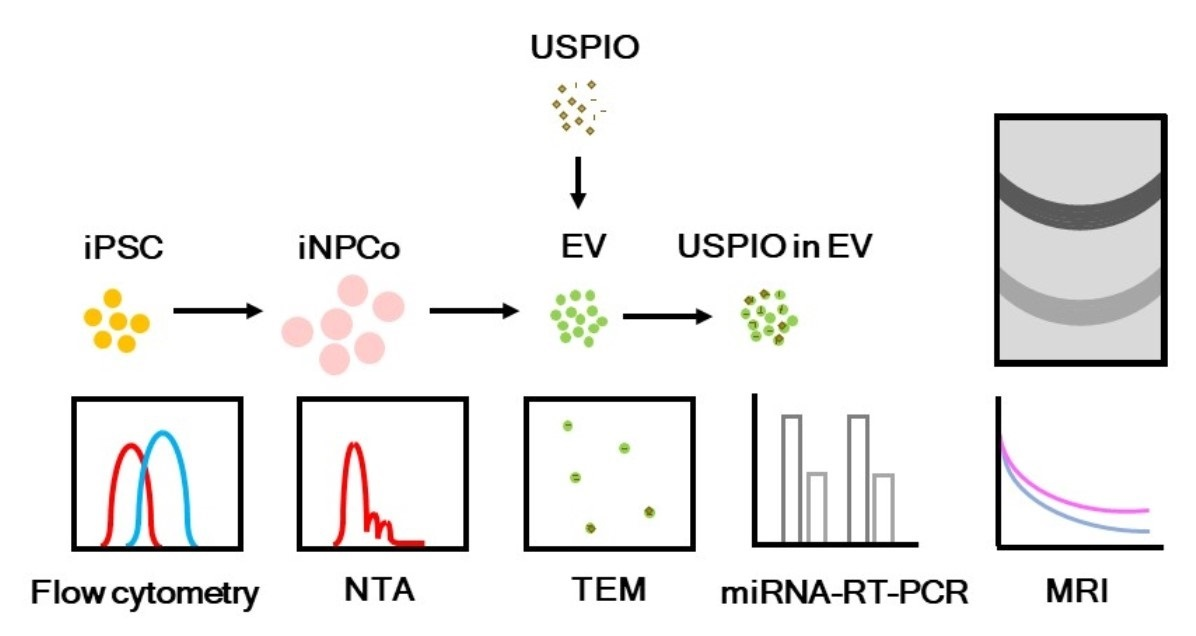
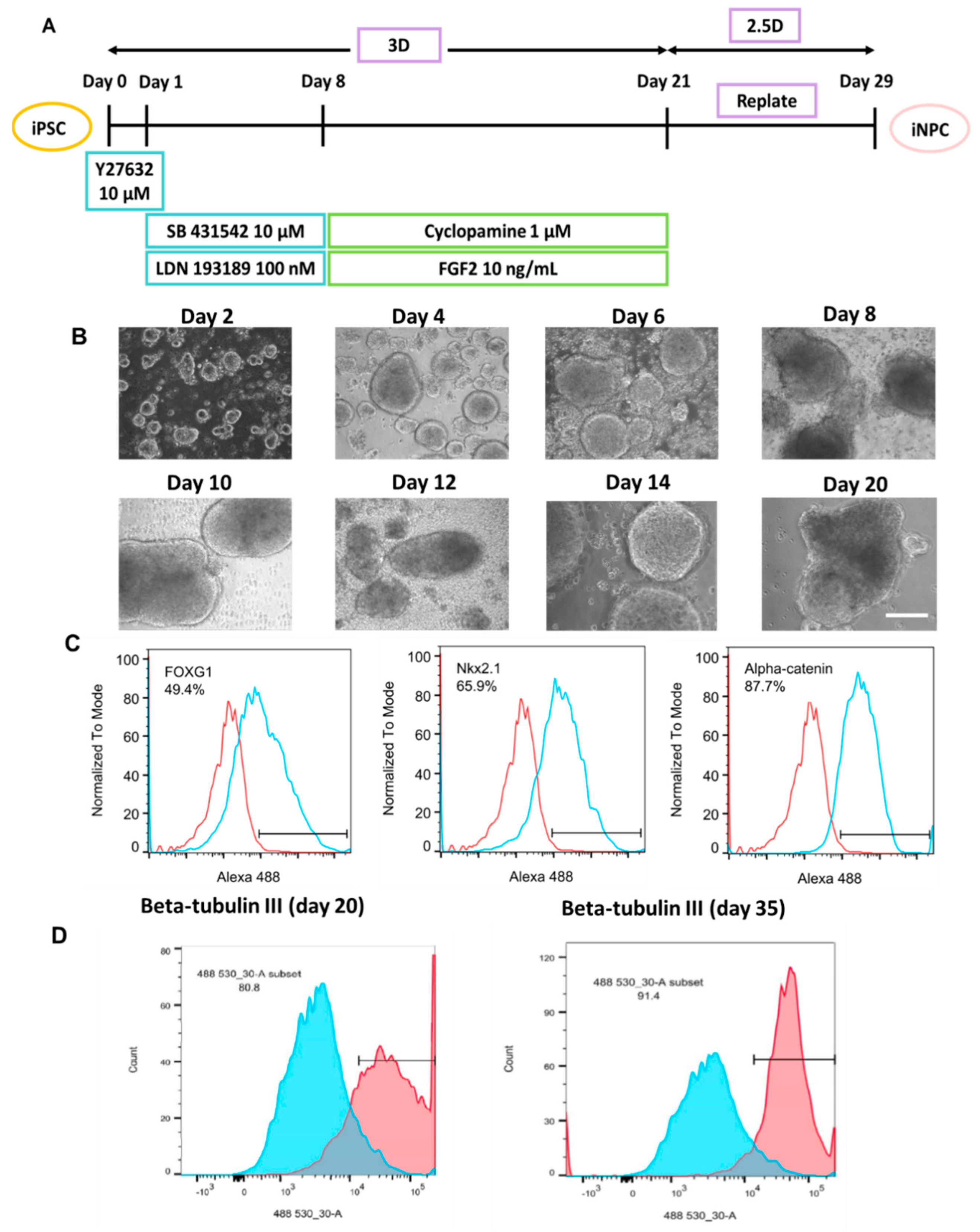
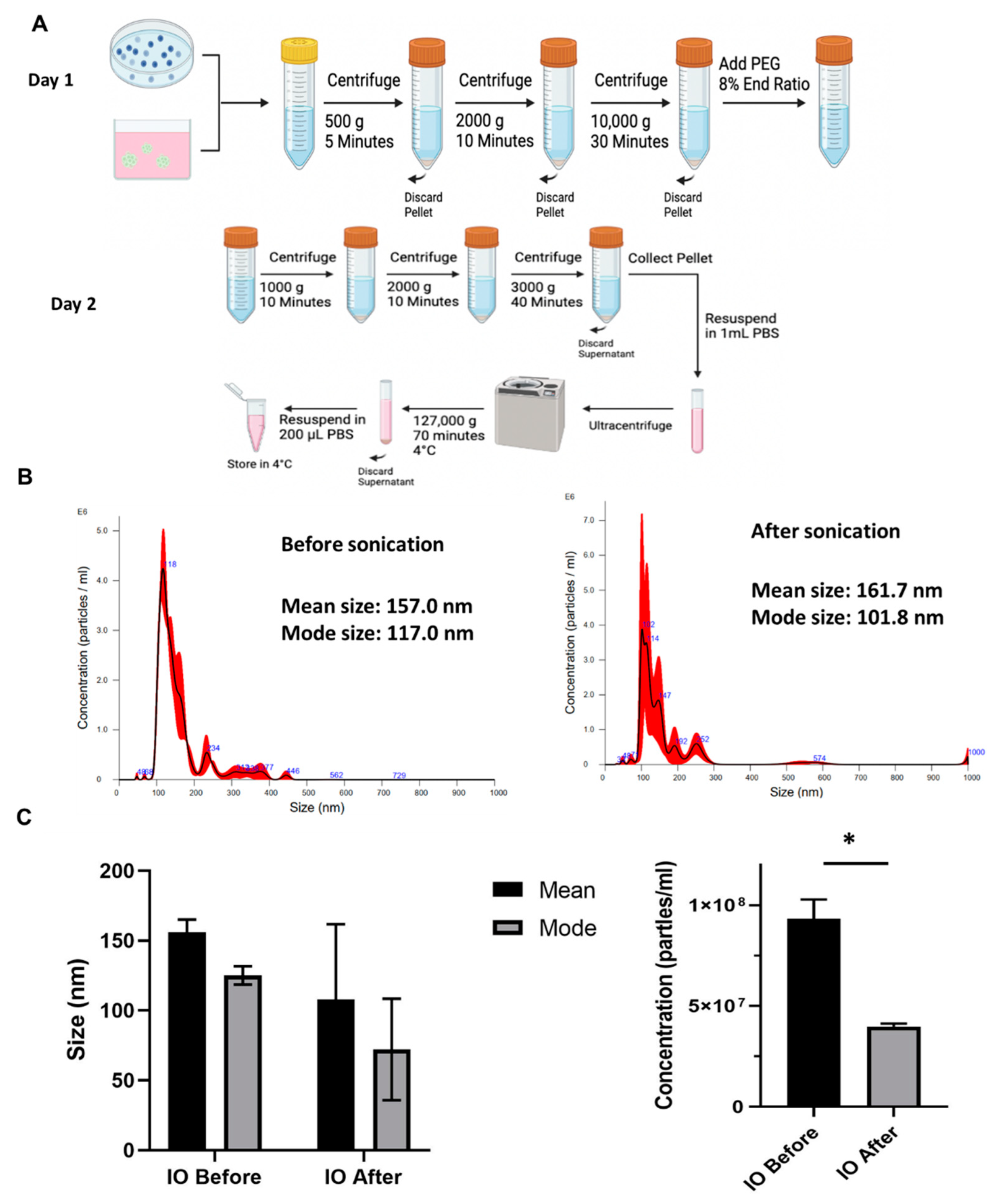
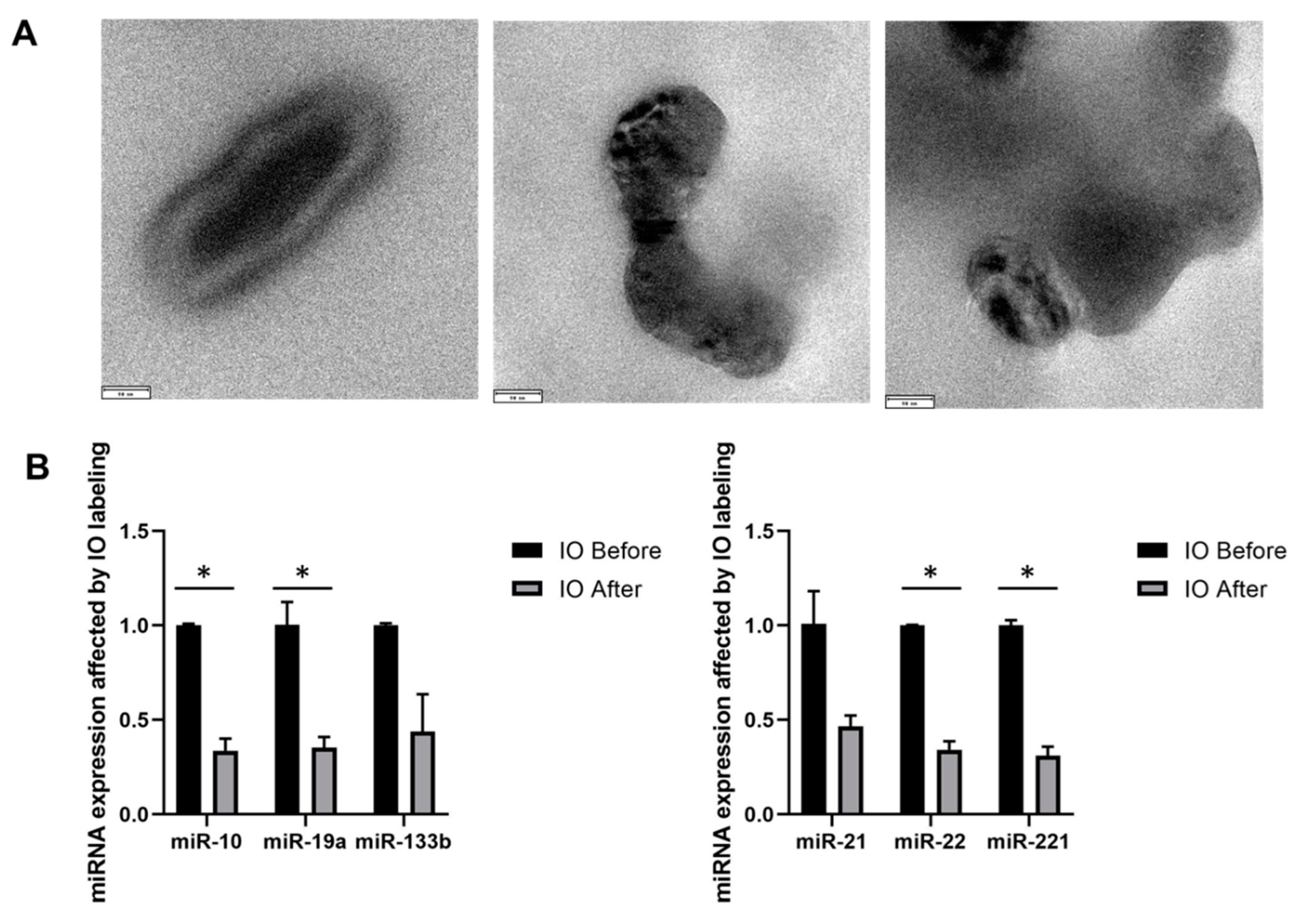
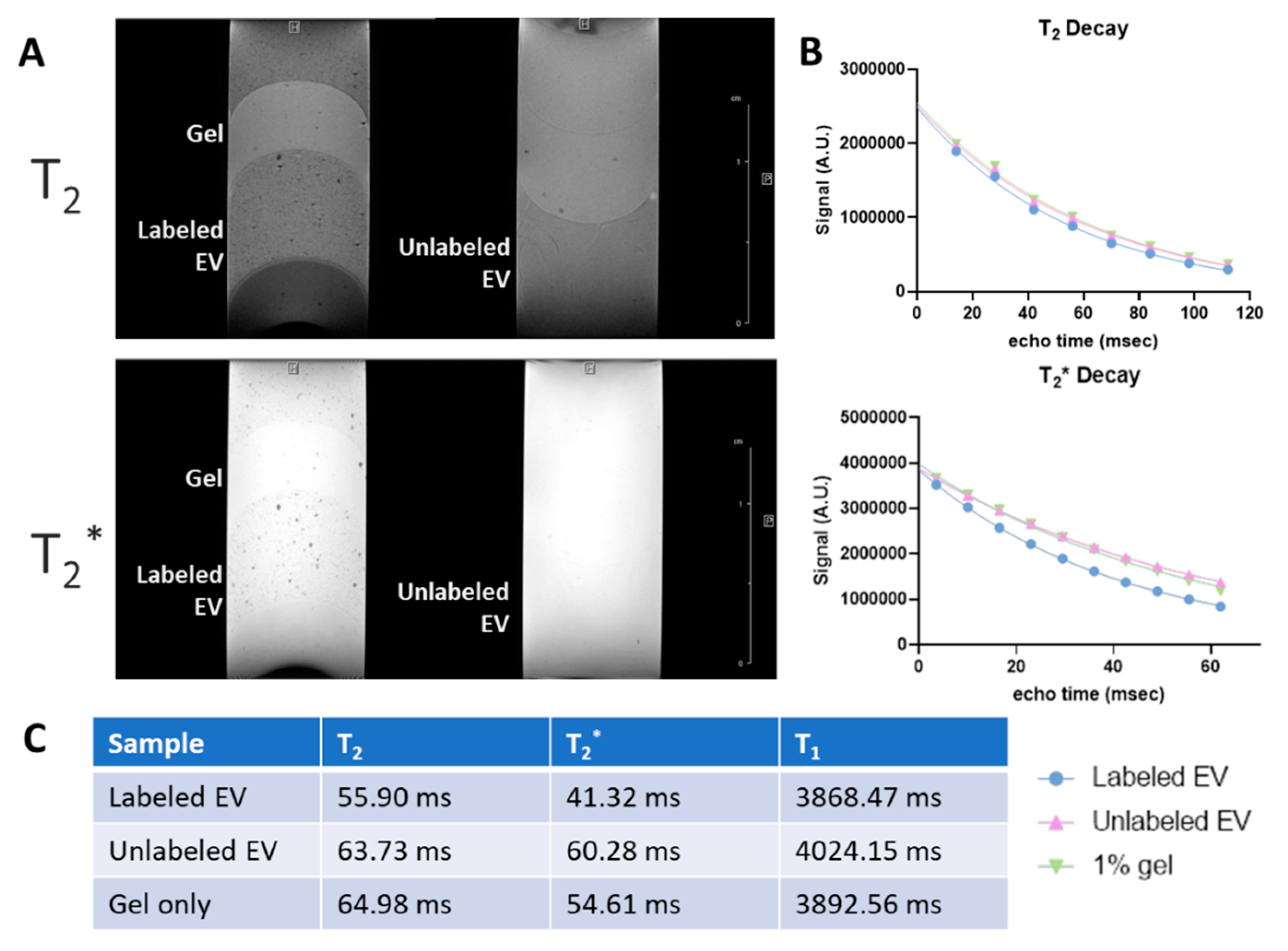
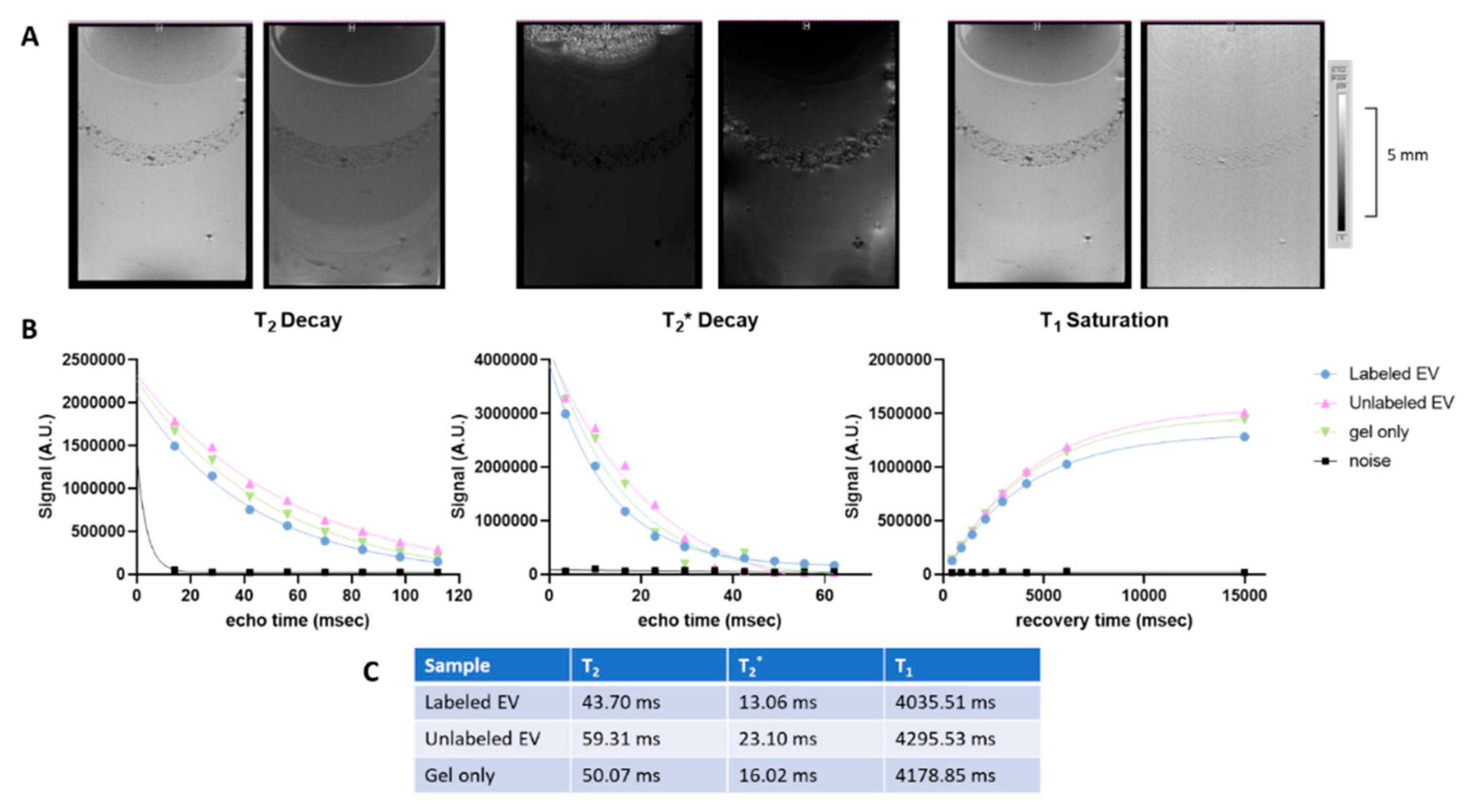
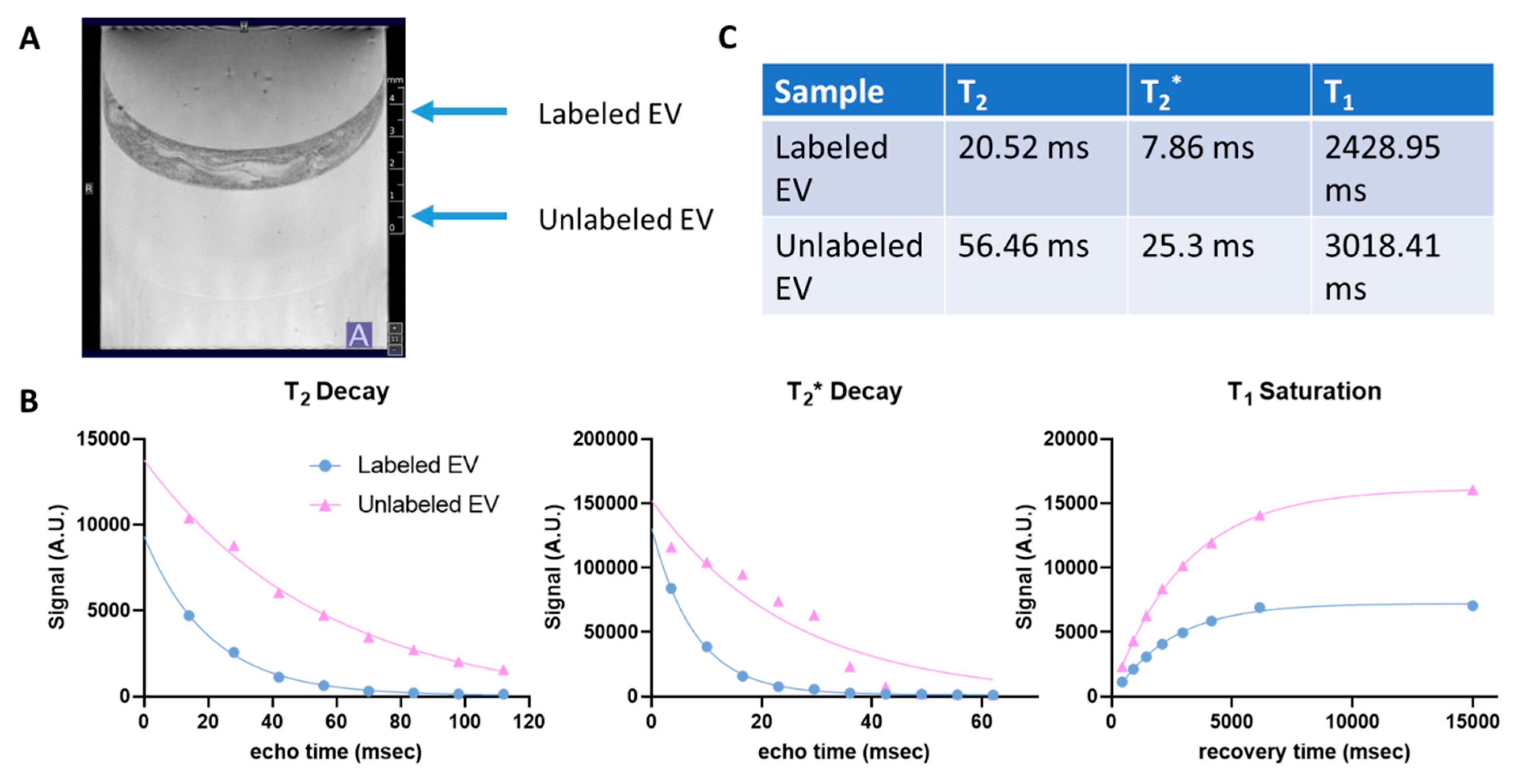
The significant roles of extracellular vesicles (EVs) as intracellular mediators, disease biomarkers, and therapeutic agents, make them a scientific hotspot. In particular, EVs secreted by human stem cells show significance in treating neurological disorders, such as Alzheimer’s disease and ischemic stroke. However, the clinical applications of EVs are limited due to their poor targeting capabilities and low therapeutic efficacies after intravenous administration. Superparamagnetic iron oxide (SPIO) nanoparticles are biocompatible and have been shown to improve the targeting ability of EVs. In particular, ultrasmall SPIO (USPIO, <50 nm) are more suitable for labeling nanoscale EVs due to their small size. In this study, induced forebrain neural progenitor cortical organoids (iNPCo) were differentiated from human induced pluripotent stem cells (iPSCs), and the iNPCo expressed FOXG1, Nkx2.1, α-catenin, as well as β-tubulin III. EVs were isolated from iNPCo media, then loaded with USPIOs by sonication. Size and concentration of EV particles were measured by nanoparticle tracking analysis, and no significant changes were observed in size distribution before and after sonication, but the concentration decreased after labeling. miR-21 and miR-133b decreased after sonication. Magnetic resonance imaging (MRI) demonstrated contrast visualized for the USPIO labeled EVs embedded in agarose gel phantoms. Upon calculation, USPIO labeled EVs exhibited considerably shorter relaxation times, quantified as T2 and T2* values, reducing the signal intensity and generating higher MRI contrast compared to unlabeled EVs and gel only. Our study demonstrated that USPIO labeling was a feasible approach for in vitro tracking of brain organoid-derived EVs, which paves the way for further in vivo examination.
Keywords: human pluripotent stem cells; forebrain organoids; extracellular vesicles; nanoscale iron oxides; magnetic resonance imaging human pluripotent stem cells; forebrain organoids; extracellular vesicles; nanoscale iron oxides; magnetic resonance imaging
Graphical Abstract