1. Introduction
Osteoporosis is a long-term disease of the skeletal system resulting in a reduction in mineral density within the bone and a subsequent change in the physical character of the skeleton, thereby increasing the potential for the development of fragile bones. The most common clinical manifestation of osteoporosis are instances of fragility bone fractures, often resulting from minimal amounts of physical stress on the body (e.g., falling from standing height or falling to the ground) [
1]. Fragile bones are also associated with the development of significant long-term pain and loss of the ability to carry out daily activities, which substantially reduce quality of life (QoL). Furthermore, osteoporosis-related fractures continue to impose a significant burden both medically and economically on the world’s healthcare systems [
2].
Osteoporosis is becoming increasingly well understood and defined in clinical practice due to improvements in its underlying mechanism, diagnostic criteria, and available therapies both pharmacologically and non-pharmacologically [
3]. Osteoporosis is estimated to affect over 200 million individuals worldwide. It affects approximately one-third of women and one-fifth of men aged 50 or older who have suffered from an osteoporotic fracture at some point in their lives [
4]. The increase in the incidence of these conditions is due to the increase in life expectancy and the growing elderly population. The World Health Organization (WHO) estimates that approximately one billion people over 60 years old (or 13.5% of the global population) will be affected by osteoporosis by 2030, indicating that the prevalence of osteoporosis and other age-associated disorders will continue to rise over time [
5].
Many people who have suffered a serious injury due to osteoporosis can experience life-changing consequences and further complications, including long-term disability, loss of independence, or death, which further increase healthcare costs. Within one year of an injury resulting from a hip fracture, the risk of death ranges from 20% to 30%, and less than half of patients regain their ability to perform at pre-injury levels. Even though comprehensive evidence-based guidelines are available, many fracture patients do not receive appropriate treatment for osteoporosis post-injury. Available data show limited numbers of patients receiving post-fracture therapy within one year following a hip fracture in many countries, ranging from 11.5% in Germany to 50.3% in the UK [
6]. There is also a significant financial burden associated with fracture management. The cost of treating osteoporotic fractures in Europe in 2020 was projected to be approximately €37 billion, and on a global scale, there is a projection of over 3 million fractures with an estimated cost of
$25.3 billion [
7,
8].
Despite the availability of effective strategies and standard clinical practice guidelines, osteoporosis management in real-world practice remains suboptimal due to limited awareness, poor medication adherence, and underutilization of effective therapies. Osteoporosis is an area where appropriate support can make a meaningful difference through improved patient education, appropriate medication selection, and practical strategies to enhance adherence. Pharmacists are well placed to contribute by identifying patient risks, guiding appropriate medication use, monitoring side effects, and supporting patients in overcoming adherence barriers. Therefore, it is important to understand how osteoporosis medications are prescribed and how consistently they are used by patients in real-world settings.
In order to bridge this gap, it is critically important to investigate prescribing patterns and patient adherence to osteoporosis medications to better understand the differences between recommended guideline-based care and actual clinical practice. Despite the availability of effective therapies and clinical guidelines, there is limited real-world evidence on medication adherence, prescribing patterns, and patient beliefs regarding osteoporosis treatment in the United Arab Emirates (UAE). Therefore, this study aimed to assess medication adherence, prescribing patterns, and patient beliefs among patients with osteoporosis in a real-world clinical setting in the UAE. This study was designed as an exploratory observational study to assess medication adherence and its association with prescribing patterns, patient beliefs, and quality-of-life outcomes.
2. Materials and Methods
2.1. Study Design and Population
This cross-sectional observational study with both descriptive and analytical components, aimed at exploring associations rather than testing a predefined hypothesis, was conducted over an eight-month time period in Saqr hospital, a secondary care institution located in Ras al Khaimah, United Arab Emirates, from October 2024 to May 2025. This single-center design was selected to allow detailed evaluation of prescribing practices, medication adherence, and patient beliefs within a consistent real-world clinical setting, minimizing variability in treatment approaches. The primary objectives of the study were to assess prescribing patterns, medication adherence using the MMAS-8, and patient beliefs using the BMQ. The inclusion criteria included any adult of either sex diagnosed with osteoporosis who was receiving pharmacological treatment for osteoporosis at this facility during the time of study. The estimated sample size necessary to conduct this study was calculated based on the expected prevalence of non-adherence to medication among patients with osteoporosis. The sample size was initially calculated using a single population proportion formula, assuming a prevalence of medication non-adherence of 50% (to ensure maximum sample size), a 95% confidence level, and a margin of error of 5%, resulting in a minimum required sample size of 228 participants. To enhance the precision of estimates and account for potential variability in subgroup analyses, the final sample size was increased to 300 participants. Participants were included in the study if they were 18 years of age or older, met the criteria for osteoporosis based on clinical evaluation and/or the results from a bone mineral density test, received osteoporosis treatment, and agreed to participate. Osteoporosis diagnosis was based on bone mineral density (BMD) with a T-score ≤ −2.5 and/or clinical evaluation by the treating physician in accordance with routine clinical practice. Participants with significant cognitive impairment and/or severe psychiatric disorders were excluded from the study to ensure the reliability of self-reported adherence and belief assessments, as these conditions may independently affect medication-taking behavior. Pregnant or lactating women were also excluded, as pregnancy and lactation may influence bone metabolism and require different management strategies. Additionally, individuals who expressed no interest or declined to provide consent were not included in the study.
2.2. Data Collection and Study Variables
A detailed data collection form was used to collect data for this study. Data were collected through structured interviews conducted by trained research personnel using standardized questionnaires (MMAS-8 and BMQ), which helped ensure consistency and minimize potential information bias. Written informed consent was obtained from all participants prior to their inclusion in the study. Patients were interviewed for approximately 10–15 min by trained research personnel using a structured data collection form, including standardized questionnaires such as the MMAS-8 and BMQ. In addition, patient record were also analyzed. Missing responses were handled according to standard scoring guidelines. The key demographic and clinical characteristics were obtained which include age, sex, comorbidity profile, duration of osteoporosis, and any prior history of fracture. We captured osteoporosis treatment details, including the prescribed anti-osteoporotic medications, route of administration, dosing regimen, duration of therapy, and use of calcium and vitamin D supplementations.
2.3. Assessment of Prescription Patterns
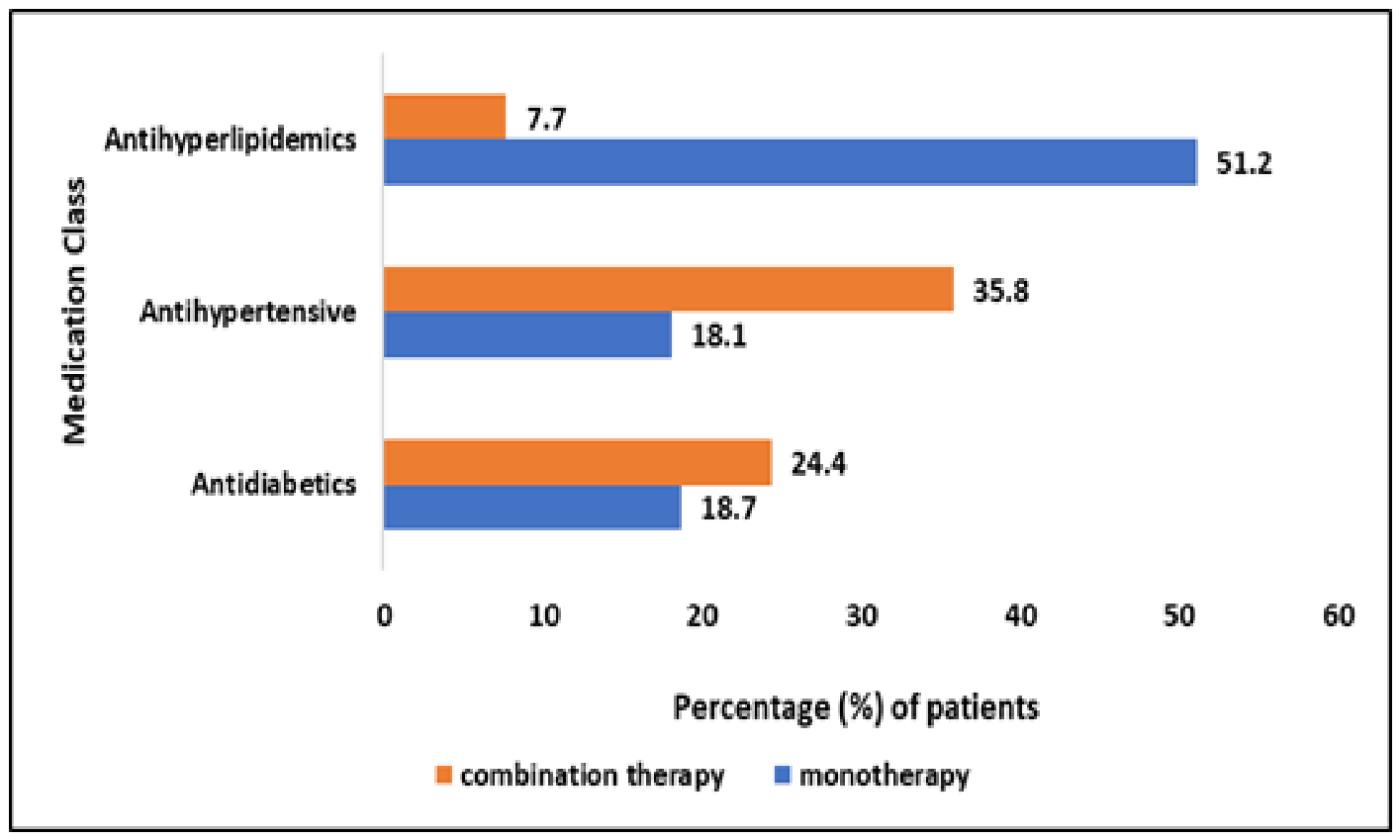
Prescribing patterns and medication utilization were assessed according to the predefined study variables. The predefined variables included treatment indication, the anti-osteoporotic agents prescribed, dosing details (dose and schedule), route of administration, and length of therapy. Additionally, we also captured whether therapy was given as monotherapy or combination therapy, and documented the total number of osteoporotic medications and other concurrent medications.
We collected Defined Daily Dose (DDD) and the Prescribed Daily Dose (PDD) data for each prescribed anti-osteoporotic medication included in the study. The WHO Anatomical Therapeutic Chemical (ATC)/DDD classification system was used as the reference for DDD values. Prescribed daily doses were compared with Defined Daily Dose as a standard reference. The prescribed daily dose to defined daily dose (PDD/DDD) ratio, an established indicator of prescribing appropriateness, was calculated to assess alignment with WHO-recommended dosing standards. This ratio reflects the extent to which actual prescribing aligns with WHO-recommended dosing standards.
The predefined parameters adopted from the previously published and authentic literature were used to review the prescribing patterns and medication utilization. These parameters comprised the reason for prescribing the anti-osteoporotic medicine prescribed, routes of administration, the dosing details (dose and schedule), and the treatment duration. Whether the patients received medications as either a single drug or as a combination therapy was also recorded. Beside this, the numbers of different osteoporosis medications and other concomitant medications prescribed were also documented. The Defined Daily Dose (DDD) and the Prescribed Daily Dose (PDD) for each osteoporotic medication were collected and analyzed. The DDDs were identified using the World Health Organization’s Anatomical Therapeutic Chemical Classification System. The prescribed PDDs were compared to DDDs, and PDDs and DDDs were used to compare how closely the current prescribing practices matched with the recommendations from the literature on daily dosing of osteoporotic medications. Therefore, the PDD/DDD ratio was calculated based on standard dosing regimens. Given the use of fixed-dose therapies in osteoporosis management, values were expected to approximate 1.0.
2.4. Assessment of Medication Adherence
Medication adherence was assessed using the eight-item Morisky Medication Adherence Scale (MMAS-8), a validated self-reported tool for measuring patients’ medication-taking behavior. Use of the MMAS-8 in this study was authorized under an official license obtained from Morisky Medication Adherence Research, LLC, Las Vegas, NV, USA, prior to administration of the instrument (Certificate No. 1602-3937-6699-3794-8237). Each of the eight questions from this scale asks patients questions related to the manner in which the patients take their medication on a day-to-day basis; thus, total MMAS-8 scores can classify patients taking medication into three categories: Low, Medium, and High adherence. Medication adherence was assessed using the MMAS-8, with standard scoring thresholds applied: scores <6 were classified as low adherence, scores from 6 to <8 as medium adherence, and a score of 8 as high adherence. For analytical purposes, adherence was further dichotomized into adherent (score = 8) and non-adherent (score < 8) to facilitate regression analysis. The MMAS-8 was used as a self-reported measure of medication adherence based on versions available in the public domain. It was administered in a language understandable to the participants using a structured interview approach to ensure consistency in responses. In addition, patient knowledge and QoL were also assessed.
2.5. Assessment of Beliefs About Medicines
Patients’ beliefs regarding their osteoporosis medications were explored through the Beliefs about Medicines Questionnaire (BMQ), a validated instrument that assesses patients’ perceptions of medication necessity and concerns. This scale assesses how much obligation patients feel to continue taking medication in order to maintain quality of health, as well as concerns regarding the side effects and long-term effects of medication use. Based on the Necessity–Concerns framework, patients were categorized into four attitudinal groups as follows: Accepting (high necessity, low concerns), Skeptical (low necessity, high concerns), Indifferent (low necessity, low concerns), and Ambivalent (high necessity, high concerns). These categories were derived by comparing individual scores on the necessity and concern scales. BMQ scores were categorized based on the group mean to distinguish between relatively higher and lower belief levels within the study population, as there are no universally established cutoff values for these domains. This approach was used for comparative analysis within the sample.
2.6. Statistical Analysis
Data were analyzed using IBM SPSS Statistics version 29.0 (IBM Corp., Armonk, NY, USA) for descriptive statistics, between-group comparisons (Pearson χ2, Fisher’s exact test, Mann–Whitney U test), and standard logistic regression. Firth’s penalized maximum-likelihood logistic regression was performed in R version 4.4.1 (R Foundation for Statistical Computing, Vienna, Austria). A two-sided p-value < 0.05 was considered statistically significant. Univariate and multivariable logistic regression analyses were performed using Firth’s penalized maximum likelihood to identify factors associated with medication adherence. Firth’s method was chosen because three continuous predictors (BMQ-Specific Necessity, BMQ-Specific Concerns, and the Qualeffo-41 score) produced quasi-complete or complete separation against the dichotomised adherence outcome, under which standard maximum-likelihood estimates are not well defined. The multivariable Firth logistic regression model was constructed using an a priori, theory-driven approach. Candidate predictors, chosen on clinical grounds rather than by stepwise selection, were as follows: age (>60 vs. ≤60), sex, nationality, education, diabetes, hypertension, prior fracture, number of comorbidities (>2 vs. ≤2), number of concomitant medications (>2 vs. ≤2), BMQ-Specific Necessity (continuous), and BMQ-Specific Concerns (continuous). All candidates were entered simultaneously.
The Qualeffo-41 score, which showed complete separation, was excluded from the primary multivariable model. Multicollinearity among independent variables was quantified by variance inflation factors (VIF). Odds ratios (ORs) are reported with Wald 95% confidence intervals and two-sided p-values. Model discrimination was assessed by the area under the receiver-operating-characteristic curve (AUC, C-statistic), calibration by the Hosmer–Lemeshow goodness-of-fit test, and overall fit by Nagelkerke’s pseudo-R2. There were no missing data for the variables entered into the regression models.
2.7. Ethical Considerations
The study received ethical approvals from the Research and Ethics Committee of RAK College of Pharmacy (Approval No. RAKCOP/REC/2024-25/012) on 23 October 2024, the Research and Ethics Committee of RAK Medical and Health Sciences University (RAKMHSU-HEC-114-2024/25-PG-P) on 12 November 2024, and from the Ministry of Health and Prevention Research Ethics Committee—RAK Subcommittee (MOHAP/REC/2024/110-2024-PG-P) on 6 December 2024.
4. Discussion
Two persistent real-world problems are highlighted by osteoporosis research, namely the following: patients do not typically take their medicines properly, and many face some practical barriers/challenges to get or continue their treatment. Despite the wide availability of effective strategies and standard treatment guidelines for the management of osteoporosis, a major gap between adherence and continuity of patient care still persists. Since osteoporosis leads to the majority of fragile fractures, the risk is especially alarming in older adults with chronic conditions and taking complex medications regimens that require close monitoring. In this setting, the risk that patients will miss doses, stop treatment early, or develop treatment fatigue is high [
8]. In this context, our study explored the utilization patterns of drugs, adherence to prescribed medications, and well-being of patients with osteoporosis who were being treated at a secondary care facility in the UAE. Several findings were consistent with published epidemiology data. First, the patients studied were mostly women, which supports the most well-known higher rate of osteoporosis in women after menopause [
9]. This finding is consistent with the evidence that there is a lack of estrogen which causes rapid bone loss after menopause and thereby increases the risk of fractures and need for long-term preventative therapy [
10].
Secondly, the large sample in our study consisted primarily of older adults, which is consistent with the findings in the literature of population-based studies showing increased risk of bone mineral density loss with increasing age and, consequently, the associated increased risk of fracture. These findings validate that osteoporosis care in secondary care settings is usually directed to older women who may benefit the most from specialized education, compliance assistance, and optimization of their therapy when they are experiencing multiple diseases at the same time and/or are prescribed with multiple medications [
11].
Our study participants had a larger percentage of Emirati nationals than others, which is likely a reflection of the study site’s catchment population. This study also provided an opportunity to more closely examine the characteristics of osteoporosis in Emirati patients than has been possible with other nationality groups. Participants in this study reported a family history of osteoporosis in only 0.7% of cases. This suggests an overall lack of awareness about the potential for family members to be at risk for developing osteoporosis, a lack of recognition among family members of being diagnosed with osteoporosis, or incomplete or uncertain reporting by study participants [
12]. Underreporting of a family history of osteoporosis may lead to misclassification of patients and may weaken any correlation between a positive family history of osteoporosis and osteoporosis-related outcomes in this study population. Approximately 50% of study participants had received some form of education, which generally is positively correlated with greater health literacy, including better adherence to prescribed medications according to the literature [
13]. In this study, no statistically significant association was observed between education level and medication adherence. This finding suggests that knowledge alone may not be sufficient to improve adherence, and that psychosocial factors such as medication beliefs may play a more important role in shaping adherence behavior. However, this finding should be interpreted with caution, as it may be influenced by sample characteristics and the use of self-reported adherence measures. Therefore, factors other than formal education may relate to adherence behavior in this population. Some examples of factors that may affect adherence include culturally-based beliefs regarding osteoporosis and its treatments; the quality of communication between patients and healthcare providers; differences in access to, and ability to navigate, the healthcare system; and logistical barriers to obtaining or continuing medications.
The results of this study indicate that both the frequently mentioned factors (e.g., poor health literacy and lack of understanding due to education) are influencing people not to take their medications. Other factors are specifically related to the circumstances/attributes in which someone’s ongoing use of medication occurs (e.g., their respective local cultures, the way their health care system works, patient provider interactions, etc). These must be considered when developing strategies aimed at improving medication adherence within the Gulf Region. To this end, conducting additional quantitative and qualitative studies will help researchers more fully identify all of the driving forces behind a given patient’s non-compliance while simultaneously providing insights towards designing potentially suitable culturally relevant interventions to increase adherence in GULF populations.
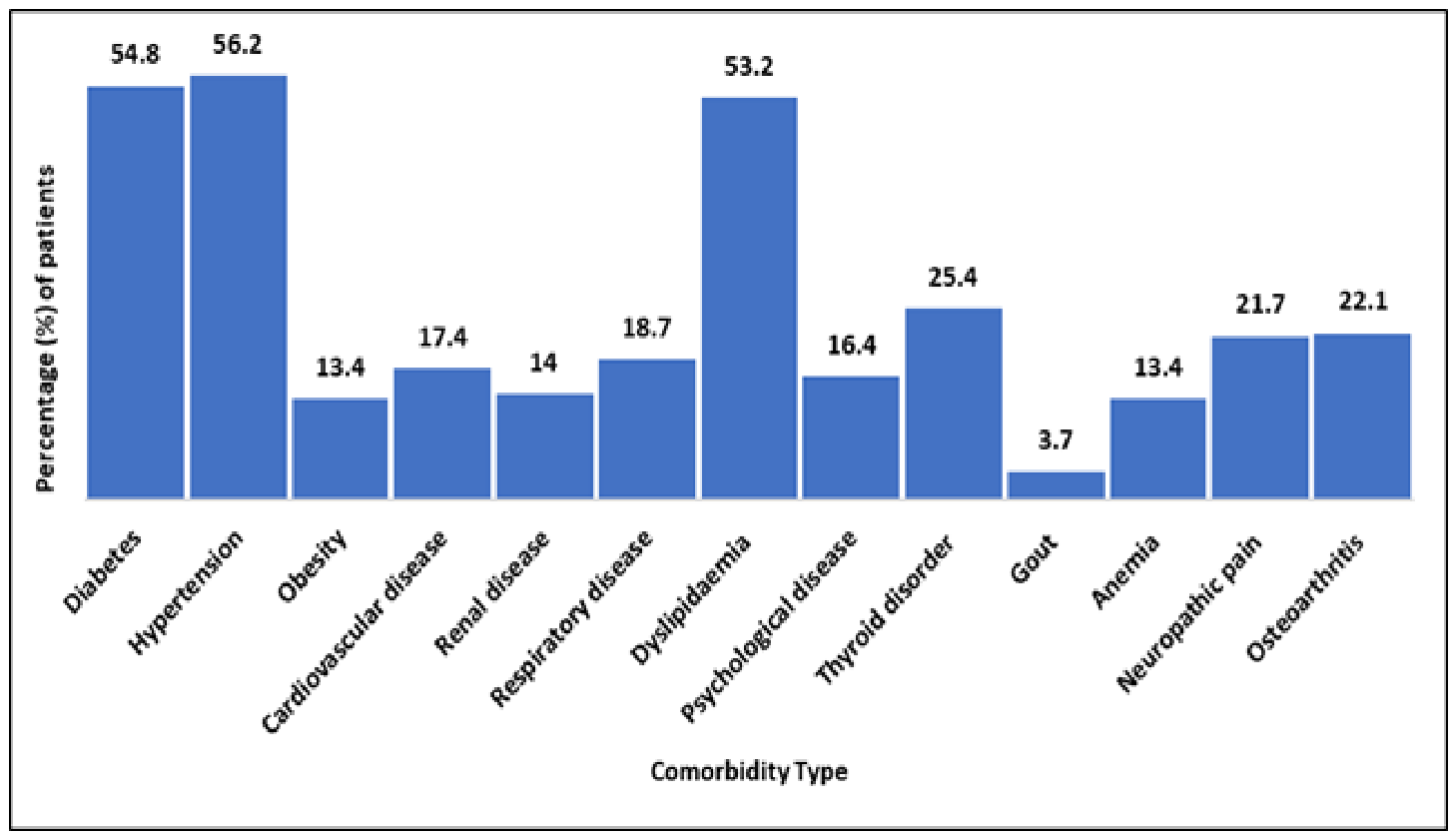
The majority of participants in this study were unemployed. This could be explained by older age characteristics of the group and the functional burden of osteoporosis and other health related conditions. Multimorbidity was frequently observed, and a substantial portion of patients reported diabetes, dyslipidemia, and hypertension, which made their overall management more challenging [
14]. Care for osteoporosis in older adults can be challenging; multimorbidity and polypharmacy are repeatedly identified as key factors to this complexity. When patients have several comorbid conditions, they often require multiple concurrent medicines, which increases the risk of drug–drug interaction and significantly increases the total treatment burden [
7]. Although a descriptive trend suggested relatively better adherence among younger patients, this association was not statistically significant in our analysis and should be interpreted with caution. Our findings support the previous evidence, that multimorbidity and polypharmacy may interfere with osteoporosis care by making medication therapy more complex. Therefore, patients may be more likely to discontinue therapy, experiencing negative outcomes, potentially reducing overall health outcomes.
In the present study, denosumab (a RANKL inhibitor) was the most frequently prescribed osteoporosis medication [
15]. Denosumab is administered as a subcutaneous injection every six months, a schedule that may be convenient for patients and easier to implement in clinical follow-up. Its established effectiveness in reducing fracture risk may also contribute to clinicians’ preference for this therapy in routine practice [
16]. The six-monthly subcutaneous dosing schedule may be more practical for patients and simplify follow-up in routine care. Its well-documented meaningful fracture prevention may also contribute to clinicians’ preference to use denosumab in everyday clinical settings [
17]. The second most frequently ranked drug was romosozumab. This sclerostin inhibitor combines both anabolic and antiresorptive actions. The substantial prescribing of romosozumab may reflect its growing role in therapy for individuals at elevated fracture risk and the gradual adoption of newer agents among clinicians in routine clinical practice [
18]. Teriparatide and alendronate were used less often, possibly due to differences in treatment preference (injectable versus oral therapy), cost, access, and individual clinical characteristics that may influence prescribing decisions. Nearly all the study participants in our study received at least one osteoporosis medication, which reflects its widespread compliance with the standard recommended guidelines [
19].
In general, the analysis of drug use indicated a high degree of agreement between WHO reference dosing and actual prescribing in the clinical practice. Most of the drugs showed PDD/DDD ratios of 1.0, demonstrating that the daily doses prescribed were in good agreement with the WHO ATC/DDD benchmarks [
20]. The result of our study indicates that the prescription practice at the study location was largely rational and in agreement with established protocols, signifying the implementation of osteoporosis management. The close agreement between the prescribed drug dose and the reference standard indicates that the care in our setting was delivered in accordance with established guidelines [
21].
Supportive management was also commonly used in the management of osteoporosis. The guidelines recommend the use of calcium carbonate, alfacalcidol, and vitamin D, as they are very beneficial to bone health. Therefore, it can be used as a secondary therapy for the management of osteoporosis. The care plan also includes the management of pain. Celecoxib and meloxicam, which are non-steroidal anti-inflammatory drugs (NSAIDs), were recommended to a large number of patients. This could be a suggestion that the participants had a high prevalence of chronic pain, which could be due to the consequence of old fractures and degenerative joint disease, as seen in osteoporosis patients [
22]. Diclofenac gel and ketoprofen gel (topical painkillers), were also commonly recommended. This could be, again, an indication that the prescriber had a bias towards topical pain management, possibly to avoid the side effects associated with NSAIDs [
23].
In addition to the prevention of fracture, topical treatments like glucosamine and Reparil gel were also used. This might suggest a more general supportive approach that aimed to reduce the symptoms while minimizing the pain and improving the mobility and quality of the patient’s life [
24].
Adherence was measured using the MMAS-8 tool. Our study results showed that adherence to the treatment regimen applied to less than half of the participants. This clearly shows that adhering to the treatment regimen over a long period is still challenging. Our study results showed that younger patients with sufficient vitamin D levels strongly adhered to osteoporosis treatment. This is because younger patients may face fewer challenges in their day-to-day activities. Furthermore, they may be more motivated to adhere to the treatment regimen over a long period. Adequate vitamin D levels might also clearly suggest that the patient is more health-conscious. Adherence to osteoporosis treatment is also associated with QoL across various domains. Our research closely agrees with the findings of Ahmed et al. (2023), that lower fracture risk is strongly associated with improved adherence [
25]. The Beliefs about Medicines Questionnaire (BMQ) was used to examine the perceptions of the patients specifically in terms of necessity and concerns about the treatment of osteoporosis. The belief patterns were found to be highly related to medication adherence and patient outcome. The patients were grouped according to their beliefs, and the “Accepting” group, which is defined by the combination of high necessity/low concerns, had the best medication adherence and health outcomes.
Our findings are in accordance with the results drawn by Shahin et al. (2019), who proposed that patients’ adherence to medication in long-term diseases depends solely on patients’ perceived need for medication and fear of possible adverse events [
26]. Contrary to our findings, Rasool et al. (2023) did not find any noteworthy link between disease perceptions and medication compliance in their study population [
27]. The differences in findings might be credited to the differences in methodologies and different populations groups. These conclusions highlight the necessity for additional investigation in this field, especially in the Gulf region. The concerns of the patients about their health may be influenced by their understanding of osteoporosis and the treatment possibilities available. Overall, high level of understanding might enhance compliance by enabling patients to know the advantages of drug treatment and reduce concerns about their potential risks. Our findings suggested that patients’ compliance with medication was generally higher if patients’ need for osteoporosis medication was higher than their concerns about it. On the other hand, patients’ compliance with medication was lower if patients’ concerns outweighed their needs. Our analysis revealed that, although a small number of patients had a high level of knowledge about osteoporosis and treatment options, a large number had a poor level of knowledge about disease and treatment options. Sociodemographic and psychosocial factors such as employment status, educational level attained, and beliefs regarding medications (accepting and non-accepting attitudes) appeared to play a major role in these trends. In summary, our results support the findings of the prior study conducted by Thakur et al., which reported that there are many patients who lack sufficient knowledge regarding osteoporosis and that pharmacist-led educational and training programs should be implemented to improve long-term management and increase patient compliance [
28].
The correlation analysis in this study showed that adherence had a positive correlation with necessity beliefs, whereas concern beliefs were negatively correlated with adherence. These results emphasize the complex interplay among patient convictions and compliance. Our findings reinforce the importance of the biopsychosocial model in the management of patients with osteoporosis, underscoring the need for a comprehensive approach that considers biological aspects alongside psychological and social factors. A clear connection was found between medication adherence and patients’ perceptions. Patients who adhered to their medications held stronger beliefs about its necessity, highlighting that valuing osteoporosis medication is crucial for maintaining compliance. In contrast, concerns about potential side effects were associated with non-adherence, highlighting how medication-related concerns affect illness management. Collectively, these outcomes support the notion that a biopsychosocial approach should be implemented in the management of osteoporosis. The best outcomes cannot be achieved with pharmacotherapy alone but also require ongoing support, taking into consideration the psychological and social factors that influence patient behavior. Such an approach may improve patient compliance and raise the overall standard of osteoporosis care.
Our results indicated a clear link between patients’ perceptions of their osteoporosis therapy and their adherence to medication. Every patient who followed the treatment had high necessity and low concern beliefs, whereas most non-adherent patients were categorized as “Skeptical” or “Indifferent.” This pattern aligns with the necessity–concerns framework proposed by Horne et al. (2020), which suggests that the balance between perceived treatment necessity and fear of side effects is a stable predictor of adherence behavior [
29].
Our findings are consistent with those of Yeam et al. (2018), who suggested that patients who believe strongly in the importance of osteoporosis medications are more likely to adhere to them [
30]. Collectively, these findings highlight that in addition to clinical factors, patients’ perceptions and attitudes towards treatment play an important role in adherence. Emphasizing both the cognitive factor (reinforcing perceived necessity) and the emotional factor (addressing worries and fears of adverse effects) through personalized counselling may play an important role in patient adherence.
Although higher knowledge scores appeared to show a trend towards better adherence, this association was not statistically significant and should be interpreted with caution. Consistent with our results, Idrissi Zaki et al. (2022) noted that a poor grasp of osteoporosis risks and outcomes was associated with higher rates of non-compliance [
31].
In the present study, patients usually reported lower necessity beliefs and heightened concerns about their osteoporosis treatments, which were assessed using BMQ scale. These beliefs were strongly associated with medication adherence. Participants identified as “Accepting” (high necessity and low concern) demonstrated notably better adherence than those in the other belief categories. A significant positive relationship was found between osteoporosis knowledge and BMQ-Necessity, indicating that patients with a better understanding of osteoporosis were more likely to view their medications as essential. In contrast, osteoporosis awareness showed no notable relationship with BMQ-Concerns [
32]. This suggests that improving comprehension may strengthen perceived necessity but alone may be insufficient to address concerns about adverse effects or prolonged risks. This viewpoint aligns with the necessity–concerns framework described by Unni et al. (2022), emphasizing perceived medication necessity as an essential element influencing adherence behavior [
33].
5. Limitations
This single-centered study took place at a secondary care hospital in the UAE. Data collection mostly depended on structured questionnaire, patient case records, and laboratory reports. This might have contained missing or incomplete information. As this was a single-center study conducted in a secondary care hospital, the study population may not fully represent the broader UAE population, and there is a potential for selection bias. Because of the cross-sectional design, this study can identify associations between knowledge, beliefs, and medication adherence, but it cannot establish causal or temporal relationships among these variables. These findings should be interpreted as associative rather than causal, given the cross-sectional nature of the study. Furthermore, the study did not consider possible differences in osteoporosis treatment approached between private and public sectors, or among physicians with varying specialties. BMQ and MMAS-8 are validated measure, yet they rely on self-reported tools. Therefore, when evaluating adherence and patient beliefs it can be influenced by recall and social desirability bias. While the PDD/DDD ratio provides insight into prescribing patterns at the population level, it may not fully reflect individualized clinical appropriateness, as patient-specific factors were not incorporated into this measure. Unfortunately, to gain a better understanding and delve deeper into the economic consequences of prescribing Denosumab, Romosozumab, or other advanced osteoporosis treatments, this study did not focus on cost-effective analysis. Despite the presence of comorbidities and polypharmacy, the study did not thoroughly examine the risks of drug–drug interactions. This may be important for older adults taking multiple medications and warrants further investigations.
The findings of our study may primarily reflect prescribing patterns and patient behaviors within similar healthcare settings. Differences in healthcare delivery models, patient populations, and access to specialized services in primary care, private, or tertiary care settings may influence medication prescribing, adherence, and patient perceptions. Overall, the use of standardized and validated instruments and a structured data collection approach may help mitigate some of these limitations. Thus, the generalizability of these results to other healthcare settings within the UAE or across Gulf Cooperation Council (GCC) countries should be interpreted with caution. Future multicenter studies across diverse healthcare settings are warranted to validate and extend these findings.
6. Conclusions
This study provides real-world evidence on prescribing patterns, medication adherence, and quality-of-life (QoL) outcomes in patients receiving anti-osteoporotic medications, including monoclonal antibodies (mAbs), and is among the first from the United Arab Emirates to report these outcomes in this setting. Denosumab and romosozumab accounted for 89.7% of prescribed mAb therapies, reflecting alignment with current clinical practice patterns. Prescribing appeared appropriate in terms of dosage, as shown by PDD/DDD ratios close to 1.0, indicating alignment between prescribed doses and WHO ATC/DDD standards.
Despite continuing treatment, patients reported moderate decrements in QoL across all Qualeffo-41 domains, suggesting that the burden of osteoporosis remains substantial even among those receiving treatment. Adherence rates were not optimal, as follows: 59.3% of participants were classified as low adherers, whereas only 11.3% exhibited high adherence. These findings have implications for healthcare professionals, including pharmacists, in supporting medication adherence. Demographic factors such as age, sex, nationality, and education did not demonstrate significant independent predictive value for adherence.
Among clinical factors, a higher comorbidity burden was independently associated with lower adherence, whereas the number of concomitant medications was not an independent predictor after adjustment for medication beliefs and comorbidity burden. Patient-centered factors such as beliefs about medication, perceived necessity, and concerns had a greater impact on adherence behavior than routine demographic or clinical characteristics. Psychosocial factors also had a greater impact on adherence than osteoporosis knowledge alone, as follows: stronger necessity beliefs were associated with better adherence, while greater concerns were tied to reduced adherence, highlighting the important role of patient perceptions in maintaining long-term therapy. These findings should be interpreted cautiously given the study’s cross-sectional nature; observed associations do not imply causation. Nevertheless, they suggest that multimorbidity, together with patients’ beliefs about their medications, poses meaningful barriers to maintaining long-term osteoporosis treatment regimens.




 ,
,