1. Introduction
Population aging is accelerating worldwide. Global data indicate that the share of people aged 65 and over will nearly triple between 2000 and 2050. Asia is projected to see one of the fastest-growing older populations globally, with China experiencing especially rapid population aging [
1,
2,
3]. According to the Seventh National Population Census, by the end of 2020, China had 260 million people aged 60 and over (18.7% of the total population), including about 190 million aged 65 and over—more than one-fifth of the world’s population in this age group. Meanwhile, the number of older adults living with disabilities has risen sharply; data from the China National Committee on Aging show that over 42 million people aged 60+ were living with disabilities in 2020, accounting for approximately 16.6% of the older population [
4]. The large size of this vulnerable population places additional pressure on healthcare services and financial systems, as older adults, particularly those with disabilities, tend to have higher healthcare utilization and face a larger burden of out-of-pocket medical expenditures [
5,
6].
Against the backdrop of a declining capacity for informal family care, driven by shrinking household sizes, lower rates of intergenerational co-residence, increased female labor force participation, and rapid urbanization, the establishment of an institutionalized long-term care insurance (LTCI) system has emerged as a key policy response to population aging in China [
7,
8]. As an integral component of the social security system, LTCI aims to mitigate the financial risks associated with long-term care needs and to improve access to essential healthcare services among older adults [
9,
10]. Internationally, countries such as Germany, Japan, and South Korea have implemented LTCI systems for many years, adopting diverse benefit payment models, including in-kind benefits, cash benefits, and mixed benefit arrangements, in accordance with their demographic and socioeconomic contexts [
11,
12,
13,
14,
15,
16]. Evidence from these countries indicates that benefit payment design is a key determinant of LTCI effectiveness in improving healthcare access and reducing financial burdens.
Despite the rapid development of LTCI in China, the empirical evidence on the comparative effectiveness of different benefit payment modes remains limited. Existing studies have mainly focused on the overall impact of LTCI on healthcare utilization or expenditures [
17,
18,
19,
20,
21,
22,
23], yet few have systematically examined the heterogeneous effects of in-kind versus mixed benefit models, particularly among China’s aging population, which has unique healthcare needs. In-kind benefit mode provides only care services to beneficiaries, whereas the mixed mode offers beneficiaries a choice between services and cash subsidies. This research gap is critical because the choice of benefit payment mode directly affects the targeting efficiency of LTCI: in-kind benefits can ensure that resources are allocated to essential healthcare services, whereas mixed benefits, while offering greater flexibility, carry the risk of cash subsidies being diverted to non-medical expenditures [
24,
25]. For China’s elderly population, many of whom face financial constraints, limited health literacy, or inadequate access to primary healthcare, identifying which benefit mode is more effective in improving healthcare utilization and reducing out-of-pocket burdens is of strong significance for optimizing LTCI policy design.
Against this backdrop, we investigate how different LTCI benefit payment modes affect healthcare utilization and medical expenditures among middle-aged and older adults in China. Rather than examining the overall impact of LTCI participation, this study focuses on the heterogeneous effects of in-kind and mixed benefit models. Using a difference-in-differences (DID) approach, this paper examines the impact of different benefit payment modes, including in-kind versus mixed, on healthcare utilization and financial burden in China. Our analysis considers two key outcome dimensions: healthcare utilization, measured by inpatient and outpatient visit frequencies, and healthcare expenditures, including total medical costs and out-of-pocket expenses. This study tests three specific hypotheses: (1) In-kind LTCI benefits reduce inpatient utilization and out-of-pocket expenditures more effectively than mixed benefits. (2) The overall impact of LTCI on medical spending is driven primarily by the in-kind model. (3) The effects of benefit payment modes differ by residence, with in-kind benefits yielding larger reductions in healthcare use among rural residents and higher out-of-pocket savings for urban residents. Our findings show that in-kind benefits consistently reduce inpatient visits, total medical expenditures, and out-of-pocket costs, whereas mixed benefits yield only modest and limited effects—primarily on outpatient use. Moreover, these impacts vary by residence: in-kind benefits are especially effective at curbing healthcare use among rural residents, while urban beneficiaries experience larger reductions in out-of-pocket spending.
While a growing body of evidence documents the aggregate effects of China’s LTCI pilots on healthcare utilization and expenditure, existing studies largely treat the program as a uniform intervention. This aggregation obscures a fundamental dimension of policy heterogeneity: benefit payment mode. In-kind benefits directly channel resources into formal care services, creating a substitution pathway between long-term care and medical utilization. Mixed benefits, by contrast, partially transfer cash to beneficiaries or informal caregivers, introducing behavioral flexibility that may dilute the program’s impact on formal healthcare use. These two modes operate through distinct causal mechanisms and are therefore likely to produce divergent effects on healthcare utilization and expenditure. By providing empirical evidence on how different benefit payment modes influence healthcare utilization and financial burden, the study makes three contributions. First, it provides a systematic causal comparison of in-kind versus mixed benefit designs in LTCI, shifting the focus from whether LTCI works to which design works better. Second, it shows that in-kind benefits consistently reduce inpatient visits, total healthcare costs, and out-of-pocket spending, while mixed benefits have only limited effects. We offer direct evidence on which benefit structure is more effective at achieving the primary fiscal and utilization goals of LTCI. Third, it reveals urban–rural differences: in-kind benefits are especially effective for rural residents, whereas urban residents see larger out-of-pocket savings, highlighting that the optimal benefit design depends on the local context, a nuance missed by aggregate program evaluations and highly relevant for China’s ongoing national LTCI expansion. The findings also offer policy-relevant insights for optimizing LTCI benefit design, improving access to healthcare services, and enhancing the well-being of aging populations in China and other countries facing similar demographic challenges.
3. Materials and Methods
3.1. Data
This study uses data from the China Health and Retirement Longitudinal Study (CHARLS), administered by the National School of Development at Peking University. The 2011 baseline survey covers approximately 10,000 households across 150 counties/districts and 450 villages/communities in China, including 17,706 respondents. The research team conducted the baseline survey in 2011 and followed up with subsequent surveys in 2013, 2015, and 2018, ensuring a high-quality and representative sample. CHARLS has been approved by the Biomedical Ethics Review Committee of Peking University (IRB00001052-11015), and all participants provided written informed consent. CHARLS is selected for three main reasons. First, LTCI primarily targets older adults at risk of functional disability, and CHARLS provides a nationally representative sample of individuals aged 45 and above, closely aligning with the policy’s target population. Second, the survey contains detailed information on healthcare utilization and expenditures, allowing a comprehensive assessment of the effects of different LTCI benefit designs on medical service use and out-of-pocket spending. Third, the survey waves, particularly those in 2015 and 2018, coincide closely with the 2016 rollout of LTCI pilot programs, facilitating DID analyses. Furthermore, CHARLS’s broad geographic coverage encompasses most LTCI pilot cities, enhancing the representativeness and validity of the sample. This study uses data from the 2011, 2013, 2015, and 2018 waves. The pre-policy period is defined using combined data from 2011, 2013, and 2015, while the post-policy period is based on the 2018 survey.
The treatment group comprises older adults with mild, moderate, or severe functional disabilities, defined according to three criteria derived from six basic activities of daily living (ADLs): (1) requiring assistance with at least one ADL; (2) reporting difficulty in at least three ADLs; or (3) being unable to complete all six ADLs. These ADL items align with the Barthel Index standard employed by most LTCI pilot cities. Due to differences in response formats in CHARLS (Likert-scale items), the study population comprises individuals with functional limitations, operationalized using the Activities of Daily Living (ADL) measure from CHARLS, which is broader than the formal eligibility criteria used in actual LTCI pilot programs. As a result, our estimates should be interpreted as an “intention-to-treat among potentially eligible” effect. Robustness checks using stricter definitions confirm the stability of our findings [
30]. To minimize selection bias, cities that implemented LTCI before 2016 or after 2018 are excluded. The final analytical sample includes 14 pilot cities. We acknowledge that, while the CHARLS data provide multiple pre-policy waves (2011, 2013, 2015), most pilot cities implemented LTCI after the last survey wave (2018), resulting in only one post-policy observation. This limits our ability to examine dynamic treatment effects or assess the evolution of impacts over time.
3.2. Variables
Dependent variables. This study examines outcomes across two main dimensions: healthcare utilization and healthcare expenditures. Healthcare utilization includes outpatient visits and inpatient admissions, capturing the intensity of medical service use across different care settings. Outpatient visits are measured as the monthly number of outpatient consultations, while inpatient admissions are measured as the annual number of hospitalizations. Healthcare expenditures are measured using total medical costs and out-of-pocket medical costs. To further distinguish financial burdens across care settings, we also examine outpatient out-of-pocket expenditures and inpatient out-of-pocket expenditures. These outcome variables allow for a comprehensive evaluation of how different LTCI benefit payment modes affect both the intensity of healthcare use and the associated financial burden among middle-aged and older adults. All medical cost outcomes are measured in RMB per year, based on self-reported expenses annually preceding each CHARLS interview wave.
Independent variables. The central explanatory variable in this study is exposure to the LTCI pilot policy, which is identified using a DID framework. Cities in which the LTCI pilot policy is implemented are defined as the treatment group, while cities without LTCI implementation during the study period serve as the control group. Specifically, the treatment indicator (Treati) equals 1 if an individual resides in an LTCI pilot city and meets the eligibility criteria for the program based on health insurance coverage and functional disability status, as measured by activities of daily living (ADL), and 0 otherwise. The post-policy indicator (Postt) equals 1 for observations after the implementation of the LTCI pilot policy and 0 for all pre-policy periods.
Control variables. Following the existing literature on healthcare utilization and expenditures among older adults, this study includes a comprehensive set of individual-level control variables to account for demographic characteristics, socioeconomic status, health insurance coverage, and health conditions. Specifically, the control variables comprise age, educational attainment, marital status, household registration type (hukou), enrollment in basic medical insurance, participation in pension insurance, number of children, household consumption per capita, presence of chronic diseases, and recent inpatient experience. Following prior research, we use consumption rather than income as the measure of economic resources, as it is more stable and reliable in the context of developing countries [
31]. These covariates help control for observable factors that may simultaneously influence healthcare utilization, medical expenditures, and participation in the LTCI program.
Descriptive statistics. This study uses four waves of CHARLS data (2011, 2013, 2015, and 2018), including individuals from both LTCI pilot and non-pilot cities. As shown in
Table 2, this sample size is the sum of observations across the three groups (control, in-kind treatment, and mixed treatment). Descriptive statistics for the main variables are presented in
Table 2. Within pilot cities, the mixed benefit group receives a combination of in-kind services and cash benefits, while the in-kind group receives only services. The control group consists of individuals from non-pilot cities who are not covered by LTCI. As shown in
Table 2, healthcare utilization and medical expenditures differ across LTCI benefit payment modes. Compared with the in-kind group, beneficiaries in the mixed benefit group report higher outpatient and inpatient utilization and higher total and out-of-pocket medical costs, particularly for inpatient care. Differences in demographic and socioeconomic characteristics across groups are relatively small, suggesting reasonable comparability between treatment and control groups, which provides a foundation for subsequent DID analyses.
3.3. Empirical Strategy
This study employs a DID design to estimate the causal effects of different LTCI benefit modalities on healthcare utilization and expenditures among China’s middle-aged and older adults. The DID approach, a standard method for policy evaluation, relies on the parallel trends assumption [
32]. This assumption posits that, absent the LTCI intervention, the outcomes for the treatment and control groups would have followed similar trajectories over time. The pre-to-post-policy change in the control group thus provides the counterfactual trend for the treatment group. The causal effect of the policy is then identified by the difference between the actual change in the treatment group (D1) and this counterfactual change (D2), yielding the DID estimator (D1–D2). This method effectively nets out time-invariant confounders and common temporal shocks.
Existing studies have applied the DID approach to examine the effects of LTCI on healthcare utilization and medical expenditures among older adults [
33,
34]. However, most of this literature has focused on the overall impact of LTCI participation, with limited attention paid to the heterogeneous effects arising from different benefit payment modes. Building on this strand of research, the present study also employs a DID framework to construct a regression model, aiming to identify and compare the effects of alternative LTCI benefit payment modes, namely in-kind benefits and mixed benefits, on healthcare utilization and healthcare expenditures among middle-aged and older adults in China. The DID model is specified as follows:
where
represents the outcome variable for individual
in year
, including healthcare utilization (outpatient visits, inpatient visits) and healthcare expenditures (total medical costs and out-of-pocket costs).
is a binary indicator equal to 1 if an individual resides in an LTCI pilot city and meets the eligibility criteria for LTCI and 0 otherwise.
equals 1 for observations after the implementation of the LTCI pilot (2018) and 0 for the pre-policy period (2011, 2013, and 2015). The treatment indicator is constructed as the interaction between residence in a pilot city and having ADL limitations, reflecting exposure to the policy among those most likely to benefit. The coefficient of interest,
, captures the average treatment effect of LTCI participation for the relevant benefit payment mode.
is a vector of individual-level control variables, including age, gender, education, marital status, hukou status, health insurance, pension participation, number of children, household consumption per capita, presence of chronic diseases, and recent inpatient experience.
is the error term. All regression models include individual fixed effects and year fixed effects to control for time-invariant unobserved heterogeneity and common time trends, respectively. Standard errors are clustered at the city level to account for within-city correlation over time.
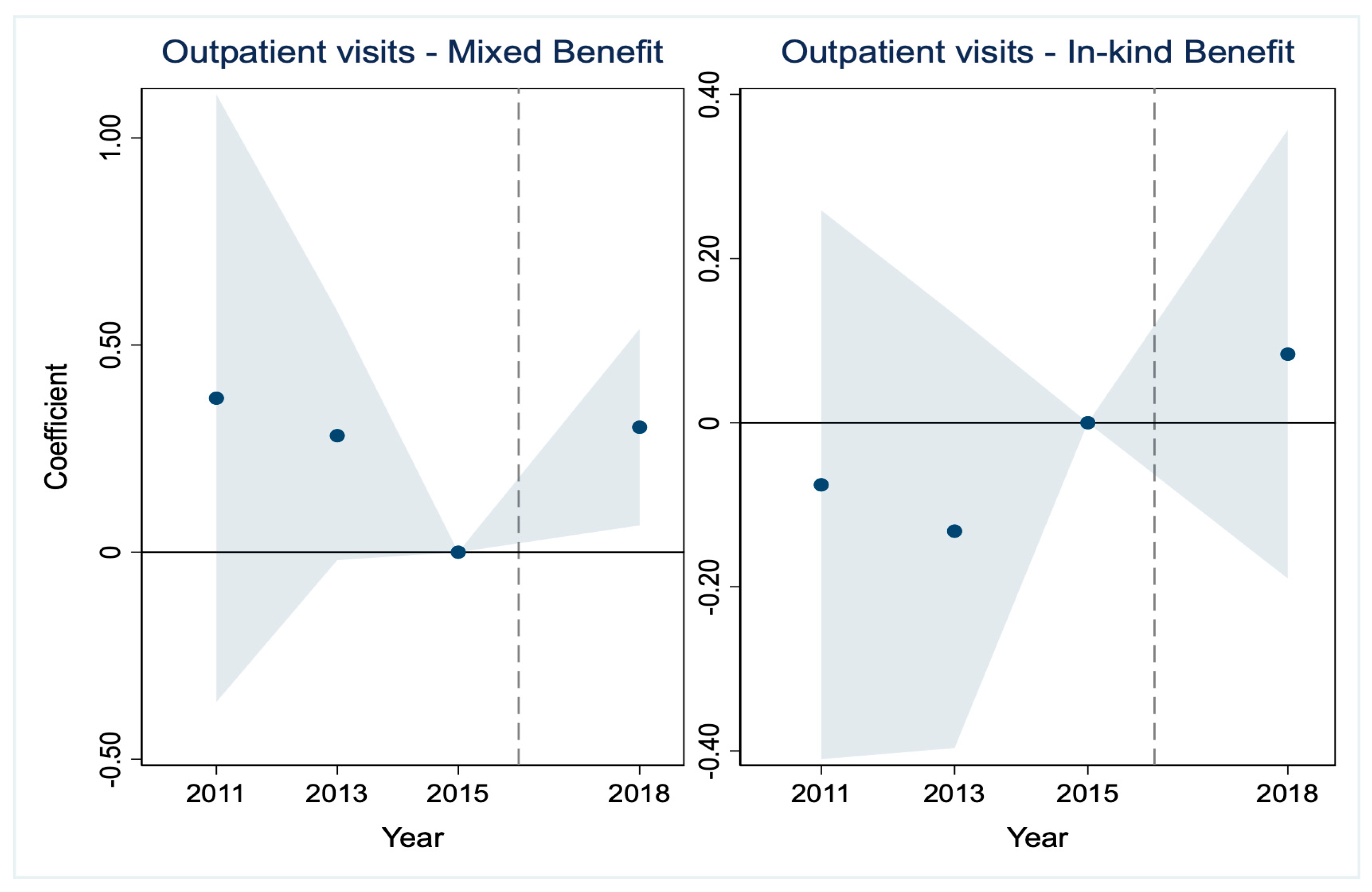
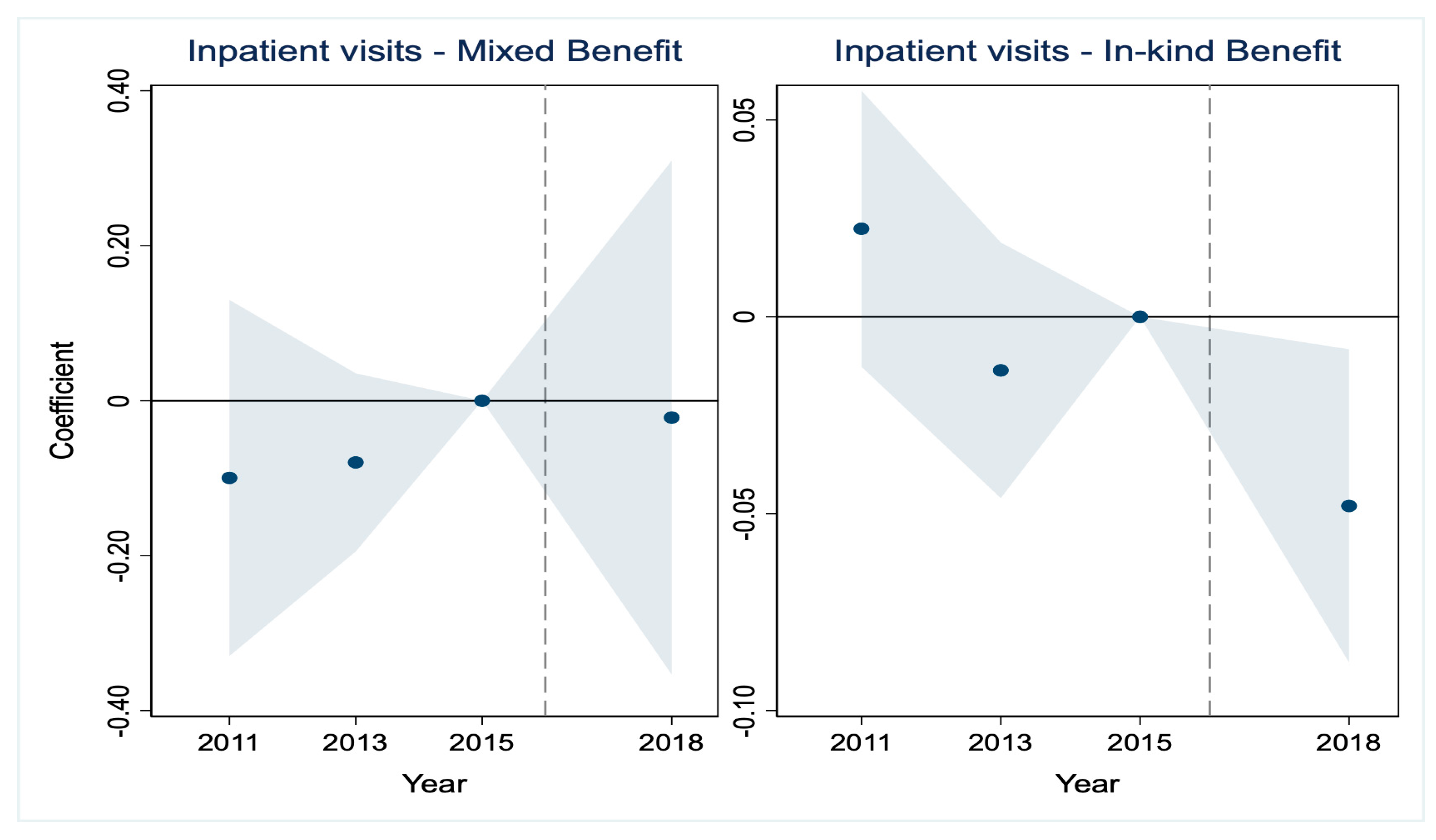
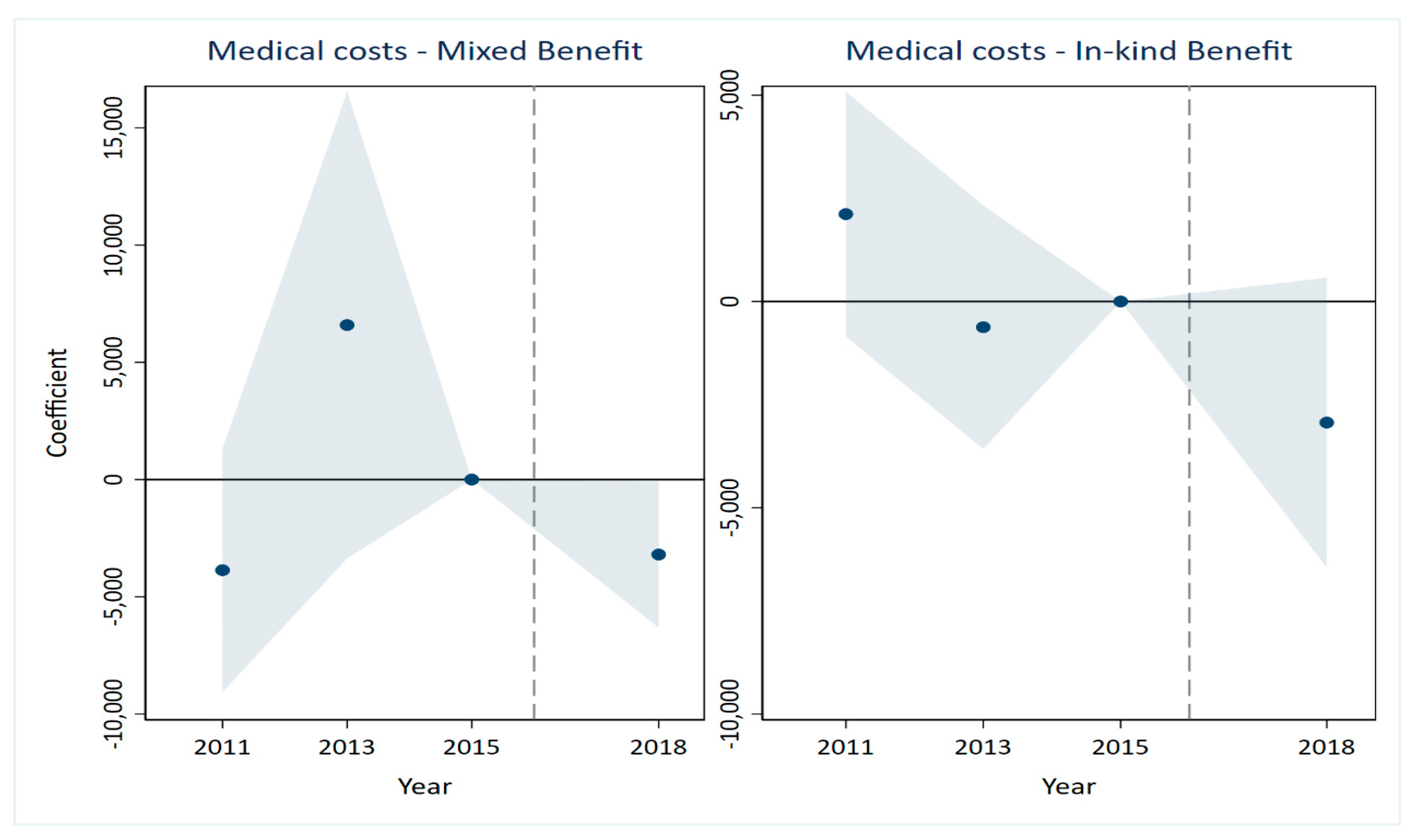
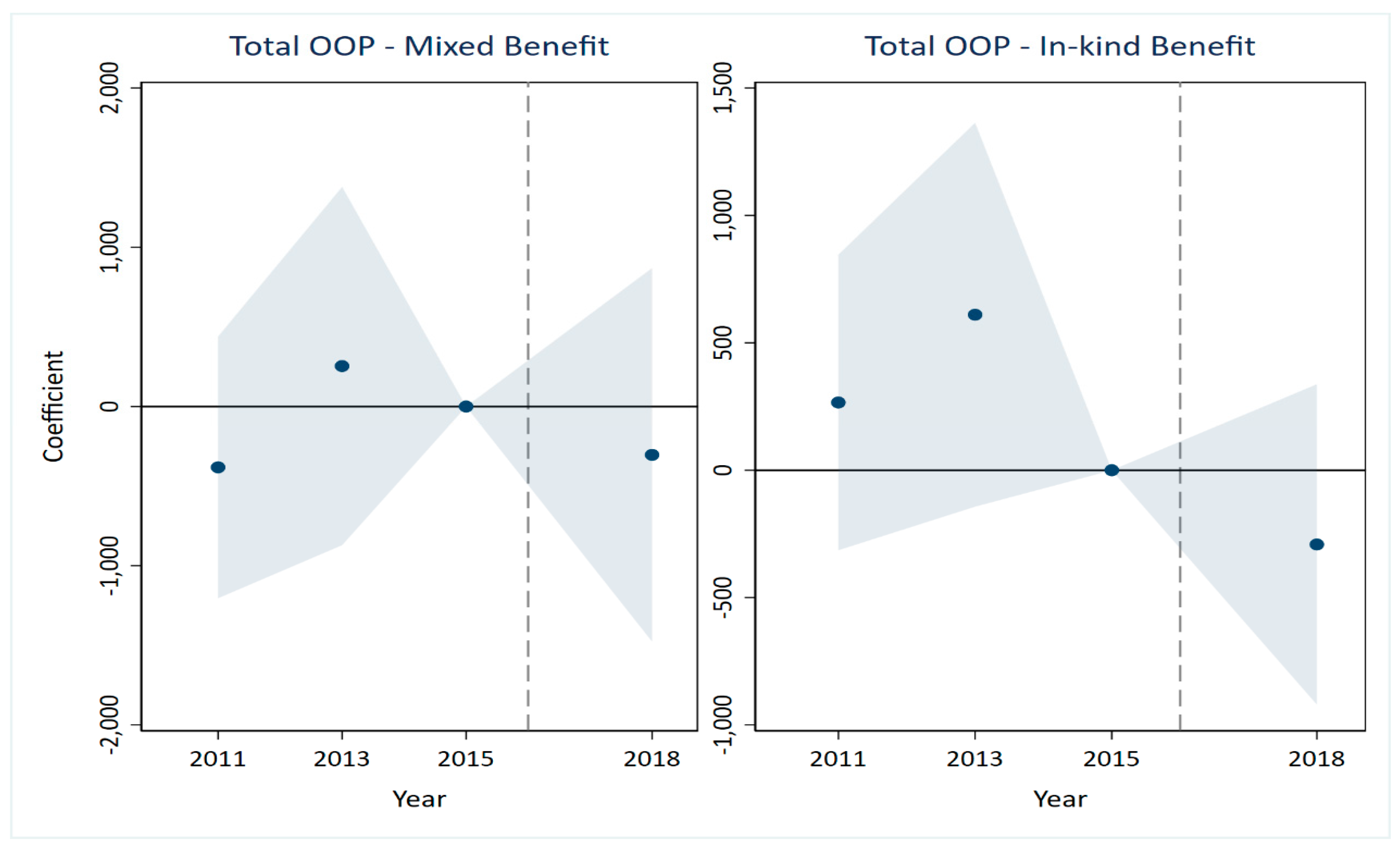
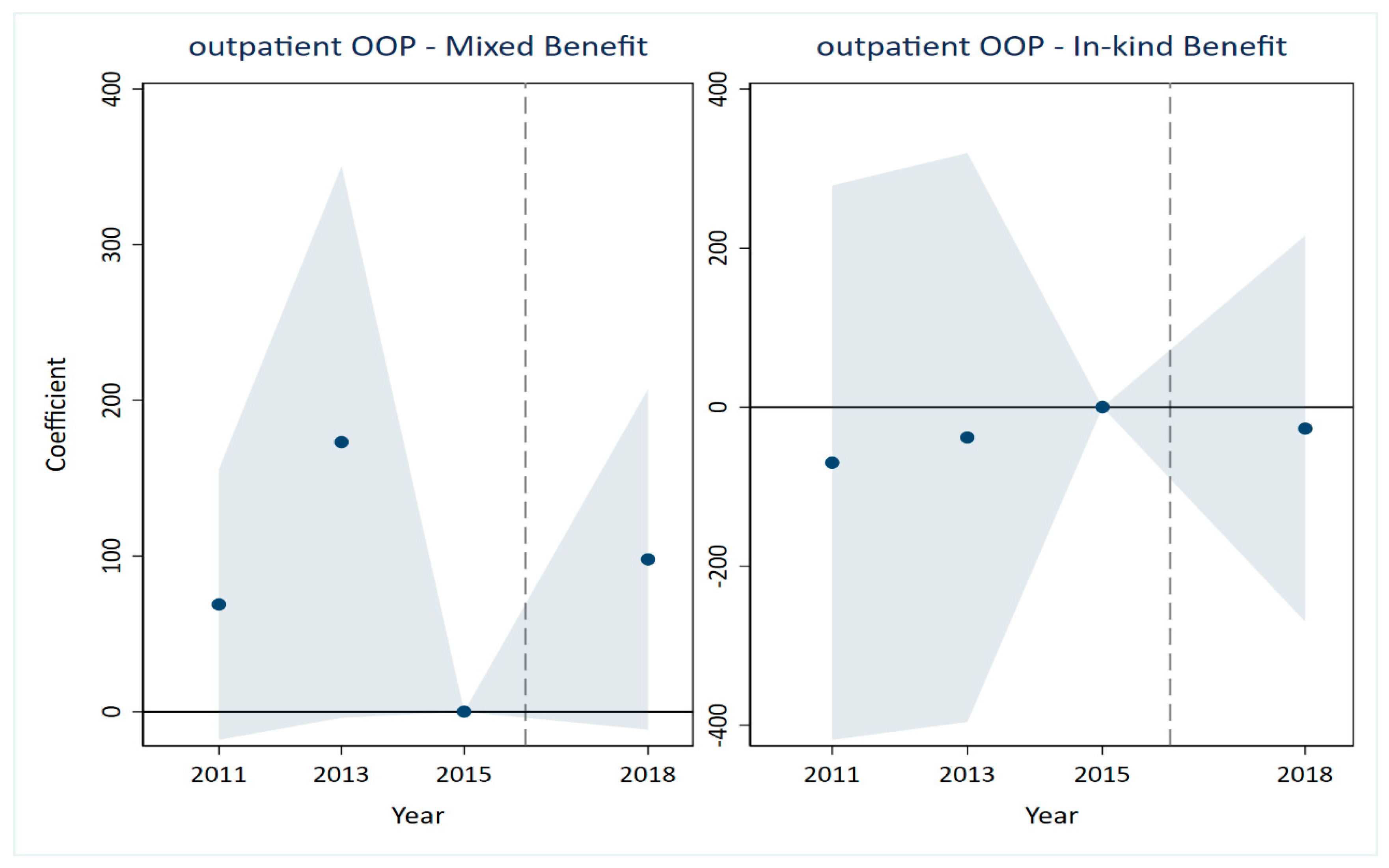
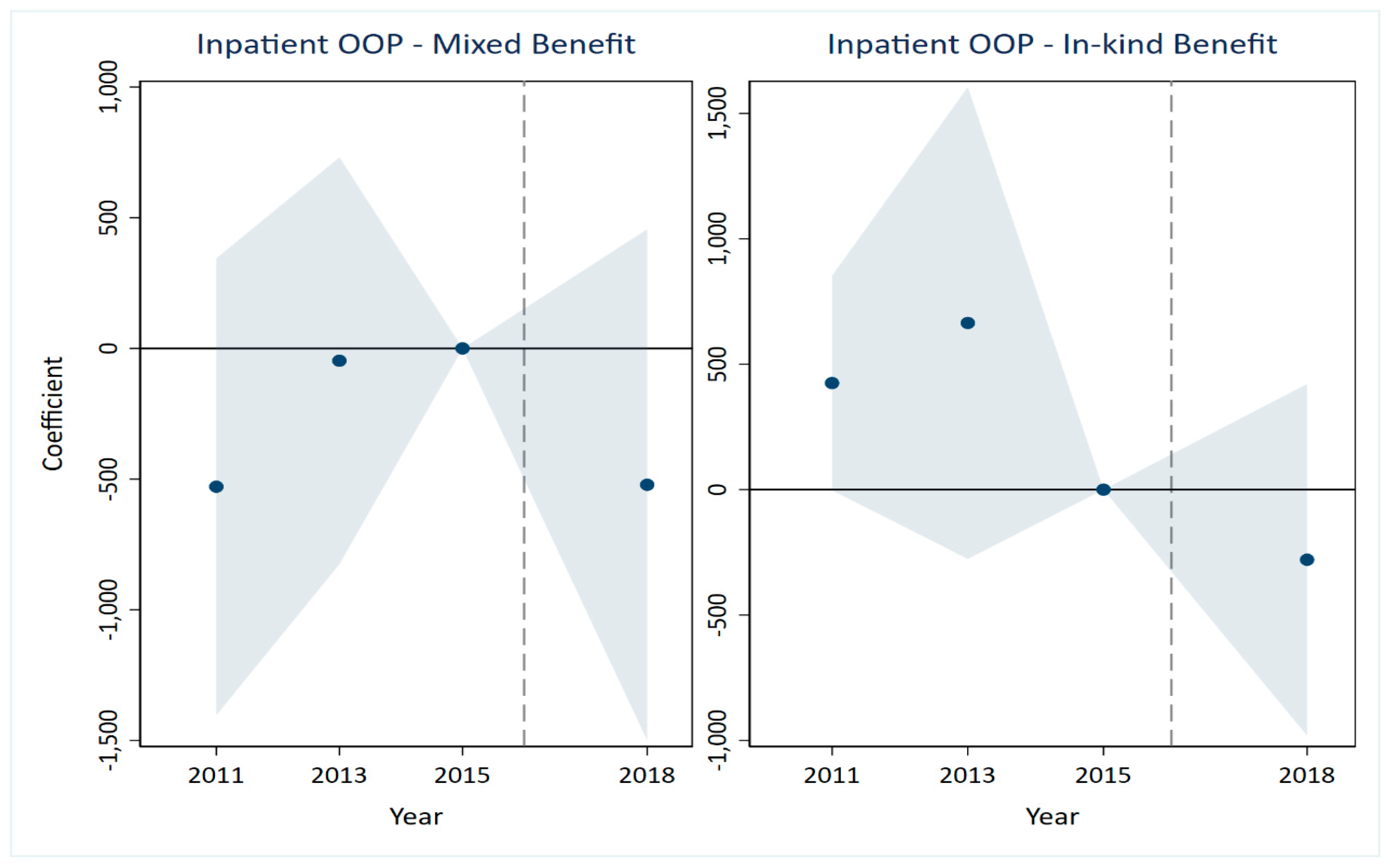
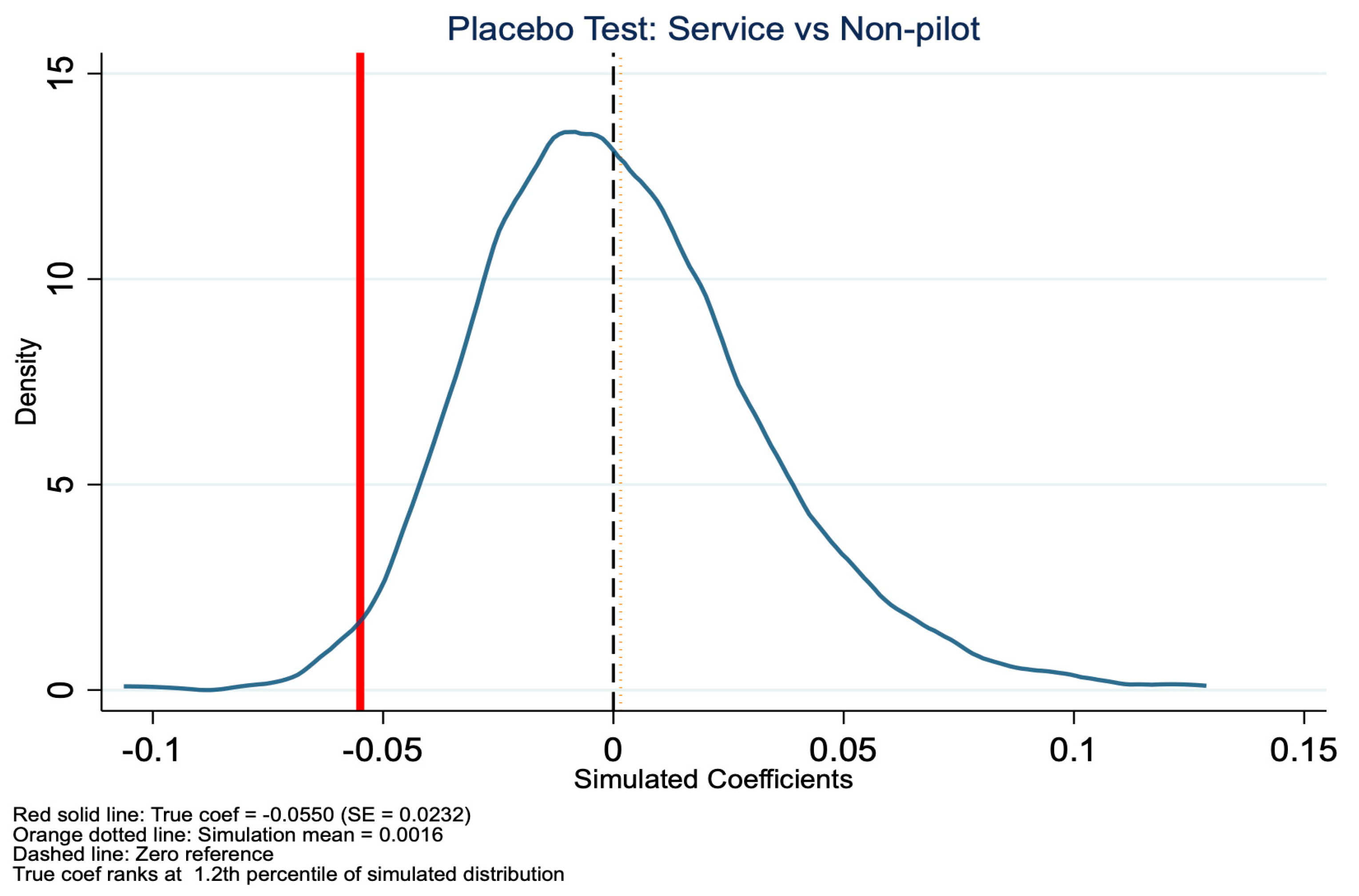
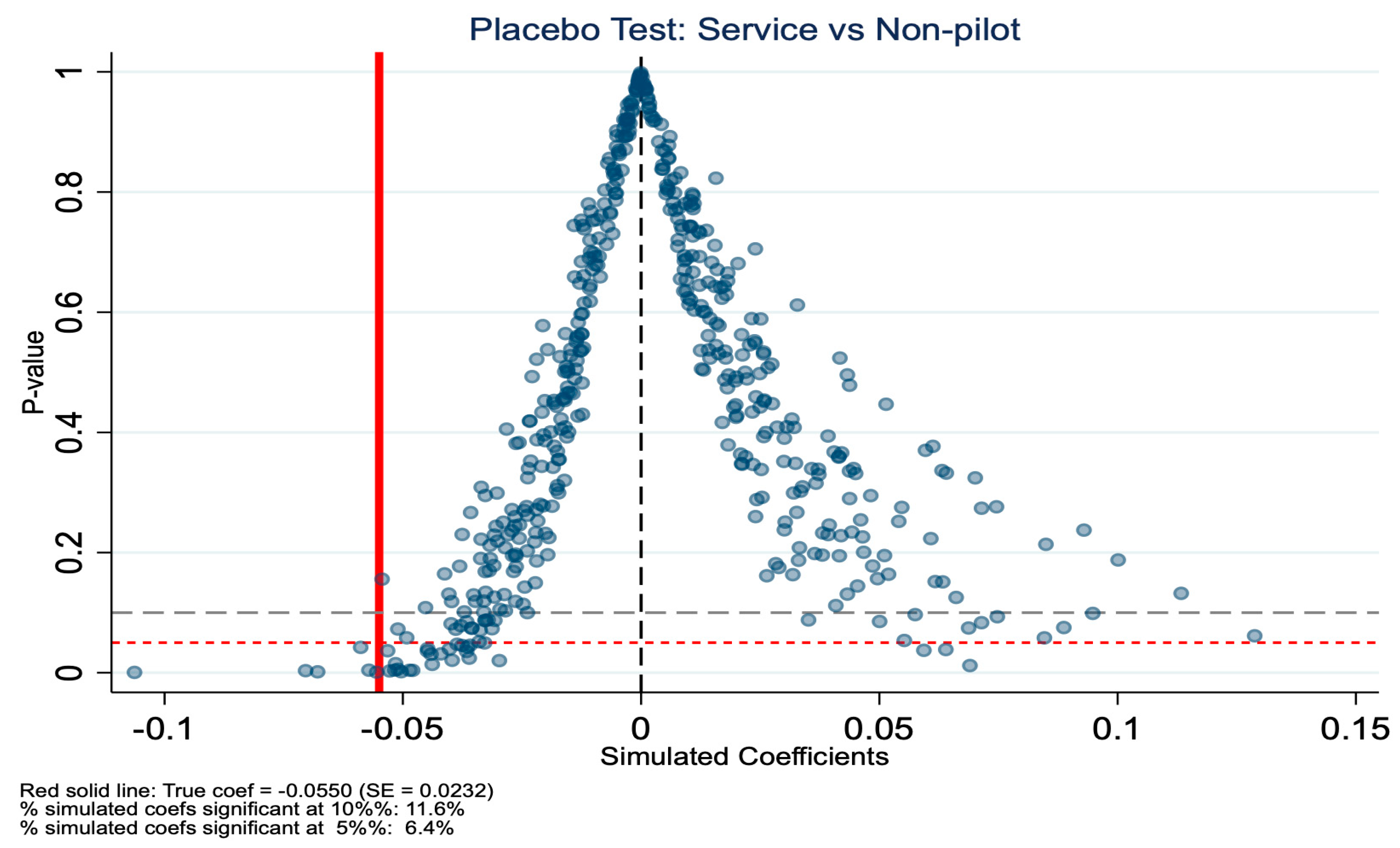
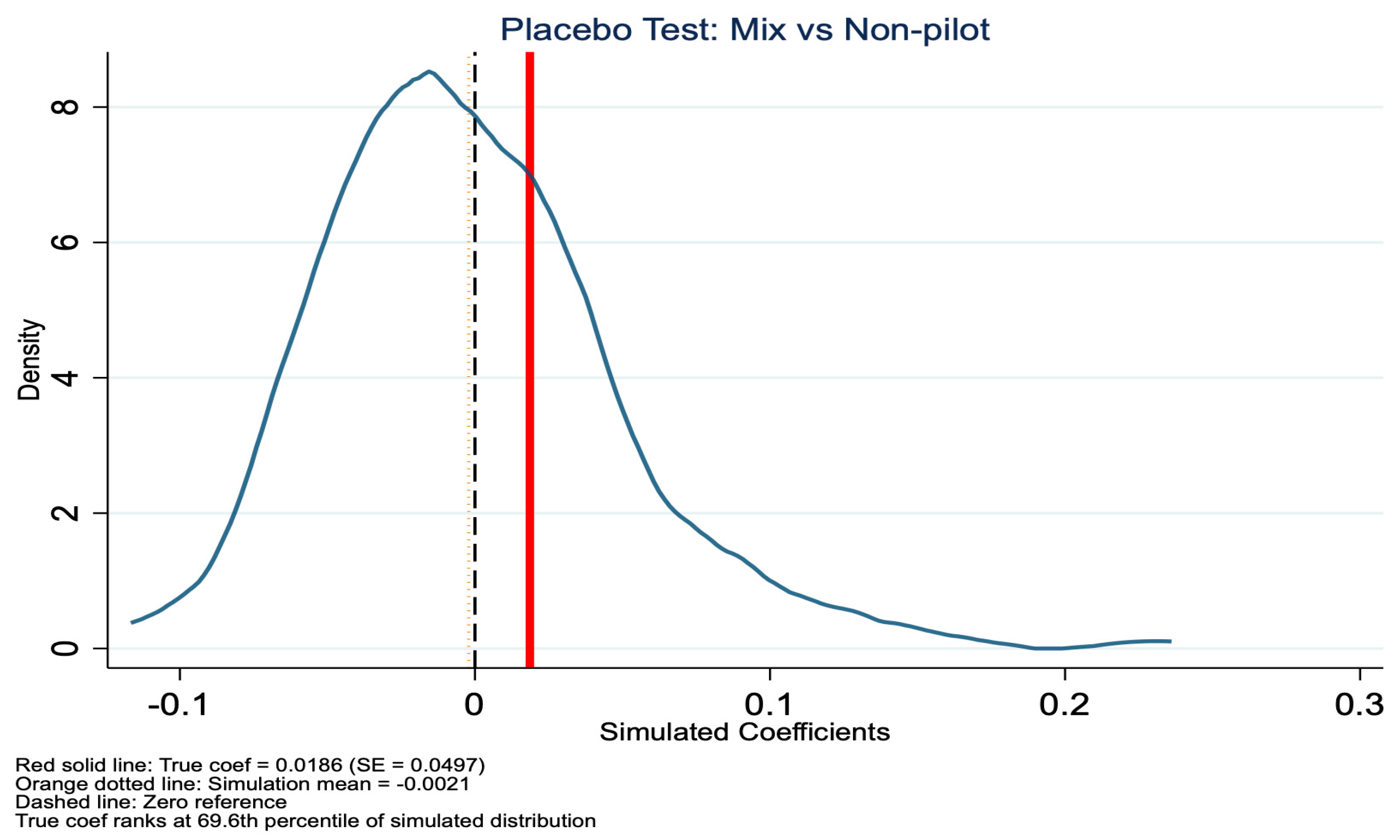
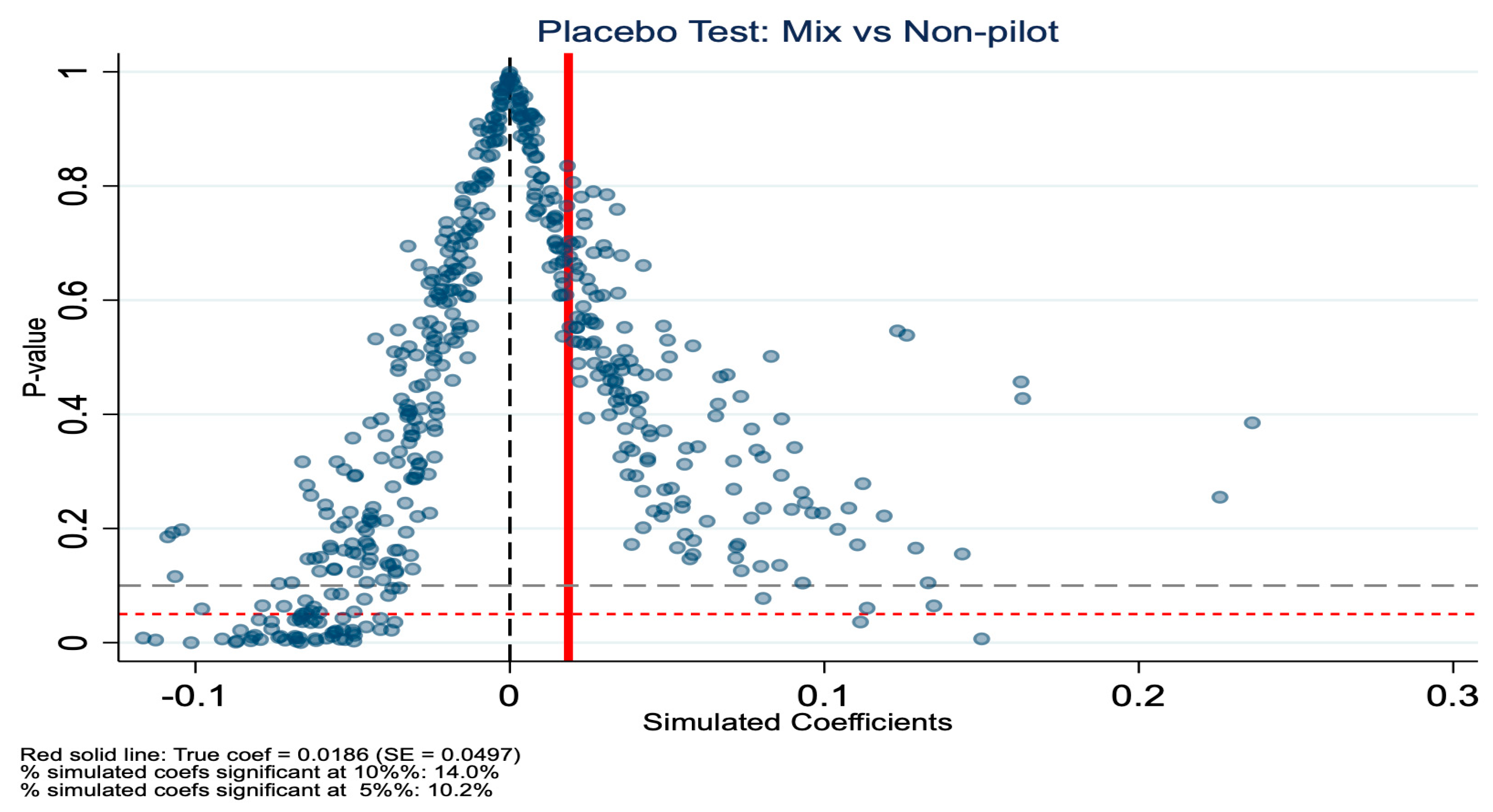
In summary, this study first presents descriptive statistics to examine whether systematic differences exist in healthcare utilization and healthcare expenditures across individuals covered by different LTCI benefit payment modes and those in non-pilot cities. We then employ a DID framework to identify the causal effects of alternative LTCI benefit payment modes on healthcare utilization and medical expenditures among middle-aged and older adults in China. To ensure the robustness of the empirical results, a series of robustness checks are conducted, including tests of the parallel trends assumption and placebo tests. Finally, this study further conducts heterogeneity analyses to examine whether different LTCI benefit payment modes exhibit systematic differences across population groups.
6. Heterogeneity Analysis
To further explore whether the effects of different LTCI benefit payment modes vary across population subgroups, we conducted a heterogeneity analysis by household registration status (hukou), distinguishing between rural and urban residents. Hukou status is a particularly relevant dimension in the Chinese context, as it is closely associated with disparities in healthcare access, socioeconomic resources, and baseline health conditions.
Healthcare utilization.
Table 5 reports the heterogeneous effects of LTCI benefit payment modes on outpatient and inpatient utilization by hukou status. For outpatient visits, the mixed-benefit mode exhibits a statistically significant reduction only among urban residents (coefficient = −0.149,
p < 0.1), while the corresponding effect for rural residents is negative but statistically insignificant. In contrast, the in-kind benefit mode significantly reduces outpatient visits among rural residents (coefficient = −0.0707,
p < 0.01), whereas the effect for urban residents is smaller in magnitude and not statistically significant. A similar pattern is observed for inpatient utilization. The in-kind benefit mode leads to a significant decline in inpatient admissions among rural residents (coefficient = −0.0651,
p < 0.01), but the estimated effect for urban residents is statistically insignificant. For the mixed-benefit mode, both rural and urban subsamples exhibit a statistically insignificant change in inpatient visits.
Taken together, these findings suggest that in-kind benefits are more effective in reducing healthcare utilization among rural residents, particularly for inpatient services, while the utilization effects of the mixed-benefit mode are limited and largely concentrated among urban residents for outpatient care only.
Healthcare expenditures. Substantial heterogeneity by hukou status is also evident in the effects on healthcare expenditures. As shown in
Table 5, the mixed-benefit mode is associated with a significant reduction in total medical costs among rural residents (coefficient = −2169.4,
p < 0.01), whereas the corresponding estimate for urban residents is positive and statistically insignificant. Similarly, the in-kind benefit mode produces a pronounced reduction in total medical costs among rural residents (coefficient = −3717.6,
p < 0.01), while the effect among urban residents is smaller and not statistically significant. Regarding OOP expenditures, in
Table 5, the in-kind benefit mode demonstrates consistent and statistically significant reductions for both rural and urban residents, although the magnitude is notably larger for urban residents. Specifically, total OOP expenditures decline by 311.4 RMB (
p < 0.05) among rural residents and by 1464.1 RMB (
p < 0.01) among urban residents under the in-kind mode. As shown in
Table 5, the disaggregated results indicate that outpatient OOP expenditures decrease significantly for both rural (−166.6,
p < 0.05) and urban residents (−305.3,
p < 0.01), whereas reductions in inpatient OOP are statistically significant only among urban residents (−842.6,
p < 0.1). By contrast, the mixed-benefit mode does not generate statistically significant reductions in total or outpatient OOP expenditures for either hukou group, although a modest decline in inpatient OOP is observed among urban residents (−921.8,
p < 0.1).
The observed heterogeneity by hukou status reflects fundamental differences in baseline healthcare access, economic resources, and patterns of care utilization between rural and urban residents. For rural residents, where access to formal healthcare services is relatively constrained, and unmet care needs are more prevalent, the in-kind benefit mode significantly reduces both outpatient and inpatient utilization as well as total medical costs. This suggests that service-based LTCI benefits effectively alleviate access barriers and reduce reliance on hospital-based care among rural elderly populations. In contrast, urban residents typically exhibit higher baseline levels of healthcare utilization and medical spending.
Accordingly, the primary effect of in-kind benefits in urban areas manifests as a substantial reduction in out-of-pocket expenditures rather than changes in utilization intensity, indicating a stronger financial protection effect. The mixed-benefit mode, however, shows limited effectiveness across both hukou groups, particularly in rural areas, potentially due to insufficient cash benefit levels and weaker links between cash transfers and actual service utilization.
Overall, the heterogeneity analysis reveals clear differences in policy effectiveness across hukou groups. The in-kind benefit mode delivers more robust and consistent effects for rural residents in reducing healthcare utilization and total medical costs, likely reflecting stronger access constraints and better responsiveness to service-based coverage in rural areas. Meanwhile, urban residents experience larger reductions in out-of-pocket expenditures under the in-kind mode, consistent with their higher baseline utilization and spending levels. In contrast, the mixed-benefit mode exhibits limited and uneven effects across hukou groups, with statistically significant impacts confined to a small number of outcomes. The reform’s impacts differ systematically by hukou status under the in-kind benefit model: rural residents experience larger reductions in total healthcare utilization and overall medical expenditures, whereas urban residents see larger declines in out-of-pocket (OOP) payments. Rural residents historically faced more limited access to formal healthcare and weaker financial protection due to their enrollment in less generous rural cooperative schemes (e.g., NCMS), making them more responsive to the expanded in-kind coverage, which directly reduced both utilization barriers and total costs. In contrast, urban residents, who were typically covered by more comprehensive urban employee or resident insurance schemes, already had relatively better access; thus, the primary marginal benefit for them was a reduction in OOP burdens rather than changes in utilization volume.
7. Discussion and Conclusions
7.1. Limitations and Directions for Future Research
The paper is subject to the following limitations, which may serve as promising directions for future research. First, our analysis employs a standard ADL-based definition of disability that is broader than the formal eligibility criteria, which often require severe disability, used in many LTCI pilot cities. While this enhances the external validity for the general elderly population with care needs, it implies that our estimated effects represent an average across individuals who may or may not qualify for benefits under the official program rules. Second, the CHARLS dataset does not include direct information on individual LTCI enrollment status or actual benefit receipt. As a result, our empirical strategy adopts an Intent-to-Treat (ITT) design, comparing outcomes for all elderly residents in pilot cities to those in non-pilot areas. Consequently, our estimates reflect the net effect of policy availability rather than the impact on confirmed beneficiaries. Third, our primary analysis relies on a four-wave panel (2011, 2013, 2015, 2018), yielding only one post-reform observation. This restricts our capacity to evaluate the long-term dynamic effects of LTCI policies and to fully rule out short-run transitional phenomena. Fourth, it is possible that other local health or social welfare policies were introduced concurrently with the LTCI pilots in our treatment cities. Although our model includes city and year fixed effects to account for time-invariant city characteristics and common temporal trends, unobserved, city-specific policy changes could potentially bias our estimates.
7.2. Conclusions
This study provides empirical evidence on the differential effects of two LTCI benefit payment modes—in-kind benefits and mixed benefits—on healthcare utilization and expenditures among middle-aged and older adults in China. Our findings reveal that the design of benefit delivery matters for policy effectiveness.
First, the in-kind benefit mode demonstrated robust and statistically significant effects in reducing healthcare utilization (particularly inpatient visits), total medical costs, and out-of-pocket expenditures. This is consistent with the theoretical expectations that in-kind provision helps ensure resources are directed toward intended healthcare services, minimizing the risk of diversion to non-medical uses. By contrast, the mixed-benefit mode showed limited and inconsistent effects, with only a modest reduction in outpatient visits and no significant impact on inpatient utilization or medical expenditures. These results suggest that the cash subsidy component in the mixed mode may not effectively translate into reduced healthcare costs or altered care-seeking behavior, potentially due to liquidity constraints, information asymmetries, or behavioral factors among elderly beneficiaries.
Second, our heterogeneity analysis reveals important disparities across rural and urban residents. The in-kind benefit mode was particularly effective in reducing healthcare utilization among rural residents, a finding that likely reflects their higher constraints in accessing formal care and higher sensitivity to service-based support. Meanwhile, urban residents experienced larger reductions in out-of-pocket expenditures under the in-kind mode, possibly because of their higher baseline healthcare utilization and expenditure levels. These findings contribute to the growing literature on health equity and social insurance design by highlighting how benefit structures can differentially affect populations with varying socioeconomic resources and healthcare access.
First, our finding that the in-kind model significantly reduces healthcare use and costs aligns with this body of evidence [
17,
18,
19,
20,
21,
22,
23], reinforcing the view that direct service delivery enhances care coordination and substitutes for acute medical interventions. Our study aligns closely with Lei and Zhang’s [
24] findings in identifying a “cash-out puzzle” in China’s LTCI system: both papers demonstrate that in-kind benefits improve elderly welfare, whereas cash or mixed (cash-dominated) benefits yield statistically insignificant or markedly weaker effects. This convergence underscores the critical role of benefit design in contexts where beneficiaries may lack the capacity or support to effectively convert unrestricted cash into quality long-term care.
A small but growing body of literature examines the differential effects of long-term care (LTC) benefit designs, primarily in high-income settings. Notably, two studies from Spain, Costa-Font et al. [
21] and Costa-Font et al. [
37], find that cash allowances for informal caregiving reduce hospital use and increase both informal care receipt and intergenerational cash transfers. While both in-kind services and cash benefits were associated with reduced hospital admissions, the decline was smaller under cash, a pattern that aligns with our finding that in-kind benefits generate stronger healthcare utilization effects than mixed (cash-dominated) models. However, an important distinction emerges in the context and mechanism. The Spanish studies assume a well-functioning LTC market and relatively high beneficiary capacity to deploy cash effectively. The conditions differ markedly from those in rural China, where limited infrastructure and lower health literacy may constrain the ability of cash recipients to translate transfers into quality care. In our setting, the mixed-benefit model shows no statistically significant reduction in healthcare use, suggesting that cash alone may be insufficient without complementary support systems.
Second, there are several mechanisms for weaker mixed-benefit effects, namely, (i) diversion of cash to non-medical uses, (ii) limited health and long-term care literacy, and (iii) persistent access barriers in rural areas to our observed rural–urban heterogeneity. Specifically, we argue that rural residents face steeper constraints in translating cash into effective care due to underdeveloped local LTC markets and lower capacity to navigate complex care decisions. Urban residents, while better positioned, still exhibit limited responses under the mixed model since unrestricted cash may be used for consumption smoothing rather than targeted care investment. This explains why only the in-kind model, which directly supplies vetted services, generates significant reductions in downstream healthcare utilization, especially among rural hukou holders.
Our results carry important implications for LTCI policy design in China and other aging societies. First, policymakers may wish to consider prioritizing in-kind benefit provision over mixed or cash-based models when the goal is to reduce unnecessary healthcare utilization and alleviate financial burdens. The stronger performance of in-kind benefits in our study suggests this mode may be more effective in targeting resources to actual care needs. Second, the heterogeneity findings point to the potential value of benefit designs that account for regional and demographic differences. For instance, in-kind benefits could be especially beneficial in rural areas where access barriers are more pronounced, while urban areas might benefit from complementary measures to address high out-of-pocket costs.
This study suggests that the choice between in-kind and mixed benefit payment modes under China’s LTCI system can influence healthcare utilization and expenditures among elderly and disabled populations. The in-kind benefit mode emerges as potentially more effective in reducing both service use and financial burden, particularly for vulnerable subgroups such as rural residents. These findings underscore the importance of aligning benefit design with policy objectives and population needs. As countries worldwide grapple with the challenges of population aging, evidence-based insights into social insurance design, such as those provided here, will be crucial for developing sustainable and equitable long-term care systems.