From Legislative Harmonization to Real-World Access: A Scoping Review of Pharmaceutical Regulation and Access to Medicines in Romania

 , and
, and
Highlights
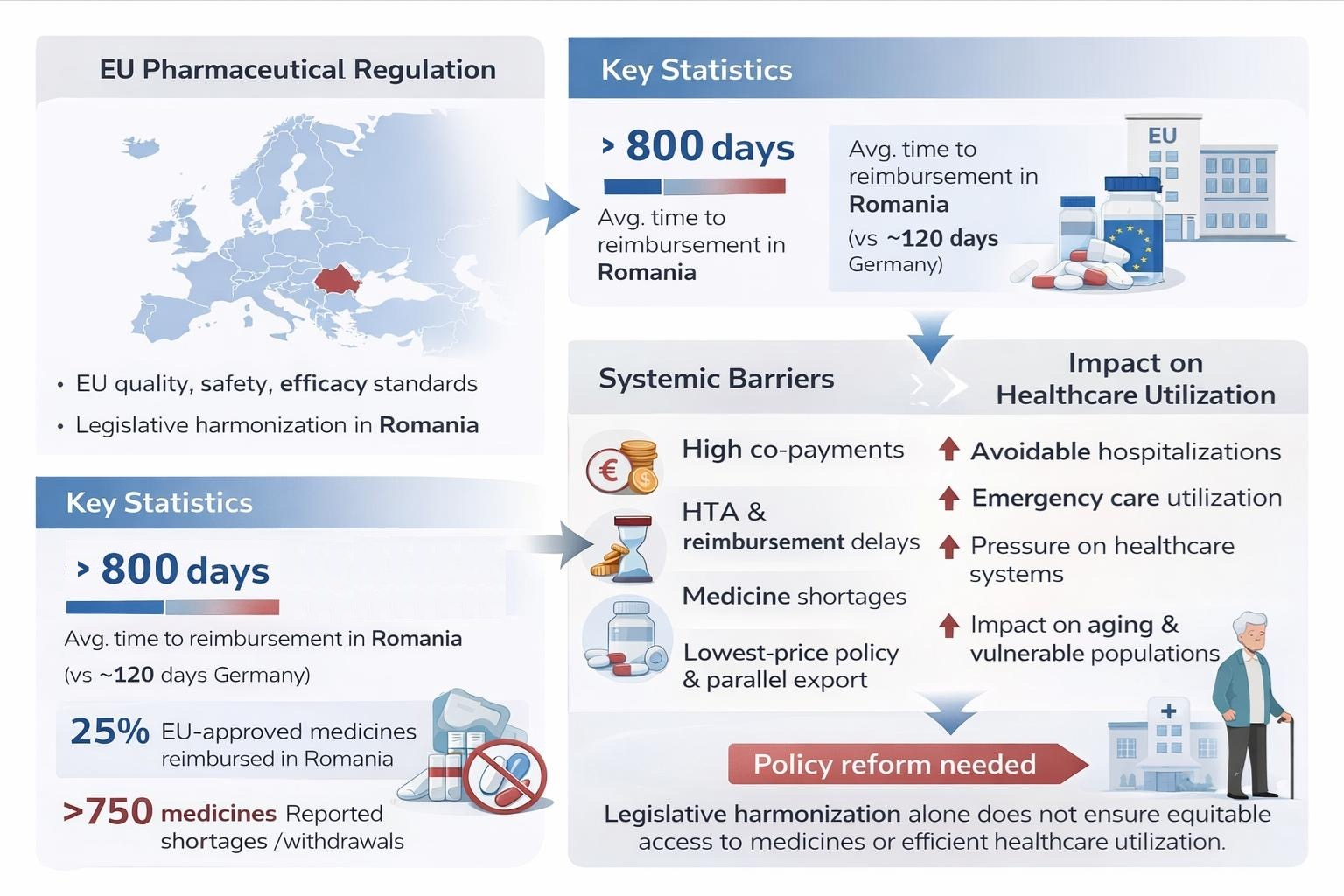
- Despite extensive alignment with European pharmaceutical legislation, Romania continues to experience severe delays, shortages, and limited reimbursement of innovative medicines;
- Restricted access to medicines is driven by systemic factors, including pricing policies, reimbursement delays, high co-payments, and parallel export.
- Limited access to medicines may increase avoidable hospitalizations and healthcare utilization, particularly among aging and vulnerable populations;
- Policy reforms targeting reimbursement timelines, pricing strategies, and patient co-payments are essential to improve health system efficiency and equity.
Abstract
1. Introduction
Rationale for Scoping Review and Reporting Standards
- Population: patients and health system stakeholders in Romania.
- Concept: the relationship between EU pharmaceutical regulation/legislative harmonization and access to medicines (timeliness, availability, and affordability), including downstream implications for healthcare utilization.
2. Materials and Methods
2.1. Study Design
2.2. Protocol and Registration
2.3. Information Sources and Search Strategy
- European and national legislative databases, including EUR-Lex (European Union legislation) and the Romanian legislative portal (legislatie.just.ro) [17];
- Bibliographic databases, including PubMed, Scopus, and Google Scholar;
- National institutional sources, including reports from the National Agency for Medicines and Medical Devices of Romania (NAMMDR) and the National Health Insurance House (CNAS) [21].
2.4. Eligibility Criteria
2.5. Selection Process
2.6. Data Charting and Synthesis
2.7. Data Items
3. Results
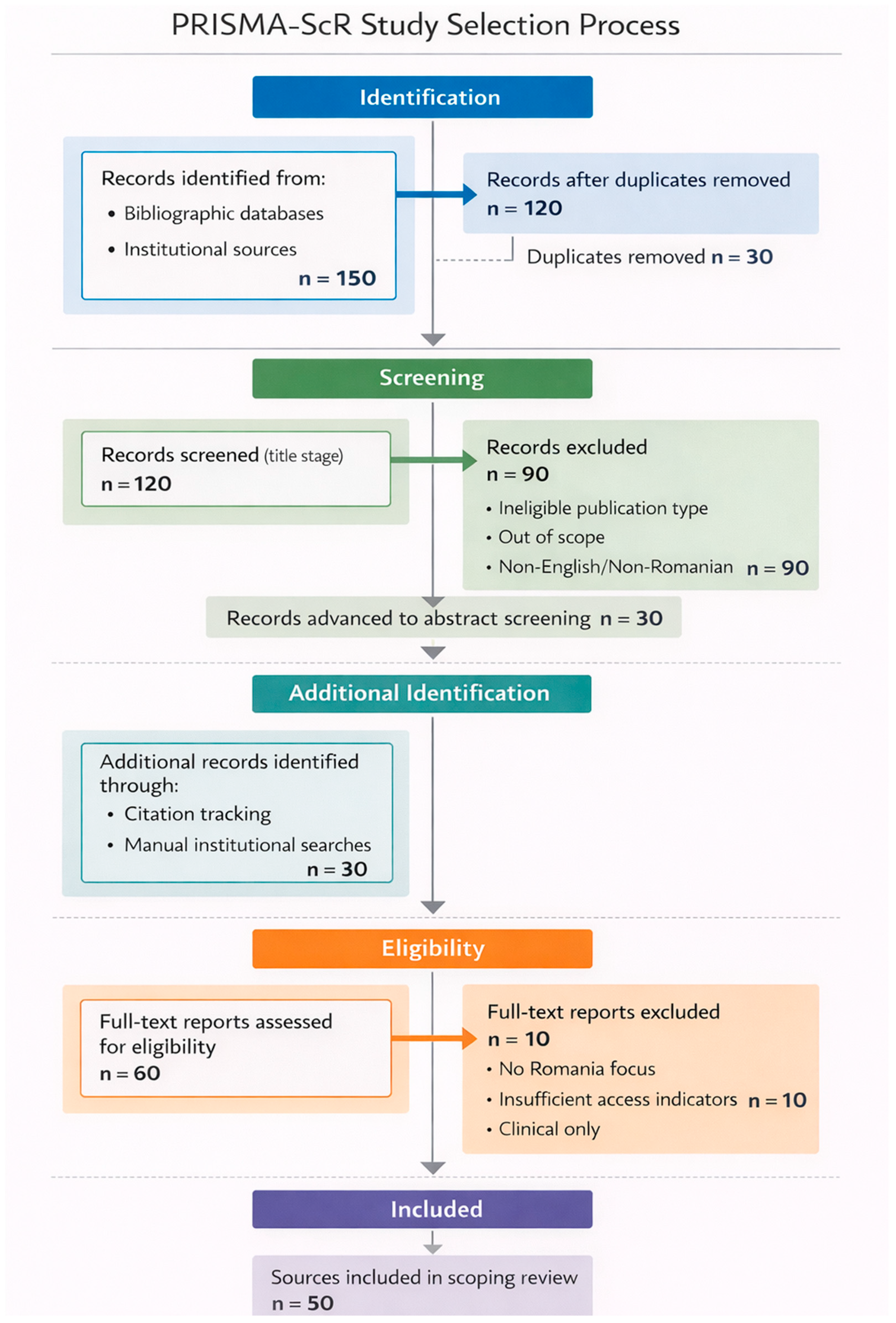
3.1. Selection of Sources of Evidence
3.2. Characteristics of Included Sources
3.3. Legislative Harmonization Between EU and Romanian Pharmaceutical Law
3.3.1. Alignment of Romanian Legislation with EU Directives
3.3.2. Adoption of Specific EU Regulations
3.3.3. National Regulatory Framework and Institutions
3.3.4. Gaps in Implementation
3.4. Barriers to Access to Medicines in Romania
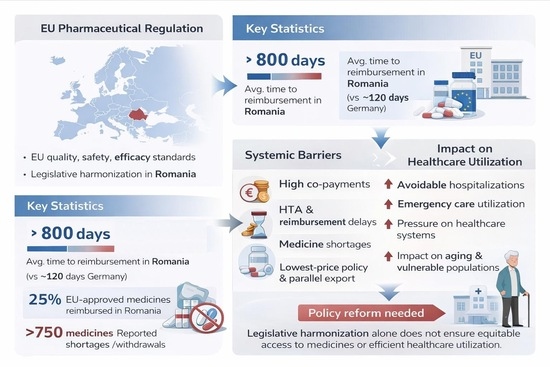
- Delayed access to new therapies: There are long time lags in making innovative medicines available to patients through reimbursement. On average, Romanian patients wait well over two years, exceeding 800 days for newly approved drugs to become accessible under public insurance. This wait is by far the longest in the EU. By comparison, the average across EU and EEA countries is about 500 days, and in countries like Germany the delay is roughly 120 days. The protracted timeline in Romania is largely due to slow health technology assessment (HTA) and reimbursement decision processes (detailed under systemic factors below). Consequently, many new, effective therapies for diseases such as cancer, autoimmune conditions, or rare diseases are introduced in Romania only after significant delays, if at all. Until the beginning of 2021, only 39 new medicines authorized at the European level had been added to the Romanian reimbursed list—roughly 25% of the total new drugs approved EU-wide in that period [1]. This shortfall means patients must either wait years, pay out-of-pocket for expensive treatments not covered by insurance, or forgo them entirely.
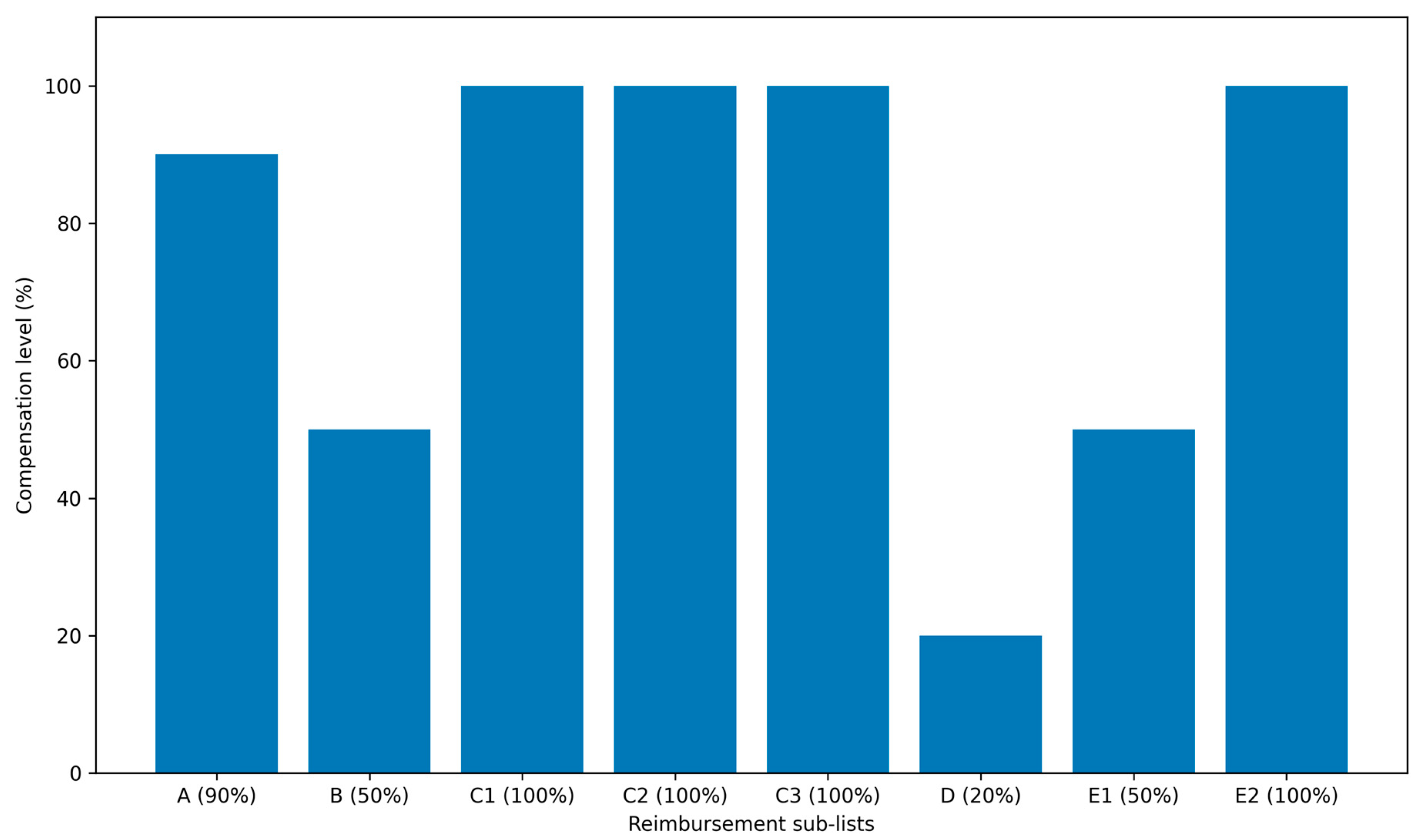
- Limited formulary and high patient co-payments: Romania’s public drug benefit scheme covers only a subset of available medicines, and often only a portion of their cost. The reimbursed drug list is divided into multiple categories (List A, List B, List C, etc.), with each category having a different level of coverage. Many essential or commonly used medicines are on lists that require significant patient co-payment. For example, drugs on List A and B might be only 50–90% reimbursed, with the patient paying the remainder. This leads to a substantial personal cost burden, especially for chronic therapies. If a medication is not included at all in the reimbursement list, patients must pay the full price. Important treatments—even some vaccines (e.g., the varicella/chickenpox vaccine for children)—that are recognized as effective may not be reimbursed, resulting in low demand and intermittent availability in pharmacies [21]. The lack of full coverage for many drugs means that affordability is a major barrier. Low-income patients, in particular, may skip or delay treatment because they cannot afford the co-payment or private purchase. In summary, the structure of the reimbursement system, with its multiple sublists and partial coverage, leaves many patients underinsured for medications, directly limiting access to needed therapies.
- Medicine shortages and discontinuations: An increasingly acute problem in Romania is the shortage of many medicines in pharmacies and hospitals. Over the past decade, interruptions in the medicine supply have escalated, driven by both global and local factors [32]. On the global side, manufacturing disruptions and supply chain issues can affect Romania as they do other countries. Locally, Romania’s market characteristics exacerbate shortages: numerous products have been withdrawn by manufacturers from the Romanian market, often because they are not financially viable underpricing and reimbursement conditions. According to official data from the National Medicines Agency, over 750 medicines for various conditions (including cancer, diabetes, cardiovascular disease, epilepsy, and vaccines) were reported as unavailable or in deficit as of recent listings [28]. These include both innovative drugs and older inexpensive therapies. Patients and healthcare providers frequently struggle to find critical medications, leading to treatment gaps. Shortages force patients to seek alternatives (which may be less effective or tolerable), pay higher prices out-of-pocket for substitutes, or even import medicines personally from abroad. Such scarcity of medicines in Romania represents a significant barrier to continuity of care.
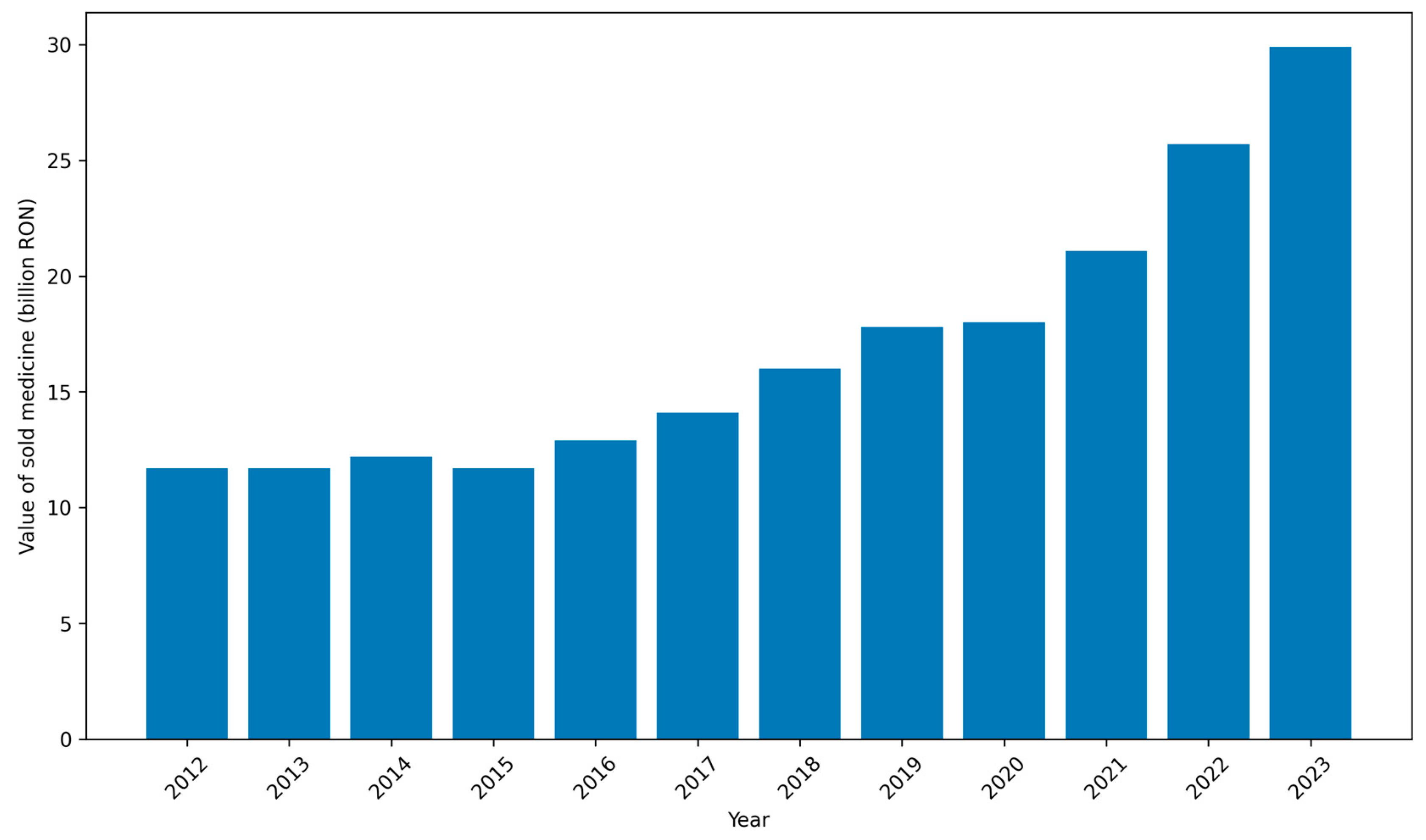
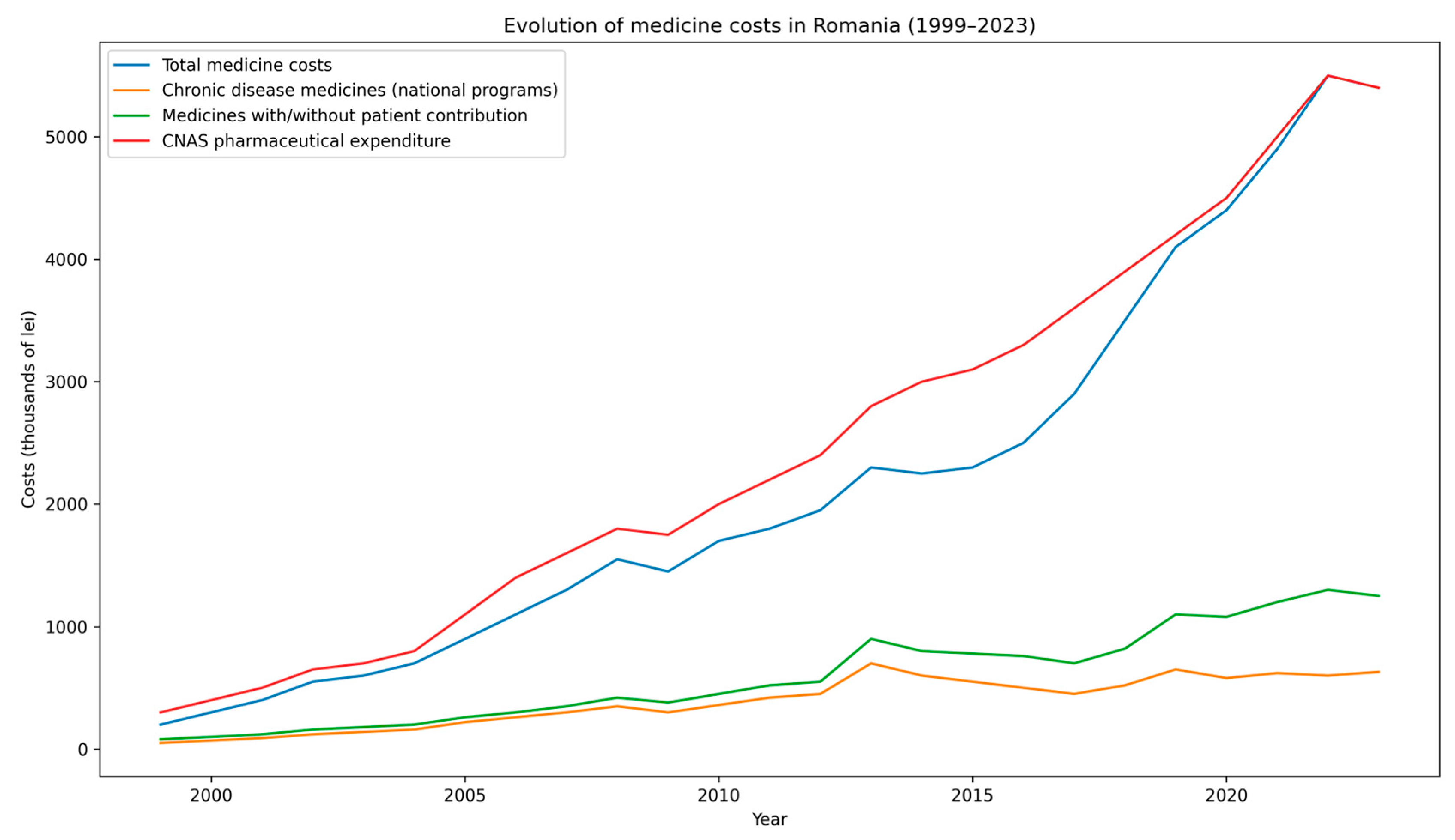
- Low public expenditure on medicines: Underlying many of the above issues is the relatively low level of pharmaceutical spending and healthcare financing in Romania. The country’s expenditure on medicines is about €250 per capita per year, which is well below the Western European average [19]. Although total drug spending has been rising in absolute terms (increasing by roughly 6% annually over the last decade), it remains modest in proportion to need. This low spending reflects strict budget caps on public reimbursement and cost-containment policies. While fiscal prudence keeps drug prices for consumers among the lowest in the EU, it also means fewer resources to encompass new therapies or to stock a broad range of medicines. In 2023, the total value of medicines dispensed to Romanian patients was estimated at 30 billion RON (~€6 billion), which marked a 14% increase from the previous year and about a 60% increase compared to 2012 [20]. Even with this growth Romania’s per capita pharmaceutical expenditure and medicine usage levels trail significantly behind more developed EU healthcare systems. The constrained budget often necessitates tough prioritization—many drugs are left off reimbursement lists or quotas are placed, perpetuating limited access. Figure 1 illustrates the growth in total medicines sales value in Romania over the past decade, reaching ~30 billion RON in 2023.
- Table 4 summarizes the types of patient access to compensated (reimbursed) medicines in Romania’s health system as defined by national policy.
3.5. Systemic Factors Contributing to Accessibility Issues
- Pricing policy and parallel export: The Romanian pricing architecture illustrates a structural paradox: policies designed to maximize affordability at the unit-price level may simultaneously reduce system-level availability by weakening manufacturer incentives and increasing arbitrage dynamics within the EU single market [37]. While this policy aims to make medicines affordable domestically, it has had unintended consequences. Several included sources report that the “lowest price” policy may disincentivize pharmaceutical companies from launching products in Romania, particularly when reference pricing influences broader European price levels [24]. Moreover, the large price differentials have turned Romania into a source for parallel export: intermediaries purchase medicines in Romania at the low regulated price and then export them to higher-price EU markets for profit [26,38]. This practice, legal under EU free market rules, can create or worsen local shortages. As noted by industry experts, Romania’s status as the country with one of the lowest drug price levels in Europe has “allowed the emergence and rapid development of parallel exports, which leads to problems of accessibility to medicines for patients” [3]. In other words, drugs tend to flow out of the Romanian market to where they fetch higher prices, leaving Romanian patients with empty shelves for certain products. Additionally, although manufacturer prices are low, the final cost to Romanian patients can be affected by supply chain mark-ups and taxes. Distribution and pharmacy mark-up rates in Romania are relatively high, and a 9% VAT is applied to medicines (higher than the VAT on medicines in some other EU countries [18]. These add-ons can diminish the affordability gained from low ex-factory prices. Several included sources describe these pricing arrangements as being associated with reduced market incentives and increased supply vulnerability.
- Reimbursement and co-payment system design: Romania’s multi-tiered reimbursement structure (Lists A, B, C, etc.) is a systemic feature that affects access. Many necessary drugs are not fully covered, as discussed in the ‘Barriers’ section. This design is partly a result of budget limits—by requiring co-payments, the health system shifts some costs to patients to control public spending. However, the trade-off is reduced access. Personal contribution (co-payment) for a large portion of medicines is essentially built into the system by design [18]. In other European countries, by contrast, there are caps on out-of-pocket spending, or certain categories of patients (children, elderly, those with chronic diseases) receive medications for free or with minimal fees. Romania’s approach, until now, has been less protective, which is a systemic policy choice. This results in inequities where those who cannot afford the co-pay might not get treatment. The reimbursement lists are updated infrequently and involve a complex approval process (requiring government decisions for additions), which is an administrative rigidity that further delays access to new treatments. Thus, the very structure of the reimbursement mechanism is a contributing factor to limited medicine accessibility.
- Administrative and bureaucratic delays: A significant systemic issue identified is the cumbersome process for approving and funding new medicines in the public system. The timeline from a drug’s European authorization to its inclusion on Romania’s reimbursed list is prolonged by multiple sequential steps: dossier preparation by the manufacturer, health technology assessment by authorities, price setting, budget impact analysis, and finally a government decision to update the reimbursement list. Each step is reported to be lengthy and administratively complex. According to analyses, the main causes of delay include: a significantly long waiting time before companies can even submit reimbursement applications (sometimes due to needing prior inclusion on a special list), a bureaucratic review process with many levels of approval, a restrictive HTA system that may reject drugs not deemed cost-effective enough, and an undersized expert workforce at the national agency handling evaluations [6]. The NAMMDR and Ministry of Health teams responsible for processing reimbursement files are reportedly overburdened and understaffed, slowing down evaluations [19]. Included institutional and academic sources describe administrative and procedural delays as contributing factors to prolonged reimbursement timelines in Romania [6,24]. The requirement that changes to the reimbursement list be formalized through government ordinance is another layer that can introduce months of delay (e.g., waiting for the next government meeting or official gazette publication) [39]. Such systemic administrative barriers are a stark contrast to countries with more agile processes or automatic reimbursement pathways for certain breakthrough drugs.
- Health financing constraints (clawback tax and budget limits): Romania employs a clawback mechanism as a cost-control measure in its pharmaceutical budget. This is a mandatory rebate that drug manufacturers must pay back to the government, calculated as a percentage of their sales to the reimbursed system. The clawback mechanism should be interpreted not merely as a fiscal instrument but as a structural signal of constrained pharmaceutical financing. Its persistence reflects a governance model that prioritizes short-term budgetary predictability over long-term market sustainability. The clawback can render the Romanian market unattractive or even unprofitable for companies, leading them to withdraw products or avoid launching new ones in the country. It is considered a factor in drug shortages and lagging introduction of new molecules. Furthermore, the overall public expenditure on healthcare and medicines is tightly capped—Romania’s healthcare spending as a percentage of GDP is among the lowest in the EU. These financing constraints mean that even when a new drug is deemed important, there may simply not be allocated funds to cover it, or its inclusion might force difficult trade-offs (e.g., delisting another drug or increasing the clawback on industry). The tension between limited resources and the growing cost of innovative therapies is a systemic challenge that underpins Romania’s access issues.
- Supply chain and market structure issues: The pharmaceutical supply chain in Romania has its own structural characteristics that impact medicine accessibility. The distribution network is highly fragmented, with a large number of wholesale distributors and chain and independent pharmacies operating across the country [40]. This can lead to uneven availability, as smaller distributors might not stock low-profit drugs or remote pharmacies may face delays restocking. Moreover, if a few wholesalers export medicines out of Romania, it can quickly drain supply of certain products nationwide. Enforcement of service obligations (requirements for distributors to maintain supply to the domestic market) has historically been weak, which is a systemic regulatory issue. Additionally, Romania relies heavily on imported medicines and raw materials for its pharmaceutical needs—domestic production focuses mostly on generic drugs and is limited in scale. Most active pharmaceutical ingredients (APIs) and many finished products are imported [41]. This dependence on global supply chains means that any international disruption (e.g., manufacturing problems, increased demand elsewhere, or export restrictions by other countries) can directly translate into local shortages. In summary, the combination of a complex multi-actor supply chain and reliance on external sources makes Romania’s medicine supply vulnerable and sometimes slow to respond to patient needs.
3.6. Comparative EU Access Indicators
4. Discussion
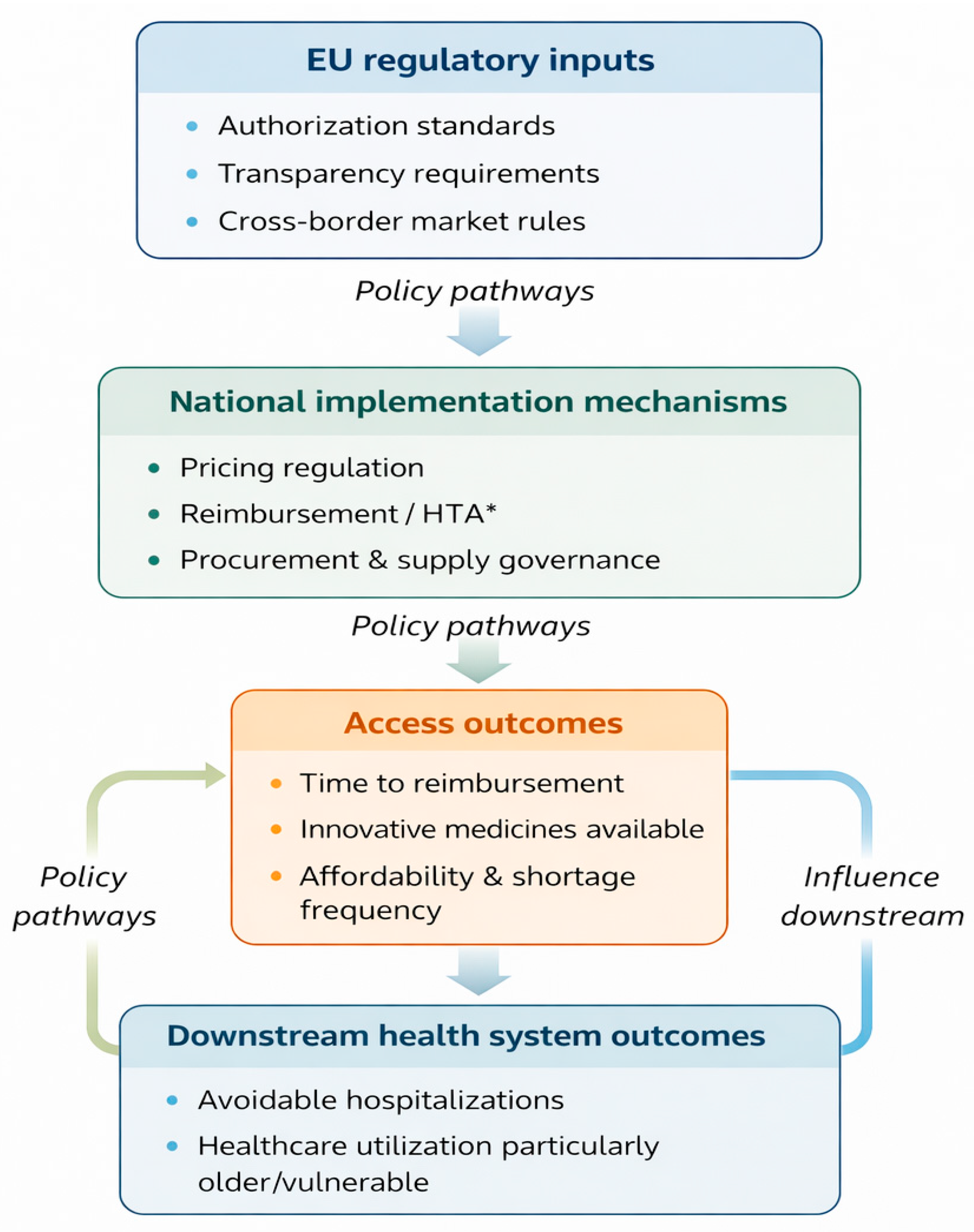
4.1. Conceptual Framework: Policy Pathways from Harmonization to Access Outcomes
4.2. Comparison with Other EU Countries
4.3. Parallel Trade and EU Regulations
4.4. Implications for Healthcare Utilization and Aging Populations
4.5. Legislative Limits and Need for Policy Change
4.6. Comparison of Co-Payment and Coverage
4.7. Ongoing Reforms and Future Prospects
4.8. Limitations of This Review
5. Conclusions
- Bridging the access gap requires policy shifts: The root causes of poor medicine accessibility in Romania lie in policy choices regarding pricing, reimbursement, and health financing. To align patient access with that of other EU countries, Romania will need to adjust these policies. Notably, it would be beneficial to eliminate the current high co-payments for essential drugs. This could be achieved by doing away with the multi-tier reimbursed drug lists (A, B, E) that require patient contributions and instituting a single comprehensive medicines list fully covered (100% reimbursement) by the National Health Insurance House [4]. Such a reform would ensure that inexpensive but vital medications are free at the point of care for all patients, removing a major financial barrier.
- Increase funding and streamline processes for new medicines: To reduce the long lag in new therapy availability, Romania should allocate greater budgetary resources toward innovative medicines and modernize its reimbursement approval process. This means not only increasing the pharmaceuticals budget (recognizing that spending on effective treatments is an investment in population health), but also simplifying bureaucratic procedures. Establishing clearer timelines and accountability for each step of the HTA and listing process, possibly integrating EMA decisions more directly, could shorten the time to reimbursement. Enhancing the capacity of national agencies (through the hiring of additional experts and improved funding for HTA processes) is equally important so that Romania can evaluate and adopt innovations without undue delay.
- Reassess pricing and market policies to ensure supply: A re-evaluation of the current pricing and rebate architecture is necessary to restore market sustainability and reduce structural disincentives affecting launch timing and supply continuity.
- Romania may consider adopting a balanced pricing strategy—for example, using average European prices or engaging in negotiated managed-entry agreements for costly novel drugs—to make participation in the market more attractive to companies while still ensuring affordability for the health system. Additionally, targeted policy tools to combat excessive parallel export should be used: stronger monitoring of distributors, swift export restriction mechanisms for medicines in short supply, and collaboration with EU authorities to develop regional solutions. Ensuring a stable supply of medicines might also involve maintaining strategic stocks of critical medications and encouraging local production of drugs prone to shortages.
- Leverage European collaboration and upcoming legislative reforms: Romania should actively engage with and leverage the upcoming EU pharmaceutical reforms that aim to reduce inequalities in access. This includes supporting proposals that reward or mandate broader availability of medicines across all member states, participating in joint procurement or pricing negotiations for high-cost therapies (as has been done for vaccines), and utilizing the new EU-wide HTA cooperation to inform national decisions. By being a vocal stakeholder at the EU level, Romania can help shape policies that will benefit smaller markets. Domestically, aligning any new national legislation (such as amendments in 2023 and beyond) and improving access, rather than solely focusing on cost containment, will be crucial.
- Continuous monitoring and stakeholder engagement: Finally, improving medicine accessibility should be seen as an ongoing commitment. The government, together with patient organizations, healthcare professionals, and industry representatives, needs to establish a continuous monitoring mechanism for access to medicines. Regular analysis of indicators (such as the number of new drugs introduced, stock-out frequencies, patient out-of-pocket spending, etc.) can guide timely interventions. Stakeholder engagement is essential: involving patient advocacy groups in decision-making can help ensure that policies remain patient-centered and that proposed solutions (such as removing copayments or adjusting prices) effectively address the community’s needs.
Supplementary Materials
Author Contributions
Funding
Institutional Review Board Statement
Informed Consent Statement
Data Availability Statement
Conflicts of Interest
Abbreviations
| CNAS | National Health Insurance House (Romania) |
| EMA | European Medicines Agency |
| EU | European Union |
| HTA | Health Technology Assessment |
| INN | International Non-proprietary Name |
| NAMMDR | National Agency for Medicines and Medical Devices of Romania |
| OECD | Organisation for Economic Co-operation and Development |
| WHO | World Health Organization |
Appendix A
Appendix A.1. PubMed (MEDLINE) Search Strategies (–Last Run: 15 October 2024)
| Search Fields | Query | Limits Applied |
| Title/Abstract | ((“pharmaceutical legislation” [Title/Abstract] OR “pharmaceutical regulation” [Title/Abstract] OR “drug policy” [Title/Abstract] OR “pricing policy” [Title/Abstract] OR “reimbursement” [Title/Abstract] OR “health technology assessment” [Title/Abstract] OR HTA [Title/Abstract] OR “medicine shortage*” [Title/Abstract] OR “drug shortage*” [Title/Abstract] OR “parallel export*” [Title/Abstract]) AND (“access to medicine*” [Title/Abstract] OR “access to medicines” [Title/Abstract] OR “drug availability” [Title/Abstract] OR “medicine availability” [Title/Abstract] OR affordability [Title/Abstract] OR “time to reimbursement” [Title/Abstract] OR “time to access” [Title/Abstract]) AND (Romania [Title/Abstract] OR Romanian [Title/Abstract]) AND (“European Union” [Title/Abstract] OR EU [Title/Abstract] OR Europe [Title/Abstract] OR “European legislation” [Title/Abstract])) | publication years 2000–2024; language English OR Romanian |
Appendix A.2. Scopus—Last Run: 15 October 2024
| Search Fields | Query | Limits Applied |
| Title-Abstract-Keywords | TITLE-ABS-KEY ((“pharmaceutical legislation” OR “pharmaceutical regulation” OR “drug policy” OR reimbursement OR pricing OR “health technology assessment” OR HTA OR “medicine shortage” OR “drug shortage*” OR “parallel export*”) AND (“access to medicine*” OR “access to medicines” OR “drug availability” OR “medicine availability” OR affordability OR “time to reimbursement” OR “time to access”) AND (Romania OR Romanian) AND (“European Union” OR EU OR Europe OR “European legislation”)) | publication years 2000–2024; document types: articles, reviews, reports, book chapters (where relevant). |
Appendix A.3. Google Scholar—Last Run: 15 October 2024
- Romania “access to medicines” European Union reimbursement pricing
- Romania pharmaceutical legislation harmonization, EU reimbursement
- Romania “medicine shortages” pricing policy “parallel exports”
- Romania “health technology assessment” reimbursement delays medicines

| Reimbursement Sub-List | Description (According to National Legislation) | Reimbursement Basis | Reimbursement Level (%) | Patient Contribution |
|---|---|---|---|---|
| A | International Non-proprietary Names (INNs) reimbursed for outpatient treatment | Reference Price (RP) | 90% | Reference price + co-payment |
| B | INNs reimbursed for outpatient treatment with partial coverage | Reference Price (RP) | 50% | Reference price + co-payment |
| C1 | INNs reimbursed for specific disease groups in outpatient care | Reference Price (RP) | 100% | Reference price |
| C2 | INNs included in national health programs (ambulatory and hospital care) | Compensation Price (CP) | 100% | Compensation price |
| C3 | INNs reimbursed for children (≤18 years), young adults (18–26 years in education without income), pregnant women, and women with newborns | Reference Price (RP) | 100% | Reference price |
| D | INNs reimbursed for outpatient treatment with minimal coverage | Reference Price (RP) | 20% | Reference price + co-payment |
| E1 | Immunological INNs for active immunization for selected population groups | Reference Price (RP) | 50% | Reference price + co-payment |
| E2 | Immunological INNs for active immunization for selected population groups | Reference Price (RP) | 100% | Reference price |
| Year | Value of Medicines Sold (Billion RON) |
|---|---|
| 2012 | 18.8 |
| 2013 | 19.3 |
| 2014 | 20.1 |
| 2015 | 21.4 |
| 2016 | 22.6 |
| 2017 | 23.8 |
| 2018 | 24.9 |
| 2019 | 26.1 |
| 2020 | 26.8 |
| 2021 | 27.9 |
| 2022 | 29.3 |
| 2023 | 30.0 |
| Year | Total Pharmaceutical Expenditure | Reimbursed Medicines (with Patient Contribution) | Reimbursed Medicines (Without Patient Contribution) | National Health Programs (Chronic Diseases) |
|---|---|---|---|---|
| 1999 | 1,245,000 | 734,000 | 211,000 | 300,000 |
| 2003 | 2,110,000 | 1,205,000 | 415,000 | 490,000 |
| 2007 | 4,380,000 | 2,480,000 | 980,000 | 920,000 |
| 2010 | 6,950,000 | 3,870,000 | 1,540,000 | 1,540,000 |
| 2013 | 10,320,000 | 5,680,000 | 2,340,000 | 2,300,000 |
| 2016 | 14,250,000 | 7,720,000 | 3,250,000 | 3,280,000 |
| 2019 | 18,900,000 | 9,860,000 | 4,380,000 | 4,660,000 |
| 2021 | 23,500,000 | 12,240,000 | 5,680,000 | 5,580,000 |
| 2023 | 30,000,000 | 15,600,000 | 7,200,000 | 7,200,000 |
References
- Garattini, S.; Natsis, Y.; Banzi, R. Pharmaceutical Strategy for Europe: Reflections on Public Health-Driven Drug Development, Regulation, and Policies. Front. Pharmacol. 2021, 12, 685604. [Google Scholar] [CrossRef]
- Khanyk, N.; Hromovyk, B.; Levytska, O.; Agh, T.; Wettermark, B.; Kardas, P. The Impact of the War on Maintenance of Long-Term Therapies in Ukraine. Front. Pharmacol. 2022, 13, 1024046. [Google Scholar] [CrossRef]
- European Commission. Modernising the EU Pharmaceutical Legislation; European Commission: Brussels, Belgium, 2023. Available online: https://commission.europa.eu/topics/public-health/european-health-union/modernising-eu-pharmaceutical-legislation_en (accessed on 18 January 2026).
- World Health Organization (WHO). Access to Medicines: Making Market Forces Serve the Poor; WHO: Geneva, Switzerland, 2004. Available online: https://www.who.int/publications/m/item/access-to-medicines-making-market-forces-serve-the-poor (accessed on 28 December 2025).
- Opriş, M.C.; Deselnicu, D.C.; Crasoveanu, F.-C. Romanian Market Strategies in the Pharmaceutical Industry. In Proceedings of the International Conference on Business Excellence; Bucharest University of Economic Studies: Bucharest, Romania, 2023; Volume 17, pp. 1404–1412. [Google Scholar] [CrossRef]
- Radu, C.; Serban, D.E.; Chiriac, N.D. Delayed Access to Innovative Medicines in Romania: A Comprehensive Analysis of the Reimbursement Processes (2015–2024). Front. Public Health 2025, 13, 1592419. [Google Scholar] [CrossRef]
- EFPIA (European Federation of Pharmaceutical Industries and Associations). The Root Causes of Unavailability and Delay to Innovative Medicines: Reducing the Time Before Patients Have Access to Innovative Medicines; EFPIA: Brussels, Belgium, 2021; Available online: https://www.efpia.eu/publications/downloads/efpia/the-root-causes-of-unavailability-and-delay-to-innovative-medicines/ (accessed on 18 January 2026).
- Godman, B.; Fadare, J.; Kwon, H.Y.; Dias, C.Z.; Kurdi, A.; Dias Godói, I.P.; Kibuule, D.; Hoxha, I.; Opanga, S.; Saleem, Z.; et al. Evidence-Based Public Policy Making for Medicines across Countries: Findings and Implications for the Future. J. Comp. Eff. Res. 2021, 10, 1019–1052. [Google Scholar] [CrossRef]
- Crişan, O.; Toma, A. Recent Developments In Romanian Legislation That Impact The Pharmacist’s Activity. Farmacia 2025, 73, 5. [Google Scholar]
- Parliament of Romania. Law No. 95/2006 on Healthcare Reform; Official Gazette of Romania: Bucharest, Romania, 2006. Available online: https://legislatie.just.ro/Public/DetaliiDocument/71139 (accessed on 18 January 2026).
- National Agency for Medicines and Medical Devices of Romania (NAMMDR). Laws, Ordinances and Government Decisions—Medicines for Human Use; NAMMDR: Bucharest, Romania, 2022. Available online: https://www.anm.ro/en/medicamente-de-uz-uman/legislatie/legi-ordonante-si-hotarari-de-guvern/ (accessed on 18 January 2026).
- Khalil, H.; Peters, M.; Godfrey, C.M.; Mcinerney, P.; Soares, C.B.; Parker, D. An Evidence-Based Approach to Scoping Reviews. Worldviews Evid. Based Nurs. 2016, 13, 118–123. [Google Scholar] [CrossRef] [PubMed]
- EU. Directive 2001/83/EC of the European Parliament and of the Council of 6 November 2001 on the Community code relating to medicinal products for human use. Off. J. Eur. Communities 2001, L 311, 67–128. Available online: https://eur-lex.europa.eu/legal-content/EN/TXT/?uri=CELEX:32001L0083 (accessed on 18 January 2026).
- Levac, D.; Colquhoun, H.; O’Brien, K.K. Scoping Studies: Advancing the Methodology. Implement. Sci. 2010, 5, 69. [Google Scholar] [CrossRef]
- Tricco, A.C.; Lillie, E.; Zarin, W.; O’Brien, K.K.; Colquhoun, H.; Levac, D.; Moher, D.; Peters, M.D.J.; Horsley, T.; Weeks, L.; et al. PRISMA Extension for Scoping Reviews (PRISMA-ScR): Checklist and Explanation. Ann. Intern. Med. 2018, 169, 467–473. [Google Scholar] [CrossRef] [PubMed]
- European Union. EUR-Lex: Access to European Union Law; Publications Office of the European Union: Luxembourg, 2026; Available online: https://eur-lex.europa.eu/homepage.html?locale=ro (accessed on 18 January 2026).
- European Observatory on Health Systems and Policies. State of Health in the EU: Companion Report 2021; European Observatory on Health Systems and Policies: Brussels, Belgium, 2021; Available online: https://eurohealthobservatory.who.int/publications/m/state-of-health-in-the-eu-companion-report-2021 (accessed on 18 January 2026).
- Vlădescu, C.; Scîntee, G.; Olsavszky, V.; Hernández-Quevedo, C.; Sagan, A. Romania: Health System Review; Health Systems in Transition; European Observatory on Health Systems and Policies: Brussels, Belgium, 2016; Volume 18. [Google Scholar]
- Petre, I.; Barna, F.; Gurgus, D.; Tomescu, L.C.; Apostol, A.; Petre, I.; Furau, C.; Năchescu, M.L.; Bordianu, A. Analysis of the Healthcare System in Romania: A Brief Review. Healthcare 2023, 11, 2069. [Google Scholar] [CrossRef]
- Organisation for Economic Co-operation and Development (OECD). Pharmaceutical Innovation and Access to Medicines; OECD Health Policy Studies; OECD Publishing: Paris, France, 2018; Available online: https://www.oecd.org/health/pharmaceutical-innovation-and-access-to-medicines_9789264307391-en.htm (accessed on 18 January 2026).
- Organisation for Economic Co-operation and Development (OECD). OECD Reviews of Health Systems: Romania 2025; OECD Publishing: Paris, France, 2025. [Google Scholar] [CrossRef]
- Regulation (EC) No 1394/2007 of the European Parliament and of the Council of 13 November 2007 on Advanced Therapy Medicinal Products and Amending Directive 2001/83/EC and Regulation (EC) No 726/2004. Off. J. Eur. Union 2007, L 324, 121–137. Available online: https://eur-lex.europa.eu/legal-content/EN/TXT/?uri=CELEX:32007R1394 (accessed on 18 January 2026).
- Government of Romania. Government Decision No. 720/2008 on the Approval of the List of International Non-Proprietary Names Corresponding to Medicines Granted to Insured Persons, with or Without Personal Contribution, Based on Medical Prescription, Within the Social Health Insurance System; Official Gazette of Romania: Bucharest, Romania, 2008.
- Kanavos, P.; Fontrier, A.M.; Gill, J.; Efthymiadou, O. Does External Reference Pricing Deliver What It Promises? Evidence on Its Impact at the National Level. Eur. J. Health Econ. 2020, 21, 129–151. [Google Scholar] [CrossRef]
- Uyl-de-Groot, C.A.; Heine, R.; Krol, M.; Verweij, J. Unequal Access to Newly Registered Cancer Drugs Leads to Potential Loss of Life-Years in Europe. Cancers 2020, 12, 2313. [Google Scholar] [CrossRef] [PubMed]
- Kyle, M. Strategic Responses to Parallel Trade. B. E. J. Econom. Anal. Policy 2011, 11, 2. [Google Scholar] [CrossRef]
- Focsa, A.-V.; Birsan, M.; Dragan, M.; Stan, R.T.; Mircea, C.; Stan, C.D. The Impact of Medicines Shortages on Pharmaceutical Practice. Rom. J. Pharm. Pract. 2022, 15, 14–18. [Google Scholar] [CrossRef]
- Taerel, A.E.; Țurcu, A.A. Study on the Range of Drugs Authorized in Romania—A Determinant Element for the Accessibility and Availability of Drugs. Farmacia 2009, 57, 120–127. [Google Scholar]
- SeeNews. Romania 2012 Pharmaceuticals Market Seen Up 6.0% to 13.52 Billion Lei (3.09 Billion Euro)—BMI. 2012. Available online: https://seenews.com/news/romania-2012-pharmaceuticals-mkt-seen-up-6-0-percent-to-13-52-bln-lei-3-09-bln-euro-bmi-1019962 (accessed on 18 January 2026).
- GlobalData. Pharmaceuticals Market: Industry Overview and Forecast; GlobalData: London, UK, 2021; Available online: https://www.globaldata.com/store/industry/pharmaceuticals-market/ (accessed on 18 January 2026).
- Euromonitor International. Consumer Health in Romania; Euromonitor International: London, UK, 2021; Available online: https://www.euromonitor.com/consumer-health-in-romania/report (accessed on 18 January 2026).
- Statista. Pharmaceutical Expenditure in Romania from 2000 to 2023; Statista GmbH: Hamburg, Germany, 2024; Available online: https://www.statista.com/topics/8317/health-care-in-romania/ (accessed on 18 January 2026).
- National Health Insurance House (CNAS). Annual Budget Execution Reports 1999–2023; CNAS: Bucharest, Romania, 2024; Available online: https://www.cnas.ro (accessed on 18 January 2026).
- Panteli, D.; Arickx, F.; Cleemput, I.; Dedet, G.; Eckhardt, H.; Fogarty, E.; Gerkens, S.; Henschke, C.; Hislop, J.; Jommi, C.; et al. Pharmaceutical regulation in 15 European countries: Review. Health Policy 2016, 120, 102–113. [Google Scholar] [CrossRef]
- Toma, A.; Crişan, O. Regulations On Green Pharmacy In European Countries—A Comparative Study. Farmacia 2021, 69, 182–188. [Google Scholar] [CrossRef]
- Al-Worafi, Y.M. Drug Safety in Developing versus Developed Countries. In Drug Safety in Developing Countries: Achievements and Challenges; Elsevier: Amsterdam, The Netherlands, 2020; pp. 613–615. [Google Scholar] [CrossRef]
- Ministry of Health of Romania. Order No. 3443/2017 on the Approval of [Official Title of the Order]; Official Gazette of Romania: Bucharest, Romania, 2017. Available online: https://legislatie.just.ro/Public/DetaliiDocument/187598 (accessed on 18 January 2026).
- Radu, C.-P.; Pana, B.C.; Furtunescu, F.L. Drug Policy in Romania. Value Health Reg. Issues 2018, 16, 28–32. [Google Scholar] [CrossRef]
- Dincă, M.S.; Antohi, V.M.; Andronic, M.L.; Szeles, M.R.; Baba, C.M. Modelling Health Financing Performance in Europe in the Context of Macroeconomic Uncertainties. Economies 2023, 11, 299. [Google Scholar] [CrossRef]
- Centre for European Policy Studies (CEPS). Parallel Trade of Pharmaceuticals and Its Problems in the EU; CEPS: Brussels, Belgium, 2023; Available online: https://www.cep.eu/eu-topics/details/parallel-trade-of-pharmaceuticals-and-its-problems-in-the-eu-cepinput.html (accessed on 18 January 2026).
- Prejmerean, M.C.; Vasilache, S. Particularități ale pieței românești de produse farmaceutice din perspectiva logisticii și managementului lanțului de aprovizionare-livrare (A LSCM Approach to the Romanian Pharmaceuticals Market). Amfiteatru Econ. 2008, 10, 166–176. [Google Scholar]
- Eurostat. Healthcare Expenditure Statistics—Overview; European Commission: Luxembourg, 2026; Available online: https://ec.europa.eu/eurostat/statistics-explained/index.php?title=Healthcare_expenditure_statistics_-_overview (accessed on 18 January 2026).
- Patients, W.A.I.T. Indicator 2024. Care Este Situația În România? ARPIM: Bucharest, Romania, 2025; Available online: https://arpim.ro/patients-w-a-i-t-indicator-2024-care-este-situatia-in-romania/ (accessed on 18 January 2026).
- Kluszczynski, T.; Nemeth, B.; Władysiuk, M.; Czech, M.; Kamusheva, M.; Fotin, N.; Rose, S.; Doležal, T.; Hren, R. Optimizing Patient Access to Orphan Medicinal Products: Lessons from Central and Eastern Europe. J. Mark. Access Health Policy 2025, 13, 24. [Google Scholar] [CrossRef] [PubMed]
- Blümel, M.; Spranger, A.; Achstetter, K.; Maresso, A.; Busse, R. Germany: Health System Review; Health Systems in Transition; European Observatory on Health Systems and Policies: Brussels, Belgium, 2020; Volume 22, Available online: https://iris.who.int/handle/10665/341674 (accessed on 18 January 2026).
- Bradács, A.; Lorenzovici, L.; Bába, L.I.; Kaló, Z.; Farkas-Ráduly, S.; Precup, A.M.; Somodi, K.; Gheorghe, M.; Calcan, A.; Tar, G.; et al. Extended Analysis of the Hospitalization Cost and Economic Burden of COVID-19 in Romania. Healthcare 2025, 13, 982. [Google Scholar] [CrossRef]
- Vogler, S.; Schneider, P.; Lepuschütz, L. Impact of Changes in the Methodology of External Price Referencing on Medicine Prices: Discrete-Event Simulation. Cost Eff. Resour. Alloc. 2020, 18, 51. [Google Scholar] [CrossRef]
- Khan, H.T.A.; Addo, K.M.; Findlay, H. Public Health Challenges and Responses to the Growing Ageing Populations. Public Health Chall. 2024, 3, e213. [Google Scholar] [CrossRef] [PubMed]


| Objective | Description |
|---|---|
| Regulatory framework mapping | To map the European pharmaceutical regulatory framework and its transposition into Romanian legislation |
| Barriers to access to medicines | To identify and synthesize evidence on barriers to access to medicines in Romania, including timeliness, availability, and affordability |
| Comparative analysis | To compare access to medicines in Romania with that of other European Union Member States |
| Healthcare and population impact | To explore the implications of pharmaceutical access barriers for healthcare utilization and vulnerable populations |
| Category | Eligibility Criteria |
|---|---|
| Scope of content | Documents addressing pharmaceutical legislation, pricing, reimbursement, or access to medicines |
| Geographic relevance | Documents referring to Romania or providing comparative European data relevant to the Romanian context |
| Language | Documents published in English or Romanian |
| Publication period | Documents issued between 2000 and 2024 |
| Exclusion criteria | Documents focusing exclusively on clinical efficacy or biomedical outcomes without policy, regulatory, or access-related implications |
| Source (Author/Institution, Year) | Type of Source | Geographic Scope | Main Topic(s) Addressed | Relevance to Review Objectives |
|---|---|---|---|---|
| European Commission (2023) [3] | Institutional policy report | European Union | Pharmaceutical legislative reform, access disparities | Provides EU-level policy context and reform proposals addressing unequal access across Member States |
| WHO (2004) [4] | International policy framework | Global | Access to medicines | Conceptual framework for availability and affordability |
| Opriș et al. (2023) [5] | Peer-reviewed study | Romania | Pharmaceutical market strategies | Explains industry response to national policies |
| OECD (2018) [7] | International institutional report | International/EU | Pharmaceutical innovation and access | Comparative data on spending and access across health systems |
| Law No. 95/2006 (Romania) [10] | National legislation | Romania | Healthcare reform, medicines regulation | Main national legal act transposing EU pharmaceutical directives |
| Directive 2001/83/EC (2001) [13] | EU legislation | European Union | Medicinal product regulation | Core legislative framework transposed into Romanian law governing authorization and safety |
| OECD/EC (2024)—EU Country Cancer Profile [21] | Institutional report | Romania/EU | Access to oncology medicines, outcomes | Highlights disparities in access to high-cost innovative therapies |
| Regulation (EC) No. 1394/2007 (2007) [22] | EU legislation | European Union | Advanced therapy medicinal products | Illustrates adoption of specialized EU pharmaceutical regulation in Romania |
| Government Decision No. 720/2008 (Romania) [23] | National legislation | Romania | Reimbursement lists and compensation categories | Defines national reimbursement structure affecting affordability |
| Kanavos et al. (2017) [24] | Peer-reviewed study | Europe | External reference pricing, reimbursement | Explains systemic effects of pricing policies relevant to Romania |
| Uyl-De Groot et al. (2020) [25] | Peer-reviewed study | Europe | Access to cancer medicines | Comparative evidence of cross-country variation in access to newly registered cancer medicines across Europe |
| Kyle (2011) [26] | Peer-reviewed study | Europe | Parallel trade | Explains impact of parallel export on medicine availability |
| Focșa et al. (2022) [27] | Peer-reviewed study | Romania | Medicine shortages | Documents real-world impact of shortages on practice |
| Taerel & Țurcu (2009) [28] | Peer-reviewed study | Romania | Range of authorized medicines | Early evidence of limited national pharmaceutical availability |
| SeeNews (2012) [29] | Market analysis report | Romania | Pharmaceutical market structure | Contextualizes market dynamics and investment climate |
| GlobalData (2021) [30] | Market analysis report | Romania | Healthcare and pharmaceutical system | Provides economic and policy background |
| Euromonitor International (2021) [31] | Market research report | Romania | Pharmaceuticals market trends | Supports analysis of supply and demand constraints |
| Statista (2024) [32] | Statistical database | Romania | Pharmaceutical expenditure | Provides longitudinal expenditure data |
| CNAS (2024) [33] | National institutional report | Romania | Health insurance budget | Context for financing constraints |
| Panteli et al. (2016) [34] | WHO Europe report | Europe | Pharmaceutical regulation | Comparative regulatory approaches |
| Toma & Crișan (2021) [35] | Peer-reviewed comparative study | Europe | Regulatory differences | Shows diversity of national regulatory implementation |
| Al-Worafi (2020) [36] | Book chapter | Global | Drug regulation | Broader regulatory perspective relevant to emerging markets |
| Sub-List | Description (According to National Reimbursement Legislation) | Reimbursement Basis | Reimbursement Level (%) | Patient Contribution |
|---|---|---|---|---|
| A | International Non-proprietary Names (INNs) reimbursed for outpatient treatment under the basic reimbursement scheme | Reference Price (RP) | 90% | Reference price + co-payment |
| B | INNs reimbursed for outpatient treatment with partial coverage | Reference Price (RP) | 50% | Reference price + co-payment |
| C1 | INNs reimbursed at full coverage for specific disease groups in outpatient care | Reference Price (RP) | 100% | Reference price |
| C2 | INNs included in national health programs, reimbursed in ambulatory and hospital settings | Compensation Price (CP) | 100% | Compensation price |
| C3 | INNs reimbursed at full coverage for children (≤18 years), young adults (18–26 years in education without income), pregnant women and women with newborns | Reference Price (RP) | 100% | Reference price |
| D | INNs reimbursed for outpatient treatment with minimal public coverage | Reference Price (RP) | 20% | Reference price + co-payment |
| E1 | Immunological INNs for active immunization reimbursed for selected population groups | Reference Price (RP) | 50% | Reference price + co-payment |
| E2 | Immunological INNs for active immunization reimbursed for selected population groups | Reference Price (RP) | 100% | Reference price |
| Country | Time to Availability (Days) | Availability of New Medicines (%) | Source |
|---|---|---|---|
| Romania | >800 | <20 | EFPIA W.A.I.T. 2023–24 |
| EU average | ~578 | ~46 | EFPIA W.A.I.T. 2023–24 |
| Germany | ~120 | >80 | EFPIA/national HTA |
| Year | Policy/Regulatory Change | Expected Mechanism (How It Can Affect Access) | Data Source (Cite) |
|---|---|---|---|
| 2014 | Romania: Ministerial Order No. 861/2014 (HTA criteria/scorecard model for inclusion of medicines in reimbursement) | Formalizes HTA evaluation criteria for medicines; can influence time-to-reimbursement and listing decisions, affecting timeliness and availability of reimbursed medicines. | Romanian medicines authority (ANMDMR)—Order 861/2014. |
| 2020 (May) | Romania: Law 53/2020 introducing differentiated clawback contributions (innovative vs. generic) | Differentiated clawback aims to improve market sustainability for certain products; may affect launch/withdrawal decisions, influencing availability and potentially shortages. | CMS Law-Now summary; also reported by business/industry policy sources. |
| 2023 (April–May) | Romania: revision of clawback policy (cap/differentiated rates), including 25% for innovative and 15% for generics | Lower effective burden for generics can reduce withdrawals and support supply continuity; differentiated clawback may reduce shortage risk and improve availability for low-margin products. | CNAS official communication (May 2023); corroborated by US State Dept Investment Climate Statement. |
| 2023 (April) | EU: European Commission pharmaceutical legislation reform package (Communication COM/2023/190 and legislative proposals COM/2023/192) | Intended to improve timely and equitable access across Member States; may introduce incentives/requirements affecting launch timing and supply obligations, potentially narrowing East–West access gaps. | EUR-Lex: COM/2023/190 final and proposal COM/2023/192 final. |
| 2021–2025 | EU: Regulation (EU) 2021/2282 on Health Technology Assessment (HTAR)—entered into force in January 2022, applies from 12 January 2025; first scope includes oncology medicines with new active substances and ATMPs | Introduces EU-level joint clinical assessments (JCAs); may streamline national HTA inputs and reduce duplication, with potential effects on reimbursement timelines and timeliness of access (depending on national implementation). | EUR-Lex Regulation text (entry into force + date of application); European Commission HTA implementation pages; EMA notice on applicability from 12 January 2025. |
| 2024 | Romania: reduced VAT rate of 9% applies to medicines for human/veterinary use | Lower VAT reduces end-user price and can improve affordability; however, pricing and reimbursement design may still drive access barriers. | US Department of Commerce Country Commercial Guide (January 2024). |
| 2025 (August) | Romania: VAT reform package—standard VAT increases (19%→21%) and reduced VAT rates consolidated into a single 11% rate including medicines | VAT shift can affect affordability (patient out-of-pocket price) and potentially demand/supply dynamics; should be considered when interpreting post-2025 access indicators. | EY Tax Alert and other tax compliance summaries. |
Disclaimer/Publisher’s Note: The statements, opinions and data contained in all publications are solely those of the individual author(s) and contributor(s) and not of MDPI and/or the editor(s). MDPI and/or the editor(s) disclaim responsibility for any injury to people or property resulting from any ideas, methods, instructions or products referred to in the content. |
© 2026 by the authors. Licensee MDPI, Basel, Switzerland. This article is an open access article distributed under the terms and conditions of the Creative Commons Attribution (CC BY) license.
Share and Cite
Negrila, C.D.; Gherasie, L.-M.; Armean, S.M.; Armean, P. From Legislative Harmonization to Real-World Access: A Scoping Review of Pharmaceutical Regulation and Access to Medicines in Romania. Healthcare 2026, 14, 688. https://doi.org/10.3390/healthcare14050688
Negrila CD, Gherasie L-M, Armean SM, Armean P. From Legislative Harmonization to Real-World Access: A Scoping Review of Pharmaceutical Regulation and Access to Medicines in Romania. Healthcare. 2026; 14(5):688. https://doi.org/10.3390/healthcare14050688
Chicago/Turabian StyleNegrila, Corina Daniela, Luana-Maria Gherasie, Sebastian Mihai Armean, and Petru Armean. 2026. "From Legislative Harmonization to Real-World Access: A Scoping Review of Pharmaceutical Regulation and Access to Medicines in Romania" Healthcare 14, no. 5: 688. https://doi.org/10.3390/healthcare14050688
APA StyleNegrila, C. D., Gherasie, L.-M., Armean, S. M., & Armean, P. (2026). From Legislative Harmonization to Real-World Access: A Scoping Review of Pharmaceutical Regulation and Access to Medicines in Romania. Healthcare, 14(5), 688. https://doi.org/10.3390/healthcare14050688