Patient-Centred Communication and Behavioural Guidance: An Exploratory Evaluation of the Trainer–Doctor Model in Dental Practice

 ,
,  ,
,
Abstract
1. Introduction
2. Materials and Methods
2.1. Study Design and Population
2.2. Inclusion and Exclusion Criteria
2.3. Questionnaire Instrument
2.4. Variables
2.5. Statistical Analysis
2.6. Psychometric Evaluation Framework
3. Results
3.1. Baseline Characteristics of Study Participants
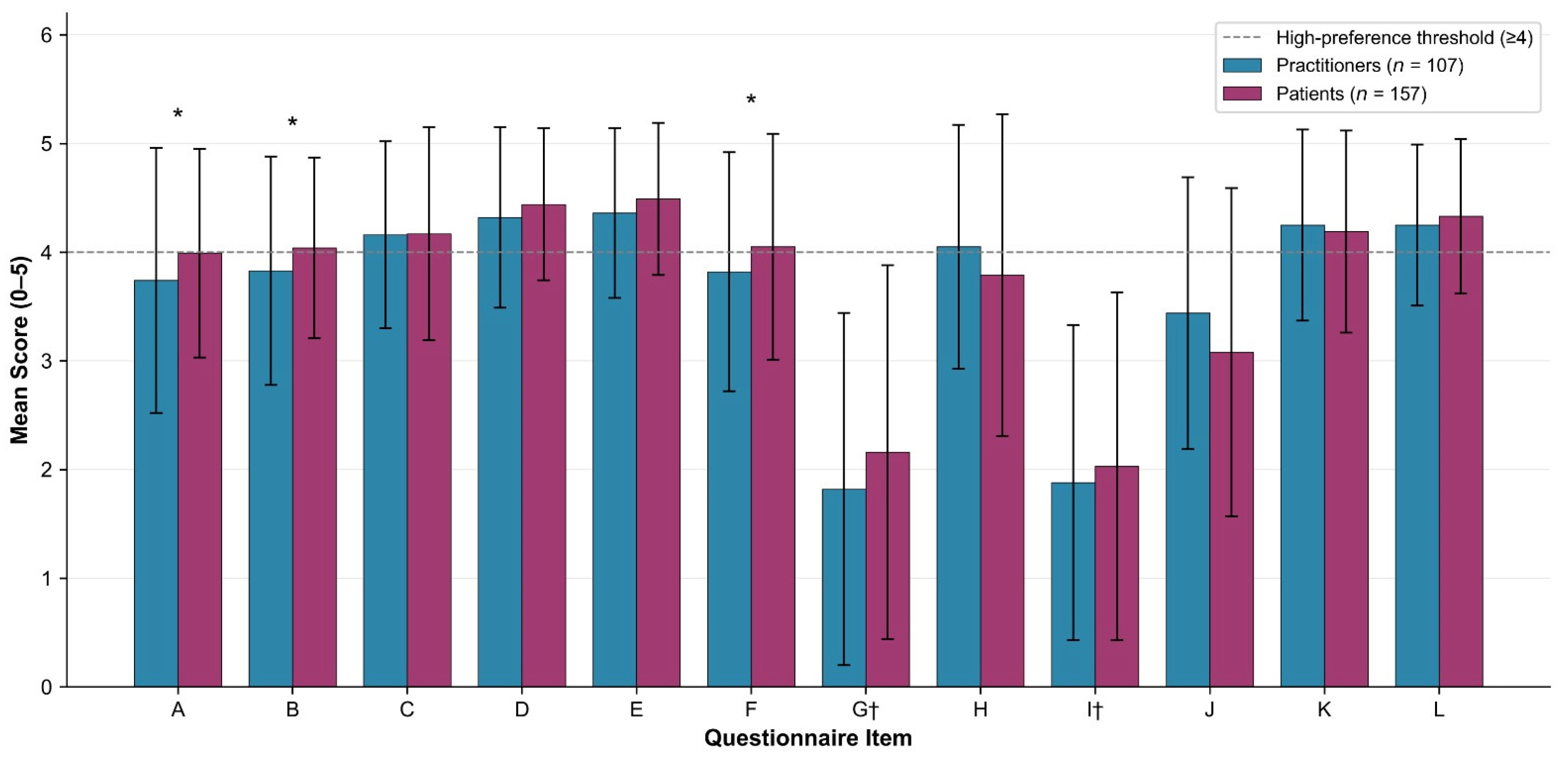
3.2. TDM Item Scores
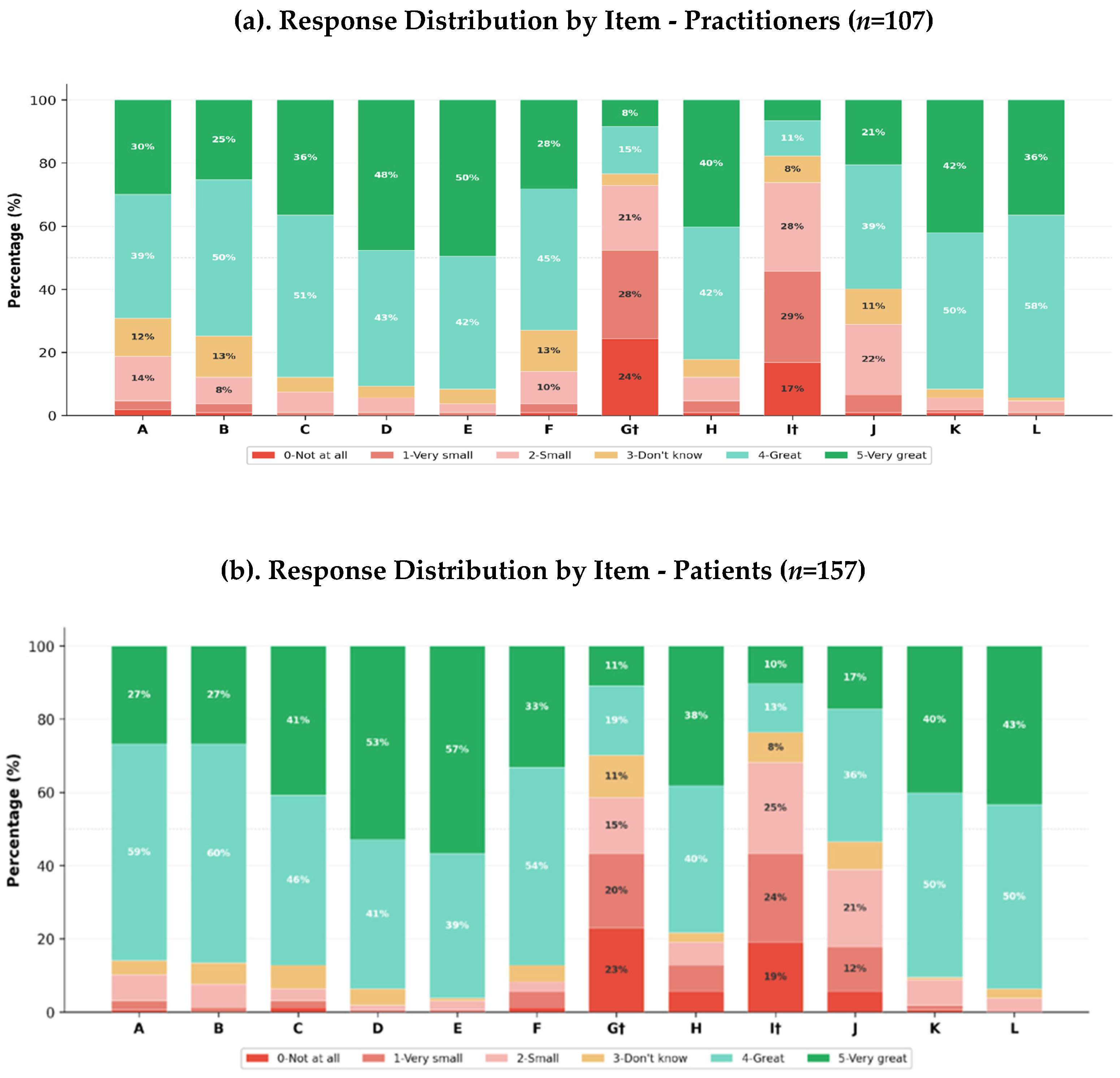
3.3. Response Distribution Profiles
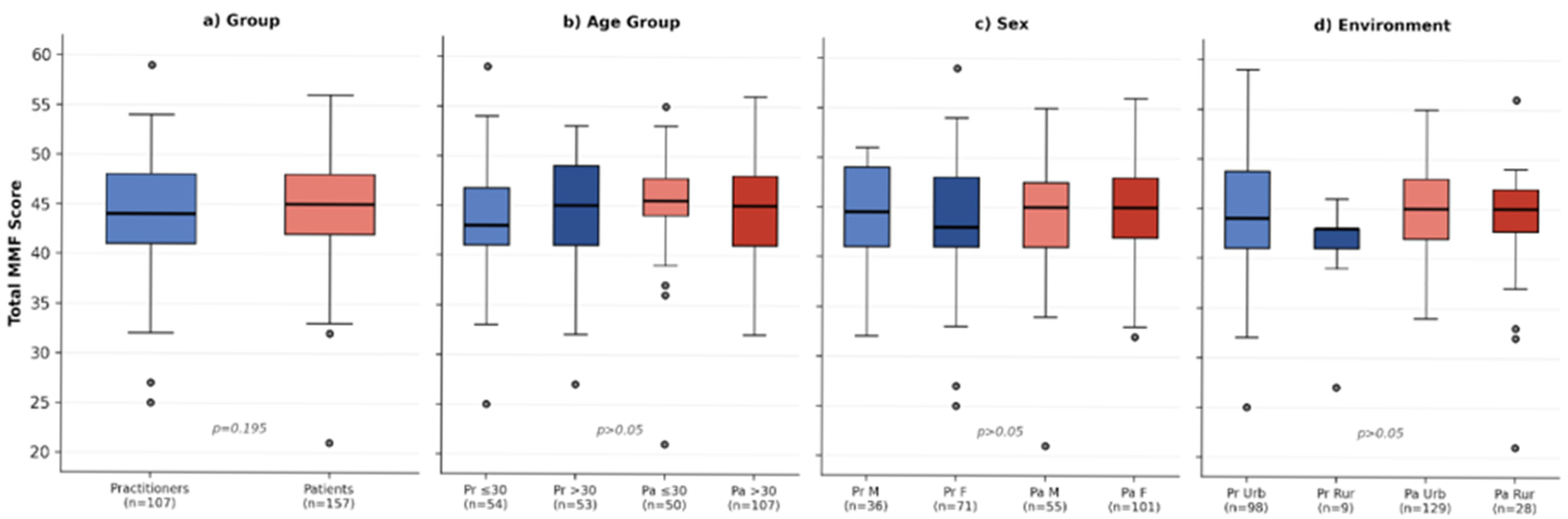
3.4. Total TDM Score by Demographic Subgroups
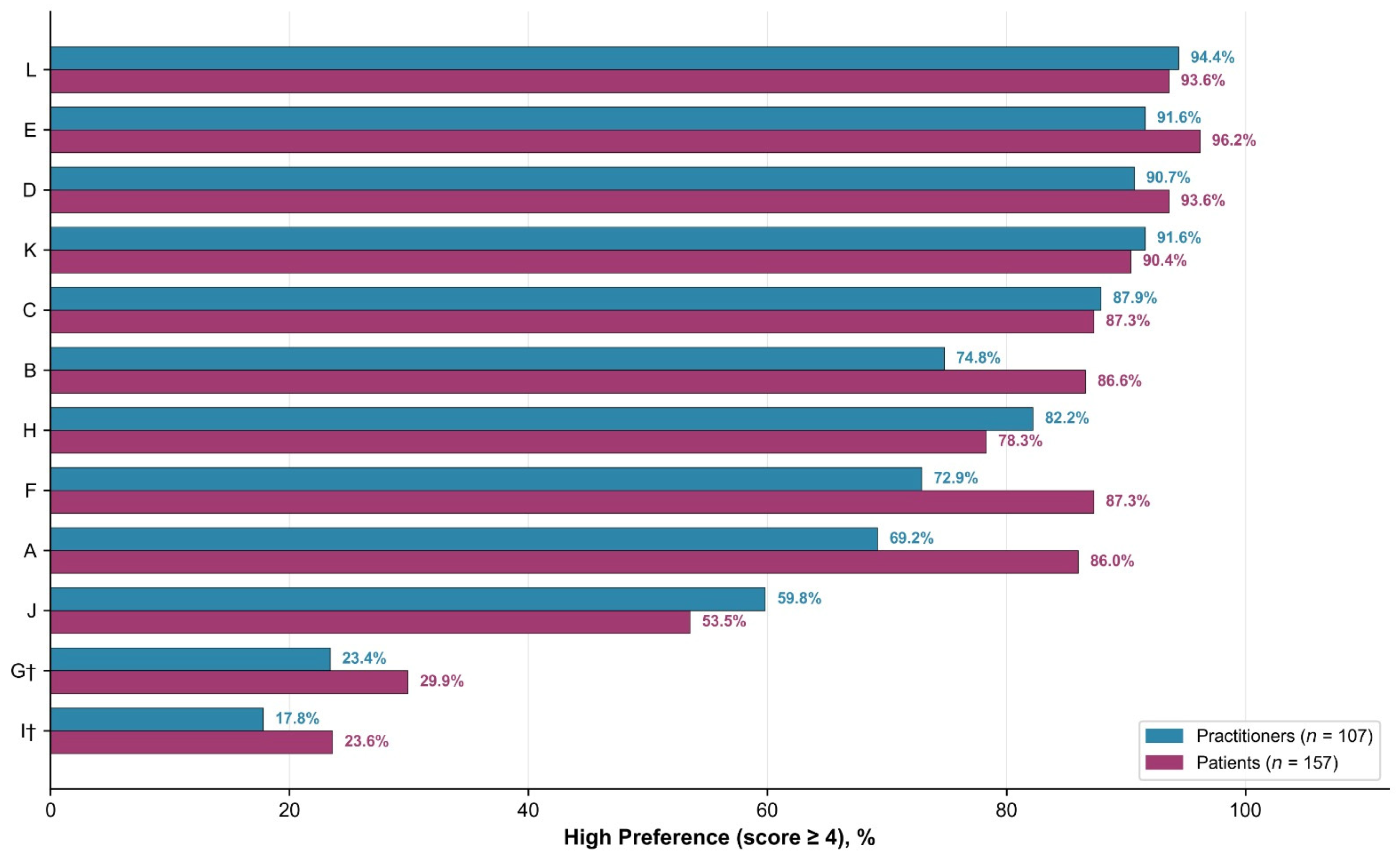
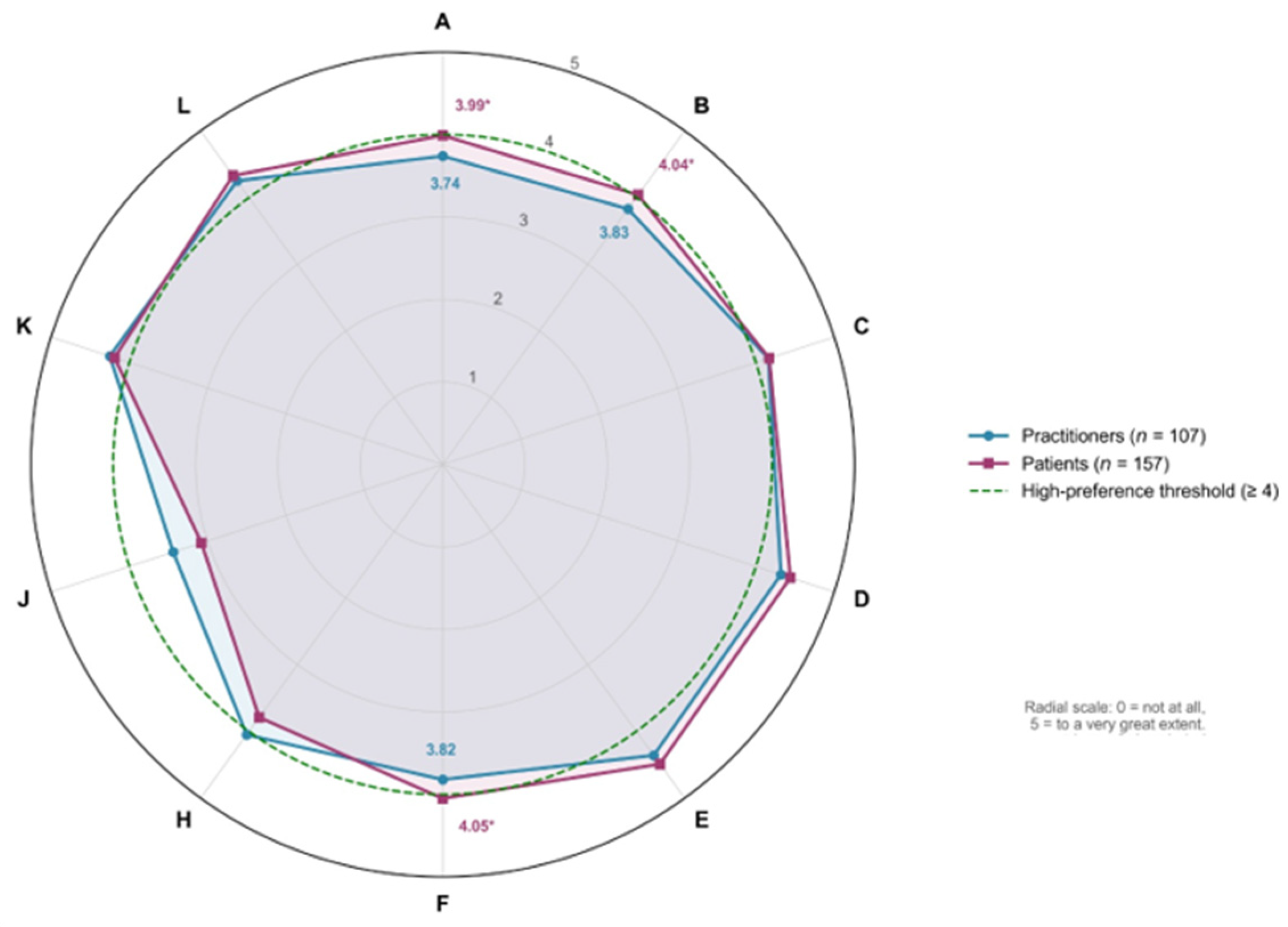
3.5. TDM Preference Profile
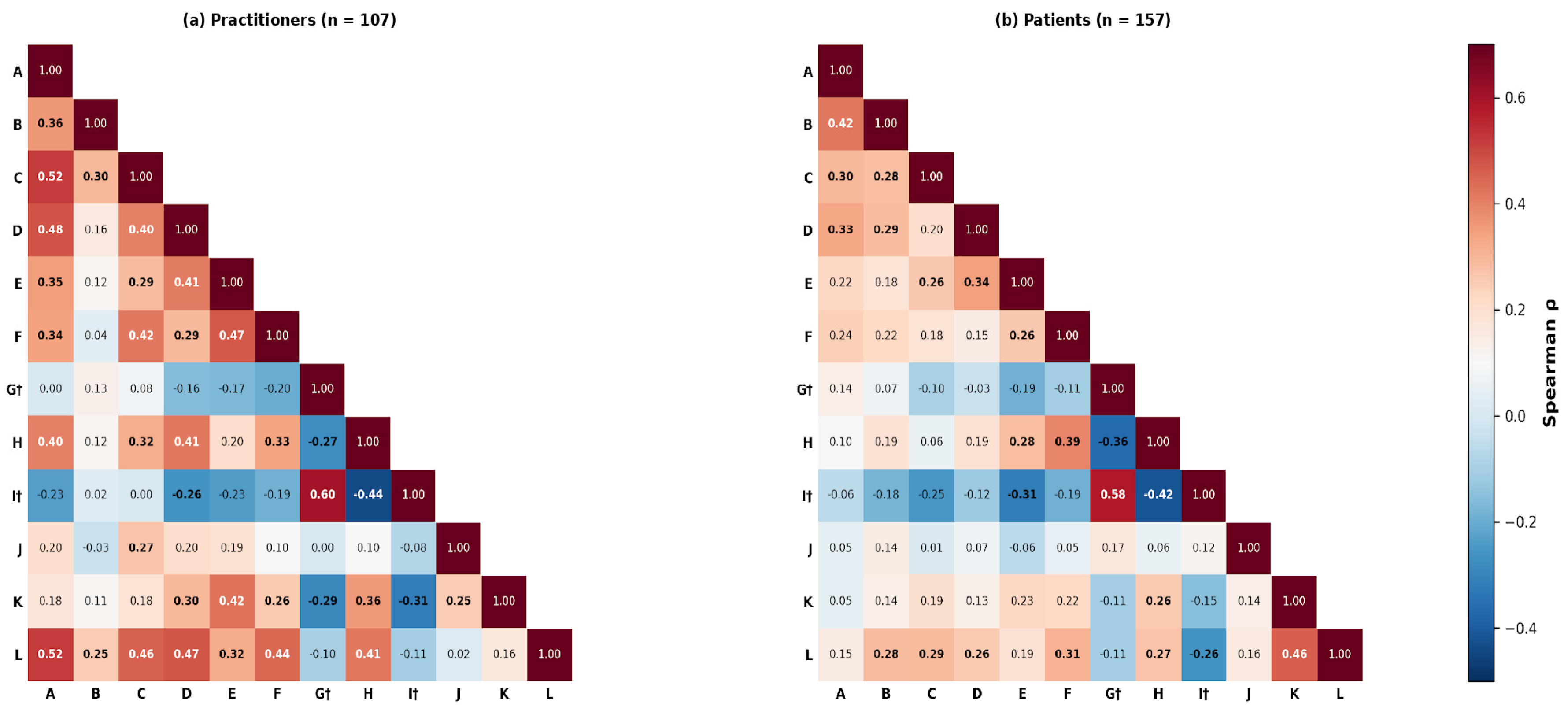
3.6. Internal Consistency and Inter-Item Correlations
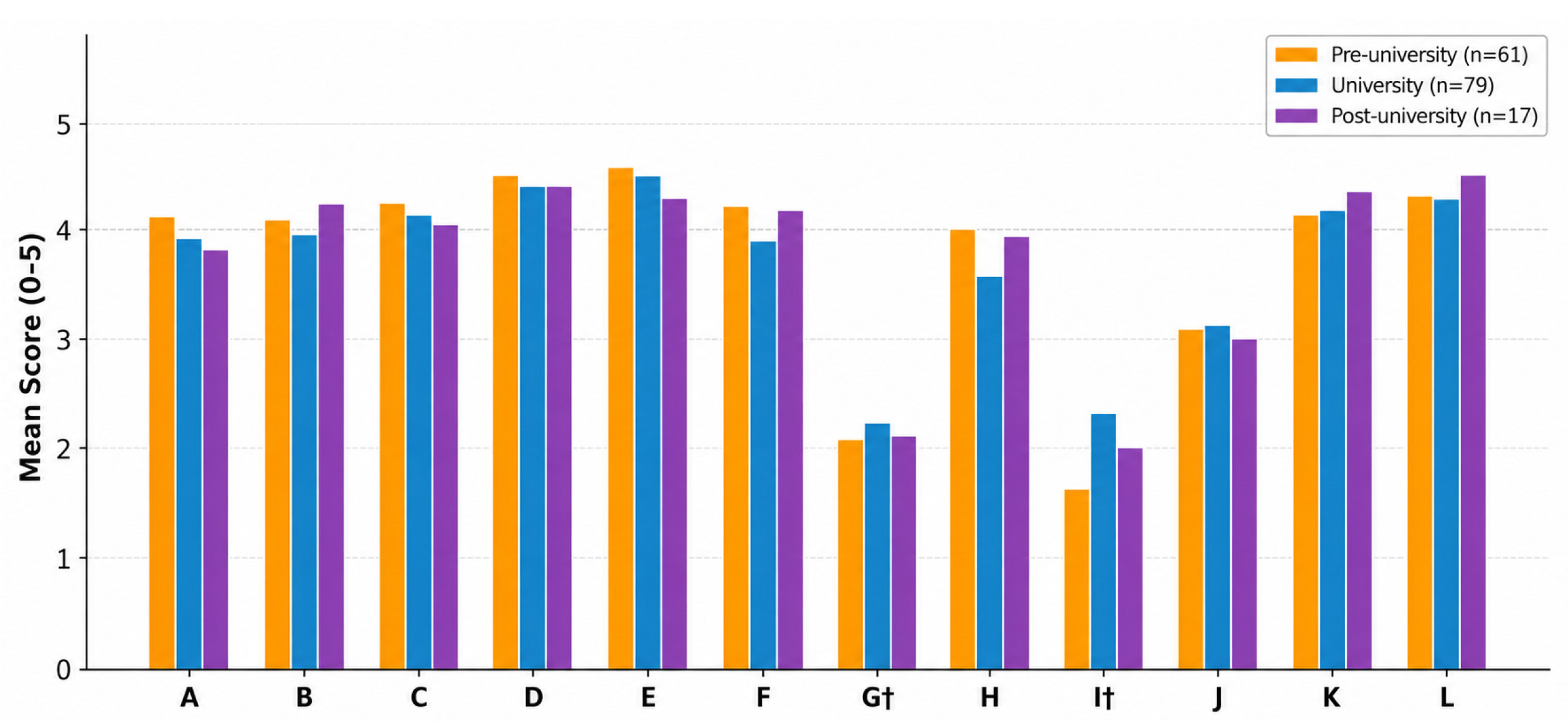
3.7. Patient Subgroup by Educational Level
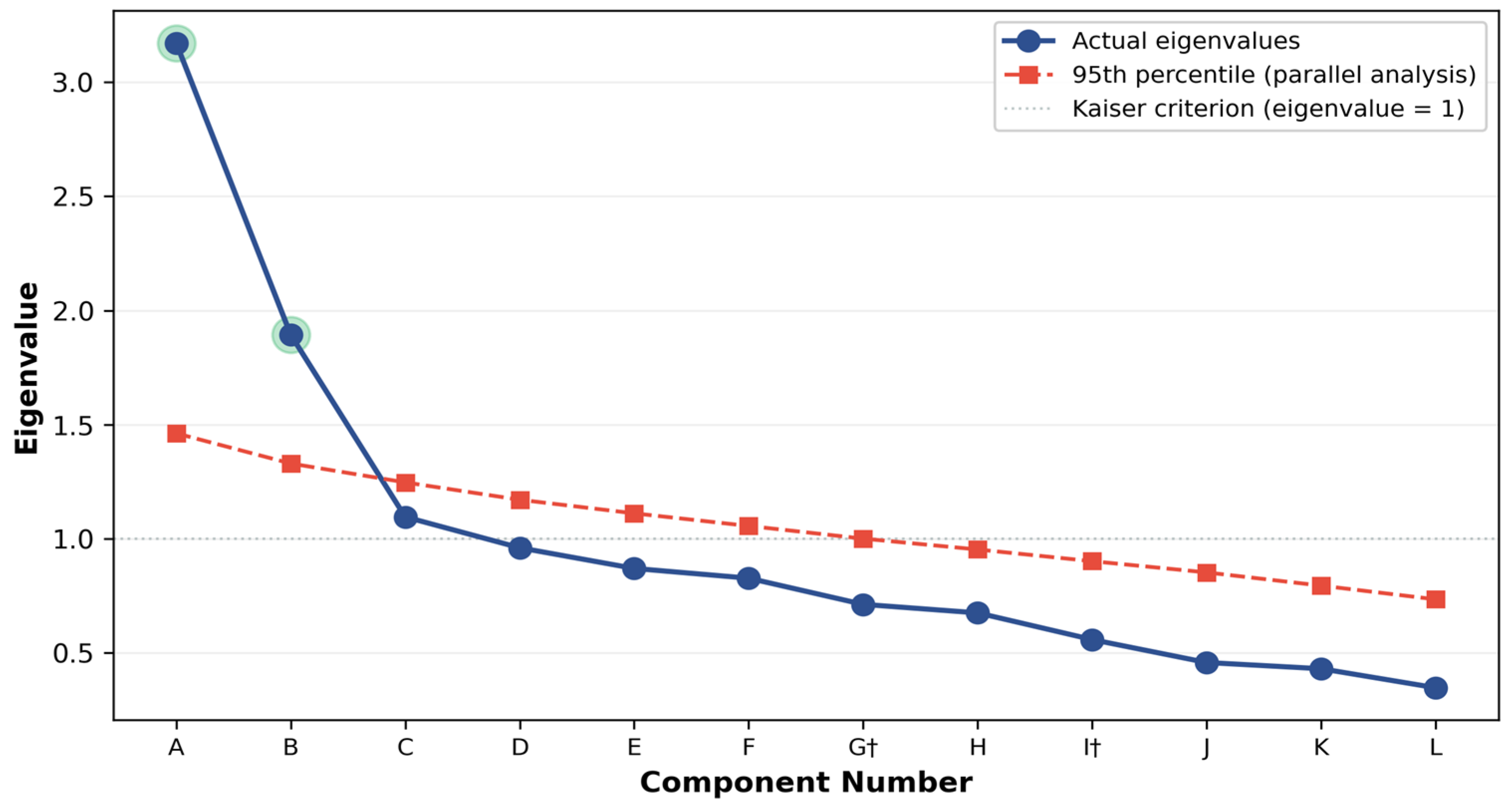
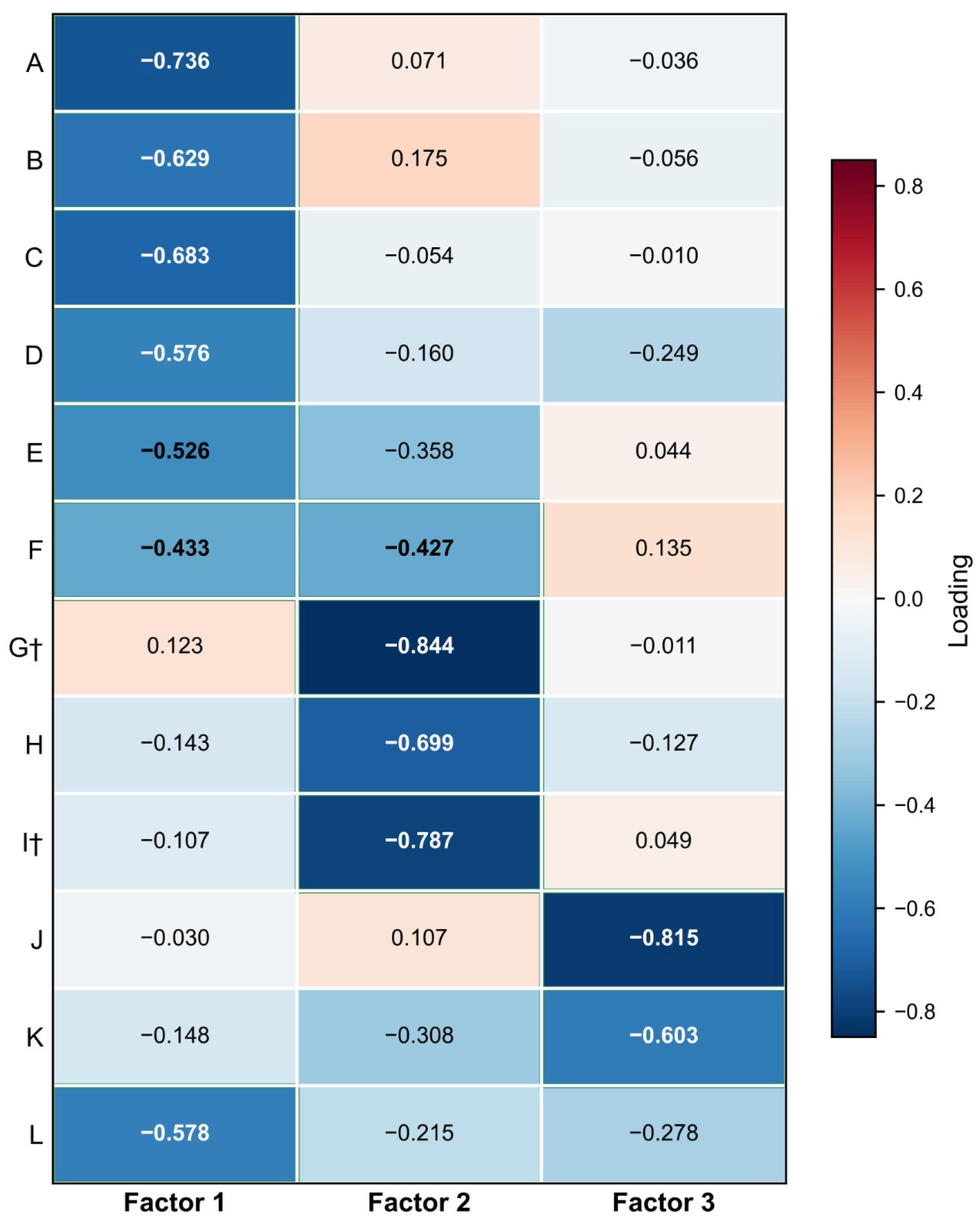
3.8. Structural Validity: Exploratory Factor Analysis
3.9. COSMIN Psychometric Summary
4. Discussion
4.1. Limitations
4.2. Future Directions
5. Conclusions
Supplementary Materials
Author Contributions
Funding
Institutional Review Board Statement
Informed Consent Statement
Data Availability Statement
Conflicts of Interest
References
- Salwitz, J.C. The Best Doctors Teach Their Patients. KevinMD.com. 2013. Available online: https://kevinmd.com/2013/04/doctors-teach-patients.html (accessed on 23 September 2025).
- Josan, L.; Ormenișan, A.; Teodorescu, E.; Daragiu, D.; Păcurar, M. Patient’s Interest towards Interconnection and Social Implication with Trainer Doctor Model. Rom. J. Stomatol. 2022, 68, 176–184. [Google Scholar] [CrossRef]
- Kim, E.-J.; Koo, Y.-R.; Nam, I.-C. Patients and Healthcare Providers’ Perspectives on Patient Experience Factors and a Model of Patient-Centered Care Communication: A Systematic Review. Healthcare 2024, 12, 1090. [Google Scholar] [CrossRef]
- Kim, D.-E.; Jang, J.-H. Development and Validation of the Patient-Centered Communication Competency Scale for Dental Hygienists. Healthcare 2025, 13, 1241. [Google Scholar] [CrossRef]
- Wang, Y.; Yang, X.; Liu, J. Navigating Sensitive Conversations: Patient-Centered Communication and Politeness Markers in Chinese Online Medical Consultations. Healthcare 2024, 12, 2465. [Google Scholar] [CrossRef]
- Adeogun, A.; Faezipour, M. Patient-Centric Paradigm: A Systems Thinking Approach to Enhance Healthcare. Healthcare 2025, 13, 213. [Google Scholar] [CrossRef]
- Magnezi, R.; Bergman, L.C.; Urowitz, S. Would Your Patient Prefer to Be Considered Your Friend? Patient Preferences in Physician Relationships. Health Educ. Behav. 2015, 42, 210–219. [Google Scholar] [CrossRef] [PubMed]
- Birkeland, S.; Bismark, M.; Barry, M.J.; Möller, S. ‘My Doctor Should Decide’—Predictors for Healthcare Users’ Stated Preferences Regarding Medical Decision-Making. Patient Educ. Couns. 2023, 114, 107825. [Google Scholar] [CrossRef] [PubMed]
- Meneses-La-Riva, M.E.; Fernández-Bedoya, V.H.; Suyo-Vega, J.A.; Ocupa-Cabrera, H.G.; Grijalva-Salazar, R.V.; Ocupa-Meneses, G.d.D. Enhancing Healthcare Efficiency: The Relationship Between Effective Communication and Teamwork Among Nurses in Peru. Nurs. Rep. 2025, 15, 59. [Google Scholar] [CrossRef] [PubMed]
- Searight, H.R. Counseling Patients in Primary Care: Evidence-Based Strategies. Am. Fam. Physician 2018, 98, 719–728. [Google Scholar]
- Alqahtani, N.S. Lifestyle Counseling in Primary Care: Effectiveness, Strategies, and Clinical Implications. Int. J. Gen. Med. 2025, 18, 6741–6756. [Google Scholar] [CrossRef]
- Naughton, C.A. Patient-Centered Communication. Pharmacy 2018, 6, 18. [Google Scholar] [CrossRef] [PubMed]
- Richmond, J.; Boynton, M.H.; Ozawa, S.; Muessig, K.E.; Cykert, S.; Ribisl, K.M. Development and Validation of the Trust in My Doctor, Trust in Doctors in General, and Trust in the Health Care Team Scales. Soc. Sci. Med. 2022, 298, 114827. [Google Scholar] [CrossRef]
- Blinkhorn, A.S. Factors Affecting the Compliance of Patients with Preventive Dental Regimens. Int. Dent. J. 1993, 43, 294–298. [Google Scholar]
- He, Y.Z.; Liao, P.C.; Chang, Y.T. Enhancing Patient-Centred Care in Taiwan’s Dental Education System: Exploring the Feasibility of Doctor–Patient Communication Education and Training. J. Dent. Sci. 2023, 18, 1830–1837. [Google Scholar] [CrossRef]
- Seymour, B.; Yang, H.; Getman, R.; Barrow, J.; Kalenderian, E. Patient-Centered Communication: Exploring the Dentist’s Role in the Era of e-Patients and Health 2.0. J. Dent. Educ. 2016, 80, 697–704. [Google Scholar] [CrossRef] [PubMed]
- Waylen, A.; Makoul, G.; Albeyatti, Y. Patient–Clinician Communication in a Dental Setting: A Pilot Study. Br. Dent. J. 2015, 218, 585–588. [Google Scholar] [CrossRef]
- Bernardi, R.; Wu, P.F. Online Health Communities and the Patient–Doctor Relationship: An Institutional Logics Perspective. Soc. Sci. Med. 2022, 314, 115494. [Google Scholar] [CrossRef]
- Huang, C.W.; Wu, B.C.Y.; Nguyen, P.A.; Wang, H.H.; Kao, C.C.; Lee, P.C.; Rahmanti, A.R.; Hsu, J.C.; Yang, H.C.; Li, Y.J. Emotion Recognition in Doctor–Patient Interactions from Real-World Clinical Video Database: Initial Development of Artificial Empathy. Comput. Methods Programs Biomed. 2023, 233, 107480. [Google Scholar] [CrossRef] [PubMed]
- Zhao, M.; Wang, Y.; Zhang, X.; Xu, C. Online Doctor–Patient Dynamic Stable Matching Model Based on Regret Theory under Incomplete Information. Socio-Econ. Plan. Sci. 2023, 87, 101615. [Google Scholar] [CrossRef]
- Pieterse, A.H.; Gulbrandsen, P.; Ofstad, E.H.; Menichetti, J. What Does Shared Decision Making Ask from Doctors? Uncovering Suppressed Qualities That Could Improve Person-Centered Care. Patient Educ. Couns. 2023, 114, 107801. [Google Scholar] [CrossRef]
- Mokkink, L.B.; de Vet, H.C.W.; Prinsen, C.A.C.; Patrick, D.L.; Alonso, J.; Bouter, L.M.; Terwee, C.B. COSMIN Risk of Bias Checklist for Systematic Reviews of Patient-Reported Outcome Measures. Qual. Life Res. 2018, 27, 1171–1179. [Google Scholar] [CrossRef]
- Kaiser, H.F. An Index of Factorial Simplicity. Psychometrika 1974, 39, 31–36. [Google Scholar] [CrossRef]
- Taber, K.S. The Use of Cronbach’s Alpha When Developing and Reporting Research Instruments in Science Education. Res. Sci. Educ. 2018, 48, 1273–1296. [Google Scholar] [CrossRef]
- Kiș, A.M.; Negru, M.C.; Sălcudean, A.; Marian, D.; Lucoiu, A.; Pașca, M.D.; Popovici, R.A.; Olariu, I. From Diagnosis to Treatment: How Communication Transforms Patient Care. Rom. J. Oral Rehabil. 2025, 17, 825. [Google Scholar] [CrossRef]
- Sălcudean, A.; Trușculescu, L.-M.; Popovici, R.A.; Șerb, N.; Pașca, C.; Bodo, C.R.; Crăciun, R.E.; Olariu, I. Dental Anxiety—A Psychosocial Cause Affecting Quality of Life: A Systematic Review. Rom. J. Oral Rehabil. 2024. [Google Scholar] [CrossRef]
- Popovici, R.A.; Podariu, A.C.; Anculia, R.C.; Serafin, A.-C.; Tigmeanu, C.V.; Krems, C.D.; Levai, M.C. Accessibility to Dental Health Care: Risk Factor in Oral Health at Rural Area Community. Rev. Cercet. Interv. Soc. 2017, 59, 48–61. [Google Scholar]
- Seni, A.-G.; Sălcudean, A.; Popovici, R.-A.; Cîmpian, D.-M.; Olariu, T.; Olariu, I.; Păcurar, M.; Kiș, A.M.; Bădoiu, S.-C.; Jinga, V.; et al. Associations Between Diet, Oral Health, and General Development in Romanian School-Age Children. Nutrients 2025, 17, 2832. [Google Scholar] [CrossRef]
- Lile, I.E.; Cojocariu, C.; Marian, D.; Hosszu, T.; Stana, A.H.; Stana, O. Oral Hygiene and Dietary Behaviors Among Romanian Schoolchildren: A Cross-Sectional Study. Children 2025, 12, 1712. [Google Scholar] [CrossRef] [PubMed]
- Dincă, F.I.; Dimitriu, B.A.; Săndulescu, O.; Sîrbu, V.D.; Săndulescu, M. Knowledge, Attitudes, and Practices of Dental Students from Romania Regarding Self-Perceived Risk and Prevention of Infectious Diseases. Dent. J. 2024, 12, 97. [Google Scholar] [CrossRef]
- Boateng, G.O.; Neilands, T.B.; Frongillo, E.A.; Melgar-Quiñonez, H.R.; Young, S.L. Best Practices for Developing and Validating Scales for Health, Social, and Behavioral Research: A Primer. Front. Public Health 2018, 6, 149. [Google Scholar] [CrossRef]
- Polit, D.F.; Beck, C.T.; Owen, S.V. Is the CVI an Acceptable Indicator of Content Validity? Appraisal and Recommendations. Res. Nurs. Health 2007, 30, 459–467. [Google Scholar] [CrossRef] [PubMed]
- Beaton, D.E.; Bombardier, C.; Guillemin, F.; Ferraz, M.B. Guidelines for the Process of Cross-Cultural Adaptation of Self-Report Measures. Spine 2000, 25, 3186–3191. [Google Scholar] [CrossRef] [PubMed]



| Characteristic | Practitioners (n = 107) | Patients (n = 157) |
|---|---|---|
| Age, mean ± SD (range), years | 33.43 ± 8.60 (23–69) | 39.14 ± 14.42 (18–74) |
| Age ≤ 30/>30 years, n (%) | 54 (50.5%)/53 (49.5%) | 50 (31.8%)/107 (68.2%) |
| Female/Male, n (%) | 71 (66.4%)/36 (33.6%) | 101 (64.7%)/55 (35.3%) |
| Urban/Rural, n (%) | 98 (91.6%)/9 (8.4%) | 129 (82.2%)/28 (17.8%) |
| Education: Pre/Uni/Post, n (%) | 1 (0.9%)/70 (65.4%)/36 (33.6%) | 61 (38.9%)/79 (50.3%)/17 (10.8%) |
| Item | Description | Pract. M ± SD | Pat. M ± SD | Pr H% | Pa H% | χ2 | p |
|---|---|---|---|---|---|---|---|
| A | Health improvement requires a physician | 3.74 ± 1.22 | 3.99 ± 0.96 | 69.2 | 86.0 | 9.93 | 0.002 * |
| B | Physician improves conduct | 3.83 ± 1.05 | 4.04 ± 0.83 | 74.8 | 86.6 | 5.24 | 0.022 * |
| C | Physician helps fight illness | 4.16 ± 0.86 | 4.17 ± 0.98 | 87.9 | 87.3 | 0.00 | 1.000 |
| D | Health = security need | 4.32 ± 0.83 | 4.44 ± 0.70 | 90.7 | 93.6 | 0.44 | 0.509 |
| E | Competence guides choice | 4.36 ± 0.78 | 4.49 ± 0.70 | 91.6 | 96.2 | 1.72 | 0.190 |
| F | Accepts recommendations | 3.82 ± 1.10 | 4.05 ± 1.04 | 72.9 | 87.3 | 7.76 | 0.005 * |
| G † | Non-medical can heal | 1.82 ± 1.62 | 2.16 ± 1.72 | 23.4 | 29.9 | 1.07 | 0.300 |
| H | Needs a physician for therapy | 4.05 ± 1.12 | 3.79 ± 1.48 | 82.2 | 78.3 | 0.38 | 0.535 |
| I † | Can self-heal | 1.88 ± 1.45 | 2.03 ± 1.60 | 17.8 | 23.6 | 0.96 | 0.327 |
| J | Illness induces insecurity | 3.44 ± 1.25 | 3.08 ± 1.51 | 59.8 | 53.5 | 0.79 | 0.375 |
| K | Interest in training level | 4.25 ± 0.88 | 4.19 ± 0.93 | 91.6 | 90.4 | 0.01 | 0.921 |
| L | Follows therapeutic conduct | 4.25 ± 0.74 | 4.33 ± 0.71 | 94.4 | 93.6 | 0.00 | 1.000 |
| Comparison | Group 1 | n | Mean ± SD | Group 2 | n | Mean ± SD | p | d |
|---|---|---|---|---|---|---|---|---|
| Overall | Practitioners | 107 | 43.93 ± 5.56 | Patients | 157 | 44.77 ± 4.84 | 0.195 | −0.16 |
| Pract. Age | ≤30 | 54 | 43.67 ± 5.54 | >30 | 53 | 44.19 ± 5.62 | 0.295 | −0.09 |
| Pat. Age | ≤30 | 50 | 45.06 ± 5.07 | >30 | 107 | 44.64 ± 4.73 | 0.371 | 0.09 |
| Pract. Sex | M | 36 | 44.06 ± 5.66 | F | 71 | 43.86 ± 5.55 | 0.937 | 0.04 |
| Pat. Sex | M | 55 | 44.38 ± 5.04 | F | 101 | 45.04 ± 4.72 | 0.718 | −0.14 |
| Pract. Milieu | Urban | 98 | 44.19 ± 5.34 | Rural | 9 | 41.00 ± 7.78 | 0.142 | 0.58 |
| Pat. Milieu | Urban | 129 | 44.98 ± 4.65 | Rural | 28 | 43.82 ± 5.58 | 0.647 | 0.24 |
| Pat. Edu | Pre | 61 | 45.00 ± 4.43 | Uni + Post | 96 | 44.62 ± 5.09 | 0.732 | 0.08 |
| Measure/Item Pair | Practitioners | Patients |
|---|---|---|
| Cronbach’s α (raw) | 0.572 | 0.347 |
| Cronbach’s α (G, I reversed) | 0.752 | 0.651 |
| A vs. G | 0.004 (p = 0.969) | 0.140 (p = 0.081) |
| B vs. H | 0.117 (p = 0.230) | 0.188 (p = 0.019 *) |
| C vs. I | 0.003 (p = 0.978) | −0.250 (p = 0.002 *) |
| D vs. J | 0.204 (p = 0.035 *) | 0.069 (p = 0.389) |
| E vs. K | 0.425 (p < 0.001 *) | 0.225 (p = 0.005 *) |
| F vs. L | 0.444 (p < 0.001 *) | 0.307 (p < 0.001 *) |
| Item | Description | F1: Formative | F2: Necessity | F3: Security | h2 |
|---|---|---|---|---|---|
| A | Physician role | −0.736 | 0.071 | −0.036 | 0.548 |
| B | Improving conduct | −0.629 | 0.175 | −0.056 | 0.429 |
| C | Fighting illness | −0.683 | −0.054 | −0.010 | 0.470 |
| D | Security need | −0.576 | −0.160 | −0.249 | 0.419 |
| E | Competence | −0.526 | −0.358 | 0.044 | 0.406 |
| F | Recommendations | −0.433 | −0.427 | 0.135 | 0.388 |
| G † | Non-medical (rev.) | 0.123 | −0.844 | −0.011 | 0.728 |
| H | Need physician | −0.143 | −0.699 | −0.127 | 0.525 |
| I † | Self-healing (rev.) | −0.107 | −0.787 | 0.049 | 0.633 |
| J | Insecurity | −0.030 | 0.107 | −0.815 | 0.676 |
| K | Training interest | −0.148 | −0.308 | −0.603 | 0.481 |
| L | Compliance | −0.578 | −0.215 | −0.278 | 0.457 |
| SS loadings | 2.604 | 2.346 | 1.210 | ||
| % Variance | 21.7% | 19.5% | 10.1% | 51.3% |
| Property (COSMIN v3.0) | Rating | Evidence |
|---|---|---|
| Content validity | Inadequate | Author-designed; no Delphi. Planned. |
| Structural validity | Adequate | EFA: KMO = 0.74, 3 factors, 51.3%. |
| Internal consistency | Adequate | α = 0.752/0.651, G + I reversed. |
| Construct validity | Adequate | E/K ρ = 0.43, F/L ρ = 0.44, p < 0.001. |
| Known-groups | Adequate | Items A, B, F: p < 0.05. |
| Cross-cultural | Not assessed | Single-language (Romanian). |
| Test–retest | Not assessed | Cross-sectional. Planned. |
| Measurement error | Not assessed | SEM/SDC planned. |
| Criterion validity | N/A | No gold standard. |
| Responsiveness | N/A | Cross-sectional. |
Disclaimer/Publisher’s Note: The statements, opinions and data contained in all publications are solely those of the individual author(s) and contributor(s) and not of MDPI and/or the editor(s). MDPI and/or the editor(s) disclaim responsibility for any injury to people or property resulting from any ideas, methods, instructions or products referred to in the content. |
© 2026 by the authors. Licensee MDPI, Basel, Switzerland. This article is an open access article distributed under the terms and conditions of the Creative Commons Attribution (CC BY) license.
Share and Cite
Josan, L.; Strete, E.G.; Ormenișan, A.; Talpos-Niculescu, I.C.; Marian, D.; Salcudean, A.; Seni, A.G.; Olariu, I. Patient-Centred Communication and Behavioural Guidance: An Exploratory Evaluation of the Trainer–Doctor Model in Dental Practice. Healthcare 2026, 14, 1759. https://doi.org/10.3390/healthcare14121759
Josan L, Strete EG, Ormenișan A, Talpos-Niculescu IC, Marian D, Salcudean A, Seni AG, Olariu I. Patient-Centred Communication and Behavioural Guidance: An Exploratory Evaluation of the Trainer–Doctor Model in Dental Practice. Healthcare. 2026; 14(12):1759. https://doi.org/10.3390/healthcare14121759
Chicago/Turabian StyleJosan, Lucian, Elena Gabriela Strete, Alina Ormenișan, Ioana Cristina Talpos-Niculescu, Diana Marian, Andreea Salcudean, Ana Gabriela Seni, and Iustin Olariu. 2026. "Patient-Centred Communication and Behavioural Guidance: An Exploratory Evaluation of the Trainer–Doctor Model in Dental Practice" Healthcare 14, no. 12: 1759. https://doi.org/10.3390/healthcare14121759
APA StyleJosan, L., Strete, E. G., Ormenișan, A., Talpos-Niculescu, I. C., Marian, D., Salcudean, A., Seni, A. G., & Olariu, I. (2026). Patient-Centred Communication and Behavioural Guidance: An Exploratory Evaluation of the Trainer–Doctor Model in Dental Practice. Healthcare, 14(12), 1759. https://doi.org/10.3390/healthcare14121759