1. Introduction
Musculoskeletal disorders are among the leading contributors to disability worldwide, imposing substantial personal, social, and economic burden across the lifespan [
1,
2,
3,
4]. Conditions such as osteoarthritis, low back pain, chronic musculoskeletal pain, tendinopathies, and shoulder disorders frequently impair mobility, function, and participation and constitute a major driver of health care utilization [
1,
2,
3,
4,
5,
6]. In rehabilitation practice, the management of these disorders rarely relies on a single modality. Instead, multimodal interventions that combine exercise therapy, manual therapy, electrotherapy, patient education, and cognitive–behavioral approaches represent the prevailing pattern of care [
7,
8,
9]. In addition, emerging integrative and mind–body rehabilitation approaches such as yoga-based rehabilitation programs have increasingly been investigated within musculoskeletal care. These interventions typically combine physical exercise, breathing regulation, body awareness, behavioral strategies, and patient-centered self-management components, thereby conceptually aligning with contemporary multimodal and biopsychosocial rehabilitation frameworks [
10,
11,
12].
Across the past two decades, musculoskeletal rehabilitation has undergone a paradigm shift from unimodal biomedical interventions toward biopsychosocial, self-management, and guideline-based models of care [
13,
14,
15,
16]. International guidelines for osteoarthritis, low back pain, and chronic pain increasingly emphasize the integration of exercise therapy with education, behavioral strategies, and self-management rather than passive or isolated electrophysical agents [
17,
18,
19,
20]. For example, the American College of Physicians recommends exercise therapy and cognitive–behavioral interventions for low back pain [
17]; the Osteoarthritis Research Society International identifies exercise and education as core recommendations for knee and hip osteoarthritis; and the International Association for the Study of Pain advocates for biopsychosocial and multimodal rehabilitation strategies in chronic pain [
18]. Similar trends are reflected in national physiotherapy and rehabilitation guidelines, reinforcing the role of multimodal care pathways in real-world clinical practice [
19,
20,
21,
22].
Despite this evolution, the research literature has historically examined rehabilitation modalities in isolation. Exercise therapy, manual therapy, electrotherapy, and behavioral interventions have each been the focus of numerous randomized trials, systematic reviews, and bibliometric studies [
23,
24,
25,
26,
27], yet the intersection of these modalities has rarely been quantified at scale. As a result, the scientific knowledge base remains fragmented relative to how rehabilitation is delivered in practice, limiting the ability to understand thematic evolution, clinical relevance, and evidence gaps across multimodal care.
To date, no bibliometric study has mapped multimodal physical therapy interventions in musculoskeletal rehabilitation. Existing bibliometric syntheses have focused on single modalities (e.g., exercise; manual therapy) or specific diagnostic entities (e.g., osteoarthritis; low back pain) [
28,
29,
30,
31], but none have characterized how exercise, manual therapy, electrotherapy, behavioral interventions, and education co-occur or cluster within rehabilitation research. Furthermore, little is known about how such combinations align with guideline priorities, biopsychosocial models, and self-management strategies or how they vary across diagnostic groups.
The present study addresses this gap by conducting a bibliometric and altmetric mapping of multimodal musculoskeletal rehabilitation. We sought to (i) identify thematic clusters of combined rehabilitation modalities; (ii) examine diagnostic subgroup patterns across osteoarthritis, low back pain, chronic musculoskeletal pain, tendinopathy, and shoulder disorders; (iii) characterize temporal and thematic evolution from unimodal to biopsychosocial rehabilitation; and (iv) explore dissemination and policy attention through digital altmetrics. By contextualizing multimodal rehabilitation within contemporary guidelines and practice models, this work aims to contribute to a more integrated understanding of rehabilitation science and its clinical application.
2. Materials and Methods
2.1. Data Collection and Search Strategy
On 10 January 2026, a comprehensive literature search was conducted using the Web of Science Core Collection to identify publications related to multimodal musculoskeletal rehabilitation. The search specifically included the Science Citation Index Expanded (SCI-EXPANDED; coverage: 1900–present) and the Social Sciences Citation Index (SSCI; coverage: 1956–present). The coverage characteristics of these sub-datasets were explicitly reported to improve methodological transparency and reproducibility in accordance with recommendations from previous scientometric studies emphasizing detailed reporting of Web of Science Core Collection data sources [
32,
33,
34].
The Web of Science Core Collection was selected because of its standardized indexing structure, citation tracking reliability, compatibility with major bibliometric software tools (e.g., VOSviewer version 1.6.20 (Centre for Science and Technology Studies, Leiden University, Leiden, The Netherlands), CiteSpace version 6.3.R1 (Drexel University, Philadelphia, PA, USA), and Bibliometrix version 4.3.2 (University of Naples Federico II, Naples, Italy)), and widespread use in bibliometric and scientometric research [
32,
33,
34]. In addition, Web of Science provides highly structured metadata and consistent citation indexing, which facilitate reproducible network visualization, co-citation analysis, and thematic mapping. Although databases such as Scopus may provide broader journal coverage in some disciplines, Web of Science Core Collection was considered more suitable for the present study because of its methodological consistency and established use in bibliometric mapping studies [
32,
33,
34]. Nevertheless, previous scientometric studies have noted that the coverage and indexing policies of the Web of Science Core Collection have expanded over time, which may influence longitudinal bibliometric analyses and publication growth trends [
33,
34].
The search strategy was designed to preferentially identify studies integrating multiple rehabilitation modalities within the same therapeutic framework, including exercise therapy, manual therapy, electrotherapy, patient education, and cognitive–behavioral interventions. A total of 409 records were retrieved and included in the bibliometric and altmetric analyses. The search strategy and retrieval process are summarized in
Table 1. In addition, several bibliometric visualization and clustering parameters (e.g., threshold selection and network density optimization) were adjusted to improve the interpretability of network visualizations, which may introduce a degree of methodological variability in thematic mapping results.
Unlike studies that apply multiple independent search sets followed by Boolean intersections, the present study employed a single comprehensive search query that simultaneously incorporated exercise, manual therapy, electrotherapy, education, and cognitive–behavioral rehabilitation-related terms. Retrieved records were subsequently screened for eligibility and thematic relevance at the title and abstract level using predefined inclusion and exclusion criteria focused on musculoskeletal rehabilitation relevance and multimodal intervention structure. Records lacking clear musculoskeletal relevance or sufficient multimodal rehabilitation content were excluded following consensus review.
Because the coverage and indexing policies of the Web of Science Core Collection have evolved over time, historical bibliometric trends should be interpreted with consideration of potential database-dependent variations in retrospective coverage, indexing practices, and metadata consistency, particularly for older literature from the late 1980s and early 1990s [
34].
The search strategy was intentionally designed to prioritize conceptual specificity by identifying studies explicitly integrating multiple rehabilitation components within the same therapeutic framework. However, certain multidisciplinary, integrative, or mind–body rehabilitation approaches (e.g., yoga-based rehabilitation models) involving broader therapeutic frameworks, fewer combined modalities, or alternative terminology may not have been fully captured within the final dataset.
2.2. Screening and Eligibility
Records were included if they involved musculoskeletal conditions and at least two combined rehabilitation modalities from the search taxonomy. The search strategy was designed to prioritize studies explicitly integrating multiple rehabilitation components within the same therapeutic framework rather than isolated unimodal interventions. Exclusion criteria included (i) non-musculoskeletal conditions (e.g., stroke; cardiovascular disease), (ii) animal or basic science studies, and (iii) duplicates. Screening and eligibility assessment were performed manually at the title and abstract level using predefined thematic eligibility criteria focused on musculoskeletal rehabilitation relevance and multimodal intervention structure.
2.3. Variable Extraction
For each publication, the following metadata were extracted: year of publication, country, institution, journal, authors, keywords, citations, funding agency, and document type. Rehabilitation modalities were coded as exercise therapy, manual therapy, electrotherapy, education, and cognitive–behavioral approaches.
2.4. Classification of Intervention Modalities
To facilitate clinical interpretation of the bibliometric findings, the included publications were conceptually classified according to multimodal rehabilitation intervention domains combining exercise therapy with manual therapy, electrotherapy, education, and cognitive–behavioral strategies. This classification reflects the most frequently reported multimodal rehabilitation approaches identified in the literature and provides a clinical framework for contextualizing the bibliometric and altmetric results in relation to contemporary guideline recommendations (
Table 2).
The resulting classification was used as an analytical schema for subsequent thematic, clustering and diagnostic subgroup analyses, enabling integration of bibliometric outputs with real-world rehabilitation practice patterns and care pathways.
2.5. Diagnostic Subgroup Coding
Publications were categorized into diagnostic subgroups: osteoarthritis, low back pain, chronic musculoskeletal pain, tendinopathy, and shoulder disorders. Diagnostic mapping was based on author keywords, title terms, and abstract terminology.
2.6. Bibliometric and Network Analysis
Descriptive bibliometric analyses were performed to summarize key characteristics of the multimodal rehabilitation literature, including annual publication output, source journals, citation patterns, authorship characteristics, and institutional and country contributions. Keyword frequencies were analyzed to identify commonly reported rehabilitation modalities and musculoskeletal diagnostic terms. Basic descriptive statistics and temporal trend analyses were conducted in Microsoft Excel 365 (Microsoft Corporation, Redmond, WA, USA). Similar long-term bibliometric approaches have been applied in musculoskeletal rehabilitation and related clinical fields to map influential contributors, research frontiers, and thematic evolution over time (Ozyigit et al., 2024) [
35]. International collaboration was assessed using multiple-country publications (MCP) to characterize cross-national research partnerships, whereas single-country publications (SCP) were used to represent domestic research activity.
Bibliometric and visualization analyses were performed using VOSviewer version 1.6.20 (Centre for Science and Technology Studies, Leiden University, Leiden, The Netherlands), CiteSpace version 6.3.R1 (College of Computing and Informatics, Drexel University, Philadelphia, PA, USA), and Bibliometrix version 4.3.2 (Department of Economics and Statistics, University of Naples Federico II, Naples, Italy). VOSviewer was used for co-authorship, co-citation, and keyword co-occurrence analyses as well as visualization of collaboration networks among authors, institutions, and countries. Minimum occurrence thresholds were flexibly adjusted according to network density and visualization interpretability to identify influential authors, journals, and thematic clusters. For network visualization, node size reflected publication or citation frequency, whereas link strength represented collaboration intensity or co-occurrence relationships between items.
CiteSpace was used for thematic clustering, timeline visualization, and temporal mapping analyses using the log-likelihood ratio (LLR) clustering algorithm and time-slicing procedures. Cluster views and timeline visualizations were constructed to identify research hotspots, emerging multimodal intervention themes, and diagnostic-specific research trajectories across osteoarthritis, low back pain, chronic musculoskeletal pain, tendinopathy, and shoulder disorders. These visual knowledge maps provided an intuitive framework for examining intellectual structure, research frontiers and temporal transitions in multimodal musculoskeletal rehabilitation.
Bibliometrix (R package, version 4.3.2) was used for descriptive bibliometric analyses, thematic evolution mapping, Bradford zone analysis, and network-based data processing. Thematic evolution analysis was employed to examine the transition from unimodal rehabilitation research toward multimodal, guideline-aligned, and self-management-oriented rehabilitation approaches reflective of contemporary musculoskeletal rehabilitation practice. Altmetric data were integrated to complement traditional citation-based analyses and evaluate online research visibility and dissemination patterns.
2.7. Altmetric Analysis
Altmetric analysis was conducted to evaluate the digital dissemination and online attention of publications related to multimodal musculoskeletal rehabilitation. Altmetric data were retrieved for eligible publications using the Altmetric Explorer platform, which aggregates mentions from multiple online sources including social media platforms (e.g., Twitter/X; Facebook), news outlets, blogs, policy documents, and reference managers.
The Altmetric Attention Score (AAS) was used as the primary indicator of online visibility and broader societal impact. Descriptive analyses were performed to summarize the distribution of AAS values across publications and to identify highly discussed articles and thematic areas receiving public or policy attention. Altmetric indicators were examined in parallel with traditional bibliometric measures to assess the relationship between scholarly impact and digital dissemination.
Altmetric indicators, including Twitter/X mentions, Mendeley readership, and policy citations, were extracted when available to estimate digital dissemination and guideline-level attention. Policy-related mentions were of particular interest given the increasing incorporation of multimodal care pathways in musculoskeletal rehabilitation guidelines and health system initiatives. Altmetric counts were not used to compare scientific impact but rather to contextualize dissemination patterns and knowledge translation potential within multimodal rehabilitation research. Altmetric indicators were interpreted descriptively given variable metric availability and heterogeneous reporting across publication years.
2.8. Ethical Considerations
Ethics approval was not required as this study was based exclusively on publicly available bibliometric data.
3. Results
3.1. Annual Growth Trend of Publications
A total of 409 publications related to multimodal musculoskeletal rehabilitation were identified in the Web of Science Core Collection.
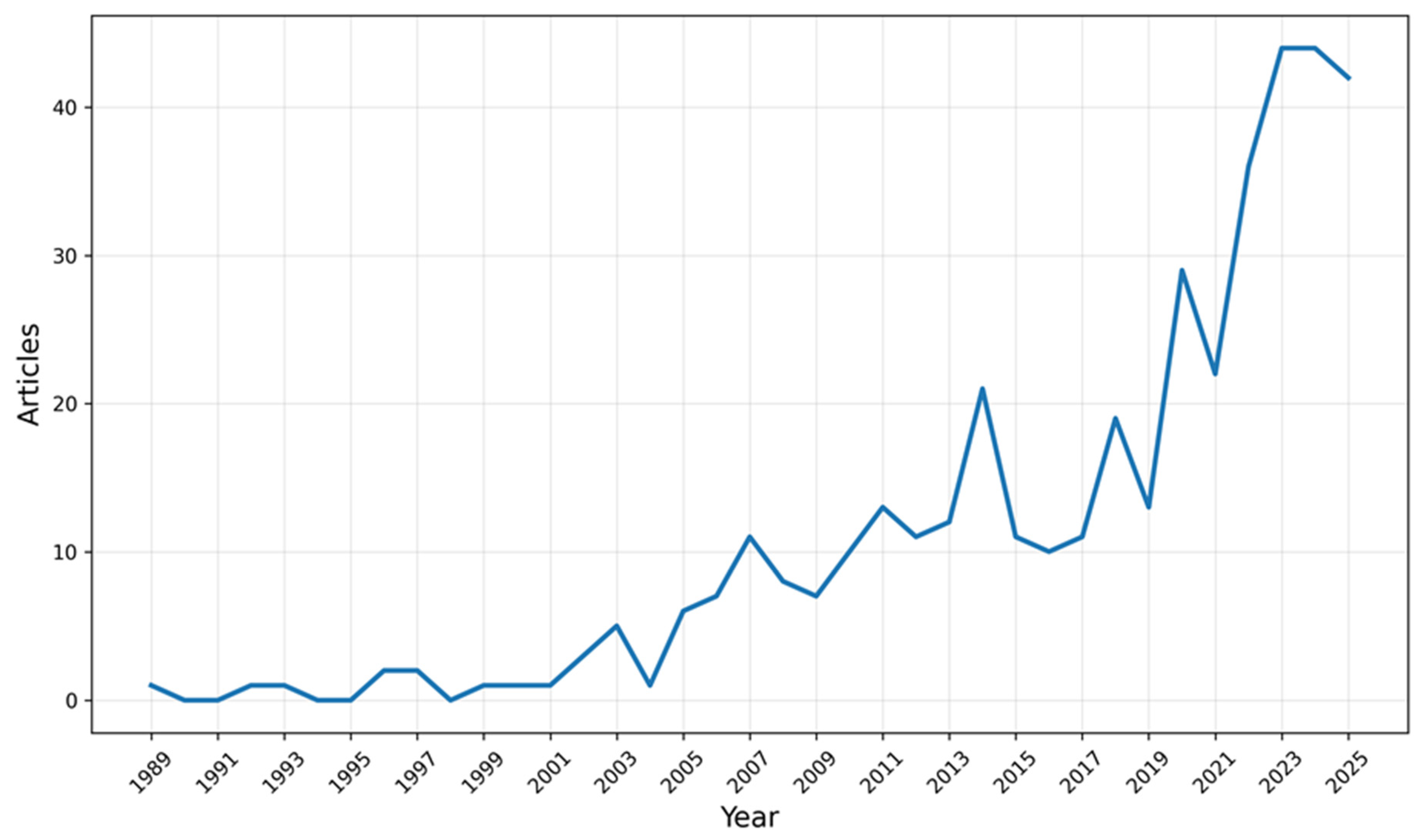
Figure 1 illustrates the annual distribution of publications across the selected timeframe. Although early records emerged in the late 1980s, scientific production remained limited throughout the 1990s. A steady increase was observed after 2000, followed by a noticeable acceleration during the past decade, reflecting growing clinical and academic interest in multimodal rehabilitation paradigms integrating exercise therapy with education, cognitive–behavioral strategies, manual therapy, or electrotherapy. This increase may partly reflect the progressive expansion and evolving indexing policies of the Web of Science Core Collection over time in addition to genuine scientific growth within multimodal rehabilitation research [
33,
34]. Therefore, temporal publication trends should be interpreted cautiously, particularly when comparing older and more recently indexed literature [
34].
The annual growth trajectory suggests a transition from a formative exploratory phase toward a more structured and consolidating research domain. This trend parallels the increasing emphasis on guideline-aligned rehabilitation, biopsychosocial management models, and self-management frameworks in musculoskeletal disorders. The apparent decline in the most recent year is likely attributable to incomplete database indexing at the time of data extraction rather than a true decrease in scientific output.
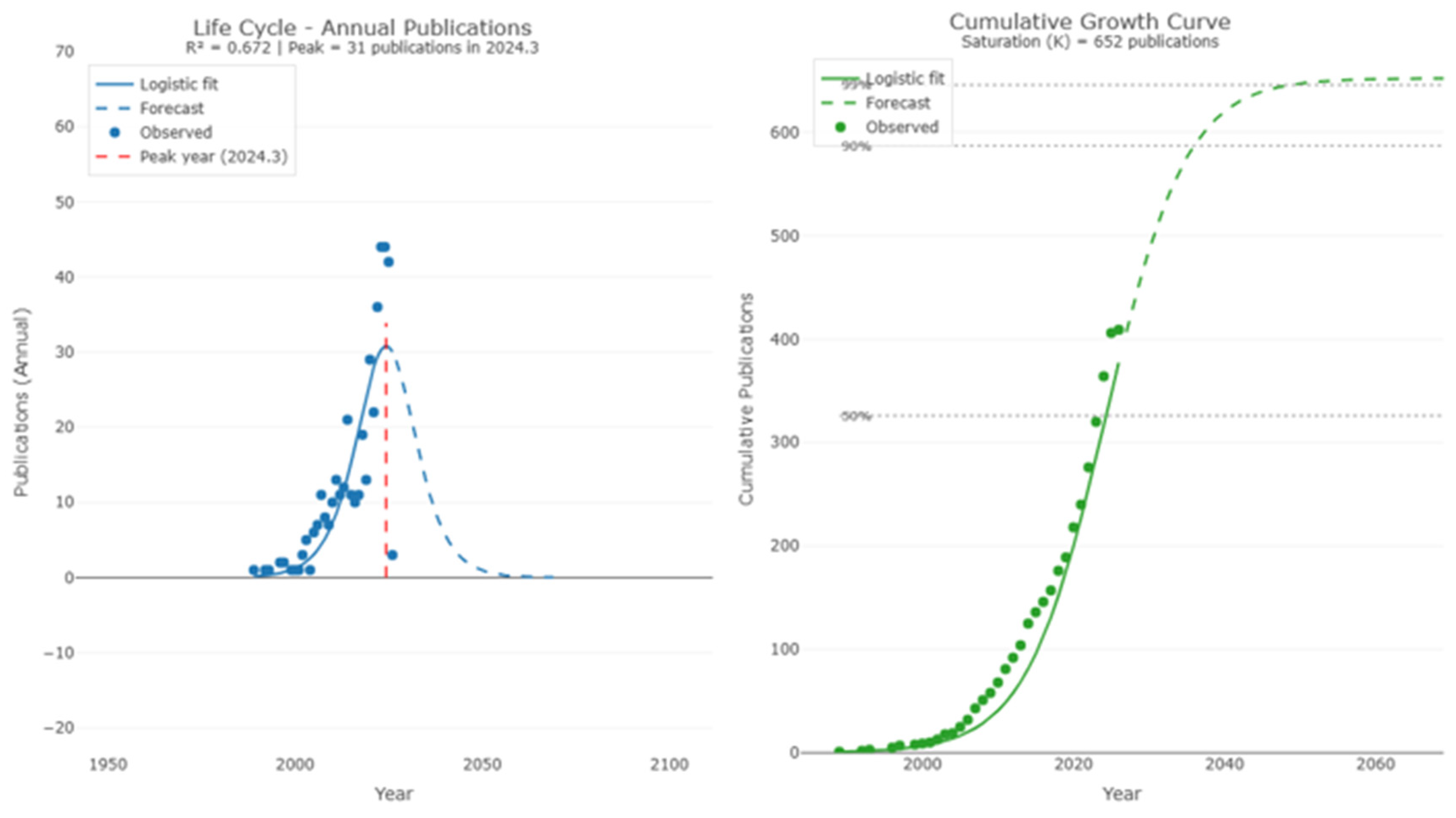
Beyond temporal growth, the life cycle analysis (
Figure 2) demonstrated that multimodal musculoskeletal rehabilitation has progressed from an emerging research area into a developing and consolidating scientific domain characterized by increasing thematic maturity and methodological refinement.
Overall, the bibliometric dataset comprised 409 documents published across 243 scholarly sources, representing a multidisciplinary research landscape spanning rehabilitation sciences, pain medicine, musculoskeletal health, primary care, and behavioral science. The annual growth rate of 3.01% indicates a gradual and sustained expansion of the field. The mean document age of 8.35 years suggests an established research domain with a substantial historical base. The average citation rate of 48.45 citations per document further highlights meaningful scholarly impact within this research area.
Keyword analysis demonstrated high thematic variability, with 1131 Author Keywords and 1309 Keywords Plus terms, reflecting diverse multimodal intervention models and diagnostic clusters involving osteoarthritis, low back pain, chronic pain, shoulder disorders, and tendinopathies. The extensive reference pool (20,024 references) underscores the field’s scientific depth and interdisciplinary scope.
A total of 2166 authors contributed to the multimodal rehabilitation literature, with a mean of 5.91 co-authors per document, illustrating a collaborative and multidisciplinary authorship structure. International co-authorship accounted for 24.69% of publications, indicating moderate cross-country collaboration. Single-authored publications were rare (n = 27), consistent with contemporary scientific production trends in rehabilitation research.
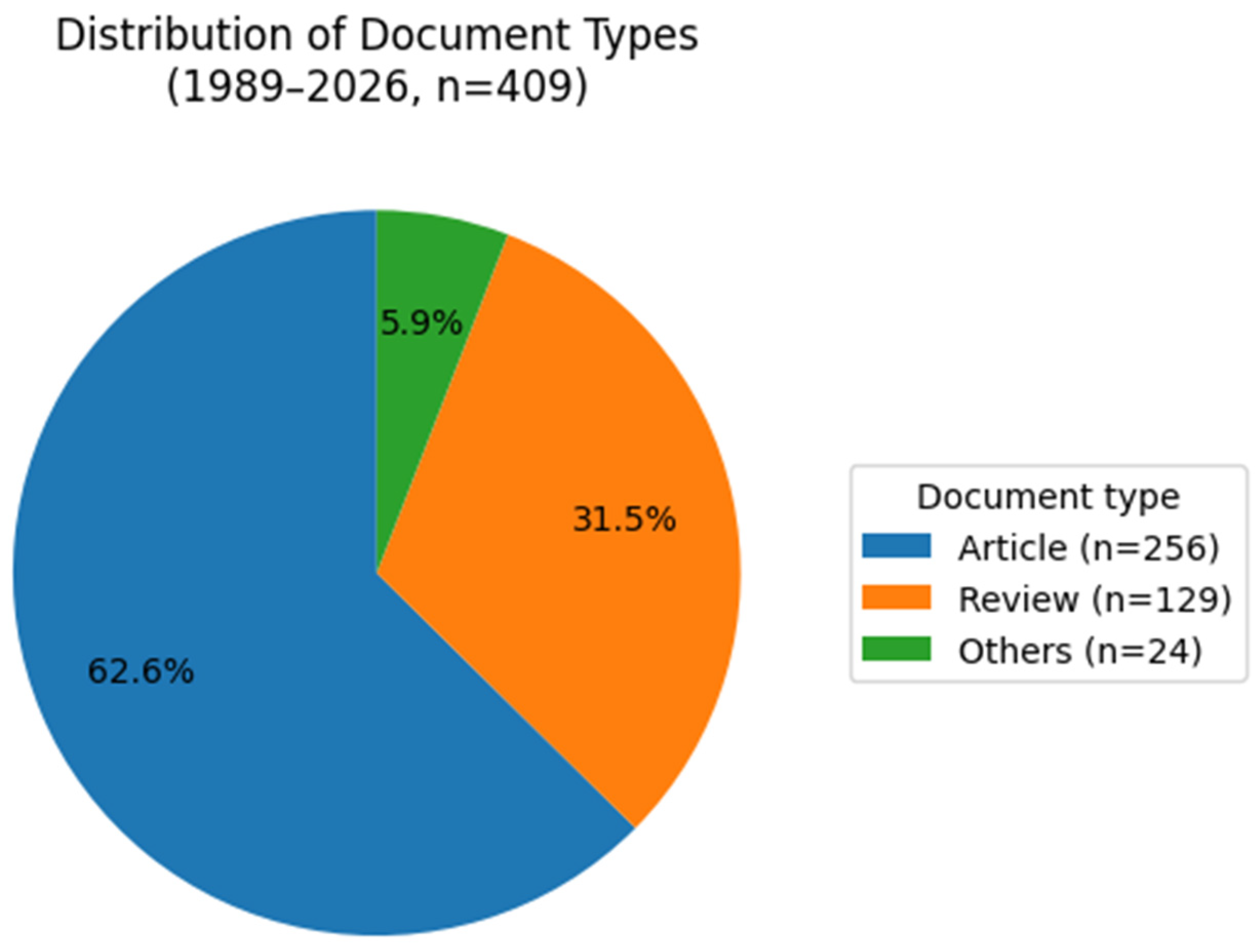
Regarding document types, original research articles constituted the majority (n = 256), followed by review articles (n = 129), highlighting both active primary research generation and synthesis efforts in this field. Other document types (e.g., proceedings papers, editorials, and meeting abstracts) were comparatively uncommon. The main bibliometric characteristics of the dataset are summarized in
Table 3.
Original research articles constituted the majority of publications in multimodal musculoskeletal rehabilitation (n = 256, 62.6%), followed by review articles (n = 129, 31.5%), indicating both active primary evidence generation and substantial synthesis activity in the field. Other document types (n = 24, 5.9%; including editorials, proceedings papers, early access articles, book chapters, and meeting abstracts) were comparatively uncommon (
Figure 3).
3.2. Journals and Research Fields Analysis
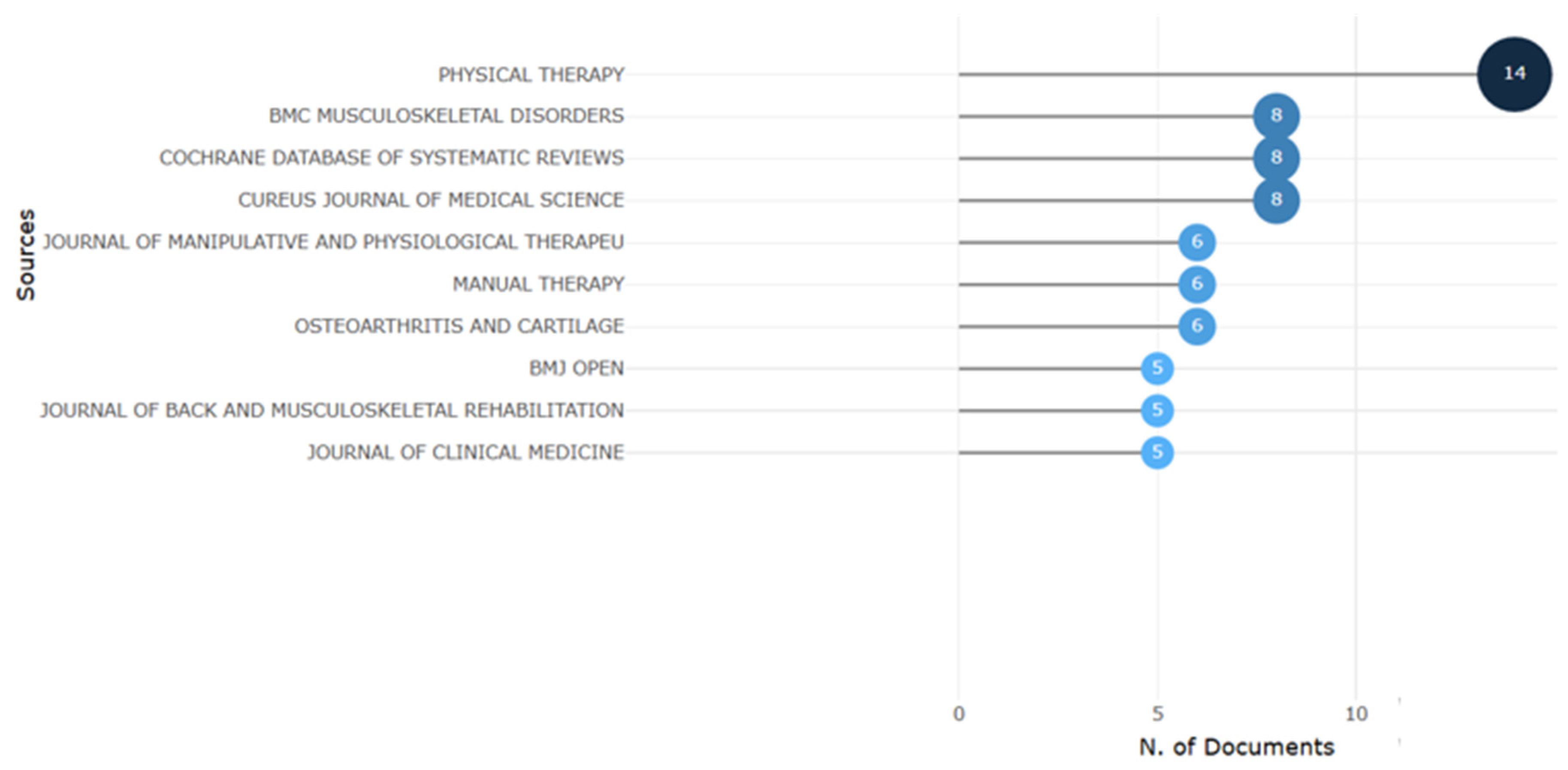
Publications related to multimodal musculoskeletal rehabilitation were distributed across a wide range of academic journals, reflecting the multidisciplinary nature of the field. In total, 243 journals contributed to the literature, spanning rehabilitation, physiotherapy, pain medicine, sports sciences, orthopedics, neurology, and general medicine. The top 10 most productive journals are presented in
Figure 4 and summarized in
Table 4, while
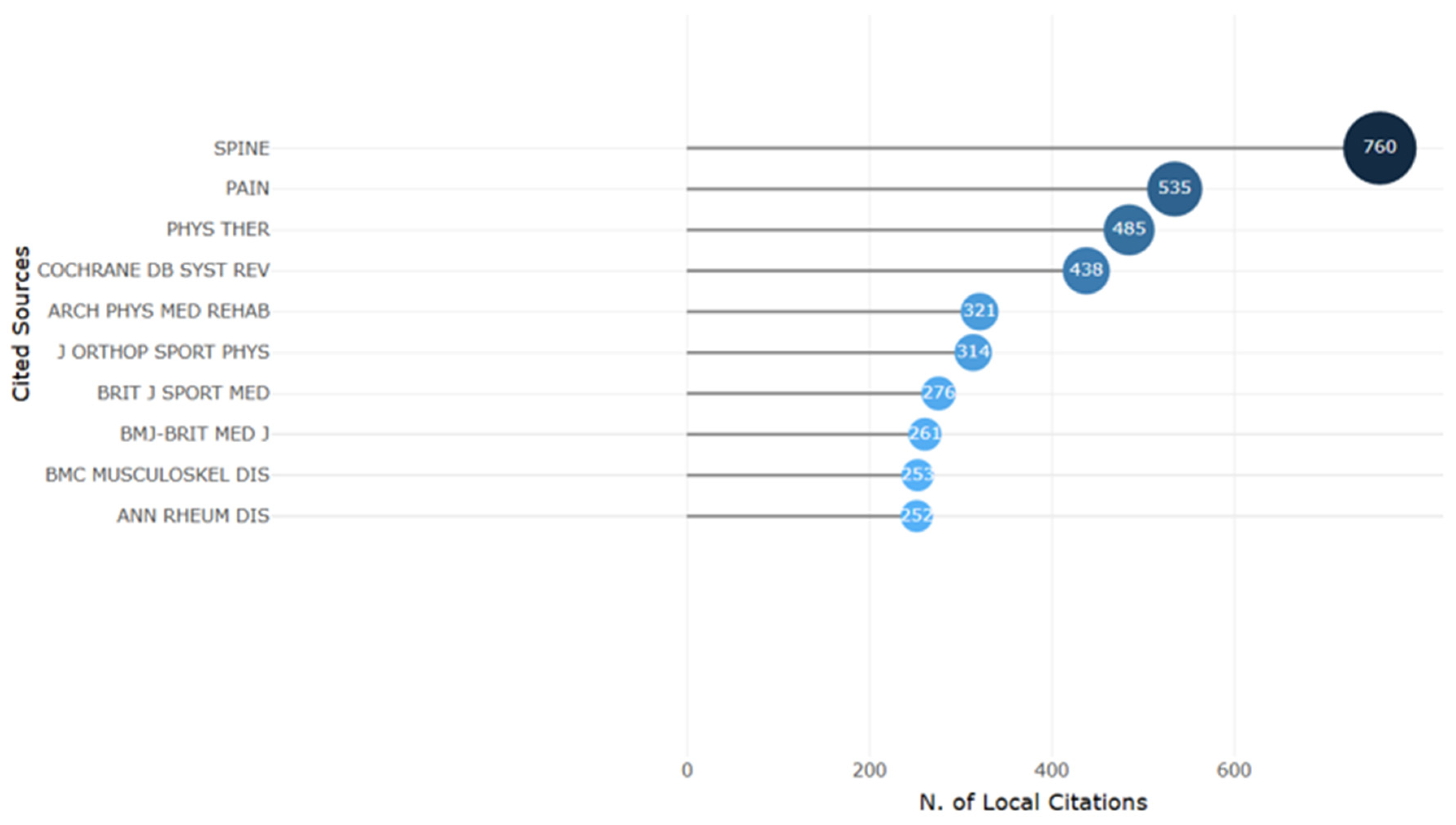
Figure 5 illustrates the top 10 most influential journals based on local citation counts.
Among the most productive journals, musculoskeletal rehabilitation and physiotherapy-oriented journals such as Journal of Back and Musculoskeletal Rehabilitation, Archives of Physical Medicine and Rehabilitation, Disability and Rehabilitation, and Physical Therapy & Rehabilitation Journal ranked highly, reflecting the strong contribution of core rehabilitation outlets. Journals in sports sciences (Journal of Sport Rehabilitation), pain (Pain Medicine; Clinical Journal of Pain), and orthopedics (Knee Surgery Sports Traumatology Arthroscopy) were also represented, underscoring the cross-disciplinary relevance of multimodal rehabilitation within contemporary clinical practice.
Journal quartiles were classified according to Journal Citation Reports (JCR), where Q1 represents journals within the top 25% of their subject categories, and Q2 represents journals within the 25–50% range. Among journals with available quartile information, 168 publications (46.3%) were published in Q1 journals and 96 publications (26.4%) in Q2 journals, indicating that nearly three-quarters of the literature was concentrated in relatively high-impact and internationally visible journals.
To further evaluate journal-level influence beyond publication volume, citation-based source impact indicators including H-index, G-index, and M-index were calculated using local citation data (
Table 4). Several journals demonstrated high citation impact despite moderate publication counts—particularly
Archives of Physical Medicine and Rehabilitation and
Clinical Journal of Pain—suggesting that methodological rigor, evidence synthesis, and guideline-relevant research output are key drivers of scholarly influence in multimodal rehabilitation rather than publication volume alone.
A considerable proportion of publications appeared in Q1–Q2 journals across Rehabilitation, Sport Sciences, Pain Medicine, and Orthopedics categories, indicating that multimodal rehabilitation research is frequently disseminated through high-impact academic outlets. Notably, several productive and influential journals operate under open access or hybrid publication models, reflecting the alignment between multimodal rehabilitation and open science dissemination, knowledge translation, and clinical implementation.
Subject category and thematic structure analyses revealed that multimodal rehabilitation spans multiple interconnected biomedical and clinical disciplines. As shown in
Figure 6, core domains include rehabilitation, physiotherapy, pain medicine, sports sciences, orthopedics, neurology, and primary care. The network visualization demonstrated strong linkages among these areas, indicating high degrees of interdisciplinarity and thematic convergence. This overlap reflects the evolving biopsychosocial and guideline-based nature of multimodal rehabilitation research, which integrates exercise therapy, self-management, education, behavioral interventions, and adjunctive manual or electrotherapy-based modalities across diverse clinical and diagnostic contexts.
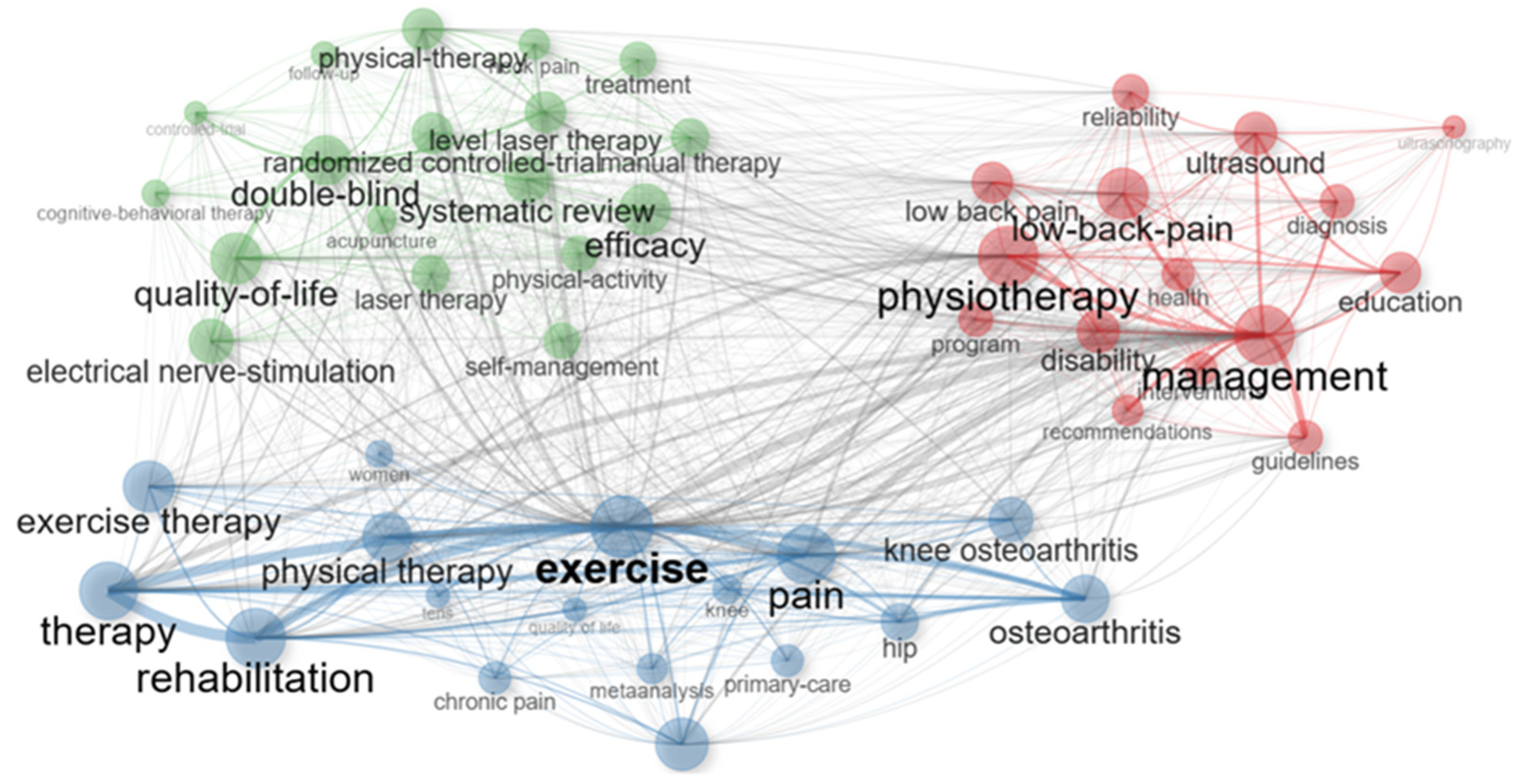
Beyond journal-level patterns, cognitive field mapping identified three dominant thematic clusters (
Figure 7), highlighting the multidimensional and biopsychosocial structure of multimodal rehabilitation research. These clusters encompassed (i) rehabilitation/exercise therapy, (ii) pain and musculoskeletal diagnoses, and (iii) management, guidelines, and self-management, confirming the interdisciplinary convergence of physiotherapy, rehabilitation, pain medicine, and sports sciences. This static cognitive structure aligned with the temporal evolution observed across time slices (
Supplementary Figures S1–S3), demonstrating a progressive shift from unimodal biomedical approaches toward exercise-centered and guideline-aligned multimodal rehabilitation (
Table 5).
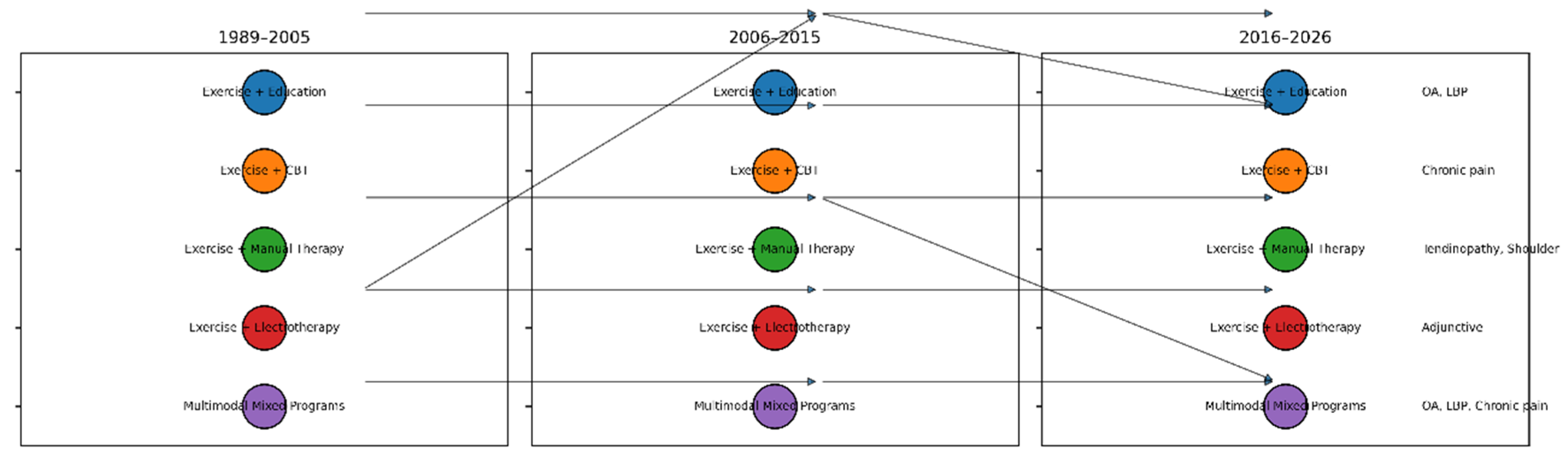
To examine how these thematic structures evolved over time, the literature was divided into three temporal slices corresponding to major shifts in multimodal rehabilitation research (
Figure 7 and
Supplementary Figures S1–S3). Time Slice 1 (1989–2005) was characterized by unimodal biomedical interventions dominated by electrotherapy-based modalities and manual therapy. Time Slice 2 (2006–2015) represented a transitional phase marked by increasing emphasis on exercise-based rehabilitation, guideline development, and chronic musculoskeletal conditions. Time Slice 3 (2016–2026) reflected a more multimodal paradigm integrating exercise, education, and self-management strategies aligned with contemporary biopsychosocial models. These temporal patterns demonstrate a progressive shift from unimodal biomedical interventions to guideline-aligned multimodal and self-management approaches. This conceptual transition is summarized in
Table 5.
Highly central nodes such as exercise therapy, education/self-management, osteoarthritis, low back pain, and cognitive behavioral therapy formed the core of the multimodal rehabilitation network, whereas tendinopathy, shoulder disorders, and electrophysical agents occupied more peripheral but clinically relevant positions. Keyword co-occurrence analysis revealed three dominant thematic clusters representing multimodal rehabilitation paradigms. A rehabilitation-centered cluster encompassed exercise therapy, education/self-management, osteoarthritis, and low back pain, aligning with guideline-based recommendations for core treatments. A second cluster comprised manual therapy and electrophysical agents associated with tendinopathy and shoulder disorders, reflecting adjunctive modalities commonly employed in sports and orthopedic rehabilitation. A third cluster emphasized cognitive behavioral therapy, chronic musculoskeletal pain, and disability measures, illustrating a biopsychosocial shift toward multimodal pain management.
Over three decades, the rehabilitation literature shifted from unimodal biomedical interventions (manual/electrophysical) to exercise-centered rehabilitation, and ultimately to guideline-aligned multimodal self-management models targeting chronic musculoskeletal pain.
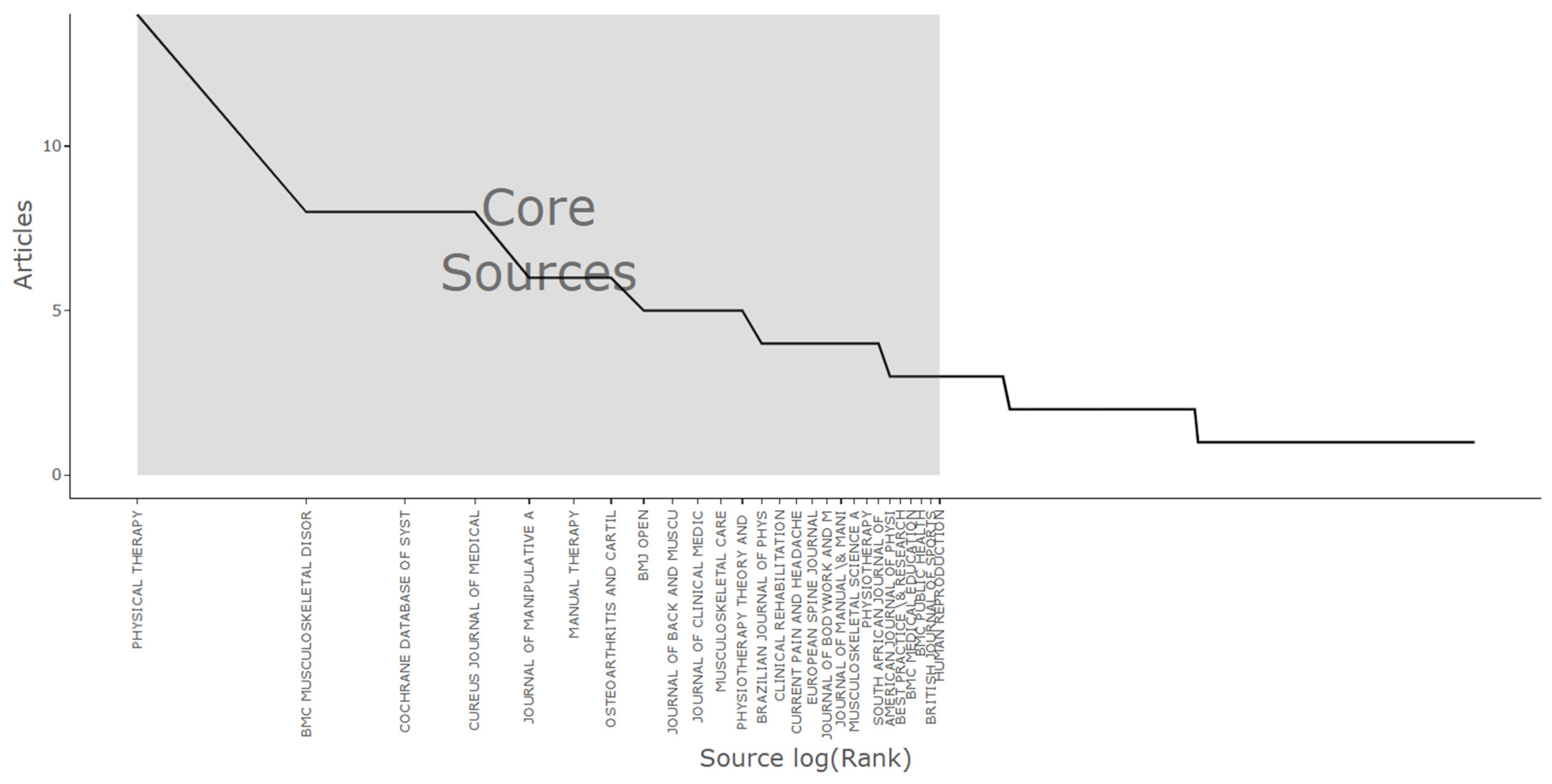
Figure 8 illustrates the distribution of publications across journals according to Bradford’s Law. A small group of core rehabilitation and pain journals accounted for a disproportionately large share of articles, forming a clearly defined Bradford core. Journals such as
Archives of Physical Medicine and Rehabilitation, Disability and Rehabilitation, Physical Therapy & Rehabilitation Journal, Pain Medicine, and
Journal of Back and Musculoskeletal Rehabilitation dominated the core zone, indicating their central role in disseminating multimodal rehabilitation research.
Beyond the core zone, publication output declined rapidly across a long tail of peripheral journals spanning sports sciences, orthopedics, neurology, and general medicine, reflecting the multidimensional and interdisciplinary nature of multimodal rehabilitation. This distribution aligns with the increasing emphasis on guideline-aligned, exercise-centered, and self-management-based care models in musculoskeletal rehabilitation.
The observed pattern also reflects the translational character of multimodal rehabilitation, wherein evidence synthesis and clinical practice journals jointly contribute to knowledge dissemination. Taken together, these findings confirm the applicability of Bradford’s Law to this field and identify a concentrated set of journals that serve as primary outlets for scholarly communication.
Table 6 summarizes the most productive journals publishing multimodal rehabilitation research. Rehabilitation-focused outlets (e.g.,
Archives of PM&R, Disability and Rehabilitation, and JBMR) contributed substantially, while sports medicine and pain journals (e.g.,
Pain Medicine, Clinical Journal of Pain, and KSSTA) provided complementary contributions. The presence of high-impact general clinical journals (e.g.,
BMC Musculoskeletal Disorders;
Journal of Clinical Medicine) highlights an increasing emphasis on evidence-based rehabilitation and guideline-aligned musculoskeletal care.
Overall, the distribution of sources reflects an interdisciplinary publication footprint integrating rehabilitation, physiotherapy, pain medicine, sports sciences, and orthopedics, consistent with the biopsychosocial and multimodal orientation of contemporary musculoskeletal rehabilitation.
3.3. Countries/Regions and Institutions Analysis
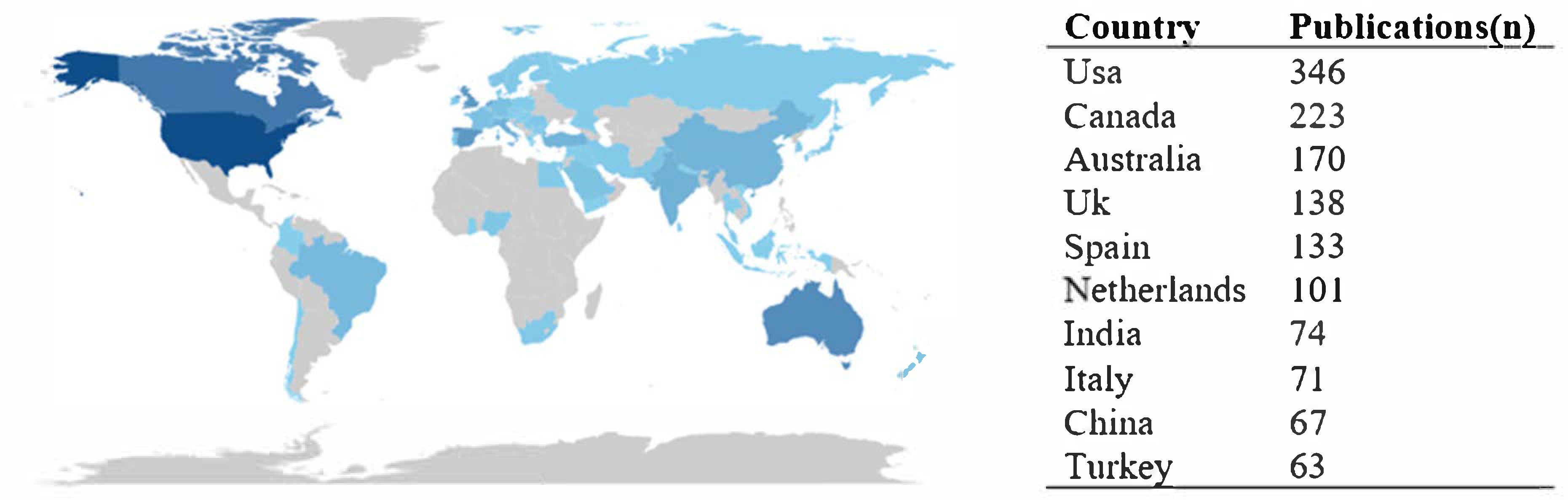
A total of 59 countries/regions contributed to the multimodal musculoskeletal rehabilitation literature, indicating a broad yet uneven global research footprint.
Figure 9 illustrates the geographic distribution of publications, showing pronounced activity concentrated in North America, Western Europe, and Oceania.
The United States, Canada, Australia, and the United Kingdom formed the primary research axis, followed by Spain, the Netherlands, and Italy. These regions possess well-established rehabilitation infrastructures, high physiotherapy workforce density, and widespread implementation of guideline-driven musculoskeletal care models, which may partially explain their greater research representation within the bibliometric dataset.
Supplementary Figure S4 presents the publication output and citation impact of the top 10 most productive countries/regions. Among the leading contributors, the United States demonstrated the highest citation impact, highlighting its prominent role in scientific visibility and knowledge dissemination within multimodal musculoskeletal rehabilitation research. Other influential contributors included France and several European countries (e.g., the Netherlands and Finland), suggesting that countries with established research infrastructures may achieve substantial citation influence despite relatively lower publication volume.
The observed geographic distribution broadly parallels the global burden of musculoskeletal disorders, including osteoarthritis, low back pain, and chronic musculoskeletal pain. This pattern suggests that research activity may be partially driven by population-level rehabilitation needs, healthcare system priorities, and implementation of guideline-based rehabilitation strategies in high-burden musculoskeletal conditions.
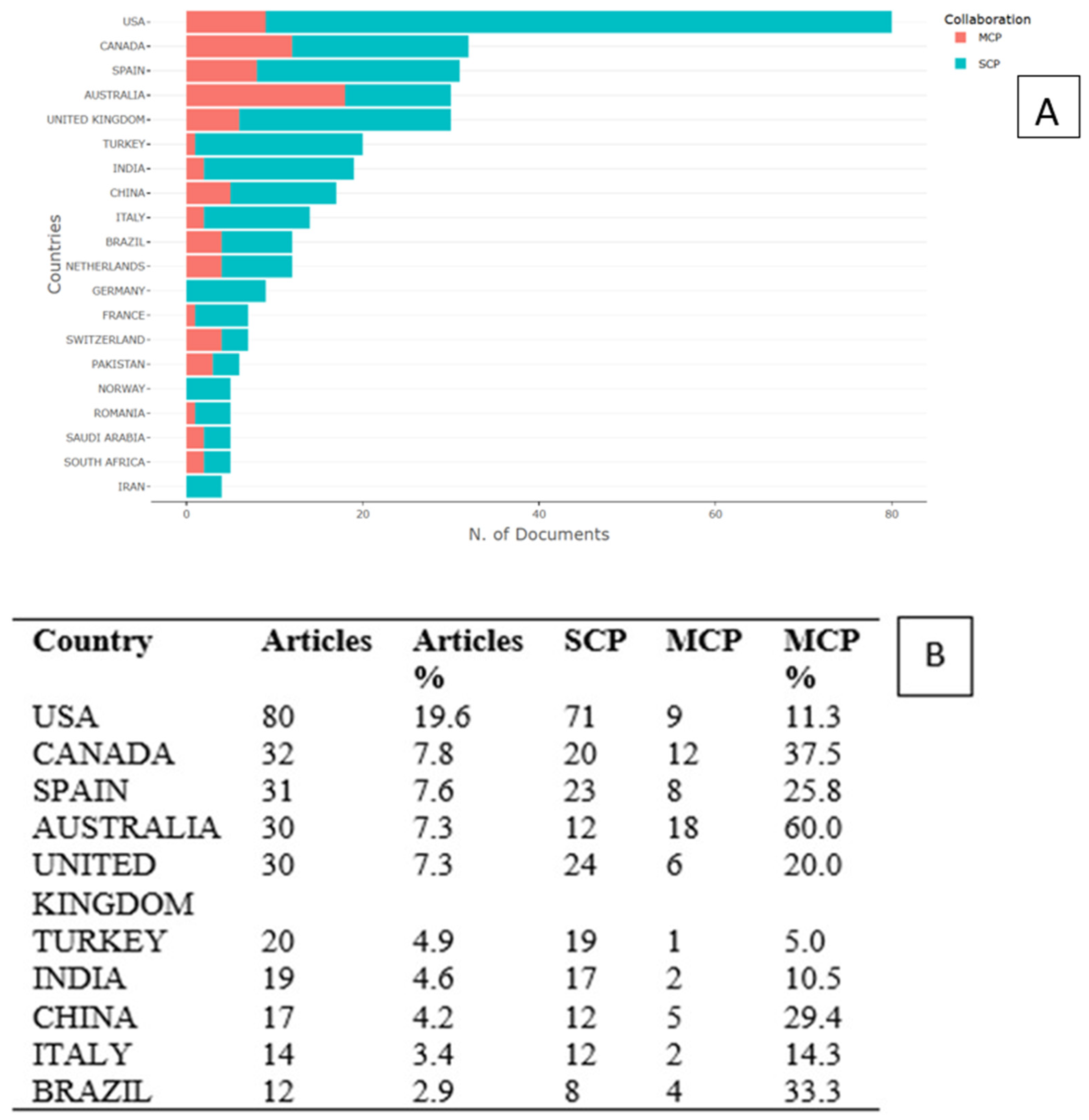
Figure 10 displays country-level scientific production and international collaboration patterns in multimodal musculoskeletal rehabilitation research. Panel A shows the SCP–MCP distribution among the most productive countries, while Panel B summarizes corresponding proportions.
Countries such as the United States, Turkey, India, and the United Kingdom exhibited high SCP ratios, indicating predominantly domestic research networks and strong internal research infrastructures. In contrast, Australia, Canada, and Spain demonstrated markedly higher MCP ratios, reflecting stronger international collaboration and more globally integrated co-authorship networks.
The collaboration structure revealed a moderately connected global landscape, with North America, Western Europe, and Oceania forming the primary research axis. Despite increasing cross-country activity, the overall network remained partially fragmented, suggesting that international collaboration capacity and knowledge dissemination are concentrated within a limited group of high-income countries.
Panel B also highlights that MCP-oriented countries tended to achieve greater citation influence, consistent with bibliometric evidence showing that international collaboration enhances scientific visibility, research synthesis output, and guideline relevance in rehabilitation and pain medicine.
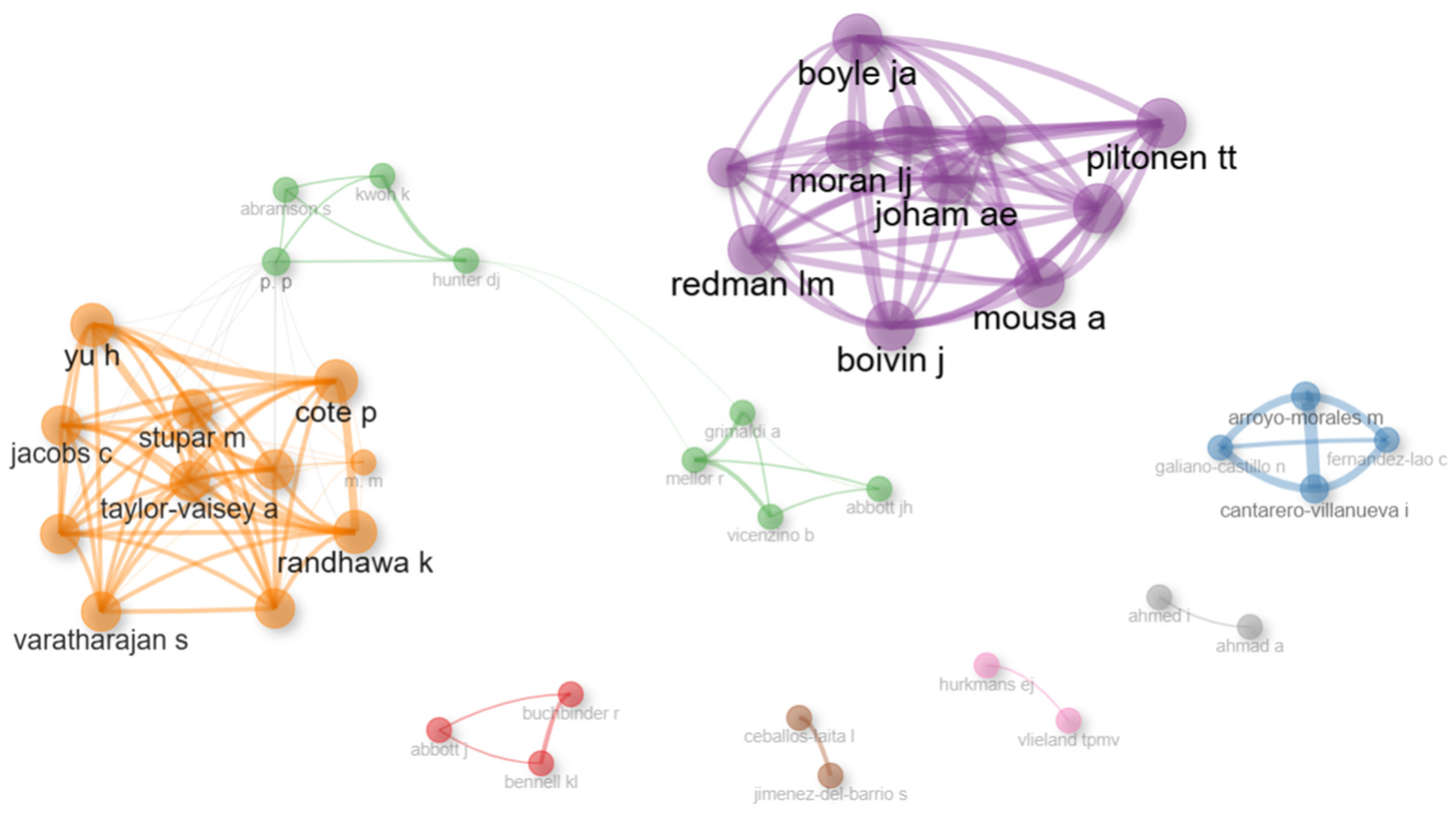
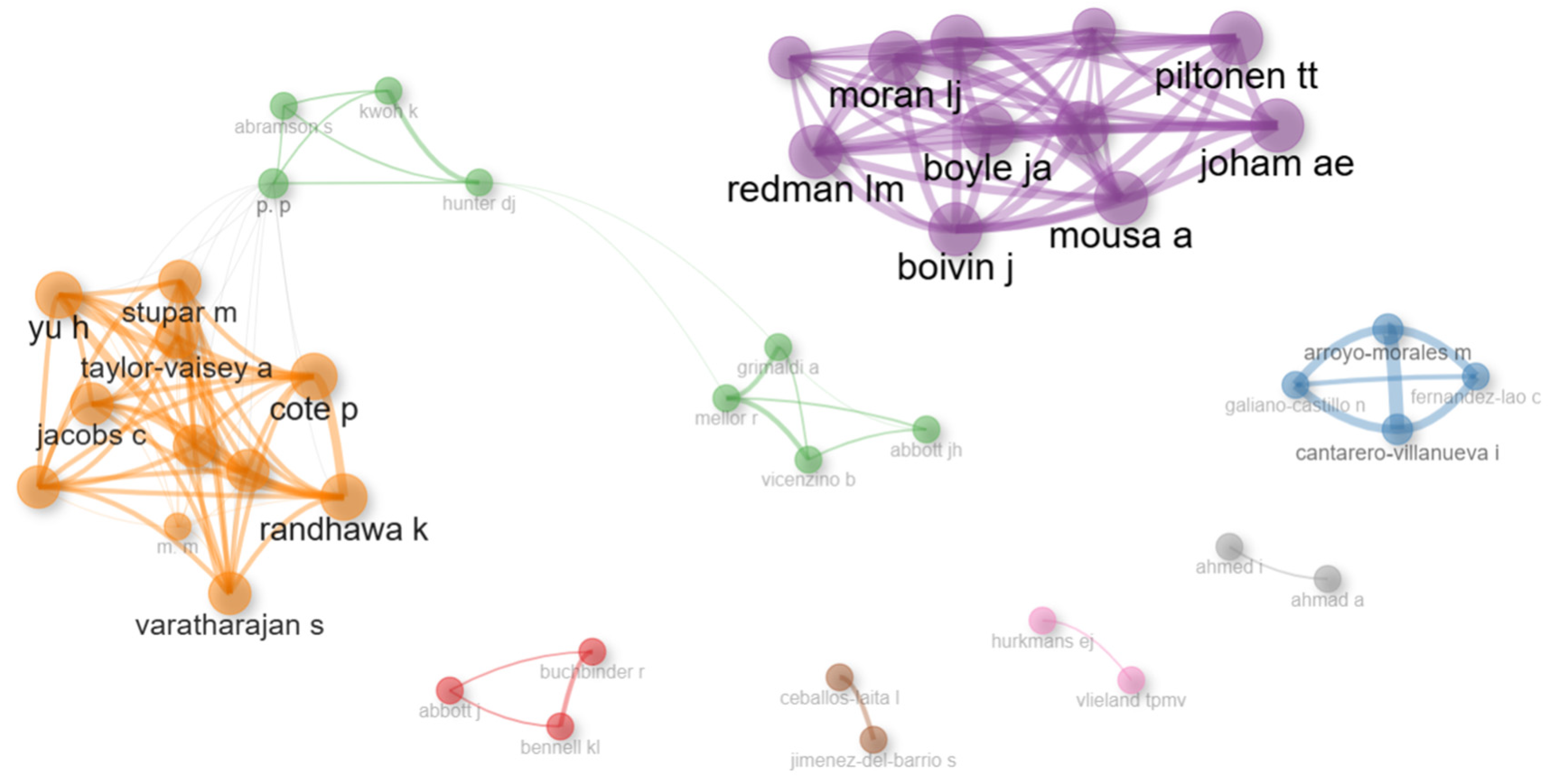
Figure 11 illustrates the author co-authorship network within multimodal musculoskeletal rehabilitation research. Several distinct author clusters were identified, reflecting collaborative research groups with shared thematic and methodological interests. The largest cluster was primarily associated with rehabilitation and pain-related research, characterized by strong collaboration in clinical trials and biopsychosocial rehabilitation approaches. Another prominent cluster represented physiotherapy and exercise-oriented research groups focusing on functional outcomes and physical performance measures. Smaller clusters reflected more specialized areas, including orthopedic rehabilitation and sports medicine-related research.
Although collaboration was more pronounced within individual author clusters, inter-cluster connections were also observed, indicating emerging interdisciplinary interaction across rehabilitation, physiotherapy, pain medicine, and musculoskeletal research domains. These findings suggest increasing collaborative convergence within multimodal rehabilitation research, particularly around guideline-aligned, exercise-centered, and self-management-oriented approaches. This pattern is consistent with the broader thematic evolution identified in the field, in which biopsychosocial and multidisciplinary rehabilitation models have progressively replaced unimodal biomedical approaches.
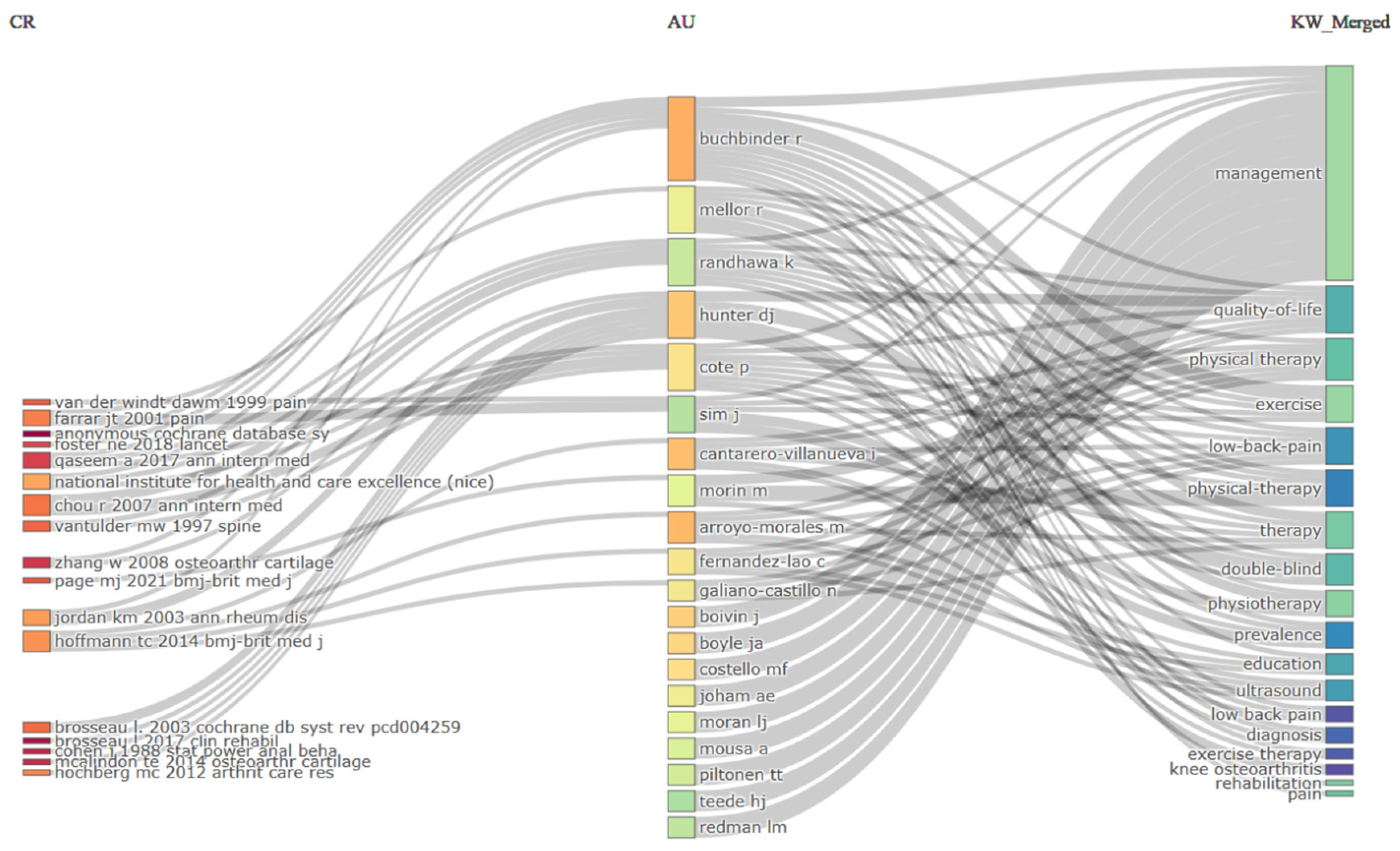
Figure 12 presents a three-field plot linking influential cited references, leading authors, and merged author keywords in multimodal musculoskeletal rehabilitation research. The left field highlights a concentrated set of foundational evidence sources, dominated by systematic reviews, clinical guidelines, and landmark trials, indicating a strong evidence-synthesis and guideline-oriented foundation for the field.
The central field identifies a core group of prolific authors who act as key intellectual connectors across thematic areas, contributing to multiple musculoskeletal conditions and rehabilitation approaches rather than a single research niche. This structure reflects a diversified authorship pattern consistent with multimodal, guideline-informed rehabilitation research.
The right field reveals that clinical and rehabilitation-oriented keywords form the dominant thematic space, encompassing exercise therapy, physiotherapy, education/self-management, functional disability, and pain-related outcomes. Condition-specific terms such as osteoarthritis and low back pain further indicate that multimodal rehabilitation research is anchored in chronic musculoskeletal disorders with high disease burden and guideline relevance.
Together, the three-field plot demonstrates a coherent cognitive structure in which foundational evidence sources inform a relatively stable group of leading authors, who, in turn, drive clinically relevant research themes aligned with biopsychosocial and self-management-oriented models of musculoskeletal rehabilitation. This cognitive structure aligns with the observed thematic evolution from unimodal biomedical models toward guideline-aligned multimodal self-management approaches.
3.4. Analysis of Authors and Co-Cited Authors
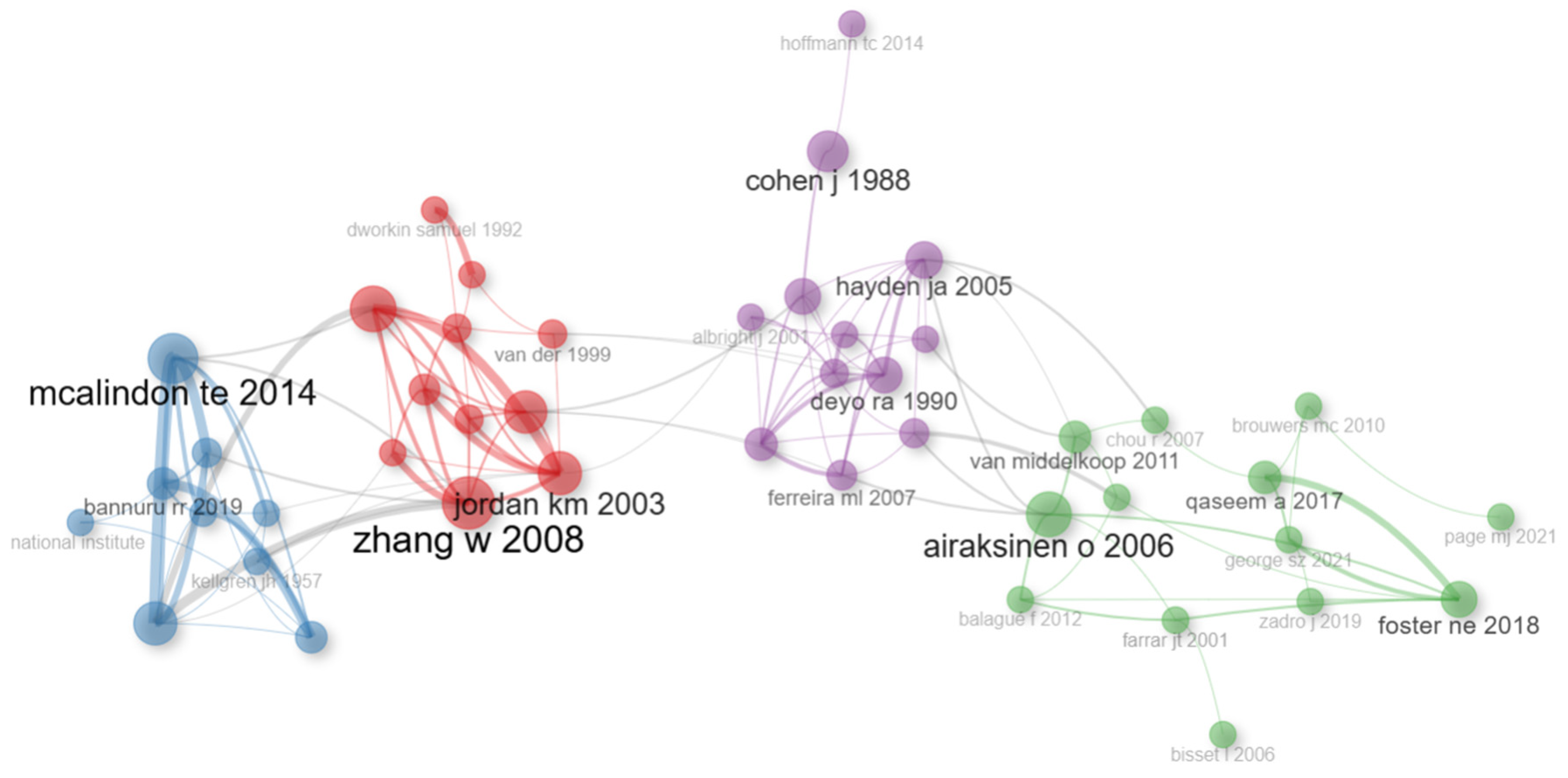
A total of 2166 authors contributed to multimodal musculoskeletal rehabilitation research during the study period (1989–2026). Author productivity and scholarly influence were examined using publication-based metrics, local citation performance, and network-based indicators. To characterize the intellectual and collaborative structure of the field, author-level co-authorship and co-citation networks were visualized (
Figure 13 and
Figure 14). In addition, the top 10 most productive authors and the top 10 most highly co-cited authors are summarized in
Table 7 and
Table 8.
Author productivity and scholarly influence exhibited a partially decoupled pattern.
Table 7 shows that Buchbinder R., Arroyo-Morales M., Cantarero-Villanueva I., and Hunter D.J. ranked among the most productive authors based on publication counts and fractionalized authorship, indicating sustained output within rehabilitation and chronic musculoskeletal pain research domains.
In contrast, citation-based influence was concentrated around a different set of contributors. As shown in
Table 8, Cedraschi C., Airaksinen O., Brox J.I., Klaber-Moffett J., Kovacs F., and related guideline-oriented contributors exhibited the highest local citation counts, reflecting the enduring intellectual impact of evidence synthesis, guideline development, and chronic pain-focused research.
Co-authorship analysis revealed a moderately collaborative landscape, with an average of 5.91 co-authors per document and 24.69% international collaboration, indicating that research is primarily conducted through multi-authored teams with partial engagement in cross-country networks. These values are consistent with other rehabilitation-oriented domains, indicating moderate collaboration density and partial internationalization. A small proportion of single-authored documents (n = 27) suggests that multimodal rehabilitation research is not predominantly driven by individual scholarship but rather by collaborative clinical and methodological groups.
Co-citation network analysis demonstrated strong intellectual interconnections among highly cited authors, suggesting a shared evidence base and frequent cross-referencing across guideline-aligned and biopsychosocial rehabilitation themes. Together, these findings indicate a collaborative yet partially segmented authorship structure in which key contributors anchor thematic subdomains aligned with biopsychosocial, guideline-informed, and self-management-oriented models of multimodal rehabilitation.
3.5. Analysis of Keywords
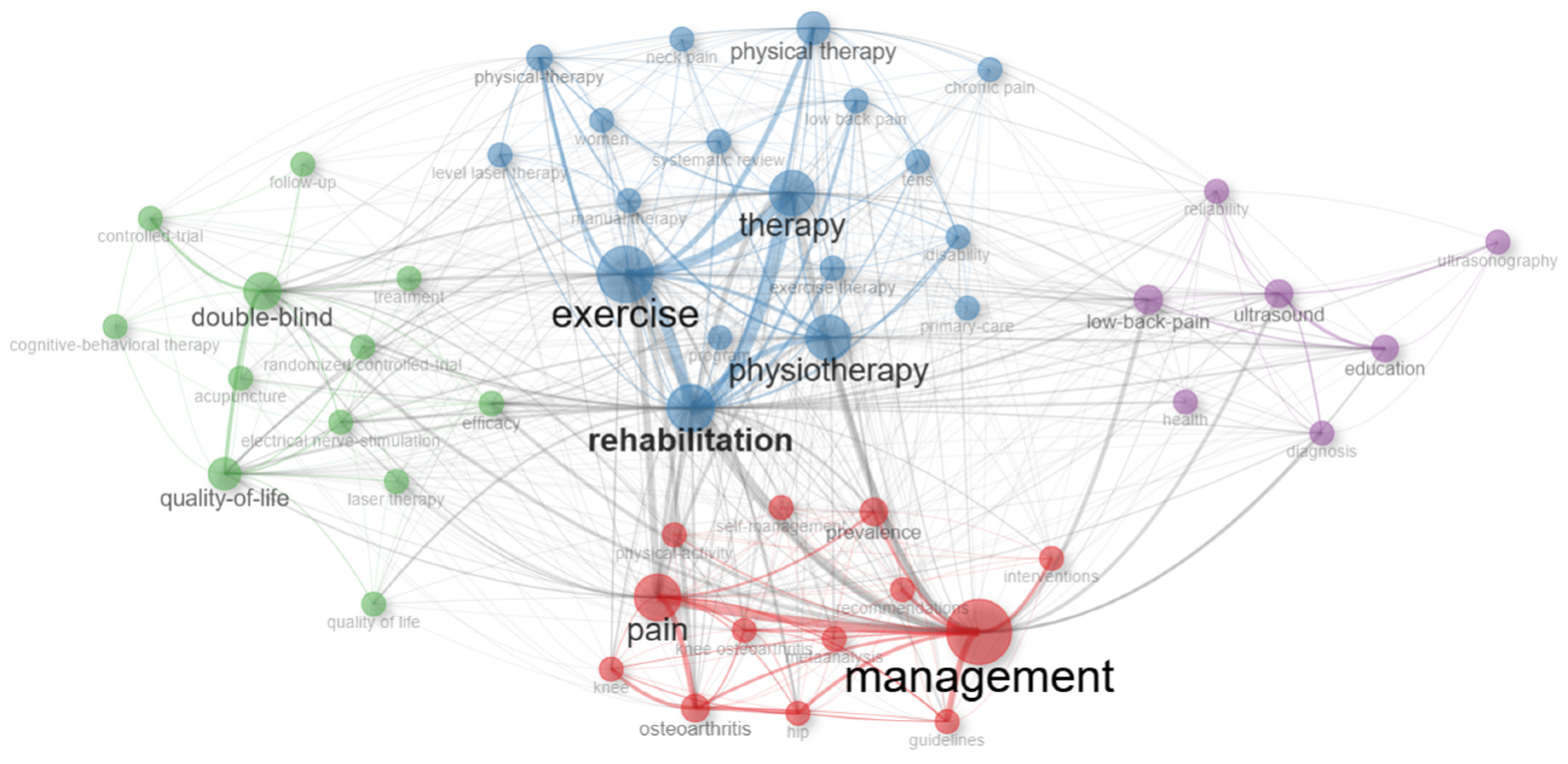
Figure 15 displays the keyword co-occurrence network of multimodal musculoskeletal rehabilitation research. High-frequency terms included rehabilitation, exercise, physiotherapy, therapy, pain, management, osteoarthritis, low back pain, and self-management, indicating that research activity converges on guideline-aligned multimodal rehabilitation for chronic musculoskeletal disorders.
Three dominant thematic clusters emerged:
- (1)
A rehabilitation/exercise/physiotherapy cluster, reflecting core multimodal treatment modalities;
- (2)
A pain/management/osteoarthritis/low back pain cluster, representing high-burden musculoskeletal conditions;
- (3)
A clinical evidence cluster centered on randomized controlled trials, quality-of-life outcomes, and self-management.
Betweenness centrality highlighted rehabilitation, exercise therapy, pain, and management as influential bridging keywords linking treatment modalities with chronic musculoskeletal conditions, suggesting a coherent, biopsychosocial, and self-management-oriented thematic structure consistent with contemporary rehabilitation guidelines.
Figure 16 illustrates the thematic clustering of highly cited references using the log-likelihood ratio (LLR) algorithm, identifying major evidence domains in multimodal musculoskeletal rehabilitation research. Major clusters reflected evidence synthesis and guideline-oriented outputs (e.g., Cochrane reviews, health technology assessments, and systematic reviews), chronic musculoskeletal pain and osteoarthritis, physiotherapy and exercise-based rehabilitation, and sports medicine and functional outcomes. Together, these clusters indicate that the intellectual foundation of multimodal rehabilitation research is anchored in high-burden chronic musculoskeletal conditions and supported by rigorous evidence frameworks.
A prominent cluster consisted of guideline- and evidence-synthesis-oriented publications focusing on osteoarthritis and chronic musculoskeletal pain, underscoring the role of evidence-based evaluation in shaping rehabilitation recommendations and clinical practice. Another major cluster was centered on rehabilitation and physiotherapy trials addressing exercise therapy, functional recovery, disability, and quality-of-life outcomes, representing the applied clinical dimension of multimodal rehabilitation research.
More recent clusters emphasized biopsychosocial and self-management-aligned rehabilitation models incorporating education, cognitive–behavioral components, and guideline-informed intervention programs. Their temporal recency suggests ongoing thematic evolution toward holistic and patient-centered rehabilitation approaches.
Collectively, the keyword and reference clustering analyses demonstrate a progressive transition from early exploratory research toward outcome-oriented, evidence-based, and guideline-aligned models of multimodal musculoskeletal rehabilitation. This maturation pattern is consistent with the broader thematic evolution observed in
Figure 6 and
Figure 7,
Supplementary Figures S1–S3, and the ongoing shift toward biopsychosocial and guideline-informed rehabilitation approaches.
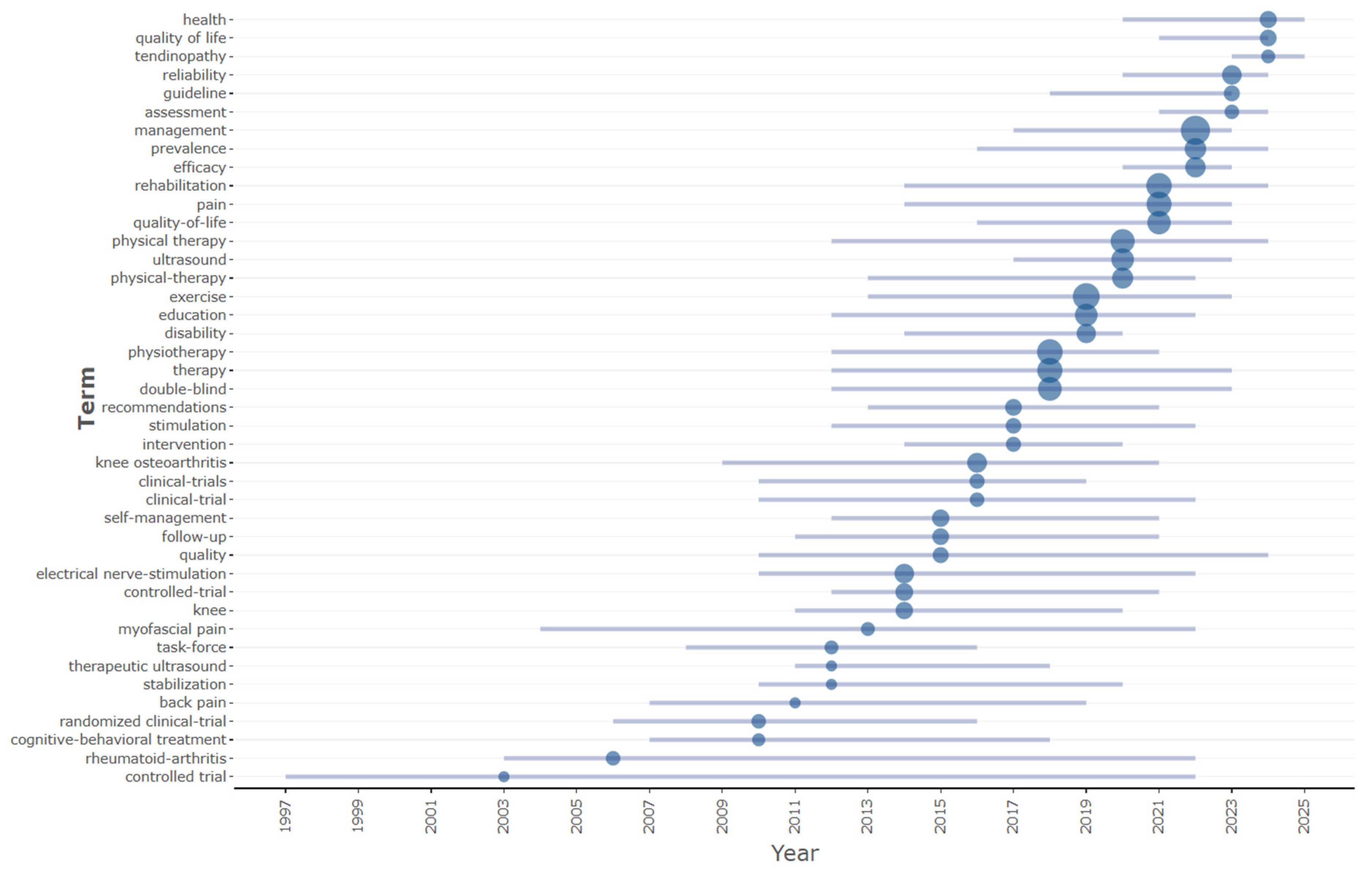
Temporal keyword analysis revealed a progressive shift in research focus across the study period (
Figure 17). Early publications (1990s–early 2000s) predominantly emphasized methodological and trial-related terms (e.g., randomized clinical trial, controlled trial, task-force, and placebo), reflecting a biomedical and efficacy-oriented phase of multimodal rehabilitation research.
From the mid-2000s to late 2010s, the thematic emphasis transitioned toward core rehabilitation constructs (exercise, physiotherapy, rehabilitation, disability, and quality of life) alongside condition-specific terms (low back pain; osteoarthritis). This period corresponds to the integration of exercise-centered and biopsychosocial rehabilitation models within musculoskeletal care.
In the most recent decade (2018–2026), emergent terms such as self-management, guideline, management, prevalence, education, ultrasound, and reliability became increasingly prominent, indicating a consolidation toward guideline-aligned, outcome-focused, and self-management-oriented rehabilitation paradigms. The late emergence of task-specific diagnostic and assessment terms reflects enhanced methodological refinement and clinical implementation.
Overall, the temporal trajectory highlights a structured evolution from unimodal, trial-based biomedical interventions toward multimodal, biopsychosocial, and guideline-informed rehabilitation approaches with emphasis on functional outcomes and self-management in chronic musculoskeletal disorders. This temporal pattern parallels the conceptual thematic evolution described in
Figure 6, showing a shift from unimodal biomedical treatments toward multimodal, guideline-aligned, and self-management-oriented rehabilitation models.
3.6. Co-Cited References and Highly Cited Papers
Citation analyses were conducted to identify the most influential publications shaping the intellectual foundation of multimodal musculoskeletal rehabilitation.
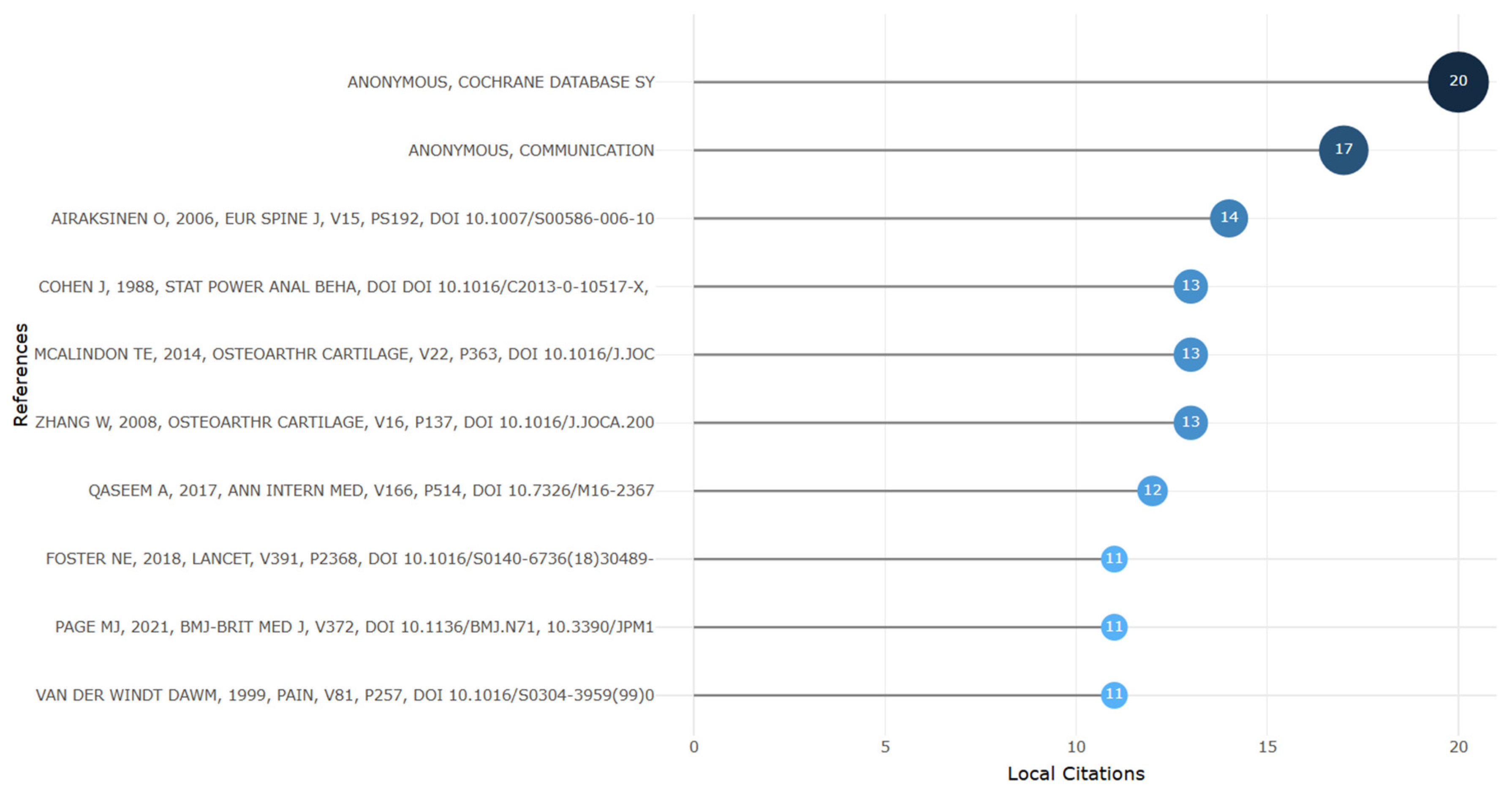
Figure 18 presents the top 10 locally cited documents, reflecting publications that exert strong influence within the analyzed corpus. These studies predominantly consist of exercise- and physiotherapy-based clinical trials, systematic reviews, and guideline documents addressing chronic musculoskeletal pain conditions such as low back pain and osteoarthritis—conditions that constitute the primary targets of multimodal rehabilitation.
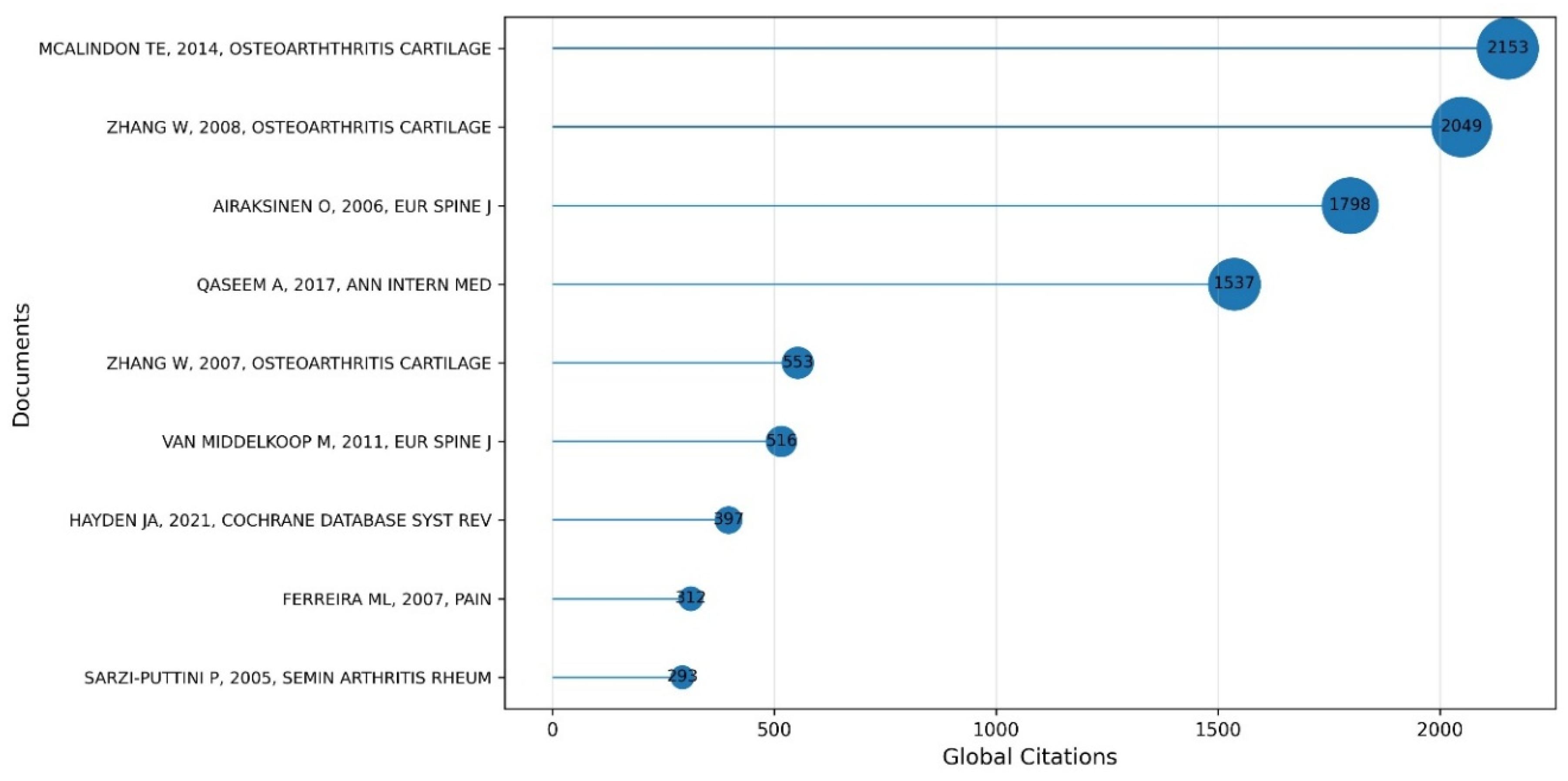
Figure 19 displays the top nine globally cited documents, demonstrating broader scholarly influence beyond the dataset itself. These highly cited works are largely evidence-synthesis outputs (e.g., OARSI recommendations, European guidelines, and ACP guidelines) and high-impact clinical trials informing chronic pain management and exercise-based rehabilitation. The overlap between locally and globally highly cited publications confirms that multimodal rehabilitation research is methodologically anchored in guideline-aligned, evidence-based frameworks.
Table 9 summarizes the top globally cited clinical evidence and guideline papers, illustrating that the intellectual structure of multimodal rehabilitation is grounded in authoritative guideline documents, systematic reviews, and large-scale clinical trials. These works emphasize exercise therapy, nonsurgical management, functional recovery, and chronic musculoskeletal pain—core pillars of multimodal rehabilitation.
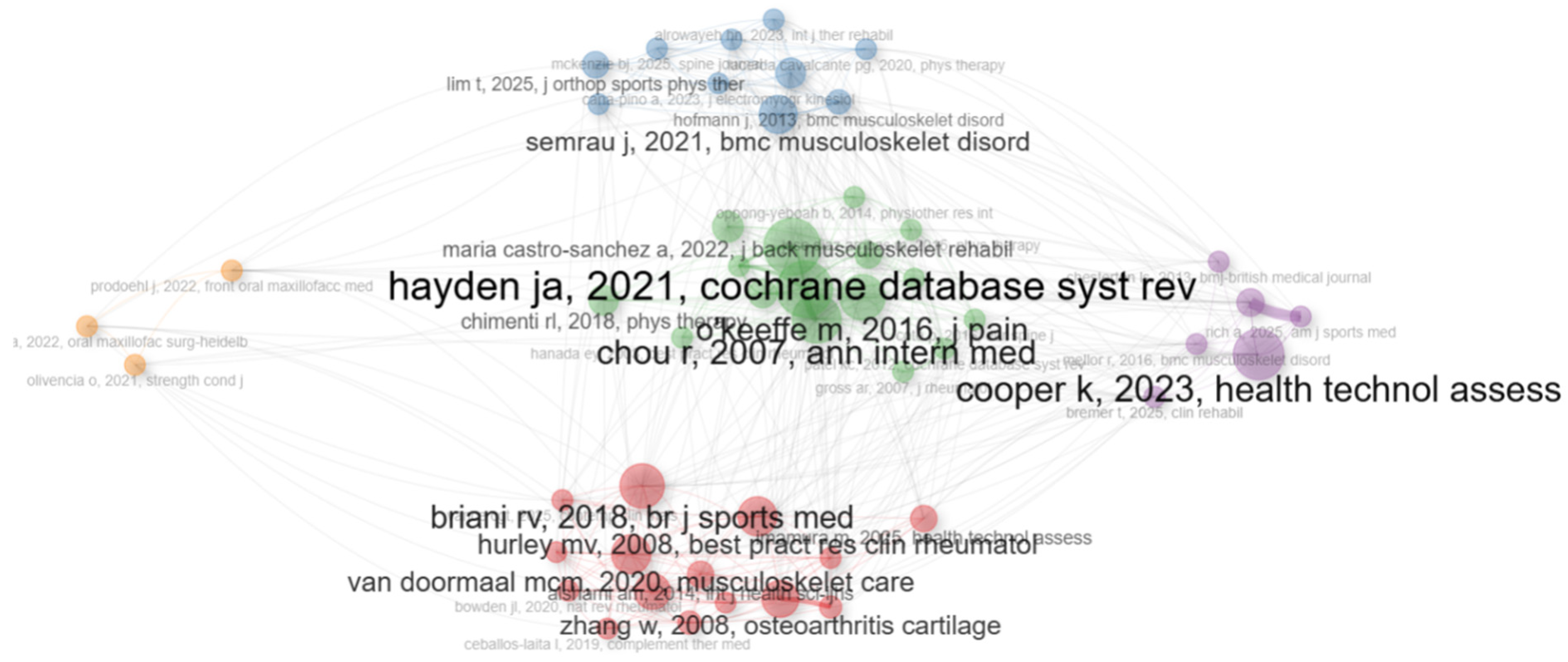
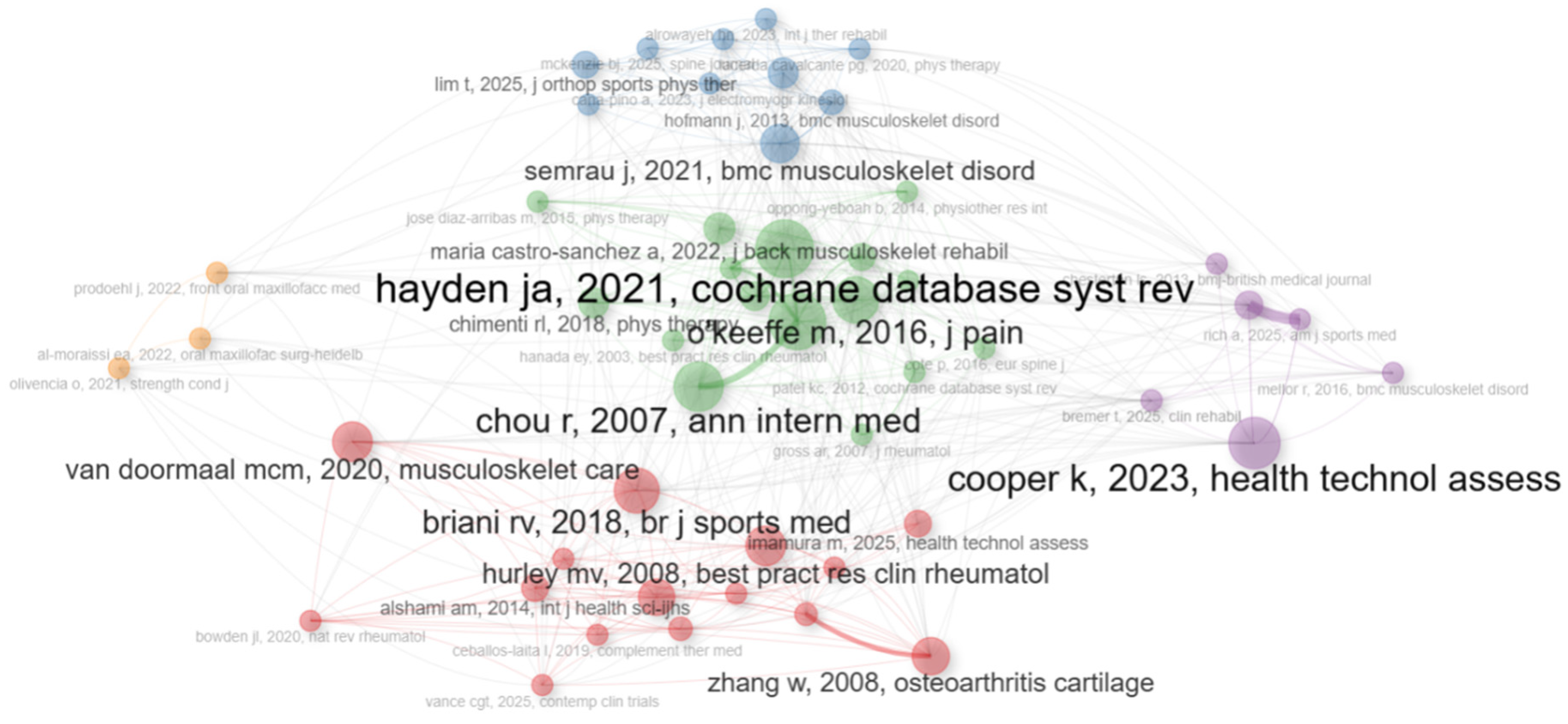
Figure 20 presents the bibliographic coupling network based on shared reference patterns, identifying coherent thematic clusters. Bibliographic coupling revealed that multimodal rehabilitation research is structured around several dominant research streams:
Evidence-synthesis and guideline cluster, anchored by OARSI, ACP, and European recommendations, systematic reviews, and HTA outputs providing the methodological and epistemic foundation for multimodal care;
Exercise- and physiotherapy-centered clinical trial cluster, emphasizing rehabilitation outcomes, disability reduction, quality of life, and functional recovery.
Condition-specific cluster, focused on high-burden chronic musculoskeletal conditions such as osteoarthritis, chronic low back pain, and tendinopathies;
Emerging biopsychosocial/self-management cluster, characterized by education, behavioral components, and guideline-aligned self-management interventions.
Figure 20.
Bibliographic coupling network based on shared reference patterns (1989–2026), revealing major thematic clusters in multimodal musculoskeletal rehabilitation research. Clusters reflect evidence synthesis and guidelines, physiotherapy and exercise-based rehabilitation, sports medicine and osteoarthritis, and emerging self-management–oriented approaches.
Figure 20.
Bibliographic coupling network based on shared reference patterns (1989–2026), revealing major thematic clusters in multimodal musculoskeletal rehabilitation research. Clusters reflect evidence synthesis and guidelines, physiotherapy and exercise-based rehabilitation, sports medicine and osteoarthritis, and emerging self-management–oriented approaches.
The network demonstrates dense intra-cluster connectivity and weaker inter-cluster links, suggesting that multimodal rehabilitation research is organized around well-defined thematic streams rather than fragmented outputs—consistent with the conceptual maturation of the field.
Table 10 lists the top locally highly co-cited references, representing the intellectual core of multimodal musculoskeletal rehabilitation. These foundational papers—mostly guidelines, systematic reviews, and physiotherapy-based rehabilitation trials—have served as key knowledge inputs shaping chronic musculoskeletal rehabilitation practice.
Collectively, the citation, co-citation, and bibliographic coupling analyses suggest a progressive thematic transition from unimodal biomedical approaches toward more integrated and evidence-informed multimodal rehabilitation frameworks.
Overall, the citation-based intellectual structure indicates that multimodal musculoskeletal rehabilitation has transitioned from unimodal biomedical interventions toward guideline-aligned, biopsychosocial, and self-management-oriented models supported by authoritative evidence syntheses and condition-specific clinical trials.