1. Introduction
Home care plays a crucial role in contemporary healthcare systems, particularly in the long-term care of people with chronic and progressive illnesses. Family caregivers assume extensive responsibilities that are frequently associated with substantial physical, emotional, and organizational burden [
1,
2,
3]. Numerous studies have shown that prolonged caregiving is linked to increased stress, reduced quality of life, and adverse mental health outcomes, especially in dementia care, palliative care, and multimorbidity contexts [
1,
2,
4,
5]. Demographic change and population aging further intensify these challenges, underlining the growing need for effective and sustainable support structures in home care settings.
Caregiver burden and resource-oriented perspectives
From a theoretical perspective, caregiver burden is commonly conceptualized as the result of an imbalance between care-related demands and available personal, social, and structural resources. Resource-oriented models assume that additional informational, emotional, and organizational resources can buffer caregiving strain and improve caregivers’ coping capacity. Digital health technologies, including telemedicine and digital health applications, have increasingly been discussed as such potential resources, as they may enhance access to professional support, facilitate communication, and improve care coordination [
4,
6,
7].
Systematic reviews and meta-analyses indicate that telehealth interventions can reduce caregiver burden and improve mental health outcomes, particularly among caregivers of people with dementia, chronic diseases, and those receiving palliative care [
1,
2,
3,
5]. However, the reported effects vary considerably across studies, suggesting that technological solutions alone are insufficient and that contextual and organizational factors play a crucial role in determining their effectiveness [
8,
9].
Telemedicine and digital health applications in home care
Telemedicine refers to the provision of healthcare services across geographical distances through information and communication technologies, enabling remote monitoring, consultation, and professional support [
10]. Digital health applications encompass a broader category of software-based tools, including mobile health applications, telemonitoring systems, and certified digital health applications such as German Digitale Gesundheitsanwendungen (DiGA), which support health monitoring, self-management, and communication with healthcare providers [
8,
11]. In home care contexts, these concepts overlap substantially, as digital health applications are often embedded within telemedicine services or used alongside them.
Empirical studies suggest that telemedicine and digital health applications can improve symptom monitoring, enhance communication with healthcare professionals, and increase perceived safety among family caregivers, particularly in rural or underserved regions [
6,
7,
12,
13]. Nevertheless, adoption and sustained use remain inconsistent, indicating the need for a better understanding of the conditions under which these technologies are effectively integrated into everyday care routines.
Technology acceptance models (TAM and UTAUT)
To explain the adoption and use of telemedicine technologies, established technology acceptance models provide an important theoretical lens. The Technology Acceptance Model (TAM) and the Unified Theory of Acceptance and Use of Technology (UTAUT) posit that technology use is primarily determined by perceived usefulness, perceived ease of use, social influence, and facilitating conditions [
14]. Applied to family caregiving, these models suggest that acceptance of telemedicine depends not only on technical functionality but also on the availability of guidance, training, and ongoing professional support.
Previous studies have identified technical complexity, limited digital literacy, data protection concerns, and insufficient professional assistance as major barriers to telemedicine adoption among family caregivers [
15,
16,
17]. These findings highlight the importance of facilitating conditions and structured support as central determinants of technology acceptance and sustained use in home care contexts.
Socio-technical support structures and telemedicine centers
Beyond individual acceptance, recent research emphasizes socio-technical perspectives that conceptualize digital health technologies as embedded within broader organizational and institutional contexts. From this perspective, successful implementation depends on the interaction between users, technologies, and supportive infrastructures [
18,
19]. Telemedicine centers can be conceptualized as such socio-technical support structures, functioning as centralized organizational units that connect family caregivers, healthcare professionals, and digital technologies.
Telemedicine centers typically provide technical support, training and digital literacy assistance, care coordination, and continuous monitoring and feedback services [
20,
21]. Evidence from program evaluations and qualitative studies suggests that such centers may increase trust in digital solutions, improve continuity of care, and enhance caregivers’ confidence in using telemedicine technologies [
12,
21,
22]. However, empirical evidence on how family caregivers experience the role of telemedicine centers in everyday home care remains limited.
Study aim and research questions
The aim of this paper is to examine the benefits of telemedicine in home care and to evaluate the role of telemedicine centers as supportive structures that can make the use of telemedicine systems safer, more reliable, and more accessible for family caregivers [
12]. Specifically, the study investigates the extent to which telemedicine and digital health applications are used by family caregivers, the perceived benefits of these technologies, and the potential contribution of telemedicine centers to optimizing their use.
The central research questions are therefore as follows: Are telemedicine and digital health applications used by family caregivers, and if so, what specific benefits do they offer? Can a telemedicine center further improve the use and acceptance of these technologies? By combining quantitative survey data with an in-depth qualitative case study, this mixed-methods study aims to provide a comprehensive understanding of current practices, challenges, and support needs related to telemedicine in home care.
2. Materials and Methods
2.1. Study Design
The study follows a mixed-methods design combining quantitative and qualitative approaches to address the research questions comprehensively. This design was chosen to capture both the breadth of telemedicine use among family caregivers and the depth of individual experiences related to organizational support structures.
The research design consists of two complementary components:
1. A quantitative online survey to assess usage patterns, perceived benefits, barriers, and support needs related to telemedicine and digital health applications among family caregivers;
2. A qualitative case study to explore in depth how telemedicine technologies and telemedicine center support are experienced and integrated into everyday home care.
The mixed-methods approach enables triangulation between empirical findings and existing evidence. The systematic literature review provided the conceptual and theoretical foundation for both components and guided the development of the questionnaire and the qualitative interview guide. The integration of quantitative and qualitative findings allows for a nuanced interpretation of telemedicine use in home care and the role of telemedicine centers as socio-technical support structures.
The study was explicitly designed as an exploratory investigation using mixed methods to identify usage patterns, perceived benefits, and support needs related to telemedicine in home care, rather than to test predefined causal hypotheses.
2.2. Literature Review
The theoretical and empirical foundation of the study was established through a systematic literature review conducted in accordance with established guidelines for transparent reporting. The databases PubMed, CINAHL, Web of Science, and Google Scholar were searched between January and March 2025.
The search strategy combined terms related to telemedicine and digital health with terms referring to family caregiving and home care contexts:
(“telemedicine” OR “telehealth” OR “digital health application” OR “DiGA”) AND
(“family caregivers” OR “informal caregivers”) AND
(“home care” OR “long-term care” OR “telemedicine center”)
In this study, digital health applications are defined as software-based health interventions used to support health monitoring, self-management, communication, or care coordination in home care settings. This includes mobile health applications, telemonitoring systems, and certified German Digitale Gesundheitsanwendungen (DiGA). Telehealth refers, more specifically, to the remote delivery of healthcare services. Both concepts were included in the search strategy because they substantially overlap in home care contexts and are often jointly implemented in caregiving practice.
The selected search terms were chosen to balance sensitivity and specificity. While additional terms such as “eHealth”, “mHealth”, or “remote patient monitoring” are frequently used in the literature, these concepts largely overlap with telemedicine and telehealth in home care research. Restricting the search to a limited number of umbrella terms reduced the risk of retrieving predominantly technical studies with limited relevance to family caregivers, while ensuring comprehensive coverage of relevant interventions.
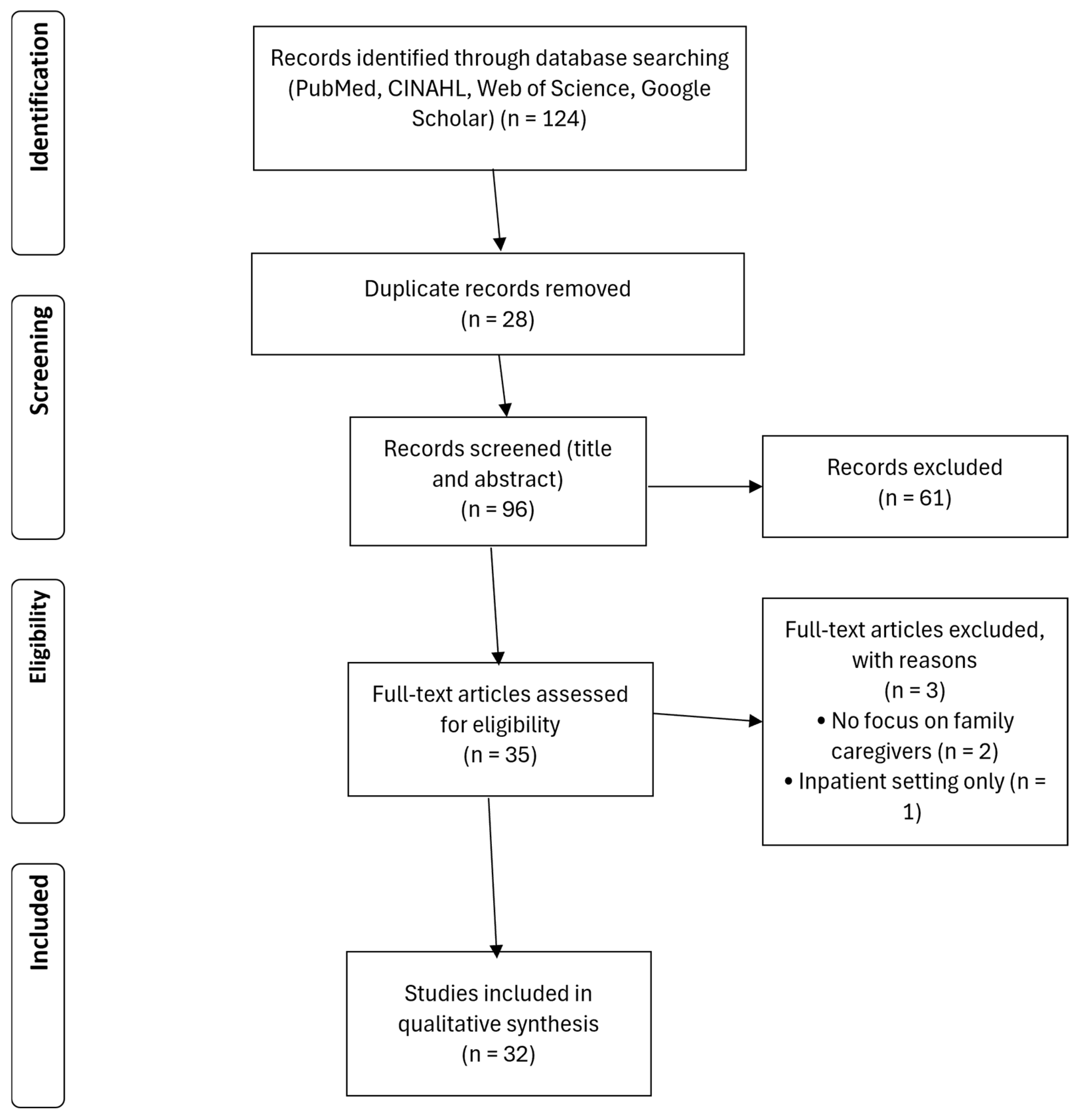
The initial database search yielded 124 records. After removal of 28 duplicates, 96 titles and abstracts were screened for relevance. At this stage, 61 records were excluded because they did not focus on family caregivers, addressed exclusively inpatient settings, or had a purely technical focus. The remaining 35 full-text articles were assessed for eligibility. Following full-text screening, 3 articles were excluded due to insufficient relevance to home care or the absence of a caregiver perspective. In total, 32 studies met all inclusion criteria and were included in the final synthesis. The study selection process is illustrated in a PRISMA flow diagram (
Figure 1).
The purpose of the systematic literature review was not to constitute an independent review study but to provide a structured theoretical and empirical foundation for the mixed-methods design. The review identified key concepts, usage patterns, perceived benefits, barriers, and organizational support structures related to telemedicine use by family caregivers. These findings directly informed the development of the quantitative questionnaire and the guiding questions of the qualitative case study, thereby synchronizing the literature review with the empirical components of the study.
The analysis revealed three central thematic areas:
Studies indicate that family caregivers accept telemedicine solutions primarily when they are perceived as suitable for everyday use, easy to operate, and reliable [
15,
16,
20]. Major barriers include technical complexity, data protection concerns, and insufficient training [
14,
15].
- 2.
Effects of telemedicine support
Several studies demonstrate reductions in caregiver burden and stress, improved communication with healthcare professionals, and increased subjective feelings of safety among family caregivers [
1,
7,
17,
21,
23].
- 3.
Role of telemedicine centers
Recent research highlights the importance of centralized telemedicine contact points that support family caregivers with implementation, technical use, and problem-solving [
17,
20,
21,
22,
23]. Such structures can significantly improve continuity of care, coordination with physicians, and digital health literacy among family members [
18].
These findings formed the theoretical basis for the development of the questionnaire and the guiding questions of the qualitative case study.
2.3. Quantitative Online Survey
2.3.1. Development of the Questionnaire
The questionnaire was developed to record the following:
The use and evaluation of telemedicine technologies;
The perceived support provided by telemedicine centers;
The needs and expectations of family caregivers.
The items were based on technology acceptance models (TAM, UTAUT2) and empirical preliminary work on DiGAs in nursing care [
5,
6].
The questionnaire comprised 32 items, divided into six subject areas (see
Table 1).
2.3.2. Validation and Pretest
The content was validated by a panel of three experts (nursing science, telemedicine, family counseling). The calculated content validity index (S-CVI) was 0.91, indicating high content validity.
A pretest with five caregiving relatives was used to test comprehensibility. Feedback led to minor linguistic adjustments and a clearer distinction between “digital application” and “telemedicine technology.” Given the exploratory nature of the study and the limited sample size, the psychometric evaluation focused on content validity and internal consistency, while no factor analysis procedures were performed.
2.3.3. Implementation
The online survey was conducted with 58 family caregivers. Recruitment took place via caregiving courses. Conditions of participation are as follows:
Participation was voluntary and anonymous.
The achieved sample size of 58 family caregivers was considered appropriate for the exploratory aim of the quantitative component. The study was designed to identify usage patterns, perceptions, and support needs related to telemedicine and telemedicine centers in home care, rather than to test predefined hypotheses.
Given the limited accessibility of family caregivers as a target population and the heterogeneity of caregiving situations, a pragmatic recruitment approach was applied. Comparable exploratory studies in the field of digital health and informal caregiving have used similar sample sizes to generate initial empirical evidence and to inform the development of future, larger-scale studies. Recruitment via caregiving courses may have favored family caregivers who are more motivated, more health literate, or more open to digital technologies, which may have led to selection bias.
2.3.4. Data Analysis
The quantitative data were analyzed using SPSS Statistics Version 29 (IBM Corp., Armonk, NY, USA).
Descriptive analyses: frequencies, means, standard deviations.
Reliability test: Cronbach’s α = 0.87.
Correlations between variables (e.g., use of technology and perceived support from a TMZ) were examined using χ2 tests and t-tests.
Open-ended responses were categorized qualitatively according to Mayring.
To control for confounding factors such as age, education, and care intensity, multivariable models such as logistic and linear regressions were used. These models make it possible to examine the independent effects of various variables on the use and acceptance of telemedicine technologies. For example, logistic regression shows that higher education (OR = 2.45, 95% CI: 1.30–4.60) and lower care intensity (OR = 0.75, 95% CI: 0.60–0.95) are significantly associated with a higher probability of using telemedicine technologies (p < 0.05). These findings underscore the importance of demographic and contextual factors in the implementation and use of digital health solutions.
Key aspects of the analysis:
Proportion of family caregivers using telemedicine.
Perceived relief provided by technologies.
Potential and need for a telemedicine center.
2.4. Qualitative Case Study
2.4.1. Objective and Selection
The qualitative case study aimed to examine in depth the practical benefits and challenges associated with the use of a telemedicine center in home care. The focus was on understanding everyday caregiving processes, perceived support structures, and experienced changes resulting from telemedicine use.
A single, information-rich case was deliberately selected to allow an in-depth exploration of mechanisms, meanings, and contextual factors related to telemedicine center support. The participating family caregiver was chosen because of their continuous use of a telemedicine monitoring system and active engagement with a telemedicine center in the care of a person with dementia. This approach is consistent with qualitative research principles, where analytical depth and contextual understanding are prioritized over sample size and statistical generalizability. The case study was not intended to provide representative evidence, but rather to illustrate mechanisms, processes, and contextual factors that contribute to the interpretation of the quantitative results.
2.4.2. Data Collection
Data was collected in June 2025 using a semi-structured guided interview based on the following key questions:
Daily care routine before using technology;
Daily care routine after using technology;
Changes brought about by technology;
Role and support provided by the telemedicine center;
Impact on sense of security;
Comparison: with vs. without telemedicine center;
Specific situations of improvement.
The interview was recorded, transcribed, and pseudonymized.
2.4.3. Analysis
The qualitative evaluation was carried out using structured content analysis according to Mayring (2015).
Categories were formed inductively, relating to the effect of telemedicine technologies and the importance of the telemedicine center.
Particular attention was paid to the following:
Relief in everyday nursing care;
Improvement in communication with specialist staff;
Technical and emotional support from the TMZ.
2.5. Ethical Aspects
The study received a positive ethics vote from the University of Witten/Herdecke (vote no. 2025-03-27).
All participants were informed in writing about the aim, procedure, and data protection and gave their consent.
Data was stored in accordance with the GDPR, pseudonymized, and used exclusively for research purposes.
2.6. Limitations
Small sample size (n = 58) limits generalizability.
Recruitment via training courses may lead to a technology-biased sample.
The case study represents a single perspective.
Reliability tests are based on an initial round of surveys.
The use of telemedicine and digital health applications, as well as the perceived benefits, were assessed based on self-reported information, which may be subject to bias due to memory gaps and social desirability effects. The recruitment strategy may have led to an overrepresentation of digitally interested caregivers, meaning that the prevalence and acceptance of telemedicine observed in this study may be higher than in the general population of family caregivers. Future studies with larger samples should examine construct validity using exploratory or confirmatory factor analyses to further improve measurement quality. Despite these limitations, the results provide valuable insights into the practical role of telemedicine centers as a key structure for supporting family caregivers in the digital care context.
3. Results
3.1. Sample Characteristics and Use of Digital Technologies
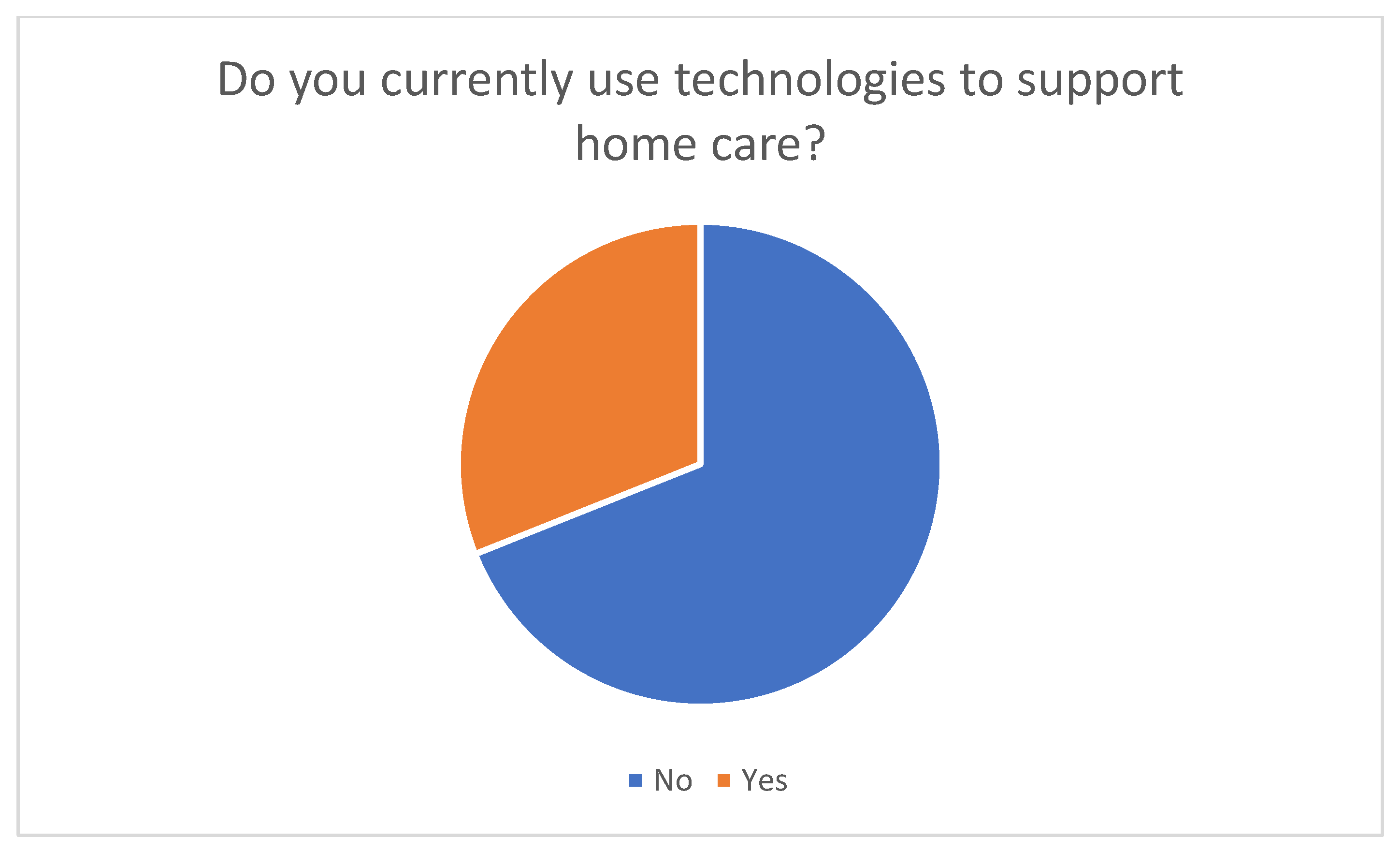
The online survey included 58 family caregivers. The results show that the majority of respondents do not currently use digital or telemedicine technologies to support home care. Forty participants (69%) reported not using any technologies, while 18 participants (31%) stated that they use telemedicine or digital health applications in everyday care (
Figure 2). This indicates that the use of digital and telemedical solutions among family caregivers is still limited.
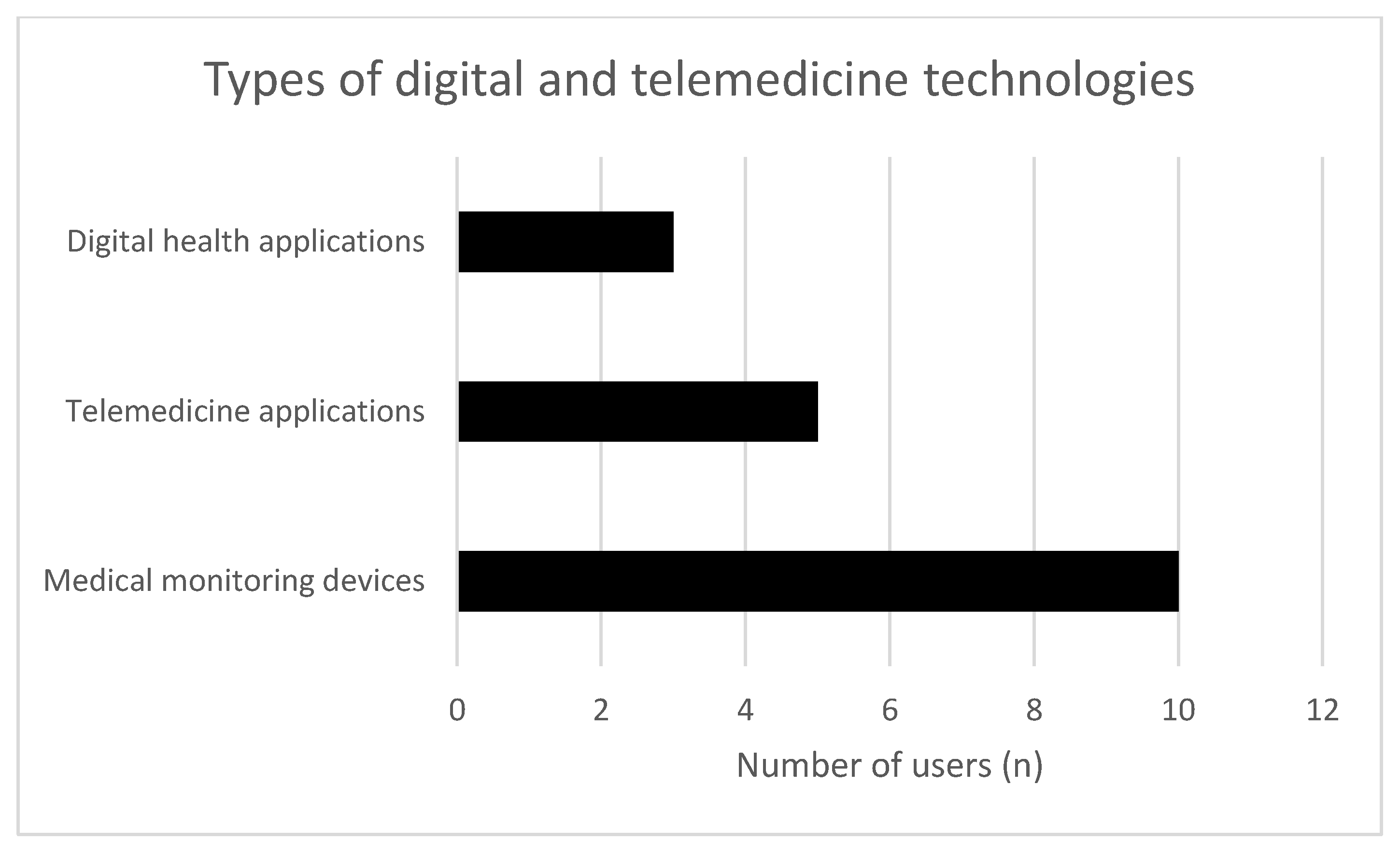
Among those who reported using technologies, different types of applications and devices were used. The most frequently mentioned were medical monitoring devices, such as blood pressure or blood glucose monitors, which were used by 10 of the 18 users. Telemedicine applications, including video consultations and remote medical contact, were reported by 5 users. Digital health applications, for example, for medication management or appointment scheduling, were used by 3 respondents (
Figure 3).
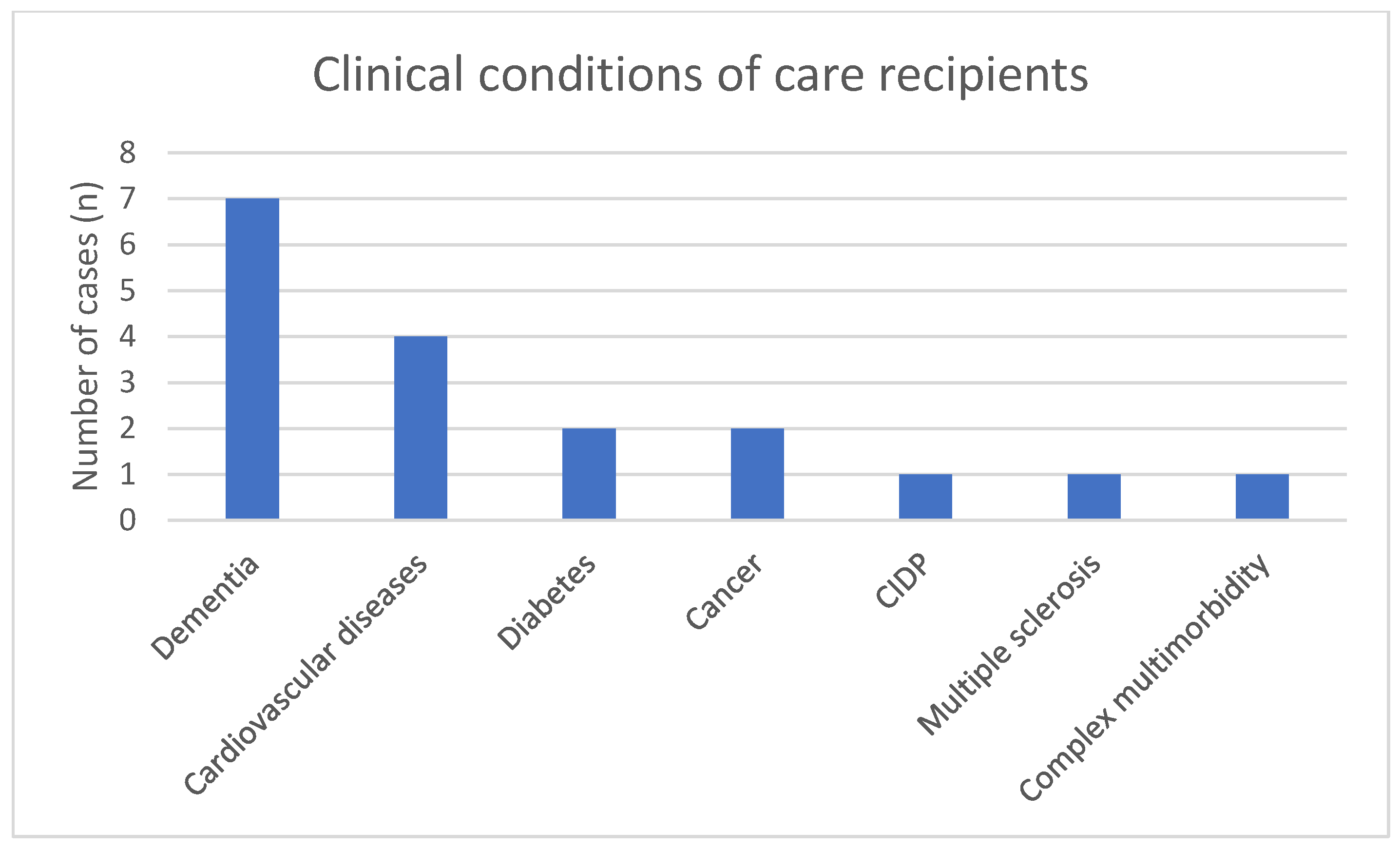
The persons receiving care were affected by a wide range of clinical conditions. Dementia was the most frequently reported condition (n = 7), followed by cardiovascular diseases (n = 4). Other conditions included diabetes (n = 2), cancer (n = 2), chronic inflammatory demyelinating polyneuropathy (CIDP) (n = 1), multiple sclerosis (MS) (n = 1), and complex combinations of dementia, Parkinson’s disease, diabetes, and other conditions (n = 1) (
Figure 4). These findings illustrate the heterogeneity of care situations in which digital and telemedicine technologies are used.
3.2. Patterns of Use and Selection Criteria
Family members who take on caregiving tasks reported using telemedicine technologies in various ways to support daily care (
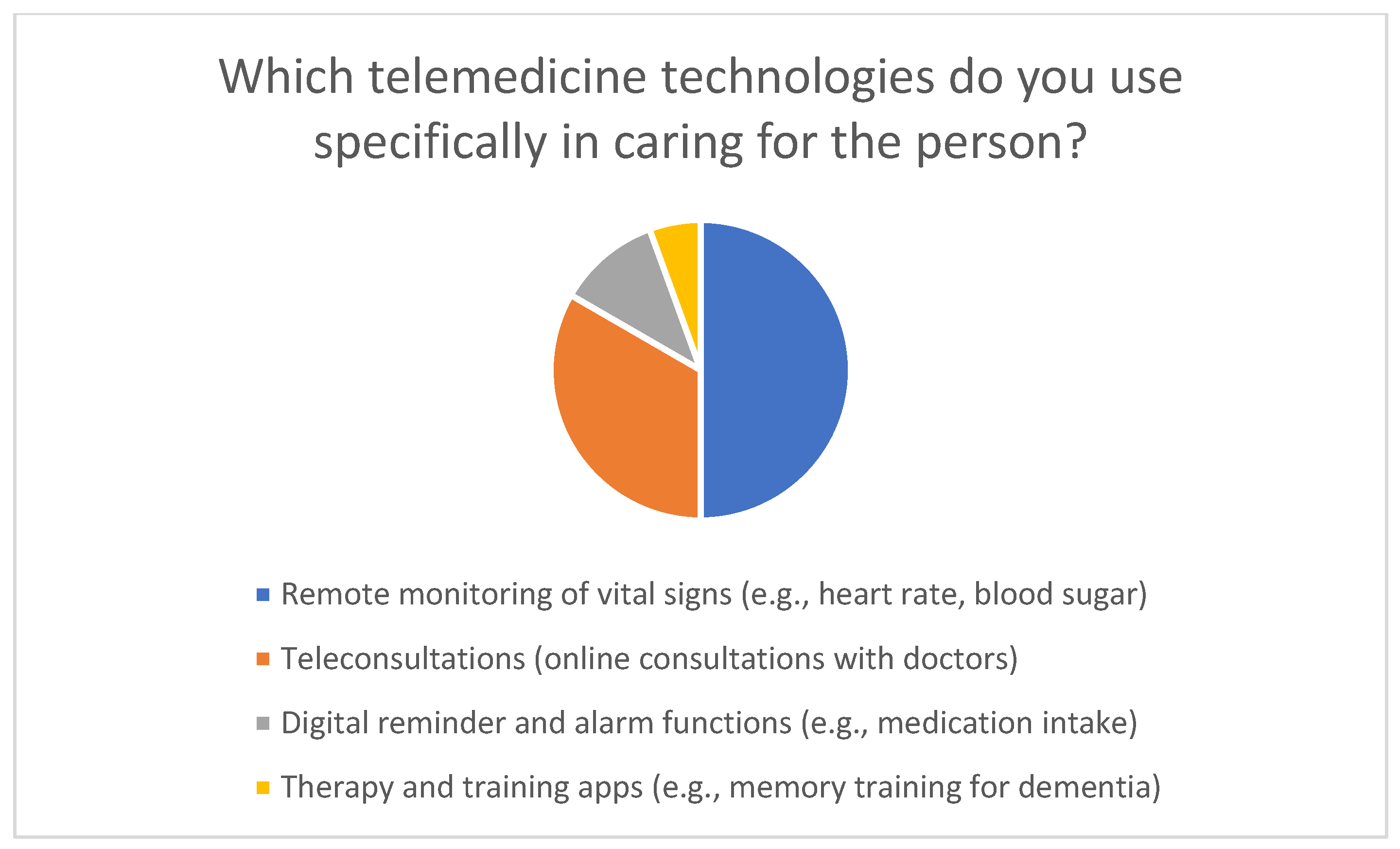
Figure 5). The most common use was remote monitoring of vital signs such as heart rate or blood sugar levels, which was used by about half of the technology users. About one-third of respondents reported using teleconsultations with doctors. Digital reminder and alarm functions, such as for taking medication, as well as therapy and training apps, such as memory training applications for people with dementia, were used by about one-fifth of respondents.
Respondents named a variety of specific DiGAs and software solutions, including digital monitoring systems, video applications for communication with healthcare professionals, memory training apps, and applications for documenting and tracking symptoms. The main functions of these applications were monitoring vital signs, facilitating communication with physicians, and supporting the organization and management of care (
Table 2).
The selection of specific applications was influenced by several factors. Family caregivers reported choosing technologies that facilitate communication and treatment, particularly when video functions or digital monitoring systems enabled direct interaction with the medical team. Other important selection criteria were the support and satisfaction of the person receiving care, speed and simplicity of use, and the availability of the technologies. Security and having a clear overview of health data also played an important role. In addition, some applications were selected because they offered motivating elements, such as memory games or exercise-promoting functions (
Table 2). Monitoring technologies are used more frequently for cardiovascular and metabolic diseases, while memory and cognitive training applications were mainly used in dementia care, which indicates the disease-specific suitability of various digital tools.
3.3. Integration into Daily Care and Challenges
The integration of DiGAs and software solutions into everyday care was perceived differently by respondents. Several family caregivers reported an initial adjustment period, during which they needed time to become familiar with the technologies. This was particularly relevant for older caregivers or those with limited digital experience (
Table 3).
Data protection concerns were mentioned by some respondents as a barrier that initially made the use of digital technologies more difficult. Technical handling was described as unproblematic when applications were user-friendly and self-explanatory. In addition, some caregivers reported that a positive professional attitude toward caregiving and new technologies facilitated integration into daily routines (
Table 3).
The systematic quantification and classification of the obstacles revealed that data protection concerns and technical complexity were the most common barriers. A severity rating on a scale of 1 (low) to 5 (high) showed that data protection concerns had an average severity rating of 4.2 and technical complexity had a severity rating of 3.8. These results highlight the need for targeted interventions and training to overcome these barriers and facilitate the integration of DiGAs and software solutions into everyday care.
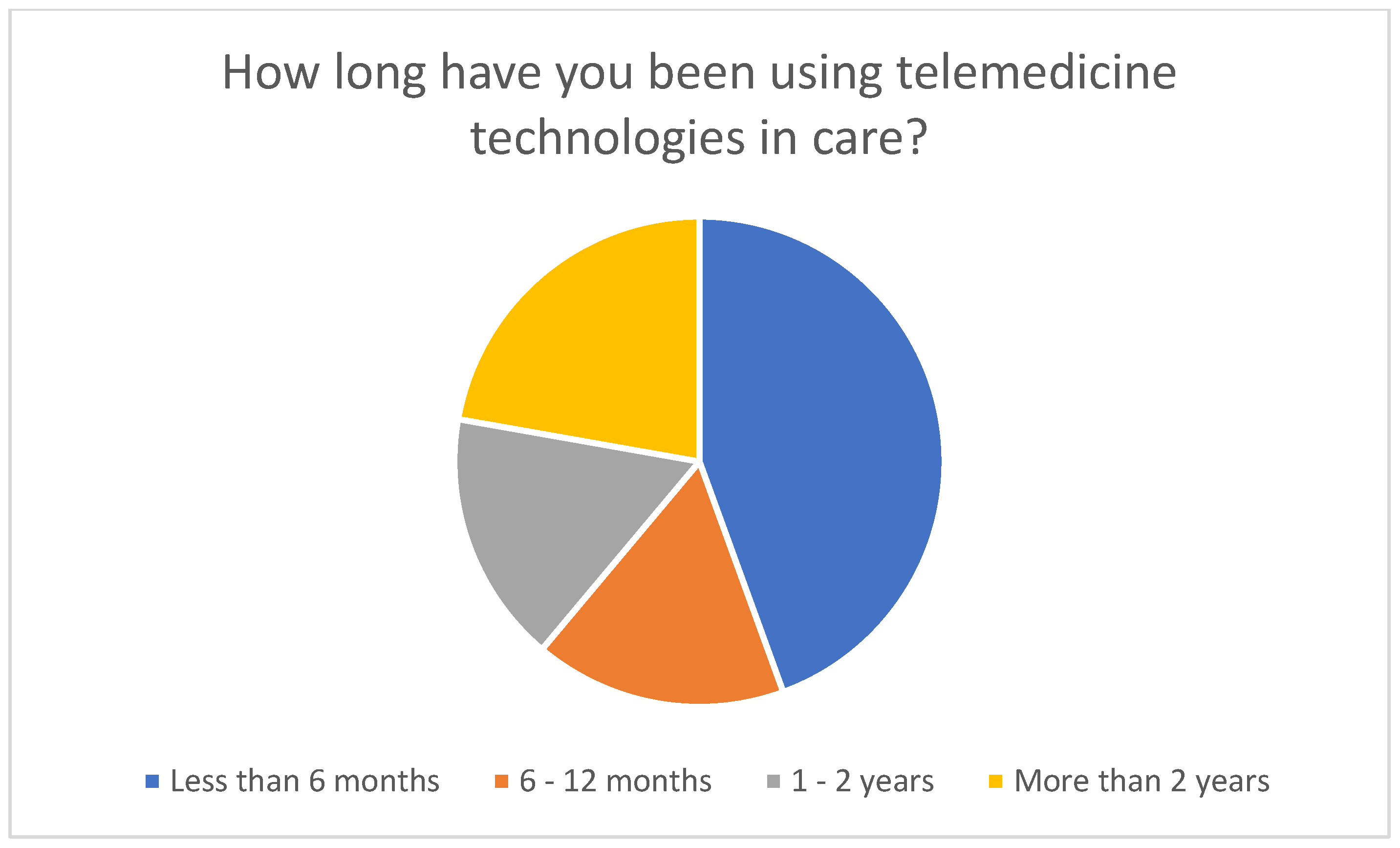
The duration of technology use varied among respondents (
Figure 6). Eight users had been using telemedicine technologies for less than six months, three for six to twelve months, three for one to two years, and four for more than two years. This distribution indicates that a considerable proportion of users had only recently started using digital technologies, suggesting a gradual increase in acceptance and dissemination.
3.4. Perceived Effects on Quality of Care and Communication
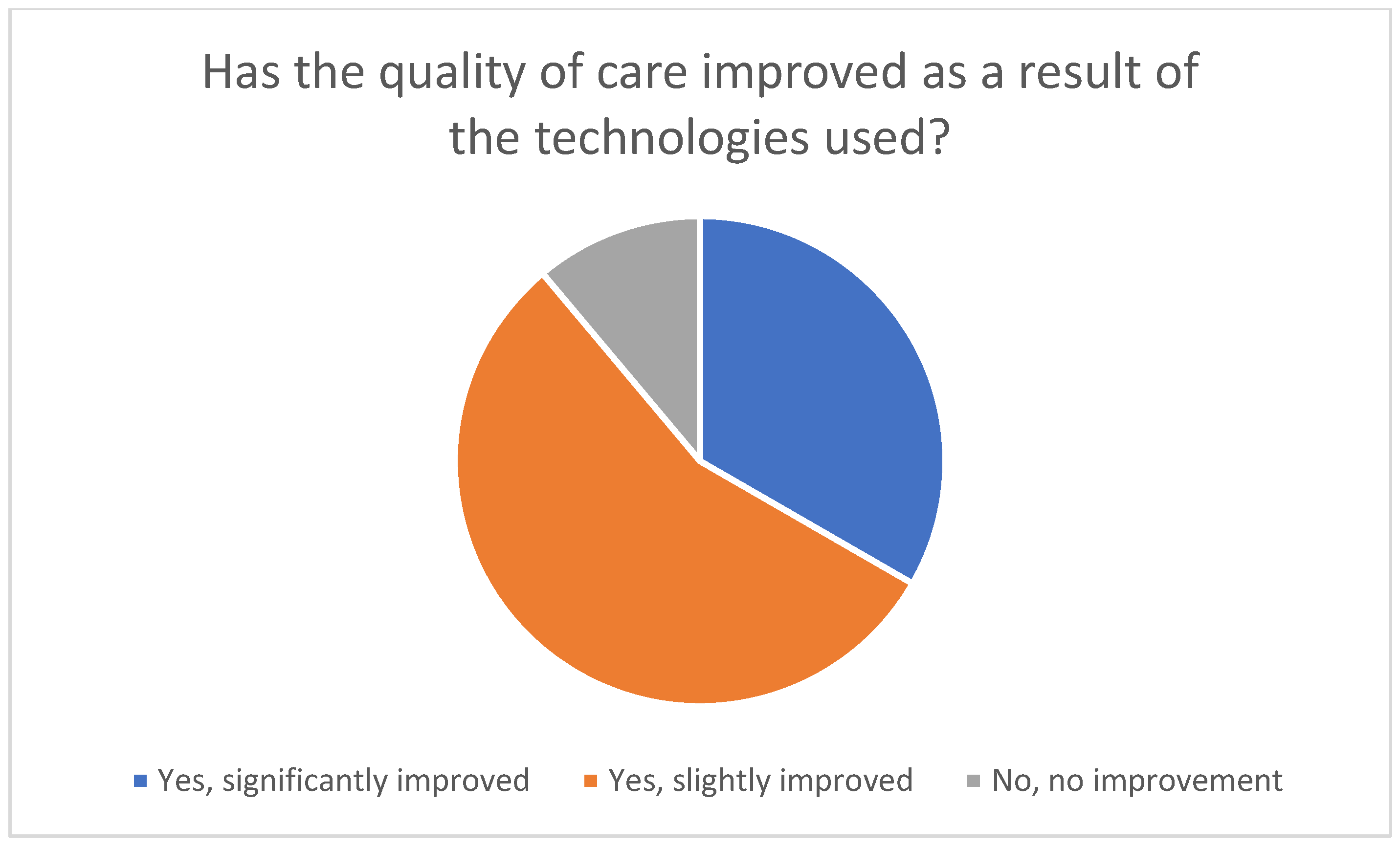
Most family caregivers who used telemedicine technologies perceived an improvement in the quality of care (
Figure 7). Sixteen of the 18 users reported a positive effect, with ten describing a slight improvement and six reporting a significant improvement. Two respondents stated that they had not noticed any improvement.
The most frequently reported positive effect was improved health monitoring, which was mentioned by 11 users. Respondents emphasized that continuous and accurate monitoring of vital signs enabled better control of health status and early detection of changes. Greater independence of the person receiving care was reported by three users, as technologies supported the performance of everyday tasks. A reduction in stress and uncertainty for family caregivers was also mentioned by three respondents. Improved communication with healthcare providers was reported by one user.
Respondents provided specific examples of significant improvements, including the immediate availability of updated vital signs for the medical team, early detection of falls, reminders for medication intake and medical appointments, continuous monitoring after medical procedures, motivational effects of memory training games, and improved treatment adjustment based on documented symptoms and health data (
Table 4).
The use of telemedicine technologies also affected communication with physicians and nursing staff. Respondents reported easier and more efficient communication due to the direct transmission of health data. Time savings were noted, as fewer explanations and follow-up questions were required. Some respondents stated that physicians were better prepared for consultations because relevant data were available in advance. Comprehensive documentation and an improved overview of health information were also described as beneficial for communication and care coordination (
Table 4).
3.5. Evaluation, Acceptance, and Recommendations
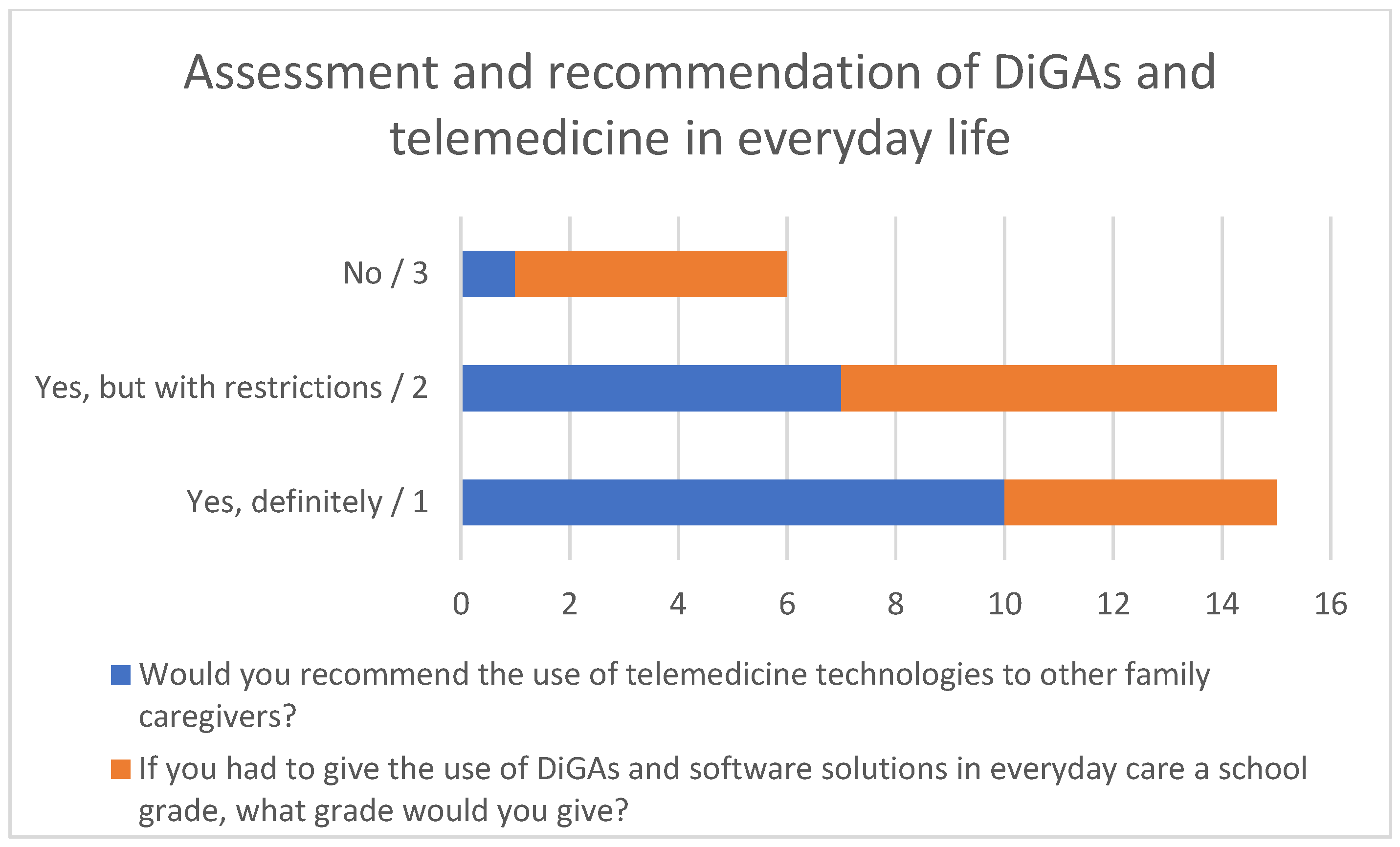
Most family caregivers reported positive overall experiences with telemedicine technologies (
Figure 8). Ten of the 18 users stated that they would definitely recommend the use of these technologies, while seven would recommend them with reservations. One respondent indicated that they would not recommend their use.
When asked to evaluate DiGAs and software solutions in everyday care using a school grading system, five respondents assigned the highest grade, eight gave a grade of two, and five gave a grade of three. Overall, the technologies were rated as good to very good.
Additional comments highlighted that telemedicine technologies were perceived as helpful and convenient, particularly for keeping track of health information and providing a sense of security. Some respondents noted that the technologies required an initial familiarization phase but worked well after this period. Motivational aspects, such as encouraging physical activity or cognitive training, as well as practical support for appointment and medication planning, were also emphasized (
Table 5).
3.6. Expectations Regarding Telemedicine Centers
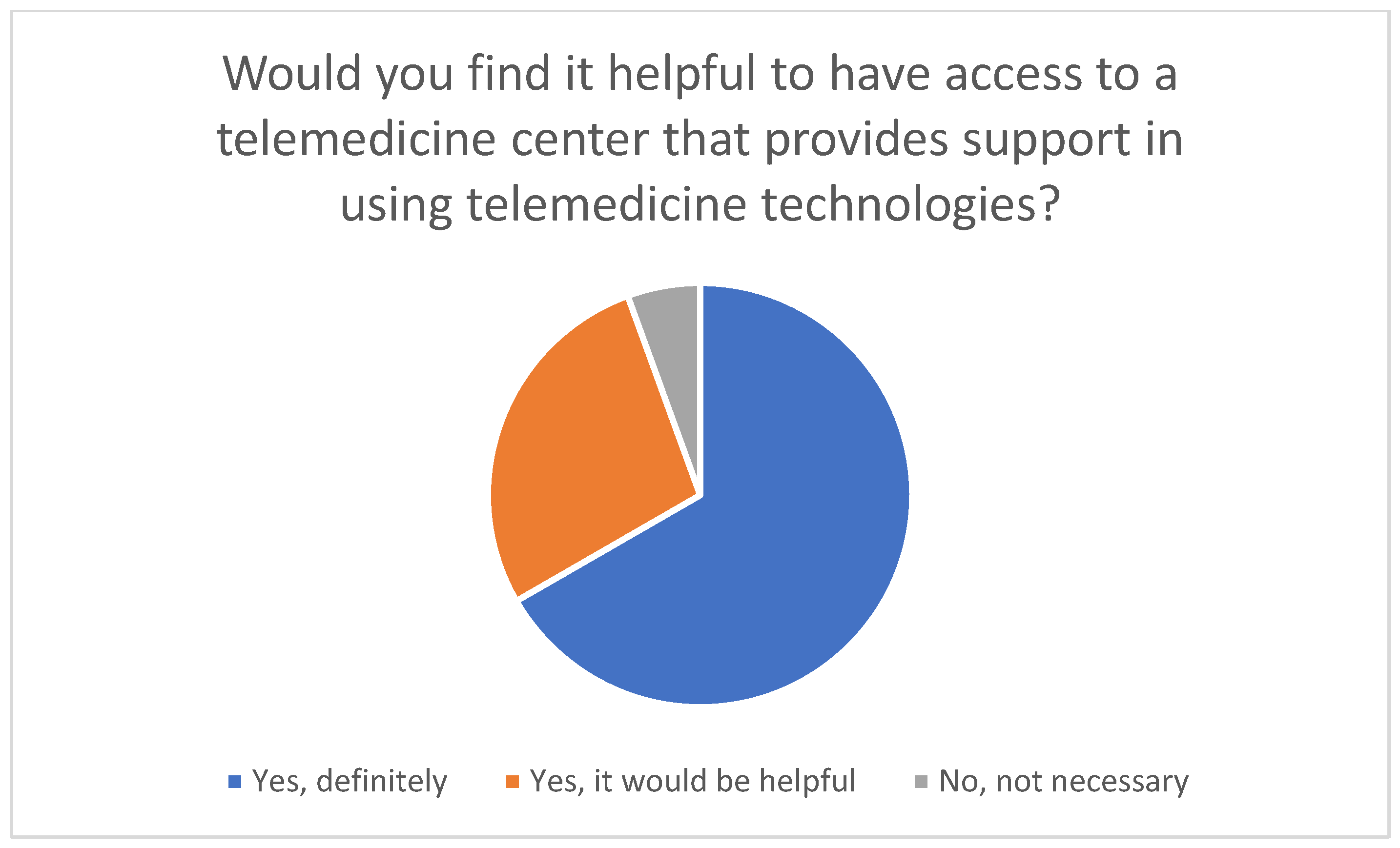
The majority of family caregivers reported that access to a telemedicine center would be helpful (
Figure 9). Twelve of the 18 users stated that such a center would definitely be helpful, while five indicated that it would be helpful. Only one respondent felt that a telemedicine center was not necessary.
Respondents expressed a clear need for technical support, including assistance with setting up devices and software and rapid help in case of technical problems. Training and education on how to use technologies effectively and advice on selecting appropriate applications for specific conditions were also frequently mentioned. In addition, respondents wished for brief explanations, tips, and support in setting reminders and managing calendars, particularly for older users (
Table 6).
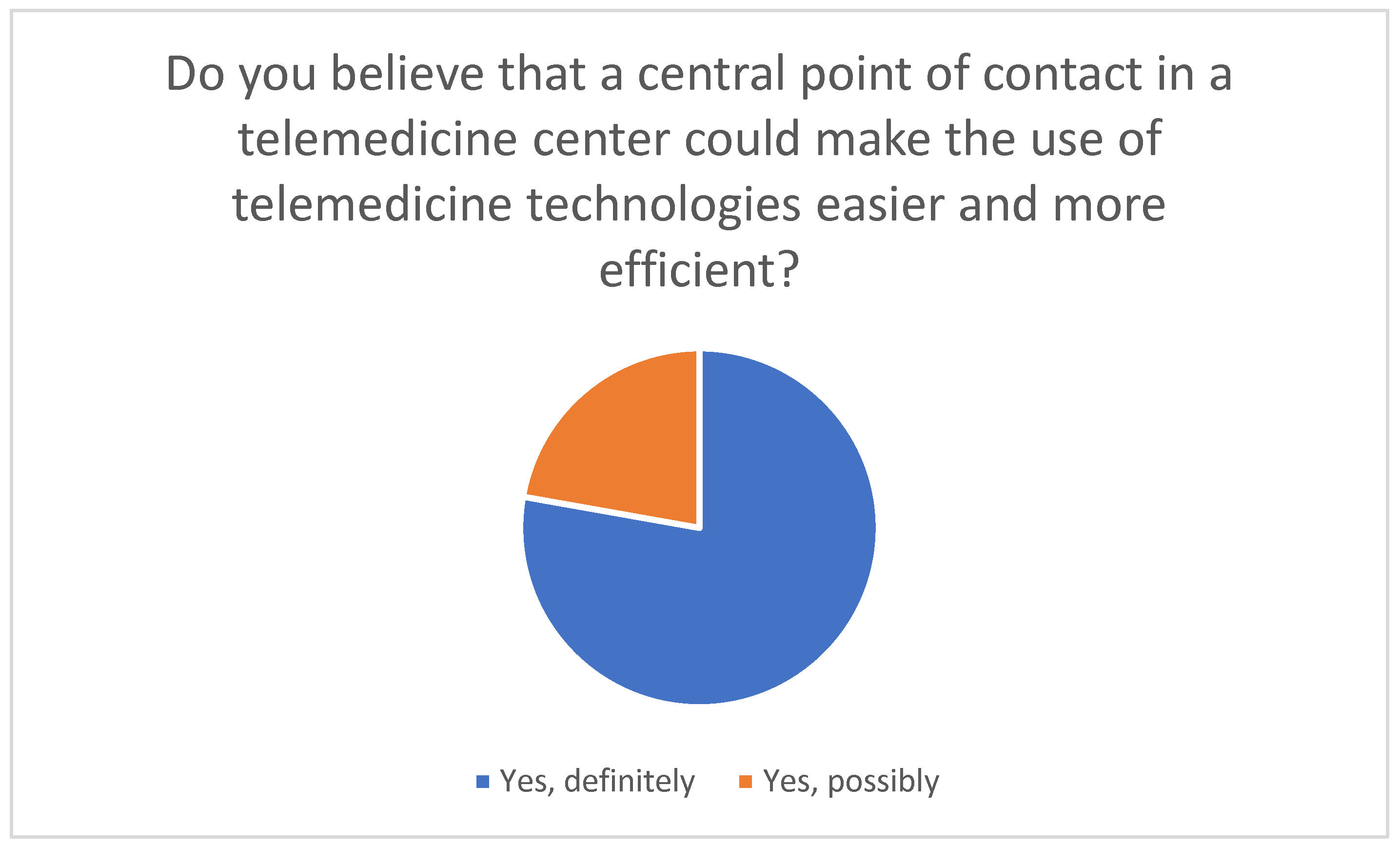
A central point of contact was perceived as advantageous, as it could provide direct help and advice, increase security and trust, and improve efficiency and motivation in using technologies (
Figure 10). Further perceived benefits included transparent communication with healthcare providers, fast and uncomplicated support, and continuous consultation to improve the quality of care.
Concerns regarding a telemedicine center mainly related to potential costs, data protection, and the technical complexity of digital solutions, especially for older people. Despite these reservations, most respondents believed that regular consultation with a telemedicine center could help overcome difficulties and contribute to better communication, error management, and confidence in using telemedicine technologies (
Table 7).
The majority of respondents expected that regular consultations with a telemedicine center would further improve the quality of care, particularly through better communication, improved error management, and a clearer overview of health data and trends. Regular feedback was seen as helpful for maintaining motivation, improving documentation, and responding more quickly to problems that arise. To achieve these benefits, participants emphasized that a telemedicine center should be easily accessible, centrally organized, and user-friendly, providing clear information, simple step-by-step instructions, and rapid support across multiple communication channels (
Table 8).
3.7. Qualitative Case Study
To complement the quantitative results, a qualitative case study was conducted to provide deeper insight into the practical use of telemedicine technologies and the support provided by a telemedicine center. The case study is based on a guided interview with a family caregiver who has been caring for her husband with dementia for several years.
Before the use of telemedicine technologies, daily care was described as highly stressful. Regular occupational therapy sessions outside the familiar home environment caused anxiety for the care recipient and placed a considerable burden on both partners. Since the introduction of telemedicine technologies, cognitive training can be carried out in familiar surroundings, which has led to a noticeable reduction in stress and improved concentration and training outcomes.
The telemedicine center played a central role by providing detailed instruction, continuous availability, and rapid assistance in case of technical problems or uncertainties. This support increased the caregiver’s sense of security and confidence in using the technologies. According to the caregiver, comparable results would not have been achieved without the support of the telemedicine center.
Overall, the case study illustrates how the combination of telemedicine technologies and structured support can reduce stress and improve the quality of home care, thereby reinforcing the findings of the quantitative survey.
5. Conclusions
5.1. Summary of Key Findings
The study showed that telemedicine and digital health applications offer significant advantages for the home care of people in need of care. Among the most important findings is that these technologies can improve the quality of care and significantly reduce the burden on family caregivers. The increased independence of those in need of care and more efficient communication with medical professionals are key factors that make everyday care easier.
Integrating the technologies into everyday care was a challenge for many family caregivers, but one that could be overcome over time. Data protection concerns and technical handling were other factors that influenced integration. The use of technology has greatly facilitated and improved communication with doctors and nursing staff, leading to more efficient and precise care.
Cooperation between different digital health solutions and DiGAs is often problematic, particularly due to a lack of uniform interfaces and technical issues. However, many users only use a single app or DiGA, which means that no integration problems arise. The helpful functions and features of the DiGAs used include direct transfer of health data, reminder functions, user-friendliness, motivational games, and safety messages.
The majority of family caregivers would recommend the use of telemedicine technologies, with most users having had positive experiences. The technologies are predominantly rated as good to very good, indicating a high level of satisfaction. The additional comments and remarks make it clear that the technologies are perceived as helpful and facilitating, although they may take some getting used to at first.
5.2. Outlook
For future research, it would be useful to expand the study to larger and more diverse samples in order to increase the generalizability of the results. In addition, longitudinal studies should be conducted to examine the long-term effects of telemedicine use on the quality of life of care recipients and their relatives.
With regard to the further development of telemedicine centers, it is recommended that such facilities be established as central points of contact for training and support. These centers could help break down technological barriers and promote the acceptance of telemedicine. By providing comprehensive support and promoting technological literacy, telemedicine centers could make a decisive contribution to improving home care and facilitating the integration of new technologies into everyday life. In order to make the contribution more feasible for healthcare planners, sustainable financing models should be developed to ensure the long-term support and operation of telemedicine centers. This could be achieved through public funds, insurance contributions, or private investment. Stable financing is crucial to providing continuous technical and human resources. In addition, telemedicine centers should be seamlessly integrated into primary care to enable continuous care and coordination between general practitioners and specialists. This requires the development of standardized protocols and communication channels that ensure effective collaboration between different healthcare providers. Finally, standardized training programs should be developed to promote the digital skills of caregivers and family members. These programs should be easily accessible and tailored to the specific needs of users. Regular training courses and workshops can help increase digital literacy and promote the acceptance of telemedicine technologies.
Overall, the findings show that telemedicine should not only be viewed as a technological innovation, but also as an essential tool for improving home care, which should be more widely used in practice. The implications for practice also include the need to remove technological and organizational barriers in order to facilitate access to telemedicine for all stakeholders. This could be achieved by providing comprehensive training and technical support to give family caregivers the necessary confidence and competence in using these technologies.