Protocol

Factors Influencing the Participation of Shared Decision Making in Stable Coronary Artery Disease Patient: Protocol of a Mixed Methods Study

School of Nursing, Hangzhou Normal University, Hangzhou 311121, China
*
Author to whom correspondence should be addressed.
Healthcare 2024, 12(18), 1883; https://doi.org/10.3390/healthcare12181883

Submission received: 1 August 2024 / Revised: 3 September 2024 / Accepted: 18 September 2024 / Published: 20 September 2024
(This article belongs to the Special Issue Shared Decision-Making in Healthcare)

Abstract

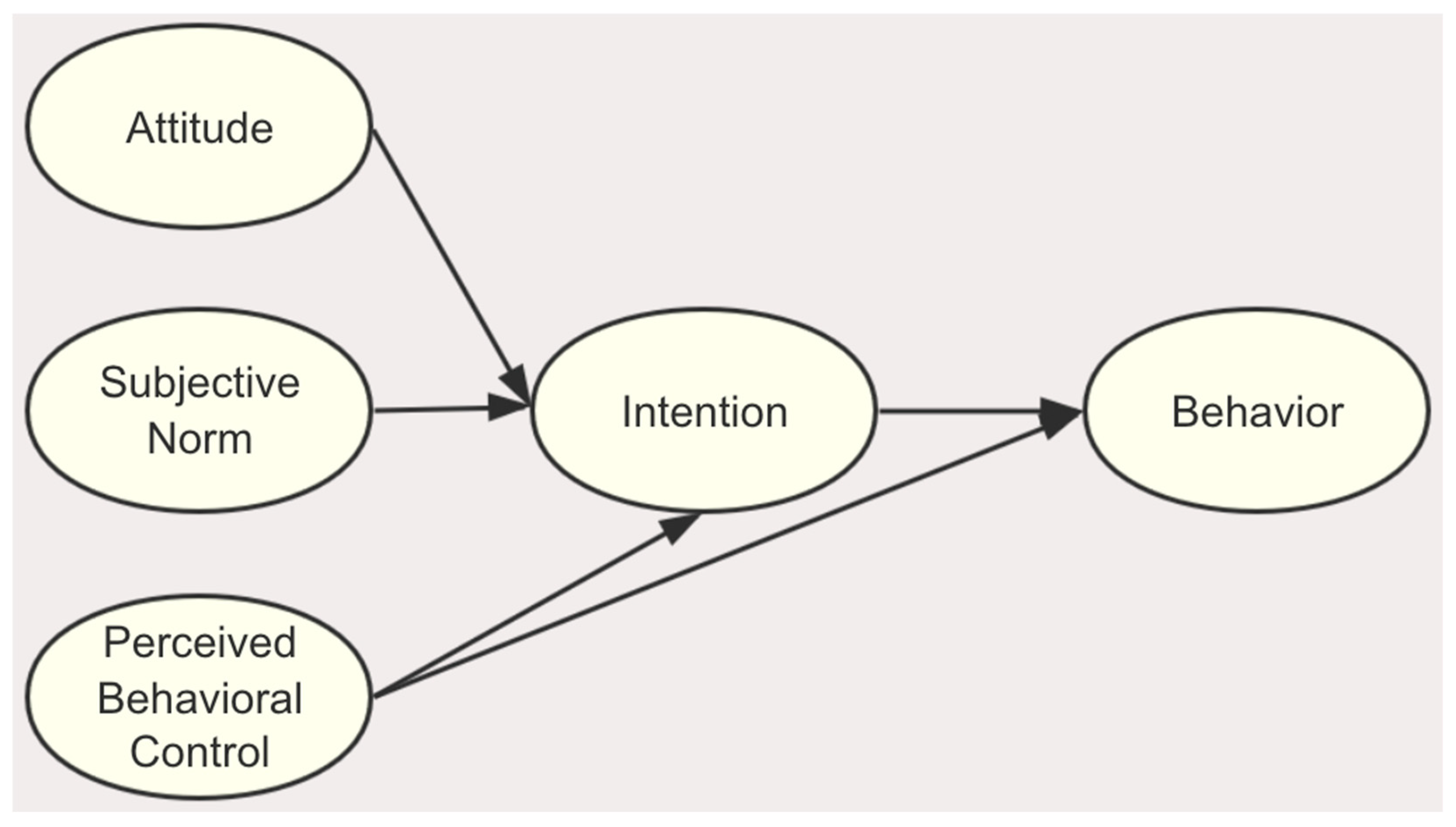
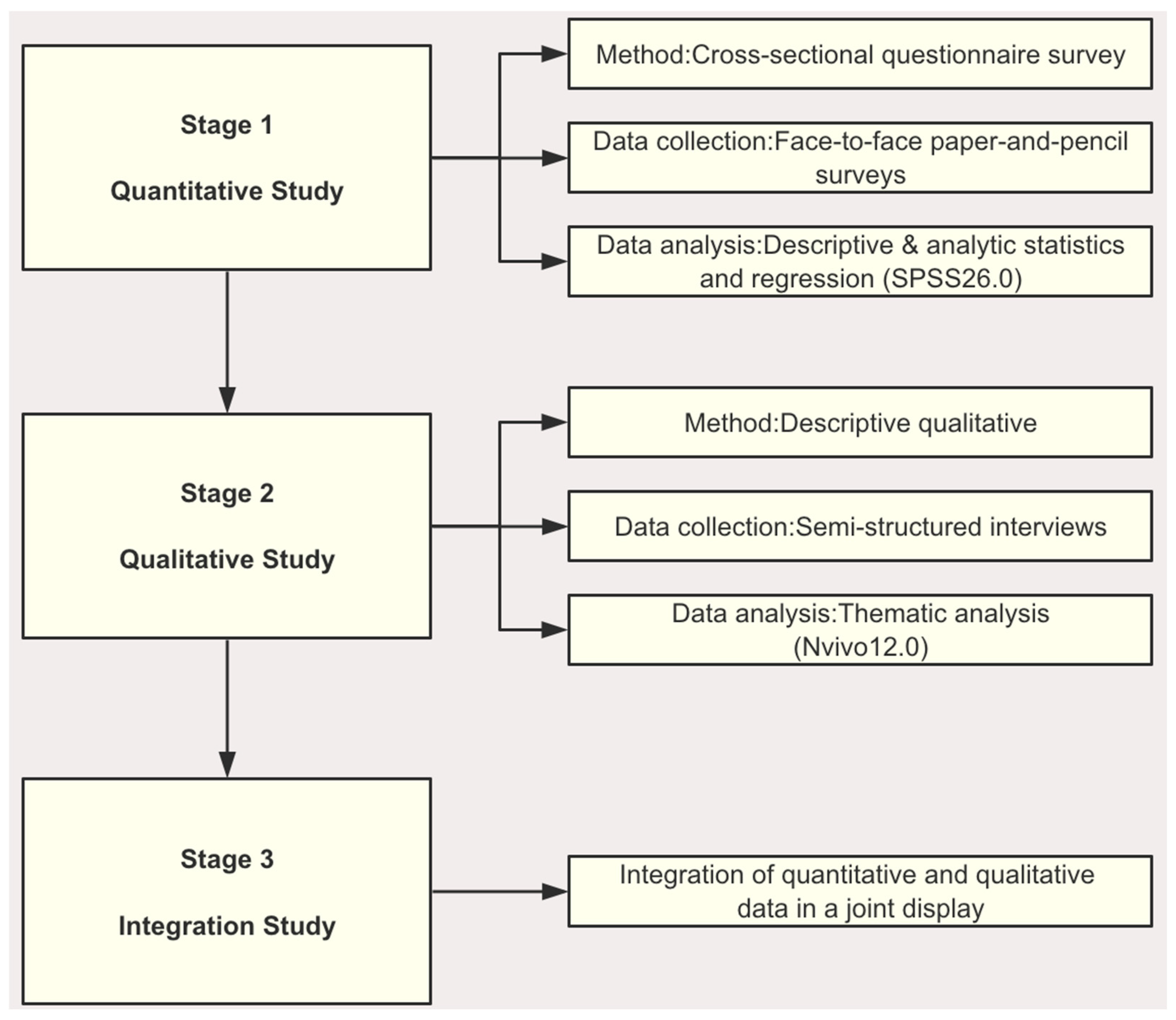
Introduction: The “paternalistic decision-making model” is no longer well suited to the modern clinical environment, and therefore, shared decision making (SDM) has emerged as a key approach. Although the benefits of SDM have been largely reported, several studies have reported low participation in SDM in coronary artery disease (CAD) patients. The theory of planned behavior (TPB) model is one of the most frequently employed theoretical frameworks for predicting human behaviors. According to the TPB, intention is influenced by attitude, subjective norm, and perceived behavioral control, while behavior is influenced by both intention and perceived behavioral control. Therefore, we propose a mixed methods study based on TPB to investigate the status of Chinese stable coronary artery disease (SCAD) patients’ participation in SDM, understand their experiences of SDM, and explore the factors that influence their participation in SDM. Materials and Methods: An explanatory sequential mixed methods design will be used to explore the study aims, including a quantitative phase, a subsequent qualitative phase, and the final integration study. The quantitative study will use convenient sampling from the Affiliated Hospital of Hangzhou Normal University to conduct a cross-sectional survey (n ≥ 252). The qualitative study will be sampled using the maximum difference sampling method from the quantitative study results, and then the data will be collected through semi-structured interviews (n = 10–20). This study will use descriptive statistics and test hypotheses while considering a p-value of <0.05, which will be considered statistically significant. Discussions: The study employs a mixed method approach with an explanatory sequential design, incorporating qualitative and quantitative methods to comprehensively understand the factors influencing SCAD patients’ participation in SDM. Furthermore, these findings can inform the design of future intervention studies and provide healthcare providers with targeted information and communication to help SCAD patients make the most appropriate decisions. Study participants will be recruited using convenience sampling from just one single clinical setting, which may limit the findings’ generalizability. Ethics and Dissemination: This study has been approved by the Ethical Committee of the School of Nursing, Hangzhou Normal University (Approval No.: 2024013). All the participants will sign an informed consent form before participating in the survey. The corresponding results and conclusions will be disseminated in journals and conferences after the completion of the study.
Keywords: shared decision making; stable coronary artery disease; participation; the theory of planned behavior shared decision making; stable coronary artery disease; participation; the theory of planned behavior