Article

Economic Burdens of Type 2 Diabetes Hospital Visits with Hypoglycemic Episodes in the Tertiary Care Setting in Thailand

by
Natapong Kosachunhanun
1,
Danil Wongsa
1 and
Unchalee Permsuwan
2,3,*
1
Department of Internal Medicine, Faculty of Medicine, Chiang Mai University, Chiang Mai 50200, Thailand
2
Center for Medical and Health Technology Assessment (CM-HTA), Department of Pharmaceutical Care, Faculty of Pharmacy, Chiang Mai University, Chiang Mai 50200, Thailand
3
Department of Pharmaceutical Care, Faculty of Pharmacy, Chiang Mai University, Chiang Mai 50200, Thailand
*
Author to whom correspondence should be addressed.
Healthcare 2023, 11(7), 949; https://doi.org/10.3390/healthcare11070949

Submission received: 9 February 2023 / Revised: 4 March 2023 / Accepted: 20 March 2023 / Published: 24 March 2023

Abstract

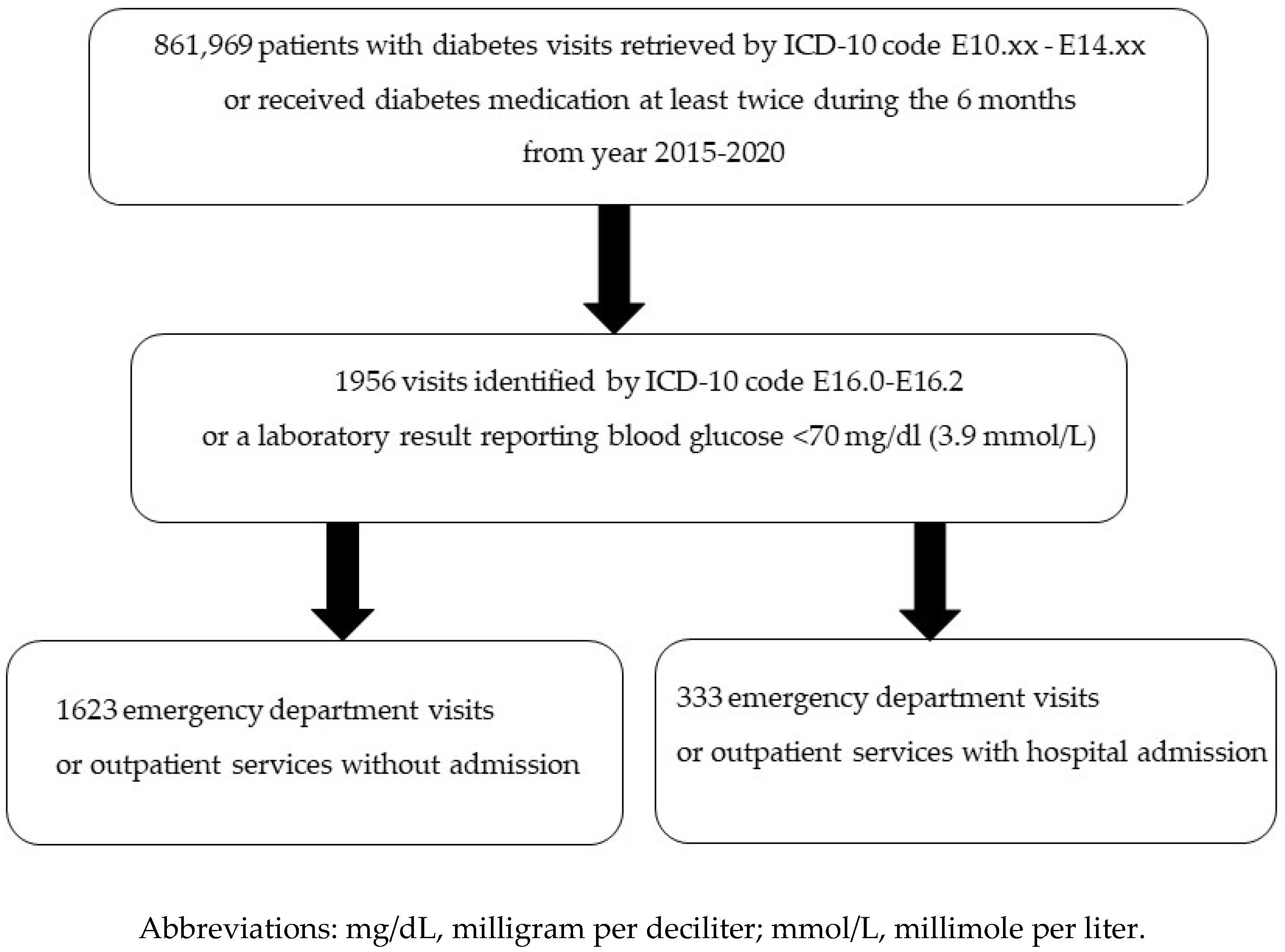
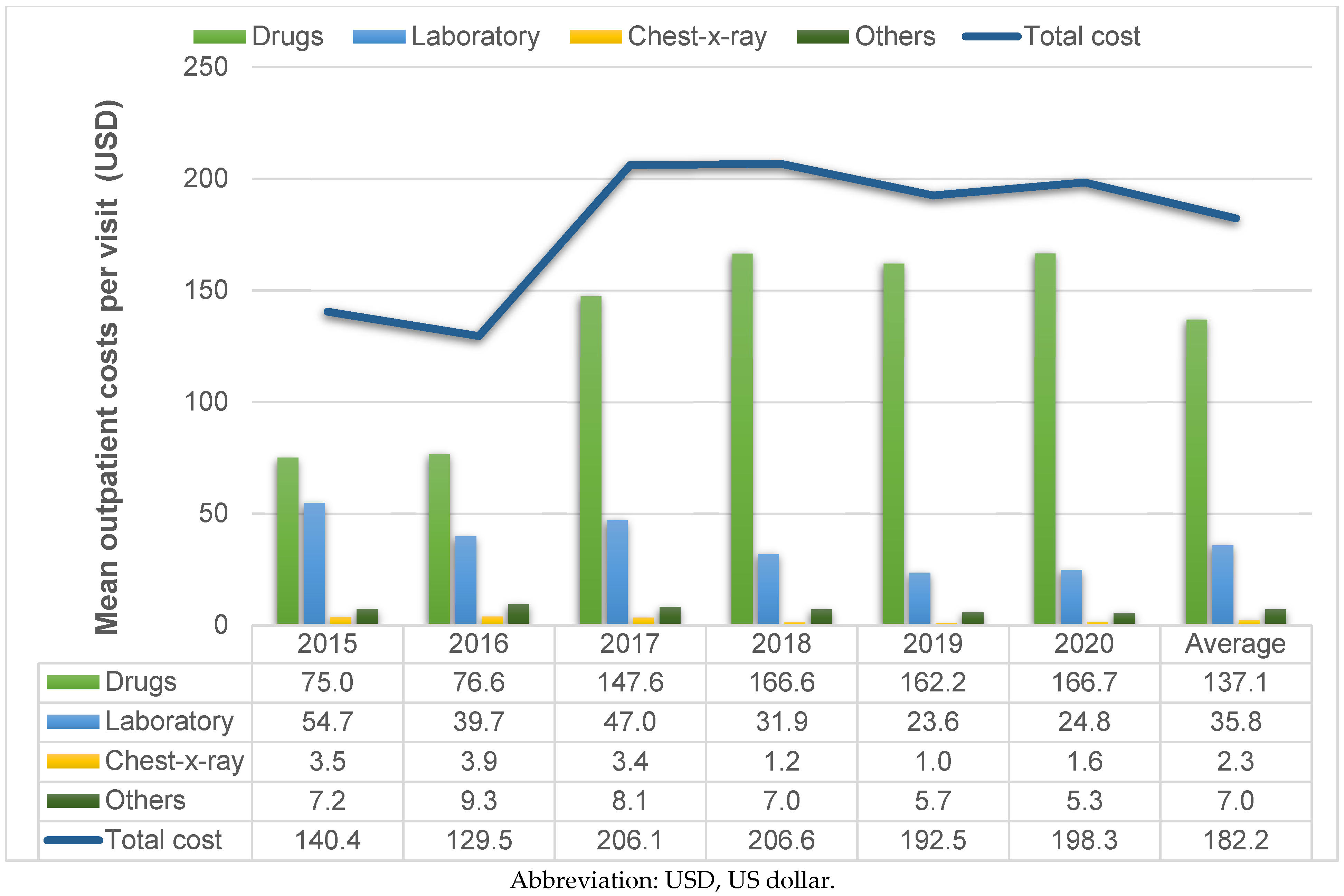
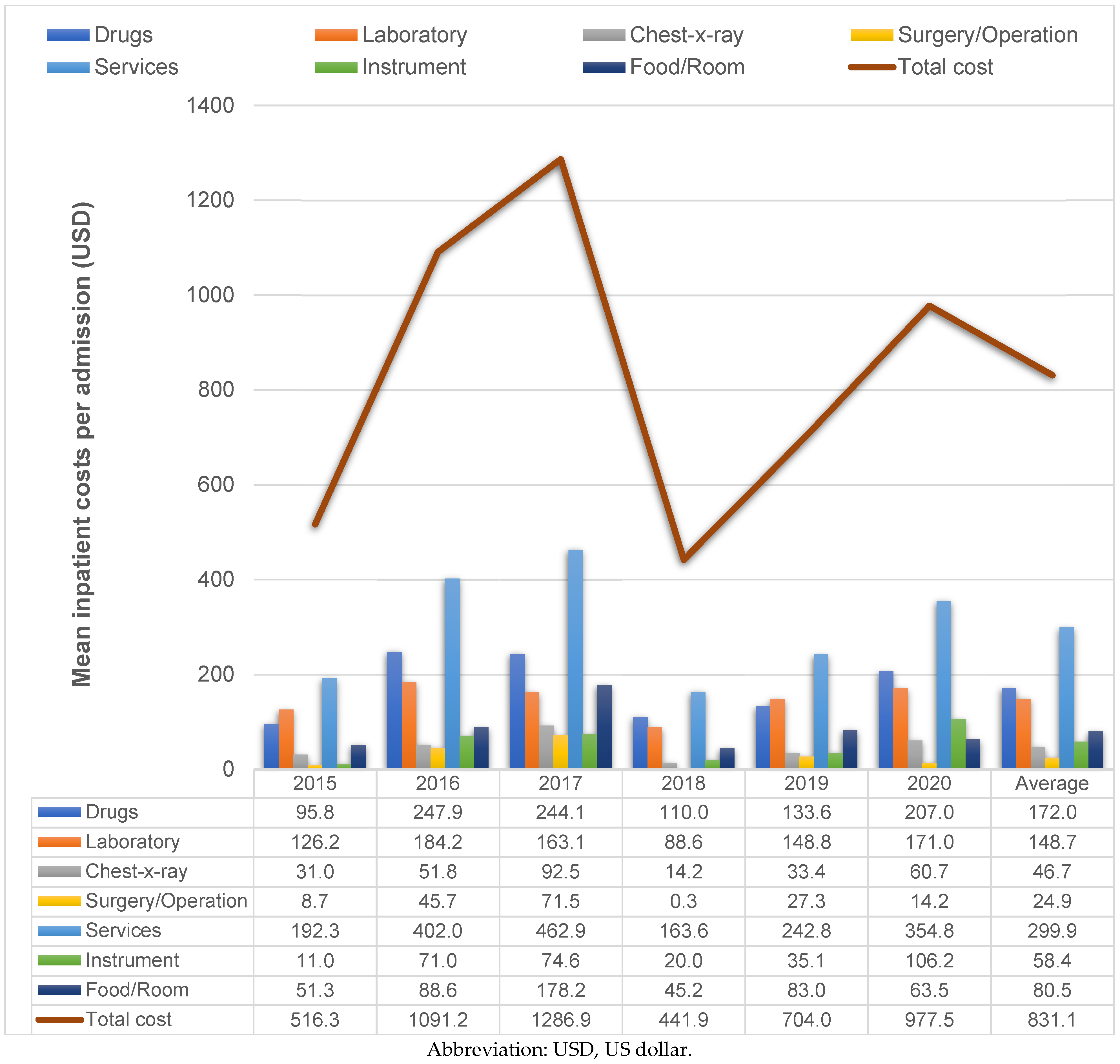
This study aimed to estimate the economic burden of hypoglycemia among people with type 2 diabetes (T2D) treated in a tertiary care setting. An electronic database of the largest university-affiliated hospital in northern Thailand was retrieved from 2015 to 2020 using the International Classification of Diseases 10th Revision (ICD-10) code E10.xx–E14.xx, or for patients receiving diabetes treatment at least twice for a 6-month period. All records were screened for hypoglycemia using an ICD-10 code E16.0–E16.2 or for having blood glucose <70 mg/dL. All costs related to outpatient visits or inpatient admissions were recorded. During the study period, T2D visits totaled 861,969. The annual incidence rate of hypoglycemia was 2.3 per 1000 visits, while the admission rate was 3.9 per 10,000 visits. The mean length of stay was 4.5 ± 10.1 days. The costs of hypoglycemia were USD 831.1 per admission and USD 182.2 per outpatient visit. The important cost driver for outpatients was drugs (USD 137.1), while for inpatients, this constituted services (USD 299.9). Hypoglycemia poses a substantial financial burden and increases the use of healthcare resources. Selecting the most cost-effective treatments with clinical evidence of the lower risk of hypoglycemia, especially newer insulin preparations, will provide the greatest likelihood of improving clinical outcomes and reducing the economic burden.
Keywords: hypoglycemia; type 2 diabetes; economic burdens; costs hypoglycemia; type 2 diabetes; economic burdens; costs