Article

Assessment of Diagnostic Imaging Sector in Public Hospitals in Northern Jordan
Department of Medical Imaging, Faculty of Applied Medical Sciences, The Hashemite University, Zarqa 13133, Jordan
Healthcare 2022, 10(6), 1136; https://doi.org/10.3390/healthcare10061136

Submission received: 25 April 2022 / Revised: 30 May 2022 / Accepted: 16 June 2022 / Published: 18 June 2022
(This article belongs to the Collection Radiology-Driven Projects: Science, Networks, and Healthcare)

Abstract

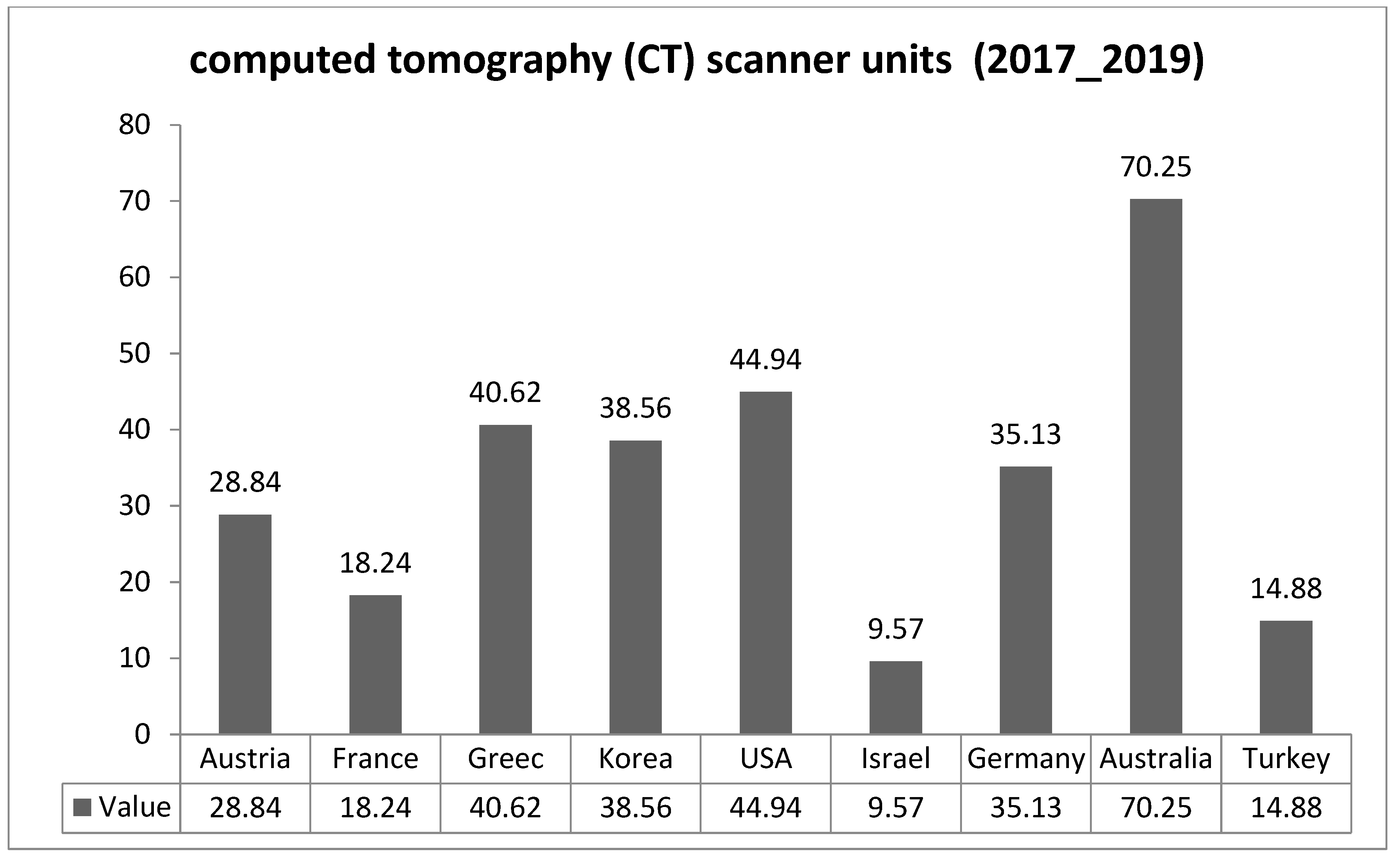
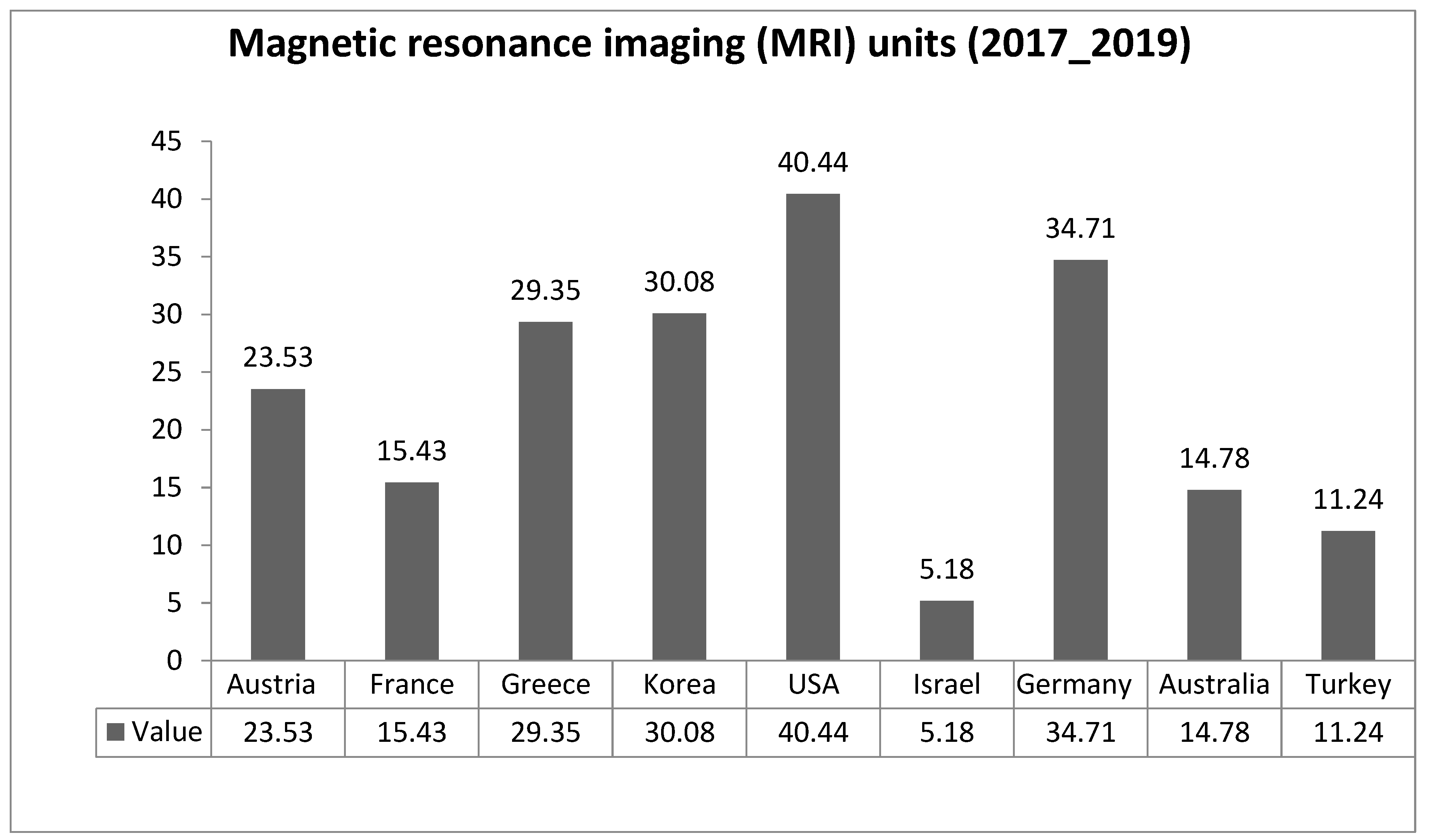
The most effective diagnostic methods in the medical field are diagnostic imaging techniques such as radiography, computed tomography (CT), magnetic resonance imaging (MRI), and nuclear medicine, which are used to visualize internal body to diagnose it, determine potential treatment, and evaluate and forecast care results. Therefore, the purpose of this research is to assess the diagnostic imaging sector, at three major public hospitals in the northern part of Jordan, according to regional and global requirements. The assessment approach was based on knowledge of the accessibility of diagnostic imaging equipment and its quality assurance and performance, the quantity and efficiency of radiological technologists, and the design of radiology units and medical imaging chambers in many aspects based on the use of two tools, a questionnaire and checklists, to accomplish a comprehensive evaluation. The response rate of radiological technologists was 66%. The assessment reveals a noticeable increase in the number of radiological technologists in general with high academic qualification level. Additionally, the number of diagnostic imaging equipment in Jordan revealed a large deficiency in the population–device balance, and through checklists that evaluated both CT and MRI units, it was revealed that the rate of following global requirements and occupational health and safety (OHS) standards was high. The basic supplies available in both the CT and MRI units alike were high, which indicates the high quality of healthcare provided in Jordan.
Keywords: advanced medical imaging; radiologic technologists; medical imaging services; CT and MRI unit advanced medical imaging; radiologic technologists; medical imaging services; CT and MRI unit