Article

Deep Learning for Motion Artifact-Suppressed OCTA Image Generation from Both Repeated and Adjacent OCT Scans


1
Guangdong-Hong Kong-Macao Joint Laboratory for Intelligent Micro-Nano Optoelectronic Technology, School of Physics and Optoelectronic Engineering, Foshan University, Foshan 528000, China
2
Innovation and Entrepreneurship Teams Project of Guangdong Provincial Pearl River Talents Program, Guangdong Weiren Meditech Co., Ltd., Foshan 528015, China
*
Author to whom correspondence should be addressed.
Mathematics 2024, 12(3), 446; https://doi.org/10.3390/math12030446
Submission received: 16 December 2023 / Revised: 18 January 2024 / Accepted: 29 January 2024 / Published: 30 January 2024

Abstract

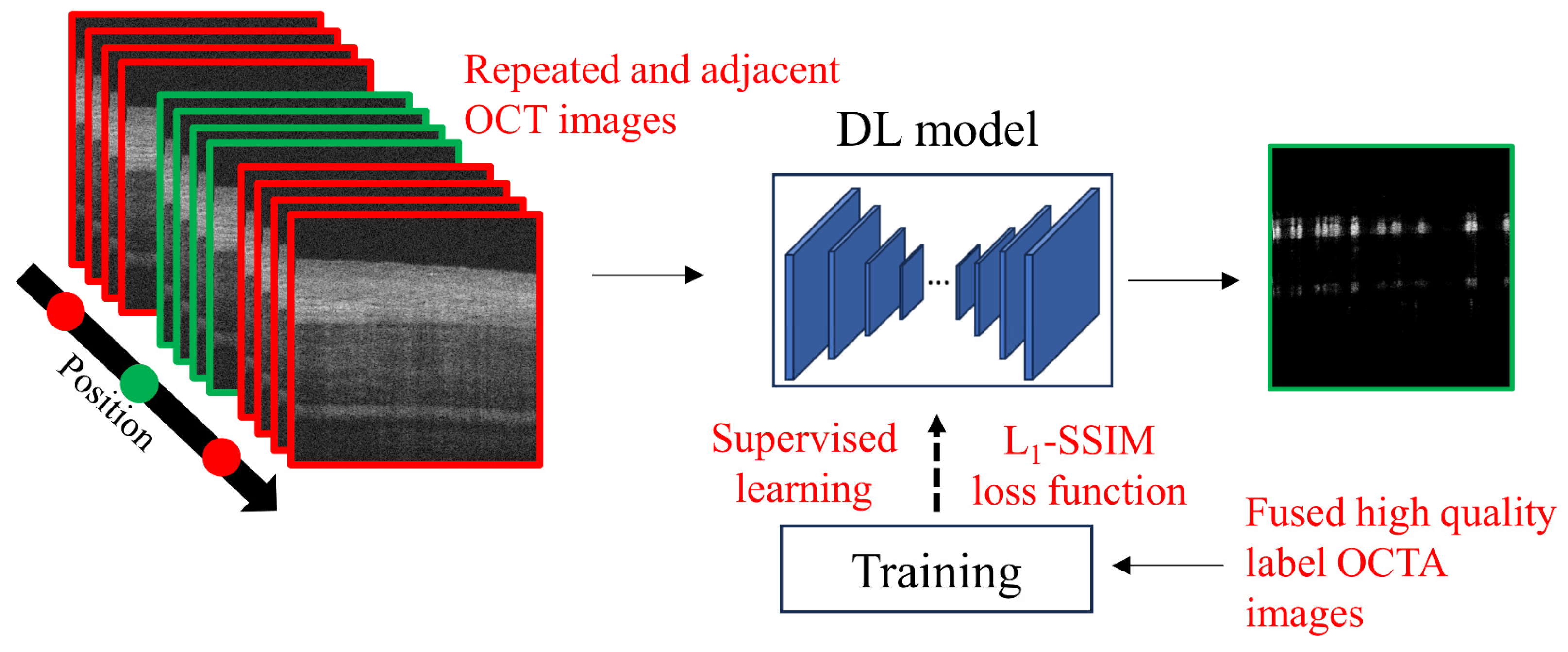
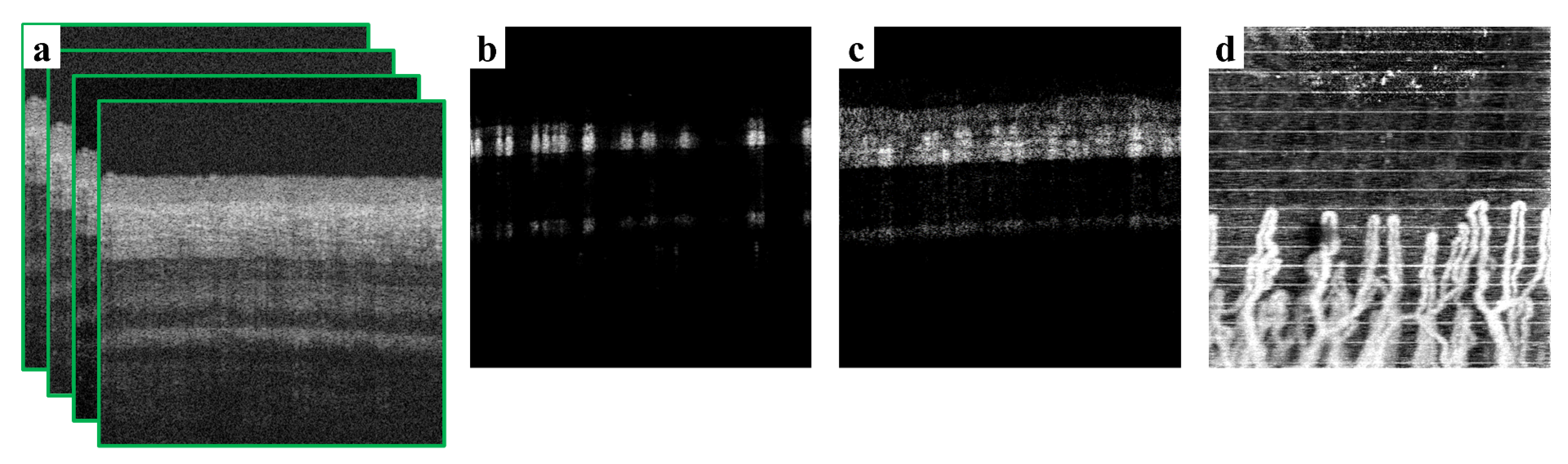
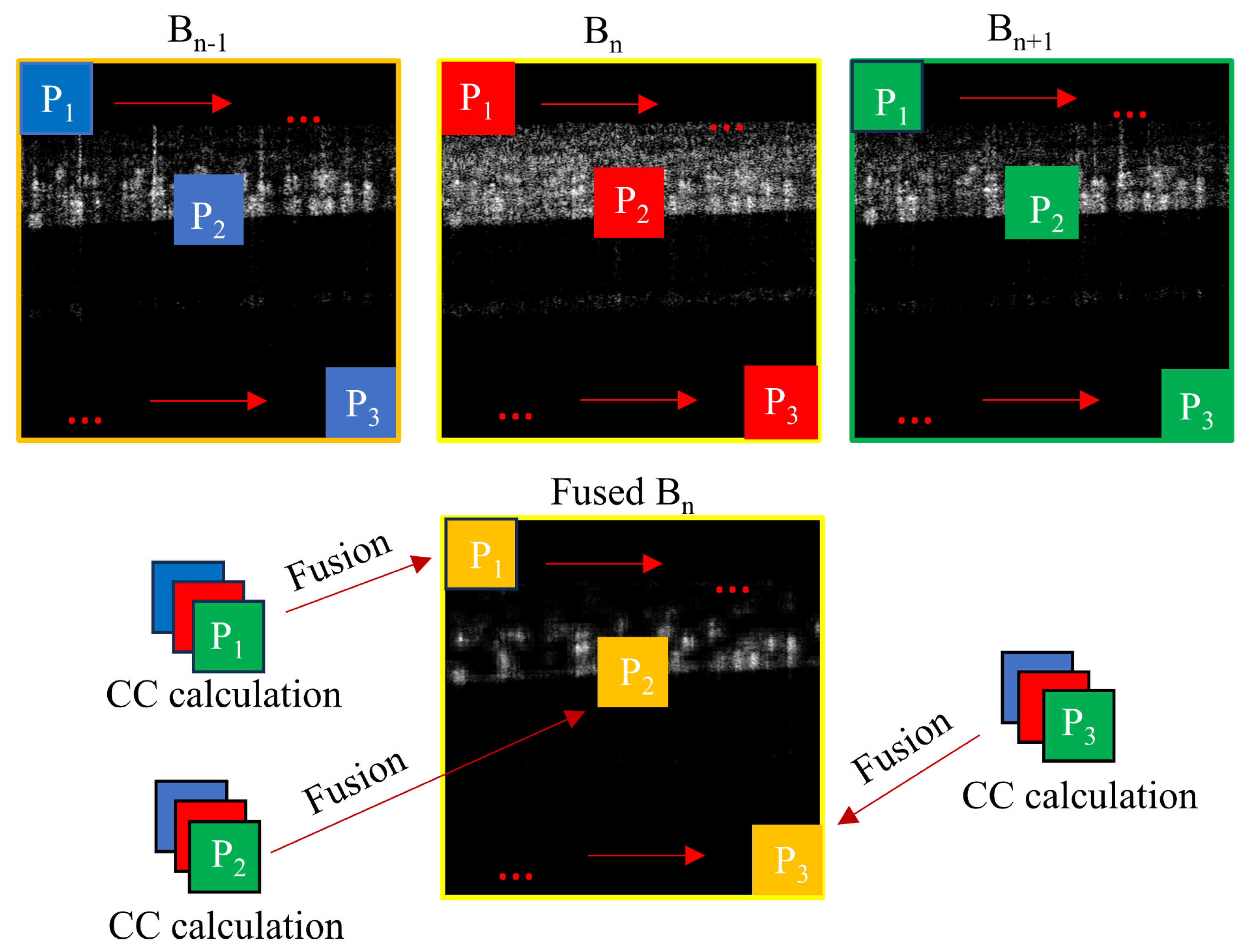
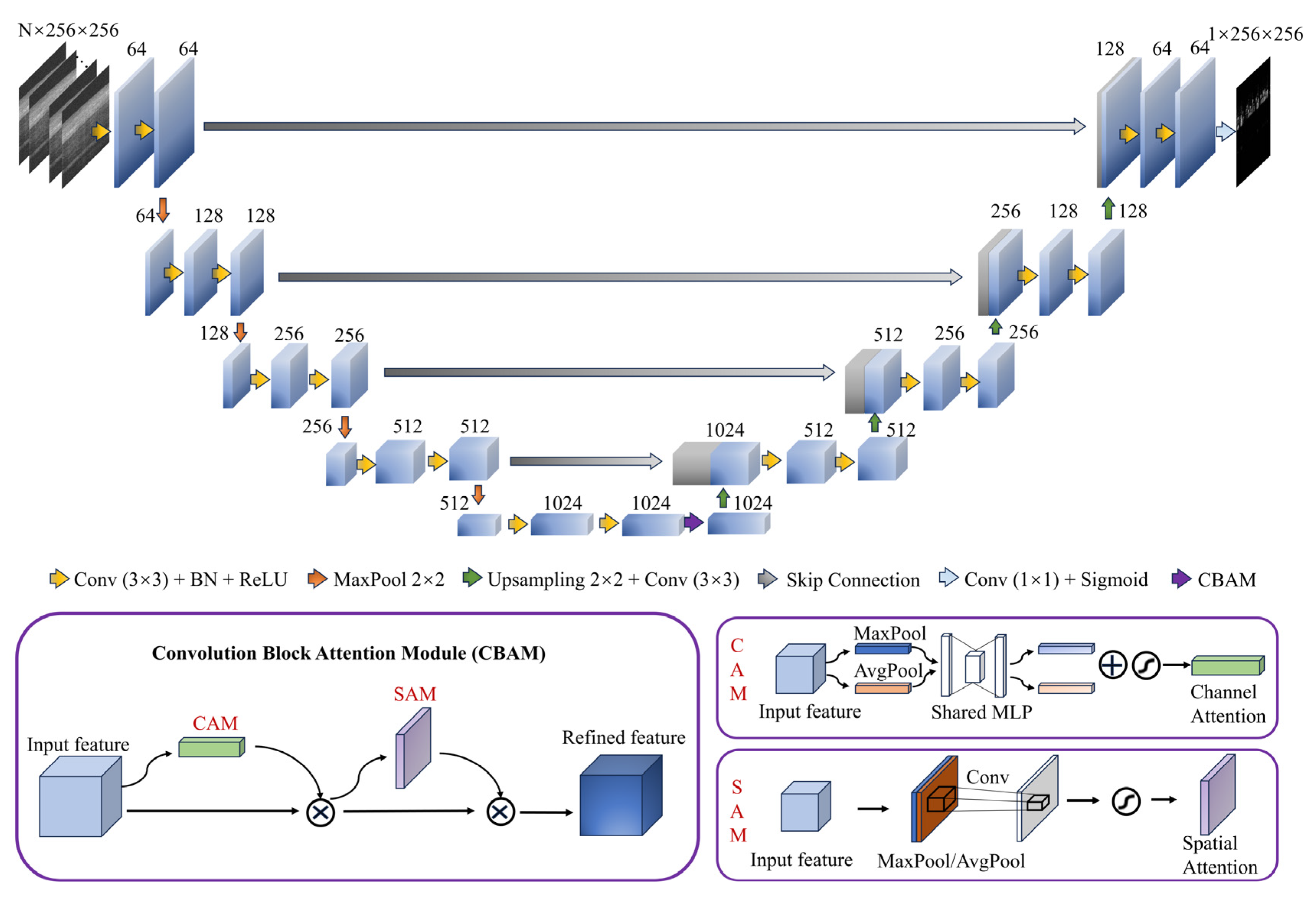
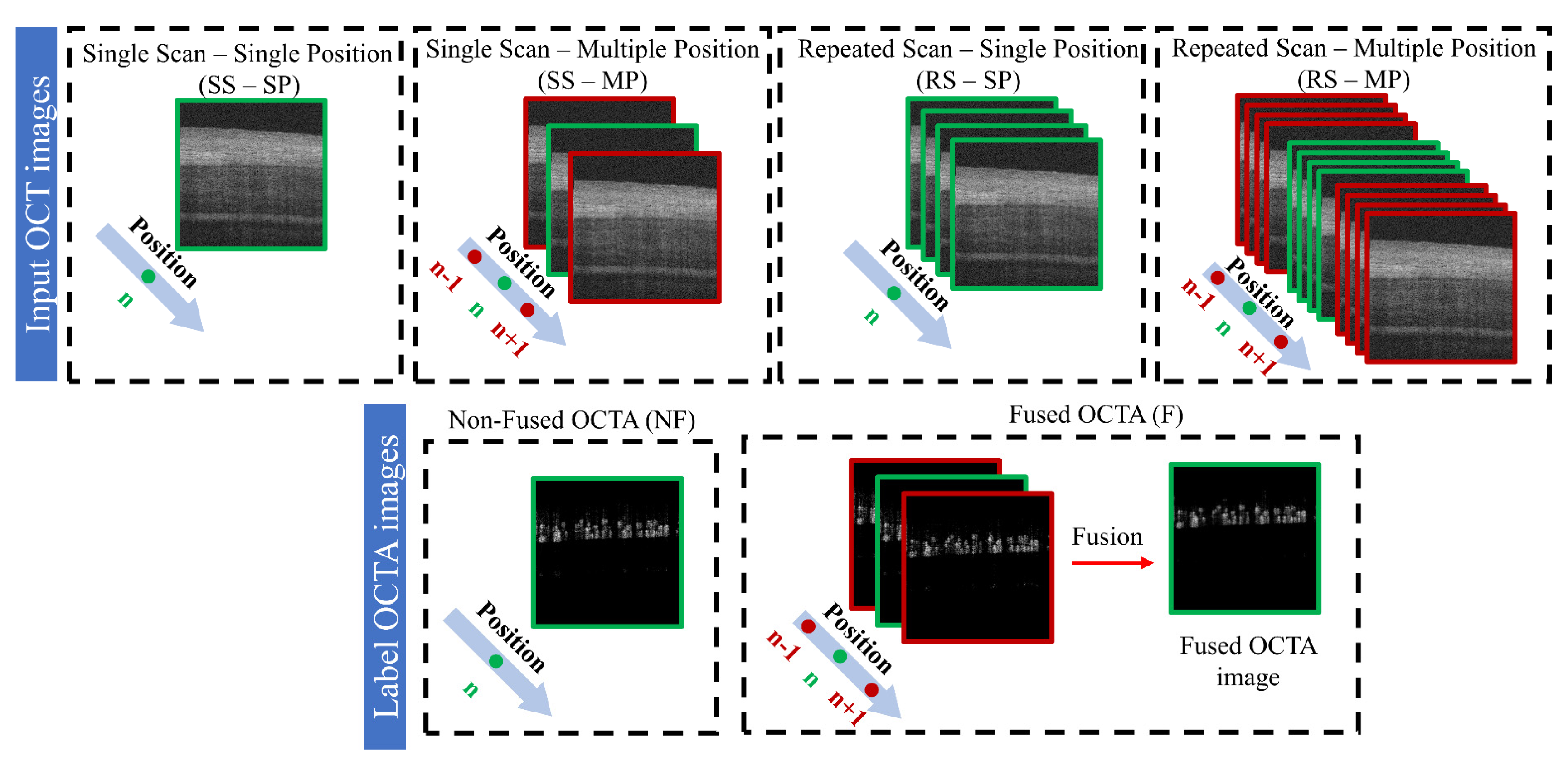
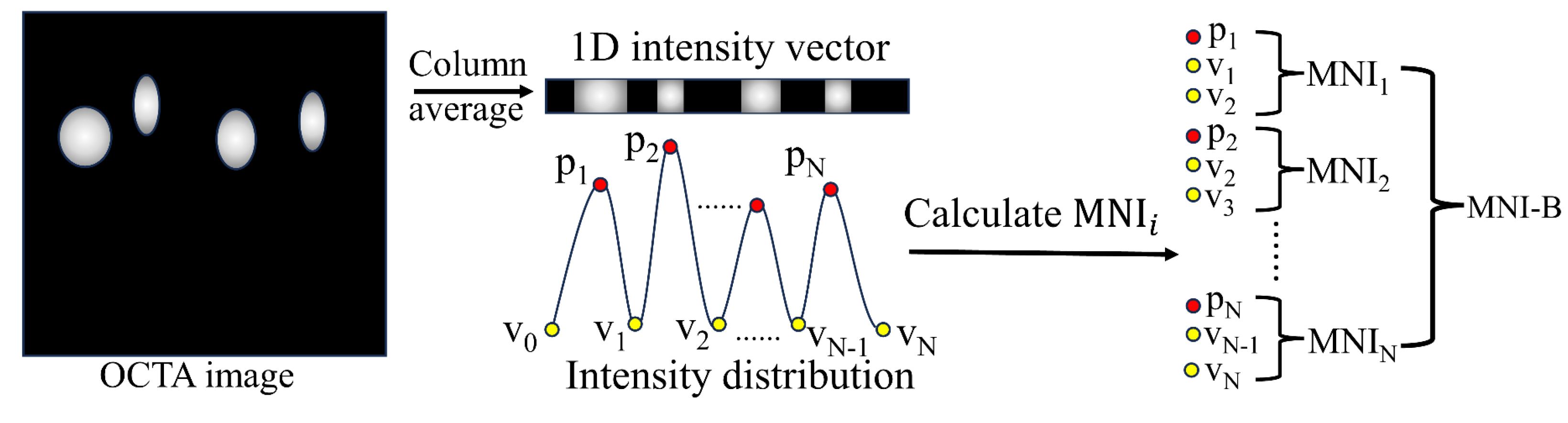
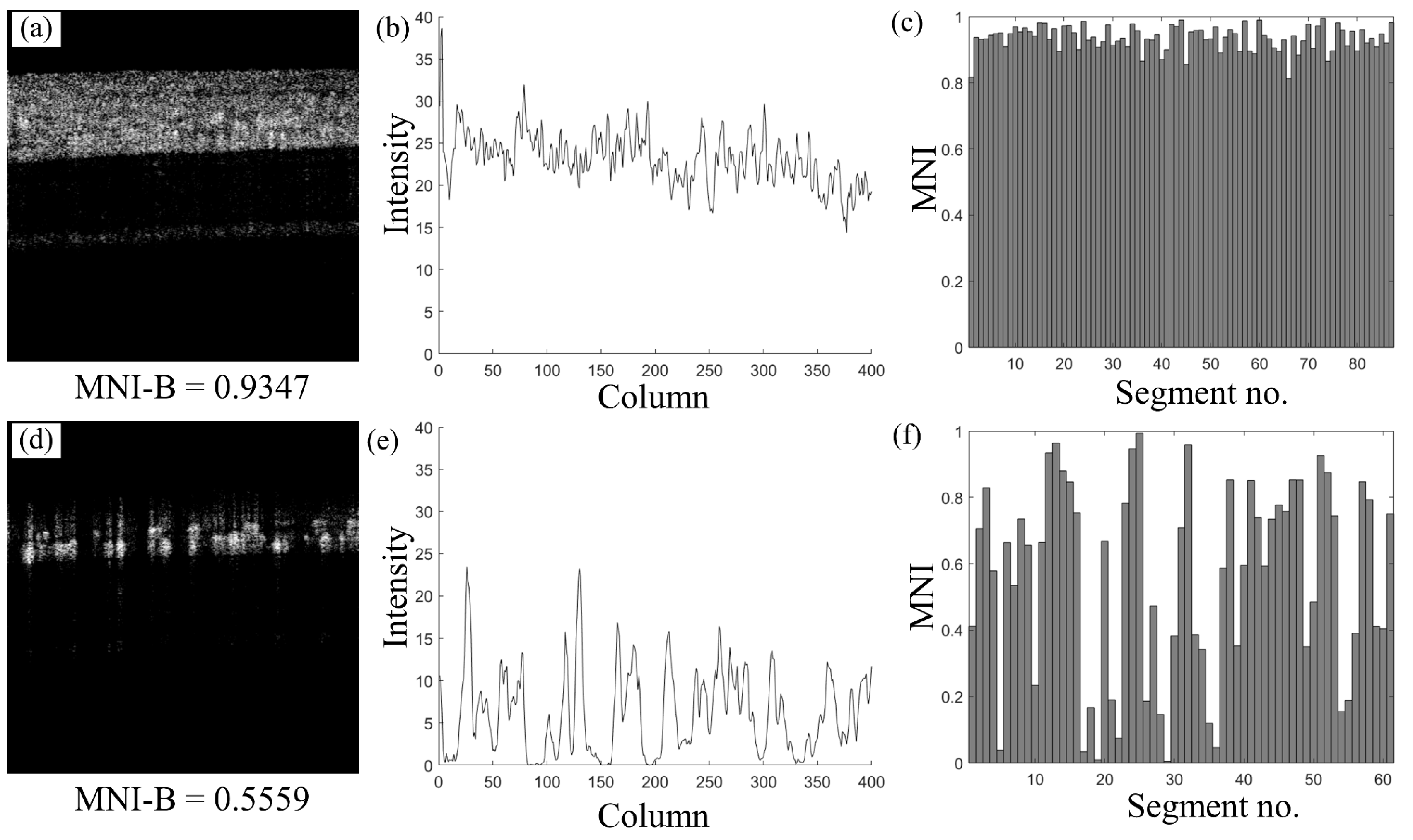
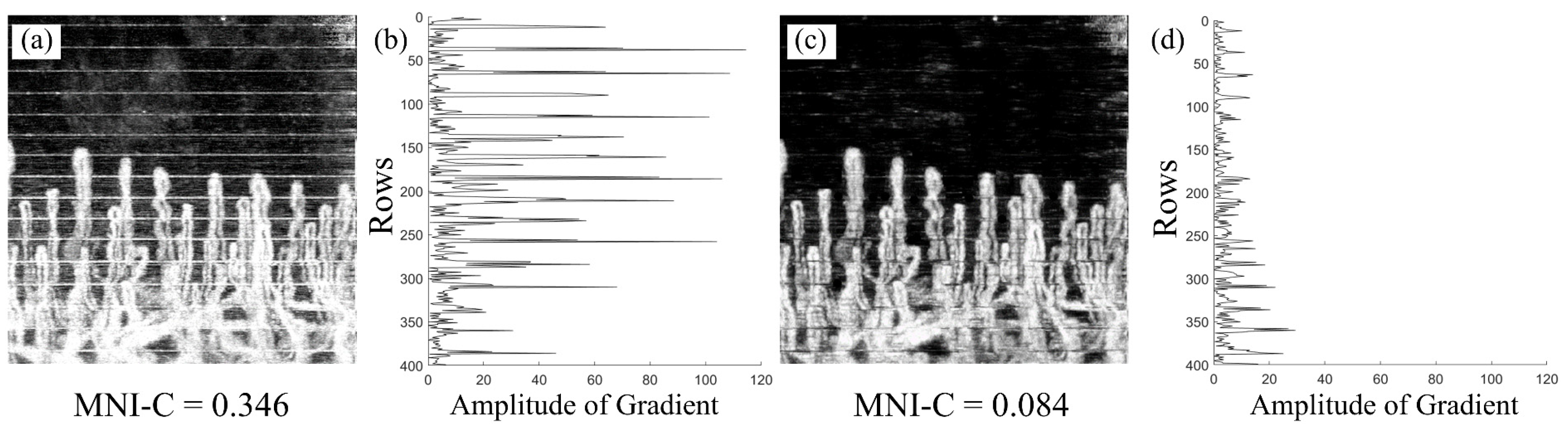
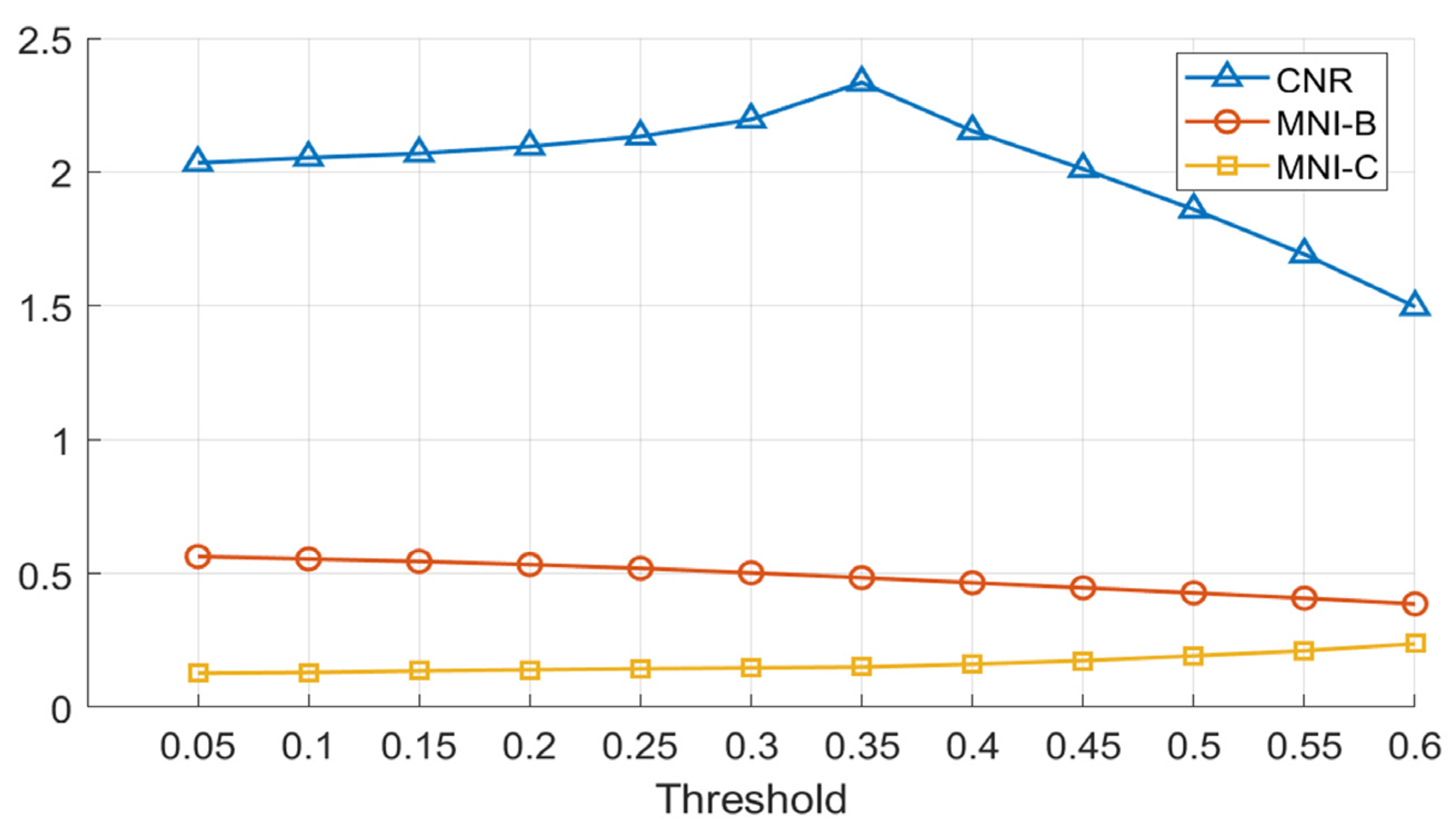
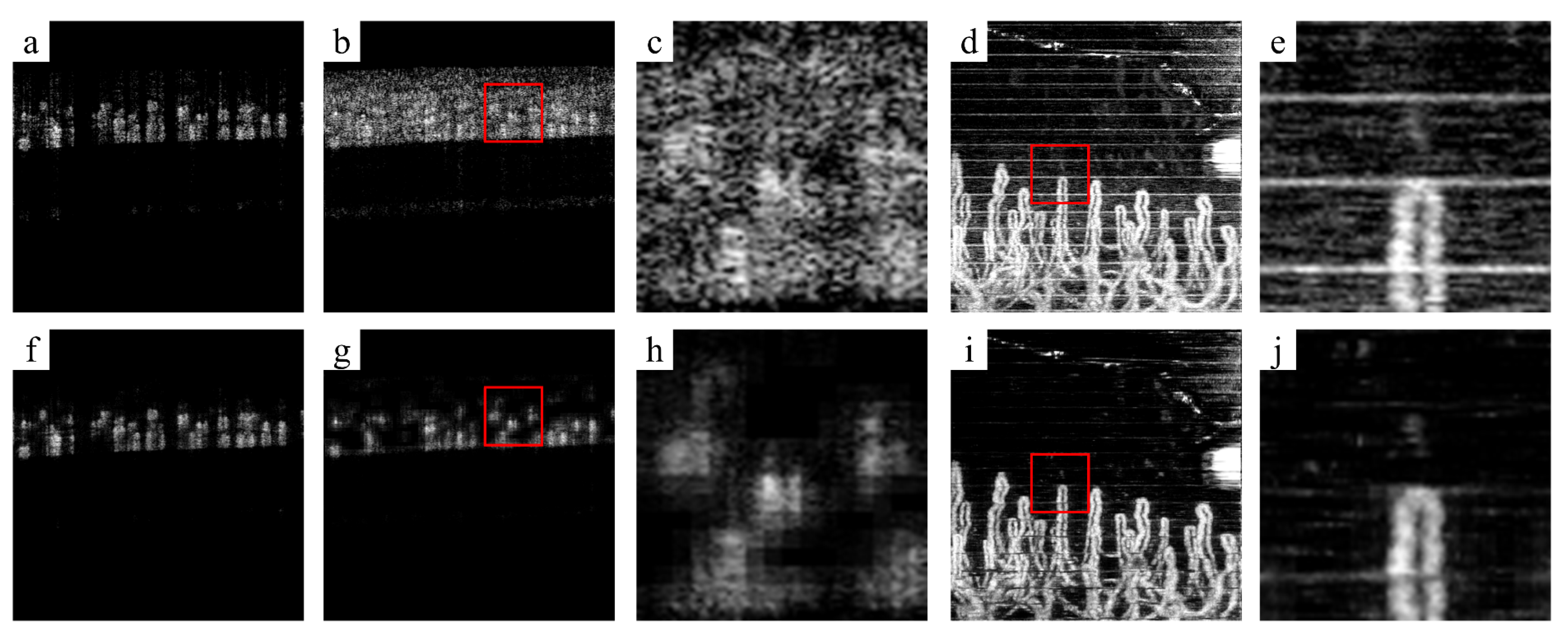
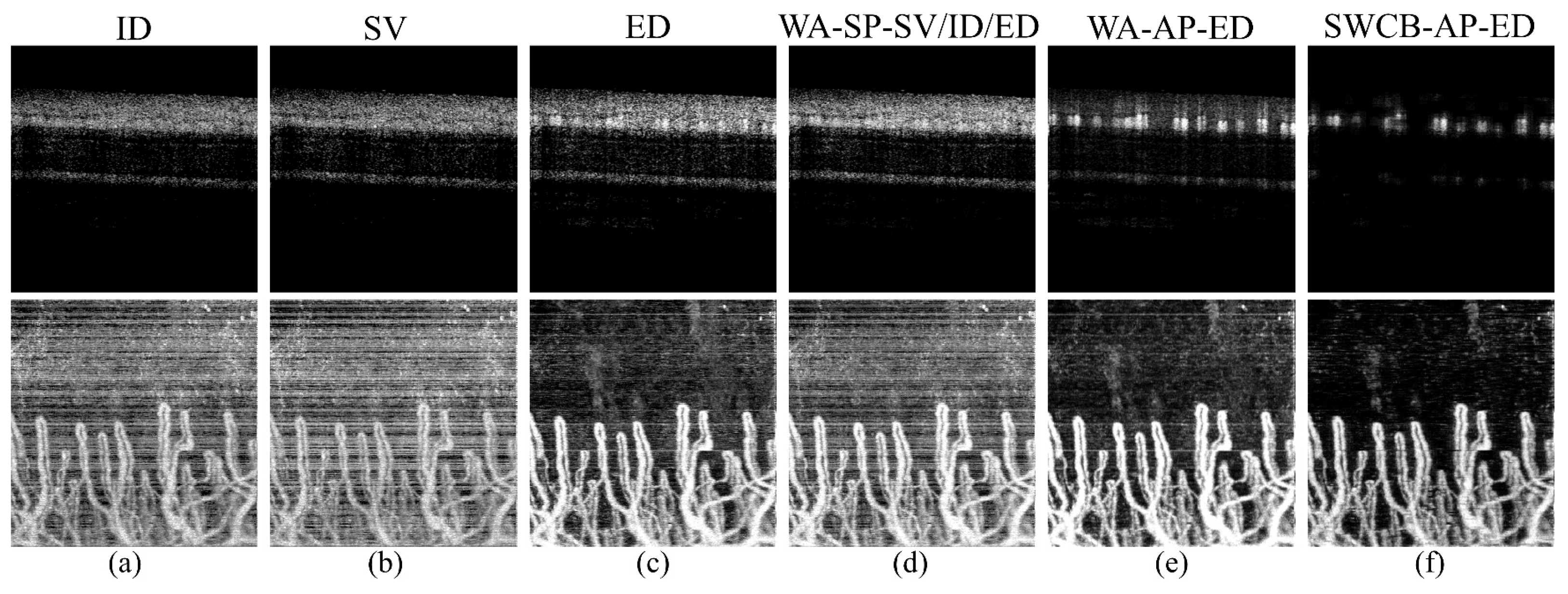
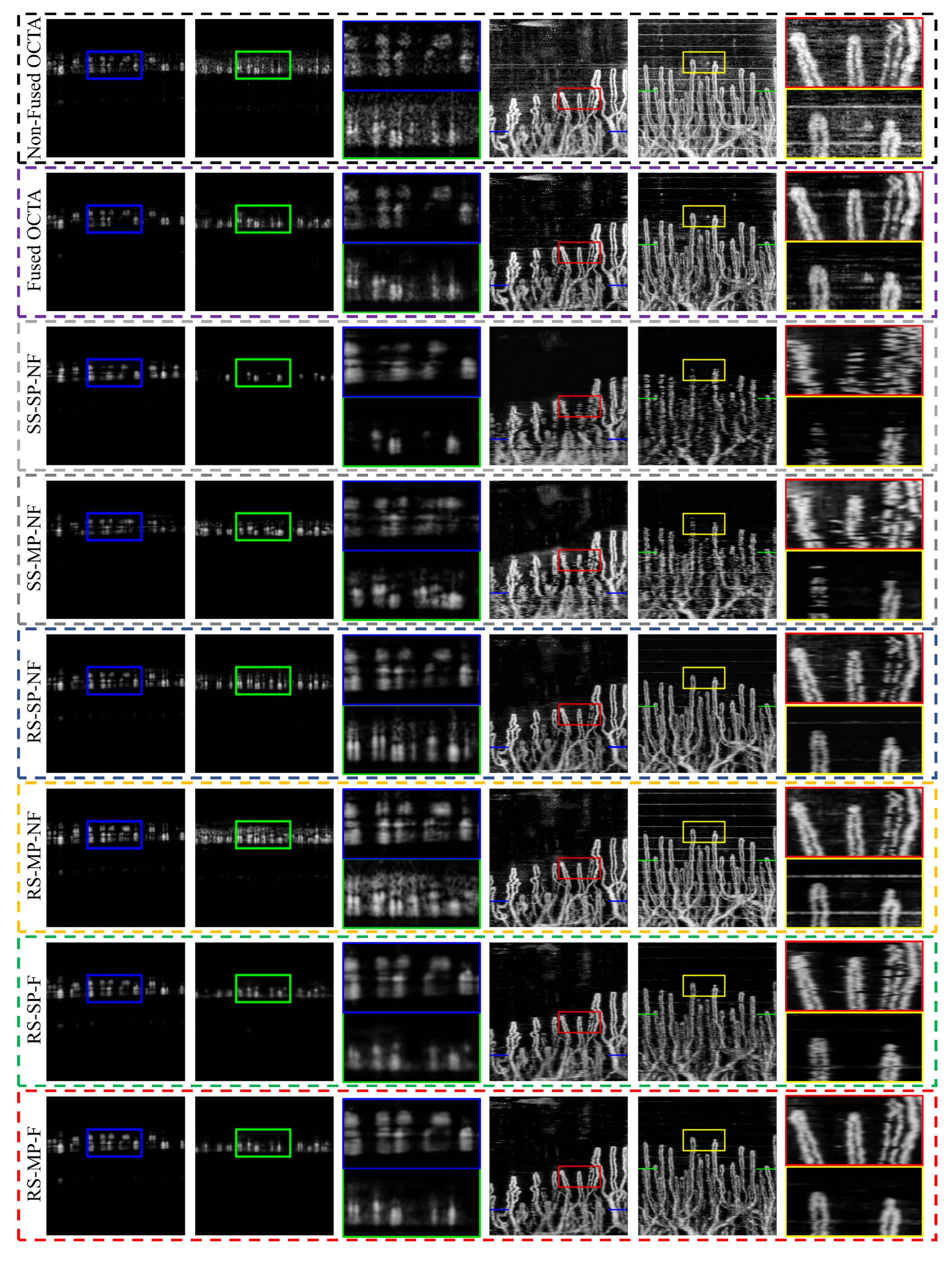
Optical coherence tomography angiography (OCTA) is a popular technique for imaging microvascular networks, but OCTA image quality is commonly affected by motion artifacts. Deep learning (DL) has been used to generate OCTA images from structural OCT images, yet limitations persist, such as low label image quality caused by motion and insufficient use of neighborhood information. In this study, an attention-based U-Net incorporating both repeated and adjacent structural OCT images in network input and high-quality label OCTA images in training was proposed to generate high-quality OCTA images with motion artifact suppression. A sliding-window correlation-based adjacent position (SWCB-AP) image fusion method was proposed to generate high-quality OCTA label images with suppressed motion noise. Six different DL schemes with various configurations of network inputs and label images were compared to demonstrate the superiority of the proposed method. Motion artifact severity was evaluated by a motion noise index in B-scan (MNI-B) and in en-face (MNI-C) OCTA images, which were specifically defined in this study for the purpose of evaluating various DL models’ capability in motion noise suppression. Experimental results on a nailfold OCTA image dataset showed that the proposed DL method generated the best results with a peak signal-to-noise ratio (PSNR) of 32.666 ± 7.010 dB, structural similarity (SSIM) of 0.926 ± 0.051, mean absolute error (MAE) of 1.798 ± 1.575, and MNI-B of 0.528 ± 0.124 in B-scan OCTA images and a contrast-to-noise ratio (CNR) of 1.420 ± 0.291 and MNI-C of 0.156 ± 0.057 in en-face OCTA images. Our proposed DL approach generated OCTA images with improved blood flow contrast and reduced motion artifacts, which could be used as a fundamental signal processing module in generating high-quality OCTA images from structural OCT images.
Keywords: optical coherence tomography angiography; deep learning; image fusion; image generation; neighborhood information; training scheme; motion artifacts optical coherence tomography angiography; deep learning; image fusion; image generation; neighborhood information; training scheme; motion artifacts