1. Introduction
As artificial intelligence continues to transform nearly every aspect of modern life, its thoughtful integration into education represents a critical investment in the future of learning. By systematically examining how AI can support teaching and learning across disciplines, educators can design pedagogical strategies that not only enhance learning outcomes but also prepare students to thrive in an AI-driven society. Within this broader context, organic chemistry stands out as one of the most demanding undergraduate courses, where conceptual complexity and low student motivation frequently impede success. These challenges, however, create a valuable opportunity to explore how innovative tools such as AI chatbots can be harnessed to enrich chemistry teaching.
Organic chemistry has long been regarded as a pivotal, though highly demanding, component of undergraduate science curricula (
Collini et al., 2023). For many non-chemistry majors, its abstract reaction mechanisms, symbolic representations, and memorization-heavy content make it feel disconnected from their academic interests and career goals. These characteristics frequently result in frustration, disinterest, and disengagement (
Kraft et al., 2010;
Lynch & Trujillo, 2011). Students who enter the course with low initial motivation, diminished self-efficacy, and heightened anxiety are particularly vulnerable to poor academic outcomes and even course withdrawal (
Black & Deci, 2000;
Zusho et al., 2003). In such contexts, instruction that focuses solely on cognitive delivery is insufficient; fostering meaningful learning requires equal attention to the affective dimensions of education—particularly student motivation.
The framework provided by Self-Determination Theory (SDT) offers valuable insight into these motivational processes. SDT frames how psychological needs drive motivation (autonomy, competence, relatedness). SDT conceptualizes motivation along a continuum, ranging from amotivation (lack of intent), through extrinsic motivation (external rewards or pressures), to intrinsic motivation (personal satisfaction and interest) (
Deci & Ryan, 2000). In chemistry education, intrinsic motivation is particularly important, as it supports deep cognitive engagement, promotes conceptual restructuring, and sustains long-term learning in complex content areas (
Guay et al., 2010). While extrinsic factors such as grades may encourage short-term effort, they rarely support the higher-order thinking needed for long-term success.
Research consistently shows that motivational profiles—defined by perceived value, self-beliefs, and learning goals—influence academic performance.
Liu et al. (
2018), in a study of motivational patterns in organic chemistry, found that students with strong intrinsic value and self-regulation achieved higher outcomes, while those with amotivation underperformed (
Liu et al., 2018). Similarly,
Jaison et al. (
2025) examined student motivation in an online general chemistry context, revealing that students with stronger intrinsic and identified motivation completed more assignments, engaged more consistently, and achieved higher academic outcomes (
Jaison et al., 2025). These students valued chemistry for its relevance and knowledge-building potential, which translated into more effective and sustained learning behaviors. In contrast, students driven primarily by experiencing amotivation exhibited reduced homework engagement and weaker academic performance. Importantly, motivation is not static—it evolves in response to instructional methods, feedback, perceived difficulty, and classroom climate (
Jaison et al., 2025;
Liu et al., 2018). Without strategic support, students often experience a motivational decline mid-semester, coinciding with increasing cognitive demands (
Benden & Lauermann, 2023). Thus, it is critical to nurture students’ psychological needs for competence, autonomy, and relatedness—core tenets of SDT. This motivational support is particularly vital for students outside the chemistry discipline, who often perceive organic chemistry as a required obstacle rather than an enriching learning opportunity. Such students tend to adopt surface-level strategies, avoid challenges, or engage in self-handicapping behaviors that hinder academic progress (
Lynch & Trujillo, 2011). To counter this, instruction must make organic chemistry personally relevant—linking it to real-world domains like pharmaceuticals, materials science, and biotechnology—while also creating environments that support student agency and scaffold confidence.
One evidence-based approach for achieving this is context-based learning (CBL), which situates instruction in authentic scenarios (
Underwood et al., 2024). CBL shows how embedding learning in real-world contexts enhances value and engagement. CBL has demonstrated positive effects on student attitudes, motivation, and conceptual understanding at both secondary and post-secondary levels (
Ültay & Çalık, 2012). By grounding instruction in practical relevance, CBL increases chemistry’s perceived utility and encourages deeper, more purposeful engagement. Career relevance further enhances motivation. When students understand how course content relates to their professional trajectories, their sense of value and task investment increases (
Nayyar et al., 2025b). For instance, general chemistry students who received career-aligned messages reported stronger motivation and better learning regulation. This is especially pertinent for non-majors, who may struggle to see organic chemistry’s long-term utility. Proksa et al., similarly showed that career-oriented, authentic projects—such as public chemistry demonstrations—boosted student enthusiasm by linking academic content to future professional roles. Such alignment promotes persistence and deeper investment in learning (
Proksa et al., 2023).
While context-based learning clearly enhances motivation and learning, implementing it effectively places considerable demands on instructors. Crafting authentic scenarios, tailoring content to diverse majors, and consistently linking material to career relevance require both time and pedagogical expertise. For many faculty, particularly in large or multi-major classes, sustaining this level of personalization can be challenging. This is where AI has the potential to play a complementary role. AI has already demonstrated promising outcomes in various educational contexts, though challenges with errors and hallucinations remain a concern in certain applications (
Tlais et al., 2025). Studies suggest that carefully structured prompts, along with students’ ability to clearly articulate their questions, ideas, and concerns, can mitigate these issues and lead to more accurate and relevant responses from AI systems (
Yilmaz & Karaoglan Yilmaz, 2023). The emergence of AI tools, particularly chatbots like ChatGPT, represents a transformative development in chemistry education (
Akaygun & Kilic, 2025;
M. J. Clark et al., 2024;
Mahrishi et al., 2024;
McGrath et al., 2023;
Nwafor et al., 2025;
Ruff et al., 2024). These technologies offer novel solutions to persistent issues surrounding student motivation and engagement (
Deng et al., 2025). ChatGPT demonstrates strong linguistic and chemical reasoning skills across multiple languages and educational applications, including assignment support, summarization, and conceptual explanation (
Trčková et al., 2024). It can respond to follow-up questions, correct errors, and challenge misconceptions (
T. M. Clark, 2023;
Fergus et al., 2023). It also contributes to problem-solving (
Exintaris et al., 2023), experiment design (
Scoggin & Smith, 2023), question generation (
T. M. Clark, 2023), and chemical calculations (
Exintaris et al., 2023). In chemical problem-based learning (PBL) contexts, the integration of ChatGPT has proven particularly effective in fostering student engagement, collaboration, and problem-solving abilities (
Ramos & Condotta, 2024). In more advanced chemistry courses, AI systems have also been utilized to promote critical thinking and data analysis skills, as demonstrated by Pence et al., who found that students used AI tools to evaluate scientific literature, analyze experimental data, and engage in reflective reasoning tasks that strengthened their analytical competencies (
Pence et al., 2024). ChatGPT has been shown to support the development of deeper interdisciplinary understanding by enhancing students’ disciplinary grounding, allowing learners to better integrate knowledge across complex STEM domains. Beyond content mastery, AI-supported learning has also been linked to the cultivation of creative, reflective, and higher-order thinking skills, with design-based learning (DBL) approaches showing particular promise in enabling students to apply AI tools in authentic, real-world problem-solving scenarios (
Zhong et al., 2024).
Zhang et al. (
2024) emphasized in their recent review that, when chatbot-assisted learning environments are designed with features such as interactivity, student-centeredness, and enjoyment, they can significantly enhance both academic performance and motivation by supporting diverse learning activities while simultaneously offering real-time emotional and cognitive scaffolding (
Zhang et al., 2024). Recent research by
Nayyar et al. (
2025b) explored the use of an AI-enhanced Informative Utility Value Intervention (IUVI) in general chemistry courses to improve students’ perceptions of the relevance of chemistry to their future careers. By providing personalized, career-aligned content generated by ChatGPT, the AI-IUVI aimed to increase students’ utility value perceptions—a key component of motivation. The study found that AI-generated texts were rated as more understandable than traditional research-based websites, and both versions were equally effective in stimulating curiosity and enjoyment. While no significant difference was observed in utility value gains between AI and non-AI versions, students in the AI-IUVI group reported growing trust in the content, showing promise for the role of AI in supporting affective outcomes such as motivation and perceived relevance (
Nayyar et al., 2025a).
Even with continued pedagogical innovations, maintaining student motivation remains a central concern in organic chemistry education. Students often disengage during traditional instruction, even though they are highly engaged with digital platforms outside the classroom (
Kuznekoff et al., 2015). Instead of resisting these habits, educators can channel them through AI-powered, personalized learning experiences that reawaken curiosity and drive. While concerns about AI accuracy remain, these are less consequential in motivational contexts, where the primary goal is to spark interest and exploration.
Over the past decades, chemistry education research has repeatedly emphasized the need to make instruction more contextualized and personally meaningful for students. However, many organic chemistry courses—especially those enrolling non-majors—still rely on decontextualized examples, in part because instructors have limited time and support to redesign materials for different degree programs. As a result, large numbers of students struggle to perceive how organic chemistry contributes to their academic trajectories or future professional roles. This concern was confirmed by the end-of-semester survey of 110 students from a prior semester, where only 58.2% agreed that organic chemistry was related to their major, 54.5% believed it might help in future courses, and just 27.3% recognized its relevance to daily life. Such findings underscore a persistent gap in how students perceive the subject’s value.
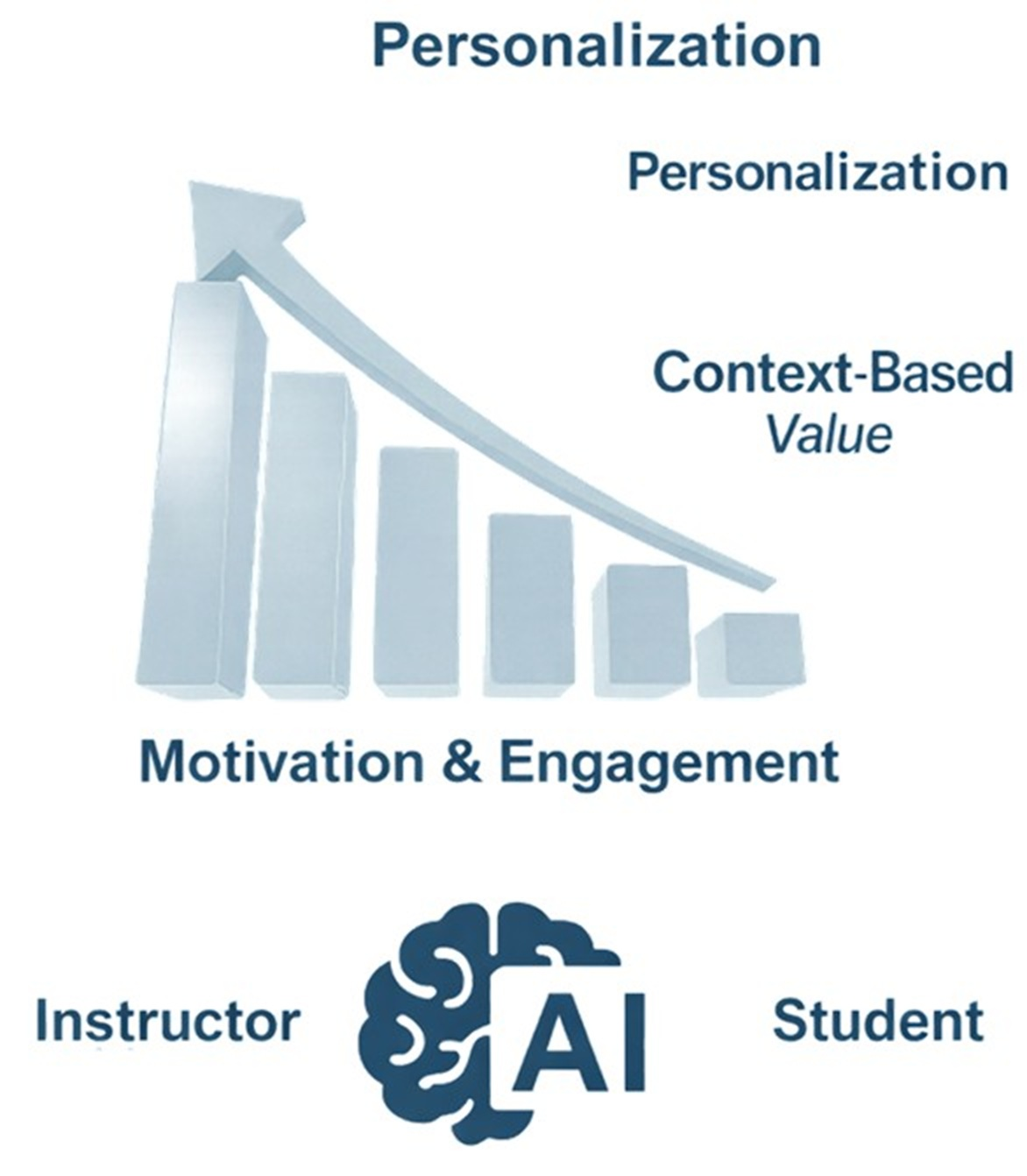
AI tools such as ChatGPT present a new opportunity to bridge this gap by automating the creation of major-specific chapter introductions, narrative career scenarios, real-world applications, and multi-stage game structures that would otherwise be too labor-intensive to prepare. By embedding abstract concepts within contexts drawn from biology, nutrition, and biomedical laboratory sciences, this study investigates how AI-assisted personalization can enhance motivational constructs—such as relevance, interest, and engagement—while also making established pedagogical approaches practical and scalable in ways that were previously unattainable. In doing so, the study seeks to extend the role of AI beyond cognitive support, demonstrating its potential to foster affective outcomes that make organic chemistry more meaningful, accessible, and professionally relevant for non-majors. This raises the central research questions of the present study:
How do students from non-chemistry majors perceive the value of organic chemistry after engaging with AI-generated, major-specific chapter introductions, career scenarios, and real-life examples?
How do non-chemistry majors report their motivation, engagement, and perceptions of the learning environment following participation in AI-assisted, context-based, and game-based learning activities in organic chemistry?
2. Methodology
2.1. Theoretical Framework
This study adopts the expectancy–value–environment framework to examine student motivation as a central factor in fostering engagement and achievement in undergraduate organic chemistry. Motivation is conceptualized as a dynamic, context-dependent state shaped by learners’ beliefs, goals, emotions, and the surrounding instructional environment. The framework defines motivation as the product of three interrelated components (
Ambrose et al., 2010)
According to this model, students are most motivated when they perceive the learning as personally valuable (Value), believe they can succeed (expectancy), and experience a supportive and inclusive environment. In addition, this framework aligns with Bloom’s affective domain, which emphasizes how attitudes, values, and motivation evolve from basic awareness (receiving) toward valuing and internalization. This connection underscores that fostering value is not only about cognitive recognition of relevance but also about nurturing affective engagement that sustains long-term learning (
Krathwohl et al., 1964).
While our instructional approach and daily teaching practices already incorporated strategies to support expectancy (e.g., scaffolding, feedback) and environment (e.g., inclusive and respectful classroom culture), we consistently observed a motivational gap rooted in perceived value—that is, students’ difficulty seeing how organic chemistry related to their academic majors, career paths, or personal interests. In response, we designed an instructional intervention targeting mainly the value component by integrating AI-generated, major-specific chapter introductions, real-life and career-relevant scenarios, celebrity molecule assignment and a game-based learning activity. These interventions leveraged AI’s capacity for personalization and scalability to foster curiosity, enhance perceived relevance, and deepen students’ engagement with organic chemistry content.
2.2. Design and Implementation
The intervention was structured across three instructional phases:
- ⮚
Pre-class framing (AI-generated chapter introductions and career scenarios);
- ⮚
In-class integration (real-time AI-supported discussions and the game “Molecules in Real Life”);
- ⮚
Extended applications (the two-part “Celebrity Molecules assignment”).
Guided by the expectancy–value–environment framework (Motivation = Value × Expectancy × Environment), the intervention prioritized value and environmental support as the main levers for strengthening motivation in a multi-major, non-majors context. Across phases, activities situated core organic chemistry concepts within students’ majors and career pathways to increase perceived relevance and utility. In parallel, the instructional environment was strengthened through AI-supported, low-stakes in-class discussion that promoted shared meaning-making and game-based learning that added structured challenge and teamwork. ChatGPT served as a generative tool to rapidly produce major-aligned scenarios, prompts, and examples, while the instructor reviewed and validated AI outputs to ensure scientific accuracy and contextual appropriateness.
2.3. Participants
This study involved 69 undergraduate students enrolled in an organic chemistry course at the Lebanese International University. The participants represented three majors: Biomedical Laboratory Sciences (BMED, 53.23%), Nutrition (NUTR, 38.71%), and Biology (BIOL, 8.06%). These majors span distinct disciplinary focuses and career pathways, bringing varied prior knowledge and expectations to the course. Participation in the study was entirely voluntary and did not affect students’ course grades in any way. A total of 69 students completed the pre-intervention survey. For the instructional activities, 65 students completed the Student-Initiated AI Activity, 62 students completed the alkene chapter introduction, and 61 students completed the aromatic compounds introduction. For the Celebrity Molecules assignment, 63 students completed the alkene part and 49 students completed the stereochemistry part. The Game-Based Activity: Molecules in Real Life—A Chemistry Challenge was completed by 49 students, and 60 students completed the post-intervention survey. These variations reflected differences in attendance, submission, and voluntary engagement across the activities.
2.4. Data Collection and Analysis
Interventions were delivered through both digital tools (Google Forms, Google Classroom) and paper-based formats. To evaluate their impact, students completed surveys at the beginning and end of the semester (pre- and post-intervention), along with activity-specific feedback forms. Surveys included Likert-scale items and open-ended questions assessing motivation, perceived relevance, engagement, and perceptions of AI as a learning tool. Data were analyzed descriptively (frequencies, percentages), and pre/post responses to five key motivation and relevance statements were compared using chi-square tests (
p < 0.05). A
p-value of less than 0.05 was considered statistically significant. All analyses were performed in R (version 4.3.0; R Core Team, 2023) (see
Supplementary Materials).
2.5. AI Tool Integration
The intervention prominently featured the use of ChatGPT 4o-mini, a generative language model developed by OpenAI. The instructor utilized this tool to generate educational content, including prompts, activity ideas, and application-based questions. All AI-generated content was carefully reviewed and checked. We did not face hallucination problem due to the generalizability of the topic and since it is mainly text base content. In the AI Journey: Relevance to Majors activity, most students (89.23%) chose ChatGPT, with only a few turning to alternatives such as Gemini (1.54%), Copilot (1.54%), Deepseek (3.08%), and others (4.62%). While these percentages come from a single activity, they may also suggest broader patterns in students’ platform preferences across the interventions.
3. Results and Discussion
The effectiveness of the AI-assisted learning intervention was evaluated through multiple instructional phases designed to enhance motivation and engagement among non-chemistry majors in an undergraduate organic chemistry course. These phases included AI-generated, major-specific chapter introductions; AI-assisted take-home assignments (Celebrity Molecules) linking functional groups and stereochemistry to real-world contexts; brief real-time in-class activities using ChatGPT; and a game-based challenge that connected organic chemistry concepts to students’ health-related fields. Guided by the expectancy–value–environment framework, the intervention was designed to increase perceived value by connecting chemistry to students’ majors and careers, and create an engaging classroom environment through interactive and game-based activities. The impact of the intervention was evaluated through a mixed-methods design combining quantitative data from Likert-scale surveys with qualitative insights from open-ended responses. Results are thematically organized according to each instructional phase and aligned with key motivational constructs such as relevance, interest, self-efficacy, and engagement. This integrated analysis provides insight into how the thoughtful use of AI tools—in our study ChatGPT-4o mini—can help create a more meaningful, motivating, and personalized learning experience for students pursuing careers in biology, nutrition, and biomedical laboratory sciences.
3.1. Pre-Intervention Survey
It is well established that non-chemistry majors often struggle to find organic chemistry interesting or relevant to their academic paths (
Farmer, 2011). This was further supported by findings from a pre-intervention survey administered four weeks from the start of the current semester (
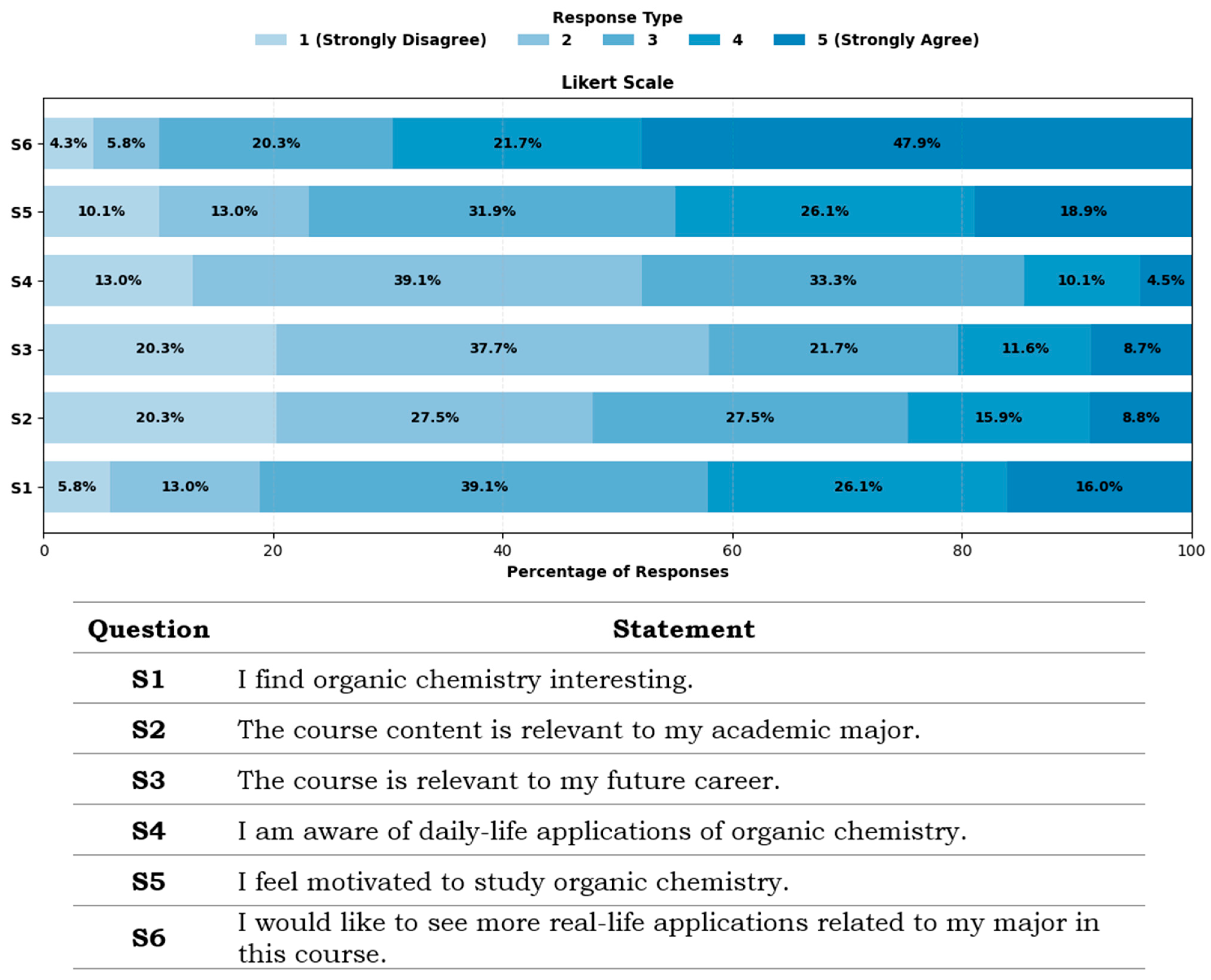
Figure 1). Students (
N = 69) were asked to rate their interest in organic chemistry. While 42.1% responded positively (ratings of 4 or 5), a large proportion of students either lacked strong interest or felt indifferent—39.1% selected the neutral midpoint (3), and 18.8% gave low-interest ratings (1 or 2). This distribution suggests that entering students are not uniformly disinterested, but rather vary in their initial attitudes—creating room for improvement through meaningful instructional change. It also underscores the importance of engaging learners early in the course to shift those who are neutral or skeptical toward greater interest. The perceived relevance of organic chemistry to students’ majors was even lower. Nearly half (47.8%) rated relevance poorly (1 or 2), 27.5% remained neutral, and only 24.7% expressed a strong sense of relevance (4 or 5). Similarly, when asked whether organic chemistry was important for their future careers, 58.0% responded negatively, 21.7% were neutral, and just 20.3% expressed agreement. These results indicate a perception gap that may stem from limited connections between course content and students’ academic programs and future career goals. While these numbers are concerning, they provide a valuable diagnostic signal. They emphasize the need for instructional strategies that help students understand how organic chemistry is practically and professionally relevant within their own fields. When asked about awareness of real-world applications, only 14.6% reported strong confidence in applying organic chemistry to their field (ratings of 4 or 5), while 52.1% responded negatively, and 33.3% chose the neutral option. This pattern suggests that most students do not clearly see how organic chemistry connects to their disciplines, likely due to limited exposure—especially since many had not previously taken the subject at the university level—rather than a fixed mindset about their abilities. The neutral responses, in particular, could indicate a potentially receptive audience if real-world relevance is demonstrated in class. Motivation levels followed a similar pattern: just 45.0% of students reported feeling motivated to study organic chemistry, while 31.9% were neutral, and 23.1% indicated low motivation. This trend reflects a common challenge in science education—how to spark sustained motivation in courses perceived as difficult or abstract. Given the complex nature of organic chemistry, it is unsurprising that many students arrive with mixed feelings. This reinforces the need for innovative strategies aimed at demystifying the subject and showing its value. However, one encouraging finding emerged: when asked whether seeing more examples related to their major would increase motivation, nearly 70% (69.6%) responded positively. Only 10.1% disagreed, and 20.3% remained neutral. This strong endorsement of contextualized learning supports the intervention’s core design: integrating discipline-specific examples, student exploration, and AI tools like ChatGPT to personalize the learning experience. The data suggest that many students are not inherently resistant to organic chemistry—they simply need to see its value in a context that resonates with them. The student responses to the open-ended question “What would make organic chemistry more interesting or relevant to you?” highlight several recurring themes. The majority of students emphasized the importance of connecting organic chemistry to real-life applications and to their specific majors, particularly through examples from health, nutrition, medicine, and everyday life. Many students suggested that more interactive activities, group work, and problem-solving exercises would make the subject more engaging. The pre-intervention survey underscores the need for career-relevant instructional strategies in organic chemistry, highlighting the importance of this study in addressing the clear need to increase student motivation, with AI-assisted interventions offering one promising approach to achieve this goal.
3.2. AI Journey: Relevance to Majors
As the first step in the intervention, students participated in an AI-assisted take-home activity designed to personalize their learning experience. Using a structured instructor-provided prompt, each student asked an AI chatbot (primarily ChatGPT, 89.23%) to explain the relevance of organic chemistry to their specific academic major (Nutrition, Biomedical laboratory Sciences, or Biology). This task directly targeted one of the central motivational constructs in this study: perceived relevance-the belief that course content connects meaningfully to students’ academic and career goals. After providing prompts to the AI chatbot, students (
N = 65) subsequently evaluated the responses generated by the system using a 5-point Likert scale (
Figure 2). Results were strongly positive: 49.2% selected a rating of 4, and 32.3% chose the highest rating of 5, indicating that over 80% of students perceived the responses as meaningful and relevant. An additional 18.5% selected the neutral option (3), while no students selected the lowest two ratings (1 or 2). This distribution reflects a generally positive reception to the AI-supported take-home activity. After reviewing the AI-generated responses provided to the students, we did not identify any scientific or conceptual errors. The questions were framed in a way that naturally allowed for broad, generalizable answers, and the AI appropriately leveraged this to give explanations that are accurate across multiple contexts. In addition, the responses clearly and consistently linked core organic chemistry concepts to each student’s major and future professional pathway, which aligns well with the intended learning outcomes of the activity. Recently, Nayyar and Lewis published a ChatGPT-based general chemistry class activity in which students used structured prompts to explore how a chosen chemistry topic connects to their specific career interests, then verified and extended this information using a peer-reviewed article. They found that the activity was scalable, supported more than 40 distinct career pathways, and was perceived by most students as engaging and helpful for understanding the utility of chemistry for their future careers (
Nayyar & Lewis, 2025). While the outcomes of this early activity cannot yet be fully interpreted, the initial results appear encouraging. Some of the positivity may stem from students’ excitement with using AI chatbots, yet the exercise clearly helped them recognize the relevance of organic chemistry to their majors, offering a promising foundation for the broader intervention.
3.3. AI-Generated Introductions and Career Scenarios
The subsequent intervention was implemented at the start of selected chapters to help students situate new content within the context of their academic majors. Before formal instruction, the instructor, using an AI chatbot, generated discipline-specific introductions and career scenarios tailored to Nutrition, Biomedical Laboratory Sciences, and Biology. These materials explained why the upcoming organic chemistry topic (e.g., alkenes, aromatic compounds) was relevant to each major and provided at least one real-world application. The introductions and scenarios were distributed to students according to their major, with the aim of priming them to approach the chapter through the lens of personal and professional relevance and thereby framing the lecture with greater motivation and purpose. Motivation is particularly strengthened when students perceive a clear link between course material and their future careers (
Capece & Sturtevant, 2025). Unlike standard textbooks that often provide generalized introductions, this activity emphasized discipline-specific framing to deepen engagement and perceived relevance. Preparing such tailored scenarios would typically require significant time and effort from instructors, but with AI they were generated efficiently and adapted across majors. Students’ feedback on the activity was collected through a 5-point Likert scale to assess motivation and perceived relevance. Below is a summary of the tailored introductions for the chapters on alkenes and aromatic compound.
Biology Majors: Biology students explored the role of alkenes in vitamin D synthesis and in fatty acids and plant compounds, with a scenario on sun exposure triggering vitamin D production. For aromatic compounds, they examined aromatic in DNA bases, neurotransmitters such as dopamine and serotonin, and amino acids. Their scenario placed them in a neuroscience laboratory, where they used principles of aromatic chemistry to understand mood disorders and inform drug development.
Nutrition Majors: Nutrition students studied the health relevance of double bonds in omega-3 and omega-6 fatty acids. Their scenario involved counseling a patient on dietary choices emphasizing unsaturated fats. For aromatic compounds, they focused on phytochemicals in foods such as blueberries and turmeric, with a scenario advising a cancer patient on foods rich in antioxidant aromatic compounds.
Biomedical Laboratory Science Majors: Biomedical laboratory students analyzed double bonds in cholesterol, vitamin D, and fat profiles, with a scenario interpreting patient lab results to assess disease risk. For aromatic compounds, they focused on biomarkers such as bilirubin, uric acid, and drug metabolites. Their scenario required identifying aromatic patterns in lab reports for a jaundiced patient, highlighting diagnostic applications.
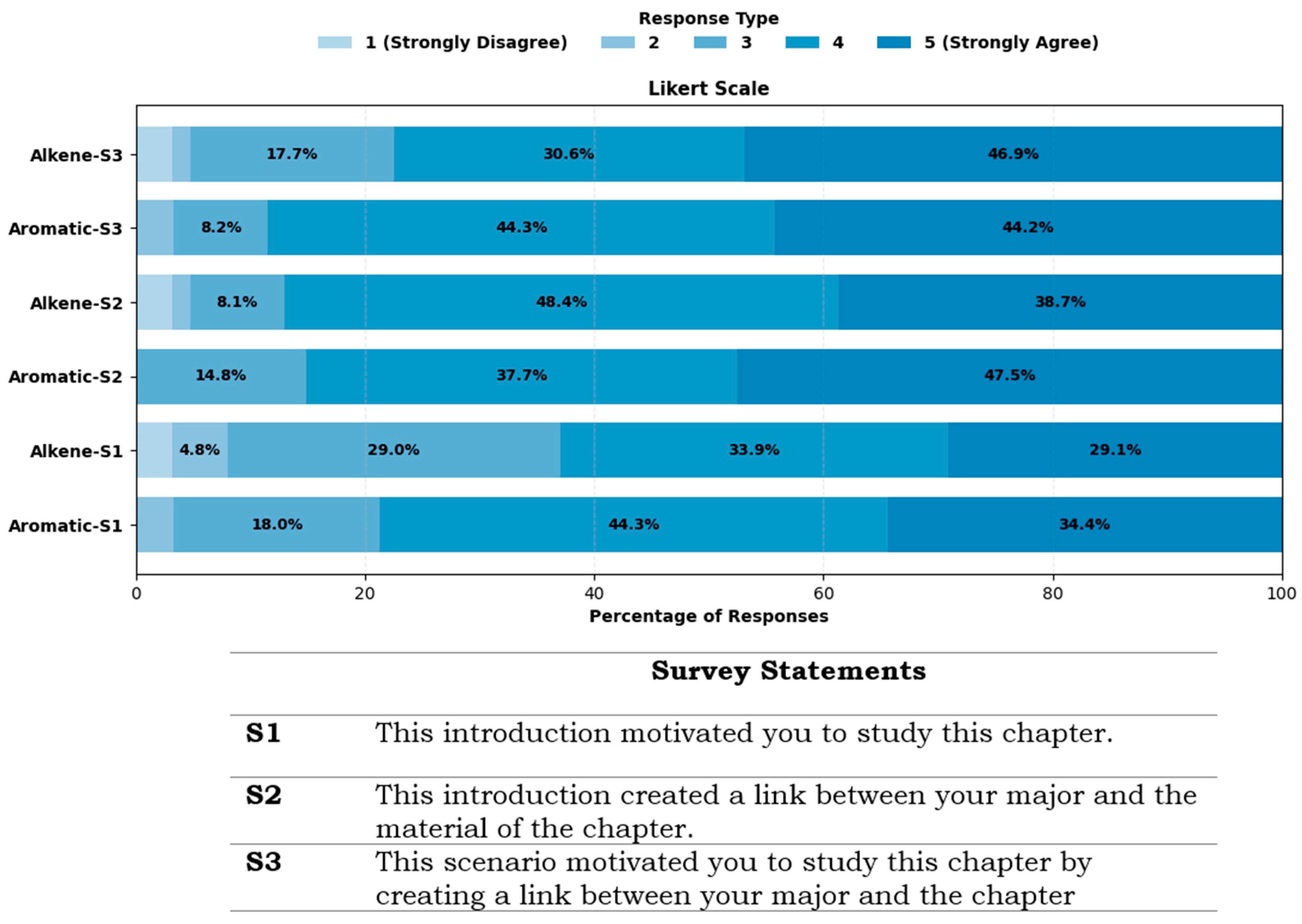
The AI-generated readings were distributed via Google Forms. A total of 62 students completed the alkenes activity and 61 completed the benzene and aromatic compounds activity (
Figure 3). Following the alkene chapter introduction, motivation levels showed an overall positive trend across majors. Approximately 63% of students reported high motivation (rating 4 or 5), while 29.0% selected the neutral midpoint (3), and only 8.0% rated their motivation as low (1 or 2). For the benzene and aromatic compounds chapter, motivation levels were even stronger: 78.7% of students rated their motivation highly (44.3% chose 4, and 34.4% chose 5). Meanwhile, 18.0% selected neutral (3), and only 3.3% rated their motivation as low (2). When asked whether the AI-generated alkenes introduction created a meaningful connection between the content and their academic major, 87.1% of students rated the relevance highly (48.4% rated 4, and 38.7% rated 5). Only 8.1% gave a neutral response, and 4.8% rated the relevance as low (1 or 2). Similarly, for the benzene and aromatic compounds chapter, 85.2% of students rated the relevance highly, with 47.5% selecting 5 and 37.7% selecting 4. Only 14.8% remained neutral, and none rated the connection as low (1 or 2). The scenario-based approach appeared to be a notably strong motivational factor, with clear trends across both chapters. For alkenes, 77.5% of students rated their motivation as high (46.9% gave it a 5, and 30.6% a 4). Only 3.2% rated it as 1 (not motivating at all), and 17.7% remained neutral (rating 3). In the benzene and aromatic compounds chapter, this trend was even more pronounced: 88.5% of students rated their motivation as high, with equal proportions selecting 4 and 5 (44.2% and 44.3% each). Minimal disengagement was observed—no students rated motivation as 1, and only 3.3% selected 2. A small portion (8.2%) gave a neutral rating of 3.
Results align with prior research showing that biosciences and chemistry students demonstrate higher engagement when content is explicitly tied to their career paths, whereas irrelevant material often leads to disengagement (
Lacey et al., 2022). Across both chapters, most students reported high motivation and perceived the AI-generated introductions as strongly relevant to their majors, with neutral and low ratings remaining comparatively limited. Taken together, these self-reported ratings provide supportive evidence that major-specific introductions and career scenarios helped students perceive clearer connections between organic chemistry concepts and their academic or professional pathways. The consistency across the two topics suggests that students responded positively to context-based framing, particularly when examples were drawn from fields directly related to their majors. Overall, the Chapter Introductions and Career Scenarios indicate that AI-assisted, major-specific framing can transform abstract organic chemistry content into career-relevant narratives, increasing perceived value and motivation while making it more practical for instructors to implement tailored introductions that would otherwise be too time-consuming to design manually.
3.4. Celebrity Molecules Assignment
Following the chapter introductions and career scenarios, students took part in the Celebrity Molecules Assignment, a take-home activity designed to extend relevance beyond the classroom. Inspired by prior work such as the “Molecule of the Week” activity at Salem State University—which successfully used real-world molecular examples to enhance engagement and critical thinking—this assignment aimed to connect chemical concepts with students’ academic and professional goals (
Chen & Manyanga, 2025). Using AI tools—primarily ChatGPT—students explored bioactive compounds containing functional groups studied in class and selected a “celebrity molecule” with nutritional, medical, or biological importance. By investigating and presenting how their chosen compound connects to their major, students were encouraged to view organic chemistry not as abstract content, but as a discipline that informs health, food, and biomedical advances. This activity blended instructor-provided prompts with student-driven discovery, making learning more personal, creative, and engaging while reinforcing the real-world impact of organic chemistry. Moreover, it demonstrates how carefully guided use of ChatGPT in student-centered assignments can strengthen content mastery and encourage active learning when integrated into structured pedagogical designs (
Tyagi & Alshweiki, 2024).
3.4.1. Alkenes
In this activity, students investigated celebrity molecules featuring carbon–carbon double bonds. These molecules were generated through queries to an AI chatbot, which suggested compounds aligned with both the students’ majors and the targeted chapter topics; from this pool, the instructor selected a set of representative examples (e.g., β-carotene, retinol, capsaicin, and lycopene) and provided them to students together with their structures and associated biological or nutritional roles. The molecular structures were drawn to provide students with clear visual references. Students were first tasked with matching each molecule to its natural source and function, achieving an average correctness rate of 95.0%, demonstrating strong comprehension of the provided examples. Building on this, each student (N = 63) then used AI tools—primarily ChatGPT (87.3%)—to identify an additional alkene-containing molecule not included in the provided list and describe its biological or clinical significance. Analysis of student responses revealed clear trends. Myrcene emerged as the most frequently selected compound, cited by nearly one-third of participants (32.8%). Other notable molecules included farnesene (8.9%), α-pinene (7.5%), cholesterol and derivatives (7.5%), isoprene (6.0%), and linalool (6.0%). Compounds such as oleic acid, linoleic acid, and propene were each reported by 4.5% of students, while a variety of less frequently mentioned molecules (17.8%) were grouped under “others.” Overall, these patterns suggest that AI-supported exploration of alkene-containing compounds encouraged students to foreground biologically and nutritionally salient examples, reinforcing the perceived relevance of alkene chemistry to their disciplinary interests.
3.4.2. Stereochemistry
The second Celebrity Molecules Assignment focused on organic compounds where stereochemistry determines function, and it was intentionally structured into three complementary components. First, with a guided prompt provided by the instructor, students used AI tools—primarily ChatGPT—to identify and analyze a molecule relevant to their major, provide its structure, and emphasize how stereochemical variation influences biological or clinical effects. Second, students (N = 49) completed a structured survey designed to capture their prior awareness, perceptions of relevance, motivation, and conceptual understanding of stereochemistry. Finally, they responded to an open-ended reflection on what most surprised them about the role of stereochemistry in shaping molecular outcomes.
In the first component, a substantial proportion of students (40.8%) selected thalidomide, a molecule frequently featured in organic chemistry textbooks. Other compounds identified included limonene (6.1%), α- and β-glucose (4.1%), levodopa (4.1%), lactic acid (2.0%), and epinephrine (2.0%). While some students repeated examples such as carvone and ibuprofen (previously provided as models), the overall selections among active participants reflected a broad and diverse set of molecules. Most submissions included correct structures; however, 6.1% were incorrect and 2.0% were incomplete. This limitation was anticipated, given that ChatGPT can generate inaccurate chemical structures (
Hallal et al., 2023). These inaccuracies reflect the well-documented issue of “AI hallucinations” in specialized scientific contexts; importantly, they also created a valuable teachable moment by prompting critical evaluation rather than passive acceptance of AI-generated outputs. Overall, the diversity of selected molecules suggests that the AI-based activity motivated students to explore a wider range of biochemically relevant applications. Moreover, despite the non-graded nature of the assignment and a 34.7% non-participation rate, engagement among participating students indicates a high level of intrinsic motivation, likely driven by the novelty of AI-assisted learning and the opportunity for low-stakes, exploratory interaction with technology.
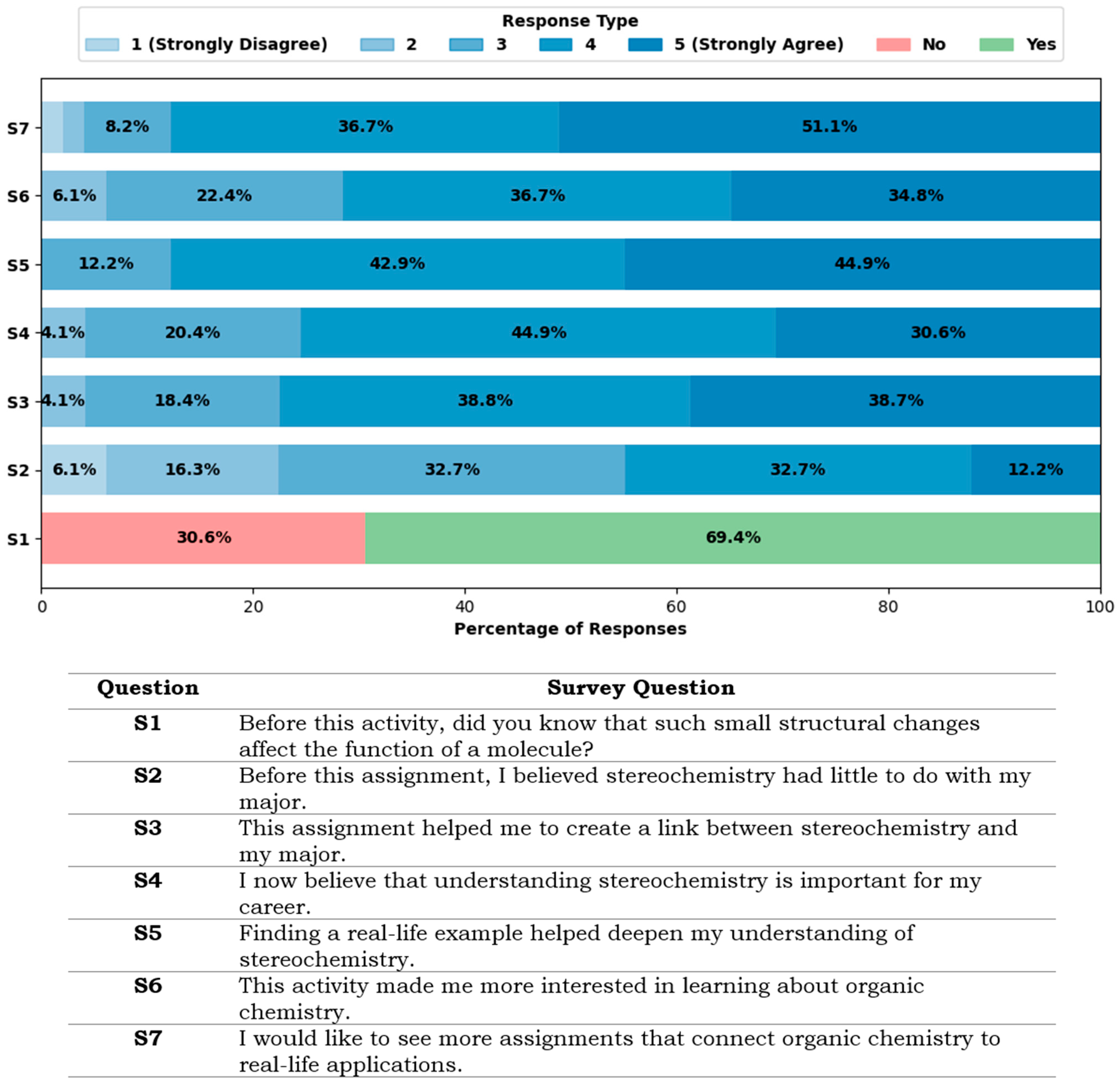
In the second component, a follow-up survey was used to evaluate student perceptions of the stereochemistry activity (
Figure 4). Survey results were promising, and aligned with results obtained in previous similar studies (
Chen & Manyanga, 2025). Awareness of stereochemistry’s importance was already high for 69.4% of students, while 30.6% reported they had not previously recognized its functional significance. Regarding relevance, 44.9% had underestimated its importance to their major, 32.7% were neutral, and 22.4% disagreed. Nearly 78.0% indicated that the assignment helped them connect stereochemistry to their field, and over 75.0% agreed it was relevant to future careers. With respect to conceptual understanding, 87.8% reported that identifying a real-life example deepened their knowledge. Interest in organic chemistry was also rated positively, with over 71.0% giving the activity a high rating (4 or 5), while 6.1% disagreed and 22.4% were neutral. Strong support for expanding similar activities was reported, with 87.8% giving high ratings (4 or 5), while only 4.0% disagreed and 8.2% were neutral. Taken together, the findings suggest that AI-supported, context-driven activities have the potential to enhance engagement and perceived.
In the third component, students responded to the open-ended question, “What surprised you most about the role of stereochemistry?” Their reflections provided valuable insight into conceptual growth. Many were struck by the significant impact of subtle structural changes, noting that even a small shift in a molecule’s three-dimensional arrangement could completely alter its biological effects, sometimes transforming a beneficial compound into a harmful one. The thalidomide case was the most frequently cited example, with students expressing shock at how one enantiomer treated nausea while its mirror image caused severe birth defects. Others highlighted real-world applications of stereochemistry in drug design, medicine, nutrition, and sensory perception, recognizing its relevance beyond the classroom. Several students emphasized the body’s remarkable biological specificity, where molecular shape and orientation determine interactions with enzymes and receptors. A number of responses also revealed surprise at nature’s inherent chirality, such as the exclusive use of L-amino acids and D-sugars in living systems. Collectively, these responses show that the activity deepened students’ appreciation for the precision of molecular interactions and reinforced stereochemistry’s importance in both health and everyday life.
Taken together, the Celebrity Molecules assignment extended the intervention beyond class time, reinforcing concepts through student-driven exploration of molecules with nutritional, biological, or medical significance. The integration of AI facilitated autonomy by lowering barriers to independent discovery, while the need to verify outputs cultivated digital literacy and evaluative skills. Viewed through the expectancy–value–environment framework, the assignment strengthened value (personal and professional relevance) and expectancy (confidence through guided AI support), while also making inquiry-based and personalized learning more feasible in large, multi-major courses.
3.5. AI In-Class Activities
To build on the initial interest generated through the chapter introductions and career scenarios, brief AI-assisted activities were systematically integrated into class sessions to promote sustained engagement. In these short tasks (5–10 min), the instructor introduced a core concept and then asked students to use AI chatbot on their phones to explore a related real-world application tied to their major or career interests. Students generated responses, compared outputs across groups, and presented key points to the class. In several cases, a second group was tasked with fact-checking the chatbot’s response using databases or search engines, encouraging digital literacy and critical inquiry. This format created an interactive cycle of questioning, AI exploration, and class-wide discussion that pushed students to evaluate and refine the information they received.
Chapter-Specific Examples
Alkenes: Students compared saturated and unsaturated fatty acids, exploring how cis double bonds in oleic acid contribute to membrane fluidity and heart health, while trans fats like elaidic acid increase cardiovascular risk. They also examined hydrogenation reactions and their role in converting vegetable oils to margarine, linking organic reactions to food texture and nutrition.
Aromatic Compounds: Students explored applications of benzene derivatives: benzoic acid as a food preservative, phenol’s historical use as an antiseptic and its role in drug synthesis, and benzaldehyde as both a flavoring agent and pharmaceutical precursor. Aniline was discussed in the context of paracetamol production and dye manufacturing.
Alcohols: Students analyzed the oxidation of ethanol to acetaldehyde and acetic acid, discussing metabolic pathways and alcohol toxicity. They also looked up how breathalyzers detect blood alcohol levels and how hydrogen bonding in alcohols influences boiling points and plays essential roles in protein structure, DNA base pairing, and enzyme interactions.
In sum, these AI-assisted classroom activities complemented the tailored chapter introductions by providing dynamic, low-stakes opportunities for students to connect chemistry concepts to their majors and everyday contexts. Importantly, the integration of peer discussion, collaborative fact-checking, and instructor guidance ensured that AI outputs were critically examined rather than passively accepted. Together, these elements demonstrate how AI can serve as both a motivational tool and a bridge between disciplinary knowledge and professional application.
3.6. AI-Supported Game: Molecules in Real Life
Molecules in Real Life was an AI-assisted classroom game that transformed a traditionally abstract topic—the chemistry of alcohols—into an interactive, career-relevant experience for students in health-related fields, including Biology, Nutrition, and Biomedical Laboratory Sciences. Developed by the instructor with the support of ChatGPT, the activity was designed not only to reinforce key concepts but also to help students recognize the practical and professional significance of organic chemistry in their own fields. By combining disciplinary content with game-based learning, the challenge encouraged critical thinking, collaboration, and purposeful use of AI tools within an academic setting. The game was structured into five sequential stages, each targeting specific majors and emphasizing real-world applications.
The design of the challenge drew on established educational principles—context-based learning, autonomy, collaboration, and gamification—all of which have been shown to improve engagement and motivation (
Da Silva Júnior et al., 2022;
Hsu et al., 2023;
Lam et al., 2024). AI played a central role in generating riddles, puzzles, and contextual prompts that were subsequently reviewed by instructor for clarity and accuracy, making it possible to create a multi-stage, discipline-specific activity that would have been prohibitively time-consuming to develop manually. Each stage of the challenge highlighted alcohol-containing molecules while situating them in disciplinary contexts:
Stage 1: Crack the Riddles, Reveal the Molecules: Students solved AI-generated riddles to identify biologically relevant alcohol-containing molecules (e.g., glucose, cholesterol, dopamine, vitamin C, serine). These examples were cross-cutting, designed to resonate with all majors by linking to health, nutrition, and biological functions.
Stage 2: Diagnose the Connection: Students matched molecules to associated diseases (e.g., dopamine–Parkinson’s disease, cholesterol–atherosclerosis, glucose–diabetes). This stage was particularly relevant for Biomedical Laboratory Science majors, emphasizing diagnostic and clinical applications.
Stage 3: Chemical Structure Speaks: Students analyzed molecular structures, comparing molecules with and without alcohol groups (e.g., Serine vs. Alanine; Dopamine vs. L-DOPA; Cholesterol vs. Cholestane). This structural focus highlighted how functional groups alter properties and biological function, aligning closely with Biology majors.
Stage 4: Lab Tests Unlock Secrets: Students explored clinical assays such as blood glucose, lipid profiles, and amino acid testing. This stage was primarily tailored for Biomedical Laboratory Science majors, linking chemical concepts to laboratory diagnostics.
Stage 5: Nutrition in Focus: Students investigated dietary sources, intake recommendations, and health implications of the studied molecules. This stage directly targeted Nutrition majors, reinforcing the dietary and clinical importance of alcohol-containing compounds.
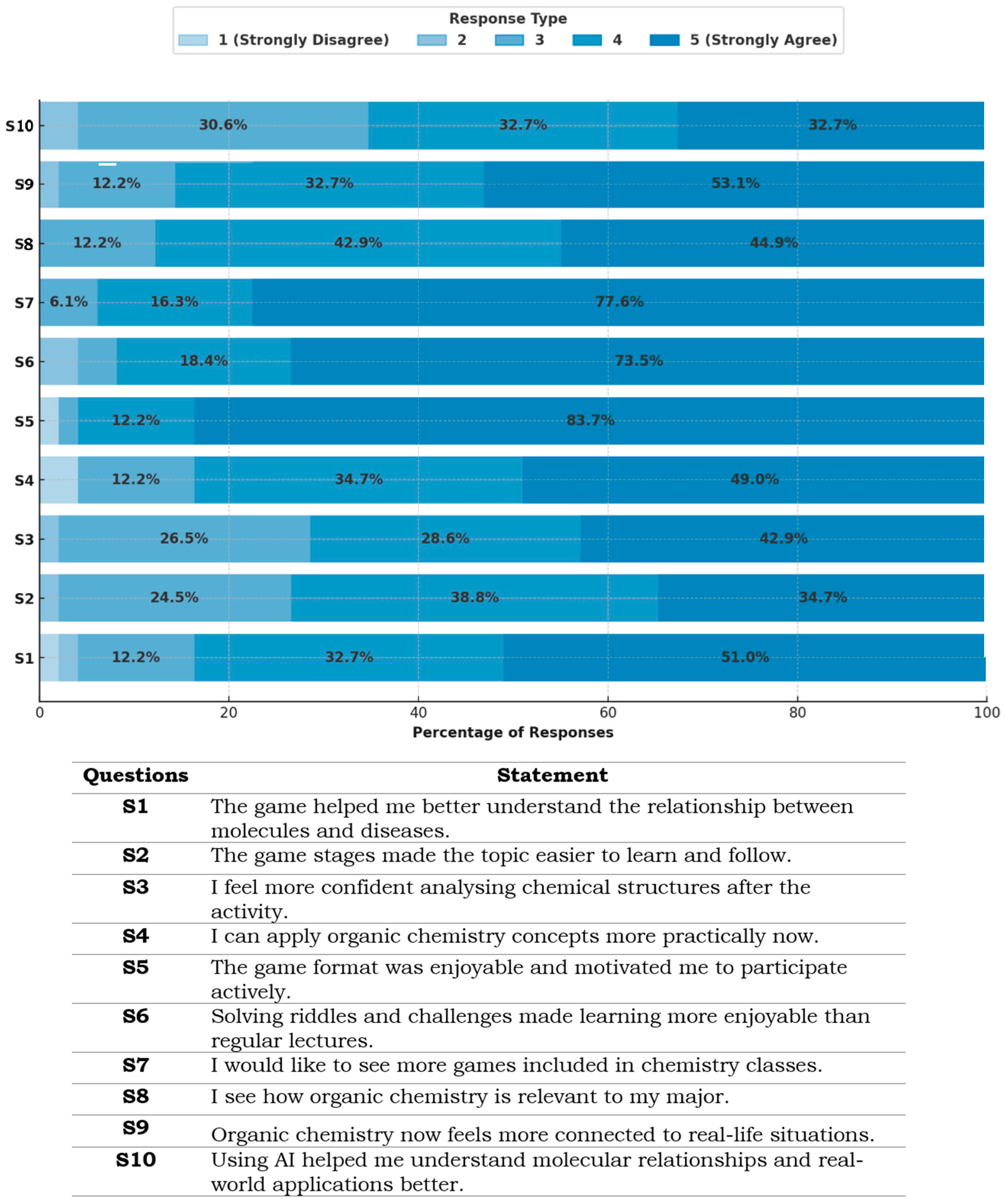
The gameplay process was designed to maximize both engagement and learning. Students self-organized into teams of three, progressing through the stages in a competitive yet collaborative format. Each correct answer earned one point, with bonus points for speed to encourage strategic thinking. To prevent overreliance on AI and promote critical engagement, teams were allowed to consult AI chatbot only once per round, using it strategically to refine reasoning. Scores and progress were projected in real time to sustain energy and attention. The activity lasted approximately 60 min, with 49 students participating. At the end of the game, students completed a structured survey that combined Likert-scale items with open-ended questions (
Figure 5). The survey assessed four dimensions of the intervention: learning and understanding, engagement and motivation, perceived relevance of the material, and the effectiveness of AI in supporting learning. The findings revealed that 83.7% of students agreed or strongly agreed that the game enhanced their understanding of how organic molecules relate to disease contexts, while only 4.1% disagreed. The data suggest that contextualizing chemistry concepts with disease-relevant examples may have helped students—particularly those in health-related majors—find the material more meaningful. Importantly, many of these scenarios were generated with the help of AI, enabling instructors to tailor content to students’ academic interests. Students also rated the effectiveness of the game’s scaffolded, multi-stage design, with 73.5% agreeing or strongly agreeing that it facilitated their learning. An additional 24.5% were neutral, and only 2.0% disagreed. This distribution suggests that, based on students’ self-reported perceptions, breaking complex content into themed stages supported comprehension for most students, while a minority remained uncertain or unconvinced. AI was instrumental in developing these tasks efficiently and ensuring thematic coherence across levels of difficulty. In terms of confidence-building, more than 70% of students reported greater assurance in analyzing biologically relevant molecules. Similarly, 83.7% indicated that the activity helped them apply organic chemistry concepts in practical ways, reinforcing the value of real-world scenarios. Engagement was particularly strong, with 95.9% of students finding the game enjoyable and motivating, and 91.9% preferring the riddle-based format to traditional lectures. These findings demonstrate the potential of gamification—especially when supported by AI—to transform passive learners into active participants. Interest in game-based learning was also high, with 77.6% of students rating it at the highest level, and no students reporting low interest. Many students further emphasized stronger connections between organic chemistry and their majors, with 44.9% strongly agreeing and 42.9% agreeing, while no students disagreed. Over half (53.1%) also strongly agreed that the activity made organic chemistry feel more connected to everyday life, 32.7% moderately agreed, 12.2% were neutral, and only 2.0% slightly disagreed. These outcomes indicate that embedding the subject within authentic contexts enhanced both value and motivation across the majority of students, though the small proportion of neutral and negative responses suggests that not all learners were equally convinced. This may reflect differences in prior interest, learning styles, or the novelty effect of gamification, underscoring the need for longitudinal studies to assess durability of these gains. Finally, student perceptions of AI were largely positive: 65.4% agreed that AI chatbots helped them make useful connections between molecular structures and applications. While 30.6% were neutral and only 4.0% slightly disagreed, no students expressed strong disagreement. This indicates that AI can serve as a valuable complement to traditional teaching by facilitating meaningful, context-rich exploration.
To gain deeper insights into student perceptions, we analyzed responses to an open-ended survey question following the classroom game intervention. The qualitative feedback offered valuable perspectives on how students experienced the activity, revealing recurring themes related to engagement, understanding, and classroom atmosphere.
Students’ feedback revealed several key themes:
Fun and Engaging: Most found the game enjoyable, exciting, and a refreshing break from traditional lectures, leading to greater enthusiasm and participation.
Connection to Majors and Real Life: Many appreciated how the game related organic chemistry to their majors and daily life, increasing their interest and motivation.
Better Understanding and Retention: Students said the game simplified complex ideas and made learning more memorable and effective.
Confidence and Collaboration: The activity boosted confidence, encouraged correct responses, and promoted active group participation.
Instructor Appreciation: Several praised the instructor’s creative, clear, and student-centered approach, describing the course as enjoyable and unique.
Use of AI: Most students felt more confident using AI chatbot.
Positive Social Impact: Group work reminded students of earlier learning experiences, fostered friendships, and created a supportive classroom environment.
The AI-supported, game-based activity demonstrated how combining gamification with context-driven prompts can make abstract concepts in organic chemistry more tangible and relevant for students across nutrition, biology, and biomedical laboratory sciences. By embedding molecules within health, clinical, and nutritional contexts, the activity increased the perceived value of learning, while the scaffolded, multi-stage format provided structured opportunities for students to succeed, reinforcing their expectancy of mastering the material. The team-based design, together with the strategic use of AI chatbots as a limited support tool, also cultivated a collaborative classroom environment that emphasized active participation and peer interaction.
Beyond short-term engagement, the activity encouraged students to critically evaluate AI-generated information, helping them build digital literacy alongside disciplinary understanding. The consistently high levels of enjoyment reported suggest that such activities can reshape the classroom atmosphere, making students more open to exploring challenging material. At the same time, the diversity of responses highlights that not all learners were equally convinced, pointing to the need for longitudinal studies to evaluate durability and transfer of motivational gains. Taken together, the findings suggest that AI-assisted gamification offers a realistic, scalable way to enrich organic chemistry instruction, not by replacing established pedagogy, but by making it more feasible to deliver discipline-specific, career-relevant, and interactive learning experiences that were previously difficult to implement.
3.7. Post-Intervention Survey
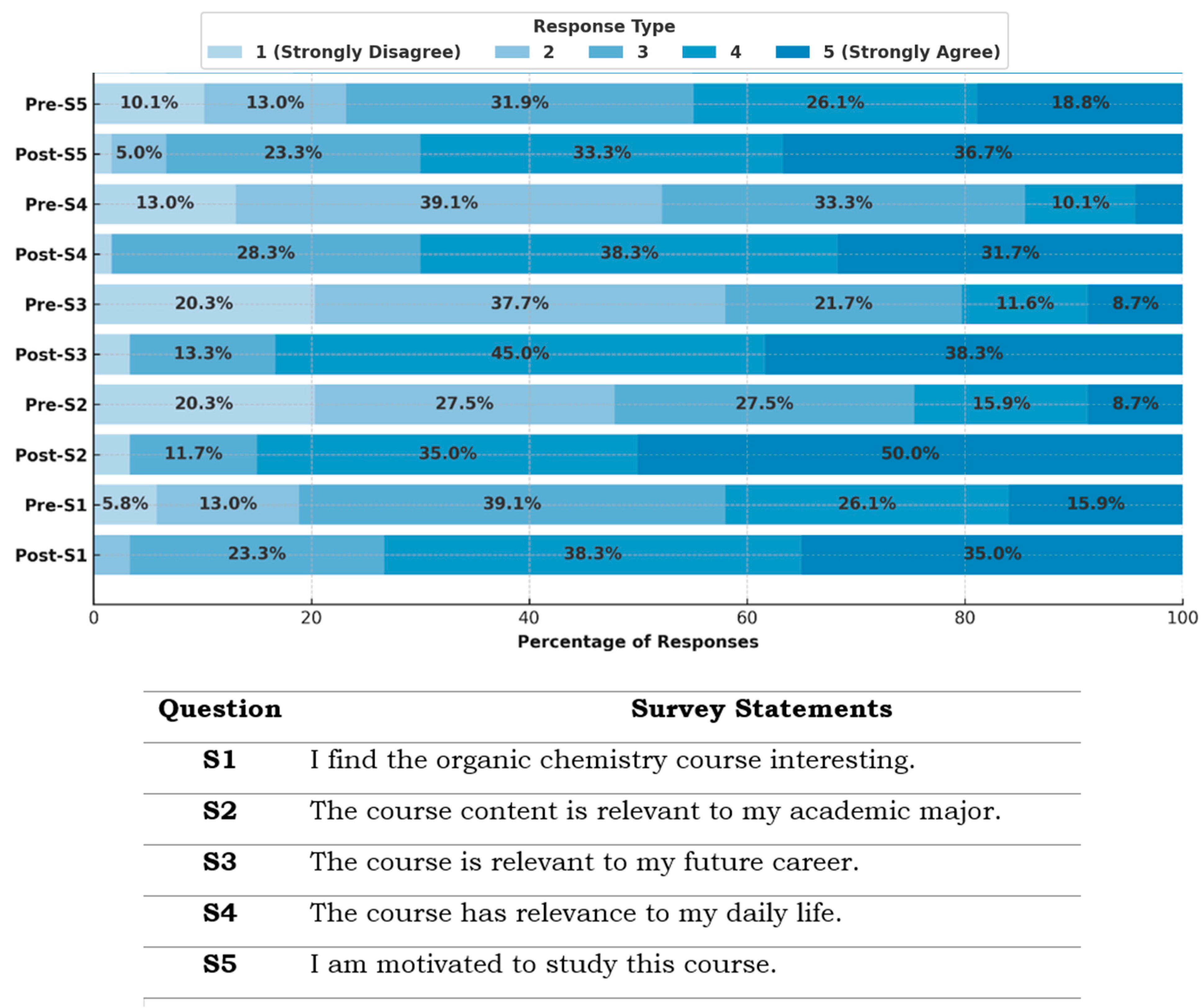
The post-intervention survey was completed by 60 students at the end of the semester (
Figure 6). Its purpose was to gather students’ perceptions and attitudes regarding the intervention, in order to evaluate its effectiveness in enhancing student motivation, interest, and engagement. Survey results show a notable shift in student interest in organic chemistry following the intervention. Prior to the activity, only 42.0% of students rated their interest at levels 4 or 5 (26.1% and 16.0%, respectively). After the intervention, this percentage jumped to 73.4% (38.3% rating 4 and 35.1% rating 5). Meanwhile, the proportion of students with low interest (ratings 1 or 2) dropped from 18.8% to just 3.3%, and neutral responses declined from 39.1% to 23.3%. Survey data revealed a notable improvement in students’ perception of the relevance of organic chemistry to their majors after the intervention. Prior to the activity, only 24.7% of students rated this connection positively (15.9% selected 4, and 8.8% selected 5), while 75.3% gave neutral or low ratings, including 20.3% who selected the lowest rating (1). After the intervention, 85.0% rated the relevance as high (35.0% selected 4 and 50.0% selected 5), and only 3.3% gave low ratings, with none selecting 2.
Survey results showed a strong shift in students’ perception of the importance of organic chemistry to their future careers following the intervention. Before the activity, only 20.3% rated this connection positively (11.6% selected 4, and 8.7% selected 5), while 79.7% gave neutral or low ratings, including 37.7% who chose 2 and 20.3% who selected 1. After the intervention, 83.4% rated the importance as high (45.0% selected 4 and 38.4% selected 5), while only 3.3% selected the lowest rating, and none selected 2. Student awareness of real-life applications of organic chemistry concepts showed a noticeable increase following the intervention. Before the activity, only 14.6% of students reported high awareness (10.1% rated 4 and 4.5% rated 5), while the majority (85.4%) indicated neutral or low awareness, including 13.0% selecting rating 1 and 39.1% rating 2. After the intervention, this shifted, with 70.0% rating their awareness as high (38.3% selected 4 and 31.7% selected 5), and fewer students choosing the lowest ratings compared to before. Survey results also showed a noticeable increase in students’ motivation to study organic chemistry following the intervention. Before the activity, 45.0% of students reported high motivation (26.1% rated 4 and 18.9% rated 5), while over half (55.0%) indicated neutral or low motivation, including 10.1% selecting the lowest rating (1). After the intervention, 70.0% rated their motivation as high (33.3% chose 4 and 36.7% chose 5), with only 6.7% reporting low motivation.
Taken together, these self-reported post-intervention data indicate that the multi-faceted, AI-supported design was associated with substantial positive shifts in students’ interest in organic chemistry, their perception of its relevance to their majors and future careers, their awareness of real-life applications, and their motivation to study the subject. In line with the expectancy–value–environment framework, the combination of discipline-specific examples, AI-generated chapter introductions, and game-based activities appears to have strengthened the perceived value of organic chemistry by situating it within students’ academic pathways and professional aspirations, while also making the course feel more engaging and approachable. At the same time, these results should be interpreted cautiously, as they rely on self-report, cover a single semester, and do not include a comparison group, and motivation is likely influenced by additional factors such as prior interest, instructor enthusiasm, peer interaction, and overall workload. Nonetheless, the observed shifts suggest that thoughtfully integrated AI-assisted, context-driven activities offer a promising avenue for enhancing how non-chemistry majors experience and value organic chemistry.
5. Conclusions
This study demonstrates that AI-supported, context-rich pedagogy can make long-standing recommendations in chemistry education practically attainable at scale, particularly for non-chemistry majors enrolled in organic chemistry. Across major-specific chapter introductions, “Celebrity Molecules” work, brief in-class AI activities, and a scaffolded game, students reported substantial gains in perceived relevance, interest, and motivation, alongside stronger connections between course content and academic or career trajectories. Importantly, the role of AI here was not to replace instruction, but to operationalize established approaches—context-based learning, gamification, and personalized framing—that are often time-intensive or infeasible for a single instructor to implement consistently in a multi-major class.
The findings align with and extend the value–expectancy–environment framework. Major-specific narratives and applied scenarios increased value by clarifying why the material matters in nutrition, biomedical laboratory science, and biology. Structured prompts, staged game mechanics, and short, guided searches supported expectancy, giving students attainable pathways to success and opportunities to verify AI outputs. Peer discussion, collaborative fact-checking, and low-stakes practice contributed to a more supportive environment.
From a pedagogical standpoint, the study contributes three design principles for AI-enabled chemistry instruction:
Personalize for utility: Begin topics with concise, discipline-tuned prompts or vignettes that concretize “why this matters” for each major.
Structure for efficacy: Use short, repeatable workflows (prompt → generate → verify → share) that build confidence while cultivating digital and scientific literacy.
Stage for participation: Combine individual exploration with team-based challenges that reward timely application of concepts and selective, critical use of AI.
These principles suggest a broader instructional model in which generative tools act as amplifiers of pedagogy—accelerating the creation of major-relevant examples, flexible assessments, and interactive activities—rather than as ends in themselves. Practically, this lowers the preparation burden for instructors, supports rapid iteration, and helps sustain the value signal that value–expectancy–environment identifies as pivotal for motivation. For programs serving large, heterogeneous cohorts, the approach offers a credible path to equitable personalization without sacrificing disciplinary rigor. Looking ahead, the most consequential questions are longitudinal and component-specific: To what extent do value gains persist into subsequent coursework? Which AI-supported elements (personalized intros, structured prompts, or verification tasks) drive the largest, most durable changes in motivation and performance? And how might these designs be adapted for laboratory settings, competency-based curricula, or interdisciplinary capstones? Addressing these questions will clarify the mechanisms by which AI best supports learning and will help institutions codify evidence-based guidelines for responsible, scalable adoption.
In sum, thoughtfully designed AI integration can translate well-theorized pedagogies into everyday practice, advancing both the science of motivation and the craft of teaching. By centering value, scaffolding expectancy, and cultivating supportive environments, educators can leverage AI to transform organic chemistry—from an abstract hurdle into a professionally meaningful, intellectually engaging experience for students across the health and life sciences.