


Abstract
Background: Game-based learning (GBL) grounded in constructivist and experiential learning theories has emerged as a promising strategy to improve engagement, motivation, and knowledge retention in higher education, particularly within STEM disciplines. Methods: This mixed-methods study evaluated the impact of GBL on student engagement, self-efficacy, and knowledge retention in undergraduate biology and architecture courses—two fields where GBL remains underexplored. Results: Thirty-three students (age 19.6 ± 1.6 years) participated, with near-equal representation from biology (51.4%) and architecture (48.6%) majors. Following GBL implementation, students reported significantly higher levels of engagement, participation, and perceived retention (p < 0.0001; effect size V ≥ 0.43). Biology students demonstrated greater gains in engagement and retention, while architecture students showed stronger improvements in participation and self-confidence. Qualitative feedback highlighted GBL’s interactivity and enjoyability, though some students noted distractions and accountability as challenges. Conclusions: Despite limitations such as small sample size and reliance on self-reported outcomes, the findings suggest that GBL is an effective, student-centered instructional tool with distinct benefits across disciplines. Broader, longitudinal studies using objective assessments are recommended to further validate its impact and inform scalable applications in STEM education.
1. Introduction
In recent years, gamification and game-based learning (GBL) have gained growing attention in higher education as innovative methods to address rising academic pressures and more complex subjects. Educators seek strategies that enhance engagement and motivation and deepen understanding. Gamification applies to game mechanics in non-game contexts, while GBL integrates actual games into teaching. Both approaches show strong potential to bridge engagement and achievement.
1.1. Defining Game-Based Learning and Gamification
Game-based learning is broadly defined as an instructional approach that integrates game elements into educational settings to make learning more engaging and immersive. According to Pho and Dinscore (2015), GBL enhances student motivation by providing playful learning environments that accommodate various learning styles. Similarly, Gui et al. (2023), drawing on Mayer (2014), describe educational games as digital tools designed to improve academic performance through the combination of meaningful content and engaging gameplay.
Gamification, though related, differs slightly by incorporating game-like elements—such as competition, rewards, and challenges—into traditional, non-game learning activities. This approach is particularly effective in maintaining motivation and engagement across various subjects and student groups (Beger et al., 2025; Mayer, 2014; Pho & Dinscore, 2015).
1.2. Theoretical Foundations of GBL
The theoretical basis of GBL lies in constructivist and experiential learning theories, emphasizing learning through doing, reflection, and problem-solving. Cekmis and Karakaya (2024) argue that GBL promotes active learning environments where students build knowledge through interaction and decision-making. Similarly, Beger et al. (2025) show that gamified learning formats encourage students to identify knowledge gaps and engage more deeply with content than in traditional lecture formats.
1.3. Cognitive and Affective Learning Outcomes
A large amount of research supports the cognitive benefits of GBL. Gui et al. (2023) highlight improvements in critical thinking, problem-solving, and decision-making when students engage with digital games. Similarly, Cekmis and Karakaya (2024) highlight enhanced memory, spatial reasoning, and cognitive flexibility. Beger et al. (2025) add that collaborative games such as scavenger hunts foster social learning and emotional investment, and that competitive, team-based formats increase satisfaction and reduce anxiety.
1.4. Applications in Biology and Architecture Education
While GBL has been extensively studied in STEM fields, its use in areas like biology and architecture offers promising insights. In biology education, instructional gameplay strategies such as virtual escape rooms have been shown to help students understand complex and abstract topics. Beger et al. (2025) reports that biology students found these formats both motivating and effective in learning content, especially when feedback and collaboration were included in the design.
In architecture education, digital games offer an interactive platform for students to apply visual design principles and spatial reasoning in a dynamic environment. Cekmis and Karakaya (2024) indicated that GBL supports early design learning by encouraging students to experiment with form and structure, enhancing both creative thinking and problem-solving skills. Role-playing and scenario-based activities also help students simulate real-world architectural decision-making, promoting a more experiential and applied learning approach.
1.5. Engagement, Motivation, and Social Learning
A consistent theme across the literature shows that GBL enhances student motivation and engagement. This enhancement directly targets the core components of engagement, which are classified into three dimensions: emotional, cognitive, and behavioral. It is suggested that GBL fosters emotional engagement through “flow condition” (fun and deep concentration), and cognitive engagement through problem-solving, which encourages students to be invested in learning and relish challenges (Heilporn et al., 2021; Fredricks et al., 2019; Lawson & Lawson, 2013; Trowler, 2010). During this state, students are so fully immersed that concerns like time or behavior issues are typically forgotten (Heilporn et al., 2021; Lawson & Lawson, 2013; Trowler, 2010). Pho and Dinscore (2015) argue that game elements such as competition, feedback, and rewards generate excitement and encourage participation, especially in team-based activities. Similarly, Gui et al. (2023) point out that educational games create immersive environments that sustain learner interest over long periods. Beyond individual learning, GBL promotes social interaction and collaboration, as team-based games build communication, cooperation, and leadership—skills valuable in labs and studios (Parsons & Taylor, 2011). Students today are intensely social and interactive learners who want to learn from and with each other (Parsons & Taylor, 2011). This aligns with behavioral engagement, which includes active participation in learning, and the recognized importance of active and collaborative learning as a salient academic aspect of the student experience (Trowler, 2010). Beger et al. (2025) note that group dynamics boost social confidence and develop real-world skills that go beyond the classroom.
1.6. Pedagogical and Institutional Challenges
This literature review, which has outlined the high potential of game-based approaches, must also acknowledge the pedagogical and institutional challenges facing GBL implementation. Cekmis and Karakaya (2024) note difficulties in aligning game-based content with standardized curricula and assessment systems. The literature confirms that effective learning design must include assessment methods that compel certain standards of performance, which can be difficult to integrate with gamified elements (Trowler, 2010). Without intentional integration, gamified elements can become distractions, rather than effective educational tools (Parsons & Taylor, 2011). Another limitation concerns the scalability and inclusivity of GBL interventions. Beger et al. (2025) identifies logistical obstacles such as time constraints, technical demands, and software access. Additionally, the voluntary nature of many GBL studies can lead to selection bias, as students who are predisposed to enjoy games are more likely to participate, complicating the evaluation of GBL’s effectiveness across diverse students and learning environments. This concern aligns with critiques in the engagement literature that highlight a frequent normative agenda—where authors focus on gains and benefits while potentially ignoring possible downsides—and occasionally adopting a reductionist approach that simplifies the complexity of student groups (Trowler, 2010).
Nevertheless, the existing literature converges on a core conclusion: gamification and GBL foster active, participatory, and student-centered learning experiences (Parsons & Taylor, 2011). Whether in biology labs or architecture studios, these strategies foster critical thinking, collaboration, and emotional investment, aligning with the concept of investing time, effort, and other relevant resources that are intended to enhance student development and learning outcomes (Parsons & Taylor, 2011; Trowler, 2010). By enhancing cognitive outcomes and learner motivation, game-based approaches offer a flexible pedagogical framework (Yawan et al., 2025). Continued refinement, institutional support, and inclusive design are essential for realizing their full educational potential (Trowler, 2010).
The existing body of work, however, contains a gap in the evidence base, as research often relies on stand-alone, almost anecdotal evidence, particularly in the form of small, single case studies (Trowler, 2010). This highlights a crucial need for more robust studies that evaluate the effectiveness of different instructional variables, moving beyond the uncritical, vague use of the term engagement that is often found in evaluation studies. To address this gap and the need for external validation—particularly since engagement issues may vary by discipline—this study focuses on GBL as a specific instance of pedagogical methodology.
1.7. Research Questions
This study aims to examine how GBL influences student engagement, self-efficacy, and knowledge retention across two distinct undergraduate contexts—biology and architecture. By integrating discipline-specific GBL activities, such as scavenger hunts, Jeopardy, and Kahoot! educational games, into the existing curricula, we seek to understand how learning design can be optimized to enhance classroom participation and improve the overall learning experience. The interdisciplinary comparison is intentional: biology and architecture represent contrasting modes of thinking—scientific inquiry and creative spatial reasoning—which provide a robust setting for evaluating the adaptability and effectiveness of GBL. Through this comparative lens, the study aims to refine pedagogical approaches by identifying how students interact with different types of game activities and how these interactions shape their learning experiences.
Guided by this overarching aim, this study addresses four key research questions. (1) To what extent does GBL, implemented as a specific learning design and classroom tool, differentially influence student engagement, self-efficacy, and knowledge retention in biology and architecture? (2) How do different game formats and group structures shape student learning outcomes within GBL environments? (3) What enablers and barriers affect the effective adoption of GBL? (4) Can discipline-specific patterns and the broader pedagogical benefits of GBL be identified, offering insights that transcend individual subject boundaries? These questions collectively support a deeper understanding of how GBL can be strategically designed and implemented to enhance teaching and learning across diverse academic disciplines.
2. Materials and Methods
2.1. Curriculum Design
This study adopted a mixed-methods research design to evaluate the impact of GBL on student engagement and learning outcomes. The research was carried out across three undergraduate courses at the University of Hartford—Anatomy and Physiology I, Anatomy and Physiology II, and Environmental Systems for Architectural Design. Although all courses implemented GBL, the activities were intentionally tailored to align with each course’s curricular aims and disciplinary content.
In the biology courses, GBL was integrated through structured activities such as Kahoot! quizzes and Jeopardy-style review sessions, which were designed to reinforce conceptual understanding and assess knowledge retention. In the architecture course, more customized scavenger hunts and Jeopardy activities were developed to guide students through applying environmental system principles to real design contexts. These GBL strategies were purposefully embedded within the existing curriculum to support both formative learning and active engagement.
2.2. Participants
Participants in this study were undergraduate students enrolled in the selected architecture and biology courses during the Spring and Summer 2025 semesters. All students in these courses experienced the same game-based learning settings throughout the semester. To identify eligible participants, a screening survey was distributed (Appendix A) to assess academic background, familiarity with GBL, and language proficiency. Participation in the research was voluntary. Only students who met the inclusion criteria, expressed interest, and signed the informed consent form were included in this study. Across five course sections in each discipline, 15 architecture students and 18 biology students consented to participate, resulting in a total research sample of 33 students.
2.3. Ethical Approval and Consent
The study received Institutional Review Board approval from the University of Hartford (IRB# 24-09-351) to ensure ethical compliance. Participants were provided with an informed consent form outlining the objectives, procedures, risks, benefits, and confidentiality. Participation was voluntary, with the right to withdraw at any time. Those who agreed to data sharing received a small appreciation token in the form of a $20 gift card.
2.4. Data Collection Methods
A cross-sectional online survey was conducted between January and September 2025, using Microsoft Forms. All participants provided written informed consent prior to participation.
Instrument Development and Construct Validity
Because no suitable validated questionnaire addressing our specific research questions was found in the existing literature, we designed a set of instruments that were tailored to the study context: (1) a screening survey (Appendix A), (2) a pre-intervention survey (Appendix B), (3) a post-intervention survey (Appendix C), and (4) formative knowledge-retention quizzes (Appendix D and Appendix E).
Instrument development was guided by the study’s research questions, established definitions of gamified learning and student engagement, and domains that are commonly used in educational research (e.g., engagement, perception, and knowledge strategies). To enhance content validity, the draft items were reviewed internally by subject-matter experts from both disciplinary contexts (architecture and biology) to ensure clarity, relevance, and alignment with the constructs being measured. Minor revisions were made based on their feedback before deployment.
Surveys and Question Types
The pre- and post-intervention surveys consisted of 17 Likert-scale items and six open-ended questions. Items were grouped into five thematic domains: (1) classroom engagement; (2) knowledge retention and understanding of key concepts; (3) perceptions of gamified learning; (4) overall learning experience and future recommendations; and (5) demographic data and disciplinary context. The Likert items used both 1-point and 5-point endpoint scales, e.g., classroom engagement (5 = ”very engaged”) or key concept understanding (5 = ”very confident”). Multiple-choice and single-choice questions were included where appropriate.
Survey Administration
The screening survey was used only to determine participant eligibility and was not included in the data analysis. The pre-intervention survey, administrated within the first week of the semesters, measured the baseline engagement levels, learning strategies, and prior experiences with gamification, and collected demographic information to support cross-disciplinary comparisons. The post-intervention survey, administered one week before final exams, measured students’ experiences with the gamified activities and changes in engagement, perceptions, and understanding. Reminders were sent to maximize completion rates, and all responses were collected confidentially and analyzed in aggregate.
Supplementary Data Sources
To complement the survey data, formative quizzes were administered intermittently after each gamified activity to assess short-term knowledge retention. These quizzes were implemented multiple times across the semester—three times in architecture and eight times in biology. Additionally, students completed anonymous feedback evaluation forms at the end of the GBL intervention to provide qualitative insights into their experiences, challenges, and recommendations.
2.5. Game Design, Tools, Technologies, and Integration
This research implemented three primary GBL strategies—scavenger hunt, Jeopardy, and Kahoot!—using the same game designs across courses in different disciplines. A combination of digital platforms and physical resources supported the implementation of the game-based learning strategies used in this study. While the game formats remained consistent, the contents and questions were tailored to align with the specific objectives and learning outcomes of the architecture and biology courses. In doing so, the strategies fostered cognitive, emotional, and behavioral engagement by creating active, collaborative, and reflective learning environments. In this study, GBL was integrated through live classroom games, followed by the upload of all related materials to the learning management system (Blackboard), allowing students to review and replay activities at their own pace to reinforce content retention while maintaining individual engagement and enjoyment. These activities were integrated into the curriculum as structured pedagogical interventions designed to enhance comprehension, motivation, and peer interaction.
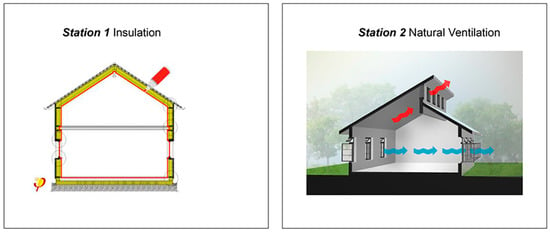
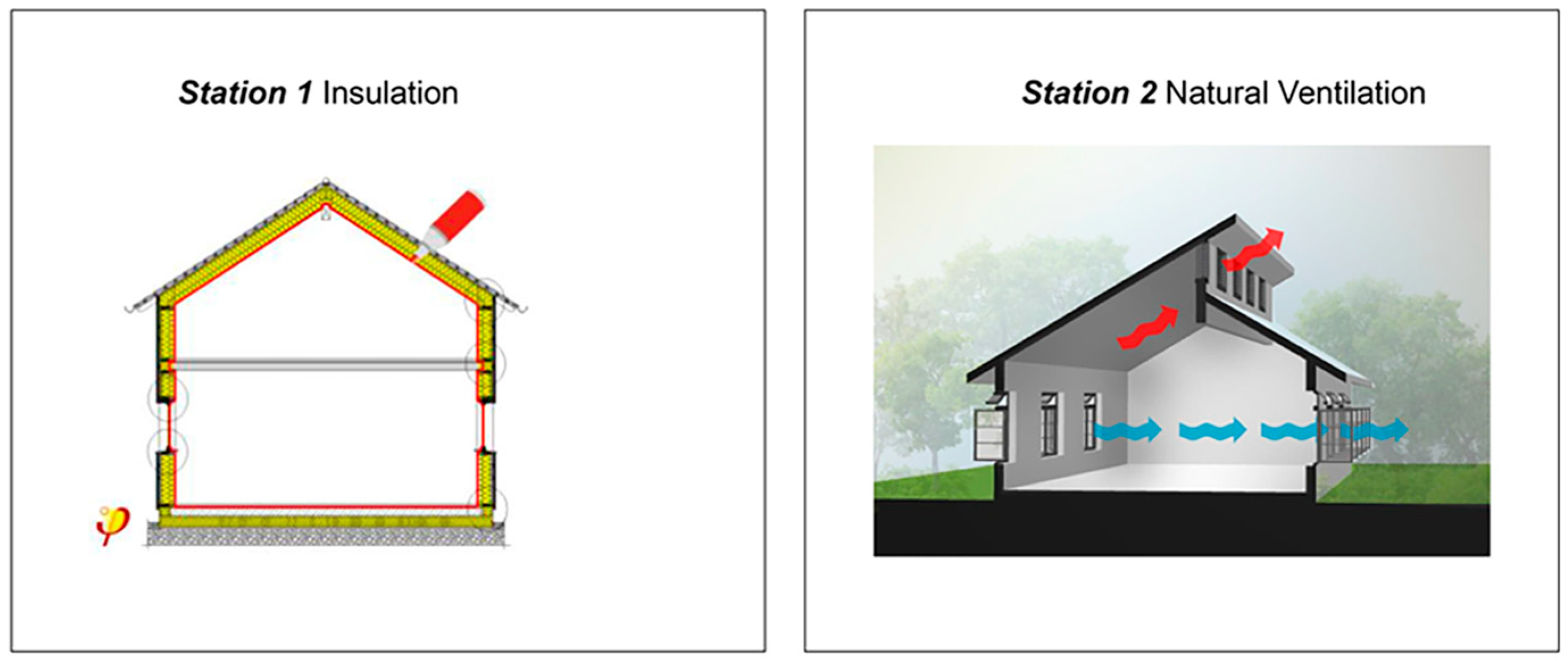
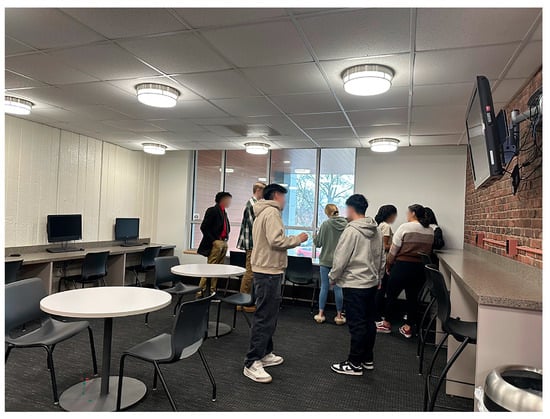
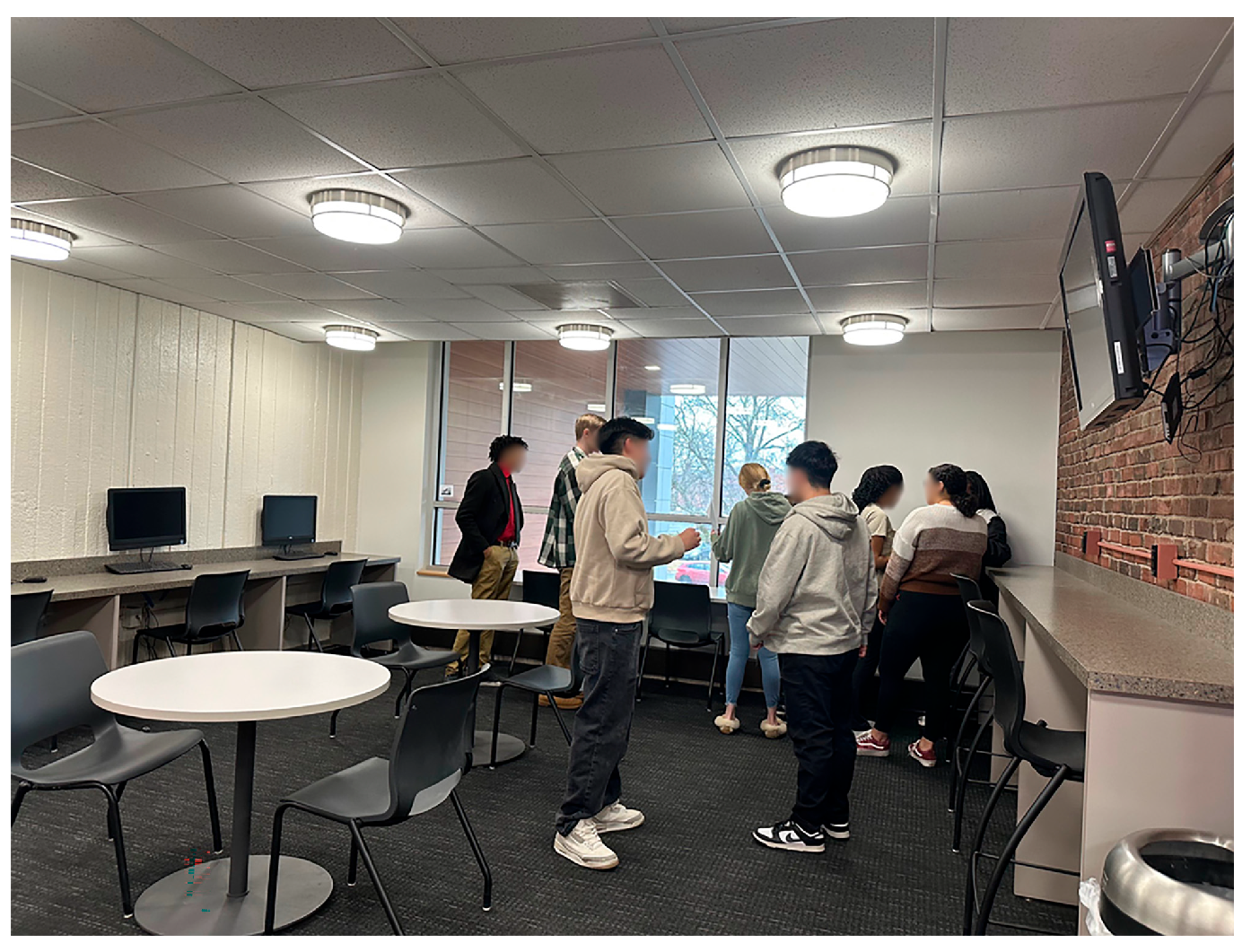
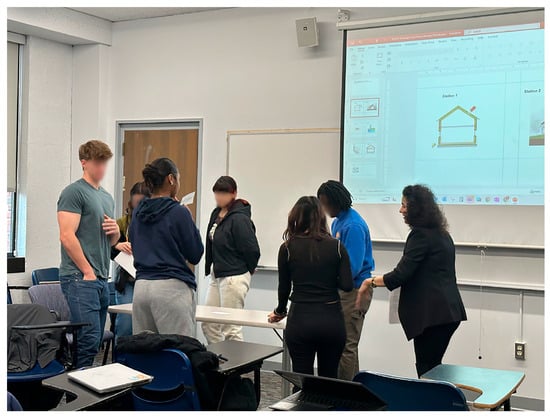
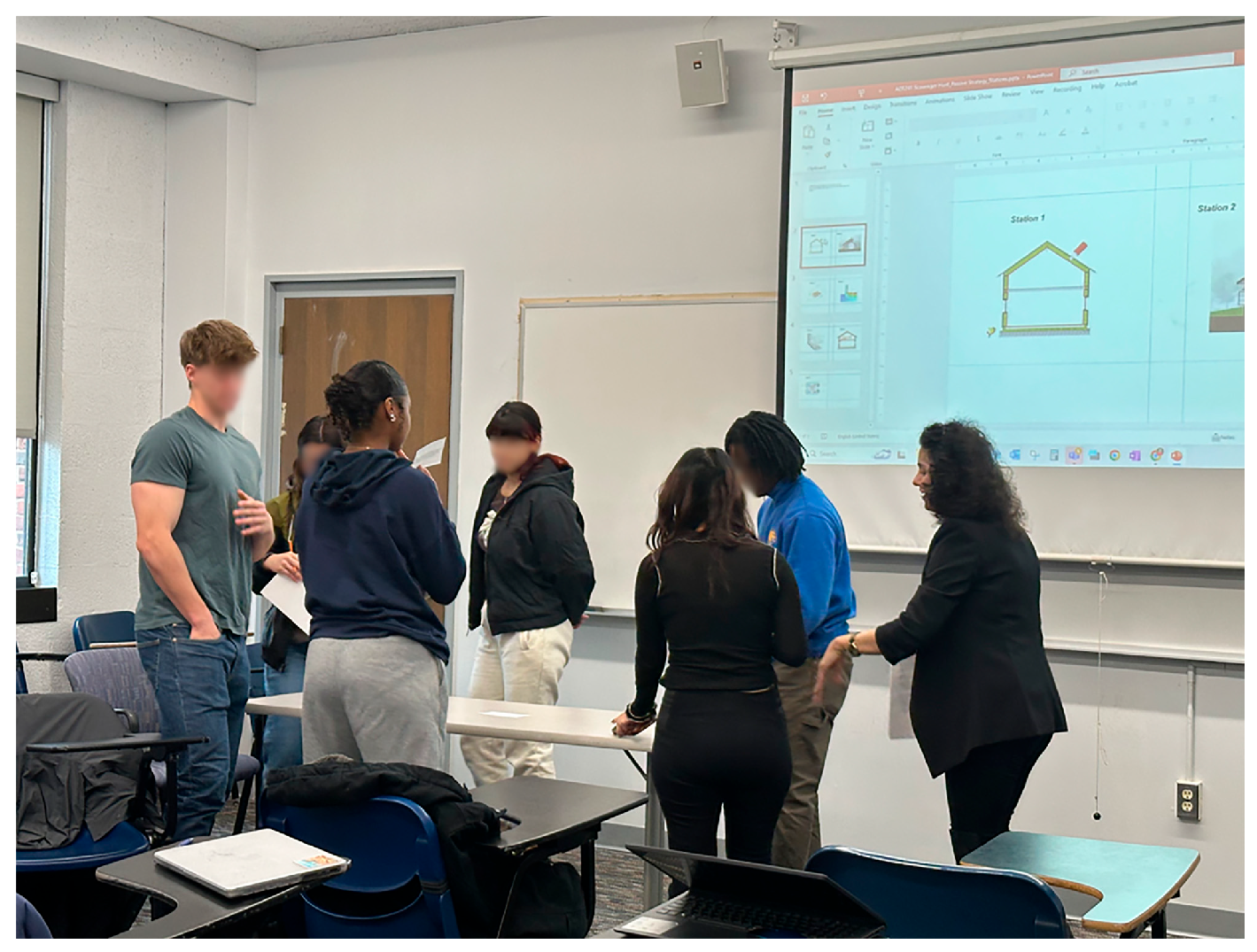
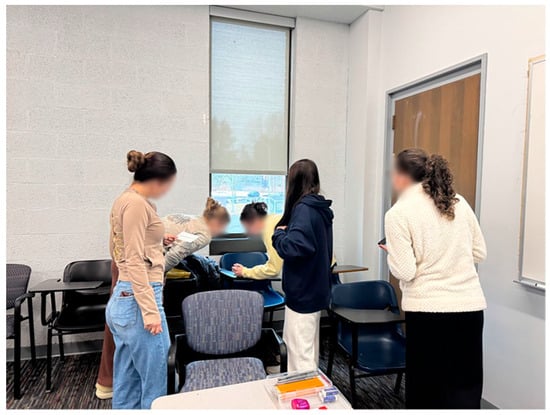
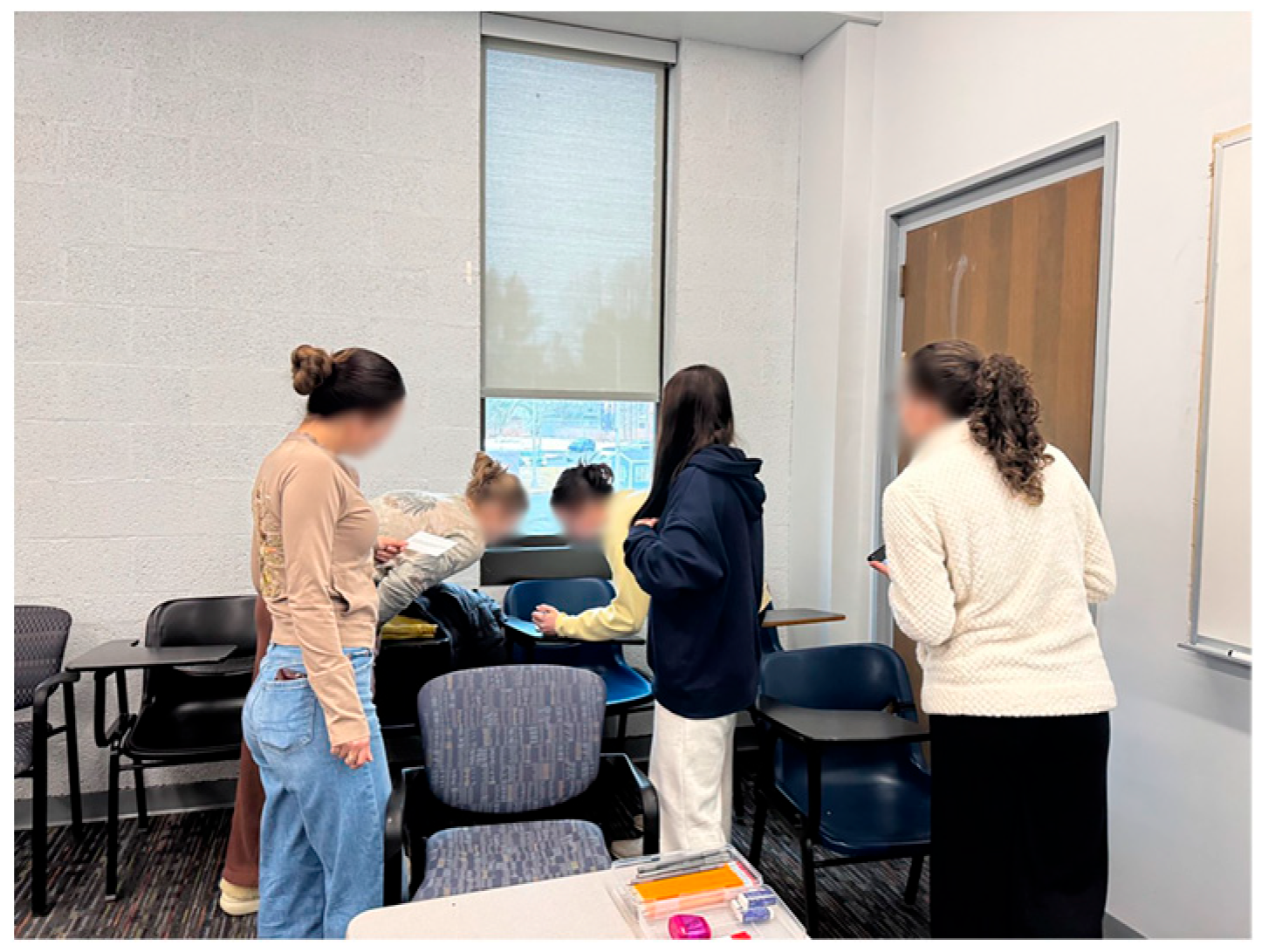
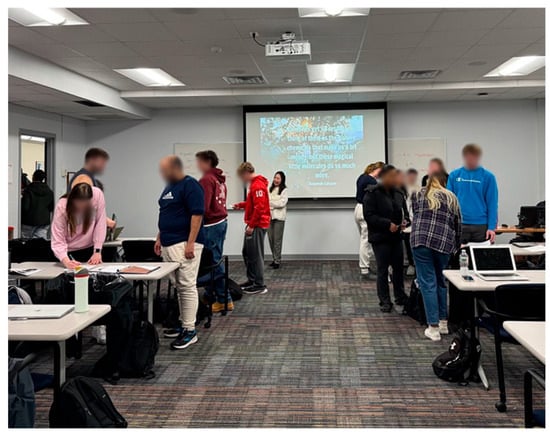
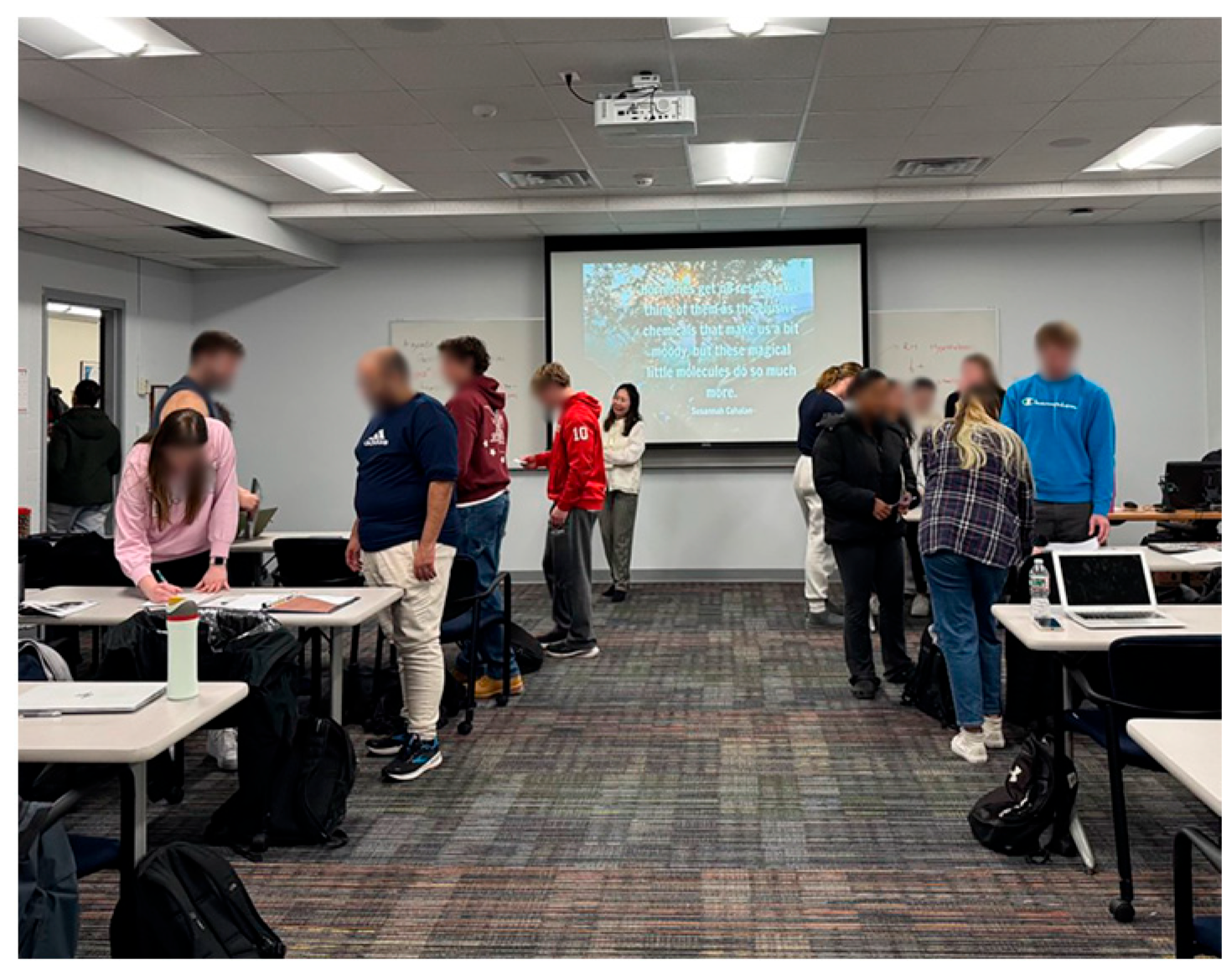
Scavenger Hunt—This game was designed as an interactive and experiential learning strategy aimed at deepening student engagement with key course content. In addition to digital tools, physical materials—including scavenger hunt stations, printed clues, and worksheets—were developed to support tactile and collaborative scavenger hunt activities. As the first major GBL intervention, this activity promoted collaborative exploration and critical thinking by guiding students through a series of clue-based stations distributed across the learning environment (Figure 1 and Figure 2). Students were divided into small teams (3–4 people) and presented with a sequence of thematically connected riddles or tasks that required solving in order to advance to the next station (Figure 3, Figure 4, Figure 5 and Figure 6). Each task—whether it involved sketching, answering conceptual questions, or engaging in short reflective exercises—was directly linked to foundational or advanced course concepts (see Appendix D and Appendix E for examples from both disciplines).
Figure 1.
Examples of scavenger hunt clues in the architecture course (Spring 2025).
Figure 2.
Examples of scavenger hunt stations in the architecture course (Spring 2025).
Figure 3.
Group problem-solving at a scavenger hunt station in the architecture course (Spring 2025).
Figure 4.
Student collaboration during the scavenger hunt in the architecture course (Spring 2025).
Figure 5.
Peer interaction during scavenger hunt tasks in the architecture course (Spring 2025).
Figure 6.
Student teamwork during a scavenger hunt game on the endocrine system in the biology course (Spring 2025).
The scavenger hunt was implemented in a controlled classroom setting, with the goal of balancing structure and play. Each team was evaluated not only on the accuracy of their responses but also on the quality of their collaboration, reinforcing the importance of teamwork in problem-solving. The sequential nature of the activity required students to apply their knowledge in real time while fostering movement, peer dialog, and hands-on interaction with their surroundings. This approach aligned with the research goal of assessing how game-based activities could enhance knowledge retention, engagement, and team-based learning in disciplinary contexts. Prizes in the form of stationary study tools such as notebooks and pens were awarded to the highest-performing teams, providing a motivational component that encouraged active participation and healthy competition.
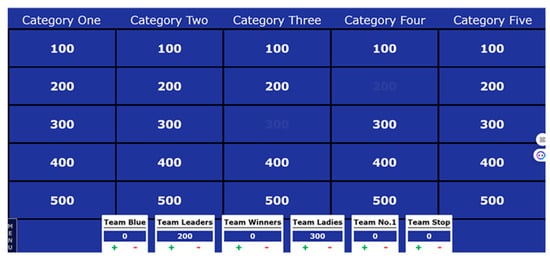
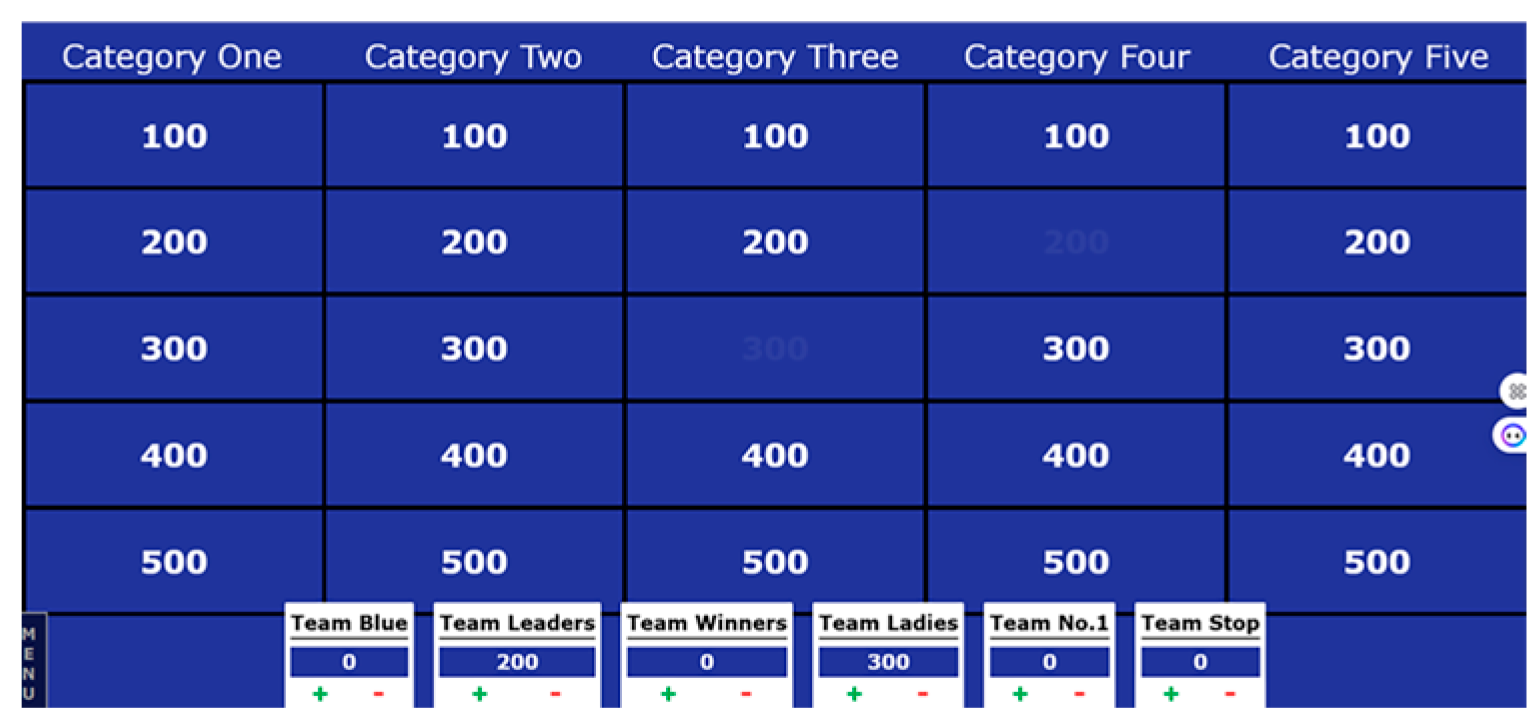
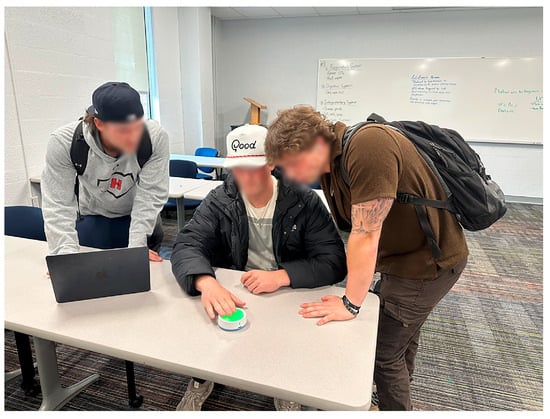
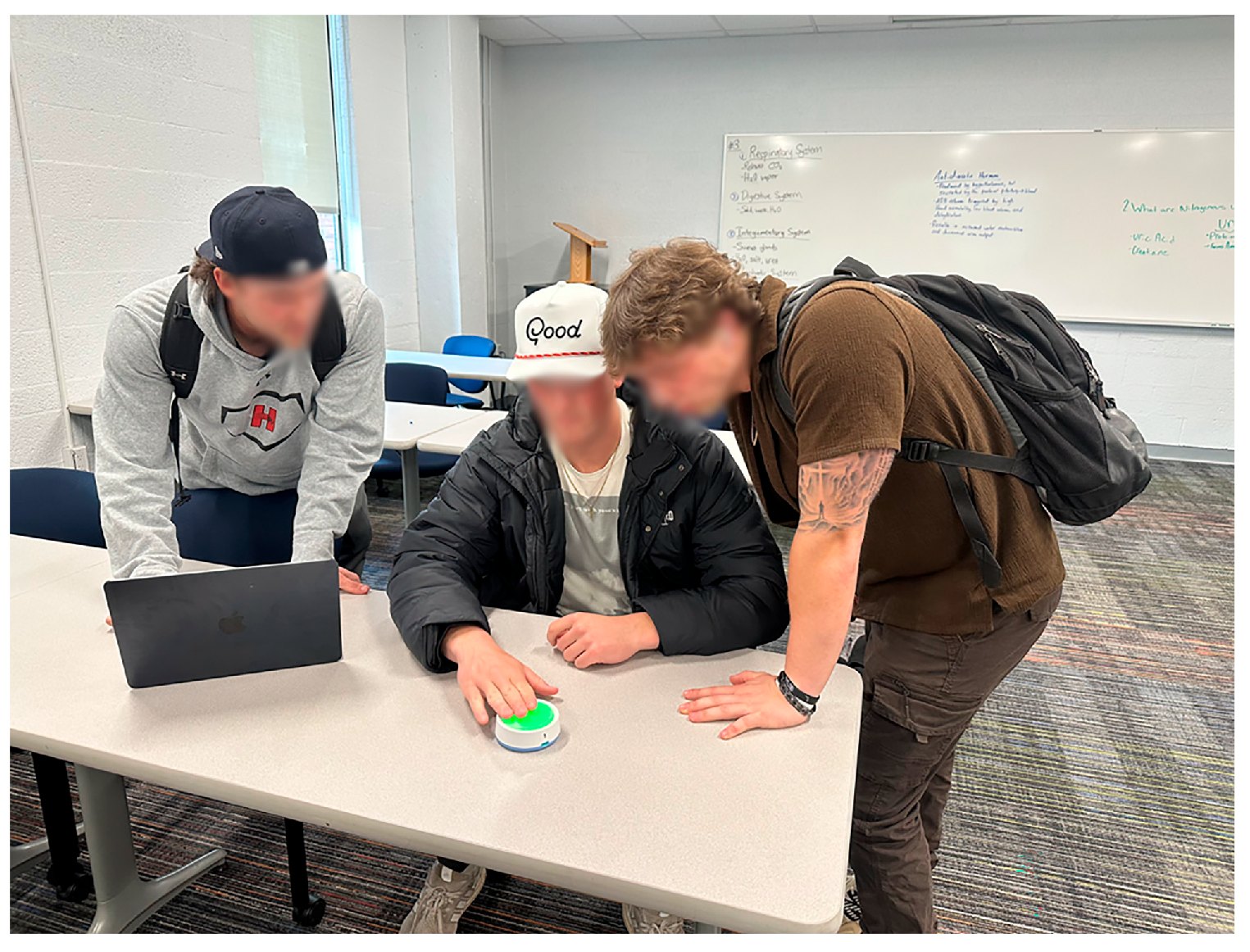
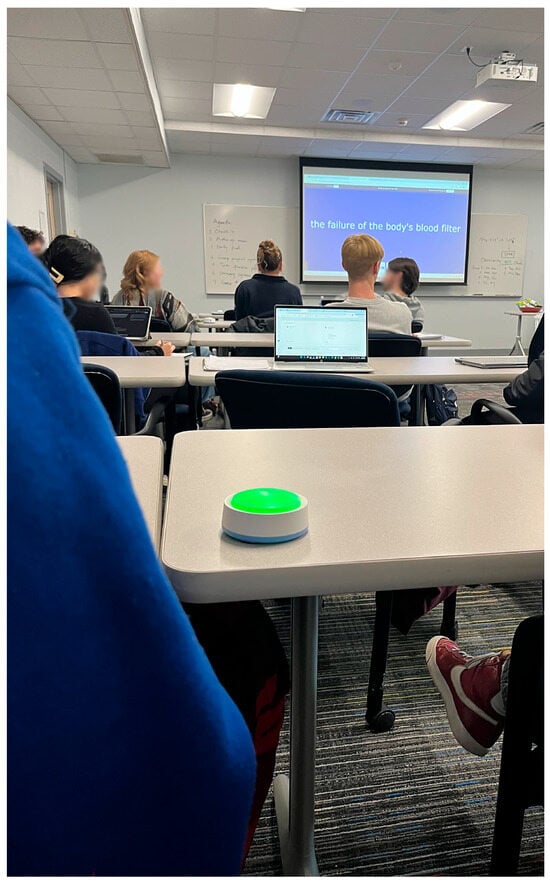
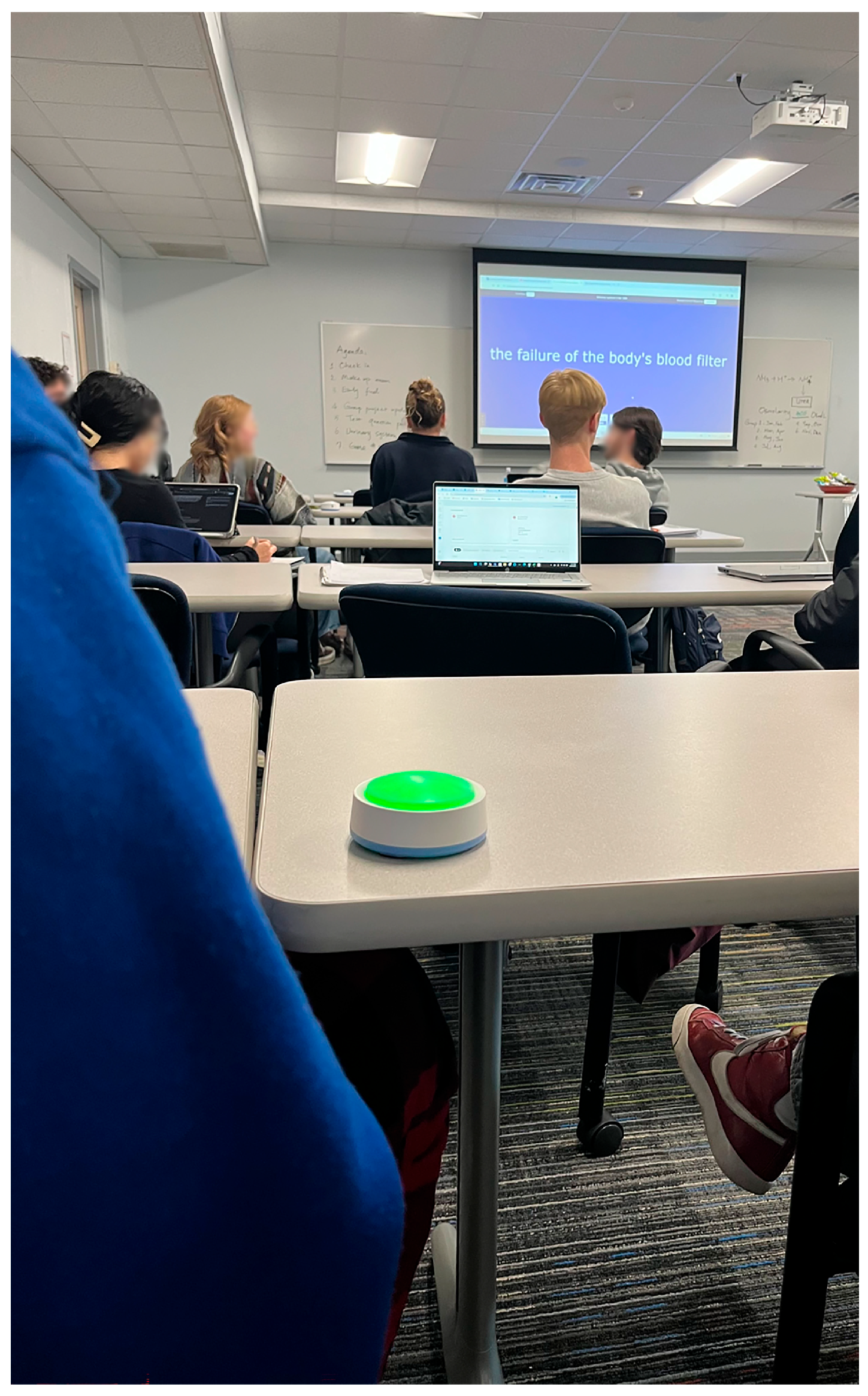
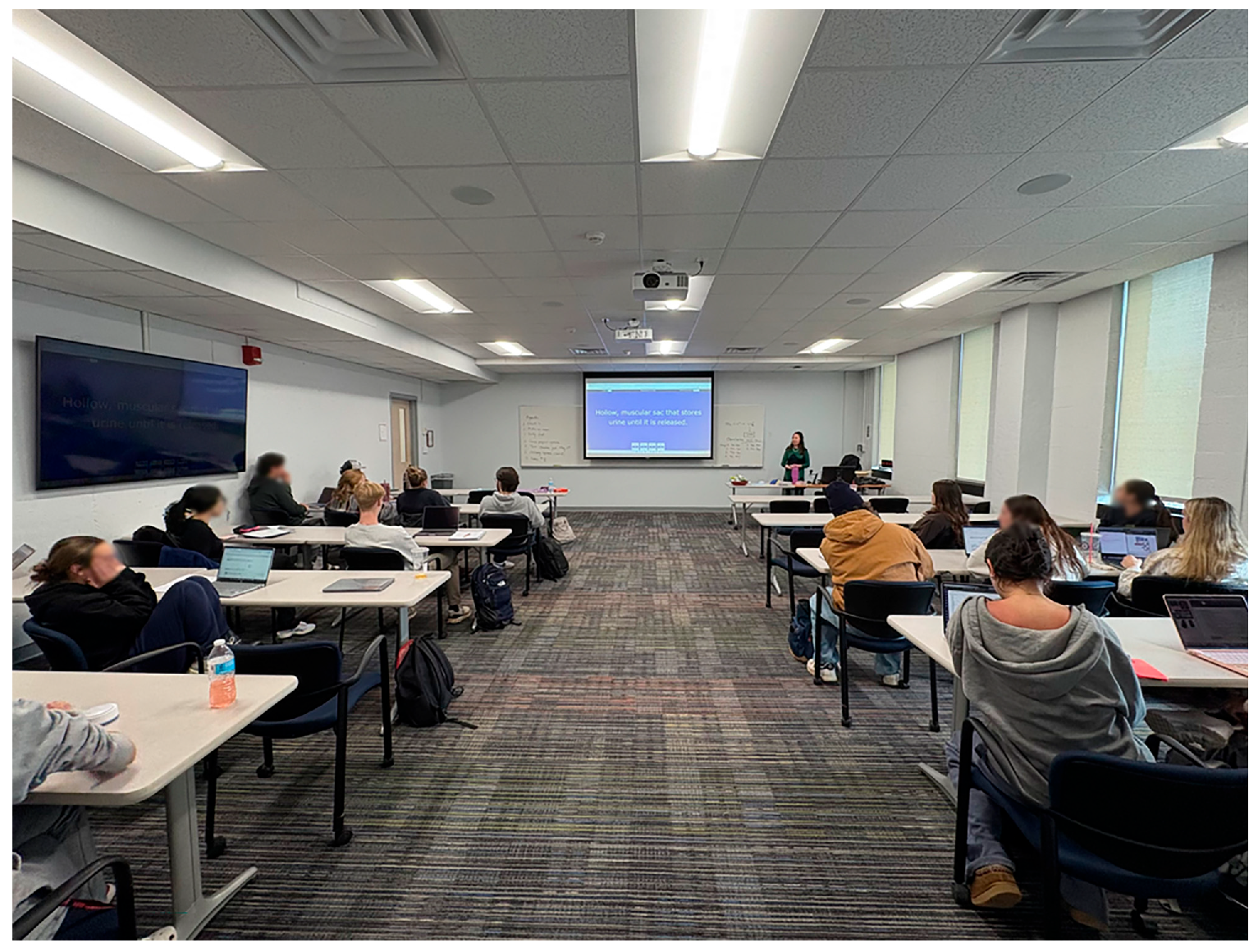
Jeopardy Game—The Jeopardy game was used as a second interactive learning strategy to promote collaborative review and knowledge reinforcement. JeopardyLabs.com provides a customizable quiz interface for group-based gameplay; delivered through this platform, the digital game simulated a quiz show environment, using custom-designed boards that were tailored to each course’s content (Figure 7). Categories covered a range of topics, from foundational to complex concepts, each with ascending point values. Students were divided into teams of four to five and asked to select a team name and designate a team leader to be responsible for operating a quiz game buzzer (Figure 8), which were used during Jeopardy sessions to simulate live response dynamics and enhance the competitive atmosphere. Gameplay was live and fast-paced: when a question was revealed, teams had 10 s to confer before buzzing in to answer (Figure 9 and Figure 10).
Figure 7.
Custom Jeopardy game board created on JeopardyLabs.com (Spring 2025).
Figure 8.
Team discussion and buzzer use during Jeopardy gameplay in the biology course (Spring 2025).
Figure 9.
Students using live quiz game buzzers during Jeopardy gameplay in the biology course (Spring 2025).
Figure 10.
Live gameplay of the Jeopardy-style activity in the biology course (Spring 2025).
The Jeopardy game created playful competition and high engagement, offering real-time feedback and peer discussion to encourage strategic thinking and rapid recall. To maintain a supportive learning environment, no penalties were imposed for incorrect answers, and opportunities to respond were extended to other teams. Leadership roles within groups were sometimes rotated to ensure equitable participation. The game was implemented once in the architecture course and multiple times in the biology course, offering repeated opportunities for reinforcement. The activity concluded with prizes in the form of stationary study tools such as notebooks and pens for winning teams, further incentivizing participation and reinforcing the research aim of enhancing motivation, collaboration, and content mastery through GBL.
Kahoot!—The third strategy employed was Kahoot!, a web-based quiz platform that offered a more individualized approach to game-based learning. This activity was introduced because Kahoot! offered an engaging, web-based platform that enables real-time individual participation through students’ mobile devices. Kahoot! provided an alternative for students who preferred a self-paced and low-pressure format, while still engaging them in content review and competition. During the activity, questions were projected onto a shared screen, and students used their personal mobile devices to respond in real time. This mode of interaction introduced novelty and excitement, particularly as it deviated from the typical phone-restricted classroom environment.
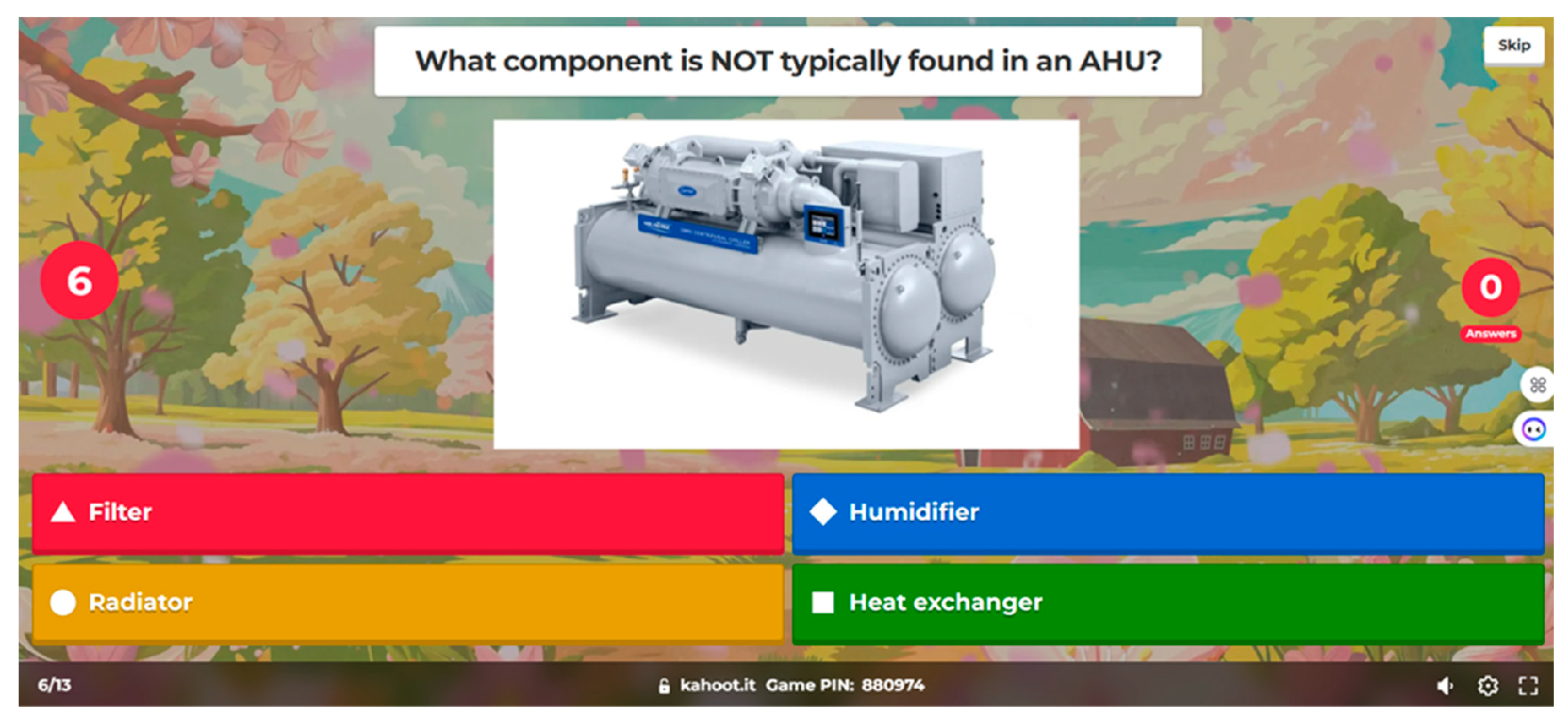
Kahoot! quizzes included multiple-choice and true/false questions, covering a mix of foundational knowledge and advanced application across both disciplines (Figure 11). Timed responses and a point system added urgency and excitement, while the individual nature of the game promoted autonomy and allowed for greater accessibility. Unlike Jeopardy or the scavenger hunt, Kahoot! required no group coordination, reducing barriers for students who may be hesitant to participate in team-based formats. This adaptability made Kahoot! a frequently used tool throughout the semester, offering repeated opportunities for content reinforcement, student feedback, and inclusive engagement. Overall, the tool supported the research objective of exploring how diverse gamified learning formats could serve different student needs and learning preferences.
Figure 11.
Kahoot! quiz interface in the architecture course (Spring 2025).
2.6. Statistical Analyses
All statistical analyses were conducted using IBM SPSS Statistics version 29 (Chicago, IL, USA) or GraphPad Prism Version 10.4 (Boston, MA, USA). Descriptive analysis was applied for quantitative data, while content analysis, according to Kuckartz (2019), was applied to analyze open-ended text responses. Chi Square tests for homogeneity were used to examine changes in engagement, participation, perceived knowledge retention, and content understanding before and after the GBL intervention. Results are reported as mean ± standard deviation. A result was considered to be statistically significant if the p-value was less than 0.05 (p < 0.05). Effect sizes were calculated using Cramer’s V test (V), with values of 0.1, 0.3, and 0.5 interpreted as small, medium, and large, respectively. In human studies, a small effect size reflects a subtle but detectable change; a medium effect size indicates a meaningful and noticeable improvement; and a large effect size represents a strong, highly impactful change with clear practical significance. We applied qualitative content analysis to systematically develop thematic summaries and interpret participants’ perspectives in relation to the research questions (Kuckartz, 2019). This approach allowed us to conceptually condense large volumes of text, compare categories across cases, and identify meaningful relationships between themes while ensuring transparency and intersubjective reliability in the analytic process. Only student participants who signed the consent form and completed both pre- and post-intervention surveys (n = 33) were included in the inferential analyses. The effect sizes were based on the standard deviation of the scores. The visual summaries of ordinal variables were presented as bar charts.
3. Results
3.1. Participant Characteristics
A total of 46 undergraduate students completed the screening questionnaire. Of those, 33 signed the informed consent form, completed both the pre- and post-intervention surveys, and were included in the final analysis. Participants ranged in age from 18 to 27 years (19.64 ± 1.64 years). Student participants were relatively equal between the two majors, with biology being 51.4%, and architecture being 48.6%.
Students were distributed across academic years, with 72.7% being in their sophomore year, 15.2% in their junior year, 9.1% in their freshman year, and 3.0% in their senior year. Prior to the intervention, 60.6% of students reported no previous experience with GBL activities. Among those with prior GBL experience (39.4%), all described it positively (e.g., “good” or “excellent”).
3.2. Students’ Engagement
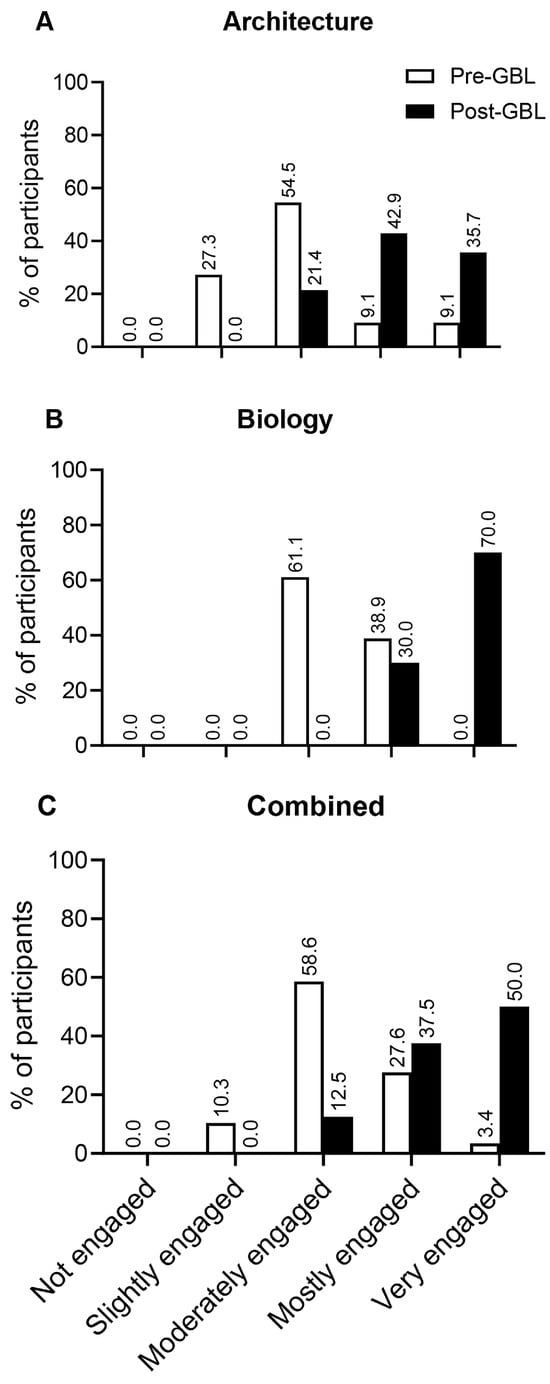
Students’ engagement was measured on a 5-point scale, where one indicated “not engaged” and five indicated “very engaged.” Regardless of disciplines, students reported higher engagement after the integration of GBL activities compared to the pre-GBL baseline (p < 0.0001) with a large effect size (V ≥ 0.63; Figure 12C). Notably, biology exhibited a greater increase in engagement following the GBL intervention (V = 0.81; Figure 12B) compared to architecture (V = 0.63; Figure 12A). At the baseline, 61% of biology students reported being “moderately engaged.” Post-intervention, however, all biology students (100%) reported being either “mostly engaged” or “very engaged,” indicating a substantial positive shift in perceived engagement, which was attributable to the GBL approach (Figure 12B).
Figure 12.
Student engagement before and after game-based learning (GBL) integration. Engagement was measured on a 5-point scale (1 = not engaged, 5 = very engaged). Across disciplines, engagement increased after GBL intervention with a large effect size (p < 0.0001, V ≥ 0.63; (C)). Biology showed a larger gain (V = 0.81; (B)) than architecture (V = 0.63; (A)). Notably, biology students shifted from 61% reporting “moderately engaged” at the baseline to 100% reporting “mostly” or “very engaged” post-intervention (B).
3.3. Classroom Participation
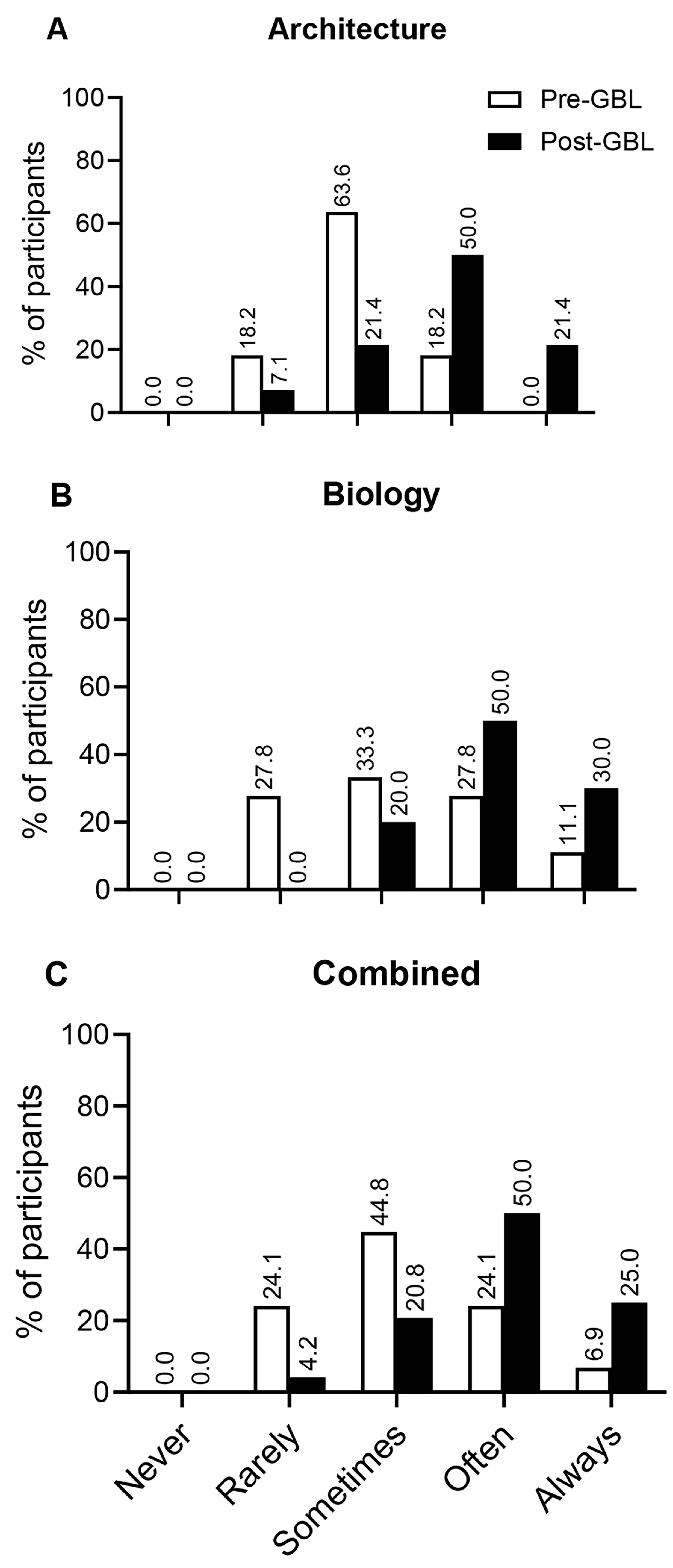
Participation in discussion and group activities was measured on a 5-point scale, where one indicated “never participated” and five indicated “always participated.” Similarly, students reported improved participation in classroom discussions after the GBL intervention compared to the pre-GBL baseline (p < 0.0001), with medium-to-large effect sizes (V ≥ 0.46; Figure 13C). Architecture demonstrated a greater shift in participation following the GBL intervention (V = 0.55; Figure 13A) compared to biology (V = 0.46; Figure 13B). As shown in Figure 13A, the proportion of architecture students reporting that they participated “often” or “always” increased markedly after the intervention (Figure 13A). At baseline, 82% of architecture students indicated that they participated only “rarely” or “sometimes.” Following the GBL intervention, this trend reversed, with 71% of students reporting participation levels of “often” or “always,” suggesting a notable improvement in self-reported engagement resulting from the implementation of GBL strategies (Figure 13A).
Figure 13.
Student participation in discussions and group activities before and after game-based learning (GBL). Participation, rated on a 5-point scale (1 = never, 5 = always), increased post-GBL regardless of majors, with a medium to large effect size (p < 0.0001, V ≥ 0.46; (C)). Architecture reported a larger improvement (V = 0.55; (A)) compared to biology (V = 0.46; (B)). Among architecture students, baseline reports of “rarely”/”sometimes” participation (82%) shifted to 71% reporting “often”/”always” post-intervention (A).
3.4. Perceived Knowledge Retention
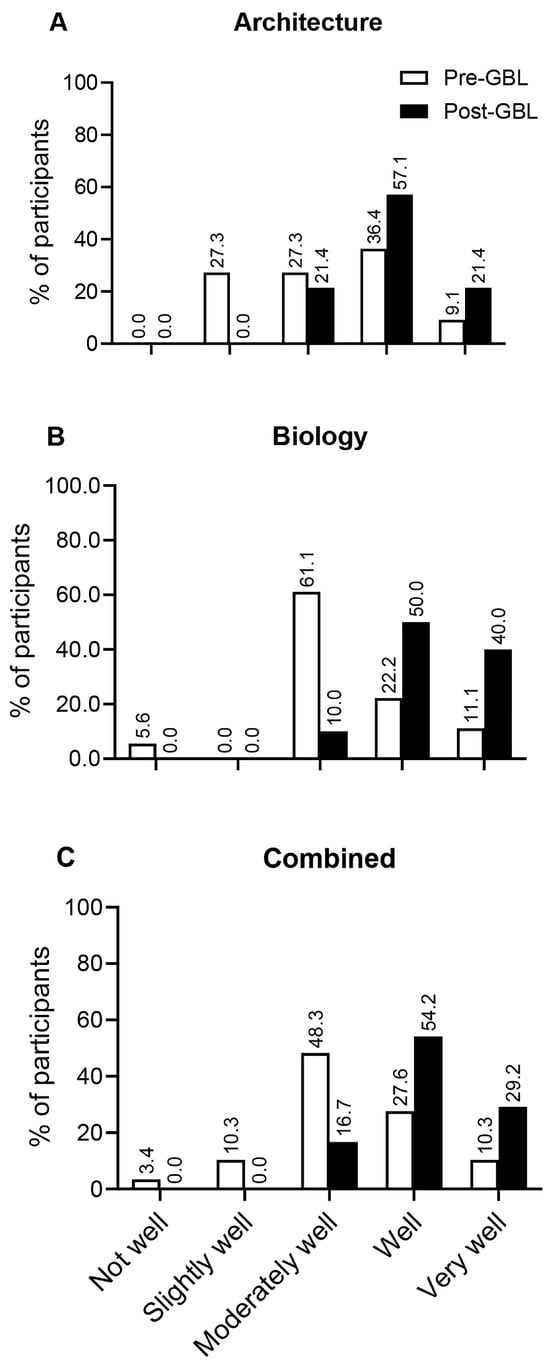
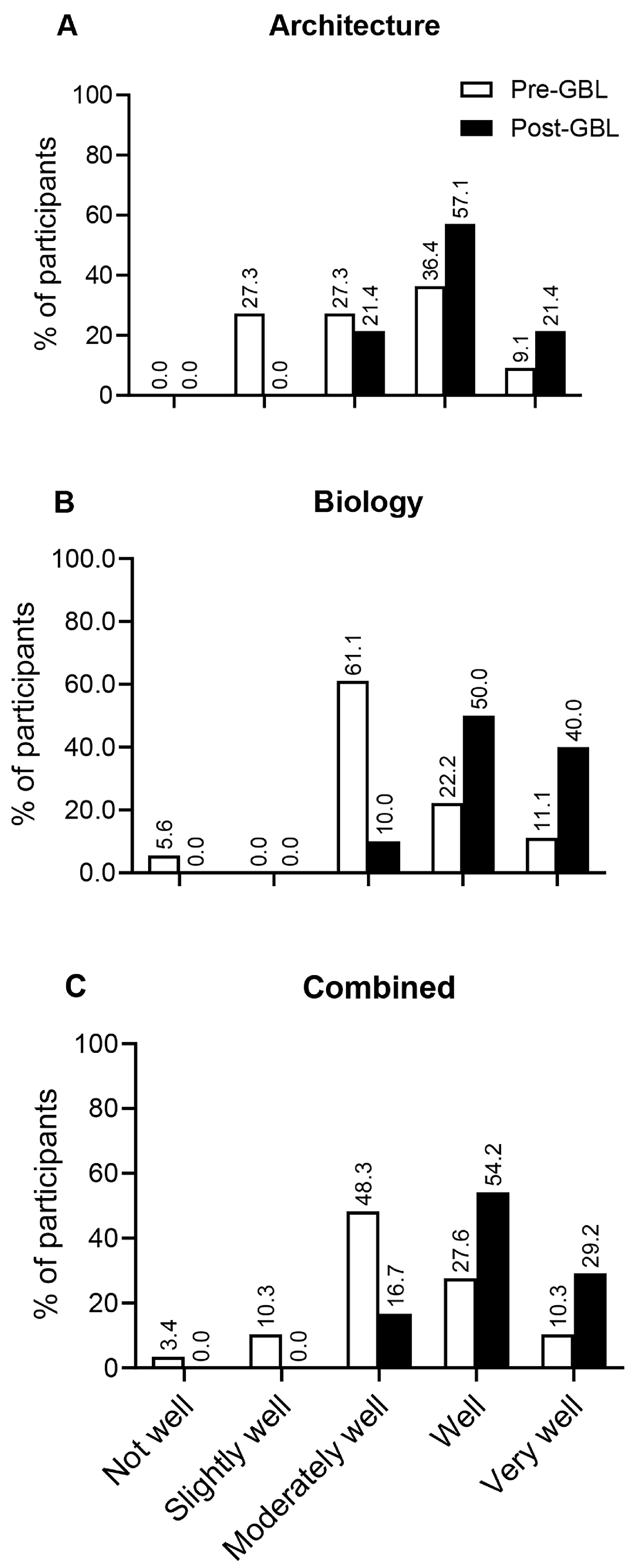
Perceived knowledge retention was measured on a 5-point scale, where one indicated “not well perceived” and five indicated “very well perceived.” Overall, students reported greater perceived retention of information post-GBL intervention compared to the pre-GBL baseline (p < 0.0001), with a medium to large effect size (V ≥ 0.43; Figure 14C). Biology demonstrated a greater shift in perceived knowledge retention following the GBL intervention (V = 0.59; Figure 14B) compared to architecture (V = 0.43; Figure 14A). As shown in Figure 14B, the distribution of responses shifted markedly from “moderately well” at the baseline to higher categories after the intervention. Initially, 61% of biology students rated their knowledge retention as “moderately well.” After participating in GBL activities, however, 90% reported retention levels of “well” or “very well,” indicating a substantial improvement (Figure 14B). These findings suggest that the GBL strategies meaningfully enhanced students’ perceived ability to retain course content, particularly among biology majors.
Figure 14.
Perceived knowledge retention before and after game-based learning (GBL). Retention, rated on a 5-point scale (1 = not well, 5 = very well), improved post-GBL across disciplines with a medium-to-large effect size (p < 0.0001, V ≥ 0.43; (C)). Biology demonstrated a greater improvement (V = 0.59; (B)) compared to architecture (V = 0.43; (A)). Among biology students, baseline ratings of “moderately well” (61%) shifted to 90% reporting “well” or “very well” post-intervention (B).
3.5. Confidence in Key Content Understanding
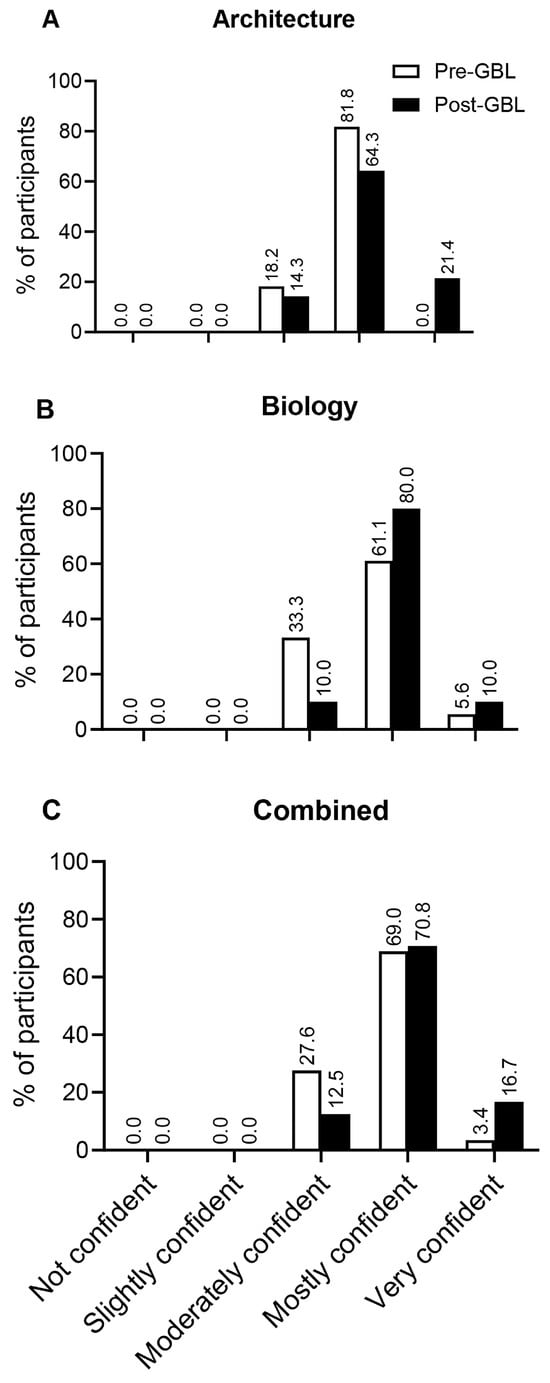
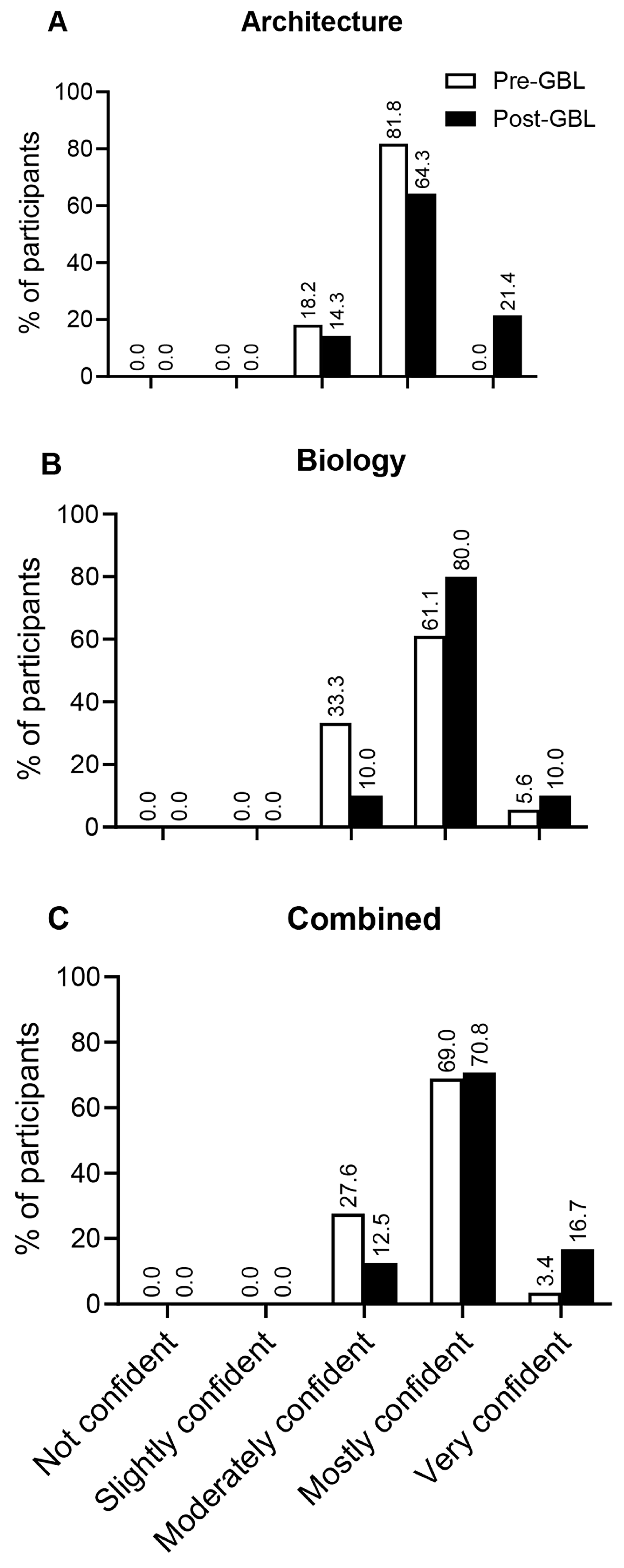
Confidence in key content understanding was measured on a 5-point scale, where one indicated “not confident” and five indicated “very confident.” Likewise, students reported increased confidence in understanding key concepts following the GBL intervention compared to the pre-GBL baseline (p < 0.001); however, this difference was observed at a small-to-medium effect size (V ≥ 0.27; Figure 15C). Notably, architecture demonstrated a greater shift in confidence on content understanding after the GBL intervention (V = 0.35; Figure 15A) compared to biology (V = 0.28; Figure 15B). As shown in Figure 15C, responses shifted modestly from “moderately confident” to higher confidence levels after the intervention. Across both groups, the proportion of students rating themselves as “mostly confident” or “very confident” increased considerably, rising from 72% at baseline to 87% post-GBL (Figure 15C). This distribution reflects a medium effect size (V = 0.27), suggesting that the GBL strategies meaningfully enhanced students’ confidence in their understanding of the course material.
Figure 15.
Confidence in understanding key concepts before and after game-based learning (GBL). Confidence across disciplines, rated on a 5-point scale (1 = not confident, 5 = very confident), increased post-GBL with a small-to-medium effect size (p < 0.001, V ≥ 0.27; (C)). Architecture illustrated a greater gain (V = 0.35; (A)) than biology (V = 0.28; (B)). Across groups, the proportion of students reporting “mostly” or “very confident” rose from 72% at baseline to 87% after the intervention (C).
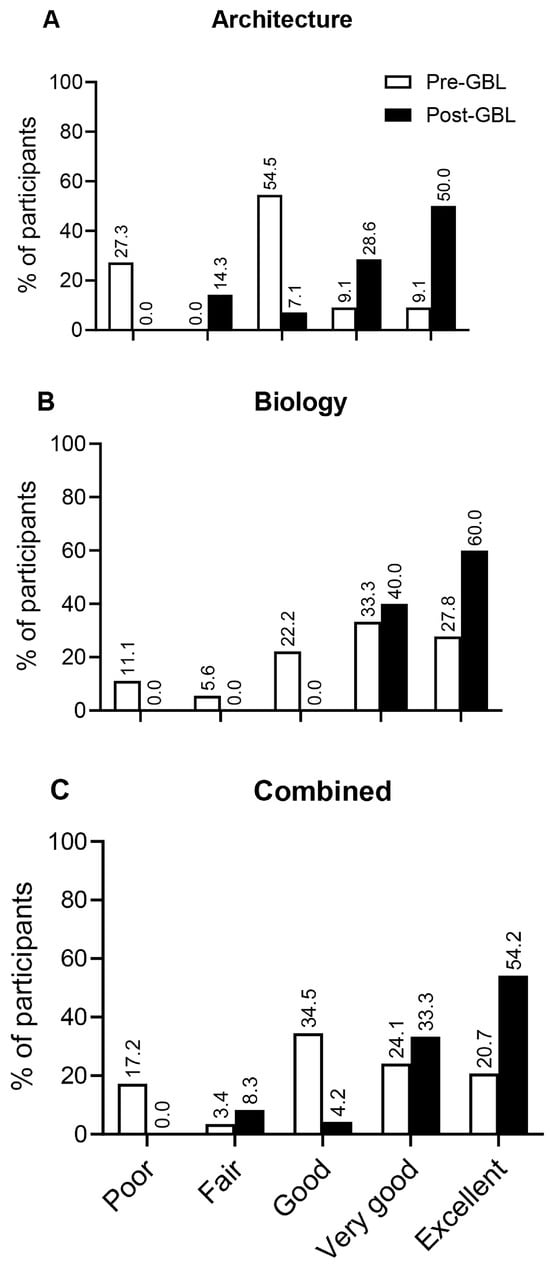
3.6. Overall Experience
The overall experience of GBL was measured on a 5-point scale, where one indicated “poor” and five indicated “excellent.” Students reported a better overall experience following the GBL intervention compared to the pre-GBL baseline (p < 0.0001), with a large effect size (V ≥ 0.51; Figure 16C). Architecture reported a greater shift toward rating their experience as “excellent” (V = 0.76; Figure 16A) compared to biology (V = 0.51; Figure 16B). As shown in Figure 16C, this shift reflects a pronounced movement from “good” to “very good” or “excellent” in post-intervention responses. Across both groups, the proportion of students who rated their experience as “very good” or “excellent” increased substantially, rising from 54% at baseline to 87% following the GBL intervention, with the largest gains observed among architecture majors (Figure 16C). This distribution corresponds to a large effect size, indicating that the GBL intervention produced a strong, highly impactful improvement in students’ perceived learning experience during lectures.
Figure 16.
Overall experience ratings before and after game-based learning (GBL). Experience, rated on a 5-point scale (1 = poor, 5 = excellent), improved significantly post-GBL regardless of majors (p < 0.0001, V ≥ 0.51; (C)). Architecture exhibited a greater shift (V = 0.76; (A)) than biology (V = 0.51; (B)). Across groups, the proportion of students reporting “very good” or “excellent” rose from 54% at baseline to 87% post-intervention, with the largest gains among architecture students (C).
3.7. Qualitative Content Analysis (QCA)
Using QCA, we systematically coded the open-ended responses from the post-intervention survey and generated thematic summaries to interpret students’ perceptions of the GBL experience. Following the initial coding, all text segments associated with each category were reviewed to develop case-level thematic summaries, allowing us to conceptually condense large volumes of narrative data while preserving the subjective meaning of students’ statements. This approach enabled us to move beyond individual quotations to identify broader patterns, relationships between categories, and points of divergence across participants.
Three major themes emerged from the analysis. First, students widely perceived the interactive and application-based nature of GBL as being beneficial for learning. Many emphasized that the games supported understanding of complex or abstract concepts, with one student noting that GBL “helped when the topics were difficult to grasp during lectures.” The thematic summaries for this category consistently reflect enhanced cognitive reinforcement through active recall and repetition.
Second, enjoyment and engagement formed a prominent theme. Students frequently described GBL sessions as refreshing or fun, citing both specific topics (e.g., “Passive Design”) and the shift away from lecture-centered instruction, with one stating it “felt like a break from normal class, but I still learned something.” Across cases, summaries highlighted that perceived enjoyment contributed to increased motivation, aligning with the existing literature on the affective benefits of GBL.
The third theme centered on concerns regarding distractions and accountability. Although several students reported improved retention or application of content, others expressed frustration with disruptions, particularly inappropriate technology use and peer behavior. Comments such as “people were basically cheating…using AI and immediately submitting” and suggestions like “stop using phones immediately” reflected a shared desire for clearer expectations and stronger facilitation. In developing thematic summaries, we purposely included counterexamples to avoid selective plausibility and to capture the full range of student experiences.
Overall, the QCA findings complement the quantitative results by illustrating that students viewed GBL as pedagogically valuable yet sensitive to the classroom structure and management. The thematic summaries reveal that while GBL promotes engagement and supports learning, its effectiveness depends on intentional design, equitable participation, and clear instructional guidance.
4. Discussion
The results of this study demonstrated that GBL intervention enhances students’ engagement, participation, overall experience, and perceived knowledge retention compared to the pre-GBL baseline. Students reported being more attentive, more willing to contribute to classroom discussions, and more confident in their ability to recall material after participating in GBL activities. These findings are consistent with the prior literature highlighting the motivational and social benefits of GBL (Beger et al., 2025; Cekmis & Karakaya, 2024; Pho & Dinscore, 2015) while also extending these insights into the contrasting contexts of biology and architecture education. Although improvements in confidence in key content understanding showed a medium effect size, the upward trend suggests that GBL has the potential to reinforce comprehension, particularly when students are actively involved in collaborative, feedback-rich environments.
Consistently with previous research, our results indicated that GBL enhances competency and fosters innovative, collaborative learning that emerges from interactive, constructivist, cooperative, and improvisational educational techniques (Hämäläinen et al., 2018; Ma et al., 2023). Similarly to earlier findings, we observed that GBL can cultivate not only knowledge acquisition but also the development of communication and teamwork skills that are essential for professional success (Barbieri et al., 2021; Glover & Bodzin, 2021). These outcomes are particularly meaningful in undergraduate STEM instruction, where students often perceive courses as being difficult and abstract, which can undermine confidence and engagement (Academies, 2016; Henry et al., 2021; Robbins et al., 2009). By transforming the learning environment into an active, student-centered space, GBL empowers learners to take ownership of their education while supporting both cognitive and social skill development.
In contrast to a previous study that reported no effect of learning style on motivation (Wouters & van der Meulen, 2020), our results indicated a substantial increase in students’ motivation to engage with and meaningfully perceive course content when GBL strategies were implemented. This discrepancy from the existing GBL literature may be explained by the integration of improvisational and cooperative elements in our design, which likely enhanced the social and interactive dimensions of learning and increased students’ perception of the games as ‘fun.’ The motivational gains, combined with improved competency and deeper understanding, highlight the potential of GBL to address the persistent challenge of sustaining student interest in STEM disciplines (Adipat et al., 2021; Fante et al., 2024; Jääskä & Aaltonen, 2022). Collectively, these results underscore GBL’s promise as a pedagogical strategy that bridges both motivational and cognitive outcomes, making STEM education more accessible and engaging for undergraduates.
The qualitative feedback highlights that students largely valued the interactive and application-based aspects of GBL, particularly in reinforcing challenging concepts and providing a refreshing alternative to lecture-driven instruction. Simultaneously, concerns around distractions, cheating, and peer behavior suggest that the format and facilitation of the games significantly shape students’ experiences. Importantly, the data point to a potential difference in perception between group and individual gameplay, as observed in this study. While group formats can foster collaboration, accountability challenges and uneven participation may detract from perceived fairness and learning outcomes. By contrast, individual gameplay may reduce issues of distraction or reliance on peers but could limit the sense of community and shared enjoyment. To maximize both engagement and effectiveness, future implementations should balance individual and team-based formats, incorporating clear expectations, structured facilitation, and mechanisms to ensure equitable participation across settings.
An innovative contribution of this study lies in its cross-disciplinary design, demonstrating how GBL strategies can be adapted to address the distinct learning needs of both biology and architecture students. By integrating game formats that were consistent in design but discipline-specific in content, the study highlights how GBL intervention can transcend disciplinary boundaries. The findings revealed complementary patterns of impact: architecture majors demonstrated greater shifts in confidence in content understanding, participation, and self-assessed excellence compared to biology majors. Conversely, biology majors reported a higher shift in engagement and knowledge retention than their architecture counterparts. Taken together, these findings underscore the adaptability of GBL as a pedagogical framework that not only promotes discipline-specific learning outcomes, but also cultivates transferrable skills such as confidence, collaboration, and problem-solving across diverse fields.
At an institutional level, the sustainable integration of GBL requires intentional support in terms of resources, training, and curriculum design (Dahalan et al., 2024; Galeote et al., 2025; Lai & Hu, 2025). Faculty members need access to technological tools, time to develop or adapt game formats, and professional development opportunities to effectively implement gamified strategies. Without such structural support, GBL risks being a one-off or extracurricular activity, rather than a fully embedded pedagogical approach. Moreover, alignment with assessment frameworks and accreditation standards is essential to ensure that gamified elements reinforce, rather than distract from, the core learning objectives. By fostering institutional cultures that value innovation in teaching and investing in scalable game-based platforms, universities can help ensure that the benefits of GBL, such as heightened engagement, collaboration, and knowledge retention, are realized consistently across undergraduate STEM programs.
Despite these promising results, the present study has several limitations. First, the modest sample size, with only 33 students completing both pre- and post-intervention measures, restricts generalizability and reduces confidence in the robustness of the observed effects. Second, the absence of a control group without GBL intervention and the reliance on self-reported measures of engagement, motivation, and knowledge retention constrain the strength of the conclusions, as limited objective assessments (e.g., exam performance) were used to validate learning gains. Future research should incorporate larger and more diverse student samples, include a non-GBL comparison group, and integrate external measures such as standardized assessments or cross-evaluations to strengthen validity. Additionally, expanding the study design to systematically compare different game formats and group structures will help identify how GBL can be optimized for distinct learning outcomes. Longitudinal studies may further clarify whether short-term gains in motivation and retention of knowledge translate into sustained academic performance and persistence in STEM fields.
5. Conclusions
This study demonstrates that GBL can significantly enhance undergraduate students’ engagement, motivation, participation, and perceived knowledge retention across biology and architecture courses. Architecture exhibited greater gains in confidence, participation, and self-assessed excellence, while biology showed higher engagement and knowledge retention. These results highlight the adaptability of consistent game designs with discipline-specific content to support both content mastery and transferable skills, including collaboration, problem-solving, and critical thinking. Qualitative feedback emphasized the value of interactive, application-based learning, while also noting the challenges related to group dynamics and classroom management, underscoring the importance of structured facilitation.
Limitations include a modest sample size and reliance on self-reported measures, rather than objective assessments of knowledge gain. Future research should involve larger, more diverse populations, incorporate objective metrics, and systematically compare game formats and group structures. Longitudinal studies could determine whether the motivational and retention benefits of GBL translate into improved academic performance and persistence in STEM. With institutional support, including resources and faculty development, collectively, our study underscores the potential of GBL as a pedagogical framework that fosters active, student-centered learning while bridging cognitive, social, and motivational outcomes across undergraduate STEM education.
Author Contributions
Conceptualization, S.S.-K. and G.L.-C.; methodology, S.S.-K. and G.L.-C.; software, B.N.S., S.S.K.C.; validation, S.S.-K., B.N.S. and G.L.-C.; formal analysis, B.N.S., S.S.K.C.; investigation, S.S.-K. and G.L.-C.; resources, S.S.-K. and G.L.-C.; data curation, B.N.S., S.S.K.C.; writing—original draft preparation, S.S.-K., B.N.S. and G.L.-C.; writing—review and editing, S.S.-K., B.N.S., S.S.K.C. and G.L.-C.; visualization, S.S.-K., B.N.S., S.S.K.C. and G.L.-C.; project administration, S.S.-K. and G.L.-C.; funding acquisition, S.S.-K. and G.L.-C. All authors have read and agreed to the published version of the manuscript.
Funding
This research was funded by the NASA Connecticut Space Grant Consortium Faculty STEM Education Research Grant (Pro-Sum# P-2302; S.S.-K., B.N.S., and G.L.-C.) and the Center for Teaching Excellence and Innovation-Teaching and Learning Grant 2025 from the University of Hartford (S.S.-K. and G.L.-C.). The APC was supported by the Faculty Professional Development funding from the College of Engineering, Technology, and Architecture (S.S.-K.) and the Greenberg Junior Faculty Research Grant (G.L.-C.) from the University of Hartford.
Institutional Review Board Statement
The study was conducted in accordance with the Declaration of Helsinki and approved by the Institutional Review Board of the University of Hartford (IRB# 24-09-351, 2024-11-21).
Informed Consent Statement
Informed consent was obtained from all subjects involved in the study.
Data Availability Statement
The original contributions presented in this study are included in the article. Further inquiries can be directed to the corresponding authors.
Acknowledgments
We thank all student participants whose involvement made this study possible. We gratefully acknowledge the valuable contributions and support from Mary Dowst, Ann Brown, Lisa Zawilinski, and Jessica Nicklin. We also thank Bhavika Sharma for her assistance with data collection and project support. We are especially appreciative of the insightful collaboration and feedback provided by Mohammadmehdi Danesh.
Conflicts of Interest
The authors declare no conflicts of interest.
Appendix A. Screening Survey for Game-Based Learning Project
1. Are you currently enrolled as an undergraduate student?
Yes
No
Not sure
2. What is your major?
3. What is your name?
5. Have you previously participated in any courses that utilized game-based learning?
Yes
No
Maybe
6. What is your primary language?
7. How would you rate your proficiency in English (the language of instruction)?
Beginner
Intermediate
Advanced
Other, please specify ________________
8. Are you willing to provide informed consent to participate in this study?
Yes
No
If you would be willing to receive this information from me, please fill in your contact information below. The information you provide will be held strictly confidential and will only be used for the purpose of contacting you about doing further surveys and interviews in this research.
Name
Email
Appendix B. Pre-Implementation Survey for Game-Based Learning Project
Welcome to this course and thank you for taking this survey! Your input is vital for improving my courses in the future. This survey should only take about 8–10 min to complete. All information provided will be treated confidentially. The data will be reported only in aggregate form, and no individual will be identified. Your answers here, combined with your Blackboard data, will be used for scientific research related to Game-Based Learning methods in education, which is why I need your permission.
Please feel free to email me if you have specific questions about this survey: xxxx (and/or xxxx). Thank you very much for helping me improve my teaching pedagogies.
Instructions: Please answer the following questions honestly. Your responses will remain confidential and will be used only for research purposes.
Section 1: Demographic Information
Name (optional):
Age:
Year of Study:
1st Year
2nd Year
3rd Year
4th Year
Graduate
Major:
Architectural Science
Biomedical Science
Other: ___________________________
Section 2: Current Engagement
On a scale from 1 to 5, how engaged do you feel during traditional lectures?
(1 = Not at all engaged, 5 = Very engaged)
1
2
3
4
5
How often do you participate in classroom discussions?
Never
Rarely
Sometimes
Often
Always
What activities do you find most engaging in your current courses? (Select all that apply)
Group projects
Hands-on activities
Lectures
Discussions
Other: ___________________________
Section 3: Knowledge Retention
How confident are you in your understanding of key concepts in your major?
(1 = Not confident, 5 = Very confident)
1
2
3
4
5
How well do you retain information learned in traditional lecture formats?
(1 = Not well, 5 = Very well)
1
2
3
4
5
What strategies do you currently use to retain information? (Select all that apply)
Note-taking
Study groups
Flashcards
Practice quizzes
Weekly worksheets
YouTube Channels
Other: ___________________________
Section 4: Perceptions of Game-Based Learning
Have you previously participated in any game-based learning activities?
Yes
No
If yes, how would you rate your experience?
(1 = Poor, 5 = Excellent)
1
2
3
4
5
What are your initial thoughts about incorporating game-based learning into your courses?
What potential benefits do you see in game-based learning? (Select all that apply)
Increased engagement
Improved retention
Enhanced collaboration
Real-world application
Other: ___________________________
What concerns do you have about game-based learning?
Section 5: Additional Comments
Please provide any additional comments or suggestions regarding the implementation of game-based learning in your courses:
Thank you for your participation! Your feedback is invaluable for the success of this project.
Appendix C. Post-Implementation Survey for Game-Based Learning Project
Instructions: Please answer the following questions honestly. Your responses will remain confidential and will be used only for research purposes.
Section 1: Demographic Information
Name (optional):
Major:
Architectural Science
Biomedical Science
Other: ___________________________
Section 2: Engagement
On a scale from 1 to 5, how engaged did you feel during the game-based learning activities?
(1 = Not at all engaged, 5 = Very engaged)
1
2
3
4
5
How often did you participate in discussions during the game-based activities?
Never
Rarely
Sometimes
Often
Always
What aspects of the game-based learning activities did you find most engaging?
(Select all that apply)
Interactive elements
Group collaboration
Real-world applications
Immediate feedback
Other: ___________________________
Section 3: Knowledge Retention
How confident are you in your understanding of key concepts after participating in the game-based learning activities?
(1 = Not confident, 5 = Very confident)
1
2
3
4
5
How well do you feel you retained information learned during the game-based activities?
(1 = Not well, 5 = Very well)
1
2
3
4
5
Which specific concepts do you feel were reinforced through game-based learning?
Section 4: Overall Experience
How would you rate your overall experience with game-based learning in this course?
(1 = Poor, 5 = Excellent)
1
2
3
4
5
What benefits did you experience from the game-based learning activities?
(Select all that apply)
Increased engagement
Improved retention
Enhanced collaboration
Real-world application
Other: ___________________________
What challenges did you face during the game-based learning activities?
Section 5: Future Recommendations
Would you recommend incorporating game-based learning in future courses?
Yes
No
Maybe
What suggestions do you have for improving the game-based learning experience?
Are there any additional comments you would like to share about your experience with game-based learning?
Thank you for your participation! Your feedback is crucial for evaluating the success of this project and improving future learning experiences.
Appendix D. Environmental Systems Scavenger Hunt: Passive Strategies Exploration
Objective:
To enhance students’ understanding of the environmental systems through an interactive scavenger hunt. Students will apply their knowledge of passive strategies while collaborating in a fun and engaging environment.
Materials Needed:
- Clue cards (printed).
- Visual aids (diagrams or images).
- QR codes (optional for linking clues to online resources).
- Answer sheets for recording responses.
- Prizes for winning teams.
Preparation:
Set Locations: Choose locations around the classroom, lab, or campus that correspond to different passive strategies (e.g., insulation, natural ventilation, building orientation).
Create Clues: Prepare a series of clues or riddles leading students from one location to another. Each clue should involve a question or activity related to the passive strategies. For example:
Clue Example: Clue: “This passive design feature reduces heat loss and gain by limiting the movement of air through the building envelope. You can find me near something that lets air in but needs me to keep the temperature just right!” (Insulation)
Station Activities: At each location, include an activity or question that students must complete before receiving the next clue. Activities can include the following:
Match different insulation materials (fiberglass, foam board, cellulose) with their thermal resistance (R-values).
List three benefits of natural ventilation and suggest a building design that enhances airflow.
Divide Teams: Organize students into teams of 3–5 to promote collaboration.
Game Protocol:
Introduction:
Begin by explaining the rules and objectives of the scavenger hunt. Emphasize teamwork, critical thinking, and applying class knowledge.
Starting Point:
Provide the first clue to all teams. Clues should direct them to the first station.
Progression:
At each station, students complete an activity or answer a question to earn the next clue. If they answer incorrectly, they must try again or perform a task before proceeding.
Examples of Clues and Activities:
Station 1 Insulation
Clue: “I work behind the scenes, unseen but essential, slowing the dance of hot and cold. Without me, winters would bite and summers would scorch. Look for me near a barrier that stands between you and the outside world.” (Answer: Near an external wall).
Activity: Design a wall with R-Value 40 with a thickness of no more than 12”. Sketch the wall layer based on the OPAQUE application.
Station 2 Natural Ventilation
Clue: “I move without a motor, a silent traveler bringing comfort. When spaces breathe, I am at work, slipping in and out where paths are open. Seek me where the indoors and outdoors trade whispers” (Answer: Near an operable window).
Activity: List three benefits of natural ventilation.
Station 3 Building Orientation
Clue: “I guide the sun’s touch, welcoming warmth in winter and turning away the summer’s glare. My secret is in my position, always facing the light just right. Seek me where brightness lingers longest.” (Answer: Near a window with sunlight exposure).
Activity: Draw an ideal building orientation for maximizing winter sunlight and minimizing summer heat gain.
Station 4 Free Thermal Bridge Detailing
Clue: “I sneak into corners and edges, a hidden thief stealing warmth. If left unchecked, I create cold spots and invite condensation. Find me where different materials meet and temperature shifts occur.” (Answer: Near a wall-floor).
Activity: No activity! Have fun!
Station 5 High-Performance Glazing
Clue: “I am transparent but mighty, keeping warmth inside on cold days and blocking the sun’s fury in summer. My layers and coatings make all the difference. Seek me where the view is clear but comfort is maintained.” (Answer: Near a doorway on the first floor).
Activity: List two benefits of high-performance glazing.
Station 6 Airtight construction
Clue: “I am the unseen guardian against drafts, ensuring energy is not wasted. If I am weak, leaks will betray me. Seek me where walls, floors, and ceilings unite to protect the indoor climate.” (Answer: Near a well-sealed door frame on the first floor.).
Activity: Explain the differences between infiltration and natural ventilation.
Station 7 Heat Recovery Ventilation
Clue: “I trade warmth without waste, recycling energy as I freshen the air. My secret is efficiency, ensuring comfort with conservation. Seek me where knowledge flows like air, where voices echo and ideas circulate, where the professor stands to breathe wisdom into the room.” (Answer: Near the desk).
Activity: Explain the working principle of heat recovery ventilation.
Appendix E. Anatomy and Physiology Endocrine System Scavenger Hunt Protocol
Objective:
To enhance students’ understanding of the endocrine system through an interactive scavenger hunt. Students will apply their knowledge of endocrine glands, hormones, and physiological processes while collaborating in a fun and engaging environment.
Materials Needed:
- Clue cards (printed or digital).
- Visual aids (e.g., gland models, diagrams, or images).
- QR codes (optional for linking clues to online resources).
- Answer sheets for recording responses.
- Prizes or certificates for winning teams.
Preparation:
Set Locations: Choose locations around the classroom, lab, or campus that correspond to different endocrine glands (e.g., hypothalamus, thyroid, pancreas). Each location should relate to the gland’s function or hormone it secretes.
Create Clues: Prepare a series of clues or riddles leading students from one location to another. Each clue should involve a question or activity related to the endocrine system. For example:
Clue Example: “I regulate metabolism and energy. Look for me near something glowing like a light bulb.” (Answer: Thyroid gland).
Station Activities: At each location, include an activity or question that students must complete before receiving the next clue. Activities can include the following:
Identifying hormones secreted by the gland.
Explaining the feedback mechanism involving the gland.
Matching hormones to their target tissues.
Divide Teams: Organize students into teams of 3–5 to promote collaboration.
Game Protocol:
Introduction:
Begin by explaining the rules and objectives of the scavenger hunt. Emphasize teamwork, critical thinking, and applying class knowledge.
Starting Point:
Provide the first clue to all teams. Clues should direct them to the first station.
Progression:
At each station, students complete an activity or answer a question to earn the next clue. If they answer incorrectly, they must try again or perform a task (e.g., list three functions of a hormone) before proceeding.
Examples of Clues and Activities:
Station 1 Hypothalamus
Clue: “I’m the brain behind the glands. Look for me where control and coordination happen.” (Answer: Near a brain model or diagram).
Activity: Match the releasing hormones (e.g., TRH, CRH) to the pituitary hormones they stimulate.
Station 2 Pituitary Gland (The “Master Gland”)
Clue: “I’m tiny but mighty, the leader of the hormone orchestra. Find me where decisions are made.” (Answer: Near a desk or planning board).
Activity: List four hormones produced by the anterior pituitary and their target organs (e.g., growth hormone → bones and muscles).
Station 3 Thyroid Gland
Clue: “I control your energy and metabolism, and I’m shaped like a butterfly. Look near something bright and warm.” (Answer: Near a lamp or a heater).
Activity: Draw a feedback loop diagram showing how the hypothalamus, pituitary, and thyroid interact to regulate thyroid hormone levels (include TSH and T3/T4).
Station 4 Parathyroid Glands
Clue: “Calcium’s my favorite mineral. Look for me near something hard, like a bone.”
(Answer: Near a skeleton model or bone diagram).
Activity: Explain how parathyroid hormone (PTH) regulates calcium levels in blood, bones, and kidneys.
Station 5 Adrenal Glands
Clue: “When danger strikes, I’ve got your back. Find me where something fast or exciting is happening.” (Answer: Near a treadmill or a stopwatch).
Activity: Identify the zones of the adrenal cortex and medulla and the hormones they produce (e.g., cortisol, aldosterone, adrenaline).
Station 6 Pancreas
Clue: “Sweet or savory, I help you stay balanced. Find me near a snack or kitchen item.” (Answer: Near a snack station or food props).
Activity: Role-play how insulin and glucagon maintain homeostasis after eating a meal. One student can act as glucose, while others are insulin and glucagon.
Station 7 Pineal Gland
Clue: “I keep your body clock ticking. Find me where you’d rest or look at the stars.”
(Answer: Near a pillow or window).
Activity: Describe how melatonin affects the sleep–wake cycle and suggest ways to maintain a healthy circadian rhythm.
Station 8 Ovaries and Testes
Clue: “I’m key to reproduction and secondary sex characteristics. Look for me where life begins.” (Answer: Near a reproductive system model or baby photo).
Activity: Compare and contrast the hormones produced by the ovaries (e.g., estrogen, progesterone) and testes (e.g., testosterone).
References
- Academies. (2016). Barriers and opportunities for 2-year and 4-year stem degrees: Systemic change to support students. The National Academies Press. [Google Scholar]
- Adipat, S., Laksana, K., Busayanon, K., Asawasowan, A., & Adipat, B. (2021). Engaging students in the learning process with game-based learning: The fundamental concepts. International Journal of Technology in Education (IJTE), 4(3), 542–552. [Google Scholar] [CrossRef] [Scilit]
- Barbieri, G. G., Barbieri, R., & Capone, R. (2021). Serious games in high school mathematics lessons: An embedded case study in Europe. Eurasia Journal of Mathematics, Science and Technology Education, 17(5), em1963. [Google Scholar] [CrossRef] [Scilit]
- Beger, A. W., Hannan, S., Patel, R., & Sweeney, E. M. (2025). Virtual escape rooms in anatomy education: Case studies from two institutions. Advances in Physiology Education, 49, 621–632. [Google Scholar] [CrossRef] [Scilit] [PubMed]
- Cekmis, A., & Karakaya, M. (2024). Digital game-based learning in architecture education: Consolidating visual design principles in freshmen. Journal of Design for Resilience in Architecture and Planning, 5(2), 202–228. [Google Scholar] [CrossRef] [Scilit]
- Dahalan, F., Alias, N., & Shaharom, M. S. N. (2024). Gamification and game based learning for vocational education and training: A systematic literature review. Education and Information Technologies, 29, 1279–1317. [Google Scholar] [CrossRef] [Scilit] [PubMed]
- Fante, C., Ravicchio, F., & Manganello, F. (2024). Navigating the evolution of game-based educational approaches in secondary stem education: A decade of innovations and challenges. Education Sciences, 14(6), 662. [Google Scholar] [CrossRef] [Scilit]
- Fredricks, J. A., Reschly, A. L., & Christenson, S. L. (2019). Interventions for student engagement: Overview and state of the field. In Handbook of student engagement interventions (pp. 1–11). Academic Press. [Google Scholar]
- Galeote, D. F., Gabrielaitis, L., Guillén, G., & Hamari, J. (2025). Play, games, and gamification to support sustainability transitions: A scoping review and research agenda. Environmental Innovation and Societal Transitions, 57, 101025. [Google Scholar] [CrossRef] [Scilit]
- Glover, K. R., & Bodzin, A. (2021). Learner-centric design of a hand hygiene serious simulation game for grade 12 emerging health professional students. TechTrends, 65, 379–393. [Google Scholar] [CrossRef] [Scilit]
- Gui, Y., Cai, Z., Yang, Y., Kong, L., Fan, X., & Tai, R. H. (2023). Effectiveness of digital educational game and game design in STEM learning: A meta-analytic review. International Journal of STEM Education, 10, 36. [Google Scholar] [CrossRef] [Scilit]
- Hämäläinen, R., Niilo-Rämä, M., Lainema, T., & Oksanen, K. (2018). How to raise different game collaboration activities: The association between game mechanics, players’ roles and collaboration processes. Simulation & Gaming, 49(1), 50–71. [Google Scholar] [CrossRef] [Scilit]
- Heilporn, G., Lakhal, S., & Bélisle, M. (2021). An examination of teachers’ strategies to foster student engagement in blended learning in higher education. International Journal of Technologies in Higher Education, 18, 25. [Google Scholar] [CrossRef] [Scilit] [PubMed]
- Henry, M. A., Shorter, S., Charkoudian, L. K., Heemstra, J. M., Le, B., & Corwin, L. A. (2021). Quantifying fear of failure in STEM: Modifying and evaluating the Performance Failure Appraisal Inventory (PFAI) for use with STEM undergraduates. International Journal of STEM Education, 8, 43. [Google Scholar] [CrossRef] [Scilit]
- Jääskä, E., & Aaltonen, K. (2022). Teachers’ experiences of using game-based learning methods in project management higher education. Project Leadership and Society, 3, 100041. [Google Scholar] [CrossRef] [Scilit]
- Kuckartz, U. (2019). Qualitative text analysis: A systematic approach. In G. Kaiser, & N. Presmeg (Eds.), Compendium for early career researchers in mathematics education. Springer. [Google Scholar]
- Lai, C.-H., & Hu, P.-Y. (2025). The gaming revolution in history education: The practice and challenges of integrating game-based learning into formal education. Information, 16, 490. [Google Scholar] [CrossRef] [Scilit]
- Lawson, M. A., & Lawson, H. A. (2013). New conceptual frameworks for student engagement research, policy, and practice. Review of Educational Research, 83(3), 432–479. [Google Scholar] [CrossRef] [Scilit]
- Ma, J., Zhang, Y., Zhu, Z., Zhao, S., & Wang, Q. (2023). Game-based learning for students’ computational thinking: A meta-analysis. Journal of Educational Computing Research, 61(7), 1430–1463. [Google Scholar] [CrossRef] [Scilit]
- Mayer, R. E. (2014). Computer games for learning: An evidence-based approach (Vol. 1). The MIT Press. [Google Scholar]
- Parsons, J., & Taylor, L. (2011). Improving student engagement. Current Issues in Education, 14(1). [Google Scholar]
- Pho, A., & Dinscore, A. (2015). Game-based learning. Instructional technologies committee tips and trends. Association of College and Research Libraries and American Library Association. [Google Scholar]
- Robbins, S. B., Oh, I. S., Le, H., & Button, C. (2009). Intervention effects on college performance and retention as mediated by motivational, emotional, and social control factors: Integrated meta-analytic path analyses. Journal of Applied Psychology, 94(5), 1163–1184. [Google Scholar] [CrossRef] [Scilit] [PubMed]
- Trowler, V. (2010). Student engagement literature review. The Higher Education Academy. [Google Scholar]
- Wouters, P., & van der Meulen, E. S. (2020). The role of learning styles in game-based learning. International Journal of Game-Based Learning, 10(1), 54–69. [Google Scholar] [CrossRef] [Scilit]
- Yawan, H., Marhamah, M., & Syam, H. (2025). Game-changing learning: How digital games boost learning engagement. International Journal of Indonesian Education and Teaching (IJIET), 9(2), 358–367. [Google Scholar] [CrossRef] [Scilit]


Disclaimer/Publisher’s Note: The statements, opinions and data contained in all publications are solely those of the individual author(s) and contributor(s) and not of MDPI and/or the editor(s). MDPI and/or the editor(s) disclaim responsibility for any injury to people or property resulting from any ideas, methods, instructions or products referred to in the content. |
© 2025 by the authors. Licensee MDPI, Basel, Switzerland. This article is an open access article distributed under the terms and conditions of the Creative Commons Attribution (CC BY) license.