Article

Modeling the Impact of G7 Interest Rates on BRICS Equity Markets: A DLNM Approach Using MSCI Indices


by
Orlando Joaqui-Barandica
1,
Jesús Heredia-Carroza
2,*,
Sebastian López-Estrada
3 and
Daniela-Tatiana Agheorghiesei
4
1
School of Industrial Engineering, Faculty of Engineering, Universidad del Valle, Cali 760001, Colombia
2
Economics & Economics History Department, Universidad de Sevilla, 41018 Sevilla, Spain
3
Department of Economics and Finance, Pontificia Universidad Javeriana Cali, Cali 760001, Colombia
4
Faculty of Economics and Business Administration, Universitatea Alexandru Ioan Cuza din Iași, 70050 Iași, Romania
*
Author to whom correspondence should be addressed.
Economies 2025, 13(9), 252; https://doi.org/10.3390/economies13090252

Submission received: 24 July 2025 / Revised: 22 August 2025 / Accepted: 24 August 2025 / Published: 27 August 2025

Abstract

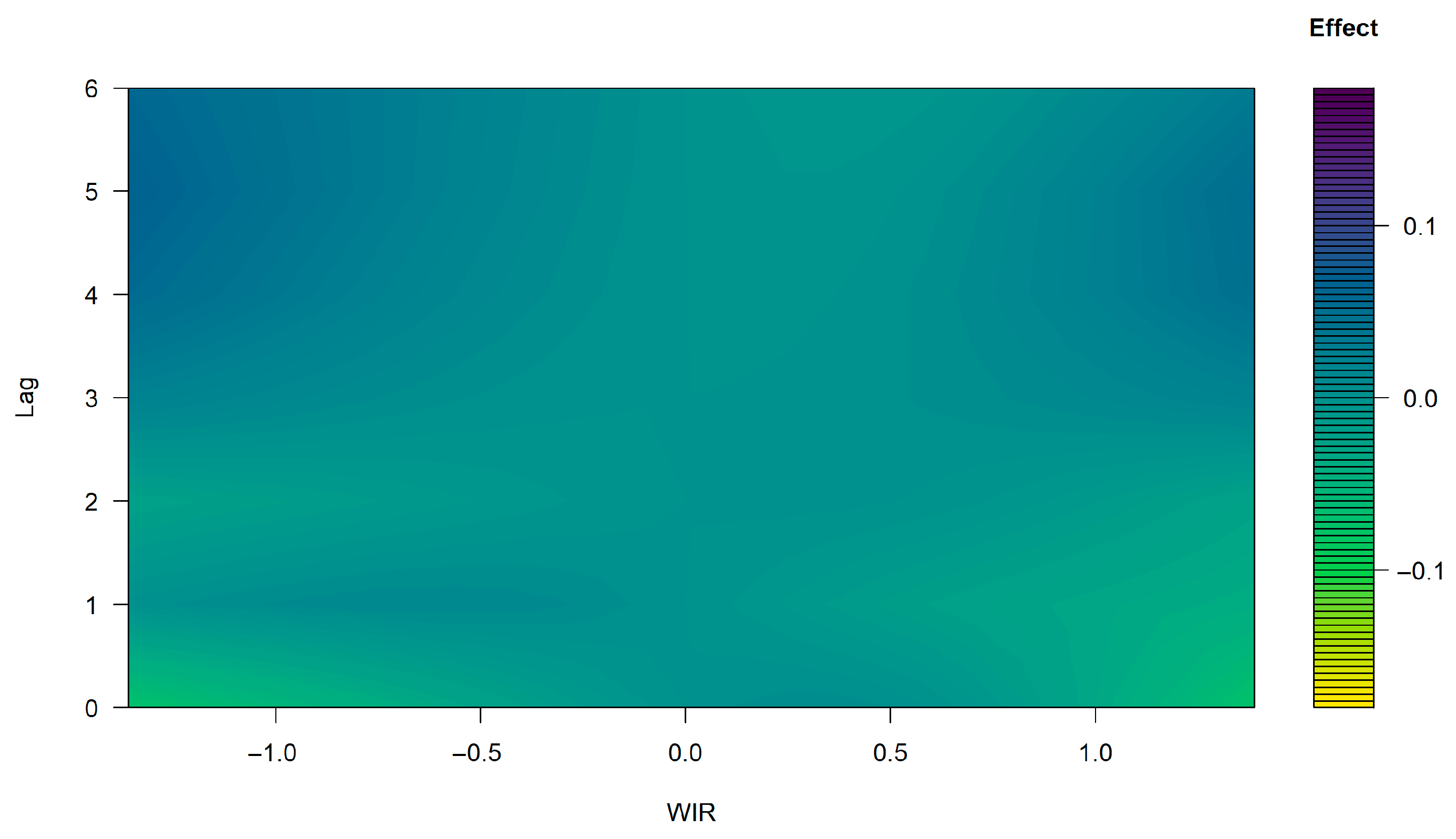
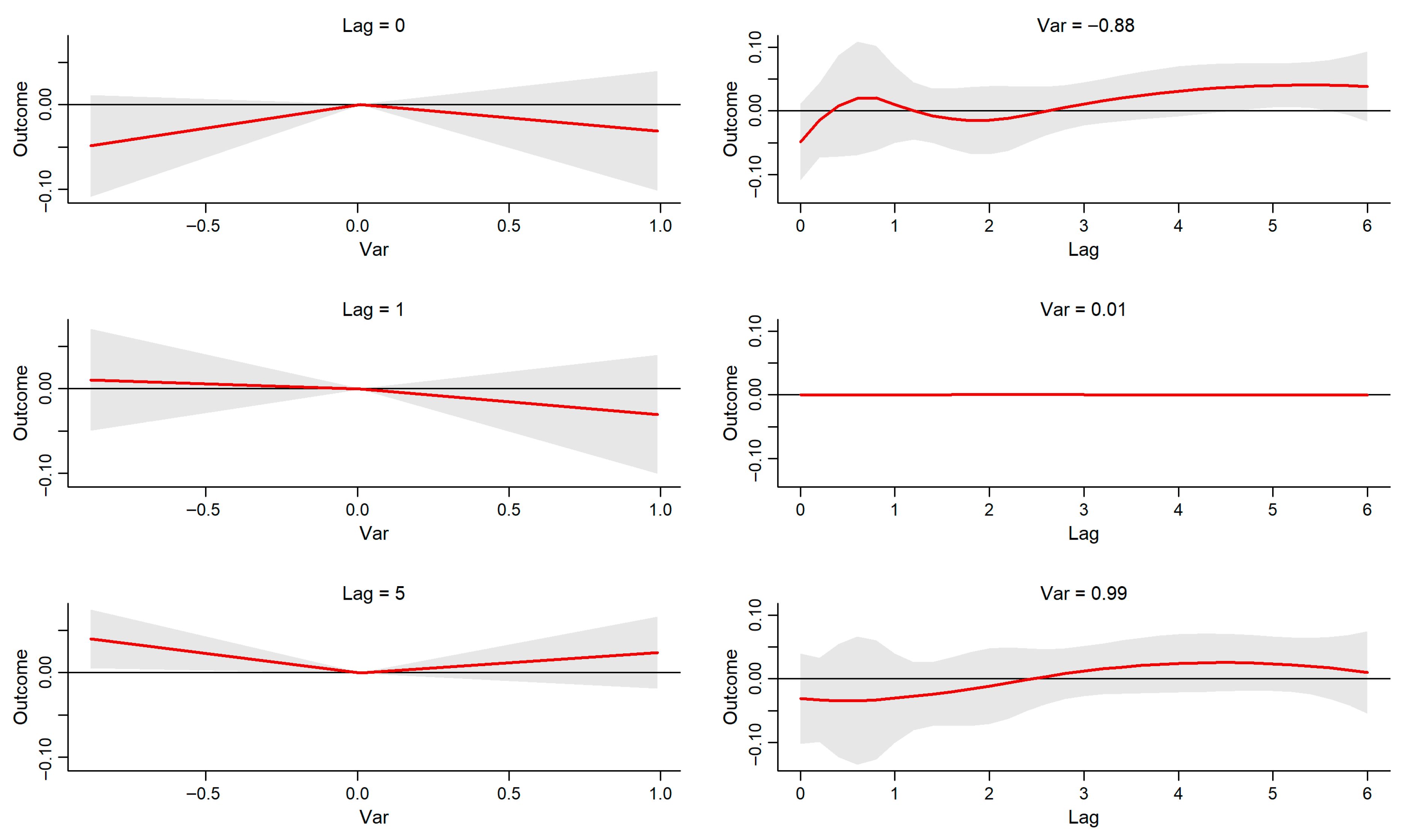
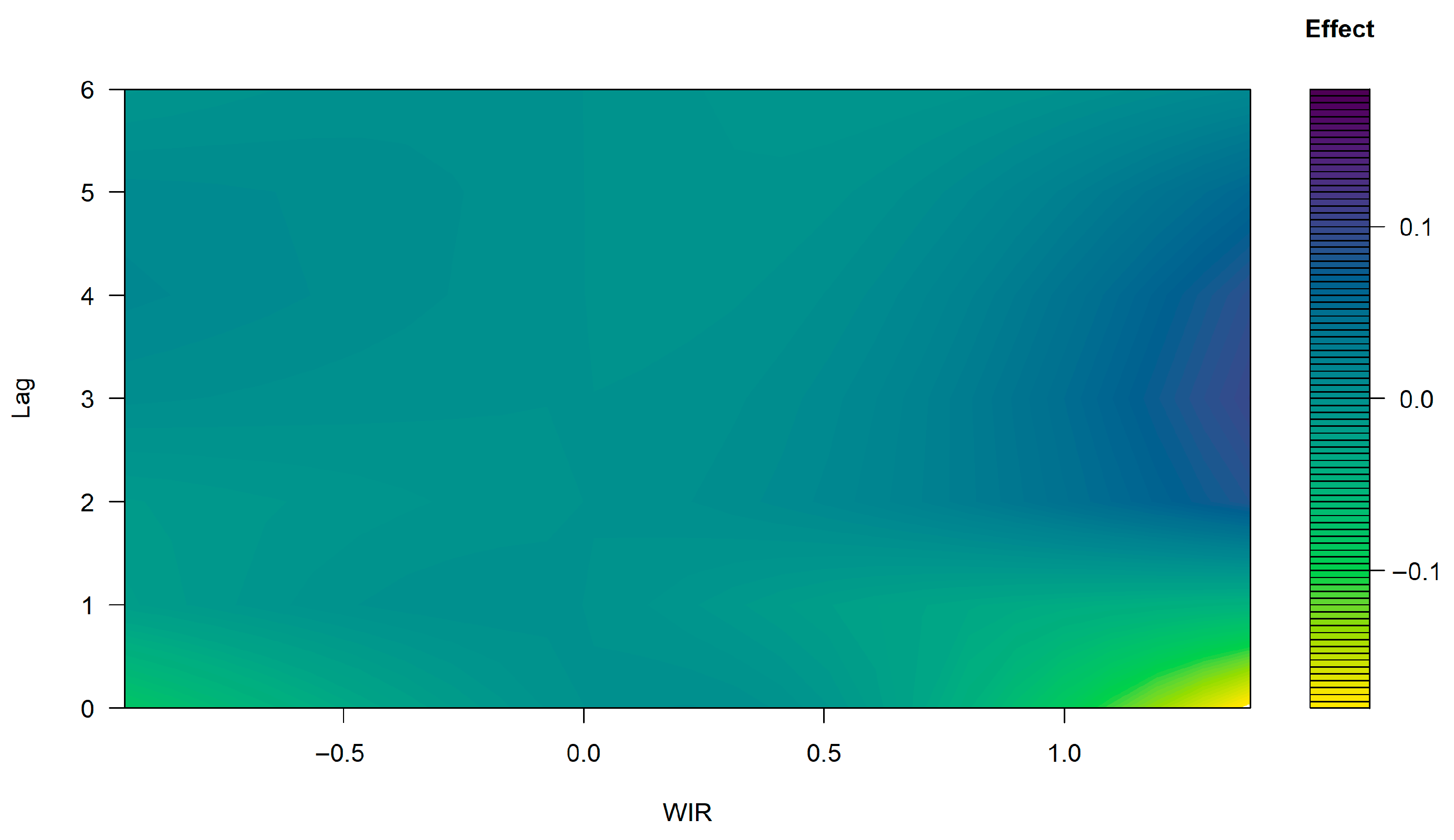
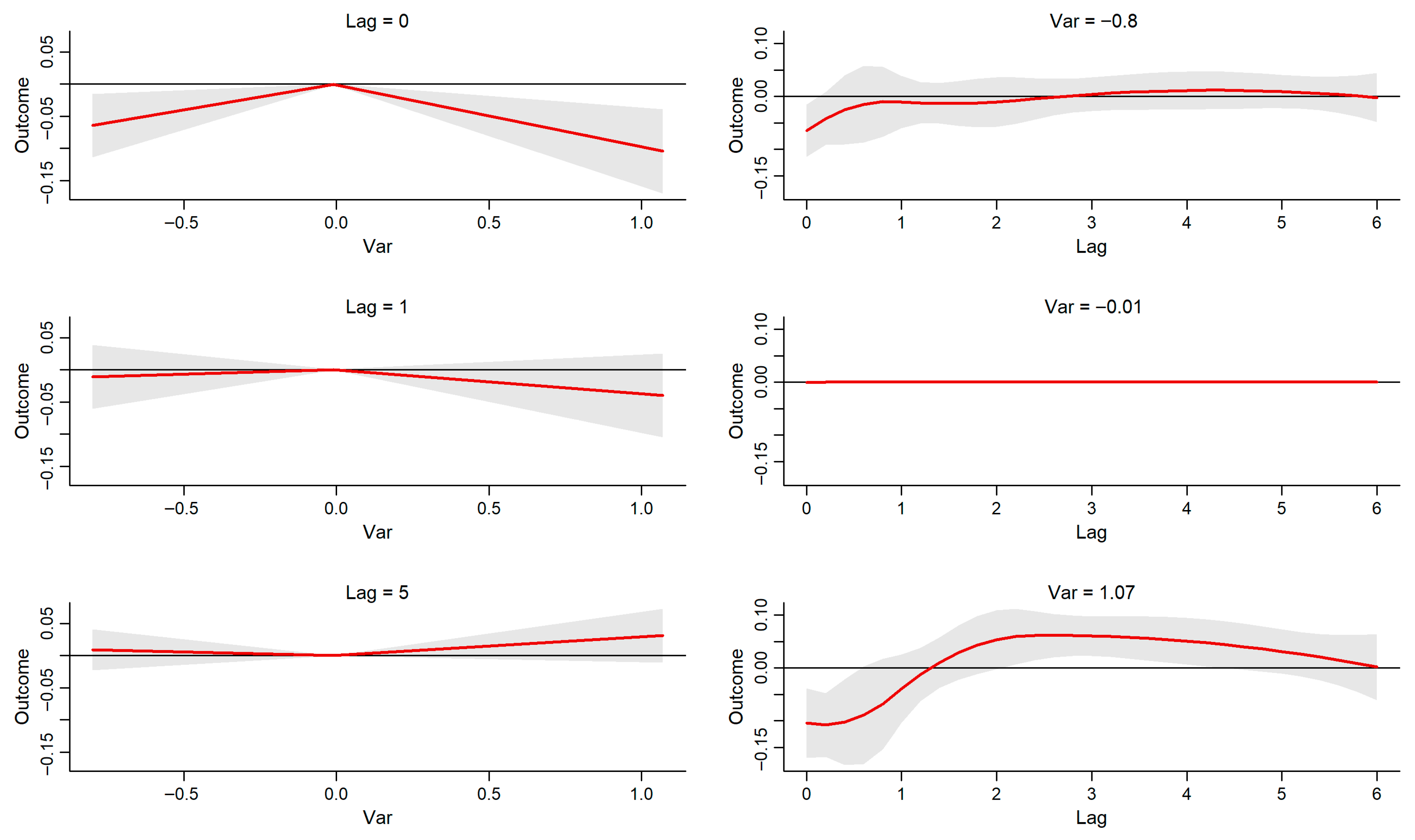
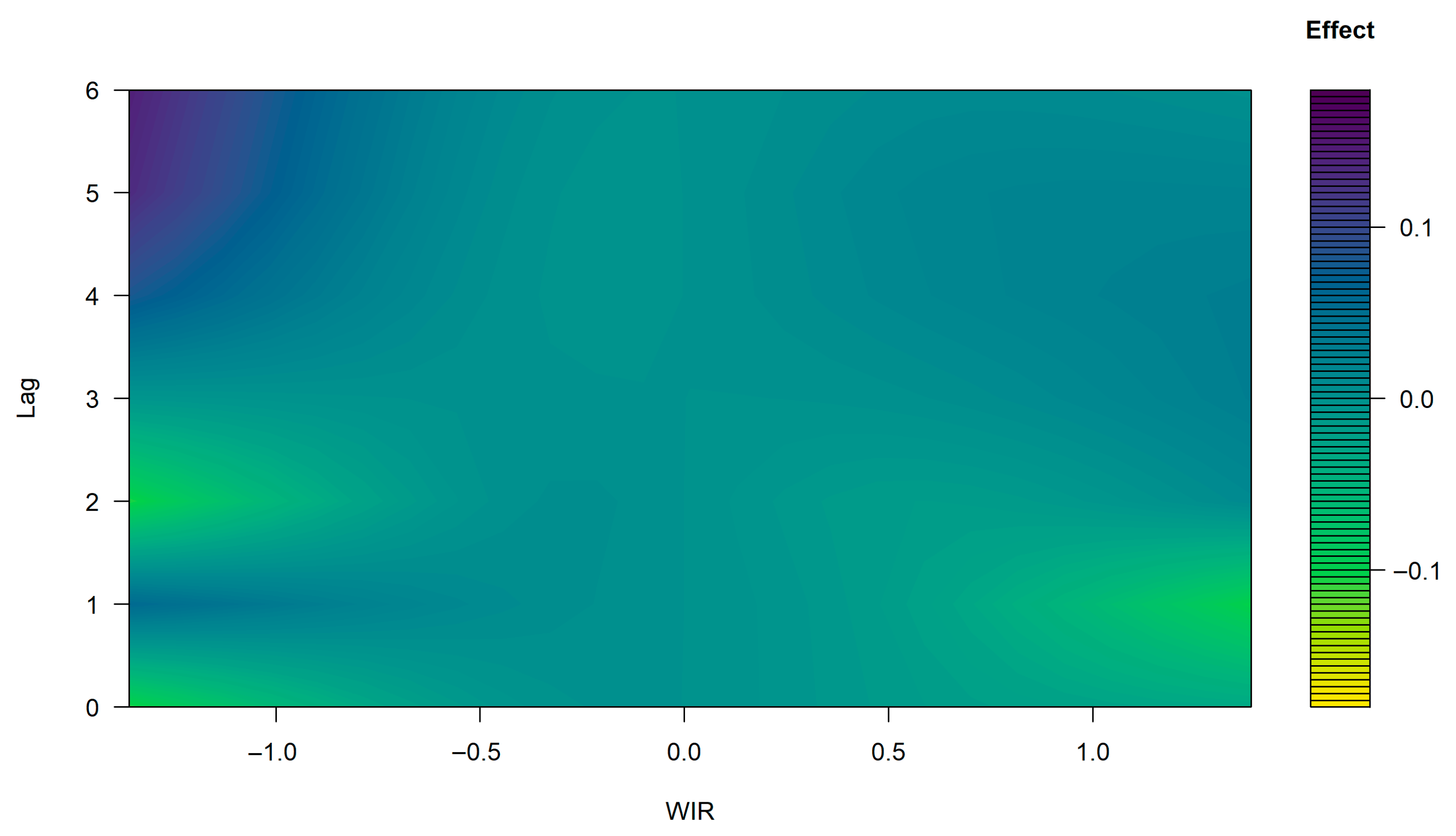
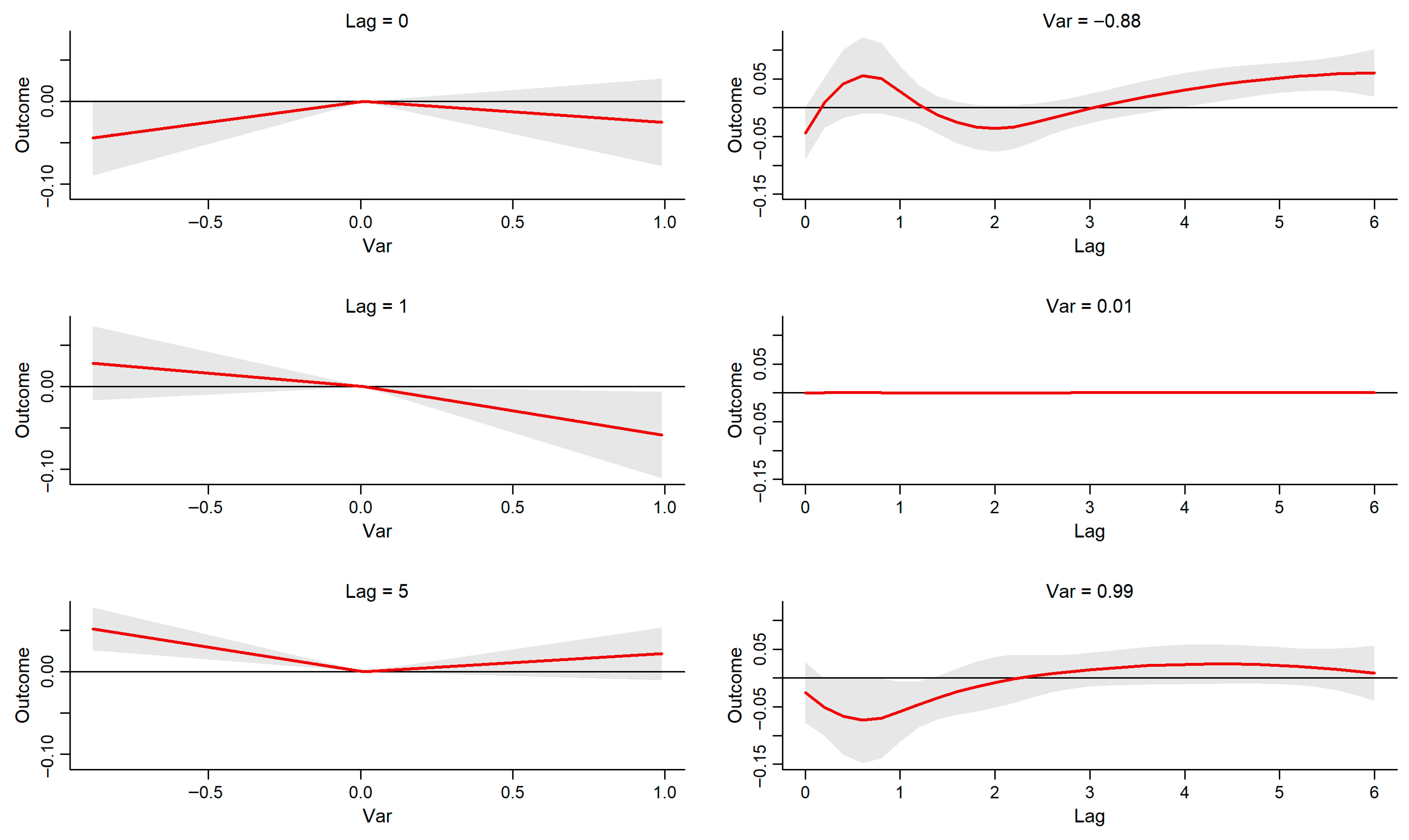
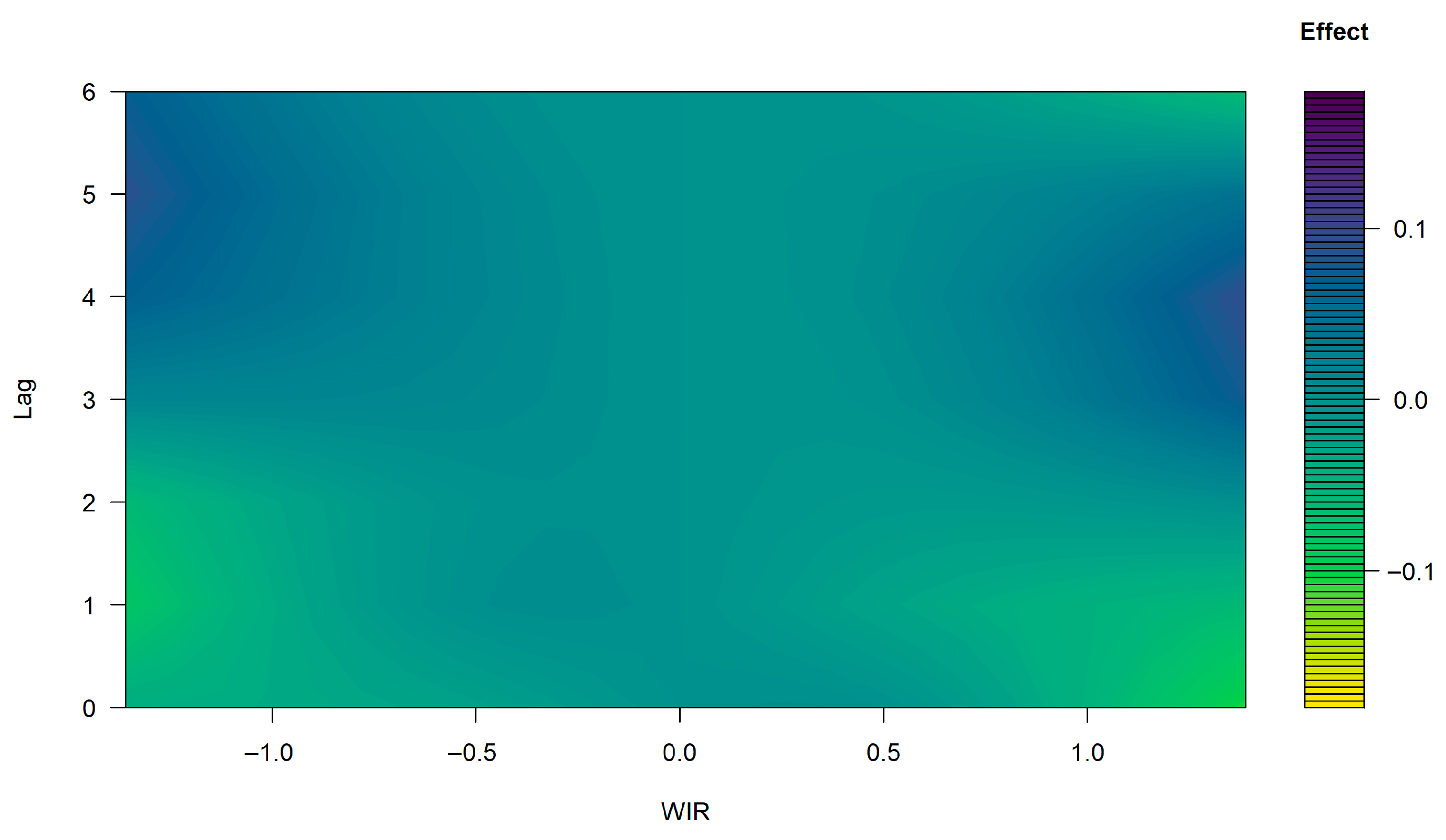
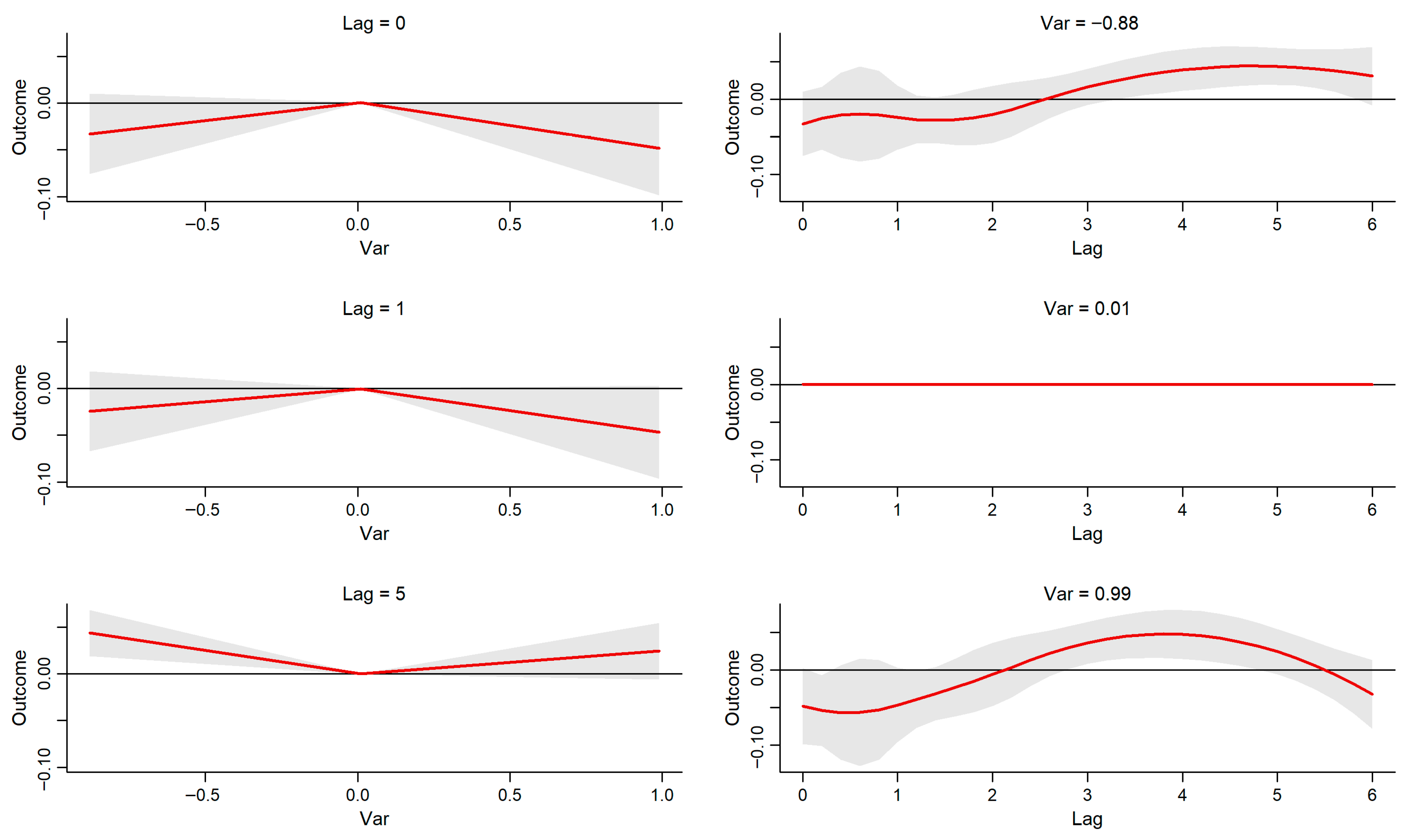
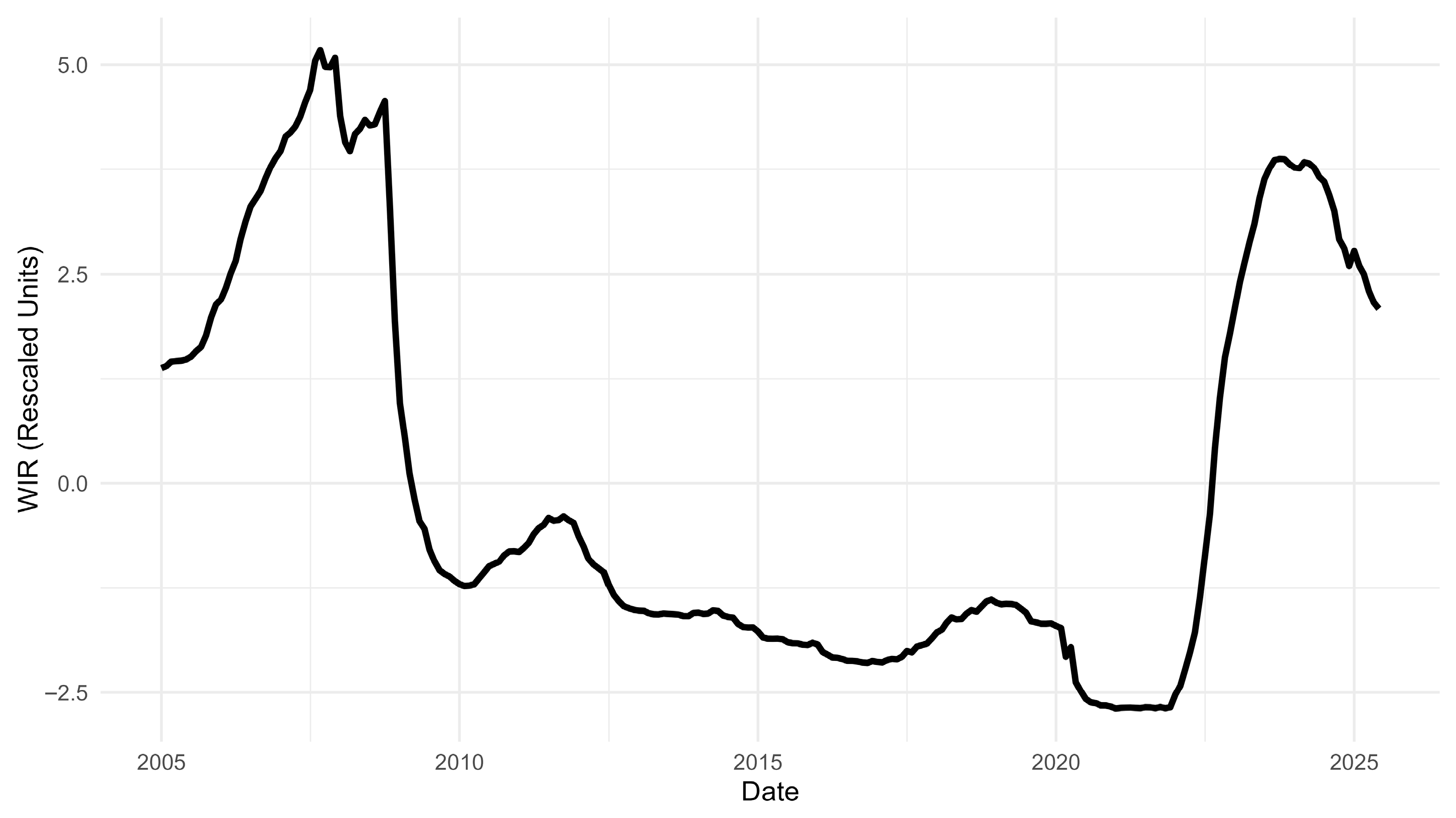
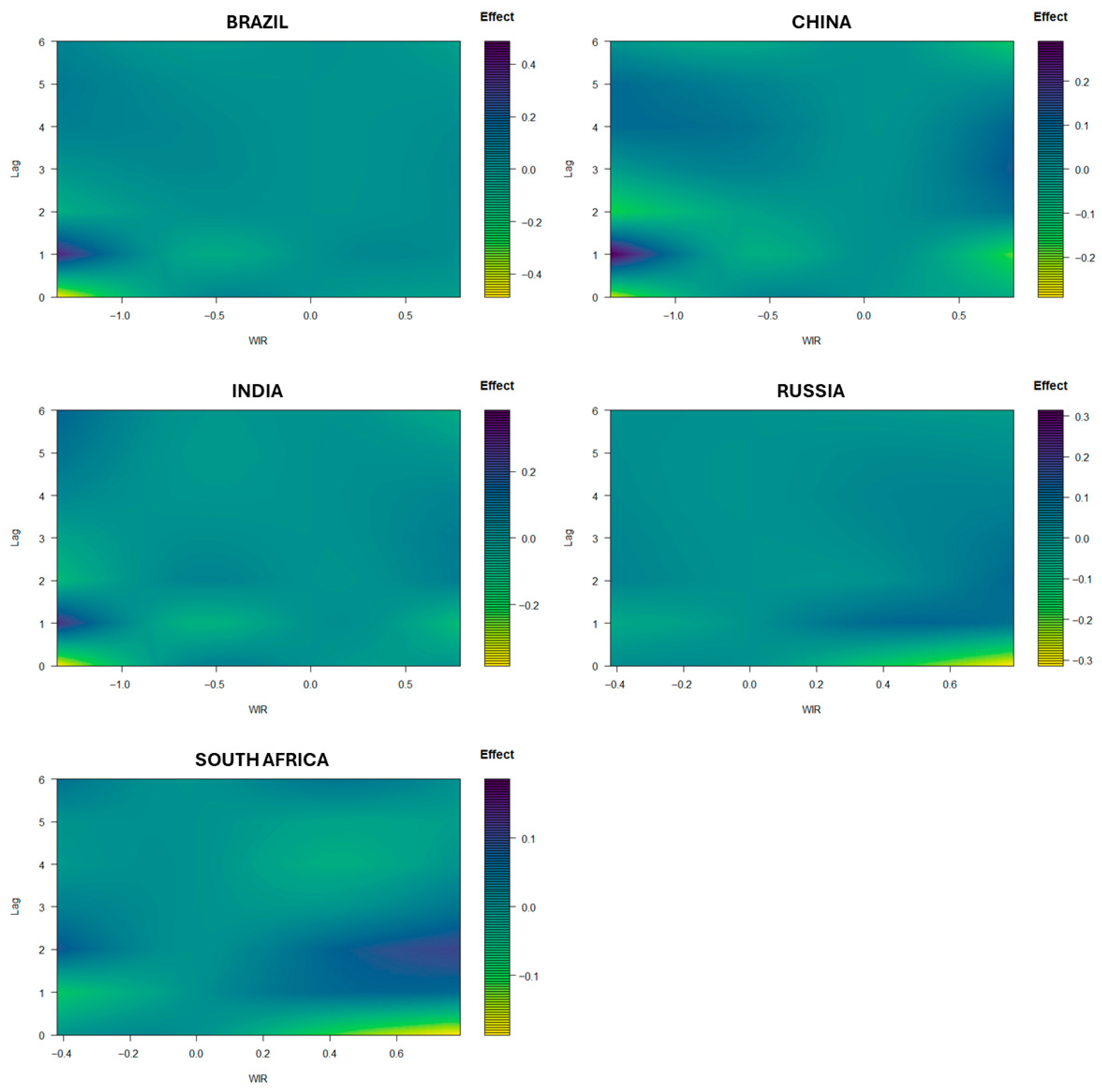
This study examines the dynamic and nonlinear effects of global interest rate (based on the G7 market) shocks on equity markets in BRICS countries. A World Interest Rate (WIR) index is constructed using principal component analysis of short-term interest rates from developed economies. The analysis applies Distributed Lag Nonlinear Models (DLNMs) to evaluate the temporal response of each market to positive and negative WIR shocks over a six-period horizon. The results reveal notable asymmetries and heterogeneity. Brazil and Russia experience stronger reactions to negative shocks, while India and China show milder or delayed effects. South Africa stands out for its persistent and symmetric sensitivity to both types of shocks, suggesting deeper exposure to global financial cycles. The DLNM framework allows for a nuanced interpretation of exposure-lag relationships, offering new insights into how global monetary conditions affect emerging markets. These findings highlight that financial integration does not imply uniform vulnerability across countries and that global liquidity shocks can trigger diverse equity market responses. This paper contributes to the literature on international financial linkages and provides relevant implications for investors and policymakers managing portfolio exposure or economic risk in emerging markets.
Keywords: Distributed Lag Nonlinear Models; global interest rates; financial spillovers; emerging markets; asymmetric effects Distributed Lag Nonlinear Models; global interest rates; financial spillovers; emerging markets; asymmetric effects