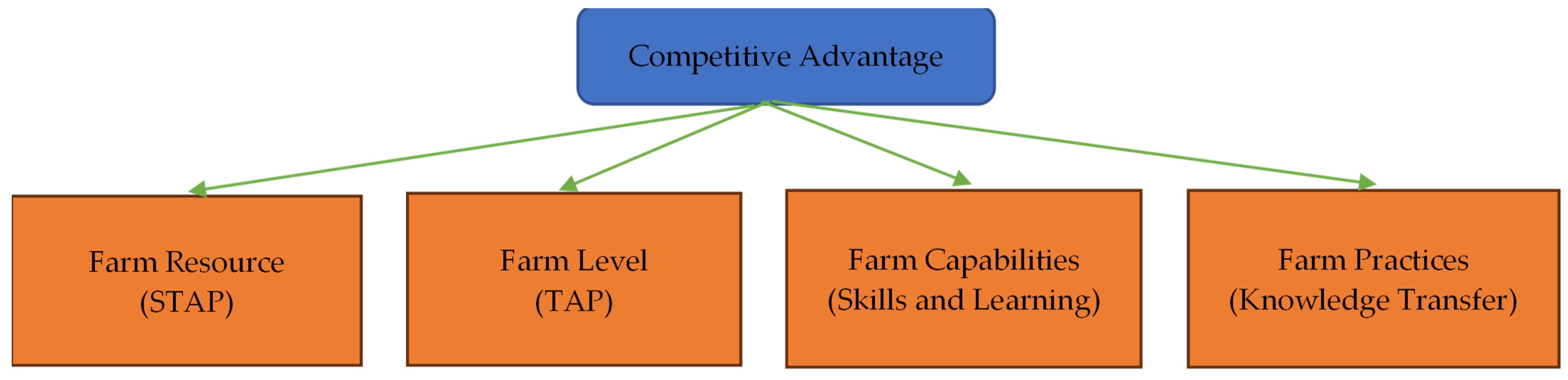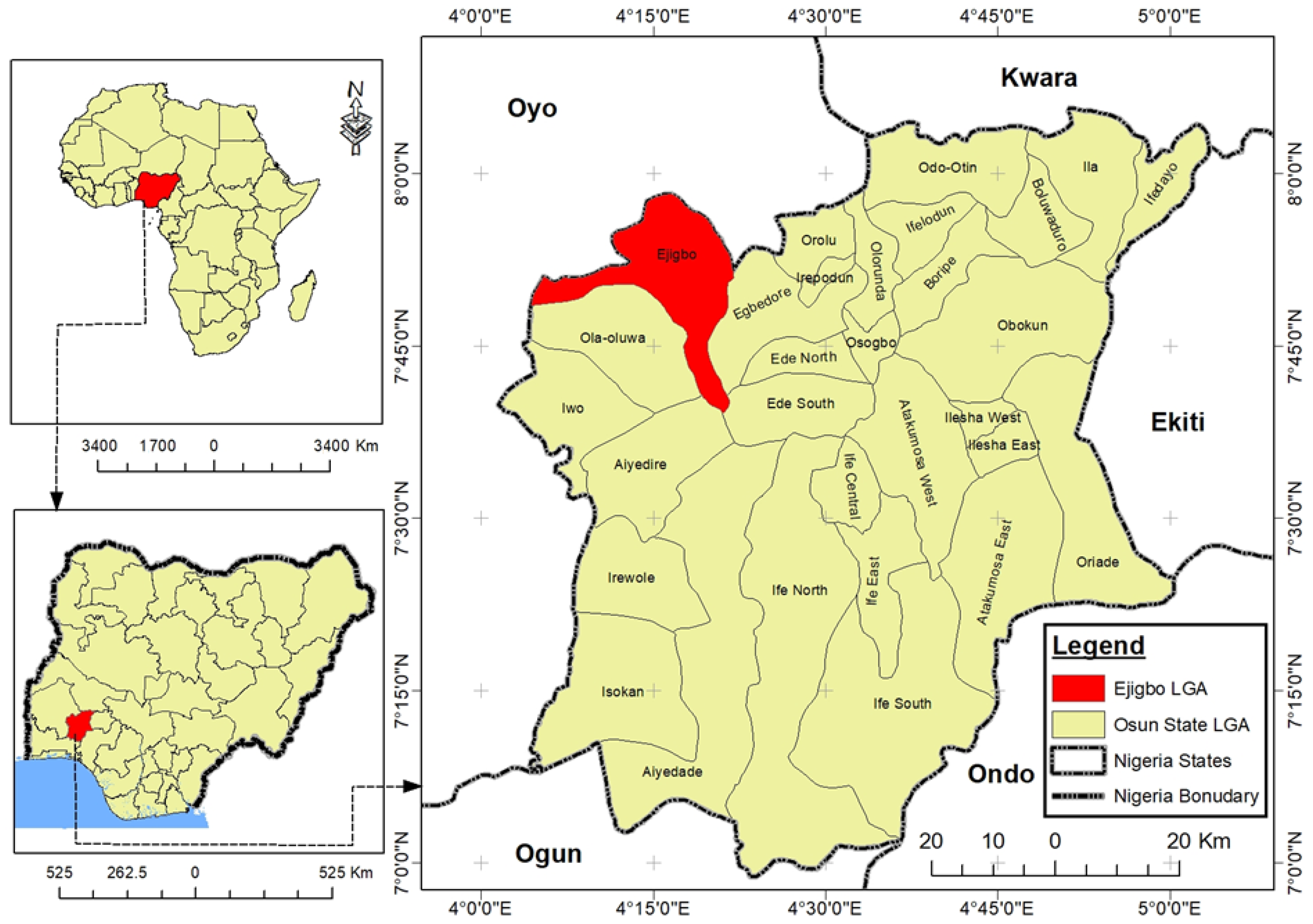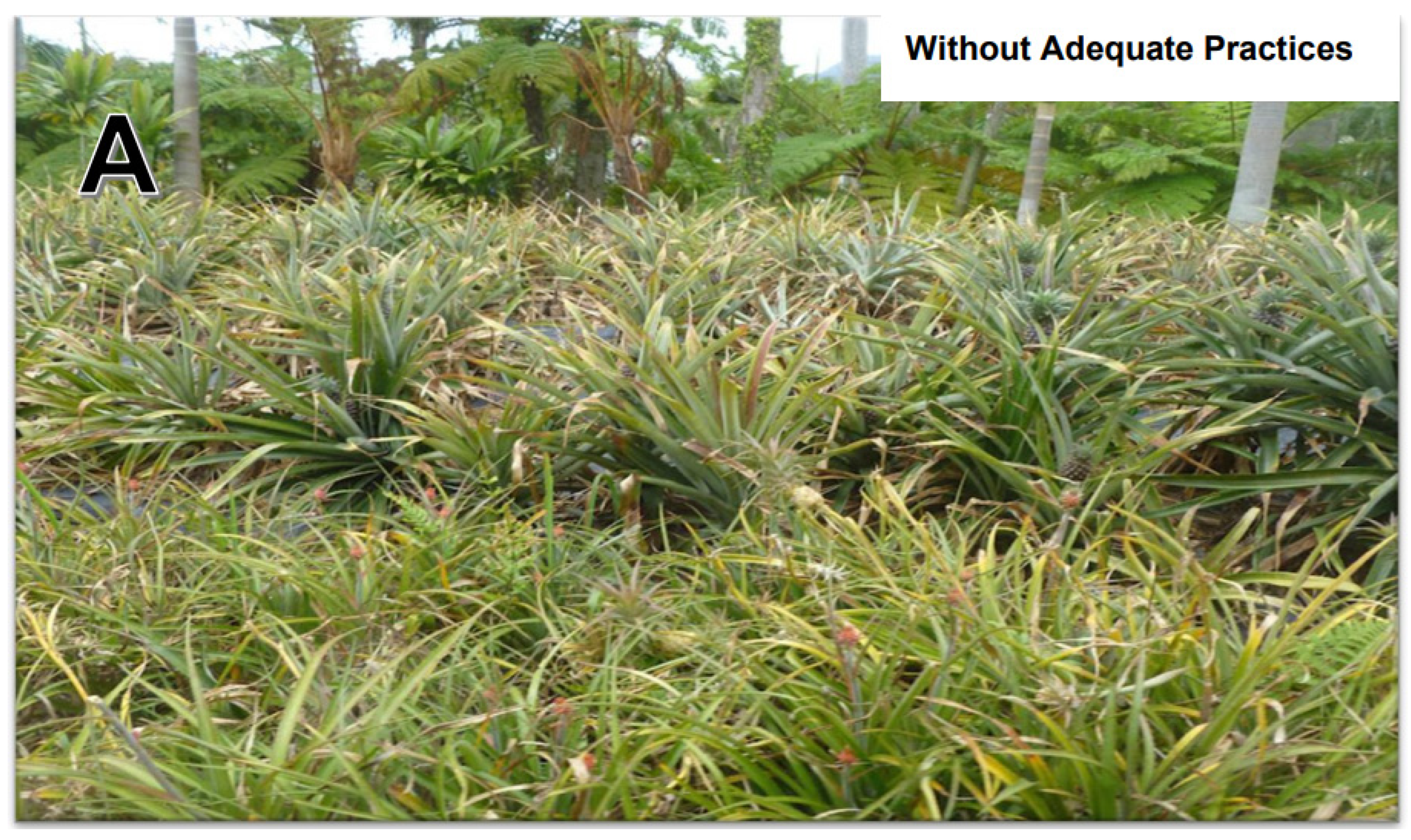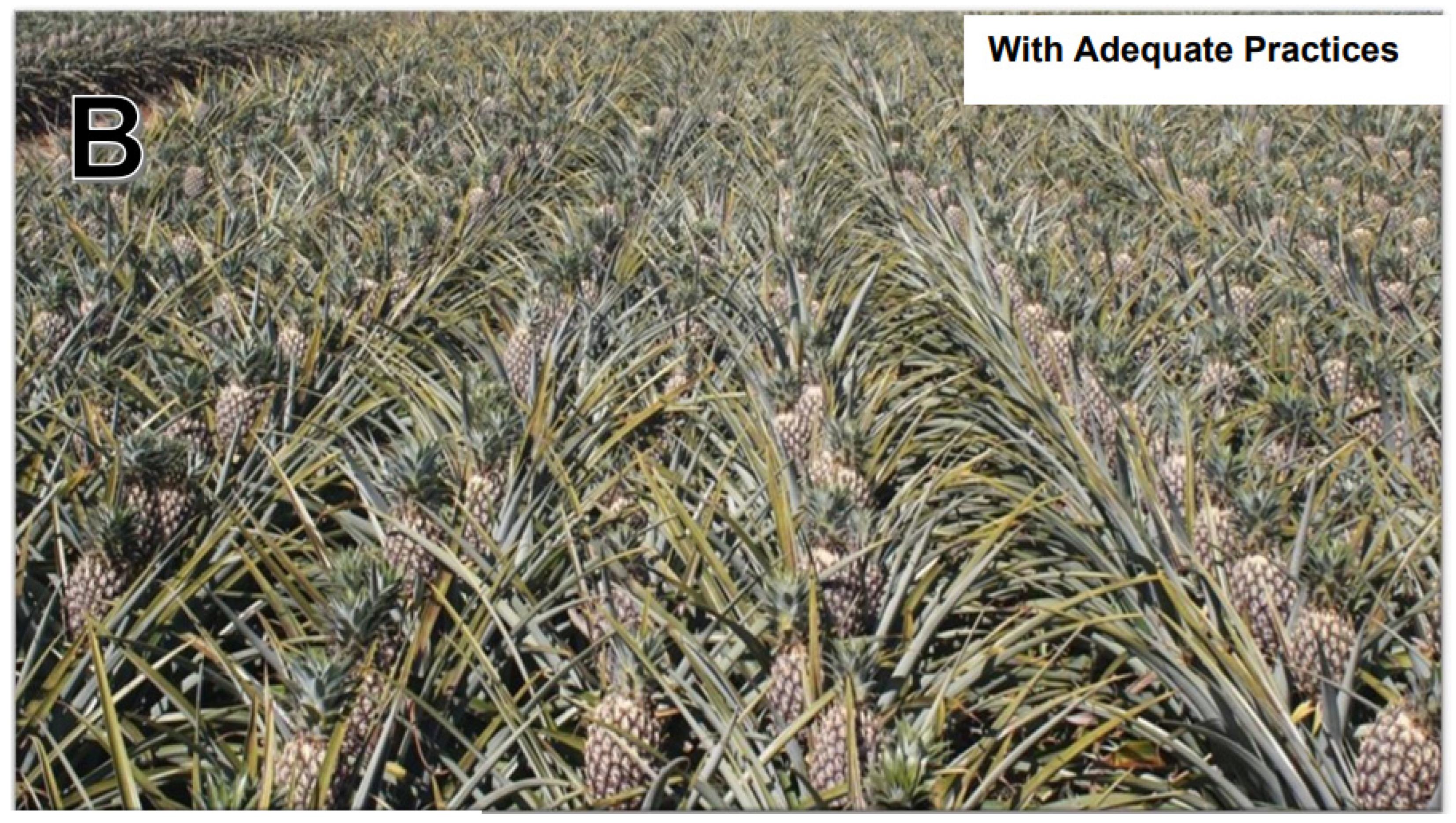
Article

Sustainable Technology Adoption as a Source of Competitive Advantage for Pineapple Production in Ejigbo, Nigeria


by
Moshood Olatunde Oladapo
1,*,
Moheeb Abualqumboz
2,
Lawrence M. Ngoe
1,
Abiodun Kolawole Oyetunji
3,4,5,
Chiemela Victor Amaechi
5,6,7,*,
Rasheed Bello
1 and
Ebube Charles Amaechi
8
1
Greater Manchester Business School, University of Bolton, Bolton BL1 1SW, UK
2
Department of Operations, Technology, Events and Hospitality Management, Manchester Metropolitan University, Manchester M15 6BH, UK
3
Department of Estate Management, University of Benin, Benin City 300287, Nigeria
4
Lancaster Environment Centre (LEC), Lancaster University, Lancaster LA1 4YQ, UK
5
Department of Construction Management, Global Banking School, Devonshire Street North, Manchester M12 6JH, UK
6
School of Engineering, Lancaster University, Bailrigg, Lancaster LA1 4YR, UK
7
Institute of Energy Infrastructure, Universiti Tenaga Nasional, Jalan IKRAM-UNITEN, Kajang 43000, Selangor, Malaysia
8
Department of Zoology, University of Ilorin, Ilorin 240003, Nigeria
*
Authors to whom correspondence should be addressed.
Economies 2023, 11(9), 222; https://doi.org/10.3390/economies11090222

Submission received: 14 April 2023 / Revised: 7 August 2023 / Accepted: 22 August 2023 / Published: 31 August 2023

Abstract

Adopting new technology as a strategic resource can result in a competitive edge in any market. However, a competitive advantage cannot be acquired in the production of horticultural goods without first embracing the practices that are inextricably linked to those goods. This paper investigates the adoption of farm practices in conjunction with technology transferred to farmers. Some research debates on competitive advantages have identified both resources and processes of production as sources of competitive advantage. The emphasis on the resource-based view and dynamic capability view stipulates that firms acquire competitiveness via internal resources and capabilities. However, there has not been much empirical exploration of horticultural production sustainability in this regard despite its sufficiently outstanding contribution to the gross domestic product in developing and developed economies. It specifically discusses how Technology Adoption Practices (TAP) could lead to a competitive advantage in horticulture with particular reference to the production of pineapple fruit in Ejigbo, Nigeria. From the angle of professional practice; the study provides an insight into how farmers strive to suggest solutions to practical challenges faced within the production process. Therefore, it is essential to have practices in place for the adoption of sustainable technology. The outcomes of the study generate two different storylines and demonstrate that attributing factors as well as reinforcing capabilities both boost competitiveness at the farm level and enhance the farmers’ desire for farming pineapples. Pineapple farmers in Ejigbo employ a differentiation approach to gain a competitive advantage in their agro-farming industry. This could lead to an increase in the volume of fresh pineapple products that are exported.
Keywords: competitive advantage; economy; cash crop; farm practice; innovation; agriculture; farm resources; capability; technology adoption practice; sustainability; pineapple farm; agro-farm competitive advantage; economy; cash crop; farm practice; innovation; agriculture; farm resources; capability; technology adoption practice; sustainability; pineapple farm; agro-farm