Article

Static and Dynamic Analysis of a Novel Quasi-Zero-Stiffness Vibration Isolator Based on Flexural–Torsional Buckling


1
School of Resources and Safety Engineering, Central South University, Changsha 410083, China
2
Qinzhou Urban & Rural Planning and Design Institute Co., Ltd., Qinzhou 535008, China
*
Author to whom correspondence should be addressed.
Technologies 2026, 14(6), 330; https://doi.org/10.3390/technologies14060330

Submission received: 25 April 2026 / Revised: 15 May 2026 / Accepted: 21 May 2026 / Published: 28 May 2026
(This article belongs to the Section Construction Technologies)

Abstract

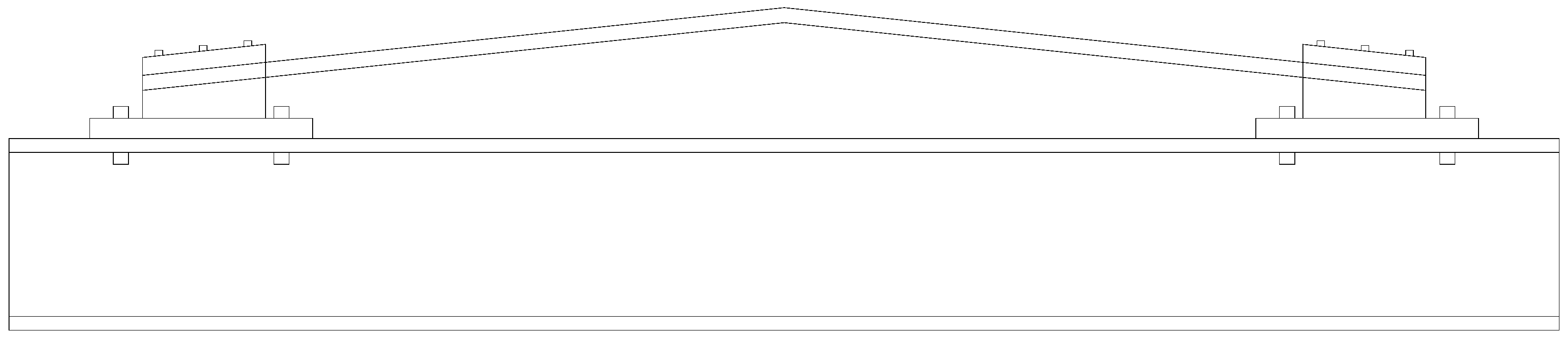
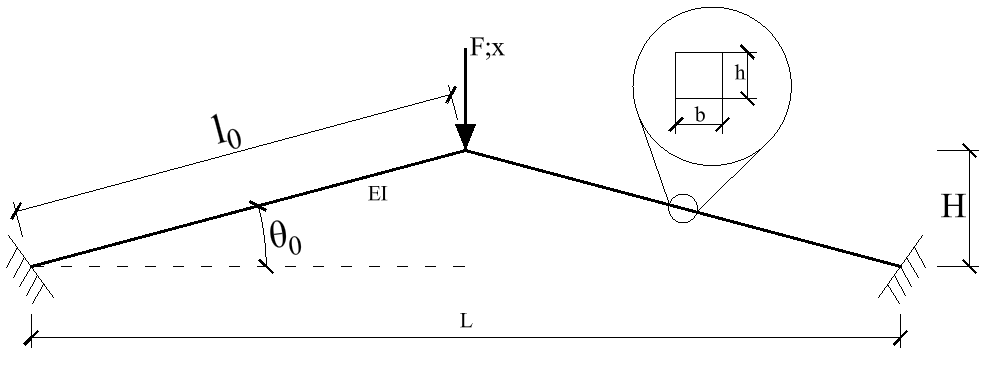
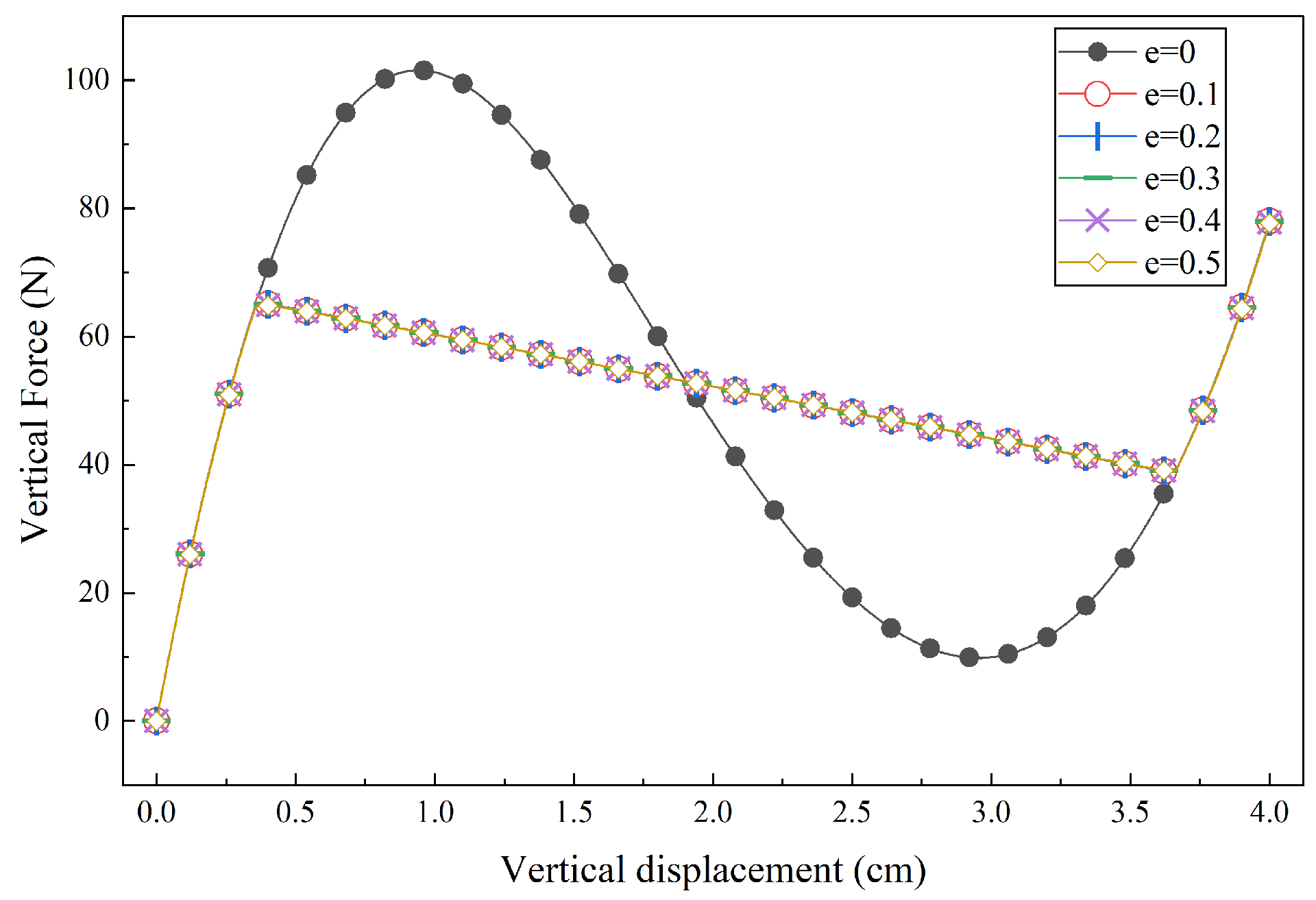
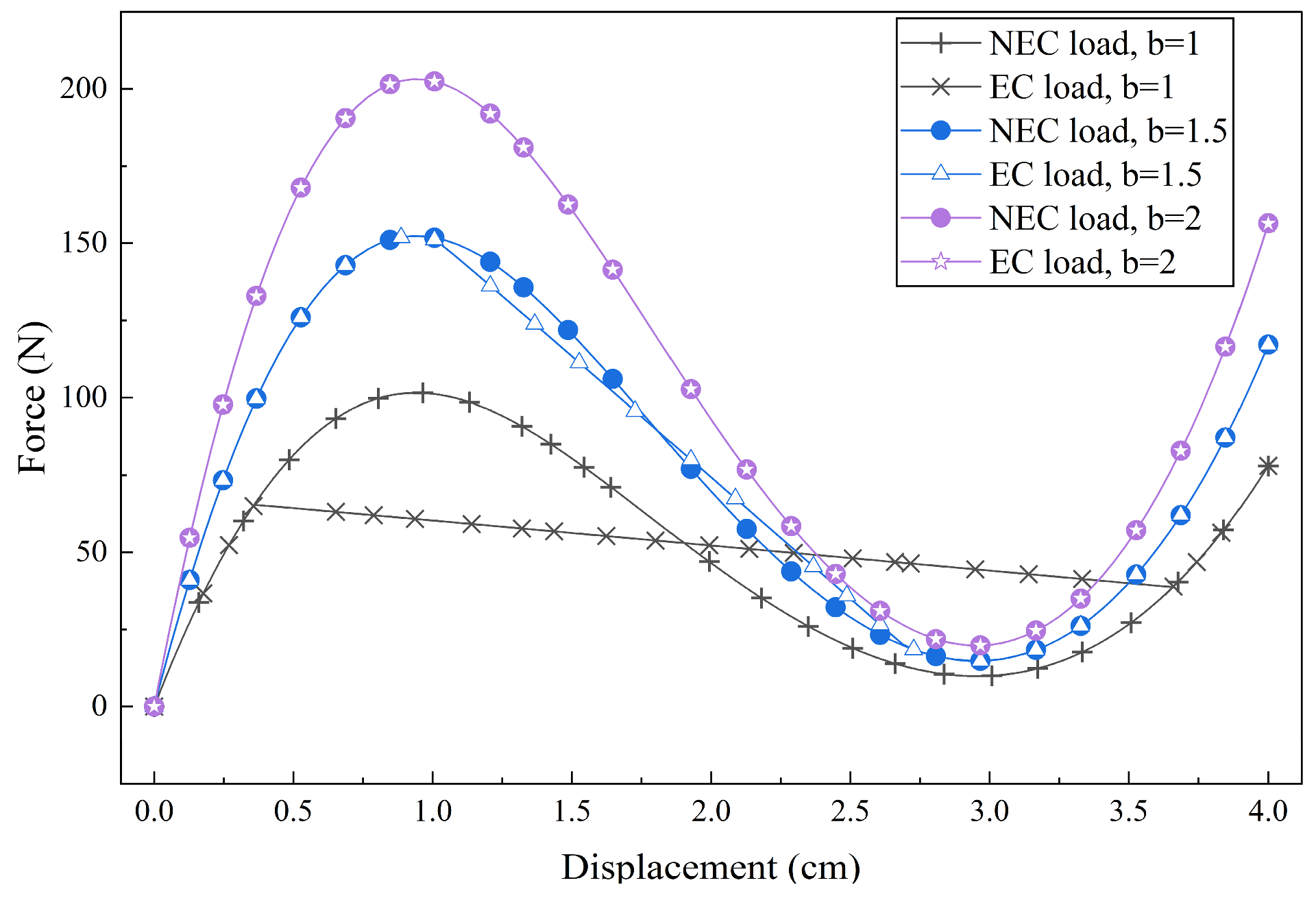
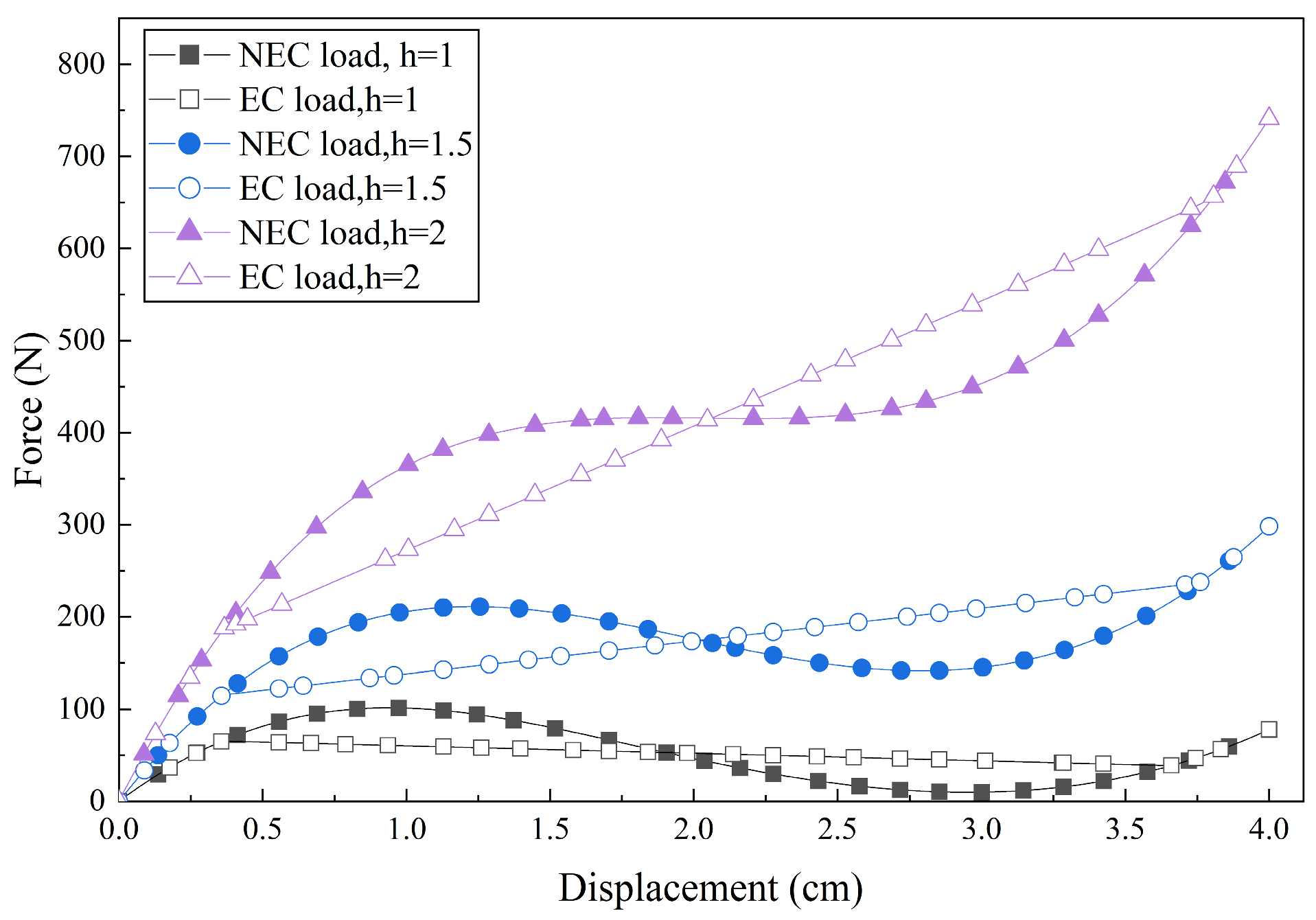
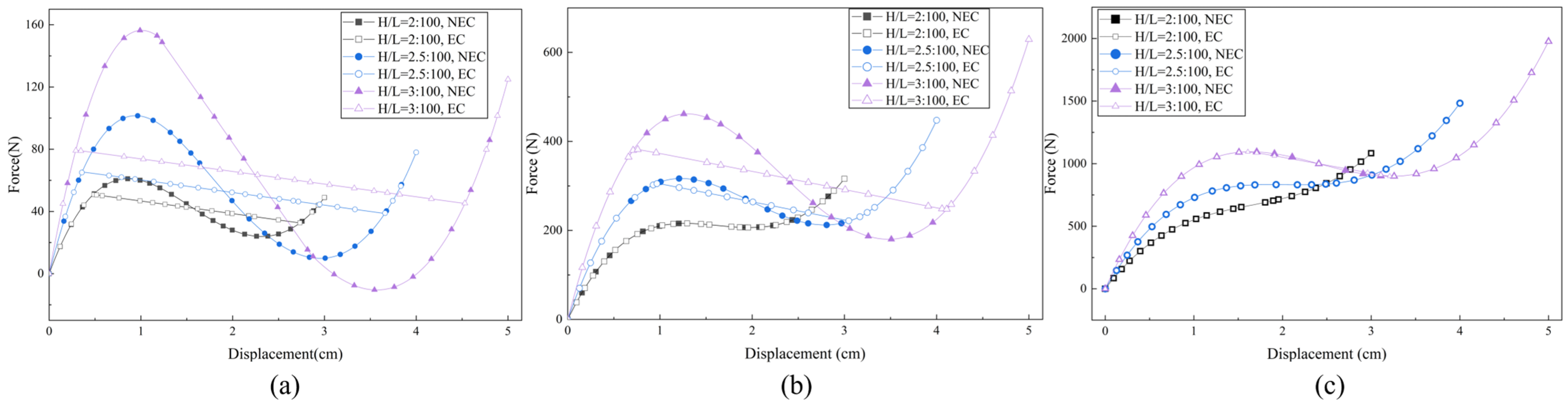
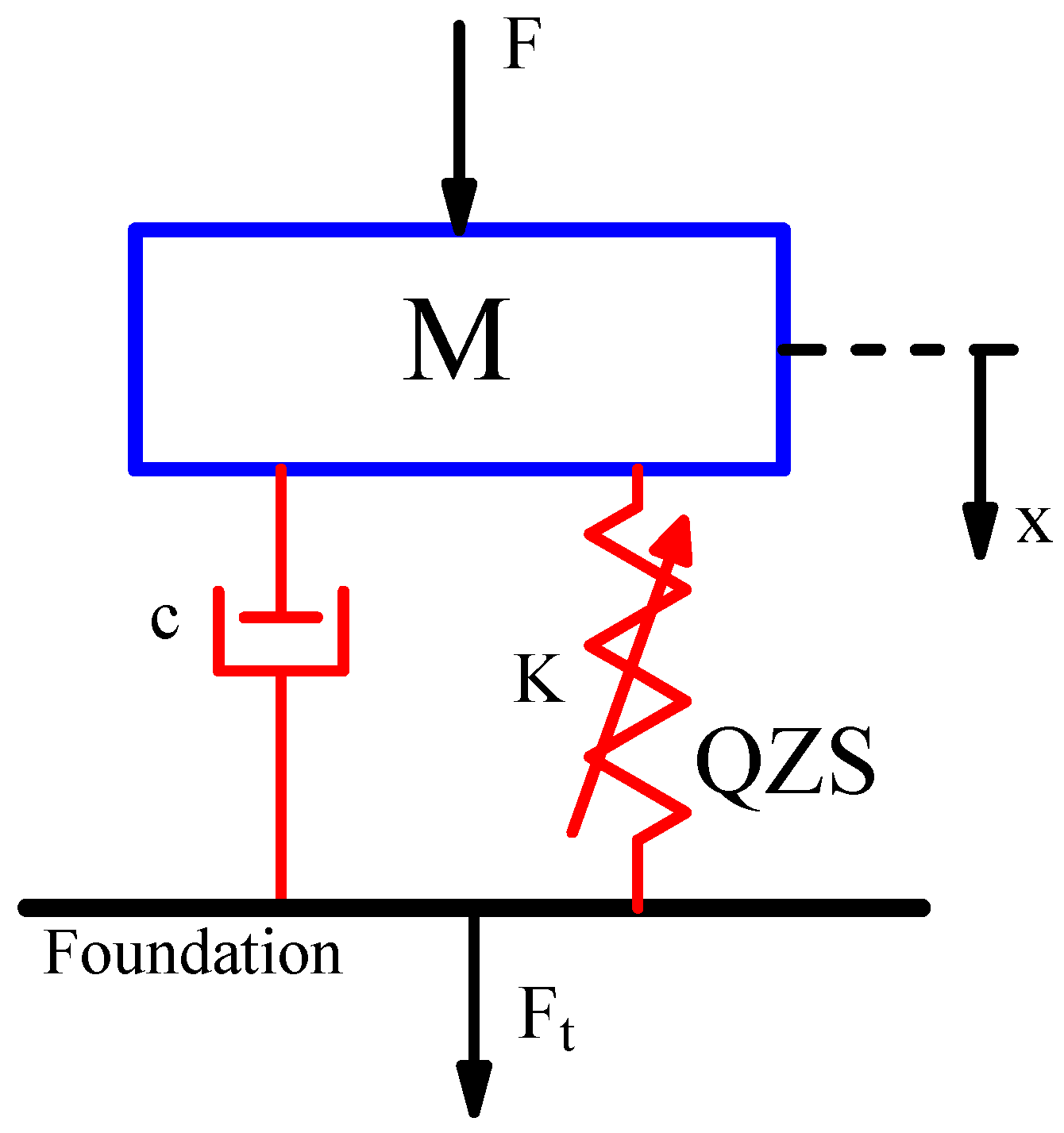
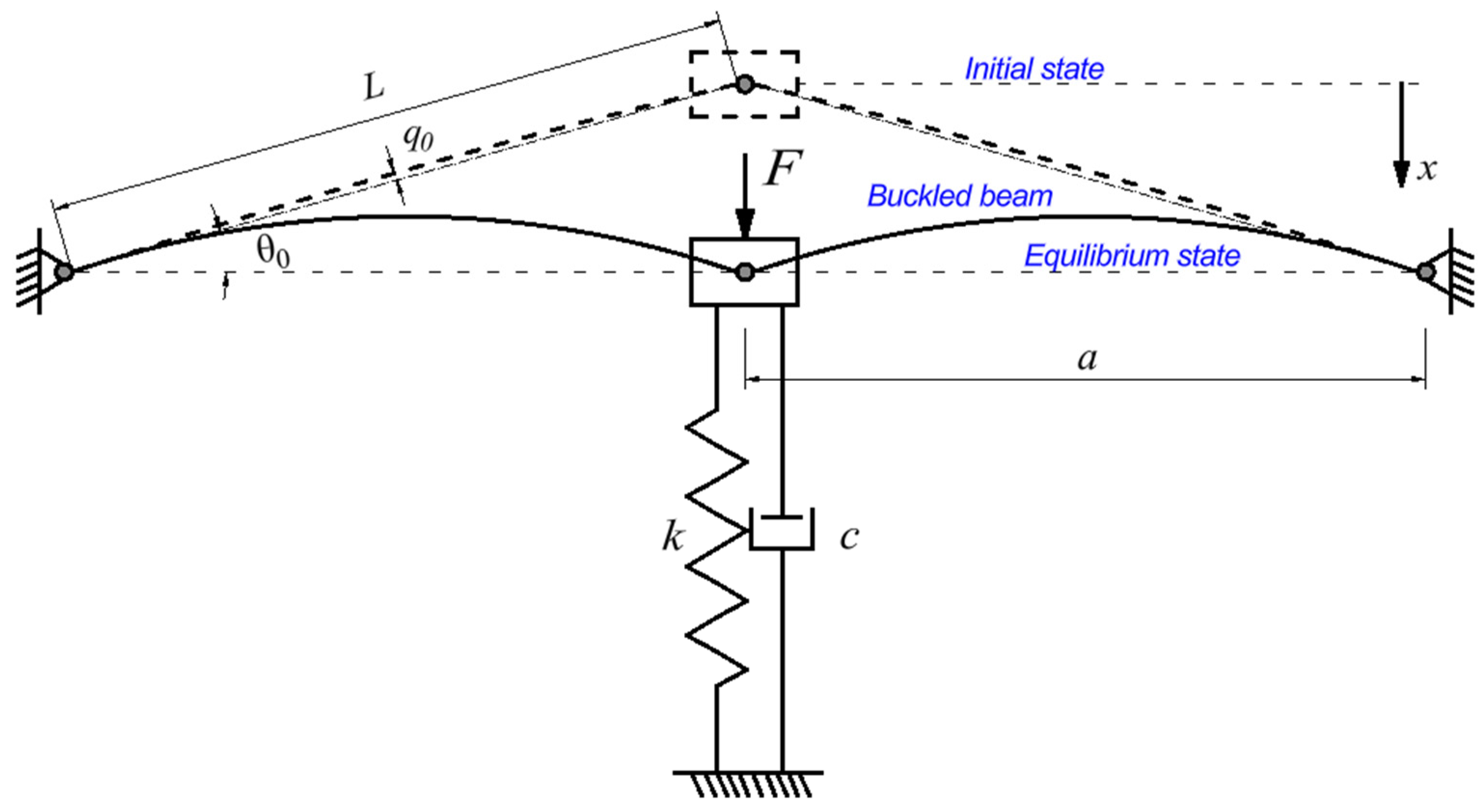
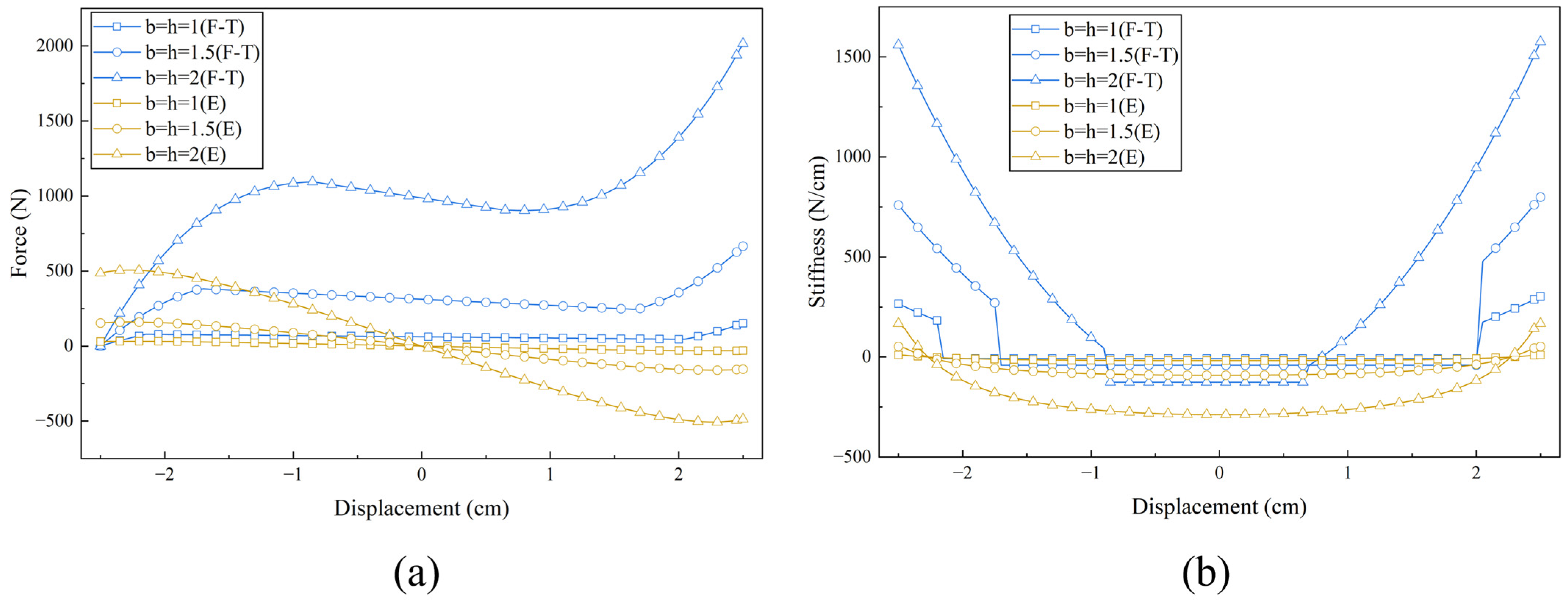
Quasi-zero stiffness (QZS) isolators provide excellent vibration isolation performance at low frequency. This paper presents an innovative flexural–torsional buckling QZS isolator, which depends on its linear negative stiffness to provide a more stable dynamic response than other QZS isolators. First, the force and stiffness characteristics of the flexural–torsional buckling toggle under vertical load are simulated, and it is proposed that they can be fitted with a piecewise function and its derivative. Next, the cross-sectional dimensions, and height-to-span ratios are discussed to determine their contributions to the static characteristics. Then the dynamic model of the QZS isolator is established and analyzed by a harmonic balanced method and the solutions are validated by numerical analysis. Finally, the comparison with an ordinary QZS isolator shows that the advantages of the proposed isolator are the linear negative stiffness and a certain load-bearing capacity at equilibrium position rather than the zero capacity of common isolators. The static characteristics of the proposed QZS isolator indicate that the negative stiffness is significantly influenced by the cross-sectional width, with the slope k increasing by 8.6 times as the width increases from 1 cm to 1.5 cm. The proposed mechanism exhibits an approximately linear negative stiffness with a maximum static bearing capacity of about 1000 N at the equilibrium position, contrasting with the nonlinear, non-capable negative stiffness of the ordinary Euler buckled beam model. The dynamic characteristics demonstrate excellent performance, operating effectively with ultra-low transmissibility. This study provides an innovative negative stiffness mechanism and a corresponding isolator based on flexural–torsional buckling, offering a potential solution for a wide range of large-scale engineering vibration problems.
Keywords: flexural-torsional buckling; approximately linear negative stiffness; quasi-zero-stiffness; vibration isolation; toggle frame flexural-torsional buckling; approximately linear negative stiffness; quasi-zero-stiffness; vibration isolation; toggle frame