Article

Transcriptional and Biochemical Characterization of Cytosolic Pyruvate Kinases in Arabidopsis thaliana

Institute for Plant Sciences, University of Cologne, Zülpicherstraße 47b, 50674 Cologne, Germany
*
Author to whom correspondence should be addressed.
These authors are equally contributed.
Plants 2020, 9(3), 353; https://doi.org/10.3390/plants9030353
Submission received: 19 February 2020 / Revised: 7 March 2020 / Accepted: 9 March 2020 / Published: 11 March 2020
(This article belongs to the Special Issue Regulation of Central Carbon and Amino Acid Metabolism in Plants)

Abstract

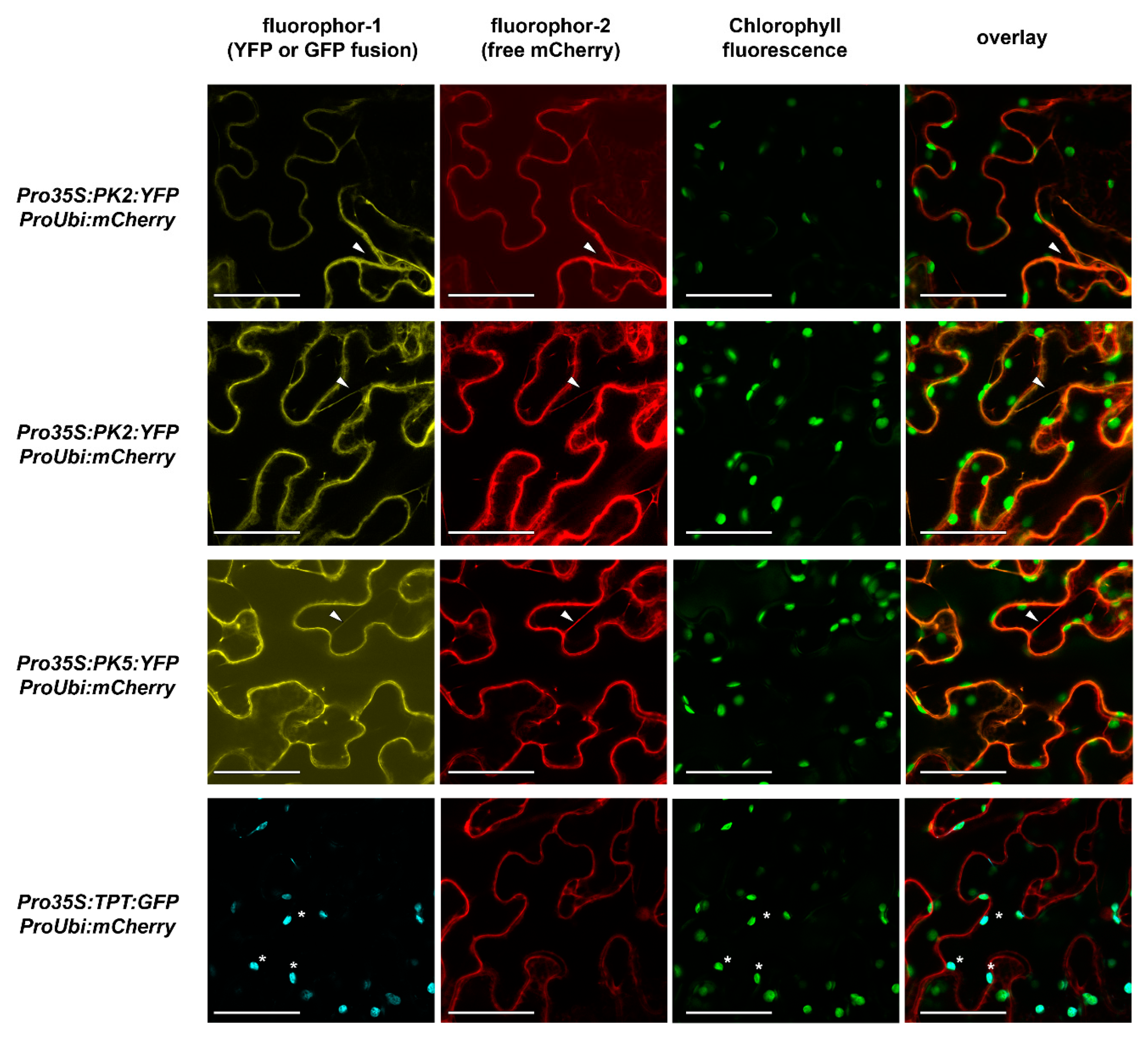
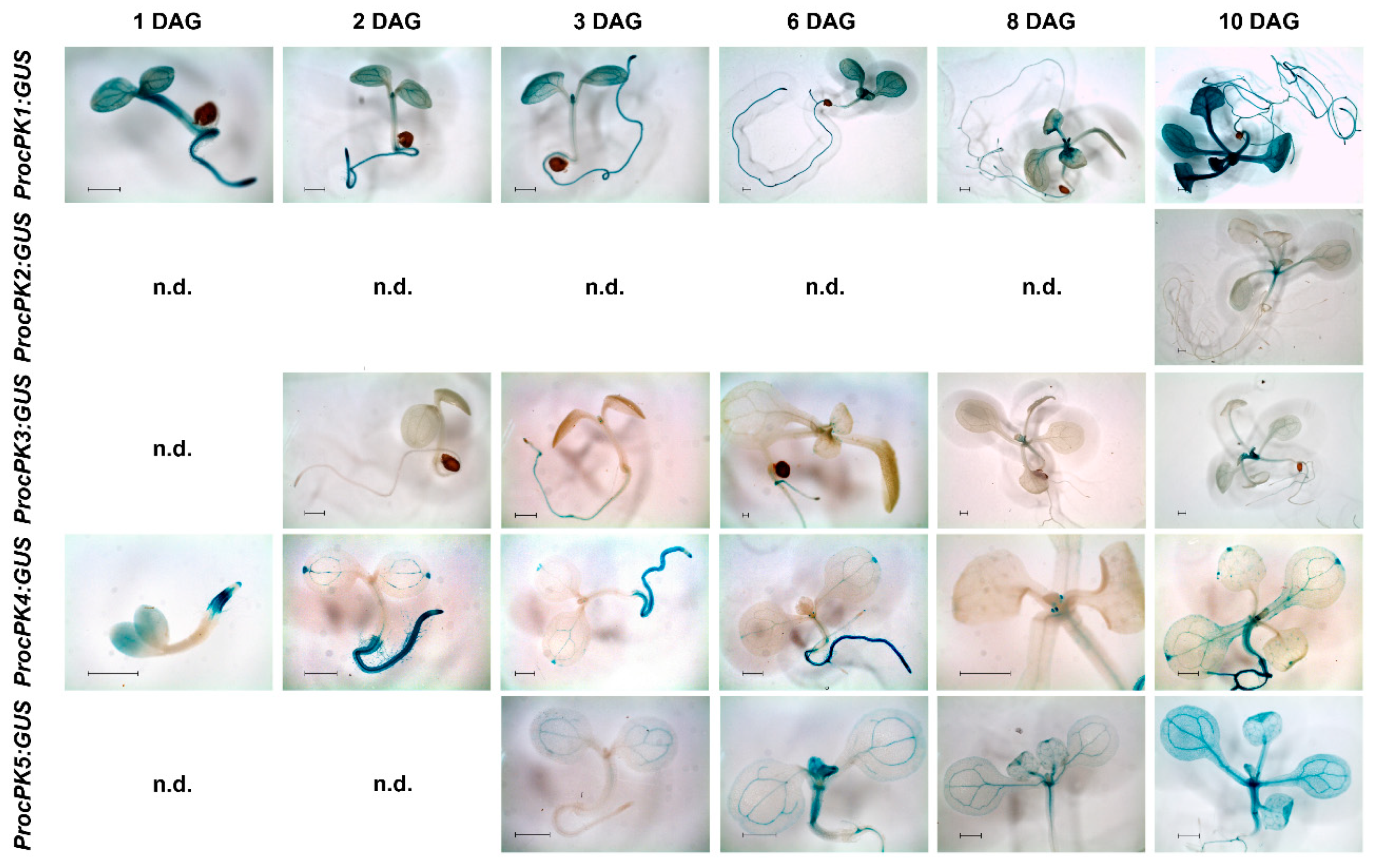
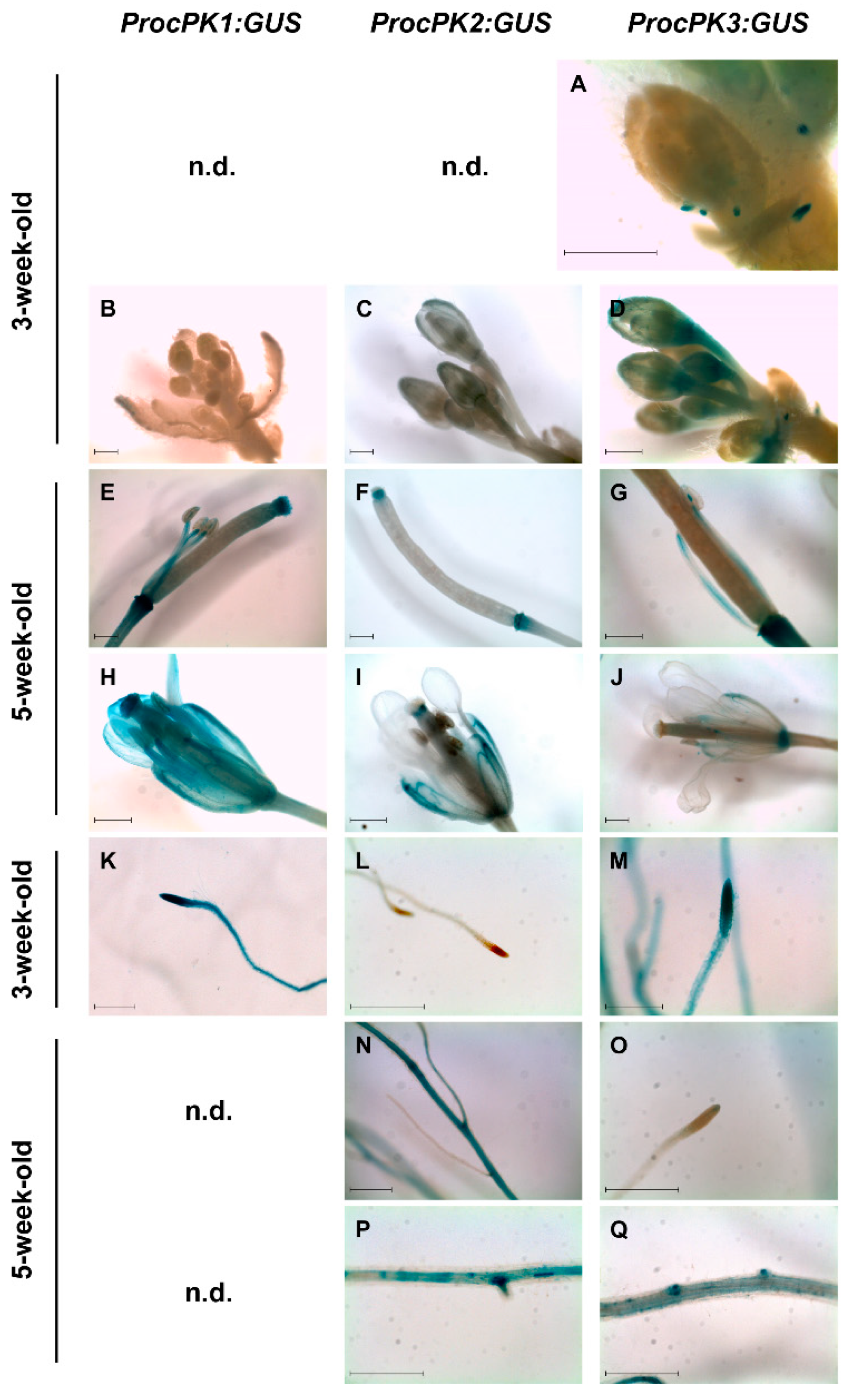
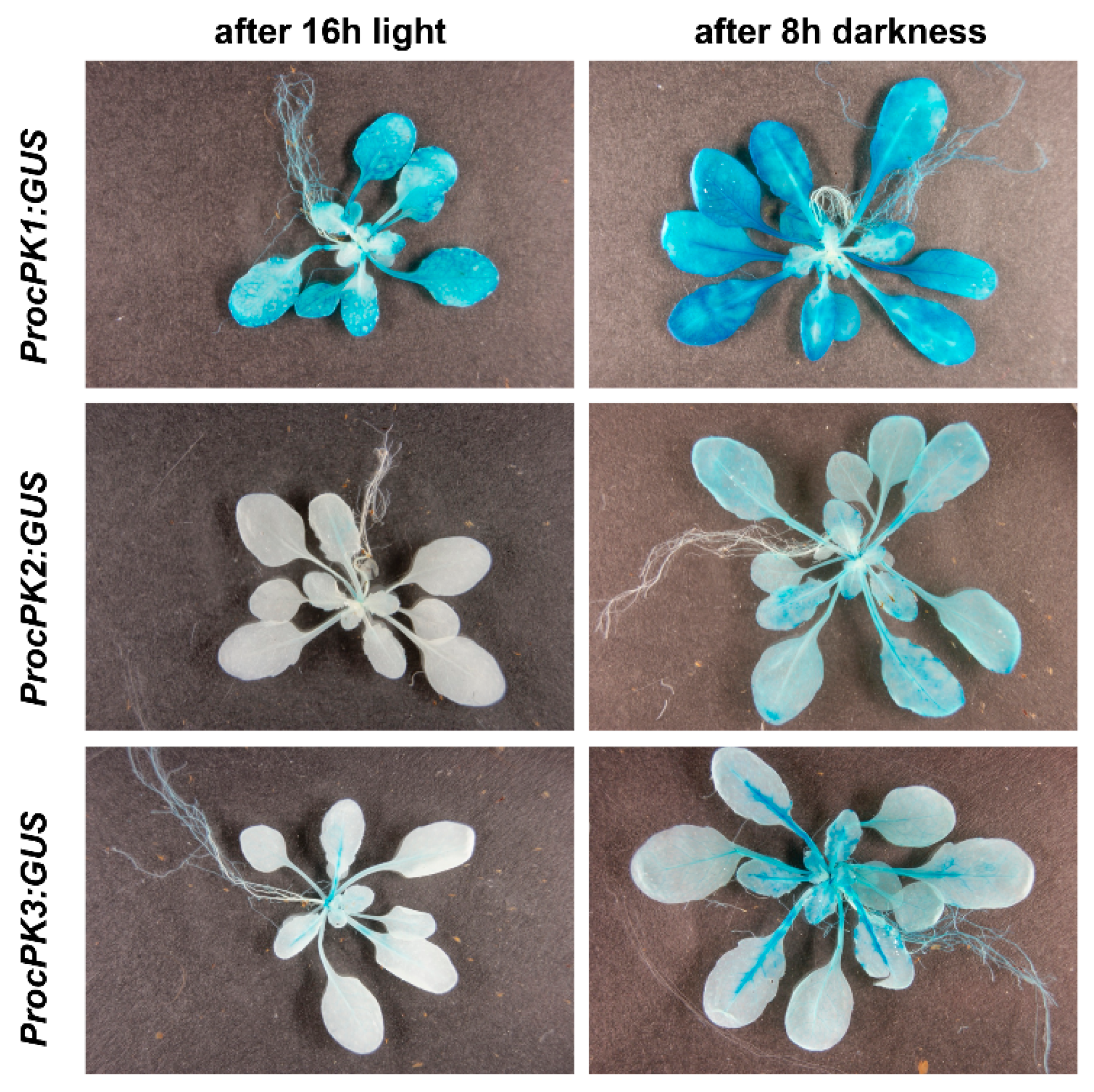
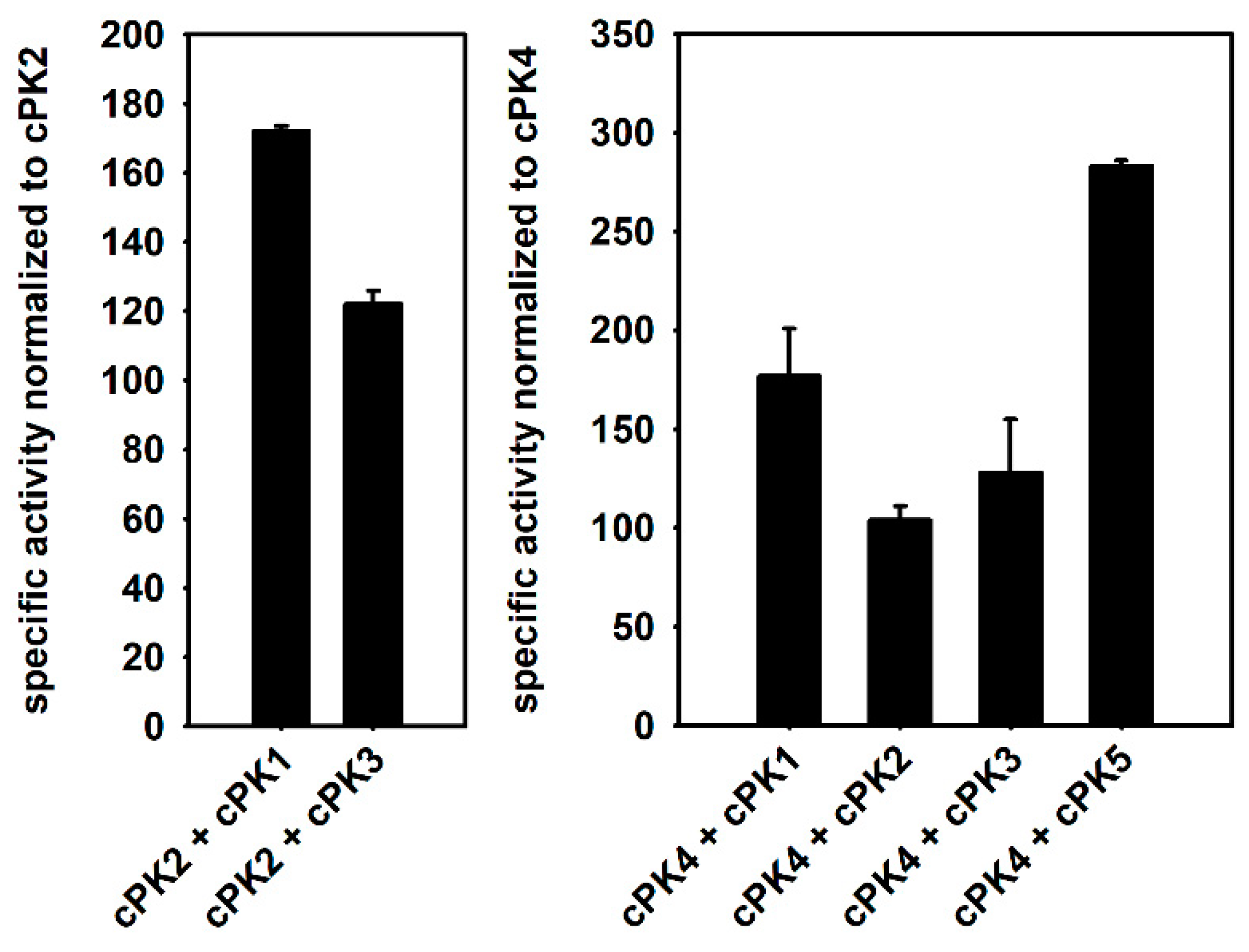
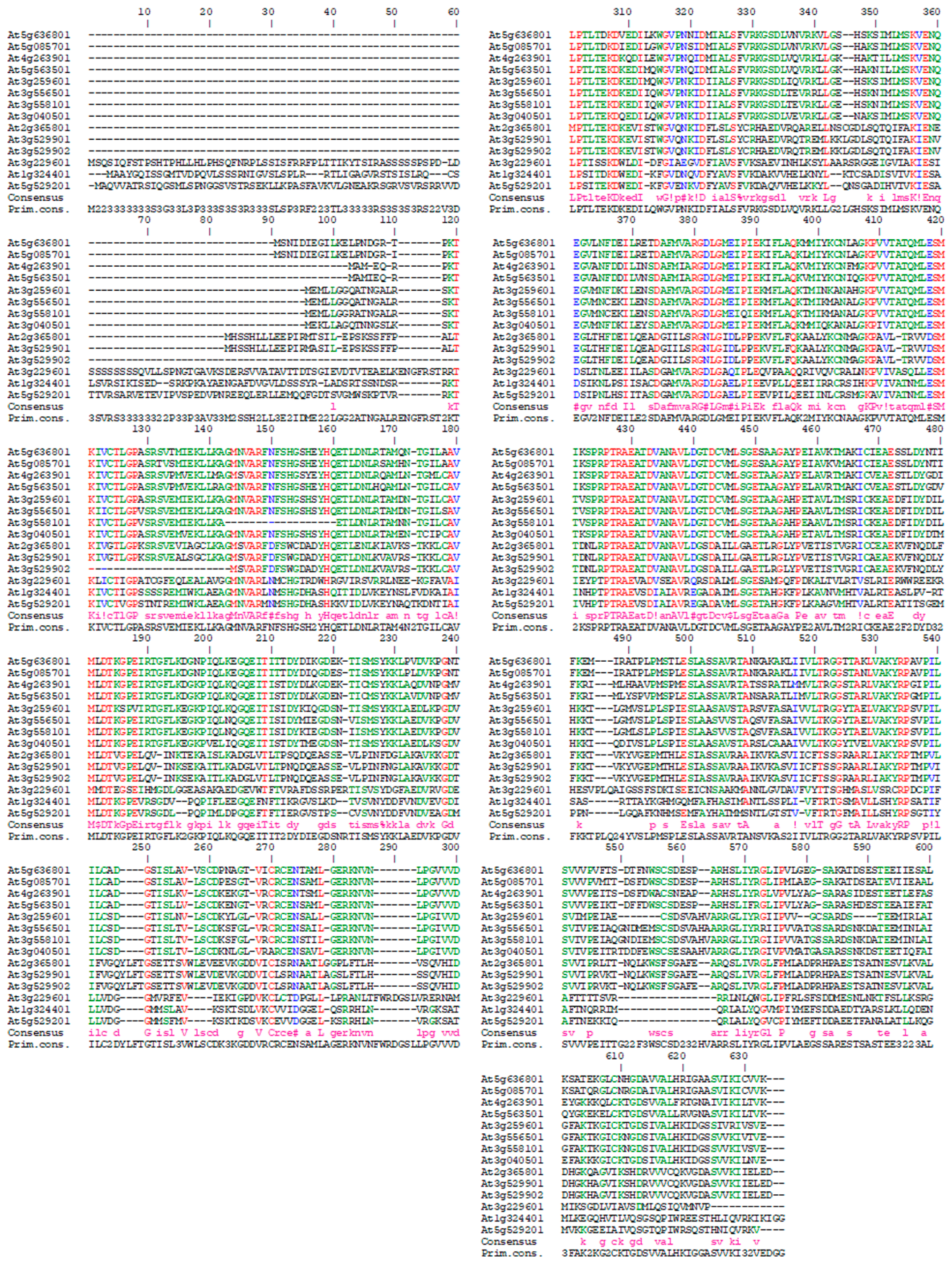
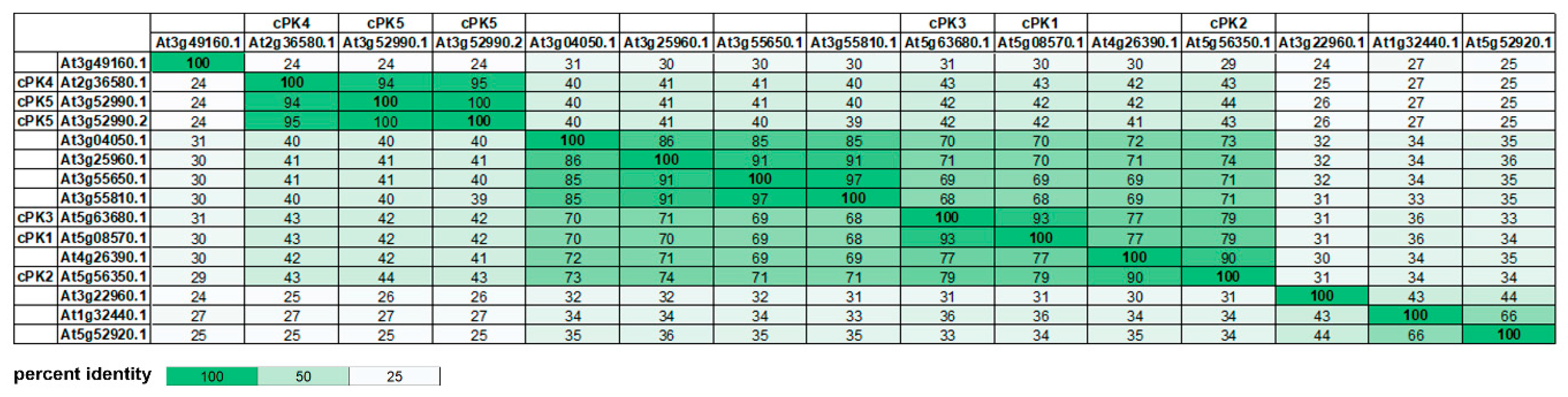
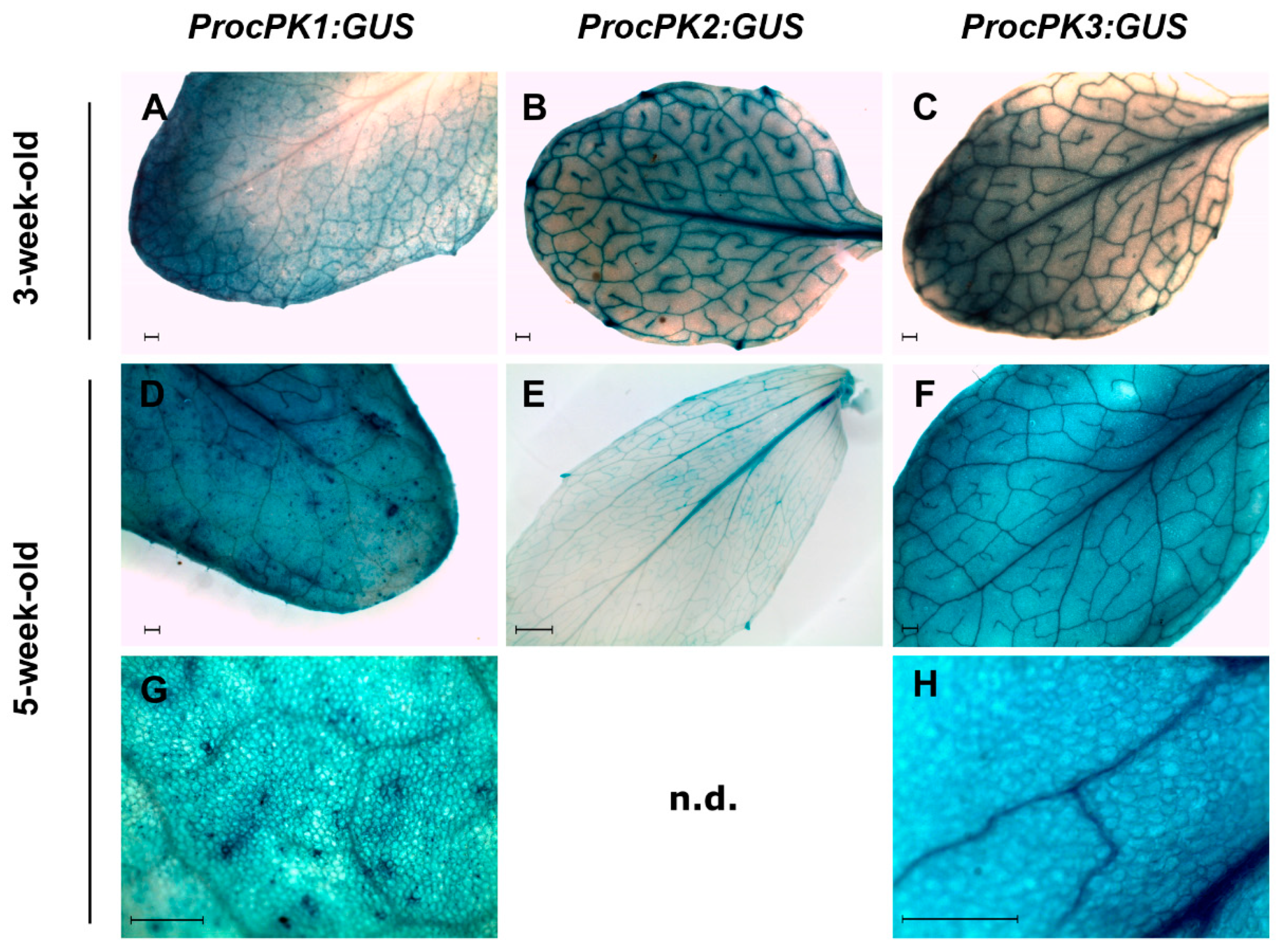
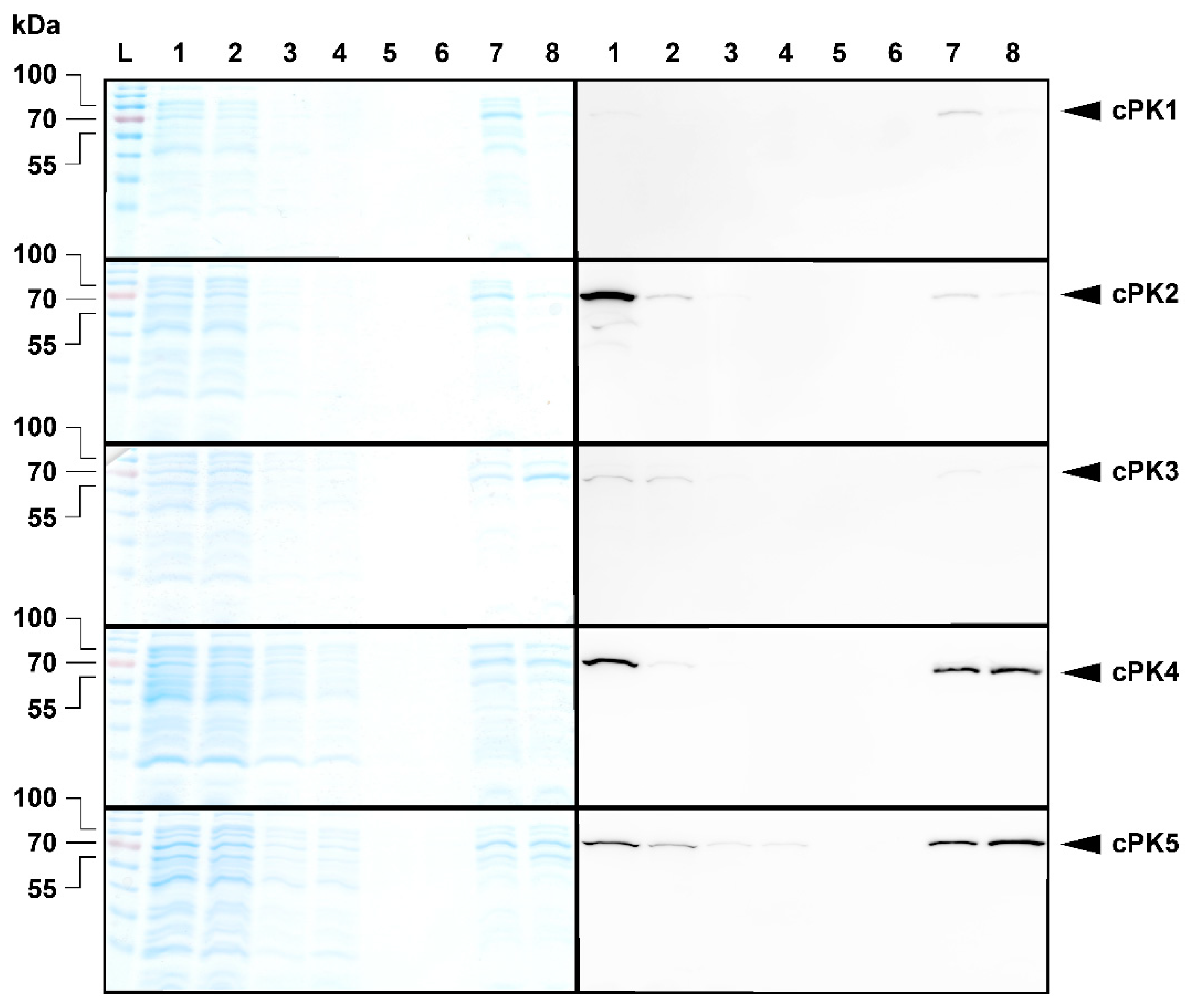
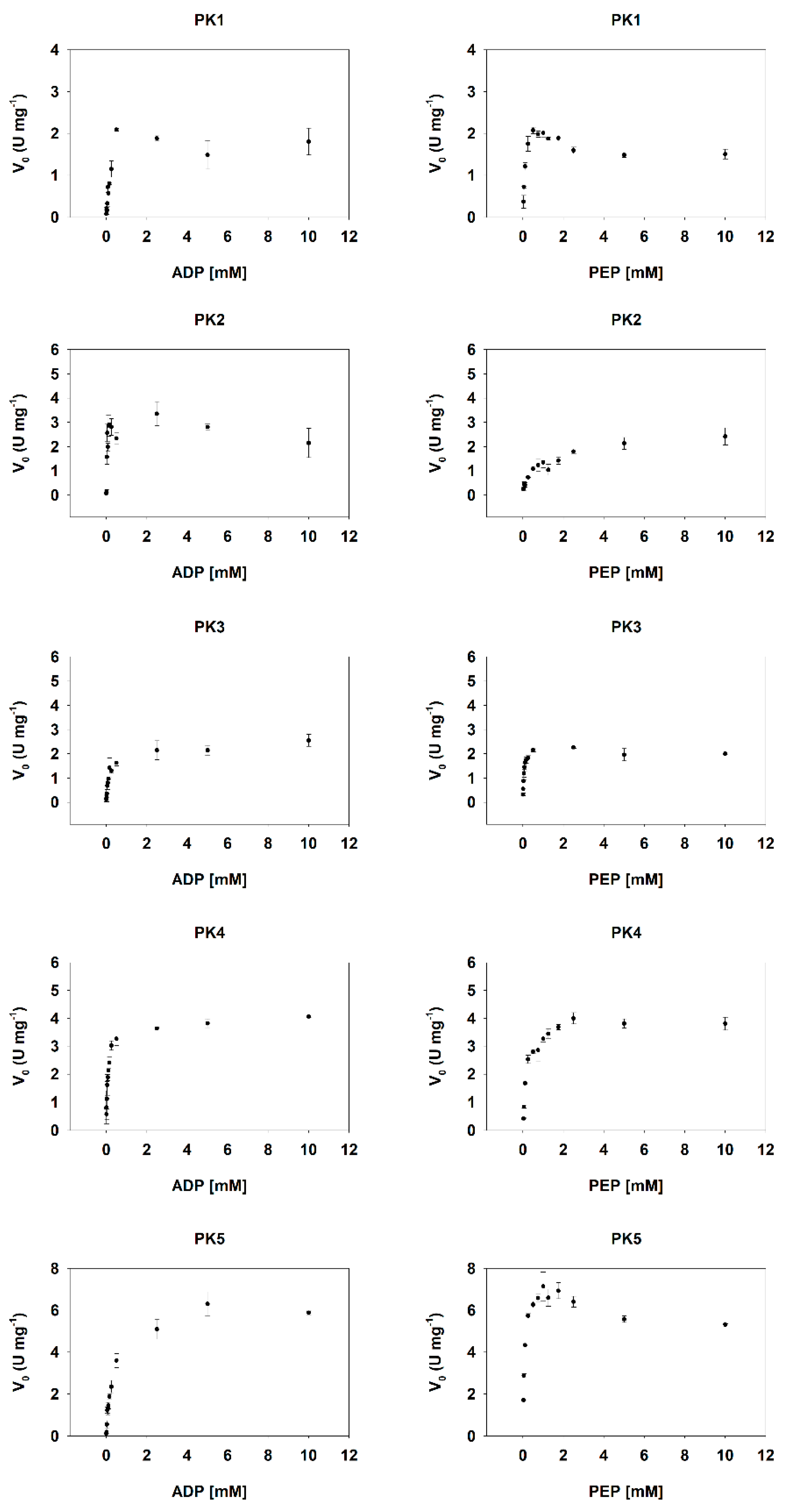
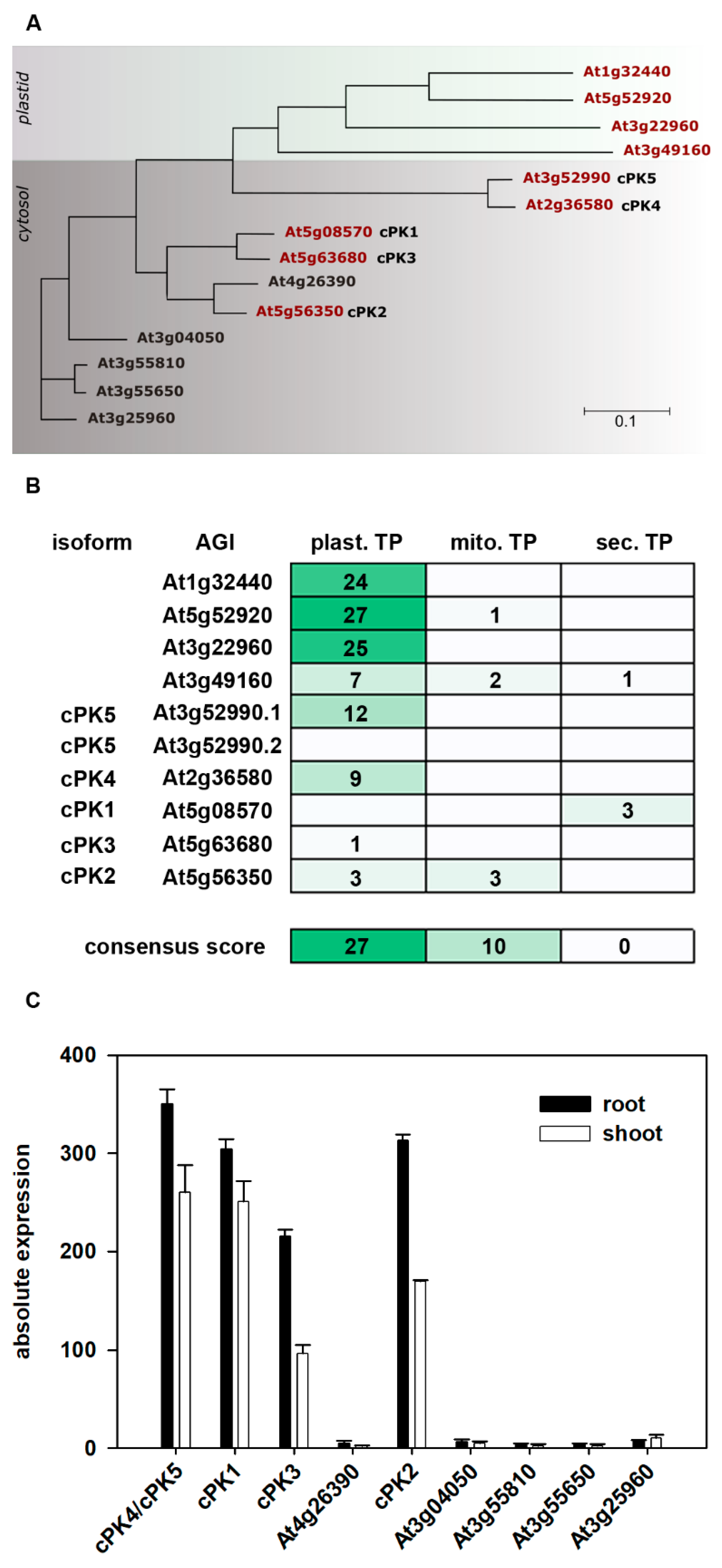
Glycolysis is a central catabolic pathway in every living organism with an essential role in carbohydrate breakdown and ATP synthesis, thereby providing pyruvate to the tricarboxylic acid cycle (TCA cycle). The cytosolic pyruvate kinase (cPK) represents a key glycolytic enzyme by catalyzing phosphate transfer from phosphoenolpyruvate (PEP) to ADP for the synthesis of ATP. Besides its important functions in cellular energy homeostasis, the activity of cytosolic pyruvate kinase underlies tight regulation, for instance by allosteric effectors, that impact stability of its quaternary structure. We determined five cytosol-localized pyruvate kinases, out of the fourteen putative pyruvate kinase genes encoded by the Arabidopsis thaliana genome, by investigation of phylogeny and localization of yellow fluorescent protein (YFP) fusion proteins. Analysis of promoter β-glucuronidase (GUS) reporter lines revealed an isoform-specific expression pattern for the five enzymes, subject to plant tissue and developmental stage. Investigation of the heterologously expressed and purified cytosolic pyruvate kinases revealed that these enzymes are differentially regulated by metabolites, such as citrate, fructose-1,6-bisphosphate (FBP) and ATP. In addition, measured in vitro enzyme activities suggest that pyruvate kinase subunit complexes consisting of cPK2/3 and cPK4/5 isoforms, respectively, bear regulatory properties. In summary, our study indicates that the five identified cytosolic pyruvate kinase isoforms adjust the carbohydrate flux through the glycolytic pathway in Arabidopsis thaliana, by distinct regulatory qualities, such as individual expression pattern as well as dissimilar responsiveness to allosteric effectors and enzyme subgroup association.
Keywords: pyruvate kinase; glycolysis; respiratory metabolism pyruvate kinase; glycolysis; respiratory metabolism