Article

ZmMed31–ZmSIG2A Coordinates ROS Homeostasis and LRR-RLK Signaling to Regulate Root Development

1
State Key Laboratory of Crop Gene Exploration and Utilization in Southwest China, Maize Research Institute, Sichuan Agricultural University, Chengdu 611130, China
2
Chengdu Agricultural College, Chengdu 611130, China
*
Authors to whom correspondence should be addressed.
These authors contributed equally to this work.
Plants 2026, 15(7), 1057; https://doi.org/10.3390/plants15071057
Submission received: 2 February 2026 / Revised: 11 March 2026 / Accepted: 12 March 2026 / Published: 30 March 2026
(This article belongs to the Section Crop Physiology and Crop Production)

Abstract

ZmSIG2A is a nuclear-encoded plastid sigma factor 2A in maize (Zea mays L.) that is essential for plastid gene transcription and chloroplast biogenesis. As a key regulator of chloroplast development and function, ZmSIG2A may also contribute to the coordination of plant growth and environmental adaptation; however, its roles in root development and stress responses remain largely unclear. We compared two ZmSIG2A mutants, eal1-1 (hypomorphic) and ems110 (nonsense). eal1-1 had increased root number and longer roots, while ems110 had normal root number but shorter roots and failed to mature. The zmsig2aVal480del transcript was upregulated in eal1-1, and the root-promoting effect of OsSIG2A in rice suggests a conserved role in monocot root growth. DAP-seq indicated that zmsig2aVal480del targets are involved in metabolism, transport, signaling, and antioxidants, with Chr4 peak clustering near multiple LRR-RLKs, suggesting a ZmSIG2A–LRR-RLK module in root development and stress integration. Physiologically, eal1-1 showed increased antioxidant enzyme activities and reduced MDA, indicating enhanced ROS scavenging, while ems110 exhibited decreased enzyme activities and elevated MDA, indicating compromised ROS detoxification. Upstream, Y1H and dual-luciferase assays demonstrated that the Mediator subunit ZmMed31 positively regulates transcription from the ZmSIG2A promoter. Given Mediator’s role in bridging transcription factors and the core transcriptional machinery, ZmMed31 likely links hormone-responsive transcription factors to the ZmSIG2A regulatory network. Collectively, we propose a stress-responsive ZmMed31ZmSIG2A–LRR-RLK module that underpins maize root development and drought adaptation, offering mechanistic insight and potential targets for stress-resilient breeding.

1. Introduction

Plant σ factors are highly homologous to cyanobacterial σ factors. The endosymbiotic theory proposes that plant σ factors originated from the endosymbiotic event between a cyanobacterial ancestor and the progenitor of plants, and the continuity between chloroplast transcriptional machinery and bacterial transcription provides further theoretical support for this hypothesis [1]. Functionally, chloroplast σ factors resemble their bacterial counterparts, acting as accessory factors of the plastid-encoded RNA polymerase (PEP) to confer promoter recognition and initiate transcription. From an evolutionary perspective, this reflects the bacterial legacy retained in the chloroplast transcription system and reinforces the endosymbiotic origin of plastids. During plant evolution, the σ-factor family underwent gene duplication and functional divergence, resulting in a pattern in which conservation and specialization coexist, enabling plastid gene transcription to be more finely tuned to developmental programs and environmental cues [2]. Beyond regulating plastid gene expression, σ factors are deeply involved in photosynthetic regulation and stress responses. In Arabidopsis, AtSIG1AtSIG6 display distinct promoter selectivities and therefore partition the regulation of different plastid gene modules [3]. Notably, SIG5 is induced by high light, low temperature, high salinity, and osmotic stress, and specifically activates the blue-light-responsive psbD promoter to facilitate photosystem II (PSII) repair, thereby enhancing stress survival and recovery. This blue light/stress-responsive module was acquired early during land plant evolution and has been conserved, highlighting its fundamental importance for adaptation to fluctuating terrestrial environments [4,5]. SIG6 activity is also modulated by phosphorylatable sites; changes in its phosphorylation state can reset promoter selectivity, providing a mechanistic basis for stress signals to impinge on PEP-dependent transcription [6], and it can further influence nuclear gene expression via plastid-to-nucleus retrograde signaling [7]. More broadly, because chloroplasts are highly sensitive to environmental stresses, σ factors—acting as a valve for PEP promoter choice—contribute to maintaining photosynthetic complex homeostasis, balancing ROS production and scavenging, and shaping stress phenotypes through retrograde signaling [8]. Collectively, σ factors represent a central hub linking chloroplast transcription initiation, developmental progression, and environmental signaling [9]. With advances in genomics and molecular technologies, systematic dissection of σ-factor family members and their regulatory networks will deepen our understanding of plastid transcriptional control and plant adaptive regulation, and may enable more precise molecular targeting for crop stress-resilience improvement.
With intensifying global warming and increasingly anomalous precipitation regimes, the frequency and magnitude of extreme climate events continue to rise, and drought has emerged as a major threat to food security. Climate change has been shown to broadly depress crop yields, with particularly pronounced impacts in low-latitude developing countries [10]. As the primary organ for sensing soil conditions and acquiring water and nutrients, roots play central roles in drought perception and adaptation. Under water-limited conditions, plants typically enhance drought adaptation through three major strategies. First, they extend roots into deeper or wider soil layers to access more stable water sources, manifested as deeper rooting, steeper (more vertical) root angles, longer primary roots, and increased deep lateral rooting [11], Second, they increase water uptake capacity by elevating root length density, expanding the surface area of roots (and root hairs), and adjusting the root-to-shoot ratio [12]. Third, they exploit high developmental plasticity—driven by hormonal regulation, hydraulic conductivity, and stress-responsive gene expression—to dynamically reprogram root branching patterns, growth direction, and spatial density [13]. Collectively, drought commonly induces fewer lateral roots, thicker root diameters, preferential allocation to deeper rooting, and a higher root-to-shoot biomass ratio, thereby supporting drought avoidance and drought tolerance by stabilizing plant water supply, alleviating shoot stress, and sustaining transpiration and photosynthetic activity.
The relationship between root development and stress tolerance has become a central topic in plant physiology and crop improvement. Beyond water and nutrient uptake and anchorage, processes underlying root growth—cell division, cell expansion, and root system architecture formation—profoundly influence the operation of antioxidant defense networks under stress. During root development, antioxidant enzymes and non-enzymatic components, particularly glutathione (GSH) within the ascorbate–glutathione (AsA–GSH) cycle, are critical for maintaining redox homeostasis in root cells and mitigating stress-induced damage. From a developmental perspective, following primary root emergence and elongation, lateral roots are initiated from pericycle cells adjacent to the vascular tissues, forming a branched root system. This process requires tight control of cellular activity and redox status. Notably, ascorbate peroxidase (APX), a key enzyme for hydrogen peroxide (H2O2) detoxification, has also been implicated in lateral root initiation and branching regulation [14]. Under abiotic stresses such as drought and salinity, roots are often the first to perceive water deficit or ionic stress, leading to the accumulation of reactive oxygen species (ROS), including superoxide and H2O2, which can damage membranes, proteins, and nucleic acids. In response, root antioxidant enzymes—superoxide dismutase (SOD), APX, catalase (CAT), and peroxidases (POD)—are rapidly activated to constrain ROS-induced injury. Meanwhile, non-enzymatic antioxidants such as GSH contribute to redox buffering via the interconversion between reduced GSH and oxidized glutathione (GSSG) within the AsA–GSH cycle, thereby helping maintain cellular redox balance [15]. Multiple root-focused studies support this linkage. In Medicago sativa (alfalfa), drought-tolerant genotypes display significantly higher CAT, POD, and SOD activities in roots than drought-sensitive genotypes, together with lower malondialdehyde (MDA; a lipid peroxidation product) levels, indicating better maintenance of membrane integrity and antioxidant capacity [16]. A meta-analysis of root stress responses further showed that mycorrhizal symbiosis significantly increases root SOD, CAT, POD, and APX activities under drought, concomitantly reducing H2O2 accumulation [17]. Overall, systematically integrating root developmental traits with stress-related biochemical indicators—such as SOD, APX, POD, CAT, GSH, and MDA as a damage marker—facilitates mechanistic understanding of how plants coordinately optimize root architecture and antioxidant defenses to improve stress adaptation [18]. From a breeding and agronomic perspective, selection for stress-resilient crops should therefore consider not only root morphological traits but also the responsiveness of root antioxidant enzyme activities and non-enzymatic antioxidants such as GSH. A deeper understanding of the root development–antioxidant defense nexus is essential for stabilizing crop yields under drought, salinity, heat, and other climate-related stresses.
Plant sigma factors have been mainly studied for their roles in plastid gene transcription and aboveground development, particularly in chloroplast biogenesis, leaf pigmentation, and photosynthetic establishment. However, whether sigma factors also contribute to belowground development, especially root system formation, remains largely unclear. In plants, shoots and roots are tightly integrated through long-distance transport of nutrients and signaling molecules. Increasing evidence has shown that alterations in shoot development, photosynthesis, or chloroplast function can be transmitted to the root through shoot-to-root communication, thereby modulating root growth and development [19]. For example, the mobile transcription factor HY5 coordinates shoot-derived light signaling with root growth and nutrient responses [20], while changes in chloroplast function may also influence root development through sugar signaling [21] and mobile RNAs [22]. These findings suggest that chloroplast-related genes may play important roles in coordinating shoot–root development. ZmSIG2A, an important member of the maize sigma factor family, is closely associated with chloroplast development, yet its role in root development remains unknown. In this study, taking advantage of the contrasting root phenotypes of two ZmSIG2A mutants, we investigated the root growth-promoting effect mediated by the upregulation of zmsig2aVal480del in eal1-1 and explored its underlying molecular basis. By integrating phenotypic characterization, physiological analyses, and regulatory network investigation, this study aims to reveal the potential function of ZmSIG2A in maize root development and to provide new insight into the biological roles of sigma factors in stress adaptation.

2. Results

2.1. The Maize eal1-1 Mutant Exhibits Enhanced Root Growth and Improved Drought Resilience

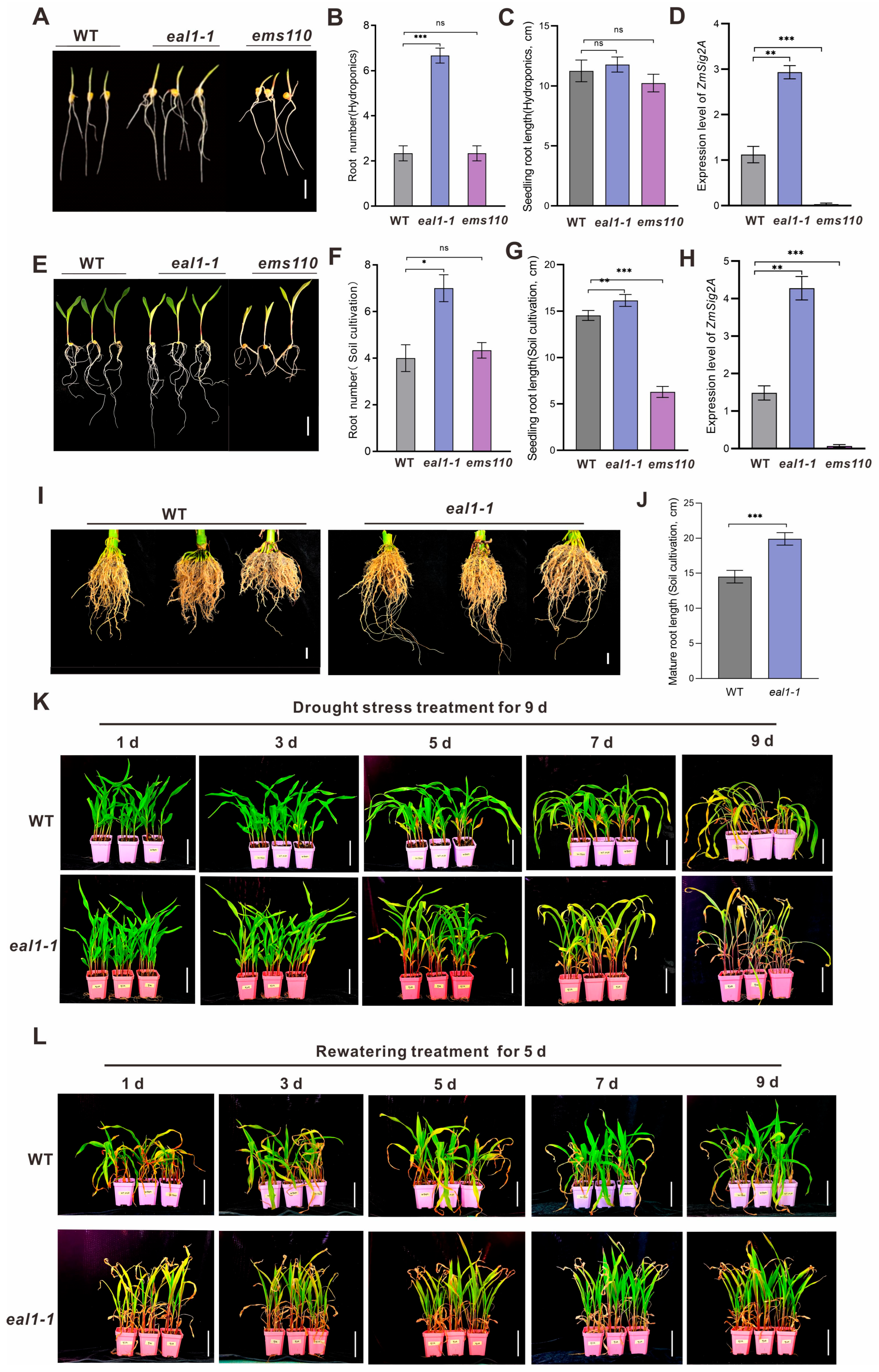
The maize eal1-1 and ems110 harbor different mutations in ZmSIG2A, resulting in divergent root phenotypes. eal1-1 is a hypomorphic allele with a Val deletion in the σ4 domain (zmsig2aVal480del), whereas ems110 carries a C>T mutation in exon 5 that causes premature termination and prevents plants from reaching maturity. At the seedling stage, eal1-1 produced significantly more roots than WT under both 3 d hydroponic and 6 d soil-grown conditions (Figure 1A–C), while ems110 showed no difference in root number. Root length was similar among genotypes in hydroponics, but in soil eal1-1 had longer roots and ems110 had shorter roots (Figure 1E–G). Adult-stage root measurements confirmed increased root length in eal1-1 (Figure 1I,J), whereas ems110 could not be evaluated due to lethality. We further examined the tissue expression pattern of ZmSIG2A in WT and found that it is expressed in roots, stems, and leaves (Figure S1A), with relatively higher expression in leaves. Notably, ZmSIG2A transcript levels were significantly elevated in the roots of eal1-1 under both hydroponic and soil conditions (Figure 1D,H), suggesting that enhanced root growth may be associated with increased zmsig2aVal480del expression. Consistently, OsSIG2A overexpression in rice promotes primary root elongation and lateral root formation (Figure S1B,C), supporting a conserved root-promoting role of SIG2A factors in monocots. To evaluate whether enhanced root growth in eal1-1 confers greater drought tolerance, we conducted a dehydration–rehydration assay comparing eal1-1 and WT. eal1-1 wilted more slowly than WT during the early phase of drought, but exhibited more severe chlorosis and senescence under prolonged stress, potentially due to impaired chloroplast development caused by the ZmSIG2A mutation. Importantly, after 5 d of rewatering, eal1-1 recovered faster and showed superior post-stress growth relative to WT (Figure 1K,L), suggesting that its more developed root system facilitates water replenishment and promotes growth recovery following drought stress.

2.2. DAP-Seq Reveals That zmsig2aVal480del Regulates Stress-Related Signaling Pathways

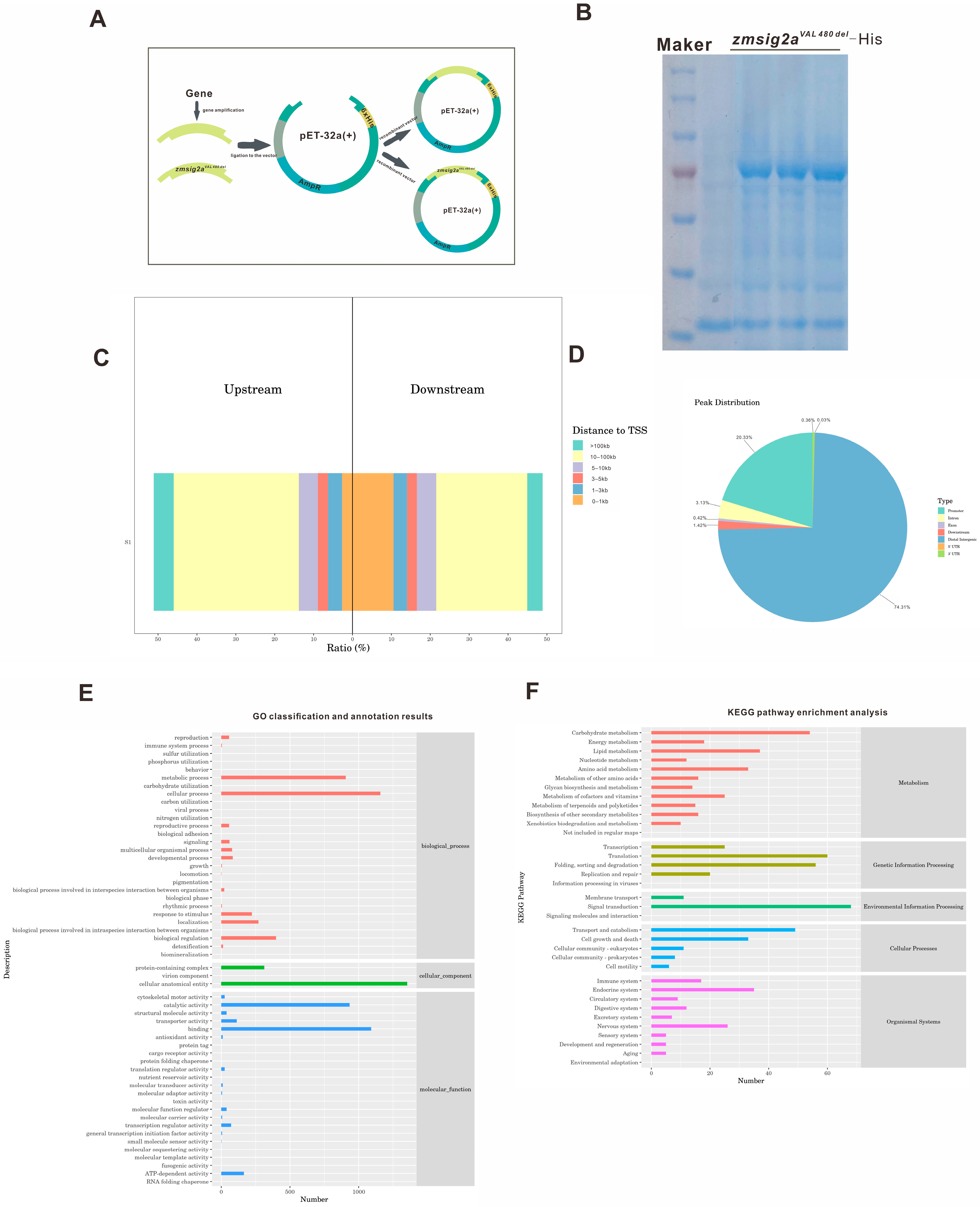
To examine the signaling pathways regulated by zmsig2aVal480del, we expressed and purified the recombinant protein in a prokaryotic system (Figure 2A,B) and performed DAP-seq to profile its genome-wide binding landscape. Peak–TSS analysis showed that binding sites occurred in both promoter-proximal and distal regions, with a substantial fraction located >10 kb from the nearest TSS (Figure 2C). Consistently, genomic annotation revealed strong enrichment in distal intergenic regions (74.31%), with only minor proportions in promoters (0.42%), exons (1.42%), introns (3.13%), and UTRs (Figure 2D), These results suggest that zmsig2aVal480del preferentially associates with distal cis-regulatory elements, potentially modulating target gene transcription via long-range regulatory mechanisms. Notably, integrated GO and KEGG analyses of zmsig2aVal480del DAP-seq target genes revealed a downstream regulatory network with dual attributes encompassing primary metabolism and stress responses (Figure 2E,F). At the GO level, target genes were broadly enriched in fundamental biological processes such as metabolic process, cellular process, and developmental process, while also showing significant enrichment in response to stimulus, immune system process, detoxification, and terms related to carbohydrate metabolism and the acquisition of key nutrients (C, N, P, and S). In the molecular function category, enrichments were mainly observed for catalytic activity, binding, transporter activity, molecular transducer activity, transcription regulator activity, and antioxidant activity.
Consistently, KEGG pathway classification showed that target genes were significantly enriched in core metabolic pathways, including carbohydrate metabolism, amino acid metabolism, and energy metabolism, as well as defense-associated pathways such as xenobiotics biodegradation and metabolism and biosynthesis of other secondary metabolites. In addition, a high proportion of targets were assigned to environmental information processing pathways, including signal transduction, signaling molecules and interaction, and membrane transport, and to categories closely linked to stress adaptation such as immune system, environmental adaptation, and cell growth and death. Collectively, these GO/KEGG annotations indicate that zmsig2aVal480del not only contributes to the regulation of maize growth, development, and metabolism, but also targets a suite of genes involved in signaling, membrane receptors, antioxidant capacity, and detoxification metabolism, thereby establishing a multilayered, interconnected regulatory network that likely underpins its role in maize adaptation to abiotic stress.

2.3. Enrichment of LRR-RLKs on Chr4 Suggests That zmsig2aVal480del May Regulate Root-Associated Receptor Kinases

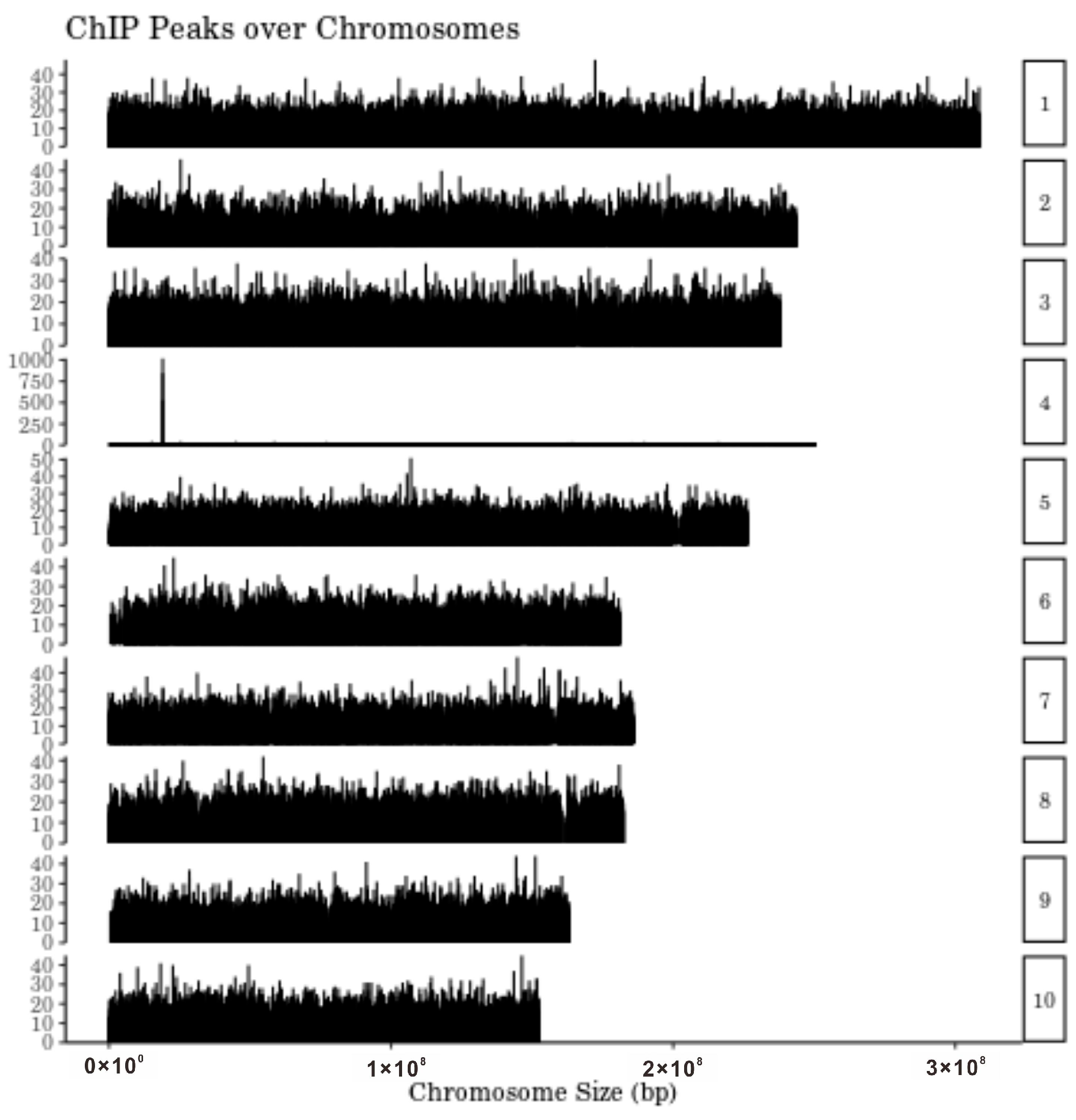
Genome-wide inspection of DAP-seq peak distributions (Figure 3) revealed varying degrees of enrichment across all maize chromosomes, indicating genomic regions potentially harboring transcription factor binding sites and regulatory hotspots. Notably, chromosome 4 (Chr4) displayed an exceptionally dense cluster of high-intensity peaks within specific intervals. To contextualize this pattern, we surveyed previously reported functional loci on Chr4 and found that this chromosome harbors multiple well-characterized QTLs and genes associated with key agronomic traits, including plant architecture, flowering time, stress tolerance, and kernel quality (Table 1). Given the root-promoting phenotype associated with zmsig2aVal480del perturbation, we focused on the receptor-like kinase (RLK) superfamily, particularly leucine-rich repeat RLKs (LRR-RLKs). A total of 205 LRR-RLKs have been annotated in the maize genome, with Chr4 containing the largest number (29 genes). Previous studies have shown that LRR-RLKs broadly participate in root system establishment and remodeling across plant species. They can sense soil-derived cues such as water and nutrient status and mechanical impedance to regulate primary root elongation and lateral root formation, thereby shaping root architecture and absorptive capacity. In addition, many LRR-RLKs influence root apical meristem activity, cell proliferation, and cortical patterning, underpinning root developmental plasticity and stress-induced root reprogramming. Therefore, LRR-RLKs are widely regarded as signaling hubs linking environmental perception to root developmental outputs.
In our DAP-seq dataset, the Chr4 peak-clustered region co-localized with 16 LRR-RLK family members (Table S1). Considering the transcriptional regulatory potential of ZmSIG2A and the central roles of LRR-RLKs in root development and hormone-signal integration, we propose that ZmSIG2A/zmsig2aVal480del may directly or indirectly regulate the expression of these LRR-RLK genes. This regulation may modulate root sensitivity to external stress cues by changing the abundance or composition of receptors at the plasma membrane, and it may also reshape root growth and developmental programs by affecting LRR-RLK–mediated peptide and phytohormone signaling.
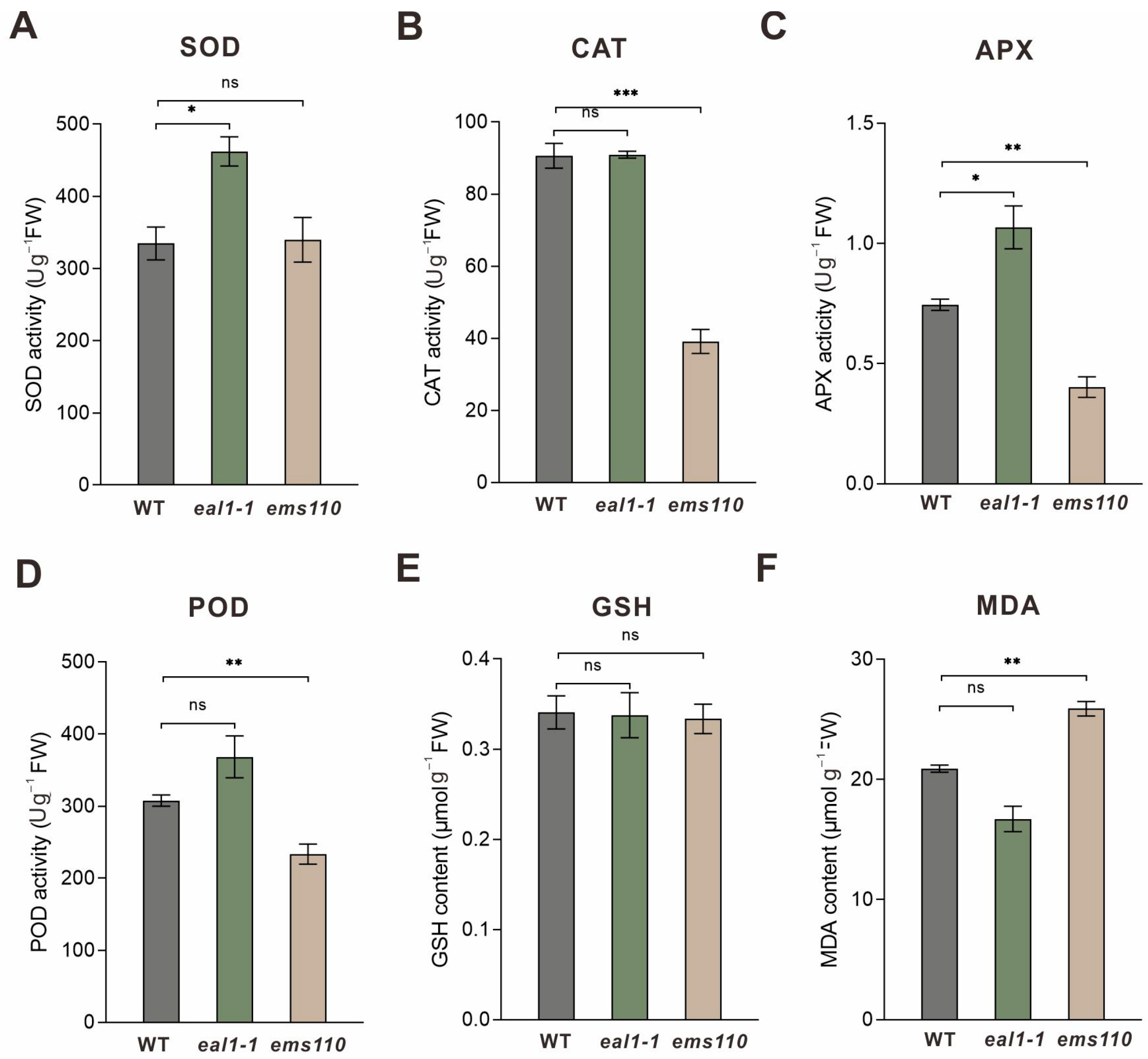
To further compare stress-associated enzymatic activities between the maize mutants eal1-1 and ems110, we quantified SOD, POD, APX, CAT, and GSH levels, as well as MDA content in seedling roots. eal1-1 exhibited significantly increased root biomass, with coordinated increases in SOD, POD, and APX activities, little change in CAT, no significant difference in GSH, and a slight decrease in MDA (Figure 4A–F). This pattern indicates an overall enhancement of ROS-scavenging flux: superoxide is efficiently dismutated to H2O2 by SOD, and H2O2 is subsequently removed primarily via the APX/POD branches. Although CAT activity remained unchanged, the net oxidative burden was reduced, leading to lower lipid peroxidation as reflected by decreased MDA. In addition, a more developed root system may further improve water uptake and osmotic adjustment capacity, thereby buffering stress impacts and supporting higher overall tolerance. In contrast, ems110 showed decreased SOD, POD, and APX activities together with a marked reduction in CAT; GSH remained unchanged, whereas MDA increased significantly. These results suggest a concerted weakening of multiple enzymatic detoxification routes, likely promoting H2O2 accumulation and exacerbating membrane damage, consistent with reduced stress tolerance. Collectively, the comparison indicates that eal1-1 maintains a more robust ROS homeostasis and lower oxidative injury, whereas ems110 suffers from a ROS-scavenging bottleneck and aggravated membrane damage.

2.4. ZmMed31-Mediated Positive Regulation of ZmSIG2A Expression

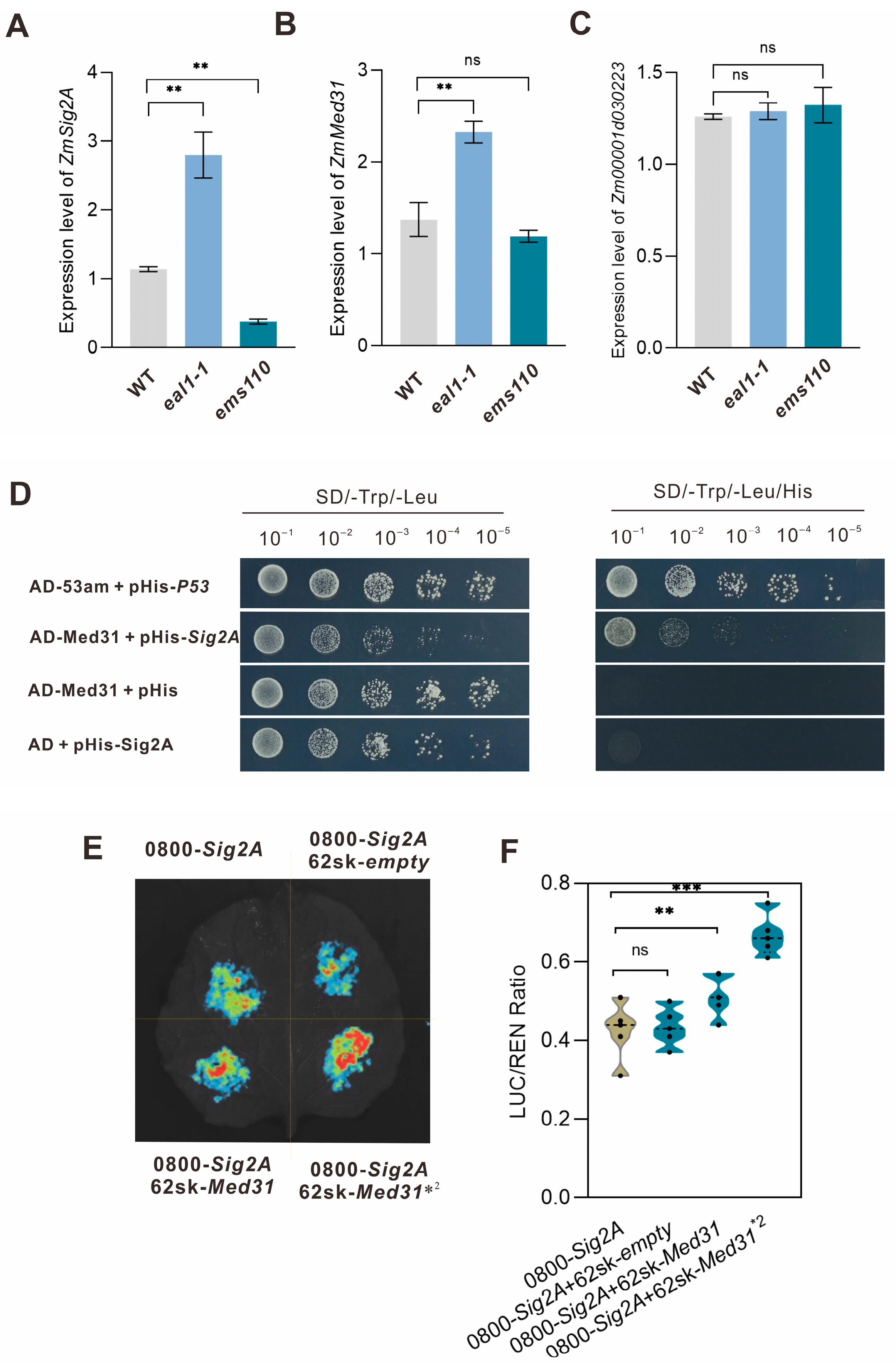
To determine whether ZmSIG2A is regulated by stress-associated upstream factors, we performed a yeast one-hybrid (Y1H) screen using the pAbAi system to identify transcriptional regulators binding the ZmSIG2A promoter. After optimizing conditions, the minimal aureobasidin A (AbA) concentration that effectively suppressed bait autoactivation was determined and used for large-scale cDNA library screening. Positive colonies were subjected to PCR and sequencing (Figure S2B), yielding candidate interactors. Functional annotation indicated that these candidates are mainly involved in transcriptional regulation, signal transduction, and stress responses (Table 2), suggesting that ZmSIG2A expression is closely linked to endogenous regulatory networks and environmental cues. Among the hits, Zm00001d031902 (ZmMed31) is associated with ABA signaling, implying ABA-dependent regulation of ZmSIG2A; Zm00001d030223, annotated as related to root development and cell cycle control, suggested potential integration with developmental status. We next examined transcript abundance in roots of eal1-1 and ems110. ZmMed31 and ZmSIG2A were both significantly upregulated in eal1-1, whereas ZmSIG2A was strongly downregulated in ems110 with no significant change in ZmMed31 relative to WT (Figure 5A,B). Zm00001d030223 showed no significant differences in either mutant (Figure 5C). These data nominate ZmMed31 as a primary upstream candidate. Using a pHIS2-based Y1H assays using the pHis2 system indicated that ZmMed31 might specifically bind to the ZmSIG2A promoter (Figure 5D), hinting at its potential role in transcriptional regulation. Furthermore, dual-luciferase assays provide evidence that ZmMed31 positively regulates ZmSIG2A transcriptional activity (Figure 5E,F). In light of previous reports that Mediator subunits participate in ABA signaling to regulate root development in Arabidopsis, and considering the root developmental phenotype observed in maize eal1-1, we hypothesize that ZmMed31 could influence root system architecture in eal1-1 by mediating ABA-related signaling and regulating ZmSIG2A transcription.

3. Discussion

3.1. ZmSIG2A Regulates Root Development and Drought Recovery in Maize

Global analyses of major staple crops (maize, rice, soybean, and wheat) show that from 1983 to 2009, drought reduced yields across 75% of harvested areas, causing an estimated US$166 billion in cumulative losses [27]. Climate change—via warming, increased evapotranspiration, and altered precipitation regimes—has further increased drought frequency and unpredictability [28]. Because drought tolerance is shaped by complex gene–environment interactions, conventional breeding has delivered only modest gains (2–4%) in major crops [29], Thus, dissecting drought-induced physiological, biochemical, and molecular responses, and integrating these insights into molecular breeding and precision agriculture, is essential for improving drought resilience. Here, we compared two maize ZmSIG2A mutant lines, eal1-1 and ems110, which exhibited contrasting root phenotypes. At the seedling stage, eal1-1 developed significantly more roots under both hydroponic and soil-grown conditions and showed increased root length specifically in soil, whereas ems110 displayed WT-like root number but reduced root length in soil (Figure 1A–F). zmsig2aVal480del was significantly upregulated in eal1-1, which may promote root branching and elongation; Notably, root length differences in eal1-1 were not obvious under hydroponic conditions but were significant under soil culture at both seedling and mature stages, indicating that this phenotype may depend on soil-related environmental factors. These results suggest that ZmSIG2A may participate in the plastic response of root growth to external environmental changes. It is noteworthy that OsSIG2A/OsSIG2B in rice show high homology with ZmSIG2A/ZmSIG2B in maize, indicating that SIG2 genes are highly conserved among monocot species. Previous studies have shown that SIG2-type σ factors play important roles in plastid gene transcription and chloroplast development [30]. The high conservation of SIG2 homologs between maize and rice therefore suggests functional similarity. In our cross-species validation experiments, overexpression of OsSIG2A in rice significantly promoted primary root elongation and increased lateral root number, providing evidence that SIG2A genes are involved in root developmental regulation in monocots and further supporting functional conservation across species. Given the high sequence similarity between maize and rice homologs, it is reasonable to speculate that SIG2A genes may jointly contribute to monocot root architecture by regulating chloroplast development and related retrograde signaling, energy metabolism, or hormone-responsive pathways.
In drought assays, eal1-1 wilted more slowly than WT early during stress and recovered more rapidly after rewatering, with improved post-stress growth (Figure 1K,L), indicating that enhanced root development benefits rehydration and recovery, likely through improved water uptake and osmotic buffering. However, eal1-1 exhibited stronger chlorosis and senescence under prolonged drought, indicating stage-dependent performance that may reflect impaired chloroplast development caused by the ZmSIG2A mutation. Together, these results suggest that ZmSIG2A is a potential regulatory node linking root development, drought recovery capacity, and chloroplast-associated metabolic integrity, In eal1-1, ZmSIG2A is strongly upregulated alongside increased root number and greater root length in soil, implying roles in root development and environmental responsiveness. Enhanced branching and elongation likely expand soil exploration and absorbing surface area, slowing shoot water potential decline and explaining the slower wilting and faster recovery after rewatering. By contrast, eal1-1 shows stronger chlorosis and senescence under prolonged drought, indicating a stage-dependent trade-off, a larger root system benefits early drought resistance and recovery, but sustained stress is associated with impaired chloroplast function, reduced photosynthesis, and accelerated senescence. Thus, ZmSIG2A may sit at a nexus of chloroplast/metabolic status–source–sink allocation–root system construction, revealing a key balance between root water acquisition and leaf metabolic/photosynthetic stability.

3.2. ZmSIG2A Modulates LRR-RLKs and ROS Dynamics to Enhance Root Growth and Stress Tolerance in Maize

To test whether zmsig2aVal480del contributes to stress regulation in eal1-1, we used DAP-seq to profile its genome-wide binding and downstream targets. Target genes were significantly enriched in pathways associated with primary metabolism, membrane transport, signal transduction, and antioxidant processes (Figure 2E,F), indicating that zmsig2aVal480del may coordinate a regulatory program linking growth-related metabolism with stress responses. Notably, DAP-seq peaks showed pronounced clustering on Chr4 and overlapped with multiple LRR-RLK loci, providing testable candidates potentially underlying the enhanced root phenotype. As key hubs that couple environmental perception to growth reprogramming, LRR-RLKs integrate water status, peptide cues, and phytohormone signaling to regulate root apical meristem activity, lateral root formation, and tissue patterning [31,32,33], These observations support a putative ZmSIG2A–LRR-RLK module that may promote root enhancement in eal1-1 by tuning receptor abundance or composition and thereby altering sensitivity to environmental and hormonal inputs. Targeted regulation of the LRR-RLK gene cluster by ZmSIG2A may integrate external cues with endogenous signaling, shifting meristem activity, lateral root formation, and tissue development, and thereby driving the enhanced root proliferation and soil-dependent elongation of eal1-1. Physiologically, contrasting ROS homeostasis helps explain the divergence between eal1-1 and ems110. Because receptor kinase pathways often modulate ROS dynamics and root development is highly ROS-sensitive, the coordinated upregulation of SOD/POD/APX together with reduced MDA in eal1-1 (Figure 4A–F) suggests stronger antioxidant buffering that limits chronic oxidative damage while preserving local ROS signals for cell division and lateral root initiation. By contrast, ems110 shows broadly reduced antioxidant enzyme activity—especially CAT—and elevated MDA, indicating impaired ROS detoxification and increased membrane injury. Taken together, the ZmSIG2A–LRR-RLK module may constitute a key pathway in eal1-1 that connects signal perception to phenotypic regulation: it converts environmental information into root developmental outputs and promotes rapid adaptation through the maintenance of ROS homeostasis.

3.3. Mediator Subunit ZmMed31 Regulates ZmSIG2A to Coordinate Root Morphogenesis and Stress Resilience in Maize

Y1H screening results indicate that the ZmSIG2A promoter is recognized by multiple candidate factors involved in transcriptional regulation, signal transduction, and stress responses, suggesting that ZmSIG2A may act as a key integrator of various signaling pathways. ZmMed31, as a Mediator subunit, is known to interact with specific transcription factors to regulate downstream gene expression. For example, AtMED25, another Mediator subunit, modulates hormone-responsive gene expression by selectively interacting with transcription factors in different hormonal pathways. In the jasmonate (JA) pathway [34], MED25 interacts with MYC2 to positively regulate its target genes, while in the abscisic acid (ABA) pathway, MED25 associates with ABI5 to inhibit its target gene expression. These findings underscore Mediator’s multifaceted role in hormone signaling and transcriptional regulation. Additionally, AtMED31 has been shown to influence root development through the SHR–SCR pathway in Arabidopsis [35]. In eal1-1, we observed that the expression of ZmMed31 and zmsig2aVal480del are upregulated in parallel, which was further confirmed by yeast one-hybrid and dual-luciferase assays showing that ZmMed31 directly binds to the ZmSIG2A promoter and positively regulates its transcription. This suggests that ZmMed31 functions as an upstream regulator of ZmSIG2A. We hypothesize that the elevated expression of ZmMed31 in eal1-1 may enhance the transcriptional regulation of hormone-related genes, potentially contributing to improved stress tolerance. Moreover, ZmMed31 may bridge hormone signaling with the transcriptional regulation of ZmSIG2A, influencing downstream signaling networks and root antioxidant systems. Based on phenotypic, physiological, DAP-seq, and molecular interaction data, we propose that in eal1-1, ZmMed31, through its interaction with hormone signaling transcription factors, regulates the transcription of zmsig2aVal480del. This, in turn, may modulate downstream pathways, including those involving LRR-RLK receptor kinases, transporters, and antioxidant/detoxification genes, which are crucial for root development and ROS homeostasis, thereby enhancing stress adaptation. Importantly, this regulatory process is unlikely to be restricted to local root responses, but may instead involve systemic shoot–root communication. Because leaves are the major sites of photosynthesis and environmental sensing, changes in leaf developmental status, photosynthetic efficiency, and hormone or metabolite levels can be transmitted to roots through long-distance signaling, thereby influencing root growth and physiology. As a chloroplast development-related factor, transcriptional changes in ZmSIG2A may therefore affect not only chloroplast function and metabolic status in shoots, but also root growth and antioxidant defense through hormone signaling, sugar signaling, or other shoot-derived signals. In this context, the ZmMed31ZmSIG2A module in eal1-1 may function as a bridge linking shoot chloroplast status to root stress responses, thereby coordinating whole-plant development and environmental adaptation. Future studies will aim to further investigate ZmSIG2A’s direct binding and regulatory effects on LRR-RLK promoters through DAP-qPCR, EMSA, and dual-luciferase assays. Additionally, generating single and double mutants of key LRR-RLK genes on Ch4, along with ZmSIG2A overexpression constructs, will allow us to dissect the functional roles and interactions of these kinases in the ZmSIG2A-mediated pathway. Ultimately, integrating key genetic loci with natural variations in maize breeding programs could provide valuable molecular targets for developing maize varieties with improved root architecture, nutrient efficiency, and stress resilience.

4. Materials and Methods

4.1. Plant Materials and Growth Conditions

Maize (Zea mays L.) inbred line B73 was used as the wild type. The mutant trait of eal1 (etiolated/albino leaf 1) [36] was backcrossed to inbred line B73 for 5 generations to construct a near-isogenic line eal1-1 (B73eal1eal1). The ems110 mutant (B73 background) was obtained from an EMS-mutagenized seed library via the MEMD database (http://www.elabcaas.cn/memd/) (accessed on 11 June 2024). OsSIG2A(Os11g0448400) overexpression lines were generated in the rice (Oryza sativa) cultivar ZH11 background.

4.2. Plant Growth Conditions

Maize seedlings were primarily grown in a greenhouse under a 16 h light/8 h dark photoperiod, with day/night temperatures of 28 °C/21 °C and 70% relative humidity. Seeds of eal1-1, WT, and ems110 were sown in 9 cm-diameter pots filled with a soil–vermiculite mixture and watered every 3 days under normal conditions. At 13 d after sowing, roots from some seedlings were harvested for enzyme activity assays. Each treatment included three biological replicates, each consisting of pooled root samples from five seedlings. Each biological replicate was analyzed with three technical replicates, and the mean value was used for statistical analysis. The remaining plants were transferred to the field and grown to maturity for root phenotyping. For hydroponic culture, seeds of eal1-1, WT, and ems110 were sterilized, germinated at 28 °C for 2 d, transferred to germination paper, and then grown hydroponically in greenhouse tanks. Drought tolerance assays of eal1-1 and WT were conducted in a 28 °C greenhouse. Seedlings were subjected to 9 d of water deprivation followed by 5 d of rewatering, and their phenotypes were then recorded. Because ems110 plants usually died at around 20 d after germination, they were not included in the drought assay. Rice seeds were germinated in a 28 °C greenhouse, then transplanted into soil and grown in the field to maturity for phenotypic imaging.

4.3. RNA Extraction and Gene Expression Analysis

The roots of eal1-1, WT, and ems110 plants were collected at the rapid growth stage (13 days after sowing)with three biological replicates. Total RNA was extracted using TRIzol Reagent (Takara, Japan), treated with DNase I, and reverse-transcribed into cDNA. RT–qPCR was performed on a CFX Connect Real-Time PCR System using SYBR Premix Ex Taq (Takara, Japan). The RT-qPCR thermal cycling conditions were as follows: an initial denaturation at 94 °C for 30 s, followed by 40 cycles consisting of denaturation at 94 °C for 5 s, and annealing/extension at 60 °C for 30 s. A final melting curve analysis was performed (94 °C for 15 s, 60 °C for 1 min, followed by continuous heating to 94 °C with fluorescence measurements) to confirm the specificity of the amplicons. The ZmActin gene (Zm00001d010159) served as the internal reference, and relative transcript levels of ZmSIG2A (Zm00001eb169360) and other root development-related genes were calculated. Gene expression levels were calculated using the ΔCT method in Microsoft Excel [37]. Primer sequences are provided in Table S2.

4.4. Prokaryotic Expression and Purification of Recombinant Protein

The coding sequences (CDSs) of zmsig2aVal480del were cloned into the pET-32a vector, and confirmed recombinant plasmids were transformed into E. coli BL21. Transformants were cultured at 37 °C, and expression of N-terminal His-tagged recombinant proteins was induced at 16 °C with 0.6mM isopropyl β-D-1-thiogalactopyranoside (IPTG) for 4–10 h. His-tagged proteins were purified by Ni–NTA affinity chromatography using Ni–NTA agarose (Invitrogen, Carlsbad, CA, USA). The purified proteins were concentrated by ultrafiltration, desalted and buffer-exchanged by dialysis, then mixed 1:1 with pre-chilled glycerol and stored for subsequent molecular assays. 60 μL of protein was mixed with 15 μL of SDS loading buffer and denatured at 98 °C for 12 min. The denatured protein was then loaded onto a 12–20% gradient SDS-polyacrylamide gel for analysis of protein purification success [38].

4.5. DNA Affinity Purification Sequencing (DAP-Seq)

DAP-seq combines in vitro protein expression with high-throughput sequencing to map transcription factor binding sites genome-wide [39]. Roots from 14-day-old eal1-1 seedlings grown at 28 °C were collected as experimental samples. For each replicate, roots from 15 seedlings were pooled, with three independent biological replicates in total. Genomic DNA was extracted and incubated with purified zmsig2aVal480del protein for DNA–protein binding. The specifically bound DNA fragments were submitted to BioMarker (Beijing, China) for sequencing on the Illumina NovaSeq platform. After quality filtering, reads were aligned to the maize reference genome B73 RefGen_v5, and downstream analyses were performed using DESeq2.

4.6. Yeast One-Hybrid Library Screening

A fragment of the ZmSIG2A promoter was amplified from maize genomic DNA using Primer5.0 designed primers containing pAbAi homologous arms, with TOYOBO KOD FX high-fidelity polymerase. The PCR product was recombined into pBait-pAbAi to generate pro-ZmSIG2A-pAbAi, which was transformed into Y1HGold and selected on SD/-Ura. Autoactivation was assessed on increasing aureobasidin A (AbA) concentrations to determine the minimum inhibitory concentration (MIC). Competent bait yeast cells were then co-transformed with a maize Root cDNA library, and transformants were selected on SD/-Leu + AbA plates at 30 °C for 12–24 h. Positive colonies were verified by colony PCR using T7-F/LD-R, followed by Sanger sequencing and NCBI BLAST identification. Confirmed positives were preserved for subsequent validation [40].

4.7. Yeast One-Hybrid (Y1H) Validation

The coding sequences of ZmMed31(Zm00001d031902) and Zm00001d030223 were cloned into pGADT7, and the ZmSIG2A promoter was cloned into pHIS2. The resulting constructs were co-transformed into yeast strain AH109, and transformants were selected on SD/-Leu/-Trp medium. Positive colonies were then plated on SD/-Leu/-Trp/-His medium; growth on this medium indicated promoter binding and activation of the HIS3 reporter, conferring histidine prototrophy.

4.8. Dual-Luciferase Reporter Assay

A dual-luciferase assay was performed to evaluate transcriptional regulation of the ZmSIG2A promoter [41]. The ZmSIG2A promoter was cloned into pGreenII 0800-LUC to generate the reporter construct, and the ZmMed31 coding sequence (CDS) was inserted into pGreenII 62-SK under the CaMV 35S promoter to generate the effector. After sequence verification, both constructs were introduced into Agrobacterium tumefaciens strain GV3101 and co-infiltrated into Nicotiana benthamiana leaves using a needleless syringe (bacterial suspension OD600 = 0.5–1.0). Plants were maintained at 25 °C under high humidity, and leaves were harvested 48 h post-infiltration for luciferase measurement using an in vivo imaging system. D-luciferin potassium salt was applied to the abaxial leaf surface prior to signal detection. Empty-vector combinations (pGreenII 0800-LUC and pGreenII 62-SK) served as negative controls. Firefly luciferase(LUC) and Renilla luciferase (REN) activities were measured using a Dual-Luciferase Reporter Assay Kit (Vazyme, Nanjing, China; DL101-01). The relative LUC activity was represented by the ratio of LUC to REN luminescence. Experiments were performed in three independent replicates, and data are presented as mean ± SE.

4.9. Biochemical Measurements

Root tissues were collected from eal1-1, WT, and ems110 maize seedlings at 13 days after sowing. Approximately 0.5 g of fresh root tissue was harvested, immediately frozen in liquid nitrogen, and stored at −80 °C until analysis. The activities or contents of SOD (BC0170), CAT (BC0205), APX (BC0220), POD (BC0090), GSH (BC1175), and MDA (BC0025) were determined using commercial assay kits from Solarbio (Beijing, China) [42]. For extraction, the samples were homogenized in a precooled mortar with 1 mL of the corresponding extraction buffer under ice-cold conditions, followed by centrifugation at 12,000 rpm for 10 min at 4 °C. The supernatants were collected for subsequent assays. All procedures were performed according to the manufacturer’s instructions, and absorbance was measured at the specified wavelengths using a GENESYS 30 visible spectrophotometer (Thermo Fisher Scientific, Waltham, MA, USA). The concentrations or enzyme activities were calculated based on the corresponding standard curves.

5. Conclusions

Our study investigated ZmSIG2A in maize root development, drought recovery, and ROS homeostasis. We found that the upregulation of zmsig2aVal480del in the eal1-1 mutant may promote root development and enhance water uptake, thereby improving drought recovery. DAP-seq analysis identified ZmSIG2A target genes enriched in LRR-RLK and related signaling pathways, suggesting its involvement in the coordinated regulation of root growth and stress responses. Additionally, we identified ZmMed31 as an upstream regulator of ZmSIG2A, potentially linking hormone signaling transcription factors to ZmSIG2A transcriptional regulation, which in turn affects root antioxidant systems and downstream signaling outputs. Overall, this study provides new evidence and insights into the potential regulatory roles of ZmSIG2A in root development, drought recovery, and ROS homeostasis, contributing to our understanding of maize Sigma factors in stress response regulation.

Supplementary Materials

The following supporting information can be downloaded at: https://www.mdpi.com/article/10.3390/plants15071057/s1. Figure S1. Tissue-specific expression of ZmSIG2A in maize and phenotypic characterization of OsSIG2A-overexpressing rice lines. Figure S2. Determination of the minimal aureobasidin A (AbA) concentration for yeast one-hybrid library screening and PCR identification of interacting colonies. Table S1. DAP-identified LRR-RLK target genes on maize Chr4. Table S2. Primers used in this study.

Author Contributions

Conceptualization, M.C. and Q.N.; methodology and validation, S.G., X.Y., S.Z., Y.Z. and Y.N.; data curation and investigation, D.J., Q.N., F.Q. and X.Y.; writing—original draft preparation, D.J., X.Y. and M.C.; writing—review and editing, funding acquisition and supervision, M.C. and Q.N. All authors have read and agreed to the published version of the manuscript.

Funding

This work was supported by The National Key Research and Development Program of China (2022YFD1200704-3), Local Financial Funds of National Agricultural Science and Technology Center, Chengdu (No. NASC2024KY09), Scientific Research Fund Project of Chengdu Agricultural University (No. 23BS04).

Data Availability Statement

All datasets generated for this study are included in the article/Supplementary File.

Acknowledgments

We acknowledge the support provided by our labs at Sichuan Agricultural University, and acknowledge the support provided at Chengdu Agricultural College.

Conflicts of Interest

The authors declare that the research was conducted in the absence of any commercial or financial relationships that could be construed as a potential conflict of interest.

References

  1. Shiina, T.; Tsunoyama, Y.; Nakahira, Y.; Khan, M.S. Plastid RNA Polymerases, Promoters, and Transcription Regulators in Higher Plants. Int. Rev. Cytol. 2005, 244, 1–68. [Google Scholar] [CrossRef]
  2. Schweer, J.; Geimer, S.; Meurer, J.; Link, G. Arabidopsis Mutants Carrying Chimeric Sigma Factor Genes Reveal Regulatory Determinants for Plastid Gene Expression. Plant Cell Physiol. 2009, 50, 1382–1386. [Google Scholar] [CrossRef] [PubMed]
  3. Lysenko, E.A. Plant Sigma Factors and Their Role in Plastid Transcription. Plant Cell Rep. 2007, 26, 845–859. [Google Scholar] [CrossRef]
  4. Shimmura, S.; Nozoe, M.; Kitora, S.; Kin, S.; Matsutani, S.; Ishizaki, Y.; Nakahira, Y.; Shiina, T. Comparative Analysis of Chloroplast psbD Promoters in Terrestrial Plants. Front. Plant Sci. 2017, 8, 1186. [Google Scholar] [CrossRef]
  5. Nagashima, A.; Hanaoka, M.; Shikanai, T.; Fujiwara, M.; Kanamaru, K.; Takahashi, H.; Tanaka, K. The Multiple-Stress Responsive Plastid Sigma Factor, SIG5, Directs Activation of the psbD Blue Light-Responsive Promoter (BLRP) in Arabidopsis Thaliana. Plant Cell Physiol. 2004, 45, 357–368. [Google Scholar] [CrossRef] [PubMed]
  6. Schweer, J.; Türkeri, H.; Kolpack, A.; Link, G. Role and Regulation of Plastid Sigma Factors and Their Functional Interactors during Chloroplast Transcription—Recent Lessons from Arabidopsis Thaliana. Eur. J. Cell Biol. 2010, 89, 940–946. [Google Scholar] [CrossRef]
  7. Loschelder, H.; Schweer, J.; Link, B.; Link, G. Dual Temporal Role of Plastid Sigma Factor 6 in Arabidopsis Development. Plant Physiol. 2006, 142, 642–650. [Google Scholar] [CrossRef]
  8. Watson, S.J.; Sowden, R.G.; Jarvis, P. Abiotic Stress-Induced Chloroplast Proteome Remodelling: A Mechanistic Overview. J. Exp. Bot. 2018, 69, 2773–2781. [Google Scholar] [CrossRef]
  9. Chi, W.; He, B.; Mao, J.; Jiang, J.; Zhang, L. Plastid Sigma Factors: Their Individual Functions and Regulation in Transcription. Biochim. Biophys. Acta BBA Bioenerg. 2015, 1847, 770–778. [Google Scholar] [CrossRef]
  10. Pantigoso, H.A.; Ossowicki, A.; Stringlis, I.A.; Carrión, V.J. Hub Metabolites at the Root–Microbiome Interface: Unlocking Plant Drought Resilience. Trends Plant Sci. 2025, 30, 1046–1059. [Google Scholar] [CrossRef] [PubMed]
  11. Ye, H.; Roorkiwal, M.; Valliyodan, B.; Zhou, L.; Chen, P.; Varshney, R.K.; Nguyen, H.T. Genetic Diversity of Root System Architecture in Response to Drought Stress in Grain Legumes. J. Exp. Bot. 2018, 69, 3267–3277. [Google Scholar] [CrossRef]
  12. Kou, X.; Han, W.; Kang, J. Responses of Root System Architecture to Water Stress at Multiple Levels: A Meta-Analysis of Trials under Controlled Conditions. Front. Plant Sci. 2022, 13, 1085409. [Google Scholar] [CrossRef]
  13. Kalra, A.; Goel, S.; Elias, A.A. Understanding Role of Roots in Plant Response to Drought: Way Forward to Climate-resilient Crops. Plant Genome 2024, 17, e20395. [Google Scholar] [CrossRef] [PubMed]
  14. Li, S. Novel Insight into Functions of Ascorbate Peroxidase in Higher Plants: More than a Simple Antioxidant Enzyme. Redox Biol. 2023, 64, 102789. [Google Scholar] [CrossRef]
  15. Cannea, F.B.; Padiglia, A. Antioxidant Defense Systems in Plants: Mechanisms, Regulation, and Biotechnological Strategies for Enhanced Oxidative Stress Tolerance. Life 2025, 15, 1293. [Google Scholar] [CrossRef] [PubMed]
  16. Chen, F.; Ha, X.; Ma, T.; Ma, H. Comparative Analysis of the Physiological and Transcriptomic Profiles Reveals Alfalfa Drought Resistance Mechanisms. BMC Plant Biol. 2024, 24, 954. [Google Scholar] [CrossRef]
  17. Chandrasekaran, M.; Paramasivan, M. Arbuscular Mycorrhizal Fungi and Antioxidant Enzymes in Ameliorating Drought Stress: A Meta-Analysis. Plant Soil. 2022, 480, 295–303. [Google Scholar] [CrossRef]
  18. Gayomba, S.R.; Muday, G.K. Flavonols Regulate Root Hair Development by Modulating Accumulation of Reactive Oxygen Species in the Root Epidermis. Development 2020, 147, dev185819. [Google Scholar] [CrossRef]
  19. Li, H.; Testerink, C.; Zhang, Y. How Roots and Shoots Communicate through Stressful Times. Trends Plant Sci. 2021, 26, 940–952. [Google Scholar] [CrossRef]
  20. Chen, X.; Yao, Q.; Gao, X.; Jiang, C.; Harberd, N.P.; Fu, X. Shoot-to-Root Mobile Transcription Factor HY5 Coordinates Plant Carbon and Nitrogen Acquisition. Curr. Biol. 2016, 26, 640–646. [Google Scholar] [CrossRef]
  21. Kircher, S.; Schopfer, P. Photosynthetic Sucrose Drives the Lateral Root Clock in Arabidopsis Seedlings. Curr. Biol. 2023, 33, 2201–2212.e3. [Google Scholar] [CrossRef]
  22. Liu, Z.; Wang, C.; Li, X.; Lu, X.; Liu, M.; Liu, W.; Wang, T.; Zhang, X.; Wang, N.; Gao, L.; et al. The Role of Shoot-Derived RNAs Transported to Plant Root in Response to Abiotic Stresses. Plant Sci. 2023, 328, 111570. [Google Scholar] [CrossRef]
  23. Gao, Y.; Qu, Q.; Liu, N.; Sun, M.; Liu, X.; Cao, Z.; Dong, J. Genome Identification of the LRR-RLK Gene Family in Maize (Zea Mays) and Expression Analysis in Response to Fusarium Verticillioides Infection. BMC Plant Biol. 2025, 25, 524. [Google Scholar] [CrossRef]
  24. Gao, L.; Yang, G.; Li, Y.; Fan, N.; Li, H.; Zhang, M.; Xu, R.; Zhang, M.; Zhao, A.; Ni, Z.; et al. Fine Mapping and Candidate Gene Analysis of a QTL Associated with Leaf Rolling Index on Chromosome 4 of Maize (Zea mays L.). Theor. Appl. Genet. 2019, 132, 3047–3062. [Google Scholar] [CrossRef]
  25. Nie, N.; Ding, X.; Chen, L.; Wu, X.; An, Y.; Li, C.; Song, Y.; Zhang, D.; Liu, Z.; Wang, T.; et al. Characterization and Fine Mapping of Qkrnw4, a Major QTL Controlling Kernel Row Number in Maize. Theor. Appl. Genet. 2019, 132, 3321–3331. [Google Scholar] [CrossRef]
  26. Zhang, J.; Ku, L.X.; Han, Z.P.; Guo, S.L.; Liu, H.J.; Zhang, Z.Z.; Cao, L.R.; Cui, X.J.; Chen, Y.H. The ZmCLA4 Gene in the qLA4-1 QTL Controls Leaf Angle in Maize (Zea mays L.). J. Exp. Bot. 2014, 65, 5063–5076. [Google Scholar] [CrossRef]
  27. Kim, W.; Iizumi, T.; Nishimori, M. Global Patterns of Crop Production Losses Associated with Droughts from 1983 to 2009. J. Appl. Meteorol. Climatol. 2019, 58, 1233–1244. [Google Scholar] [CrossRef]
  28. Rezaei, E.E.; Webber, H.; Asseng, S.; Boote, K.; Durand, J.L.; Ewert, F.; Martre, P.; MacCarthy, D.S. Climate Change Impacts on Crop Yields. Nat. Rev. Earth Environ. 2023, 4, 831–846. [Google Scholar] [CrossRef]
  29. Tardieu, F.; Simonneau, T.; Muller, B. The Physiological Basis of Drought Tolerance in Crop Plants: A Scenario-Dependent Probabilistic Approach. Annu. Rev. Plant Biol. 2018, 69, 733–759. [Google Scholar] [CrossRef] [PubMed]
  30. Kasai, K.; Kawagishi-Kobayashi, M.; Teraishi, M.; Ito, Y.; Ochi, K.; Wakasa, K.; Tozawa, Y. Differential Expression of Three Plastidial Sigma Factors, OsSIG1, OsSIG2A, and OsSIG2B, during Leaf Development in Rice. Biosci. Biotechnol. Biochem. 2004, 68, 973–977. [Google Scholar] [CrossRef] [PubMed][Green Version]
  31. Block, A.K.; Tang, H.V.; Hopkins, D.; Mendoza, J.; Solemslie, R.K.; Du Toit, L.J.; Christensen, S.A. A Maize Leucine-Rich Repeat Receptor-like Protein Kinase Mediates Responses to Fungal Attack. Planta 2021, 254, 73. [Google Scholar] [CrossRef]
  32. Yang, Z.; Wang, C.; Zhu, T.; He, J.; Wang, Y.; Yang, S.; Liu, Y.; Zhao, B.; Zhu, C.; Ye, S.; et al. An LRR-RLK Protein Modulates Drought- and Salt-Stress Responses in Maize. J. Genet. Genom. 2025, 52, 388–399. [Google Scholar] [CrossRef]
  33. Dufayard, J.-F. Corrigendum: New Insights on Leucine-Rich Repeats Receptor-Like Kinase Orthologous Relationships in Angiosperms. Front. Plant. Sci. 2017, 8, 916. [Google Scholar] [CrossRef]
  34. Chen, R.; Jiang, H.; Li, L.; Zhai, Q.; Qi, L.; Zhou, W.; Liu, X.; Li, H.; Zheng, W.; Sun, J.; et al. The Arabidopsis Mediator Subunit MED25 Differentially Regulates Jasmonate and Abscisic Acid Signaling through Interacting with the MYC2 and ABI5 Transcription Factors. Plant Cell 2012, 24, 2898–2916. [Google Scholar] [CrossRef] [PubMed]
  35. Zhang, X.; Zhou, W.; Chen, Q.; Fang, M.; Zheng, S.; Scheres, B.; Li, C. Mediator Subunit MED31 Is Required for Radial Patterning of Arabidopsis Roots. Proc. Natl. Acad. Sci. USA 2018, 115, E5624–E5633. [Google Scholar] [CrossRef] [PubMed]
  36. Li, C.; Wang, J.; Hu, Z.; Xia, Y.; Huang, Q.; Yu, T.; Yi, H.; Lu, Y.; Wang, J.; Cao, M. A Valine Residue Deletion in ZmSig2A, a Sigma Factor, Accounts for a Revertible Leaf-Color Mutation in Maize. Crop J. 2021, 9, 1330–1343. [Google Scholar] [CrossRef]
  37. Bustin, S.A.; Benes, V.; Garson, J.A.; Hellemans, J.; Huggett, J.; Kubista, M.; Mueller, R.; Nolan, T.; Pfaffl, M.W.; Shipley, G.L.; et al. The MIQE Guidelines: Minimum Information for Publication of Quantitative Real-Time PCR Experiments. Clin. Chem. 2009, 55, 611–622. [Google Scholar] [CrossRef]
  38. Terpe, K. Overview of Bacterial Expression Systems for Heterologous Protein Production: From Molecular and Biochemical Fundamentals to Commercial Systems. Appl. Microbiol. Biotechnol. 2006, 72, 211–222. [Google Scholar] [CrossRef] [PubMed]
  39. Bartlett, A.; O’Malley, R.C.; Huang, S.C.; Galli, M.; Nery, J.R.; Gallavotti, A.; Ecker, J.R. Mapping Genome-Wide Transcription-Factor Binding Sites Using DAP-Seq. Nat. Protoc. 2017, 12, 1659–1672. [Google Scholar] [CrossRef]
  40. Cao, Y.; Bi, M.; Yang, P.; Song, M.; He, G.; Wang, J.; Yang, Y.; Xu, L.; Ming, J. Construction of Yeast One-Hybrid Library and Screening of Transcription Factors Regulating LhMYBSPLATTER Expression in Asiatic Hybrid Lilies (Lilium Spp.). BMC Plant Biol. 2021, 21, 563. [Google Scholar] [CrossRef]
  41. Franco-Zorrilla, J.M.; Martín-Pizarro, C. (Eds.) Plant Transcription Factors: Methods and Protocols; Methods in Molecular Biology; Springer: New York, NY, USA, 2026; Volume 2985, ISBN 978-1-0716-4971-8. [Google Scholar]
  42. Chi, X.; Li, X.; Hou, X.; Guo, S.; Hu, X. Facile Bioself-Assembled Crystals in Plants Promote Photosynthesis and Salt Stress Resistance. ACS Nano 2021, 15, 5165–5177. [Google Scholar] [CrossRef] [PubMed]
Figure 1. Root phenotypes and drought tolerance assessment of maize ZmSIG2A mutants. (A) Root morphology of WT, eal1-1, and ems110 seedlings after 3 days of hydroponic culture. Scale bars = 2 cm. (B,C) Quantification of root number and root length corresponding to (A). (D) Relative expression of ZmSIG2A in hydroponically grown roots of eal1-1 and ems110. (E) Root morphology of WT, eal1-1, and ems110 seedlings after 6 days of soil cultivation. Scale bars = 1 cm. (F,G) Quantification of root number and root length corresponding to (E). (H) Relative expression of ZmSIG2A in soil-grown roots of eal1-1 and ems110. (I) Root morphology of WT and eal1-1 plants at the adult stage. Scale bars = 2 cm. (J) Quantification of adult root length corresponding to (I). (K) Drought treatment of 20-day-old WT and eal1-1 plants at 28 °C for 9 consecutive days; representative phenotypes were photographed on days 1, 3, 5, 7, and 9. (L) Rewatering after drought stress; recovery phenotypes were monitored and documented daily from 1 to 5 d after rewatering. Scale bars = 10 cm. All data are presented as mean ± SD (n = 3). ns, not significant; * p < 0.05, ** p < 0.01, *** p < 0.001. Statistical significance was determined by one-way ANOVA followed by Tukey’s HSD multiple-comparisons test.
Plants 15 01057 g001
Figure 2. Genome-wide distribution and functional enrichment of DAP-seq binding sites for zmsig2aVal480del. (A) Schematic diagram of the recombinant construct for zmsig2aVal480del (prokaryotic expression vector: pET-32a). (B) SDS–PAGE analysis of the purified zmsig2aVal480del protein. (C) Distribution of peak distances relative to the transcription start site (TSS). The x-axis indicates the proportion of peaks within each distance bin, and the y-axis indicates samples; colors denote peaks located at different upstream/downstream intervals from the TSS. (D) Genomic annotation of DAP-seq peaks across functional elements (promoter, exon, intron, UTR, and distal intergenic regions), showing predominant enrichment in distal intergenic regions. (E,F) GO and KEGG classification of zmsig2aVal480del DAP-seq target genes. 3.4 LRR-RLK enrichment on Chr4 suggests ZmSIG2A may regulate root-related receptor kinases.
Plants 15 01057 g002
Figure 3. Genome-wide chromosomal distribution of DNA Affinity Purification sequencing (DAP-seq) peaks in eal1-1 maize.
Plants 15 01057 g003
Figure 4. Activities of SOD, CAT, APX, and POD, and the contents of GSH and MDA in the roots of eal1-1 and ems110 maize seedlings. (AF) Enzyme activity assays and metabolite measurements in roots of 13-day-old eal1-1 and ems110 seedlings. Root samples were collected at 13 days after sowing (DAS) for quantification of SOD, CAT, APX, and POD activities, as well as GSH and MDA levels. Data are presented as mean ± SD (n = 3). ns, not significant; * p < 0.05, ** p < 0.01, *** p < 0.001. Statistical significance was determined by one-way ANOVA followed by Tukey’s HSD multiple-comparisons test.
Plants 15 01057 g004
Figure 5. Expression analysis of candidate genes in eal1-1 and ems110 and validation of molecular interactions. (AC) Differential expression of ZmSIG2A, Zm00001d031902 (ZmMed31), and Zm00001d030223 in eal1-1 and ems110. Data are presented as mean ± SD (n = 3). ns indicate nonsignificant difference, ** p < 0.01 by two-sided Student’s t-test. (D) Yeast one-hybrid (Y1H) assay showing binding of ZmMed31 to the ZmSIG2A promoter. (E,F) Dual-luciferase reporter assays in Nicotiana benthamiana leaves. Quantification of the LUC/REN ratio indicates that ZmMed31 positively regulates the activity of the ZmSIG2A promoter fragment, *2 indicates ZmMED31 at a twofold bacterial suspension concentration. Images are representative of at least three independent biological replicates. Data are presented as mean ± SD (n = 3). ns indicate nonsignificant difference, ** p < 0.01, *** p < 0.001 by two-sided Student’s t-test.
Plants 15 01057 g005
Table 1. Summary of functional annotations for reported genes on maize Chr4.
NumberChrGeneIDFunction Description
14LRR-RLKReceptor kinases participate in signal transduction [23]
24ZmOCL5Major-effect QTL for Leaf Rolling Index [24]
34Zm00001d052910Major-effect QTL for kernel number per row [25]
44ZmCLA4Regulation of the leaf angle (LA) trait [26]
54Vgt1Regulation of maize flowering time (tasseling stage)
64KRN2Regulation of ear row number in maize
74ZmCCT9Regulation of Photoperiod Sensitivity and Flowering Time in Maize
84glossy4 (gl4)Involved in the biosynthesis of cuticular wax alkanes
84amylose extender1Encoding the starch branching enzyme SBEIIb
94sh2 (shrunken2)Encoding the large subunit of ADP-glucose pyrophosphorylase
Table 2. Functional annotation results of yeast colony sequences based on Blast alignment.
NumberGene IDFunction Description
1Zm00001d031902Mediator of RNA polymerase II transcription subunit 31
2Zm00001d030223ATP binding protein
3Zm00001d0263862-methoxy-6-polyprenyl-1,4-benzoquinol methylase, mitochondrial
4Zm00001d010368derlin1-1 derlin1-1 sor protein
5Zm00001d01216160S ribosomal protein L5-1
6Zm00001d049496MOB kinase activator-like 1B
Disclaimer/Publisher’s Note: The statements, opinions and data contained in all publications are solely those of the individual author(s) and contributor(s) and not of MDPI and/or the editor(s). MDPI and/or the editor(s) disclaim responsibility for any injury to people or property resulting from any ideas, methods, instructions or products referred to in the content.