Article

Physiological Responses and Heat Tolerance Evaluation of Eight Varieties of Primula vulgaris Under Natural High Temperatures


1
College of Landscape Architecture and Art, Northwest A&F University, Yangling 712100, China
2
Co-Innovation Center for Sustainable Forestry in Southern China, Nanjing Forestry University, Nanjing 210037, China
3
Bamboo Research Institute, Nanjing Forestry University, Nanjing 210037, China
*
Author to whom correspondence should be addressed.
These authors contributed equally to this work.
Plants 2026, 15(7), 1000; https://doi.org/10.3390/plants15071000

Submission received: 8 February 2026 / Revised: 16 March 2026 / Accepted: 19 March 2026 / Published: 25 March 2026
(This article belongs to the Special Issue Advances in Plant Cultivation and Physiology of Horticultural Crops)

Abstract

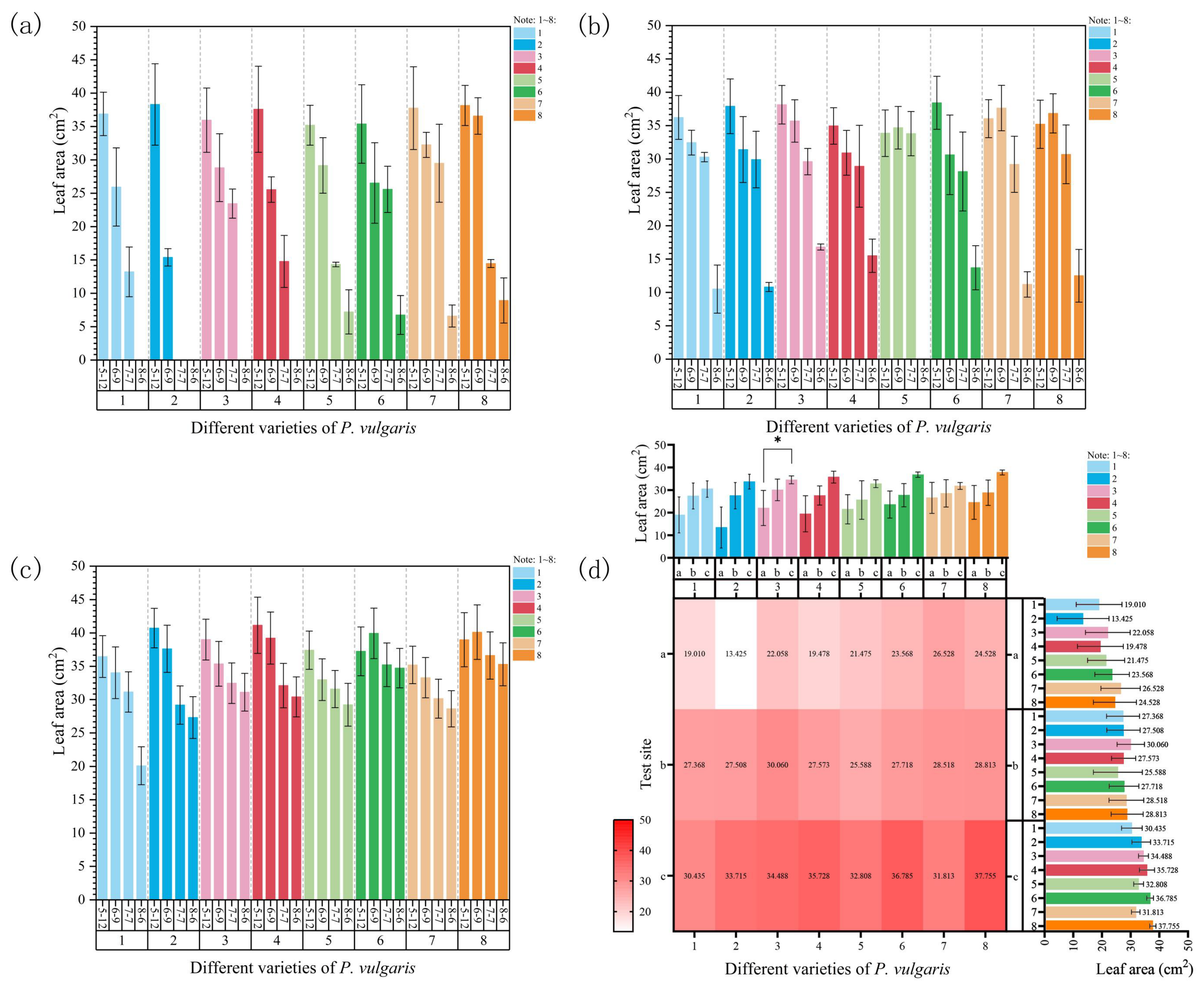
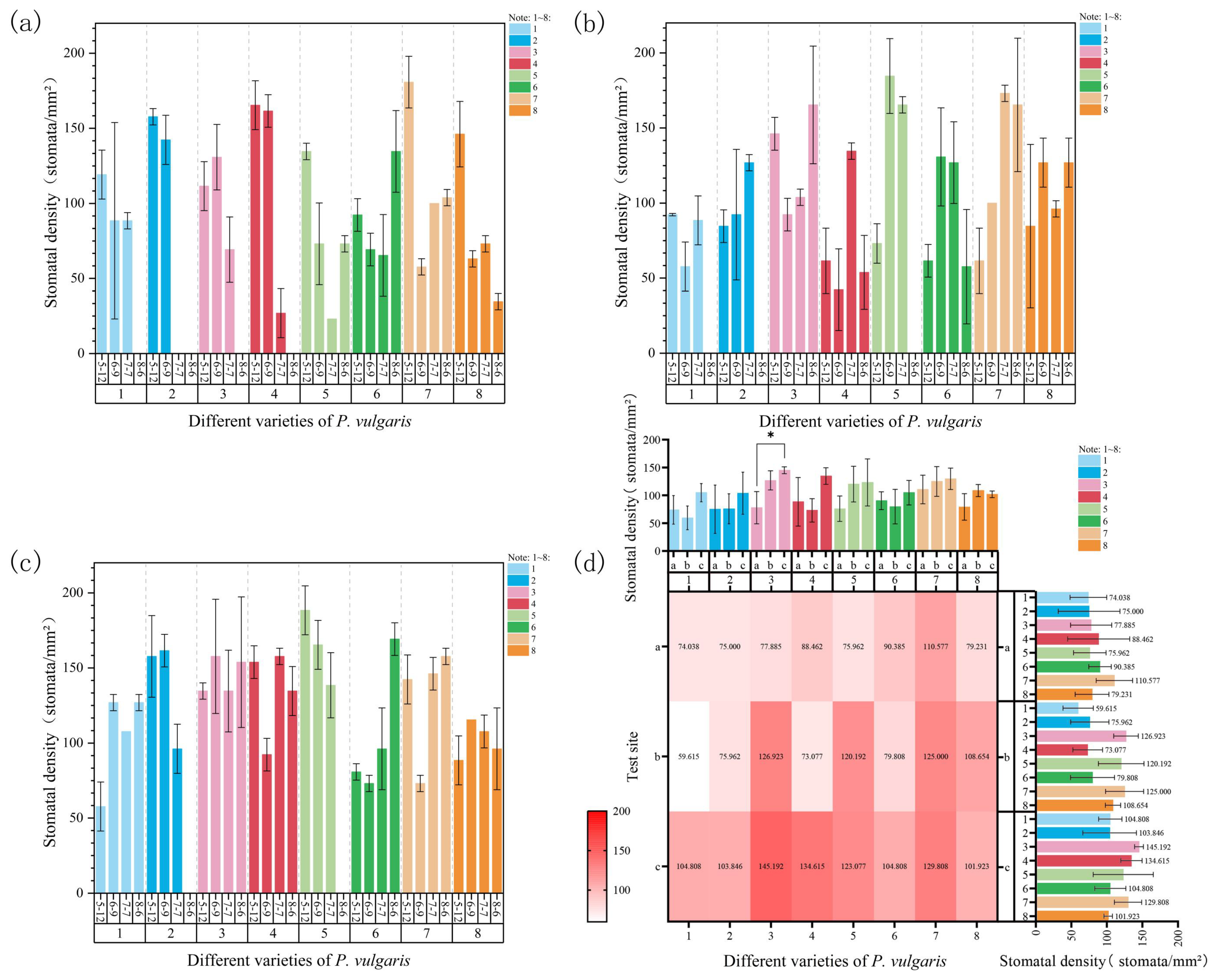
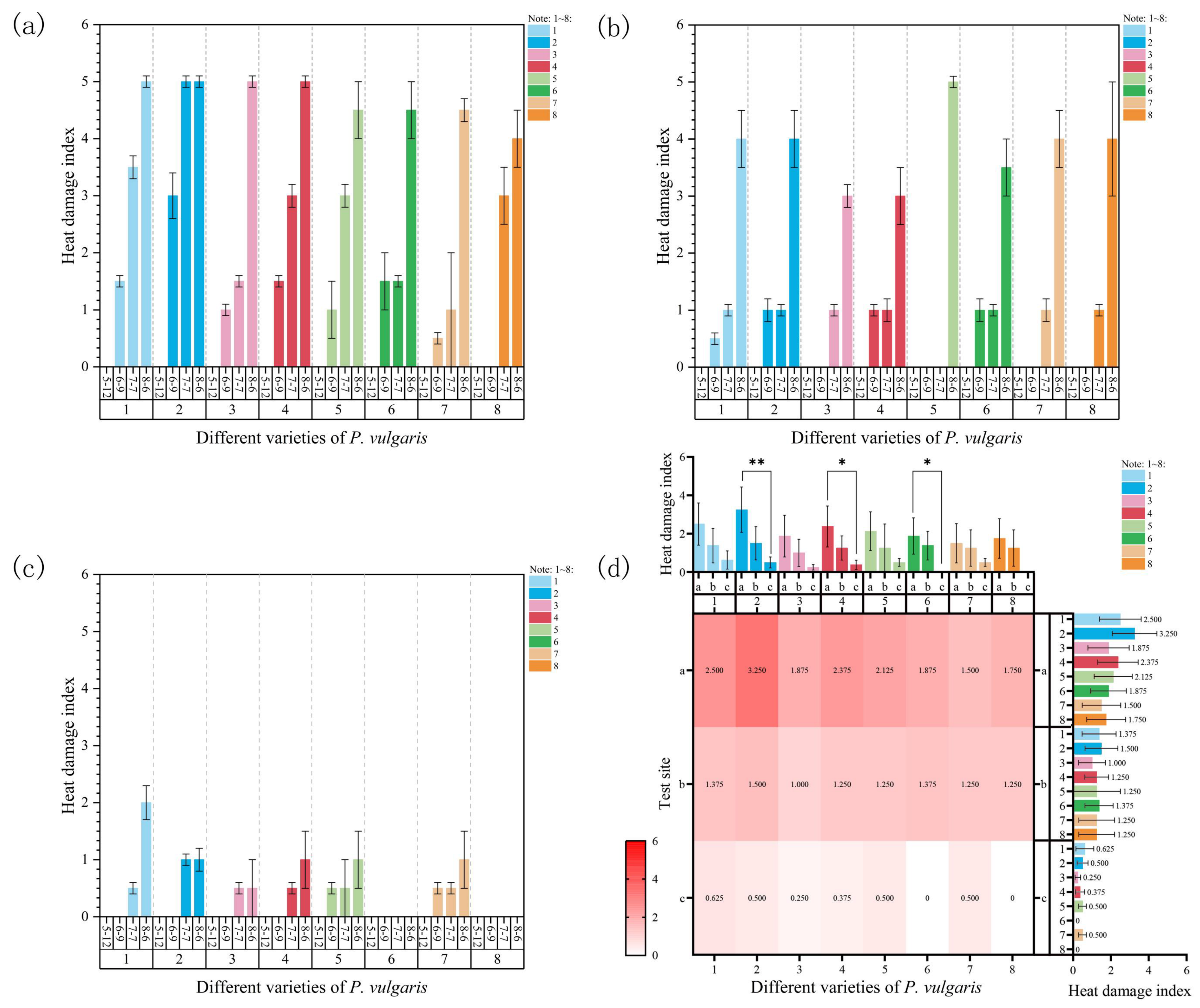
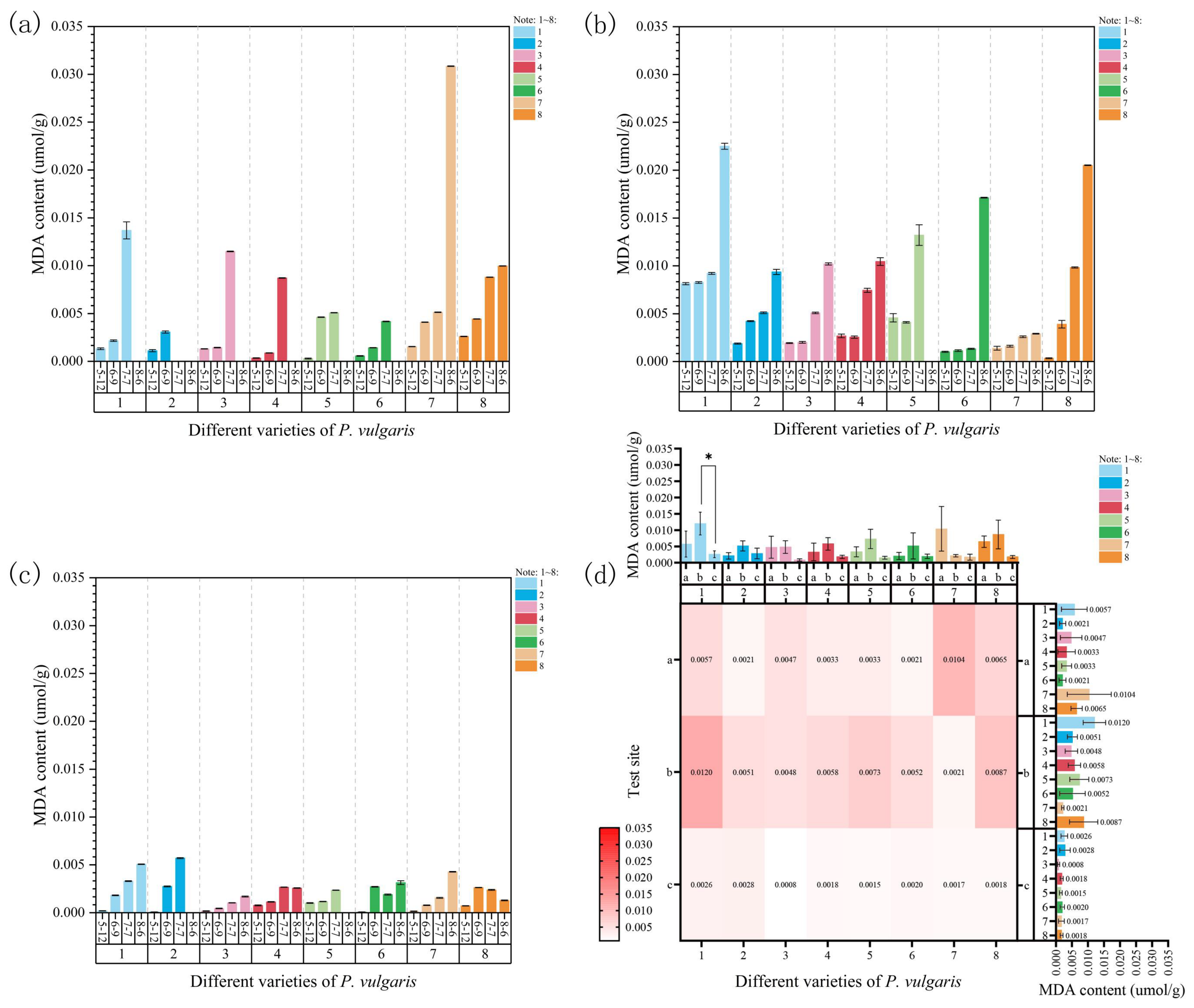
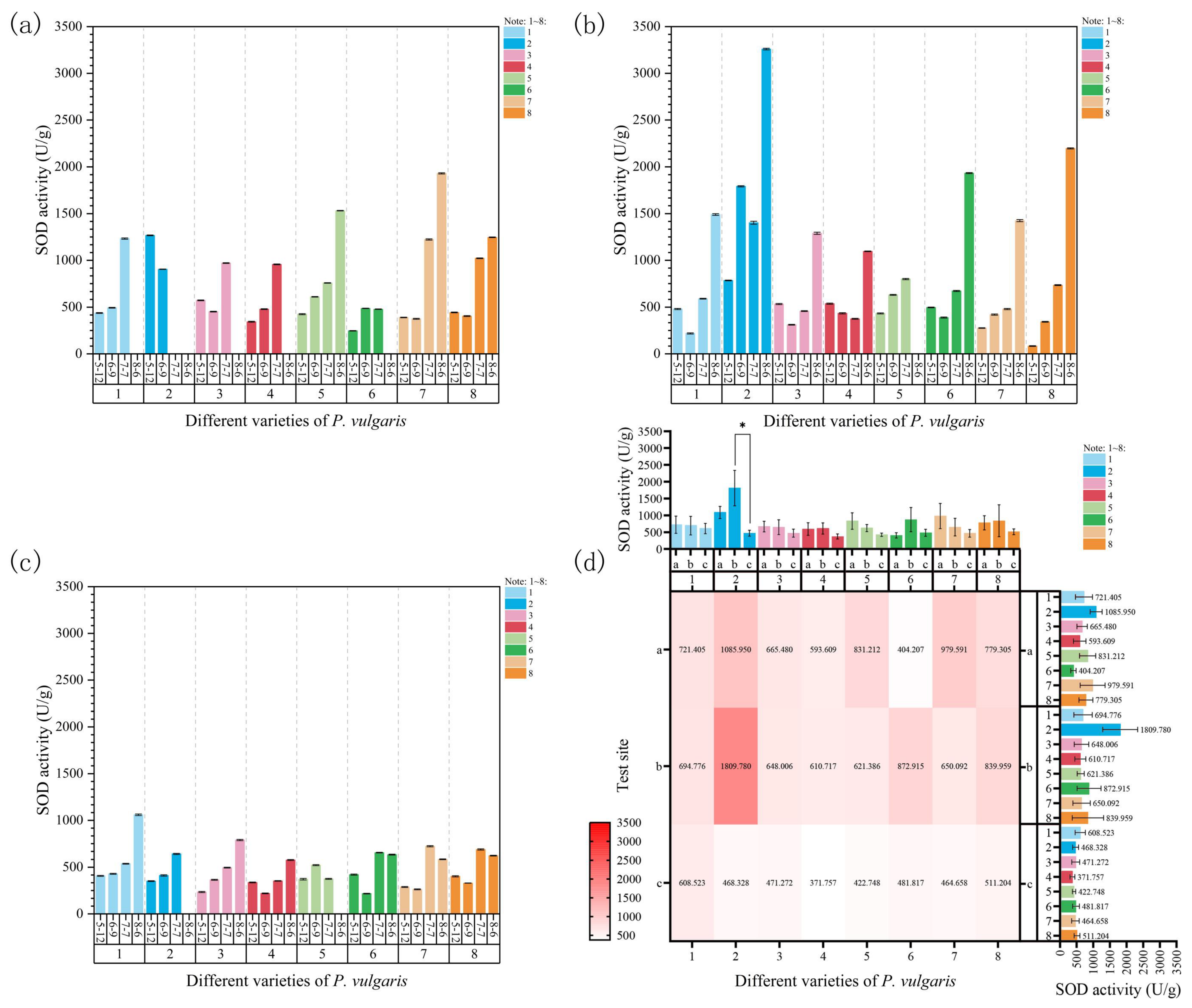
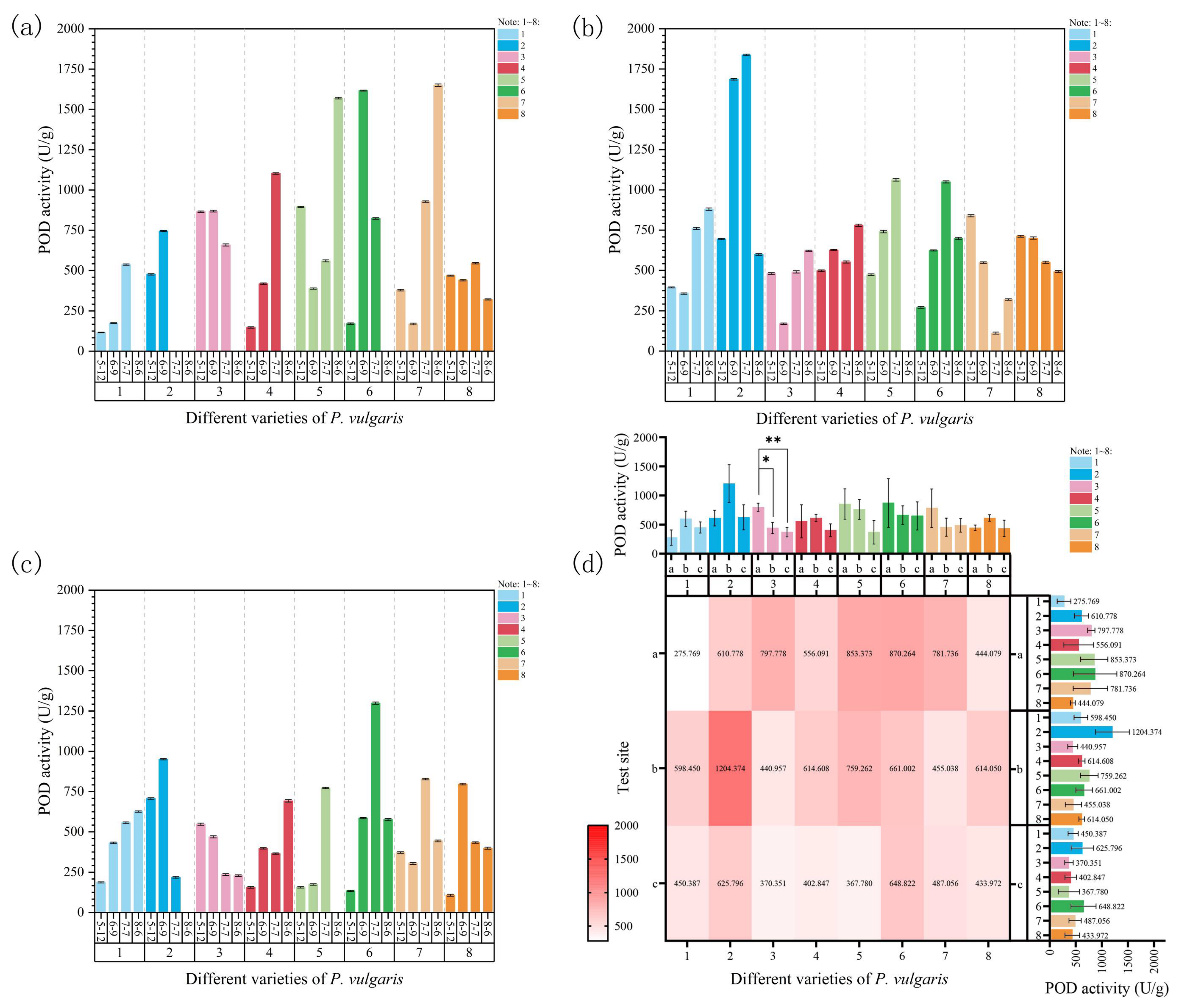
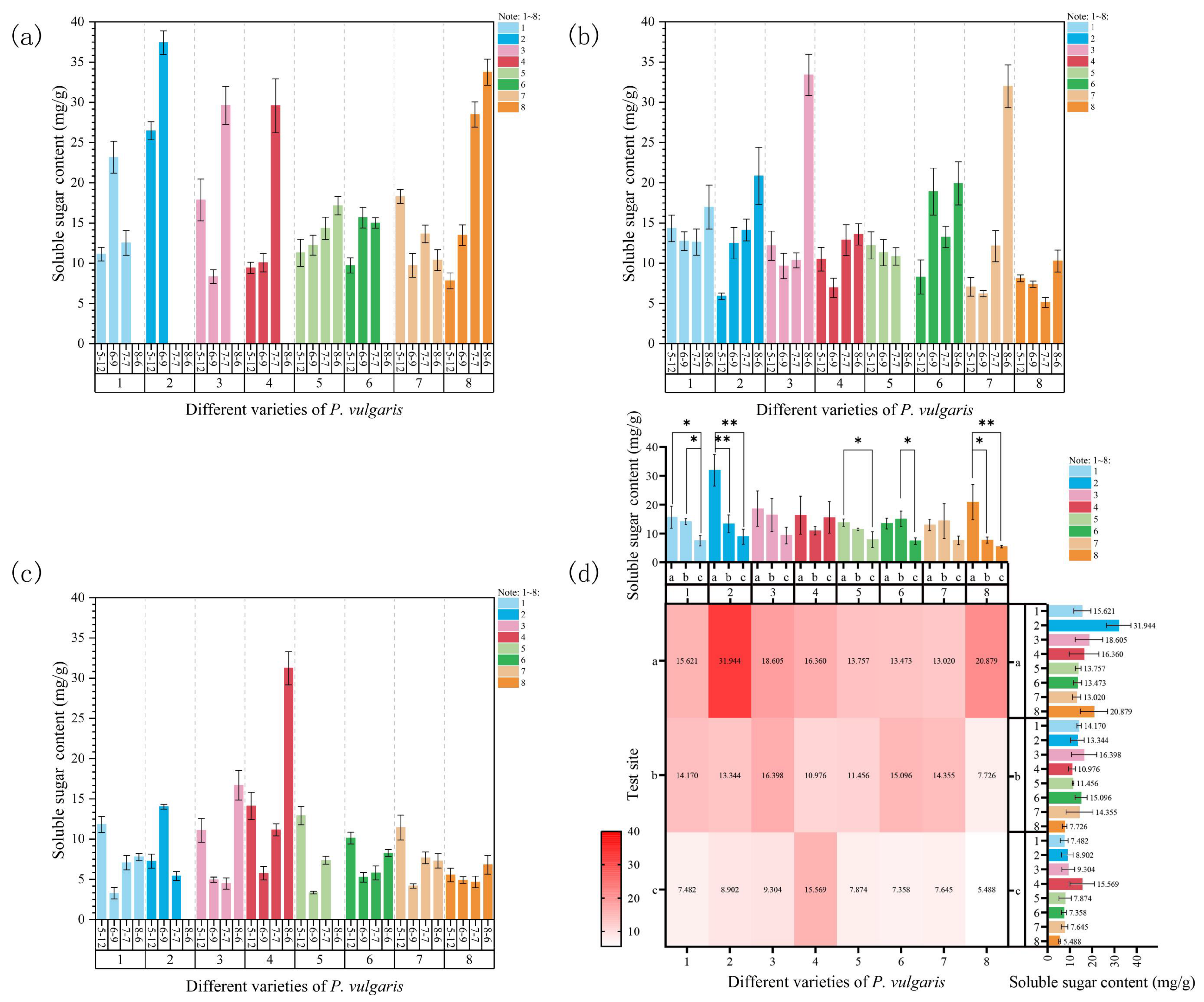
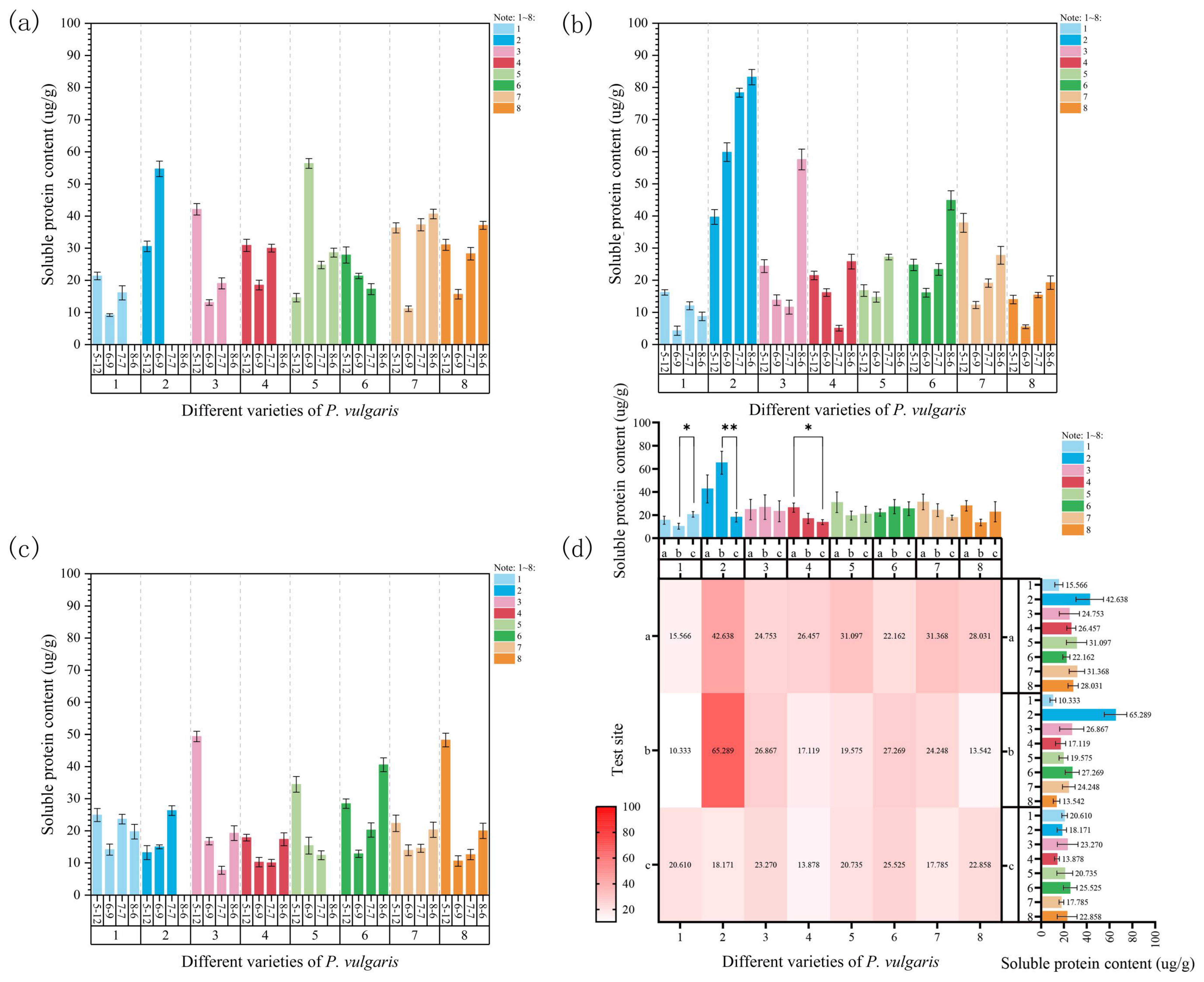
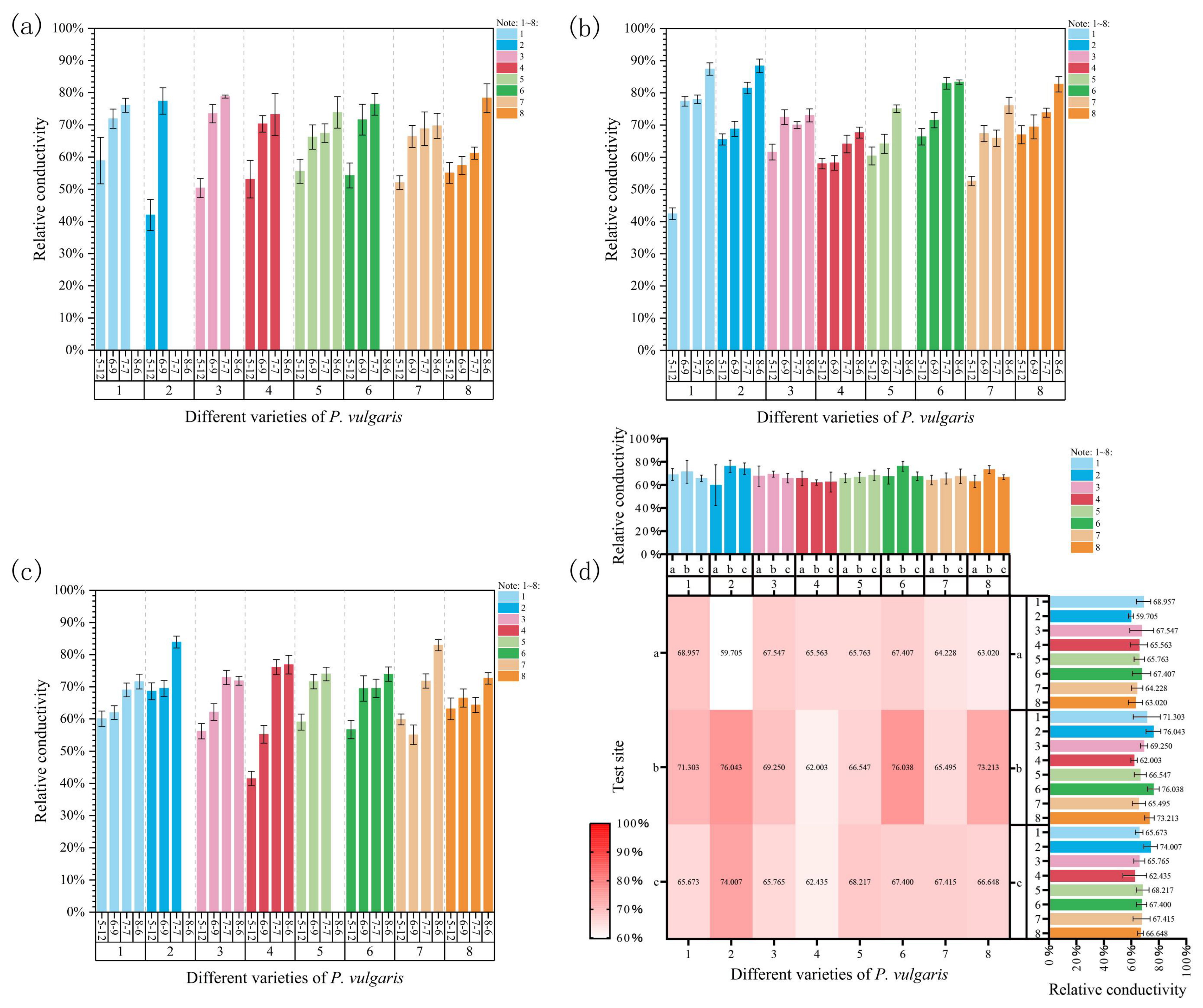
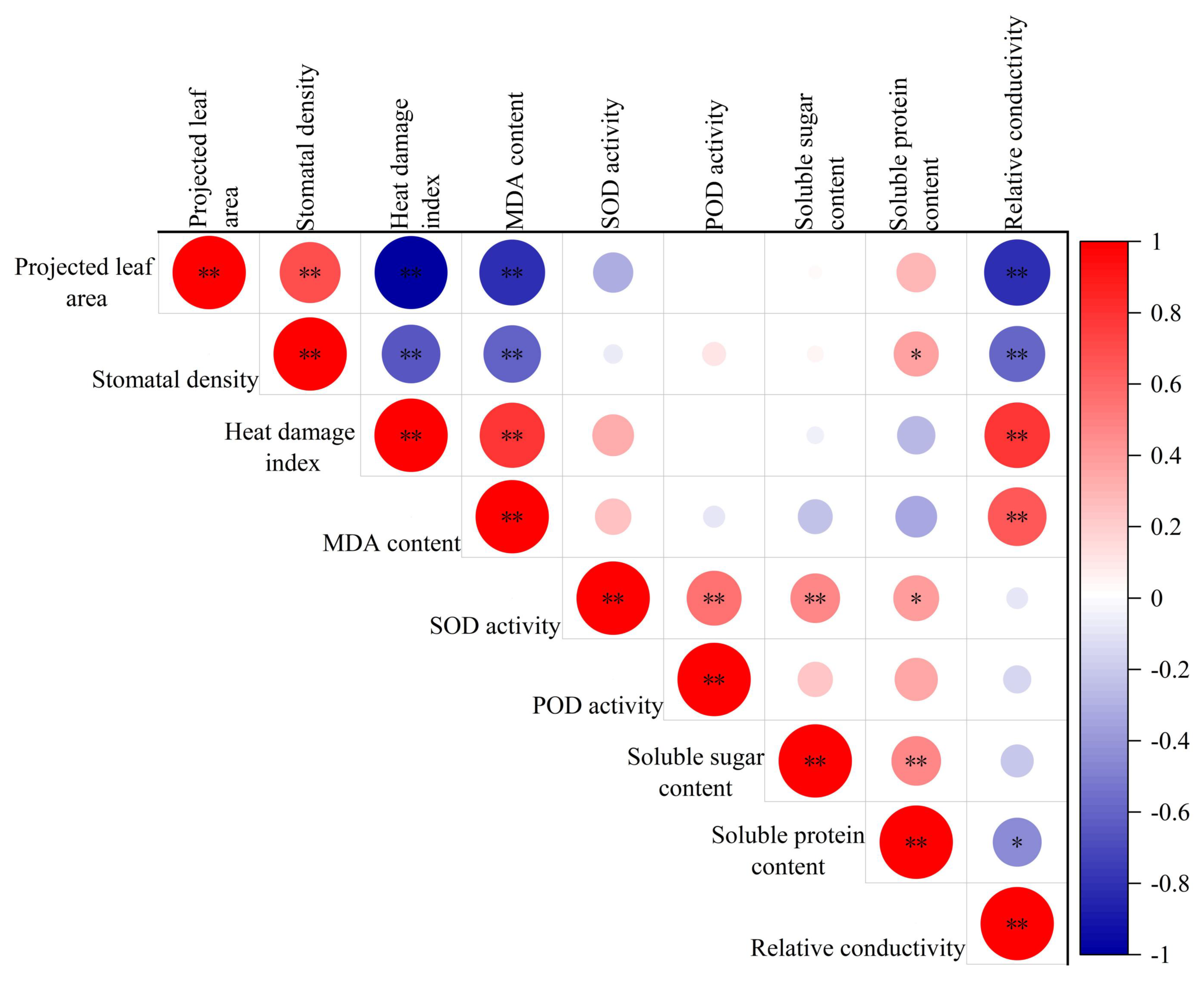
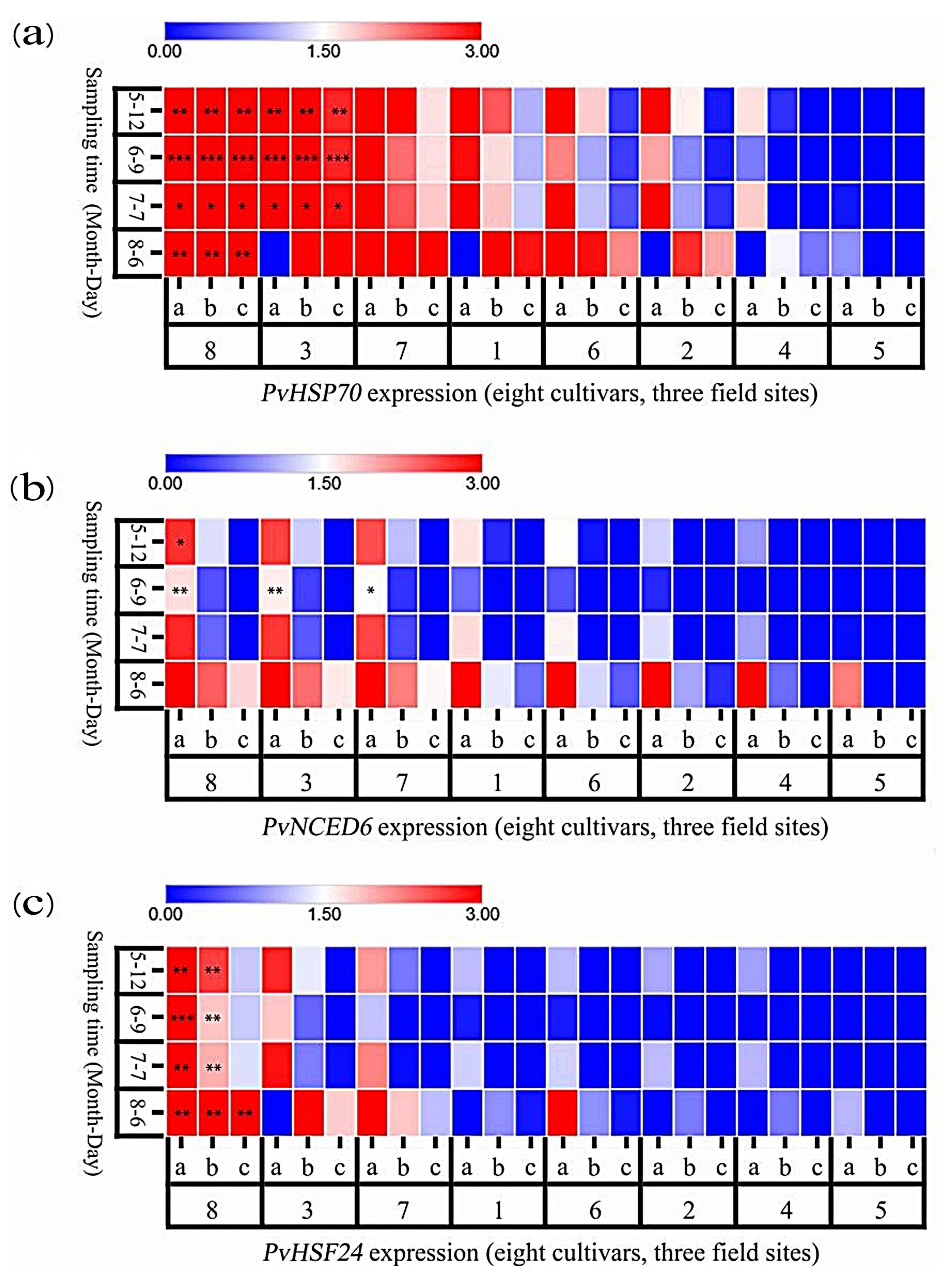
Primula vulgaris possesses considerable edible, medicinal, and ornamental value. It is widely applied in food and pharmaceutical development and, as an early-spring flowering plant, is used in landscaping. However, its range of applications and scope are significantly limited due to its inability to withstand high temperatures. This study aimed to investigate the heat tolerance of P. vulgaris under natural high temperatures during summer, identify the most heat-resistant varieties, and determine the optimal conditions for summer outdoor cultivation. Eight P. vulgaris varieties were selected and placed under forest shade with three different shading rates during the summer high-temperature period. Additionally, the heat damage index and the following six physiological indicators were measured: malondialdehyde (MDA) content, superoxide dismutase (SOD) activity, peroxidase (POD) activity, soluble sugar content, soluble protein content, and relative conductivity. Furthermore, a correlation analysis of the physiological indicators was conducted, and a heat tolerance evaluation was performed using the membership function method. Simultaneously, qRT-PCR was employed to analyze the expression patterns of three heat stress-related genes (PvHSP70, PvNCED6, and PvHSF24) across the different cultivars and experimental sites. Under heat stress conditions, leaf area was found to be positively and highly significantly correlated with stomatal density (p < 0.01). The heat damage index, MDA content, and relative conductivity increased significantly with prolonged stress, and they showed highly significant positive correlations. SOD activity, soluble sugar content, and soluble protein content increased to resist heat damage, while POD activity exhibited no consistent trend. Highly significant positive correlations were observed among protective enzyme activities and osmotic regulatory substances. After a comprehensive evaluation, the eight varieties were ranked according to heat tolerance as follows: “Early Punas Yellow” > “Danova Red” > “Middle Punas Rose Red” > “Middle Punas Blue” > “Middle Punas Red” > “Danova Rose White” > “Middle Punas Crimson” > “Middle Punas Scarlet”. Conclusions: “Early Punas Yellow”, “Danova Red”, and “Middle Punas Rose Red” demonstrated strong heat tolerance. In addition, the expression of PvHSP70 and PvHSF24 was significantly upregulated in heat-tolerant cultivars, while that of PvNCED6 showed a sustained increasing trend with rising temperatures. The results of a three-way ANOVA suggested that P. vulgaris exhibited different regulatory patterns among various traits under natural high-temperature stress. Morphological and integrative damage-related indicators, including leaf area, stomatal density, and the heat damage index, all presented significant “site × time” interaction effects. Meanwhile, some physiological regulatory indicators displayed more complex and inconsistent response patterns. These findings further confirm that a dense forest understory grassland is an ideal environment for the summer outdoor cultivation of P. vulgaris.
Keywords: correlation analysis; heat tolerance evaluation; heat-responsive gene expression; natural high temperatures; physiological response; P. vulgaris correlation analysis; heat tolerance evaluation; heat-responsive gene expression; natural high temperatures; physiological response; P. vulgaris