2.1. Genetic Diversity Using Morphological and Molecular Approaches
We investigated the diversity of common bean resources widely grown in Greece, based on 24 morphological and agronomic descriptors but also five SSR markers, for incorporation into subsequent breeding programs. Primary visual observation confirmed the predominance of a distinct market class. Among the 12 qualitative descriptors, 6 were polymorphic, with terminal leaflet shape showing the highest diversity (6 categories). The relatively low polymorphism in qualitative traits (50% monomorphic) compared to quantitative reflects strong directional selection for preferred phenotypes. Especially for the flower color, 100% of genotypes presented a white standard and wings. This observation is in accordance with the results from other studies, where the white character predominated [
9,
33,
34]. Regarding the seed color, 100% of genotypes had white seed coats. The white seed color in common bean results from convergent evolution in the
P (pigment) gene [
35,
36]. The recessive
p allele is pleiotropic to other genes in the network, and
pp homozygotes produce white seeds together with white flowers [
37]. The prevalent white phenotype unravels the allelic distribution of the tested germplasm. However, the
P gene has also been used as the first genetic marker for a quantitative trait because a QTL for seed size is linked to it. The association with seed size indicates that maybe the predominance of the white phenotype implies a continuous selection preference for specific ecotypes. In a similar study by Nadeem et al. [
34], the most dominant seed color was also white.
Regarding the plant type, 71.43% of genotypes were characterized as indeterminate type II growth habit, according to CIAT guidelines [
38]. According to Kläsener et al. [
39], indeterminate growth habit contributes to better grain quality since pods do not touch the soil, while Nasar et al. [
40] described it as an ecophysiological adaptation to increase light exposure and photosynthetic efficiency. For the terminal leaflet shape, 77.14% were circular to rhombic, followed by rhombic (14.29%), triangular (2.86%), triangular to circular (2.86%), and circular (2.86%) leaflets. For the pod shape in the cross section, two categories were reported among genotypes (ovate 74.29% and elliptic 25.71%). At the same time, 48.57% of the seeds were kidney-shaped in the longitudinal section, 22.86% were rectangular, 20% were circular to elliptic, and 8.57% were elliptic, indicating a strong acceptance of kidney-shaped grains among European (especially Mediterranean) consumers. A similar study by Jan et al. [
33] reported kidney (26.6%), cuboidal (28.4%), and circular to elliptical shapes (28.4%) as the most predominant. It is interesting to note that a correlation was identified between specific qualitative traits, e.g., plant type and seed shape, plant type and pod shape of the distal part, pod shape of the distal part and seed shape, and pod shape in the cross section and pod stringiness of the ventral suture, enabling the concurrent and indirect selection for these descriptors, in consistency with previous studies [
41]. Characterization based on such qualitative traits enables separation of the genotypes into groups representing different geographical areas or different races of the same gene pool [
42]. As reported by Dutta et al. [
43] and Zeven et al. [
44], such morphological markers often co-vary and contribute to germplasm differentiation.
For the quantitative traits, a statistically significant difference was found among the entries for 11 out of 12 evaluated descriptors (
Table 1), indicating variability between the tested genotypes. The only trait for which no statistical significance was detected was pod width, suggesting a strong environmental influence. It is extremely noteworthy that the average 100-seed weight observed was 50.89 g, consistent with previous studies that reported similar values for Greek landraces of indeterminate type under normal irrigation and relatively low plant density [
45]. In the study by Rana et al. [
46], the average value was 27.5 g, while De Paula et al. [
9] reported an average value of 21.43 g. Similarly, Mesera et al. [
47] observed a mean value of 17.90 g. Our findings showed higher values compared to the above-mentioned studies, which reported average values for 100-seed weight that ranged from 17.9 g to 27.5 g [
9,
46,
47]. This difference can be attributed to several factors. First, the honeycomb prognostic breeding design employed in our study eliminates intergenotypic competition through systematic plant spacing, allowing for maximum phenotypic differentiation and full expression of genetic potential [
19], particularly for yield-related traits. Second, growth habit differences substantially influence seed size and yield components in common bean, with indeterminate types II, III, and IV showing advantages over determinate types [
48]. Additionally, field evaluation conditions versus controlled greenhouse experiments can result in different trait expression patterns due to resource availability and genotype × environment interaction. In a related study by Kargiotidou et al. [
49] involving dense sowing, a 100-seed weight equal to 36.25 g was reported specifically for G1 (Pyrgetos), while for G4 (Lingot), the same descriptor was equal to 29.25 g. Our findings are very close to those obtained in a previous study by Mavromatis et al. [
10], in which the evaluated Greek landraces of indeterminate growth habit (IV) showed similar values for 100-seed weight (28.67–59.82 g). This observation—by providing indirect information about the seed size—suggests the emblematic Mediterranean “local bean”. It is also imperative to acknowledge the mean agronomic performance of the evaluated germplasm for the number of pods and number of seeds per plant. The number of pods per plant observed in the current study was 58.40 and the number of seeds per plant was 153.59. Papathanasiou et al. [
45] reported an average number of pods per plant equal to 91.54 when evaluating climbing (indeterminate growth habit IV) landraces adapted to the Mediterranean climate. This advantageous characteristic indicates the high yield potential of local (Greek) landraces and their possible utilization in future breeding programs to improve the seed yield of common bean. Additionally, correlation analysis revealed significant pairwise correlations among quantitative traits (
p < 0.05). A strong negative correlation between the number of pods per plant and 100-seed weight (r = −0.79;
p < 0.05) suggests either a pleotropic effect or tight genetic linkage and has important breeding implications through indirect selection for one trait or the other. This negative correlation between seed size and yield should be considered carefully when selecting the best-performing genotype, since the preference for large-seeded cultivars by consumers probably derives from assumptions of their rapid hydration and satisfactory taste [
50].
After the analysis of variance, the means of the morphological and agronomical data were subjected to Skott–Knott mean clustering (
p < 0.01;
Table 1). The descriptor seed length presented the largest number of classes—four in total—with values ranging from 7.80 mm (G6—Karatzova Landrace) to 13.60 mm (G4—Lingot). The plant height, leaflet width, pod length of beak and seed width each comprised three groups. For the plant height, the values ranged from 48.50 cm (G4—Lingot) to 121 cm (G1—Pyrgetos), with an average value of 83.31 cm. The statistically significant positive correlation between plant height and number of pods per plant observed in our study suggests a possible correlation between plant type and yield components, confirming the advantage of indeterminate growth habit genotypes [
48]. Especially for the Greek landraces, the distribution of pods in the upper half of the plant also favors the harvestability, resulting in special breeding contributions.
The present study found that GCV (%) values varied from 8.39% for pod length to 38.05% for plant height. Characters with a high GCV value (>20%) were plant height (38.05), pod length of beak (29.76), number of pods per plant (26.19), number of seeds per pod (29.28) and 100-seed weight (24.46), according to the categorization of Burton et al. [
51]. The elevated GCV estimations for these traits indicate the limited expression of environmental variation across the tested genotypes and suggest that yield increase through phenotypical selection is feasible. These results are consistent with Wondimu et al. [
52] and Kuma et al. [
53], who revealed high GCV values for the number of pods per plant, number of seeds per pod and 100-seed weight. Estimated values for broad-sense heritability (
H2) for the 12 quantitative traits ranged from 29% for pod length and thickness to 86% for plant height. In particular, plant height, leaflet width, pod length of beak, seed length and seed width exhibited high heritability (>60%), according to the categorization of Johnson et al. [
54]. Respectively, leaflet length, the number of pods per plant, number of seeds per pod and 100-seed weight demonstrated medium heritability values (30–60%). Kargiotidou et al. [
49] also reported high heritability for 100-seed weight (79%). Strong heritability estimates for these traits indicates that the variation observed was mainly under genetic control and was less influenced by the environment, implying that selection for these characters would be effective due to additive gene action. The relatively low standard errors of broad-sense heritability (
H2) for specific traits indicate good precision of the genetic parameter estimates. The combined elevated values of GCV% and
H2 for the above morpho-agronomic traits indicate the high potential for genetic advancement for these characters. Furthermore, high heritability estimates along with a high genetic advance as a percentage of mean (GAM > 20%) were found for traits such as plant height, leaflet width, pod length of beak, seed length and seed width, making the direct selection effective for the improvement of these traits. The combination of the two genetic parameters typically improves the prediction of genetic gain under selection [
54].
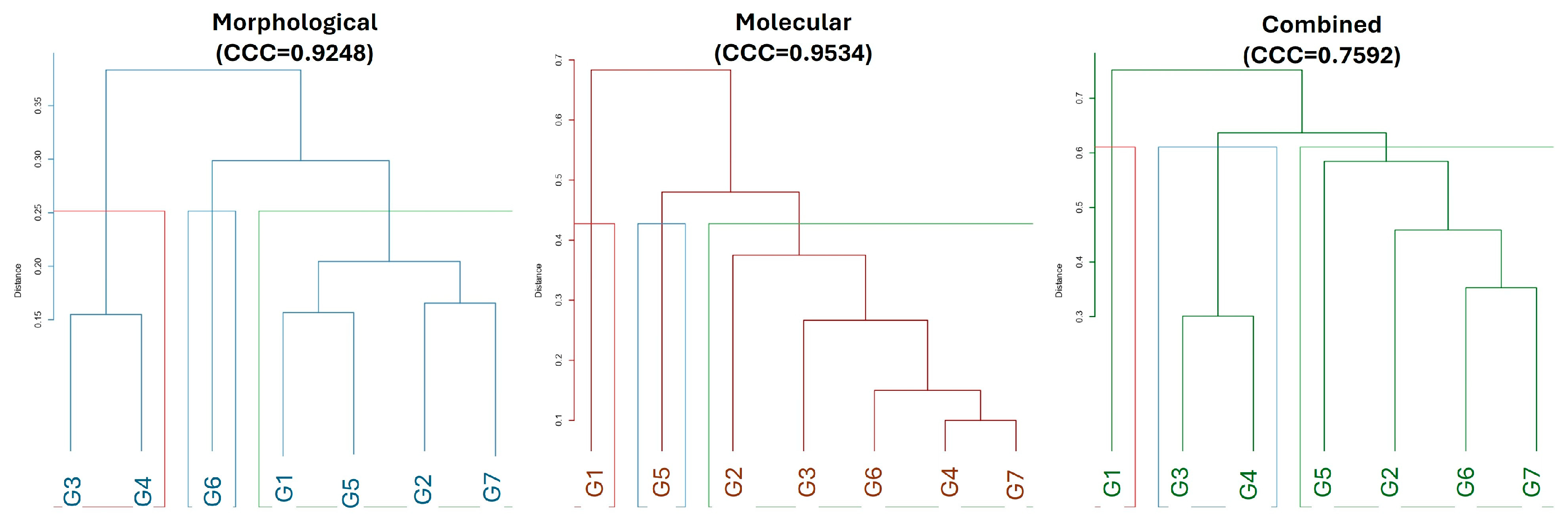
The dissimilarity matrix, through the Gower algorithm (incorporating both quantitative and qualitative traits), showed that based on the morpho-agronomic descriptors, the evaluated genotypes have an average genetic distance of 0.30 (±0.10), ranging from 0.15 (G3–G4) to 0.44 (G3–G5). The medium average distance coupled with the higher distances noted between landraces and reference genotypes (commercial varieties Lingot and Cannellino) highlighted the uniqueness of this material. Therefore, relative homogeneity was observed among the tested genotypes—though not restrictive—accompanied by increased intrapopulation variability, promoting the selection of promising lines. The dissimilarity found is notable for the recombination of parental characteristics and the effective selection of superior individuals for segregating generations [
55]. UPGMA clustering based on Gower dissimilarity produced a dendrogram with a cophenetic correlation coefficient (CCC) of 0.92, indicating excellent fit (
Figure 1). The high CCC value (>0.90) confirms the reliability of the grouping [
56].
The dendrogram grouped genotypes into three major clusters. Cluster I (reference genotypes G3–G4) was characterized by erect-growing plants with a lower plant height, short internode length, decreased node number (3–5) and apical growth terminating in an inflorescence (determinate type I). These two commercial varieties were also characterized by a decreased number of pods per plant and number of seeds per pod, a greater seed size and early flowering. Cluster III (G1, G2, G5, and G7) exhibited contrasting features related to plant type (indeterminate type II) and yield parameters. These genotypes were characterized as upright short vines with few branches and pods, concentrated primarily in the middle of the plant, that demonstrated later flowering and longer season maturity. This observation further confirms the assumption that landraces have probably retained adaptation characteristics from the wild type. Entry G6 (landrace Karatzova) emerged as the most divergent, occupying a distinct cluster (Cluster II). Thus, this entry represents a useful genetic resource for expanding the genetic base through crossing programs because of its distinctive compact plant architecture and improved yield characteristics. This phenotypic differentiation likely reflects agronomic plasticity and adaptation to various agroecological zones.
According to Silhouette analysis for morphological UPGMA, the optimal number of clusters was
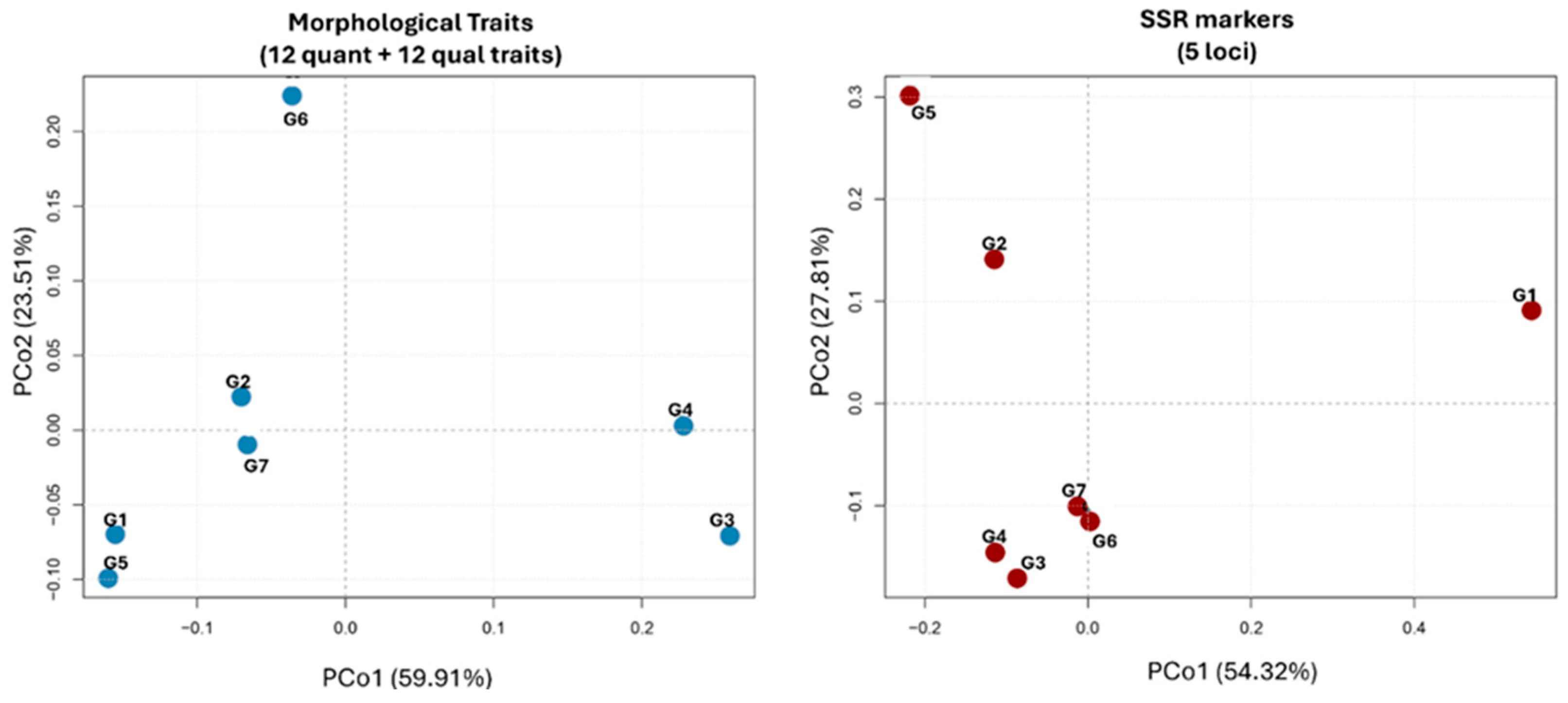
k = 2, validating the discrimination between Greek germplasm and control genotypes (G3 and G4). Hence, the clustering pattern based on Silhouette analysis partially aligns with geographical origin, market class and growth habit, suggesting the need for conservation. Principal coordinate analysis (PCoA) confirmed further the UPGMA results, with the first two coordinates explaining 59.91% and 23.51% (cumulatively 83.42%) (
Figure 2). The ordination revealed that PCo1 primarily separated genotypes based on plant height, pod morphology and yield parameters, while PCo2 distinguished genotypes by leaflet characteristics, highlighting the direction that breeding should follow.
The five SSR loci amplified 19 alleles, with an average of 3.8 alleles per locus (range 139–258 bp). The average percentage of polymorphic loci was 48.57%, while private alleles were identified for SSR PhC-X04660 in landraces G2, G6, and G7 and for SSR PhC-AZ044945 (G6). Given that the two out of five SSR markers were monomorphic, the average values for Na (1.914), Ne (1.646), Shannon Index (0.426), He (0.252), and Ho (0.157) indicated moderate genetic diversity at neutral loci (
Table 2). According to the Polymorphism Information Content (PIC), three out of five loci were classified as highly informative (PIC > 0.5). These specific markers could be particularly valuable for marker-assisted selection and genetic mapping in subsequent breeding programs.
Regarding the allelic patterns across the seven entries, the highest values for Na, Ne and the Shannon Index were estimated in landraces Karatzova (G6), Florina (G2) and Smyrni (G7), suggesting that this germplasm contains sufficient allelic variation for maintaining long-term genetic variability and responding to selection pressure. Additionally, the lowest Ho values observed in these entries point to the assumption that common bean landraces constitute mixtures of inbred lines, from which the direct selection of superior genotypes is effective. In summary, the moderate allelic richness despite the small sample size (
n = 7) validates the fact that the studied genotypes capture substantial genetic variation, potentially representing distinct gene pools. UPGMA clustering based on Nei’s genetic distance revealed three clusters with a cophenetic correlation coefficient of 0.9534 (
Figure 1), unraveling two distinct genotypes (G1 and G5), which could be used as potential promising parents in crossing schemes. Principal Coordinate Analysis (PCoA) for molecular data explained 82.13% of variance in the first two coordinates (
Figure 2).
Concerning the combined analysis, a Mantel test revealed a very weak (not significant) correlation between morphological and molecular distance matrices (
r = 0.0135;
p = 0.474). This lack of correlation suggests that morphological traits are strongly influenced by environmental plasticity or that these specific loci do not directly control the corresponding traits. Previous studies have reported that several morphological traits of common bean, such as vine length and length of the main stem, depend strongly on environmental conditions (light, temperature, and moisture) [
57]. Procrustes analysis yielded insignificant congruence between datasets, confirming the necessity of using both morphological and molecular markers to fully capture the available genetic variation. The combined approach integrating both morphological and molecular data (50:50 weight) produced a consensus dendrogram with CCC = 0.7592 (
Figure 1), representing a balanced genetic structure incorporating both the type of variety (commercial vs. landraces) and origin (Greek germplasm vs. reference genotypes). Similarly, in other studies, no correlation was observed between the matrices of morpho-agronomic and molecular data [
55].
2.2. Phenotypical Screening and Molecular Characterization for BCMV Resistance
Entry-specific resistance profile analysis revealed substantial variation in resistance responses according to the prevalent symptomatology (
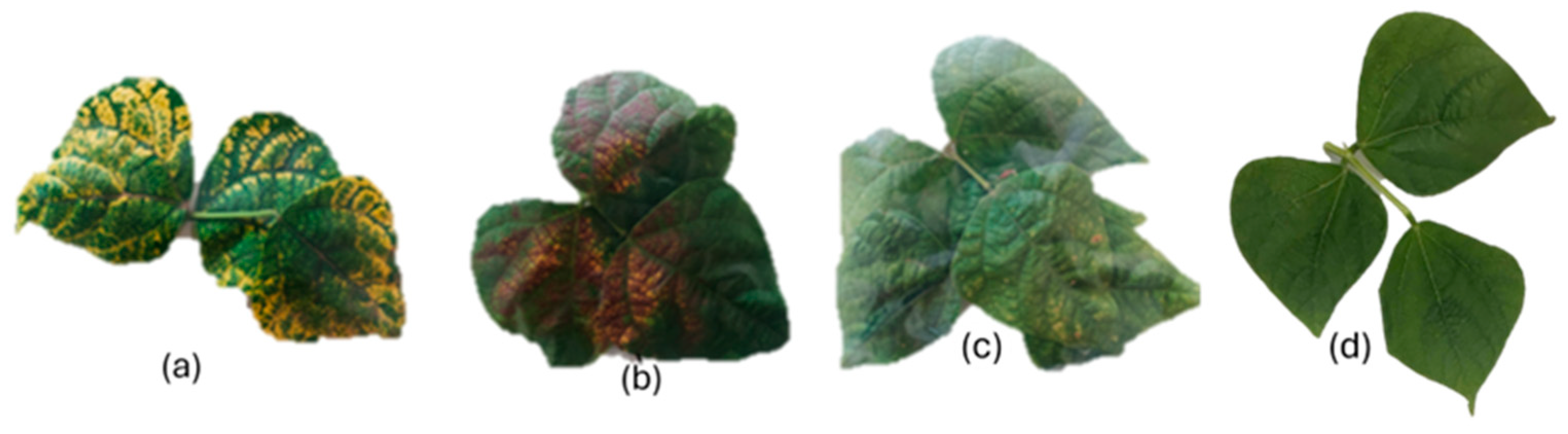
Table 3). Individual plants possessing mosaic and/or leaf rolling, systemic necrosis and intense weakness were classified as susceptible. On the contrary, plants showing hypersensitive necrotic reactions including top necrosis, vein necrosis and/or small necrotic lesions or mild mosaic were categorized as resistant/tolerant with mild symptoms, and finally plants with no symptoms were also characterized also as resistant. It is noteworthy that plants rated as resistant with no symptoms in the observation scale maintained this phenotype until the end of the biological cycle and were selected as promising genotypes. In the tested plants (20 per entry), BCMV was identified molecularly.
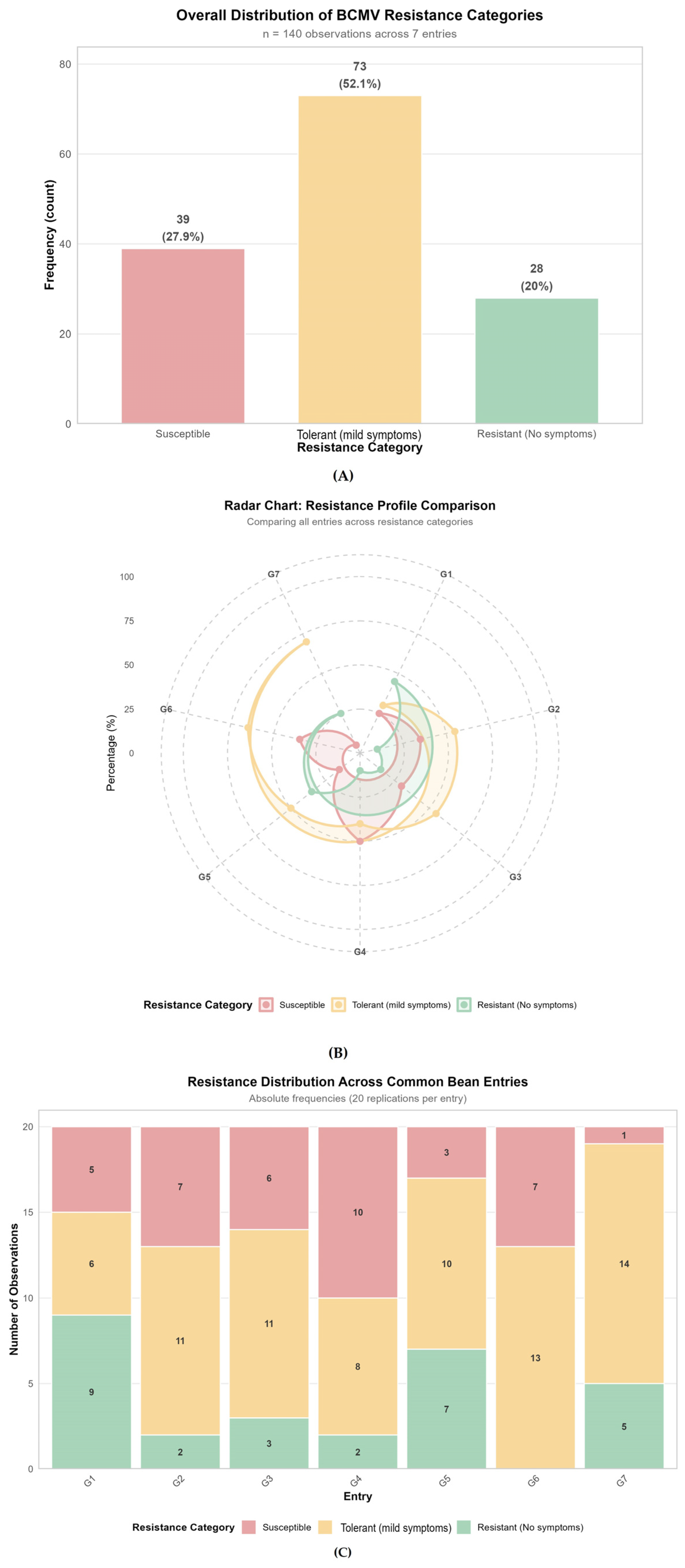
Phenotypic evaluation of BCMV resistance across the seven common bean entries revealed a predominantly resistant/tolerant germplasm, with 72.14% of plants exhibiting resistance responses. The overall phenotypical resistance distribution showed considerable variation, with 52.14% of plants classified as resistant/tolerant with mild symptoms (scale 2), 27.86% as susceptible with severe symptoms (scale 1) and 20% as resistant without visual symptoms (scale 3—absolute resistance phenotype) (
Figure 3). This pattern indicated that mild symptoms represented the main response mechanism within the tested germplasm, while the symptomless phenotype, though less frequently observed, still existed. Our results are consistent with a previous study by Deligoz et al. [
58], in which 75% of genotypes were recorded as resistant to BCMV after phenotypic analysis. The high proportion of the moderate resistance response (tolerance with mild symptoms) among the tested plants is commonly associated with the incomplete dominant nature of the
I gene, as described by Collmer et al. [
59], where
I/
i genotypes respond to BCMV infection through a hypersensitive response (HR). This resistance phenotype induced by mild necrosis of primary leaves was also demonstrated by Meghanath et al. [
6]. The lower frequency of the symptomless resistance response suggests that this phenotype may be controlled by different resistance mechanisms or may require a specific genetic background for expression.
Based on the typical resistance category using the 20 observations per entry after phenotypical screening and virus molecular identification, six of the seven entries (85.7%) were classified as phenotypically resistant, with only G4 exhibiting a predominantly susceptible phenotype (
Figure 4). Among the phenotypically resistant entries, G7 demonstrated the most robust resistance profile, with 70% of replications showing mild symptoms and only 5% severe symptoms. Similarly, G5 exhibited great resistance (85%), with 35% of tested plants possessing the symptomless phenotype. G2 and G3 showed intermediate resistance levels, with 55% of both entries presenting mild symptoms (tolerance to BCMV). Notably, G6 demonstrated strong tolerance with 65% displaying mild symptoms, while lacking the symptomless phenotype. Entry G1—known as an old Greek variety Pyrgetos—presented a more complex resistance profile, showing a relatively balanced distribution across all three categories (25% susceptible, 30% resistant/tolerant with mild symptoms and 45% resistant with no symptoms). This entry was the only one where the symptomless phenotype represented the most frequent response, suggesting potentially different underlying resistance mechanisms compared to other entries, e.g., the presence of recessive resistance genes or QTLs that confer resistance without visual symptoms. This observation defines the position of the Greek germplasm regarding the resistance profile. The superior resistance observed in the tested germplasm compared to commercial varieties (G3 and G4) underscores its value as a valuable gene pool for disease resistance. This finding aligns with numerous studies demonstrating that landraces represent important reservoirs of disease resistance genes that may have been lost during intensive commercial breeding focused on uniformity and yield [
60]. This field-validated approach was followed as an alternative to typical practices in preliminary trials, in order to handle a large population size and combine it with the selection of superior genotypes under realistic conditions in the evaluation environment. Controlled trials should be performed subsequently to validate the reliability of the field data, in an attempt to adopt a systematic strategy for tracking genotypes for simultaneous selection in terms of yield and resistance.
Additionally, the chi-squared test of independence revealed a highly significant association between entry genotype and resistance phenotype (X2 = 28.666; p-value = 0.004416), indicating that resistance responses showed a genotype-specific pattern. This finding provides strong statistical evidence that genetic differences among entries influence their resistance to BCMV infection and different genotypes may carry distinct resistance genes or allelic variants that confer discrete phenotypes. This variation is extremely useful in breeding programs, as it indicates potential for pyramiding, in order to achieve durable resistance.
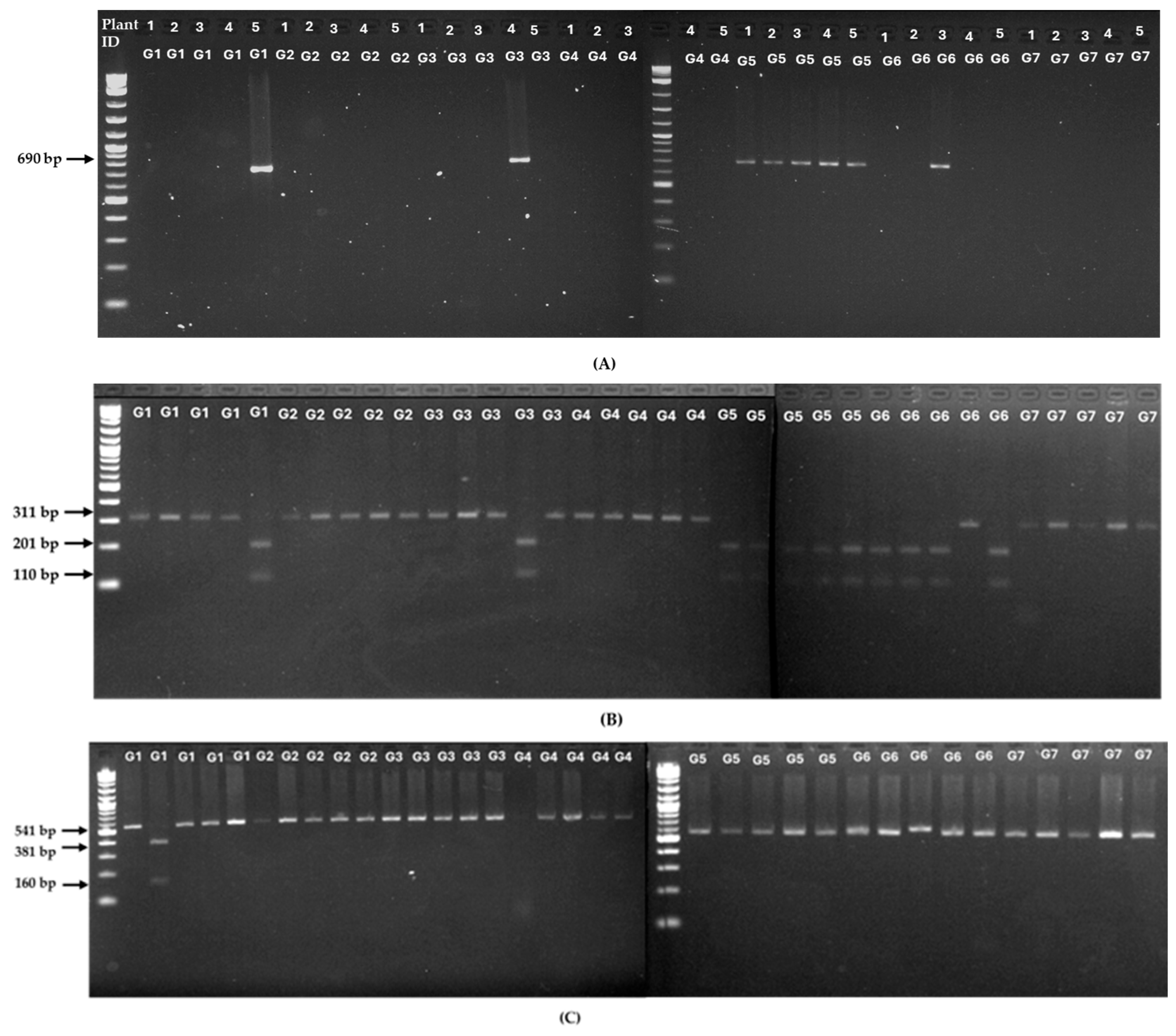
The observed phenotypic variation suggests the involvement of multiple resistance mechanisms operating within the tested germplasm. Indeed, the presence of the dominant
I gene was confirmed initially by SCAR marker SW13 at the expected size of 690 bp, similarly to other studies [
23,
25,
58] (
Figure 5A). The BCMV-CAPS marker was later used for revalidation and interestingly, three more resistant genotypes were identified (
Figure 5B) that had no SW13 marker-specific product. This erroneous genotyping is due to a recombination between the
I gene and SW13-linked marker (linkage distance ~5 cM) [
61]. PCR products of resistant genotypes (311 bp), upon digestion with TaqI (restriction site TCGA), generated products of 201 and 110 bp (
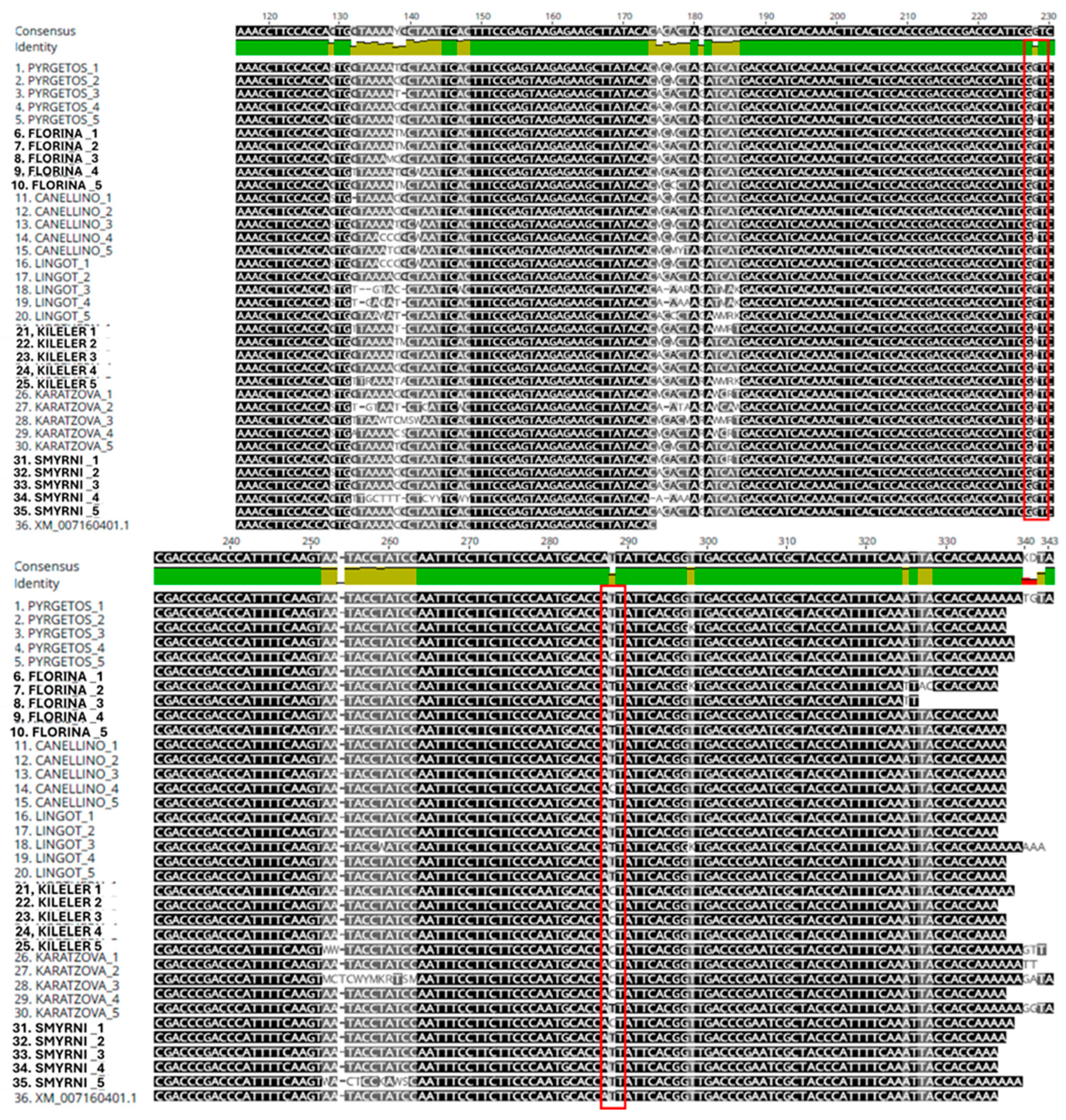
Figure 5B), whereas susceptible plants remained un-cleaved due to a point mutation (TCGG). This Single-Nucleotide Polymorphism (SNP) was revealed after Sequence Alignment at 225–228 bp, identifying only truly resistant plants bearing the
I gene (
Figure 6). Another point mutation was identified at 288 bp (C/T), highlighting the discrimination between resistant and susceptible genotypes. The presence of the
bc-3 gene was confirmed by ENM-FWe/Rve marker. The digestion of PCR-amplified products (541 bp fragment) with RsaI cleaved a
bc-3 resistant genotype within entry G1 into 381 and 160 bp fragments, whereas susceptible genotypes remained un-cleaved, due to the absence of mutations within the
eIF4E gene (
Figure 5C). The existence of
bc-3 resistance emphasizes the possibility of achieving the
Ibc-3 combination through crossing schemes. A previous study reported that so far, the recessive
bc-3 gene has not been identified in Türkiye [
58], boosting the value of Greek germplasm for disease breeding programs.
By combining phenotypic screening and amplification products for the plants presented in
Figure 5, three potential resistance groups according to the genotype (allele combination) were assumed to shape the tested germplasm, expressed by two distinct phenotypes: no symptoms and mild symptoms (
Table 4). The first group probably contains genotypes carrying the unprotected (without bc-3 recessive gene) dominant “
II” gene, which were characterized by an absolute resistance response (no visual symptoms at all). This genotype had a higher frequency within entries G1 and G5 and was observed in all entries except for G6, which presented only the mild symptom response. In particular, G5 exhibited the highest frequency of resistance alleles across the tested plants, showing a robust dominant
I gene profile. The second group is characterized by the unprotected “
Ii” gene and presented mild symptoms during the phenotyping period. This genotype is assumed to be the most frequent across all entries. Finally, the third group is described as the
ibc-3 allelic combination, also presenting absolute resistance (no visual symptoms). Entry G1, which contains individuals bearing the dominant
I gene or recessive
bc-3 gene, is a valuable source for pyramiding the desirable
Ibc-3 gene combination, through hybridizations within variety or intercross with G5. As expected, the unprotected ii allele combination was accompanied by severe symptoms in the majority of the cases tested. However, a noteworthy observation is the existence of phenotypically resistant/tolerant plants that did not carry any of the
I and
bc-3 genes (G2 and G7). This finding implies the action of different resistance mechanisms, e.g., recessive resistance (
bc-u,
bc-1, and
bc-2) or quantitative resistance, and this needs to be studied in the future.
Regarding the breeding implications, the tested materials can serve multiple roles in breeding strategies. The resistant/tolerant landraces can be directly incorporated as parental lines in crossing programs to introgress resistance genes into elite cultivars, broadening the narrow genetic base. For example, G7 and G6, with their exceptionally high frequency of tolerance responses, represent particularly promising donor parents. Combining the tolerance trait from these entries with the unique symptomless resistance phenotype from G1 and G5 could produce more durable resistance by engaging multiple defense pathways. Furthermore, controlled crosses among the resistant entries, particularly between those showing distinct resistance phenotypes, followed by inoculation with BCMV and gene expression analysis, would reveal extensively the mechanism of resistance inheritance between generations. The superior resistance observed in the evaluated germplasm emphasizes the critical importance of conserving these materials. Our results underscore the need for continued in situ conservation and ex situ germplasm collections to preserve this genetic diversity for future breeding efforts.
2.3. Prognostic Breeding for Yield Potential and Performance Stability
Yield losses due to biotic or abiotic stress are primarily attributed to reduced stability of crop yield potential. However, this is a trait with a distinct genetic component that can be successfully selected for at the single-plant level under nil-competition and integrated into high-yielding cultivars. The honeycomb methodology targets efficient selection for three gene categories: genes that control yield potential, genes that confer tolerance to abiotic and biotic stress, and genes that control cultivar responsiveness to inputs [
12]. Fasoula et al. [
62] reported the term “prognostic breeding”, introducing selection equations with prognostic power that objectively phenotype and evaluate individual plants in real field conditions in the absence of interplant competition and soil heterogeneity. The equations predict crop performance through the main concept of the coefficient of homeostasis or the Stability Index (SI), and their usefulness concerns both early generation selection and nonstop selection within finished cultivars for the incorporation of adaptive (genetic or epigenetic) responses of plants.
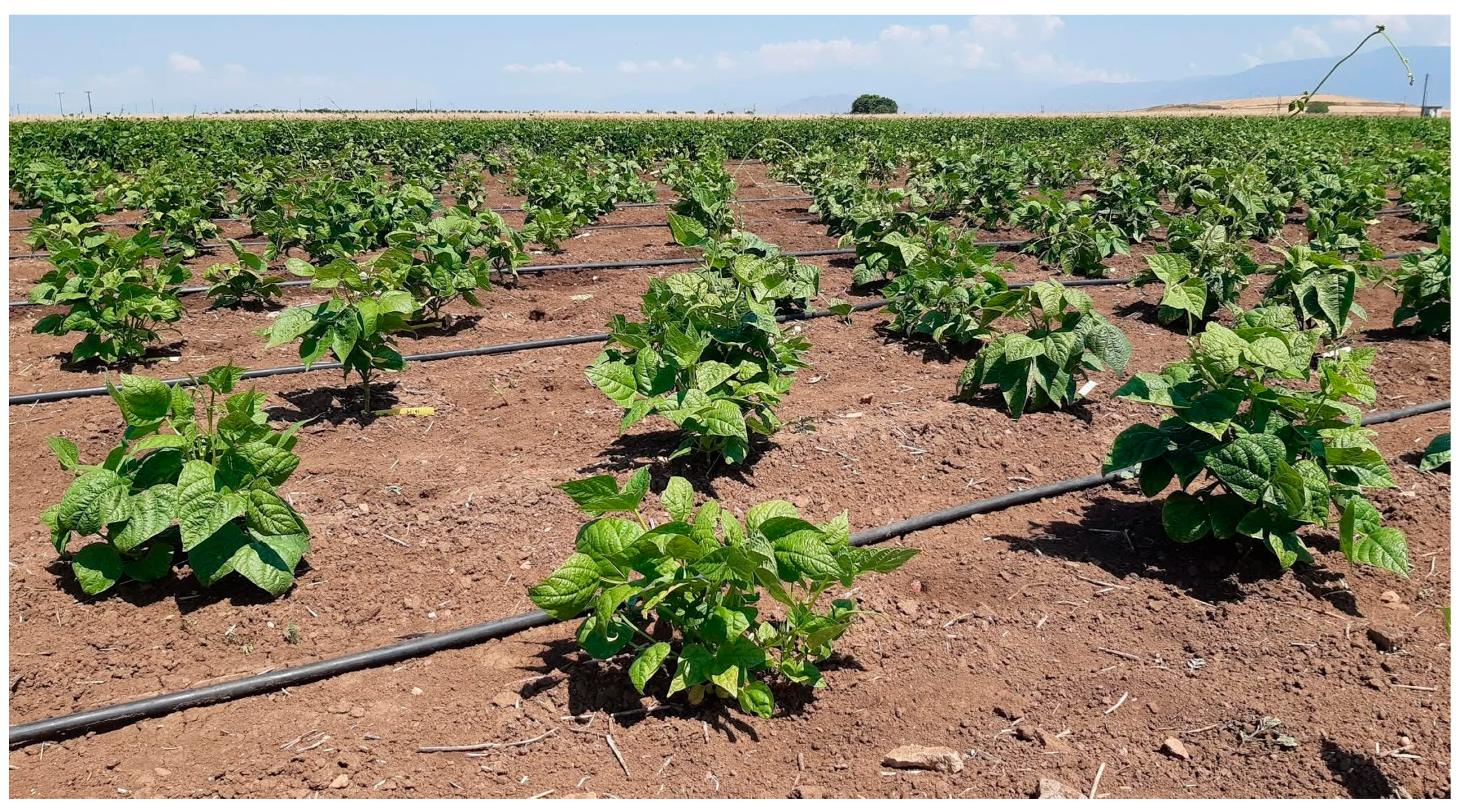
In the present study, honeycomb selection was implemented using a moving ring of 90 plants (
Figure 7) to evaluate yield performance and stability across the seven common bean entries. Specifically for seed yield evaluation (g/plant), this systematic selection strategy employed two key prognostic equations: the Line prognostic equation (LPE = LI × SI) for ranking and selecting superior entries and Plant prognostic equation (PPE = PI × SI) for identifying elite plants within selected entries. Based on LPE values, entries were ranked to identify superior lines for advancement (
Table 5).
Entry G1 (old Greek variety Pyrgetos) exhibited exceptional performance with the highest LPE value of 6.88 (100% relative performance), demonstrating both high yield potential (LI = 2.35; 100%) and excellent stability (SI = 2.9; 94.4%). This combination of high productivity and consistent performance across the low-input selection environment makes “Pyrgetos” the top-ranked entry. Landrace G2 “Florina” ranked second with an LPE value of 2.98 (43.2%), showing moderate yield potential but the highest stability index among the entries (SI = 3.1; 100%). Despite the lower yield performance, this exceptional stability indicates reliable performance across variable environmental conditions, a valuable trait for breeding programs targeting wide adaptability and plasticity in view of climate change effects. Landrace G7 “Smyrni” occupied the third position, demonstrating a balanced performance with an LI of 1.01 (42.9%) and SI of 2.8 (89.7%). The moderate-to-high performance across both yield and stability parameters, combined with its superior BCMV resistance profile, positions this landrace as a valuable genetic resource. Landrace G6 “Karatzova” ranked fourth, showing moderate yield potential but substantially lower stability, due to intrapopulation variability. Similarly, G5 “Kileler” ranked fifth, demonstrating both lower yield potential and reduced stability. Thus, these latter two entries may be used as donor parents for disease resistance alleles in crossing schemes with high-yielding entries, e.g., G1 or G2. The remaining entries, commercial varieties Lingot and Cannellino, ranked lowest, indicating limited yield potential but moderate stability of agronomic performance.
Regarding the PPE values, G1 again demonstrated excellent performance with Mean PPE value of 9.3 (100%), indicating the presence of numerous high-yielding individual plants. The standard deviation of 38 suggests considerable within-entry variation, allowing for continuous selection among individual plants. For landrace G2 (Florina), the second highest Mean PPE value (4.3; 46.41%) combined with exceptional stability suggests that the elite plants within G2 could serve as valuable parents in crossing programs, even though the overall performance of the entry was moderate. Additionally, landrace G7 “Smyrni” demonstrated adequate Mean PPE performance, making the selected plants from this entry particularly valuable germplasm. The remaining entries (G5, G3, and G4) showed lower Mean PPE values, indicating fewer elite plants for selection within the entries.
Considering a comparative analysis of resistance to BCMV and yield performance in the tested germplasm, a critical finding is that these two desired traits do not exclude each other, as evidenced by the superior performance of G1 across both evaluation systems. The combined analysis suggests a multi-trait selection strategy including targeted crossings between the tested materials, to increase the frequency of favorable alleles for both trait categories.




 ,
,