1. Introduction
Lettuce (
Lactuca sativa L.) is widely consumed, and red-leaf lettuce is distinguished by its high anthocyanin content. Dietary supplementation with red-pigmented lettuce has been reported to improve lipid profiles and antioxidant status in a mouse model, suggesting potential cardiovascular benefits [
1]. Light is a key signal regulating plant development and metabolism across the life cycle [
2]. Plants perceive light cues through photoreceptors such as phytochromes, cryptochromes, and UVR8 [
3], which activate transcription factors including HY5 to induce the expression of anthocyanin biosynthetic genes [
4,
5]. In subtropical plant factories, however, artificial lighting typically lacks ultraviolet bands, which may limit the normal pigmentation of red-leaf lettuce.
The coloration of plants and their synthesis of secondary metabolites are primarily defense mechanisms against environmental stresses, with solar UV radiation being a direct and effective stressor [
6,
7]. Numerous studies have confirmed that supplemental UV radiation is an effective tool for inducing the accumulation of anthocyanins and other secondary metabolites in plants [
8]. However, the application of stress is a double-edged sword; while it can enhance quality, it may also inhibit plant growth. Krizek et al. [
9] demonstrated that solar UV-A and UV-B radiation, while inducing anthocyanin production, also significantly decreased the fresh and dry weight of red lettuce (cv. ‘New Red Fire’). This growth–defense tradeoff has been extensively studied in ecological literature. The Growth-Differentiation Balance Hypothesis [
10] posits that plants allocate limited carbon resources between growth and defense, creating an inherent tradeoff. Recent work has further elucidated the coordinated resource allocation mechanisms underlying this tradeoff [
11]. Understanding the carbon costs of defense compound synthesis [
12,
13] is crucial for optimizing light recipes that balance yield and quality.
This highlights the complexity of UV application, which is contingent on wavelength specificity. The distinct roles of different UV wavebands are critical. Weiland et al. [
14] noted that supplemental UV-B can increase flavonoid and anthocyanin concentrations, but its higher photon energy readily leads to significant growth inhibition. In contrast, UV-A is considered a more moderate and controllable regulatory tool [
15]. This aligns with findings from Li and Kubota [
16], who reported that UV-A and blue light could increase the anthocyanin content of ‘Red Cross’ lettuce. Chen et al. [
17] further observed that UV-A radiation is beneficial for yield and quality of indoor cultivated lettuce, demonstrating that UV-A can even increase biomass. Similarly, Lee et al. [
18] found that brief pre-harvest exposure to supplemental UV-A LEDs enhanced the nutritional quality of lettuce without compromising growth. Recognizing these advantages, Lycoskoufis et al. [
19] developed a strategy involving a UV-blocking film supplemented with UV light for 10 days before harvest to increase fresh weight by 30% while maintaining equivalent quality, demonstrating the practical potential of managed UV supplementation in greenhouse production.
Beyond wavelength, the plant’s response is also governed by genotypic specificity. Garcia-Macias et al. [
20] studied ‘Lollo Rosso’ lettuce under plastic films varying in ultraviolet transparency and discovered that UV irradiation induced a substantial accumulation of anthocyanins and phenolic acids. This suggests that responses can be cultivar-specific, a factor that must be considered when developing UV supplementation strategies for controlled-environment agriculture.
Regarding crop growth models, existing lettuce models [
21,
22] focus primarily on dry matter accumulation under non-stress conditions and do not explicitly represent the dynamic impact of UV stress on yield and quality. There is still a lack of a quantitative mechanistic model that captures UV-induced stress, damage–repair dynamics, carbon competition between growth and defense, and their interactive effects on biomass and anthocyanin. Based on the foregoing literature, it is evident that a one-size-fits-all approach is inadequate for leveraging UV light to enhance crop quality; a systematic framework is required to navigate the complexities of wavelength and genotype specificity. Therefore, this study aims to develop and validate a two-stage screening-to-optimization approach integrating experiments and mechanistic modeling: (1) Screening stage: compare UV-A and UV-B across multiple cultivars to identify a safe, effective waveband and a resilient, responsive cultivar; (2) Optimization stage: subject the selected candidate to various UV-A irradiation protocols to identify a strategy that enhances coloration and secondary metabolites without compromising fresh weight; and (3) Mechanistic integration: develop a continuous, physiologically interpretable model that integrates stress damage–repair dynamics, carbon competition, ontogeny-dependent vulnerability, and UV-A morphological effects, and calibrate parameters using data-driven fitting to enable quantitative prediction and recipe optimization.
3. Discussion
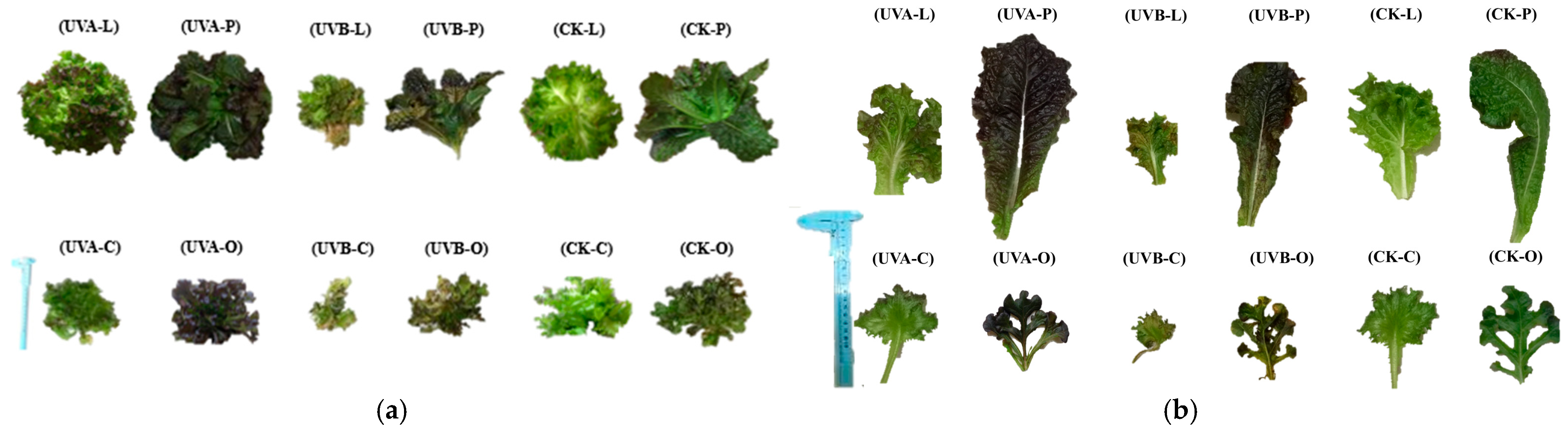
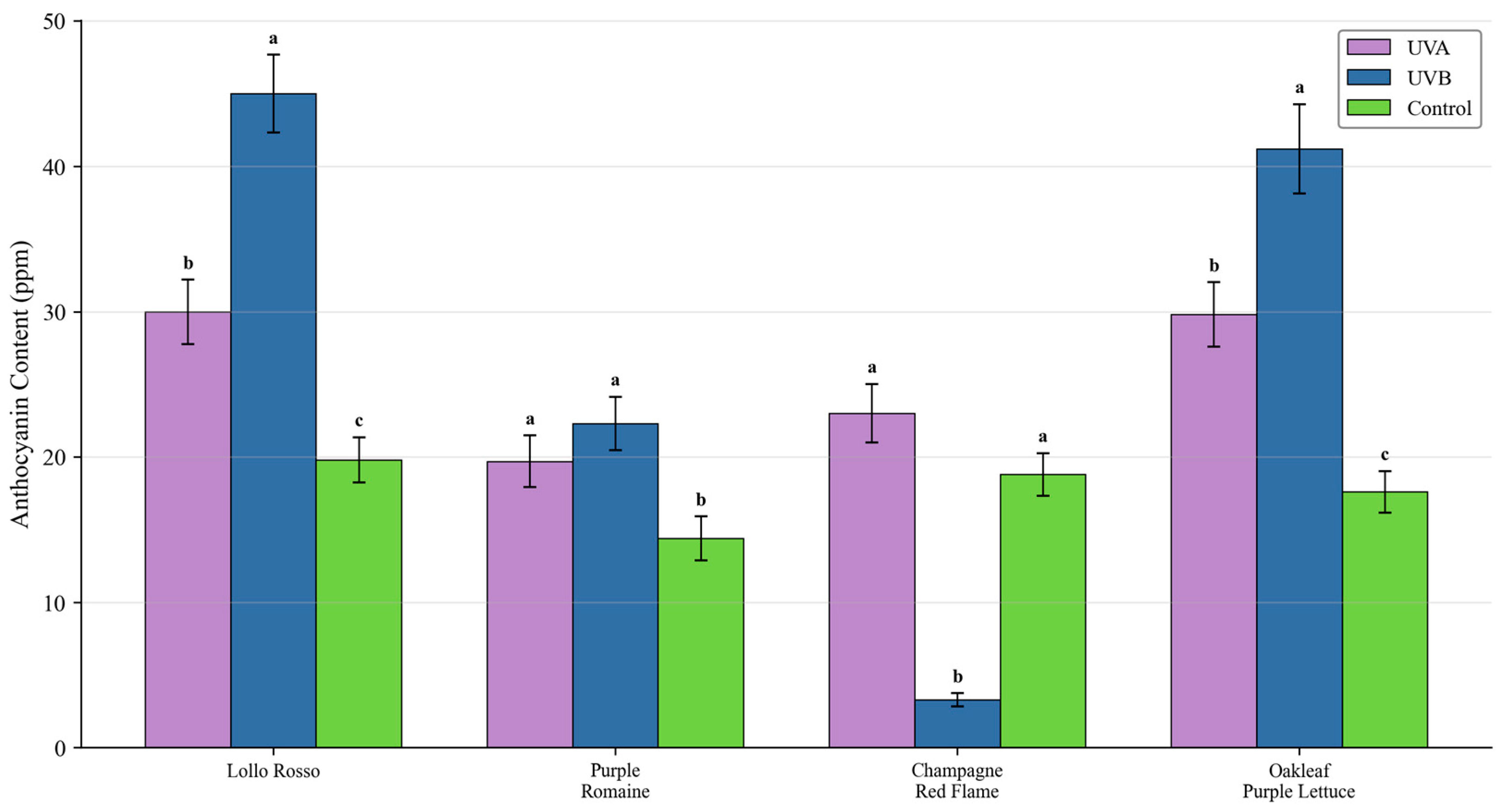
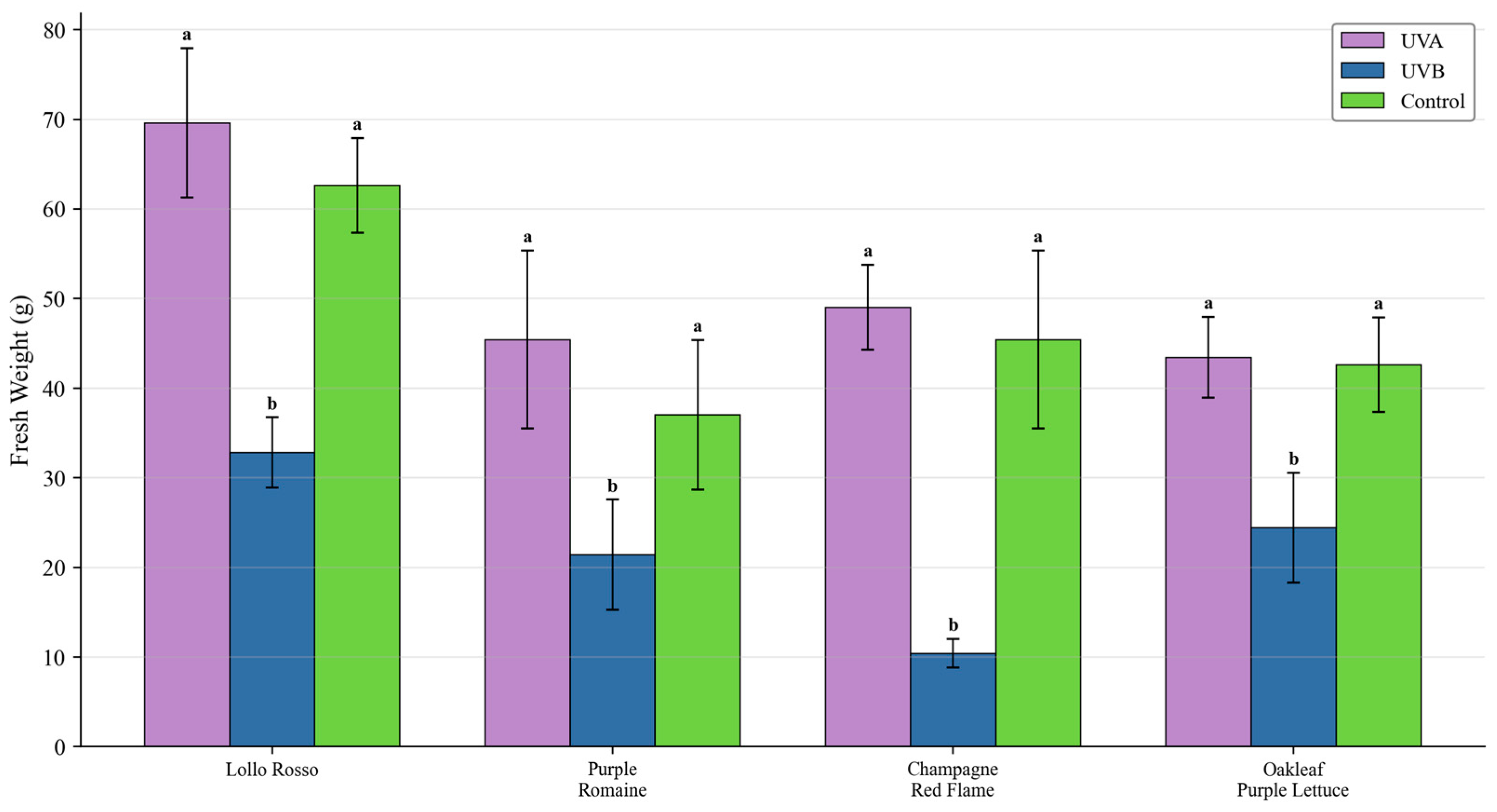
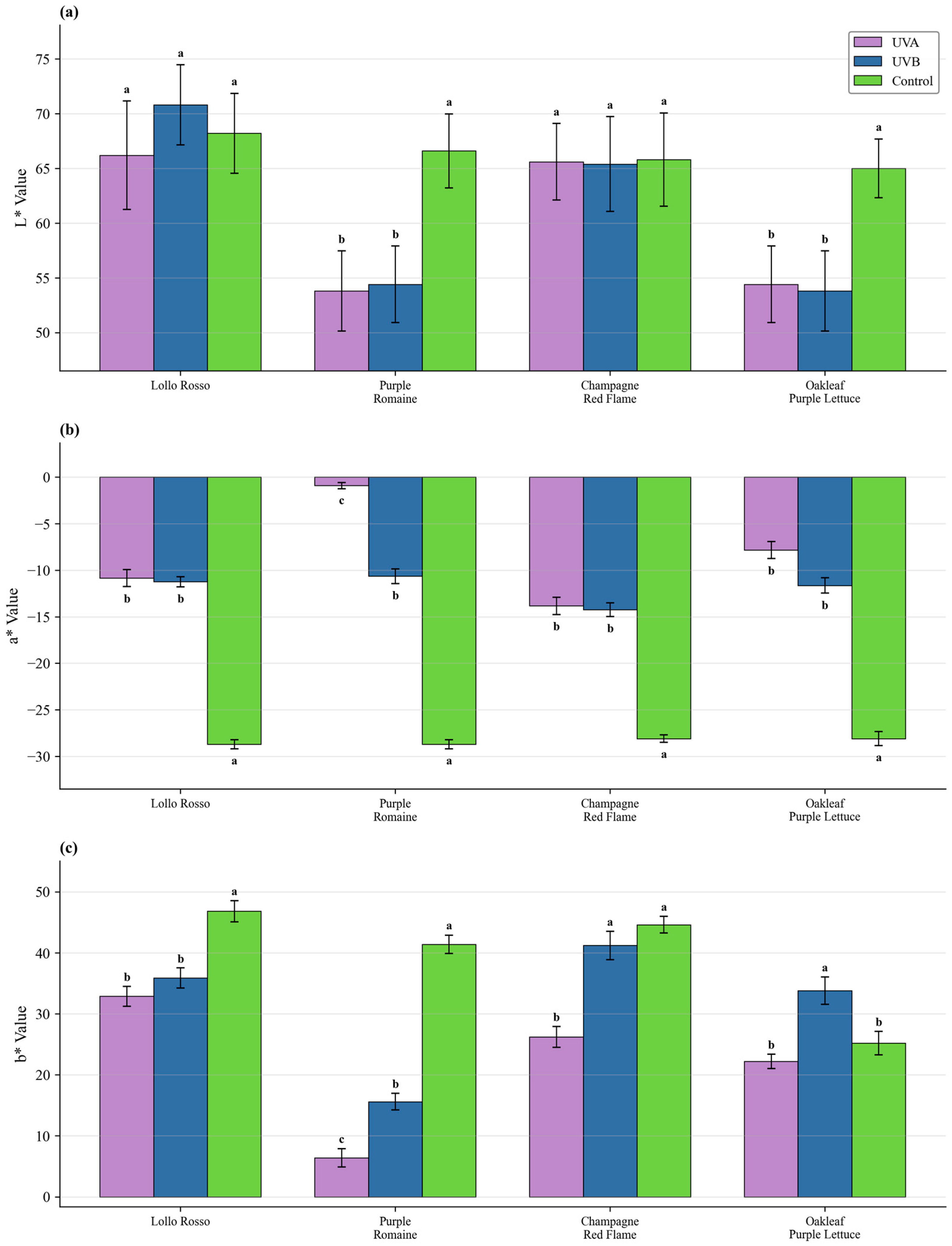
Experiment 1 confirmed that UV-B is high risk: although it strongly induces pigmentation, it readily causes photodamage and yield loss, whereas UV-A provides a safer window that enhances coloration while preserving biomass, consistent with Weiland et al. [
14]. The contrasting responses to these two wavebands reflect fundamental differences in their photobiological mechanisms. UV-B radiation (280–315 nm), with its higher photon energy, can be directly absorbed by DNA, causing pyrimidine dimer formation and triggering signal transduction cascades via the UVR8 photoreceptor pathway [
30]. At the physiological level, UV-B exposure induces oxidative stress through the generation of reactive oxygen species, and the balance between pro-oxidant and antioxidant responses determines the extent of acclimation or damage [
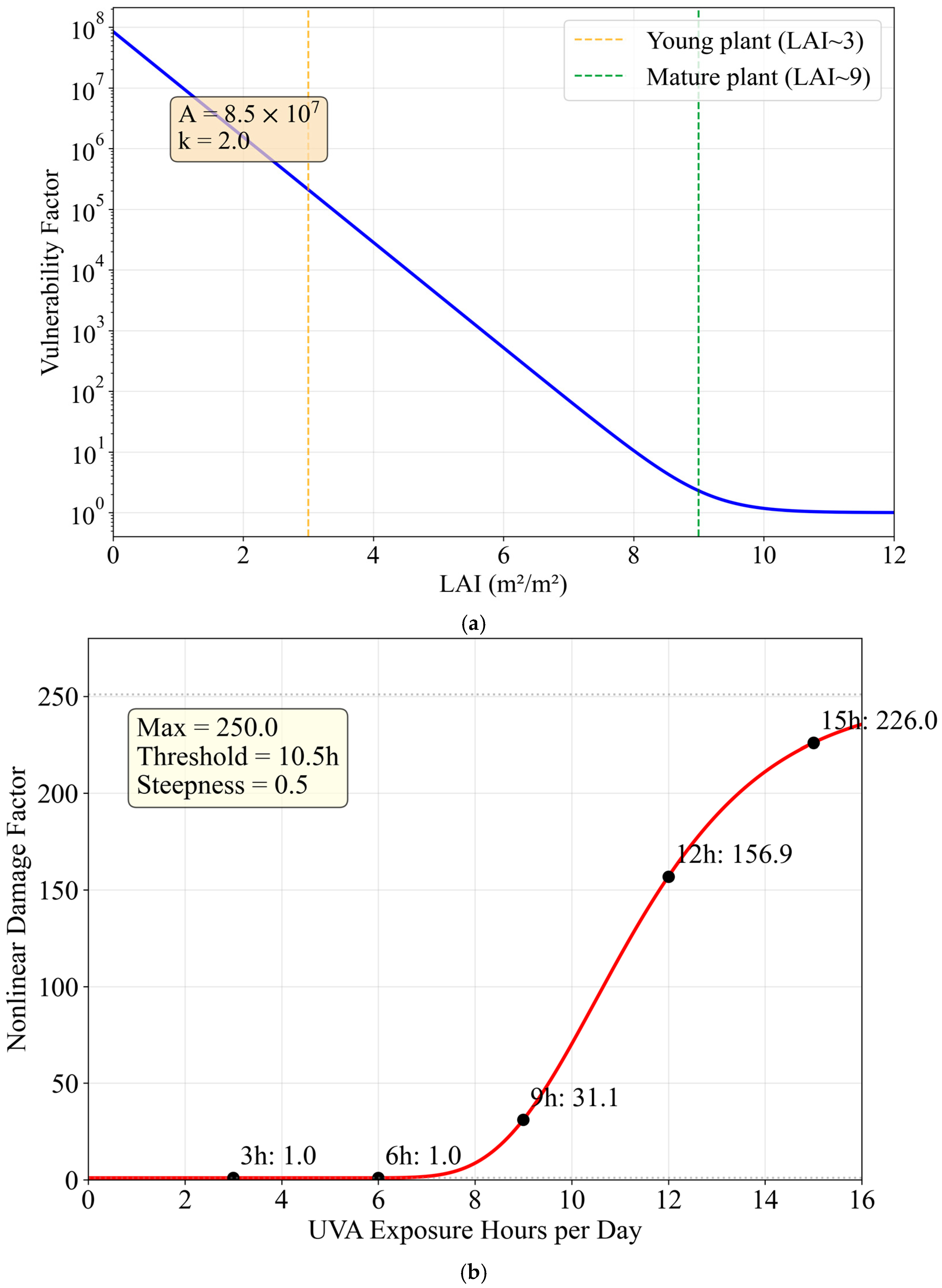
31], which in severe cases manifests as visible necrotic lesions and tissue dehydration. The resulting increase in leaf dry matter content (LDMC) reflects a disproportionate loss of cellular water relative to structural dry mass—a hallmark of acute photodamage. In our model, this acute LDMC response is captured through the Gompertz-type nonlinear damage amplification factor, which escalates sharply at high daily UV exposure (threshold ≈ 10.5 h day
−1) and the stress-dependent growth inhibition term. The severe biomass penalty observed under UV-B in all four cultivars is therefore attributable to both direct photodamage and the downstream metabolic costs of damage repair. It should be noted that the UV-B fluorescent lamp used in this study (Sankyo Denki GL-15, peak 302 nm) has a secondary emission component at ~250 nm (UV-C region), which may have contributed to the severity of the observed necrotic lesions. Future studies using narrowband UV-B LEDs (e.g., 310 nm peak) would provide a cleaner comparison; however, this limitation does not affect the main conclusions, as UV-B served solely as a high-stress reference to justify the selection of UV-A for optimization.
In contrast, UV-A radiation (315–400 nm) is perceived primarily through flavin-containing photoreceptors such as cryptochromes and phototropins, eliciting signaling responses that are distinct from the direct macromolecular damage caused by UV-B [
15]. At moderate doses, plants can manage the UV-A-induced oxidative load through existing antioxidant defenses while simultaneously exhibiting beneficial morphological acclimation responses. A key observation from Experiment 1 is that UV-A did not reduce fresh weight relative to controls across all four cultivars. This preservation—and in some cases slight enhancement—of biomass under UV-A is attributable to UV-A-induced morphological effects: Chen et al. [
17] reported that supplemental UV-A significantly increased leaf area in indoor-cultivated lettuce, and proposed that this enhanced light interception is a key driving force behind the observed biomass increase. This UV-A morphological benefit is represented in our model through the SLAboost and LAIboost terms (Equation (5)), which enhance leaf area development under UV-A irradiation. Lee et al. [
18] similarly reported that brief pre-harvest UV-A LED supplementation enhanced nutritional quality (protein and mineral content) of lettuce while maintaining shoot fresh weight, and Lycoskoufis et al. [
19] demonstrated that growing lettuce under UV-blocking film followed by targeted pre-harvest UV supplementation increased fresh weight by 30% while restoring phytochemical quality to equivalent levels. These findings collectively support our conclusion that UV-A occupies a distinct physiological niche from UV-B, functioning as a mild eustressor that can enhance secondary metabolism while preserving—or even promoting—vegetative growth.
Cultivar differences further highlight the genotype-specific nature of light-stress responses [
20]. Among the four cultivars tested, ‘Lollo Rosso’ exhibited the most favorable combination of robust growth maintenance and strong anthocyanin induction under UV-A, suggesting that its genetic background confers an efficient balance between stress perception and defense activation. This cultivar-specific resilience underscores the necessity of a systematic screening stage before optimization, as a UV recipe effective for one cultivar may be suboptimal or even detrimental to another. Importantly, the findings of Experiment 1—that UV-A is safer than UV-B and that ‘Lollo Rosso’ is a responsive cultivar—directly informed the design of Experiment 2, in which multiple UV-A recipes were tested exclusively on ‘Lollo Rosso’ to explore the dose–response landscape that subsequently motivated and parameterized the mechanistic model.
Experiment 2 demonstrated a classical growth–defense tradeoff [
32]. While H12D3 (12 h day
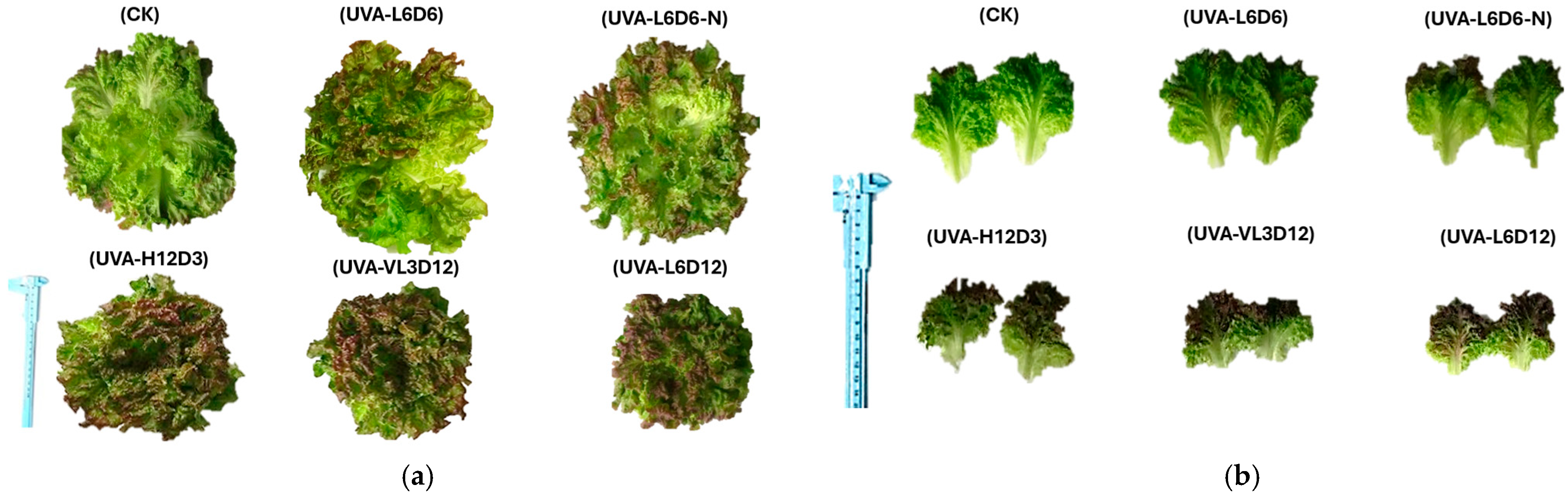
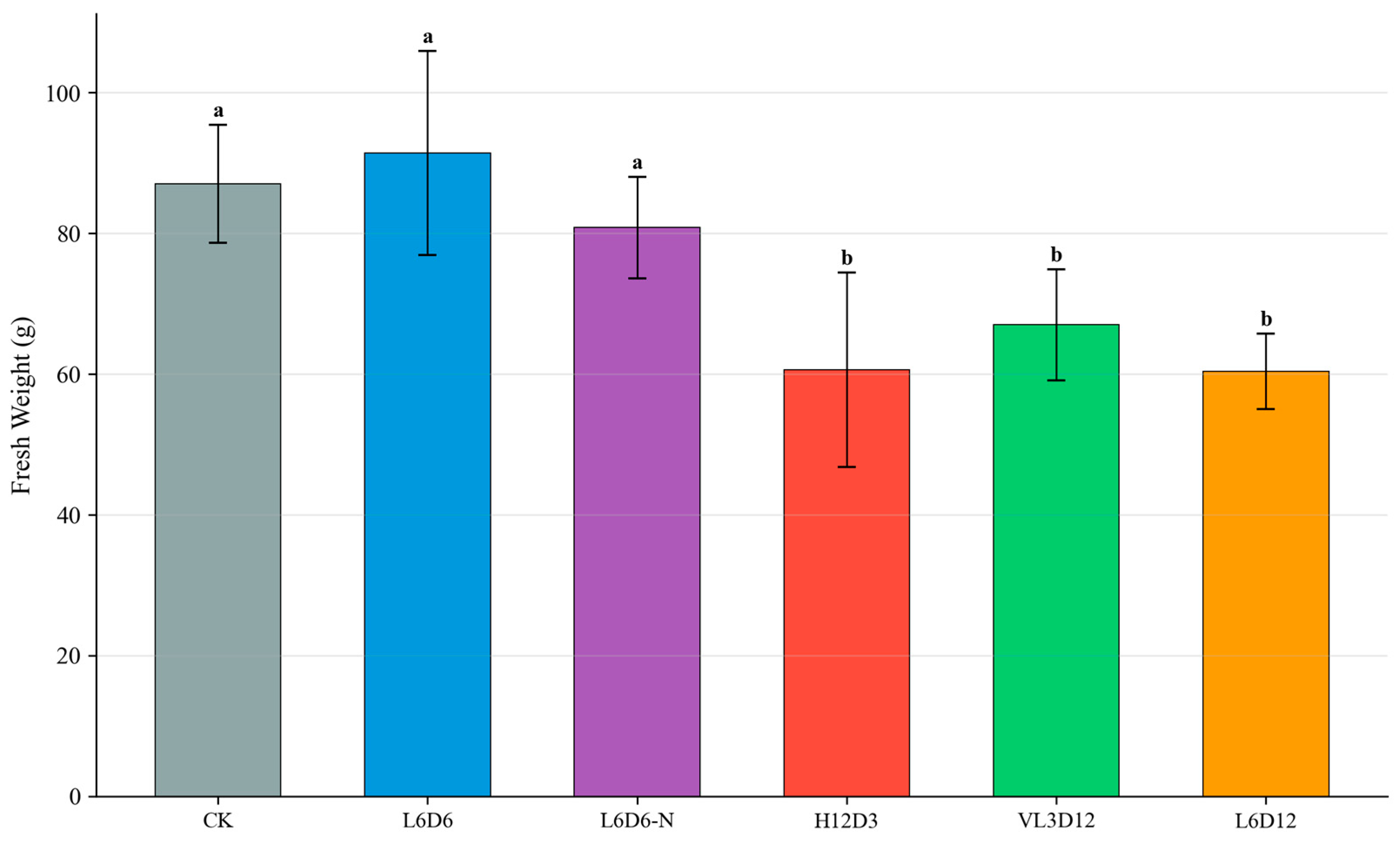
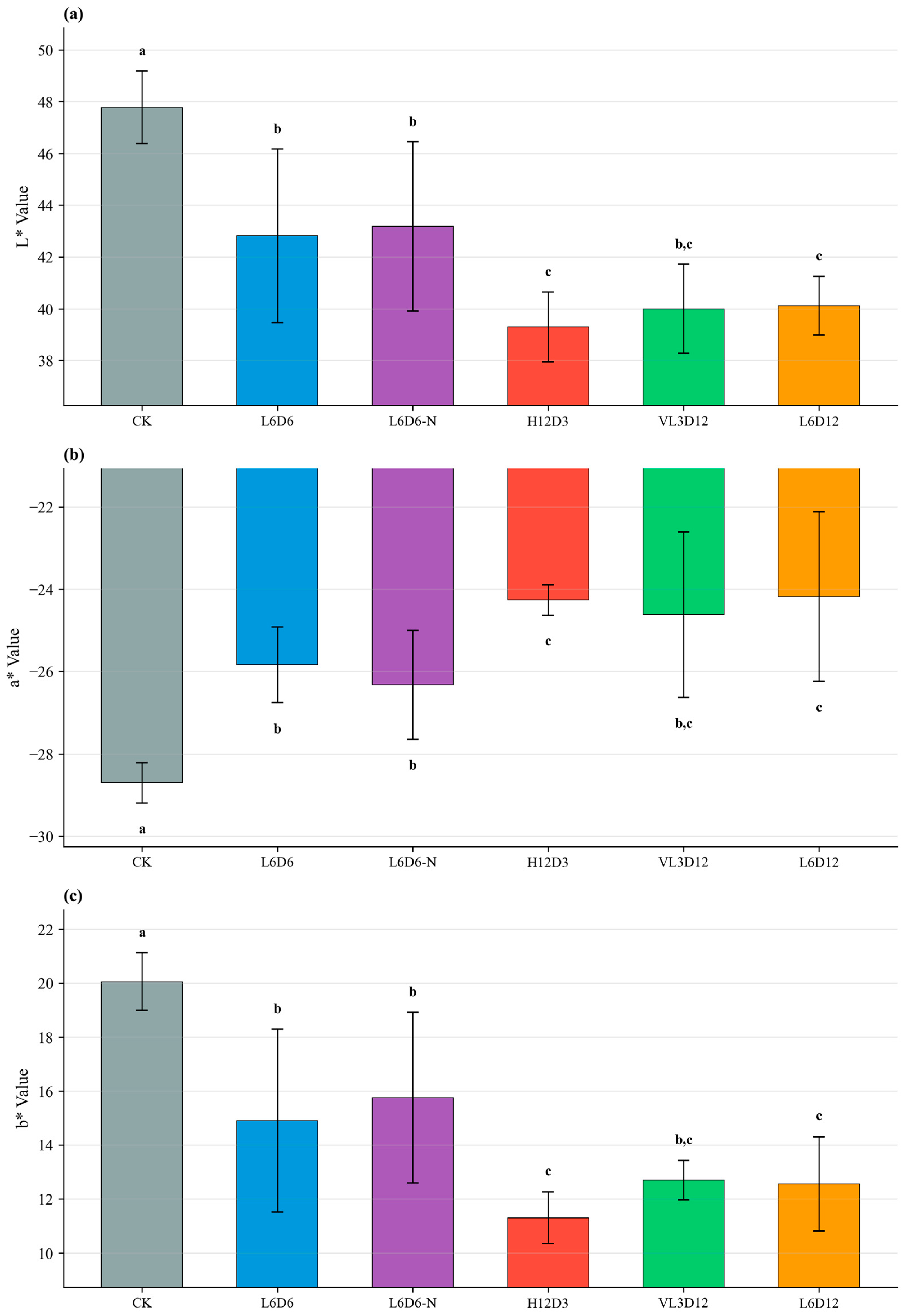
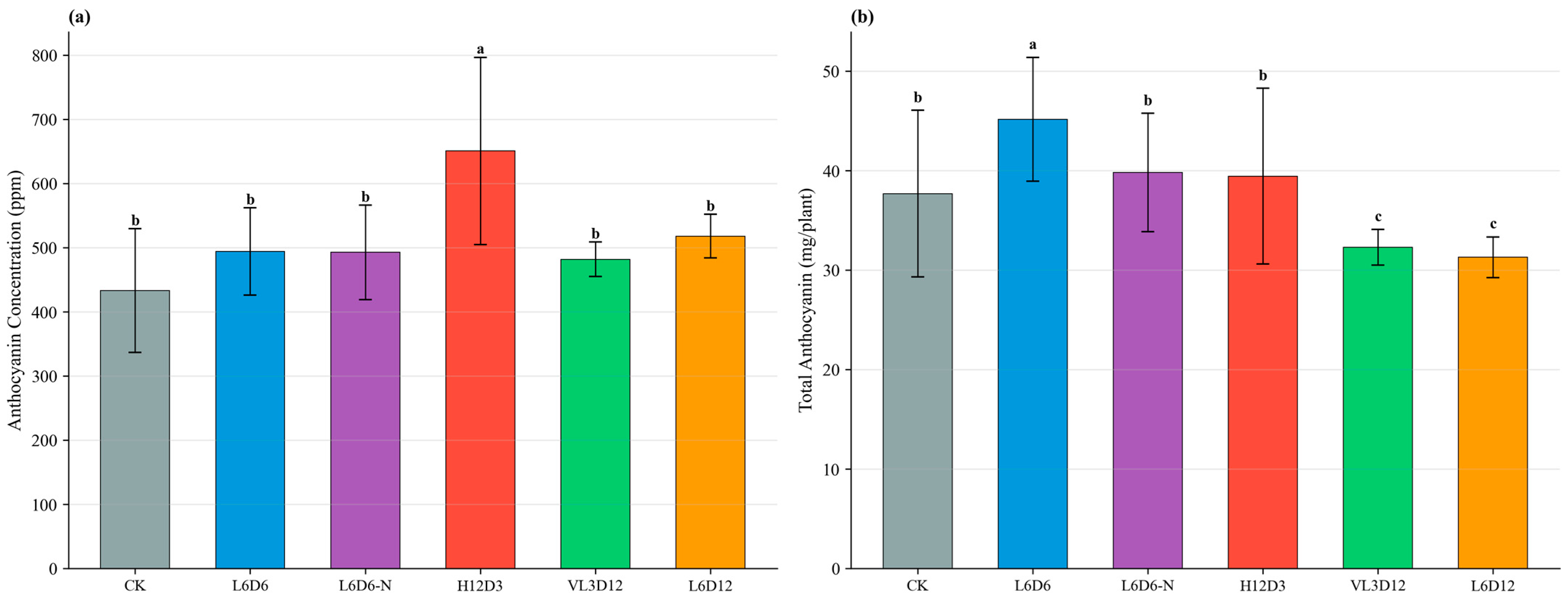
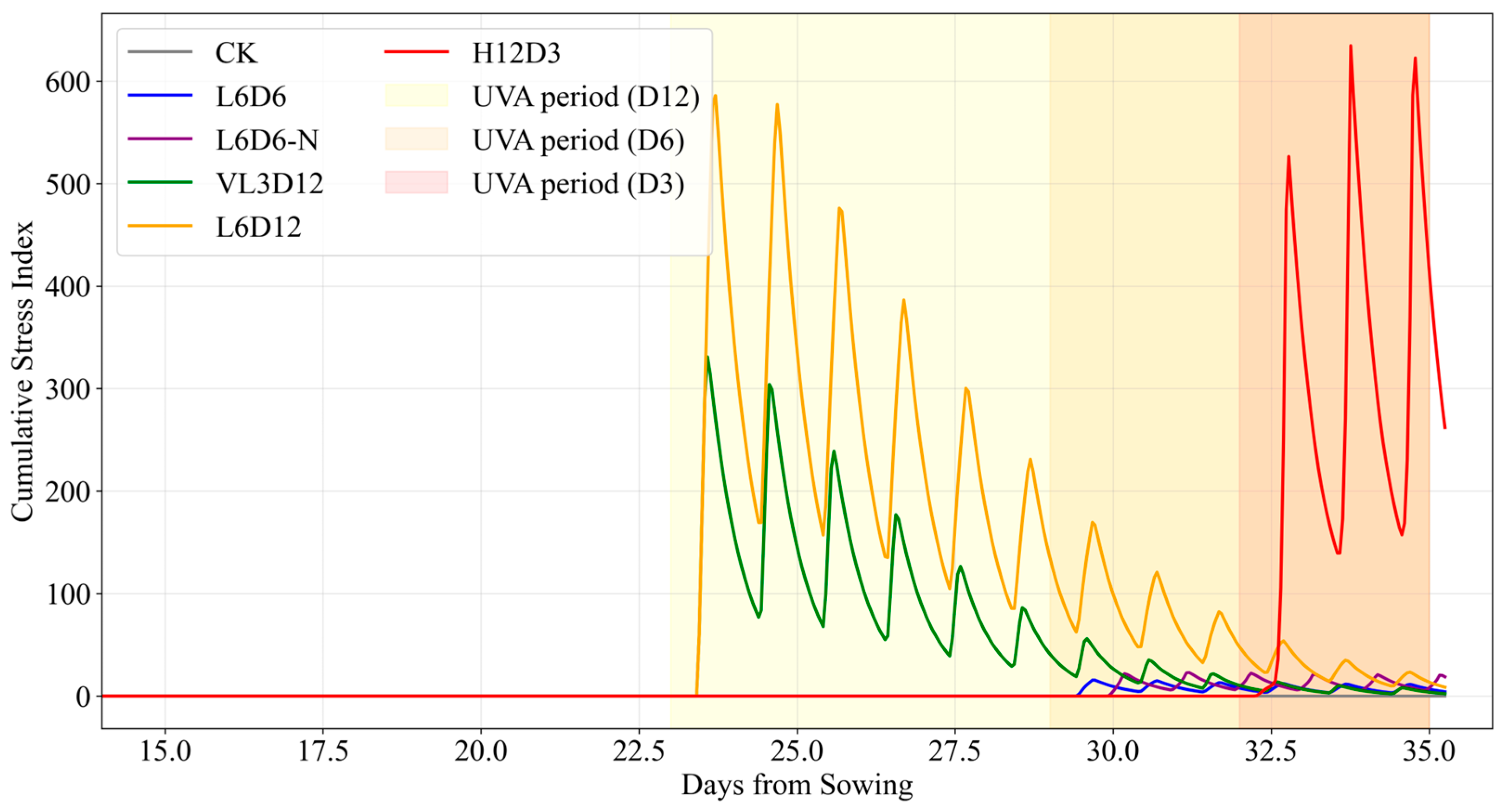
−1 for 3 days) maximized anthocyanin concentration (651 ppm), it reduced biomass by ~30%, reflecting the severe metabolic cost of high-intensity stress. From a production perspective, total anthocyanin per plant (concentration × fresh weight) is a more relevant metric than concentration alone, because it accounts for the economic value of the entire harvested product. The L6D6 recipe (6 h day
−1 for 6 days) achieved the best balance: it not only maintained but slightly increased fresh weight (91.4 g vs. 87.0 g in CK), while elevating anthocyanin concentration by 14%. This biomass increase under UV-A treatment is noteworthy and provides direct experimental evidence for the UV-A morphological benefit discussed above. The model attributes this fresh-weight gain to the combined SLAboost and LAIboost effects under low-stress conditions (average Stress = 7.2 for L6D6), where the morphological benefit of enhanced leaf expansion outweighs the modest carbon competition penalty (~7%). In contrast, when the same total UV-A dose (36 h) was delivered as longer daily exposure over fewer days (H12D3: 12 h × 3 d) or extended over a longer period beginning at an early developmental stage (VL3D12: 3 h × 12 d starting Day 23), the stress penalties dominated and fresh weight declined substantially. This dose–timing interaction underscores the importance of optimizing both daily intensity and treatment scheduling, a complexity that motivates the mechanistic modeling approach.
The mechanistic model was built by mapping distinct experimental observations to physiologically motivated terms: ontogeny-dependent vulnerability captured the stronger damage when irradiation began early [
33,
34]; a Gompertz-type nonlinear factor represented the collapse of protective capacity under prolonged daily exposure [
30,
31]; and a circadian damage term captured the inferior performance of night irradiation, consistent with clock regulation of ROS homeostasis [
26,
27,
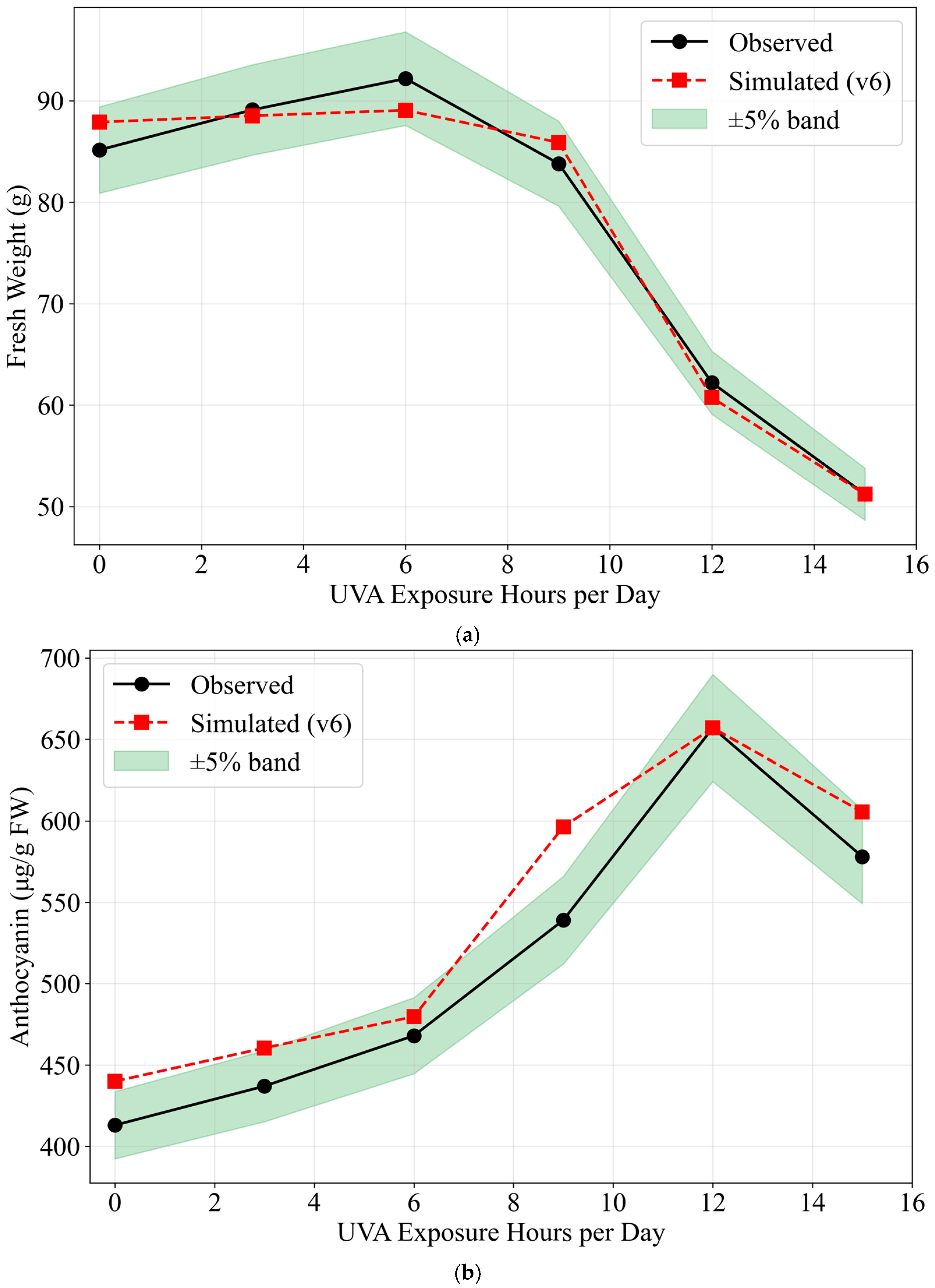
28]. The model’s successful prediction of the 15 h day
−1 hormesis reversal supports the inclusion of smooth efficiency inhibition under severe stress [
23,
24].
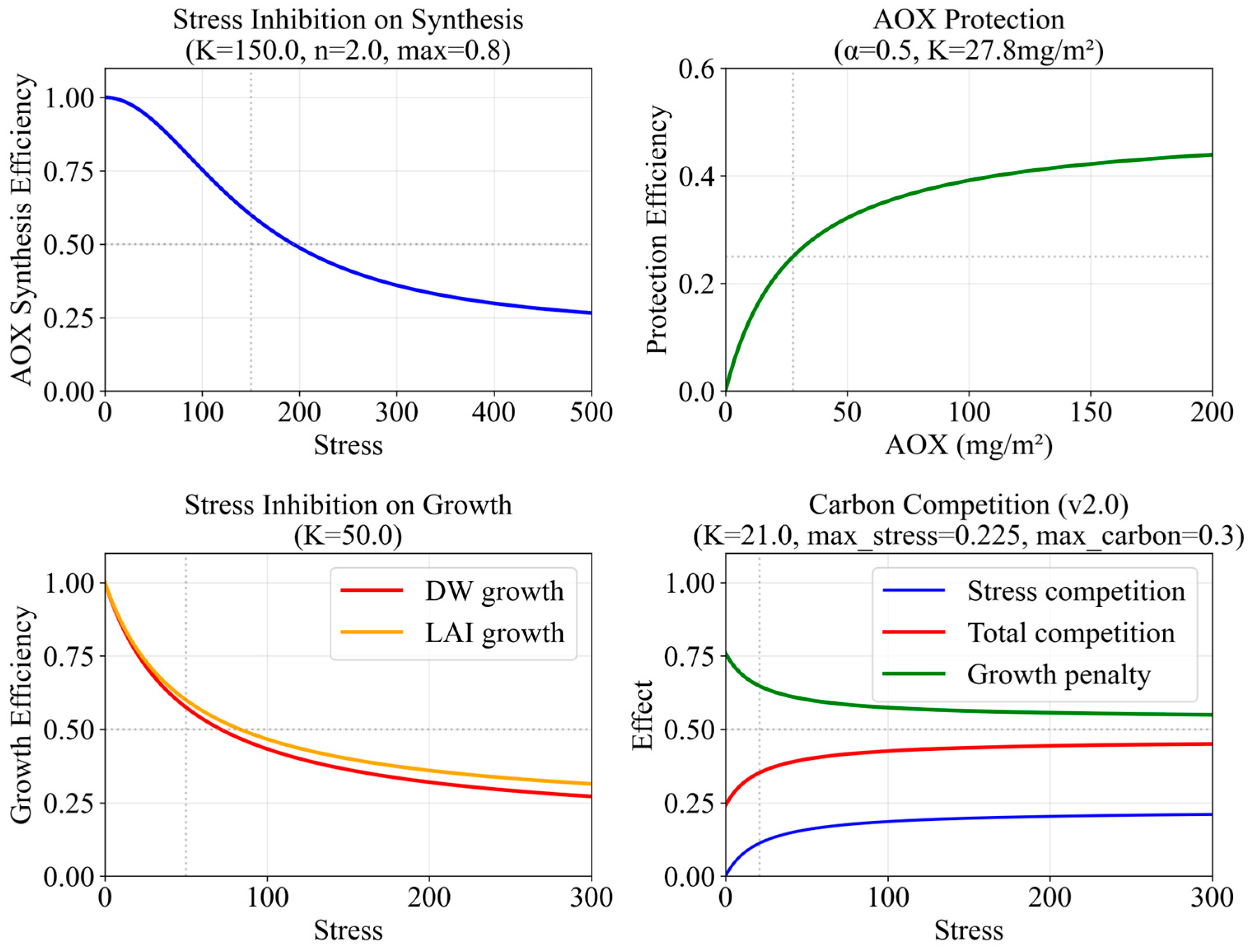
A key innovation of this model is the explicit representation of carbon competition between growth and antioxidant defense, implementing the Growth-Differentiation Balance Hypothesis [
10]. This mechanism provides a physiologically meaningful explanation for the observed growth–defense tradeoff: under UV-A stress, plants allocate carbon from the buffer pool to AOX synthesis, reducing the carbon available for structural growth. The carbon cost of antioxidant synthesis (approximately 1.0 kg C per kg AOX) reflects the substantial metabolic investment in phenylpropanoid biosynthesis, consistent with estimates that up to 20% of photosynthate can be channeled to phenylpropanoids under stress conditions [
13]. Recent work on coordinated resource allocation [
11] further supports this mechanistic framework, showing that growth–defense tradeoffs arise from fundamental carbon allocation constraints.
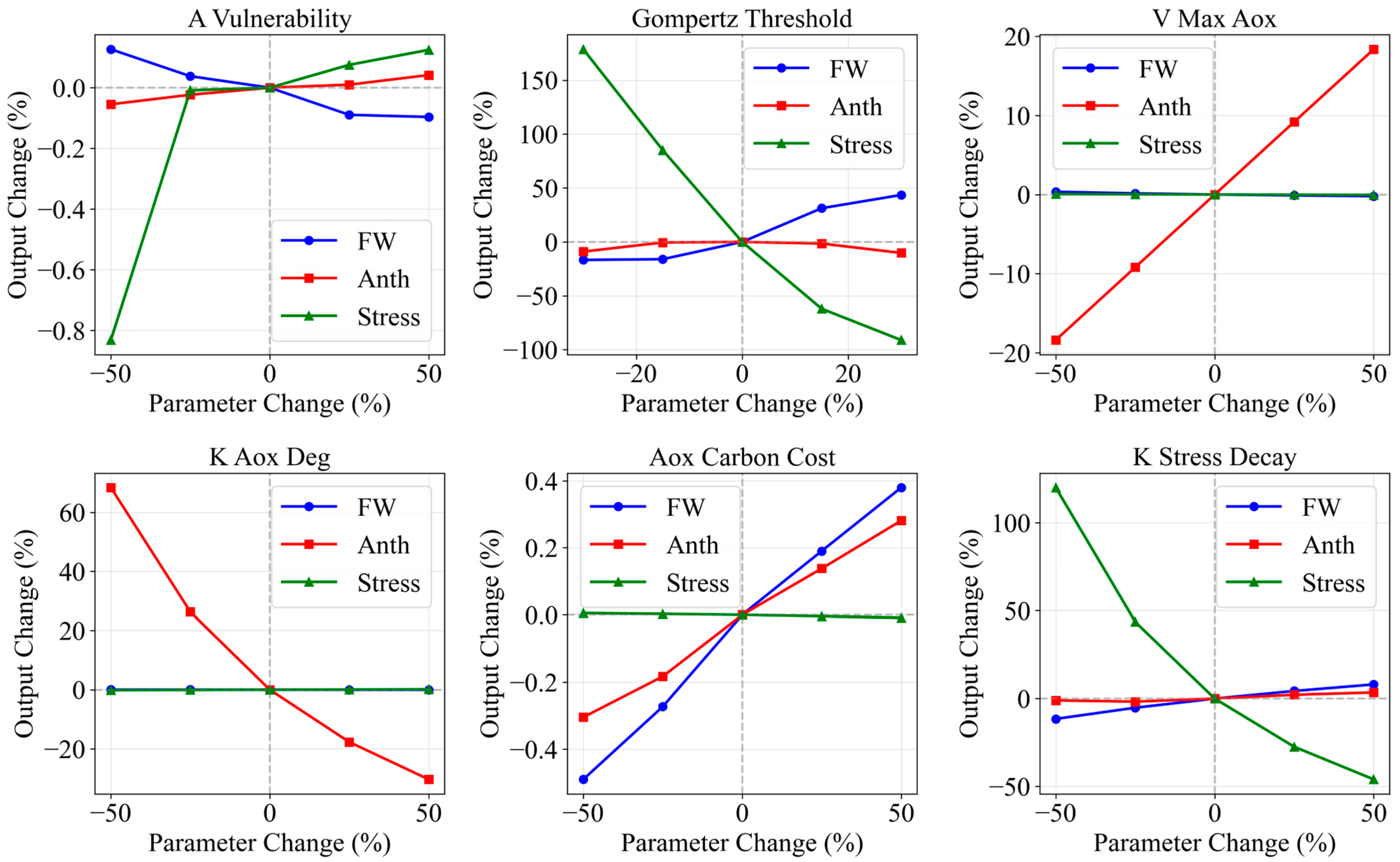
Sensitivity analysis (
Table 4) indicated that parameters governing early-stage vulnerability and the nonlinear damage threshold are most influential for biomass and stress, whereas AOX-specific parameters primarily affect anthocyanin output, suggesting reasonable decoupling between growth and pigment submodules. The carbon competition parameters (stress_competition_K, stress_competition_max) showed moderate sensitivity for both FW and Anth, reflecting their role in coupling growth and defense. The sensitivity plots are provided in
Figure 13.
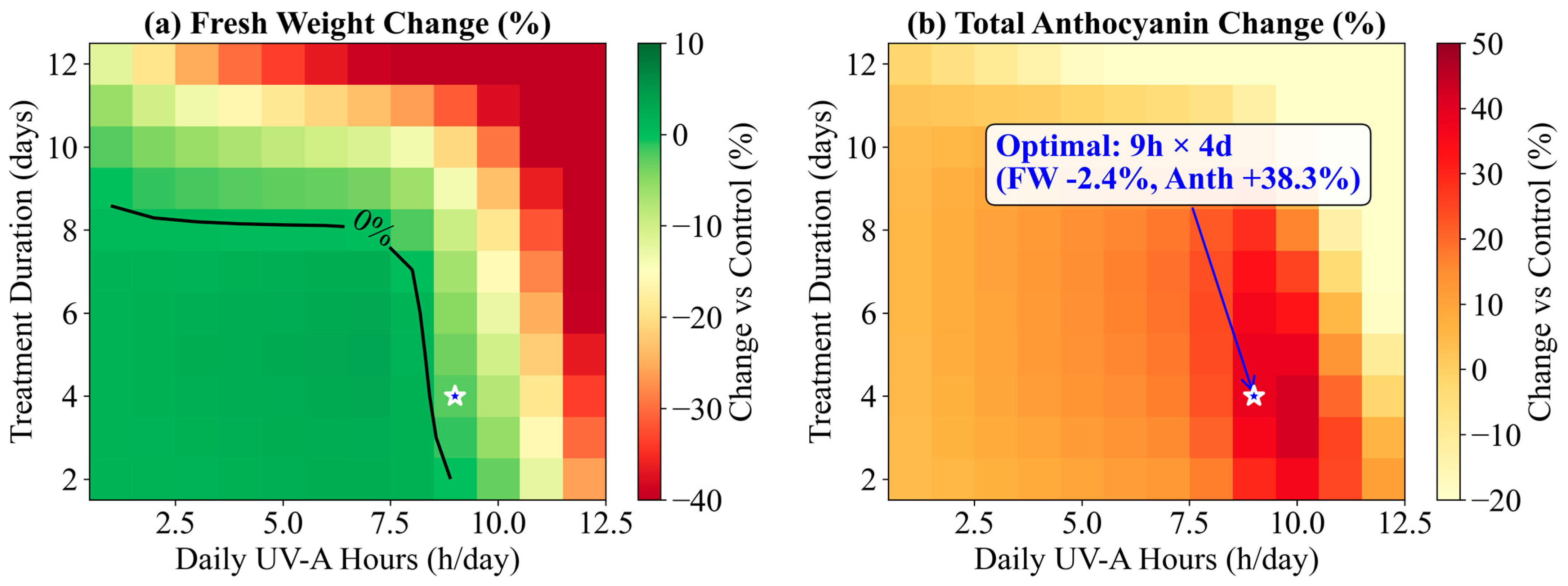
Finally, global search using the calibrated model suggested that 9 h day
−1 for 4 days is the best theoretical strategy that maximizes total anthocyanin while keeping fresh weight within acceptable limits (≥−5%). This optimum lies below the nonlinear damage threshold region and balances sufficient stress induction with limited growth penalty and carbon competition. The optimization heatmaps are shown in
Figure 14, and the top 5 safe strategies are listed in
Table 5. Re-running the released simulation code with default numerical tolerances reproduced the same optimum (9 h × 4 d: FW 84.9 g; Anth 613 ppm).
While the present study establishes a proof-of-concept framework, several limitations should be acknowledged to guide future research. First, all experiments were conducted under fixed environmental conditions (temperature 25/18 °C, RH 70/85%, CO
2 1200 ppm, EC 1.2 mS cm
−1). Although this design was necessary to isolate UV-A as the sole experimental variable, it limits the direct applicability of the calibrated parameters to commercial settings where environmental conditions vary. The model architecture—built upon the Sun et al. [
22] framework that inherently responds to temperature, CO
2, and light intensity—supports future extension to multi-factor interactions (UV-A × nutrient composition, UV-A × humidity, UV-A × temperature), provided that corresponding experimental data become available for recalibration.
Second, the baseline PPFD of 130 µmol m−2 s−1 is at the lower end of commercial lettuce production. This was a practical constraint: accommodating UV-A lamps alongside the LED tubes on the same shelf tier reduced the number of LED tubes per tier. Under higher PPFD, the greater carbon assimilation capacity could shift the growth–defense balance, potentially allowing plants to tolerate higher UV-A doses. Future studies should investigate the interaction between baseline PPFD and UV-A stress response to refine model predictions for higher-intensity production systems.
Third, the core optimization and modeling focused solely on ‘Lollo Rosso.’ Although the two-stage screening–optimization workflow itself is cultivar-agnostic, the calibrated model parameters are cultivar-specific. Extending the framework to other popular red-leaf cultivars (e.g., ‘Red Oakleaf,’ ‘Red Romaine’) through cultivar-specific parameter recalibration is an important direction for future work.
Fourth, the quality assessment focused on fresh weight and anthocyanin concentration as the primary yield and quality indicators. A comprehensive evaluation for commercial applications should include additional nutritional parameters such as vitamin C, nitrate levels, soluble sugars (Brix), and shelf life. Several studies suggest that UV-A supplementation may co-enhance these parameters [
18,
19], warranting future multi-parameter quality profiling.
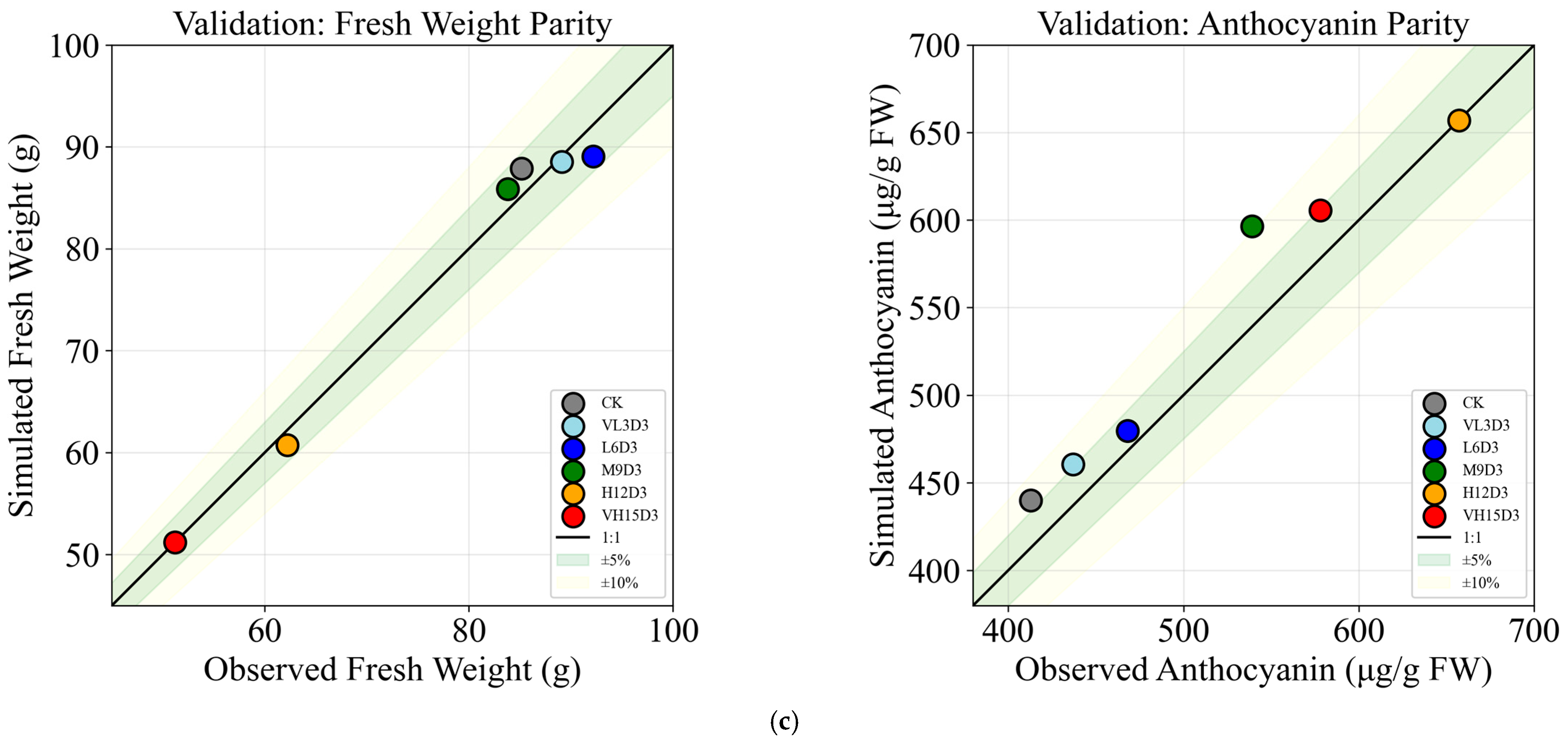
Fifth, batch-to-batch variability remains an inherent challenge in plant experimentation. Despite rigorous environmental control, differences in seed lots and germination uniformity can introduce inter-batch variation, as observed between the training and validation control treatments (CK: FW 87.0 vs. 85.2 g; Anth 433 vs. 413 ppm). Multi-batch validation experiments would strengthen confidence in the model’s generalization capability.
Sixth, the interpretation of the hormesis phenomenon (anthocyanin declining at 15 h day−1) is based on mechanistic modeling and physiological reasoning rather than direct molecular evidence. Future validation through gene expression analysis (RT-qPCR of PAL, CHS, DFR, ANS), enzymatic activity assays, and direct ROS quantification would substantially strengthen the mechanistic claims and provide independent confirmation of the model’s predictions.
Seventh, the Gompertz-type nonlinear damage threshold (~10.5 h) is an empirically calibrated parameter specific to the current experimental conditions. This threshold would likely shift under different baseline PPFD, physiological stage, or temperature regimes, and recalibration experiments are recommended when conditions differ substantially from the original calibration range.
Finally, the model-predicted optimum (9 h day−1 for 4 days) remains a mathematical projection that has not yet been verified through a dedicated physical experiment. Implementing dynamic UV-A recipes in real-world vertical farms also requires real-time sensing of plant stress and growth status. A complementary study from our group on UV-NDVI for real-time crop health monitoring provides a potential non-destructive sensing framework that, when integrated with the present mechanistic model, could enable closed-loop UV-A recipe optimization in commercial production environments.
5. Conclusions
We developed a two-stage framework integrating experiments and mechanistic modeling to enhance anthocyanin in red-leaf lettuce without yield loss. Experiments showed that UV-A is safer than UV-B and identified ‘Lollo Rosso’ as a highly responsive cultivar. Among tested recipes, L6D6 (6 h day−1 for 6 days) maintained fresh weight while increasing anthocyanin concentration and total anthocyanin per plant.
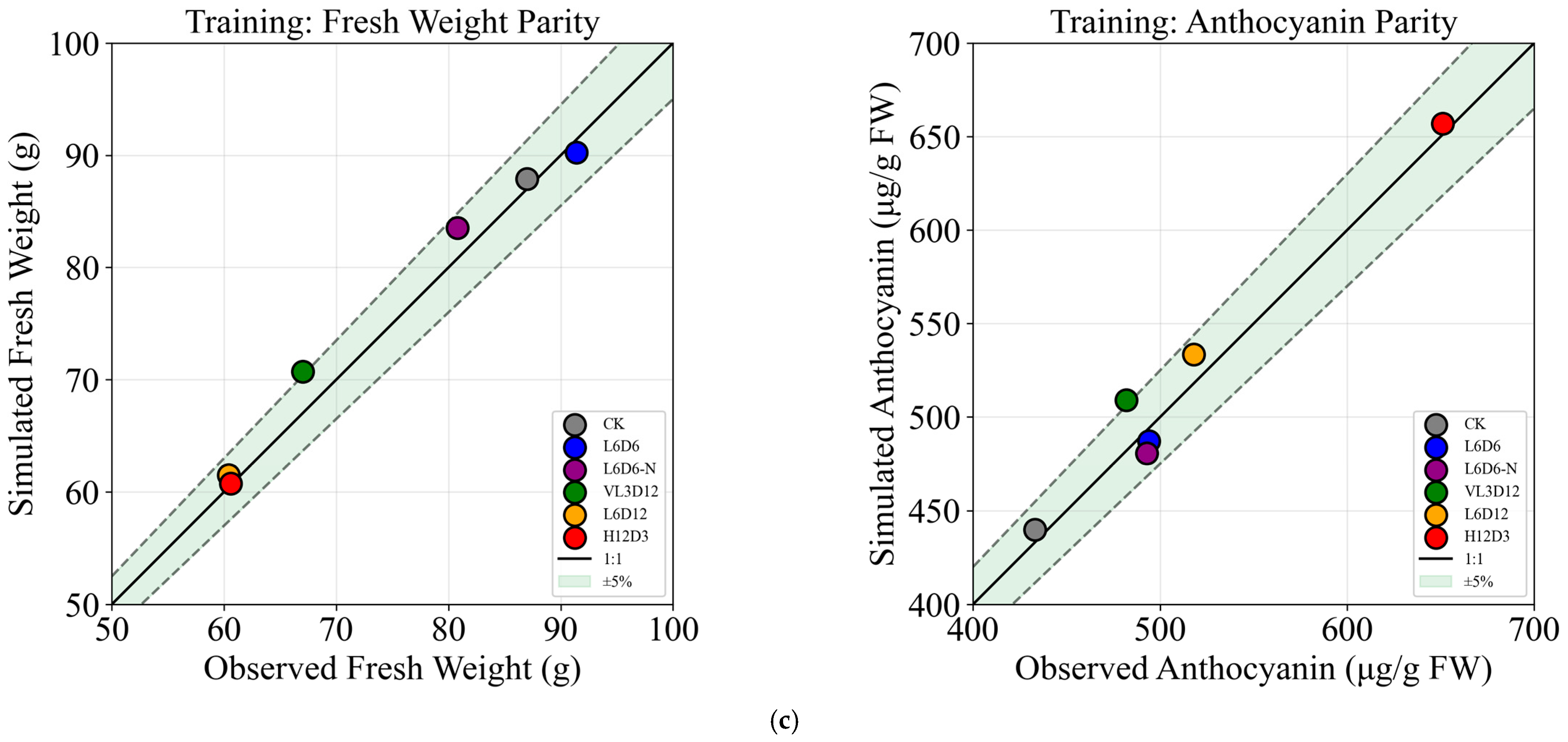
The six-state mechanistic ODE model, featuring explicit carbon competition between growth and antioxidant defense based on the Growth-Differentiation Balance Hypothesis [
10], reproduced training data with <5% error in 10 of 12 metrics and predicted an independent validation dataset with <10% error in 11 of 12 metrics. The model captures key nonlinear features including ontogeny-dependent vulnerability, nonlinear damage amplification, circadian disruption, carbon competition, and hormesis at extreme doses.
Global optimization predicted that 9 h day−1 for 4 days is the theoretical optimum, increasing total anthocyanin by ~38% (relative to control) with minimal yield reduction (−2.4%), and warrants future experimental verification.
Overall, the workflow of “experimental observation → mechanistic hypothesis → mathematical formulation → data-driven calibration → model-based optimization” offers a general paradigm for resolving yield–quality tradeoffs in controlled-environment agriculture. The carbon competition framework provides a mechanistic basis for understanding and optimizing the growth–defense balance in crops. Key priorities for future work include experimental verification of the model-predicted optimum, multi-factor interaction studies across broader environmental conditions, extension to additional cultivars, comprehensive quality profiling (vitamin C, nitrates, Brix), and molecular validation of the hormesis mechanism through enzymatic and gene expression assays.