Communication

Red Light Triggers Lesion Formation in the sdr7-6 Mutant of Rice

1
Rice Research Institute, Fujian Academy of Agricultural Sciences, Fuzhou 350003, China
2
Key Laboratory of Germplasm Innovation and Molecular Breeding of Hybrid Rice for South China, Ministry of Agriculture and Affairs P.R. China/Incubator of National Key Laboratory of Germplasm Innovation and Molecular Breeding Between Fujian and Ministry of Sciences and Technology/Fuzhou Branch, National Rice Improvement Center of China/Fujian Engineering Laboratory of Crop Molecular Breeding/Fujian Key Laboratory of Rice Molecular Breeding, Fuzhou 350003, China
*
Author to whom correspondence should be addressed.
Plants 2026, 15(3), 490; https://doi.org/10.3390/plants15030490

Submission received: 5 December 2025 / Revised: 23 January 2026 / Accepted: 2 February 2026 / Published: 5 February 2026
(This article belongs to the Section Plant Physiology and Metabolism)

Abstract

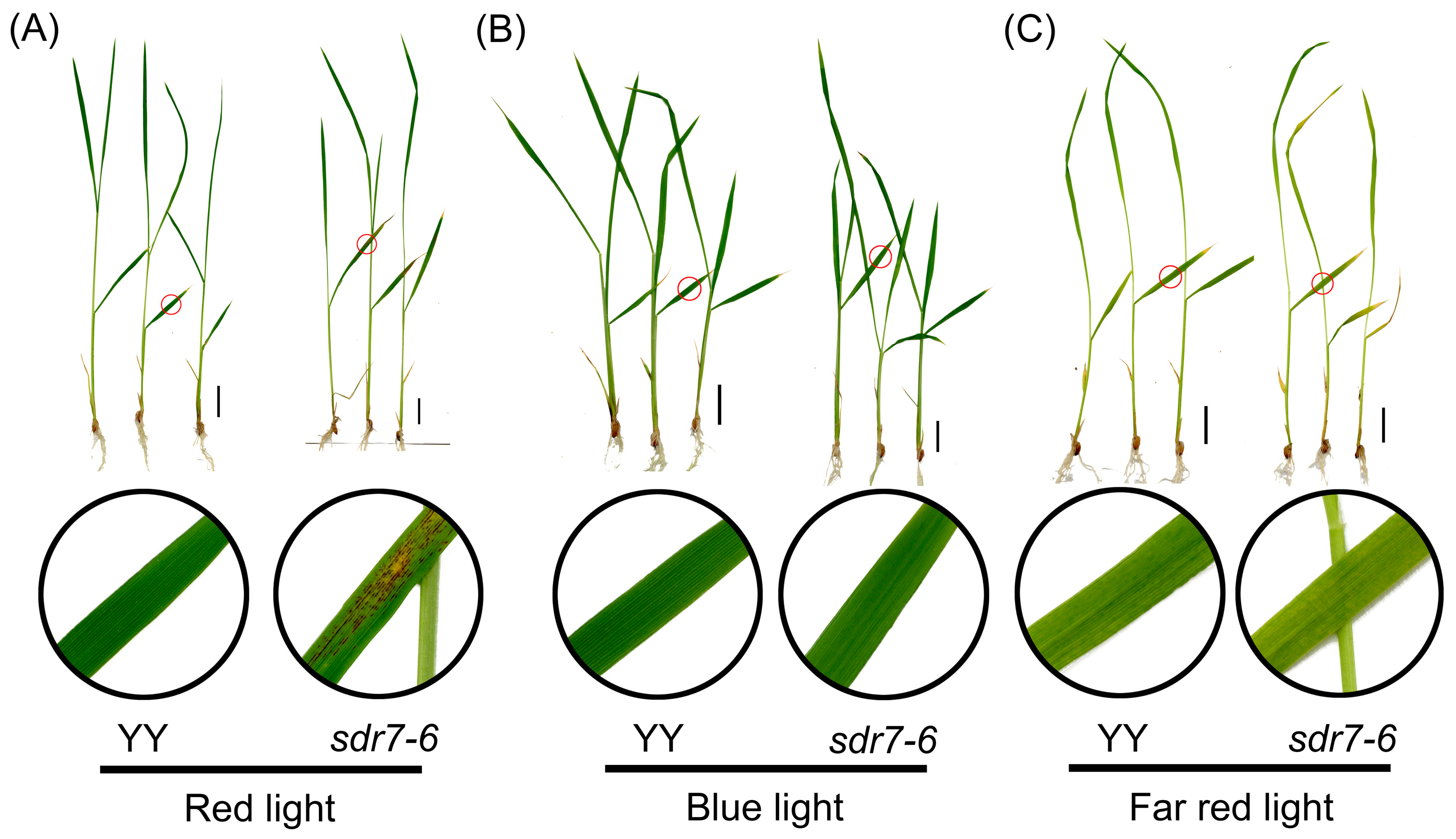
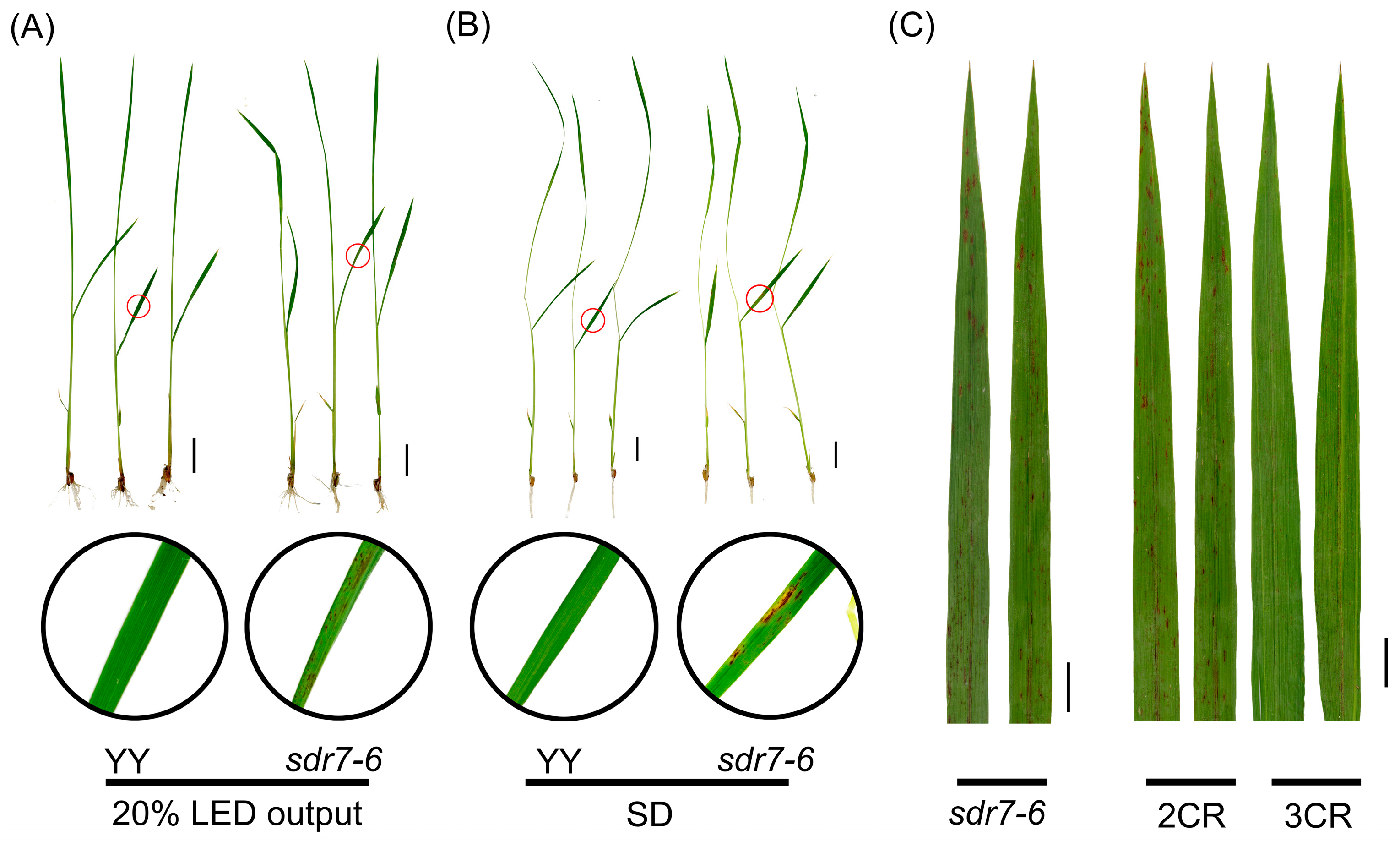
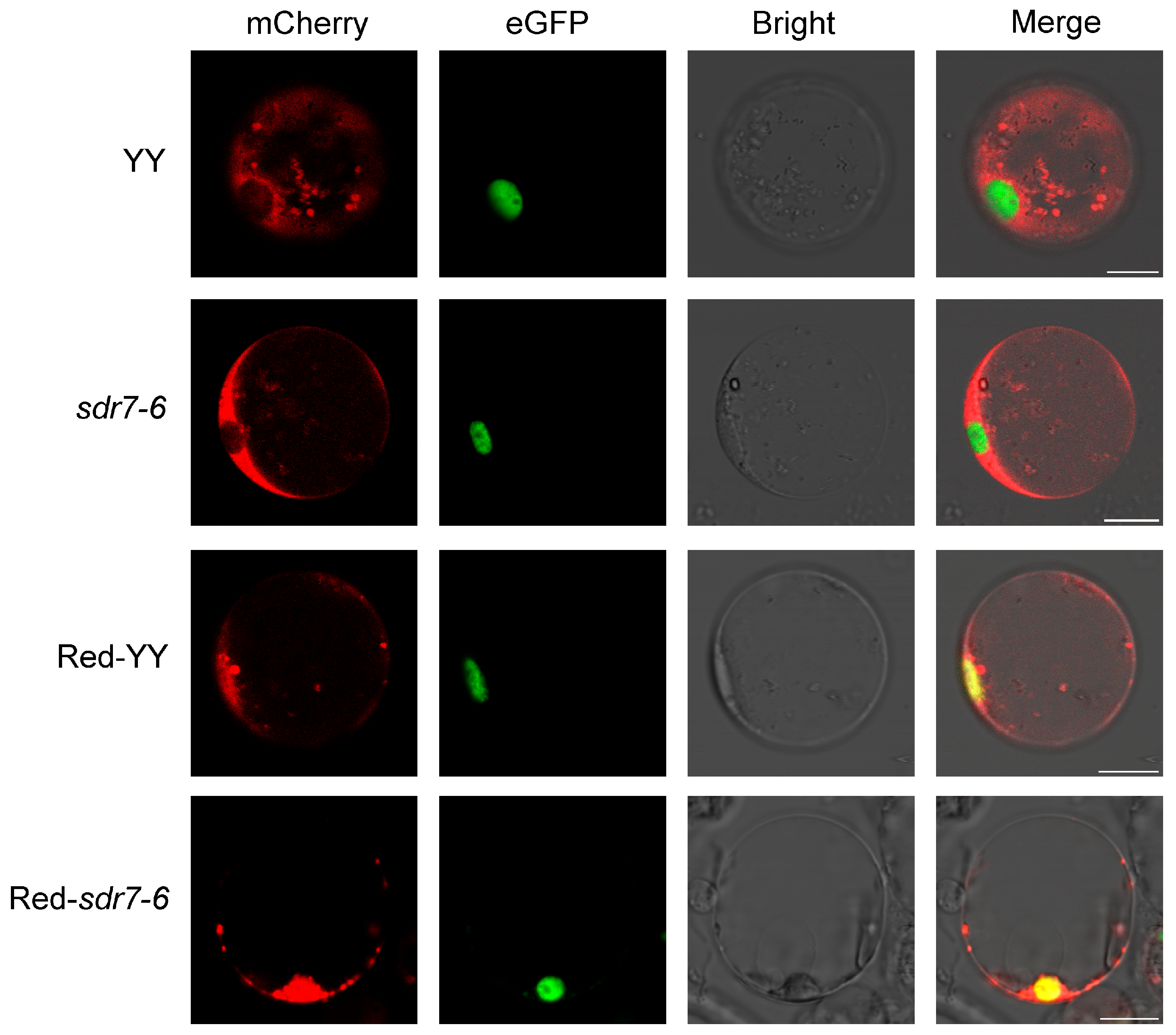
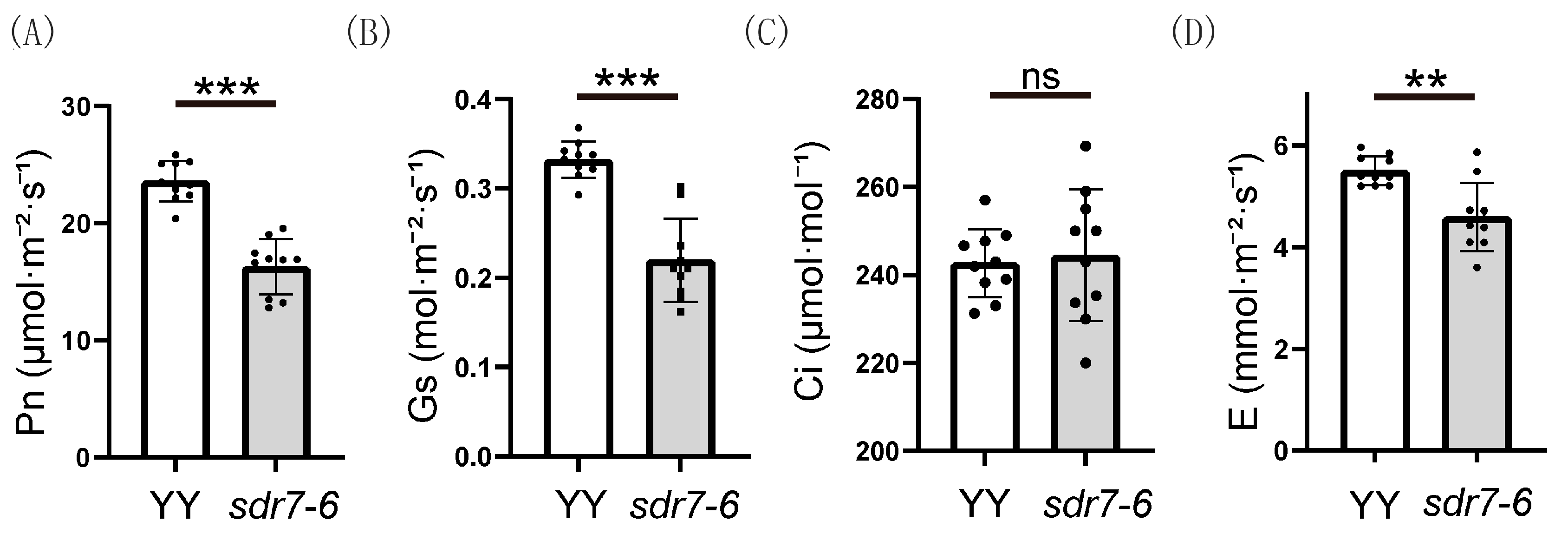
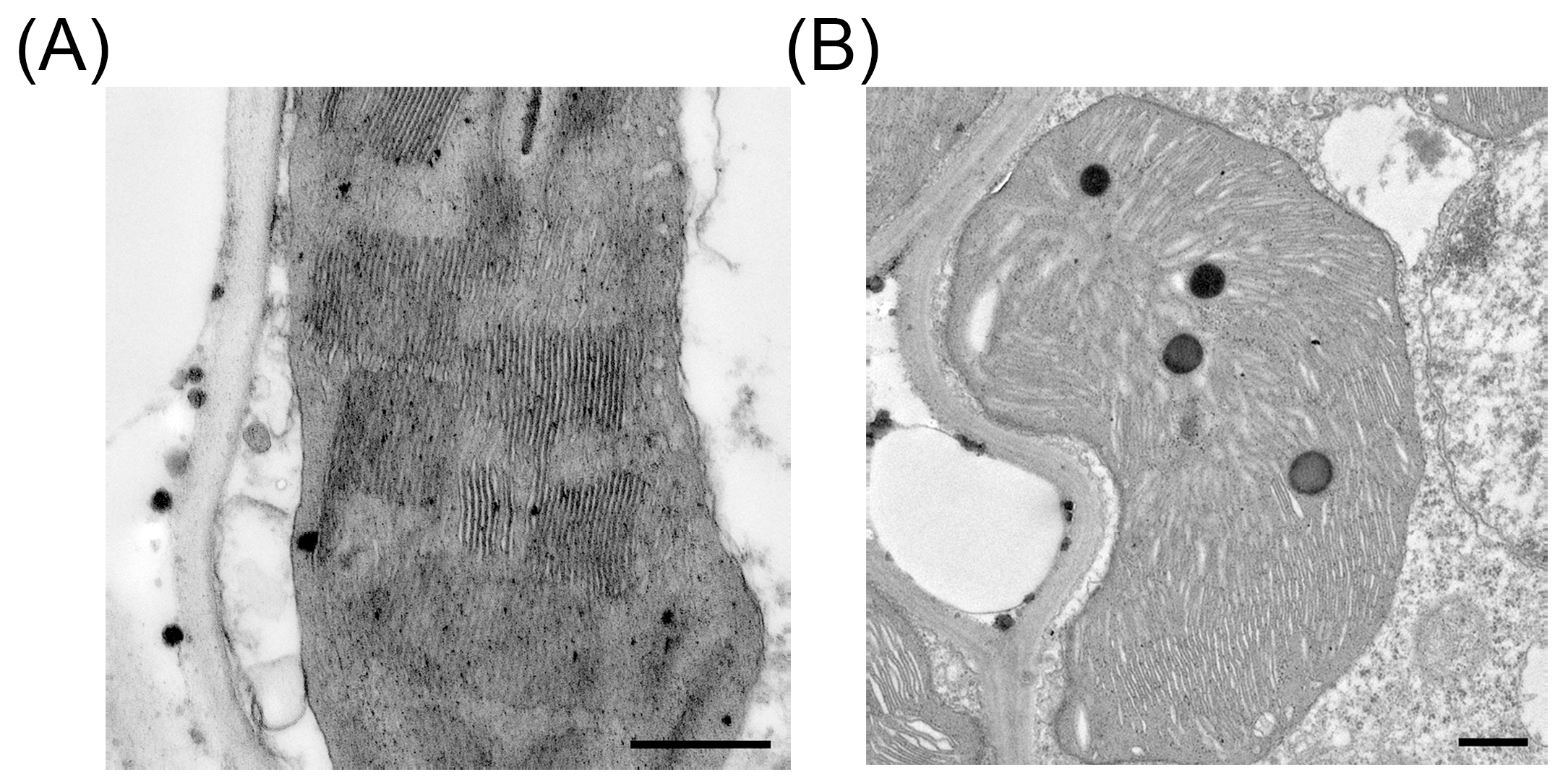
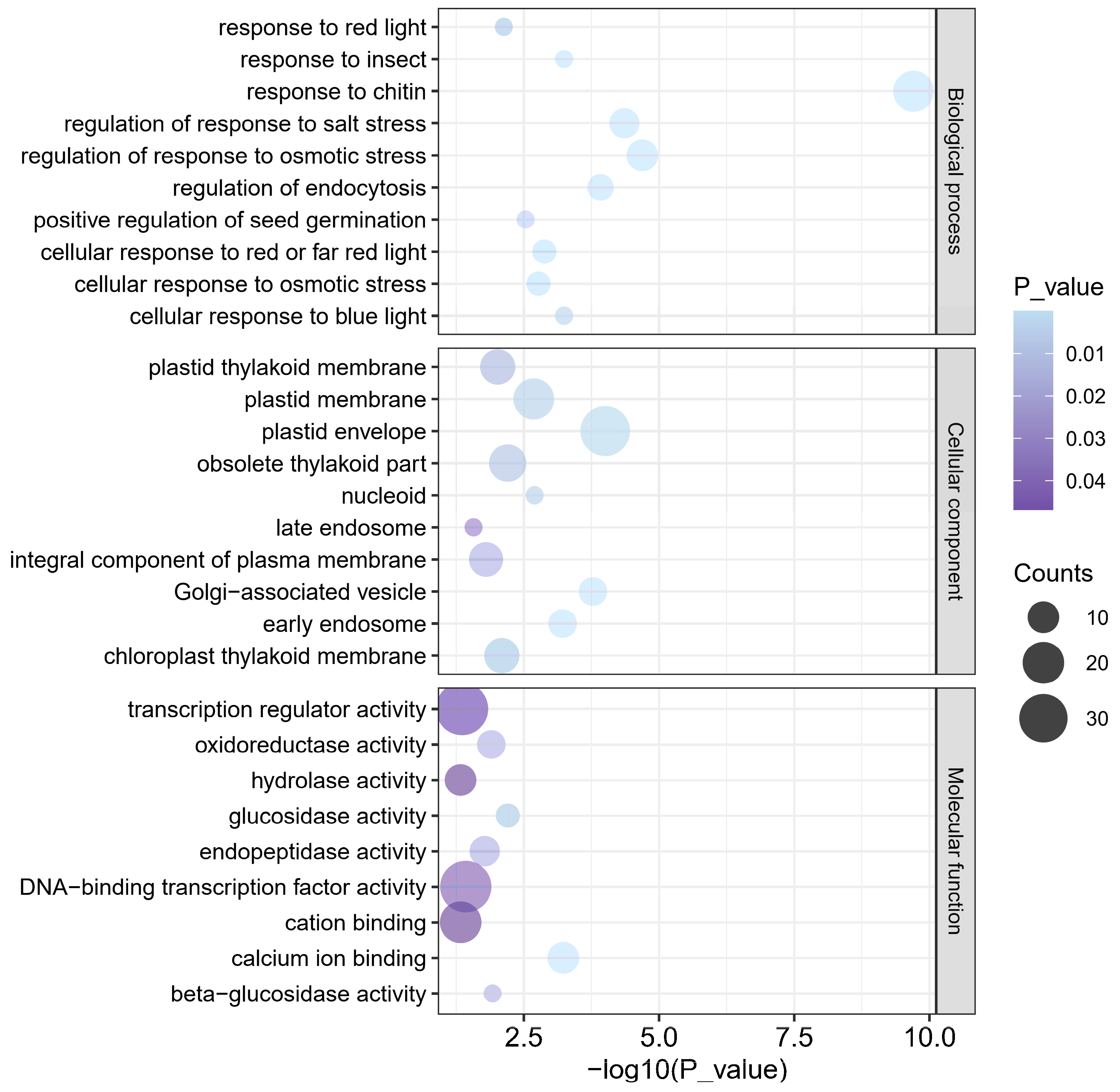
Lesion mimic mutants are ideal materials for investigating programmed cell death in plants. The rice mutant sdr7-6 exhibits a light-dependent lesion mimic phenotype, but the specific light conditions that trigger necrosis and the underlying molecular mechanisms remain unclear. In this study, we characterized the light-dependent necrotic phenotype of sdr7-6 under red, blue, and far-red light. We found that lesion formation was exclusively triggered by red light and occurred independently of light intensity or photoperiod. Knockout of phyB markedly alleviated lesion development, confirming the role of phyB-mediated red-light signaling in this process. Physiological analyses revealed a significant reduction in photosynthetic capacity in sdr7-6, primarily due to disrupted chloroplast ultrastructure. Consistent with these findings, transcriptome profiling indicated strong downregulation of genes associated with chloroplast function, photosynthesis, and light responses. Together, these results demonstrate that SDR7-6 functions as a previously unrecognized downstream component of phyB-mediated red-light signaling and is involved in red-light-dependent lesion formation in rice, which is tightly associated with compromised chloroplast integrity and function. This work provides new insights into the molecular mechanisms underlying red-light perception and its regulation of lesion formation in rice.
Keywords: rice; lesion formation; sdr7-6; short chain alcohol dehydrogenase/reductase; red light rice; lesion formation; sdr7-6; short chain alcohol dehydrogenase/reductase; red light