Nanoparticle Applications in Plant Biotechnology: A Comprehensive Review

 ,
,  , ,
, ,
Abstract
1. Introduction
- -
- Genetic transformation and molecular delivery;
- -
- Tissue culture and plant regeneration;
- -
- Nanofertilization and abiotic stress mitigation;
- -
- Cryopreservation of plant germplasm.
2. Overview of Nanoparticles in Plant Systems
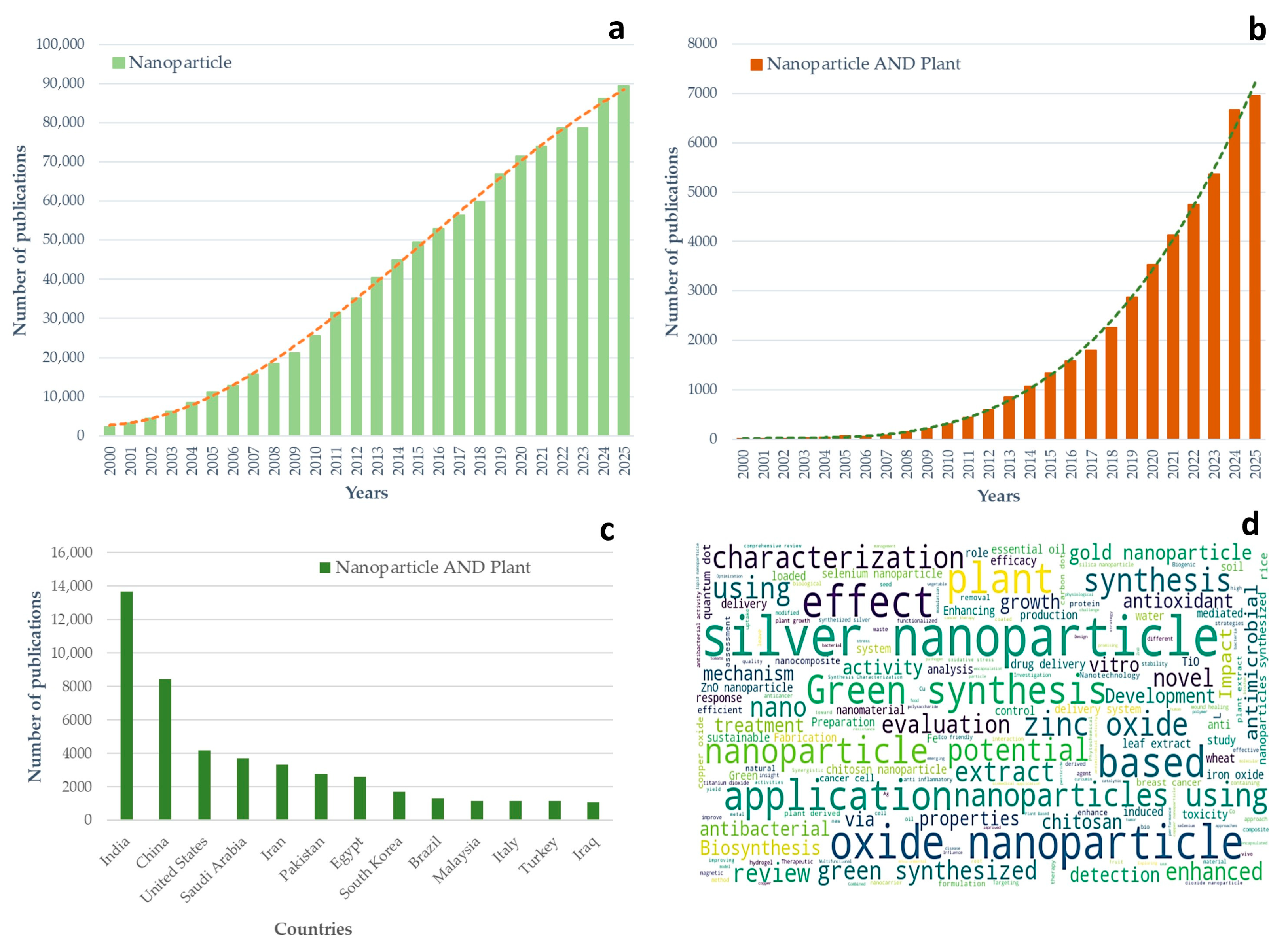
2.1. Research Trends and Emerging Gaps in Plant Nanotechnology
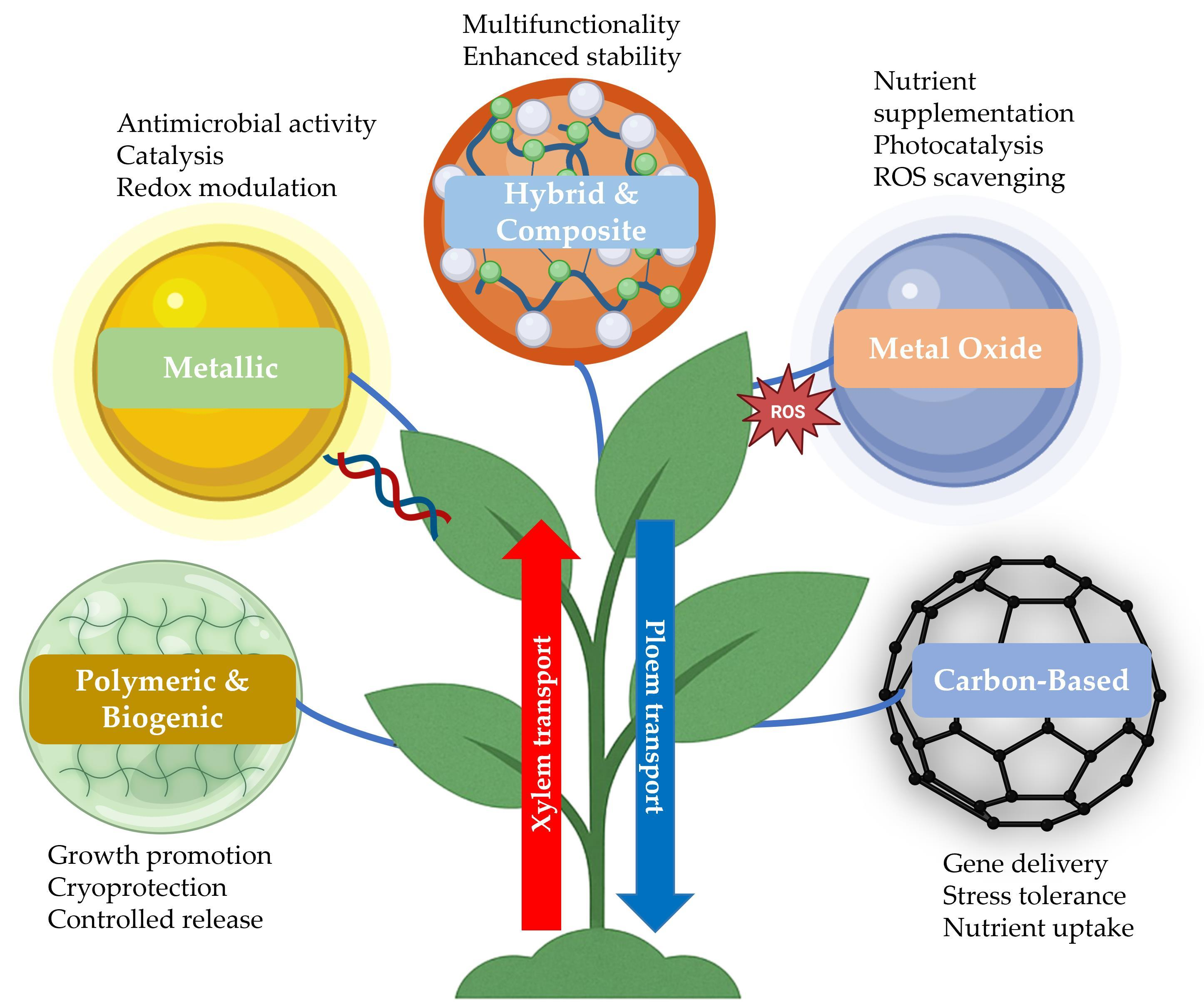
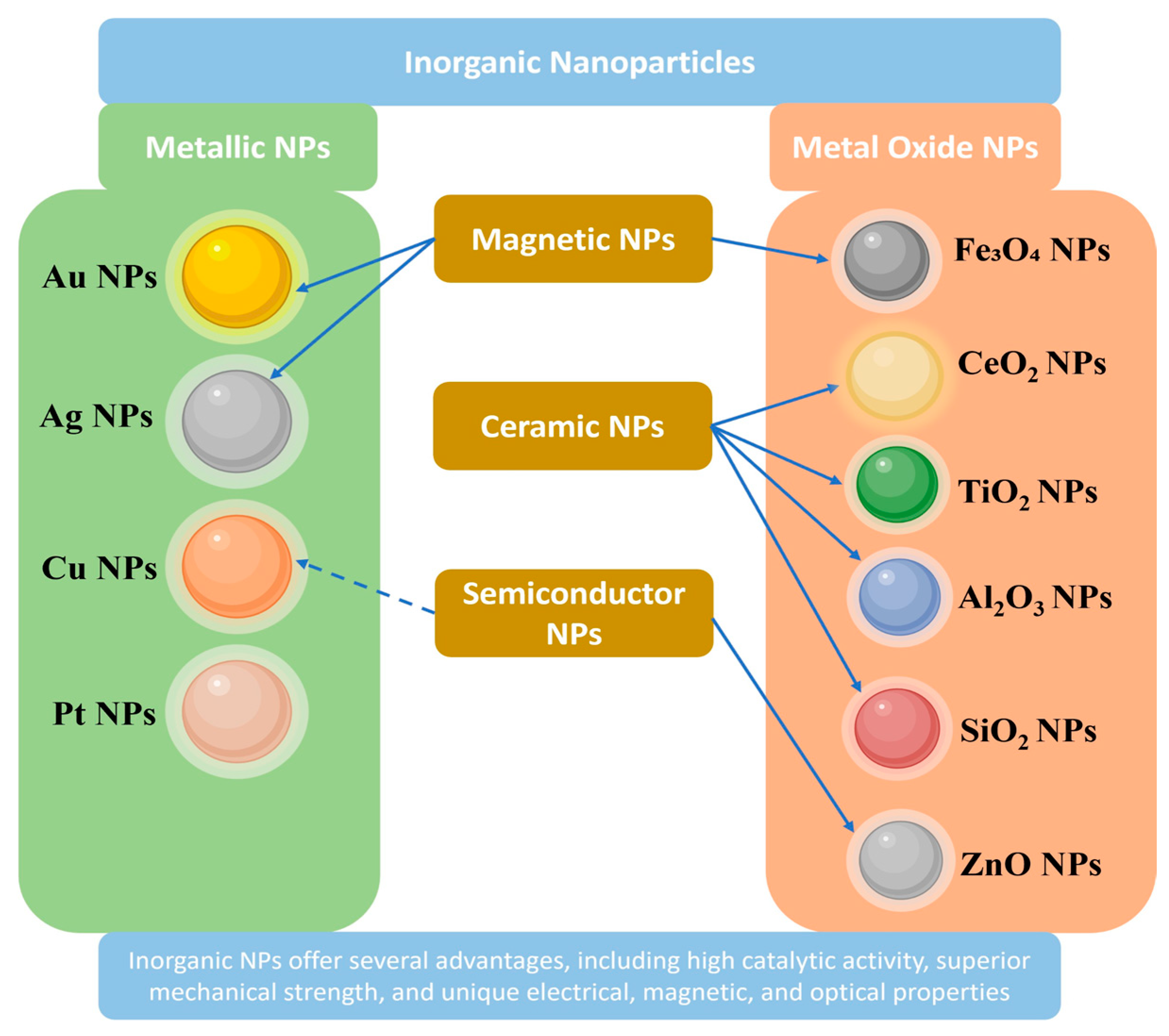
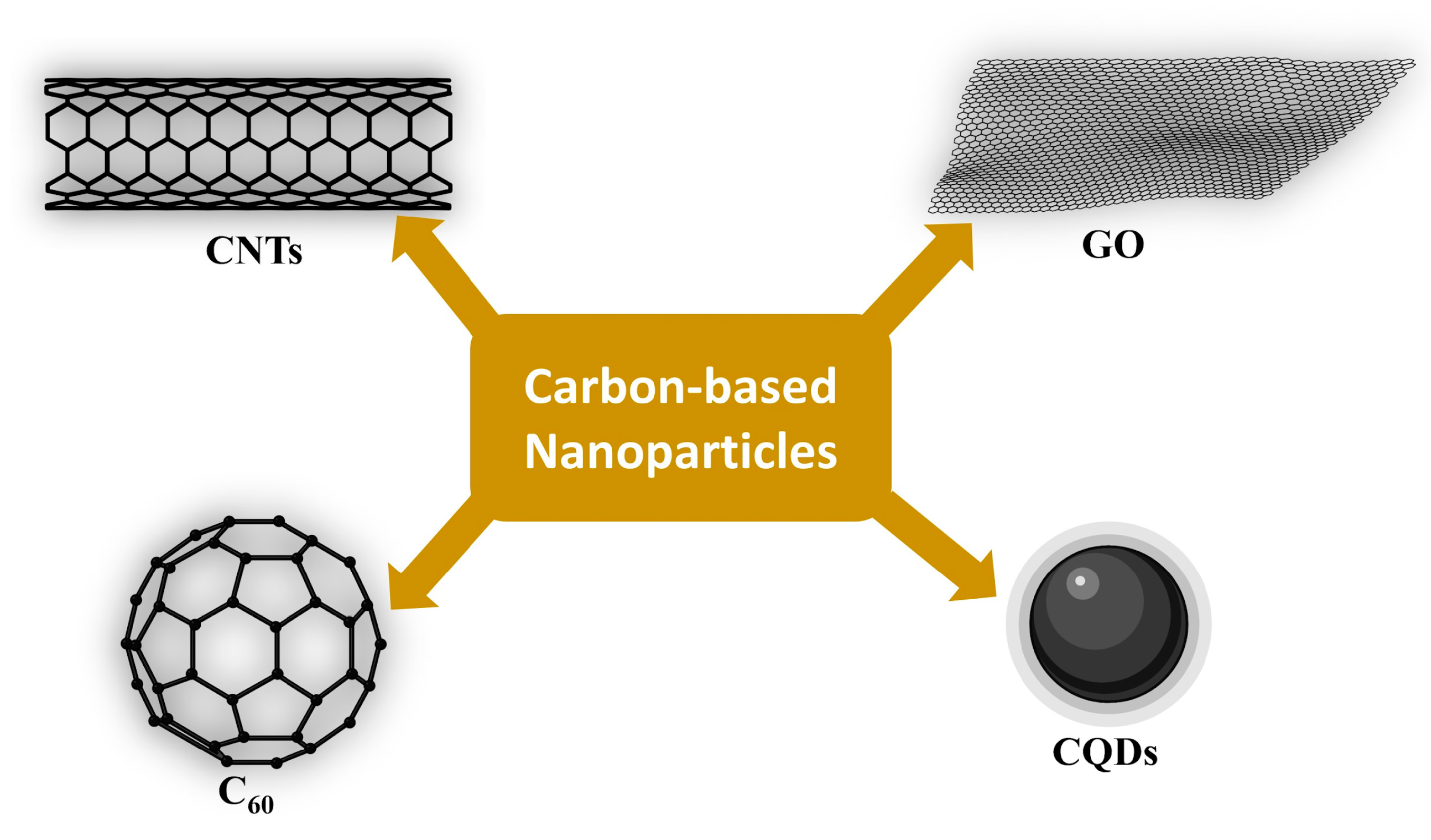
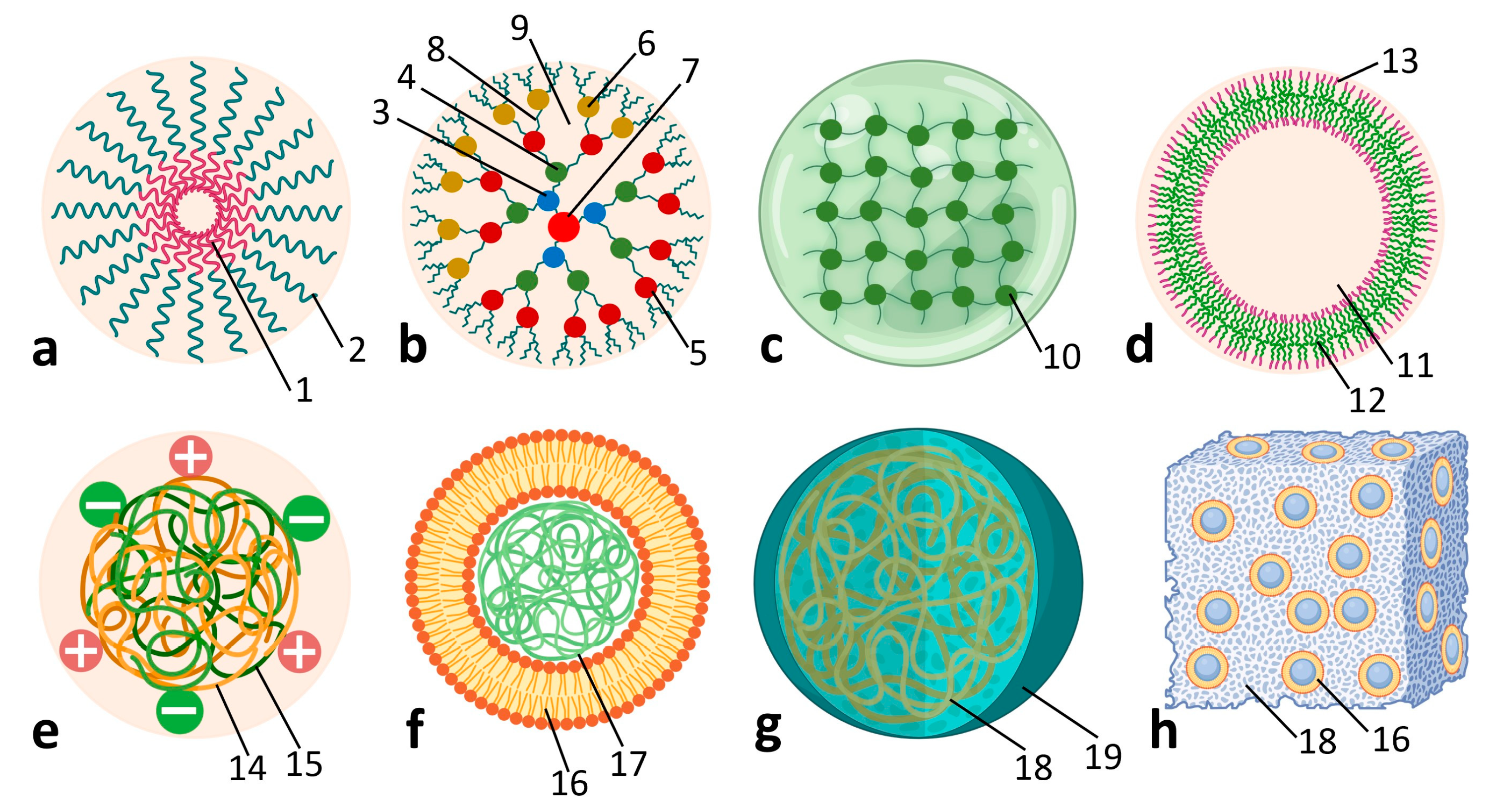
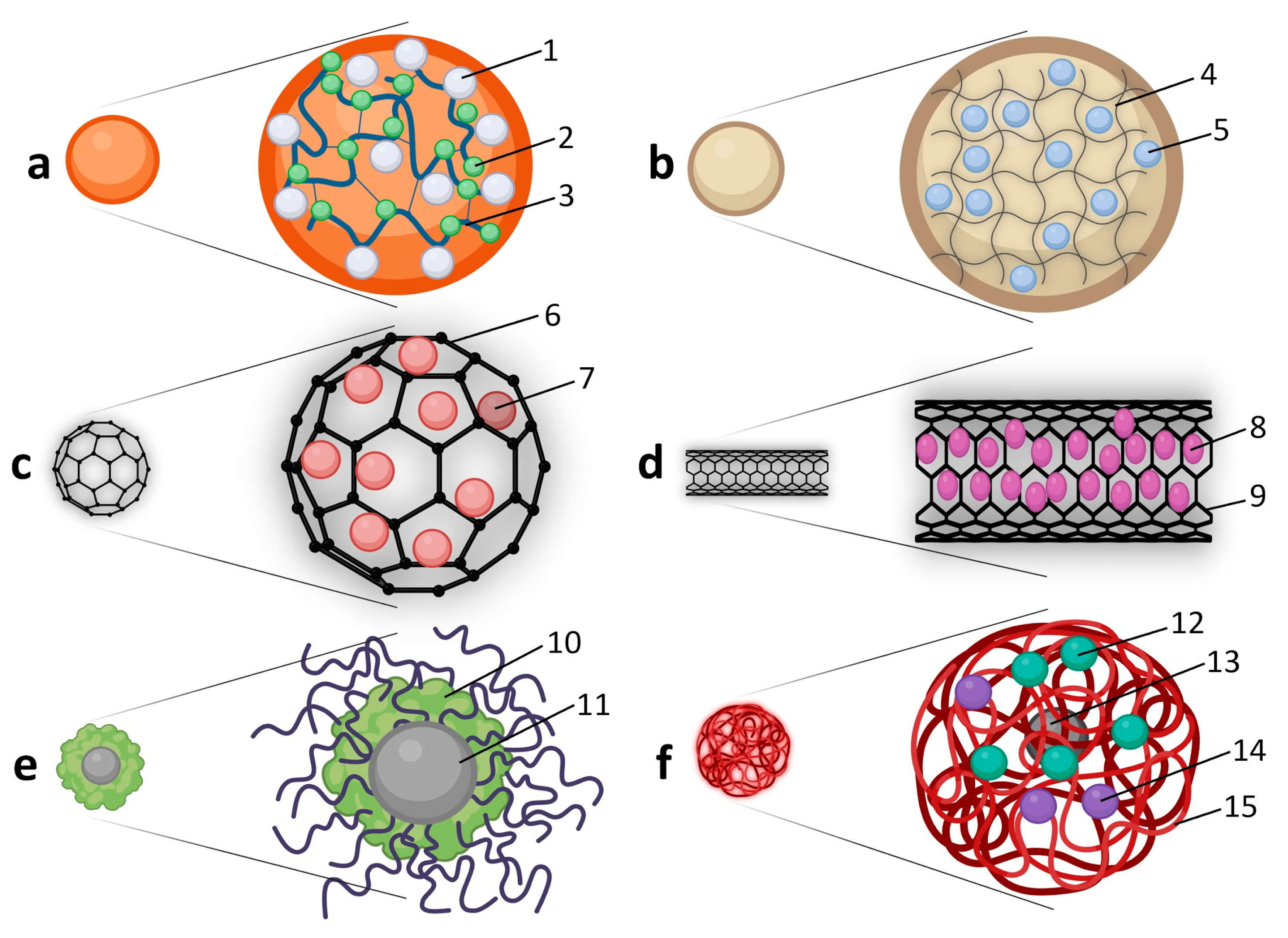
2.2. Types of Nanoparticles
3. Nanoparticle Delivery Pathways, Uptake Mechanisms, and Localization in Plants
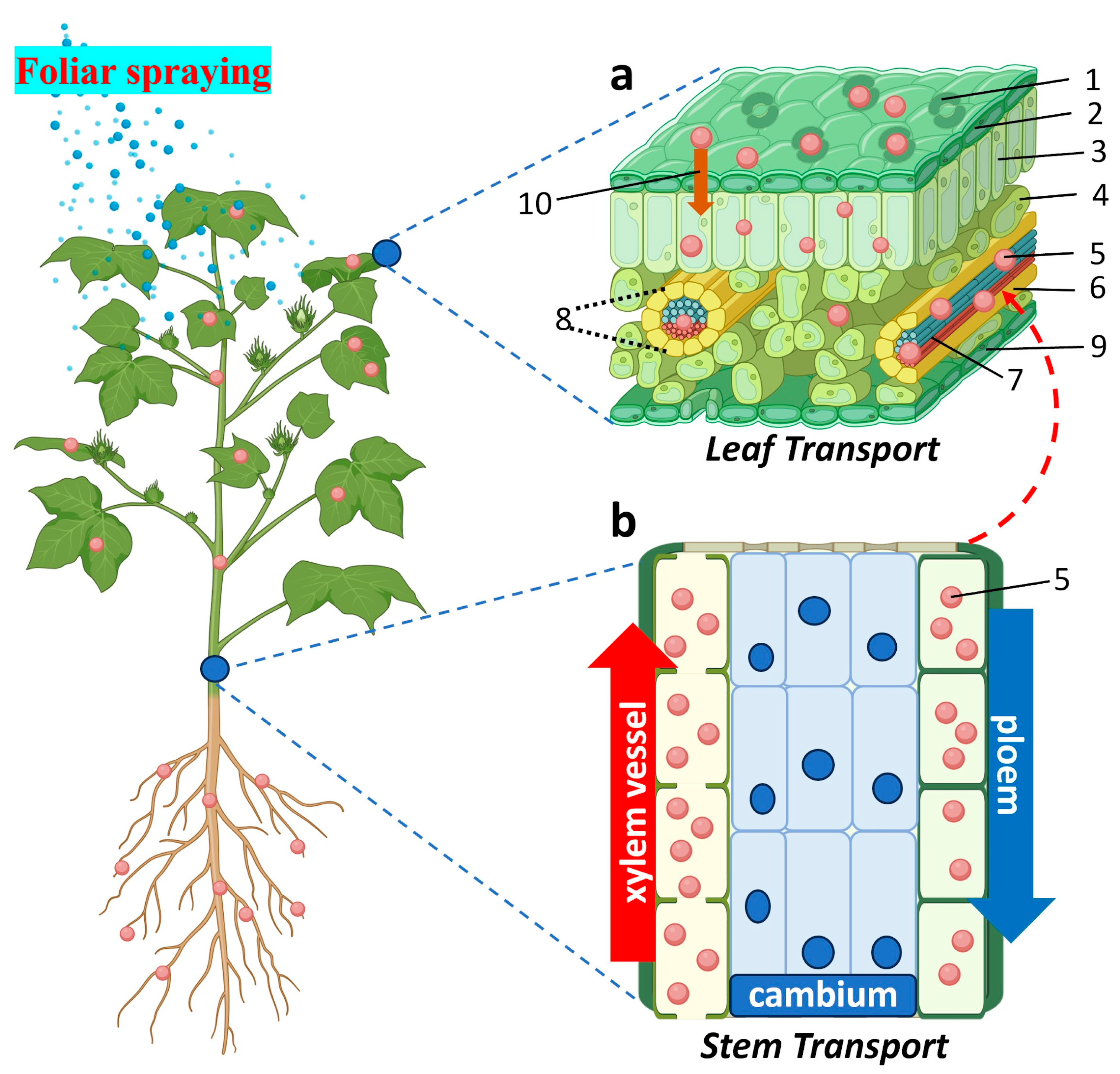
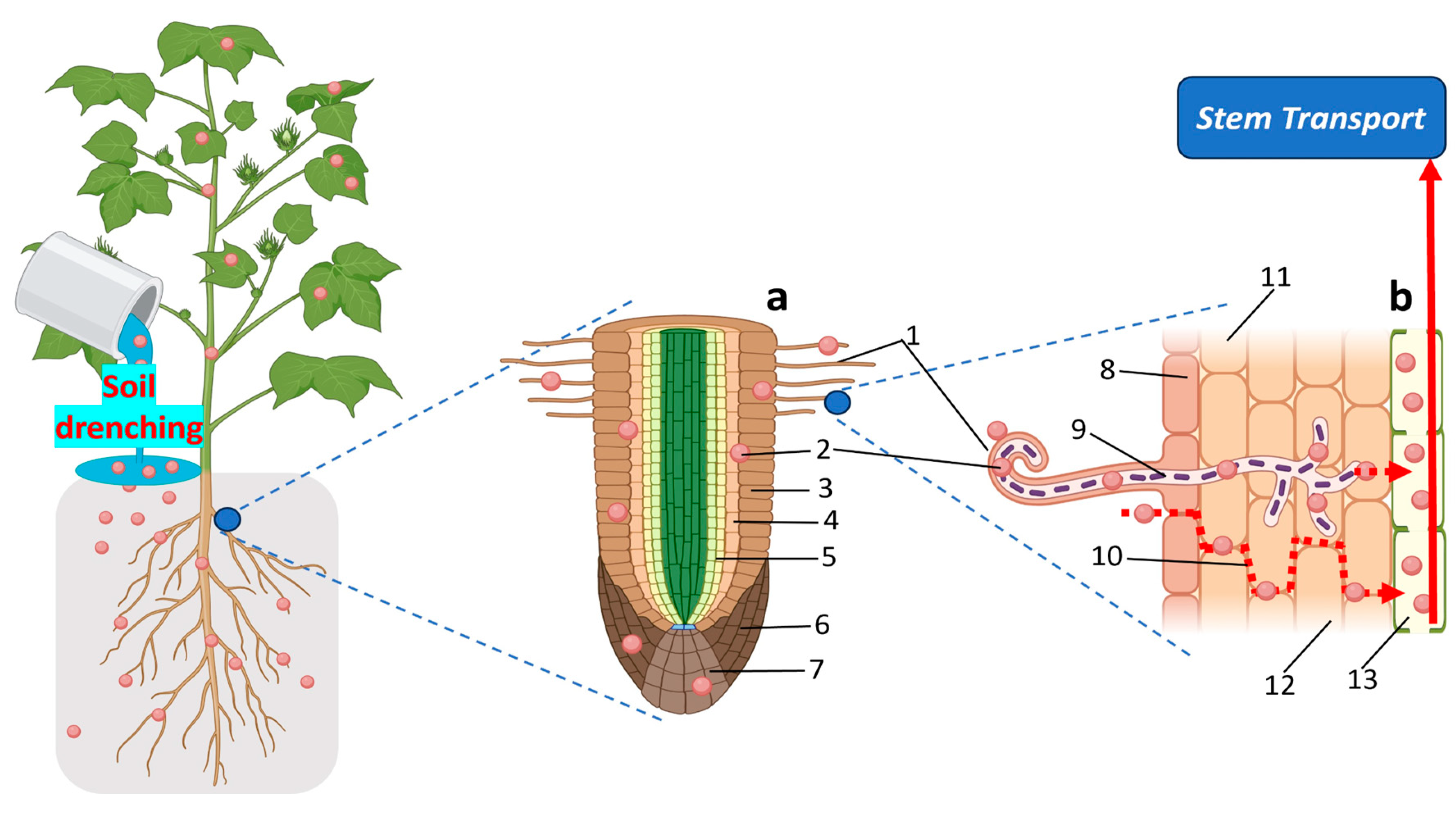
3.1. Delivery Methods of Nanoparticles in Plants
3.2. Uptake and Localization in Plants
4. Nanoparticles in Plant Biotechnology
4.1. Nanoparticles in Plant Genetic Engineering and Transformation
4.2. Nanoparticles in Plant Tissue Culture and Regeneration
4.3. Nanoparticles in Plant Cryopreservation
4.4. Nanofertilizers and Stress Mitigation
5. Toxicity, Safety, and Regulatory Considerations
5.1. Plant Toxicity and Degradation
5.2. Environmental Safety in Open Field and Soil-Based Applications
5.3. Biosafety for Contained Systems Including In Vitro Platforms and Cryobanks
5.4. Regulatory Readiness, Governance, and Emerging Tools for Safer Innovation
6. Conclusions
Author Contributions
Funding
Data Availability Statement
Conflicts of Interest
Abbreviations
| General Nanotechnology and Materials | |
| NP | Nanoparticle |
| NPs | Nanoparticles |
| AgNPs | Silver nanoparticles |
| AuNPs | Gold nanoparticles |
| CuNPs | Copper nanoparticles |
| PtNPs | Platinum nanoparticles |
| ZnO NPs | Zinc oxide nanoparticles |
| TiO2 NPs | Titanium dioxide nanoparticles |
| Fe3O4 NPs | Iron oxide (magnetite) nanoparticles |
| Al2O3 NPs | Aluminum oxide nanoparticles |
| SiO2 NPs | Silicon dioxide nanoparticles |
| CeO2 NPs | Cerium oxide nanoparticles |
| CNTs | Carbon nanotubes |
| SWCNTs | Single-walled carbon nanotubes |
| MWCNTs | Multi-walled carbon nanotubes |
| GO | Graphene oxide |
| CQDs | Carbon quantum dots |
| GQDs | Graphene quantum dots |
| C60 | Fullerene (buckminsterfullerene) |
| Polymeric and Biogenic Nanocarriers | |
| CS NPs | Chitosan nanoparticles |
| PLGA | Poly(lactic-co-glycolic acid) |
| PEG | Polyethylene glycol |
| MSNs | Mesoporous silica nanoparticles |
| Plant Biotechnology and Cell Biology | |
| ROS | Reactive oxygen species |
| LN | Liquid nitrogen |
| PVS2/PVS3 | Plant vitrification solution 2/3 |
| SOD | Superoxide dismutase |
| CAT | Catalase |
| POD | Peroxidase |
| Genetic Engineering and Molecular Biology | |
| DNA | Deoxyribonucleic acid |
| RNA | Ribonucleic acid |
| siRNA | Small interfering RNA |
| sgRNA | Single guide RNA |
| CRISPR | Clustered regularly interspaced short palindromic repeats |
| Cas9 | CRISPR-associated protein 9 |
| RNP | Ribonucleoprotein |
| GFP | Green fluorescent protein |
| YFP | Yellow fluorescent protein |
| Delivery Techniques and Experimental Methods | |
| iPB | In planta particle bombardment |
| MNPs | Magnetic nanoparticles |
References
- United Nations. World Population Prospects 2024: Summary of Results; UN DESA/POP/2024/TR/NO. 9; United Nations: New York, NY, USA, 2024; Available online: https://population.un.org/wpp/assets/Files/WPP2024_Summary-of-Results.pdf (accessed on 5 December 2025).
- Food and Agriculture Organization of the United Nations (FAO). The Third Report on The State of the World’s Plant Genetic Resources for Food and Agriculture; FAO: Rome, Italy, 2025. [Google Scholar] [CrossRef]
- Mwangi, R.; Mustafa, M.; Charles, K.; Wagara, I.; Kappel, N. Selected Emerging and Reemerging Plant Pathogens Affecting the Food Basket: A Threat to Food Security. J. Agric. Food Res. 2023, 14, 100827. [Google Scholar] [CrossRef]
- Saleem, A.; Anwar, S.; Nawaz, T.; Fahad, S.; Saud, S.; Rahman, T.U.; Khan, M.; Nawaz, T. Securing a Sustainable Future: The Climate Change Threat to Agriculture, Food Security, and Sustainable Development Goals. J. Umm Al-Qura Univ. Appl. Sci. 2024, 11, 595–611. [Google Scholar] [CrossRef]
- Salgotra, R.; Chauhan, B. Genetic Diversity, Conservation, and Utilization of Plant Genetic Resources. Genes 2023, 14, 174. [Google Scholar] [CrossRef] [PubMed]
- Wang, P.; Si, H.; Li, C.; Xu, Z.; Guo, H.; Jin, S.; Cheng, H. Plant Genetic Transformation: Achievements, Current Status and Future Prospects. Plant Biotechnol. J. 2025, 23, 2034–2058. [Google Scholar] [CrossRef]
- Pehlivan, N.; Altaf, M.; Emamverdian, A.; Ghorbani, A. Beyond the Lab: Future-proofing Agriculture for Climate Resilience and Stress Management. Front. Plant Sci. 2025, 16, 1565850. [Google Scholar] [CrossRef]
- Tarraf, W.; De Carlo, A. In Vitro Biotechnology for Conservation and Sustainable Use of Plant Genetic Resources. Plants 2024, 13, 1897. [Google Scholar] [CrossRef]
- Nagel, M.; Pence, V.; Ballesteros, D.; Lambardi, M.; Popova, E.; Panis, B. Plant Cryopreservation: Principles, Applications, and Challenges of Banking Plant Diversity at Ultralow Temperatures. Annu. Rev. Plant Biol. 2024, 75, 797–824. [Google Scholar] [CrossRef]
- Kang, P.; Kim, S.; Park, H.; Han, S.; Kim, I.; Lee, H.; Yim, J. Trends and Challenges in Plant Cryopreservation Research: A Meta-Analysis of Cryoprotective Agent Development and Research Focus. Plants 2025, 14, 447. [Google Scholar] [CrossRef]
- Ahmad, Z.; Niyazi, S.; Firdoos, A.; Wang, C.; Manzoor, M.; Ramakrishnan, M.; Upadhyay, A.; Ding, Y. Enhancing Plant Resilience: Nanotech Solutions for Sustainable Agriculture. Heliyon 2024, 10, e40735. [Google Scholar] [CrossRef]
- Zaman, W.; Ayaz, A.; Park, S. Nanomaterials in Agriculture: A Pathway to Enhanced Plant Growth and Abiotic Stress Resistance. Plants 2025, 14, 716. [Google Scholar] [CrossRef]
- Ijaz, M.; Khan, F.; Ahmed, T.; Noman, M.; Zulfiqar, F.; Rizwan, M.; Chen, J.; Siddique, K.H.; Li, B. Nanobiotechnology to Advance Stress Resilience in Plants: Current Opportunities and Challenges. Mater. Today Bio 2023, 22, 100759. [Google Scholar] [CrossRef] [PubMed]
- Shivashakarappa, K.; Marriboina, S.; Dumenyo, K.; Taheri, A.; Yadegari, Z. Nanoparticle-mediated Gene Delivery Techniques in Plant Systems. Front. Nanotechnol. 2025, 7, 1516180. [Google Scholar] [CrossRef]
- Osmani, Z.; Kulka, M. Form and Function: The Factors That Influence the Efficacy of Nanomaterials for Gene Transfer to Plants. Molecules 2025, 30, 446. [Google Scholar] [CrossRef] [PubMed]
- Bouhadi, M.; Javed, Q.; Jakubus, M.; Elkouali, M.; Fougrach, H.; Ansar, A.; Ban, S.; Ban, D.; Heath, D.; Černe, M. Nanoparticles for Sustainable Agriculture: Assessment of Benefits and Risks. Agronomy 2025, 15, 1131. [Google Scholar] [CrossRef]
- Phong, T.; Hieu, T.; Tung, H.; Mai, N.; Khai, H.; Cuong, D.; Luan, V.; Nam, N.; Nhut, D. Silver Nanoparticles Enhance the In Vitro Plant Regeneration via thin Cell Layer Culture System in Purple Passion Fruit. Plant Cell Tissue Organ Cult. (PCTOC) 2023, 155, 403–415. [Google Scholar] [CrossRef]
- Ren, L.; Wang, M.; Wang, Q. ROS-induced Oxidative Stress in Plant Cryopreservation: Occurrence and Alleviation. Planta 2021, 254, 124. [Google Scholar] [CrossRef]
- Gunasena, M.; Alahakoon, A.; Polwaththa, K.; Galpaya, G.; Priyanjani, H.; Koswattage, K.; Senarath, W. Transforming Plant Tissue Culture with Nanoparticles: A Review of Current Applications. Plant Nano Biol. 2024, 10, 100102. [Google Scholar] [CrossRef]
- Joudeh, N.; Linke, D. Nanoparticle Classification, Physicochemical Properties, Characterization, and Applications: A Comprehensive Review for Biologists. J. Nanobiotechnol. 2022, 20, 262. [Google Scholar] [CrossRef]
- Eker, F.; Duman, H.; Akdaşçi, E.; Bolat, E.; Sarıtaş, S.; Karav, S.; Witkowska, A. A Comprehensive Review of Nanoparticles: From Classification to Application and Toxicity. Molecules 2024, 29, 3482. [Google Scholar] [CrossRef]
- Kulus, D.; Tymoszuk, A.; Kulpińska, A.; Viehmannova, I.; Wojnarowicz, J.; Szałaj, U. Effect of Nanoparticles on the ex-vitro Performance of Cryopreservation-derived Plant Material. PLoS ONE 2024, 19, e0310424. [Google Scholar] [CrossRef]
- Tung, H.; Bao, H.; Cuong, D.; Ngan, H.; Hien, V.; Luan, V.; Vinh, B.; Phuong, H.; Nam, N.; Trieu, L.; et al. Silver Nanoparticles as the Sterilant in Large-scale Micropropagation of Chrysanthemum. Vitr. Cell. Dev. Biol.—Plant 2021, 57, 879–906. [Google Scholar] [CrossRef]
- Alfosea-Simón, F.; Burgos, L.; Alburquerque, N. Silver Nanoparticles Help Plants Grow, Alleviate Stresses, and Fight Against Pathogens. Plants 2025, 14, 428. [Google Scholar] [CrossRef] [PubMed]
- Satya; Khan, T.; Hashmi, K.; Raza, S.; Gupta, S.; Joshi, S. Plant Response to Gold Nanoparticles in Terms of Growth, Development, Production, and Protection: An Overview. In Plant Response to Gold Nanoparticles; Smart Nanomaterials Technology; Springer: Singapore, 2024; pp. 1–35. [Google Scholar] [CrossRef]
- Venzhik, Y.; Moshkov, I.; Dykman, L. Gold Nanoparticles in Plant Physiology: Principal Effects and Prospects of Application. Russ. J. Plant Physiol. 2021, 68, 401–412. [Google Scholar] [CrossRef]
- Bakshi, M.; Kumar, A. Applications of Copper Nanoparticles in Plant Protection and Pollution Sensing: Toward Promoting Sustainable Agriculture. In Copper Nanostructures: Next-Generation of Agrochemicals for Sustainable Agroecosystems; Elsevier: Amsterdam, The Netherlands, 2022; pp. 393–413. [Google Scholar] [CrossRef]
- Kumar, D.; Soundhararajan, R.; Srinivasan, H. Screening the Efficacy of Platinum-based Nanomaterial Synthesized from Allium sativum to Control Plant Pathogens. J. Mater. Sci. Mater. Eng. 2024, 19, 29. [Google Scholar] [CrossRef]
- Zhou, Y.; Liu, X.; Yang, X.; Du Laing, G.; Yang, Y.; Tack, F.; Bank, M.; Bundschuh, J. Effects of Platinum Nanoparticles on Rice Seedlings (Oryza sativa L.): Size-dependent Accumulation, Transformation, and Ionomic Influence. Environ. Sci. Technol. 2023, 57, 3733–3745. [Google Scholar] [CrossRef]
- Van Nguyen, D.; Nguyen, H.; Le, N.; Nguyen, K.; Nguyen, H.; Le, H.; Nguyen, A.; Dinh, N.; Hoang, S.; Van Ha, C. Copper Nanoparticle Application Enhances Plant Growth and Grain Yield in Maize Under Drought Stress Conditions. J. Plant Growth Regul. 2021, 41, 364–375. [Google Scholar] [CrossRef]
- Da Costa, M.; Sharma, P. Effect of Copper Oxide Nanoparticles on Growth, Morphology, Photosynthesis, and Antioxidant Response in Oryza sativa. Photosynthetica 2016, 54, 110–119. [Google Scholar] [CrossRef]
- Faizan, M.; Yu, F.; Chen, C.; Faraz, A.; Hayat, S. Zinc Oxide Nanoparticles Help to Enhance Plant Growth and Alleviate Abiotic Stress: A Review. Curr. Protein Pept. Sci. 2021, 22, 362–375. [Google Scholar] [CrossRef]
- Vijayreddy, D.; Kandan, A.; Dutta, P.; Pathak, J. Dual Role of Zinc Oxide Nanoparticles in Antifungal Action against Rhizoctonia solani, Biosafety and Phytotoxicity Concerns in Crop Plants. Physiol. Mol. Plant Pathol. 2025, 138, 102712. [Google Scholar] [CrossRef]
- Li, X.; Ghanizadeh, H.; Han, Z.; Wang, Q.; Li, F.; Qiu, Y.; Zhang, Y.; Chen, X.; Liu, J.; Wang, A. Metabolic Profile and Physiological Mechanisms Underlying the Promoting Effects of TiO2NPs on the Photosynthesis and Growth of Tomato. Sci. Hortic. 2023, 322, 112394. [Google Scholar] [CrossRef]
- Lei, Z.; Mingyu, S.; Chao, L.; Liang, C.; Hao, H.; Xiao, W.; Xiaoqing, L.; Fan, Y.; Fengqing, G.; Fashui, H. Effects of Nanoanatase TiO2 on Photosynthesis of Spinach Chloroplasts Under Different Light Illumination. Biol. Trace Elem. Res. 2007, 119, 68–76. [Google Scholar] [CrossRef]
- El-Saber, M.; Mahdi, A.; Hassan, A.; Farroh, K.; Osman, A. Effects of Magnetite Nanoparticles on Physiological Processes to Alleviate Salinity Induced Oxidative Damage in Wheat. J. Sci. Food Agric. 2021, 101, 5550–5562. [Google Scholar] [CrossRef]
- Kulus, D.; Tymoszuk, A.; Cichorek, M.; Gościnna, K.; Osial, M. Fe3O4 Nanoparticles and IAA Auxin Affect Secondary Metabolism over Time without Altering Genetic Stability in Chrysanthemum. Sci. Rep. 2025, 15, 27934. [Google Scholar] [CrossRef] [PubMed]
- Morfín-Gutiérrez, A.; García-Cerda, L.; González-García, Y.; Juárez-Maldonado, A. Synthesis of Fe3O4@MCM-48 as Nano Fertilizer for Growth Stimulation in Tomato Plants. Plants 2025, 14, 405. [Google Scholar] [CrossRef] [PubMed]
- Gupta, N.; Singh, P.; Sagar, V.; Pandya, A.; Chinnappa, M.; Kumar, R.; Bahadur, A. Seed Priming with ZnO and Fe3O4 Nanoparticles Alleviate the Lead Toxicity in Basella alba L. through Reduced Lead Uptake and Regulation of ROS. Plants 2022, 11, 2227. [Google Scholar] [CrossRef] [PubMed]
- Abdel Latef, A.; Zaid, A.; Abu Alhmad, M.; Abdelfattah, K. The Impact of Priming with Al2O3 Nanoparticles on Growth, Pigments, Osmolytes, and Antioxidant Enzymes of Egyptian Roselle (Hibiscus sabdariffa L.) Cultivar. Agronomy 2020, 10, 681. [Google Scholar] [CrossRef]
- Huang, Q.; Ayyaz, A.; Farooq, M.; Zhang, K.; Chen, W.; Hannan, F.; Sun, Y.; Shahzad, K.; Ali, B.; Zhou, W. Silicon dioxide nanoparticles enhance plant growth, photosynthetic performance, and antioxidants defence machinery through suppressing chromium uptake in Brassica napus L. Environ. Pollut. 2024, 342, 123013. [Google Scholar] [CrossRef]
- Soleymani, S.; Piri, S.; Aazami, M.; Salehi, B. Cerium oxide Nanoparticles Alleviate Drought Stress in Apple Seedlings by Regulating Ion Homeostasis, Antioxidant Defense, Gene Expression, and Phytohormone Balance. Sci. Rep. 2025, 15, 11805. [Google Scholar] [CrossRef]
- Mathew, S.; Tiwari, D.; Tripathi, D. Interaction of Carbon Nanotubes with Plant System: A Review. Carbon Lett. 2020, 31, 167–176. [Google Scholar] [CrossRef]
- Katti, D.; Sharma, A.; Pradhan, S.; Katti, K. Carbon Nanotube Proximity Influences Rice DNA. Chem. Phys. 2015, 455, 17–22. [Google Scholar] [CrossRef]
- Jordan, J.; Oates, R.; Subbiah, S.; Payton, P.; Singh, K.; Shah, S.; Green, M.; Klein, D.; Cañas-Carrell, J. Carbon Nanotubes Affect Early Growth, Flowering Time and Phytohormones in Tomato. Chemosphere 2020, 256, 127042. [Google Scholar] [CrossRef] [PubMed]
- Pang, W.; Lai, C.; Atari, M.M.; Pandian, B.; Ibrahim, M.M.; Tan, S.; Yoong, I.; Subramaniam, S. Effect of Graphene Oxide Nanoparticles on In Vitro Growth of Fragaria x ananassa (Cameron Highlands white Strawberry) and Evaluation of Genetic Stability Using DAMD and ISSR Markers. Plant Physiol. Biochem. 2023, 204, 108104. [Google Scholar] [CrossRef] [PubMed]
- Pasupathy, K.; Lin, S.; Hu, Q.; Luo, H.; Ke, P. Direct Plant Gene Delivery with a Poly (amidoamine) Dendrimer. Biotechnol. J. 2008, 3, 1078–1082. [Google Scholar] [CrossRef] [PubMed]
- Li, Y.; Cui, H.; Song, Y.; Li, Y.; Huang, J. Transient Expression of Exogenous Gene into Plant Cell Mediated by PEI Nanovector. Agric. Sci. China 2011, 10, 820–826. [Google Scholar] [CrossRef]
- Xue, A.; Fan, N.; Yue, L.; Li, X.; Wang, X.; Liao, H.; Xiao, Z.; Wang, Z. Salicylic Acid-functionalized Nanogels Enhance Tobacco Mosaic Virus Resistance and Alleviate Oxidative Stress in Crops. Ind. Crops Prod. 2025, 236, 122009. [Google Scholar] [CrossRef]
- Larson, A.; Cartwright, M.; Jones, W.; Luce, K.; Chen, M.; Petersen, K.; Nelson, S.; Michaelis, D.; Madsen, M. Slow Release of GA3 Hormone from Polymer Coating Overcomes Seed Dormancy and Improves Germination. Plants 2023, 12, 4139. [Google Scholar] [CrossRef]
- Tan, C.; Hosseini, S.; Jafari, S. Cubosomes and Hexosomes as Novel Nanocarriers for Bioactive Compounds. J. Agric. Food Chem. 2022, 70, 1423–1437. [Google Scholar] [CrossRef]
- Lakhani, K.; Hamid, R.; Motamedi, E.; Marviya, G. A Review on Plant Metabolite-mediated Nanoparticle Synthesis: Sustainable Applications in Horticultural Crops. Front. Nanotechnol. 2025, 7, 1545413. [Google Scholar] [CrossRef]
- YingYing, J.; Balasubramanian, B.; Park, S.; Anand, A.; Meyyazhagan, A.; Pappusamy, M.; Paari, K.; Kamyab, H.; Chelliapan, S. Green Nanoparticles in Agriculture: Enhancing Crop Growth and Stress Tolerance. Plant Stress 2025, 18, 101017. [Google Scholar] [CrossRef]
- Senthamizh, R.; Vishwakarma, P.; Sinharoy, A.; Sinha, R.; Sharma, S.; Mal, J. Biogenic Nanoparticles and its Application in Crop Protection against Abiotic Stress: A New Dimension in Agri-nanotechnology. Sci. Total Environ. 2025, 958, 177884. [Google Scholar] [CrossRef]
- Verma, S.; Kumar, P.; Mishra, A.; Khare, R.; Singh, D. Green Nanotechnology: Illuminating the Effects of Bio-based Nanoparticles on Plant Physiology. Biotechnol. Sustain. Mater. 2024, 1, 1. [Google Scholar] [CrossRef]
- Singh, H.; Desimone, M.; Pandya, S.; Jasani, S.; George, N.; Adnan, M.; Aldarhami, A.; Bazaid, A.; Alderhami, S. Revisiting the Green Synthesis of Nanoparticles: Uncovering Influences of Plant Extracts as Reducing Agents for Enhanced Synthesis Efficiency and Its Biomedical Applications. Int. J. Nanomed. 2023, 18, 4727–4750. [Google Scholar] [CrossRef] [PubMed]
- Alabdallah, N.; Hasan, M. Plant-based Green Synthesis of Silver Nanoparticles and its Effective Role in Abiotic Stress Tolerance in Crop Plants. Saudi J. Biol. Sci. 2021, 28, 5631–5639. [Google Scholar] [CrossRef] [PubMed]
- Zanbili, F.; Marjani, A.P. Innovative Green and Bio-based Approaches for Photosensitive Nanoparticle Synthesis: A Review on Methodologies, Characterization, and Applications. Micro Nano Syst. Lett. 2025, 13, 3. [Google Scholar] [CrossRef]
- Yu, P.; Zheng, X.; Alimi, L.; Al-Babili, S.; Khashab, N. Metal–Organic Framework-Mediated Delivery of Nucleic Acid across Intact Plant Cells. ACS Appl. Mater. Interfaces 2024, 16, 18245–18251. [Google Scholar] [CrossRef]
- Kumari, S.; Wijesundara, Y.; Howlett, T.; Waliullah, M.; Herbert, F.; Raja, A.; Trashi, I.; Bernal, R.; Gassensmith, J. Biolistic Delivery of Liposomes Protected in Metal-organic Frameworks. Proc. Natl. Acad. Sci. USA 2023, 120, e2218247120. [Google Scholar] [CrossRef]
- Liang, W.; Xie, Z.; Cheng, J.; Xiao, D.; Xiong, Q.; Wang, Q.; Zhao, J.; Gui, W. A Light-Triggered pH-Responsive Metal–Organic Framework for Smart Delivery of Fungicide to Control Sclerotinia Diseases of Oilseed Rape. ACS Nano 2021, 15, 6987–6997. [Google Scholar] [CrossRef]
- Rojas, S.; Rodríguez-Diéguez, A.; Horcajada, P. Metal–Organic Frameworks in Agriculture. ACS Appl. Mater. Interfaces 2022, 14, 16983–17007. [Google Scholar] [CrossRef]
- Wang, Z.; Zhang, Z.; Zheng, D.; Zhang, T.; Li, X.; Zhang, C.; Yu, R.; Wei, J.; Wu, Z. Efficient and Genotype Independent Maize Transformation Using Pollen Transfected by DNA-coated Magnetic Nanoparticles. J. Integr. Plant Biol. 2022, 64, 1145–1156. [Google Scholar] [CrossRef]
- Ashfaq, M.; Talreja, N.; Chuahan, D.; Srituravanich, W. Polymeric Nanocomposite-Based Agriculture Delivery System: Emerging Technology for Agriculture. In Genetic Engineering—A Glimpse of Techniques and Applications; IntechOpen: London, UK, 2020. [Google Scholar] [CrossRef]
- Sharma, P.; Bhatt, D.; Zaidi, M.; Saradhi, P.; Khanna, P.; Arora, S. Silver Nanoparticle-Mediated Enhancement in Growth and Antioxidant Status of Brassica juncea. Appl. Biochem. Biotechnol. 2012, 167, 2225–2233. [Google Scholar] [CrossRef]
- Yadi, M.; Mostafavi, E.; Saleh, B.; Davaran, S.; Aliyeva, I.; Khalilov, R.; Nikzamir, M.; Nikzamir, N.; Akbarzadeh, A.; Panahi, Y.; et al. Current Developments in Green Synthesis of Metallic Nanoparticles Using Plant Extracts: A Review. Artif. Cells Nanomed. Biotechnol. 2018, 46, 336–343. [Google Scholar] [CrossRef]
- Meng, Y.; Feng, Y.; Bai, X.; Yu, Q.; Zhou, J.; Wang, J. Application of Nanotechnology in Agricultural Sustainability: Absorption, Translocation, and Challenges of Nanoparticles. Curr. Plant Biol. 2025, 42, 100492. [Google Scholar] [CrossRef]
- Sarmast, M.; Salehi, H. Silver Nanoparticles: An Influential Element in Plant Nanobiotechnology. Mol. Biotechnol. 2016, 58, 441–449. [Google Scholar] [CrossRef] [PubMed]
- Pérez-Caselles, C.; Burgos, L.; Sánchez-Balibrea, I.; Egea, J.; Faize, L.; Martín-Valmaseda, M.; Bogdanchikova, N.; Pestryakov, A.; Alburquerque, N. The Effect of Silver Nanoparticle Addition on Micropropagation of Apricot Cultivars (Prunus armeniaca L.) in Semisolid and Liquid Media. Plants 2023, 12, 1547. [Google Scholar] [CrossRef] [PubMed]
- Bandi, R.; Dadigala, R.; Alle, M. Emerging Role of Gold Nanoparticles for Healthier Crop Plants Growth and Enhanced Yield. In Engineered Nanomaterials for Sustainable Agricultural Production, Soil Improvement and Stress Management; Elsevier: Amsterdam, The Netherlands, 2023; pp. 125–143. [Google Scholar] [CrossRef]
- Alabdallah, N. Do Gold Nanoparticles Consistently Benefit Crop Plants under both Non-stressed and Abiotic Stress Conditions? Nanotechnol. Rev. 2025, 14, 20250153. [Google Scholar] [CrossRef]
- Tortella, G.; Rubilar, O.; Fincheira, P.; Parada, J.; de Oliveira, H.C.; Benavides-Mendoza, A.; Leiva, S.; Fernandez-Baldo, M.; Seabra, A. Copper Nanoparticles as a Potential Emerging Pollutant: Divergent Effects in the Agriculture, Risk-benefit Balance and Integrated Strategies for its Use. Emerg. Contam. 2024, 10, 100352. [Google Scholar] [CrossRef]
- Asztemborska, M.; Steborowski, R.; Kowalska, J.; Bystrzejewska-Piotrowska, G. Accumulation of Platinum Nanoparticles by Sinapis alba and Lepidium sativum Plants. Water Air Soil Pollut. 2015, 226, 126. [Google Scholar] [CrossRef]
- Mošenoka, A.; Kokina, I.; Plaksenkova, I.; Jermaļonoka, M.; Sledevskis, E.; Krasovska, M. Effects of Metal Oxide Nanoparticles on the Growth and Genotoxicity of Garden Cress (Lepidium sativum L.). Agronomy 2024, 14, 2324. [Google Scholar] [CrossRef]
- Zhao, X.; Meng, Z.; Wang, Y.; Chen, W.; Sun, C.; Cui, B.; Cui, J.; Yu, M.; Zeng, Z.; Guo, S.; et al. Pollen Magnetofection for Genetic Modification with Magnetic Nanoparticles as Gene Carriers. Nat. Plants 2017, 3, 956–964. [Google Scholar] [CrossRef]
- Park, C.; Choi, J.; Son, Y.; Kim, D.; Li, H.; Liang, W.; Lee, C.; Jung, K.; Kim, Y. Magnetofected Pollen Gene Delivery System Could Generate Genetically Modified Cucumis sativus. Hortic. Res. 2024, 11, uhae179. [Google Scholar] [CrossRef]
- Bobrova, O.; Falko, O.; Polyakova, A.; Klochkov, V.; Faltus, M.; Chizhevskiy, V. Nanocrystalline Cerium Dioxide Reduces Recrystallization in Cryopreservation Solutions. Cryobiology 2025, 118, 105167. [Google Scholar] [CrossRef]
- Ramírez-Mosqueda, M. Silicon Nanoparticles (SiNPs) Enhance Elongation and Rooting of In Vitro Shoots of Vanilla (Vanilla planifolia Andrews) during Micropropagation in RITA® Bioreactors. Plants 2025, 14, 3732. [Google Scholar] [CrossRef] [PubMed]
- Avestan, S.; Naseri, L.; Hassanzade, A.; Sokri, S.; Barker, A. Effects of Nanosilicon Dioxide Application on In Vitro Proliferation of Apple Rootstock. J. Plant Nutr. 2015, 39, 850–855. [Google Scholar] [CrossRef]
- Avestan, S.; Ghasemnezhad, M.; Esfahani, M.; Byrt, C. Application of Nano-Silicon Dioxide Improves Salt Stress Tolerance in Strawberry Plants. Agronomy 2019, 9, 246. [Google Scholar] [CrossRef]
- Shoukat, A.; Maryam, U.; Pitann, B.; Zafar, M.; Nawaz, A.; Hassan, W.; Seleiman, M.; Saqib, Z.; Mühling, K. Efficacy of Nano and Conventional Zinc and Silicon Fertilizers for Nutrient Use Efficiency and Yield Benefits in Maize Under Saline Field Conditions. Plants 2025, 14, 673. [Google Scholar] [CrossRef]
- Yang, Y.; Zhang, R.; Zhang, X.; Chen, Z.; Wang, H.; Li, P. Effects of Graphene Oxide on Plant Growth: A Review. Plants 2022, 11, 2826. [Google Scholar] [CrossRef]
- Kabiri, S.; Degryse, F.; Tran, D.; da Silva, R.; McLaughlin, M.; Losic, D. Graphene Oxide: A New Carrier for Slow Release of Plant Micronutrients. ACS Appl. Mater. Interfaces 2017, 9, 43325–43335. [Google Scholar] [CrossRef]
- Park, S.; Choi, K.; Kim, S.; Gwon, Y.; Kim, J. Graphene Oxide-Assisted Promotion of Plant Growth and Stability. Nanomaterials 2020, 10, 758. [Google Scholar] [CrossRef]
- Mohammadi, A.; Kudsiova, L.; Mustapa, M.; Campbell, F.; Vlaho, D.; Welser, K.; Story, H.; Tagalakis, A.; Hart, S.; Barlow, D.; et al. The Discovery and Enhanced Properties of Trichain Lipids in Lipopolyplex Gene Delivery Systems. Org. Biomol. Chem. 2019, 17, 945–957. [Google Scholar] [CrossRef]
- Pinnapireddy, S.; Duse, L.; Strehlow, B.; Schäfer, J.; Bakowsky, U. Composite Liposome-PEI/nucleic acid Lipopolyplexes for Safe and Efficient Gene Delivery and Gene Knockdown. Colloids Surf. B Biointerfaces 2017, 158, 93–101. [Google Scholar] [CrossRef]
- Zielińska, A.; Carreiró, F.; Oliveira, A.; Neves, A.; Pires, B.; Venkatesh, D.; Durazzo, A.; Lucarini, M.; Eder, P.; Silva, A.; et al. Polymeric Nanoparticles: Production, Characterization, Toxicology and Ecotoxicology. Molecules 2020, 25, 3731. [Google Scholar] [CrossRef] [PubMed]
- Abidin, M.; Ikram, M. A Critical Review of Synthesis of Hybrid Nanomaterials as a Catalyst for Promising Applications. J. Alloys Compd. Commun. 2024, 4, 100037. [Google Scholar] [CrossRef]
- Wang, L.; Wang, C.; Yang, C.; Hsieh, C.; Chen, S.; Shen, C.; Wang, J.; Huang, K.S. Synthesis and Anti-fungal Effect of Silver Nanoparticles–chitosan Composite Particles. Int. J. Nanomed. 2015, 10, 2685–2696. [Google Scholar] [CrossRef]
- Tang, B.; Chen, H.; Peng, H.; Wang, Z.; Huang, W. Graphene Modified TiO2 Composite Photocatalysts: Mechanism, Progress and Perspective. Nanomaterials 2018, 8, 105. [Google Scholar] [CrossRef] [PubMed]
- Wang, X.; Xie, H.; Wang, P.; Yin, H. Nanoparticles in Plants: Uptake, Transport and Physiological Activity in Leaf and Root. Materials 2023, 16, 3097. [Google Scholar] [CrossRef]
- Wu, H.; Li, Z. Nano-enabled Agriculture: How do Nanoparticles Cross Barriers in Plants? Plant Commun. 2022, 3, 100346. [Google Scholar] [CrossRef]
- Deng, C.; Wang, Y.; Cantu, J.; Valdes, C.; Navarro, G.; Cota-Ruiz, K.; Hernandez-Viezcas, J.; Li, C.; Elmer, W.; Dimkpa, C.; et al. Soil and Foliar Exposure of Soybean (Glycine max) to Cu: Nanoparticle Coating-Dependent Plant Responses. NanoImpact 2022, 26, 100406. [Google Scholar] [CrossRef]
- Avellan, A.; Yun, J.; Zhang, Y.; Spielman-Sun, E.; Unrine, J.; Thieme, J.; Li, J.; Lombi, E.; Bland, G.; Lowry, G. Nanoparticle Size and Coating Chemistry Control Foliar Uptake Pathways, Translocation, and Leaf-to-Rhizosphere Transport in Wheat. ACS Nano 2019, 13, 5291–5305. [Google Scholar] [CrossRef]
- Su, Y.; Ashworth, V.; Kim, C.; Adeleye, A.; Rolshausen, P.; Roper, C.; White, J.; Jassby, D. Delivery, Uptake, Fate, and Transport of Engineered Nanoparticles in Plants: A Critical Review and Data Analysis. Environ. Sci. Nano 2019, 6, 2311–2331. [Google Scholar] [CrossRef]
- Khanna, K.; Kohli, S.; Handa, N.; Kaur, H.; Ohri, P.; Bhardwaj, R.; Yousaf, B.; Rinklebe, J.; Ahmad, P. Enthralling the Impact of Engineered Nanoparticles on Soil Microbiome: A Concentric Approach Towards Environmental Risks and Cogitation. Ecotoxicol. Environ. Saf. 2021, 222, 112459. [Google Scholar] [CrossRef]
- Mahapatra, A.; Misra, B.; Banik, D.; Gupta, V.; Rout, D.S.; Sahu, C. Role of Nanoparticles on Soil Microbial Community and Functionality. In Advancements in Environmental Engineering and Green Technologies; IGI Global: Hershey, PA, USA, 2024; pp. 43–56. [Google Scholar] [CrossRef]
- Sodhi, G.; Wijesekara, T.; Kumawat, K.; Adhikari, P.; Joshi, K.; Singh, S.; Farda, B.; Djebaili, R.; Sabbi, E.; Ramila, F.; et al. Nanomaterials–Plants–Microbes Interaction: Plant Growth Promotion and Stress Mitigation. Front. Microbiol. 2025, 15, 1516794. [Google Scholar] [CrossRef]
- Hajduk, J.; Szajna, K.; Lisowski, B.; Rajfur, Z. The Influence of Microinjection Parameters on Cell Survival and Procedure Efficiency. MethodsX 2023, 10, 102107. [Google Scholar] [CrossRef] [PubMed]
- Chincinska, I. Leaf Infiltration in Plant Science: Old Method, New Possibilities. Plant Methods 2021, 17, 83. [Google Scholar] [CrossRef] [PubMed]
- Ozyigit, I.; Kurtoglu, K.Y. Particle Bombardment Technology and its Applications in Plants. Mol. Biol. Rep. 2020, 47, 9831–9847. [Google Scholar] [CrossRef] [PubMed]
- Wang, S. A Comprehensive Review of Wearable Applications and Material Construction. Open J. Appl. Sci. 2020, 10, 364–408. [Google Scholar] [CrossRef]
- He, Z.; Yin, H.; Chang, C.; Wang, G.; Liang, X. Interfacing DNA with Gold Nanoparticles for Heavy Metal Detection. Biosensors 2020, 10, 167. [Google Scholar] [CrossRef]
- Ma, X.; Li, X.; Luo, G.; Jiao, J. DNA-functionalized Gold Nanoparticles: Modification, Characterization, and Biomedical Applications. Front. Chem. 2022, 10, 1095488. [Google Scholar] [CrossRef]
- Thorpe, C.; Luo, W.; Ji, Q.; Eggenberger, A.; Chicowski, A.; Xu, W.; Sandhu, R.; Lee, K.; Whitham, S.; Qi, Y.; et al. Enhancing Biolistic Plant Transformation and Genome Editing with a Flow Guiding Barrel. Nat. Commun. 2025, 16, 5624. [Google Scholar] [CrossRef]
- Poddar, S.; Tanaka, J.; Running, K.; Kariyawasam, G.; Faris, J.; Friesen, T.; Cho, M.; Cate, J.; Staskawicz, B. Optimization of Highly Efficient Exogenous-DNA-free Cas9-ribonucleoprotein Mediated Gene Editing in Disease Susceptibility Loci in Wheat (Triticum aestivum L.). Front. Plant Sci. 2023, 13, 1084700. [Google Scholar] [CrossRef]
- Zhang, Y.; Iaffaldano, B.; Qi, Y. CRISPR Ribonucleoprotein-mediated Genetic Engineering in Plants. Plant Commun. 2021, 2, 100168. [Google Scholar] [CrossRef]
- Nile, S.; Thiruvengadam, M.; Wang, Y.; Samynathan, R.; Shariati, M.; Rebezov, M.; Nile, A.; Sun, M.; Venkidasamy, B.; Xiao, J.; et al. Nano-priming as Emerging Seed Priming Technology for Sustainable Agriculture—Recent Developments and Future Perspectives. J. Nanobiotechnol. 2022, 20, 254. [Google Scholar] [CrossRef]
- Hameed, A.; Hussain, S.; Nisar, F.; Rasheed, A.; Shah, S. Seed Priming as an Effective Technique for Enhancing Salinity Tolerance in Plants: Mechanistic Insights and Prospects for Saline Agriculture with a Special Emphasis on Halophytes. Seeds 2025, 4, 14. [Google Scholar] [CrossRef]
- Salam, A.; Khan, A.; Liu, L.; Yang, S.; Azhar, W.; Ulhassan, Z.; Zeeshan, M.; Wu, J.; Fan, X.; Gan, Y. Seed Priming with Zinc Oxide Nanoparticles Downplayed Ultrastructural Damage and Improved Photosynthetic Apparatus in Maize under Cobalt Stress. J. Hazard. Mater. 2022, 423, 127021. [Google Scholar] [CrossRef] [PubMed]
- Schwab, F.; Zhai, G.; Kern, M.; Turner, A.; Schnoor, J.; Wiesner, M. Barriers, Pathways and Processes for Uptake, Translocation and Accumulation of Nanomaterials in Plants—Critical Review. Nanotoxicology 2015, 10, 257–278. [Google Scholar] [CrossRef] [PubMed]
- Sager, R.; Lee, J. Plasmodesmata at a Glance. J. Cell Sci. 2018, 131, jcs209346. [Google Scholar] [CrossRef]
- Sun, Y.; Huang, D.; Chen, X. Dynamic Regulation of Plasmodesmatal Permeability and its Application to Horticultural Research. Hortic. Res. 2019, 6, 47. [Google Scholar] [CrossRef]
- Demirer, G.; Zhang, H.; Matos, J.; Goh, N.; Cunningham, F.; Sung, Y.; Chang, R.; Aditham, A.; Chio, L.; Cho, M.; et al. High Aspect Ratio Nanomaterials Enable Delivery of Functional Genetic Material without DNA Integration in Mature Plants. Nat. Nanotechnol. 2019, 14, 456–464. [Google Scholar] [CrossRef]
- Manzanares, D.; Ceña, V. Endocytosis: The Nanoparticle and Submicron Nanocompounds Gateway into the Cell. Pharmaceutics 2020, 12, 371. [Google Scholar] [CrossRef]
- Wong, M.; Misra, R.; Giraldo, J.; Kwak, S.; Son, Y.; Landry, M.; Swan, J.; Blankschtein, D.; Strano, M. Lipid Exchange Envelope Penetration (LEEP) of Nanoparticles for Plant Engineering: A Universal Localization Mechanism. Nano Lett. 2016, 16, 1161–1172. [Google Scholar] [CrossRef]
- Wang, J.; Grandio, E.; Newkirk, G.; Demirer, G.; Butrus, S.; Giraldo, J.; Landry, M. Nanoparticle-Mediated Genetic Engineering of Plants. Mol. Plant 2019, 12, 1037–1040. [Google Scholar] [CrossRef]
- Ma, Y.; He, X.; Zhang, P.; Zhang, Z.; Ding, Y.; Zhang, J.; Wang, G.; Xie, C.; Luo, W.; Zhang, J.; et al. Xylem and Phloem Based Transport of CeO2 Nanoparticles in Hydroponic Cucumber Plants. Environ. Sci. Technol. 2017, 51, 5215–5221. [Google Scholar] [CrossRef] [PubMed]
- Giraldo, J.; Landry, M.; Faltermeier, S.; McNicholas, T.; Iverson, N.; Boghossian, A.; Reuel, N.; Hilmer, A.; Sen, F.; Brew, J.; et al. Plant Nanobionics Approach to Augment Photosynthesis and Biochemical Sensing. Nat. Mater. 2014, 13, 400–408. [Google Scholar] [CrossRef] [PubMed]
- González-Grandío, E.; Demirer, G.; Jackson, C.; Yang, D.; Ebert, S.; Molawi, K.; Keller, H.; Landry, M. Carbon Nanotube Biocompatibility in Plants is Determined by their Surface Chemistry. J. Nanobiotechnol. 2021, 19, 431. [Google Scholar] [CrossRef] [PubMed]
- Demirer, G.; Zhang, H.; Goh, N.; González-Grandío, E.; Landry, M. Carbon Nanotube–mediated DNA Delivery without Transgene Integration in Intact Plants. Nat. Protoc. 2019, 14, 2954–2971. [Google Scholar] [CrossRef]
- Serag, M.; Kaji, N.; Gaillard, C.; Okamoto, Y.; Terasaka, K.; Jabasini, M.; Tokeshi, M.; Mizukami, H.; Bianco, A.; Baba, Y. Trafficking and Subcellular Localization of Multiwalled Carbon Nanotubes in Plant Cells. ACS Nano 2010, 5, 493–499. [Google Scholar] [CrossRef]
- Burlaka, O.M.; Pirko, Y.V.; Yemets, A.I.; Blume, Y.B. Gene Material Delivering into Plant Cells Using Carbon Nanotubes. Rep. Natl. Acad. Sci. Ukr. 2025, 8, 122–130. [Google Scholar] [CrossRef]
- Lahiani, M.; Dervishi, E.; Ivanov, I.; Chen, J.; Khodakovskaya, M. Comparative Study of Plant Responses to Carbon-based Nanomaterials with Different Morphologies. Nanotechnology 2016, 27, 265102. [Google Scholar] [CrossRef]
- Tan, X.; Lin, C.; Fugetsu, B. Studies on Toxicity of Multi-walled Carbon Nanotubes on Suspension Rice Cells. Carbon 2009, 47, 3479–3487. [Google Scholar] [CrossRef]
- Lin, C.; Fugetsu, B.; Su, Y.; Watari, F. Studies on Toxicity of Multi-walled Carbon Nanotubes on Arabidopsis T87 Suspension Cells. J. Hazard. Mater. 2009, 170, 578–583. [Google Scholar] [CrossRef]
- Liang, Z.; Chen, K.; Li, T.; Zhang, Y.; Wang, Y.; Zhao, Q.; Liu, J.; Zhang, H.; Liu, C.; Ran, Y.; et al. Efficient DNA-free Genome Editing of Bread Wheat Using CRISPR/Cas9 Ribonucleoprotein Complexes. Nat. Commun. 2017, 8, 14261. [Google Scholar] [CrossRef]
- Imai, R.; Hamada, H.; Liu, Y.; Linghu, Q.; Kumagai, Y.; Nagira, Y.; Miki, R.; Taoka, N. In planta Particle Bombardment (iPB): A New Method for Plant Transformation and Genome Editing. Plant Biotechnol. 2020, 37, 171–176. [Google Scholar] [CrossRef]
- Torney, F.; Trewyn, B.; Lin, V.; Wang, K. Mesoporous Silica Nanoparticles Deliver DNA and Chemicals into Plants. Nat. Nanotechnol. 2007, 2, 295–300. [Google Scholar] [CrossRef] [PubMed]
- Wang, Z.; Zhang, Z.; Li, X.; Zhang, C.; Yin, L.; Yu, R.; Wei, J.; Wu, Z. Efficient and Genotype Independent Maize pollen Transfection Mediated by Magnetic Nanoparticles. Res. Sq. 2020. [Google Scholar] [CrossRef]
- Tawfik, E.; Hammad, I.; Bakry, A. Production of Transgenic Allium cepa by Nanoparticles to Resist Aspergillus niger Infection. Mol. Biol. Rep. 2021, 49, 1783–1790. [Google Scholar] [CrossRef] [PubMed]
- Altpeter, F.; Springer, N.; Bartley, L.; Blechl, A.; Brutnell, T.; Citovsky, V.; Conrad, L.; Gelvin, S.; Jackson, D.; Kausch, A.; et al. Advancing Crop Transformation in the Era of Genome Editing. Plant Cell 2016, 28, 1510–1520. [Google Scholar] [CrossRef]
- Cunningham, F.; Goh, N.; Demirer, G.; Matos, J.; Landry, M. Nanoparticle-Mediated Delivery towards Advancing Plant Genetic Engineering. Trends Biotechnol. 2018, 36, 882–897. [Google Scholar] [CrossRef]
- Xu, Q.; Zhang, T.; Wang, Q.; Jiang, X.; Li, A.; Li, Y.; Huang, T.; Li, F.; Hu, Y.; Ling, D.; et al. Uniformly Sized Iron Oxide Nanoparticles for Efficient Gene Delivery to Mesenchymal Stem Cells. Int. J. Pharm. 2018, 552, 443–452. [Google Scholar] [CrossRef]
- Kus-Liśkiewicz, M.; Fickers, P.; Ben Tahar, I. Biocompatibility and Cytotoxicity of Gold Nanoparticles: Recent Advances in Methodologies and Regulations. Int. J. Mol. Sci. 2021, 22, 10952. [Google Scholar] [CrossRef]
- Jaganathan, D.; Ramasamy, K.; Sellamuthu, G.; Jayabalan, S.; Venkataraman, G. CRISPR for Crop Improvement: An Update Review. Front. Plant Sci. 2018, 9, 985. [Google Scholar] [CrossRef]
- Wang, P.; Lombi, E.; Zhao, F.; Kopittke, P. Nanotechnology: A New Opportunity in Plant Sciences. Trends Plant Sci. 2016, 21, 699–712. [Google Scholar] [CrossRef]
- Duan, L.; Ouyang, K.; Xu, X.; Xu, L.; Wen, C.; Zhou, X.; Qin, Z.; Xu, Z.; Sun, W.; Liang, Y. Nanoparticle Delivery of CRISPR/Cas9 for Genome Editing. Front. Genet. 2021, 12, 673286. [Google Scholar] [CrossRef] [PubMed]
- Ramírez-Mosqueda, M.; Cadena-Zamudio, J.; Cruz-Cruz, C.; Aguirre-Noyola, J.; Barbón, R.; Gómez-Kosky, R.; Angulo, C. Somatic Embryogenesis: A Biotechnological Route in the Production of Recombinant Proteins. BioTech 2025, 14, 93. [Google Scholar] [CrossRef] [PubMed]
- Bennur, P.; O’Brien, M.; Fernando, S.; Doblin, M. Improving Transformation and Regeneration Efficiency in Medicinal Plants: Insights from other Recalcitrant Species. J. Exp. Bot. 2024, 76, 52–75. [Google Scholar] [CrossRef] [PubMed]
- Khodakovskaya, M.; de Silva, K.; Nedosekin, D.; Dervishi, E.; Biris, A.; Shashkov, E.; Galanzha, E.; Zharov, V. Complex Genetic, Photothermal, and Photoacoustic Analysis of Nanoparticle-plant Interactions. Proc. Natl. Acad. Sci. USA 2010, 108, 1028–1033. [Google Scholar] [CrossRef]
- Khodakovskaya, M.; Kim, B.; Kim, J.; Alimohammadi, M.; Dervishi, E.; Mustafa, T.; Cernigla, C. Carbon Nanotubes as Plant Growth Regulators: Effects on Tomato Growth, Reproductive System, and Soil Microbial Community. Small 2012, 9, 115–123. [Google Scholar] [CrossRef]
- Villagarcia, H.; Dervishi, E.; de Silva, K.; Biris, A.; Khodakovskaya, M. Surface Chemistry of Carbon Nanotubes Impacts the Growth and Expression of Water Channel Protein in Tomato Plants. Small 2012, 8, 2328–2334. [Google Scholar] [CrossRef]
- Ozfidan-Konakci, C.; Alp, F.; Arikan, B.; Elbasan, F.; Cavusoglu, H.; Yildiztugay, E. The Biphasic Responses of Nanomaterial Fullerene on Stomatal Movement, Water Status, Chlorophyll a Fluorescence Transient, Radical Scavenging System and Aquaporin-related Gene Expression in Zea mays under Cobalt Stress. Sci. Total Environ. 2022, 826, 154213. [Google Scholar] [CrossRef]
- Nagime, P.; Chandak, V. Nanotechnology in Plant-Based Agricultural Innovations. In Handbook of Nanotechnology in Agriculture; Springer: Singapore, 2025; pp. 1–35. [Google Scholar] [CrossRef]
- Farahi, S.M.; Yazdi, M.T.; Einafshar, E.; Akhondi, M.; Ebadi, M.; Azimipour, S.; Mahmoodzadeh, H.; Iranbakhsh, A. The Effects of Titanium Dioxide (TiO2) Nanoparticles on Physiological, Biochemical, and Antioxidant Properties of Vitex Plant (Vitex agnus–-castus L.). Heliyon 2023, 9, e22144. [Google Scholar] [CrossRef]
- Siddiqi, K.; Husen, A. Plant Response to Engineered Metal Oxide Nanoparticles. Nanoscale Res. Lett. 2017, 12, 92. [Google Scholar] [CrossRef]
- Emamverdian, A.; Hasanuzzaman, M.; Ding, Y.; Barker, J.; Mokhberdoran, F.; Liu, G. Zinc Oxide Nanoparticles Improve Pleioblastus pygmaeus Plant Tolerance to Arsenic and Mercury by Stimulating Antioxidant Defense and Reducing the Metal Accumulation and Translocation. Front. Plant Sci. 2022, 13, 841501. [Google Scholar] [CrossRef]
- Bobrova, O.; Faltus, M.; Husak, V.; Zamecnik, J.; Tunklova, B.; Narozhnyi, S.; Bilavcik, A. Alginate Hydrogel with Pluronic F-68 Enhances Cryopreservation Efficiency in Peach Germplasm. Gels 2025, 11, 947. [Google Scholar] [CrossRef] [PubMed]
- Ren, L.; Deng, S.; Chu, Y.; Zhang, Y.; Zhao, H.; Chen, H.; Zhang, D. Single-wall Carbon Nanotubes Improve Cell Survival Rate and Reduce Oxidative Injury in Cryopreservation of Agapanthus praecox Embryogenic Callus. Plant Methods 2020, 16, 130. [Google Scholar] [CrossRef] [PubMed]
- Kulus, D.; Tymoszuk, A.; Kulpińska, A.; Dębska, B.; Michalska, A.; Nowakowska, J.; Wichrowska, D.; Wojnarowicz, J.; Szałaj, U. Nanoparticles in Plant Cryopreservation: Effects on Genetic Stability, Metabolic Profiles, and Structural Integrity in Bleeding Heart (Papaveraceae) Cultivars. Nanotechnol. Sci. Appl. 2025, 18, 35–56. [Google Scholar] [CrossRef] [PubMed]
- Chen, S.-M.; Ren, L.; Zhang, D.; Zhang, Y.-F.; Shen, X.-H. Carbon Nanomaterials Enhance Survival of Agapanthus praecox Callus after Cryopreservation by Vitrification. CryoLetters 2017, 38, 125–136. [Google Scholar]
- Kulus, D.; Tymoszuk, A. Gold Nanoparticles Affect the Cryopreservation Efficiency of In Vitro-derived Shoot Tips of Bleeding Heart. Plant Cell Tissue Organ Cult. (PCTOC) 2021, 146, 297–311. [Google Scholar] [CrossRef]
- Ayenew, B.; Satheesh, N.; Zegeye, Z.; Kassie, D. A Review on the Production of Nanofertilizers and its Application in Agriculture. Heliyon 2025, 11, e41243. [Google Scholar] [CrossRef]
- Stojanova, M.; Demiri, S.; Stojanova, M.; Djukic, D.; Kaya, Y. From Cultivation to Consumption: Evaluating the Effects of Nano Fertilizers on Food Quality and Safety. Adv. Agrochem 2025, 4, 217–234. [Google Scholar] [CrossRef]
- Dilnawaz, F.; Misra, A.; Apostolova, E. Involvement of Nanoparticles in Mitigating Plant’s Abiotic Stress. Plant Stress 2023, 10, 100280. [Google Scholar] [CrossRef]
- Kumari, A.; Gupta, A.; Sharma, S.; Jadon, V.; Sharma, V.; Chun, S.; Sivanesan, I. Nanoparticles as a Tool for Alleviating Plant Stress: Mechanisms, Implications, and Challenges. Plants 2024, 13, 1528. [Google Scholar] [CrossRef]
- Bao, L.; Liu, J.; Mao, T.; Zhao, L.; Wang, D.; Zhai, Y. Nanobiotechnology-mediated Regulation of Reactive Oxygen Species Homeostasis under Heat and Drought Stress in Plants. Front. Plant Sci. 2024, 15, 1418515. [Google Scholar] [CrossRef]
- Fathi, A.; Shiade, S.; Saleem, A.; Shohani, F.; Fazeli, A.; Riaz, A.; Zulfiqar, U.; Shabaan, M.; Ahmed, I.; Rahimi, M. Reactive Oxygen Species (ROS) and Antioxidant Systems in Enhancing Plant Resilience Against Abiotic Stress. Int. J. Agron. 2025, 2025, 8834883. [Google Scholar] [CrossRef]
- Shen, M.; Liu, S.; Jiang, C.; Zhang, T.; Chen, W. Recent Advances in Stimuli-response Mechanisms of Nano-enabled Controlled-release Fertilizers and Pesticides. Eco-Environ. Health 2023, 2, 161–175. [Google Scholar] [CrossRef] [PubMed]
- Goyal, V.; Rani, D.; Ritika; Mehrotra, S.; Deng, C.; Wang, Y. Unlocking the Potential of Nano-Enabled Precision Agriculture for Efficient and Sustainable Farming. Plants 2023, 12, 3744. [Google Scholar] [CrossRef] [PubMed]
- Demeke, E.; Benti, N.; Terefe, M.; Anbessa, T.; Mengistu, W.; Mekonnen, Y. A Comprehensive Review on Nano-fertilizers: Preparation, Development, Utilization, and Prospects for Sustainable Agriculture in Ethiopia. Nanoscale Adv. 2025, 7, 2131–2144. [Google Scholar] [CrossRef]
- Junior, M.C.; da Silva, L.; Ribeiro, M.; Dambroz, C.; Bufalo, T.; Gomes, M.; Dória, J. Nanofertilizers in Modern Agriculture: A Technological Revolution in Plant Nutrition and Resource Efficiency. ACS Omega 2025, 10, 58057–58071. [Google Scholar] [CrossRef]
- Yan, A.; Chen, Z. Impacts of Silver Nanoparticles on Plants: A Focus on the Phytotoxicity and Underlying Mechanism. Int. J. Mol. Sci. 2019, 20, 1003. [Google Scholar] [CrossRef]
- Deng, P.; Gao, Y.; Mu, L.; Hu, X.; Yu, F.; Jia, Y.; Wang, Z.; Xing, B. Development potential of nanoenabled agriculture projected using machine learning. Proc. Natl. Acad. Sci. USA 2023, 120, e2301885120. [Google Scholar] [CrossRef]
- Sangani, M.F.; Owens, G.; Fotovat, A. Transport of engineered nanoparticles in soils and aquifers. Environ. Rev. 2019, 27, 43–70. [Google Scholar] [CrossRef]
- Tsai, S.-J.; Huang, R.F.; Ellenbecker, M.J. Airborne Nanoparticle Exposures while Using Constant-Flow, Constant-Velocity, and Air-Curtain-Isolated Fume Hoods. Ann. Occup. Hyg. 2010, 54, 78–87. [Google Scholar] [CrossRef]
- Bystrzejewska-Piotrowska, G.; Golimowski, J.; Urban, P. Nanoparticles: Their Potential Toxicity, Waste and Environmental Management. Waste Manag. 2009, 29, 2587–2595. [Google Scholar] [CrossRef]
- Trela-Makowej, A.; Orzechowska, A.; Szymańska, R. Less is more: The Hormetic Effect of Titanium Dioxide Nanoparticles on Plants. Sci. Total Environ. 2024, 910, 168669. [Google Scholar] [CrossRef] [PubMed]
- Zia, M.; Sambasivam, P.; Chen, D.; Bhuiyan, S.; Ford, R.; Li, Q. A Carbon Dot Toolbox for Managing Biotic and Abiotic Stresses in Crop Production Systems. EcoMat 2024, 6, e12451. [Google Scholar] [CrossRef]
- Kumari, M.; Khan, S.; Pakrashi, S.; Mukherjee, A.; Chandrasekaran, N. Cytogenetic and Genotoxic Effects of Zinc Oxide Nanoparticles on Root Cells of Allium cepa. J. Hazard. Mater. 2011, 190, 613–621. [Google Scholar] [CrossRef] [PubMed]
- Yang, A.; Wu, J.; Deng, C.; Wang, T.; Bian, P. Genotoxicity of Zinc Oxide Nanoparticles in Plants Demonstrated Using Transgenic Arabidopsis thaliana. Bull. Environ. Contam. Toxicol. 2018, 101, 514–520. [Google Scholar] [CrossRef]
- Machado, T.; Beckers, S.; Fischer, J.; Müller, B.; Sayer, C.; de Araújo, P.; Landfester, K.; Wurm, F. Bio-Based Lignin Nanocarriers Loaded with Fungicides as a Versatile Platform for Drug Delivery in Plants. Biomacromolecules 2020, 21, 2755–2763. [Google Scholar] [CrossRef]
- Saleeb, N.; Gooneratne, R.; Cavanagh, J.; Bunt, C.; Hossain, A.; Gaw, S.; Robinson, B. The Mobility of Silver Nanoparticles and Silver Ions in the Soil-Plant System. J. Environ. Qual. 2019, 48, 1835–1841. [Google Scholar] [CrossRef]
- Peyrot, C.; Wilkinson, K.; Desrosiers, M.; Sauvé, S. Effects of Silver Nanoparticles on Soil Enzyme Activities with and without Added Organic Matter. Environ. Toxicol. Chem. 2013, 33, 115–125. [Google Scholar] [CrossRef]
- Arnaout, C.; Gunsch, C. Impacts of Silver Nanoparticle Coating on the Nitrification Potential of Nitrosomonas europaea. Environ. Sci. Technol. 2012, 46, 5387–5395. [Google Scholar] [CrossRef]
- Grün, A.; Manz, W.; Kohl, Y.; Meier, F.; Straskraba, S.; Jost, C.; Drexel, R.; Emmerling, C. Impact of Silver Nanoparticles (AgNP) on Soil Microbial Community Depending on Functionalization, Concentration, Exposure Time, and Soil Texture. Environ. Sci. Eur. 2019, 31, 15. [Google Scholar] [CrossRef]
- Trevisan, R.; Delapedra, G.; Mello, D.; Arl, M.; Schmidt, C.; Meder, F.; Monopoli, M.; Cargnin-Ferreira, E.; Bouzon, Z.; Fisher, A.; et al. Gills are an Initial Target of Zinc Oxide Nanoparticles in Oysters Crassostrea gigas, Leading to Mitochondrial Disruption and Oxidative Stress. Aquat. Toxicol. 2014, 153, 27–38. [Google Scholar] [CrossRef]
- Kaya, H.; Aydın, F.; Gürkan, M.; Yılmaz, S.; Ates, M.; Demir, V.; Arslan, Z. Effects of Zinc Oxide Nanoparticles on Bioaccumulation and Oxidative Stress in Different Organs of Tilapia (Oreochromis niloticus). Environ. Toxicol. Pharmacol. 2015, 40, 936–947. [Google Scholar] [CrossRef] [PubMed]
- Wu, J.; Bosker, T.; Vijver, M.; Peijnenburg, W. Trophic Transfer and Toxicity of (Mixtures of) Ag and TiO2 Nanoparticles in the Lettuce–Terrestrial Snail Food Chain. Environ. Sci. Technol. 2021, 55, 16563–16572. [Google Scholar] [CrossRef] [PubMed]
- Rico, C.; Majumdar, S.; Duarte-Gardea, M.; Peralta-Videa, J.; Gardea-Torresdey, J. Interaction of Nanoparticles with Edible Plants and Their Possible Implications in the Food Chain. J. Agric. Food Chem. 2011, 59, 3485–3498. [Google Scholar] [CrossRef] [PubMed]
- Homaee, M.B.; Ehsanpour, A. Silver Nanoparticles and Silver Ions: Oxidative Stress Responses and Toxicity in Potato (Solanum tuberosum L.) Grown In Vitro. Hortic. Environ. Biotechnol. 2016, 57, 544–553. [Google Scholar] [CrossRef]
- More, S.; Bampidis, V.; Benford, D.; Bragard, C.; Halldorsson, T.; Hernández-Jerez, A.; Bennekou, S.H.; Koutsoumanis, K.; Lambré, C.; Machera, K.; et al. Guidance on Risk Assessment of Nanomaterials to be Applied in the Food and Feed Chain: Human and Animal Health. EFSA J. 2021, 19, e06768. [Google Scholar] [CrossRef]
- Villaverde, J.; Sevilla-Morán, B.; López-Goti, C.; Alonso-Prados, J.; Sandín-España, P. Considerations of Nano-QSAR/QSPR Models for Nanopesticide Risk Assessment within the European Legislative Framework. Sci. Total Environ. 2018, 634, 1530–1539. [Google Scholar] [CrossRef]
- Chau, Y.; Yap, C. Quantitative Nanostructure—Activity Relationship modelling of nanoparticles. RSC Adv. 2012, 2, 8489. [Google Scholar] [CrossRef]
- Kraegeloh, A.; Suarez-Merino, B.; Sluijters, T.; Micheletti, C. Implementation of Safe-by-Design for Nanomaterial Development and Safe Innovation: Why We Need a Comprehensive Approach. Nanomaterials 2018, 8, 239. [Google Scholar] [CrossRef]
- Kostapanou, A.; Chatzipanagiotou, K.; Damilos, S.; Petrakli, F.; Koumoulos, E. Safe-and-Sustainable-by-Design Framework: (Re-)Designing the Advanced Materials Lifecycle. Sustainability 2024, 16, 10439. [Google Scholar] [CrossRef]
- Zhang, Q.; Ying, Y.; Ping, J. Recent Advances in Plant Nanoscience. Adv. Sci. 2021, 9, 2103414. [Google Scholar] [CrossRef]
- Hejabi, F.; Abbaszadeh, M.; Taji, S.; O’Neill, A.; Farjadian, F.; Doroudian, M. Nanocarriers: A novel strategy for the delivery of CRISPR/Cas systems. Front. Chem. 2022, 10, 957572. [Google Scholar] [CrossRef]



| NP Types | Representative Examples | Core Properties | Major Plant Applications | References |
|---|---|---|---|---|
| Metallic NPs | AgNPs, AuNPs, CuNPs, PtNPs | High reactivity, surface plasmon resonance, antimicrobial | Plant protection/disease management, tissue culture support, physiology modulation, growth promotion and abiotic stress alleviation, biosensing, pollution detection | [23,24,25,26,27,28,29,30] |
| Metal Oxide NPs | ZnO, TiO2, Fe3O4, Al2O3, SiO2, CeO2, CuO | Photocatalytic activity, redox modulation, nutrient supply | Abiotic stress mitigation, photosynthesis enhancement and growth promotion, plant disease management, nanopriming, cryoprotection, heavy metal detoxification | [31,32,33,34,35,36,37,38,39,40,41,42] |
| Carbon-Based NPs | Carbon nanotubes (CNTs), graphene oxide (GO), fullerenes, and carbon dots | High surface area, cellular penetration, and conductivity | Gene delivery, growth regulation, stress mitigation, photosynthesis and nutrient uptake support, physiological modulation, biosensing | [14,43,44,45,46] |
| Polymeric NPs | Chitosan NPs (CS NPs), Alginate/pectin/Poly(lactic-co-glycolic acid) (PLGA NPs), Polyethylene glycol (PEG)-based systems, biodegradable co-polymers | Biodegradable, tunable release, low toxicity | Controlled delivery of hormones, PGRs, DNA, nutrient, agrochemicals, protective or functional compounds | [47,48,49,50,51] |
| Biogenic NPs | Plant-extract-derived NPs, microbe-mediated NPs, seaweed/algal biogenic NPs | Eco-friendly, cost-effective, functionalized naturally | Abiotic stress tolerance enhancement, improved growth and physiological performance, biotic stress management, nutrient use efficiency and growth promotion, enhanced photosynthesis, and metabolic activity | [52,53,54,55,56,57,58] |
| Hybrid/Composite NPs | Polymer–metal composites, mesoporous silica hybrids, metal–organic frameworks, plasmonic–photocatalytic composites, responsive nanosensors | Multifunctional, stimulus-responsive, enhanced stability | Enhanced nutrient delivery and growth promotion, multifunctional stress alleviation, targeted pathogen defense and disease management, controlled delivery of bioactive molecules | [59,60,61,62,63,64] |
| Plant Species | NP Types | Cargo Delivered | Delivery Method | NP Concentration | Outcome/Key Findings | Reference |
|---|---|---|---|---|---|---|
| Arabidopsis thaliana | Single-walled carbon nanotubes (SWCNTs) | Plasmid DNA (Green fluorescent protein—GFP), siRNA | Leaf infiltration | ~1–50 µg/mL | High-efficiency transient expression and potent gene silencing in mature leaves. | [120] |
| Nicotiana benthamiana | SWCNTs (PEI-functionalized SWNTs) | Plasmid DNA (GFP) | Leaf infiltration | 5 µg/mL (3:1 SWNT:DNA; 167 ng plasmid) | The SWNT platform enables DNA delivery and protein expression in Nb leaves without transgene integration; effective DNA delivery and strong expression in Nb have been demonstrated. | [114,121] |
| Nicotiana tabacum | Multi-walled carbon nanotubes (MWCNTs) | Plasmid DNA pGreen0029 (YFP (yellow fluorescent protein) reporter + nptII marker) | Leaf infiltration/callus | 30 µg/mL | Transient expression of YFP in protoplasts and stable transformation of callus and leaf disks under nptII with the production of regenerant plants on selective medium (50 mg/L kanamycin) are demonstrated. | [122,123] |
| Solanum lycopersicum (tomato) | Carbon-based nanomaterials (incl. helical MWCNTs, long/short MWCNTs, few-layer graphene) | Not applicable | Seed exposure/growth medium supplementation | 50 µg/mL (CBNs added to growth medium; tomato seeds/seedlings exposed) | Tomato germination and seedling growth enhanced; helical MWCNTs altered gene expression and upregulated a tomato water channel (aquaporin) gene. | [124] |
| Gossypium hirsutum (cotton) | PEI-functionalized SWCNTs (DNA–PEI–SWNT complexes) | Plasmid DNA (e.g., GFP reporter constructs) | Leaf infiltration | 500 ng PEI-SWNT per 100 µL infiltration | Transient reporter expression demonstrated in cotton leaves (platform designed to avoid transgene integration). | [114, 121] |
| Oryza sativa (rice; suspension cells) | MWCNTs (as-received and sonicated preparations) | None (toxicity/interaction study; not DNA delivery) | Suspension cell culture incubation | 20 µg/mL final concentration | ROS increased and viability decreased; Transmission electron microscopy showed MWCNTs associated with the cell wall and not intracellular, even at the highest tested concentration. | [125] |
| Arabidopsis T87 cells | MWCNTs | None (toxicity study; no DNA cargo) | Cell culture exposure | 10–600 µg/mL | Reduced dry weight, viability, chlorophyll and SOD activity; toxicity increased as agglomerate size decreased. | [126] |
| Triticum aestivum (wheat) | Gold nanoparticles (AuNPs) | CRISPR-associated protein 9 (Cas9) RNPs | Particle bombardment (biolistic) into immature embryos | 0.6 µm gold particles, 5 µL added per shot | Efficient editing in bombarded embryos with regenerated mutants; protocol details for coating/delivery provided. | [127] |
| Triticum aestivum (wheat) | Gold nanoparticles (AuNPs) | DNA/RNA/protein | In planta particle bombardment (iPB) | 0.3–1.2 µm gold particles are used; DNA is coated onto gold by precipitation | Describes a meristem-targeted bombardment workflow; emphasizes that gold particles can bind biomolecules for delivery. | [128] |
| Nicotiana tabacum cv Petite Havana (tobacco) | Mesoporous silica nanoparticles (MSNs) capped with AuNPs | DNA + small molecules | Incubation with plant cells/uptake-based delivery | 100–200 nm MSNs AuNP caps ~10–15 nm on MSN surface; pore size described as ~3 nm (for molecular loading/release). | MSNs act as carriers enabling intracellular delivery and (in the system described) stimulus/triggered release from capped pores. | [129] |
| Zea mays (maize) | Magnetic NPs (MNP)/MNP–DNA complexes | DNA | Pollen magnetofection | At DNA:MNP = 4:1, the reported complex size = 212.4 nm | Reported pollen magnetofection workflow and parameter optimization; (paper claims) recovery of transformants/seeds following pollen treatment. | [130] |
| Allium cepa (onion) | CS NPs (CS/pDNA complex) | Plasmid DNA carrying Thio-60 (thionin) | Transformation protocol described as developed previously; used for onion tissue/seedlings (immersion-style handling in the workflow section) | CS/pDNA complex prepared with 0.08% chitosan (25 mM acetic acid, pH 5.5). Particle size = 173.3 nm | Transgenic onion lines expressing thionin; reported increased resistance against Aspergillus niger infection. | [131] |
| Plant Species/Tissue | NP Types | NP Concentration | Cryopreservation Method/NP Application | Main Effects/Outcomes | Reference |
|---|---|---|---|---|---|
| Agapanthus praecox callus | Carbon nanomaterials: Single-Walled CNTs (diameter 1 nm, length 1 μm), Graphene (diameter 2–10 μm, 95% monolayer oxidized), C60, GQDs (graphene quantum dots, diameter 3–5 nm, thickness 1 nm) | 0.1, 0.3, and 0.5 g/L/0.3 g/L (optimal) | Vitrification/Carbon nanomaterials added to plant vitrification solution 2 (PVS2) | Better preservation of cellular structures with the presence of SWCNT and C60 particles inside callus cells. C60 increased survival by 159% compared to untreated controls and decreased the malondialdehyde and H2O2 contents. The distribution of SWCNTs around cell walls and of C60 in mitochondria. | [152] |
| Agapanthus praecox embryogenic callus | SWCNTs | 0.1 g/L | Vitrification/SWCNTs added to PVS2 during dehydration | Markedly increased survival after LN; balanced ROS and lipid peroxidation; enhanced activities of antioxidant enzymes; SWCNTs mainly localized near cell wall/vesicles and removed during dilution. | [150] |
| Lamprocapnos spectabilis ‘Valentine’ shoot tips | AuNPs | 10, 20, or 30 ppm/10 ppm (optimal) | Encapsulation–vitrification/AuNPs incorporated into alginate bead matrix before plant vitrification solution 3 (PVS3) | Improved recovery of LN-stored shoot tips vs. NP-free control; better growth, metabolic and genetic stability; first report of AuNPs in plant cryopreservation. | [153] |
| Lamprocapnos spectabilis Fukuhara ‘Gold Heart’ and ‘Valentine’ shoot tips | AuNPs, AgNPs, ZnO NP | 5 and 15 ppm/5 ppm (optimal) | Encapsulation–vitrification with PVS3/NPs in the preculture medium or alginate beads enriched with different NPs | Selected NP treatments improved post-LN recovery and reduced stress markers, enhanced ex vitro growth and development; cultivar-specific effects on survival, morphogenesis, biochemical markers and stress indicators. | [22] |
| Lamprocapnos spectabilis Fukuhara ‘Gold Heart’ and ‘Valentine’ shoot tips | AuNPs (diameter 6 nm), AgNPs (diameter 6 nm), ZnO NPs (diameter 25 nm), | 5 and 15 ppm/5 ppm (optimal) | Encapsulation–vitrification with PVS3/NPs in the preculture medium or alginate beads enriched with different NPs | Influenced the metabolic profile, particularly affecting the synthesis of phenolic acids and aldehydes, as well as the antioxidant mechanisms. Cultivar-specific and NP-dependent effects on the metabolic, structural, and genetic stability. | [151] |
Disclaimer/Publisher’s Note: The statements, opinions and data contained in all publications are solely those of the individual author(s) and contributor(s) and not of MDPI and/or the editor(s). MDPI and/or the editor(s) disclaim responsibility for any injury to people or property resulting from any ideas, methods, instructions or products referred to in the content. |
© 2026 by the authors. Licensee MDPI, Basel, Switzerland. This article is an open access article distributed under the terms and conditions of the Creative Commons Attribution (CC BY) license.
Share and Cite
Husak, V.; Faltus, M.; Bilavcik, A.; Narozhnyi, S.; Bobrova, O. Nanoparticle Applications in Plant Biotechnology: A Comprehensive Review. Plants 2026, 15, 364. https://doi.org/10.3390/plants15030364
Husak V, Faltus M, Bilavcik A, Narozhnyi S, Bobrova O. Nanoparticle Applications in Plant Biotechnology: A Comprehensive Review. Plants. 2026; 15(3):364. https://doi.org/10.3390/plants15030364
Chicago/Turabian StyleHusak, Viktor, Milos Faltus, Alois Bilavcik, Stanislav Narozhnyi, and Olena Bobrova. 2026. "Nanoparticle Applications in Plant Biotechnology: A Comprehensive Review" Plants 15, no. 3: 364. https://doi.org/10.3390/plants15030364
APA StyleHusak, V., Faltus, M., Bilavcik, A., Narozhnyi, S., & Bobrova, O. (2026). Nanoparticle Applications in Plant Biotechnology: A Comprehensive Review. Plants, 15(3), 364. https://doi.org/10.3390/plants15030364