Article

Traditional Medicinal Uses and Ethnopharmacological Significance of Alchemilla L. Species in Azerbaijan


Department of Pharmacognosy, Azerbaijan Medical University, Baku AZ1022, Azerbaijan
*
Author to whom correspondence should be addressed.
Plants 2026, 15(14), 2241; https://doi.org/10.3390/plants15142241
Submission received: 10 June 2026 / Revised: 14 July 2026 / Accepted: 21 July 2026 / Published: 22 July 2026

Abstract

The present ethnopharmacological study investigated the traditional medicinal uses of Alchemilla species distributed across different geobotanical regions of Azerbaijan. Field surveys were conducted in five mountainous regions of the country during 2024–2025, and ethnopharmacological data were collected from 125 informants through semi-structured interviews and questionnaire surveys. A total of 21 Alchemilla species belonging to the Rosaceae family were documented. Quantitative ethnobotanical indices, including Use Value (UV), Relative Frequency of Citation (RFC), Fidelity Level (FL), and Informant Consensus Factor (ICF), were applied to evaluate the ethnobotanical significance of the recorded species. The results revealed that Alchemilla species are mainly used for the treatment of digestive, hepatobiliary, respiratory, and skin disorders, as well as for the management of diabetes. The highest ICF value was recorded for antipyretic use (ICF = 1.00), whereas the greatest number of use reports was documented for digestive system disorders (Nur = 278). Alchemilla sericea, A. sericata, A. caucasica and A. grossheimii exhibited the highest UV and RFC values. The high quantitative ethnobotanical indices reflect the relative local importance of these species and the strong consensus among informants regarding their traditional medicinal uses. The findings demonstrate the important role of Alchemilla species in the traditional medicine of Azerbaijan and indicate that species with high ethnobotanical indices represent promising candidates for future phytochemical and pharmacological investigations.

1. Introduction

The Republic of Azerbaijan, located within the Caucasus floristic region, harbors more than 5000 vascular plant species, representing approximately 70% of the Caucasian flora. Its flora comprises over 160 plant families and more than 1100 genera, reflecting the country’s remarkable plant diversity [1,2]. In recent years, increasing scientific attention has been directed toward the pharmacognostic, phytochemical, and ethnopharmacological investigation of medicinal plants occurring in the country. Numerous ethnobotanical and ethnopharmacological studies conducted across different regions of Azerbaijan have documented the traditional uses of medicinal plants, providing valuable insights into local ethnomedical knowledge and plant-based healthcare practices [3,4,5,6,7,8,9].
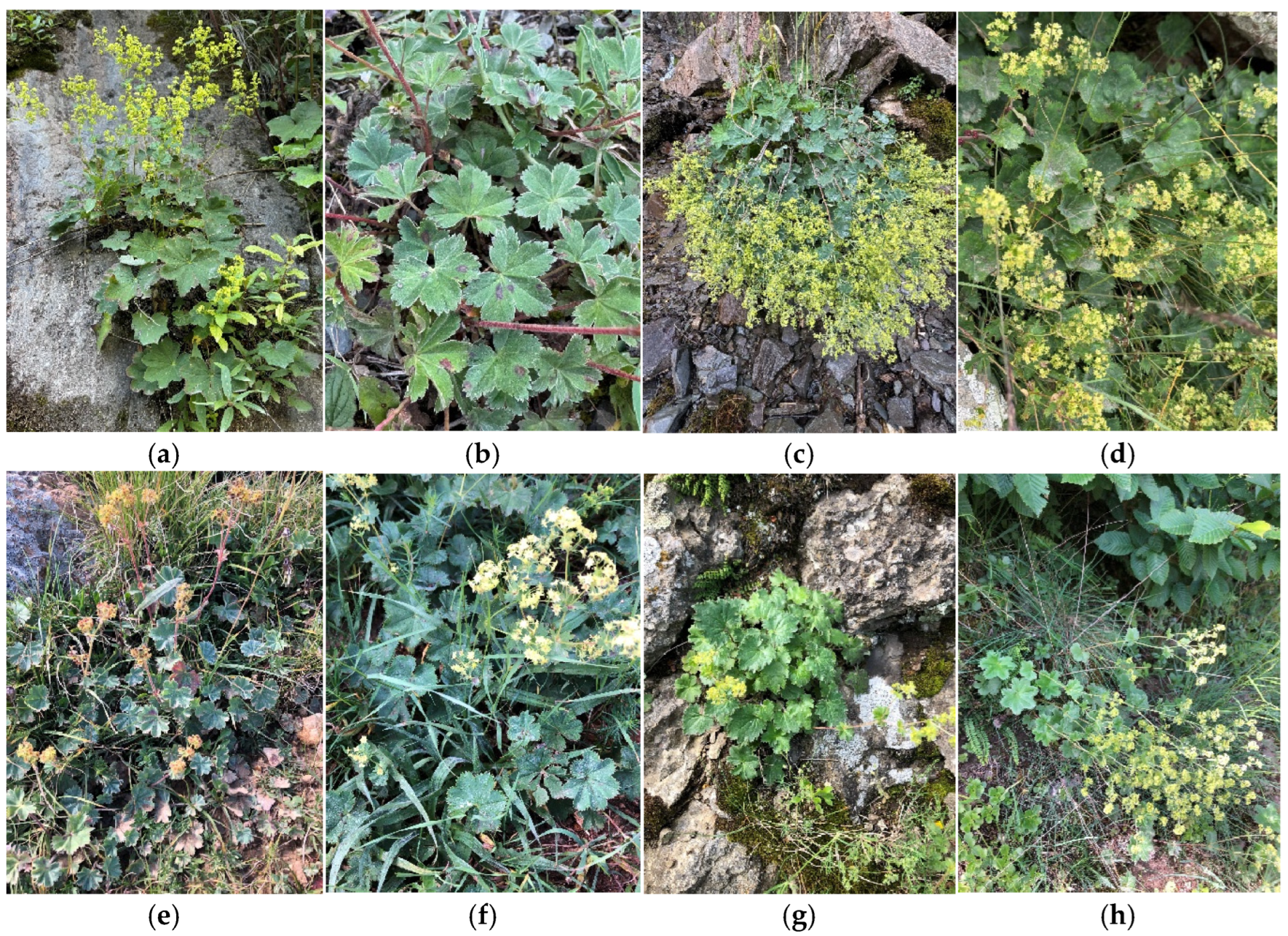
Among the species-rich plant families of Azerbaijan, Rosaceae Juss. is represented by 29 genera and approximately 200 species, while globally the family comprises more than 100 genera and over 3000 species [1,2]. Many Rosaceae species possess medicinal, nutritional, and ornamental value and are widely used in both traditional and scientific medicine owing to their rich content of biologically active compounds. Among the genera of the family Rosaceae, Alchemilla L. has attracted considerable scientific interest owing to its taxonomic diversity, medicinal importance, and long-standing use in traditional medicine. Species of Alchemilla are predominantly perennial herbaceous plants that are widely distributed in mountainous and foothill regions. The flora of Azerbaijan includes 21 species of this genus. Among them, A. hyrcana (Bus.) Juz. and A. jaroschenkoi Grossh. are endemic to Azerbaijan, whereas A. raddeana (Bus.) Juz. is considered an endemic species of the Caucasus region. Species of Alchemilla occur mainly in the alpine and subalpine meadows of the Greater and Lesser Caucasus, as well as the Talysh Mountains, and are also found in rocky and stony habitats and along the banks of mountain rivers and lakes [1]. Representative Alchemilla species documented during the present study are presented in Figure 1.
The illustrated Alchemilla species represent part of the morphological diversity recorded during the survey, providing a visual overview of the medicinal taxa documented in the present study.
Phytochemical and pharmacological studies of Alchemilla species have demonstrated that these plants are rich sources of flavonoids, tannins, phenolic compounds, polysaccharides, essential oils, and other biologically active constituents [10,11]. Species belonging to this genus have been reported to exhibit antioxidant, anti-inflammatory, antibacterial, antiviral, and wound-healing activities [12,13]. In particular, A. vulgaris L. has been included in the European Pharmacopoeia and is currently used as a component of various medicinal preparations [14].
In recent years, growing interest in medicinal plants and traditional medicine has stimulated numerous ethnobotanical and ethnopharmacological studies worldwide. These investigations have documented medicinal plants used by local communities, their preparation methods and therapeutic applications, including the traditional uses of Alchemilla species, thereby contributing to the preservation and advancement of ethnomedical knowledge [15,16,17,18,19,20].
Despite the widespread distribution of Alchemilla species in Azerbaijan, their ethnopharmacological significance remains insufficiently explored. Most species of this genus occurring in the country’s flora have not yet been subjected to comprehensive pharmacognostic and ethnopharmacological investigations. Given the increasing global interest in medicinal plants and the importance of preserving traditional knowledge, documenting the folk medicinal uses of Alchemilla species may provide valuable information for future pharmacognostic, phytochemical, and pharmacological studies.
The aim of the present study was to document the traditional medicinal uses of Alchemilla species in Azerbaijan through interviews with local informants, to systematize the recorded ethnopharmacological knowledge, and to assess their potential significance as medicinal plant resources for future pharmacognostic and phytochemical research. The findings are expected to contribute to the preservation of traditional knowledge, the sustainable utilization of local plant resources, and the identification of promising taxa for future scientific investigation.

2. Results

2.1. Demographic Characteristics of the Respondents

The ethnopharmacological survey was conducted during 2024–2025 in five different geobotanical regions of Azerbaijan. A total of 125 respondents were interviewed during the study. The demographic characteristics of the respondents are presented in Table 1. Respondents were selected using the snowball sampling method.
Of the respondents participating in the survey, 82 were male (65.60%) and 43 were female (34.40%). The distribution of respondents across age groups was as follows: 4 individuals (3.20%) were aged 28–40 years, 15 (12.00%) were aged 41–50 years, 21 (16.80%) were aged 51–60 years, 26 (20.80%) were aged 61–70 years, 33 (26.40%) were aged 71–80 years, and 26 (20.80%) were aged 81–92 years. The predominance of informants aged 61–92 years indicates that traditional ethnobotanical knowledge is primarily preserved among the older generation.
Regarding educational attainment, 67 respondents (53.60%) had completed secondary education, 55 (44.00%) had higher education, and 3 (2.40%) had incomplete secondary education. With respect to marital status, 83 respondents (66.40%) were married, 7 (5.60%) were single, and 35 (28.00%) were widowed.
The survey included individuals representing a variety of occupational groups. Among the respondents, 36 were teachers, 28 were retired, 14 were farmers, 13 were municipal representatives, 11 were local administrative representatives, 9 were housewives, 8 were foresters, and 6 were shepherds. In addition, interviews were conducted with eight local plant experts possessing specialized knowledge of medicinal plants.

2.2. Diversity and Distribution of Alchemilla Species

The ethnopharmacological survey documented a total of 21 Alchemilla species used by local communities across different geobotanical regions of Azerbaijan. These species were found to be distributed predominantly within the Greater and Lesser Caucasus mountain systems, as well as in the Talysh region [1,2].
Among the documented species, A. caucasica Bus., A. diversipes Juz., A. grossheimii Juz., A. persica Rothm., and A. sericea Willd. were reported to be used for the treatment of four different disease categories. A. raddeana (Bus.) Juz., A. sericata Reichenb. ex Bus., and A. smirnovii Juz. were associated with three disease categories. Eight species were used in two disease categories, whereas six species were associated with only one disease category. The ethnopharmacological uses and quantitative indices of Alchemilla species are presented in Table 2.
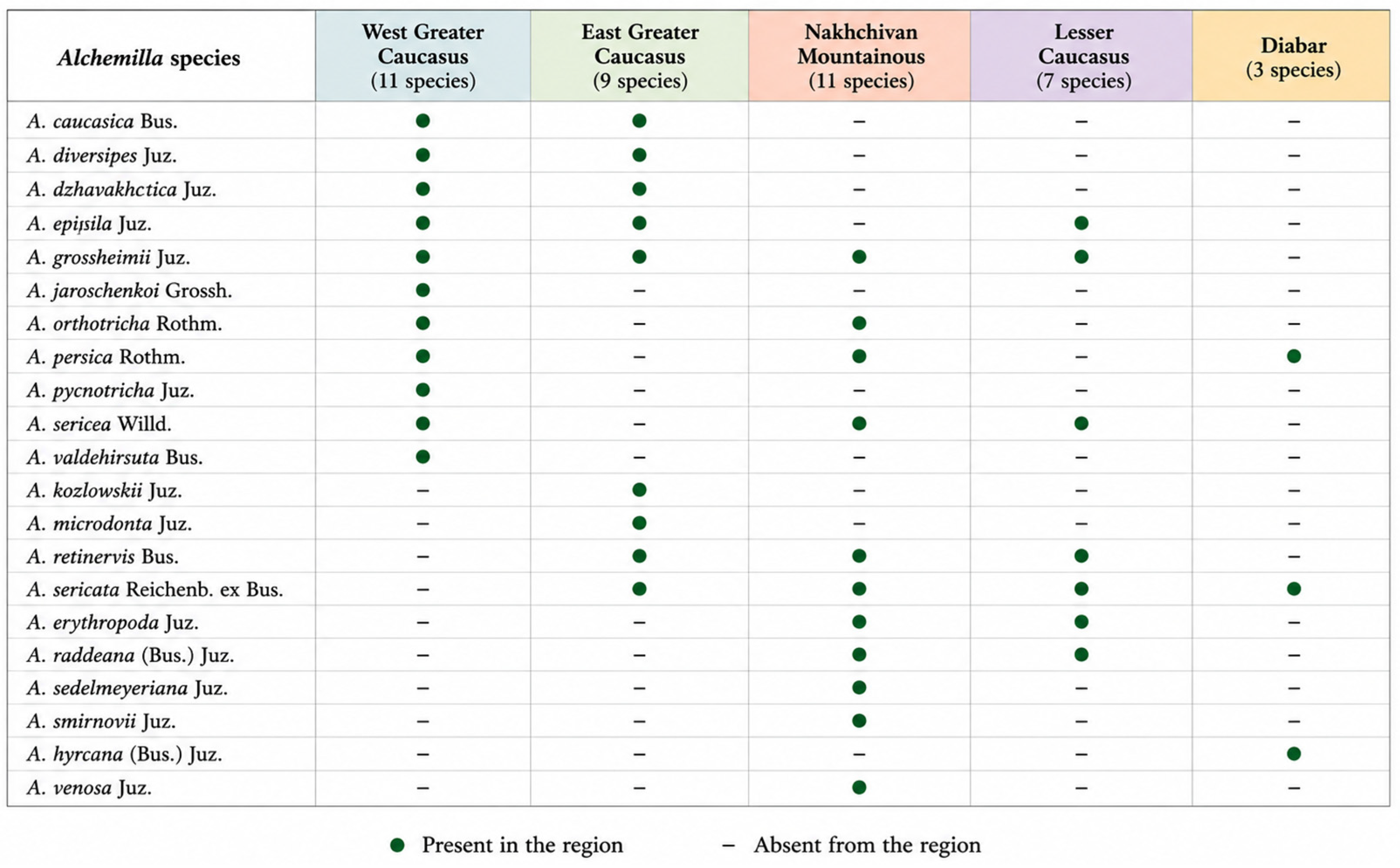
The regional distribution of the documented Alchemilla species across the five geobotanical regions of Azerbaijan is presented in Figure 2. The West Greater Caucasus and Nakhchivan exhibited the highest species richness, with 11 recorded species each, followed by the East Greater Caucasus (9 species) and the Lesser Caucasus (7 species), whereas Diabar had the lowest species richness with only three recorded species.

2.3. Disease Categories and Ethnomedicinal Uses

The ethnopharmacological survey revealed that Alchemilla species are traditionally used for the treatment of disorders affecting the oral cavity, respiratory system, cardiovascular system, digestive system, urinary system, liver, and skin. In addition, these species were reported to be used for gynecological disorders and diabetes mellitus.
Based on the collected data, the reported traditional medicinal uses were classified into different disease categories according to the International Classification of Diseases, 11th Revision (ICD-11) [21]. The results showed that Alchemilla species were most frequently used for digestive system disorders, with 11 species accounting for a total of 278 use reports. Hepatobiliary disorders were represented by 95 use reports, followed by respiratory system disorders with 84 use reports. Disorders of the oral cavity accounted for 76 use reports.
The Informant Consensus Factor (ICF) values ranged from 0.91 to 1.00. The highest ICF value was recorded for the category of fever-related conditions (ICF = 1.00). High levels of informant consensus were also observed for infectious and parasitic diseases (ICF = 0.97), digestive system disorders (ICF = 0.96), hepatobiliary disorders (ICF = 0.96), gynecological disorders (ICF = 0.96), and urinary system disorders (ICF = 0.96). The ICF value was 0.95 for respiratory system disorders, skin diseases and wound healing, and oral diseases. Cardiovascular diseases showed an ICF value of 0.93, whereas the lowest ICF value was recorded for endocrine disorders (ICF = 0.91) (Table 3).
To further investigate whether the therapeutic use categories differed among the five geobotanical regions of Azerbaijan, the distribution of citation reports was compared across regions. As shown in Table 4, digestive system disorders represented the predominant therapeutic category in all five regions, with the highest number of citation reports recorded in the Lesser Caucasus (109 reports) and Nakhchivan (97 reports). In contrast, fever-related conditions were reported only in Nakhchivan, whereas infectious and parasitic diseases accounted for comparatively few citation reports across all regions.
Overall, the Lesser Caucasus region exhibited the highest number of citation reports (335), followed by Nakhchivan (251) and the West Greater Caucasus (249). In contrast, Diabar recorded the lowest number of citation reports (73), indicating a comparatively narrower diversity of documented traditional medicinal uses of Alchemilla species.
Pearson’s chi-square analysis demonstrated a significant association between therapeutic categories and geobotanical regions (χ2(40) = 333.39, p < 0.001) (Table 5). The calculated Cramér’s V value (0.280) indicated a moderate association, suggesting that the distribution of therapeutic use categories varied among the five geobotanical regions of Azerbaijan.

2.4. Plant Parts Used and Methods of Preparation

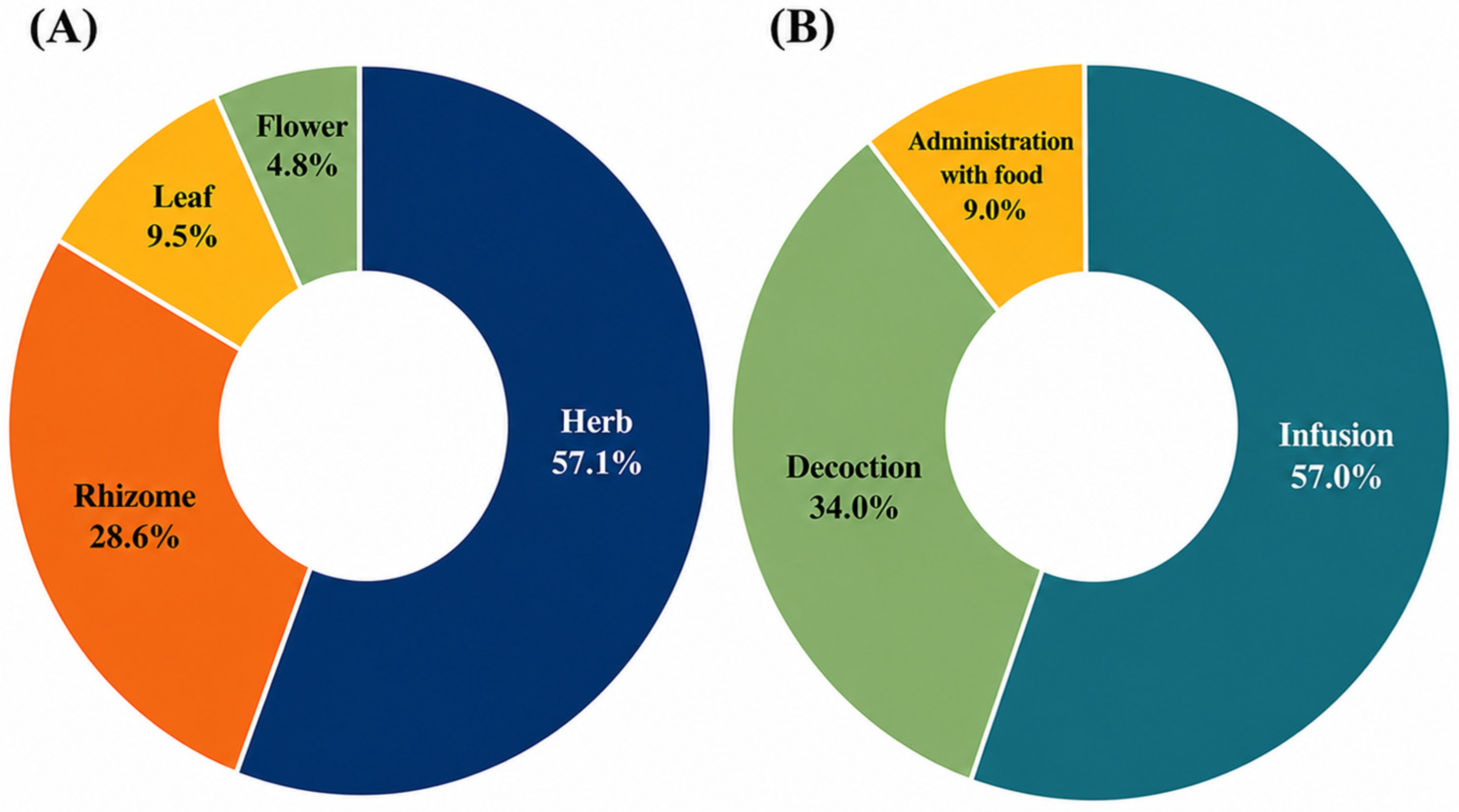
The results of the study indicated that different plant parts of Alchemilla species were used in traditional medicine. The herb (aerial parts, including stems, leaves, and flowers) was the most frequently utilized plant material, accounting for 57.1% of all recorded uses. In addition, rhizomes (28.6%), leaves (9.5%), and flowers (4.8%) were also used for the treatment of various ailments. In the majority of the investigated species, the use of aerial parts predominated.
According to the respondents, Alchemilla species were primarily prepared as infusions (57%), decoctions (34%), or administered with food (9%). Infusion and decoction were the predominant methods of preparation, whereas administration with food was less frequently reported. The choice of preparation method appeared to be influenced by the plant part used, with rhizomes being commonly prepared as decoctions, whereas aerial parts, leaves, and flowers were more frequently used for the preparation of infusions. The mode of administration varied according to the therapeutic application. Preparations intended for gastrointestinal disorders, liver disorders, diabetes mellitus, and respiratory disorders were administered orally, whereas remedies used for wound healing and dermatological disorders were applied topically. Preparations used for oral ulcers and gingival inflammation were commonly employed as mouth rinses.
The distribution of plant parts used (A) and methods of preparation (B) is presented in Figure 3.

2.5. Analysis of Use Value (UV) and Relative Frequency of Citation (RFC)

The quantitative ethnobotanical analysis revealed that the highest Relative Frequency of Citation (RFC) was recorded for A. sericea Willd. (RFC = 0.54). This species was primarily used for the treatment of gynecological disorders, gastrointestinal disorders, diabetes mellitus, and dermatological disorders. High RFC values were also observed for A. sericata Reichenb. ex Bus. (RFC = 0.50), A. caucasica Bus. (RFC = 0.44), and A. grossheimii Juz. (RFC = 0.39).
The highest Use Value (UV)was likewise recorded for A. sericea Willd. (UV = 0.70). In addition, A. sericata Reichenb. ex Bus. (UV = 0.56), A. caucasica Bus. (UV = 0.49), and A. grossheimii Juz. (UV = 0.47) also exhibited high UVs.

2.6. Analysis of Fidelity Level (FL%) Values

According to the Fidelity Level (FL%) analysis, several Alchemilla species exhibited a high degree of specificity for the treatment of particular disease categories. A. dzhavakhetica Juz., A. jaroschenkoi Grossh., A. kozlowskii Juz., A. microdonta Juz., A. orthotricha Rothm., and A. retinervis Bus. showed an FL value of 100%. These species were reported by informants exclusively for the treatment of a single disease category.
High FL values were also recorded for A. epipsila Juz. (73.33%), A. sedelmeyeriana Juz. (71.79%), A. erythropoda Juz. (61.11%), and A. pycnotricha Juz. (52.94%). Species with the highest FL values were primarily used for digestive, hepatic, urinary, and dermatological disorders. Detailed FL% values of the documented Alchemilla species are presented in Table 2.

3. Discussion

The present ethnopharmacological study demonstrated that Alchemilla species occupy an important place in the traditional medicinal practices of local communities across different geobotanical regions of Azerbaijan. The documentation of 21 species used for the treatment of various disease categories highlights both the wide recognition of this genus among local populations and its significance within traditional medical knowledge. The predominance of uses related to digestive system disorders, hepatobiliary disorders, and respiratory system disorders suggests that Alchemilla species have long been regarded as valuable medicinal resources for the management of these health conditions. Similar findings have been reported in ethnobotanical studies conducted in Turkey and Lithuania, where digestive and respiratory disorders were among the most frequently treated disease categories using medicinal plants [17,19,20].
The high Informant Consensus Factor (ICF) values obtained in the present study indicate a strong level of agreement among respondents regarding the medicinal uses of Alchemilla species. In ethnopharmacological research, high ICF values are generally considered indicative of well-established traditional knowledge and consistent patterns of plant use within local communities. In particular, the high consensus observed for digestive system disorders and hepatobiliary disorders suggests a long-standing and stable tradition of using Alchemilla species for the treatment of these conditions. Although direct comparisons should be interpreted cautiously because most previous studies evaluated all medicinal plants rather than a single genus, the high consensus values recorded in the present study further support the cultural importance of Alchemilla species in Azerbaijani traditional medicine.
In addition to the high informant consensus, statistical analysis demonstrated significant regional variation in the distribution of therapeutic use categories across the five geobotanical regions of Azerbaijan. The predominance of digestive system disorders in all regions, together with the observed differences in the frequencies of other therapeutic categories, suggests that the traditional medicinal uses of Alchemilla species are influenced by regional ecological conditions and the preservation of local ethnomedicinal knowledge.
The widespread use of Alchemilla species in traditional medicine may be associated with their rich phytochemical composition. Previous studies have demonstrated that species of this genus contain flavonoids, phenolic compounds, tannins, anthocyanins, coumarins, triterpenes, and other metabolites possessing antioxidant properties. In particular, the use of tannin-rich Alchemilla species for gastrointestinal disorders, inflammatory conditions, and wound healing is consistent with the biological activities reported in phytochemical and pharmacological studies. Furthermore, antioxidant, anti-inflammatory, antimicrobial, wound-healing, antidiabetic, and hepatoprotective activities have been documented for several Alchemilla species, providing a scientific basis for some of their traditional medicinal applications [16].
In the present study, quantitative ethnobotanical indices highlighted differences in the cultural importance of the recorded Alchemilla species. The quantitative ethnobotanical analysis revealed that A. sericea, A. sericata, A. caucasica, and A. grossheimii exhibited the highest UV and RFC values. These findings indicate that these species are among the most widely recognized and frequently used medicinal plants within local communities. The particularly high UV and RFC values recorded for A. sericea may be attributed to its use in the treatment of multiple disease categories, highlighting its importance in traditional medicinal practices. Among these four species, A. caucasica is the only species for which phytochemical characterization and experimental pharmacological evidence have been reported, including gastroprotective activity in an experimental animal model and the identification of several flavonoids, such as quercetin-3-O-glucuronide, apigenin, and catechin [22]. In contrast, published phytochemical and pharmacological information on A. sericea, A. sericata, and A. grossheimii remains very limited. To the best of our knowledge, no clinical studies involving these four species have been reported to date. Furthermore, species with high FL% values demonstrated a greater degree of specificity for particular therapeutic applications, suggesting that they may represent promising candidates for future phytochemical and pharmacological investigations.
The use of Alchemilla species for respiratory disorders observed in the present study is also supported by ethnobotanical observations from neighbouring regions, where A. crinita was reported to be used for asthma, bronchitis, and cough. Similarly, several Alchemilla species recorded in the present study were used for respiratory disorders, including cough and other respiratory complaints, indicating a certain degree of similarity in the traditional use of this genus across different regions [19].
The frequent use of aerial parts (herb) documented in the present study is consistent with previous phytochemical investigations demonstrating that Alchemilla species are rich in tannins, flavonoids, phenolic acids, and other polyphenolic compounds, which represent the major bioactive constituents of the genus. Phytochemical and pharmacological studies of different Alchemilla plant parts and their extracts have associated these compounds with antioxidant, anti-inflammatory, antimicrobial, gastroprotective, wound-healing, hepatoprotective, and antidiabetic activities [16]. These findings provide a plausible phytochemical basis for several of the traditional medicinal applications documented in the present study, particularly those related to gastrointestinal disorders, liver disorders, wound healing, respiratory disorders, and diabetes mellitus. Although phytochemical evidence is currently available for only a limited number of Alchemilla species, the similar traditional uses documented for many Azerbaijani taxa suggest that further phytochemical investigations may reveal comparable bioactive constituents. Nevertheless, experimental pharmacological evidence remains unavailable for most Azerbaijani Alchemilla species, and therefore their traditional medicinal uses require further phytochemical characterization and pharmacological validation.
The predominance of herb as the most frequently used plant material and the widespread use of infusions and decoctions indicate that these preparation methods remain deeply rooted in traditional medicinal practices. Similar patterns of plant-part utilization and remedy preparation have been documented in ethnobotanical studies from different geographical regions, including Lithuania and Turkey, where aerial parts, leaves, and flowers were among the most frequently utilized plant materials and infusion and decoction represented the principal methods of preparation [17,20]. The preference for aerial plant parts may be explained by their greater accessibility, ease of collection, and practical use in the preparation of traditional remedies.
Interviews conducted with respondents in the study areas indicated that concerns regarding the collection and conservation of wild medicinal plants have increased in recent years. The expansion of human activities and the intensive use of mountainous areas as grazing lands may contribute to the reduction in natural habitats and populations of numerous wild plant species. These pressures also affect species of the genus Alchemilla. In particular, intensive grazing in summer pasture areas may exert significant anthropogenic pressure on natural populations of these plants.
Among the species documented in the present study, A. hyrcana is included in the Red Book of the Republic of Azerbaijan, whereas A. grossheimii has been listed in the Pink List [23]. The conservation and sustainable use of the natural populations of these species are therefore of particular importance. During awareness-raising discussions with local communities, special emphasis was placed on the sustainable use and conservation of medicinal plant resources. These observations highlight the need for continued conservation efforts and the promotion of sustainable harvesting practices to ensure the long-term preservation of both medicinal plant diversity and associated traditional knowledge. In addition, the cultivation of medicinally important Alchemilla species could represent a sustainable conservation strategy by reducing harvesting pressure on natural populations while ensuring a reliable source of plant material for future phytochemical and pharmacological research.
The present study has certain limitations. Information regarding the dosage, treatment duration, and possible adverse effects of the recorded herbal remedies was not systematically collected during the ethnopharmacological interviews. Therefore, these aspects could not be evaluated in the present study. Future ethnopharmacological investigations should incorporate these parameters to provide a more comprehensive assessment of the traditional medicinal use and safety of Alchemilla species.
Overall, the present study demonstrated that Alchemilla species occupy an important place in the traditional medicinal practices of Azerbaijan. The high use reports, strong informant consensus, and elevated quantitative ethnobotanical indices highlight the cultural and medicinal significance of this genus. These findings provide valuable ethnobotanical evidence for prioritizing Alchemilla species in future phytochemical and pharmacological research. By identifying the species that are most frequently used and show the highest informant consensus, the present study provides a rational basis for selecting priority taxa for bioactivity screening, phytochemical characterization, and experimental pharmacological validation. Furthermore, the findings emphasize the importance of detailed studies aimed at identifying and characterizing the bioactive compounds responsible for the traditional medicinal uses of these species.

4. Materials and Methods

4.1. Study Area

The study was conducted in five different geobotanical regions of the Republic of Azerbaijan, including the western and eastern parts of the Greater Caucasus, the Lesser Caucasus, the Nakhchivan mountainous region, and the Talysh mountain system [1,2]. The study sites were primarily located in lower and middle mountain zones at elevations ranging from 900 to 2900 m above sea level (a.s.l.). These regions are characterized by high floristic diversity and diverse mountain ecosystems.
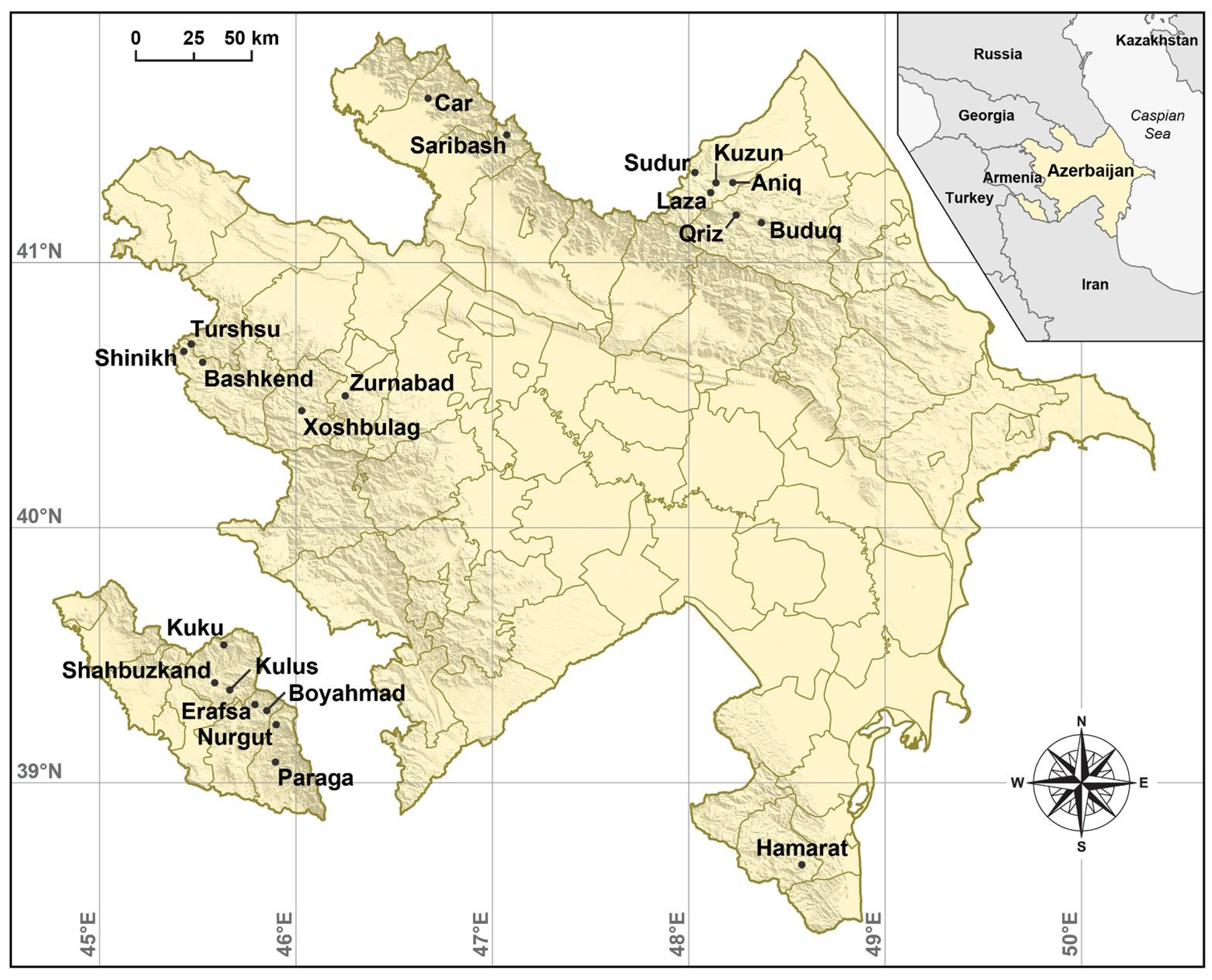
Most of the surveyed areas were characterized by mountainous terrain and semi-arid climatic conditions. The winter season generally extends from November to April, while temperatures in some high-mountain areas remain below the freezing point for prolonged periods during winter. The geographical distribution of the study areas is presented in Figure 4.

4.2. Ethnopharmacological Data Collection

Ethnopharmacological data were collected during 2024–2025 through structured questionnaires and face-to-face interviews conducted among rural communities. The structured questionnaire used in the ethnopharmacological survey is provided in Supplementary File S1. A total of 125 respondents were interviewed across the five geobotanical regions included in the study. Respondents were selected using the snowball sampling method, whereby each participant recommended individuals possessing traditional ethnobotanical knowledge for subsequent interviews.
Eligible participants were local residents aged 18 years or older who voluntarily agreed to participate in the study. Individuals were selected based on their knowledge and experience regarding the traditional use of medicinal plants. The initial key informant was identified through recommendations from local community members as a person recognized for extensive traditional knowledge, and subsequent participants were recruited through participant referrals. Individuals who reported no knowledge of the traditional use of medicinal plants were excluded from the study.
Interviews were conducted in residential settlements, agricultural fields, forested areas, and high-mountain meadows. In addition, surveys were carried out among shepherds and their family members residing in summer pasture areas.
Prior to data collection, permission was obtained from local administrative representatives, municipal authorities, and community elders. Before each interview, the objectives of the study were explained to the participants, and verbal informed consent was obtained. Participation was voluntary, and all ethnopharmacological information was recorded anonymously. The study was conducted in accordance with local ethical standards and followed the principles of the International Society of Ethnobiology (ISE) Code of Ethics [24], with due respect for the traditional knowledge, cultural values, and customary practices of the local communities.

4.3. Plant Collection and Identification

Plant specimens were collected from different geobotanical regions of Azerbaijan during the period from March to November in 2024–2025. The collected specimens were identified using materials from the Herbarium Collection of the Institute of Botany, Ministry of Science and Education of the Republic of Azerbaijan, and the Plants of the World Online (POWO) database [25]. Voucher specimens were prepared, assigned voucher numbers, and deposited in the Department of Pharmacognosy, Azerbaijan Medical University.
Information on collection localities, geographical coordinates, elevation, and voucher numbers of the investigated Alchemilla species is provided in Table 6.

4.4. Quantitative Ethnobotanical Analysis

To quantitatively evaluate the collected ethnopharmacological data, the Use Value (UV), Frequency of Citation (FC), Relative Frequency of Citation (RFC), Fidelity Level (FL%), and Informant Consensus Factor (ICF) indices were calculated.
  • Quantitative data analysis
Quantitative ethnobotanical indices were used to evaluate the relative importance of documented Alchemilla species and to assess patterns of traditional medicinal use among local communities. The collected ethnopharmacological data were analyzed using the following indices:
  • Use value (UV)
The Use Value (UV) index was calculated to evaluate the relative importance of each Alchemilla species based on the frequency of its reported medicinal uses [9,26].
UV = ΣUi/N
where ΣUi represents the total number of use reports recorded for a given species, and N denotes the total number of respondents participating in the survey. Higher UVs indicate species that are more frequently cited and have greater significance in local traditional medicinal practices.
  • Frequency of citation (FC)
Frequency of Citation (FC) refers to the number of respondents who reported the use of a particular Alchemilla species [27,28]. This index reflects the extent to which a species is recognized and utilized within the study area. Higher FC values indicate that a species is known and cited by a larger proportion of informants.
  • Relative Frequency of Citation (RFC)
The Relative Frequency of Citation (RFC) index was used to evaluate the local importance and recognition of each Alchemilla species among respondents [4,29]. The index was calculated using the following formula:
RFC = FC/N
where FC represents the number of respondents who mentioned a particular species and N is the total number of respondents included in the survey. RFC values range from 0 to 1, with higher values indicating greater recognition and use of a species within the local community.
  • Fidelity Level (FL %)
The Fidelity Level (FL%) was calculated to determine the degree of specificity with which a particular Alchemilla species was used for the treatment of a given disease category [30]. The index was estimated using the following formula:
FL (%) = (Np/N) × 100
where Np represents the number of respondents who cited a species for a specific disease category, and N denotes the total number of respondents who reported the use of that species for any medicinal purpose. Higher FL% values indicate a stronger consensus regarding the use of a species for a particular therapeutic application.
  • Informant Consensus Factor (ICF)
The Informant Consensus Factor (ICF) was used to assess the degree of agreement among respondents regarding the use of Alchemilla species for different disease categories [31]. The index was calculated according to the following formula:
ICF = (Nur − Nt)/(Nur − 1)
where Nur represents the total number of use reports recorded for a particular disease category and Nt denotes the number of species used to treat that category. Higher ICF values indicate a greater level of consensus among respondents concerning the medicinal use of plants for specific health conditions.

4.5. Statistical Analysis

To further evaluate regional variation in the traditional medicinal uses of Alchemilla species, citation reports (use reports) were classified into 11 therapeutic categories according to the International Classification of Diseases, 11th Revision (ICD-11). A contingency table was constructed using therapeutic categories and the five geobotanical regions of Azerbaijan. Pearson’s chi-square (χ2) test of independence was performed to assess whether the distribution of citation reports differed significantly among regions. The strength of the association was evaluated using Cramér’s V. Statistical significance was accepted at p < 0.05.

5. Conclusions

This study represents the first comprehensive ethnopharmacological investigation of Alchemilla species in Azerbaijan and documents the traditional medicinal uses of 21 species distributed across different geobotanical regions of the country. Quantitative ethnobotanical analyses demonstrated that Alchemilla species occupy an important place in the traditional medicinal practices of Azerbaijan, with the highest use reports and informant consensus recorded for digestive and hepatobiliary disorders. Among the documented taxa, A. sericea, A. sericata, A. caucasica, and A. grossheimii exhibited the highest UV and RFC values, indicating their prominent cultural importance and widespread traditional use.
The present findings provide valuable ethnopharmacological evidence supporting the preservation of traditional medicinal knowledge and contribute to the identification of priority Alchemilla species for future scientific research. The documented patterns of traditional use, together with the available phytochemical and pharmacological evidence, suggest that these species represent promising candidates for bioactivity screening, phytochemical characterization, and experimental pharmacological validation. Furthermore, the sustainable conservation of wild Alchemilla populations remains essential for preserving both the biological diversity of the genus and the associated traditional medicinal knowledge for future generations.

Supplementary Materials

The following supporting information can be downloaded at: https://www.mdpi.com/article/10.3390/plants15142241/s1. Supplementary File S1: Structured questionnaire used in the ethnopharmacological survey.

Author Contributions

All authors participated in ethnopharmacological field surveys conducted in the study areas. Conceptualization, J.I. and E.N.; methodology, G.J.; formal analysis, G.J., E.N., V.M. and N.S.; investigation, J.I., E.N. and G.J.; data curation, G.J.; writing—original draft preparation, G.J. and N.S.; writing—review and editing, J.I., E.N., V.M. and N.S.; supervision, J.I.; project administration, J.I. All authors have read and agreed to the published version of the manuscript.

Funding

This research received no external funding.

Institutional Review Board Statement

Prior to each interview, the objectives of the study were explained to all participants, and verbal informed consent was obtained. Participation was voluntary, and all ethnopharmacological information was recorded anonymously. The study was conducted in accordance with local ethical standards and followed the principles of the International Society of Ethnobiology (ISE) Code of Ethics.

Data Availability Statement

All data generated or analyzed during this study are included in this published article.

Acknowledgments

The authors thank all respondents who participated in the ethnopharmacological surveys conducted in the studied regions. The authors also express their gratitude to the staff of the Herbarium Fund of the Institute of Botany for their assistance during plant identification studies.

Conflicts of Interest

The authors declare no conflicts of interest.

Abbreviations

AbbreviationMeaning
UVUse Value
FCFrequency of Citation
RFCRelative Frequency of Citation
FLFidelity Level
ICFInformant Consensus Factor
ICD-11International Classification of Diseases 11th Revision

References

  1. Karyagin, I.I. Flora Azerbajana; Academy of Sciences of the Azerbaijan SSR: Baku, Azerbaijan, 1954; Volume V, pp. 121–135. [Google Scholar]
  2. Grossheim, A.A. Flora Kavkaza; Academy of Sciences of the USSR: Moscow, Russia; Leningrad, Russia, 1952. [Google Scholar]
  3. Isayev, J.I. Studying of Pharmacological Characteristics and Medical Use of Some Plants in the Flora of Azerbaijan. Azerbaijan Med. J. 2006, 2, 48–54. [Google Scholar]
  4. Isayev, J.; Mustafayeva, K.; Babayeva, N.; Safarova, N.; Gadimli, A.; Jafarova, G.; Shah, G.M.; Rehman, K.U.; Khan, I.; Ullah, F. Ethnopharmacological Study of Plants Used in Diabar Region, Azerbaijan. Ethnobot. Res. Appl. 2026, 34, 46. [Google Scholar] [CrossRef]
  5. Isayev, J.I.; Gadimli, A.I.; Babayeva, N.T.; Jafarova, G.S.; Safarova, N.M. Ethnopharmacological Studies of the Treatment of Urological Diseases in the Territory of the Gadabay Region of the Republic of Azerbaijan. Azerbaijan Med. J. 2025, 4, 118–123. [Google Scholar] [CrossRef]
  6. Isayev, J.I.; Babayeva, N.T.; Jafarova, G.S.; Mustafayeva, K.N.; Hajiyeva, E.M.; Safarova, N.M.; Gadimli, A.I. Ethnopharmacological study of the treatment of cardiovascular diseases in the Guba mountain geobotanical region of Azerbaijan. Azerbaijan Med. J. 2025, 1, 171–176. [Google Scholar] [CrossRef]
  7. Isayev, J.I.; Hajiyeva, E.M.; Babayeva, N.T.; Jafarova, G.S.; Safarova, N.M.; Gadimli, A.I. Ethnopharmacological Study of the Treatment of Diseases of the Digestive System in the Geobotanical Region of Azerbaijan Nakhichevan Highlands. Azerbaijan Med. J. 2024, 4, 151–157. [Google Scholar] [CrossRef]
  8. Isayev, J.I.; Hajiyeva, E.M.; Mustafayeva, K.N.; Yagubov, K.M.; Babayeva, N.T.; Safarova, N.M.; Gadimli, A.I.; Jafarova, G.S. Ethnopharmacological Study of the Treatment of Diseases of the Respiratory System in the Zuvand Geobotanical Territory of Azerbaijan. Azerbaijan Med. J. 2024, 3, 121–127. [Google Scholar] [CrossRef]
  9. Isayev, J.I.; Jafarova, G.S.; Safarova, N.M.; Hajiyeva, E.M. Quantitative Ethnobotanical Assessment of Medicinal Plants in Zagatala District, Azerbaijan. Biodiversitas J. Biol. Divers. 2026, 27, 270309. [Google Scholar] [CrossRef]
  10. Kanak, S.; Krzemińska, B.; Celiński, R.; Bakalczuk, M.; Dos Santos Szewczyk, K. Phenolic Composition and Antioxidant Activity of Alchemilla Species. Plants 2022, 11, 2709. [Google Scholar] [CrossRef] [PubMed]
  11. Suručić, R.; Radović Selgrad, J.; Kundaković-Vasović, T.; Lazović, B.; Travar, M.; Suručić, L.; Škrbić, R. In Silico and In Vitro Studies of Alchemilla viridiflora Rothm—Polyphenols’ Potential for Inhibition of SARS-CoV-2 Internalization. Molecules 2022, 27, 5174. [Google Scholar] [CrossRef] [PubMed]
  12. Ortahisar, M.; Çığşar, T.; Seyhan, G.; Akkaya, D.; Uzuner, S.Ç.; Barut, B.; Yazici, N. Biological and Phytochemical Investigations of Alchemilla daghestanica Juz. and Alchemilla minusculiflora Buser: A Focus on Anti-Inflammatory and Skin-Regenerative Properties. Chem. Biodivers. 2025, 22, e202500539. [Google Scholar] [CrossRef] [PubMed]
  13. Pekacar, S.; Özüpek, B.; Orhan, D.D. Phytochemical Composition, Antioxidant and Metabolic Enzyme Activity of Alchemilla vulgaris Grown in Organic Farming Conditions. J. Agric. Sci.-Tarim Bil. 2026, 32, 57–65. [Google Scholar] [CrossRef]
  14. Jelača, S.; Dajić-Stevanović, Z.; Vuković, N.; Kolašinac, S.; Trendafilova, A.; Nedialkov, P.; Stanković, M.; Tanić, N.; Tanić, N.T.; Acović, A.; et al. Beyond Traditional Use of Alchemilla vulgaris: Genoprotective and Antitumor Activity In Vitro. Molecules 2022, 27, 8113. [Google Scholar] [CrossRef] [PubMed]
  15. Akbulut, S.; Bayramoğlu, M.M. The Trade and Use of Some Medical and Aromatic Herbs in Turkey. Stud. Ethno-Med. 2013, 7, 67–77. [Google Scholar] [CrossRef]
  16. Jakimiuk, K.; Tomczyk, M. A review of the traditional uses, phytochemistry, pharmacology, and clinical evidence for the use of the genus Alchemilla (Rosaceae). J. Ethnopharmacol. 2024, 320, 117439. [Google Scholar] [CrossRef] [PubMed]
  17. Karpavičienė, B. Traditional Uses of Medicinal Plants in South-Western Part of Lithuania. Plants 2022, 11, 2093. [Google Scholar] [CrossRef] [PubMed]
  18. Kanak, S.; Klimek, K.; Miazga-Karska, M.; Dybowski, M.P.; Typek, R.; Olech, M.; Dos Santos Szewczyk, K. Unveiling the Ethnomedicinal Potential of Alchemilla speciosa Buser: An Underexplored Source of Bioactive Compounds for Skin Health. J. Ethnopharmacol. 2025, 351, 120068. [Google Scholar] [CrossRef] [PubMed]
  19. Polat, R.; Cakilcioglu, U.; Kaltalioğlu, K.; Ulusan, M.D.; Türkmen, Z. An Ethnobotanical Study on Medicinal Plants in Espiye and Its Surrounding (Giresun–Turkey). J. Ethnopharmacol. 2015, 163, 1–11. [Google Scholar] [CrossRef] [PubMed]
  20. Şen, G.; Akbulut, S.; Karaköse, M. Ethnopharmacological Study of Medicinal Plants in Kastamonu Province (Türkiye). Open Chem. 2022, 20, 873–911. [Google Scholar] [CrossRef]
  21. World Health Organization (WHO). International Classification of Diseases 11th Revision (ICD-11). Available online: https://icd.who.int/ (accessed on 18 May 2026).
  22. Karaoglan, E.S.; Bayir, Y.; Albayrak, A.; Toktay, E.; Ozgen, U.; Kazaz, C.; Kahramanlar, A.; Cadirci, E. Isolation of Major Compounds and Gastroprotective Activity of Alchemilla caucasica on Indomethacin-Induced Gastric Ulcers in Rats. Eurasian J. Med. 2020, 52, 249–253. [Google Scholar] [CrossRef] [PubMed]
  23. Ministry of Ecology and Natural Resources of the Republic of Azerbaijan. Red Book of the Republic of Azerbaijan: Flora, 3rd ed.; Ministry of Ecology and Natural Resources of the Republic of Azerbaijan: Baku, Azerbaijan, 2023.
  24. International Society of Ethnobiology (ISE). International Society of Ethnobiology Code of Ethics (with 2008 Additions). Available online: https://www.ethnobiology.net/code-of-ethics/ (accessed on 10 June 2025).
  25. Plants of the World Online (POWO). Facilitated by the Royal Botanic Gardens, Kew. Available online: https://powo.science.kew.org/ (accessed on 18 May 2026).
  26. Barkatullah; Khan, M.; Ahmad, H.; Khan, M.S.; Razzaq, A. Ethnobotanical Indices Based Ethnoveterinary Plant Profile of Jabban Hills, Malakand, Hindukush Range, Pakistan. Pak. J. Bot. 2018, 50, 1899–1905. [Google Scholar]
  27. Ahmad, M.; Zafar, M.; Shahzadi, N.; Yaseen, G.; Murphey, T.M.; Sultana, S. Ethnobotanical Importance of Medicinal Plants Traded in the Herbal Markets of Rawalpindi, Pakistan. J. Herb. Med. 2018, 11, 78–89. [Google Scholar] [CrossRef]
  28. Hilou, A.; Rappez, F.; Duez, P. Ethnoveterinary Management of Cattle Helminthiasis among the Fulani and the Mossi in Central Burkina Faso. Int. J. Biol. Chem. Sci. 2014, 8, 2207–2221. [Google Scholar] [CrossRef]
  29. Birjees, M.; Ahmad, M.; Zafar, M.; Nawaz, S.; Jehanzeb, S.; Ullah, F.; Zaman, W. Traditional Knowledge of Wild Medicinal Plants Used by the Inhabitants of Garam Chashma Valley, District Chitral, Pakistan. Acta Ecol. Sin. 2022, 42, 19–33. [Google Scholar] [CrossRef]
  30. Friedman, J.; Yaniv, Z.; Dafni, A.; Palewitch, D. A Preliminary Classification of the Healing Potential of Medicinal Plants Based on an Ethnopharmacological Field Survey among Bedouins in the Negev Desert. J. Ethnopharmacol. 1986, 16, 275–287. [Google Scholar] [CrossRef] [PubMed]
  31. Umair, M.; Altaf, M.; Abbasi, A.M. An Ethnobotanical Survey of Indigenous Medicinal Plants in Hafizabad District, Punjab, Pakistan. PLoS ONE 2017, 12, e0177912. [Google Scholar] [CrossRef] [PubMed]
Figure 1. Representative Alchemilla species documented during the present ethnopharmacological survey in Azerbaijan: (a) A. sericea; (b) A. retinervis; (c) A. diversipes; (d) A. caucasica; (e) A. persica; (f) A. raddeana; (g) A. sericata; (h) A. hyrcana.
Plants 15 02241 g001
Figure 2. Distribution of the documented Alchemilla species across the five geobotanical regions of Azerbaijan. Green circles indicate the presence of a species in a region, whereas dashes indicate its absence.
Plants 15 02241 g002
Figure 3. Distribution of plant parts used (A) and methods of preparation (B) of Alchemilla species used in traditional medicine.
Plants 15 02241 g003
Figure 4. Geobotanical regions of Azerbaijan and the location of the study areas included in the present ethnopharmacological survey.
Plants 15 02241 g004
Table 1. Demographic Characteristics of the Respondents.
Characteristicsn%
Gender
Female4334.4
Male8265.6
Age group (years)
28–4043.2
41–501512
51–602116.8
61–702620.8
71–803326.4
81–922620.8
Education level
Secondary education6753.6
Incomplete secondary education32.4
Higher education5544
Marital status
Married8366.4
Single75.6
Widowed3528
Occupation
Housewife97.2
Teacher3628.8
Local administrative representative118.8
Municipal representative1310.4
Retired2822.4
Forester86.4
Shepherd64.8
Farmer1411.2
Herbalist86.4
Table 2. Ethnopharmacological Uses and Quantitative Indices of Documented Alchemilla Species in Azerbaijan.
Plant SpeciesVernacular NameAilments TreatedInformant
Citation
FL (%)FCPlant
Part Used
RFCΣUUV
A. caucasica Bus.Qafqaz şaxduranıOral ulcers2134.4355Herb0.44610.49
Liver disorders1524.59
Atherosclerosis69.84
Gastrointestinal disorders1931.15
A. diversipes Juz.Müxtəlif yarpaqlı şaxduranWound-healing agent712.7329Rhizome0.23550.44
Atherosclerosis916.36
Oral ulcers1730.91
Antitussive2240
A. dzhavakhetica Juz.Cavaxetiya şaxduranıAnthelmintic1810018Leaf0.14180.14
A. epipsila Juz.Epipsila şaxduranıLiver disorders2273.3324Flower0.19300.24
Kidney disorders826.67
A. erythropoda Juz.Qırmızı-saplaqlı şaxduranOral ulcers738.8915Herb0.12180.14
Dermatological disorders1161.11
A. grossheimii Juz. Qrossheym şaxduranıLiver disorders1423.7349Herb0.39590.47
Gastric ulcer2135.59
Common cold1830.51
Gynecological disorders610.17
A. hyrcana (Bus.) Juz.Hirkan şaxduranıKidney disorders2052.6327Herb0.22380.3
Gastrointestinal disorders1847.37
A. jaroschenkoi Grossh.Yaroşenko şaxduranıGastrointestinal disorders2310023Herb0.18230.18
A. kozlowskii Juz.Kozlovski şaxduranıArterial hypertension1710017Rhizome0.14170.14
A. microdonta Juz.Xırdadişli şaxduranGastrointestinal disorders1410014Herb0.11140.11
A. orthotricha Rothm.Düz-tüklü şaxduranOral ulcers2310023Rhizome0.18230.18
A. persica Rothm.Fars şaxduranıCommon cold1222.6447Herb0.38530.42
Gastrointestinal disorders1528.3
Diabetes mellitus713.21
Gynecological disorders1935.85
A. pycnotricha Juz.Sıxtüklü şaxduranDiuretic1852.9424Herb0.19340.27
Liver disorders1647.06Rhizome
A. raddeana (Bus.) Juz.Radde şaxduranıWound-healing agent2145.6529Herb0.23460.37
Broncholytic1736.96
Gingival inflammation817.39
A. retinervis Bus.Torlu damarlı şaxduranGastric ulcer2410024Rhizome0.19240.19
A. sedelmeyeriana Juz.Sedelmayer şaxduranıAntipyretic1128.2132Herb0.26390.31
Choleretic2871.79
A. sericea Willd.Zərfi tüklü şaxduran,
ipəkvari şaxduran
Gynecological disorders2427.2767Herb0.54880.7
Gastrointestinal disorders2730.68
Diabetes mellitus1112.5
Dermatological disorders2629.55
A. sericata Reichenb. ex Bus.İpəkli şaxduranAnthelmintic1927.1462Leaf0.5700.56
Gastrointestinal disorders3752.86
Atherosclerosis1420
A. smirnovii Juz.Smirnov şaxduranıDiabetes mellitus921.9526Herb0.21410.33
Arterial hypertension1229.27
Gastrointestinal disorders2048.78
A. valdehirsuta Bus.Çox tüklü şaxduranBroncholytic1546.8824Rhizome0.19320.26
Wound-healing agent1753.12
A. venosa Juz.Damarlı şaxduranDiabetes mellitus714.5843Herb0.34480.38
Gastrointestinal disorders4185.42
Table 3. Disease Categories and Informant Consensus Factor (ICF) Values of Documented Alchemilla Species.
Disease/Use CategoryNTNur (Use Reports)ICF
Digestive system disorders112780.96
Hepatobiliary disorders5950.96
Respiratory system disorders5840.95
Skin diseases and wound healing5820.95
Oral diseases5760.95
Cardiovascular diseases5580.93
Gynecological disorders3490.96
Urinary system disorders3460.96
Endocrine disorders4340.91
Infectious and parasitic diseases (Anthelmintic)2370.97
Fever-related conditions1111
Table 4. Distribution of citation reports among therapeutic categories across the five geobotanical regions of Azerbaijan.
Therapeutic CategoryWest Greater CaucasusEast Greater CaucasusNakhchivanLesser CaucasusDiabar
Cardiovascular diseases63016143
Digestive system disorders51539710932
Endocrine disorders6022112
Fever-related conditions001100
Gynecological disorders20213307
Hepatobiliary disorders331930360
Infectious and parasitic diseases8164195
Oral diseases371518150
Respiratory system disorders351616354
Skin diseases and wound healing32324580
Urinary system disorders2130820
Total citation reports24915725133573
Citation reports were classified into therapeutic categories according to the ICD-11 framework.
Table 5. Results of Pearson’s chi-square analysis comparing therapeutic categories among the five geobotanical regions of Azerbaijan.
Statistical ParameterValue
Pearson’s chi-square (χ2)333.39
Degrees of freedom (df)40
p-value<0.001
Cramér’s V0.280
Statistical significance was accepted at p < 0.05.
Table 6. Collection localities, geographical coordinates, elevation, and voucher numbers of Alchemilla Species.
Plant SpeciesCollection LocalityGeographical CoordinatesElevation
(m a.s.l.)
Voucher Number
A. caucasica Bus.Laza village, Qusar District41°17′42″ N, 48°06′22″ E1950AZE-IJ-001
A. diversipes Juz.Qriz village, Quba District41°12′56″ N, 48°14′48″ E2450AZE-IJ-002
A. dzhavakhetica Juz.Kuzun village, Qusar District41°20′27″ N, 48°08′09″ E1450AZE-IJ-003
A. epipsila Juz.Bashkend village, Gadabay District40°38′46″ N, 45°30′56″ E1550AZE-IJ-004
A. erythropoda Juz.Zurnaabad village, Goygol District40°30′22″ N, 46°14′25″ E1500AZE-IJ-005
A. grossheimii Juz.Shahbuzkand village, Shahbuz District39°22′43″ N, 45°34′45″ E1650AZE-IJ-006
A. hyrcana (Bus.) Juz.Hamarat village, Lerik District38°38′50″ N, 48°34′45″ E1400AZE-IJ-007
A. jaroschenkoi Grossh.Sanab village, Aghsu District41°31′27″ N, 47°04′30″ E1600AZE-IJ-008
A. kozlowskii Juz.Car village, Zagatala District41°40′19″ N, 46°41′14″ E900AZE-IJ-009
A. microdonta Juz.Aniq village, Qusar District41°19′58″ N, 48°13′16″ E1350AZE-IJ-010
A. orthotricha Rothm.Shinikh village, Gadabay District40°41′15″ N, 45°25′44″ E1500AZE-IJ-011
A. persica Rothm.Kulus village, Shahbuz District39°21′43″ N, 45°39′38″ E1700AZE-IJ-012
A. pycnotricha Juz.Sudur Village, Qusar District41°22′40″ N, 48°02′08″ E1787AZE-IJ-013
A. raddeana (Bus.) Juz.Xoshbulag village, Dashkasan District40°27′45″ N, 46°01′37″ E1750AZE-IJ-014
A. retinervis Bus.Turshsu village, Gadabay District40°42′00″ N, 45°28′00″ E1400AZE-IJ-015
A. sedelmeyeriana Juz.Nurgut village, Ordubad District39°13′30″ N, 45°53′54″ E1900AZE-IJ-016
A. sericea Willd.Erafsa village, Julfa District39°17′31″ N, 45°47′05″ E1700AZE-IJ-017
A. sericata Reichenb. ex Bus.Boyahmad village, Julfa District39°16′03″ N, 45°50′45″ E2900AZE-IJ-018
A. smirnovii Juz.Paraga village, Ordubad District39°04′30″ N, 45°53′36″ E1650AZE-IJ-019
A. valdehirsuta Bus.Buduq village, Quba District41°11′10″ N, 48°22′07″ E1800AZE-IJ-020
A. venosa Juz.Kuku village, Shahbuz District39°31′24″ N, 45°37′21″ E1550AZE-IJ-021
Disclaimer/Publisher’s Note: The statements, opinions and data contained in all publications are solely those of the individual author(s) and contributor(s) and not of MDPI and/or the editor(s). MDPI and/or the editor(s) disclaim responsibility for any injury to people or property resulting from any ideas, methods, instructions or products referred to in the content.