Article

Molecular Mechanisms of Oil and Saponin Accumulation and the Regulation of Carbohydrate Metabolism in Sapindus mukorossi Fruit


1
State Key Laboratory of Woody Oil Resources Utilization, Hunan Academy of Forestry, Changsha 410018, China
2
College of Life Science and Technology, Central South University of Forestry and Technology, Changsha 410004, China
3
Key Laboratory of National Forestry and Grassland Administration on Utilization Science for Southern Woody Oilseed, Hunan Academy of Forestry, Changsha 410018, China
*
Authors to whom correspondence should be addressed.
These authors contributed equally to this work.
Plants 2026, 15(14), 2173; https://doi.org/10.3390/plants15142173

Submission received: 18 May 2026 / Revised: 1 July 2026 / Accepted: 2 July 2026 / Published: 15 July 2026
(This article belongs to the Special Issue Biological Value of Plant Metabolites)

Abstract

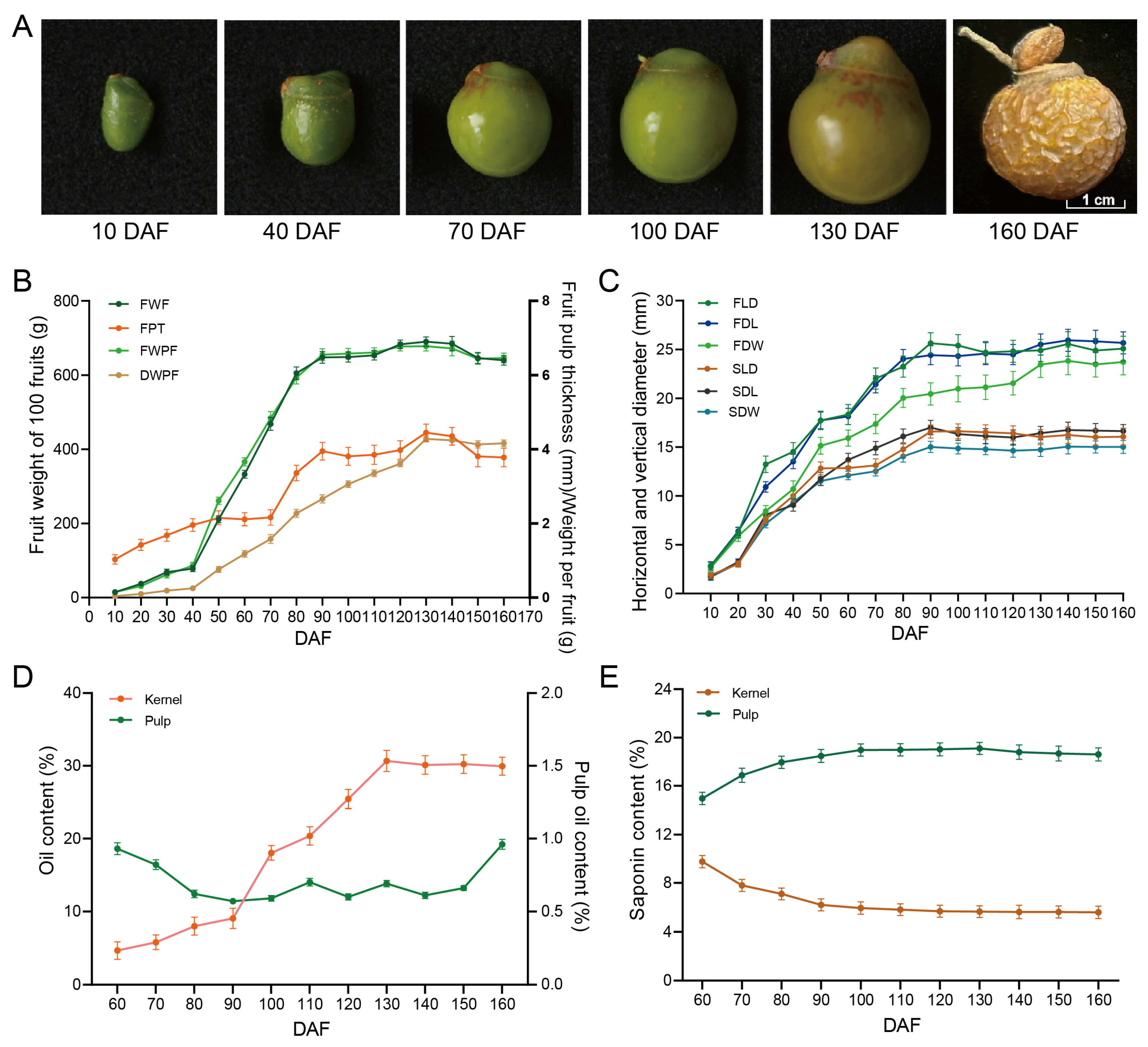
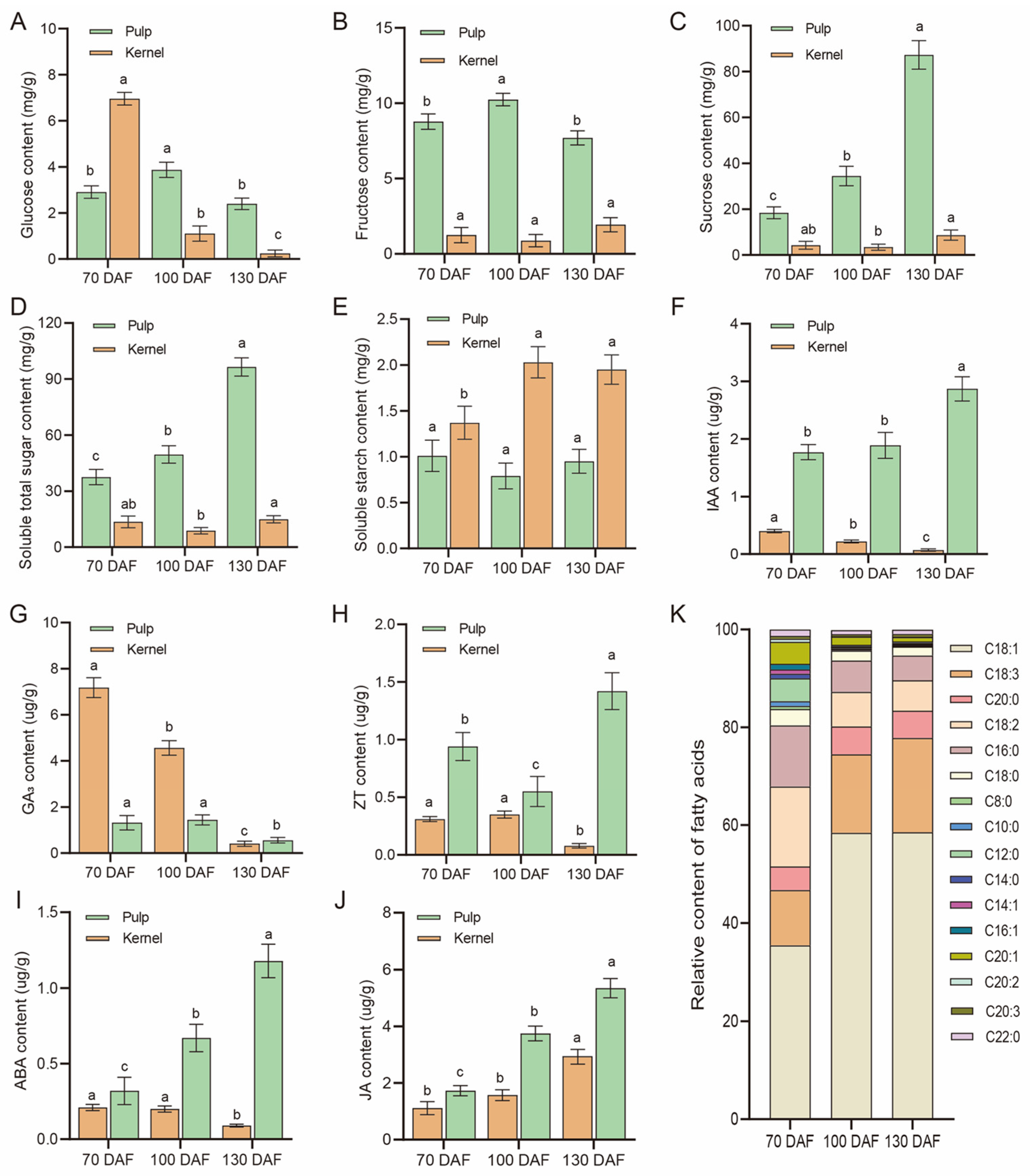
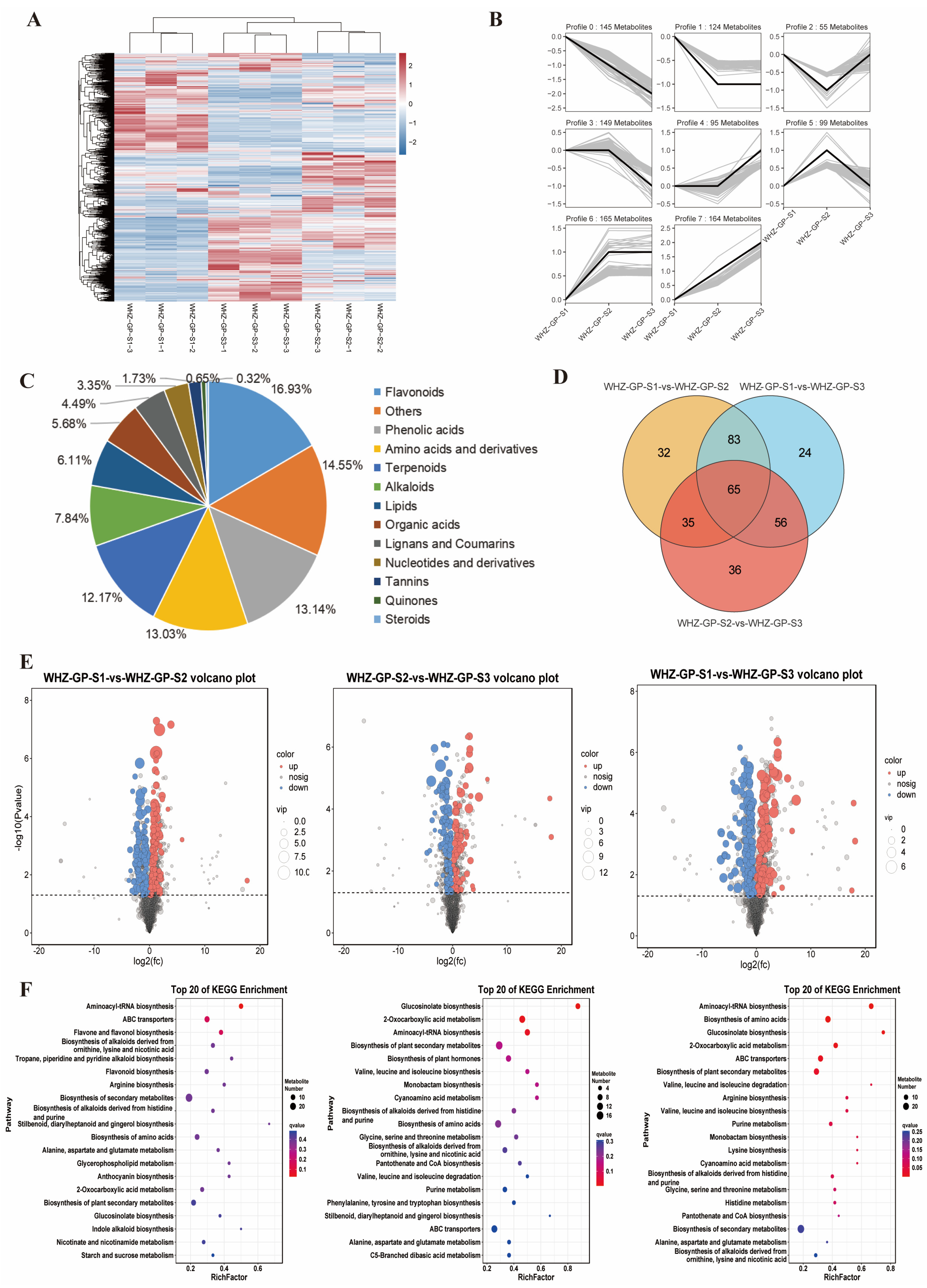
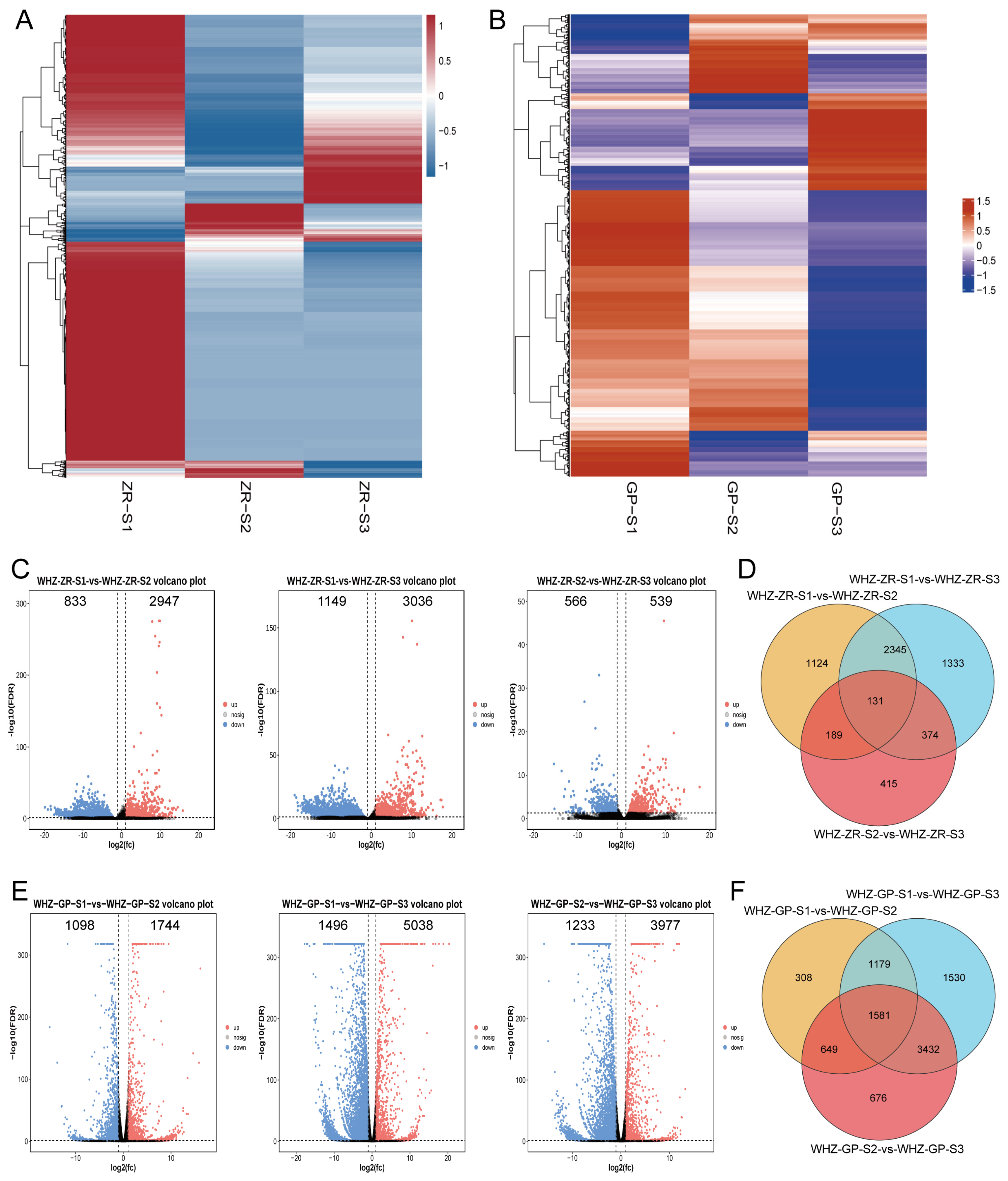
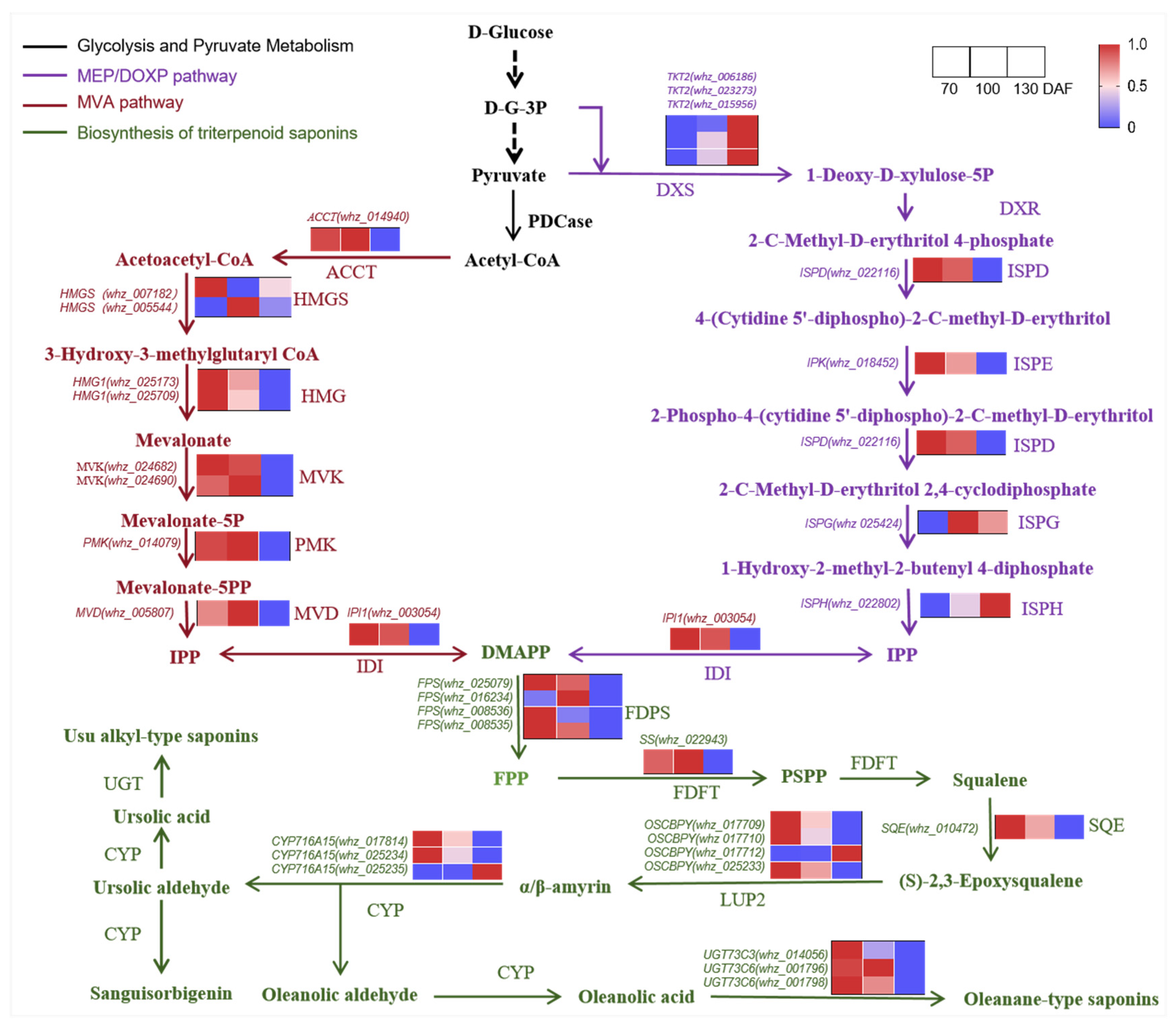
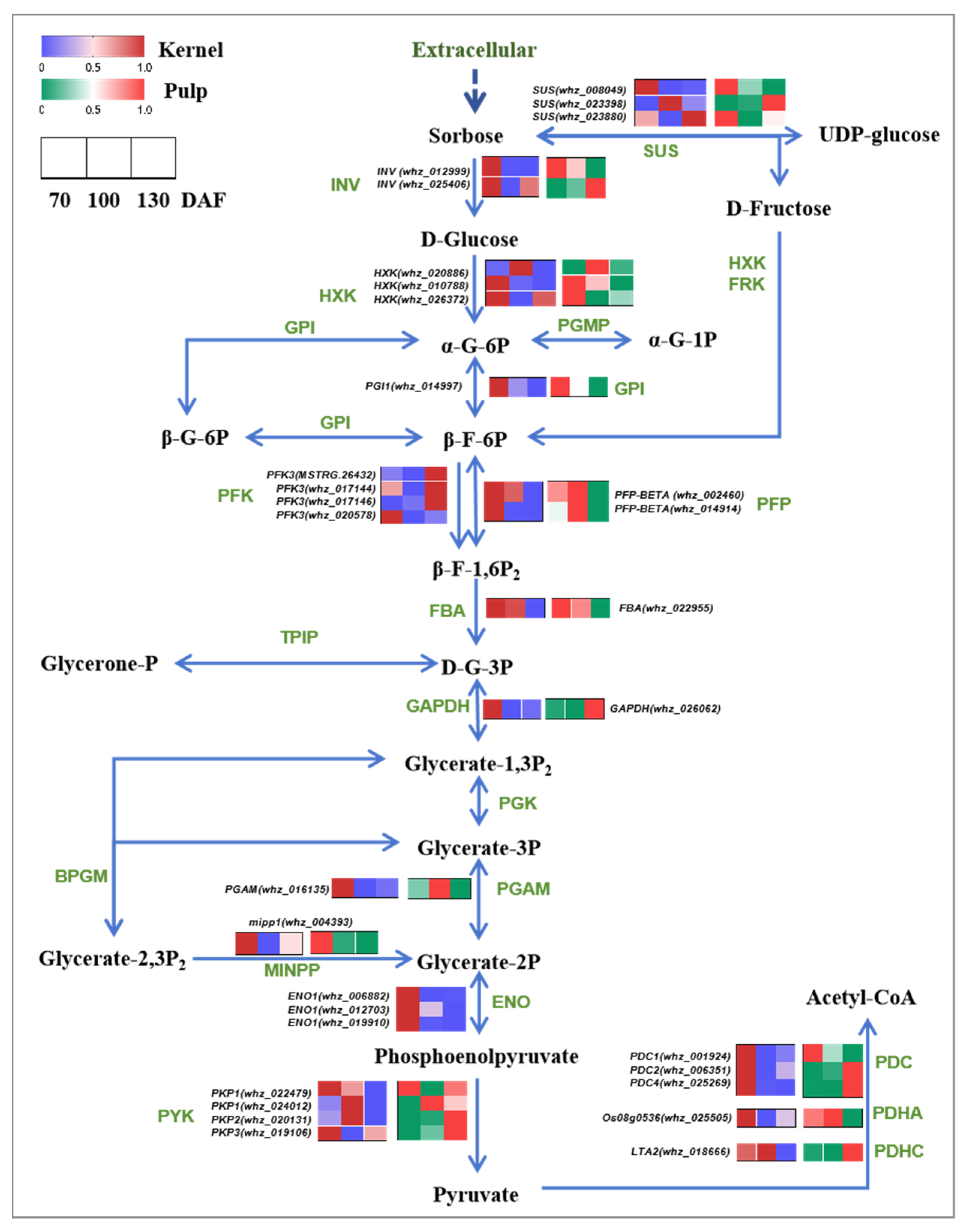
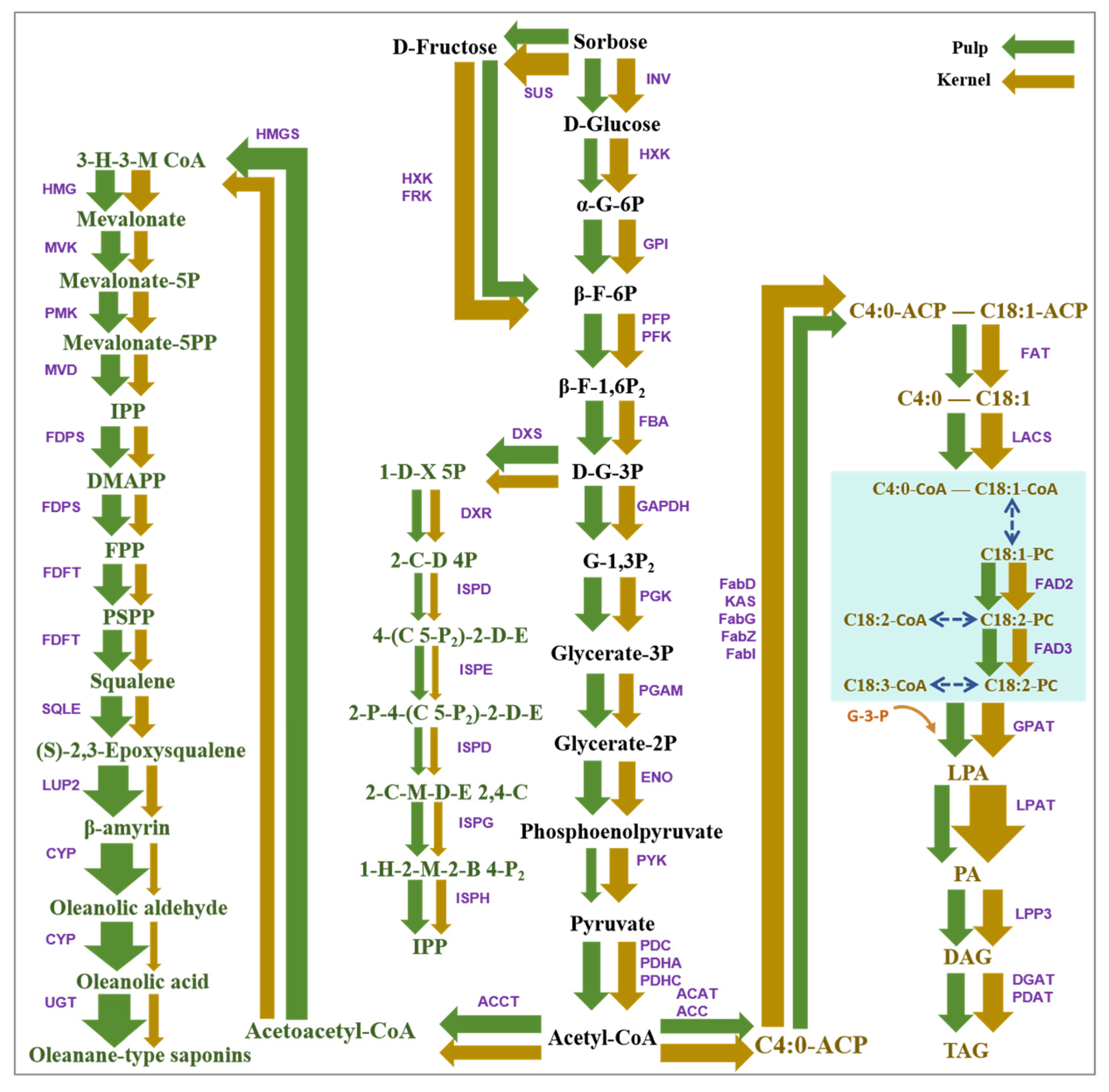
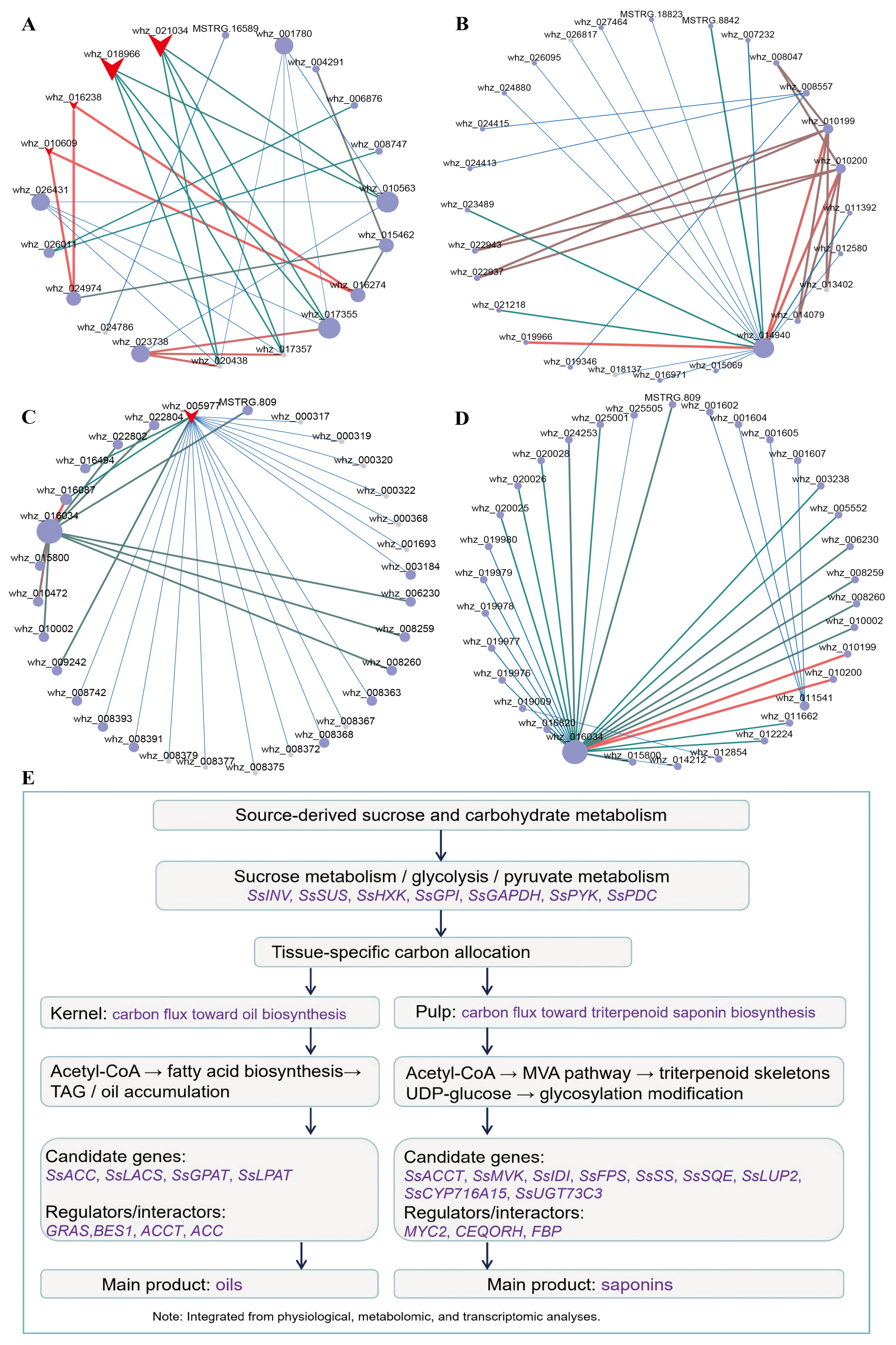
Sapindus mukorossi, known as soapberry, is a multipurpose woody species with oil-rich kernels and saponin-rich pulp, and its kernel oil and pulp saponins have important applications in oleochemicals, detergents, cosmetics, pharmaceuticals, and bioenergy. However, the mechanism by which carbohydrate-derived carbon is differentially allocated to kernel oil biosynthesis and pulp saponin biosynthesis within the same fruit remains unclear. In this study, we integrated morphological, physiological, metabolomic, and transcriptomic analyses to investigate the developmental accumulation patterns of oil and saponins and their relationship with carbohydrate metabolism in S. mukorossi fruit. The fruit reached maturity at approximately 130 days after flowering and was divided into four developmental stages: slow growth, rapid expansion, color transition, and maturation. Kernel oil accumulated in a typical S-shaped pattern and increased rapidly during the middle-to-late developmental stages, whereas pulp saponins increased continuously before maturity and remained stable. At maturity, soluble sugars mainly accumulated in the pulp, while starch was relatively enriched in the kernels, indicating different carbohydrate storage and utilization patterns between the two tissues. Integrated transcriptomic and metabolomic analyses revealed tissue-specific metabolic regulation: lipid metabolism was preferentially enriched in kernels, whereas terpenoid and secondary metabolic pathways were more active in pulp. Several genes related to fatty acid assembly and oil accumulation, including SmACC, SmLACS, SmGPAT, and SmLPAT, showed kernel-biased expression, while genes involved in the mevalonate (MVA)-dependent triterpenoid saponin pathway, including SmACCT, SmMVK, SmIDI, SmSQE, and SmLUP2, were closely associated with pulp saponin accumulation. Hormone-related transcription factors, such as GRAS and BES1 in kernels and MYC2 in pulp, may contribute to the coordination between carbohydrate metabolism and oil or saponin biosynthesis. Overall, these findings suggest that oil and saponin accumulation in S. mukorossi fruit are regulated by distinct tissue-specific metabolic programs closely linked to carbohydrate metabolism. This study provides new insights into carbon allocation between kernel oil and pulp saponin biosynthesis and identifies candidate pathways and genes for the genetic improvement and resource utilization of S. mukorossi.
Keywords: soapberry; morphological dynamics; triterpenoid biosynthesis; triacylglycerol biosynthesis; carbon flux; multi-omics analysis soapberry; morphological dynamics; triterpenoid biosynthesis; triacylglycerol biosynthesis; carbon flux; multi-omics analysis