Article

Physiological and Metabolomic Responses of ‘Bluegold’ Blueberry to Infection by an Isolate Preliminarily Identified as Diaporthe eres


Department of Horticulture, Jilin Agricultural University, Changchun 130118, China
*
Authors to whom correspondence should be addressed.
Plants 2026, 15(14), 2172; https://doi.org/10.3390/plants15142172

Submission received: 23 June 2026 / Revised: 9 July 2026 / Accepted: 12 July 2026 / Published: 15 July 2026

Abstract

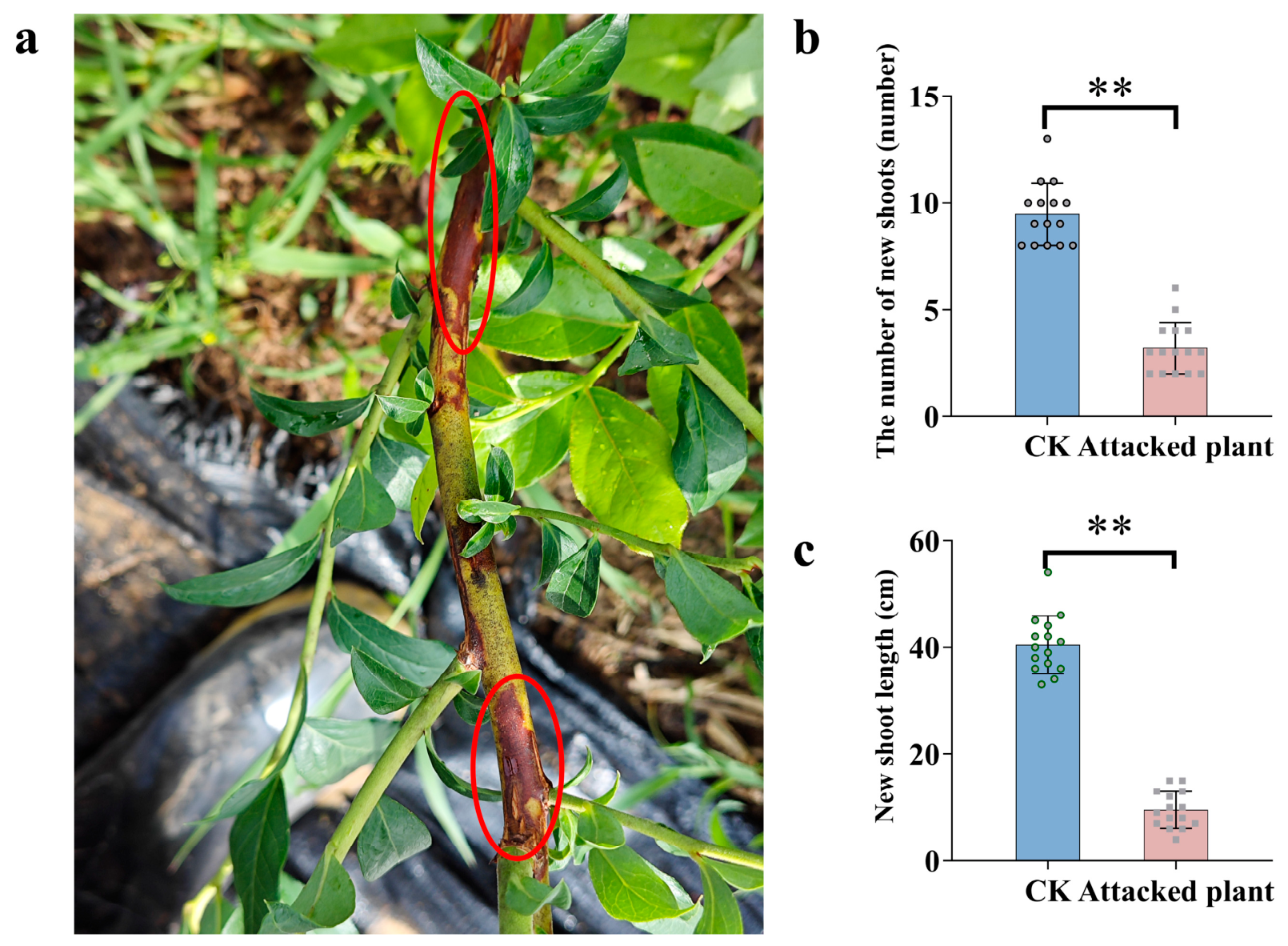
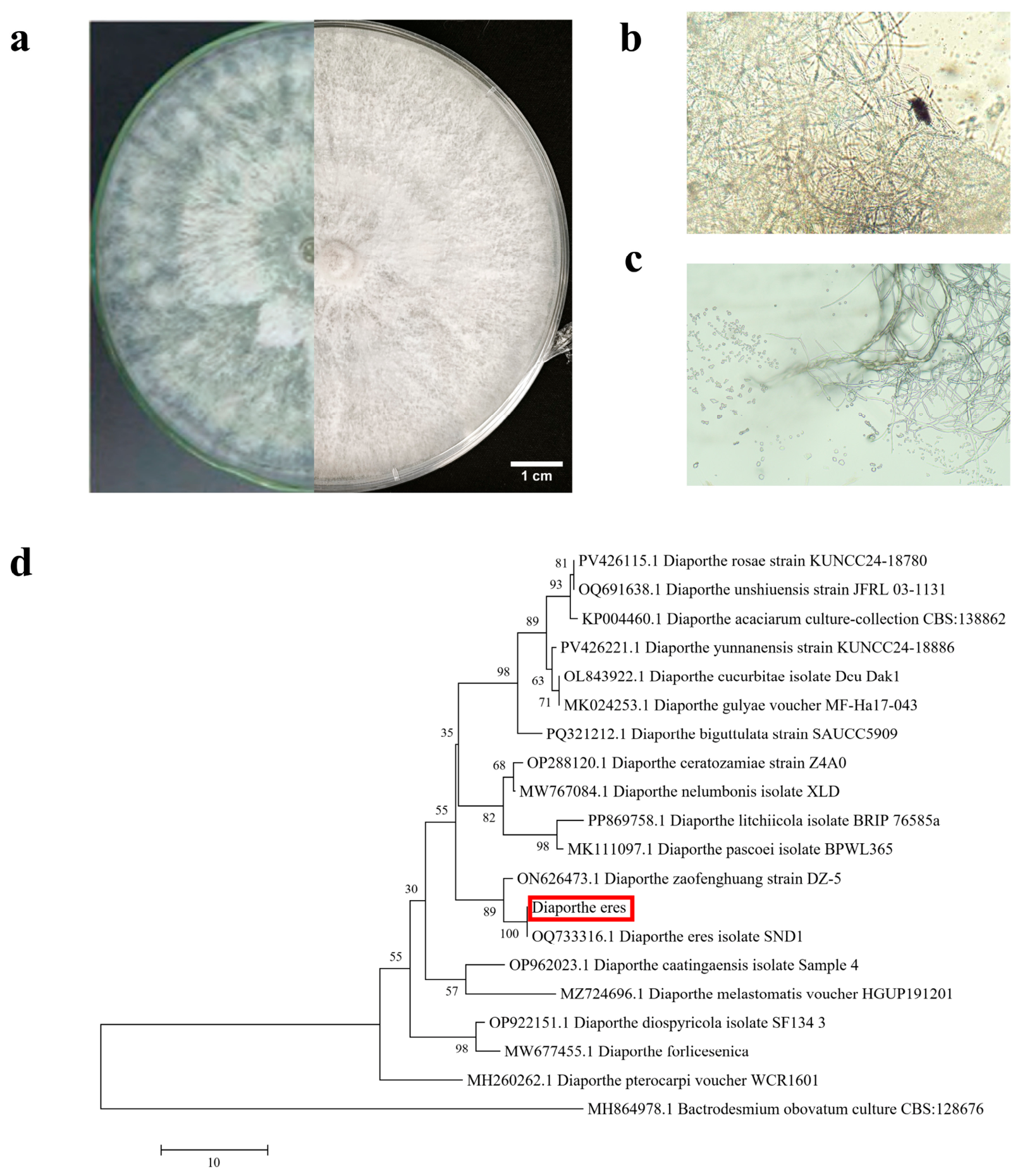
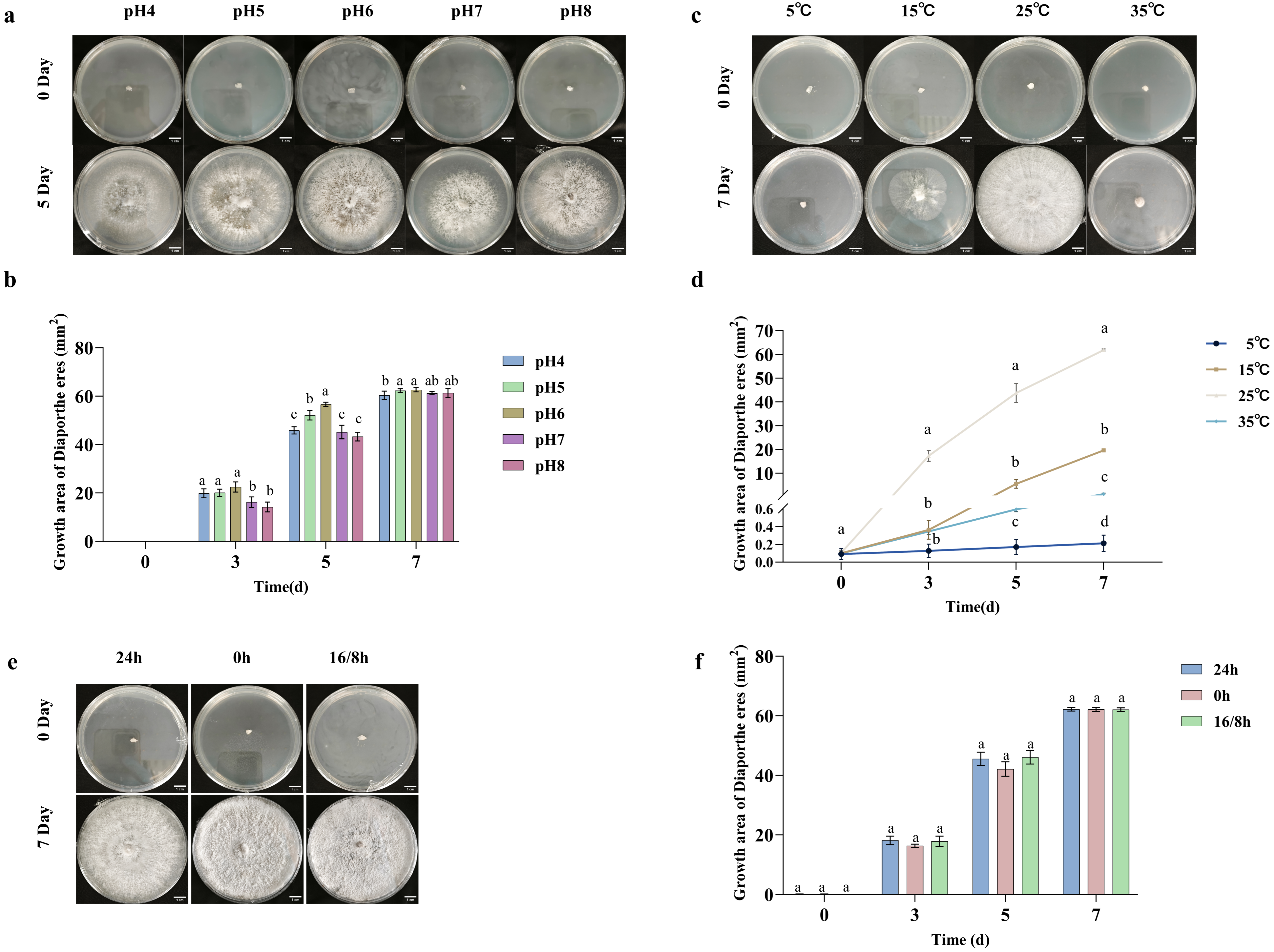
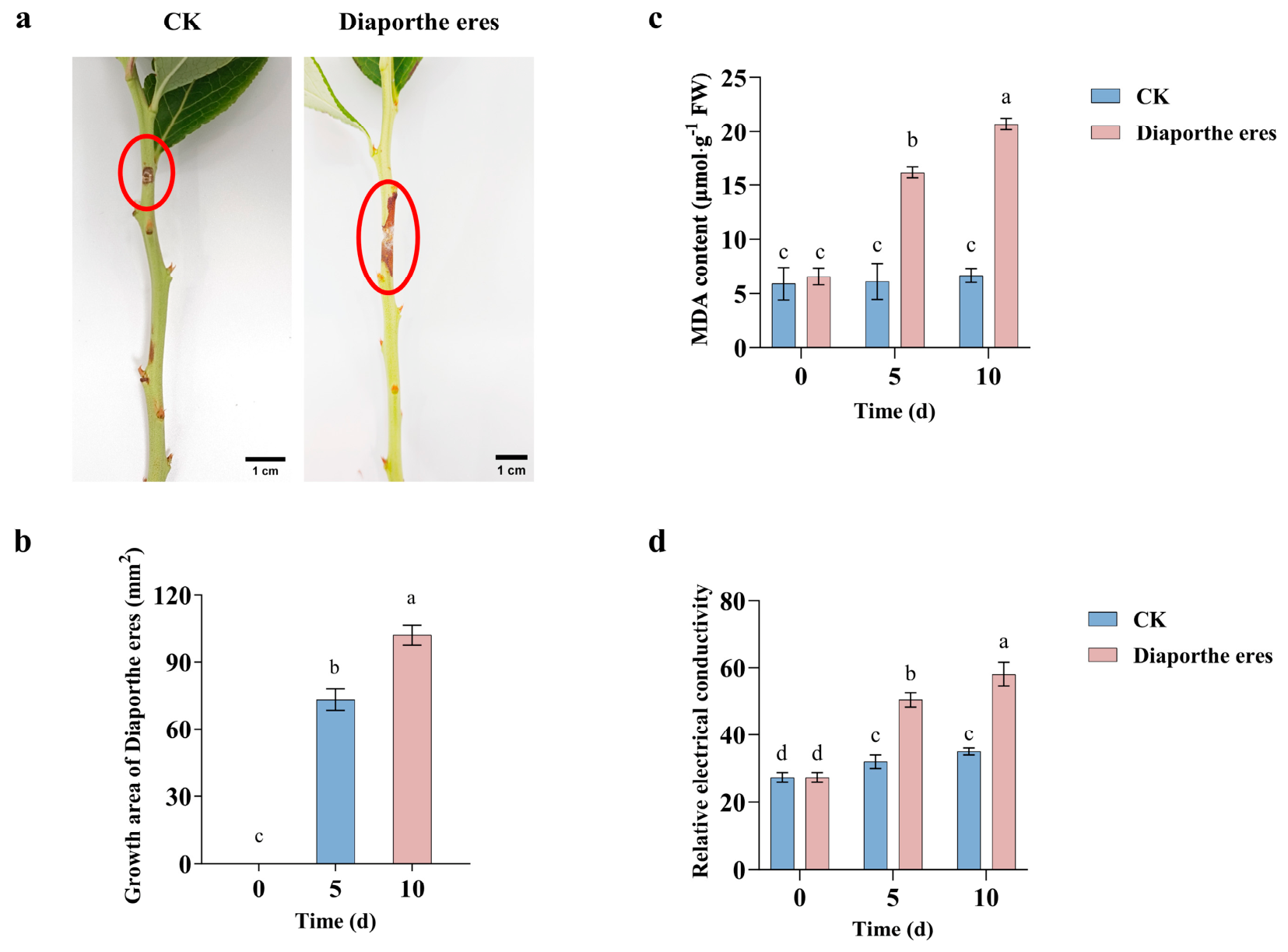
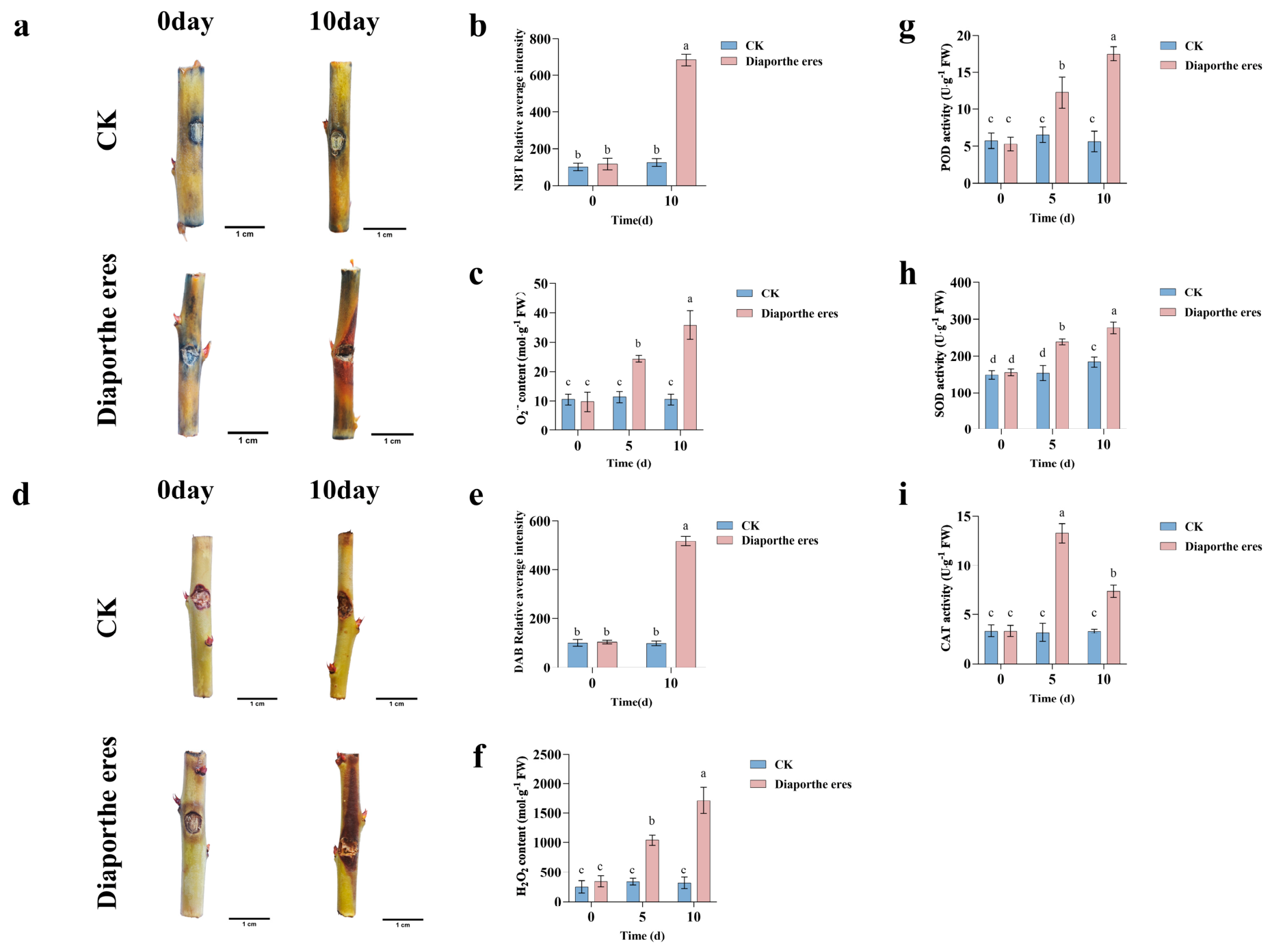
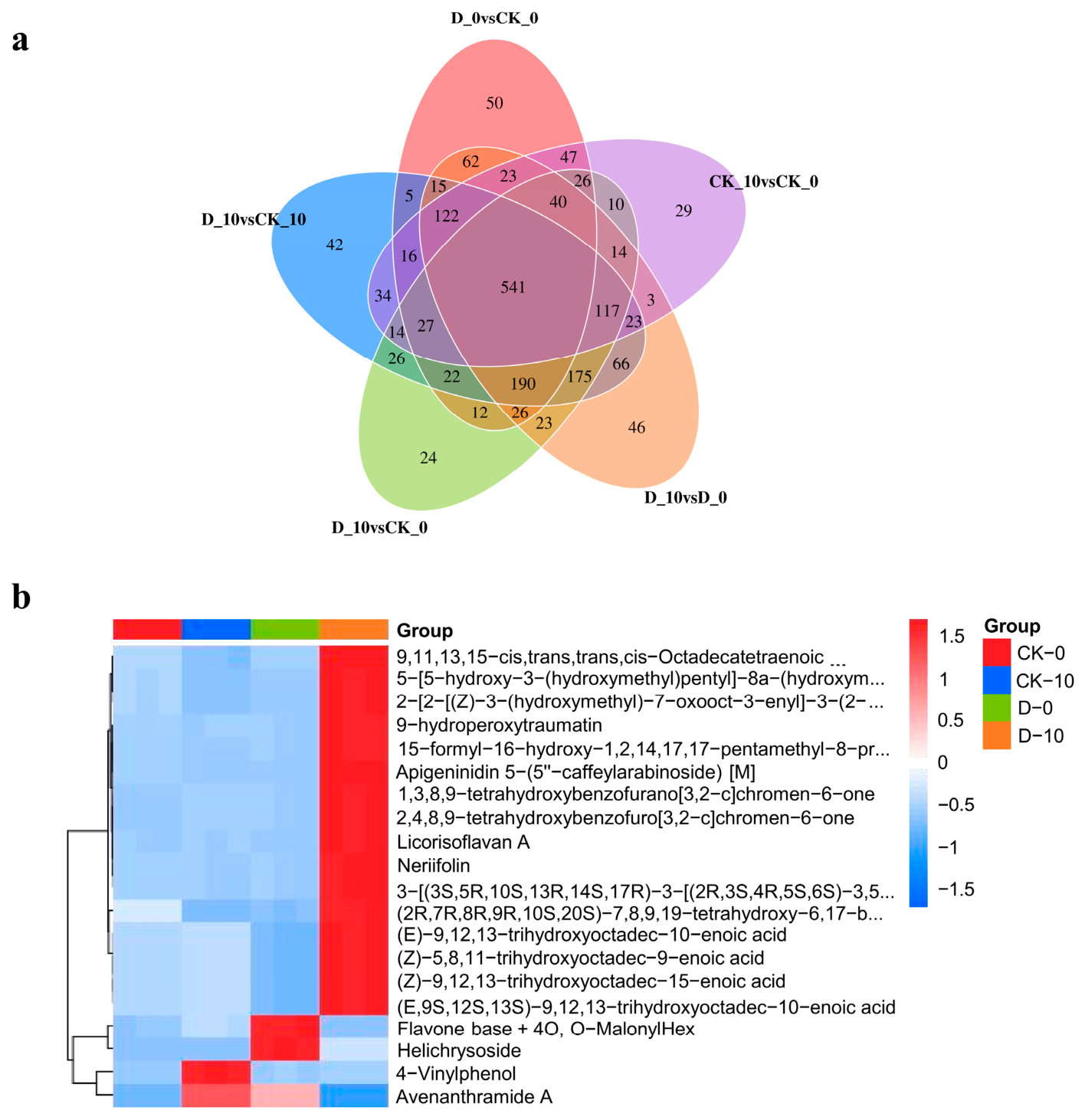
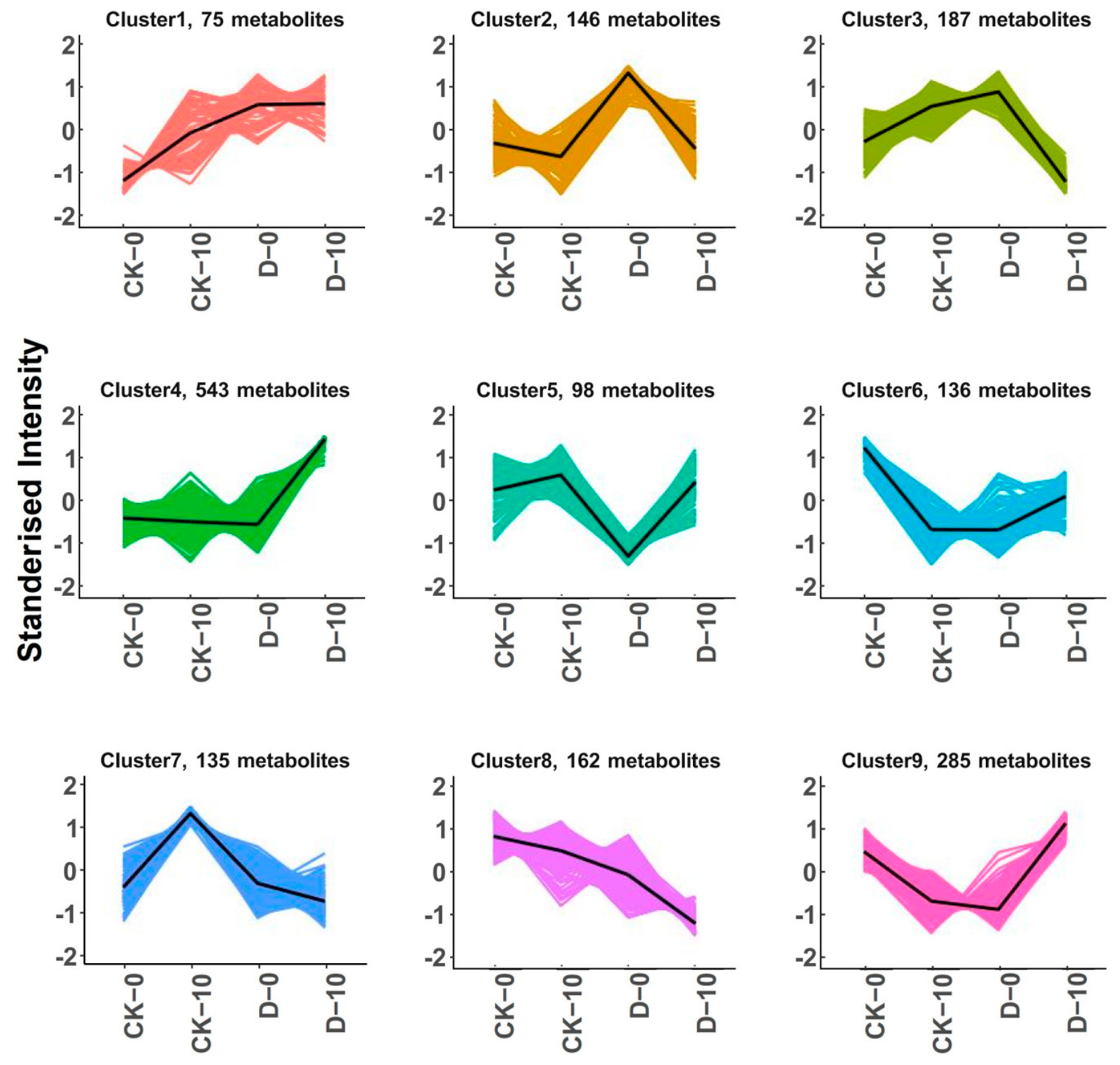
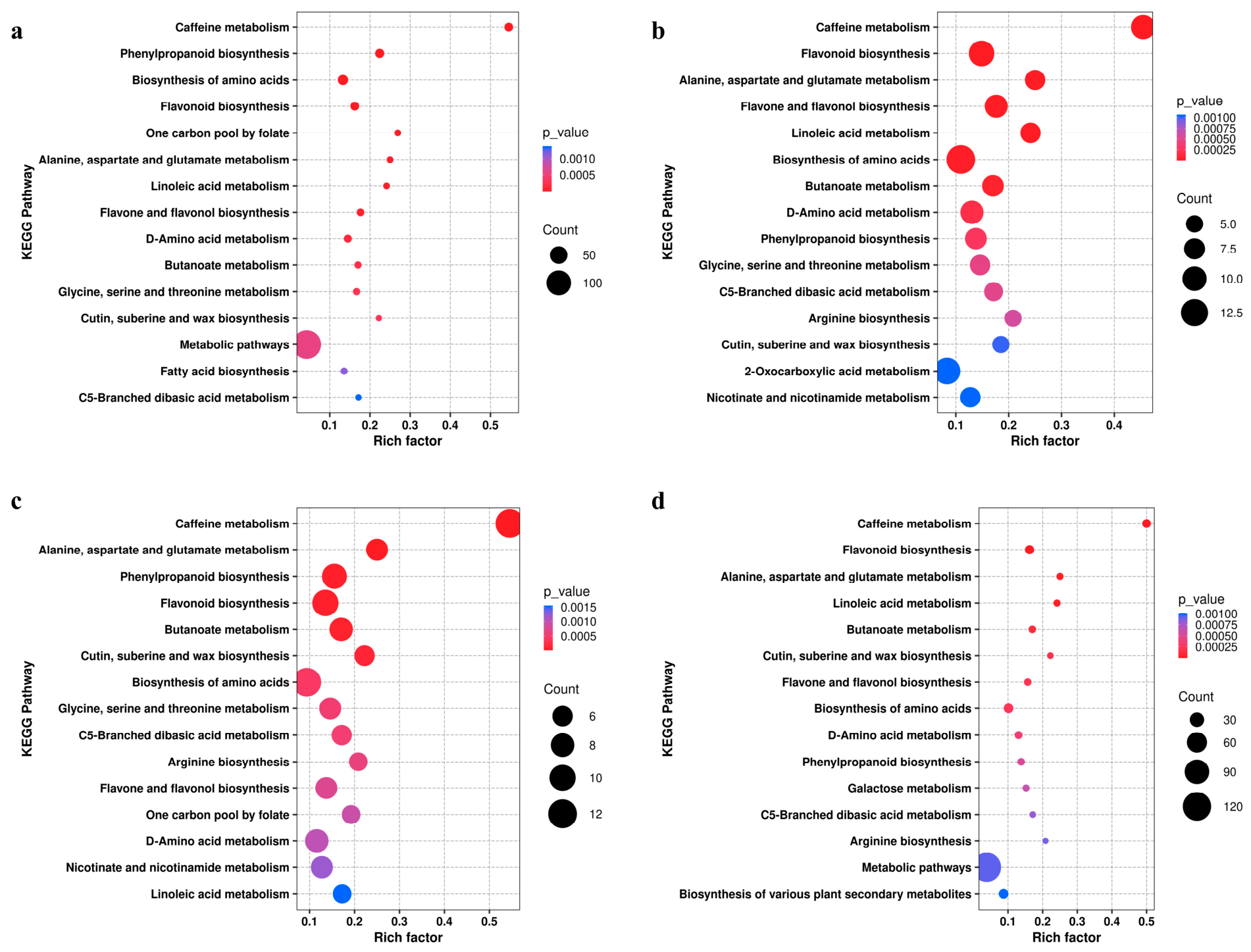
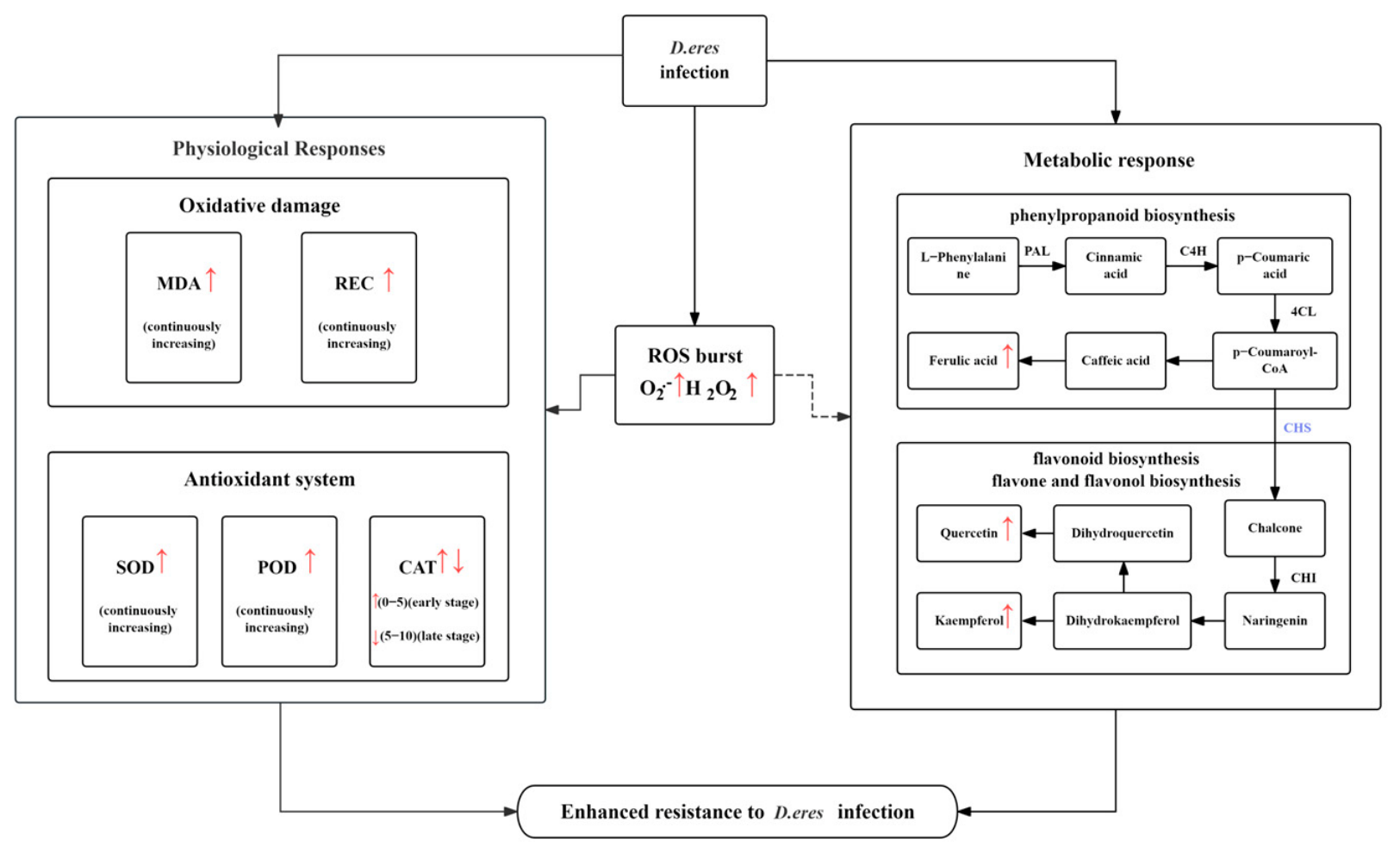
Canker is a destructive fungal disease that adversely affects plant growth, triggering leaf drop, branch dieback and even plant death. For the blueberry industry, fungal canker reduces blueberry yield and quality. In this study, diseased branches of the ‘Bluegold’ blueberry cultivar collected from open-field plantations in Jilin Province, China, were used to isolate and identify the pathogen, characterize its biological properties, and investigate the physiological and metabolomic responses of blueberry shoots to pathogen infection. Based on morphological characteristics and internal transcribed spacer sequence analysis, the pathogen was preliminarily identified as Diaporthe eres. Biological characterization showed that the optimal temperature and pH for mycelial growth of the isolate were 25 °C and 6, respectively, while light conditions had no significant effect on fungal growth. Pathogenicity results demonstrated that infection by the isolate significantly induced the accumulation of superoxide anions (O2.−) and hydrogen peroxide (H2O2) in blueberry new shoots, which led to lipid peroxidation and subsequently resulted in significant increases in malondialdehyde content and relative electrical conductivity. Concurrently, the plant’s antioxidant enzyme system was disrupted, and the activities of peroxidase and superoxide dismutase remained significantly elevated throughout the infection period, while catalase activity exhibited an initial increase followed by a gradual decline. Metabolomic analysis identified 541 differentially accumulated metabolites, with key metabolites including ferulic acid, quercetin and kaempferol showing marked abundance changes. These were primarily enriched in pathways closely associated with plant resistance, such as phenylpropanoid biosynthesis and flavonoid biosynthesis. Combined analysis of physiological and metabolomic data showed that reactive oxygen species accumulation and antioxidant enzyme responses were accompanied by significant enrichment of phenylpropanoid and flavonoid metabolism, indicating coordinated antioxidant regulation and secondary metabolic reprogramming in blueberry shoots following pathogen infection. Overall, this study preliminarily identified a D. eres isolate associated with blueberry canker in Jilin Province, and systematically characterized the physiological and metabolic responses of blueberry to pathogen infection, providing a theoretical basis for understanding blueberry—Diaporthe interactions and for developing effective disease management strategies.
Keywords: blueberry; Diaporthe isolate; oxidative stress; phenylpropanoid biosynthesis; flavonoids; metabolomics blueberry; Diaporthe isolate; oxidative stress; phenylpropanoid biosynthesis; flavonoids; metabolomics