Isolation of Secondary Metabolites from Protea venus and Evaluation of Their Antioxidant Activity and Effects Under Glucolipotoxic Stress: In Silico and In Vitro Studies
 , , ,
, , ,  , and
, and 
Abstract
1. Introduction
2. Results
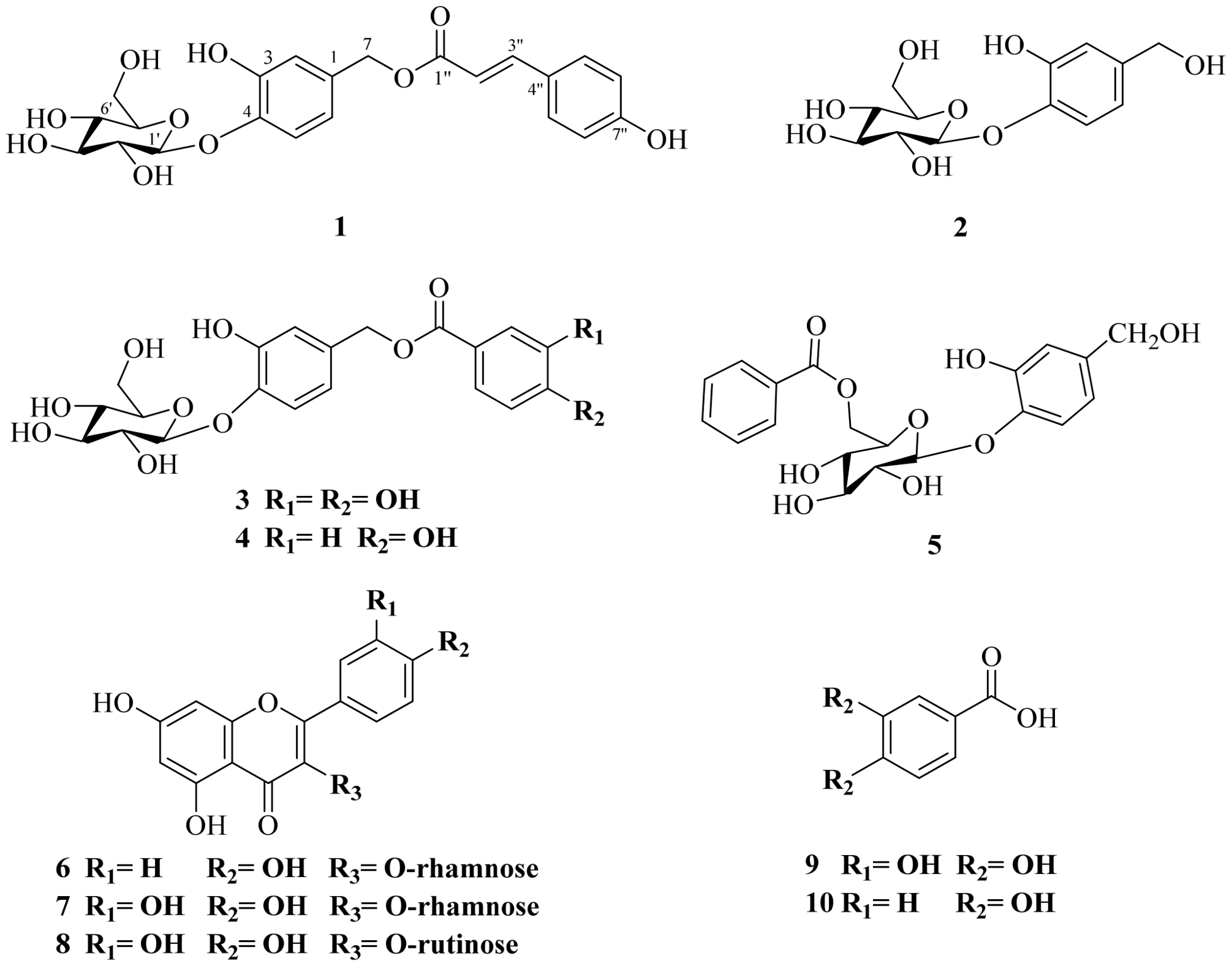
2.1. Purification of Protea venus Chemical Constituents
2.2. Total Phenolic Content and Antioxidant Activity of the Crude Extract and Isolated Compounds
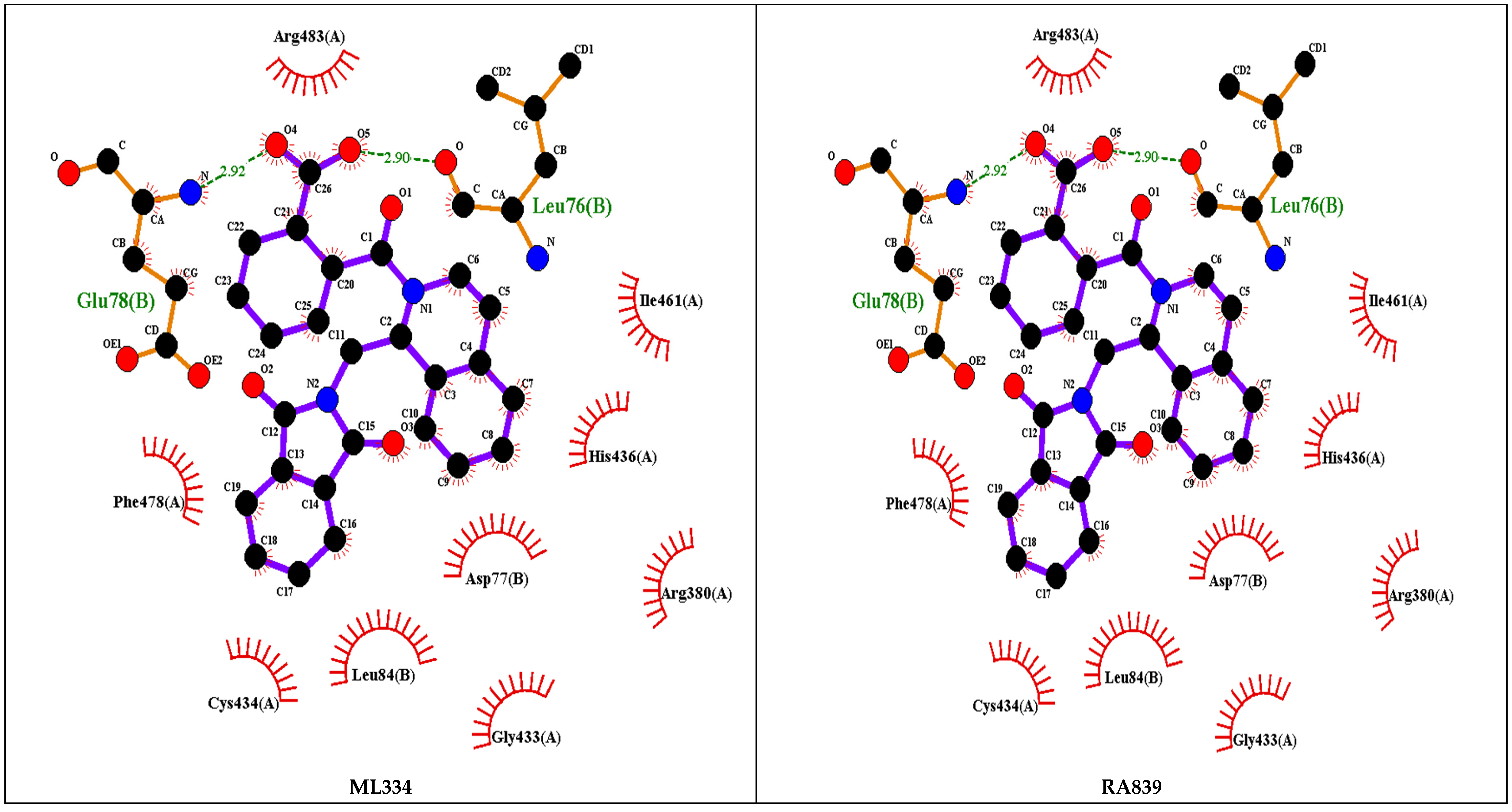
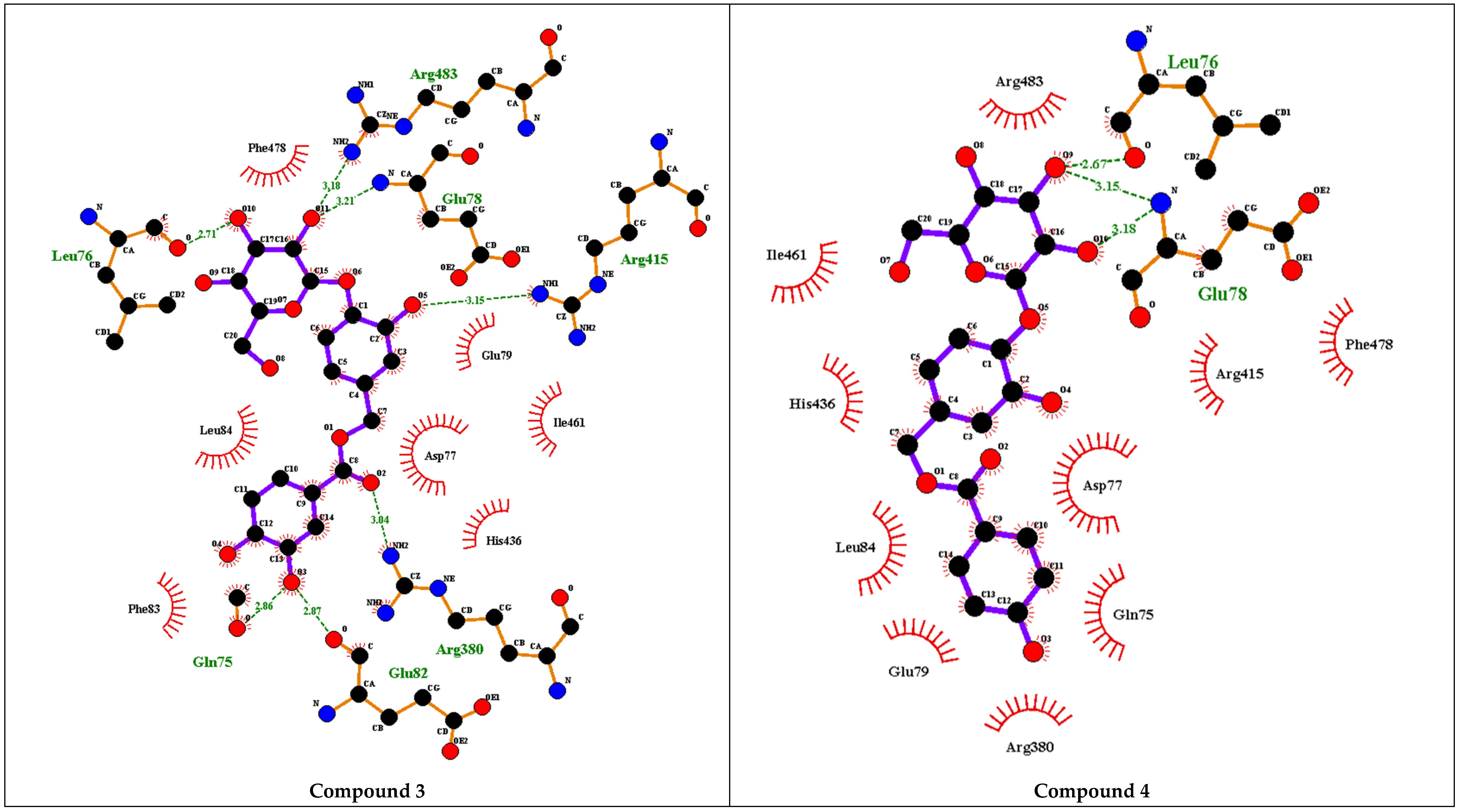
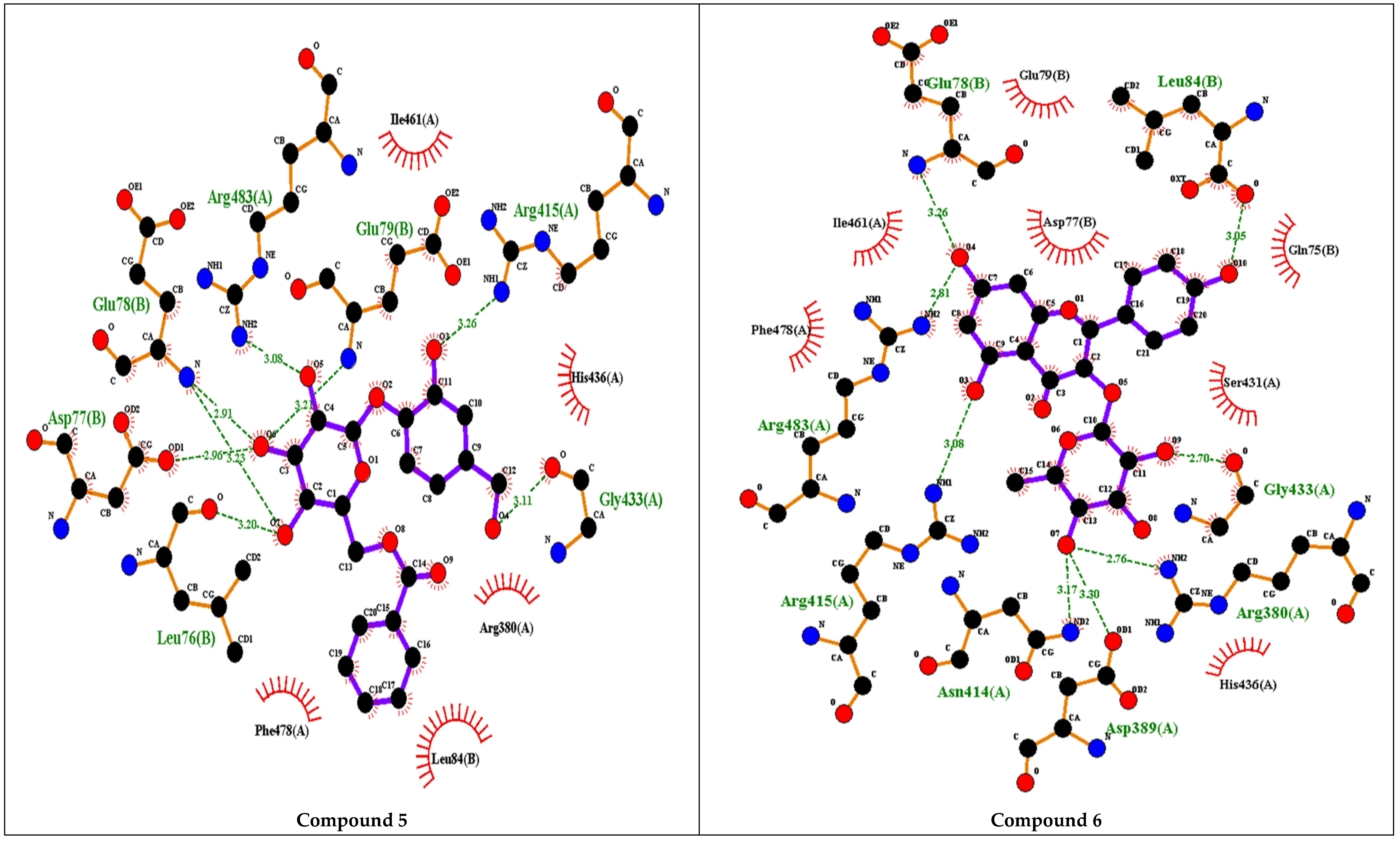
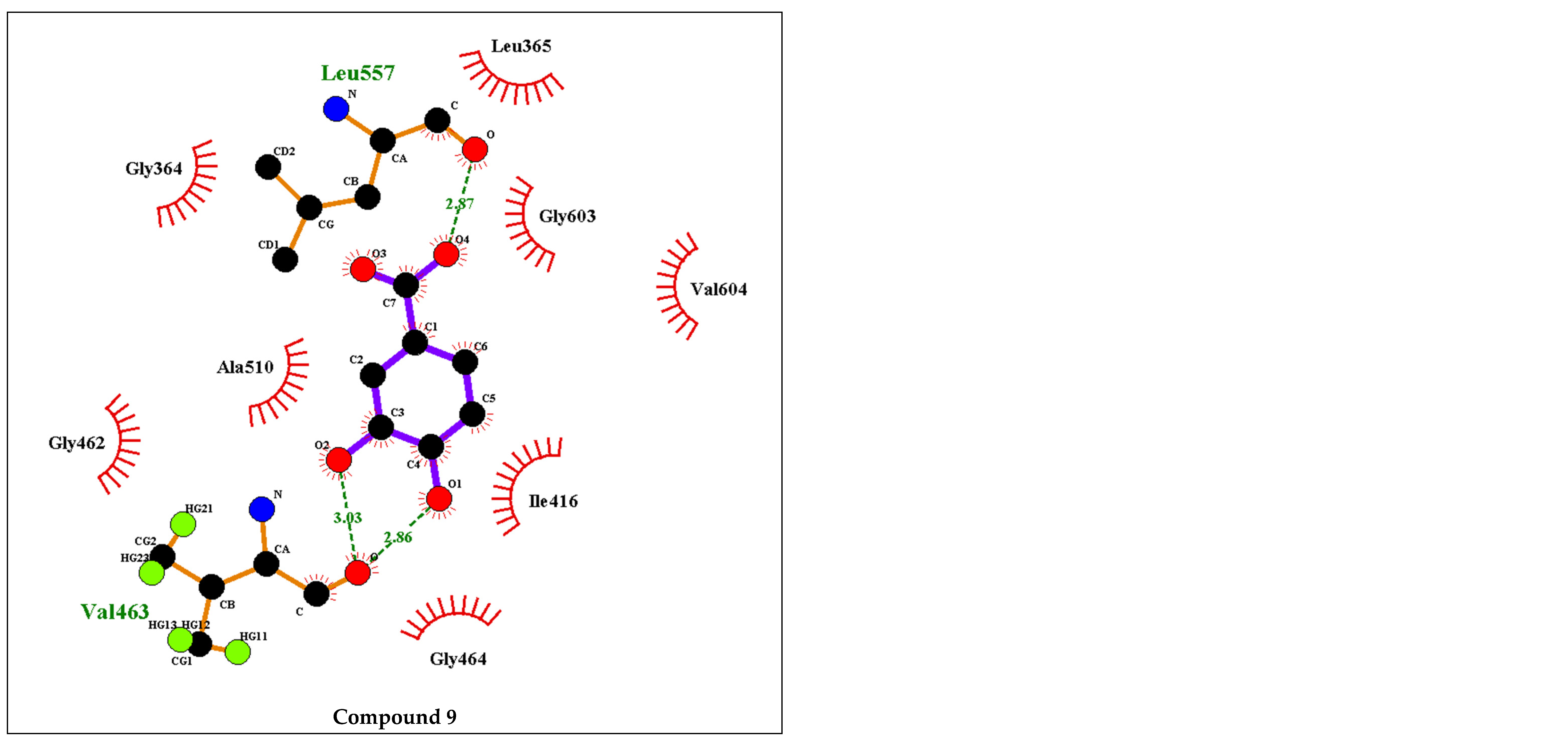
2.3. Molecular Docking
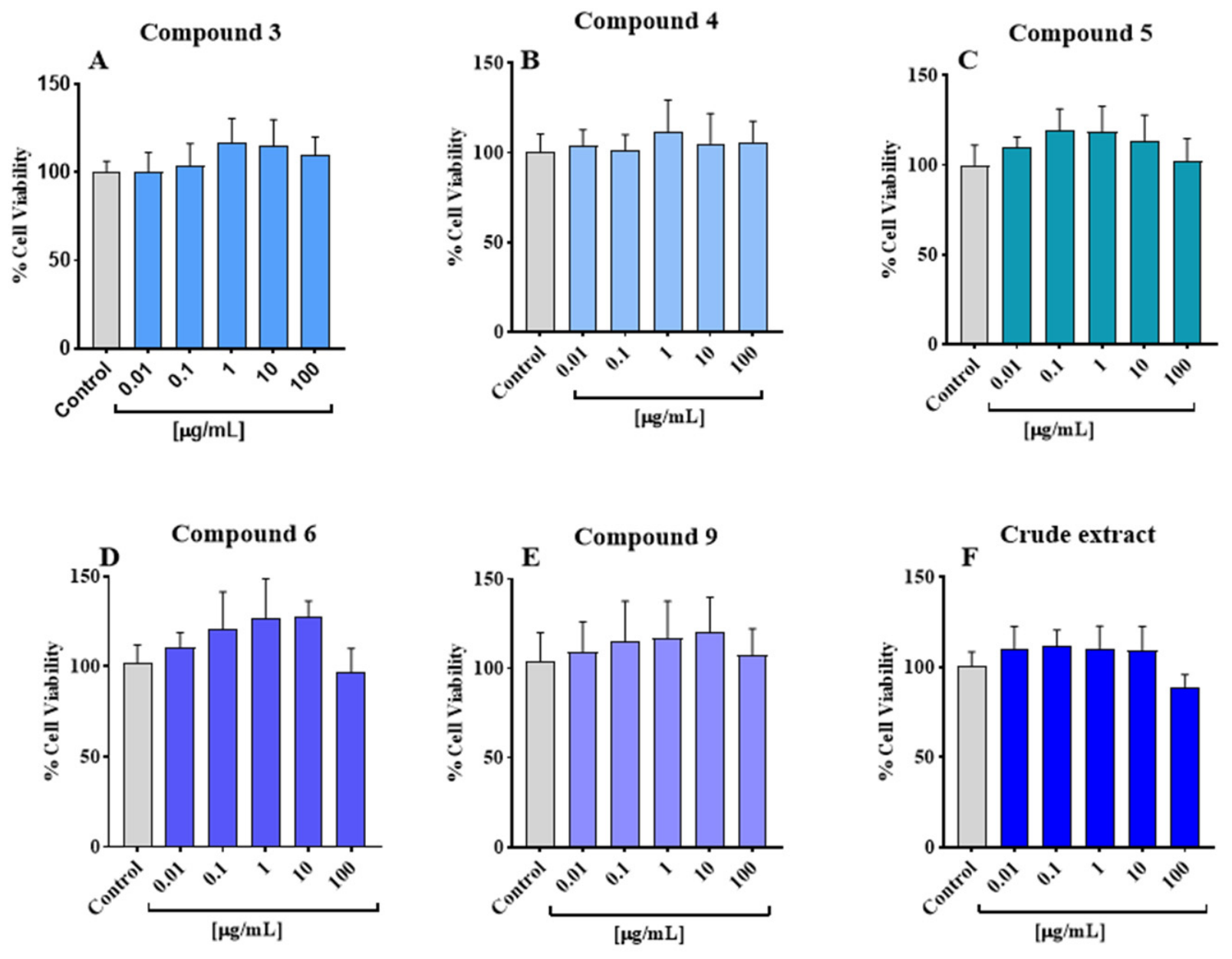
2.4. Cytotoxicity Assessment of Protea venus Crude Extract and Selected Compounds
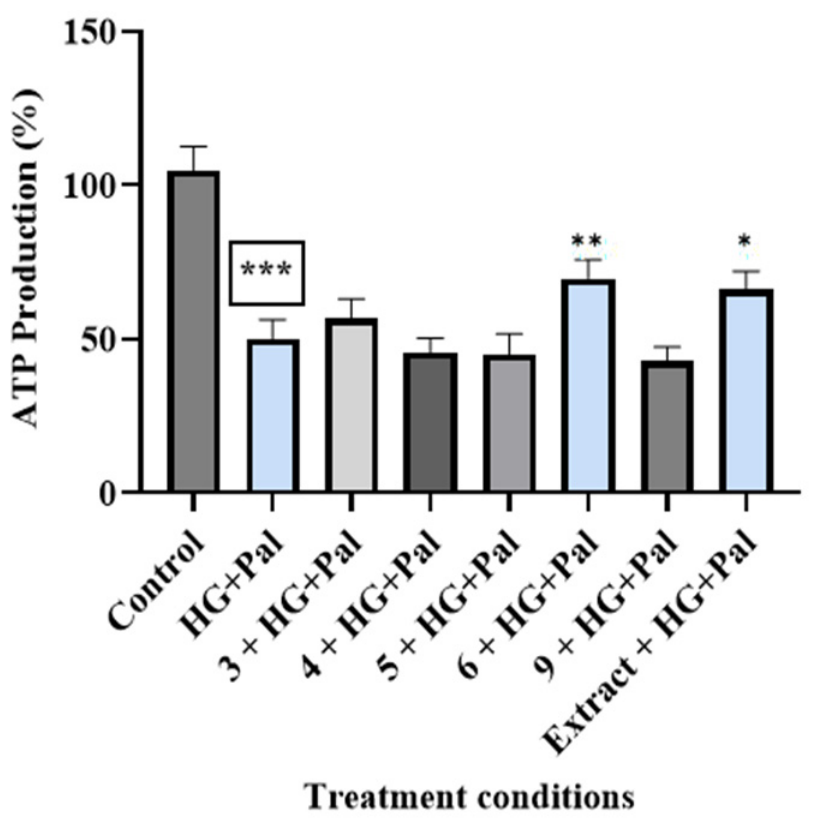
2.5. Effects of Protea venus Isolated Compounds and Crude Extract on Adenosine Triphosphate (ATP) Production in H9c2 Cells Exposed to High Glucose and Palmitate
3. Discussion
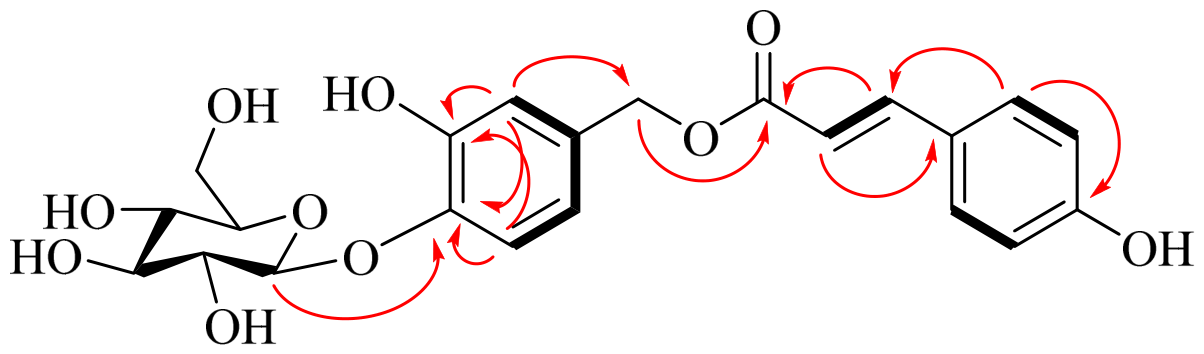
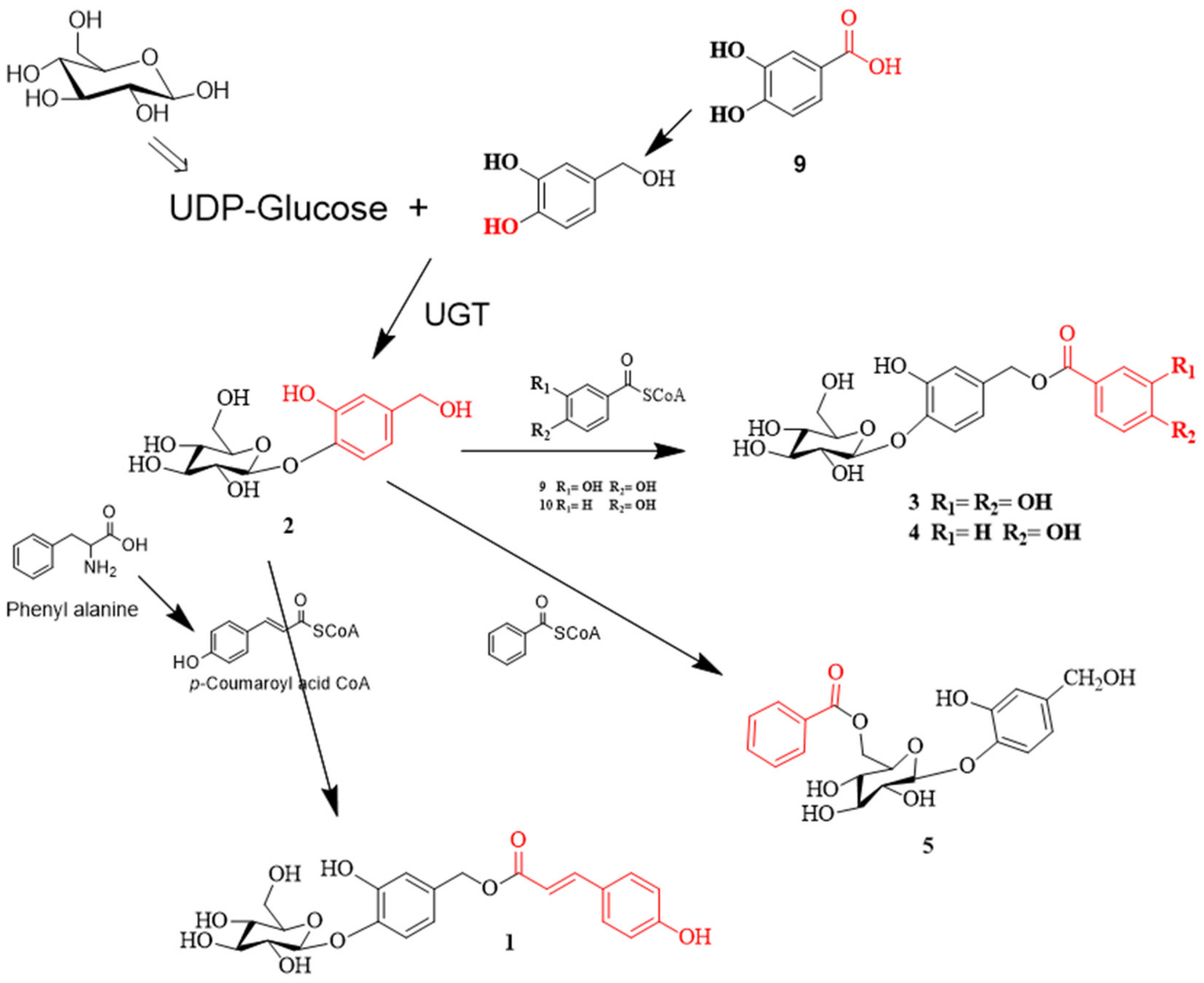
3.1. Structure Elucidation of p-Coumaroyl Calleryanin (1)
3.2. Antioxidant, In Silico and In Vitro Assessment of Selected Protea venus Phenolics Under Metabolic Stress
4. Materials and Methods
4.1. Chemicals, Reagents, and Equipment
4.2. Isolation of Chemical Constituents
4.3. Biological Assay
4.3.1. Antioxidant Activity
4.3.2. Cell Culture
4.3.3. Cytotoxicity
4.3.4. Medium Preparation
4.3.5. Palmitate Preparation
4.3.6. Glucolipotoxicity Induction and Assessment of Intracellular ATP Level
4.3.7. Statistical Analysis
TEAC and FRAP Assay
ATP Assay
4.3.8. Phytochemical Compounds Acquisition and Geometry Optimization
4.3.9. Protein Acquisition, Preparation, and Molecular Docking
5. Conclusions
Supplementary Materials
Author Contributions
Funding
Data Availability Statement
Acknowledgments
Conflicts of Interest
References
- Vogts, M.M.; Paterson-Jones, C.; Slingsby, P. South Africa’s Proteaceae: Know Them and Grow Them; Struik Publishers: Cape Town, South Africa, 1982. [Google Scholar]
- Rebelo, T. Sasol Proteas: A Field Guide to the Proteas of Southern Africa; Fernwood Press (Pty) Ltd.: Pretoria, South Africa, 1995. [Google Scholar]
- Leonhardt, K.W.; Criley, R.A. Proteaceae floral crops: Cultivar development and underexploited uses. In Perspectives on New Crops and New Uses; Janick, J., Ed.; ASHS Press: Alexandria, VA, USA, 1999; pp. 410–430. [Google Scholar]
- Wood, H.L.D. The commercial utilisation of fynbos for ornamental purposes and its influence on the natural habitat. Veld Flora 1977, 63, 24–26. [Google Scholar]
- Zhang, J.; Netzel, M.E.; Pengelly, A.; Sivakumar, D.; Sultanbawa, Y. A review of phytochemicals and bioactive properties in the Proteaceae family: A promising source of functional food. Antioxidants 2023, 12, 1952. [Google Scholar] [CrossRef] [PubMed]
- Yalo, M.; Makhaba, M.; Hussein, A.A.; Sharma, R.; Koki, M.; Nako, N.; Mabusela, W.T. Characterization of four new compounds from Protea cynaroides leaves and their tyrosinase inhibitory potential. Plants 2022, 11, 1751. [Google Scholar] [CrossRef] [PubMed]
- Gadea, A.; Khazem, M.; Gaslonde, T. Current knowledge on chemistry of the Proteaceae family and biological activities of their bis-5-alkylresorcinol derivatives. Phytochem. Rev. 2022, 21, 1969–2005. [Google Scholar] [CrossRef]
- Cory, H.; Passarelli, S.; Szeto, J.; Tamez, M.; Mattei, J. The role of polyphenols in human health and food systems: A mini-review. Front. Nutr. 2018, 5, 87. [Google Scholar] [CrossRef] [PubMed]
- Rubler, S.; Dlugash, J.; Yuceoglu, Y.Z.; Kumral, T.; Branwood, A.W.; Grishman, A. New type of cardiomyopathy associated with diabetic glomerulosclerosis. Am. J. Cardiol. 1972, 30, 595–602. [Google Scholar] [CrossRef] [PubMed]
- Low Wang, C.C.; Hess, C.N.; Hiatt, W.R.; Goldfine, A.B. Clinical update: Cardiovascular disease in diabetes mellitus: Atherosclerotic cardiovascular disease and heart failure in type 2 diabetes mellitus—Mechanisms, management, and clinical considerations. Circulation 2016, 133, 2459–2502. [Google Scholar] [CrossRef] [PubMed]
- Jia, G.; Hill, M.A.; Sowers, J.R. Diabetic cardiomyopathy: An update of mechanisms contributing to this clinical entity. Circ. Res. 2018, 122, 624–638. [Google Scholar] [CrossRef] [PubMed]
- Dillmann, W.H. Diabetic cardiomyopathy. Circ. Res. 2019, 124, 1160–1162. [Google Scholar] [CrossRef] [PubMed]
- Drewes, S.E. The chemistry of the Proteaceae. S. Afr. J. Sci. 2004, 100, 511–520. [Google Scholar]
- Vambe, M.M.; Aremu, A.O.; Chukwujekwu, J.C.; Gruz, J.; Luterová, A.; Finnie, J.F.; Van Staden, J. Antibacterial, mutagenic properties and chemical characterisation of Protea caffra Meisn.: A South African native shrub species. Plants 2020, 9, 1331. [Google Scholar] [CrossRef] [PubMed]
- Kim, G.J.; Choi, H.G.; Kim, J.H.; Kim, S.H.; Kim, J.A.; Lee, S.H. Anti-allergic inflammatory effects of cyanogenic and phenolic glycosides from the seed of Prunus persica. Nat. Prod. Commun. 2013, 8, 1739–1740. [Google Scholar] [CrossRef]
- Hunde, D.B.; Belitibo, D.B.; File, C.; Abdissa, Z.; Razakarivony, A.A.; Frese, M.; Sewald, N.; Abdissa, N. Cytotoxic isoflavones from the stem bark of Protea gaguedi. Z. Naturforschung C 2025, 81, 363–372. [Google Scholar] [CrossRef] [PubMed]
- Duncan, G.; Brown, N.; Nurrish, L. Grow Proteas; Kirstenbosch Gardening Series; South African National Biodiversity Institute: Cape Town, South Africa, 2013. [Google Scholar]
- Benzie, I.F.F.; Strain, J.J. The ferric reducing ability of plasma (FRAP) as a measure of antioxidant power. Anal. Biochem. 1996, 238, 70–76. [Google Scholar] [CrossRef] [PubMed]
- Pellegrini, N.; Re, R.; Yang, M.; Rice-Evans, C.A. Screening of dietary carotenoid-rich fruit extracts for antioxidant activities applying the ABTS radical cation decolorization assay. Methods Enzymol. 1999, 299, 379–389. [Google Scholar]
- Challice, J.S.; Williams, A.H.; Ashton, L. Compounds of the genus Pyrus: Occurrence of flavones and phenolic acid derivatives of 3,4-dihydroxybenzyl alcohol 4-glucoside in Pyrus calleryana. Phytochemistry 1968, 7, 119–130. [Google Scholar] [CrossRef]
- Avetyan, D.L.; Shatskiy, A.; Kärkäs, M.D.; Stepanova, E.V. Scalable total synthesis of natural vanillin-derived glucoside ω-esters. Carbohydr. Res. 2022, 522, 108683. [Google Scholar] [CrossRef] [PubMed]
- D’Auria, J.C. Acyltransferases in plants: A good time to be BAHD. Curr. Opin. Plant Biol. 2006, 9, 331–340. [Google Scholar] [CrossRef] [PubMed]
- Perold, G.W.; Beylis, P.; Howard, A.S. Metabolites of Proteaceae. Part VII. Lacticolorin, a phenolic glucoside ester, and other metabolites of Protea lacticolor Salisb. J. Chem. Soc. Perkin Trans. 1 1973, 6, 638–643. [Google Scholar] [CrossRef] [PubMed]
- Jin, X.; Zhang, H.; Xie, X.; Zhang, M.; Wang, R.; Liu, H.; Wang, X.; Wang, J.; Li, D.; Li, Y.; et al. From traditional efficacy to drug design: A review of Astragali Radix. Pharmaceuticals 2025, 18, 413. [Google Scholar] [CrossRef] [PubMed]
- Wang, Q.-H.; Han, N.-R.-C.-K.-T.; Dai, N.-Y.-T.; Wang, X.-L.; Ao, W.-L.-J. Anti-inflammatory effects and structure elucidation of two new compounds from Astragalus membranaceus (Fisch.) Bge. var. mongholicus (Bge.) Hsiao. J. Mol. Struct. 2014, 1074, 284–288. [Google Scholar] [CrossRef]
- Kurkin, V.A.; Zaitceva, E.N.; Tsibina, A.S. Diuretic and neurotropic activity of oreganol A, a component of oregano. Pharm. Chem. J. 2023, 56, 1344–1347. [Google Scholar] [CrossRef]
- Ouyang, M.A.; Wang, C.Z.; Wang, S.B. Water-soluble constituents from the leaves of Ilex oblonga. J. Asian Nat. Prod. Res. 2007, 9, 399–405. [Google Scholar] [CrossRef] [PubMed]
- Hori, K.; Satake, T.; Yamaguchi, H.; Saiki, Y.; Murakami, T.; Chen, C.M. Chemical and chemotaxonomical studies of filices. 72. Chemical studies on the constituents of Odontosoria gymnogrammoides Christ. Yakugaku Zasshi 1987, 107, 774–779. [Google Scholar] [CrossRef]
- Rao, G.; Mukhopadhyay, T.; Annamalai, T.; Radhakrishnan, N.; Sahoo, M. Chemical constituents and biological studies of Origanum vulgare Linn. Pharmacogn. Res. 2011, 3, 143–148. [Google Scholar] [CrossRef] [PubMed]
- Van Wyk, P.S.; Koeppen, B.H. p-Hydroxybenzoyl-calleryanin: An antifungal substance in the root bark of Protea cynaroides. S. Afr. J. Sci. 1974, 70, 121. [Google Scholar]
- Park, C.; So, H.-S.; Shin, C.-H.; Baek, S.-H.; Moon, B.-S.; Shin, S.-H.; Lee, H.S.; Lee, D.-W.; Park, R. Quercetin Protects the Hydrogen Peroxide-Induced Apoptosis via Inhibition of Mitochondrial Dysfunction in H9c2 Cardiomyoblast Cells. Biochem. Pharmacol. 2003, 66, 1287–1295. [Google Scholar] [CrossRef] [PubMed]
- Zhang, W.; Zhou, J.; Kang, P.; Qian, S.; Shi, C. Quercetin Inhibits Pyroptosis in Diabetic Cardiomyopathy through the Nrf2 Pathway. J. Diabetes Res. 2022, 2022, 1–11. [Google Scholar] [CrossRef] [PubMed]
- Afanas’ev, I.B.; Dorozhko, A.I.; Brodskii, A.V.; Kostyuk, V.A.; Potapovitch, A.I. Chelating and free radical scavenging mechanisms of inhibitory action of rutin and quercetin in lipid peroxidation. Biochem. Pharmacol. 1989, 38, 1763–1769. [Google Scholar] [CrossRef] [PubMed]
- Chen, Y.-W.; Chou, H.-C.; Lin, S.-T.; Chen, Y.-H.; Chang, Y.-J.; Chen, L.; Chan, H.-L. Cardioprotective effects of quercetin in cardiomyocyte under ischemia/reperfusion injury. Evid.-Based Complement. Altern. Med. 2013, 2013, 364519. [Google Scholar] [CrossRef] [PubMed]
- Tang, X.L.; Liu, J.X.; Dong, W.; Li, P.; Li, L.; Lin, C.R.; Zheng, Y.Q.; Cong, W.H.; Hou, J.C. The cardioprotective effect of protocatechuic acid on myocardial ischemia/reperfusion injury. J. Pharmacol. Sci. 2014, 125, 176–183. [Google Scholar] [CrossRef] [PubMed]
- Bai, L.; Kee, H.J.; Han, X.; Zhao, T.; Kee, S.J.; Jeong, M.H. Protocatechuic acid attenuates isoproterenol induced cardiac hypertrophy via downregulation of the ROCK1–Sp1–PKCγ axis. Sci. Rep. 2021, 11, 17343. [Google Scholar] [CrossRef] [PubMed]
- Rice-Evans, C.A.; Miller, N.J.; Paganga, G. Structure–antioxidant activity relationships of flavonoids and phenolic acids. Free Radic. Biol. Med. 1996, 20, 933–956. [Google Scholar] [CrossRef] [PubMed]
- Heim, K.E.; Tagliaferro, A.R.; Bobilya, D.J. Flavonoid antioxidants: Chemistry, metabolism and structure–activity relationships. J. Nutr. Biochem. 2002, 13, 572–584. [Google Scholar] [CrossRef] [PubMed]
- Shahidi, F.; Ambigaipalan, P. Phenolics and polyphenolics in foods, beverages and spices: Antioxidant activity and health effects. J. Funct. Foods 2015, 18, 820–897. [Google Scholar] [CrossRef]
- Van Wyk, B.-E. The potential of South African plants in the development of new medicinal products. S. Afr. J. Bot. 2011, 77, 812–829. [Google Scholar] [CrossRef]
- Hu, L.; Magesh, S.; Chen, L.; Wang, L.; Lewis, T.A.; Chen, Y.; Khodier, C.; Inoyama, D.; Beamer, L.J.; Emge, T.J.; et al. Discovery of a small-molecule inhibitor and cellular probe of Keap1-Nrf2 protein-protein interaction. Bioorganic Med. Chem. Lett. 2013, 23, 3039–3043. [Google Scholar] [CrossRef] [PubMed]
- Winkel, A.F.; Engel, C.K.; Margerie, D.; Kannt, A.; Szillat, H.; Glombik, H.; Kallus, C.; Ruf, S.; Güssregen, S.; Riedel, J.; et al. Characterization of RA839, a noncovalent small molecule binder to Keap1 and selective activator of Nrf2 signaling. J. Biol. Chem. 2015, 290, 28446–28455. [Google Scholar] [CrossRef] [PubMed]
- Ono-Moore, K.D.; Blackburn, M.L.; Adams, S.H. Is palmitate truly proinflammatory? Experimental confounders and context-specificity. Am. J. Physiol. Endocrinol. Metab. 2018, 315, E780–E794. [Google Scholar] [CrossRef] [PubMed]
- Cao, X.; Liu, D.; Xia, Y.; Cai, T.; He, Y.; Liu, J. A novel polysaccharide from Lentinus edodes mycelia protects MIN6 cells against high glucose-induced damage via the MAPKs and Nrf2 pathways. Food Nutr. Res. 2019, 63, 1598. [Google Scholar] [CrossRef] [PubMed]
- Ding, W.; Chang, W.; Guo, X.; Liu, Y.; Xiao, D.; Ding, D.; Wang, J.; Zhang, X. Exenatide protects against cardiac dysfunction by attenuating oxidative stress in the diabetic mouse heart. Front. Endocrinol. 2019, 10, 202. [Google Scholar] [CrossRef] [PubMed]
- Kopp, E.L.; Deussen, D.N.; Cuomo, R.; Lorenz, R.; Roth, D.M.; Mahata, S.K.; Patel, H.H. Modeling and phenotyping acute and chronic type 2 diabetes mellitus in vitro in rodent heart and skeletal muscle cells. Cells 2023, 12, 2786. [Google Scholar] [CrossRef] [PubMed]
- Cousin, S.P.; Hügl, S.R.; Wrede, C.E.; Kajio, H.; Myers, M.G., Jr.; Rhodes, C.J. Free fatty acid-induced inhibition of glucose and insulin-like growth factor I-induced deoxyribonucleic acid synthesis in the pancreatic beta-cell line INS-1. Endocrinology 2001, 142, 229–240. [Google Scholar] [CrossRef] [PubMed]
- Hanwell, M.D.; Curtis, D.E.; Lonie, D.C.; Vandermeersch, T.; Zurek, E.; Hutchison, G.R. Avogadro: An advanced semantic chemical editor, visualization, and analysis platform. J. Cheminform. 2012, 4, 17. [Google Scholar] [CrossRef] [PubMed]
- Lo, S.C.; Li, X.; Henzl, M.T.; Beamer, L.J.; Hannink, M. Structure of the KEAP1 interface provides mechanistic insight into NRF2 signaling. EMBO J. 2006, 25, 3605–3617. [Google Scholar] [CrossRef] [PubMed]
- Berman, H.M.; Westbrook, J.; Feng, Z.; Gilliland, G.; Bhat, T.N.; Weissig, H.; Shindyalov, I.N.; Bourne, P.E. The Protein Data Bank. Nucleic Acids Res. 2000, 28, 235–242. [Google Scholar] [CrossRef] [PubMed]



| 1 | 2 | 3 | 4 | 5 | ||||||
|---|---|---|---|---|---|---|---|---|---|---|
| No | δC | δH, multi. (J = Hz) | δC | δH, multi. (J = Hz) | δC | δH, multi. (J = Hz) | δC | δH, multi. (J = Hz) | δC | δH, multi. (J = Hz) |
| 1 | 131.7 | 137.1 | 131.3 | 131.3 | 137.7 | |||||
| 2 | 115.7 | 6.89, d (1.7) | 114.6 | 6.86, brs | 116.2 | 6.88, brs | 116.2 | 6.89, brs | 117.6 | 6.76, brs |
| 3 | 147.0 | 146.9 | 147.1 | 147.2 | 146.9 | |||||
| 4 | 145.5 | 144.9 | 145.8 | 145.9 | 144.5 | |||||
| 5 | 117.1 | 7.19, d (8.1) | 117.1 | 7.17, d (8.0) | 116.8 | 7.11, d (8.0) | 117.1 | 7.11, d (8.4) | 116.3 | 7.02, d (8.2) |
| 6 | 119.6 | 6.83, dd (8.1, 1.7) | 118.1 | 6.78, brd (8.0) | 119.7 | 6.82, brd (8.0) | 119.7 | 6.81, brd (8.4) | 114.7 | 6.51, brd (8.2) |
| 7 | 65.5 | 5,10, s | 63.4 | 4.48, s | 65.9 | 5.13, s | 65.9 | 5.16, s | 63.00 | 4.33, s |
| 1′ | 100.6 | 5.16, d (8.4) | 100.9 | 5.11, d (8.0) | 100.5 | 5.00, d (7.9) | 100.6 | 4.99, d (8.0) | 100.6 | 5.02, d (7.9) |
| 2′ | 74.5 | 3.80 * | 74.6 | 3.80 * | 75.4 | 3.60 * | 75.4 | 3.67 * | 72.2 | 4.07, t (8.2) |
| 3′ | 67.1 | 3.59, dd (9.0, 2.3) | 67.0 | 3.61 * | 67.5 | 3.41, d (9.5) | 67.5 | 3.45 * m | 68.1 | 3.57 * |
| 4′ | 70.8 | 3.61, dd (8.9, 2.3) | 70.7 | 3.63 * | 70.8 | 3.49, d (6.3) | 70.8 | 3.45 * | 70.7 | 3.57 * |
| 5′ | 71.4 | 4.15, brs | 71.5 | 4.19, brs | 71.5 | 3.97, brs | 71.5 | 3.95, brs | 71.5 | 4.02, brs |
| 6′ | 61.3 | 3.85, d (12.0) 3.68, dd (12.0, 5.4) | 61.3 | 3.86, d (11.4) 3.70 dd (11.4, 1.4) | 61.5 | 3.68, t (9.5) 3.47 * | 61.5 | 3.67 * 3.45 * | 66.2 | 4.61, d (11.4) |
| 1″ | 167.6 | 166.0 | 165.9 | 166.1 | ||||||
| 2″ | 113.7 | 6.34, d (15.7) | 121.0 | 120.6 | 130.2 | |||||
| 3″ | 145.4 | 7.62, d (15.7) | 116.7 | 7.37, brs | 132.0 | 7.82, d (8.4) | 129.7 | 8.02, d (7.5) | ||
| 4″ | 125.8 | 145.5 | 115.9 | 6.85, d (10.1) | 129.2 | 7.57, t (7.9) | ||||
| 5″ | 129.8 | 7.46, d (8.2) | 151.0 | 162.7 | 133.9 | 7.69, t (7.9) | ||||
| 6″ | 115.4 | 6.79, d (8.6) | 115.9 | 6.82, d (8.3) | 115.9 | 6.85, d (10.1) | 129.2 | 7.57, t (7.9) | ||
| 7″ | 159.9 | 122.4 | 7.34, brd (8.3) | 132.0 | 7.82, d (8.4) | 129.7 | 8.02, d (7.5) | |||
| 8″ | 115.4 | 6.79 d (8.6) | ||||||||
| 9″ | 129.8 | 7.46, d (8.2) | ||||||||
| Samples | FRAP (µmol AAE/g) | TEAC (µmol TE/g) |
|---|---|---|
| Crude extract | 1720.57 ± 93.43 a | 1207.19 ± 7.31 a |
| Compound 3 | 4192.87 ± 150.22 a | 2420.92 ± 0.64 a |
| Compound 4 | 1420.77 ± 47.39 a | 2165.57 ± 12.61 a |
| Compound 5 | 1602.96 ± 49.21 a | 2380.98 ± 3.15 a |
| Compound 6 | 2228.87 ± 196.03 a | 2418.98 ± 5.75 a |
| Compound 9 | 6175.19 ± 63.85 | 2418.89 ± 0.81 |
| Controls | 5743.56 ± 14.43 (vitamin C) | 4010.17 ± 41.86 (vitamin E) |
Disclaimer/Publisher’s Note: The statements, opinions and data contained in all publications are solely those of the individual author(s) and contributor(s) and not of MDPI and/or the editor(s). MDPI and/or the editor(s) disclaim responsibility for any injury to people or property resulting from any ideas, methods, instructions or products referred to in the content. |
© 2026 by the authors. Licensee MDPI, Basel, Switzerland. This article is an open access article distributed under the terms and conditions of the Creative Commons Attribution (CC BY) license.
Share and Cite
Ndjoubi, K.O.; Sangweni, N.F.; Ramharack, P.; Johnson, R.; Marnewick, J.L.; Hussein, A.A. Isolation of Secondary Metabolites from Protea venus and Evaluation of Their Antioxidant Activity and Effects Under Glucolipotoxic Stress: In Silico and In Vitro Studies. Plants 2026, 15, 2072. https://doi.org/10.3390/plants15132072
Ndjoubi KO, Sangweni NF, Ramharack P, Johnson R, Marnewick JL, Hussein AA. Isolation of Secondary Metabolites from Protea venus and Evaluation of Their Antioxidant Activity and Effects Under Glucolipotoxic Stress: In Silico and In Vitro Studies. Plants. 2026; 15(13):2072. https://doi.org/10.3390/plants15132072
Chicago/Turabian StyleNdjoubi, Kadidiatou O., Nonhlakanipho F. Sangweni, Pritika Ramharack, Rabia Johnson, Jeanine L. Marnewick, and Ahmed A. Hussein. 2026. "Isolation of Secondary Metabolites from Protea venus and Evaluation of Their Antioxidant Activity and Effects Under Glucolipotoxic Stress: In Silico and In Vitro Studies" Plants 15, no. 13: 2072. https://doi.org/10.3390/plants15132072
APA StyleNdjoubi, K. O., Sangweni, N. F., Ramharack, P., Johnson, R., Marnewick, J. L., & Hussein, A. A. (2026). Isolation of Secondary Metabolites from Protea venus and Evaluation of Their Antioxidant Activity and Effects Under Glucolipotoxic Stress: In Silico and In Vitro Studies. Plants, 15(13), 2072. https://doi.org/10.3390/plants15132072