Asplenium yishuiensis (Aspleniaceae), a New Wintergreen and Medicinal Fern from Northern China, Achieves Freezing Tolerance via a Calcium-Mediated Osmotic Adjustment Pathway
 , ,
, ,
Abstract
1. Introduction
2. Results
2.1. Description of Asplenium yishuiensis
2.2. Quantitative Comparisons of Morphological and Anatomical Features
2.3. Quantitative Comparisons of Leaf Element Contents
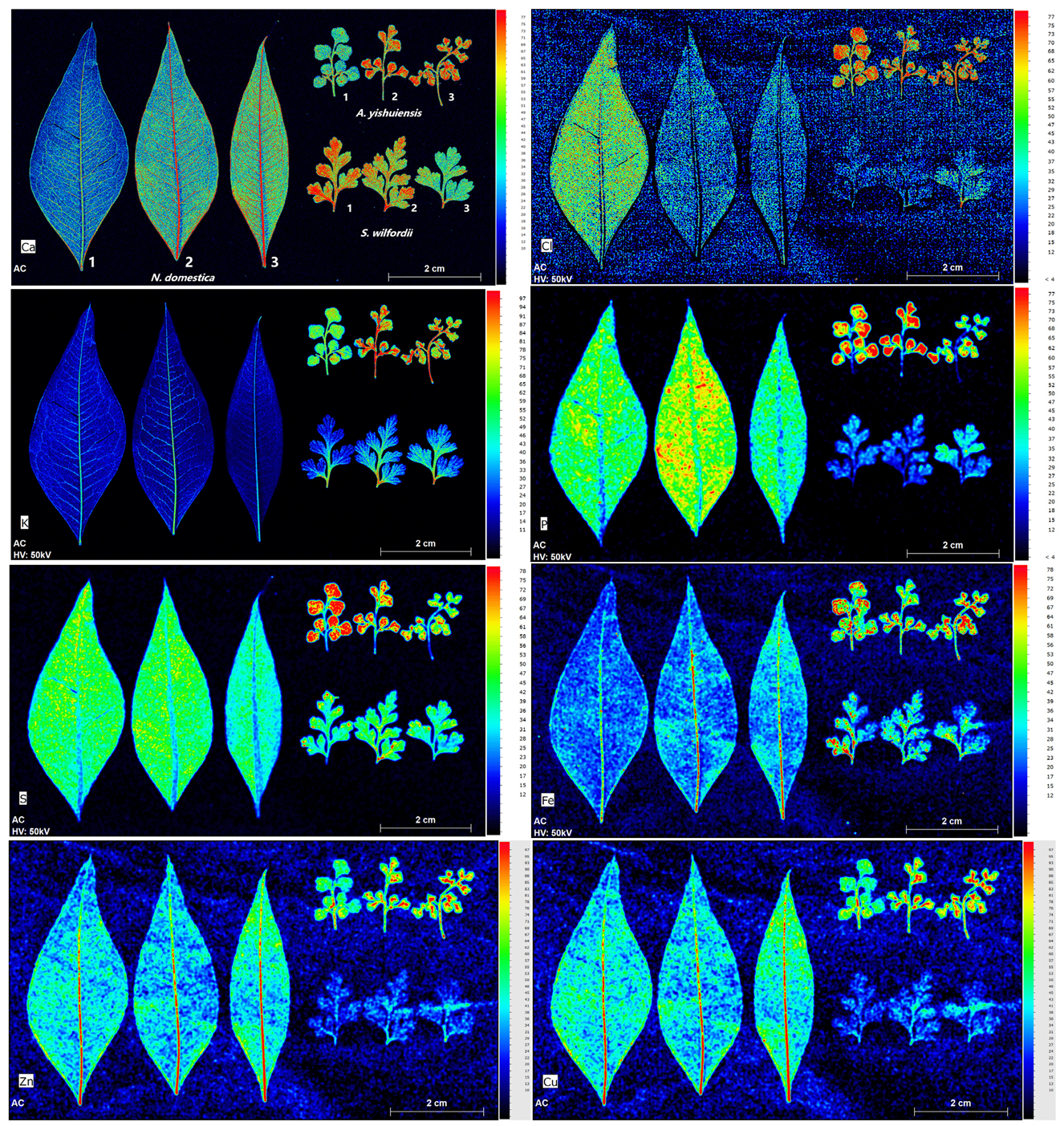
2.3.1. Elemental Accumulation in A. yishuiensis Fronds
2.3.2. High Mg and Fe Contents Without Toxicity
2.3.3. Vanadium Content and Medicinal Potential
2.4. Conservation Status
3. Discussion
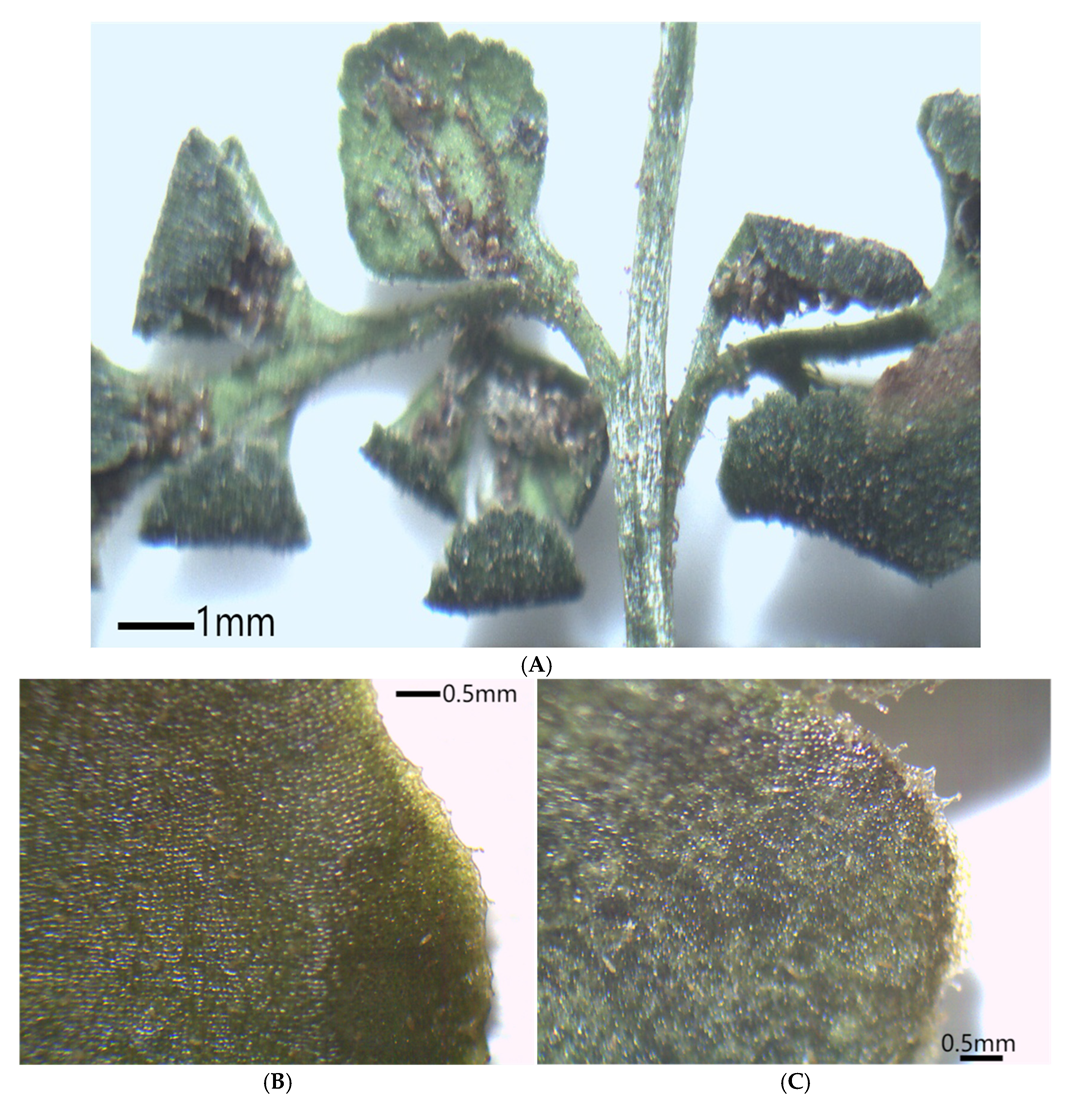
3.1. Morphological Differentiation Between Asplenium ruta-muraria and Asplenium yishuiensis
3.1.1. Frond Texture Differentiation: Coriaceous to Subcoriaceous vs. Herbaceous to Subsucculent
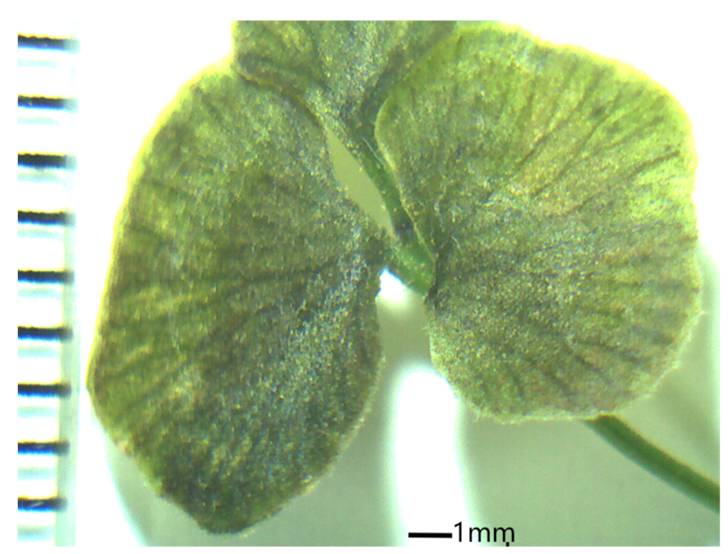
3.1.2. Frond Glandular Hair Differentiation: Sparsely Glandular-Hairy vs. Glabrous or Glandular Hairs Restricted to Petiole and Rachis
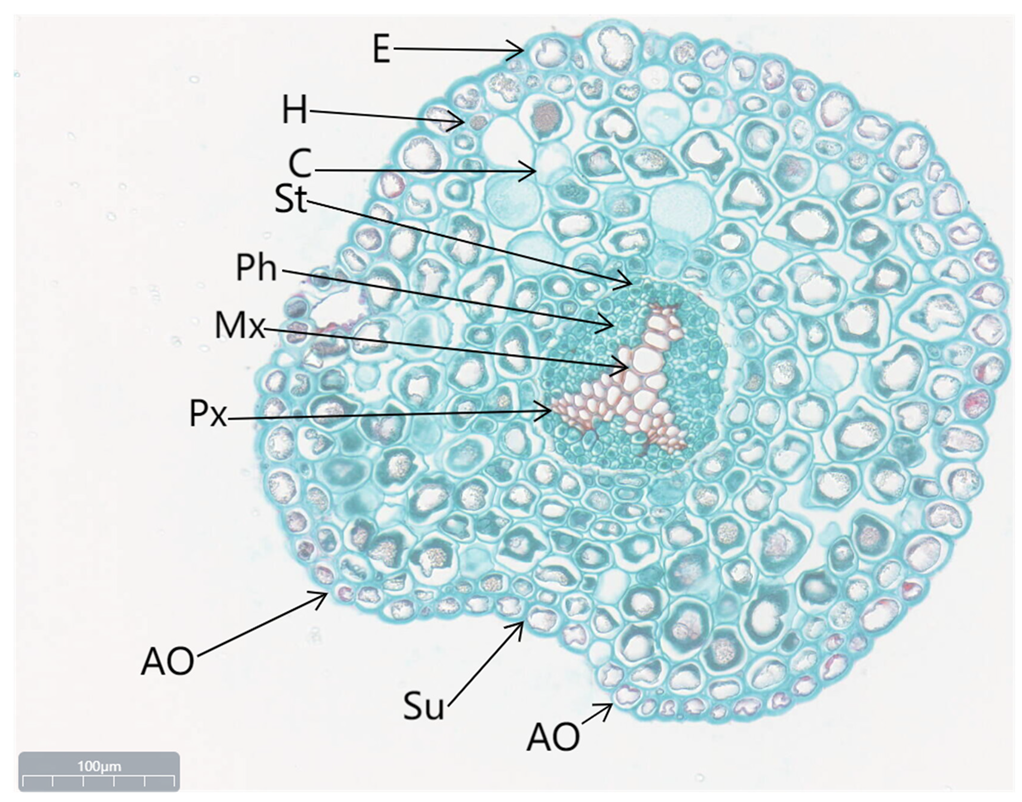
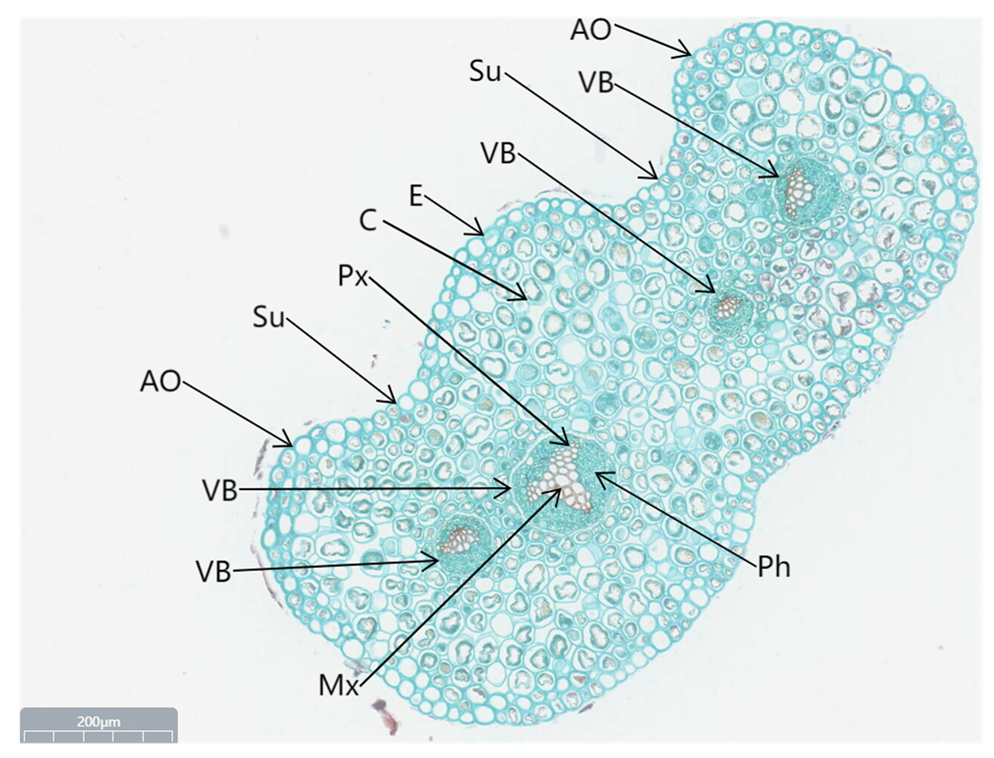
3.2. Anatomical Differentiation Between Asplenium ruta-muraria and Asplenium yishuiensis
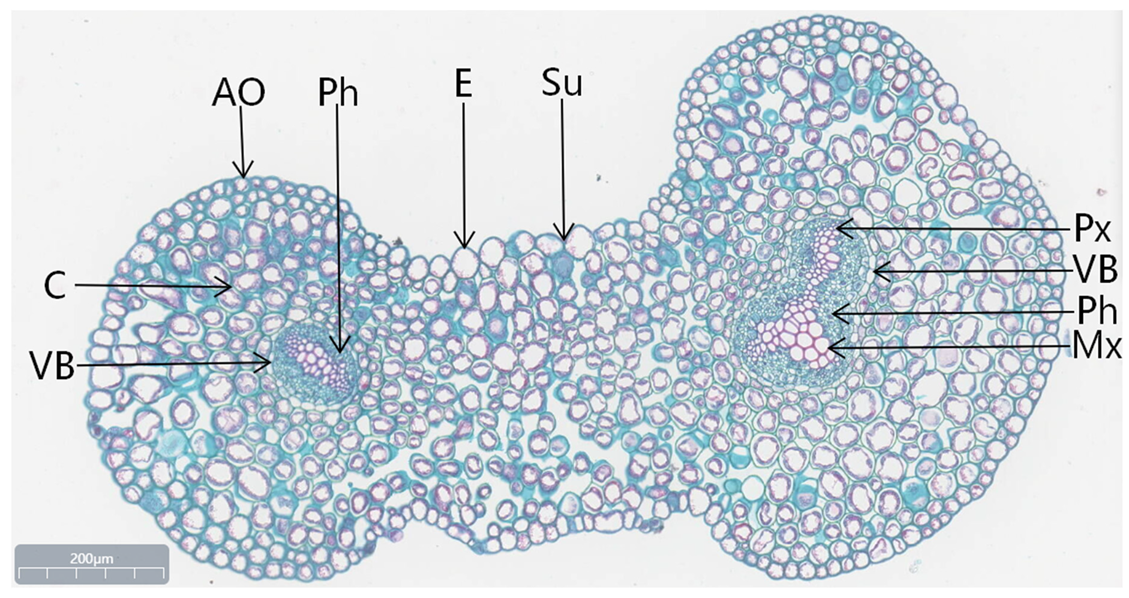
3.2.1. Petiole Anatomical Differentiation: Prominence of Auriculate Outgrowths and Number of Vascular Bundles
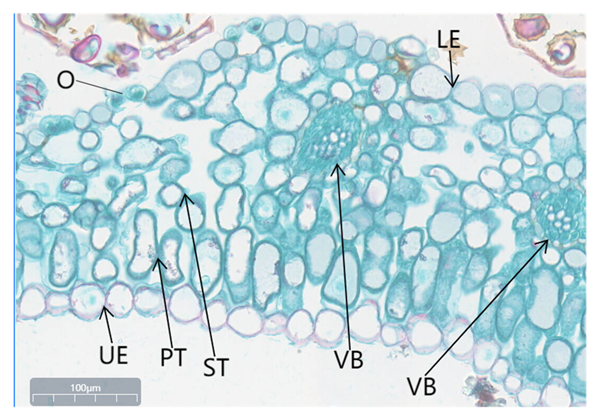
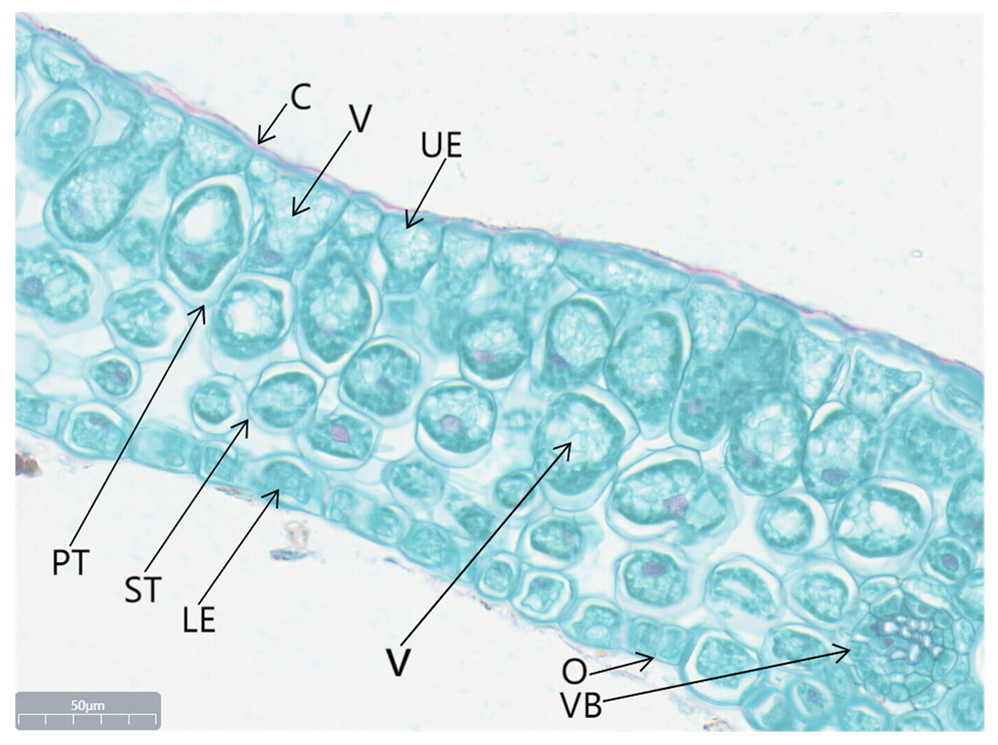
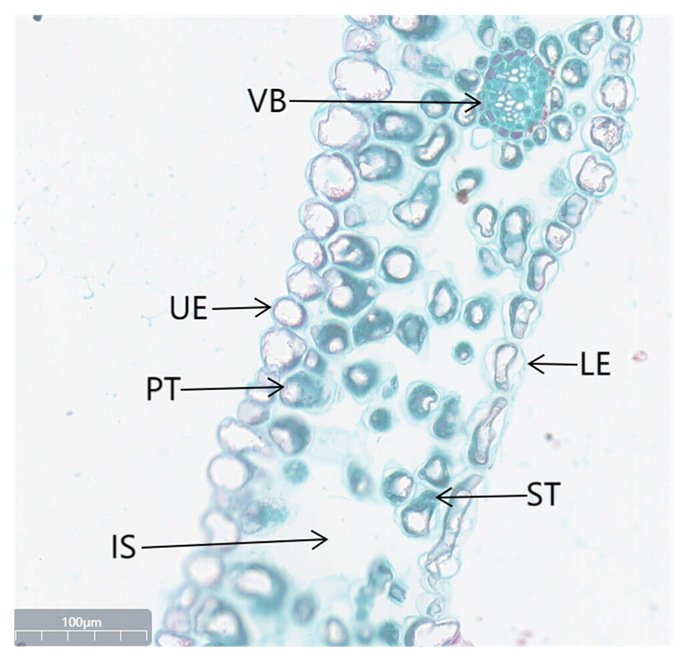
3.2.2. Lamina Anatomical Differentiation: Cuticle Presence, Mesophyll Thickness, and Number of Cell Layers (3–4 vs. 4–5)
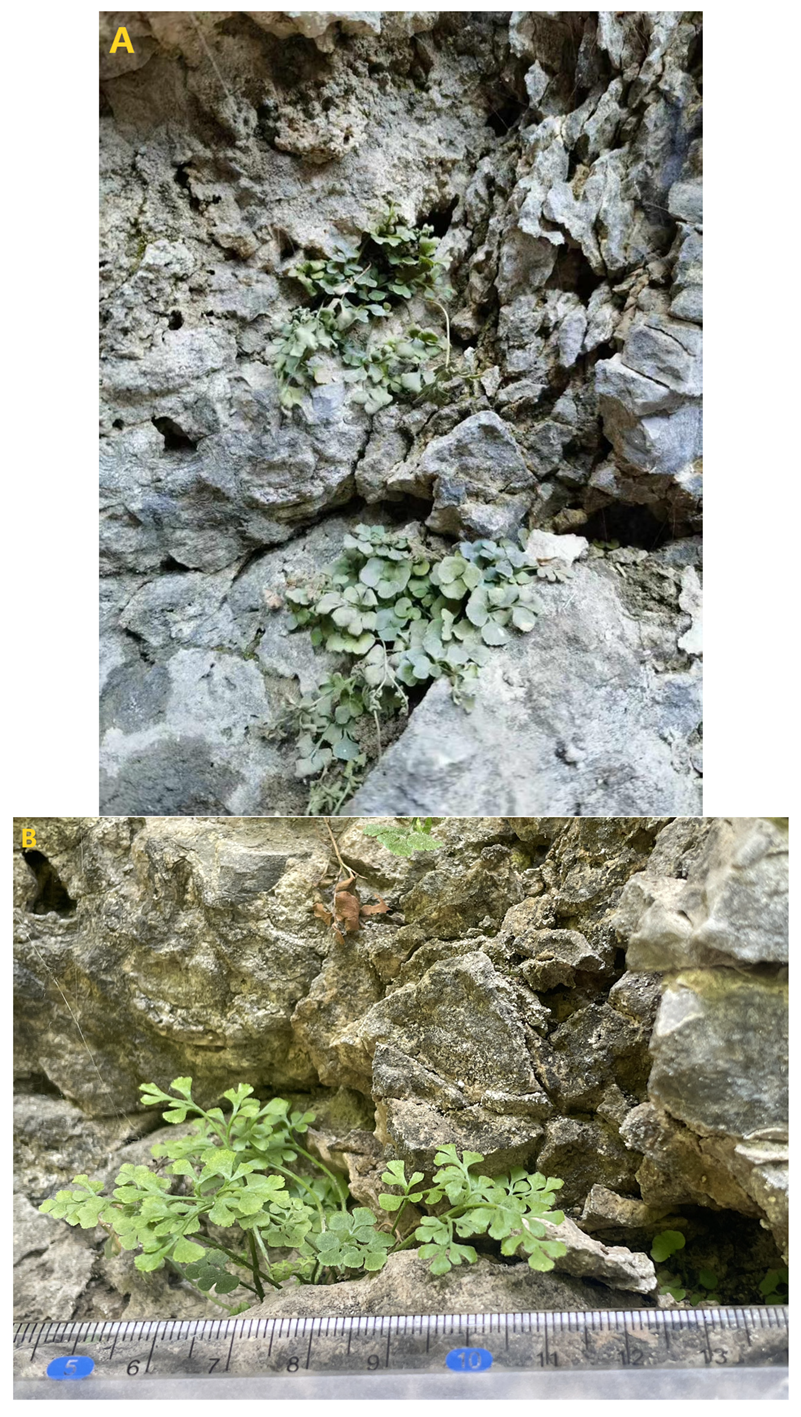
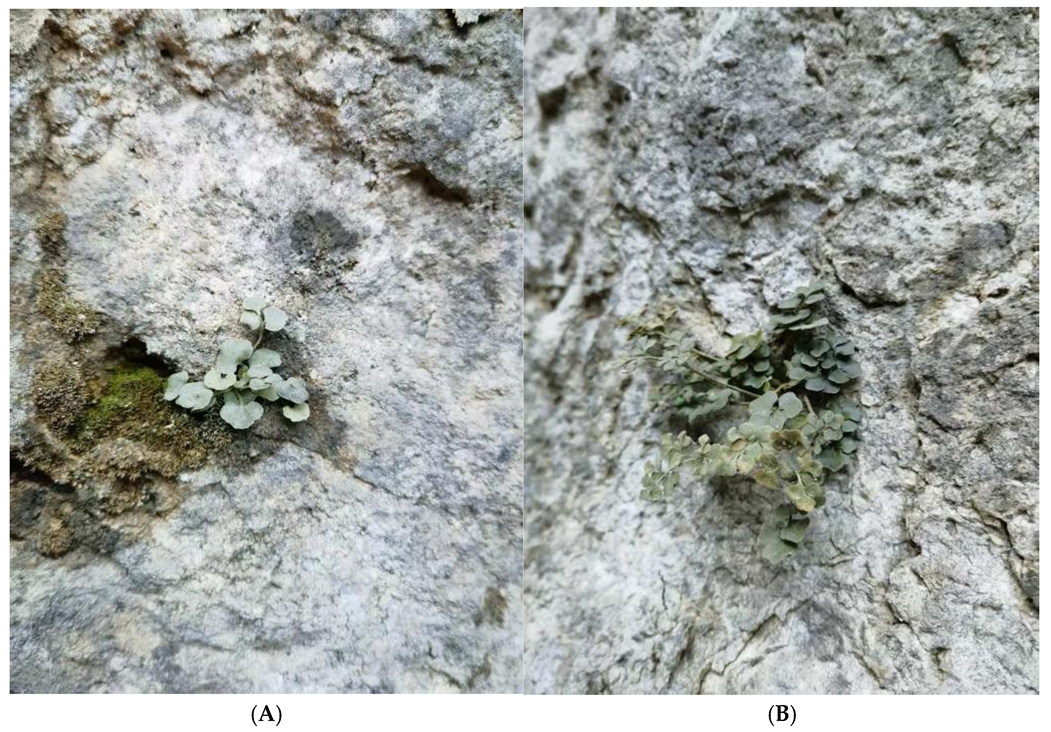
3.3. Winter Performance of Asplenium yishuiensis Fronds
3.4. Two-Tiered Physiological Hypothesis for Wintergreen Fronds in Asplenium yishuiensis Under Severe Subzero Temperatures
3.4.1. Physiological Hypothesis One
Use of Alternative Inorganic Ions (e.g., Na+) for Vacuolar Osmotic Adjustment
Ca2+ Indirectly Lowers Cellular Osmotic Potential
Substantial Ca Accumulation Is Not Restricted to Calcicole Plants
Association Between Ca2+ Accumulation and Plant Stress Resistance
The Apparent Paradox Between Ca2+ as an Osmoticum and the Narrow Concentration Range of Free Ca2+ in Plant Points to a Subtler, Easily Overlooked Biochemical Principle
How Do Certain Plants Achieve High Rates of Ca2+ Uptake While Maintaining Cytosolic Free Ca2+ Homeostasis and Preserving Its Second Messenger Function?
The Osmotic Role of Soluble CaBPs in Calcicole Ferns Under Chronic AR Stress
Regulation of Total Ca2+ Uptake by Transmembrane Ca2+ Equilibrium in Calcicole Ferns
A Robust Ca2+-Buffering Mechanism in Calcicole Ferns—Likely Involving Specialized Soluble CaBPs/Chelators in Both Vacuole and Cytosol—Is Required to Maintain Intracellular-Extracellular Ca2+ Homeostasis Under Chronic AR Stress
Specialized Ca-Buffering Proteins or Chelators in the Cytosol of Calcicole Ferns Would Not Interfere with [Ca2+]cyt Signaling
3.4.2. Physiological Hypothesis Two
Experimental Design to Test Whether Inorganic Anions Significantly Lower Cellular Osmotic Potential in Asplenium yishuiensis
- Objective: Determine whether native specialized Ca2+ storage proteins or chelators from A. yishuiensis present a net charge-positive after Ca2+ loading.
- Approach: Isolate candidate Ca2+ storage proteins or chelators (e.g., via Ca2+-affinity chromatography) from A. ruta-muraria and A. yishuiensis grown under high-Ca2+ conditions (AR). Measure zeta potential and net charge by capillary electrophoresis before and after Ca2+ saturation.
- Prediction: Ca2+-storage proteins or chelators from A. yishuiensis grown under AR will exhibit a significant increase in positive charge after Ca2+ binding, confirming their capacity to attract multiple inorganic anions.
- Objective: Test whether high-Ca2+ stress induces significant accumulation of mobile anions in A. yishuiensis.
- Approach: Quantify cytosolic Cl−, NO3−, and malate2− concentrations (using ion chromatography or fluorescent sensors) in A. yishuiensis and Adiantum capillus-veneris after 4 weeks of growth on calcareous soils.
- Prediction: A. yishuiensis will show significantly higher Cl−, NO3−, or malate2− levels under AR, while the Adiantum capillus-veneris will not.
- Objective: Establish causality between anion influx and osmotic adjustment.
- Approach: Treat high-Ca2+-grown A. yishuiensis with anion channel inhibitors (e.g., niflumic acid for Cl− channels, bafilomycin for vacuolar malate transporters). Measure cytosolic osmolarity (via protoplast incipient plasmolysis) and freezing tolerance (LT50) after 7 days.
- Prediction: Anion channel inhibition will abolish the high-Ca2+-induced increase in osmolarity and freeze tolerance, confirming that anion influx is the causative agent.
- While the morphological and anatomical evidence robustly supports the recognition of A. yishuiensis as a distinct species, future studies incorporating population-level sampling and molecular phylogenetic analyses would provide additional resolution of its evolutionary relationships and genetic diversity
- In addition to the calcium-mediated osmotic adjustment proposed here, other well-known cryoprotective mechanisms—such as the accumulation of compatible osmolytes, cold-regulated proteins, and antioxidant systems—may also contribute to the remarkable freezing tolerance of A. yishuiensis. Future studies should investigate these pathways to provide a more comprehensive understanding
- Freezing tolerance (LT50) via controlled freezing assays and electrolyte leakage under a temperature gradient (0 °C, −5 °C, −10 °C, −20 °C).
Nitrate (NO3−) and Chloride (Cl−) Are the Most Effective Inorganic Anions for Lowering Cellular Osmotic Potential
3.5. Medicinal Properties and Future Perspectives
3.6. Potential Applications in Enhancing Stress Tolerance of Crops
4. Materials and Methods
5. Conclusions
Supplementary Materials
Author Contributions
Funding
Data Availability Statement
Acknowledgments
Conflicts of Interest
References
- Institute of Botany; Chinese Academy of Sciences (IBCAS). Asplenium L. In iPlant Plant Species Information System; Institute of Botany, Chinese Academy of Sciences (IBCAS): Beijing, China; Available online: http://www.iplant.cn/info/Asplenium?t=z (accessed on 14 May 2026).
- Ching, R.C.; Wu, S.H. A study on Asplenium varians and some confused species. Acta Phytotax. Sin. 1985, 23, 1–10. [Google Scholar]
- Tutin, T.G.; Heywood, V.H.; Burges, N.A.; Moore, D.M.; Valentine, D.H.; Walters, S.M.; Webb, D.A. Flora Europaea; Volume 1; Lycopodiaceae to Platanaceae; Cambridge University Press: Cambridge, UK, 1964; p. 43. [Google Scholar] [CrossRef]
- Institute of Botany; Chinese Academy of Sciences (IBCAS). Asplenium ruta-muraria L. In iPlant Plant Species Information System; Institute of Botany, Chinese Academy of Sciences (IBCAS): Beijing, China; Available online: http://www.iplant.cn/info/Asplenium%20ruta-muraria?t=foc (accessed on 13 March 2026).
- Sakai, A.; Larcher, W. Frost Survival of Plants: Responses and Adaptation to Freezing Stress; Springer: Berlin, Germany, 1987; pp. 70, 73, 75, 85, 134. [Google Scholar]
- Körner, C. Alpine Plant Life: Functional Plant Ecology of High Mountain Ecosystems, 2nd ed.; Springer: Berlin, Germany, 2003; pp. 25+221. [Google Scholar]
- Mitra, G.N. Regulation of Nutrient Uptake by Plants: A Biochemical and Molecular Approach; Springer: New Delhi, India, 2015. [Google Scholar]
- Wu, P.; Cui, Y.C.; Zhao, W.J.; Hou, Y.J.; Zhu, J.; Ding, F.J.; Yang, W.B. Leaf Stoichiometric Characteristics of 68 Typical Plant Species in Maolan National Nature Reserve, Guizhou, China. Acta Ecol. Sin. 2020, 40, 5063–5080. [Google Scholar]
- Bercu, R. Contributions to the anatomy of Asplenium ruta-muraria. Stud. Bot. Hung. 2005, 36, 13–20. [Google Scholar]
- Derzhavina, N.M.; Silant’eva, L.A. Nekotorye anatomo-morfologicheskie osobennosti vidov roda Asplenium (Aspleniaceae) v svyazi s ikh ekologiei. Bot. Zh. 2003, 88, 46–59. [Google Scholar]
- Wang, H.Y.; Shen, Q.H.; Zhou, J.M.; Wang, J.; Du, C.W.; Chen, X.Q. Plants Use Alternative Strategies to Utilize Nonexchangeable Potassium in Minerals. Plant Soil 2011, 343, 209–220. [Google Scholar] [CrossRef]
- Venkatesan, S.; Jayaganesh, S. Characterisation of Magnesium Toxicity, Its Influence on Amino Acid Synthesis Pathway and Biochemical Parameters of Tea. Res. J. Phytochem. 2010, 4, 67–77. [Google Scholar] [CrossRef]
- Species Account: Asplenium ruta-muraria L. Available online: https://fermanagh.bsbi.org/asplenium-ruta-muraria-l (accessed on 12 March 2026).
- Lamarck, J.B. Flore Françoise, ou Description Succincte de Toutes les Plantes Qui Croissent Naturellement en France; Imprimerie Royale: Paris, France, 1778; Volume 1, p. 28. [Google Scholar]
- Roucel, F. Flore du Nord de la France, ou Description des Plantes Indigènes et de Celles Cultivées Dans les Départemens de la Lys, de l’Escaut, de la Dyle et des Deux-Nèthes; Veuve Richard: Paris, France, 1803; Volume 2, p. 412. [Google Scholar]
- Hooker, W.J.; Baker, J.G. Synopsis Filicum: Or, a Synopsis of All Known Ferns, 2nd ed.; W.H. Allen & Co: London, UK, 1883; p. 213. [Google Scholar]
- Milde, J. Filices Europae et Atlantidis, Asiae Minoris et Sibiriae; A. Felix: Lipsiae, Germany, 1867; pp. 76+78–81. [Google Scholar]
- Christ, H. Die Farnkräuter der Erde: Beschreibende Darstellung der Geschlechter und Wichtigeren Arten der Farnpflanzen Mit Besonderer Berücksichtigung der Exotischen; Gustav Fischer: Jena, Germany, 1897; p. 202. [Google Scholar]
- Diels, L. Eufllicineae. In Die Natürlichen Pflanzenfamilien Nebst Ihren Gattungen und Wichtigeren Arten Insbesondere den Nutzpflanzen; Engler, A., Prantl, K., Eds.; Teil 1, Abteilung 1: Pteridophyta; Wilhelm Engelmann: Leipzig, Germany, 1902; p. 240. [Google Scholar]
- Coste, H. Flore Descriptive et Illustrée de la France, de la Corse et des Contrées Limitrophes; Paul Klincksieck: Paris, France, 1906; Volume 3, p. 693. [Google Scholar]
- Wu, S.H. (Ed.) Reipublicae Popularis Sinicae; Tomus 4(2): Pteridophyta (Aspleniaceae, Pleurosoriopsidaceae, Onocleaceae, Woodsiaceae, Blechnaceae, Peranemaceae); Science Press: Beijing, China, 1999; pp. 82–83. [Google Scholar]
- Fernald, M.L. The American representatives of Asplenium ruta-muraria. Rhodora 1928, 30, 37–49. [Google Scholar] [CrossRef]
- Pinkerton, M.E. Ferns and Fern Allies of Missouri; Washington University: St. Louis, MO, USA, 1933; p. 52. [Google Scholar]
- Davis, P.H. (Ed.) Flora of Turkey and the East Aegean Islands; Edinburgh University Press: Edinburgh, UK, 1965; Volume 1, pp. 51–52. [Google Scholar]
- Page, C.N. The Ferns of Britain and Ireland, 2nd ed.; Cambridge University Press: Cambridge, UK, 1997; p. 16. [Google Scholar]
- Nagar, D.P.; Singh, S.B. Recollection of a rare fern Asplenium ruta-muraria L. from Ladakh. Indian J. For. 2010, 33, 111–112. [Google Scholar] [CrossRef]
- Ryff, L.E. Asplenium lepidum C. Presl subsp. haussnechtii (Godet et Reut.) Brownsey (Aspleniaceae)—A new taxon of ferns for the flora of Eastern Europe. Ukr. Bot. J. 2013, 70, 485–489. [Google Scholar]
- Strid, A. Atlas of the Aegean Flora; Part 1: Text & Plates; Englera 33; Botanic Garden and Botanical Museum: Berlin, Germany, 2016. [Google Scholar]
- GBIF Occurrence Download. Available online: https://www.gbif.org/species/2650625 (accessed on 13 March 2026). [CrossRef]
- Asplenium ruta-muraria L. Available online: https://worldfloraonline.org/taxon/wfo-0001407497 (accessed on 14 March 2026).
- Evans, A.; Reed, J. Help us to improve our knowledge of fern hardiness. Pteridologist 2019, 6, 507. [Google Scholar]
- Mohr, C. Plant life of Alabama: An account of the distribution, modes of association, and adaptations of the flora of Alabama, together with a systematic catalogue of the plants growing in the state. Contr. U.S. Natl. Herb. 1901, 6, 1–921. [Google Scholar]
- Graves, E.W. The fern flora of Alabama. Am. Fern J. 1920, 10, 65–82. [Google Scholar] [CrossRef]
- Pugsley, F.W. More ferns of the vicinity of Irvine, Kentucky. Am. Fern J. 1929, 19, 58–60. [Google Scholar] [CrossRef]
- Peck, J.H. New and noteworthy additions to the Arkansas fern flora. Phytoneuron 2011, 30, 1–33. [Google Scholar]
- Vojtkó, A. Asplenium lepidum C. Presl in Hungary. Acta Bot. Hung. 1995, 39, 243–248. [Google Scholar]
- Röhner, G.; Bujnoch, W. Asplenium ruta-muraria L. subsp. ruta-muraria var. schriesheimense, eine neue Varietät der Mauerraute. Bot. Nat. Hess. 2013, 26, 17–31. [Google Scholar]
- Flora of North America Editorial Committee. Flora of North America North of Mexico; Oxford University Press: New York, NY, USA, 1993; Volume 1. [Google Scholar]
- Muminov, D.; Khaydarov, K.; Zafar, M.; Rizwana, H.; Elshikh, M.S.; Makhkamov, T.; Majeed, S.; Sultanovich, I.B.; Mukumov, I.; Umurzakova, Z.; et al. Fronds micromorphology and anatomical parameters among selected ferns species in Uzbekistan. Rend. Lincei Sci. Fis. Nat. 2025, 36, 293–301. [Google Scholar] [CrossRef]
- Zhang, Y.; Lan, S.Y.; Wang, R.X.; Deng, X.C. Anatomical characteristics and taxonomic significance of transverse sections from petiole and pinnule of Plagiogyria. Guihaia 2019, 39, 312–317. [Google Scholar] [CrossRef]
- Yan, C.J. Morphology of Spore Plants, 1st ed.; Higher Education Press: Beijing, China, 1959. [Google Scholar]
- Kato, M. The vascular structure and its taxonomic significance in the Athyriaceae. Acta Phytotax. Geobot. 1972, 25, 79–91. [Google Scholar]
- Wang, X.H. A study on the leaf comparative anatomy of Dryopteridaceae in Northeast of China. Bull. Bot. Res. 2001, 21, 175–179. [Google Scholar]
- Zhou, F.Q.; Guo, Q.M.; Tang, S.; Li, J.X. Morphological and anatomical studies on two genera of Athyriaceae from Shandong Province. Acta Bot. Boreal. Occid. Sin. 2006, 26, 1569–1574. [Google Scholar]
- Wu, Z.H.; Qin, C.R. A Systematic Account of the Families and Genera of Chinese Ferns; Science Press: Beijing, China, 1991. [Google Scholar]
- Firoozi, S.; Arzac, M.I.; García-Plazaola, J.I.; Quintanilla, L.G.; Fernández-Marín, B. Survival below zero: Overlooked aspects of freezing-tolerance in photosynthetic fern tissues. Plant Ecophysiol. 2025, 1, 8. [Google Scholar] [CrossRef]
- Stegner, M.; Strasser, A.-L.; Neuner, G. Supercooling cells of frost hardy palm leaves: Quantified percentage of frozen water and displacement from thermodynamic equilibrium. Environ. Exp. Bot. 2024, 226, 105895. [Google Scholar] [CrossRef]
- Newman, E. A History of British Ferns; John Van Voorst: London, UK, 1854; p. 255. [Google Scholar]
- Pretz, H.W. Flora of Lehigh County, Pennsylvania—I. Bull. Torrey Bot. Club 1911, 38, 45–78. [Google Scholar] [CrossRef]
- Rodwell, J.S. OV39: Asplenium trichomanes-Asplenium ruta-muraria community: Asplenietum trichomano-rutae-murariae R.Tx. 1937. In British Plant Communities; Rodwell, J.S., Ed.; Volume 5: Maritime Communities and Vegetation of Open Habitats; Cambridge University Press: Cambridge, UK, 2000; p. 230. [Google Scholar]
- Feder, J. Die Mauerraute Asplenium ruta-muraria L. im Tiefland von Niedersachsen (mit Bremen—Nordwest-Deutschland). Braunschw. Geobot. Arb. 2008, 9, 139–165. [Google Scholar]
- Proctor, M.C.F. Desiccation tolerance in some British ferns. Fern Gaz. 2009, 18, 264–282. [Google Scholar]
- Walkowiak, R. CTC Digital Plant Collection 2020: Asplenium ruta-muraria ssp. ruta-muraria; CTC Biology Team: Przemysl, Poland, 2020. [Google Scholar] [CrossRef]
- Živković, S.; Milutinovic, M.; Maksimovic, V.; Ciric, A.; Ivanov, M.; Bozunovic, J.; Banjanac, T.; Misic, D. Antioxidant and antimicrobial activity of two Asplenium species. S. Afr. J. Bot. 2020, 132, 180–187. [Google Scholar] [CrossRef]
- Alejo-Jacuinde, G.; Herrera-Estrella, L. Exploring the high variability of vegetative desiccation tolerance in pteridophytes. Plants 2022, 11, 1222. [Google Scholar] [CrossRef]
- Li, A.H.; Wang, D.D.; Li, W.Q. Resurrection characteristics, photosynthetic and physiological response to dehydration and rehydration of two species in Gesneriaceae with different habitats. Guihaia 2022, 42, 199–209. [Google Scholar] [CrossRef]
- Aros-Mualin, D.; Kessler, M. Untangling poikilohydry and desiccation tolerance: Evolutionary and macroecological drivers in ferns. Ann. Bot. 2024, 134, 1139–1150. [Google Scholar] [CrossRef]
- Chen, P.; Jung, N.U.; Giarola, V.; Bartels, D. The dynamic responses of cell walls in resurrection plants during dehydration and rehydration. Front. Plant Sci. 2020, 10, 1698. [Google Scholar] [CrossRef]
- Voronkov, A.; Ivanova, T. Asplenium scolopendrium sporophyte adapts to winter conditions by changing its lipid fatty acid composition. In Prime Archives in Biosciences, 2nd ed.; Vide Leaf: Hyderabad, India, 2022. [Google Scholar] [CrossRef]
- Loesch, R.; Biron, U.; Patrias, T.; Hoeptner, B. Gas exchange and water relations of Asplenium ferns growing on limestone rocks. Nova Hedwig. 2007, 84, 221–236. [Google Scholar]
- Fernández-Marín, B.; Arzac, M.I.; López-Pozo, M.; Laza, J.M.; Roach, T.; Stegner, M.; Neuner, G.; García-Plazaola, J.I. Frozen in the dark: Interplay of night-time activity of xanthophyll cycle, xylem attributes, and desiccation tolerance in fern resistance to winter. J. Exp. Bot. 2021, 72, 3168–3184. [Google Scholar] [CrossRef]
- Proctor, M.C.F.; Tuba, Z. Poikilohydry and homoiohydry: Antithesis or spectrum of possibilities? New Phytol. 2002, 156, 327–349. [Google Scholar] [CrossRef] [PubMed]
- López-Pozo, M.; Fernández-Marín, B.; García-Plazaola, J.I.; Ballesteros, D. Desiccation tolerance in ferns: From the unicellular spore to the multi-tissular sporophyte. In Current Advances in Fern Research; Fernández, H., Ed.; Springer: Cham, Switzerland, 2018; pp. 401–426. [Google Scholar] [CrossRef]
- BassiriRad, H.; Radin, J.W.; Matsuda, K. Temperature-dependent water and ion transport properties of barley and sorghum roots: I. Relationship to leaf growth. Plant Physiol. 1991, 97, 426–432. [Google Scholar] [CrossRef] [PubMed]
- Michaletz, S.T.; Weiser, M.D.; Zhou, J.; Kaspari, M.; Helliker, B.R.; Enquist, B.J. Plant thermoregulation: Energetics, trait–environment interactions, and carbon economics. Trends Ecol. Evol. 2015, 30, 714–724. [Google Scholar] [CrossRef] [PubMed]
- Wang, Y.R.; Yang, B.F.; Lei, Y.P.; Xiong, S.W.; Han, Y.C.; Wang, Z.B.; Feng, L.; Li, X.F.; Xing, F.F.; Xin, M.H.; et al. Analysis of variation of cotton leaf temperature and its influencing factors based on infrared sensors. Cotton Sci. 2022, 34, 235–246. [Google Scholar] [CrossRef]
- Zhou, Y.Y.; Kitudom, N.; Fauset, S.; Slot, M.; Fan, Z.X.; Wang, J.P.; Liu, W.W.; Lin, H. Leaf thermal regulation strategies of canopy species across four vegetation types along a temperature and precipitation gradient. Agric. For. Meteorol. 2023, 343, 109766. [Google Scholar] [CrossRef]
- Ayituerhan; Tan, D.Y.; Li, Z.J.; Yao, F. Study on the relationship between the structure of vegetative organs of Chorispora bungeana and its environment. J. Xinjiang Agric. Univ. 1998, 21, 273–277. [Google Scholar] [CrossRef]
- Zhang, H. Cloning, Expression and Functional Analysis of BADH and LEA Genes from Chorispora bungeana. Ph.D. Thesis, Lanzhou University, Lanzhou, China, 2007. [Google Scholar]
- Sun, Z.L. Differential Proteomics Research on Chorispora bungeana Under Low Temperature. Ph.D. Thesis, Lanzhou University, Lanzhou, China, 2011. [Google Scholar]
- Fu, X.Y.; Chang, J.F.; An, L.Z.; Zhang, M.Z.; Xu, S.J.; Chen, T.; Liu, Y.H.; Xin, H.; Wang, J.H. Association of the cold-hardiness of Chorispora bungeana with the distribution and accumulation of calcium in the cells and tissues. Environ. Exp. Bot. 2006, 55, 282–293. [Google Scholar] [CrossRef]
- Fu, X.Y. The Relationship Between Calcium Ions and Cold Resistance in Alpine Subnival Plants and Its Signal Transduction Mechanism. Ph.D. Thesis, Cold and Arid Regions Environmental and Engineering Research Institute, Chinese Academy of Sciences, Lanzhou, China, 2005. [Google Scholar]
- Chang, J.F. Studies on the Chilling Resistance Mediated by the Alternative Pathway of Mitochondria in Chorispora bungeana. Ph.D. Thesis, Lanzhou University, Lanzhou, China, 2007. [Google Scholar]
- Ding, S. Study of Relationship Between Endophytic Bacteria Isolated from Subnival Plants and Chilling Tolerance of Chorispora bungeana. Ph.D. Thesis, Lanzhou University, Lanzhou, China, 2011. [Google Scholar]
- Li, Y.H. Studies on Physiological Mechanisms in Response to Low Temperature and Drought in Regenerated seedlings of Chorispora bungeana. Ph.D. Thesis, Lanzhou University, Lanzhou, China, 2010. [Google Scholar]
- Yang, N.; Ding, F.X.; Wang, C.L.; Ma, J.; Shi, J.Y.; An, L.Z. Effects of low temperature stress on osmotic and protective enzyme system in Chorispora bungeana plantlets in vitro. J. Sichuan Univ. (Nat. Sci. Ed.) 2014, 51, 385–390. [Google Scholar] [CrossRef]
- Hu, H.Y.; Zhao, Z.Y.; Ma, D.D.; An, L.Z.; Zhao, L.; Yue, X. Proteomic insights into the regulatory mechanisms of the freezing response in the alpine subnivale plant Chorispora bungeana. Int. J. Mol. Sci. 2024, 25, 13381. [Google Scholar] [CrossRef]
- Leigh, R.A.; Wyn Jones, R.G. Hypothesis relating critical potassium concentrations for growth to the distribution and functions of this ion in the plant cell. New Phytol. 1984, 97, 1–3. [Google Scholar] [CrossRef]
- Hinde, P. The Role of Potassium as an Osmoticum in Barley Leaf Cells. Ph.D. Thesis, Bangor University, Bangor, UK, 1994. [Google Scholar]
- Voytena, A.P.L.; Minardi, B.D.; Barufi, J.B.; Santos, M.; Randi, Á.M. Pleopeltis pleopeltifolia (Polypodiopsida, Polypodiaceae), a poikilochlorophyllous desiccation-tolerant fern: Anatomical, biochemical and physiological responses during water stress. Aust. J. Bot. 2014, 62, 647–656. [Google Scholar] [CrossRef]
- Flores-Galván, C.; Márquez-Guzmán, J.; Mata-Rosas, M.; Watkins, J.E., Jr.; Mehltreter, K. Leaf nutrient composition of calcicole and calcifuge Mexican ferns and their correlation with underlying substrates. Plant Ecol. 2025, 226, 295–308. [Google Scholar] [CrossRef]
- He, R.; Liu, Y.; Song, C.C.; Feng, G.; Song, J. Osmotic regulation beyond nitrate nutrients in plant resistance to stress: A review. Plant Growth Regul. 2024, 103, 1–8. [Google Scholar] [CrossRef]
- Ding, X.D.; Tian, C.Y.; Zhang, S.R.; Song, J.; Zhang, F.S.; Mi, G.H.; Feng, G. Effects of NO3−-N on the growth and salinity tolerance of Tamarix laxa Willd. Plant Soil 2010, 331, 57–67. [Google Scholar] [CrossRef]
- Nieves-Cordones, M.; García-Sánchez, F.; Pérez-Pérez, J.G.; Colmenero-Flores, J.M.; Rubio, F.; Rosales, M.A. Coping with water shortage: An update on the role of K+, Cl−, and water membrane transport mechanisms on drought resistance. Front. Plant Sci. 2019, 10, 1619. [Google Scholar] [CrossRef] [PubMed]
- Conn, S.; Gilliham, M. Comparative physiology of elemental distributions in plants. Ann. Bot. 2010, 105, 1081–1102. [Google Scholar] [CrossRef]
- Han, N. Vacuolar Ca2+ Active Transporters in Suaeda salsa and Their Role in Salt Tolerance. Ph.D. Thesis, Shandong Normal University, Jinan, China, 2005. [Google Scholar]
- Ozolina, N.V.; Kolesnikova, E.V.; Nurminsky, V.N.; Nesterkina, I.S.; Dudareva, L.V.; Lapteva, T.I.; Salyaev, R.K. The influence of osmotic stress on the content of calcium ions in the red beet vacuoles and on the transport activity of tonoplast proton pumps. J. Stress Physiol. Biochem. 2012, 8, 199–209. [Google Scholar]
- Coelho, A.R.F.; Lidon, F.C.; Pessoa, C.C.; Marques, A.C.; Luís, I.C.; Caleiro, J.; Simões, M.; Kullberg, J.; Legoinha, P.; Brito, M.; et al. Can foliar pulverization with CaCl2 and Ca(NO3)2 trigger Ca enrichment in Solanum tuberosum L. tubers? Plants 2021, 10, 245. [Google Scholar] [CrossRef]
- Franceschi, V.R. Calcium oxalate formation is a rapid and reversible process in Lemna minor L. Protoplasma 1989, 148, 130–137. [Google Scholar] [CrossRef]
- Khan, M.-I.; Bashir, N.; Pandith, S.; Shah, M.; Reshi, Z.; Shahzad, A. Rhubarb: A novel model plant to study the conundrum of calcium oxalate synthesis. Food Chem. 2024, 434, 137458. [Google Scholar] [CrossRef]
- Wdowiak, A.; Podgórska, A.; Szal, B. Calcium in plants: An important element of cell physiology and structure, signaling, and stress responses. Acta Physiol. Plant. 2024, 46, 108. [Google Scholar] [CrossRef]
- Zheng, Y.; Chen, Z.J. Organellar calcium signaling in plants. Plant Physiol. J. 2015, 51, 1195–1203. [Google Scholar] [CrossRef]
- Stael, S.; Wurzinger, B.; Mair, A.; Mehlmer, N.; Vothknecht, U.C.; Teige, M. Plant organellar calcium signalling: An emerging field. J. Exp. Bot. 2012, 63, 1525–1542. [Google Scholar] [CrossRef]
- Wang, Y.; Gao, G.D.; Ge, M.M.; Chang, Y.; Tan, J.; Ge, X.H.; Wang, J.; Wang, B.; Zhou, G.S.; Fu, T.D. Function and application of calcium in plant growth and development. Acta Agron. Sin. 2024, 50, 793–807. [Google Scholar] [CrossRef]
- Gadd, G.M. Fungal production of citric and oxalic acid: Importance in metal speciation, physiology and biogeochemical processes. Adv. Microb. Physiol. 1999, 41, 47–92. [Google Scholar]
- Gao, H.B.; Wu, X.L.; Zorrilla, C.; Vega, S.E.; Palta, J.P. Fractionating of calcium in tuber and leaf tissues explains the calcium deficiency symptoms in potato plant overexpressing CAX1. Front. Plant Sci. 2020, 10, 1793. [Google Scholar] [CrossRef]
- Conn, S.J.; Gilliham, M.; Athman, A.; Schreiber, A.W.; Baumann, U.; Moller, I.; Cheng, N.-H.; Stancombe, M.A.; Hirschi, K.D.; Webb, A.A.R.; et al. Cell-specific vacuolar calcium storage mediated by CAX1 regulates apoplastic calcium concentration, gas exchange, and plant productivity in Arabidopsis. Plant Cell 2011, 23, 240–257. [Google Scholar] [CrossRef]
- Kour, J.; Khanna, K.; Singh, A.D.; Dhiman, S.; Bhardwaj, T.; Devi, K.; Sharma, N.; Ohri, P.; Bhardwaj, R. Calcium’s multifaceted functions: From nutrient to secondary messenger during stress. S. Afr. J. Bot. 2023, 152, 247–263. [Google Scholar] [CrossRef]
- Liao, J.X.; Liang, D.Y.; Jiang, Q.W.; Mo, L.; Pu, G.Z.; Zhang, D. Growth performance and element concentrations reveal the calcicole-calcifuge behavior of three Adiantum species. BMC Plant Biol. 2020, 20, 327. [Google Scholar] [CrossRef]
- Borchert, R. Calcium acetate induces calcium uptake and formation of calcium-oxalate crystals in isolated leaflets of Gleditsia triacanthos L. Planta 1986, 168, 571–578. [Google Scholar] [CrossRef]
- Hoagland, D.R.; Davis, A.R. The composition of the cell sap of the plant in relation to the absorption of ions. J. Gen. Physiol. 1923, 5, 629–646. [Google Scholar] [CrossRef]
- Dai, S.X.; Chen, S.L. Research advances on ion channels in plant root cells. J. Beijing For. Univ. 2005, 27, 98–103. [Google Scholar] [CrossRef]
- Heyen, B.J.; Alsheikh, M.K.; Smith, E.A.; Torvik, C.F.; Seals, D.F.; Randall, S.K. The calcium-binding activity of a vacuole-associated, dehydrin-like protein is regulated by phosphorylation. Plant Physiol. 2002, 130, 675–687. [Google Scholar] [CrossRef]
- Hassan, A.M.; Wesson, C.; Trumble, W.R. Calreticulin is the major Ca2+ storage protein in the endoplasmic reticulum of the pea plant (Pisum sativum). Biochem. Biophys. Res. Commun. 1995, 211, 54–59. [Google Scholar] [CrossRef]
- Wyatt, S.E.; Tsou, P.L.; Robertson, D. Expression of the high capacity calcium-binding domain of calreticulin increases bioavailable calcium stores in plants. Transgenic Res. 2002, 11, 1–10. [Google Scholar] [CrossRef]
- Yang, Z.; Zhang, X.; Ye, S.W.; Zheng, J.T.; Huang, X.W.; Yu, F.; Chen, Z.G.; Cai, S.Q.; Zhang, P. Molecular mechanism underlying regulation of Arabidopsis CLCa transporter by nucleotides and phospholipids. Nat. Commun. 2023, 14, 4879. [Google Scholar] [CrossRef]
- Du, G.Y.; Zhou, Y.; Liu, C.; Ghorbanpour, M.; Hou, Y.Y.; Li, J. Rhizosphere characteristics combined with physiology and transcriptomics reveal key metabolic pathway responses in Dendrobium officinale upon exposure to calcium-rich karst environments. Environ. Exp. Bot. 2025, 232, 106115. [Google Scholar] [CrossRef]
- Dyer, A. Introducing Asplenium ruta-muraria: A source of frustration and fascination. Pteridologist 2011, 5, 230. [Google Scholar]
- Pages, E. Géologie du canton de St.-Gervais-sur-Mare (Hérault). I. Plantes propres aux différents terrains. Bull. Géogr. Bot. 1914, 24, 156–171. [Google Scholar]
- Wang, C.Y.; Wang, S.J.; Rong, L.; Luo, X.Q. Analyzing about characteristics of calcium content and mechanisms of high calcium adaptation of common pteridophyte in Maolan karst area of China. Chin. J. Plant Ecol. 2011, 35, 1061–1069. [Google Scholar]
- Kovács-Öller, T.; Szarka, G.; Ganczer, A.; Tengölics, Á.; Balogh, B.; Völgyi, B. Expression of Ca2+-binding buffer proteins in the human and mouse retinal neurons. Int. J. Mol. Sci. 2019, 20, 2229. [Google Scholar] [CrossRef]
- Andersson, M.; Malmendal, A.; Linse, S.; Ivarsson, I.; Forsen, S.; Svensson, L.A. Structural Basis for the Negative Allostery between Ca2+- and Mg2+-Binding in the Intracellular Ca2+-Receptor Calbindin Dgk. Protein Sci. 1997, 6, 1139–1147. [Google Scholar] [CrossRef]
- Bryant, D.T.W.; Andrews, P. Investigation of the Binding of Ca2+, Mg2+, Mn2+ and K+ to the Vitamin D-Dependent Ca2+-Binding Protein from Pig Duodenum. Biochem. J. 1984, 219, 287–292. [Google Scholar] [CrossRef]
- Zygiel, E.M.; Nolan, E.M. Exploring Iron Withholding by the Innate Immune Protein Human Calprotectin. Acc. Chem. Res. 2019, 52, 2301–2308. [Google Scholar] [CrossRef]
- Li, H. Identification and Functional Analysis of Larix gmelinii Specific Calcium Binding Protein. Master’s Thesis, Inner Mongolia University, Hohhot, China, 2020. [Google Scholar]
- Cui, M.; Ren, J.J.; Li, J.X. Study of the electrochemical behaviors of ion-binding to calmodulin. J. Hebei Univ. Sci. Technol. 2017, 38, 163–168. [Google Scholar] [CrossRef]
- Baker, T.M.; Nakashige, T.G.; Nolan, E.M.; Neidig, M.L. Magnetic Circular Dichroism Studies of Iron(II) Binding to Human Calprotectin. Chem. Sci. 2017, 8, 1369–1377. [Google Scholar] [CrossRef]
- Nakashige, T.G.; Zhang, B.; Krebs, C.; Nolan, E.M. Human Calprotectin Is an Iron-Sequestering Host-Defense Protein. Nat. Chem. Biol. 2015, 11, 765–771. [Google Scholar] [CrossRef]
- Hodin, J.; Lind, C.; Marmagne, A.; Espagne, C.; Bianchi, M.W.; De Angeli, A.; Abou-Choucha, F.; Bourge, M.; Chardon, F.; Thomine, S.; et al. Proton exchange in the nitrate vacuolar transporter AtCLCa is required for growth and nitrogen use efficiency. bioRxiv 2022, unpublished. [Google Scholar] [CrossRef]
- Britto, D.T.; Kronzucker, H.J. The case for cytosolic NO3− heterostasis: A critique of a recently proposed model. Plant Cell Environ. 2003, 26, 183–188. [Google Scholar] [CrossRef]
- Miller, A.J.; Smith, S.J. Cytosolic nitrate ion homeostasis: Could it have a role in sensing nitrogen status? Ann. Bot. 2008, 101, 485–489. [Google Scholar] [CrossRef]
- Feng, H.; Fan, X.; Miller, A.J.; Xu, G. Plant nitrogen uptake and assimilation: Regulation of cellular pH homeostasis. J. Exp. Bot. 2020, 71, 4380–4392. [Google Scholar] [CrossRef]
- Cram, W.J. Internal factors regulating nitrate and chloride influx in plant cells. J. Exp. Bot. 1973, 24, 328–341. [Google Scholar] [CrossRef]
- Britto, D.T.; Ruth, T.J.; Lapi, S.; Kronzucker, H.J. Cellular and whole-plant chloride dynamics in barley: Insights into chloride–nitrogen interactions and salinity responses. Planta 2004, 218, 615–622. [Google Scholar] [CrossRef] [PubMed]
- Wyn Jones, R.G.; Gorham, J. Intra- and inter-cellular compartmentation of ions: A study in specificity and plasticity. In Salinity: Environment—Plants—Molecules; Läuchli, A., Lüttge, U., Eds.; Kluwer Academic Publishers: Dordrecht, The Netherlands, 2002; pp. 159–180. [Google Scholar]
- Dyer, A. The beach fern, Asplenium ruta-muraria. Pteridologist 2015, 6, 102. [Google Scholar]
- Lamarck, J.B.; De Candolle, A.P. Flore Française, ou Descriptions Succinctes de Toutes les Plantes Qui Croissent Naturellement en France, 3rd ed.; H. Agasse: Paris, France, 1805; Volume 2, p. 555. [Google Scholar]



| Statistical Indicators | Group 1 | Group 2 |
|---|---|---|
| Sample size (n) | 34 | 34 |
| Mean mesophyll thickness | 230.02 μm | 235.58 μm |
| Standard deviation | 26.47 μm | 38.90 μm |
| Lower limit of 95% confidence intervals | 220.78 μm | 222.03 μm |
| Upper limit of 95% confidence intervals | 239.26 μm | 249.13 μm |
| Sample ID | Total Lamina Area (px2) | Total Glandular Hair Area (px2) | Proportion of Glandular Hair Area to Leaf Area (%) |
|---|---|---|---|
| S 1 | 543,200 | 780 | 0.14 |
| S 2 | 1,056,800 | 1630 | 0.15 |
| S 3 | 1,189,300 | 1750 | 0.15 |
| S 4 | 1,245,700 | 2010 | 0.16 |
| S 5 | 612,400 | 820 | 0.13 |
| S 6 | 1,358,200 | 2130 | 0.16 |
| S 7 | 925,600 | 1520 | 0.16 |
| S 8 | 782,300 | 950 | 0.12 |
| S 9 | 1,123,500 | 1870 | 0.17 |
| mean | 981,889 | 1496 | 0.15 |
| standard deviation | 267,321 | 492 | 0.02 |
| Sample ID | Test Item | Result | Unit |
|---|---|---|---|
| Asplenium yishuiensis 1 | iron (Fe) | 239 | mg/kg |
| calcium (Ca) | 4.97 × 10³ | mg/kg | |
| magnesium (Mg) | 7.69 × 10³ | mg/kg | |
| potassium (K) | 1.85 × 10⁴ | mg/kg | |
| phosphorus (P) | 2.24 × 10³ | mg/kg | |
| vanadium (V) | 1.07 | mg/kg | |
| sulfur (S) | 2.27 × 10³ | mg/kg | |
| copper (Cu) | 5.62 | mg/kg | |
| zinc (Zn) | 30.6 | mg/kg | |
| Asplenium yishuiensis 2 | iron (Fe) | 80.5 | mg/kg |
| calcium (Ca) | 4.26 × 10³ | mg/kg | |
| magnesium (Mg) | 4.39 × 10³ | mg/kg | |
| potassium (K) | 2.27 × 10⁴ | mg/kg | |
| phosphorus (P) | 2.28 × 10³ | mg/kg | |
| vanadium (V) | 0.334 | mg/kg | |
| sulfur (S) | 2.02 × 10³ | mg/kg | |
| copper (Cu) | 6.94 | mg/kg | |
| zinc (Zn) | 24.2 | mg/kg | |
| Asplenium yishuiensis 3 | iron (Fe) | 119 | mg/kg |
| calcium (Ca) | 4.06 × 10³ | mg/kg | |
| magnesium (Mg) | 4.05 × 10³ | mg/kg | |
| potassium (K) | 1.95 × 10⁴ | mg/kg | |
| phosphorus (P) | 2.07 × 10³ | mg/kg | |
| vanadium (V) | 0.607 | mg/kg | |
| sulfur (S) | 2.03 × 10³ | mg/kg | |
| copper (Cu) | 5.71 | mg/kg | |
| zinc (Zn) | 22.5 | mg/kg | |
| Nandina domestica 1 | iron (Fe) | 28.1 | mg/kg |
| calcium (Ca) | 2.89 × 10³ | mg/kg | |
| magnesium (Mg) | 1.58 × 10³ | mg/kg | |
| potassium (K) | 8.62 × 10³ | mg/kg | |
| phosphorus (P) | 1.58 × 10³ | mg/kg | |
| sulfur (S) | 1.35 × 10³ | mg/kg | |
| copper (Cu) | 3.41 | mg/kg | |
| zinc (Zn) | 11.4 | mg/kg | |
| Nandina domestica 2 | iron (Fe) | 79.4 | mg/kg |
| calcium (Ca) | 5.26 × 10³ | mg/kg | |
| magnesium (Mg) | 1.29 × 10³ | mg/kg | |
| potassium (K) | 8.52 × 10³ | mg/kg | |
| phosphorus (P) | 2.11 × 10³ | mg/kg | |
| sulfur (S) | 1.56 × 10³ | mg/kg | |
| copper (Cu) | 7.65 | mg/kg | |
| zinc (Zn) | 14.4 | mg/kg | |
| Nandina domestica 3 | iron (Fe) | 47.8 | mg/kg |
| calcium (Ca) | 5.41 × 10³ | mg/kg | |
| magnesium (Mg) | 1.03 × 10³ | mg/kg | |
| potassium (K) | 4.77 × 10³ | mg/kg | |
| phosphorus (P) | 1.25 × 10³ | mg/kg | |
| sulfur (S) | 1.18 × 10³ | mg/kg | |
| copper (Cu) | 4.72 | mg/kg | |
| zinc (Zn) | 10.6 | mg/kg |
Disclaimer/Publisher’s Note: The statements, opinions and data contained in all publications are solely those of the individual author(s) and contributor(s) and not of MDPI and/or the editor(s). MDPI and/or the editor(s) disclaim responsibility for any injury to people or property resulting from any ideas, methods, instructions or products referred to in the content. |
© 2026 by the authors. Licensee MDPI, Basel, Switzerland. This article is an open access article distributed under the terms and conditions of the Creative Commons Attribution (CC BY) license.
Share and Cite
Wang, J.; Wang, Q.; Wang, R.; Wu, J.; Liu, Z.; Ma, W.; Wang, C.; Fan, Y. Asplenium yishuiensis (Aspleniaceae), a New Wintergreen and Medicinal Fern from Northern China, Achieves Freezing Tolerance via a Calcium-Mediated Osmotic Adjustment Pathway. Plants 2026, 15, 1773. https://doi.org/10.3390/plants15121773
Wang J, Wang Q, Wang R, Wu J, Liu Z, Ma W, Wang C, Fan Y. Asplenium yishuiensis (Aspleniaceae), a New Wintergreen and Medicinal Fern from Northern China, Achieves Freezing Tolerance via a Calcium-Mediated Osmotic Adjustment Pathway. Plants. 2026; 15(12):1773. https://doi.org/10.3390/plants15121773
Chicago/Turabian StyleWang, Jue, Qingchun Wang, Ruohan Wang, Jian Wu, Zengli Liu, Wei Ma, Chaoyi Wang, and Yuwei Fan. 2026. "Asplenium yishuiensis (Aspleniaceae), a New Wintergreen and Medicinal Fern from Northern China, Achieves Freezing Tolerance via a Calcium-Mediated Osmotic Adjustment Pathway" Plants 15, no. 12: 1773. https://doi.org/10.3390/plants15121773
APA StyleWang, J., Wang, Q., Wang, R., Wu, J., Liu, Z., Ma, W., Wang, C., & Fan, Y. (2026). Asplenium yishuiensis (Aspleniaceae), a New Wintergreen and Medicinal Fern from Northern China, Achieves Freezing Tolerance via a Calcium-Mediated Osmotic Adjustment Pathway. Plants, 15(12), 1773. https://doi.org/10.3390/plants15121773