Article

Pollen Morphology in Sorbus L. (Rosaceae) and Its Taxonomic Implications

1
Co-Innovation Center for Sustainable Forestry in Southern China, College of Biology and the Environment, Nanjing Forestry University, Nanjing 210037, China
2
College of Life Science, Neijiang Normal University, Neijiang 641000, China
3
Plant Research Center, Salyan, Department of Plant Resources, Ministry of Forests and Environment, Kathmandu 44710, Nepal
4
College of Life Science and Biotechnology, Mianyang Teachers’ College, Mianyang 621000, China
5
Chengdu Institute of Biology, Chinese Academy of Sciences, Chengdu 610041, China
*
Author to whom correspondence should be addressed.
These authors contributed equally to this work.
Plants 2023, 12(18), 3318; https://doi.org/10.3390/plants12183318

Submission received: 31 August 2023 / Revised: 8 September 2023 / Accepted: 14 September 2023 / Published: 20 September 2023
(This article belongs to the Special Issue Origin and Evolution of the East Asian Flora (EAF))

Abstract

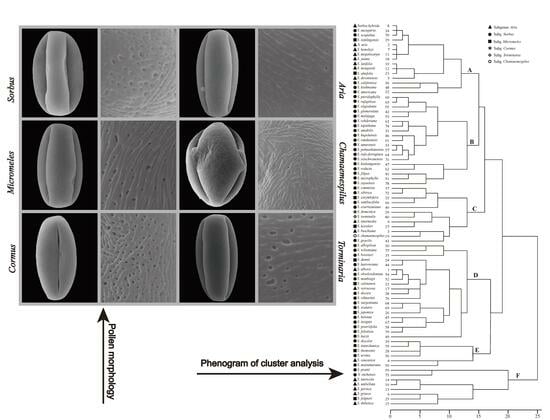
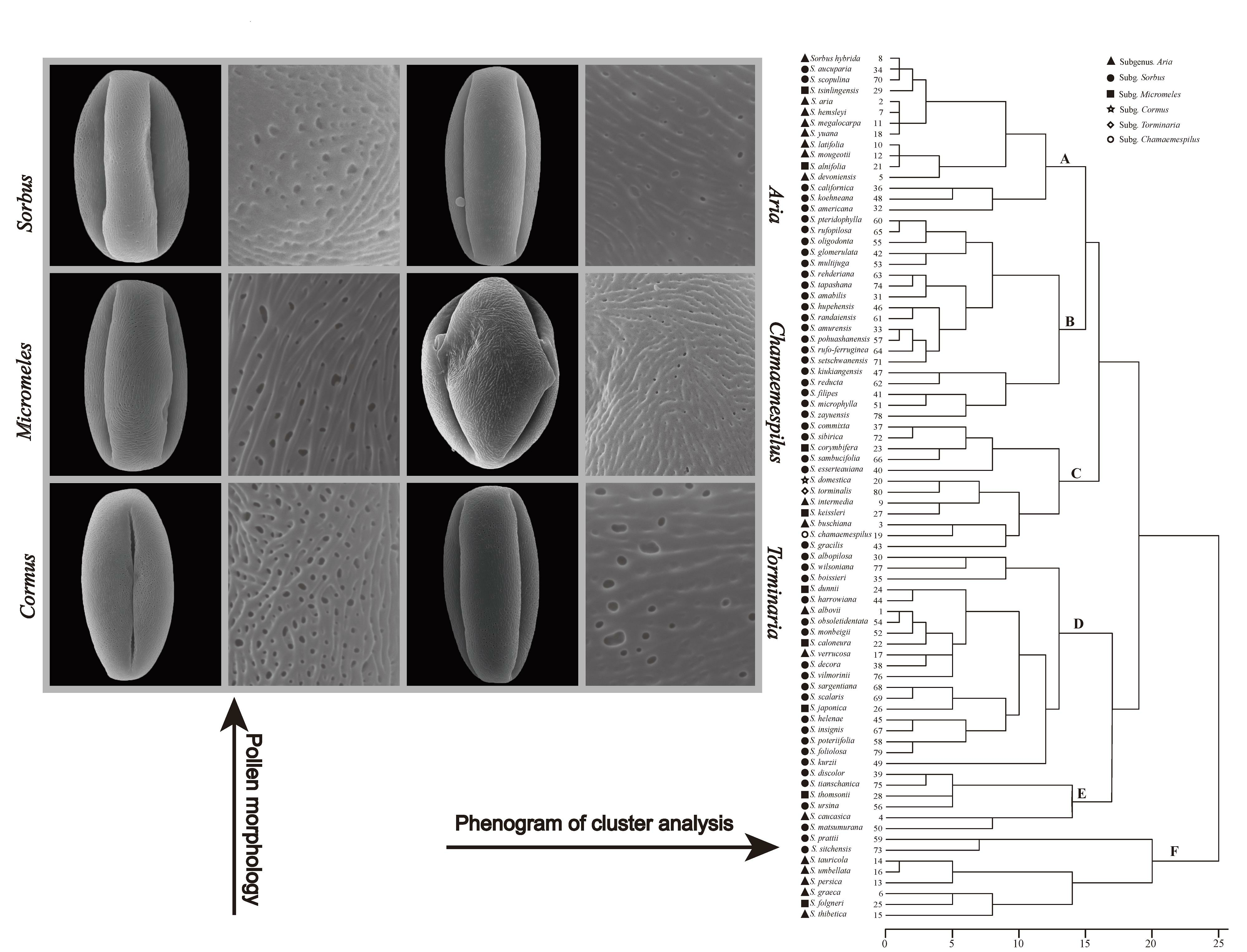
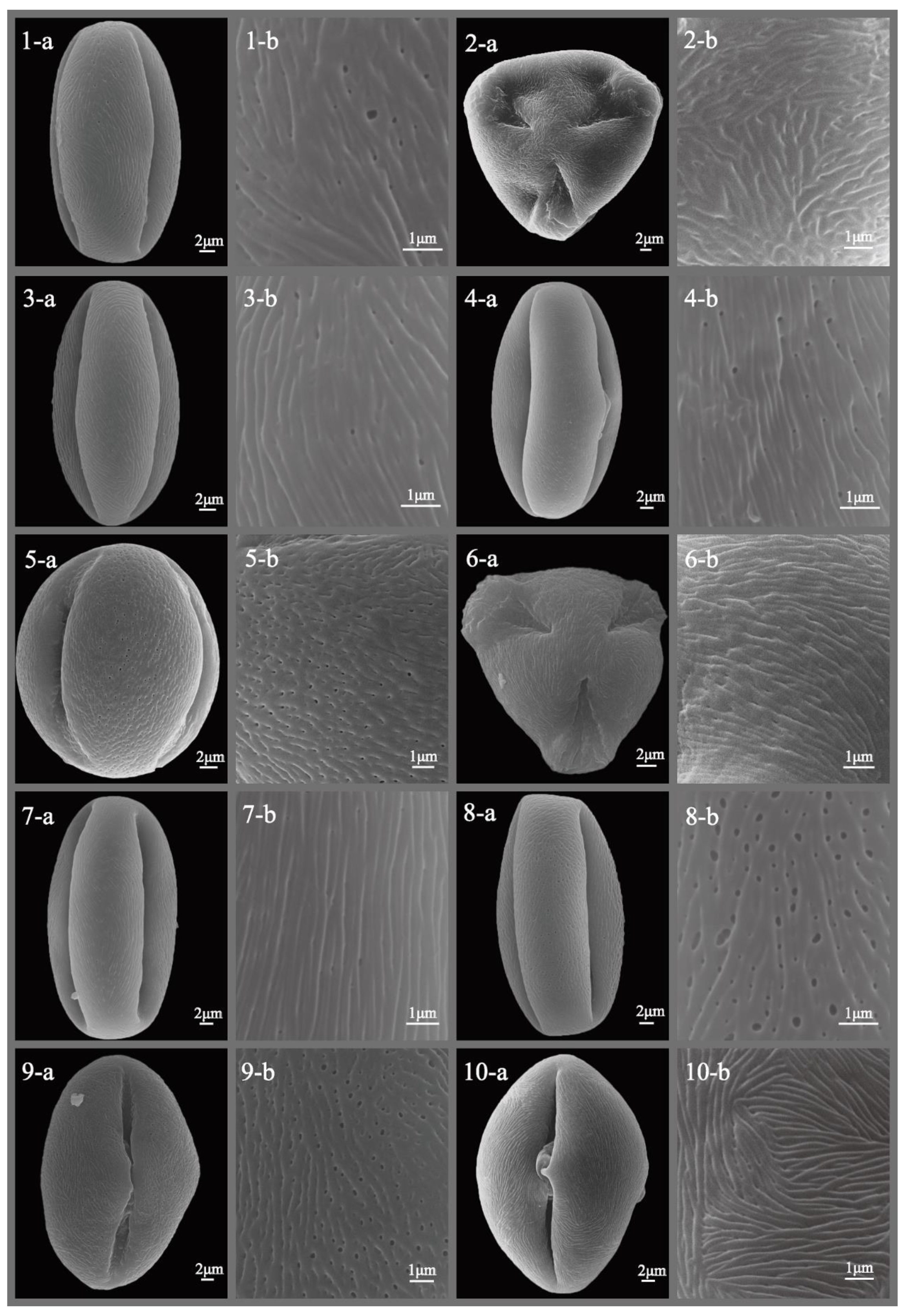
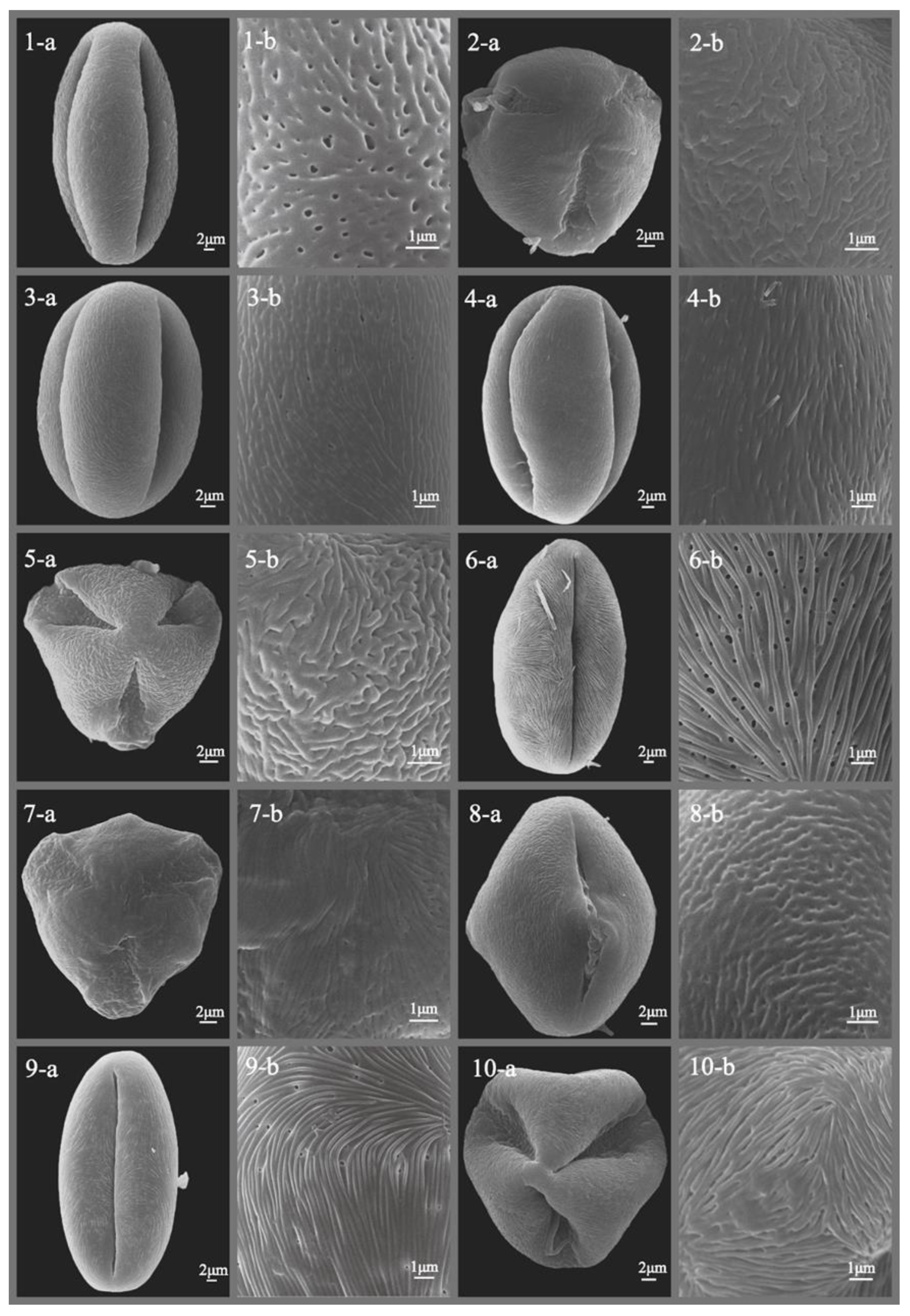
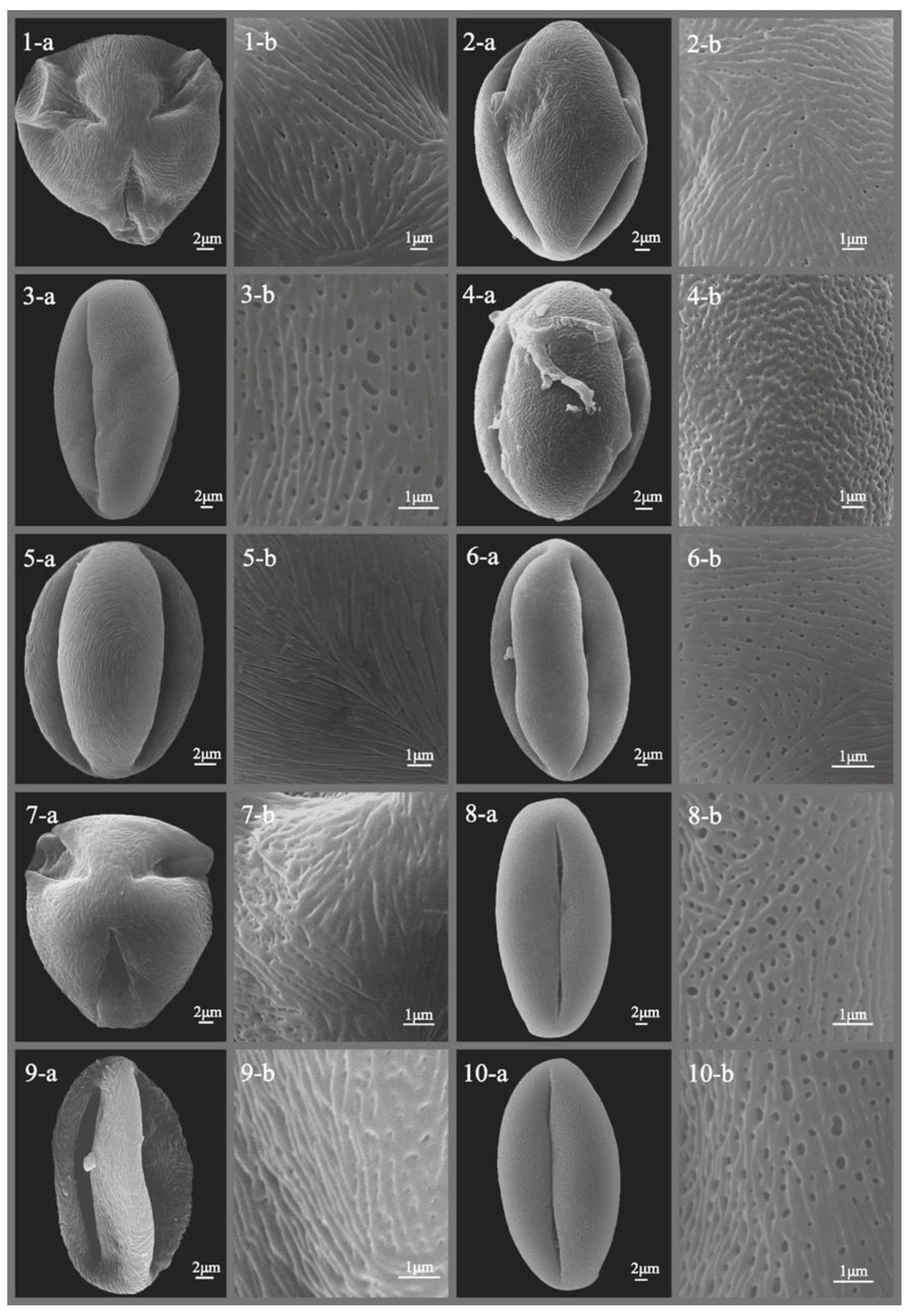
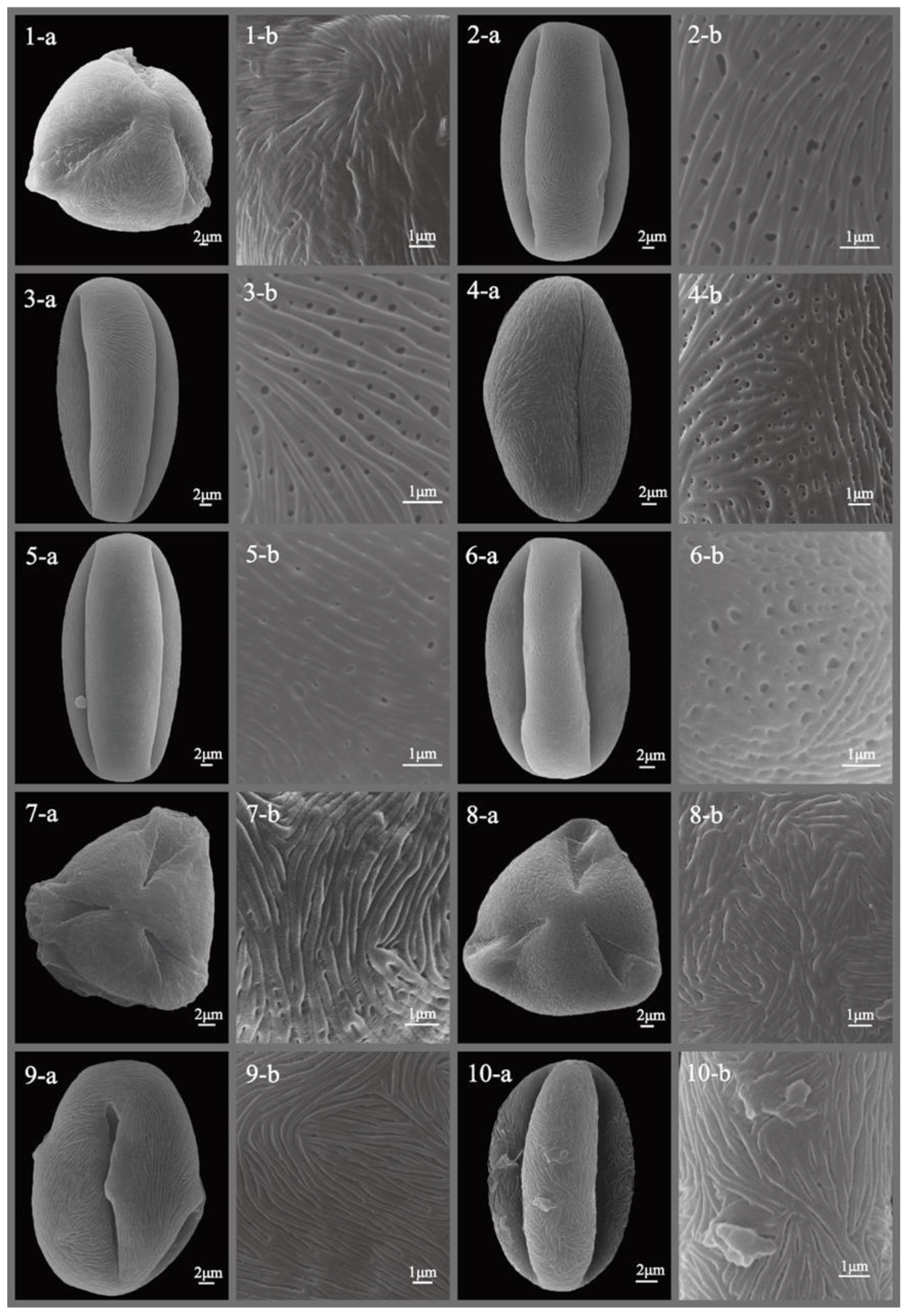
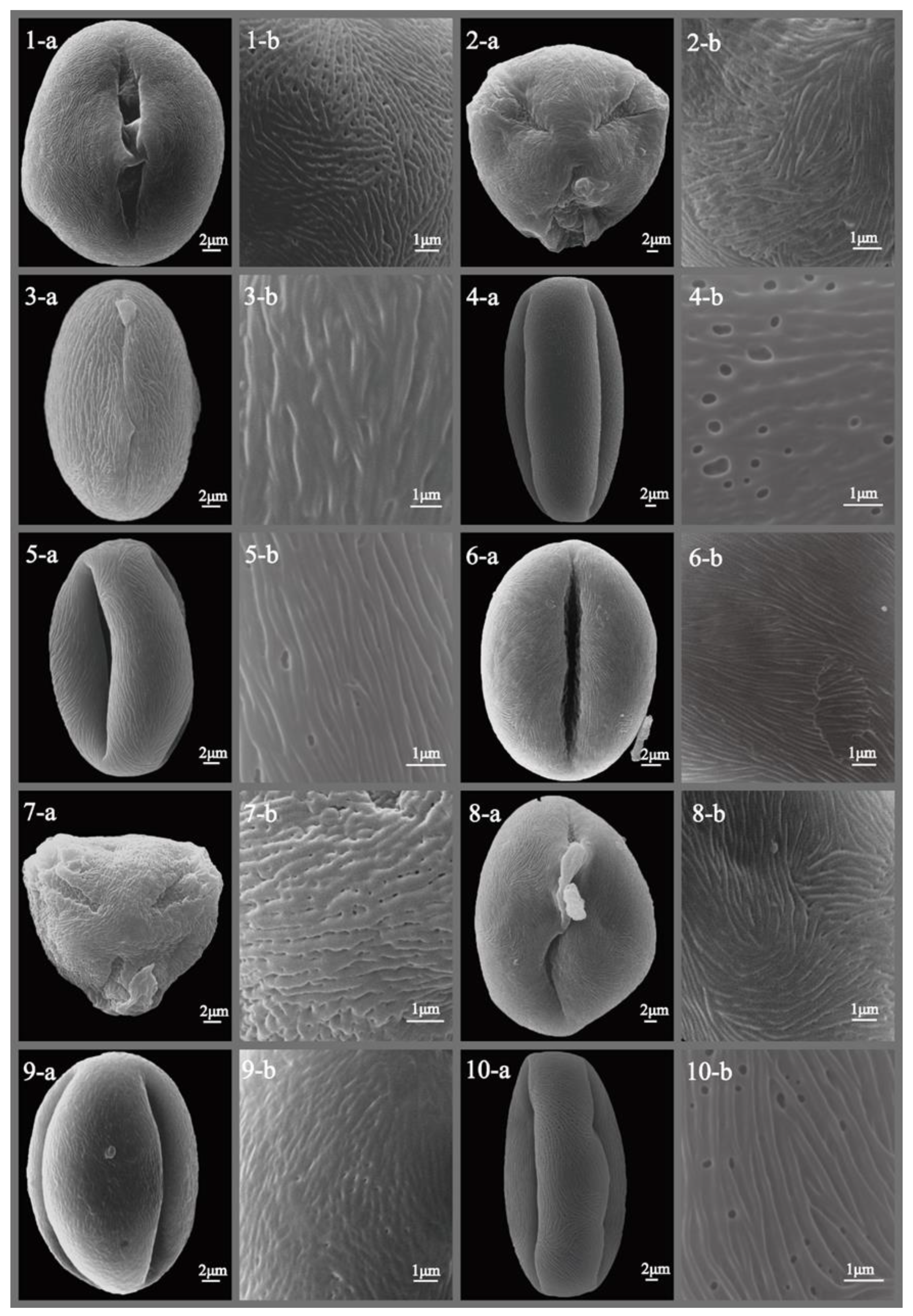
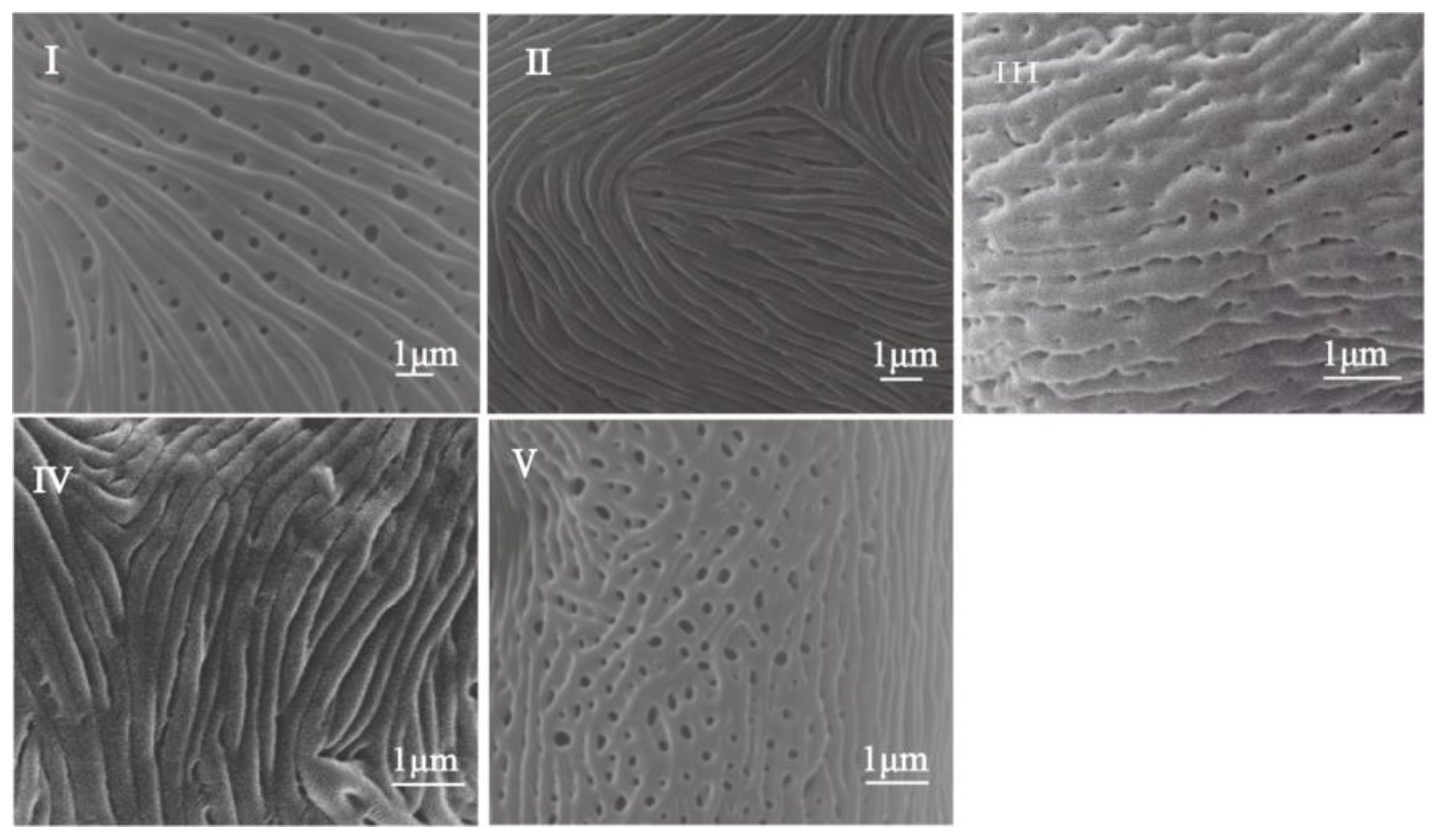
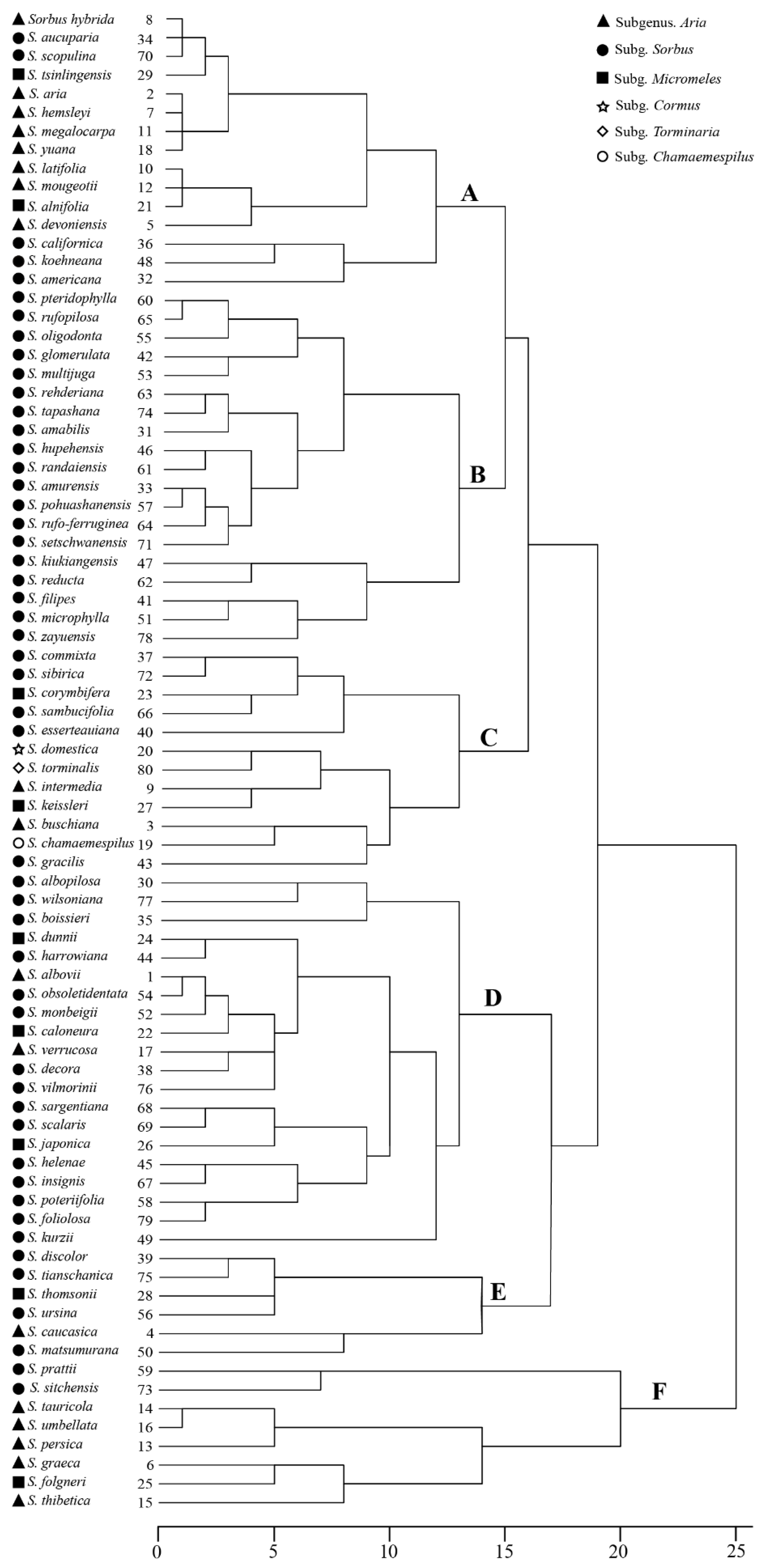
The genus Sorbus L. in the Rosaceae family is taxonomically challenging due to its morphological variation, polyploidy, and interspecific hybridization. In this study, we used scanning electron microscopy (SEM) to observe the pollen morphology of eighty species, representing six subgenera, in order to assess the differences within the genus Sorbus and its pollen characteristics. We conducted a cluster analysis on three qualitative and four quantitative characteristics. The results demonstrated that the pollen grains of the studied Sorbus species are isopolar and tricolporate. We identified five types of pollen shapes: suboblate, spheroidal, subprolate, prolate, and perprolate. The pollen ornamentation of the investigated species could be classified into five types: striate-perforate, striate, cerebroid-perforate, cerebroid, and foveolate. Interestingly, within the same subgenera, different species exhibited multiple types of characters. The cluster analysis indicated that all 80 species could be divided into six groups, with group B consisting exclusively of species from the subgenus Sorbus. Although pollen micro-morphologies alone do not provide sufficient evidence to establish the taxonomic relationships of the subgenera within Sorbus, they do offer valuable information for species-level taxonomic treatment.
Keywords: Maleae; palynology; scanning electron microscopy; cluster analysis Maleae; palynology; scanning electron microscopy; cluster analysis
Graphical Abstract