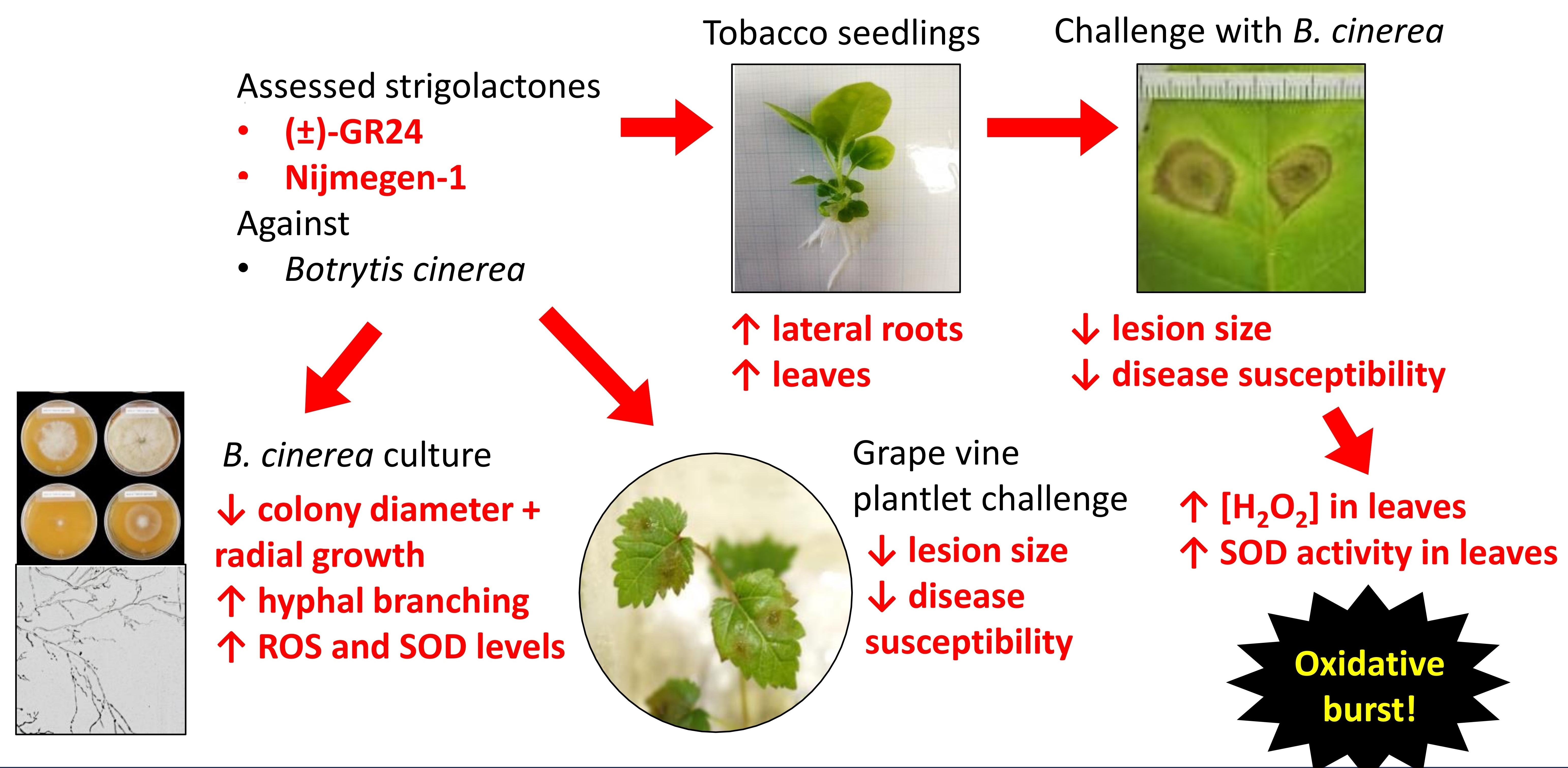
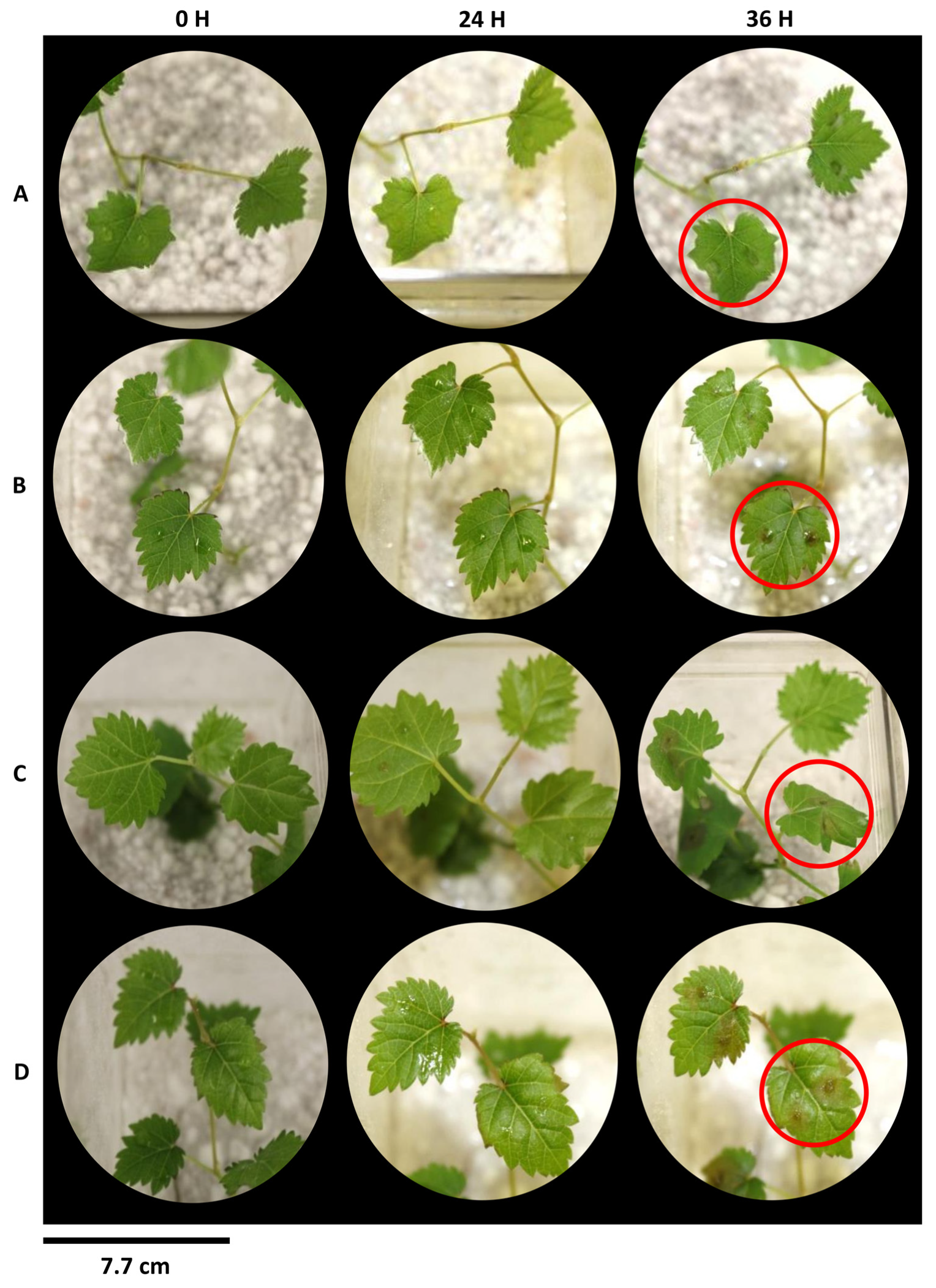
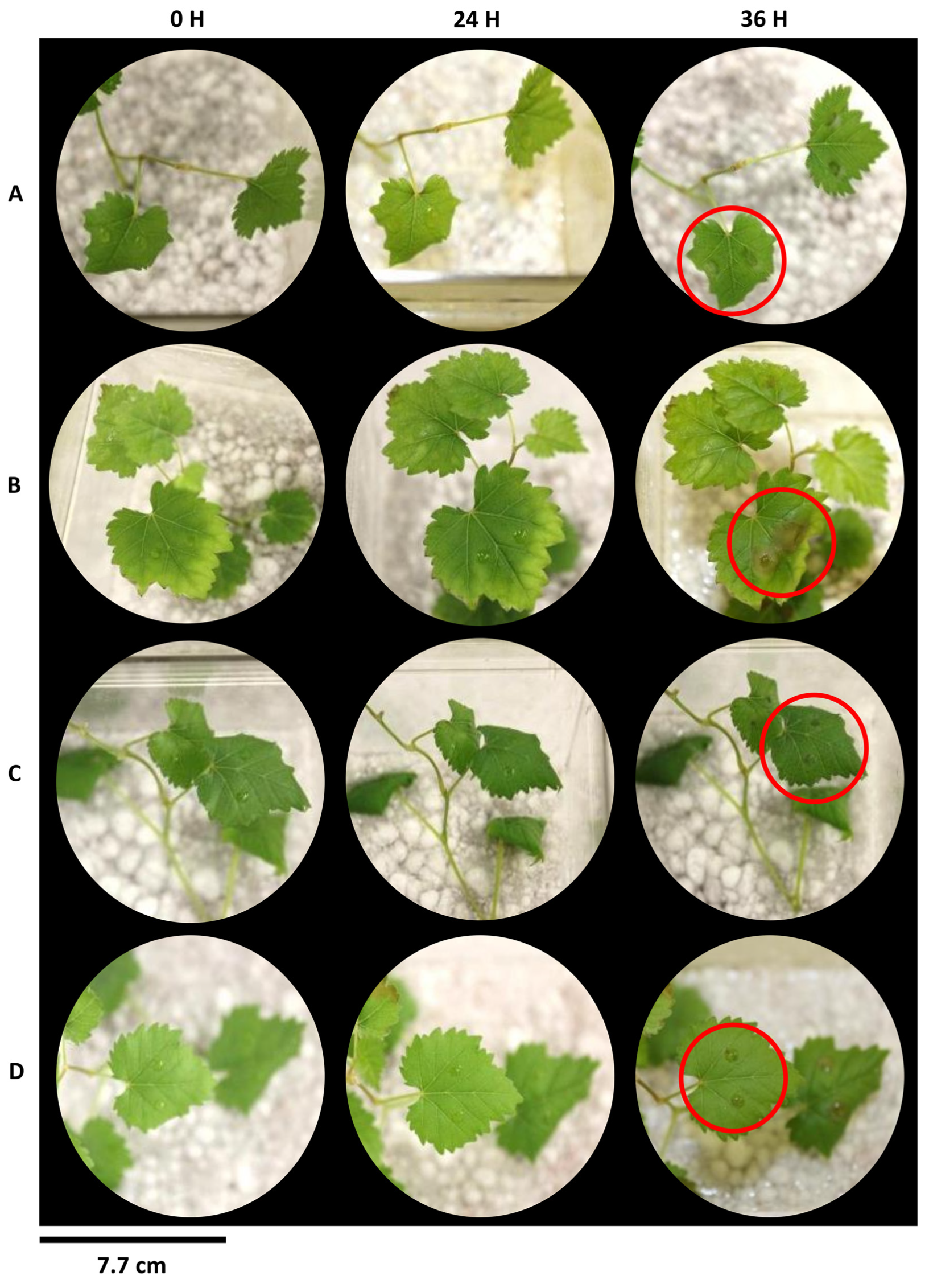
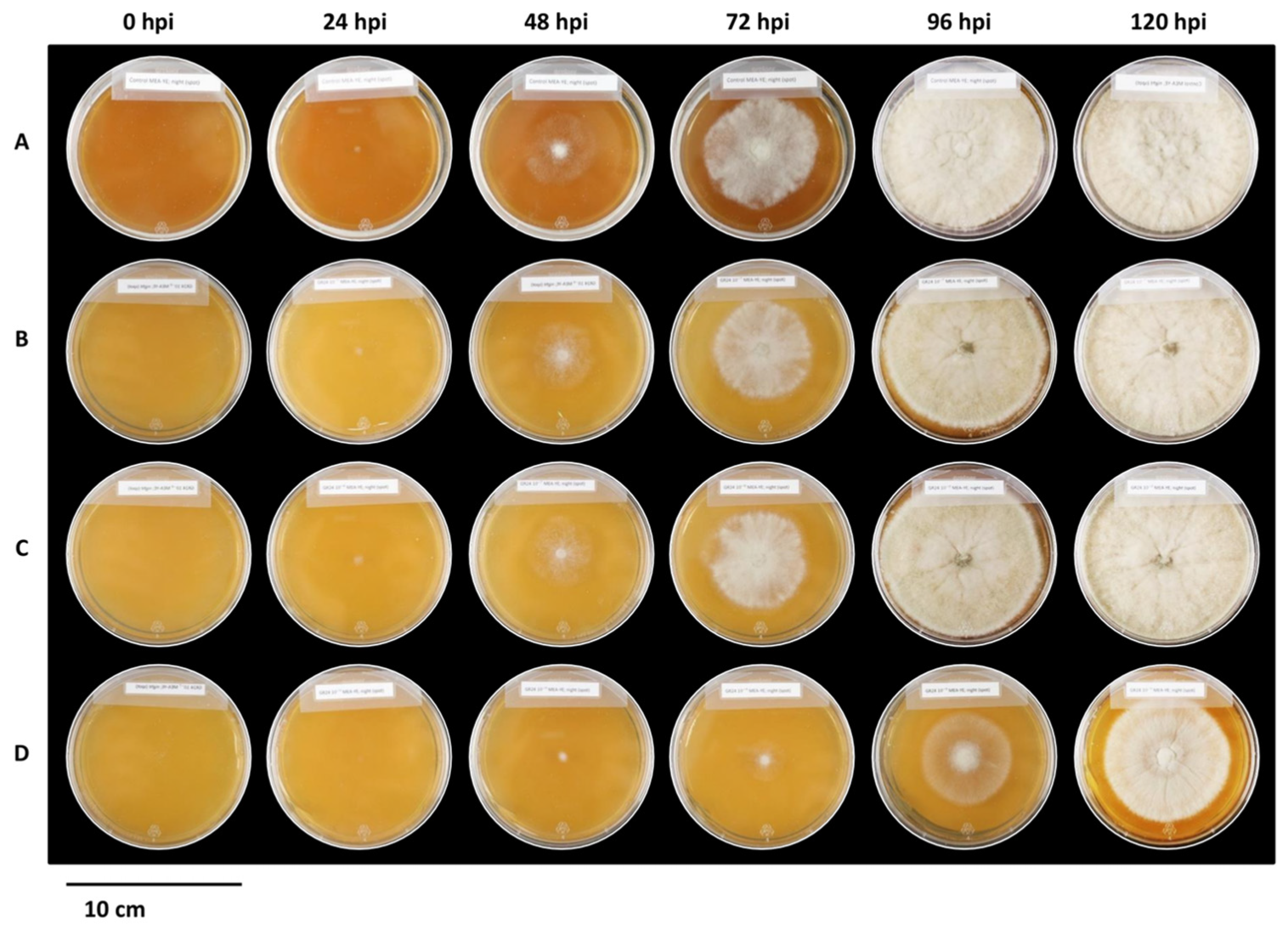
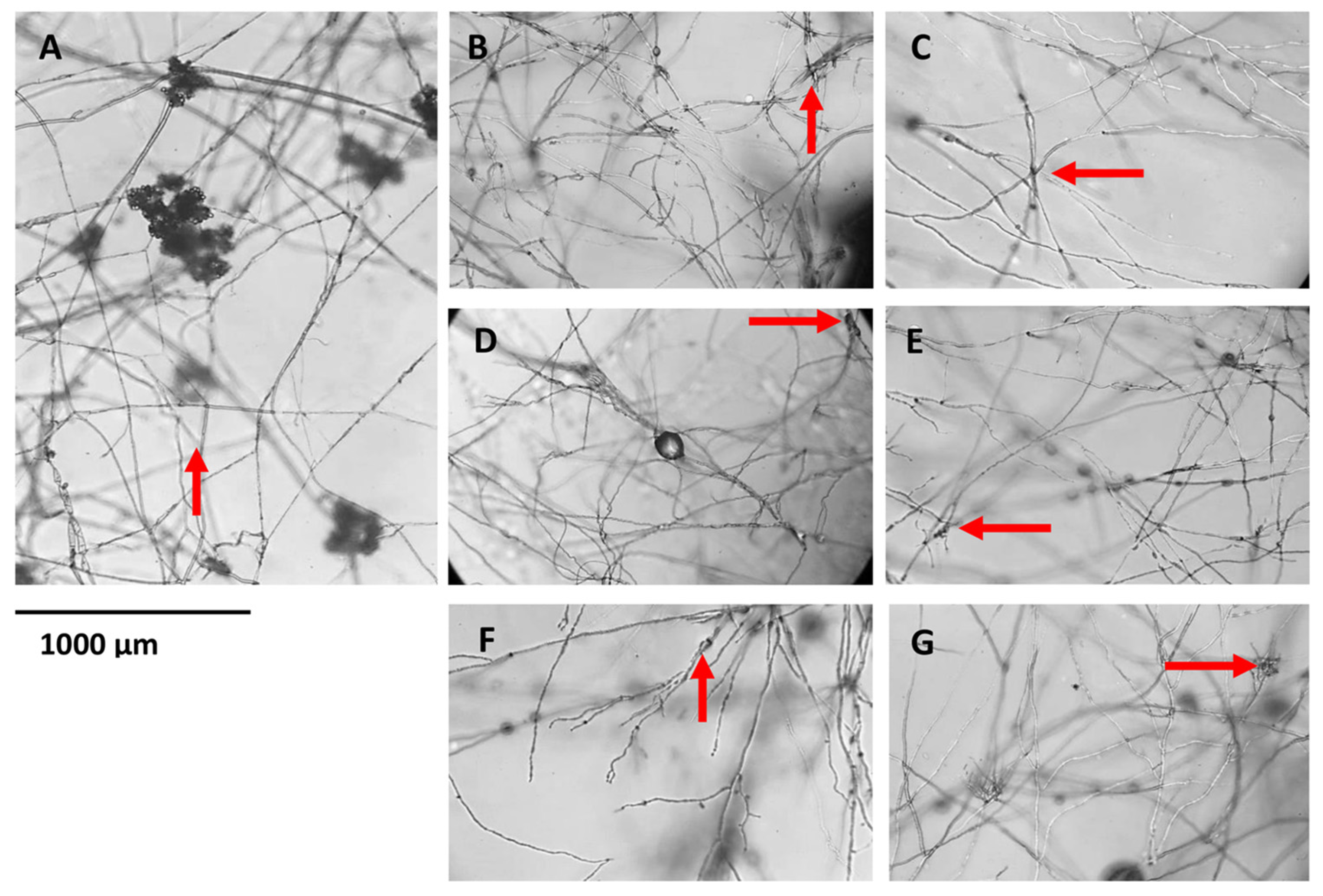
Strigolactones GR-24 and Nijmegen Applications Result in Reduced Susceptibility of Tobacco and Grapevine Plantlets to Botrytis cinerea Infection



Abstract
Share and Cite
Vogel, D.; Hills, P.; Moore, J.P. Strigolactones GR-24 and Nijmegen Applications Result in Reduced Susceptibility of Tobacco and Grapevine Plantlets to Botrytis cinerea Infection. Plants 2023, 12, 3202. https://doi.org/10.3390/plants12183202
Vogel D, Hills P, Moore JP. Strigolactones GR-24 and Nijmegen Applications Result in Reduced Susceptibility of Tobacco and Grapevine Plantlets to Botrytis cinerea Infection. Plants. 2023; 12(18):3202. https://doi.org/10.3390/plants12183202
Chicago/Turabian StyleVogel, Dominic, Paul Hills, and John P. Moore. 2023. "Strigolactones GR-24 and Nijmegen Applications Result in Reduced Susceptibility of Tobacco and Grapevine Plantlets to Botrytis cinerea Infection" Plants 12, no. 18: 3202. https://doi.org/10.3390/plants12183202
APA StyleVogel, D., Hills, P., & Moore, J. P. (2023). Strigolactones GR-24 and Nijmegen Applications Result in Reduced Susceptibility of Tobacco and Grapevine Plantlets to Botrytis cinerea Infection. Plants, 12(18), 3202. https://doi.org/10.3390/plants12183202