Article

Modeling of Cowpea (Vigna unguiculata) Yield and Control Insecticide Exposure in a Semi-Arid Region

by
Messias de Carvalho
1,2 and
Wiktor Halecki
3,*
1
Department of Agronomy, Kimpa Vita University, Henriques Freitas Street 1, Uíge 77, Angola
2
Department of Soil Science and Agrophysics, Faculty of Agriculture and Economics, University of Agriculture in Krakow, Al. Mickiewicza 21, 31-120 Krakow, Poland
3
Department of Hydrology, Meteorology and Water Management, Warsaw University of Life Sciences, Nowoursynowska Street 166, 02-787 Warsaw, Poland
*
Author to whom correspondence should be addressed.
Plants 2021, 10(6), 1074; https://doi.org/10.3390/plants10061074

Submission received: 16 April 2021 / Revised: 18 May 2021 / Accepted: 24 May 2021 / Published: 27 May 2021
(This article belongs to the Special Issue Agroecosystem Modeling)

Abstract

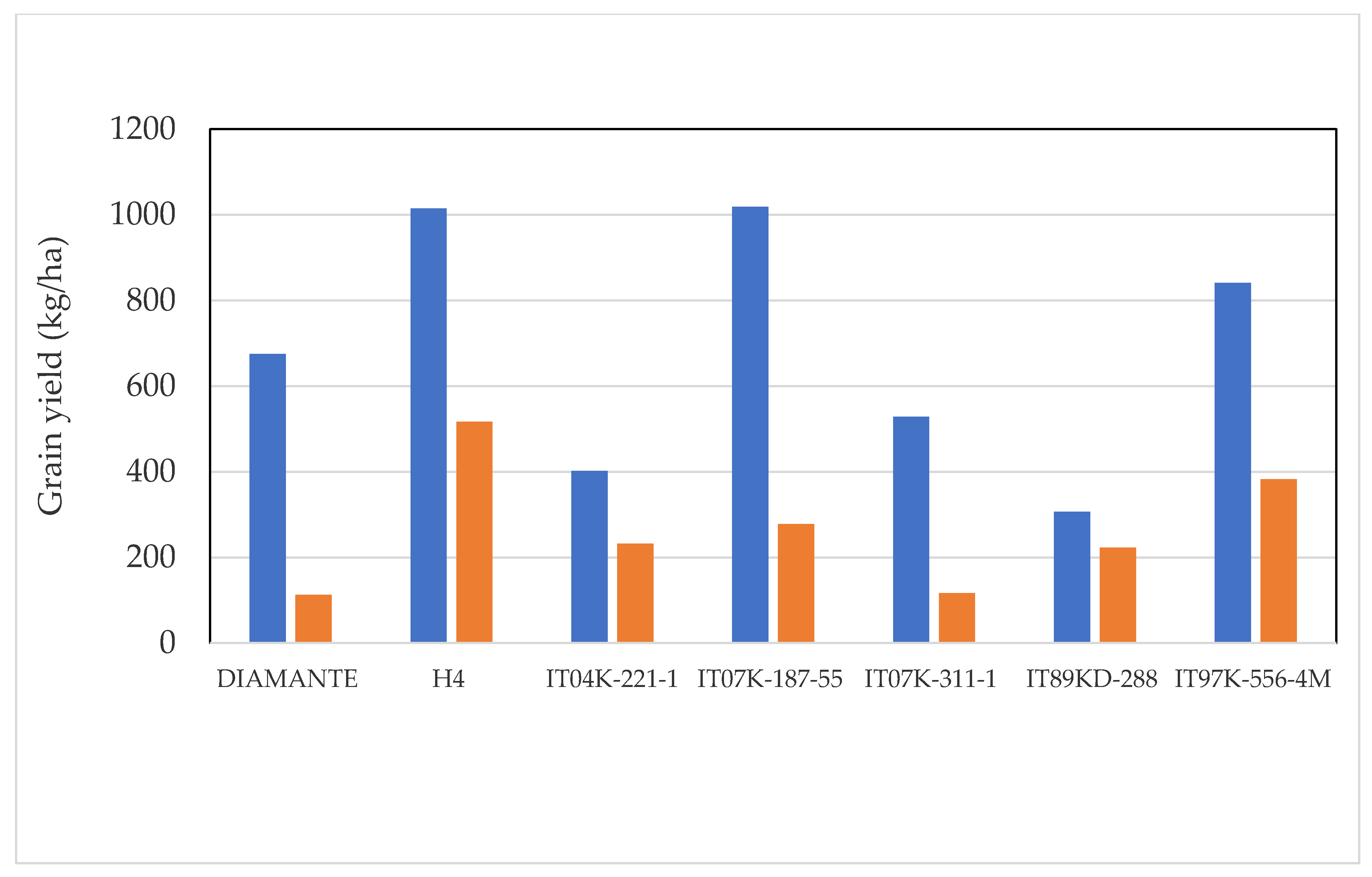
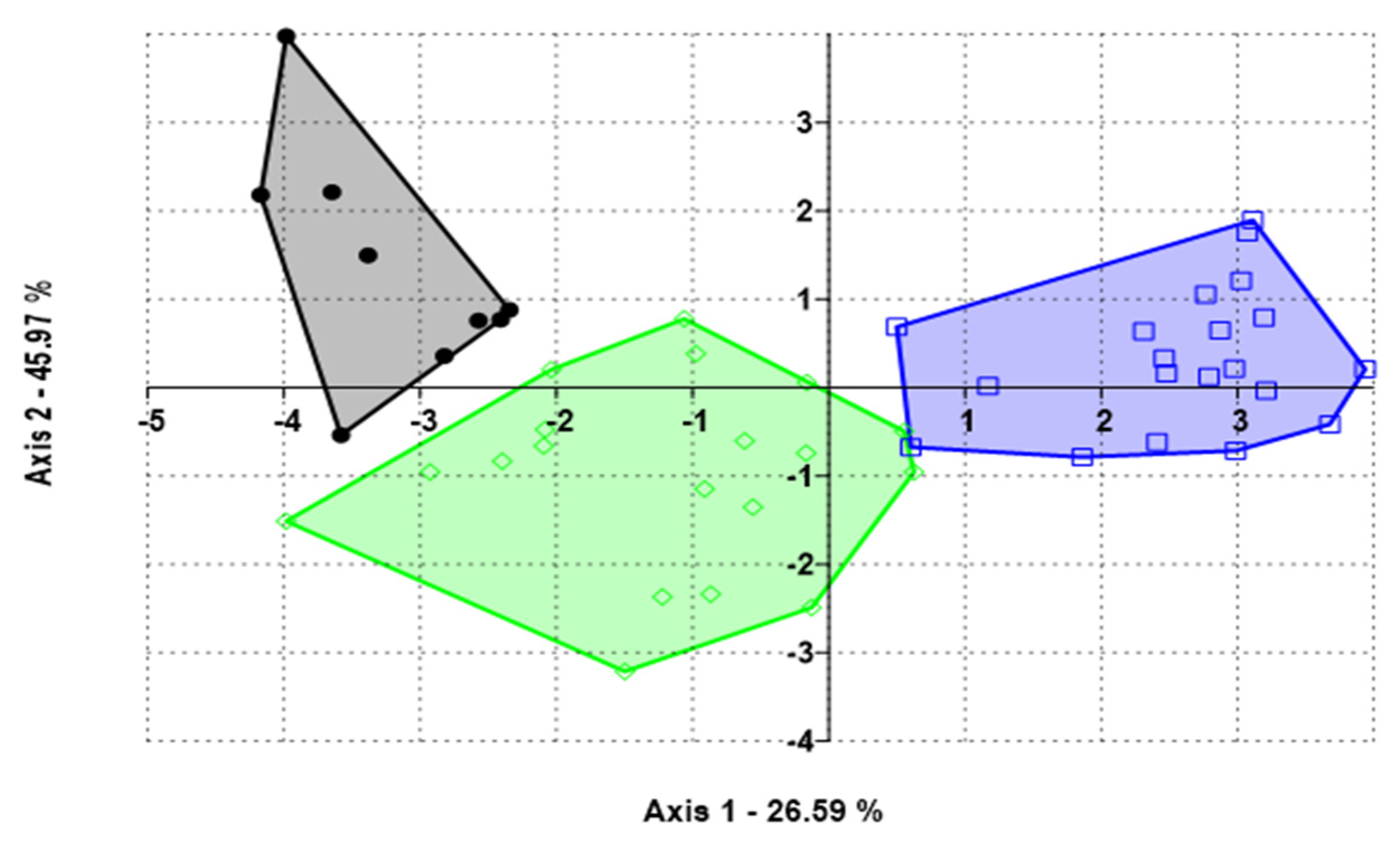
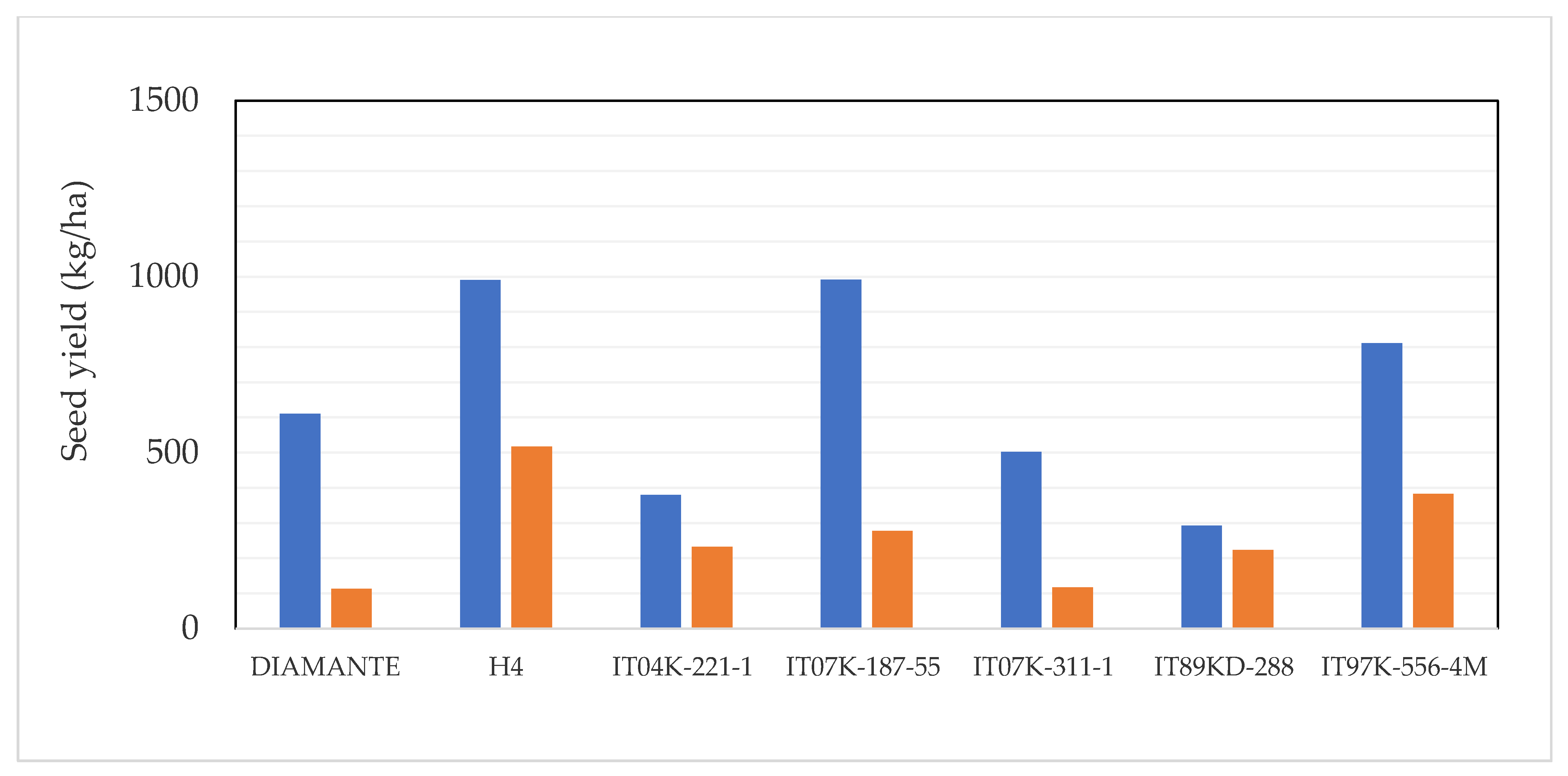
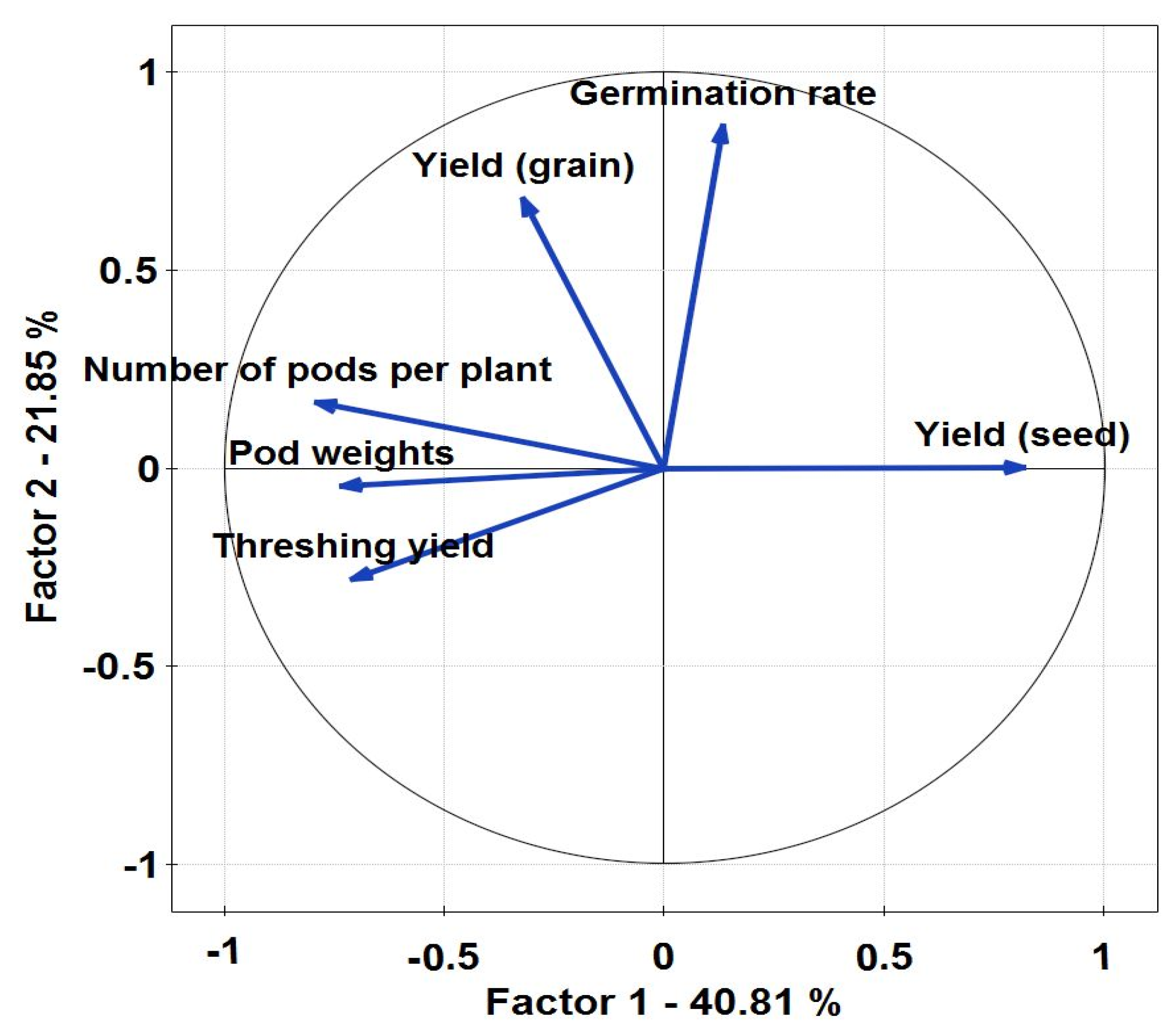
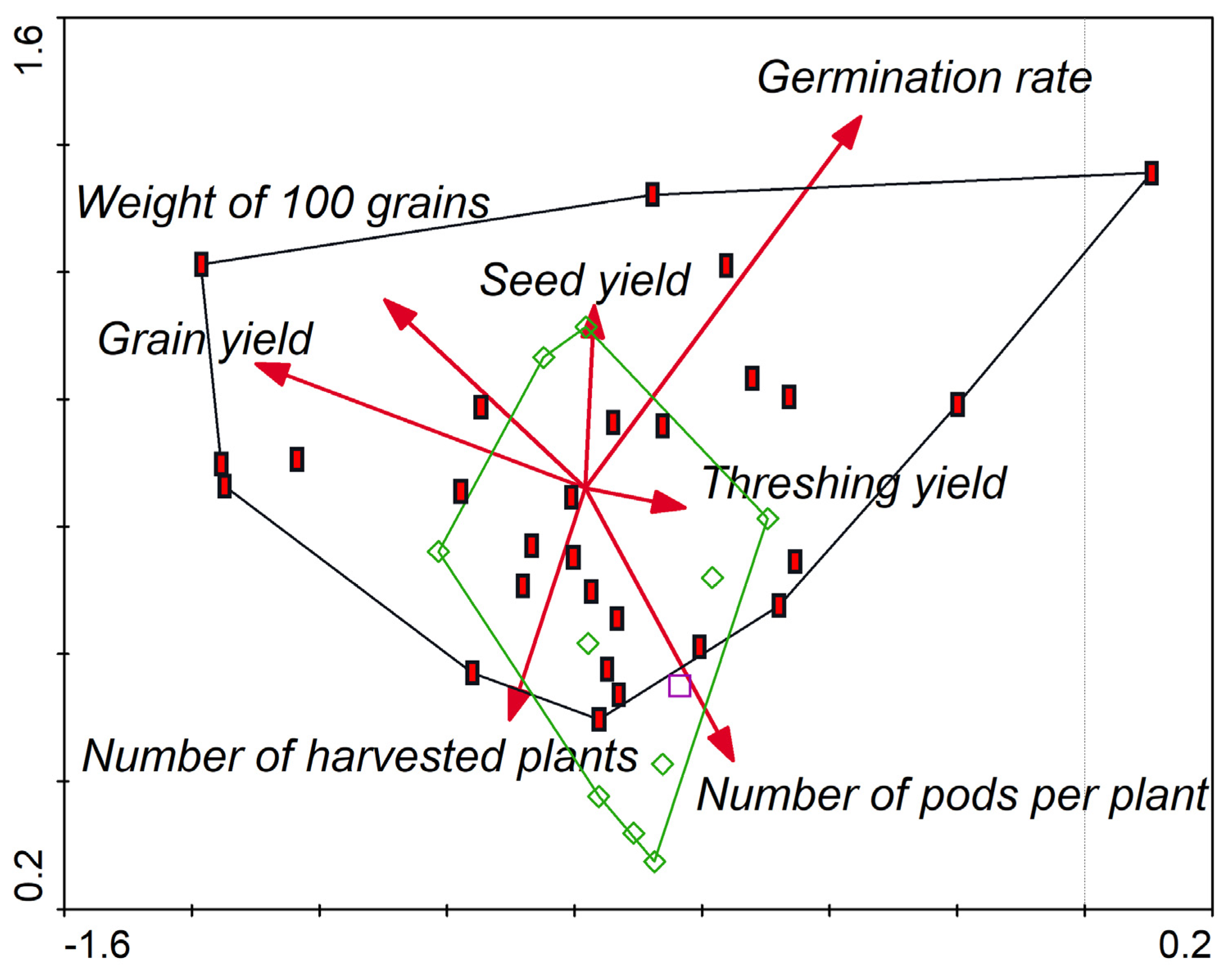
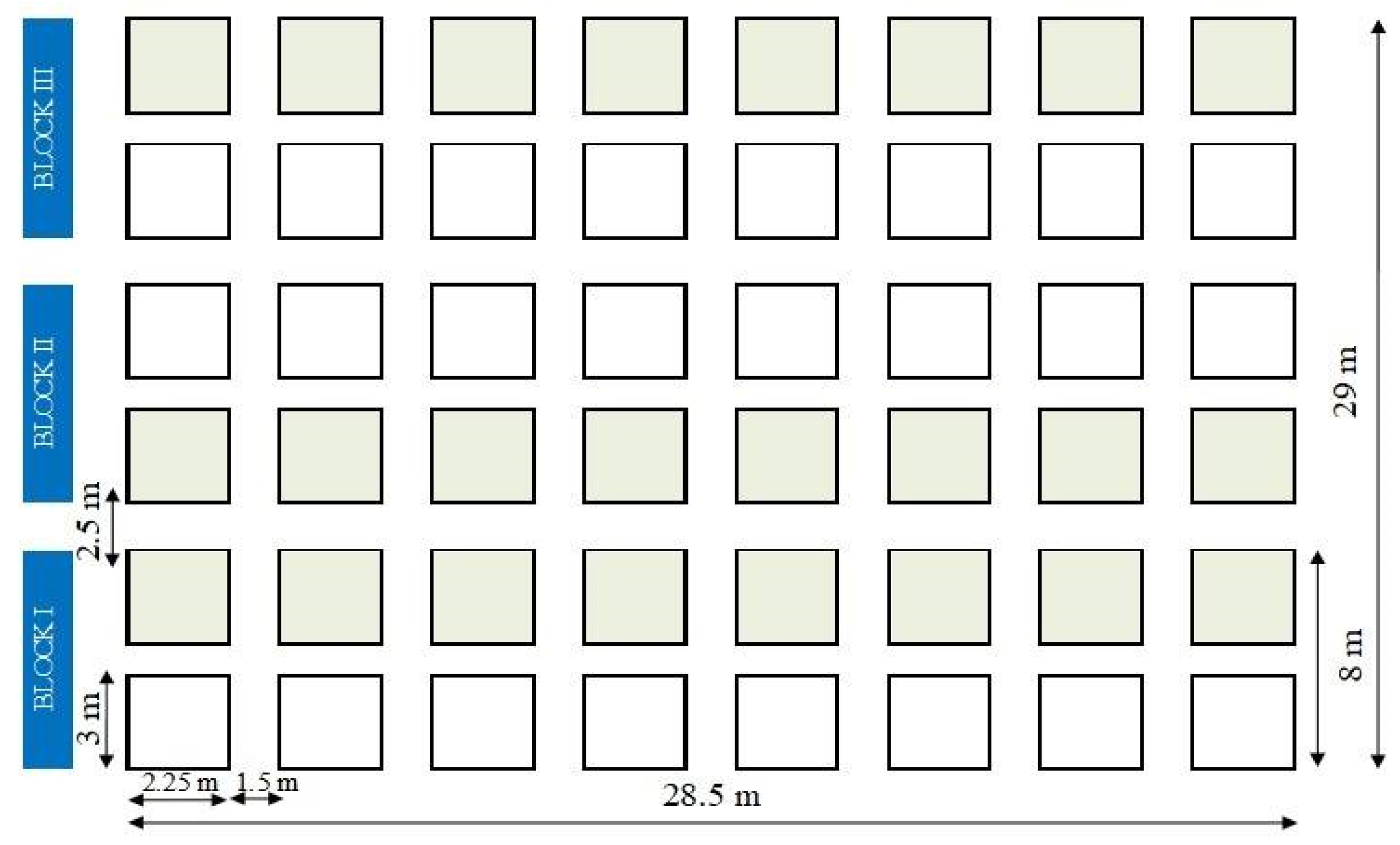
The aim of this study was to evaluate the adaptability of different genotypes of cowpea (Vigna unguiculata L. Walp.) in the edaphoclimatic conditions of a semi-arid region. In the experimental design, a completely randomized split-plot (2 × 8), with 3 repetitions (blocks) was used. The experiment comprised 7 new genotypes and 1 local genotype as the first main factor and application of insecticide as a secondary factor. Two-factor analysis of variance (two-way ANOVA) determined the differences between the treated and untreated plots. The results obtained in the experiment showed that the introduced genotypes V3 (IT07K-181-55), V7 (H4), and V5 (IT97K-556-4M) adapted well to the edaphoclimatic conditions of the study area and their yields were respectively 1019, 1015, and 841 kg/ha of grains in treated plots and 278, 517 and 383 kg/ha in untreated plots. Multivariate analysis revealed that the most important parameter was the germination rate. Finally, the best yield was obtained with the genotype V3 (IT07K-181-55), subjected to the use of insecticide, and with the V7 (H4) genotype in untreated plants. The findings presented in this research should be useful in crop system agricultural programs, particularly in the terms of selection of cultivating systems suitable for high-yielding cowpea.
Keywords: local genotypes; multivariate analysis; phytosanitary control; Vigna unguiculata L. Walp.; resistant plant local genotypes; multivariate analysis; phytosanitary control; Vigna unguiculata L. Walp.; resistant plant