
Nano-Engineered Delivery of the Pro-Apoptotic KLA Peptide: Strategies, Synergies, and Future Directions

Abstract
1. Introduction
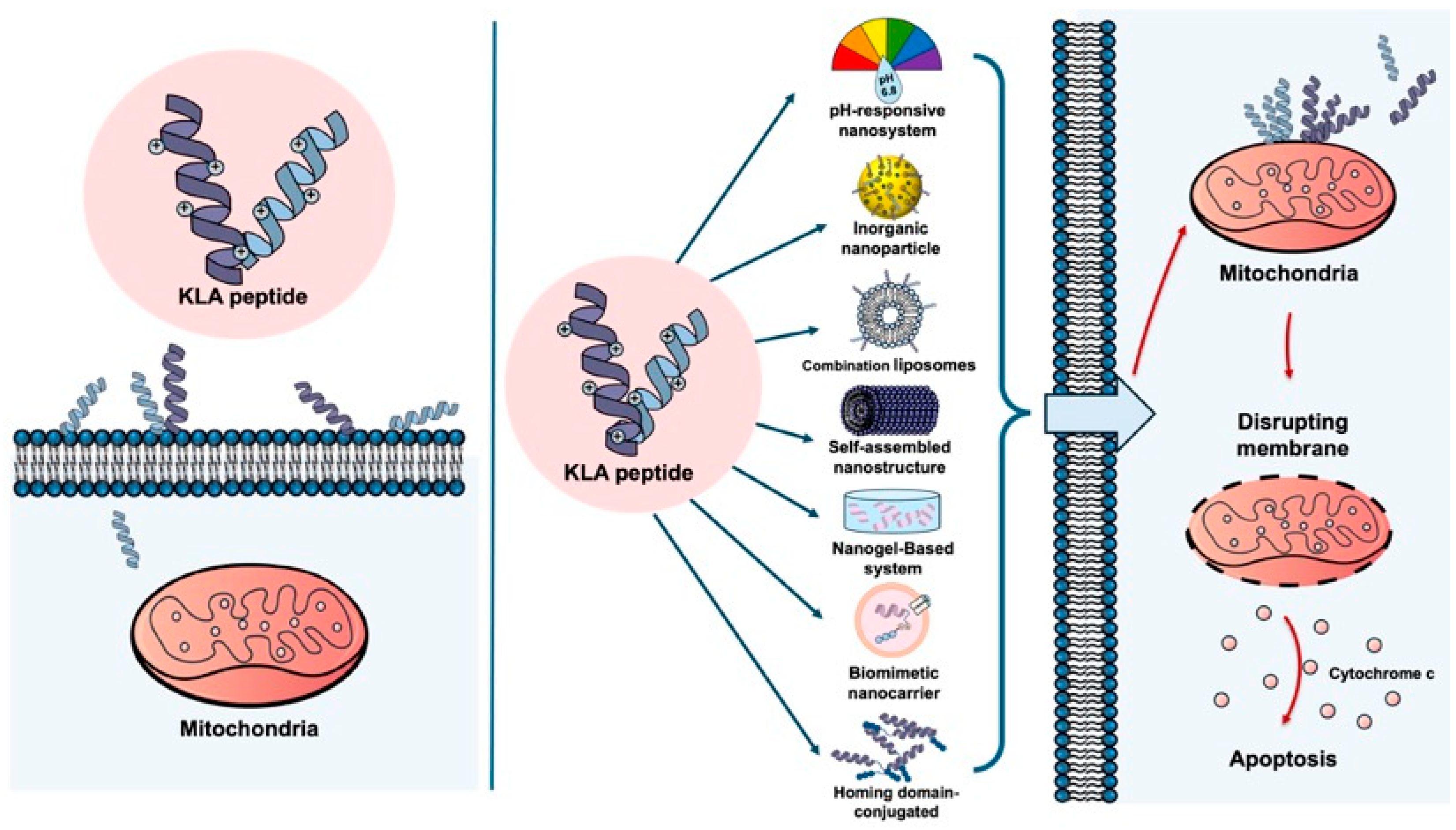
2. Nano-Engineering-Based Delivery Systems for the Pro-Apoptotic KLA Peptide: A Type-Specific Approach
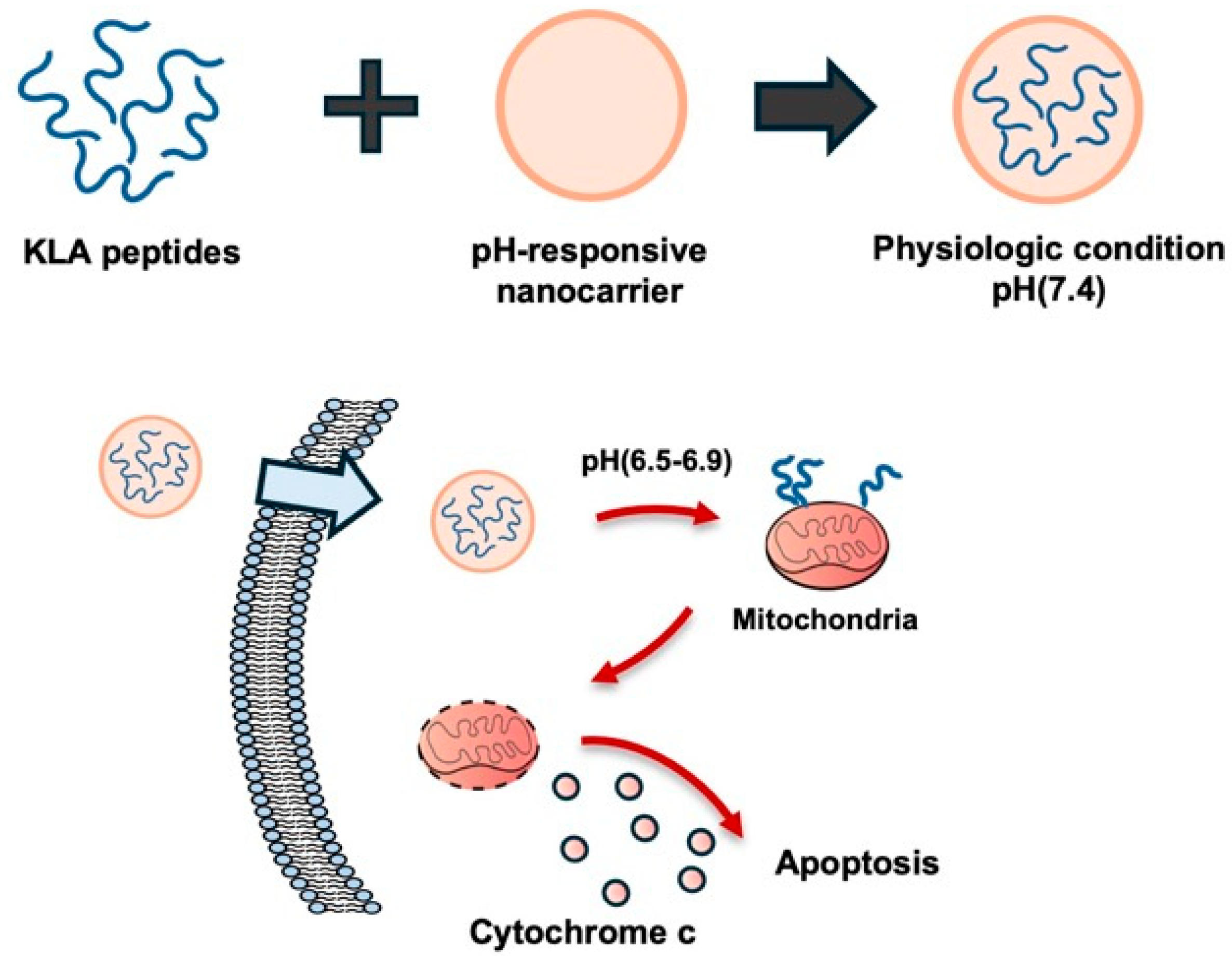
2.1. pH-Responsive Nanosystems
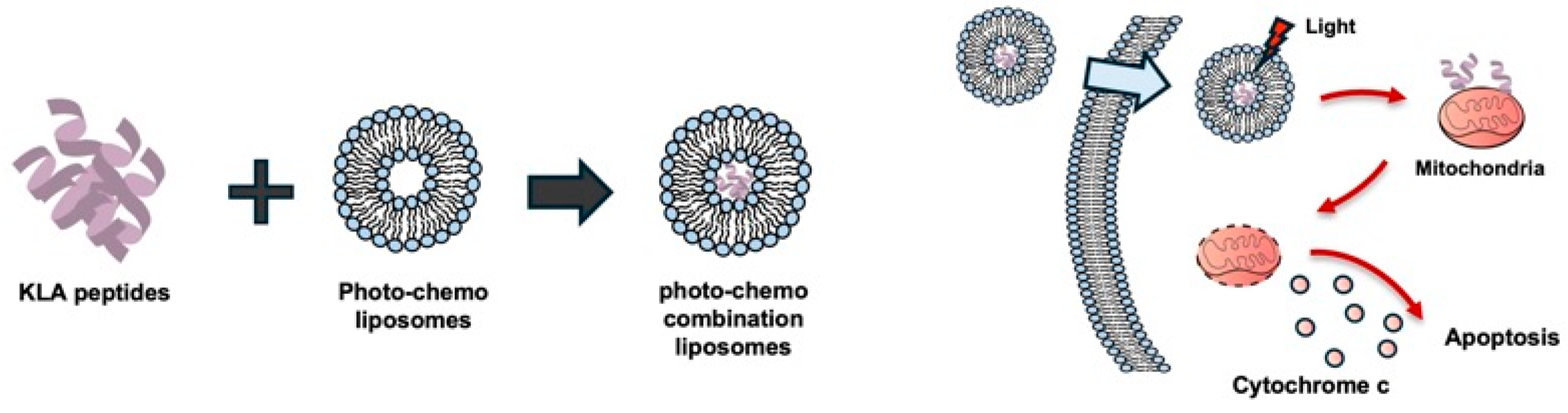
2.2. Photo-Chemo Combination Liposomes
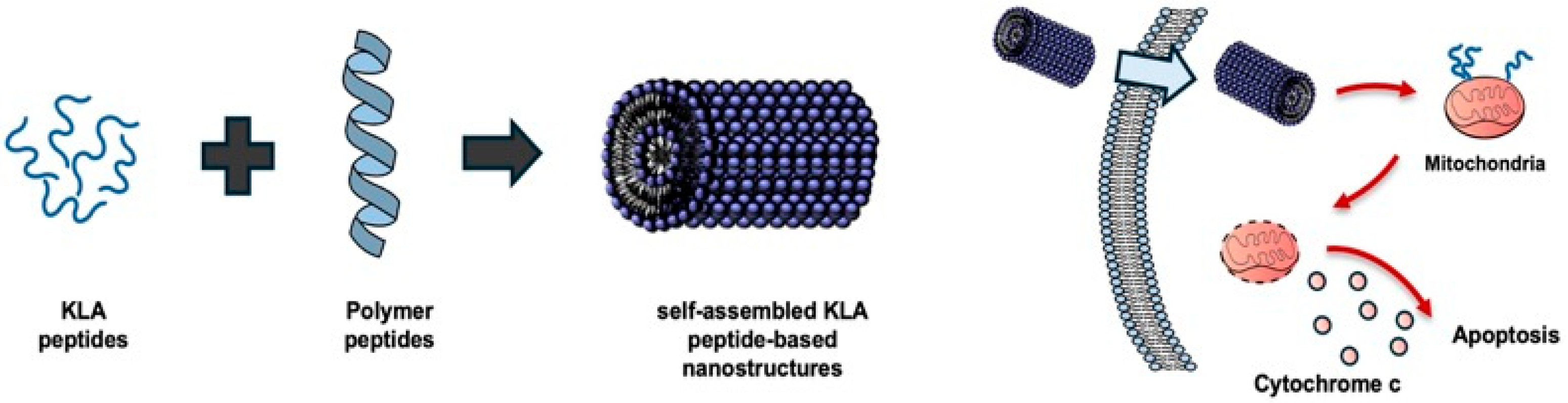
2.3. Self-Assembled Peptide-Based Nanostructures
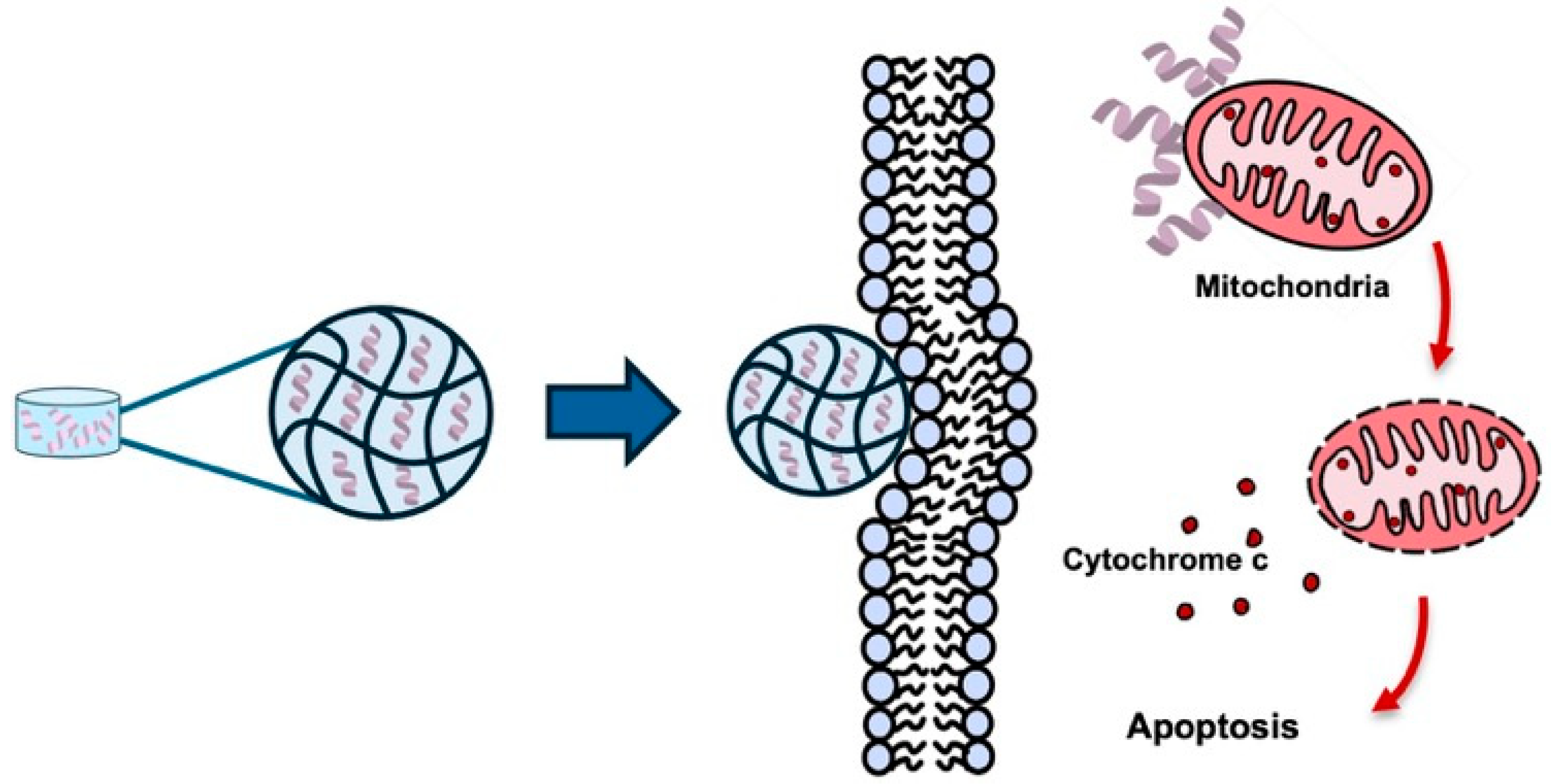
2.4. Nanogel-Based Delivery Systems
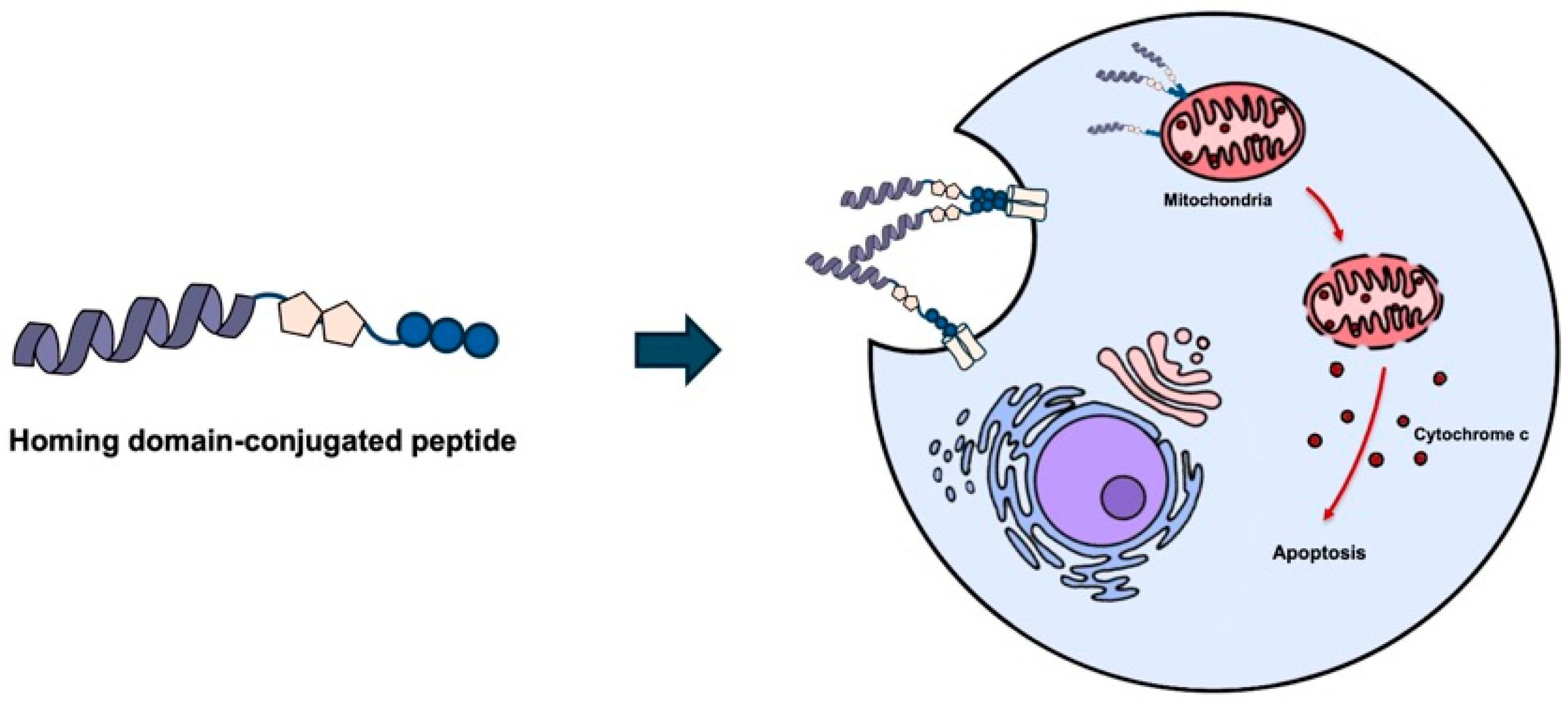
2.5. Homing Domain-Conjugated KLA Peptide
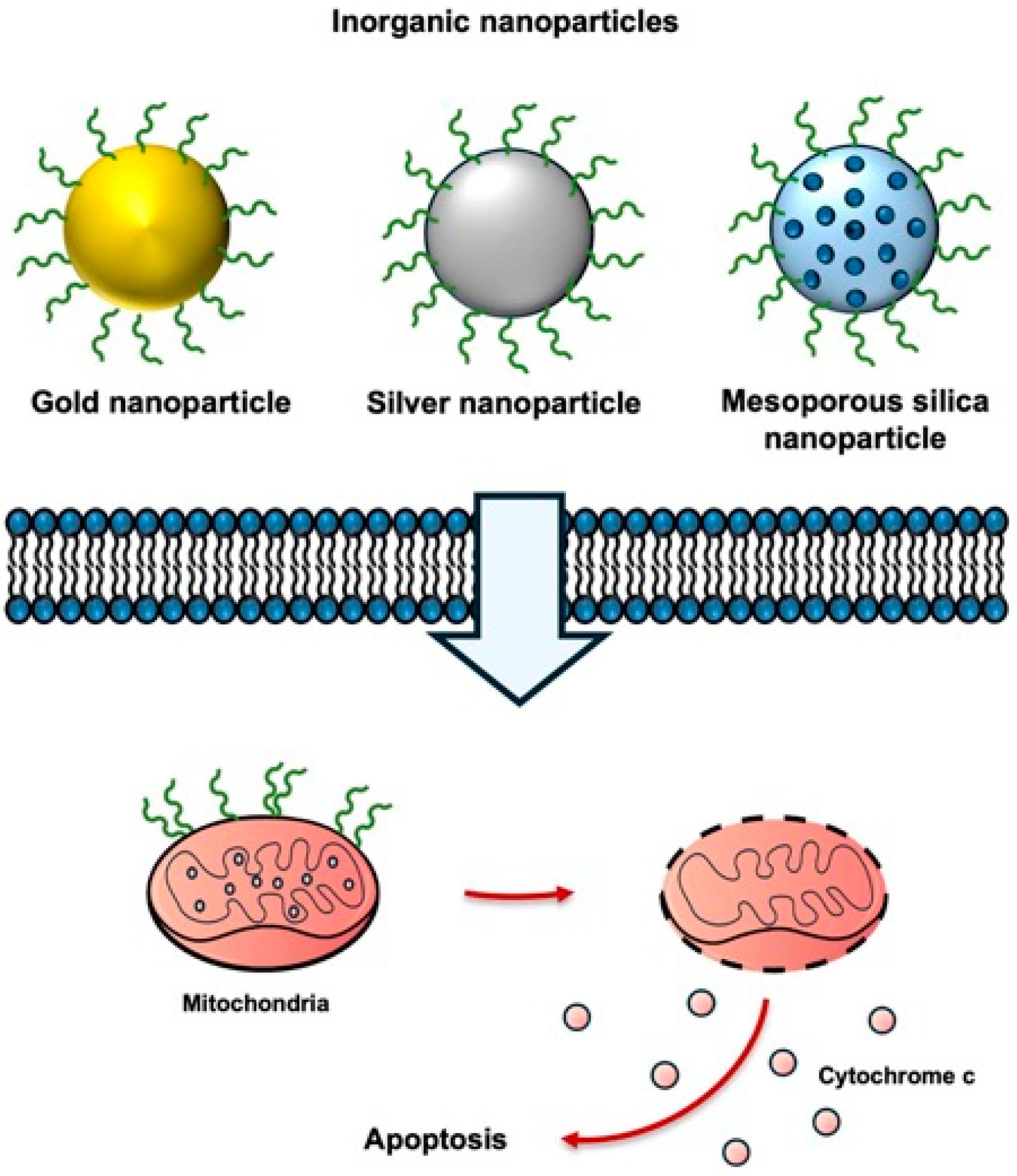
2.6. Inorganic-Based Nanoparticles
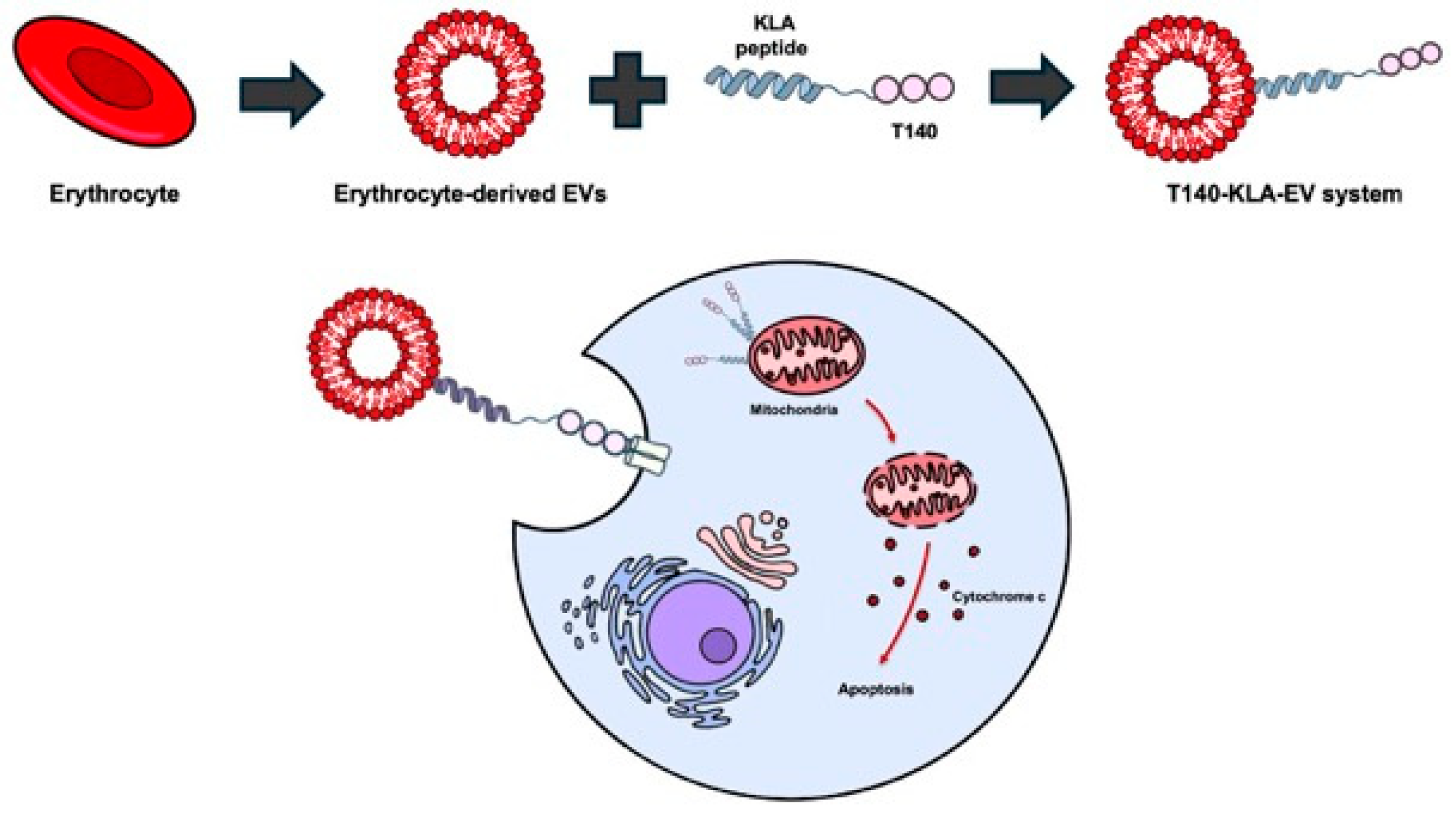
2.7. Biomimetic Nanocarriers
3. Synergy and Combination Therapy Strategies
4. Clinical Translation Challenges and Critical Limitations
4.1. Structural and Manufacturing Challenges
4.2. Tumor Microenvironment Heterogeneity
4.3. Safety, Toxicity, and Off-Target Effects
4.4. Limitations of Preclinical Models
4.5. Regulatory Considerations for KLA Peptide-Based Nanotherapeutics
4.6. Mechanistic Rationale for KLA Peptide-Based Combination Therapy
5. Conclusions and Future Directions
Author Contributions
Funding
Institutional Review Board Statement
Informed Consent Statement
Data Availability Statement
Conflicts of Interest
References
- Bray, F.; Laversanne, M.; Sung, H.; Ferlay, J.; Siegel, R.L.; Soerjomataram, I.; Jemal, A. Global cancer statistics 2022: GLOBOCAN estimates of incidence and mortality worldwide for 36 cancers in 185 countries. CA Cancer J. Clin. 2024, 74, 229–263. [Google Scholar] [CrossRef] [PubMed]
- Holohan, C.; Schaeybroeck, S.V.; Longley, D.B.; Johnston, P.G. Cancer drug resistance: An evolving paradigm. Nat. Rev. Cancer 2013, 13, 714–726. [Google Scholar] [CrossRef]
- Gottesman, M.M.; Fojo, T.; Bates, S.E. Multidrug resistance in cancer: Role of ATP-dependent transporters. Nat. Rev. Cancer 2002, 2, 48–58. [Google Scholar] [CrossRef]
- Tian, X.; Srinivasan, P.R.; Tajiknia, V.; Uruchurtu, A.F.S.S.; Seyhan, A.A.; Carneiro, B.A.; Cruz, A.D.L.; Pinho-Schwermann, M.; George, A.; Zhao, S.; et al. Targeting apoptotic pathways for cancer therapy. J. Clin. Investig. 2024, 134, e179570. [Google Scholar] [CrossRef]
- Fulda, S.; Galluzzi, L.; Kroemer, G. Targeting mitochondria for cancer therapy. Nat. Rev. Drug Discov. 2010, 9, 447–464. [Google Scholar] [CrossRef]
- Javadpour, M.M.; Juban, M.M.; Lo, W.C.; Bishop, S.M.; Alberty, J.B.; Cowell, S.M.; Becker, C.L.; McLaughlin, M.L. De novo antimicrobial peptides with low mammalian cell toxicity. J. Med. Chem. 1996, 39, 3107–3113. [Google Scholar] [CrossRef]
- Mozhi, A.; Ahmad, I.; Okeke, C.I.; Li, C.; Liang, X.J. pH-sensitive polymeric micelles for the Co-delivery of proapoptotic peptide and anticancer drug for synergistic cancer therapy. RSC Adv. 2017, 7, 12886–12896. [Google Scholar] [CrossRef]
- Ellerby, H.M.; Arap, W.; Ellerby, L.M.; Kain, R.; Andrusiak, R.; Rio, G.D.; Krajewski, S.; Lombardo, C.R.; Rao, R.; Ruoslahti, E.; et al. Anti-cancer activity of targeted pro-apoptotic peptides. Nat. Med. 1999, 5, 1032–1038. [Google Scholar] [CrossRef] [PubMed]
- Burns, K.E.; McCleerey, T.P.; Thévenin, D. pH-selective cytotoxicity of pHLIP-antimicrobial peptide conjugates. Sci. Rep. 2016, 6, 28465. [Google Scholar] [CrossRef] [PubMed]
- Law, B.; Quinti, L.; Choi, Y.; Weissleder, R.; Tung, C.H. A mitochondrial targeted fusion peptide exhibits remarkable cytotoxicity. Mol. Cancer Ther. 2006, 5, 1944–1949. [Google Scholar] [CrossRef]
- Hao, W.; Hu, C.; Huang, Y.; Chen, Y. Coadministration of kla peptide with HPRP-A1 to enhance anticancer activity. PLoS ONE 2019, 14, e0223737. [Google Scholar] [CrossRef]
- Alves, I.D.; Carré, M.; Montero, M.P.; Castano, S.; Lecomte, S.; Marquant, R.; Lecorché, P.; Burlina, F.; Schatz, C.; Sagan, S.; et al. A proapoptotic peptide conjugated to penetratin selectively inhibits tumor cell growth. Biochim. Biophys. Acta 2014, 1838, 2087–2098. [Google Scholar] [CrossRef]
- Jaber, S.; Lliev, I.; Angelova, T.; Nemska, V.; Sulikovska, I.; Naydenova, E.; Georgieva, N.; Givechev, I.; Grabchev, I.; Danalev, D. Synthesis, antitumor and antibacterial studies of new shortened analogues of (KLAKLAK)2-NH2 and their conjugates containing unnatural amino acids. Molecules 2021, 26, 898. [Google Scholar] [CrossRef]
- Lim, C.; Won, W.R.; Moon, J.; Sim, T.; Shin, Y.; Kim, J.C.; Lee, E.S.; Youn, Y.S.; Oh, K.T. Co-delivery of D-(KLAKLAK)2 peptide and doxorubicin using a pH-sensitive nanocarrier for synergistic anticancer treatment. J. Mater. Chem. B 2019, 7, 4299–4308. [Google Scholar] [CrossRef]
- Bahmani, T.; Sharifzadez, S.; Tamaddon, G.; Farzadfard, E.; Zare, F.; Fadaie, M.; Alozadeh, M.; Hadi, M.; Ranjbaran, R.; Mosleh-Shirazi, M.A.; et al. Mitochondrial targeted peptide (KLAKLAK)2, and its synergistic radiotherapy effects on apoptosis of radio resistant human monocytic leukemia cell line. J. Biomed. Phys. Eng. 2021, 11, 229–238. [Google Scholar] [CrossRef] [PubMed]
- Kim, H.Y.; Kim, S.; Youn, H.; Chung, J.K.; Shin, D.H.; Lee, K. The cell penetrating ability of the proapoptotic peptide, KLAKLAKKLAKLAK fused to the N-terminal protein transduction domain of translationally controlled tumor protein, MIIYRDLISH. Biomaterials 2011, 32, 5262–5268. [Google Scholar] [CrossRef]
- Blum, A.P.; Kammeyer, J.K.; Gianneschi, N.C. Activating peptides for cellular uptake via polymerization into high density brushes. Chem. Sci. 2016, 7, 989–994. [Google Scholar] [CrossRef]
- Jayasinghe, M.K.; Pirisinu, M.; Yang, Y.; Peng, B.; Pham, T.T.; Lee, C.Y.; Tan, M.; Vu, L.T.; Dang, X.T.; Pham, T.C.; et al. Surface-engineered extracellular vesicles for targeted delivery of therapeutic RNAs and peptides for cancer therapy. Theranostics 2022, 12, 3288–3315. [Google Scholar] [CrossRef] [PubMed]
- Liu, F.H.; Hou, C.Y.; Zhang, D.; Zhao, W.J.; Cong, Y.; Duan, Z.Y.; Qiao, Z.Y.; Wang, H. Enzyme-sensitive cytotoxic peptide-dendrimer conjugates enhance cell apoptosis and deep tumor penetration. Biomater. Sci. 2018, 6, 604–613. [Google Scholar] [CrossRef]
- Eggimann, G.A.; Blatters, E.; Buschor, S.; Biswas, R.; Kammer, S.M.; Darbre, T.; Reymond, J.L. Designed cell penetrating peptide dendrimers efficiently internalize cargo into cells. Chem. Commun. 2014, 50, 7254–7257. [Google Scholar] [CrossRef]
- Kotalik, K.; Etrych, T. KLAK peptide in anticancer therapy: Achieving cancer cell apoptosis via mitochondrial membrane disruptions using homing domains introduction and other modifications. Eur. J. Med. Chem. 2025, 302, 118339. [Google Scholar] [CrossRef]
- Ma, X.; Wang, X.; Zhou, M.; Fei, H. A mitochondria-targeting gold-peptide nanoassembly for enhanced cancer-cell killing. Adv. Healthc. Mater. 2013, 2, 1638–1643. [Google Scholar] [CrossRef] [PubMed]
- Almeida, B.; Nag, O.K.; Rogers, K.E.; Delehanty, J.B. Recent progress in bioconjugation strategies for liposome-mediated drug delivery. Molecules 2022, 25, 5672. [Google Scholar] [CrossRef]
- Zha, R.H.; Sur, S.; Stupp, S.I. Self-assembly of cytotoxic peptide amphiphiles into supramolecular membranes for cancer therapy. Adv. Healthc. Mater. 2013, 2, 126–133. [Google Scholar] [CrossRef]
- Feng, J.P.; Zhu, R.; Jiang, F.; Xie, J.; Gao, C.; Li, M.; Jin, H.; Fu, D. Melittin-encapsulating peptide hydrogels for enhanced delivery of impermeable anticancer peptides. Biomater. Sci. 2020, 8, 4559–4569. [Google Scholar] [CrossRef] [PubMed]
- Estrella, V.; Chen, T.; Lloyd, M.; Wojtkowiak, J.; Cornnell, H.H.; Ibrahim-Hashim, A.; Bailey, K.; Balagurunathan, Y.; Rothberg, J.M.; Sloane, B.F.; et al. Acidity generated by the tumor microenvironment drives local invasion. Cancer Res. 2013, 73, 1524–1535. [Google Scholar] [CrossRef] [PubMed]
- Lee, B.R.; Oh, K.T.; Oh, Y.T.; Baik, H.J.; Park, S.Y.; Youn, Y.S.; Lee, E.S. A novel pH-responsive polysaccharidic ionic complex for proapoptotic D-(KLAKLAK)2 peptide delivery. Chem. Commun. 2011, 47, 3852–3854. [Google Scholar] [CrossRef]
- Mura, S.; Nicolas, J.; Couvreur, P. Stimuli-responsive nanocarriers for drug delivery. Nat. Mater. 2013, 12, 991–1003. [Google Scholar] [CrossRef]
- Mi, P. Stimuli-responsive nanocarriers for drug delivery, tumor imaging, therapy and theranostics. Theranostics 2020, 10, 4557–4588. [Google Scholar] [CrossRef]
- Lucky, S.S.; Soo, K.C.; Zhang, Y. Nanoparticles in photodynamic therapy. Chem. Rev. 2015, 115, 1990–2042. [Google Scholar] [CrossRef]
- Dougherty, T.J.; Grindey, G.B.; Fiel, R.; Weishaupt, K.R.; Boyle, D.G. Photoradiation therapy. II. Cure of animal tumors with hematoporphyrin and light. J. Natl. Cancer Inst. 1975, 55, 115–121. [Google Scholar] [CrossRef]
- Oleinick, N.L.; Morris, R.L.; Belichenko, I. The role of apoptosis in response to photodynamic therapy: What, where, why, and how. Photochem. Photobiol. Sci. 2002, 1, 1–21. [Google Scholar] [CrossRef]
- Dang, J.; Dang, J.; He, H.; Chen, D.; Yin, L. Manipulating Tumor Hypoxia toward Enhanced Photodynamic Therapy (PDT). Biomater. Sci. 2017, 5, 1500–1511. [Google Scholar] [CrossRef]
- Pucelik, B.; Sułek, A.; Barzowska, A.; Dąbrowski, J.M. Recent Advances in Strategies for Overcoming Hypoxia in Photodynamic Therapy of Cancer. Cancer Lett. 2020, 492, 116–135. [Google Scholar] [CrossRef]
- Wang, X.; Zhong, X.; Liu, Z.; Cheng, L. Recent progress of chemodynamic therapy-induced combination cancer therapy. Nano Today 2020, 35, 100946. [Google Scholar] [CrossRef]
- Torchilin, V.P. Recnet advances with liposomes as pharmaceutical carriers. Nat. Rev. Drug Discov. 2005, 4, 145–160. [Google Scholar] [CrossRef] [PubMed]
- Lim, C.; Kang, J.K.; Won, W.R.; Park, J.Y.; Han, S.M.; Le, T.N.; Kim, J.C.; Her, J.; Shin, Y.; Oh, K.T. Co-delivery of D-(KLAKLAK)2 peptide and chlorin e6 using a liposomal complex for synergistic cancer therapy. Pharmaceutics 2019, 11, 293. [Google Scholar] [CrossRef]
- Fahmy, S.A.; Azzazy, H.M.E.S.; Schaefer, J. Liposome photosensitizer formulations for effective cancer photodynamic therapy. Pharmaceutics 2021, 13, 1345. [Google Scholar] [CrossRef]
- Sivasubramanian, M.; Chuang, Y.C.; Lo, L.W. Evolution of nanoparticle-mediated photodynamic therapy: From superficial to deep-seated cancers. Molecules 2019, 24, 520. [Google Scholar] [CrossRef]
- Kim, M.A.; Lee, C.M. NIR-mediated drug release and tumor theranostics using melanin-loaded liposomes. Biomater. Res. 2022, 26, 22. [Google Scholar] [CrossRef] [PubMed]
- Wang, J.; Liu, K.; Xing, R.; Yan, X. Peptide self-assembly: Thermodynamics and kinetics. Chem. Soc. Rev. 2016, 45, 5589–5604. [Google Scholar] [CrossRef]
- Zhang, S. Fabrication of novel biomaterials through molecular self-assembly. Nat. Biotechnol. 2003, 21, 1171–1178. [Google Scholar] [CrossRef]
- Li, T.; Lu, X.M.; Zhang, M.R.; Hu, K.; Li, Z. Peptide-based nanomaterials: Self-assembly, properties and applications. Bioact. Mater. 2021, 11, 268–282. [Google Scholar] [CrossRef]
- Standley, S.M.; Toft, D.J.; Cheng, H.; Soukasene, S.; Chen, J.; Raja, S.M.; Band, V.; Band, H.; Cryns, V.L.; Stupp, S.I. Induction of cancer cell death by self-assembling nanostructures incorporating a cytotoxic peptide. Cancer Res. 2010, 20, 3020–3026. [Google Scholar] [CrossRef]
- Qiao, Z.Y.; Hou, C.Y.; Zhang, D.; Liu, Y.; Lin, Y.X.; An, H.W.; Li, X.J.; Wang, H. Self-assembly of cytotoxic peptide conjugated poly(β-amino ester)s for synergistic cancer chemotherapy. J. Mater. Chem. B 2015, 3, 2943–2953. [Google Scholar] [CrossRef] [PubMed]
- Cong, Y.; Ji, L.; Gao, Y.J.; Liu, F.H.; Cheng, D.B.; Hu, Z.; Qiao, Z.Y.; Wang, H. Microenvironment-induced in situ self-assembly of polymer-peptide conjugates that attack solid tumors deeply. Angew. Chem. Int. Ed. Engl. 2019, 58, 4632–4637. [Google Scholar] [CrossRef] [PubMed]
- Ye, J.C.; Li, W.Q.; Chen, M.L.; Shi, Q.K.; Wang, H.; Li, X.L.; Li, Y.H.; Yang, J.; Wang, Q.L.; Hu, F.; et al. Targeted therapy of central nervous system acute lymphoblastic leukemia with an intergrin α6-targeted self-assembling proapoptotic nanopeptide. Engineering 2024, 35, 236–251. [Google Scholar] [CrossRef]
- Delfi, M.; Sartorius, R.; Ashrafizadeh, M.; Sharifi, E.; Zhang, Y.; Derardinis, P.D.; Zarrabi, A.; Varma, R.S.; Tay, F.R.; Smith, B.R.; et al. Self-assembled peptide and protein nanostructures for anti-cancer therapy: Targeted delivery, stimuli-responsive devices and immunotherapy. Nano Today 2021, 38, 101119. [Google Scholar] [CrossRef]
- Attama, A.A.; Nnamani, P.O.; Onokala, O.B.; Ugwu, A.A.; Onugwu, A.L. Nanogels as target drug delivery systems in cancer therapy: A review of the last decade. Front. Pharmacol. 2022, 13, 874510. [Google Scholar] [CrossRef]
- Yu, J.; Liu, Y.; Zhang, Y.; Ran, R.; Kong, Z.; Zhao, D.; Liu, M.; Zhao, W.; Cui, Y.; Hua, Y.; et al. Smart nanogels for cancer treatment from the perspective of functional groups. Fron. Bioeng. Biotechnol. 2024, 11, 1329311. [Google Scholar] [CrossRef]
- Chen, J.; Li, J.; Sun, X.; Lu, H.; Liu, K.; Li, Z.; Guan, J.; Song, H.; Wei, W.; Ge, Y.; et al. Precision therapy of recurrent breast cancer through targeting different malignant tumor cells with a HER2/CD44-targeted hydrogel nanobot. Small 2023, 19, e2301043. [Google Scholar] [CrossRef]
- Lemeshko, V.V. Electrical potentiation of the membrane permeabilization by new peptides with anticancer properties. Biochim. Biophys. Acta 2013, 1828, 1047–1056. [Google Scholar] [CrossRef] [PubMed]
- Lemeshko, V.V. Potential-dependent membrane permeabilization and mitochondrial aggregation caused by anticancer polyarginine-KLA peptides. Arch. Biochem. Biophys. 2010, 493, 213–220. [Google Scholar] [CrossRef]
- Watkins, C.L.; Brennan, P.; Fegan, C.; Takayama, K.; Nakase, I.; Futaki, S.; Jones, A.T. Cellular uptake, distribution and cytotoxicity of the hydrophobic cell penetrating peptide sequence PFVYLI linked to the proapoptotic domain peptide PAD. J. Control Release 2009, 140, 237–244. [Google Scholar] [CrossRef]
- Qifan, W.; Fen, N.; Ying, X.; Xinwei, F.; Jun, D.; Ge, Z. iRGD-targeted delivery of a pro-apoptotic peptide activated by cathepsin B inhibits tumor growth and metastasis in mice. Tumour Biol. 2016, 37, 10643–10652. [Google Scholar] [CrossRef]
- Huang, Y.; Li, X.; Sha, H.; Zhang, L.; Bian, X.; Han, X.; Liu, B. Tumor-penetrating peptide fused to a pro-apoptotic peptide facilitates effective gastric cancer therapy. Oncol. Rep. 2017, 37, 2063–2070. [Google Scholar] [CrossRef] [PubMed]
- Foillard, S.; Jin, Z.; Garanger, E.; Boturyn, D.; Favrot, M.C.; Coll, J.L.; Dumy, P. Synthesis and biological characterization of targeted pro-apoptotic peptide. Chembiochem 2008, 9, 2326–2332. [Google Scholar] [CrossRef] [PubMed]
- Ma, X.; Xi, L.; Luo, D.; Liu, R.; Li, S.; Liu, Y.; Fan, L.; Ye, S.; Yang, W.; Yang, S.; et al. Anti-tumor effects of the peptide TMTP1-GG-D(KLAKLAK)2 on highly metastatic cancers. PLoS ONE 2012, 7, e42685. [Google Scholar] [CrossRef] [PubMed]
- Bouchet, S.; Tang, R.; Fava, F.; Legrand, O.; Bauvois, B. The CNGRC-GG-D(KLAKLAK)2 peptide induces a caspase-independent, Ca2+-dependent death in human leukemic myeloid cells by targeting surface aminopeptidase N/CD13. Oncotarget 2016, 7, 19445–19467. [Google Scholar] [CrossRef]
- Czapla, J.; Drzyzga, A.; Ciepła, J.; Matuszczak, S.; Jarosz-Biej, M.; Pilny, E.; Cichoń, T.; Smolarczyk, R. Combination of STING agonist with anti-vascular RGD-(KLAKLAK)2 peptide as a novel anti-tumor therapy. Cancer Immunol. Immunother. 2024, 73, 148. [Google Scholar] [CrossRef]
- Ma, L.; Niu, M.; Ji, Y.; Liu, L.; Gu, X.; Luo, J.; Wei, G.; Yan, M. Development of KLA-RGD integrated lipopeptide with the effect of penetrating membrane which target the αvβ3 receptor and the application of combined antitumor. Colloids Surf. B Biointerfaces 2023, 223, 113186. [Google Scholar] [CrossRef] [PubMed]
- Akonnor, A.; Makise, M.; Kuniyasu, A. CXCR4-targeted necrosis-inducing peptidomimetic for treating breast cancer. ACS Omega 2023, 8, 24467–24476. [Google Scholar] [CrossRef] [PubMed]
- Han, I.H.; Jeong, C.; Yang, J.; Park, S.H.; Hwnag, D.S.; Bae, H. Therapeutic effect of melittin-dKLA targeting tumor-associated macrophages in melanoma. Int. J. Mol. Sci. 2022, 23, 3094. [Google Scholar] [CrossRef] [PubMed]
- Lorents, A.; Maloverjan, M.; Padari, K.; Pooga, M. Internalization and biological activity of nucleic acids delivering cell-penetrating peptide nanoparticles is controlled by the biomolecular corona. Pharmaceuticals 2021, 14, 667. [Google Scholar] [CrossRef] [PubMed]
- Albanese, A.; Tang, P.S.; Chan, W.C.W. The effect of nanoparticle size, shape, and surface chemistry on biological systems. Annu. Rev. Biomed. Eng. 2012, 14, 1–16. [Google Scholar] [CrossRef]
- Giljohann, D.A.; Seferos, D.S.; Daniel, W.L.; Massich, M.D.; Patel, P.C.; Mirkin, C.A. Gold nanoparticles for biology and medicine. Angew. Chem. Int. Ed. Engl. 2010, 49, 3280–3294. [Google Scholar] [CrossRef]
- Carvalho, I.C.; Mansur, A.A.P.; Carvalho, S.M.; Mansur, H.S. Nanotheranostics through mitochondria-targeted delivery with fluorescent peptidomimetic nanohybrids for apoptosis induction of brain cancer cells. Nanotheranostics 2021, 5, 213–239. [Google Scholar] [CrossRef]
- Wang, C.; Tian, X.; Li, X. Synthesis of a catalytic nanomaterial from polypyrrole and a pro-apoptotic peptide to target mitochondria for multimodal cancer therapy. Org. Biomol. Chem. 2024, 22, 4958–4967. [Google Scholar] [CrossRef]
- Kim, C.S.; Le, N.D.B.; Xing, Y.; Yan, B.; Tonga, G.Y.; Kim, C.; Vachet, R.W.; Rotello, V.M. The role of surface functionality in nanoparticle exocytosis. Adv. Healthc. Mater. 2014, 3, 1200–1202. [Google Scholar] [CrossRef]
- Oh, N.; Park, J.H. Surface chemistry of gold nanoparticles mediates their exocytosis in macrophages. ACS Nano 2014, 8, 6232–6241. [Google Scholar] [CrossRef]
- Krpetic, Z.; Nativo, P.; See, V.; Prior, I.A.; Brust, M.; Volk, M. Inflicting controlled nonthermal damage to subcellular structures by laser-activated gold nanoparticles. Nano Lett. 2010, 10, 4549–4554. [Google Scholar] [CrossRef]
- Neuberg, P.; Kichler, A. Recent developments in nucleic acid delivery with polyethylenimines. Adv. Genet. 2014, 88, 263–288. [Google Scholar] [CrossRef] [PubMed]
- Simpson, C.A.; Salleng, K.J.; Cliffel, D.E.; Feldheim, D.L. In vivo toxicity, biodistribution, and clearance of glutathione-coated gold nanoparticles. Nanomedicine 2013, 9, 257–263. [Google Scholar] [CrossRef] [PubMed]
- Jones, S.W.; Roberts, R.A.; Robbins, G.R.; Perry, J.L.; Kai, M.P.; Chen, K.; Bo, T.; Napier, M.E.; Ting, J.P.Y.; Desimone, J.M.; et al. Nanoparticle clearance is governed by Th1/Th2 immunity and strain background. J. Clin. Investig. 2013, 123, 3061–3073. [Google Scholar] [CrossRef]
- Li, A.; Zhao, Y.; Li, Y.; Jiang, L.; Gu, Y.; Liu, J. Cell-derived biomimetic nanocarriers for targeted cancer therapy: Cell membranes and extracellular vesicles. Drug Deliv. 2021, 28, 1237–1255. [Google Scholar] [CrossRef]
- Hu, C.M.J.; Zhang, L.; Aryal, S.; Cheung, C.; Fang, R.H.; Zhang, L. Erythrocyte membrane-camouflaged polymeric nanoparticles as a biomimetic delivery plat form. Proc. Natl. Acad. Sci. USA 2011, 108, 10980–10985. [Google Scholar] [CrossRef]
- Huang, Y.; Mei, C.; Tian, Y.; Nie, T.; Liu, Z.; Chen, T. Bioinspired tumor-homing nanosystem for precise cancer therapy via reprogramming of tumor-associated macrophages. NPG Asia Mater. 2018, 10, 1002–1015. [Google Scholar] [CrossRef]
- Xu, C.; Liu, W.; Hu, Y.; Li, W.; Di, W. Bioinspired tumor-homing nanoplatform for co-delivery of paclitaxel and siRNA-E7 to HPV-related cervical malignancies for synergistic therapy. Theranostics 2020, 10, 3325–3339. [Google Scholar] [CrossRef]
- Ye, Z.; Zhang, T.; He, W.; Jin, H.; Liu, C.; Yang, Z.; Ren, J. Methotrexate-loaded extracellular vesicles functionalized with therapeutic and targeted peptides for the treatment of glioblastoma multiforme. ACS Appl. Mater. Interfaces 2018, 10, 12341–12350. [Google Scholar] [CrossRef]
- Hu, T.; Huang, Y.; Liu, J.; Shen, C.; Wu, F.; He, Z. Biomimetic cell-derived nanoparticles: Emerging platforms for cancer immunotherapy. Pharmaceutics 2023, 15, 1821. [Google Scholar] [CrossRef]
- Feng, J.; He, D.; Chen, J.; Li, M.; Luo, J.; Han, Y.; Wei, X.; Ren, S.; Wang, Z.; Wu, Y.; et al. Cell membrane biomimetic nanoplatforms: A new strategy for immune escape and precision targeted therapy. Mater. Today Bio 2025, 35, 102343. [Google Scholar] [CrossRef]
- Chen, T.; Chen, H.; Jiang, Y.; Yan, Q.; Zheng, S.; Wu, M. Co-delivery of 5-fluorouracil and paclitaxel in mitochondria-targeted KLA-modified liposomes to improve triple-negative breast cancer treatment. Pharmaceuticals 2022, 15, 881. [Google Scholar] [CrossRef]
- Han, I.H.; Choi, I.; Kim, S.; Kwon, M.; Choi, H.; Bae, H. Immunomodulatory peptide-drug conjugate MEL-dKLA suppresses progression of prostate cancer by eliminating M2-like tumor-associated macrophages. Front. Immunol. 2025, 16, 1652166. [Google Scholar] [CrossRef] [PubMed]
- Wang, Y.; Grainger, D.W. Regulatory considerations specific to liposome drug development as complex drug products. Front. Drug Deliv. 2022, 2, 2022. [Google Scholar] [CrossRef]
- Dutta, B.; Barick, K.C.; Hassan, P.A. Recent advances in active targeting of nanomaterials for anticancer drug delivery. Adv. Colloid. Interface Sci. 2021, 296, 102509. [Google Scholar] [CrossRef] [PubMed]
- Đorđević, S.; Gonzalez, M.M.; Conejos-Sánchez, I.; Garreira, B.; Pozzi, S.; Acúrcio, R.; Satchi-Fainaro, R.; Florindo, H.F.; Vicent, M.J. Current hurdles to the translation of nanomedicines from bench to the clinic. Drug Deliv. Transl. Res. 2022, 12, 500–525. [Google Scholar] [CrossRef]



| Delivery System | Key Advantages | Major Limitations | Translational Challenges | References |
|---|---|---|---|---|
| pH-responsive nanosystems | Tumor-selective release, reduced off-target toxicity | Synthetic complexity | Scalability | [7,27,29] |
| Photo-chemo combination liposomes | Strong synergistic ROS/apoptosis | Light penetration, hypoxia dependence | Clinical device integration | [37,38,39,40] |
| Self-assembled peptide-based nanostructures | High biocompatibility, protease resistance | Structural instability in vivo | Batch consistency | [24,43,44,45,46,47,48] |
| Nanogel-based delivery systems | Sustained release, reduced systemic toxicity | Formulation optimization | Manufacturing standardization | [25,49,50] |
| Homing domain-conjugated KLA peptide | Enhanced targeting specificity | Protein corona, off-target uptake | In vivo robustness | [50,64] |
| Inorganic-based nanoparticles | Multifunctionality, stable surface chemistry | Immune clearance, endosomal escape | Long-term safety | [22,69,70,71,72,73] |
| Biomimetic nanocarriers | Immune evasion, prolonged circulation | Scale-up difficulty | Regulatory complexity | [18,79,80,81] |
| Delivery System | KLA Peptide Form | Target Cancer Type | Key Features/Notes | References |
|---|---|---|---|---|
| pH-responsive nanosystems | CGKRD(KLAKLAK)2 D-(KLAKLAK)2 | Breast cancer Melanoma | pH-sensitive release, mitochondrial targeting, co-delivery with docetaxel | [7] [27] |
| Photo-chemo combination liposomes | D-(KLAKLAK)2 in Lipo[Pep,Ce6] | Oral squamous cell carcinoma | PDT + KLA synergy, ROS-mediated mitochondrial disruption | [37] |
| Self-assembled peptide-based nanostructures | KLA peptide amphiphiles PT-K-CAA RD-KLA-Gffy | Breast cancer Melanoma CNS leukemia | Self-assembly protects from enzymatic degradation, pH responsive, deep tumor penetration | [24,44] [46] [47] |
| Nanogel-based delivery systems | Melittin-RADA28-KLA hydrogel ALPR-KLA | CT26 tumor cells Breast cancer | Sustained release, enhanced mitochondrial disruption | [25] [51] |
| Homing domain-conjugated KLA peptide | TAT-KLA R7/R8-KLA iRGD-KLA TMTP1-KLA CNGRC-KLA | Breast cancer Melanoma Metastatic tumors Highly metastatic cancer Integrin-overexpressing tumors | Tumor-targeted delivery, enhanced cellular uptake | [21] [52] [55] [58] [59] |
| Inorganic-based nanoparticles | KLA on gold KLA on AgInS2 KLA on copper nanoparticles | Cervical cancer Glioblastoma 4T1 breast cancer | Enhanced mitochondrial delivery, multifunctional platform | [22] [67] [68] |
| Biomimetic nanocarriers | T140-KLA-EV LDL-KLA-EV | Lung cancer Glioblastoma | Immune evasion, BBB penetration, apoptosis induction | [18] [80] |
| Delivery System | Structural Modifications | Mechanistic Effect | Impact of Therapeutic Index |
|---|---|---|---|
| pH-responsive nanosystems | pH-sensitive polymers, micelle formation | Enhanced mitochondrial access, selective tumor uptake | Increased efficacy, reduced off-target toxicity |
| Photo-chemo combination liposomes | Photosensitizer incorporation, KLA peptide co-loading | ROS-mediated endosomal escape, mitochondrial disruption | Synergistic cytotoxicity, improved tumor selectivity |
| Self-assembled peptide-based nanostructures | Amphiphilic peptide design, α-helical self-assembly | Stabilized peptide, efficient intracellular delivery | Improved apoptosis induction, reduced enzymatic degradation |
| Nanogel-based delivery systems | Hydrated 3D networks, stimulus-responsive crosslinking | Controlled release, sustained intracellular presence | Enhanced efficacy, lower systemic toxicity |
| Homing domain-conjugated KLA peptide | CPP or targeting peptide conjugation | Receptor-mediated uptake, improved tumor targeting | Increased tumor selectivity, reduced normal tissue toxicity |
| Inorganic-based nanoparticles | Gold nanoparticle conjugation | Enhanced mitochondrial targeting, multifunctional delivery | Potentiated anticancer effect, integration with other therapies |
| Biomimetic nanocarriers | Cell membrane coating, extracellular vesicle loading | Immune evasion, prolonged circulation, targeted delivery | Improved therapeutic window, efficient intracellular delivery |
Disclaimer/Publisher’s Note: The statements, opinions and data contained in all publications are solely those of the individual author(s) and contributor(s) and not of MDPI and/or the editor(s). MDPI and/or the editor(s) disclaim responsibility for any injury to people or property resulting from any ideas, methods, instructions or products referred to in the content. |
© 2026 by the authors. Licensee MDPI, Basel, Switzerland. This article is an open access article distributed under the terms and conditions of the Creative Commons Attribution (CC BY) license.
Share and Cite
Cho, Y.; Kim, H.G.; Oh, E.-T. Nano-Engineered Delivery of the Pro-Apoptotic KLA Peptide: Strategies, Synergies, and Future Directions. Biomolecules 2026, 16, 74. https://doi.org/10.3390/biom16010074
Cho Y, Kim HG, Oh E-T. Nano-Engineered Delivery of the Pro-Apoptotic KLA Peptide: Strategies, Synergies, and Future Directions. Biomolecules. 2026; 16(1):74. https://doi.org/10.3390/biom16010074
Chicago/Turabian StyleCho, Yunmi, Ha Gyeong Kim, and Eun-Taex Oh. 2026. "Nano-Engineered Delivery of the Pro-Apoptotic KLA Peptide: Strategies, Synergies, and Future Directions" Biomolecules 16, no. 1: 74. https://doi.org/10.3390/biom16010074
APA StyleCho, Y., Kim, H. G., & Oh, E.-T. (2026). Nano-Engineered Delivery of the Pro-Apoptotic KLA Peptide: Strategies, Synergies, and Future Directions. Biomolecules, 16(1), 74. https://doi.org/10.3390/biom16010074