


Abstract
Viruses are widely recognized as the primary cause of infectious diseases around the world. The ongoing global pandemic due to the emergence of SARS-CoV-2 further added fuel to the fire. The development of therapeutics becomes very difficult as viruses can mutate their genome to become more complex and resistant. Medicinal plants and phytocompounds could be alternative options. Isoquinoline and their related alkaloids are naturally occurring compounds that interfere with multiple pathways including nuclear factor-κB, mitogen-activated protein kinase/extracellular-signal-regulated kinase, and inhibition of Ca2+-mediated fusion. These pathways play a crucial role in viral replication. Thus, the major goal of this study is to comprehend the function of various isoquinoline and related alkaloids in viral infections by examining their potential mechanisms of action, structure-activity relationships (SAR), in silico (particularly for SARS-CoV-2), in vitro and in vivo studies. The current advancements in isoquinoline and related alkaloids as discussed in the present review could facilitate an in-depth understanding of their role in the drug discovery process.
1. Introduction
Human health has been impacted for decades by a variety of life-threatening viruses such as the hepatitis C virus (HCV), influenza virus, herpes simplex virus (HSV), hepatitis B virus (HBV), dengue virus (DENV), human immunodeficiency virus (HIV), human coronaviruses (HCoV), human cytomegalovirus (HCMV), and Zika virus. Viral infections have become a serious global concern for health workers due to their uncontrollable morbidity and death rate. The recent SARS-CoV-2 (severe acute respiratory syndrome-corona virus-2) has affected approximately 631 million people with 65 lakh deaths as per the WHO dashboard, on 14 November 2022. COVID-19 or SARS-CoV-2 is a novel coronavirus that shares 79 percent of its DNA with the SARS-CoV (severe acute respiratory syndrome-corona virus) and 50% of its DNA with the Middle East Respiratory Syndrome (MERS) virus [1,2,3]. Similarly, HIV is also a major health concern worldwide. In 2021, approximately 6 lakh deaths occurred due to HIV-related causes, and approx. 1.5 million people have been diagnosed with HIV viral infection [4]. It is estimated that at the end of 2021, people living with HIV infection reached up to 38.4 million. The global prevalence of HBV infection was 296 million in 2019 with 1.5 million new infections each year. Furthermore, it is reported that 2.7 million HBV-infected people are HIV-positive [5]. Due to the social behavior of humans, several viral diseases such the HIV, HBV, and HCV continue to have a significant negative impact on some geographical areas. Certain viral infections are also involved in the etiology of complex diseases such as hyperglycemia, Alzheimer’s disease, and cancer [6,7,8]. Various synthetic approaches are being developed by researchers including triazoles [9], peptides [10], and thiadiazole [11] to combat viral infections. However, the safest method to protect the community against viral infections is vaccination. However, due to viral mutation, vaccinations may frequently lose their effectiveness. Alternatively, they have not yet been developed; for example, in the Zika virus [12]. Recent mutating variants of COVID-19 such as alpha, beta, delta, and omicron also pose great challenges to the development of novel therapeutics [13]. There are currently no authorized treatments for several viruses, and immunization is only limited to the hepatitis A virus, mumps, and varicella [14]. Moreover, increased urbanization and worldwide travel have also resulted in pandemic outbreaks and ultimately made day-to-day life riskier. Thus, there is an urgent need to explore highly potent and cost-effective medicine to control newly emerged mutating variants of viruses.
Medicinal plants and their phytochemicals continue to play an important role in treating viral infection to inhibit virus entry, multiplication, and release [15,16,17]. Moreover, phytoconstituents also act as immune boosters to protect against viral infections [18,19]. Certain reports strongly suggest using drugs of natural origin in the treatment of complex viral infections including HIV and SARS-CoV-2 [20,21]. Recently, the role of phytochemicals in anti-inflammatory activity has also got considerable scientific attention for possible intervention in viral infections including SARS-CoV-2 [22,23]. Researchers are also exploring natural products to find the potentiality against newly emerged SARS-CoV-2 viral infection [24]. Numerous in silico, in vitro, and in vivo investigations are going on to find potential candidates against viral infections. The current review comprises in silico studies (particularly SARS-CoV-2) followed by in vitro and in vivo investigations of different categories of isoquinoline alkaloids and their related moieties against viral strains. The structure–activity relationship of a few significant subcategories of isoquinoline and related alkaloids are also included in this study. Some recent reports on isoquinoline alkaloids suggest their role in complex diseases such as Alzheimer’s, parkinsonism, cancer, and viral diseases [25,26].
2. Isoquinoline and Related Alkaloids: A New Ray of Hope
Alkaloids are natural organic compounds containing nitrogen atom/atoms in their heterocyclic ring and are mainly derived from amino acids. These basic nitrogenous compounds represent numerous medicinal properties such as anti-inflammatory [27,28], analgesic [29], antibacterial [30], anti-cancer [31], and anti-fungal [32]. For decades, the antiviral activity of naturally obtained alkaloids against different strains of viruses has been well documented [33,34,35].
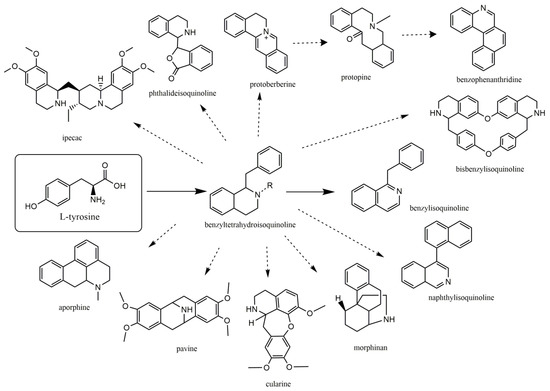
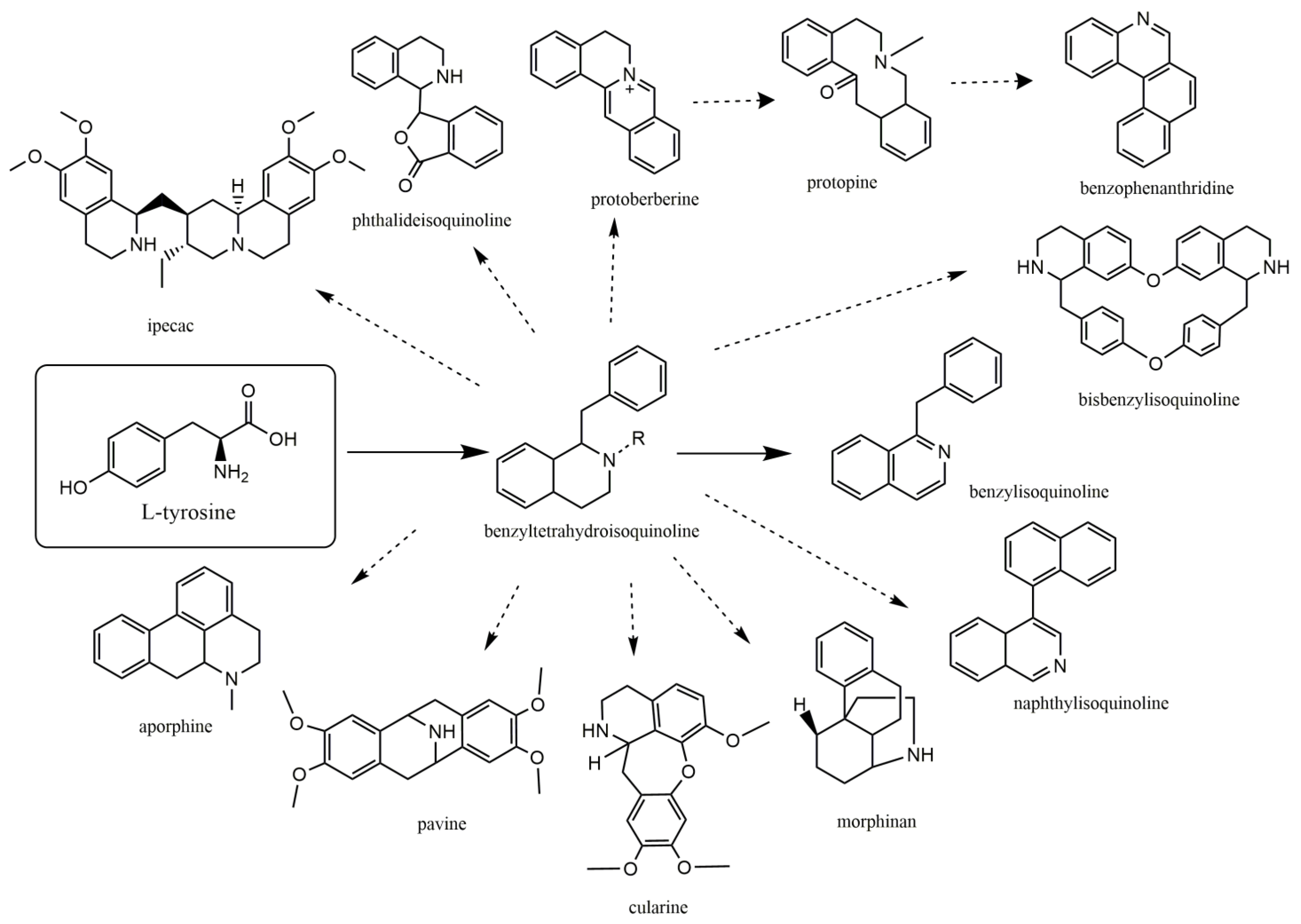
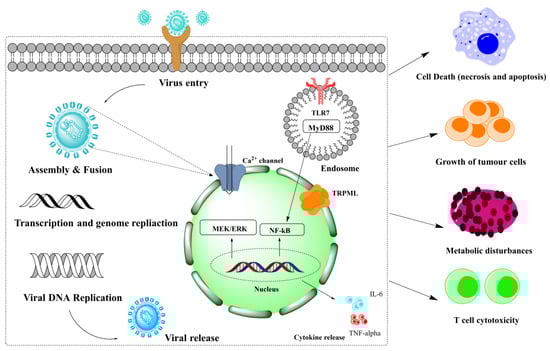
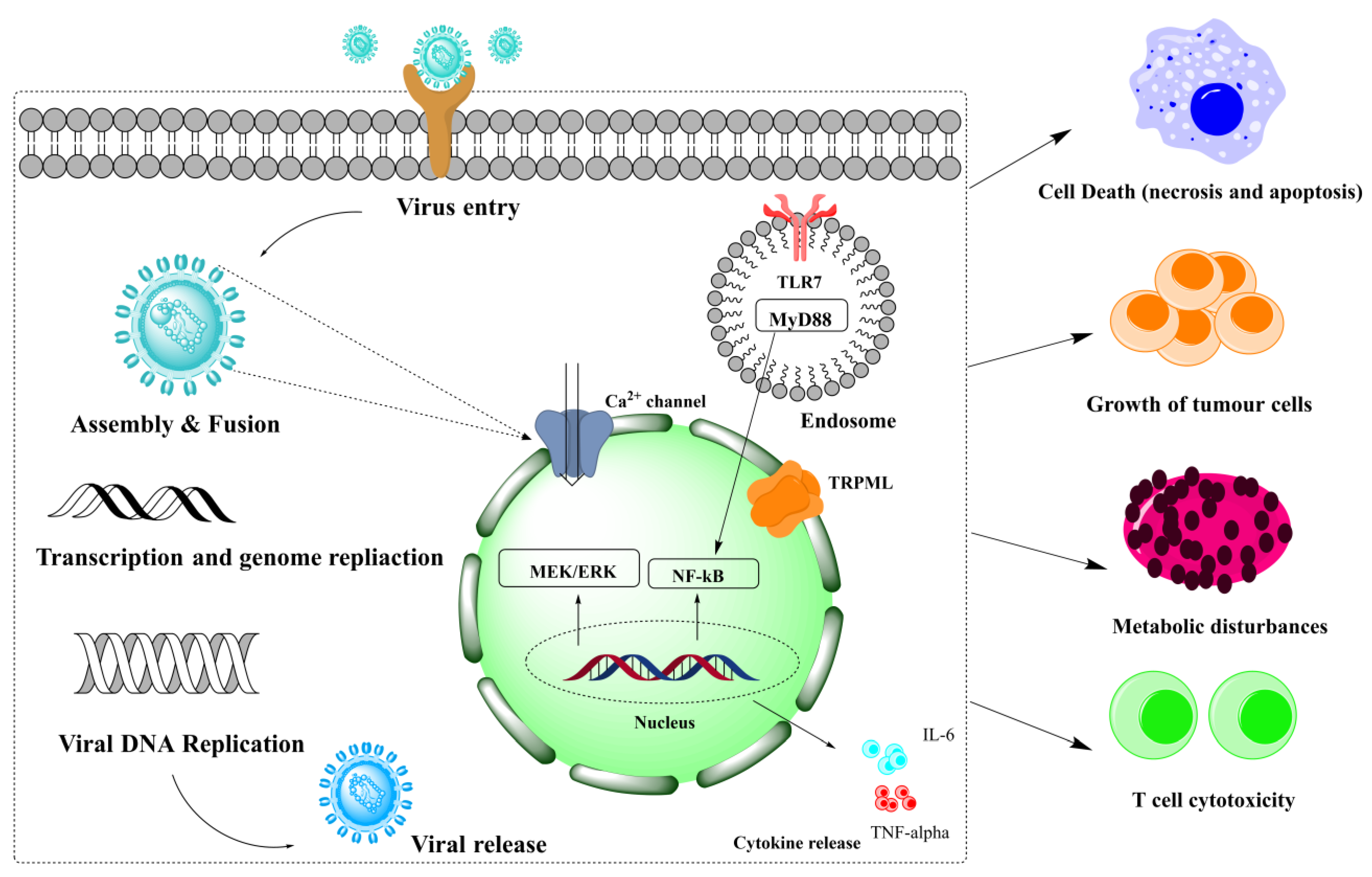
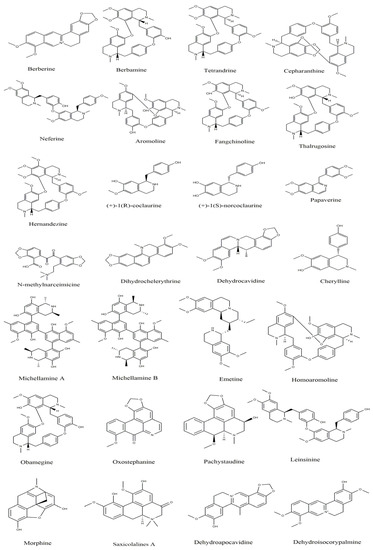
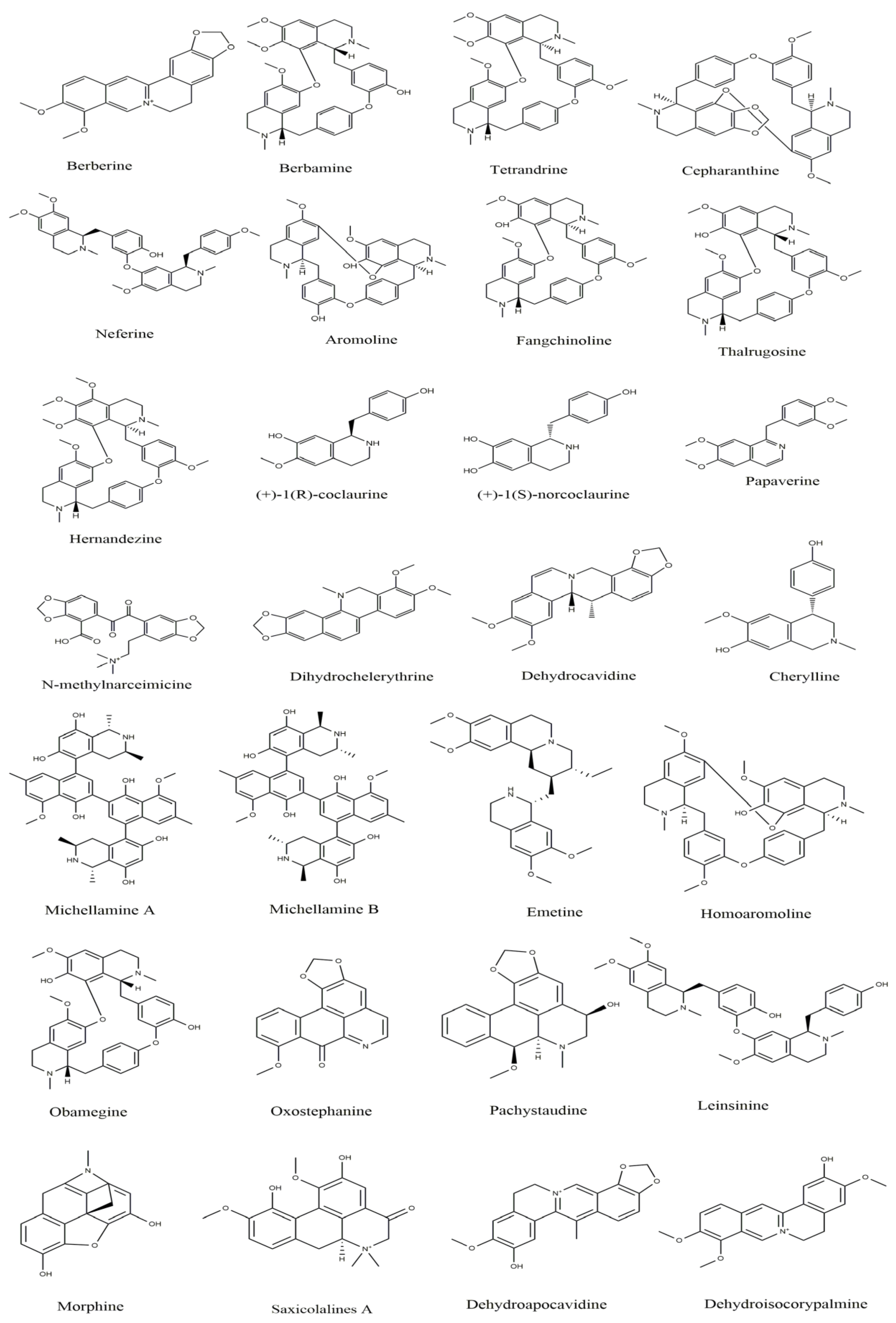
The second-largest category of alkaloids after indole alkaloids is isoquinoline alkaloids [36] which are mainly derived from L-tyrosine and phenylalanine. In the 19th century, morphine was the first isoquinoline alkaloid isolated from Papaver somniferum [37]. There is no structural homogeneity among the isoquinoline alkaloids [25,38,39]. Due to this reason, the classification of these alkaloids is a bit puzzling. However, based on varying levels of oxygenation, rearrangements at the intramolecular level, distribution, shared biosynthetic routes, and the presence of extra rings linked to the main moiety, isoquinoline alkaloids may be divided into 13 classes including benzyltetrahydro-isoquinoline, benzylisoquinolines, aporphines, protoberberine, benzophenanthridine, phthalideisoquinoline, morphinans, pavines, cularines, bisbenzylisoquinolines (BBI), naphythylisoquinoline, promorphinans, and ipecac alkaloids [26,39,40]. Interestingly, the primary precursor for biosynthesizing the other varieties of isoquinoline alkaloids in plants is the benzyltetrahydroisoquinoline type alkaloid (Figure 1). These alkaloids possess numerous biological activities including antifungal, antidiabetic, anticancer, anti-inflammatory, antibacterial, and antiviral. The possible mechanism by which isoquinoline-related alkaloids could show antiviral activity is illustrated in Figure 2 [26,40,41].
Figure 1.
Some important L-tyrosine-derived isoquinoline and their related alkaloids.
Figure 2.
Various steps involved in the pathology of viral infections that might harm cells. MEK/ERK: Mitogen-activated protein kinase/extracellular-signal-regulated kinase, NF-κB: nuclear factor kappa B, TRPML: transient receptor potential, TLR7: Toll-like receptor (TLR)-7, MyD88: myeloid differentiation primary response protein, TNF-α: tumor necrosis factor alpha, IL-6: interleukin-6.
Recent research on viral infections has confirmed the potential role of various categories of isoquinoline and related alkaloids in the prevention of diseases such as SARS-CoV and SARS-CoV-2 [42,43,44].
3. Therapeutic Targets for SARS-CoV-2 Inhibition: In Silico Approaches
One of the main advantages of in silico drug designing process is its cost-effective nature in the research and development process. Molecular modeling and in silico methodologies have gained lots of attention nowadays. Thus, these approaches have been extremely useful in identifying targets and predicting the efficacy of new drugs in recent pandemics. In the recent SARS-CoV-2 infection cycle, angiotensin-converting enzyme (ACE2) fuses with SARS-CoV-2 spike protein to promote and facilitate the virus’s entry. Natural compounds inhibiting ACE2 will directly help in the management of COVID-19 as it restricts the entry of SARS-CoV-2 to the host cell. Similarly, inhibition of other target proteins such as spike protein, main proteases (Mpro/3CLpro), RNA-dependent RNA polymerase (RdRp), and non-structural proteins (NS) may suppress the SARS-CoV-2 infection [45]. Isoquinoline and their related alkaloids effectively bind with all these above-mentioned targets of SARS-CoV-2 enlisted in Table 1.
Table 1.
In silico binding affinities of isoquinoline and related alkaloids against SARS-CoV-2.
3.1. Angiotensin-Converting Enzyme-2 (ACE2) and Spike(S) Protein
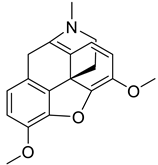
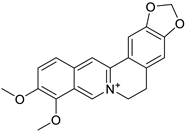
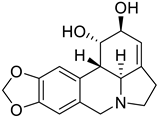
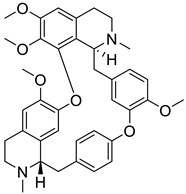
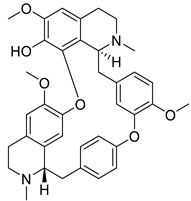
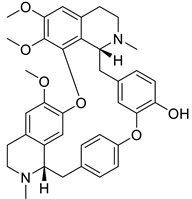
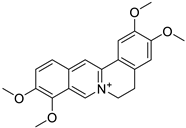
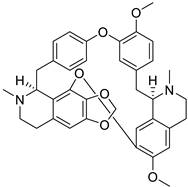
A docking study of 17 natural products including alkaloids such as thebaine and berberine (BBR) showed satisfactory binding with ACE2 and S-protein of SARS-CoV-2. Thebaine (−100.77 kcal/mol) and BBR (−97.54 kcal/mol) showed the strongest binding affinities toward ACE2. While binding with S-protein, thebaine interacted with Gln314, Arg765, and Thr768 residues demonstrating a binding score of −104.56 and −103.58 kcal/mol respectively, whereas, BBR showed interactions with Arg765, Asn317, and Ser316 with a binding score of −99.93 kcal/mol [46]. In one study, previously reported anti-coronavirus alkaloids were assessed through in silico study and a Libdock score was calculated. A BBI alkaloid cepharanthrine (CEP) was the second-highest alkaloid exhibiting a −106.74 kcal/mol binding score after homorringtonine. Other isoquinoline alkaloids such as lycorine (−86.92), tetrandrine (−72.96), and fangchinoline (−92.66) were effectively bound with the S1 subunit of SARS-CoV-2 [42].
3.2. Main Protease (Mpro) or 3-Chemotrypsin-like Protease (3CLpro)
Apart from ACE2, the bis-benzylisoquinoline alkaloidal category shows potential binding affinity against Mpro/3CLpro, PLpro, RNA-dependent RNA polymerase (RdRp), and other NS proteins. Berbamine and oxyacanthine are also bis-benzylisoquinoline alkaloids isolated from Berberis asiatica Roxb. ex DC. Docking of these compounds using AutoDock Vina demonstrated maximum binding affinity with the binding free energy of −20.79 kcal/mol and −33.35 kcal/mol against Mpro [48]. CEP obtained from Stephania cepharantha Hayata has been discovered to have a critical role in the prevention and management of COVID-19 [56]. This phytoconstituent and its natural analogues showed satisfactory results when evaluated collectively by in silico and in vitro methods. Moreover, tetrandrine was also assessed in this research but showed slightly lower activity than CEP [57]. CEP showed strong binding interaction against 3CLpro (−8.5 kcal/mol) and TMPRSS-2 (−7.4 kcal/mol) when docked with the help of Swiss PDB viewer, PyRx, and PyMol software [52]. These studies indicate that bis-benzylisoquinoline alkaloids should be evaluated more for the prevention of SARS-CoV-2 infection.
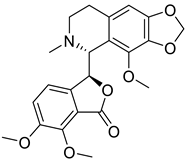
An in silico and molecular dynamic investigation on three primary alkaloids namely BBR, choline, and tetrahydropalmatine from Tinospora cordifolia (Willd.) Miers was conducted with the help of Auto Dock and MG Tools of Auto DockVina software. BBR (−7.3 kcal/mole) had the highest affinity for the SARS-CoV-2 protein 3CLpro [47]. Natural compound noscapine mainly present in the opium poppy plant also possesses high Mpro inhibition activity exhibiting a very high docking score (−292.42 kJ/mol) [49]. Further molecular dynamic (MD) simulation studies also confirmed the stability of noscapine with Mpro [58]. The Mpro inhibition of palmatine obtained from T. cordifolia was also performed with the help of the SwissDock server. The binding score of palmatine and other natural compounds such as gingerol, and BBR with SwissDock-based docking software EADock DSS showed greater than −8 kcal/mol binding affinity toward the Mpro [50]. Molecular docking of a bis-benzylisoquinoline alkaloid oxycanthine showed a binding affinity of −10.99 kcal/mol via Auto Dock which ultimately suggested that it could be a successful candidate in the treatment or prevention of SARS-CoV-2. BBR and capsaicin also showed slightly good binding energy (−7.910 kcal/mol and −5.510 kcal/mol respectively) than caffeine [59]. A recent in silico study, using Autodock (version 4.2) on selected isoquinoline alkaloids including cephaeline, coptisine, galanthamine, glaucine, drotaverine, chelidonine, hydrastine, boldine, fumaricin stated that coptisine had the best binding affinity (−9.15 kcal/mol) toward Mpro. MD simulation study of coptisine depicted a stable complex of N3-Mpro with a binding energy of −8.17 kcal/mol [54].
3.3. RNA-Dependent RNA Polymerase (RdRp)
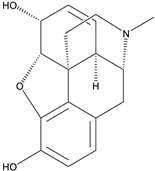
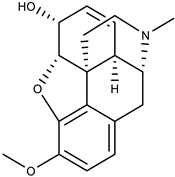
RdRp is an important target to cure RNA-based viral diseases such as MERS, SARS, and SARS-CoV-2 as it is responsible for viral RNA replication. In SARS-CoV-2 infection, RNA genome replication is a prominent step to spread the infection; however, RdRp inhibitors prevent this step and treat the infection. Molecular docking of 38 Chinese patent drugs including phytocompounds, flavonoids and alkaloids, was studied for a molecular docking study against RdRp, ACE2, and Mpro. The in silico study, with the help of AutoDock Vina, the findings demonstrated that morphine, codeine, indirubin, and BBR showed effective binding capacity (>−6.0 kcal/mol) against Mpro; however, their binding affinity against RdRp was much higher (>−8.1 kcal/mol) than that of Mpro [51]. CEP also showed binding with RdRp protein to inhibit viral replication [43]. A study includes 143 isoquinoline compounds for in silico screening using Molegro Virtual Docker (version 6.0, Molegro ApS, Aarhus, Denmark) against RdRp of the Zika virus. Molecular docking studies also demonstrated that Cassiarin D possessed a high binding score against RdRp (−150.7 kJ/mol) [53].
5. Inflammation Inhibition
Anti-inflammatory phytochemicals might be viable therapeutic candidates against various viruses, including SARS-CoV2, as they have direct antiviral effects and can alleviate the status of inflammatory diseases [22,23]. Moreover, it is evident from recent reports that severe COVID-19 patients cause elevation of inflammatory pro-markers which eventually lead to multiorgan failure [161]. Thus, researchers are now focusing on natural products such as medicinal plants that possess anti-inflammatory as well as anti-viral potential. Tetrandrine from the category of bis-benzylisoquinoline alkaloids of isoquinoline alkaloids has been reported for immunomodulation and anti-inflammatory activities. It has anti-inflammatory action against croton oil-induced ear edema in mice and demonstrates 95% inhibition at 12.5 µM [162]. This isoquinoline alkaloid also showed inhibition against proinflammatory mediators of cytokines, iNOS, and cyclooxygenase (COX-2) in human monocytic cells [163]. In vitro lipopolysaccharide assay suggested the potential of tetrandrine to inhibit TNF-α, IL-6, and NO release in lipopolysaccharide (LPS)-induced microglial activation [164]. Similarly, in vivo studies performed on BBR, which is another isoquinoline alkaloid at the dose of 50 mg/kg, indicated a reduction of IL-6, IL-10, IL-1β, and IFN-γ caused by thioacetamide injection [165]. Noscapine is also found to be responsible for showing inhibitory action against cytokine storm in COVID-19 [166]. Recently, an in vitro study indicated that litcubanine, an isoquinoline alkaloid greatly reduced the activation of inflammatory macrophages by LPS via the NF-κB pathway, which would reduce the levels of inflammatory mediators such iNOS, TNF-α, and IL-1β [167].
6. Clinical Findings
The efficacy of isoquinoline and related alkaloids in various scientific reports including in silico, in vitro, and in vivo evaluation justified a slew of human clinical trials to assess the safety, pharmacokinetics, and pharmacodynamic effectiveness in a variety of viral pathologies. Few recent clinical trials also justify the role of isoquinoline and related alkaloids in viral infections. For example, clinicians investigated the effects of BBR (NCT04479202) on intestinal function, serum concentrations of inflammatory biomarkers, and organ function in severe SARS-CoV-2-infected patients in a prospective randomized controlled clinical trial supported by the Chinese medical association. An herbal formulation of COVIDEX also contains BBR (NCT05228626) targeting SARS-CoV-2 in a clinical trial sponsored by Makerere University in Uganda. Tetrandrine (NCT04308317) in combination with standard drug improves prognosis and reduces the incidence of pulmonary fibrosis during rehabilitation in SARS-CoV-2 patients. Even though there are only a few clinical trials (enlisted in Table 3) in the literature that include the use of isoquinoline and related alkaloids with various viral infections, these moieties are expected to have a greater impact on viral load, making these molecules the alternative option for improving the limited clinical efficacy and expanding the field of use to other viral pathologies.
Table 3.
Clinical trials of isoquinoline alkaloids against viral infections.
7. Conclusions and Future Perspective
The emerging variants of powerful viruses have made the task of clinical practitioners and scientists more challenging to find an effective solution against viral infections. However, naturally occurring isoquinoline and related alkaloids could be an alternative option for treating these rapidly mutating viruses. From research findings, it can be concluded that these alkaloids exert their antiviral action majorly by interfering with the signaling pathways such as NF-κB, and MEK/ERK that eventually restricts the entry and replication of the virus. Furthermore, inhibition of Ca2+-mediated fusion and SandN protein expression could also facilitate the antiviral actions. Isoquinoline and their related alkaloids also resist pro-inflammatory markers such as IL-6, IL-10, and IL-1β and exert anti-inflammatory action. Additionally, an increase in CD8+ cells and IFN-γ production by some of the isoquinoline alkaloids represent immunomodulatory effects.
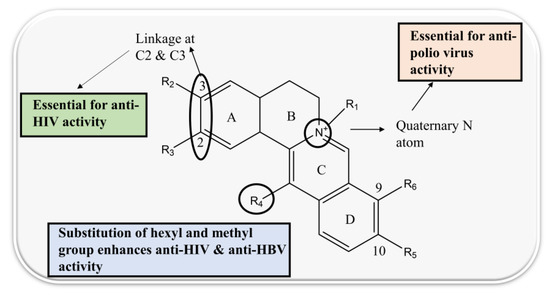
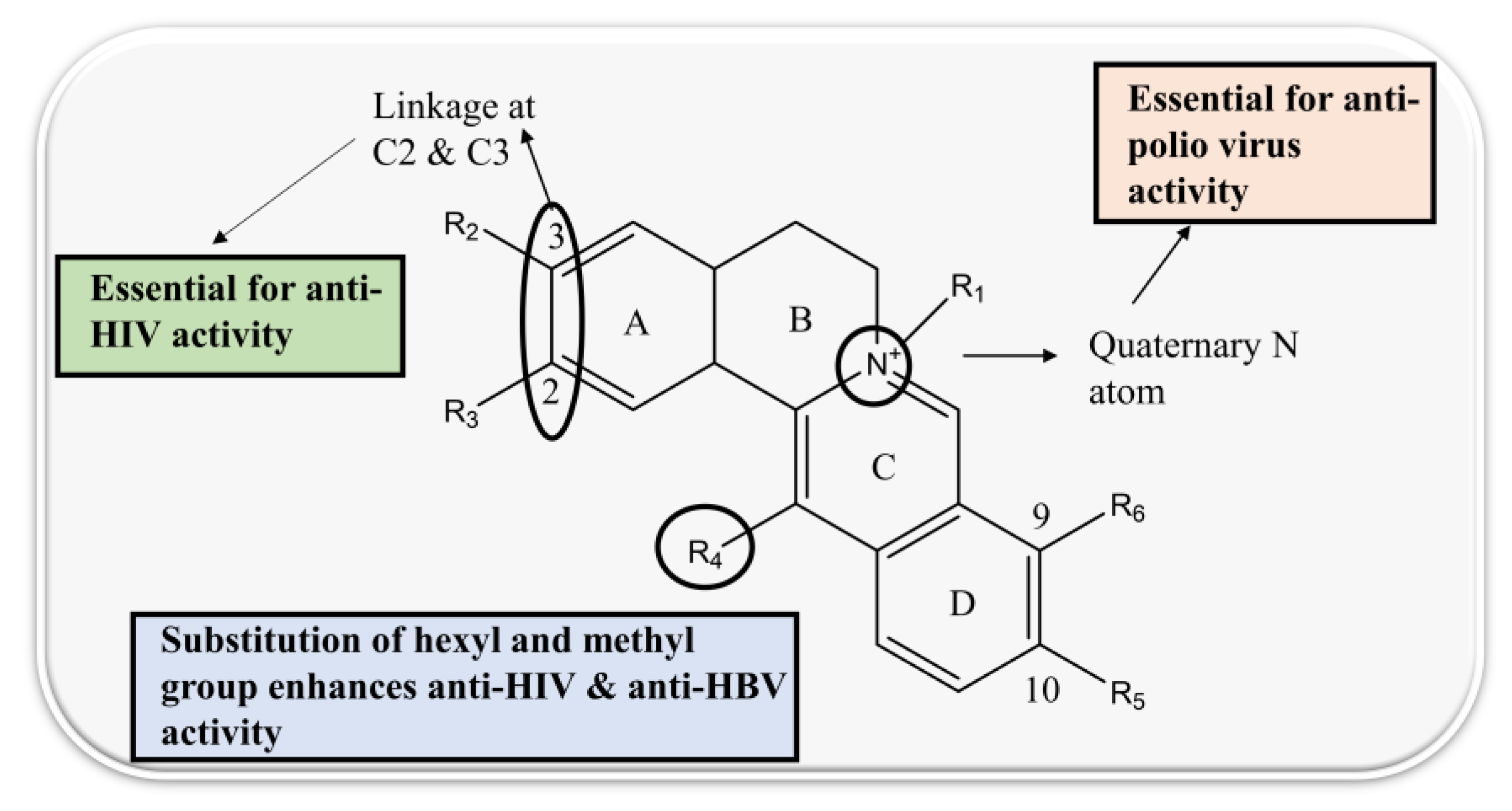
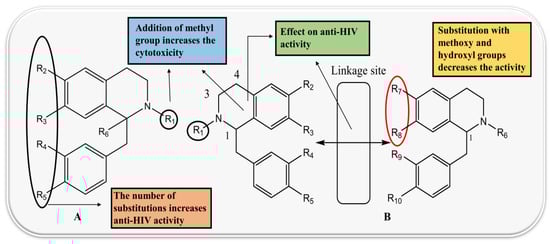
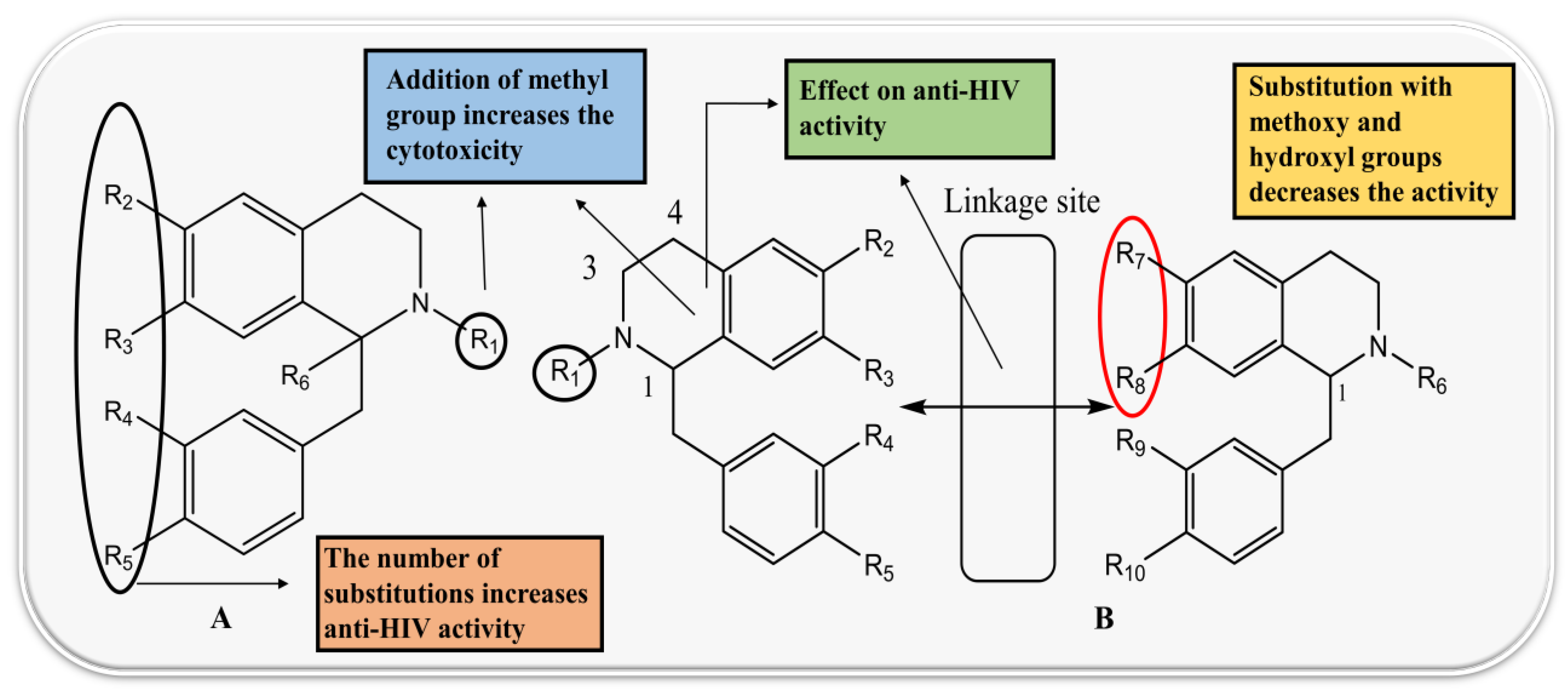
The structure–activity relationship has clearly shown that the quaternary nitrogen atom is essential for the antiviral activity of protoberberine and benzophenanthridine alkaloids. However, substitution with a methyl group at benzyltetrahydroisoquinoline and BBI moieties potentiate the antiviral action. From the in vitro and in vivo studies, it is concluded that isoquinoline and related alkaloids including berbamine, CEP, tetrandrine, neferine and lycorine from the BBI category of isoquinoline alkaloids represent broad-spectrum activities against HSV, HIV, SARS-CoV, and SARS-CoV-2 infection. Thus, BBIalkaloids should be further structurally explored for the treatment of newly emerged viral strains.
Author Contributions
Conceptualization: N.S. and M.D.; original draft preparation, writing and editing: D.S. and N.M.; review of structure–activity relationships: P.C.S.; draft revision and editing: M.D., N.S., and V.K.T.; final approval: S.K.P., M.M.R., and V.K.T. All authors have read and agreed to the published version of the manuscript.
Funding
This study received no external funding.
Institutional Review Board Statement
Not applicable.
Informed Consent Statement
Not applicable.
Data Availability Statement
Not applicable.
Acknowledgments
We thank the Department of Science and Technology, Government of India. for providing DST-Inspire fellowship to Divya Sharma for conducting her doctoral research work.
Conflicts of Interest
The authors declare no conflict of interest.
References
- Caldaria, A.; Conforti, C.; Di Meo, N.; Dianzani, C.; Jafferany, M.; Lotti, T.; Zalaudek, I.; Giuffrida, R. COVID-19 and SARS: Differences and similarities. Dermatol. Ther. 2020, 33, e13395. [Google Scholar] [CrossRef] [Scilit] [PubMed]
- Rabaan, A.A.; Al-Ahmed, S.H.; Haque, S.; Sah, R.; Tiwari, R.; Malik, Y.S.; Dhama, K.; Yatoo, M.I.; Bonilla-Aldana, D.K.; Rodriguez-Morales, A.J. SARS-CoV-2, SARS-CoV, and MERS-COV: A comparative overview. Infez Med 2020, 28, 174–184. [Google Scholar] [PubMed]
- Chen, Z.; Boon, S.S.; Wang, M.H.; Chan, R.W.Y.; Chan, P.K.S. Genomic and evolutionary comparison between SARS-CoV-2 and other human coronaviruses. J. Virol. Methods 2021, 289, 114032. [Google Scholar] [CrossRef] [Scilit] [PubMed]
- Available online: https://www.who.int/news-room/fact-sheets/detail/hiv-aids#:~:text=HIV%20continues%20to%20be%20a,no%20cure%20for%20HIV%20infection (accessed on 9 November 2022).
- Available online: https://www.who.int/news-room/fact-sheets/detail/hepatitis-b#:~:text=HBV%2DHIV%20coinfection&text=Conversely%2C%20the%20global%20prevalence%20of,%2Dinfected%20persons%20is%207.4%25 (accessed on 24 June 2022).
- Ball, M.J.; Lukiw, W.J.; Kammerman, E.M.; Hill, J.M. Intracerebral propagation of Alzheimer’s disease: Strengthening evidence of a herpes simplex virus etiology. Alzheimer’s Dement. 2013, 9, 169–175. [Google Scholar] [CrossRef] [Scilit] [PubMed]
- Hober, D.; Sane, F.; Jaidane, H.; Riedweg, K.; Goffard, A.; Desailloud, R. Immunology in the clinic review series; focus on type 1 diabetes and viruses: Role of antibodies enhancing the infection with Coxsackievirus-B in the pathogenesis of type 1 diabetes. Clin. Exp. Immunol. 2012, 168, 47–51. [Google Scholar] [CrossRef] [Scilit]
- Morgan, R.L.; Baack, B.; Smith, B.D.; Yartel, A.; Pitasi, M.; Falck-Ytter, Y. Eradication of hepatitis C virus infection and the development of hepatocellular carcinoma: A meta-analysis of observational studies. Ann. Intern. Med. 2013, 158 Pt 1, 329–337. [Google Scholar] [CrossRef] [Scilit]
- Kharb, R.; Shahar Yar, M.; Sharma, P.C. Recent advances and future perspectives of triazole analogs as promising antiviral agents. Mini Rev. Med. Chem. 2011, 11, 84–96. [Google Scholar] [CrossRef] [Scilit]
- Parra, A.L.; Bezerra, L.P.; Shawar, D.E.; Neto, N.A.; Mesquita, F.P.; Silva, G.O.D.; Souza, P.F. Synthetic antiviral peptides: A new way to develop targeted antiviral drugs. Future Virol. 2022, 17, 577–591. [Google Scholar] [CrossRef] [Scilit]
- Serban, G. Synthetic Compounds with 2-Amino-1,3,4-Thiadiazole Moiety Against Viral Infections. Molecules 2020, 25, 942. [Google Scholar] [CrossRef] [Scilit]
- Wang, Y.; Ling, L.; Zhang, Z.; Marin-Lopez, A. Current Advances in Zika Vaccine Development. Vaccines 2022, 10, 1816. [Google Scholar] [CrossRef] [Scilit]
- Burki, T. The origin of SARS-CoV-2 variants of concern. Lancet Infect. Dis. 2022, 22, 174–175. [Google Scholar] [CrossRef] [Scilit] [PubMed]
- Nováková, L.; Pavlík, J.; Chrenková, L.; Martinec, O.; Červený, L. Current antiviral drugs and their analysis in biological materials–Part II: Antivirals against hepatitis and HIV viruses. J. Pharm. Biomed. Anal. 2018, 147, 378–399. [Google Scholar] [CrossRef] [Scilit] [PubMed]
- Ganjhu, R.K.; Mudgal, P.P.; Maity, H.; Dowarha, D.; Devadiga, S.; Nag, S.; Arunkumar, G. Herbal plants and plant preparations as remedial approach for viral diseases. Virus Dis. 2015, 26, 225–236. [Google Scholar] [CrossRef] [Scilit] [PubMed]
- Kitazato, K.; Wang, Y.; Kobayashi, N. Viral infectious disease and natural products with antiviral activity. Drug Discov. 2007, 1, 14–22. [Google Scholar]
- Adhikari, B.; Marasini, B.P.; Rayamajhee, B.; Bhattarai, B.R.; Lamichhane, G.; Khadayat, K.; Adhikari, A.; Khanal, S.; Parajuli, N. Potential roles of medicinal plants for the treatment of viral diseases focusing on COVID-19: A review. Phytother. Res. 2021, 35, 1298–1312. [Google Scholar] [CrossRef] [Scilit]
- Wang, K.; Conlon, M.; Ren, W.; Chen, B.B.; Bączek, T. Natural Products as Targeted Modulators of the Immune System. J. Immunol. Res. 2018, 2018, 7862782. [Google Scholar] [CrossRef] [Scilit]
- Khanna, K.; Kohli, S.K.; Kaur, R.; Bhardwaj, A.; Bhardwaj, V.; Ohri, P.; Sharma, A.; Ahmad, A.; Bhardwaj, R.; Ahmad, P. Herbal immune-boosters: Substantial warriors of pandemic Covid-19 battle. Phytomed. Int. J. Phytother. Phytopharm. 2021, 85, 153361. [Google Scholar] [CrossRef] [Scilit]
- Sharma, P.C.; Sharma, O.; Vasudeva, N.; Mishra, D.; Singh, S. Anti-HIV substances of natural origin–An updated account. Nat. Prod. Radiance 2006, 70–78. [Google Scholar]
- Patel, B.; Sharma, S.; Nair, N.; Majeed, J.; Goyal, R.K.; Dhobi, M. Therapeutic opportunities of edible antiviral plants for COVID-19. Mol Cell Biochem 2021, 476, 2345–2364. [Google Scholar] [CrossRef] [Scilit]
- Mrityunjaya, M.; Pavithra, V.; Neelam, R.; Janhavi, P.; Halami, P.; Ravindra, P. Immune-boosting, antioxidant and anti-inflammatory food supplements targeting pathogenesis of COVID-19. Front. Immunol. 2020, 2337. [Google Scholar] [CrossRef] [Scilit]
- Zhang, D.-H.; Wu, K.-L.; Zhang, X.; Deng, S.-Q.; Peng, B. In silico screening of Chinese herbal medicines with the potential to directly inhibit 2019 novel coronavirus. J. Integr. Med. 2020, 18, 152–158. [Google Scholar] [CrossRef] [Scilit] [PubMed]
- Omrani, M.; Keshavarz, M.; Nejad Ebrahimi, S.; Mehrabi, M.; Mcgaw, L.J.; Ali Abdalla, M.; Mehrbod, P. Potential Natural Products Against Respiratory Viruses: A Perspective to Develop Anti-COVID-19 Medicines. Front. Pharmacol. 2021, 11. [Google Scholar] [CrossRef] [Scilit] [PubMed]
- Erika, P.; Avila M, M.C.; Muñoz, D.R.; Cuca S, L.E. Natural isoquinoline alkaloids: Pharmacological features and multi-target potential for complex diseases. Pharmacol. Res. 2022, 177, 106126. [Google Scholar] [CrossRef] [Scilit]
- Qing, Z.-X.; Yang, P.; Tang, Q.; Cheng, P.; Liu, X.-B.; Zheng, Y.-J.; Liu, Y.-S.; Zeng, J.-G. Isoquinoline Alkaloids and Their Antiviral, Antibacterial, and Antifungal Activities and Structure-activity Relationship. Curr. Org. Chem. 2017, 21, 1920–1934. [Google Scholar] [CrossRef] [Scilit]
- Warowicka, A.; Nawrot, R.; Goździcka-Józefiak, A. Antiviral activity of berberine. Arch. Virol. 2020, 165, 1935–1945. [Google Scholar] [CrossRef] [Scilit]
- Souto, A.L.; Tavares, J.F.; Da Silva, M.S.; Diniz, M.D.F.F.M.; De Athayde-Filho, P.F.; Barbosa Filho, J.M. Anti-inflammatory activity of alkaloids: An update from 2000 to 2010. Molecules 2011, 16, 8515–8534. [Google Scholar] [CrossRef] [Scilit]
- Bribi, N. Pharmacological activity of Alkaloids: A Review. Asian J. Bot. 2018, 1–6. [Google Scholar] [CrossRef]
- Yan, Y.; Li, X.; Zhang, C.; Lv, L.; Gao, B.; Li, M. Research Progress on Antibacterial Activities and Mechanisms of Natural Alkaloids: A Review. Antibiotics 2021, 10, 318. [Google Scholar] [CrossRef] [Scilit]
- Mondal, A.; Gandhi, A.; Fimognari, C.; Atanasov, A.G.; Bishayee, A. Alkaloids for cancer prevention and therapy: Current progress and future perspectives. Eur. J. Pharm. 2019, 858, 172472. [Google Scholar] [CrossRef] [Scilit]
- Khan, H.; Mubarak, M.S.; Amin, S. Antifungal Potential of Alkaloids As An Emerging Therapeutic Target. Curr Drug Targets 2017, 18, 1825–1835. [Google Scholar] [CrossRef] [Scilit]
- Farnsworth, N.R.; Svoboda, G.H.; Blomster, R.N. Antiviral Activity of Selected Catharanthus Alkaloids. J. Pharm. Sci. 1968, 57, 2174–2175. [Google Scholar] [CrossRef] [Scilit] [PubMed]
- Renard-Nozaki, J.; Kim, T.; Imakura, Y.; Kihara, M.; Kobayashi, S. Effect of alkaloids isolated from Amaryllidaceae on herpes simplex virus. Res. Virol. 1989, 140, 115–128. [Google Scholar] [CrossRef] [Scilit] [PubMed]
- Topcu, G.S.H.; Toraman, G.O.A.; Altan, V.M. Natural alkaloids as potential anti-coronavirus compounds. (Special Issue: Therapeutic options and potential vaccine studies against COVID-19. Bezmialem Sci. 2020, 8, 131–139. [Google Scholar] [CrossRef] [Scilit]
- Ramawat, K.G. Biodiversity and Chemotaxonomy; Sustainable Development and Biodiversity; Ramawat, K.G., Ed.; Springer: Berlin/Heidelberg, Germany, 2019; Volume 24. [Google Scholar]
- Santoro, D.; Bellinghieri, G.; Savica, V. Development of the concept of pain in history. J. Nephrol. 2011, 24 (Suppl. 17), S133–S136. [Google Scholar] [CrossRef] [Scilit] [PubMed]
- Kukula-Koch, W.A.; Widelski, J. Chapter 9—Alkaloids, Pharmacognosy; Badal, S., Delgoda, R., Eds.; Academic Press: Boston, MA, USA, 2017; pp. 163–198. [Google Scholar]
- Qing, Z.; Xu, Y.; Yu, L.; Liu, J.; Huang, X.; Tang, Z.; Cheng, P.; Zeng, J. Investigation of fragmentation behaviours of isoquinoline alkaloids by mass spectrometry combined with computational chemistry. Sci. Rep. 2020, 10, 733. [Google Scholar] [CrossRef] [Scilit]
- Qing, Z.-X.; Huang, J.-L.; Yang, X.-Y.; Liu, J.-H.; Cao, H.-L.; Xiang, F.; Cheng, P.; Zeng, J.-G. Anticancer and Reversing Multidrug Resistance Activities of Natural Isoquinoline Alkaloids and their Structure-activity Relationship. Curr. Med. Chem. 2018, 25, 5088–5114. [Google Scholar] [CrossRef] [Scilit]
- Shang, X.-F.; Yang, C.-J.; Morris-Natschke, S.L.; Li, J.-C.; Yin, X.-D.; Liu, Y.-Q.; Guo, X.; Peng, J.-W.; Goto, M.; Zhang, J.-Y.; et al. Biologically active isoquinoline alkaloids covering 2014–2018. Med. Res. Rev. 2020, 40, 2212–2289. [Google Scholar] [CrossRef] [Scilit]
- Fielding, B.C.; Da Silva Maia Bezerra Filho, C.; Ismail, N.S.M.; Sousa, D.P.D. Alkaloids: Therapeutic Potential against Human Coronaviruses. Molecules 2020, 25, 5496. [Google Scholar] [CrossRef] [Scilit]
- Majnooni, M.B.; Fakhri, S.; Bahrami, G.; Naseri, M.; Farzaei, M.H.; Echeverría, J. Alkaloids as Potential Phytochemicals against SARS-CoV-2: Approaches to the Associated Pivotal Mechanisms. Evid. -Based Complement. Altern. Med. 2021, 2021, 6632623. [Google Scholar] [CrossRef] [Scilit]
- Abookleesh, F.L.; Al-Anzi, B.S.; Ullah, A. Potential Antiviral Action of Alkaloids. Molecules 2022, 27, 903. [Google Scholar] [CrossRef] [Scilit]
- Goyal, R.K.; Majeed, J.; Tonk, R.; Dhobi, M.; Patel, B.; Sharma, K.; Apparsundaram, S. Current targets and drug candidates for prevention and treatment of SARS-CoV-2 (COVID-19) infection. Rev. Cardiovasc. Med. 2020, 21, 365–384. [Google Scholar] [CrossRef] [Scilit] [PubMed]
- Maurya, V.K.; Kumar, S.; Prasad, A.K.; Bhatt, M.L.; Saxena, S.K. Structure-based drug designing for potential antiviral activity of selected natural products from Ayurveda against SARS-CoV-2 spike glycoprotein and its cellular receptor. Virusdisease 2020, 31, 179–193. [Google Scholar] [CrossRef] [Scilit] [PubMed]
- Chowdhury, P. In silico investigation of phytoconstituents from Indian medicinal herb ‘Tinospora cordifolia (giloy)’against SARS-CoV-2 (COVID-19) by molecular dynamics approach. J. Biomol. Struct. Dyn. 2021, 39, 6792–6809. [Google Scholar] [CrossRef] [Scilit] [PubMed]
- Joshi, T.; Bhat, S.; Pundir, H.; Chandra, S. Identification of Berbamine, Oxyacanthine and Rutin from Berberis asiatica as anti-SARS-CoV-2 compounds: An in silico study. J. Mol. Graph. Model. 2021, 109, 108028. [Google Scholar] [CrossRef] [Scilit] [PubMed]
- Kumar, N.; Sood, D.; Van Der Spek, P.J.; Sharma, H.S.; Chandra, R. Molecular binding mechanism and pharmacology comparative analysis of noscapine for repurposing against SARS-CoV-2 protease. J. Proteome Res. 2020, 19, 4678–4689. [Google Scholar] [CrossRef] [Scilit] [PubMed]
- Jadhav, V.; Ingle, S.; Ahmed, R. Inhibitory activity of palmatine on main protease complex (mpro) of SARS-CoV-2. Rom. J. Biophys. 2021, 31, 27–40. [Google Scholar] [CrossRef] [Scilit]
- Yan, J.; Shen, X.; Cao, Y.; Zhang, J.; Wang, Y.; Cheng, Y. Discovery of Anti-2019-nCoV Agents from 38 Chinese Patent Drugs toward Respiratory Diseases via Docking Screening. Preprints 2020. [Google Scholar] [CrossRef] [Scilit]
- Jain, D.; Hossain, R.; Khan, R.; Dey, D.; Toma, T.R.; Islam, M.; Pracheta, D.; Khalid, R.; Hakeem, K. Computer-aided Evaluation of Anti-SARS-CoV-2 (3-chymotrypsin-like Protease and Transmembrane Protease Serine 2 Inhibitors) Activity of Cepharanthine: An In silico Approach. Biointerface Res. Appl. Chem. 2021, 12, 768–780. [Google Scholar]
- Byler, K.G.; Ogungbe, I.V.; Setzer, W.N. Setzer In-silico screening for anti-Zika virus phytochemicals. J. Mol. Graph. Model. 2016, 69, 78–91. [Google Scholar] [CrossRef] [Scilit]
- Sadeghi, M.; Miroliaei, M. Inhibitory effects of selected isoquinoline alkaloids against main protease (Mpro) of SARS-CoV-2, in silico study. Silico Pharmacol. 2022, 10, 1–8. [Google Scholar] [CrossRef] [Scilit]
- Garg, S.; Roy, A. In silico analysis of selected alkaloids against main protease (Mpro) of SARS-CoV-2. Chem.-Biol. Interact. 2020, 332, 109309. [Google Scholar] [CrossRef] [Scilit] [PubMed]
- Rogosnitzky, M.; Okediji, P.; Koman, I. Cepharanthine: A review of the antiviral potential of a Japanese-approved alopecia drug in COVID-19. Pharmacol. Rep. 2020, 72, 1509–1516. [Google Scholar] [CrossRef] [Scilit] [PubMed]
- Hijikata, A.; Shionyu-Mitsuyama, C.; Nakae, S.; Shionyu, M.; Ota, M.; Kanaya, S.; Hirokawa, T.; Nakajima, S.; Watashi, K.; Shirai, T. Evaluating cepharanthine analogues as natural drugs against SARS-CoV-2. FEBS Open Bio 2022, 12, 285–294. [Google Scholar] [CrossRef] [Scilit] [PubMed]
- Kumar, D.; Kumari, K.; Jayaraj, A.; Kumar, V.; Kumar, R.V.; Dass, S.K.; Chandra, R.; Singh, P. Understanding the binding affinity of noscapines with protease of SARS-CoV-2 for COVID-19 using MD simulations at different temperatures. J. Biomol. Struct. Dyn. 2021, 39, 2659–2672. [Google Scholar] [CrossRef] [Scilit]
- Agrawal, A.; Jain, N.K.; Kumar, N.; Kulkarni, G.T. Molecular docking study to identify a potential inhibitor of covid-19 main protease enzyme: An in-silico approach. ChemRxiv 2020. Cambridge: Cambridge Open Engage; This content is a preprint and has not been peer-reviewed. [Google Scholar] [CrossRef]
- Song, S.; Qiu, M.; Chu, Y.; Chen, D.; Wang, X.; Su, A.; Wu, Z. Downregulation of cellular c-Jun N-terminal protein kinase and NF-κB activation by berberine may result in inhibition of herpes simplex virus replication. Antimicrob. Agents Chemother. 2014, 58, 5068–5078. [Google Scholar] [CrossRef] [Scilit]
- Zha, W.; Liang, G.; Xiao, J.; Studer, E.J.; Hylemon, P.B.; Pandak, W.M., Jr.; Wang, G.; Li, X.; Zhou, H. Berberine Inhibits HIV Protease Inhibitor-Induced Inflammatory Response by Modulating ER Stress Signaling Pathways in Murine Macrophages. PLoS ONE 2010, 5, e9069. [Google Scholar] [CrossRef] [Scilit]
- Wang, Z.Z.; Li, K.; Maskey, A.R.; Huang, W.; Toutov, A.A.; Yang, N.; Srivastava, K.; Geliebter, J.; Tiwari, R.; Miao, M. A small molecule compound berberine as an orally active therapeutic candidate against COVID-19 and SARS: A computational and mechanistic study. FASEB J. 2021, 35, e21360. [Google Scholar] [CrossRef] [Scilit]
- Pizzorno, A.; Padey, B.; Dubois, J.; Julien, T.; Traversier, A.; Dulière, V.; Brun, P.; Lina, B.; Rosa-Calatrava, M.; Terrier, O. In vitro evaluation of antiviral activity of single and combined repurposable drugs against SARS-CoV-2. Antivir. Res. 2020, 181, 104878. [Google Scholar] [CrossRef] [Scilit]
- Ghareeb, D.A.; Saleh, S.R.; Seadawy, M.G.; Nofal, M.S.; Abdulmalek, S.A.; Hassan, S.F.; Khedr, S.M.; Abdelwahab, M.G.; Sobhy, A.A.; Yassin, A.M. Nanoparticles of ZnO/Berberine complex contract COVID-19 and respiratory co-bacterial infection in addition to elimination of hydroxychloroquine toxicity. J. Pharm. Investig. 2021, 51, 735–757. [Google Scholar] [CrossRef] [Scilit]
- Varghese, F.S.; Van Woudenbergh, E.; Overheul, G.J.; Eleveld, M.J.; Kurver, L.; Van Heerbeek, N.; Van Laarhoven, A.; Miesen, P.; Den Hartog, G.; De Jonge, M.I. Berberine and obatoclax inhibit SARS-CoV-2 replication in primary human nasal epithelial cells in vitro. Viruses 2021, 13, 282. [Google Scholar] [CrossRef] [Scilit] [PubMed]
- Cecil, C.E.; Davis, J.M.; Cech, N.B.; Laster, S.M. Inhibition of H1N1 influenza A virus growth and induction of inflammatory mediators by the isoquinoline alkaloid berberine and extracts of goldenseal (Hydrastis canadensis). Int. Immunopharmacol. 2011, 11, 1706–1714. [Google Scholar] [CrossRef] [Scilit] [PubMed]
- Varghese, F.S.; Thaa, B.; Amrun, S.N.; Simarmata, D.; Rausalu, K.; Nyman, T.A.; Merits, A.; Mcinerney, G.M.; Ng, L.F.P.; Ahola, T. The Antiviral Alkaloid Berberine Reduces Chikungunya Virus-Induced Mitogen-Activated Protein Kinase Signaling. J. Virol. 2016, 90, 9743–9757. [Google Scholar] [CrossRef] [Scilit] [PubMed]
- Botwina, P.; Owczarek, K.; Rajfur, Z.; Ochman, M.; Urlik, M.; Nowakowska, M.; Szczubiałka, K.; Pyrc, K. Berberine hampers influenza a replication through inhibition of MAPK/ERK pathway. Viruses 2020, 12, 344. [Google Scholar] [CrossRef] [Scilit] [PubMed]
- Yan, Y.Q.; Fu, Y.J.; Wu, S.; Qin, H.Q.; Zhen, X.; Song, B.M.; Weng, Y.S.; Wang, P.C.; Chen, X.Y.; Jiang, Z.Y. Anti-influenza activity of berberine improves prognosis by reducing viral replication in mice. Phytother. Res. 2018, 32, 2560–2567. [Google Scholar] [CrossRef] [Scilit]
- Luganini, A.; Mercorelli, B.; Messa, L.; Palù, G.; Gribaudo, G.; Loregian, A. The isoquinoline alkaloid berberine inhibits human cytomegalovirus replication by interfering with the viral Immediate Early-2 (IE2) protein transactivating activity. Antivir. Res. 2019, 164, 52–60. [Google Scholar] [CrossRef] [Scilit]
- Wu, Y.R.; Ma, Y.B.; Zhao, Y.X.; Yao, S.Y.; Zhou, J.; Zhou, Y.; Chen, J.J. Two new quaternary alkaloids and anti-hepatitis B virus active constituents from Corydalis saxicola. Planta Med. 2007, 73, 787–791. [Google Scholar] [CrossRef] [Scilit]
- Kashiwada, Y.; Aoshima, A.; Ikeshiro, Y.; Chen, Y.-P.; Furukawa, H.; Itoigawa, M.; Fujioka, T.; Mihashi, K.; Cosentino, L.M.; Morris-Natschke, S.L. Anti-HIV benzylisoquinoline alkaloids and flavonoids from the leaves of Nelumbo nucifera, and structure–activity correlations with related alkaloids. Bioorganic Med. Chem. 2005, 13, 443–448. [Google Scholar] [CrossRef] [Scilit]
- Tietjen, I.; Ntie-Kang, F.; Mwimanzi, P.; Onguéné, P.A.; Scull, M.A.; Idowu, T.O.; Ogundaini, A.O.; Meva’a, L.M.; Abegaz, B.M.; Rice, C.M. Screening of the Pan-African natural product library identifies ixoratannin A-2 and boldine as novel HIV-1 inhibitors. PLoS ONE 2015, 10, e0121099. [Google Scholar] [CrossRef] [Scilit]
- Boustie, J.; Stigliani, J.-L.; Montanha, J.; Amoros, M.; Payard, M.; Girre, L. Antipoliovirus structure− activity relationships of some aporphine alkaloids. J. Nat. Prod. 1998, 61, 480–484. [Google Scholar] [CrossRef] [Scilit]
- Yu, Z.; Han, C.; Song, X.; Chen, G.; Chen, J. Bioactive aporphine alkaloids from the stems of Dasymaschalon rostratum. Bioorganic Chem. 2019, 90, 103069. [Google Scholar] [CrossRef] [Scilit] [PubMed]
- Orhana, I.; Ozçelik, B.; Karaoğlu, T.; Sener, B. Antiviral and antimicrobial profiles of selected isoquinoline alkaloids from Fumaria and Corydalis species. Z. Nat. C J. Biosci. 2007, 62, 19–26. [Google Scholar] [CrossRef] [Scilit] [PubMed]
- Montanha, J.; Amoros, M.; Boustie, J.; Girre, L. Anti-herpes virus activity of aporphine alkaloids. Planta Med. 1995, 61, 419–424. [Google Scholar] [CrossRef] [Scilit] [PubMed]
- Ellinger, B.; Bojkova, D.; Zaliani, A.; Cinatl, J.; Claussen, C.; Westhaus, S.; Keminer, O.; Reinshagen, J.; Kuzikov, M.; Wolf, M. A SARS-CoV-2 cytopathicity dataset generated by high-content screening of a large drug repurposing collection. Sci. Data 2021, 8, 1–10. [Google Scholar] [CrossRef] [Scilit]
- Nokta, M.; Albrecht, T.; Pollard, R. Papaverine hydrochloride: Effects on HIV replication and T-lymphocyte cell function. Immunopharmacology 1993, 26, 181–185. [Google Scholar] [CrossRef] [Scilit]
- Ma, C.M.; Nakamura, N.; Miyashiro, H.; Hattori, M.; Komatsu, K.; Kawahata, T.; Otake, T. Screening of Chinese and Mongolian herbal drugs for anti-human immunodeficiency virus type 1 (HIV-1) activity. Phytother. Res. 2002, 16, 186–189. [Google Scholar] [CrossRef] [Scilit]
- Otshudi, A.L.; Apers, S.; Pieters, L.; Claeys, M.; Pannecouque, C.; De Clercq, E.; Van Zeebroeck, A.; Lauwers, S.; Frederich, M.; Foriers, A. Biologically active bisbenzylisoquinoline alkaloids from the root bark of Epinetrum villosum. J. Ethnopharmacol. 2005, 102, 89–94. [Google Scholar] [CrossRef] [Scilit]
- Wan, Z.; Lu, Y.; Liao, Q.; Wu, Y.; Chen, X. Fangchinoline inhibits human immunodeficiency virus type 1 replication by interfering with gp160 proteolytic processing. PLoS ONE 2012, 7, e39225. [Google Scholar] [CrossRef] [Scilit]
- Kim, D.E.; Min, J.S.; Jang, M.S.; Lee, J.Y.; Shin, Y.S.; Song, J.H.; Kim, H.R.; Kim, S.; Jin, Y.H.; Kwon, S. Natural Bis-Benzylisoquinoline Alkaloids-Tetrandrine, Fangchinoline, and Cepharanthine, Inhibit Human Coronavirus OC43 Infection of MRC-5 Human Lung Cells. Biomolecules 2019, 9, 696. [Google Scholar] [CrossRef] [Scilit]
- Hu, M.; Dutt, J.; Arrunategui-Correa, V.; Baltatzis, S.; Foster, C.S. Cytokine mRNA in BALB/c mouse corneas infected with herpes simplex virus. Eye 1999, 13, 309–313. [Google Scholar] [CrossRef] [Scilit]
- He, C.-L.; Huang, L.-Y.; Wang, K.; Gu, C.-J.; Hu, J.; Zhang, G.-J.; Xu, W.; Xie, Y.-H.; Tang, N.; Huang, A.-L. Identification of bis-benzylisoquinoline alkaloids as SARS-CoV-2 entry inhibitors from a library of natural products. Signal Transduct. Target. Ther. 2021, 6, 131. [Google Scholar] [CrossRef] [Scilit] [PubMed]
- Heister, P.M.; Poston, R.N. Pharmacological hypothesis: TPC2 antagonist tetrandrine as a potential therapeutic agent for COVID-19. Pharmacol. Res. Perspect. 2020, 8, e00653. [Google Scholar] [CrossRef] [Scilit] [PubMed]
- Glebov, O.O. Understanding SARS-CoV-2 endocytosis for COVID-19 drug repurposing. FEBS J. 2020, 287, 3664–3671. [Google Scholar] [CrossRef] [Scilit] [PubMed]
- Yang, Y.; Yang, P.; Huang, C.; Wu, Y.; Zhou, Z.; Wang, X.; Wang, S. Inhibitory effect on SARS-CoV-2 infection of neferine by blocking Ca2+-dependent membrane fusion. J. Med. Virol. 2021, 93, 5825–5832. [Google Scholar] [CrossRef] [Scilit] [PubMed]
- Zhou, H.; Jiang, H.; Yao, T.; Zeng, S. Fragmentation study on the phenolic alkaloid neferine and its analogues with anti-HIV activities by electrospray ionization tandem mass spectrometry with hydrogen/deuterium exchange and its application for rapid identification of in vitro microsomal metabolites of neferine. Rapid. Commun. Mass Spectrom. 2007, 21, 2120–2128. [Google Scholar]
- Huang, L.; Li, H.; Ye, Z.; Xu, Q.; Fu, Q.; Sun, W.; Qi, W.; Yue, J. Berbamine inhibits Japanese encephalitis virus (JEV) infection by compromising TPRMLs-mediated endolysosomal trafficking of low-density lipoprotein receptor (LDLR). Emerg. Microbes Infect. 2021, 10, 1257–1271. [Google Scholar] [CrossRef] [Scilit]
- Huang, L.; Li, H.; Yuen, T.T.-T.; Ye, Z.; Fu, Q.; Sun, W.; Xu, Q.; Yang, Y.; Chan, J.F.-W.; Zhang, G. Berbamine inhibits the infection of SARS-CoV-2 and flaviviruses by compromising TPRMLs-mediated endolysosomal trafficking of viral receptors. Signal Transduct. Target. Ther. 2020, 6, 1–3. [Google Scholar] [CrossRef] [Scilit]
- Xia, B.; Shen, X.; He, Y.; Pan, X.; Liu, F.-L.; Wang, Y.; Yang, F.; Fang, S.; Wu, Y.; Duan, Z. SARS-CoV-2 envelope protein causes acute respiratory distress syndrome (ARDS)-like pathological damages and constitutes an antiviral target. Cell Res. 2021, 31, 847–860. [Google Scholar] [CrossRef] [Scilit]
- Nawawi, A.; Ma, C.; Nakamura, N.; Hattori, M.; Kurokawa, M.; Shiraki, K.; Kashiwaba, N.; Ono, M. Anti-herpes simplex virus activity of alkaloids isolated from Stephania cepharantha. Biol Pharm Bull 1999, 22, 268–274. [Google Scholar] [CrossRef] [Scilit]
- Okamoto, M.; Ono, M.; Baba, M. Potent inhibition of HIV type 1 replication by an antiinflammatory alkaloid, cepharanthine, in chronically infected monocytic cells. AIDS Res. Hum. Retrovir. 1998, 14, 1239–1245. [Google Scholar] [CrossRef] [Scilit]
- Furusawa, S.; Wu, J. The effects of biscoclaurine alkaloid cepharanthine on mammalian cells: Implications for cancer, shock, and inflammatory diseases. Life Sci. 2007, 80, 1073–1079. [Google Scholar] [CrossRef] [Scilit] [PubMed]
- Matsuda, K.; Hattori, S.; Komizu, Y.; Kariya, R.; Ueoka, R.; Okada, S. Cepharanthine inhibited HIV-1 cell–cell transmission and cell-free infection via modification of cell membrane fluidity. Bioorganic Med. Chem. Lett. 2014, 24, 2115–2117. [Google Scholar] [CrossRef] [Scilit] [PubMed]
- Baba, M.; Okamoto, M.; Kashiwaba, N.; Ono, M. Anti-HIV-1 activity and structure-activity relationship of cepharanoline derivatives in chronically infected cells. Antivir. Chem. Chemother. 2001, 12, 307–312. [Google Scholar] [CrossRef] [Scilit] [PubMed]
- Liu, X.; Wang, Y.; Zhang, M.; Li, G.; Cen, Y. Study on the inhibitory effect of cepharanthine on herpes simplex type-1 virus (HSV-1) in vitro. J. Chin. Med. Mater. 2004, 27, 107–110. [Google Scholar]
- Okamoto, M.; Ono, M.; Baba, M. Suppression of cytokine production and neural cell death by the anti-inflammatory alkaloid cepharanthine: A potential agent against HIV-1 encephalopathy. Biochem. Pharm. 2001, 62, 747–753. [Google Scholar] [CrossRef] [Scilit]
- Zhang, C.H.; Wang, Y.F.; Liu, X.J.; Lu, J.H.; Qian, C.W.; Wan, Z.Y.; Yan, X.G.; Zheng, H.Y.; Zhang, M.Y.; Xiong, S.; et al. Antiviral activity of cepharanthine against severe acute respiratory syndrome coronavirus in vitro. Chin. Med. J. (Engl.) 2005, 118, 493–496. [Google Scholar]
- Ohashi, H.; Watashi, K.; Saso, W.; Shionoya, K.; Iwanami, S.; Hirokawa, T.; Shirai, T.; Kanaya, S.; Ito, Y.; Kim, K.S. Multidrug treatment with nelfinavir and cepharanthine against COVID-19. BioRxiv 2020. [Google Scholar] [CrossRef] [Scilit]
- Nawawi, A.; Nakamura, N.; Hattori, M.; Kurokawa, M.; Shiraki, K. Inhibitory effects of Indonesian medicinal plants on the infection of herpes simplex virus type 1. Phytother. Res. 1999, 13, 37–41. [Google Scholar] [CrossRef]
- Dyall, J.; Coleman, C.M.; Venkataraman, T.; Holbrook, M.R.; Kindrachuk, J.; Johnson, R.F.; Olinger Jr, G.G.; Jahrling, P.B.; Laidlaw, M.; Johansen, L.M. Repurposing of clinically developed drugs for treatment of Middle East respiratory syndrome coronavirus infection. Antimicrob. Agents Chemother. 2014, 58, 4885–4893. [Google Scholar] [CrossRef] [Scilit]
- Boyd, M.R.; Hallock, Y.F.; Cardellina, J.H., 2nd; Manfredi, K.P.; Blunt, J.W.; Mcmahon, J.B.; Buckheit, R.W., Jr.; Bringmann, G.; Schaffer, M.; Cragg, G.M.; et al. Anti-HIV michellamines from Ancistrocladus korupensis. J. Med. Chem. 1994, 37, 1740–1745. [Google Scholar] [CrossRef] [Scilit]
- McMahon, J.B.; Currens, M.J.; Gulakowski, R.J.; Buckheit, R.W., Jr.; Lackman-Smith, C.; Hallock, Y.F.; Boyd, M.R. Michellamine B a novel plant alkaloid, inhibits human immunodeficiency virus-induced cell killing by at least two distinct mechanisms. Antimicrob. Agents Chemother. 1995, 39, 484–488. [Google Scholar] [CrossRef] [Scilit] [PubMed]
- Bringmann, G.; Steinert, C.; Feineis, D.; Mudogo, V.; Betzin, J.; Scheller, C. HIV-inhibitory michellamine-type dimeric naphthylisoquinoline alkaloids from the Central African liana Ancistrocladus congolensis. Phytochemistry 2016, 128, 71–81. [Google Scholar] [CrossRef] [Scilit] [PubMed]
- Angelova, A.; Tenev, T.; Varadinova, T. Expression of cellular proteins Bcl-X (L), XIAP and Bax involved in apoptosis in cells infected with herpes simplex virus 1 and effect of pavine alkaloid (-)-thalimonine on virus-induced suppression of apoptosis. Acta Virol. 2004, 48, 193–196. [Google Scholar] [PubMed]
- Vanquelef, E.; Amoros, M.; Boustie, J.; Lynch, M.A.; Waigh, R.D.; Duval, O. Synthesis and antiviral effect against herpes simplex type 1 of 12-substituted benzo [c] phenanthridinium salts. J. Enzym. Inhib. Med. Chem. 2004, 19, 481–487. [Google Scholar] [CrossRef] [Scilit] [PubMed]
- Tan, G.T.; Miller, J.F.; Kinghorn, A.D.; Hughes, S.H.; Pezzuto, J.M. HIV-1 and HIV-2 reverse transcriptases: A comparative study of sensitivity to inhibition by selected natural products. Biochem. Biophys. Res. Commun. 1992, 185, 370–378. [Google Scholar] [CrossRef] [Scilit] [PubMed]
- Cheng, T.-J.; Goodsell, D.S.; Kan, C.-C. Identification of sanguinarine as a novel HIV protease inhibitor from high-throughput screening of 2,000 drugs and natural products with a cell-based assay. Lett. Drug Des. Discov. 2005, 2, 364–371. [Google Scholar] [CrossRef] [Scilit]
- Shen, L.; Niu, J.; Wang, C.; Huang, B.; Wang, W.; Zhu, N.; Deng, Y.; Wang, H.; Ye, F.; Cen, S. High-throughput screening and identification of potent broad-spectrum inhibitors of coronaviruses. J. Virol. 2019, 93, e00023-19. [Google Scholar] [CrossRef] [Scilit] [PubMed]
- Leitao Da-Cunha, E.V.; Fechine, I.M.; Guedes, D.N.; Barbosa-Filho, J.M.; Sobral Da Silva, M. Protoberberine Alkaloids; The Alkaloids: Chemistry and Biology; Cordell, G.A., Ed.; Academic Press: Cambridge, MA, USA, 2005; Volume 62, pp. 1–75. [Google Scholar]
- Babalghith, A.O.; Al-Kuraishy, H.M.; Al-Gareeb, A.I.; De Waard, M.; Al-Hamash, S.M.; Jean-Marc, S.; Negm, W.A.; Batiha, G.E.-S. The role of berberine in Covid-19: Potential adjunct therapy. Inflammopharmacology 2022, 3(6), 2003–2016. [Google Scholar] [CrossRef] [Scilit]
- Liu, H.; You, L.; Wu, J.; Zhao, M.; Guo, R.; Zhang, H.; Su, R.; Mao, Q.; Deng, D.; Hao, Y. Berberine suppresses influenza virus-triggered NLRP3 inflammasome activation in macrophages by inducing mitophagy and decreasing mitochondrial ROS. J. Leukoc. Biol. 2020, 108, 253–266. [Google Scholar] [CrossRef] [Scilit]
- Wu, Y.; Li, J.-Q.; Kim, Y.-J.; Wu, J.; Wang, Q.; Hao, Y. In vivo and in vitro antiviral effects of berberine on influenza virus. Chin. J. Integr. Med. 2011, 17, 444–452. [Google Scholar] [CrossRef] [Scilit]
- Li, H.L.; Han, T.; Liu, R.H.; Zhang, C.; Chen, H.S.; Zhang, W.D. Alkaloids from Corydalis saxicola and their anti-hepatitis B virus activity. Chem. Biodivers. 2008, 5, 777–783. [Google Scholar] [CrossRef] [Scilit] [PubMed]
- Aljofan, M.; Netter, H.J.; Aljarbou, A.N.; Hadda, T.B.; Orhan, I.E.; Sener, B.; Mungall, B.A. Anti-hepatitis B activity of isoquinoline alkaloids of plant origin. Arch. Virol. 2014, 159, 1119–1128. [Google Scholar] [CrossRef] [Scilit] [PubMed]
- Ng, T.B.; Huang, B.; Fong, W.P.; Yeung, H.W. Anti-human immunodeficiency virus (anti-HIV) natural products with special emphasis on HIV reverse transcriptase inhibitors. Life Sci. 1997, 61, 933–949. [Google Scholar] [CrossRef] [Scilit] [PubMed]
- Yao, M.; Fan, X.; Yuan, B.; Takagi, N.; Liu, S.; Han, X.; Ren, J.; Liu, J. Berberine inhibits NLRP3 Inflammasome pathway in human triple-negative breast cancer MDA-MB-231 cell. BMC Complement. Altern. Med. 2019, 19, 1–11. [Google Scholar] [CrossRef] [Scilit]
- Yang, L.M.; Wang, R.; Li, J.J.; Li, N.S.; Zheng, Y.T. Anti-HIV-1 activities of four berberine compounds in vitro. Chin. J. Nat. Med. 2007, 5, 225–228. [Google Scholar]
- Kaur, R.; Sharma, P.; Gupta, G.K.; Ntie-Kang, F.; Kumar, D. Structure-Activity-Relationship and Mechanistic Insights for Anti-HIV Natural Products. Molecules 2020, 25, 2070. [Google Scholar] [CrossRef] [Scilit]
- Ge, Y.-C.; Wang, K.-W. New analogues of aporphine alkaloids. Mini Rev. Med. Chem. 2018, 18, 1590–1602. [Google Scholar] [CrossRef] [Scilit]
- Reddy, M.V.; Rao, M.R.; Rhodes, D.; Hansen, M.S.; Rubins, K.; Bushman, F.D.; Venkateswarlu, Y.; Faulkner, D.J. Lamellarin alpha 20-sulfate, an inhibitor of HIV-1 integrase active against HIV-1 virus in cell culture. J. Med. Chem. 1999, 42, 1901–1907. [Google Scholar] [CrossRef] [Scilit]
- Fukuda, T.; Ishibashi, F.; Iwao, M. Lamellarin Alkaloids: Isolation, Synthesis, and Biological Activity. Alkaloids Chem. Biol. 2020, 83, 1–112. [Google Scholar]
- Mediouni, S.; Chinthalapudi, K.; Ekka, M.K.; Usui, I.; Jablonski, J.A.; Clementz, M.A.; Mousseau, G.; Nowak, J.; Macherla, V.R.; Beverage, J.N. Didehydro-cortistatin A inhibits HIV-1 by specifically binding to the unstructured basic region of Tat. mBio 2019, 10, e02662-18. [Google Scholar] [CrossRef] [Scilit]
- Kessing, C.F.; Nixon, C.C.; Li, C.; Tsai, P.; Takata, H.; Mousseau, G.; Ho, P.T.; Honeycutt, J.B.; Fallahi, M.; Trautmann, L.; et al. In Vivo Suppression of HIV Rebound by Didehydro-Cortistatin A, a "Block-and-Lock" Strategy for HIV-1 Treatment. Cell Rep. 2017, 21, 600–611. [Google Scholar] [CrossRef] [Scilit] [PubMed]
- Mohamed, S.M.; Hassan, E.M.; Ibrahim, N.A. Cytotoxic and antiviral activities of aporphine alkaloids of Magnolia grandiflora L. Nat. Prod. Res. 2010, 24, 1395–1402. [Google Scholar] [CrossRef] [Scilit] [PubMed]
- Avci, F.G.; Atas, B.; Gulsoy Toplan, G.; Gurer, C.; Sariyar Akbulut, B. Chapter 4—Antibacterial and Antifungal Activities of Isoquinoline Alkaloids of the Papaveraceae and Fumariaceae Families and Their Implications in Structure–Activity Relationships; Studies in Natural Products Chemistry; Atta ur, R., Ed.; Elsevier: Amsterdam, The Netherlands, 2021; Volume 70, pp. 87–118. [Google Scholar]
- Kim, H.-Y.; Shin, H.-S.; Park, H.; Kim, Y.-C.; Yun, Y.G.; Park, S.; Shin, H.-J.; Kim, K. In vitro inhibition of coronavirus replications by the traditionally used medicinal herbal extracts, Cimicifuga rhizoma, Meliae cortex, Coptidis rhizoma, and Phellodendron cortex. J. Clin. Virol. 2008, 41, 122–128. [Google Scholar] [CrossRef] [Scilit] [PubMed]
- Khan, T.; Khan, M.A.; Ullah, N.; Nadhman, A. Therapeutic potential of medicinal plants against COVID-19: The role of antiviral medicinal metabolites. Biocatal. Agric. Biotechnol. 2021, 31, 101890. [Google Scholar] [CrossRef] [Scilit]
- Pham, L.V.; Ngo, H.T.; Lim, Y.-S.; Hwang, S.B. Hepatitis C virus non-structural 5B protein interacts with cyclin A2 and regulates viral propagation. J. Hepatol. 2012, 57, 960–966. [Google Scholar] [CrossRef] [Scilit]
- Li, S.-Y.; Chen, C.; Zhang, H.-Q.; Guo, H.-Y.; Wang, H.; Wang, L.; Zhang, X.; Hua, S.-N.; Yu, J.; Xiao, P.-G. Identification of natural compounds with antiviral activities against SARS-associated coronavirus. Antivir. Res. 2005, 67, 18–23. [Google Scholar] [CrossRef] [Scilit]
- Cao, J.; Forrest, J.C.; Zhang, X. A screen of the NIH Clinical Collection small molecule library identifies potential anti-coronavirus drugs. Antivir. Res. 2015, 114, 1–10. [Google Scholar] [CrossRef] [Scilit]
- Yang, C.-W.; Lee, Y.-Z.; Kang, I.-J.; Barnard, D.L.; Jan, J.-T.; Lin, D.; Huang, C.-W.; Yeh, T.-K.; Chao, Y.-S.; Lee, S.-J. Identification of phenanthroindolizines and phenanthroquinolizidines as novel potent anti-coronaviral agents for porcine enteropathogenic coronavirus transmissible gastroenteritis virus and human severe acute respiratory syndrome coronavirus. Antivir. Res. 2010, 88, 160–168. [Google Scholar] [CrossRef] [Scilit]
- Jahan, I.; Ahmet, O. Potentials of plant-based substance to inhabit and probable cure for the COVID-19. Turk. J. Biol. 2020, 44, 228–241. [Google Scholar] [CrossRef] [Scilit]
- George, A.; Gopi Krishna Reddy, A.; Satyanarayana, G.; Raghavendra, N.K. 1,2,3,4-Tetrahydroisoquinolines as inhibitors of HIV-1 integrase and human LEDGF/p75 interaction. Chem. Biol. Drug Des. 2018, 91, 1133–1140. [Google Scholar] [CrossRef] [Scilit]
- Turano, A.S.G.; Caruso a Bonfanti, C.; Luzzati, R.; Bassetti, D.; Manca, N. Inhibitory effect of papaverine on HIV replication in vitro. AIDS Res. Hum. Retrovir. 1989, 5, 183–192. [Google Scholar] [CrossRef] [Scilit]
- Nishiyama, Y.; Iwasa, K.; Okada, S.; Takeuchi, S.; Moriyasu, M.; Kamigauchi, M.; Koyama, J.; Takeuchi, A.; Tokuda, H.; Kim, H.S. Geranyl derivatives of isoquinoline alkaloids show increased biological activities. Heterocycles 2010, 81, 1193–1229. [Google Scholar] [CrossRef] [Scilit]
- Iwasa, K.; Moriyasu, M.; Tachibana, Y.; Kim, H.-S.; Wataya, Y.; Wiegrebe, W.; Bastow, K.F.; Cosentino, L.M.; Kozuka, M.; Lee, K.-H. Simple Isoquinoline and Benzylisoquinoline Alkaloids as Potential Antimicrobial, Antimalarial, Cytotoxic, and Anti-HIV Agents. Bioorganic Med. Chem. 2001, 9, 2871–2884. [Google Scholar] [CrossRef] [Scilit] [PubMed]
- Weber, C.; Opatz, T. Chapter One—Bisbenzylisoquinoline Alkaloids, The Alkaloids: Chemistry and Biology; Knölker, H.-J., Ed.; Academic Press: Cambridge, MA, USA, 2019; pp. 1–114. [Google Scholar]
- Okamoto, M.; Okamoto, T.; Baba, M. Inhibition of human immunodeficiency virus type 1 replication by combination of transcription inhibitor K-12 and other antiretroviral agents in acutely and chronically infected cells. Antimicrob. Agents Chemother. 1999, 43, 492–497. [Google Scholar] [CrossRef] [Scilit] [PubMed]
- Liu, Y.; Tang, Q.; Rao, Z.; Fang, Y.; Jiang, X.; Liu, W.; Luan, F.; Zeng, N. Inhibition of herpes simplex virus 1 by cepharanthine via promoting mcellular autophagy through up-regulation of STING/TBK1/P62 pathway. Antivir. Res. 2021, 193, 105143. [Google Scholar] [CrossRef] [Scilit] [PubMed]
- Fan, H.-H.; Wang, L.-Q.; Liu, W.-L.; An, X.-P.; Liu, Z.-D.; He, X.-Q.; Song, L.-H.; Tong, Y.-G. Repurposing of clinically approved drugs for treatment of coronavirus disease 2019 in a 2019-novel coronavirus-related coronavirus model. Chin. Med. J. 2020, 133, 1051–1056. [Google Scholar] [CrossRef] [Scilit]
- Li, S.; Liu, W.; Chen, Y.; Wang, L.; An, W.; An, X.; Song, L.; Tong, Y.; Fan, H.; Lu, C. Transcriptome analysis of cepharanthine against a SARS-CoV-2-related coronavirus. Brief. Bioinform. 2021, 22, 1378–1386. [Google Scholar] [CrossRef] [Scilit]
- Dong, S.; Yu, R.; Wang, X.; Chen, B.; Si, F.; Zhou, J.; Xie, C.; Li, Z.; Zhang, D. Bis-Benzylisoquinoline Alkaloids Inhibit Porcine Epidemic Diarrhea Virus In Vitro and In Vivo. Viruses 2022, 14, 1231. [Google Scholar] [CrossRef] [Scilit]
- Li, H.; Chen, X.; Zhou, S.-J. Dauricine combined with clindamycin inhibits severe pneumonia co-infected by influenza virus H5N1 and Streptococcus pneumoniae in vitro and in vivo through NF-κB signaling pathway. J. Pharmacol. Sci. 2018, 137, 12–19. [Google Scholar] [CrossRef] [Scilit]
- Zeng, X.; Lao, B.; Dong, X.; Sun, X.; Dong, Y.; Sheng, G.; Fu, J. Study on anti-influenza effect of alkaloids from roots of Mahonia bealei in vitro. Zhong Yao Cai 2003, 26, 29–30. [Google Scholar]
- Hu, S.; Dutt, J.; Zhao, T.; Foster, C.S. Stephen Foster Tetrandrine potently inhibits herpes simplex virus type-1-induced keratitis in BALB/c mice. Ocul. Immunol. Inflamm. 1997, 5. [Google Scholar] [CrossRef] [Scilit] [PubMed]
- Wink, M. Potential of DNA intercalating alkaloids and other plant secondary metabolites against SARS-CoV-2 causing COVID-19. Diversity 2020, 12, 175. [Google Scholar] [CrossRef] [Scilit]
- Yang, S.; Xu, M.; Lee, E.M.; Gorshkov, K.; Shiryaev, S.A.; He, S.; Sun, W.; Cheng, Y.; Hu, X.; Tharappel, A.M.; et al. Emetine inhibits Zika and Ebola virus infections through two molecular mechanisms: Inhibiting viral replication and decreasing viral entry. Cell Discov. 2018, 4, 31. [Google Scholar] [CrossRef] [Scilit] [PubMed]
- Andersen, P.I.; Krpina, K.; Ianevski, A.; Shtaida, N.; Jo, E.; Yang, J.; Koit, S.; Tenson, T.; Hukkanen, V.; Anthonsen, M.W.; et al. Novel Antiviral Activities of Obatoclax, Emetine, Niclosamide, Brequinar, and Homoharringtonine. Viruses 2019, 11, 964. [Google Scholar] [CrossRef] [Scilit] [PubMed]
- Tan, G.T.; Kinghorn, A.D.; Hughes, S.H.; Pezzuto, J.M. Psychotrine and its O-methyl ether are selective inhibitors of human immunodeficiency virus-1 reverse transcriptase. J. Biol.Chem. 1991, 266, 23529–23536. [Google Scholar] [CrossRef] [Scilit] [PubMed]
- Tan, G.T.; Pezzuto, J.M.; Kinghorn, A.D.; Hughes, S.H. Evaluation of natural products as inhibitors of human immunodeficiency virus type 1 (HIV-1) reverse transcriptase. J. Nat. Prod. 1991, 54, 143–154. [Google Scholar] [CrossRef] [Scilit]
- Manfredi, K.P.; Blunt, J.W.; Cardellina, J.H., 2nd; Mcmahon, J.B.; Pannell, L.L.; Cragg, G.M.; Boyd, M.R. Novel alkaloids from the tropical plant Ancistrocladus abbreviatus inhibit cell killing by HIV-1 and HIV-2. J. Med. Chem. 1991, 34, 3402–3405. [Google Scholar] [CrossRef] [Scilit]
- White, E.L.; Chao, W.R.; Ross, L.J.; Borhani, D.W.; Hobbs, P.D.; Upender, V.; Dawson, M.I. Michellamine alkaloids inhibit protein kinase C. Arch. Biochem. Biophys. 1999, 365, 25–30. [Google Scholar] [CrossRef] [Scilit]
- Supko Jg, M.L. Pharmacokinetics of michellamine B, a naphthylisoquinoline alkaloid with in vitro activity against human immunodeficiency virus types 1 and 2, in the mouse and dog. Antimicrob. Agents Chemother. 1995, 39, 9–14. [Google Scholar] [CrossRef] [Scilit]
- Hallock, Y.F.; Manfredi, K.P.; Dai, J.-R.; Cardellina, J.H.; Gulakowski, R.J.; Mcmahon, J.B.; Schäffer, M.; Stahl, M.; Gulden, K.-P.; Bringmann, G. Michellamines D− F, new HIV-inhibitory dimeric naphthylisoquinoline alkaloids, and korupensamine E, a new antimalarial monomer, from Ancistrocladus korupensis. J. Nat. Prod. 1997, 60, 677–683. [Google Scholar] [CrossRef] [Scilit]
- Ka, S.; Merindol, N.; Sow, A.A.; Singh, A.; Landelouci, K.; Plourde, M.B.; Pépin, G.; Masi, M.; Di Lecce, R.; Evidente, A. Amaryllidaceae alkaloid cherylline inhibits the replication of dengue and Zika viruses. Antimicrob. Agents Chemother. 2021, 65, e00398-21. [Google Scholar] [CrossRef] [Scilit] [PubMed]
- Homan, J.W.; Steele, A.D.; Martinand-Mari, C.; Rogers, T.J.; Henderson, E.E.; Charubala, R.; Pfleiderer, W.; Reichenbach, N.L.; Suhadolnik, R.J. Inhibition of morphine-potentiated HIV-1 replication in peripheral blood mononuclear cells with the nuclease-resistant 2-5A agonist analog, 2-5A(N6B). JAIDS J. Acquir. Immune Defic. Syndr. 2002, 30, 9–20. [Google Scholar] [CrossRef] [PubMed]
- Sun, W.W. Structural Modification, Bioactivity of Derivatives of Three Protopines and Their Structure-Activity Relationship. Postgraduate Thesis, Northwest A&F University, ShanXi, China.
- Huang, Q.; Wu, X.; Zheng, X.; Luo, S.; Xu, S.; Weng, J. Targeting inflammation and cytokine storm in COVID-19. Pharmacol. Res. 2020, 159, 105051. [Google Scholar] [CrossRef] [Scilit] [PubMed]
- Choi, H.S.; Kim, H.S.; Min, K.R.; Kim, Y.; Lim, H.K.; Chang, Y.K.; Chung, M.W. Anti-inflammatory effects of fangchinoline and tetrandrine. J. Ethnopharmacol. 2000, 69, 173–179. [Google Scholar] [CrossRef] [Scilit]
- Wu, S.-J.; Ng, L.-T. Tetrandrine Inhibits Proinflammatory Cytokines, iNOS and COX-2 Expression in Human Monocytic Cells. Biol. Pharm. Bull. 2007, 30, 59–62. [Google Scholar] [CrossRef] [Scilit]
- Xue, Y.; Wang, Y.; Feng, D.-C.; Xiao, B.-G.; Xu, L.-Y. Tetrandrine suppresses lipopolysaccharide-induced microglial activation by inhibiting NF-κB pathway. Acta Pharmacol. Sin. 2008, 29, 245–251. [Google Scholar] [CrossRef] [Scilit]
- Eissa, L.A.; Kenawy, H.I.; El-Karef, A.; Elsherbiny, N.M.; El-Mihi, K.A. Antioxidant and anti-inflammatory activities of berberine attenuate hepatic fibrosis induced by thioacetamide injection in rats. Chem. -Biol. Interact. 2018, 294, 91–100. [Google Scholar] [CrossRef] [Scilit]
- Ebrahimi, S.A. Noscapine, a possible drug candidate for attenuation of cytokine release associated with SARS-CoV-2. Drug Dev. Res. 2020, 81, 765–767. [Google Scholar] [CrossRef] [Scilit]
- Xia, H.; Liu, Y.; Xia, G.; Liu, Y.; Lin, S.; Guo, L. Novel isoquinoline alkaloid litcubanine A-a potential anti-inflammatory candidate. Front. Immunol. 2021, 1987. [Google Scholar] [CrossRef] [Scilit]

Disclaimer/Publisher’s Note: The statements, opinions and data contained in all publications are solely those of the individual author(s) and contributor(s) and not of MDPI and/or the editor(s). MDPI and/or the editor(s) disclaim responsibility for any injury to people or property resulting from any ideas, methods, instructions or products referred to in the content. |
© 2022 by the authors. Licensee MDPI, Basel, Switzerland. This article is an open access article distributed under the terms and conditions of the Creative Commons Attribution (CC BY) license (https://creativecommons.org/licenses/by/4.0/).