1. Introduction
Ensuring access to energy remains a pressing worldwide issue. Around 3 billion people still live in conditions of energy poverty, and more than 1 billion lack electricity altogether. To date, off-grid electric systems have only provided tier 2 energy access to about 1.8 million individuals [
1]. Tackling this challenge requires innovative strategies. Also, escalating electricity costs and regulatory relaxation were introduced in 2024 in many European nations. Within the unified legislative framework that now governs, mini-photovoltaic systems, commonly referred to as “balcony power plants,” are witnessing a sharp rise in installation [
2]. Microinverters are small devices attached to individual solar panels that convert DC electricity into AC directly at the panel. Unlike traditional inverters, they allow each panel to operate independently. Microinverters and central inverters are compared in [
3], and it is concluded that the microinverter system produced an average of over 20% more power than the central inverters. As a result of these observations, microinverters’ design and applications are increased [
4,
5], and small-scale PV panels require microinverters. This result led us to focus on the PV–battery–microinverter integration [
6].
Microinverters’ performance needs to be considered in different environmental circumstances. An experimental analysis, in terms of generated power, of a PV system in Manizales, compares a centralized inverter and microinverters in [
7]. On the other hand, in [
8], it mentions that environmental conditions cause changes in the PV output power that may influence switching and conduction losses in electronic devices, and it gives a cooling solution for microinverters. The reliability testing of a microinverter performed at an unpowered temperature ranging from −40 °C to 105 °C in a laboratory [
9], which ignores the other environmental conditions such as wind and irradiance. In addition, these studies did not analyze the performance of a microinverter under different atmospheric conditions, such as wind. How much temperature can affect the microinverter or the output power is not examined quantitively. In [
10], the performance of solar panels over water bodies are evaluated by comparing them to ground-mounted solar PV installations, using regression models to predict the operating temperature of solar PV in India. In this work, microinverter performance is not discussed. In [
11,
12], huge PV plants performance analysis in Algeria and Ghana is detailed. These studies can close the knowledge gap by focusing on on-site, real-time analysis of the performance of three solar photovoltaic plants and predicting the system’s output for the next 365 days. However, our work focusses on a microinverter performance in a small-scale PV panel module.
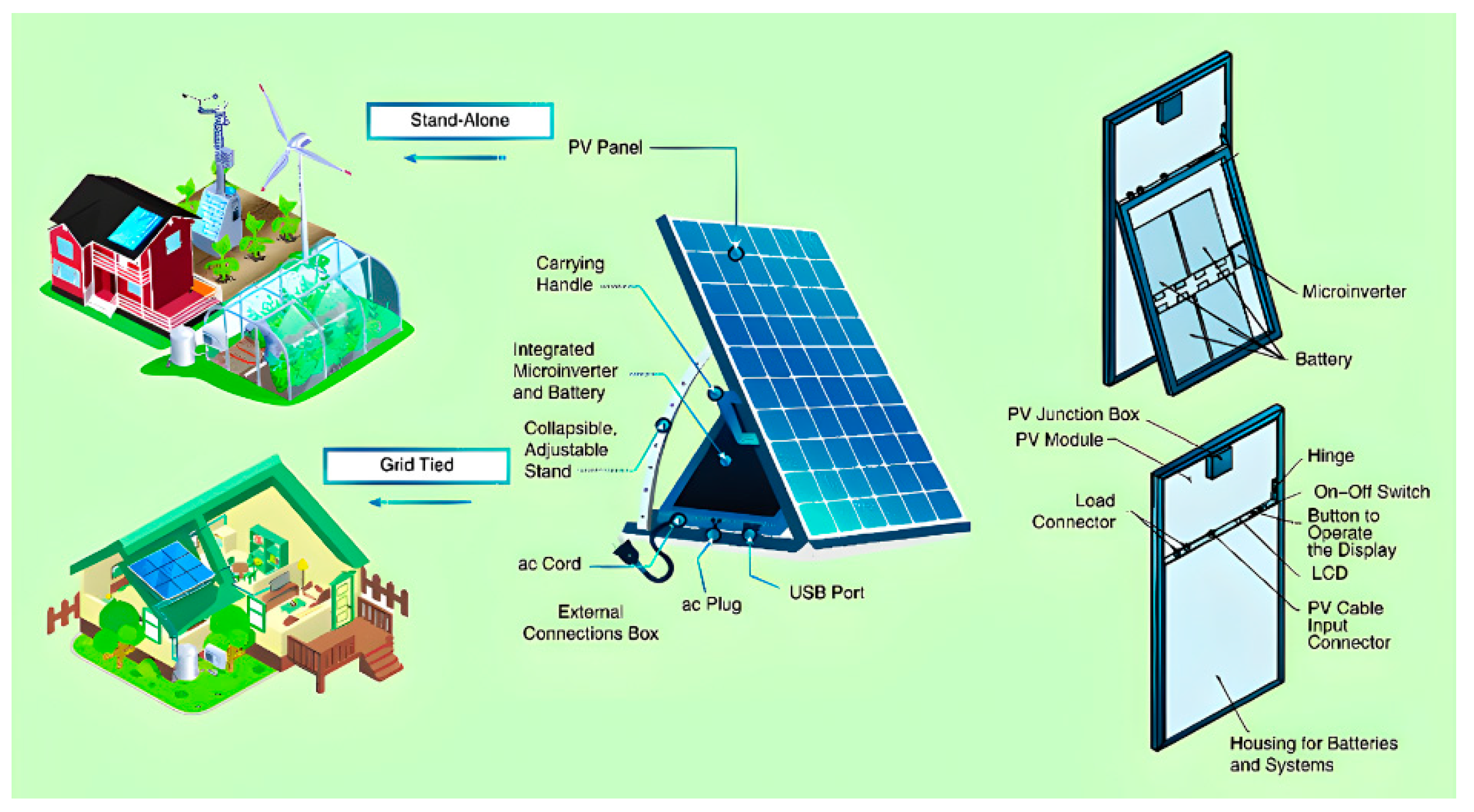
In our previous studies [
13], an AC-PV module architecture was discussed, in which this module tightly integrates the PV panel, battery, and microinverter, as shown in
Figure 1. Also, it analyzed the associated design challenges and proposed technical solutions at both the system and control levels. These studies also presented a detailed thermal analysis of the module and battery, together with the design and optimization of a dedicated battery management system (BMS), based on theoretical temperature estimation and experimental battery testing. However, the performance of the microinverter within this integrated module under realistic and varying environmental conditions has not yet been systematically investigated.
The microinverter is directly affected by the outdoor operating conditions and, therefore, it experiences significant variations in ambient temperature, solar irradiance, and wind speed, as well as elevated temperatures associated with the PV module itself. These thermal and environmental stresses can strongly influence the conversion efficiency, power output, and long-term reliability. As a result, a rigorous experimental characterization of the microinverter’s performance as a function of environmental variables is essential for validating the overall AC-PV module concept and informing future design improvements.
This paper addresses this gap by experimentally evaluating the microinverter performance within the AC-PV module under real outdoor operating conditions without battery integration. The measurement records solar irradiance, ambient temperature, module temperature, microinverter temperature, wind speed, and AC output power. Statistical analyses, including distribution plots and correlation-based investigations, are used to quantify the relationships between these variables and the microinverter’s output power, with particular emphasis on temperature-related metrics. The results provide new insight into the dominant environmental and thermal factors that govern microinverter behavior in integrated AC-PV systems and offer practical guidance for battery integration, their thermal management, performance optimization, and reliable deployment in the field.
2. Materials and Methods
The methodological approach in this work is designed to rigorously quantify how environmental and thermal conditions influence the AC output power of the microinverter within the integrated AC-PV module, instead of just relying on a single indicator (e.g., irradiance or ambient temperature). The analysis combines measured variables, meaningful derived quantities, and both statistical and semi-empirical models. This section describes how the data are processed, how the new variables are defined, how the correlation and regression analyses are conducted, and how the AC-PV module temperature is theoretically estimated for comparison.
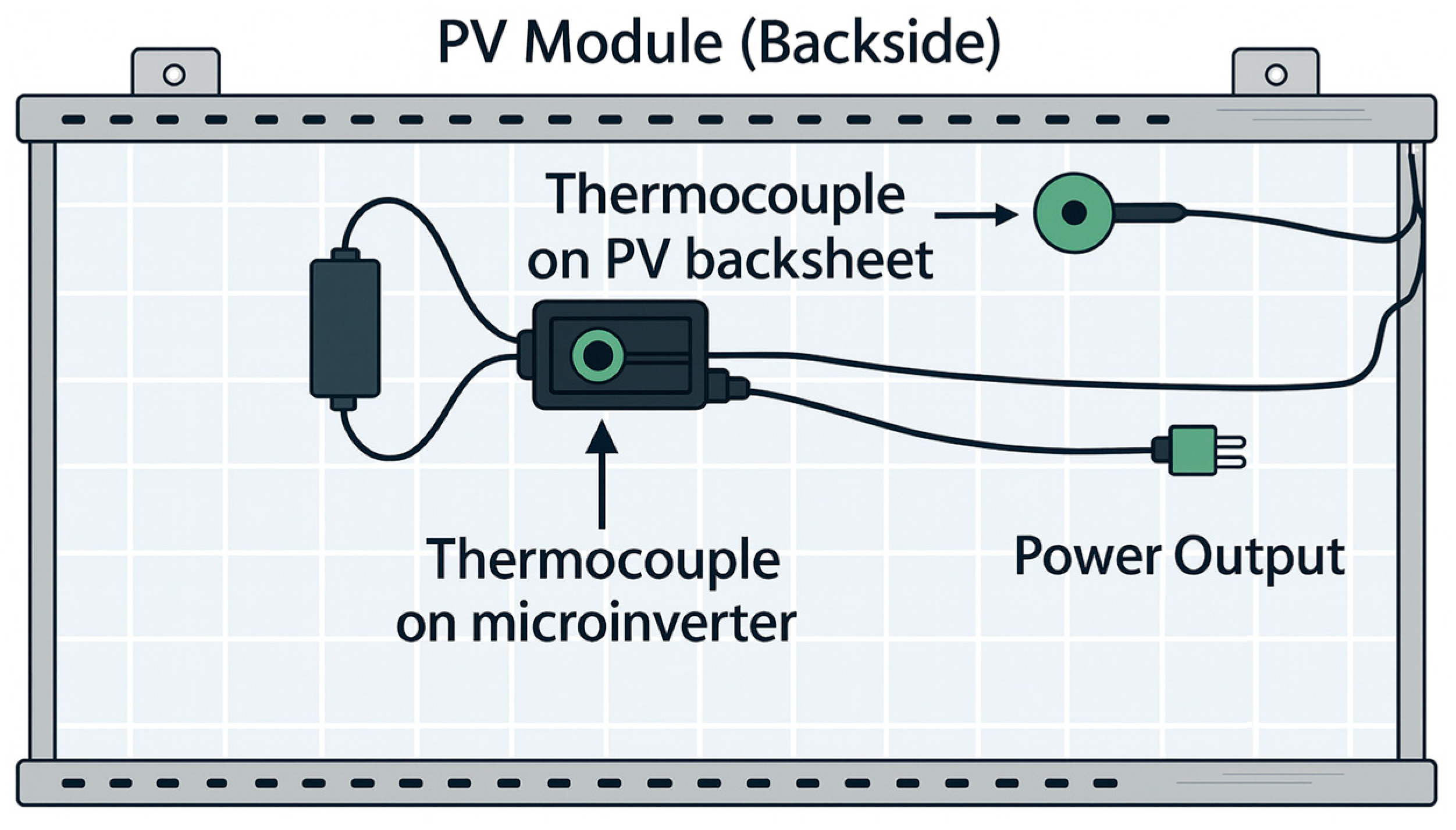
An APsystems YC250A/I-NA was utilized for a microinverter. A Lufft WS600-UMB weather sensor (Lufft, Orlando, FL, USA) was used to measure the temperature, humidity, pressure, and wind. Also, T-type thermocouples from Watlow (Orlando, FL, USA) were used to measure the PV module temperature and the microinverter peak temperature. At the maximum rated input power, thermal imaging with a FLUKE Ti480 Pro (FLUKE, Orlando, FL, USA) was used to locate the area of the peak temperature on the microinverter surface. Moreover, a Trinasolar TSM-DC01A (Trinasolar, Orlando, FL, USA) was employed as a PV panel. The experiment setup is illustrated in
Figure 2 and
Table 1 shows the specification of major parts.
It must be mentioned that the measurements in this experiment and all experiments that involve sensors can lose their accuracy after they heat up. Therefore, based on the datasheets, sensors’ accuracy and resolution in this experiment changes.
2.1. Dataset and Measured Variables
The experimental dataset consists of time-series measurements collected from the AC-PV module operating under real outdoor conditions, with the following quantities: global solar irradiance (), ambient air temperature (), PV module temperature (), microinverter temperature (), wind speed (), and output power (P).
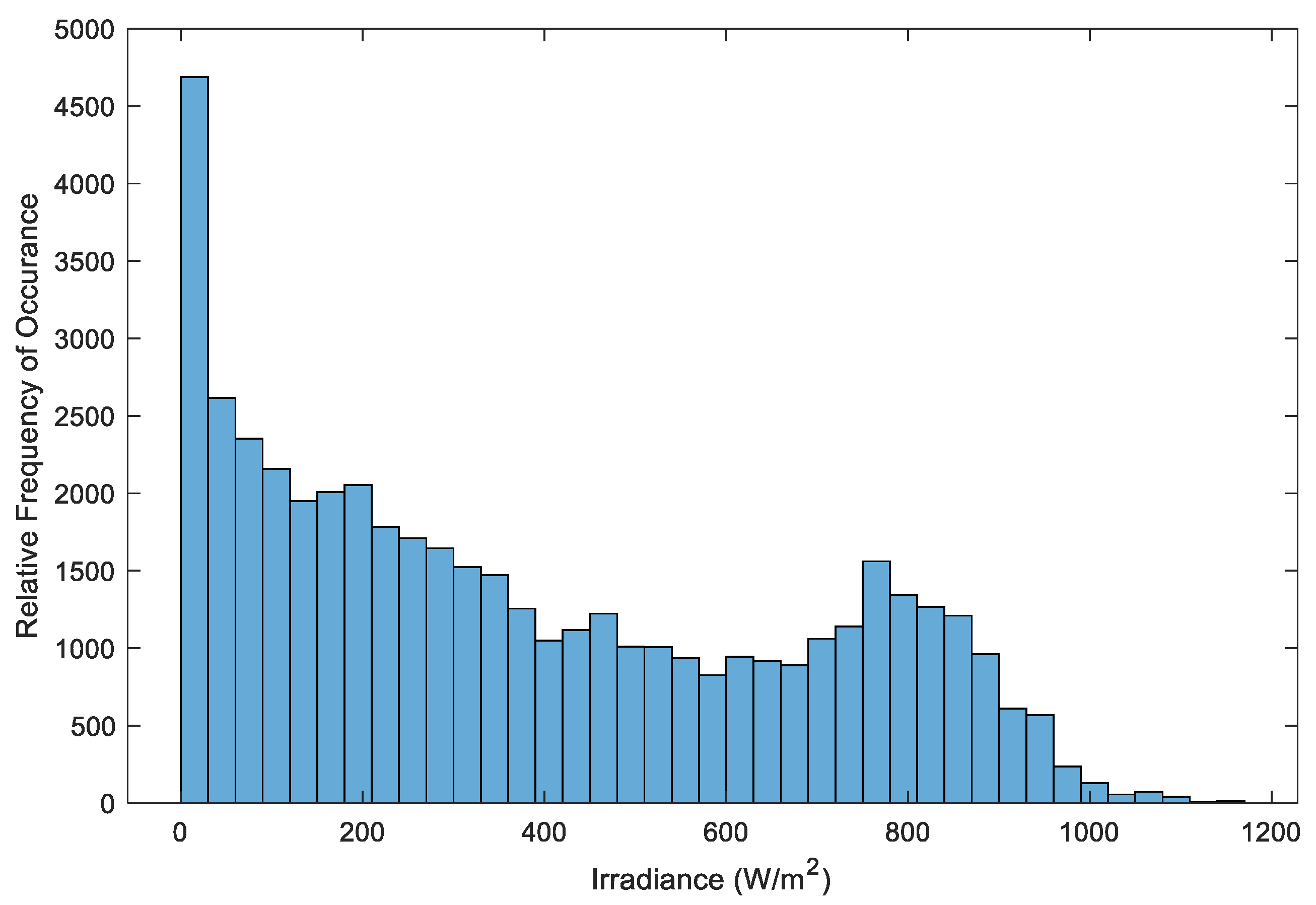
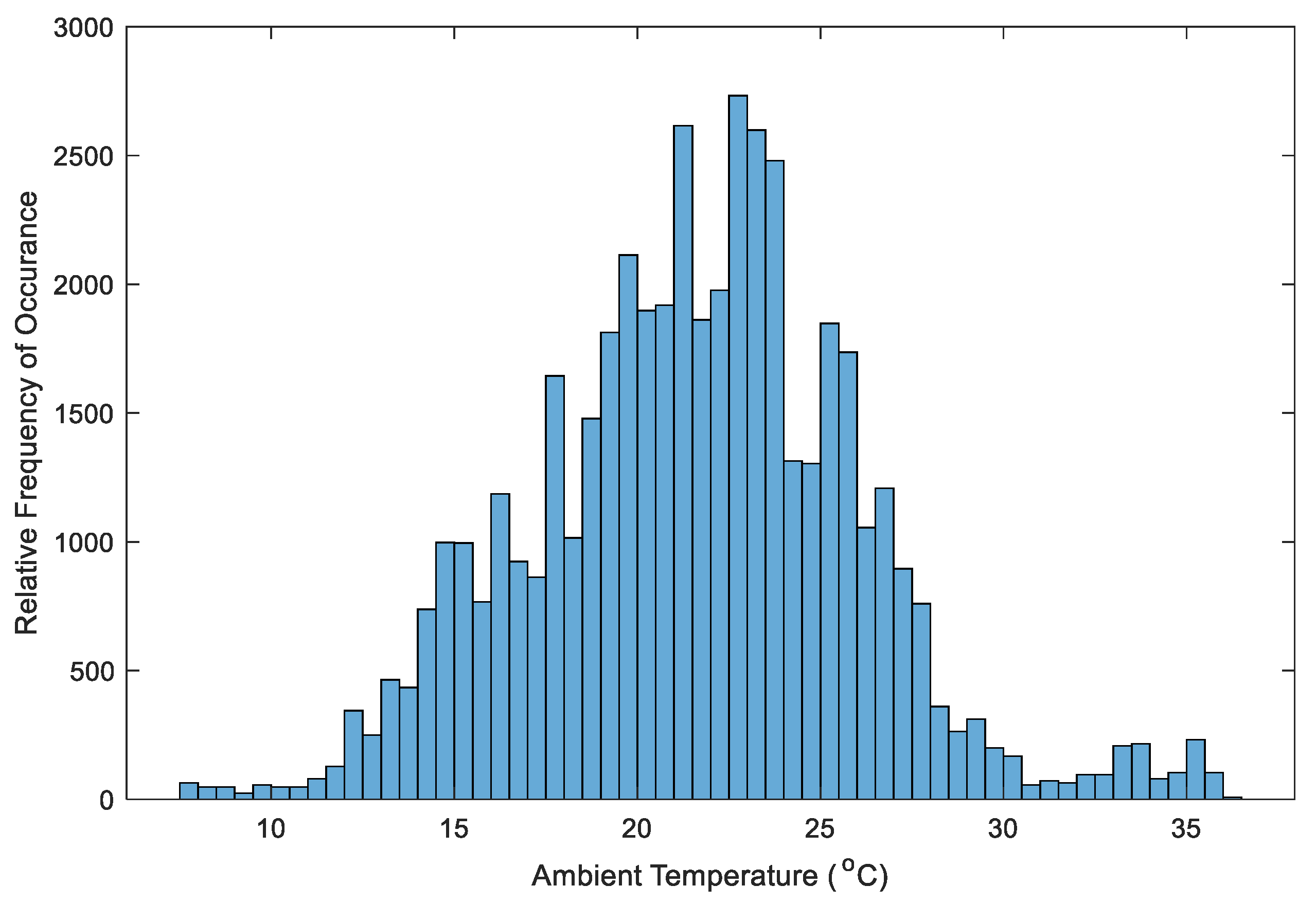
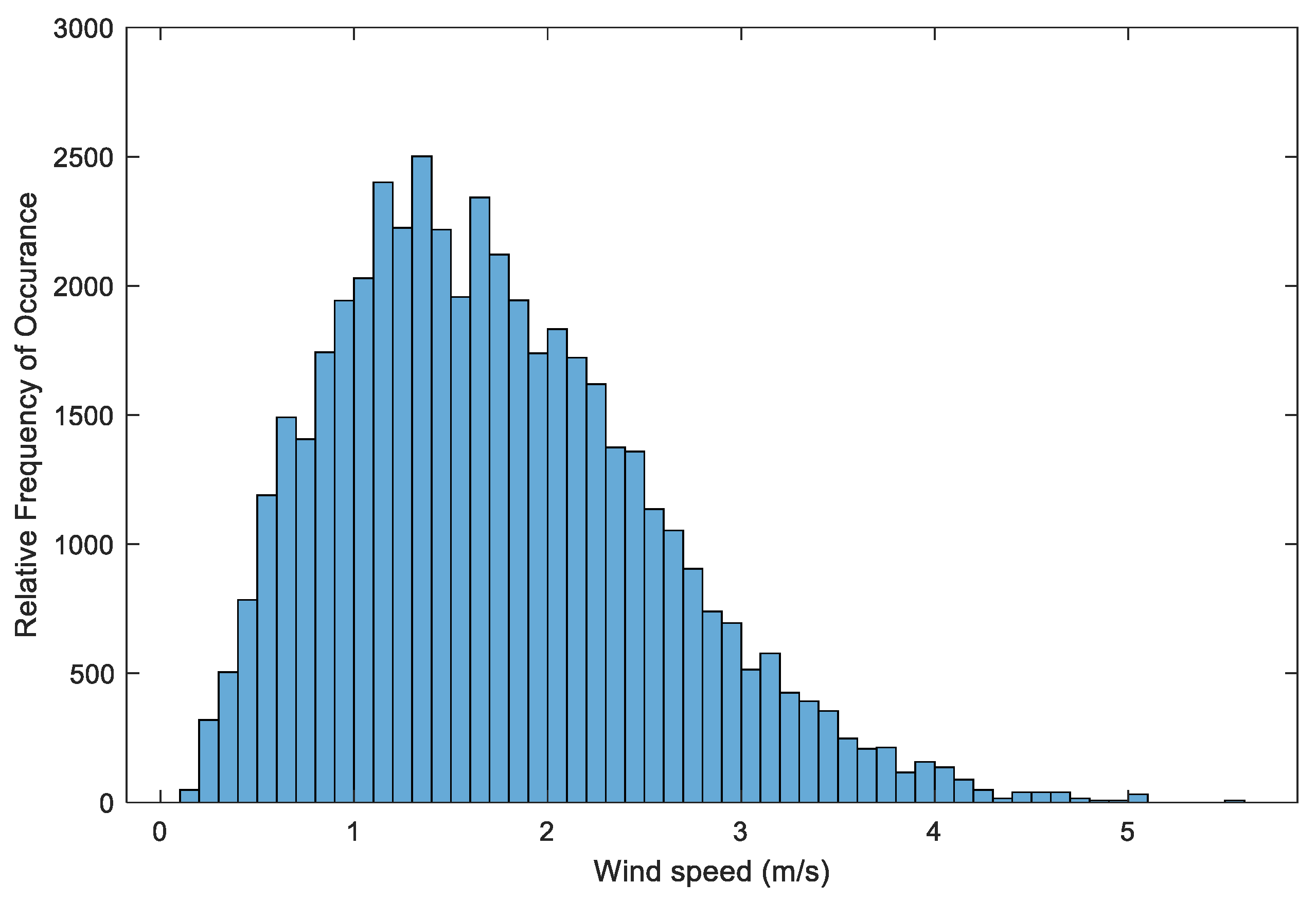
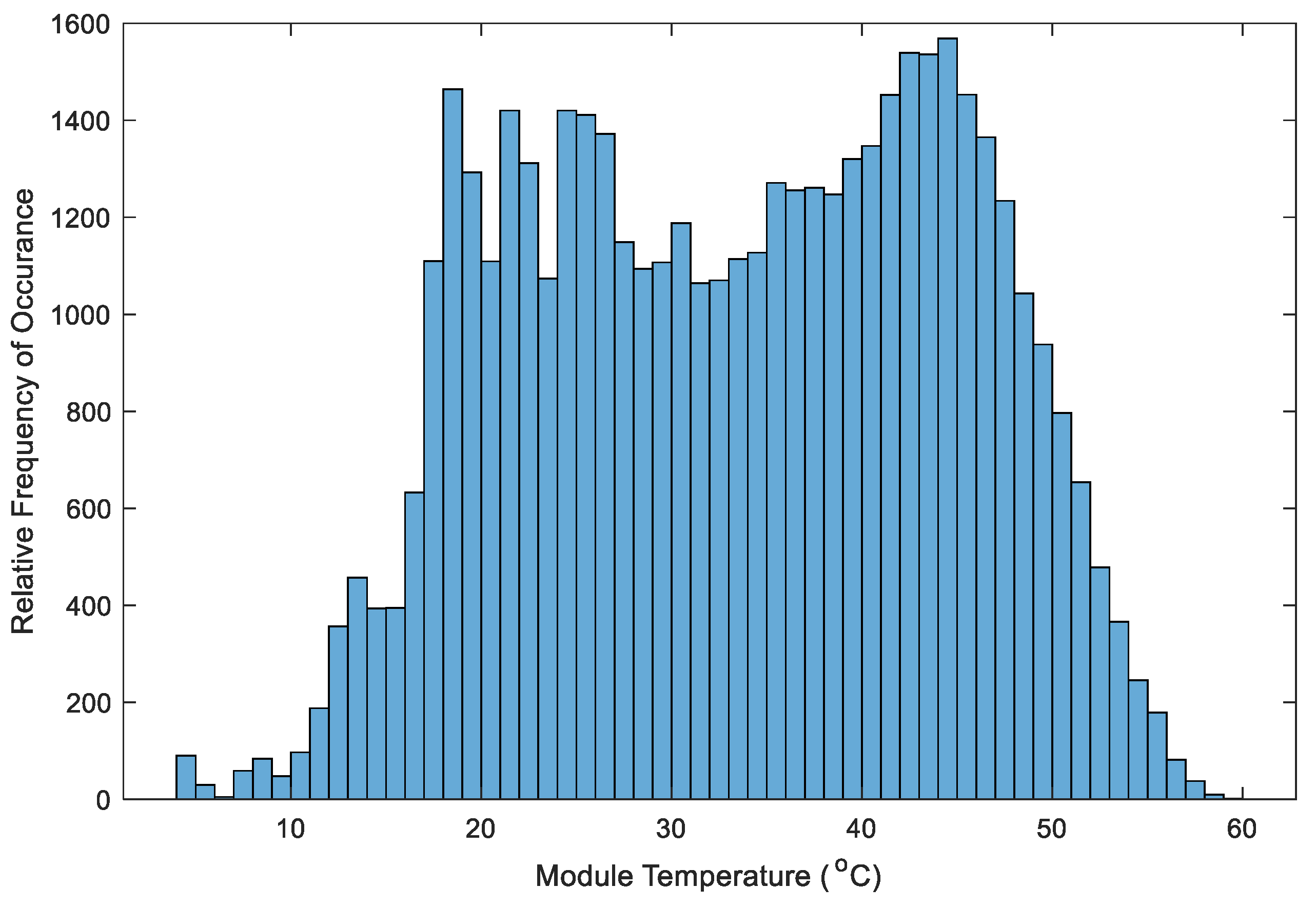
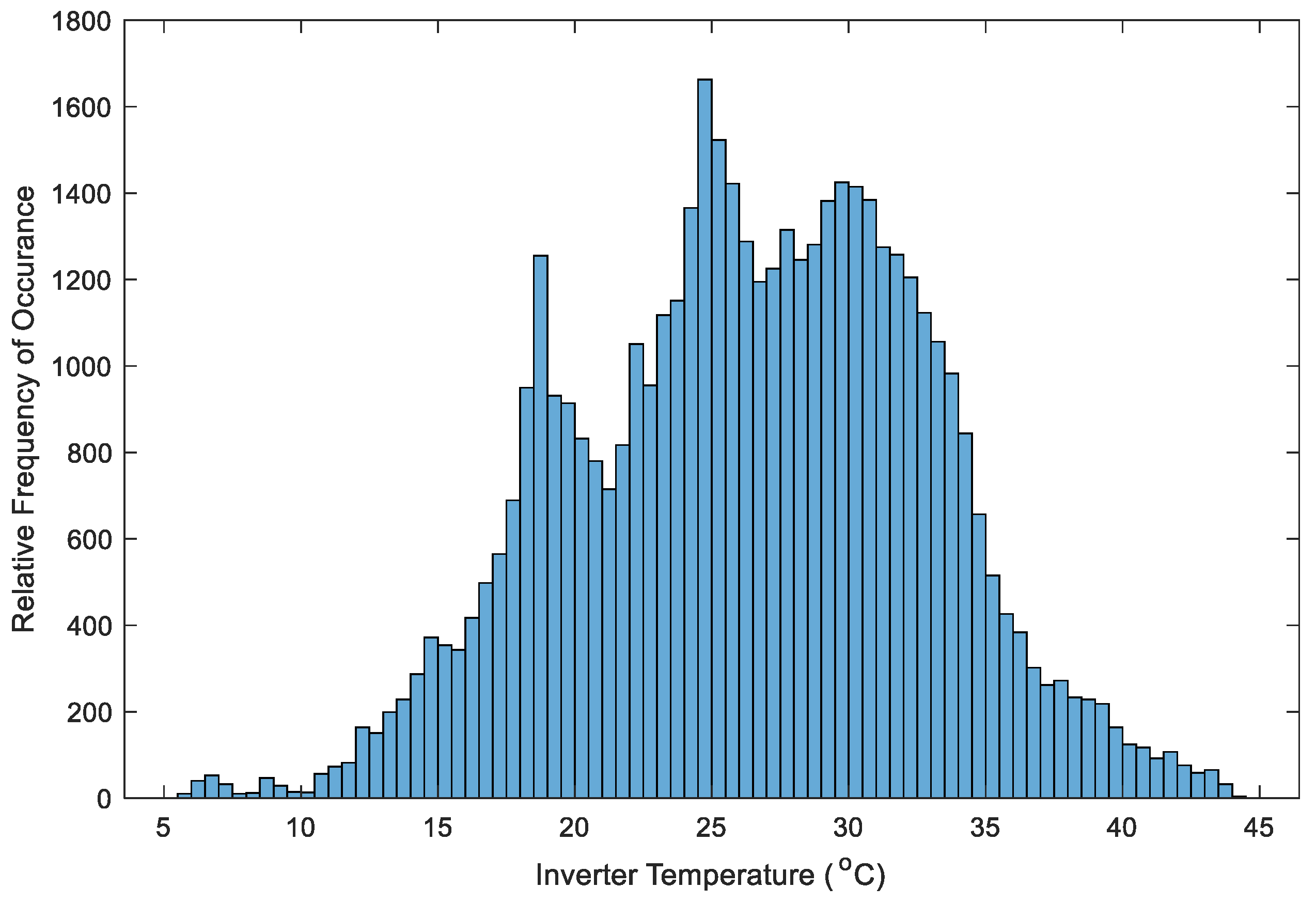
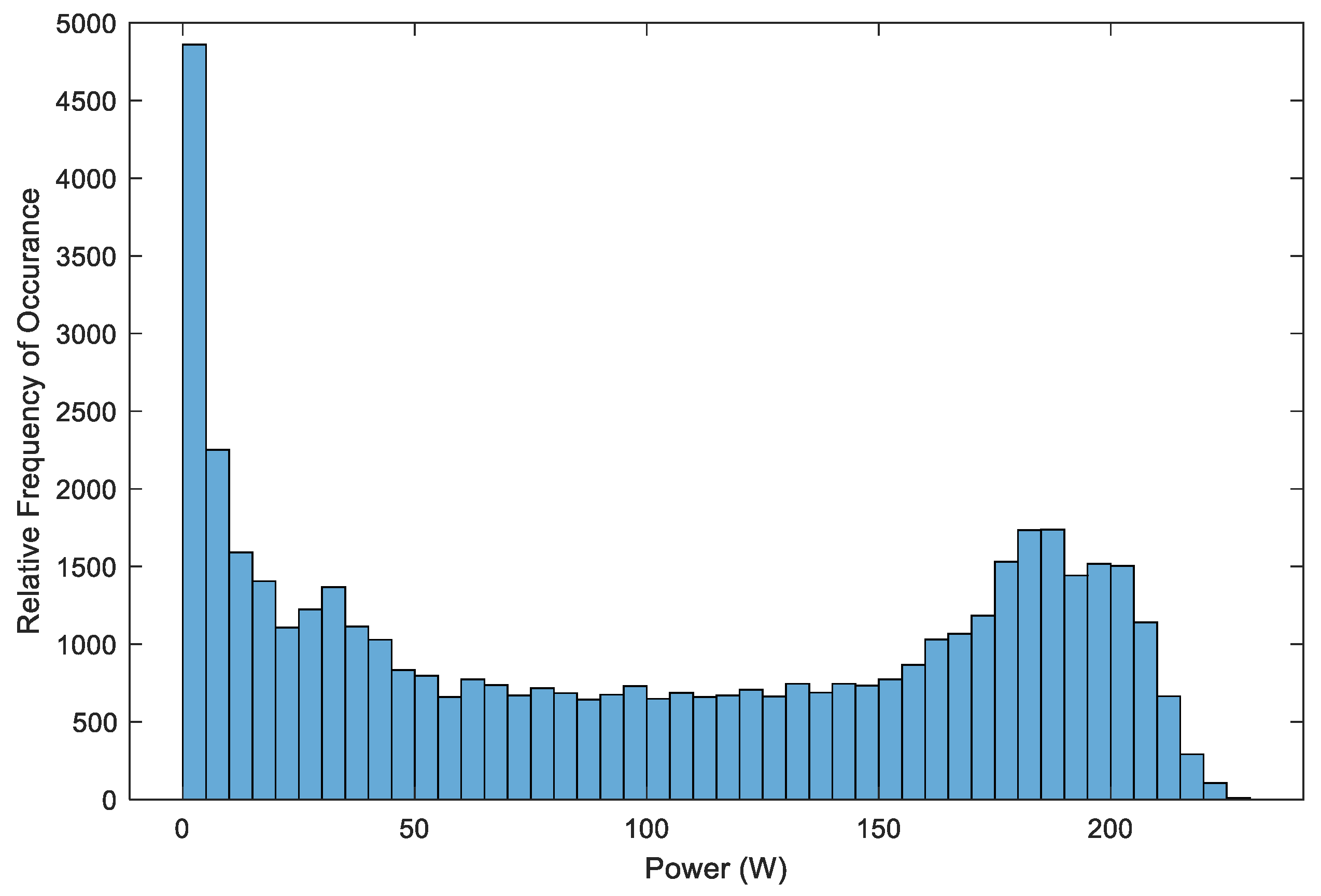
These variables jointly describe both the external environment (irradiance, ambient temperature, wind speed) and the internal thermal state of the AC-PV module and its microinverter (module and microinverter temperatures), together with the corresponding electrical response. The histograms of these variables are shown in
Figure 3,
Figure 4,
Figure 5,
Figure 6,
Figure 7 and
Figure 8.
2.2. Data Preprocessing
Before carrying out the statistical analysis, measurements containing missing values, obviously erroneous entries (such as negative irradiance or physically implausible temperatures), or points where the microinverter output was zero due to start-up/shutdown sequences are discarded.
To focus the analysis on meaningful operating conditions, only samples with non-negligible irradiance and non-zero AC power are retained. This effectively restricts the dataset to periods when the PV module is actively converting solar energy and the microinverter is in normal operation. Where appropriate, short-duration spikes caused by sensor noise are mitigated by using simple consistency rules. For example, it is rejected isolated points that deviate by an unrealistically large amount from their immediate neighbors.
The raw dataset, which is taken every 5 min, contains 47,418 samples and 10 columns with the following names: irradiance, Ambient_T, Module_T, Micro_T, power, date, day, hour, min, and windspeed. Because PV–microinverter systems exhibit nighttime/standby intervals and low-signal regimes where sensor quantization and noise dominate, the analysis is restricted to an operating window that is representative of active power conversion. Two screening thresholds are applied. The irradiance threshold is 50 W/m2 and the power threshold is 0.10 W. After filtering, the retained dataset size is 40,571 samples. This step removes near-zero irradiance and near-zero power points that can distort the correlation and regression results. All subsequent analyses are performed on the filtered dataset. It should be considered that this experiment is performed at one geographical location: Orlando (FL, USA).
2.3. Derived Thermal Variables
Although the absolute temperatures
and
provide useful information, they do not fully capture the level of thermal stress experienced by the PV module and the microinverter. From the point of view of heat transfer and reliability, what matters more is the temperature rise above the surrounding environment in Equations (1) and (2). To reflect this, two derived variables are introduced:
Here, represents the elevation of the PV module temperature above ambient and is primarily driven by absorbed solar radiation and the module’s ability to reject heat via convection and radiation. Similarly, captures how much hotter the microinverter becomes, relative to the surrounding air, and thus reflects not only the environmental conditions but also the internal power-loss distribution and the effectiveness of the microinverter’s thermal design.
Instead of the absolute temperature, expressing these derived variables has two advantages. First, it normalizes the thermal variables with respect to the ambient condition, thereby allowing for a more direct assessment of cooling effectiveness. Second, it often leads to stronger and more interpretable statistical relationships with electrical performance, because it isolates the portion of the temperature that is caused by power dissipation and solar loading, rather than by the general weather conditions alone. These derived variables are treated as first-class variables in the subsequent analysis and are included in all correlation and regression calculations alongside the original measured quantities.
2.4. Correlation Analysis
To obtain a global view of the linear relationships among the variables, the Pearson correlation coefficient
is computed for all pairwise combinations of the measured and derived variables. For any two variables,
and
, the coefficient
quantifies both the strength and direction of their linear association, taking values in the interval
which is shown in Equation (3). Values of
that are close to
indicate a strong positive linear correlation (i.e.,
tends to increase as
increases), values close to
indicate a strong negative linear correlation, and values near zero suggest that there is no significant linear relationship.
The square of the correlation coefficient,
, is referred to as the coefficient of determination. In the context of this study,
is particularly important when one of the variables is the output power. In that case,
represents the fraction of the variability in the power output that can be explained by a linear relationship with the chosen explanatory variable (e.g.,
,
,
, etc.). A full correlation matrix was constructed, including all relevant variables:
This two-stage analysis (first examining , then with respect to power) provides complementary insights. The complete matrix highlights general patterns and interdependencies among environmental and thermal variables (for example, the relationship between irradiance and module temperature), while the subset that focuses on output power directly reveals which variables are most influential in explaining the spread in the inverter’s power output.
2.5. Univariate Relationship Modeling: Quadratic Curve Fitting
While correlation analysis reveals the strength of linear relationships, the dependence of inverter power on temperature and irradiance is usually nonlinear. To capture these effects more accurately, a set of regression models is developed, with output power as the dependent variable and each of the key explanatory variables considered individually. For each candidate predictor (
,
,
,
,
, and
), a second-order polynomial (quadratic) model of the form in Equation (4) is fitted, using a least-squares procedure.
Quadratic polynomials offer a good compromise because they can capture curvature and saturation effects while remaining simple enough to be analyzed and implemented. Furthermore, they are consistent with typical physical behavior where, for instance, power may increase with irradiance up to a point and then be limited by thermal or converter constraints.
The fitting is carried out separately for each predictor, resulting in a family of one-dimensional regression models. The quality of each fit was evaluated using the corresponding coefficient of determination, , which, in this context, measures how much of the variance in output power is captured by the quadratic function of the chosen variable.
This modeling step serves two purposes. First, it provides compact analytical expressions that approximate the dependence of power on each variable, which can be used for quick performance estimation or incorporated into higher-level system models. Second, by comparing the values across all fitted models, it becomes possible to identify which variables are most strongly and nonlinearly coupled with the microinverter power output, and which variables play a relatively minor direct role.
2.6. Theoretical Estimation of PV Module Temperature
In addition to the purely data-driven statistical analysis, a theoretical estimation of the PV module temperature is carried out to benchmark the experimental results and to connect them with the established thermal model in [
14]. The steady-state PV surface temperature
is computed by using the semi-empirical relationship adopted in our earlier work [
13], summarized in Equation (5) and explicitly illustrated in Equation (6), where
is the solar irradiance, solar energy absorption rate (e
0), photoelectric efficiency (β),
is the heat flux ratio between radiative and convective components,
is the local wind speed, and
is the ambient air temperature. This relationship captures the balance between the absorbed solar energy and the heat rejected by convection and radiation.
Using the measured values of
,
, and
, Equation (6) was evaluated with the same operating points for which the experimental module temperatures were available. The resulting theoretical temperature estimates were then compared with the measured
values to assess the accuracy of the model under the specific operating conditions of the AC-PV module. This comparison, presented later in
Section 3.5, also serves to observe temperature levels of the experimental module.
2.7. Multivariate Framework and Modeling
Real PV–microinverter operation is governed by interacting drivers: irradiance determines the available energy; ambient temperature and wind speed influence heat dissipation; and module/microinverter temperatures co-vary through shared loading and thermal coupling. Consequently, analyzing each variable independently with power can lead to misleading interpretations such as thinking that and are proxy variables and over-crediting a proxy variable that is correlated with irradiance.
To address this, controlled (partial) correlation analysis, linear multivariate model, quadratic multivariate model, and model validation and its results are included in this section and the next section, respectively.
2.7.1. Controlled (Partial) Correlation Analysis
To address the concern that thermal correlations may simply be irradiance-driven, partial correlations are computed between power and thermal elevation variables while controlling for the main confounders, such as , and .
Conceptually, partial correlation is computed by using Equation (7):
Regressing on the controls to obtain residuals .
Regressing on the controls to obtain residuals
Computing the Pearson correlation between residuals:
2.7.2. Linear Multivariate Model
In Equation (8), this model provides a transparent baseline and enables direct comparison with regularized versions. It also supports interpreting the directionality of incremental effects.
2.7.3. Quadratic Multivariant Model
To capture nonlinearities and coupled effects, a second-order model is fit, including squared terms . With five predictors, this structure aligns to go beyond simple univariate curve fitting by explicitly modeling coupled environmental/thermal behavior.
2.7.4. Model Validation
To ensure that the improved fit does not result from overfitting, we evaluate models using 5-fold cross-validation on the filtered dataset, so error is summarized using RMSE in Equation (9):
3. Results and Discussion
3.1. Conditions and Data Coverage
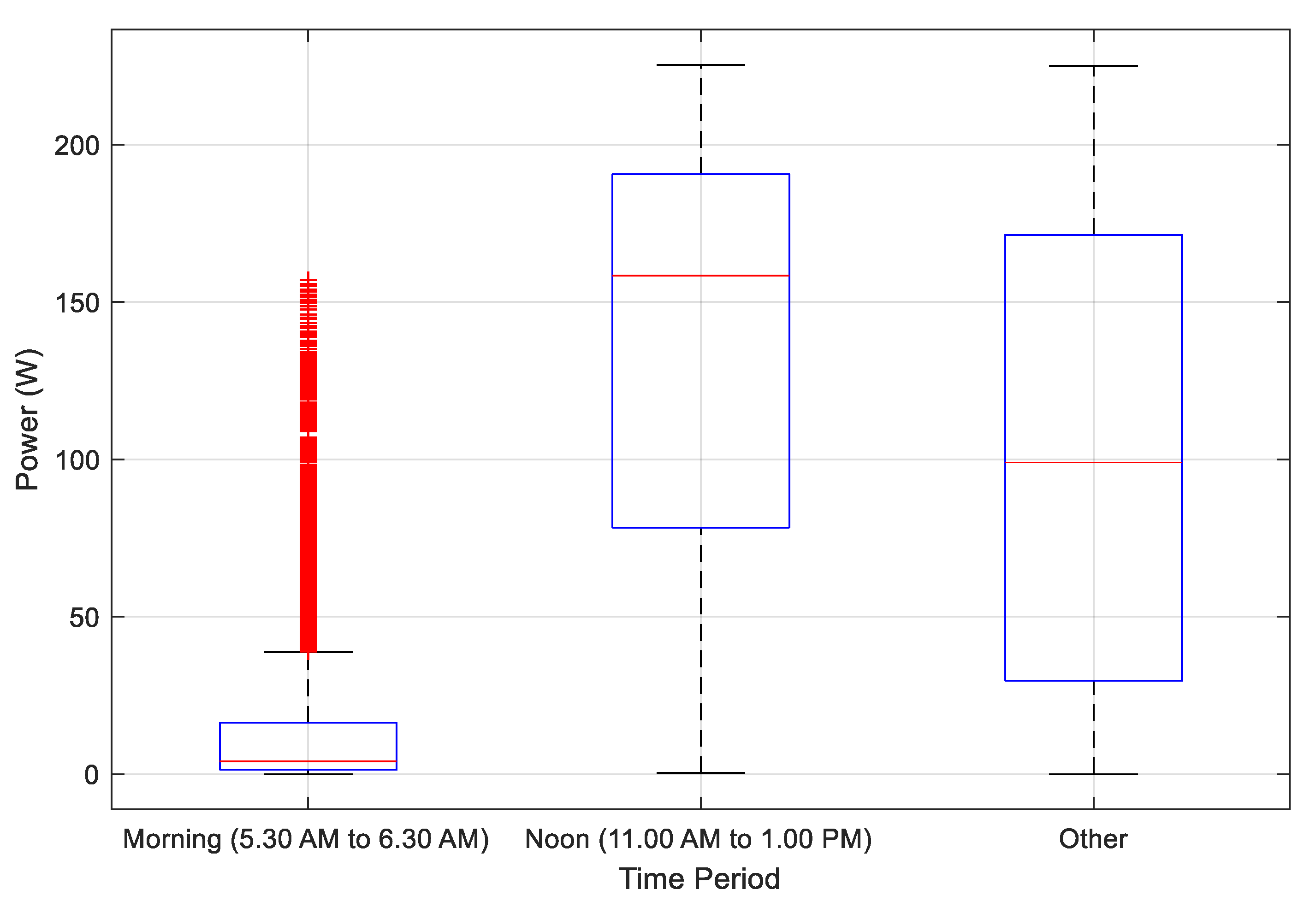
The power distribution per time interval in
Figure 9 exhibits the expected pattern: most of the high-power operating points are concentrated around the central daylight hours, while lower power levels are more frequently observed near the beginning and end of the daily operating window.
In
Figure 9, although the morning scenario exhibits a low median power value, these values are present in the dataset to reflect transient fluctuations and sensitivity during the early hours. Since they are limited in number and do not significantly affect the regression analysis, they do not distort the overall statistical trend.
3.2. Correlation Among Environmental, Thermal, and Electrical Variables
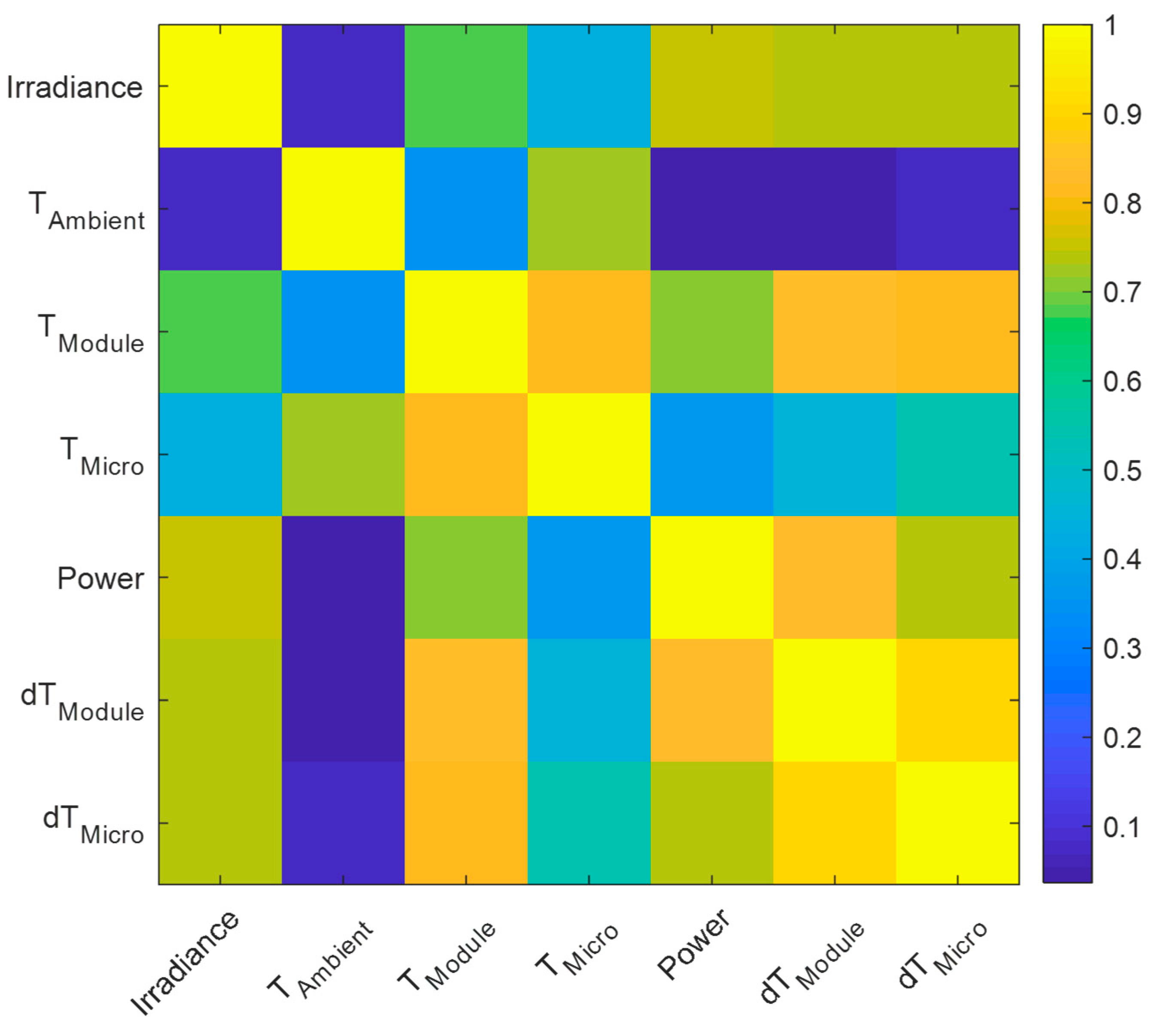
Table 2 summarizes the Pearson correlation coefficients (R) between all measured and derived variables: irradiance, ambient temperature, module temperature, microinverter temperature, output power, and the temperature rises in the module and microinverter above the ambient
and
.
There are several important points derived from this matrix. There is a strong link between irradiance and the module thermal state. Irradiance is strongly correlated with the module temperature () and with the module temperature rise (), indicating that increasing solar input directly drives an increase in the thermal loading of the PV panel. Also, tight coupling between the module temperature and the microinverter temperature is recognized. The correlation between module and microinverter temperatures is very high (), and both are strongly correlated with their respective temperature rises above ambient. This reflects the fact that the microinverter shares the same physical environment as the PV module and that its thermal behavior is largely governed by the heat generated within the module–inverter assembly and dissipated into the surrounding air.
It can be said that ambient temperature is a secondary driver. Ambient temperature has strong correlations with the microinverter temperature () and moderate correlation with the module temperature (). However, its direct correlation with the output power is weak (), suggesting that ambient temperature alone is not a good predictor of electrical performance. It can be understood that the output power is most strongly correlated with differential temperatures. The output power shows a very strong positive correlation with () and a strong correlation with ().
These trends indicate that the excess temperature above ambient (i.e., the thermal stress induced by solar loading and power dissipation) is more directly relevant for explaining variations in AC power than absolute temperatures.
3.3. Relative Importance of Explanatory Variables for Output Power
Table 3 compiles the coefficients of determination,
, for output power versus each individual variable. These coefficients lead us to observe several important outcomes.
The module temperature rise is the dominant indicator to predict power output. The highest value is obtained for the module temperature rise above ambient . This indicates that, among all single-variable descriptors, captures the largest fraction of the variance in AC output power.
Irradiance is a strong predictor, as expected, but not an exclusive driver. Irradiance exhibits the second highest value, confirming that the amount of sunlight on the module is indeed a primary driver of power generation. However, the fact that outperforms irradiance in terms of explaining power variations underscores the importance of thermal effects. Therefore, this suggests that purely irradiance-based performance models can miss a significant fraction of the behavior in integrated AC-PV modules.
Microinverter thermal stress is also relevant. The temperature rise in the microinverter, , also shows a high with power. While slightly less informative than , this variable still explains a substantial portion of the power variation. This is also consistent with the expectations.
Ambient temperature alone is a poor predictor. The very low for ambient temperature confirms that, for an integrated AC-PV module, external weather temperature by itself provides little information about power. Ambient temperature affects performance mainly indirectly, through its influence on the module and microinverter temperature rises.
A graphical summary of these
values for the main pairwise linear relations is presented in
Figure 10, enabling a visual comparison of the relative importance of each variable. Thus, this provides a concise ranking of the variables in terms of predicting power for AC output.
and irradiance are the most informative variables, followed by
and the absolute module temperature. Moreover, microinverter temperature and especially ambient temperature play secondary roles.
3.4. Power and Temperature Relationships
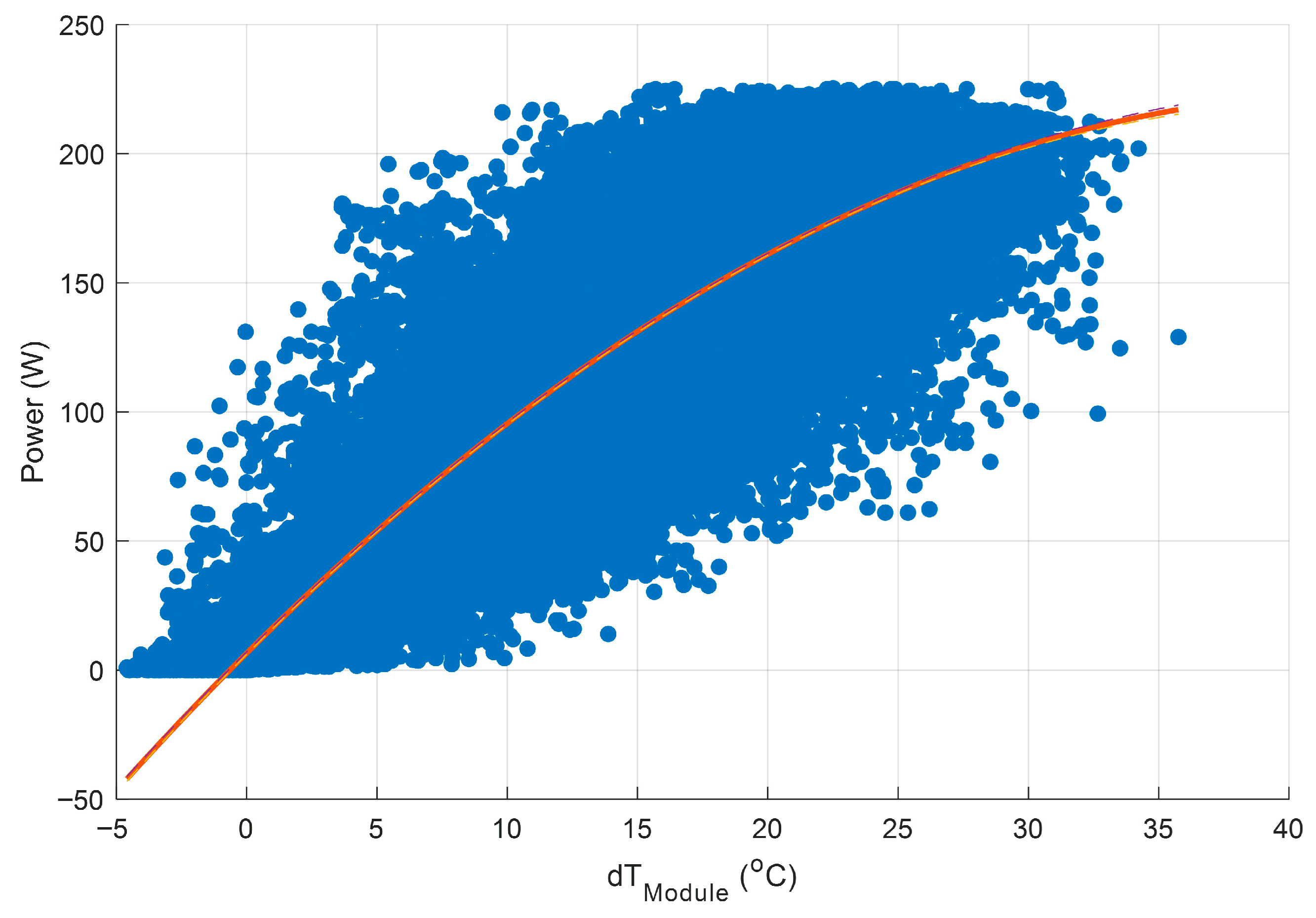
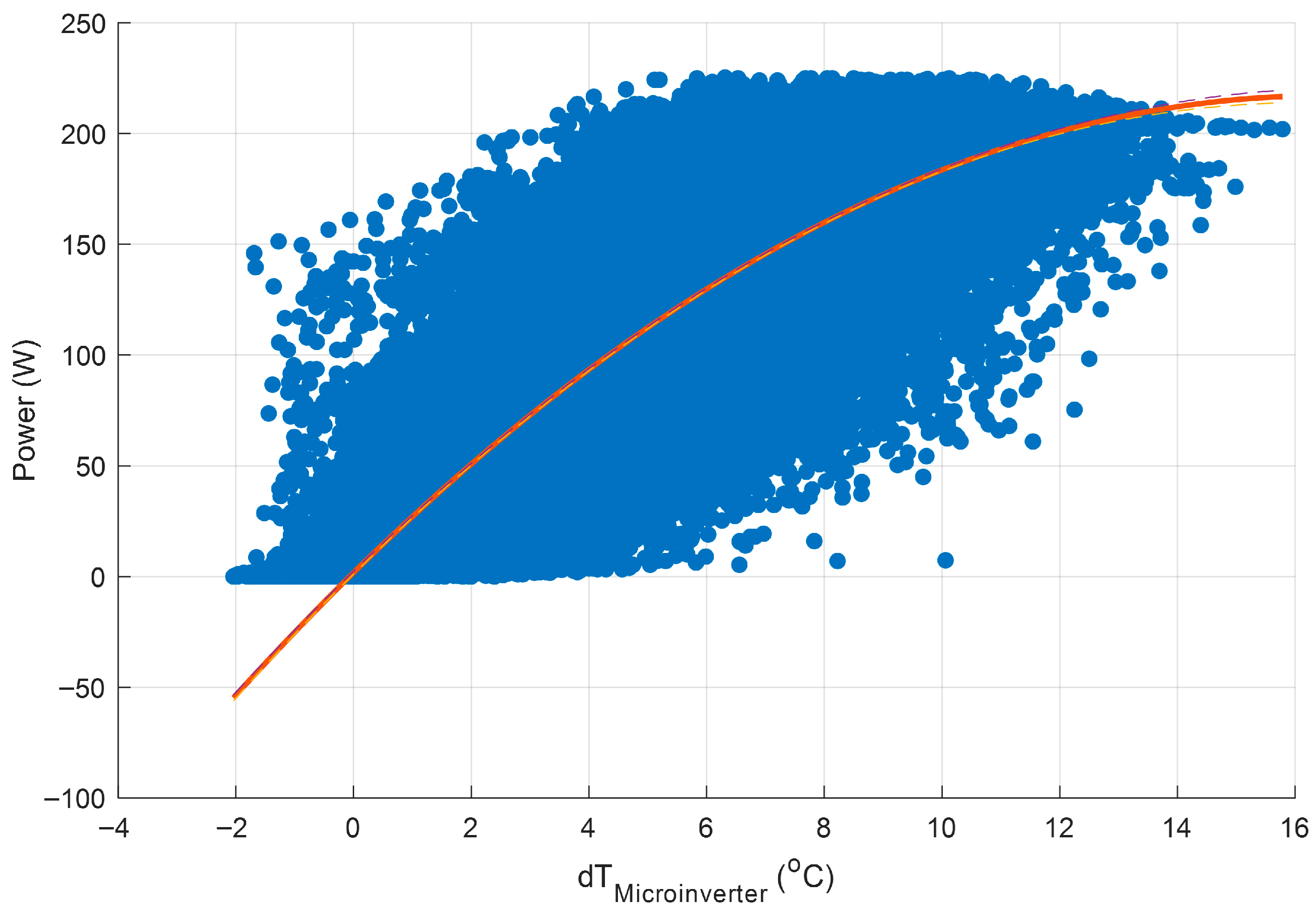
The detailed power and temperature relationships are presented in
Figure 11,
Figure 12,
Figure 13 and
Figure 14, where the AC output power is plotted against
,
, module temperature, and microinverter temperature, respectively. In each case, a quadratic curve has been fitted and the corresponding
is emphasized.
In
Figure 11, the scatter plot demonstrates a clear, monotonic dependence of power upon
, with the quadratic fit achieving the highest coefficient of determination. As
increases, reflecting higher solar loading, the output power correspondingly increases, up to the region where the microinverter approaches its rated capacity. The fitted curve indicates that
effectively captures the combined effect of irradiance and thermal environment on the module’s electrical behavior.
In
Figure 12, a similar pattern is observed for
, with a strong quadratic relationship. The somewhat lower
compared to
suggests that the microinverter temperature is influenced not only by its own losses but also by the thermal coupling to the PV module and by local convective conditions, introducing additional scatter. Nonetheless, the trend confirms that higher microinverter thermal stress is generally associated with higher power throughput.
In
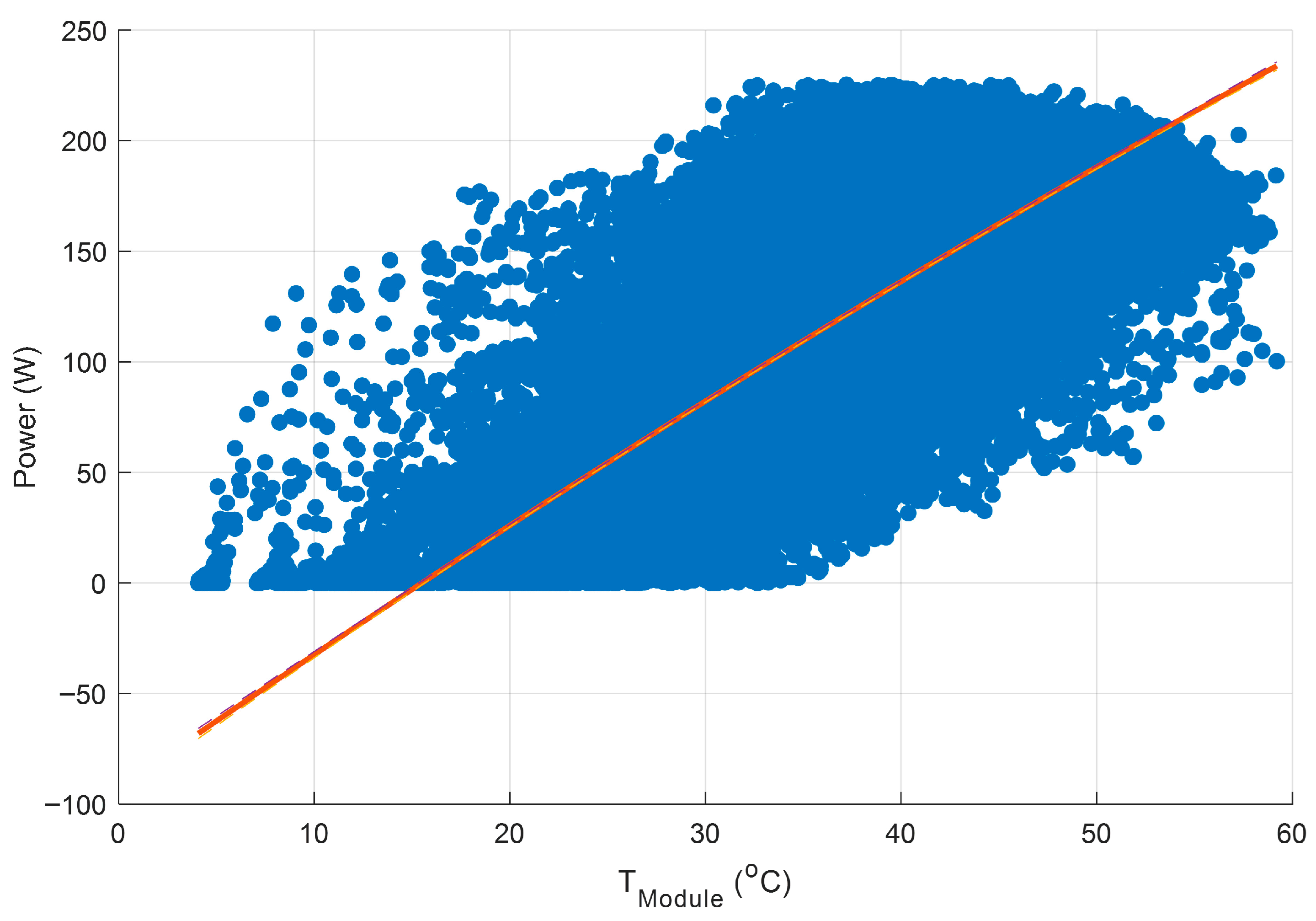
Figure 13, when power is plotted directly against the absolute module temperature, the quadratic fit yields
. This is lower than for
because the absolute module temperature includes the contribution of ambient temperature, which can vary independently of power (e.g., hot but cloudy conditions).
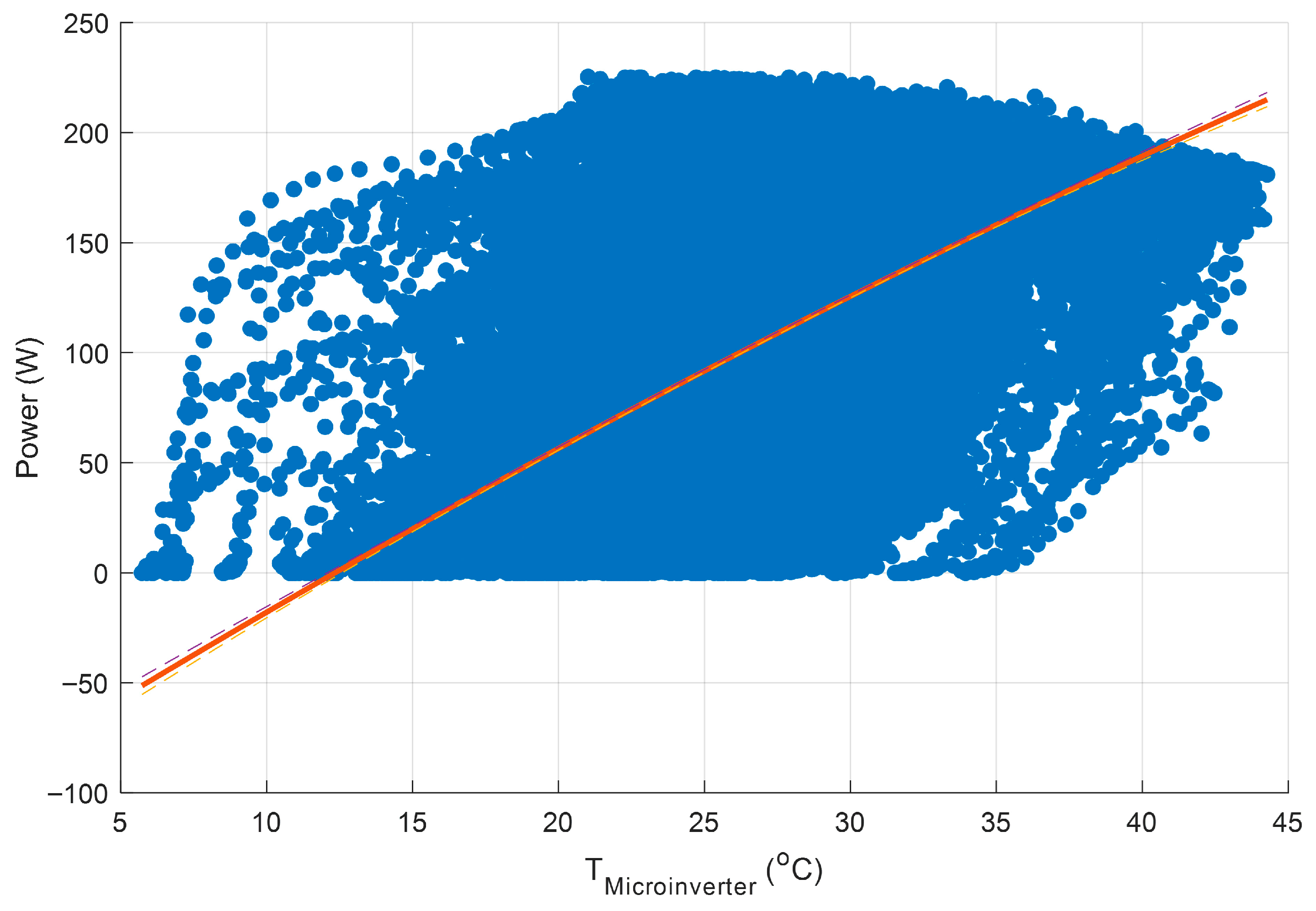
In
Figure 14, the weakest of the four temperature-based relationships is obtained for microinverter temperature, with
. Several factors can explain this. First, the microinverter enclosure temperature is an indirect proxy for the internal semiconductor junction temperatures and may lag with rapid changes in power. Second, the microinverter may incorporate control strategies or derating mechanisms that decouple its temperature from instantaneous power in certain operating regions.
Overall, these results show that module-level thermal metrics, , provide the most robust single-variable description of microinverter output power in the integrated AC-PV module. Microinverter temperature metrics are still informative but are less directly predictive when considered alone.
3.5. Irradiance and Ambient Temperature Effects on Output Power
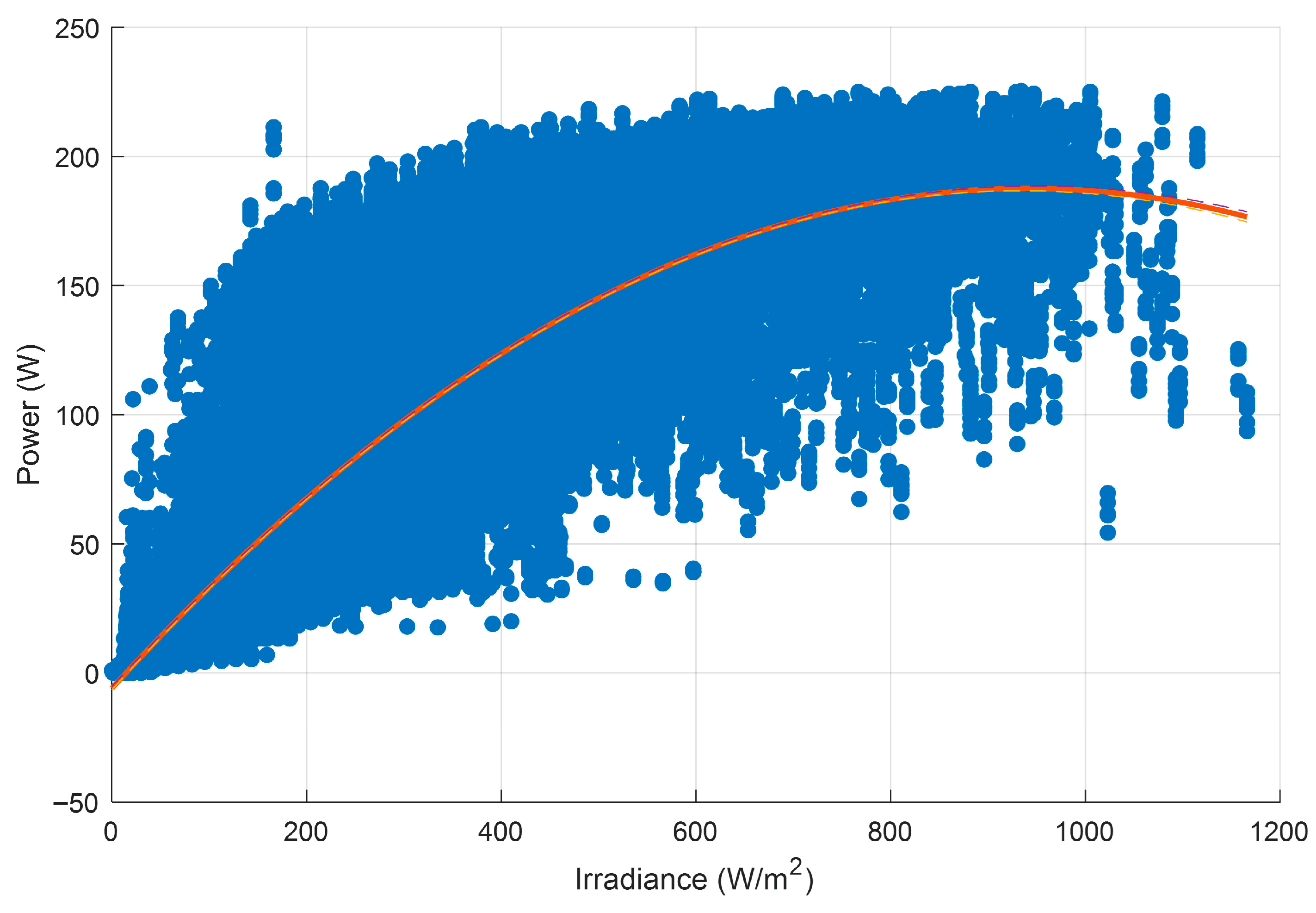
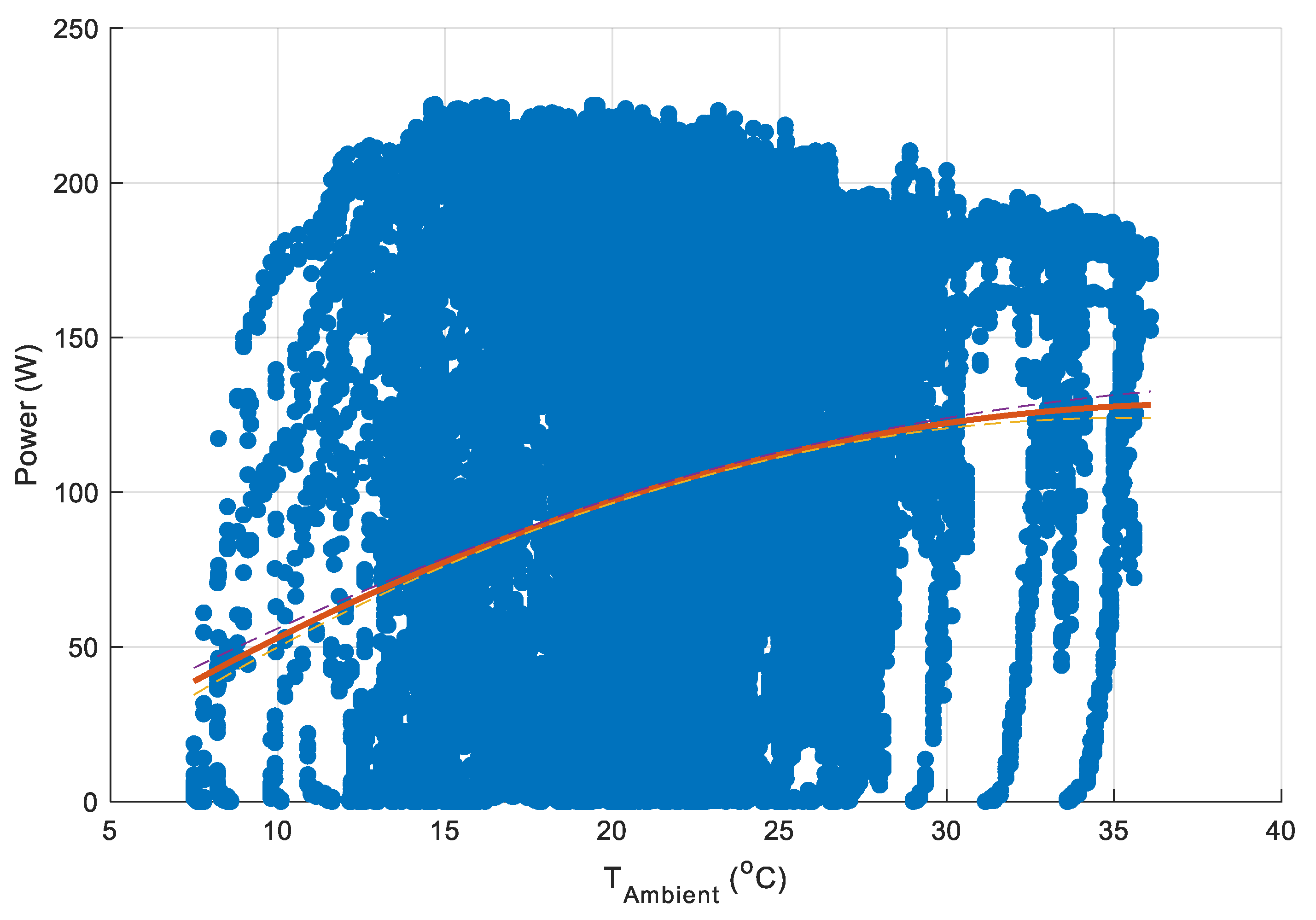
Figure 15 and
Figure 16 present the relationships between output power and irradiance, and between power and ambient temperature, respectively. In
Figure 15, as expected, AC power exhibits a strong positive dependence on irradiance, with a quadratic fit yielding
. At low irradiance levels, the power output is small and scattered. As irradiance increases, the data points cluster more closely around the fitted curve, indicating more stable operation near the microinverter’s nominal operating region. The slight curvature in the fitted relation suggests additional effects beyond a simple linear dependence, such as temperature-induced efficiency.
In contrast, the power and ambient temperature scatter shows a very weak relationship, as plotted with
in
Figure 16. The data points are widely dispersed, and no clear trend is visible. This confirms the earlier conclusion from the correlation analysis that ambient temperature on its own is a poor predictor of power output. In practical terms, it can be concluded that performance models or control strategies that rely solely on ambient temperature measurements are likely to be inaccurate for an integrated AC-PV module; direct or derived measurements of module temperature are essential.
3.6. Comparison Between Measured and Theoretical Module Temperature
Finally,
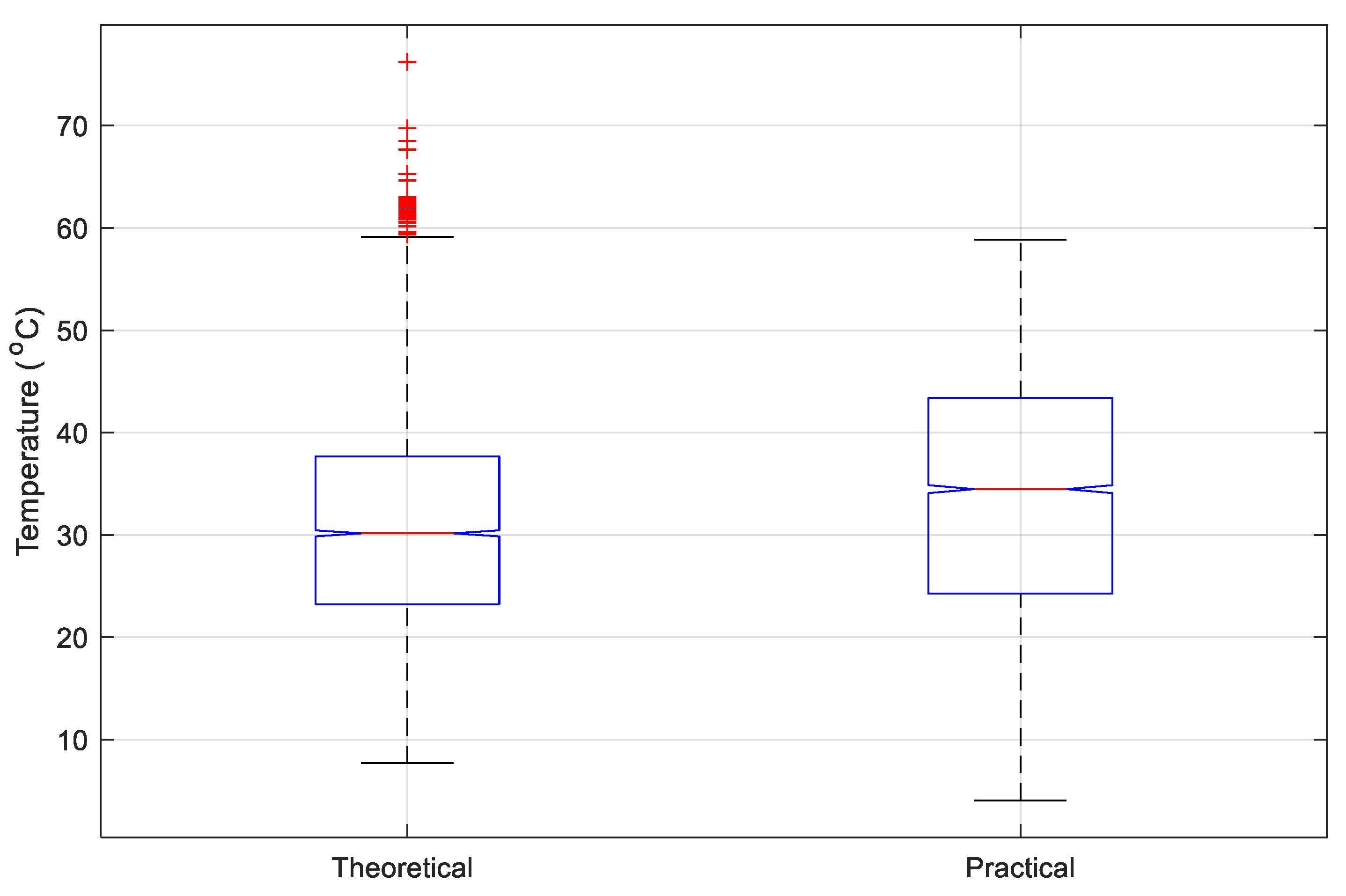
Figure 17 compares the measured module temperature with the theoretical PV temperature estimation model in Equation (4), which incorporates irradiance, heat flux ratio, solar irradiance absorption rate, photoelectric efficiency, wind speed, and ambient temperature.
This comparison serves two complementary purposes: it validates the applicability of the chosen thermal model to the integrated AC-PV module, and it provides further insight into the thermal environment experienced by the microinverter. In Equation (4), the heat flux ratio (α) of radiation to convection is evaluated at different PV panel temperatures, and it is 0.62 in summer and 0.46 in winter [
13]. The solar irradiance absorption rate (e
0) is 0.46, and the photoelectric efficiency (β) is 0.15.
Overall, the theoretical temperature profile reproduces the main trends observed in the measurements. In the 25th percentile, the theoretical and practical values are 23.24 °C and 24.26 °C, respectively. In the 50th percentile, the average theoretical value is 30.16 °C and the average practical value is 34.48 °C. In the 75th percentile, the theoretical and practical temperatures are 37.69 °C and 43.38 °C, respectively. The upper adjacent for the theoretical value is 59.14 °C and it is 58.83 °C for the practical value. Therefore, the difference between the theoretical and practical temperatures for the AC-PV module are 4%, 12%, 13%, and 0.5% for the 25th percentile, 50th percentile, 75th percentile, and the upper adjacent, respectively. This comparison indicates that the model is sufficiently accurate to provide a realistic representation of the module’s thermal behavior for system-level analysis and design. Importantly, the estimated temperatures remain within acceptable operating limits that are consistent with the earlier estimation and thermal studies of the AC-PV module in [
14].
Deviations between the measured and estimated temperatures can be attributed to several factors. First, simplifying assumptions in the thermal model regarding the module’s effective heat transfer coefficients might affect the differences between the theoretical and practical results. Second, localized convective phenomena (e.g., gusts, shading of the back side, mounting structure effects) are not explicitly captured in the semi-empirical formulation.
3.7. Implications for Microinverter Design and Reliability
The combined results of statistical analysis, regression modeling, and thermal comparison may have several implications for the design and deployment of integrated AC-PV modules. First, thermal metrics should be incorporated explicitly in performance models. Since and provide stronger explanatory power for AC output than irradiance alone, future performance and lifetime models for integrated AC-PV modules should treat these temperature rises as primary state variables.
Second, the module cooling system has a critical role for both power and lifetime. The strong correlation between power and module temperature rise underscores the importance of efficient heat removal from the PV panel and the attached microinverter. Design strategies such as improved thermal coupling to the mounting structure, enhanced natural convection pathways, or selective use of high-emissivity surfaces can directly translate into higher sustained power and improved reliability.
Last but not least, ambient temperature sensors are not sufficient for control. The negligible between ambient temperature and power demonstrates that using ambient temperature alone for thermal stress can be misleading. On-board temperature sensing at the module or microinverter level is essential for accurate protection and health monitoring.
3.8. Controlled (Partial) Correlation Analysis Results
Using controls
, and
in Equation (7), the measured partial correlations are as follows:
These results demonstrate that thermal elevation variables retain meaningful association with output power, even after removing irradiance and the basic meteorological influence. This directly strengthens the interpretation of and as informative predictors and addresses the “indirect correlation” critique.
3.9. Model Verification Results
We fit the linear multivariant model in Equation (8) by using 40,571 observations; the fitted model yields the cross-validation root-mean-squared-error (CV-RMSE) 28.579 W. To capture nonlinear and coupled behavior, we fit a second-order multivariant model and CV-RMSE is 26.407 W. Several interactions and quadratic terms are statistically significant. This improvement over the linear model indicates that power behavior is not fully captured by linear effects alone. The results of the linear and quadratic regression models’ parameters are shown in
Table 4 and
Table 5.
3.10. Limitations and Future Work
The present analysis is limited to the measured variables that are available in the dataset; battery internal states (e.g., SOC, charge/discharge current, internal temperature) were not included and may further explain operating regimes. Future work should (a) incorporate electrical state variables, (b) test model transferability across different PV modules and microinverters, (c) evaluate mounting configurations and climates, and (d) explore regime-based or physics-informed nonlinear models to bridge the gap between interpretable regression and the higher accuracy observed with ensemble benchmarks.
4. Conclusions
This paper has presented an experimental and statistical investigation of microinverter performance within an integrated AC-PV module that combines a PV panel and a microinverter into a compact unit. Building on our previous design and thermal studies of the module, the present work focused specifically on how real outdoor environmental and thermal conditions affect the output power of the microinverter. By combining field measurements with correlation analysis, derived thermal metrics, and quadratic regression models, a detailed quantitative picture of the microinverter’s behavior under realistic operating conditions is provided.
A key outcome of the study is the identification of the PV module temperature rise above ambient, , as being the single most informative scalar descriptor of the output power. Among all variables considered, achieved the highest coefficient of determination with power, outperforming even solar irradiance and the microinverter temperature rise, . This result highlights that the excess thermal loading of the module, rather than absolute temperature alone, encapsulates the combined influence of irradiance, ambient conditions, and cooling effectiveness on the electrical performance of the AC-PV system. In contrast, ambient temperature on its own exhibited negligible explanatory power for power output.
Moreover, the results in controlled correlation analysis and in multivariant analysis support the inclusion of thermal elevation variables as informative predictors beyond irradiance-only effects.
In parallel, comparison between experimental temperatures and theoretical estimates obtained from a semi-empirical thermal model demonstrated that established PV temperature formulations can reproduce the main features of the experimental thermal behavior when supplied with measured irradiance, wind speed, and ambient temperature. The agreement between theoretical and experimental temperatures supports the use of such models in early-stage design and in system-level simulations for battery integration in AC-PV modules.
Overall, the results of this work confirm that, from a design perspective, the findings emphasize that improvements in thermal management at the module–inverter interface (through enhanced cooling, optimized mounting, and suitable materials) can translate directly into more stable power output, reduced derating, and improved long-term reliability of AC-PV systems.