Article

A Regional Efficiency Assessment of Long-Term Care Services in Taiwan

1
Institute of Business Intelligence and Innovation, Chihlee University of Technology, New Taipei City 220305, Taiwan
2
Institute of Business and Management, National Yang Ming Chiao Tung University, Taipei City 10044, Taiwan
*
Author to whom correspondence should be addressed.
Systems 2024, 12(11), 484; https://doi.org/10.3390/systems12110484

Submission received: 25 September 2024 / Revised: 2 November 2024 / Accepted: 4 November 2024 / Published: 13 November 2024

Abstract

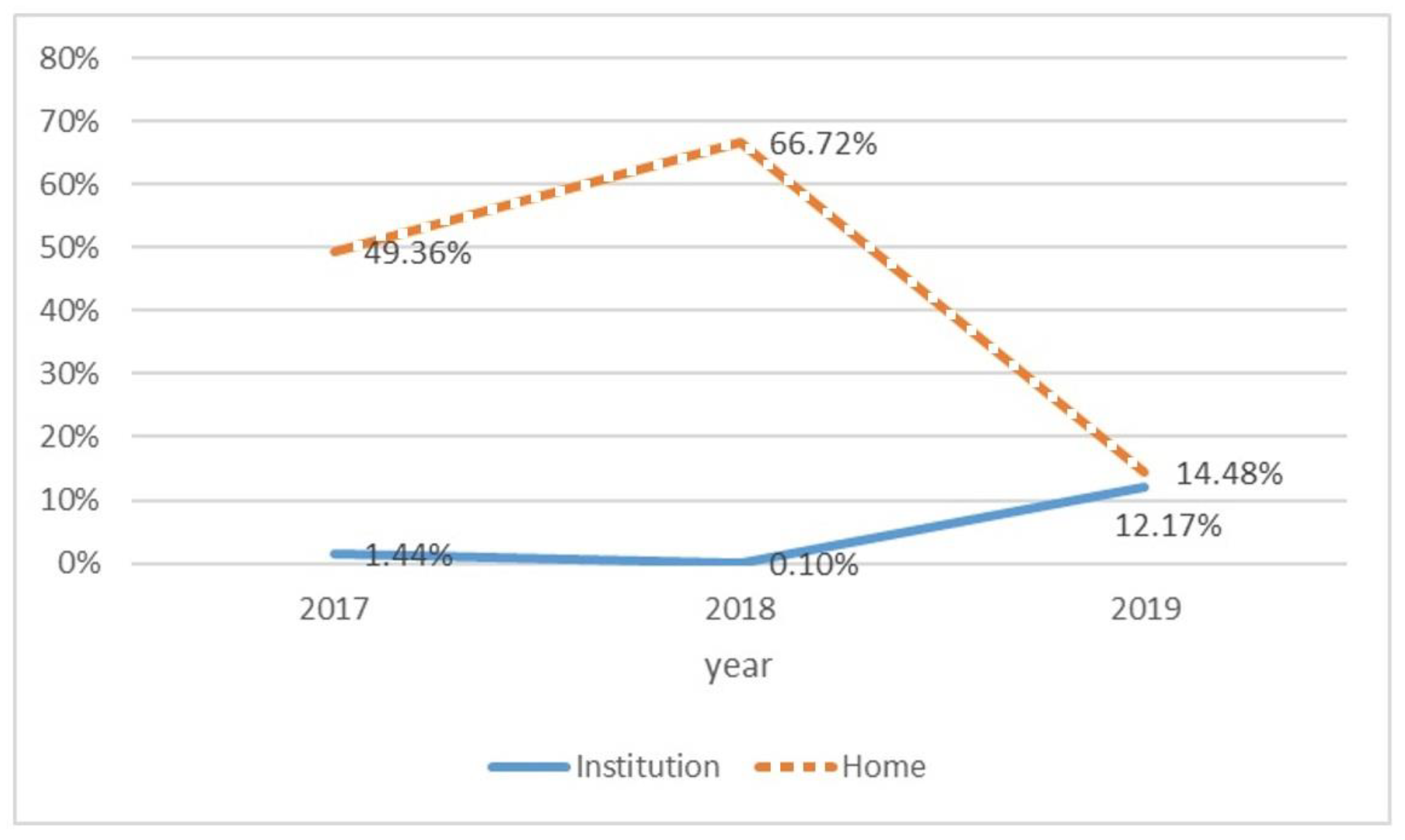
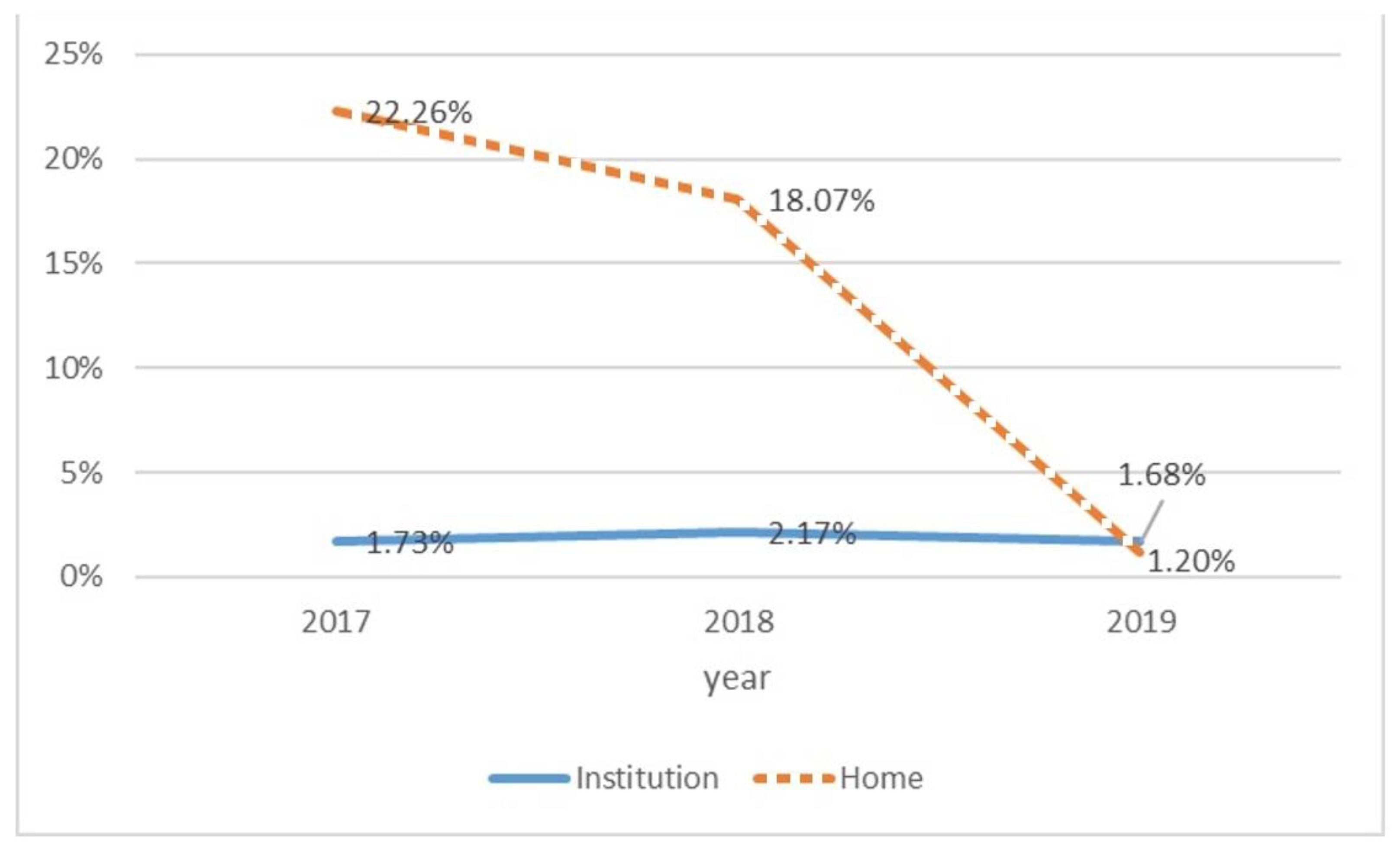
Taiwan is currently an aging society and will be a super-aging society in the near future. The purpose of this research is to use two models of data envelopment analysis (DEA)—the slacks-based measurement (SBM) model and the dynamic slacks-based measurement (DSBM) model—to analyze the efficiency of long-term care (LTC) in Taiwan. This analysis aims to explore the current situation of LTC in Taiwan and provide policy recommendations for LTC. The computation empirical result on the LTC efficiency score presents that the DSBM model exhibits higher efficiency than the SBM model after considering the carry-over variable in the former model. The result from the SBM model indicates that Taiwan’s outlying islands display the worst LTC efficiency, but this result does not appear in the DSBM model. Lastly, these two models both indicate that the number of elderly people being serviced in institutions exhibits higher efficiency and lower slack than those serviced in homes in 2017 and 2018. This paper concludes that the DEA approach is a viable method for examining the performance of the LTC services system as Taiwan approaches a super-aged society.
Keywords: slacks-based model; dynamic slacks-based model; long-term care; aging society; old age; SDG 3 slacks-based model; dynamic slacks-based model; long-term care; aging society; old age; SDG 3